

Twenty-six years after its release, Suzuki’s much-loved SV650 still delivers affordable V-twin charm and practical performance, and retains thousands of fans. We test it out... Photos: Janette Wilson
Suzuki’s SV650 enters 2025 with the same V-twin charm, everyday usability and budget-friendly appeal that’s kept it alive for more than 25 years. In a mid-capacity market defined by rider aids, aggressive styling and parallel-twin conformity, the SV carves its own path…
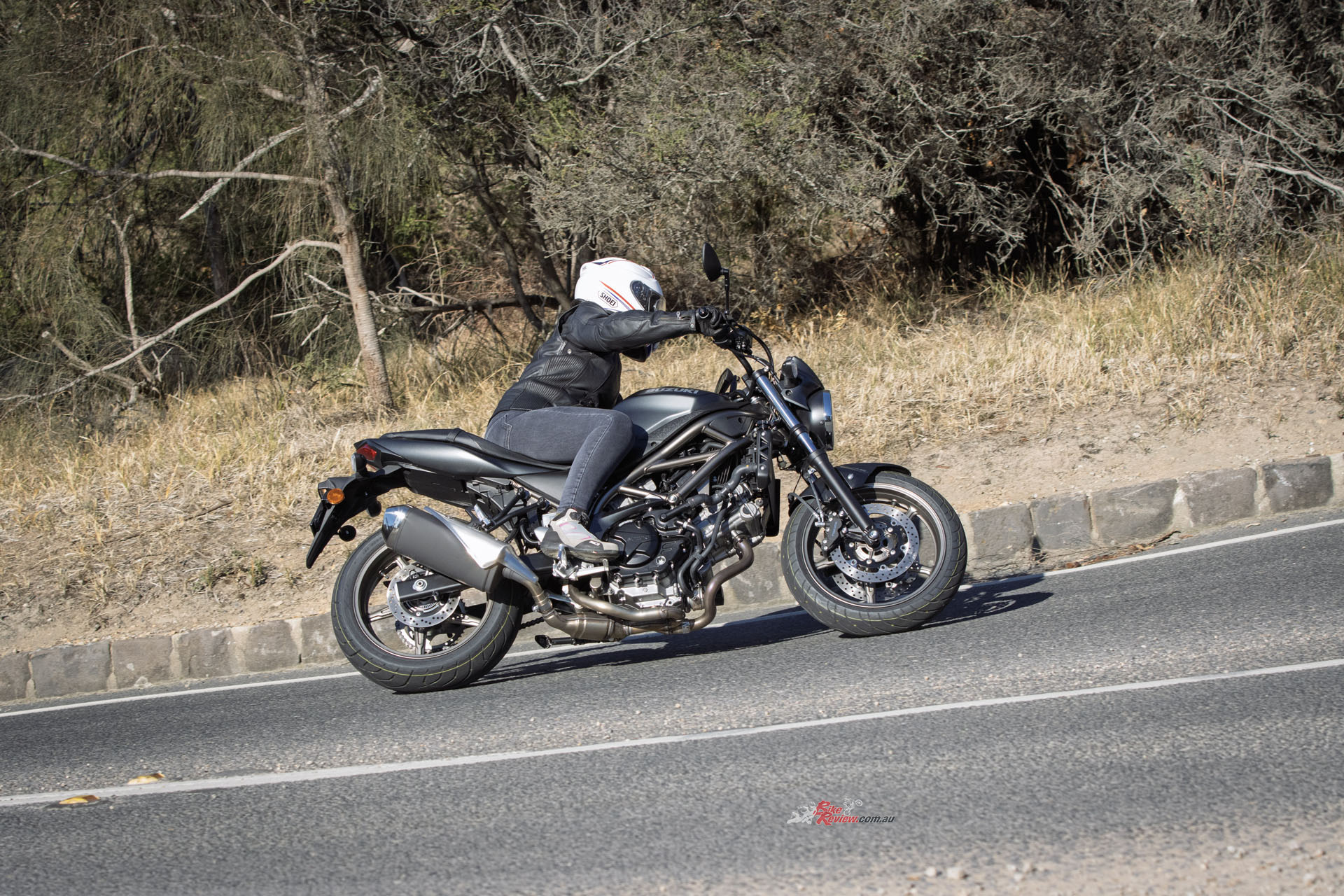
The much loved Suzuki SV650 has proved to be one of the most legendary middleweights in motorcycling history…
It’s hard to believe it’s been more than 25 years since Suzuki first wheeled out the SV650. Launched at the tail-end of the ’90s as a lower-capacity budget-friendly mid-sized naked leveraging off the popular TL1000, the original SV was a no-fuss V-twin with decent running gear, TL-like looks and a price tag that undercut its rivals.
Check out our previous Suzuki SV650 Reviews here…
Fast-forward to 2025, and the SV650 is still that bike. It’s still a V-twin – an outlier among a sea of modern parallel-twin machinery – it’s still affordable at $11,490 (ride away) and, while many current buyers might be hard pressed to remember the nervous litre-bike which ignited its existence, it remains one of the easiest no-nonsense bikes to just get on and ride.
I’ve lost count of how many SV650s – or SV-adjacent spin-offs – I’ve ridden over the years. It first launched here in 1999, in both naked and half-faired form, and even back then it was up against some stiff V-twin competition. There was Ducati’s Monster 600 and the Hyosung GT650, which borrowed heavily from the SV’s own engine architecture.
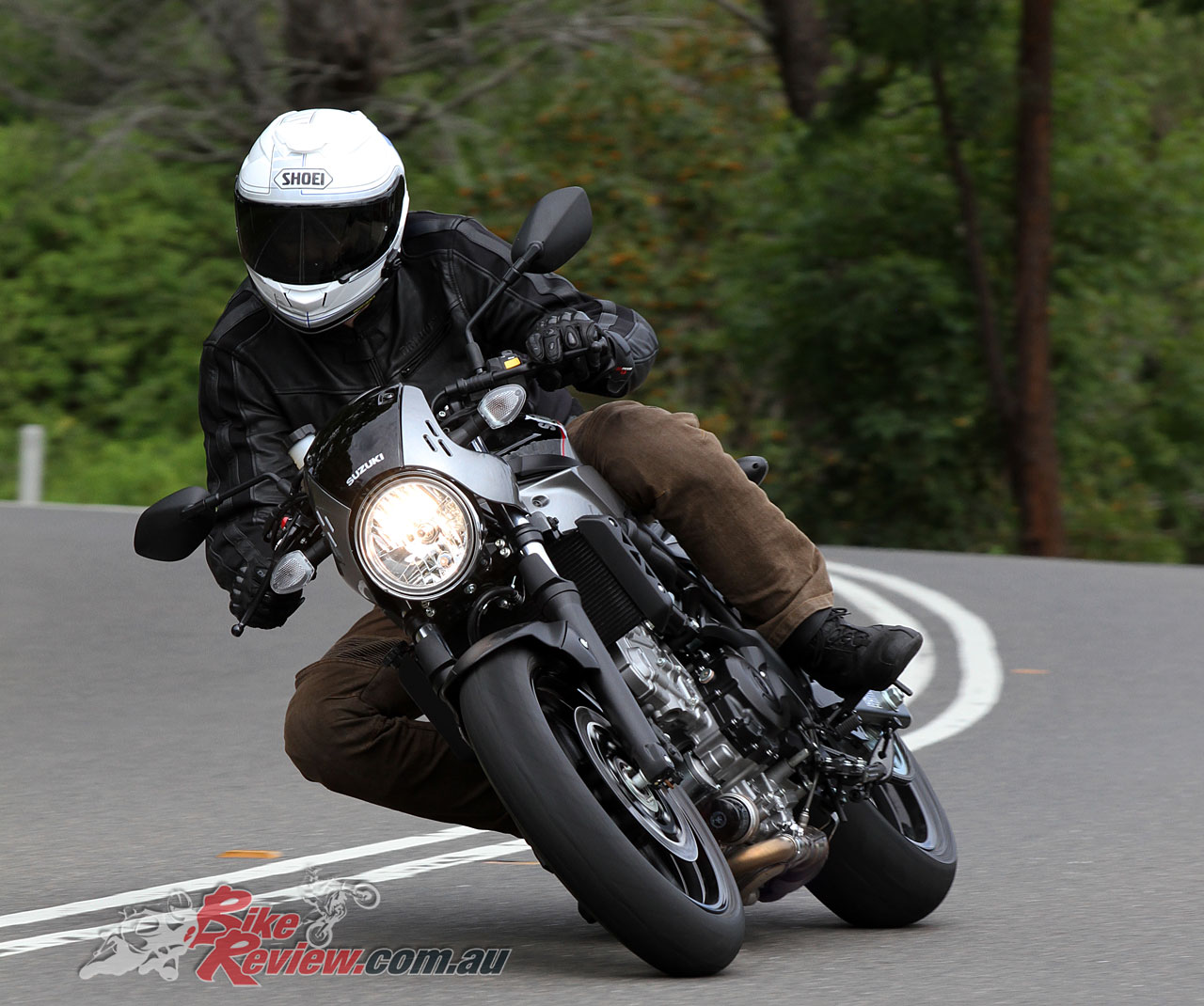

Since then, the SV650 has been through plenty of identity shifts. Ten years after its release, it was replaced with the SFV650 Gladius, before returning to its original SV650 nomenclature and classic styling in 2016. It was only available in LAMS guise in Australia at that point, but two years later, both a LAMS and a full-powered version were made available alongside a new retro-inspired cafe-racer version called the SV650X.
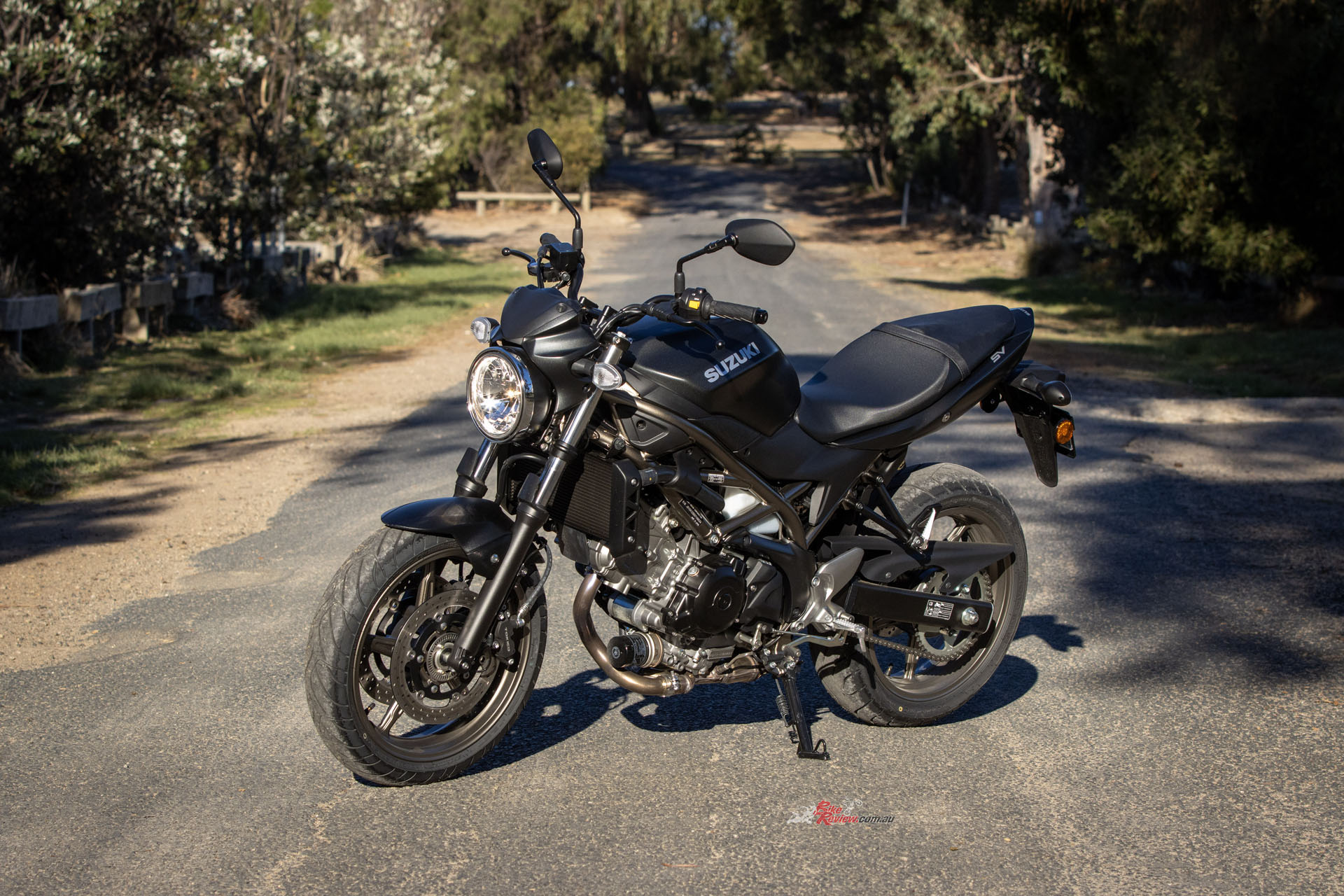
The SV650X (a favourite bike of ours here at BikeReview) was discontinued for the 2023 model year, but the SV650 soldiered on in both LAMS and full-powered guises, replete with all the elements that have ensured it’s remained a mainstay in Suzuki’s line-up for a quarter of a century.
“The SV650 has remained a mainstay in Suzuki’s line-up for a quarter of a century”…
Somehow, despite ever-tightening emissions laws, shifting trends, and a mid-capacity segment now flooded with parallel twins, the SV has stayed true to its 90-degree V-twin formula. The last major overhaul came in 2016, when the Gladius made way for the return of the SV650 name and simpler styling cues. And even though a lot has changed around it since then, the core formula remains. The 645 cc liquid-cooled 90-degree V-twin still delivers the same friendly grunt and distinctive note, albeit with cleaner emissions and a handful of refinements internally.
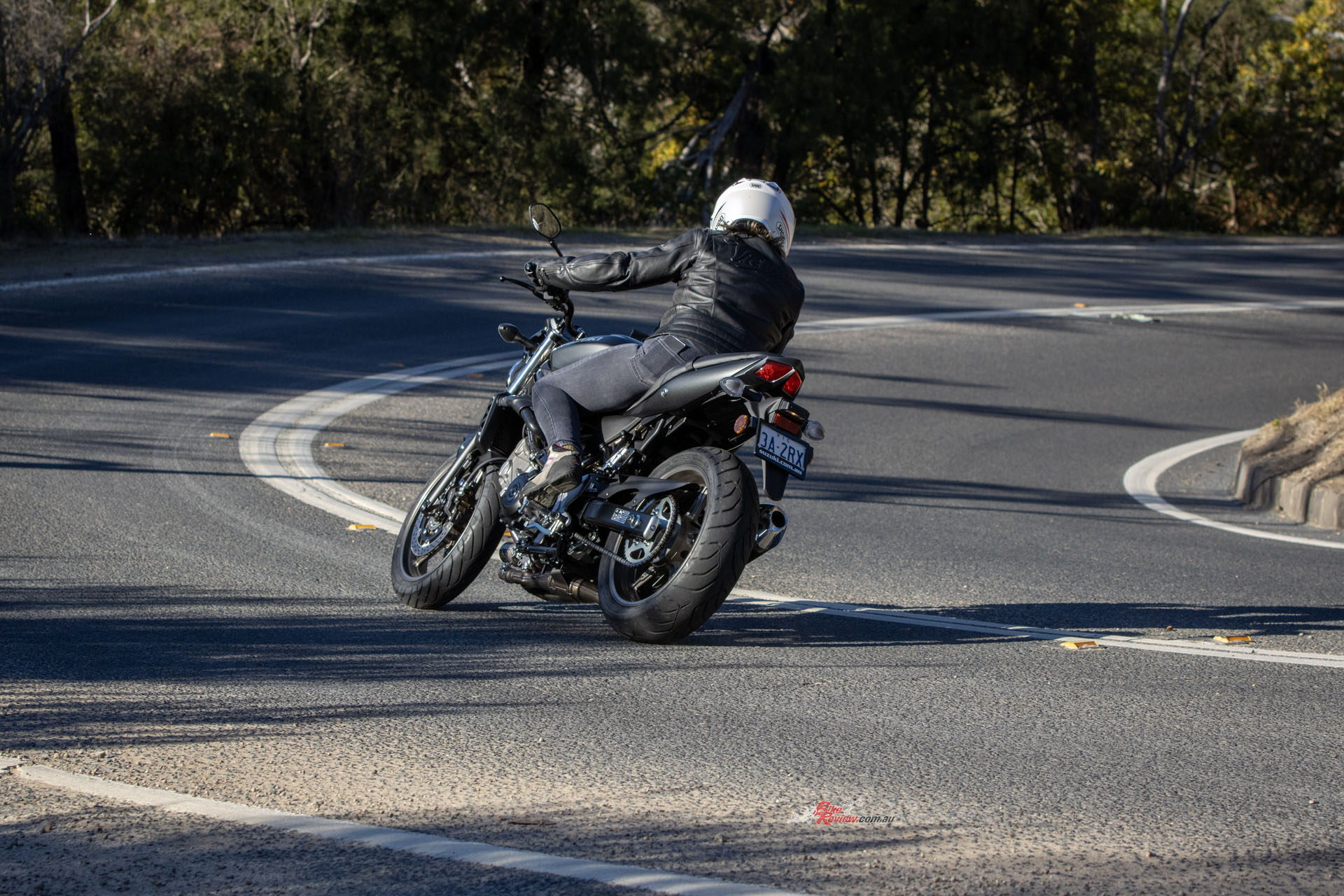
“Somehow, despite ever-tightening emissions laws, shifting trends, and a mid-capacity segment now flooded with parallel twins, the SV has stayed true to its 90-degree V-twin formula.”
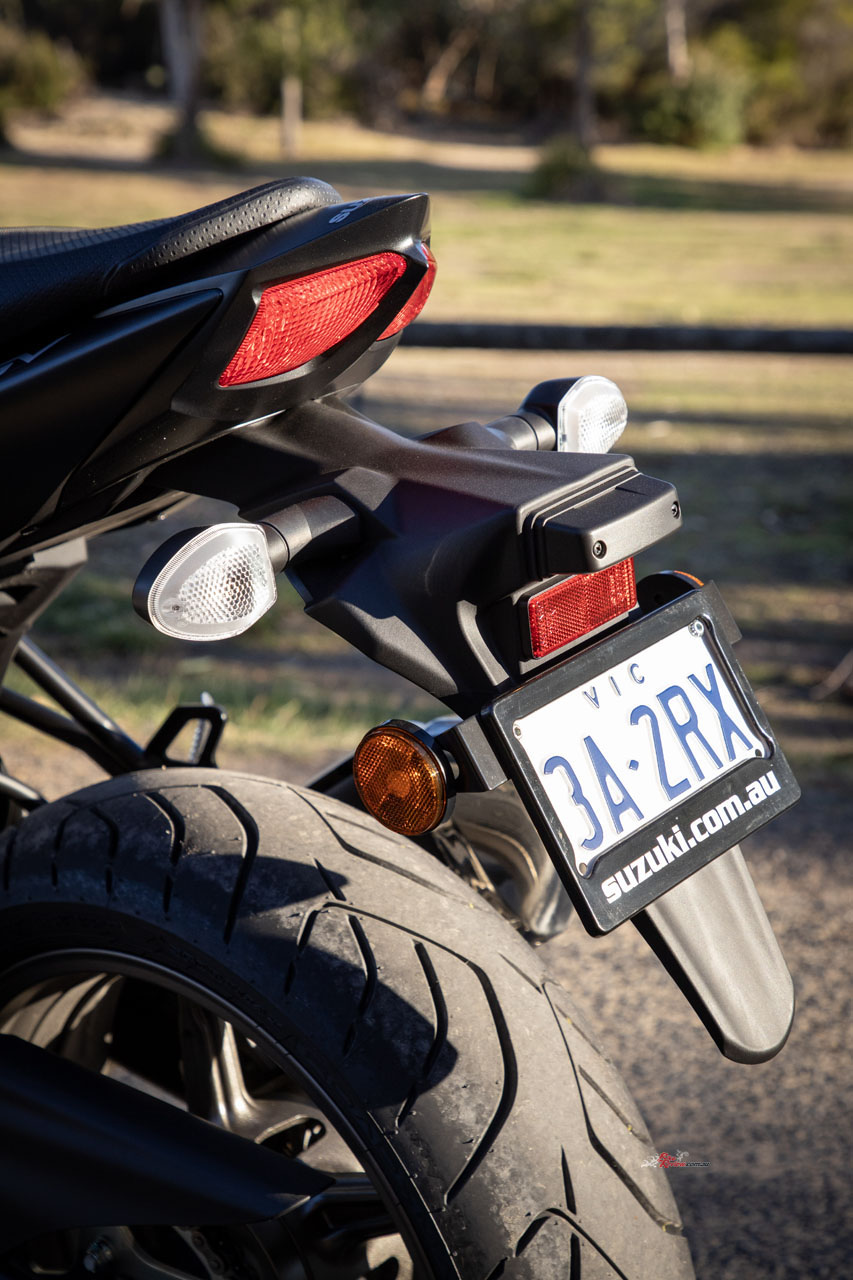
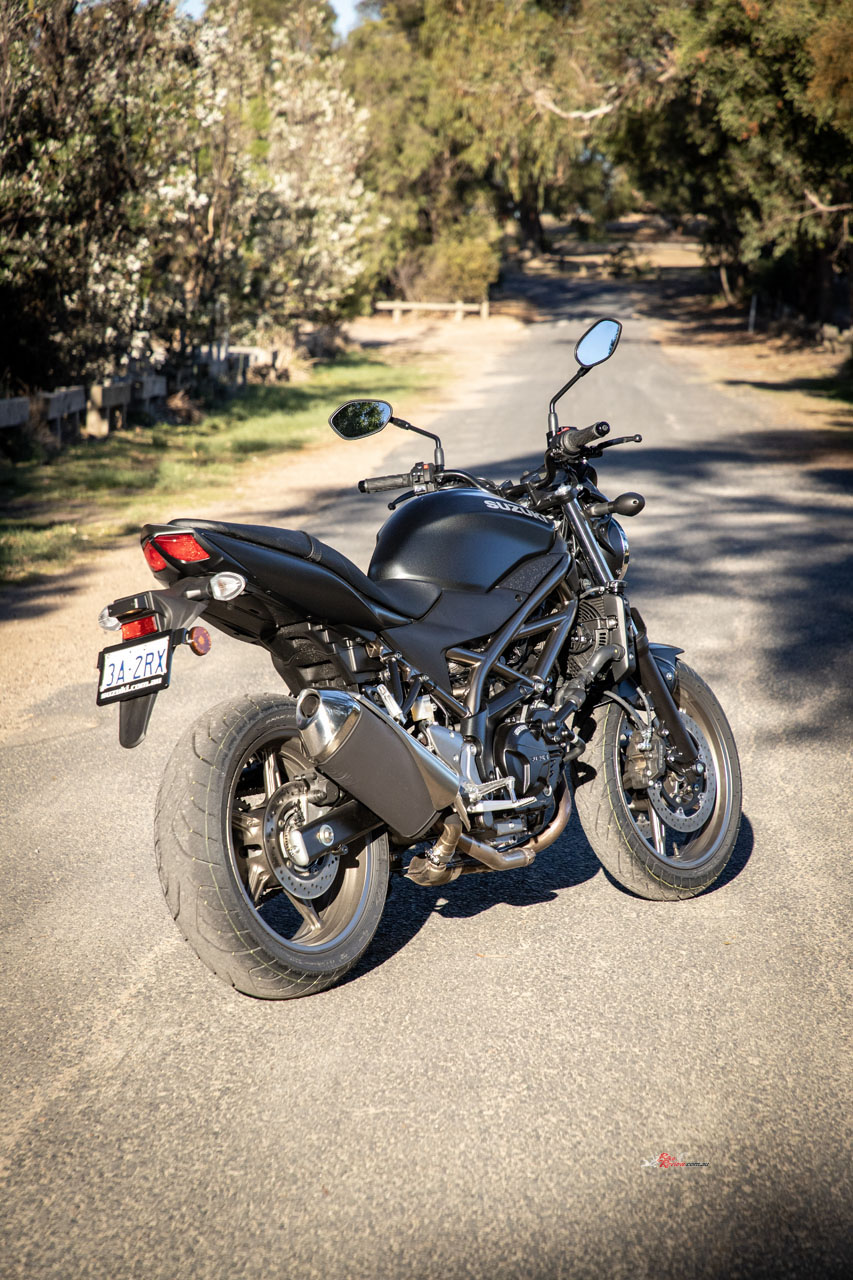
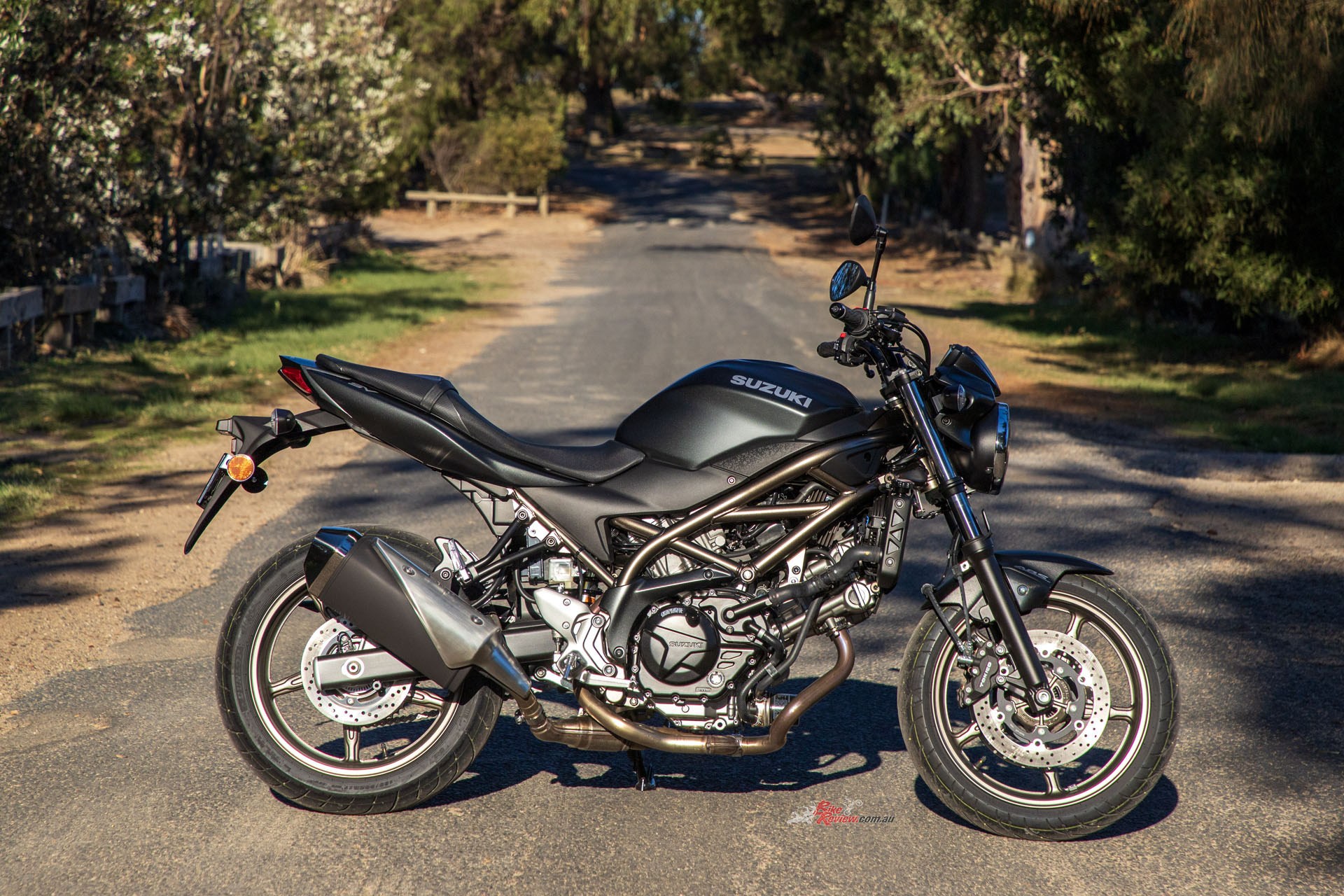
Despite now meeting Euro5 compliance, the bore and stroke remain unchanged from the original 1999 model. Sure, the 39mm carburettors are long gone, replaced by dual-valve throttle-bodies, and there’s a catalytic converter hidden inside a muffler that’s grown with every passing regulation. But for the most part, it’s a textbook case of if it ain’t broke, don’t fix it, and proof, really, that Suzuki got the fundamentals right from the start.
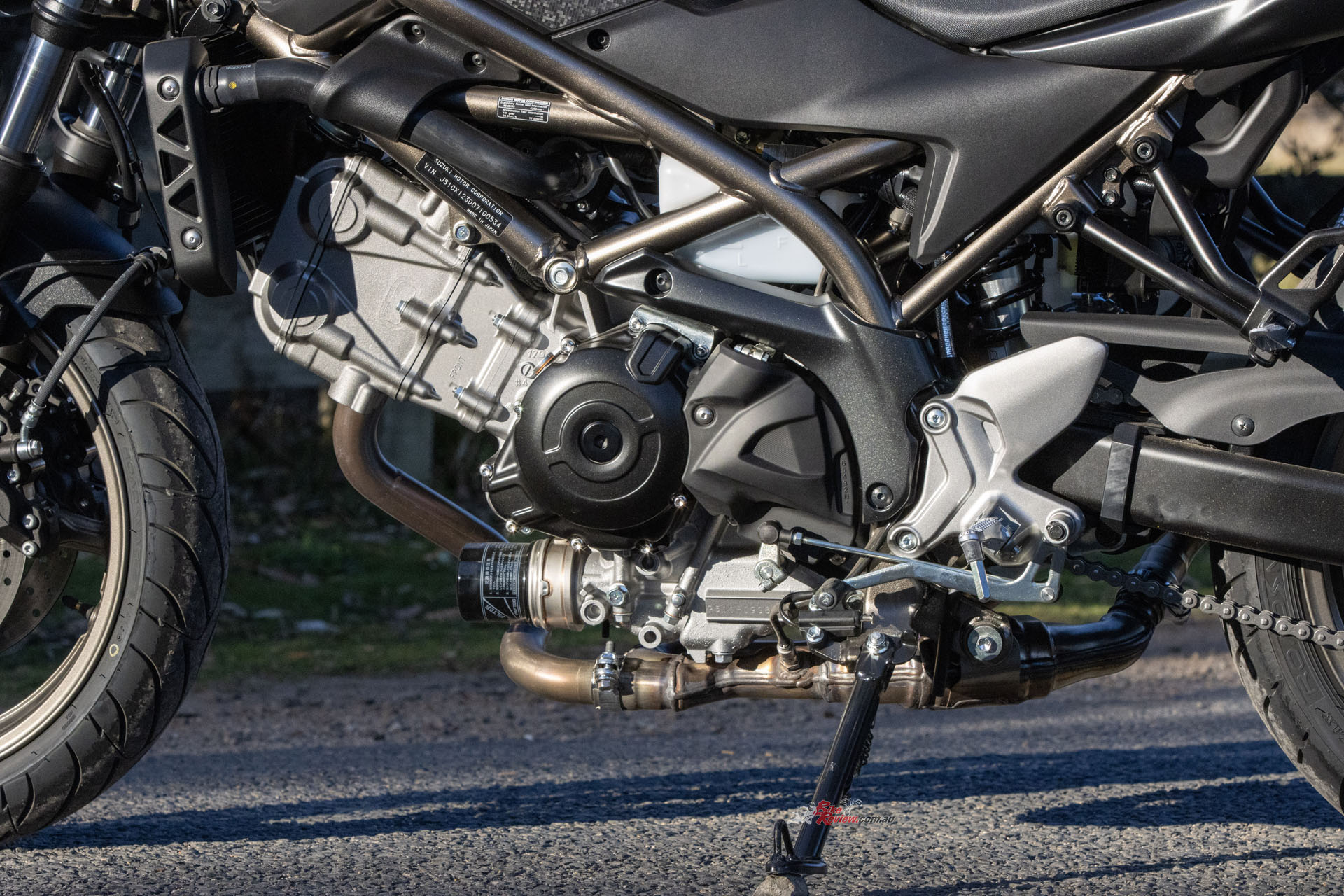
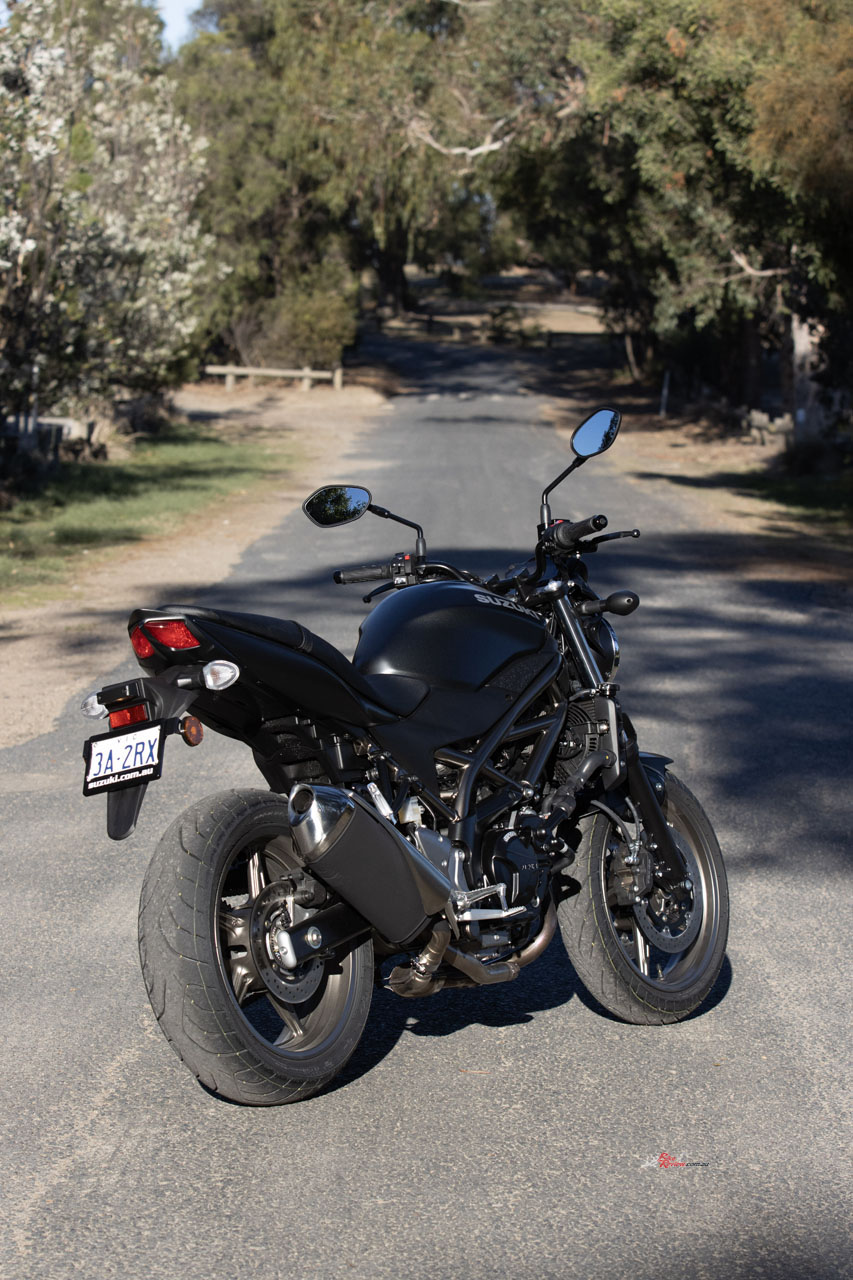
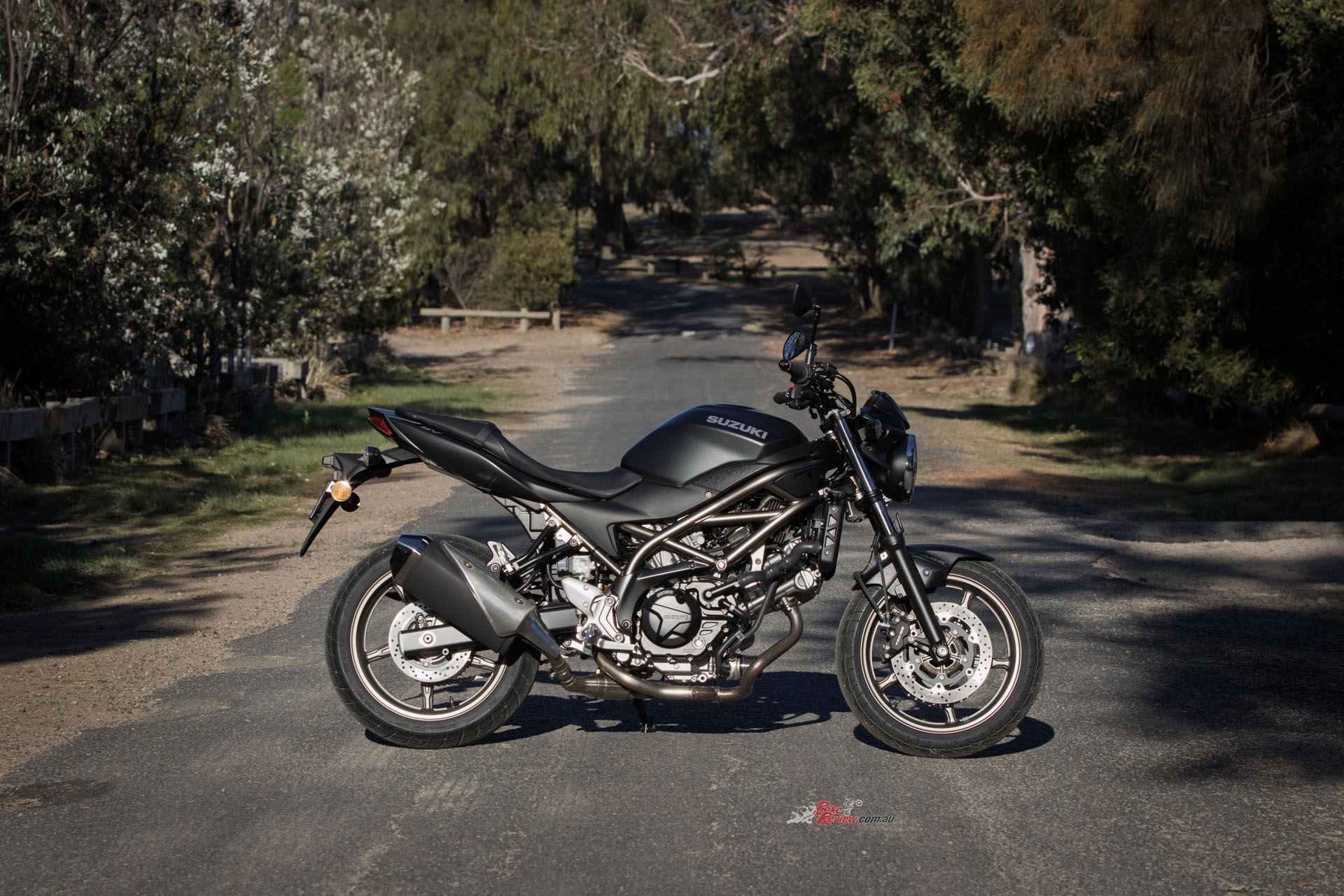
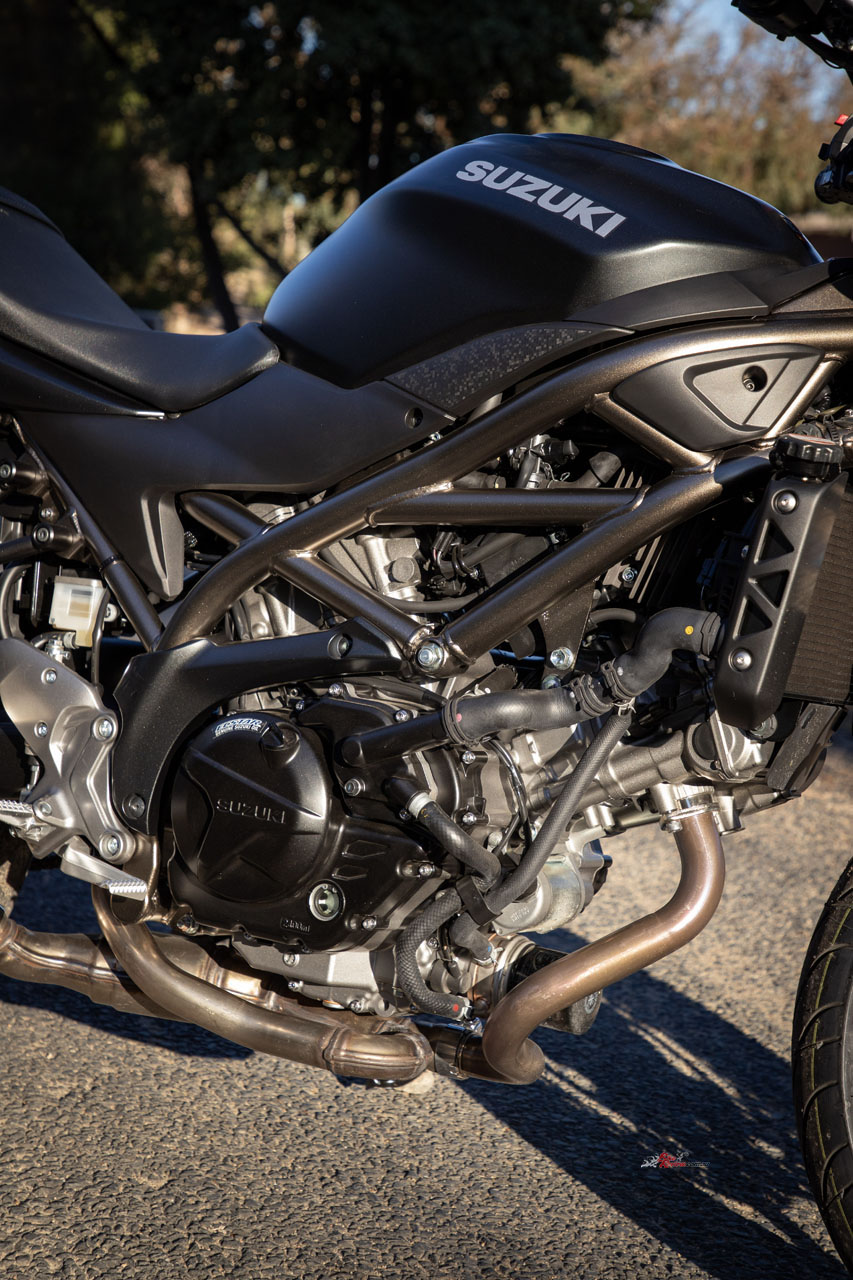
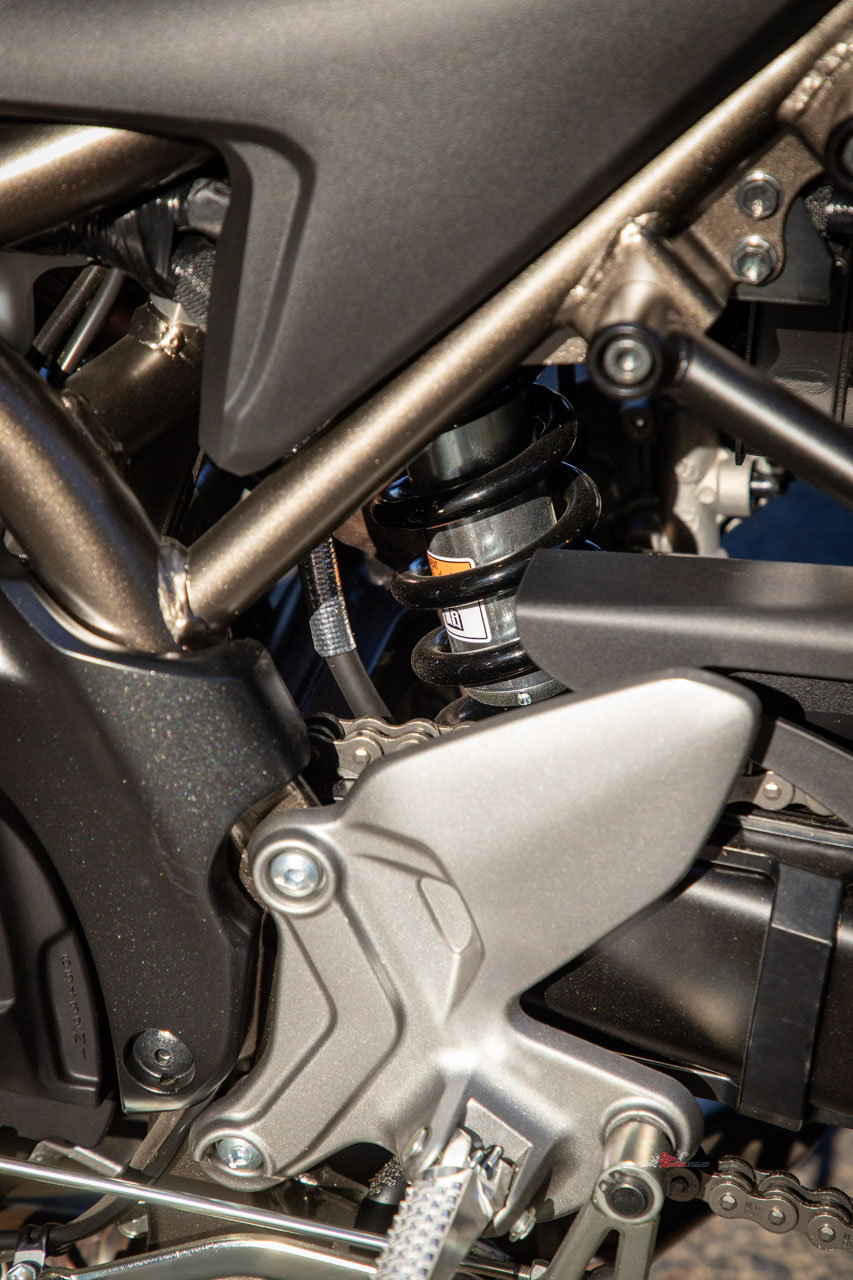
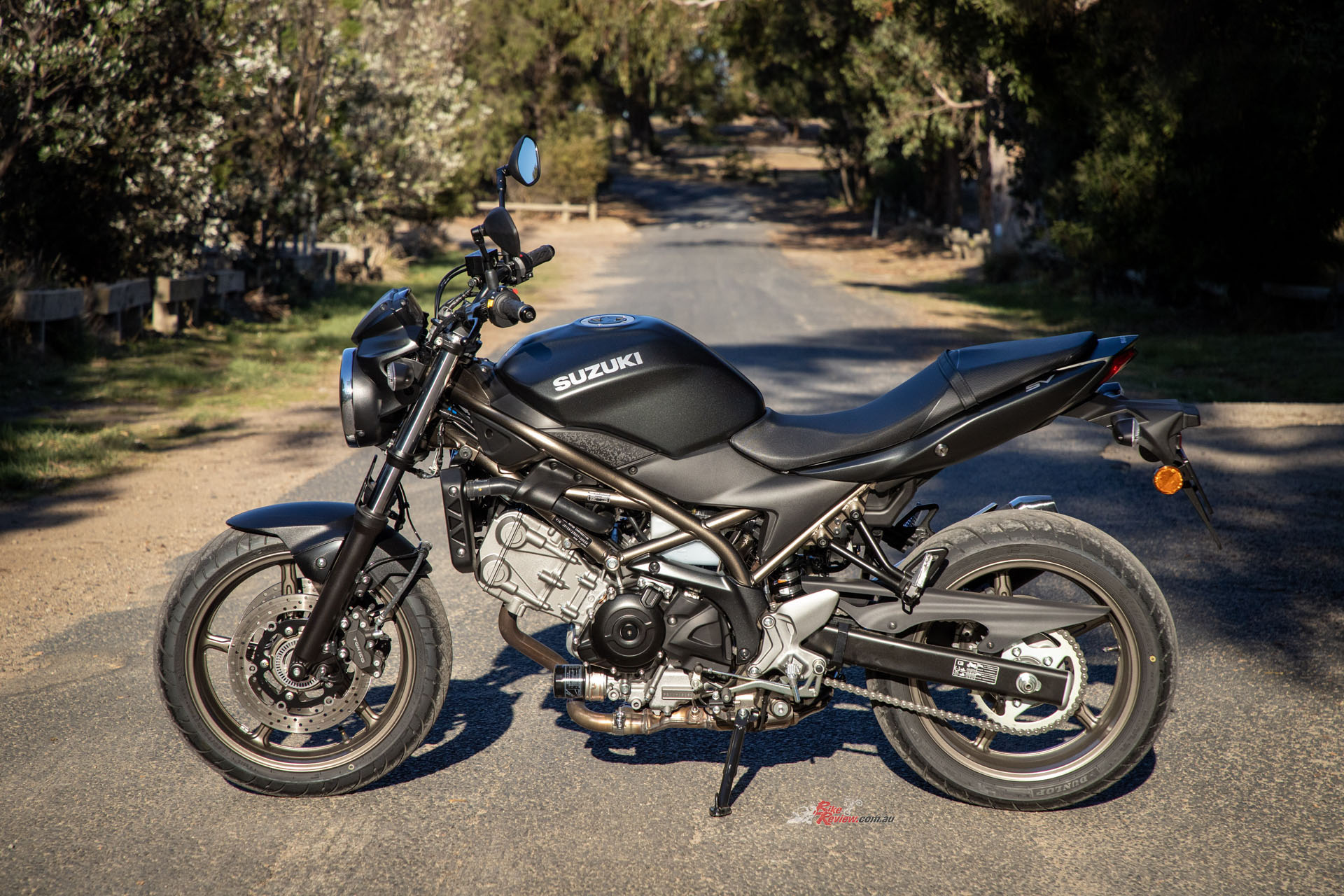
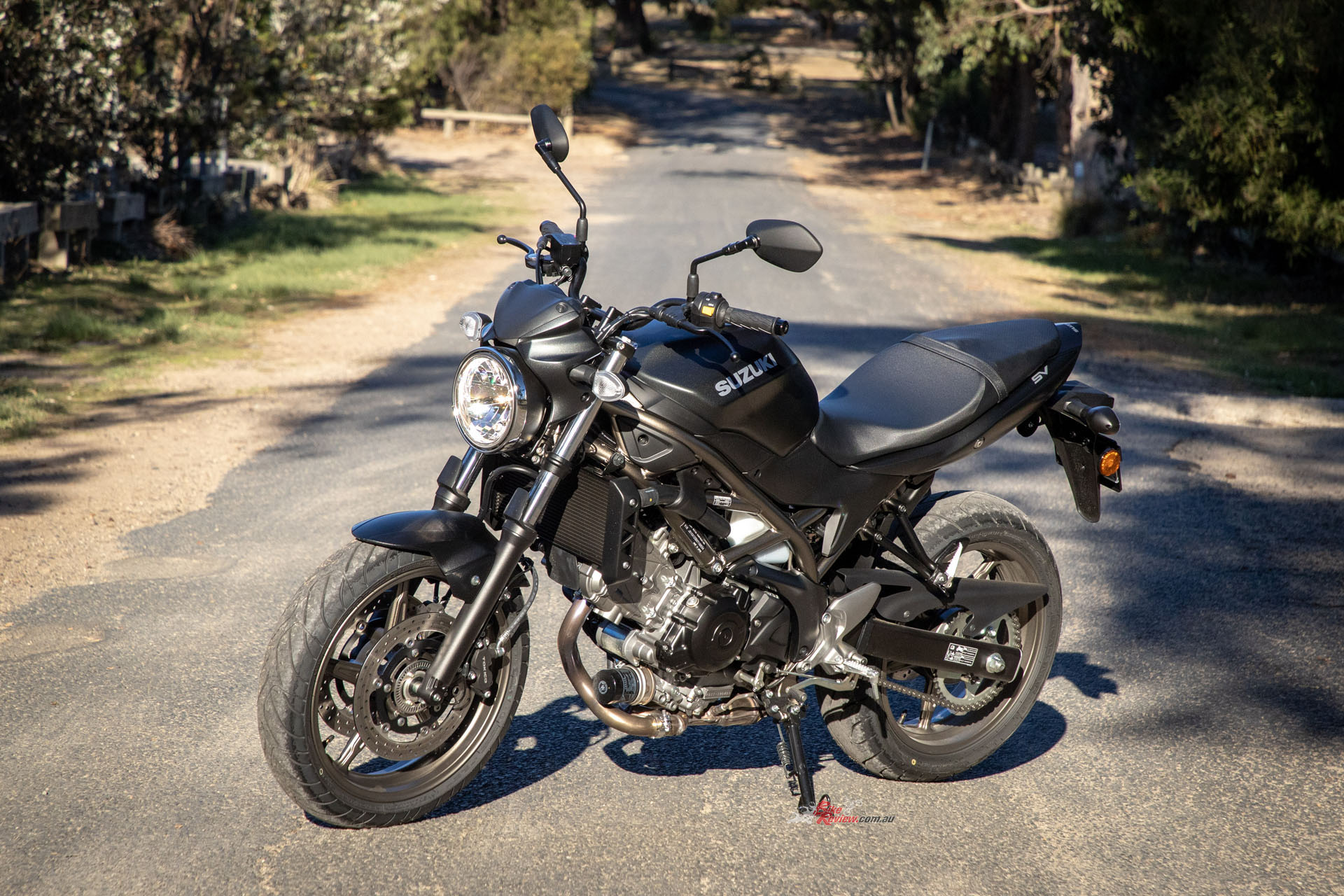
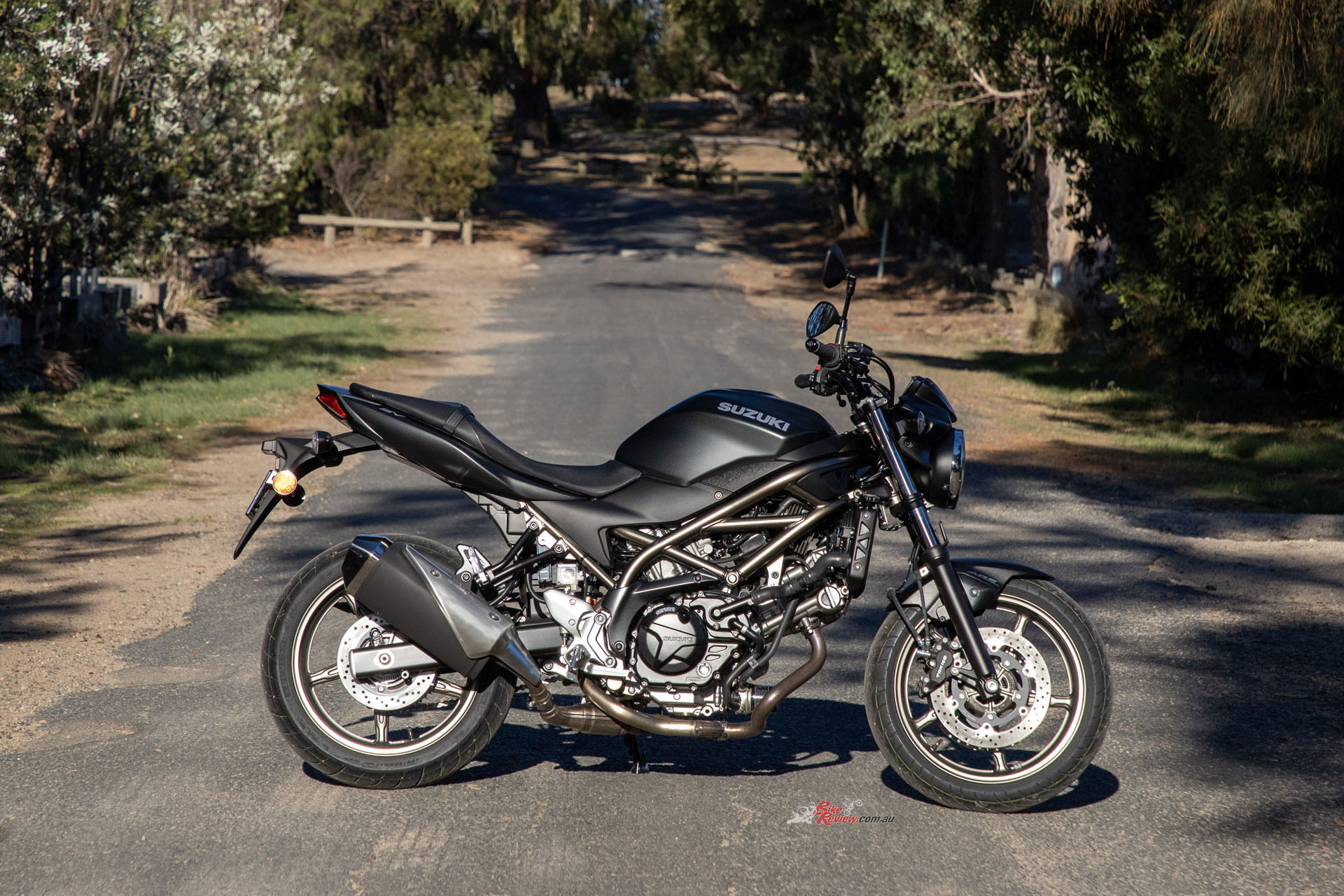
The frame is still a trellis-style affair, although the tubular-steel unit was introduced with arrival of the Gladius, replacing the aluminium truss unit of the earlier SVs. And while the Gladius employed covers over the frame to retain visual continuity, the 2016 SV650 went for a trellis-style unit which remains.
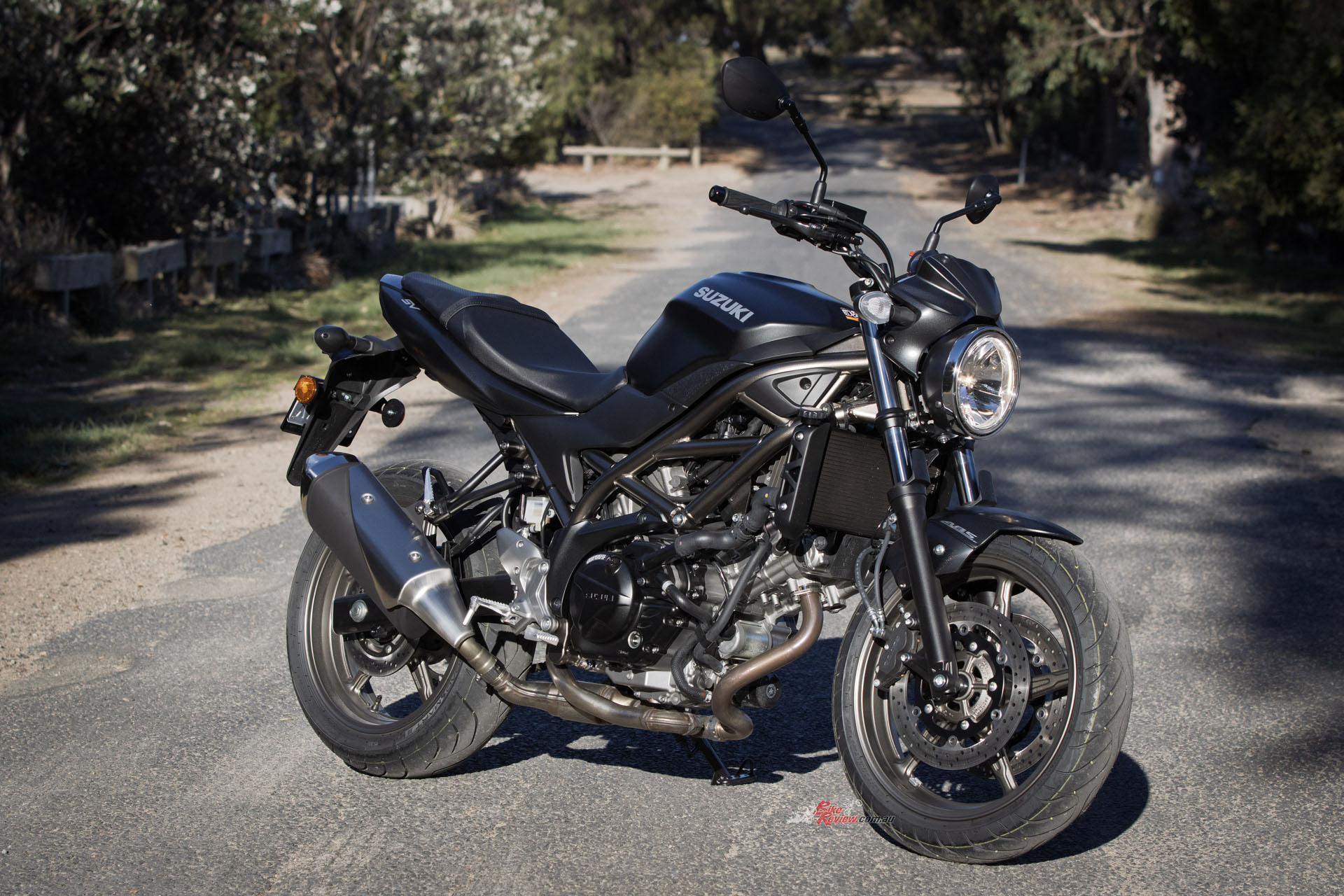
It’s a textbook case of if it ain’t broke, don’t fix it, and proof, really, that Suzuki got the fundamentals right from the start…
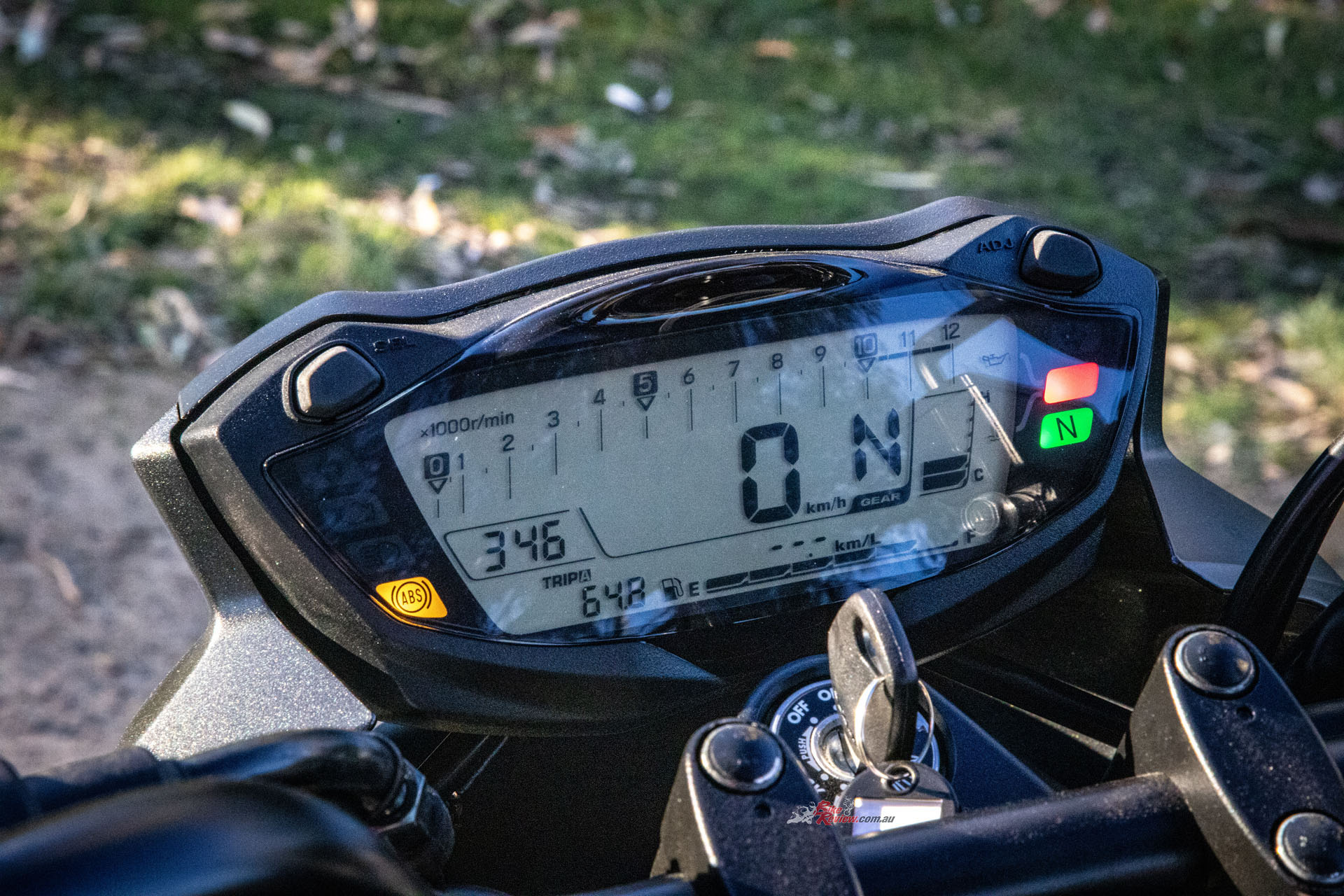
While the dash is a basic LCD unit by 2025 standards, it came from the GSX-S1000’s parts bin in the 2016 release. It’s clean, legible and includes everything you need: tacho, clock, dual trips, gear indicator, engine temp, real-time fuel consumption and range remaining.
“There’s just enough weight on your wrists to keep things lively and offer some feedback through turns”
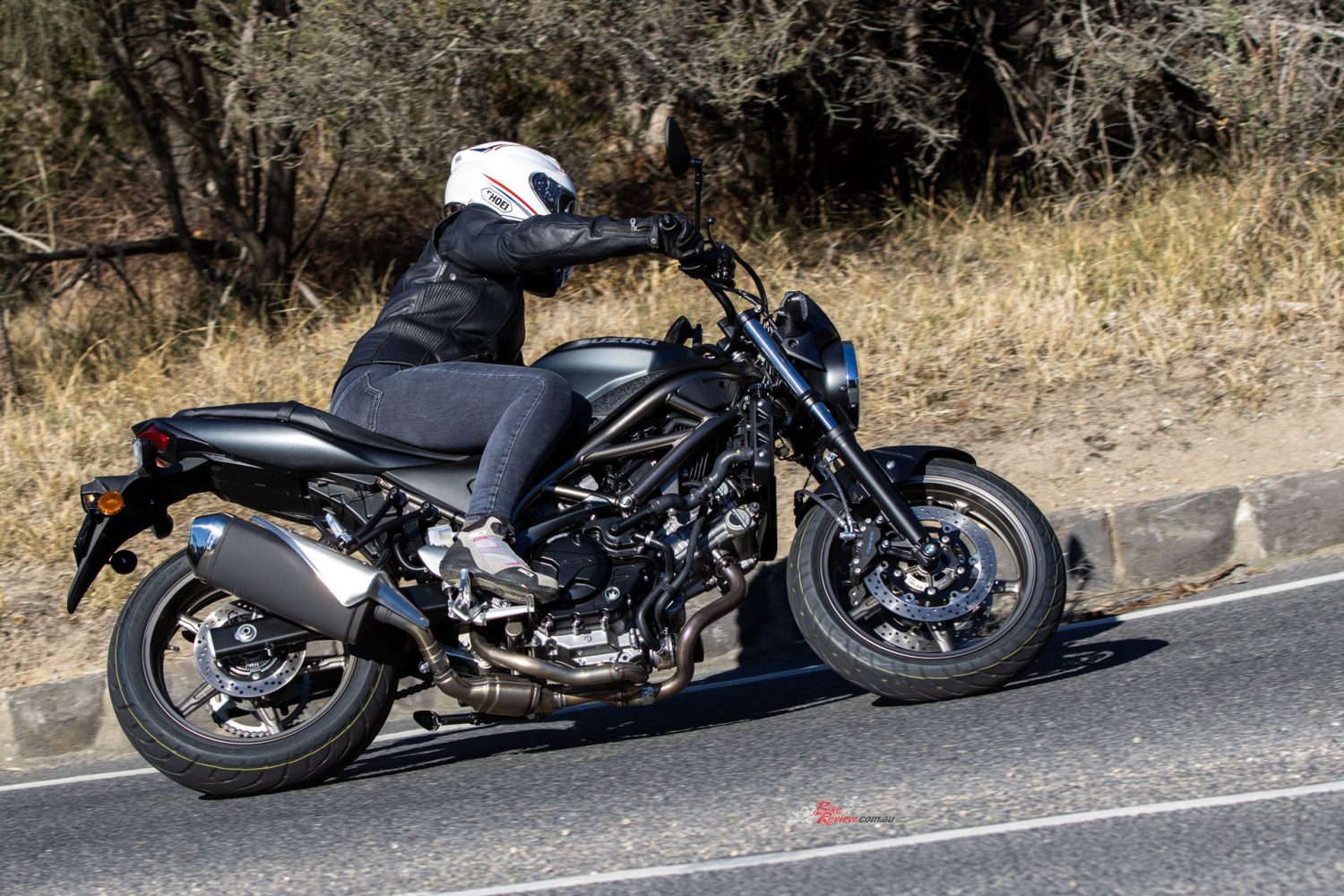
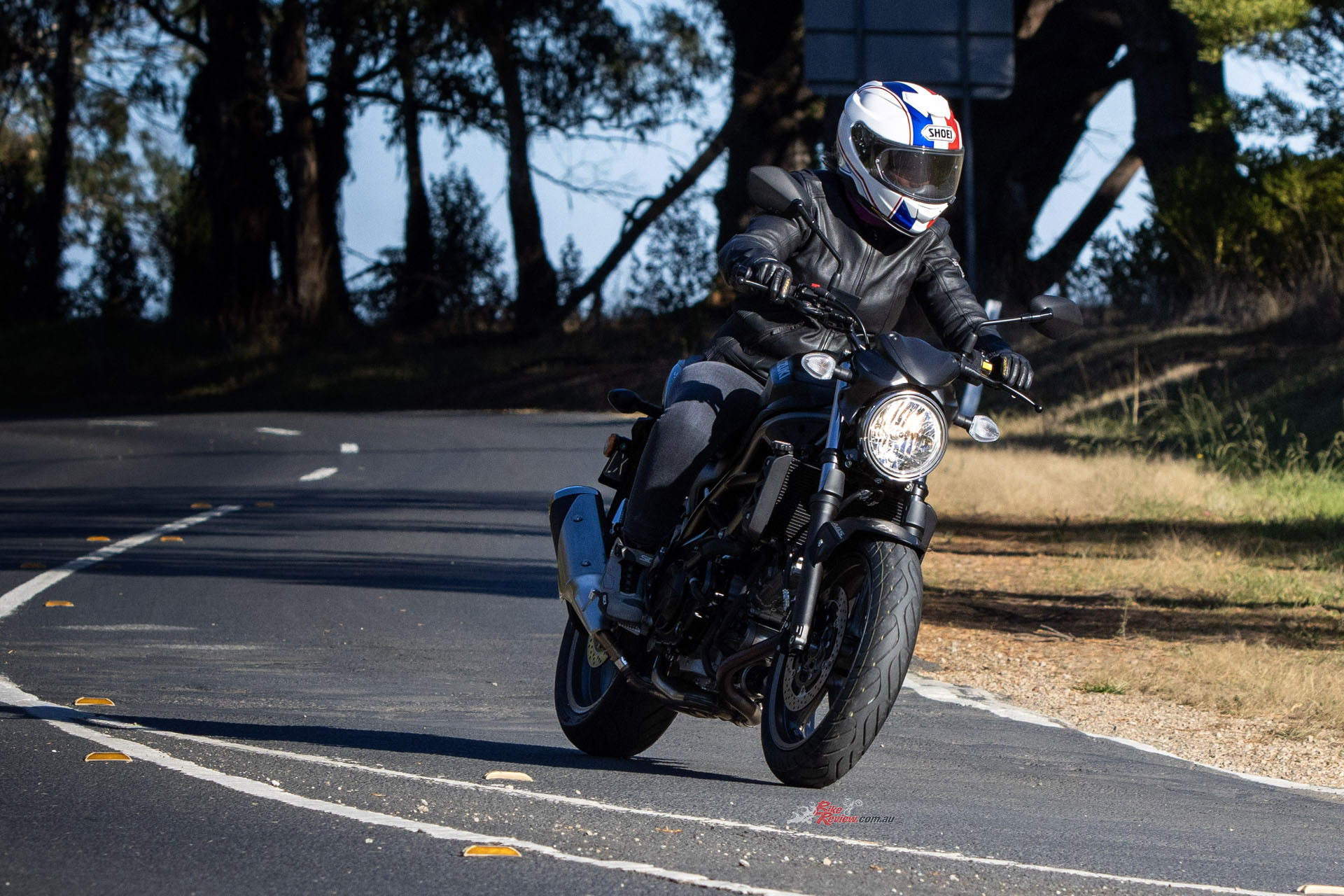
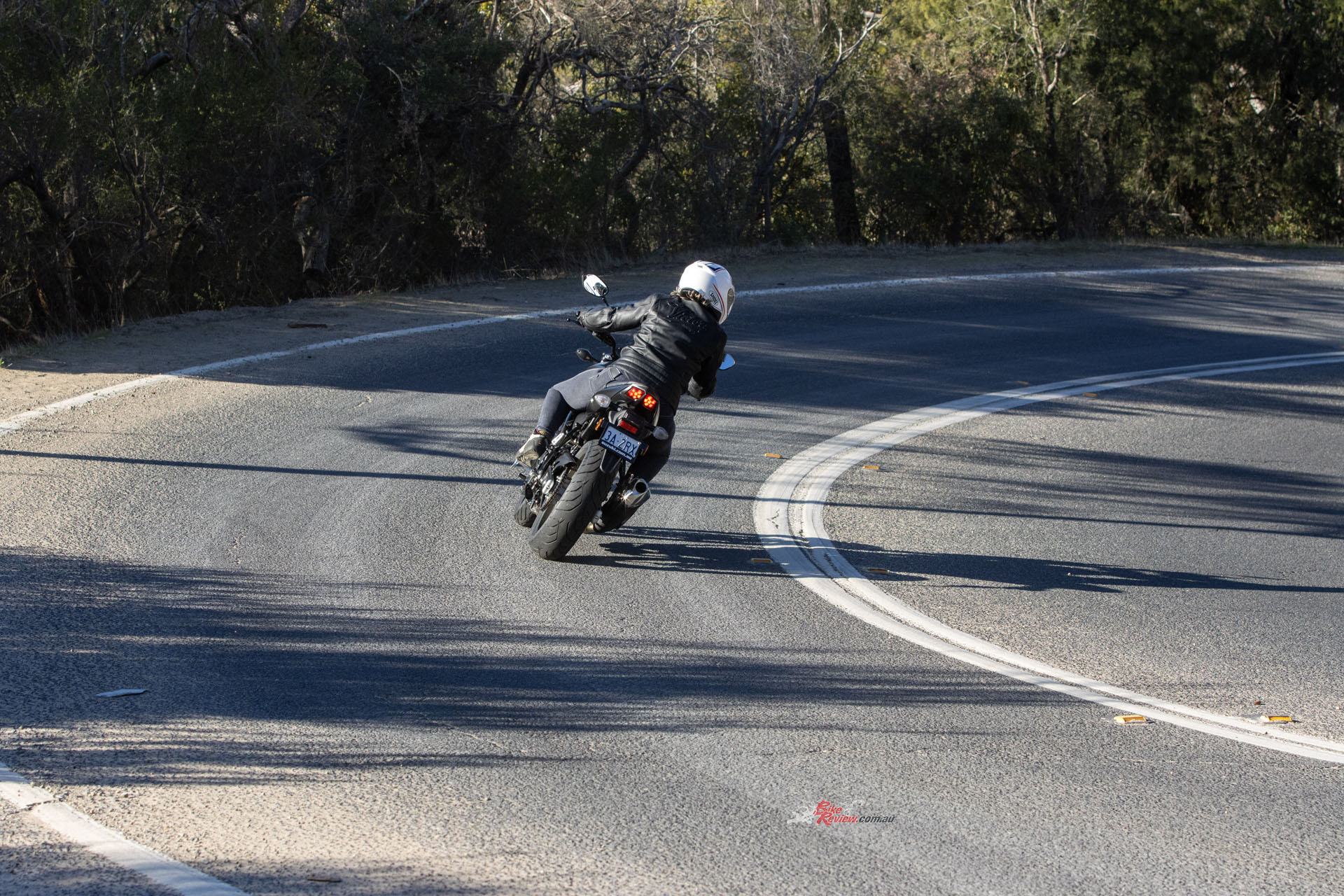
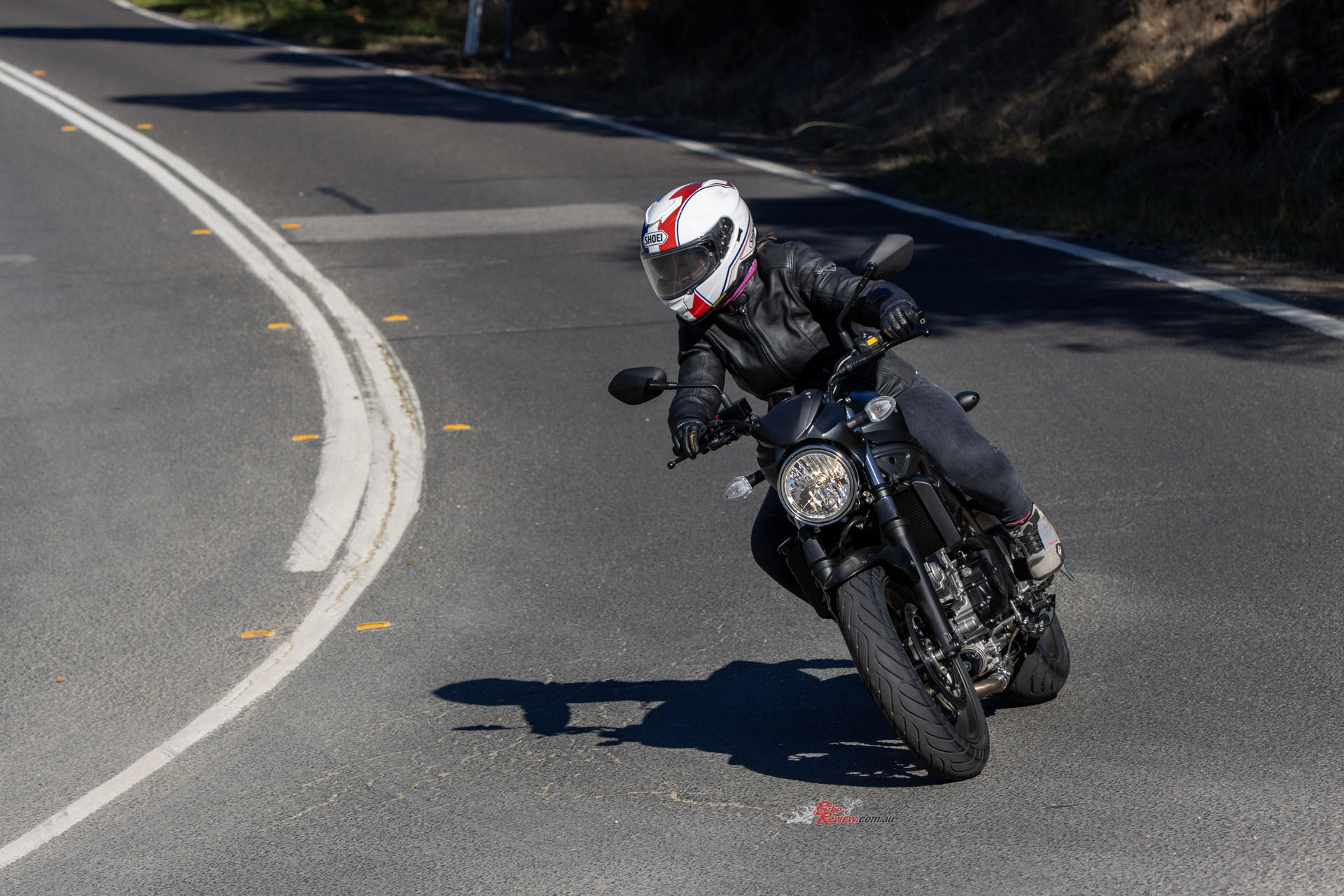
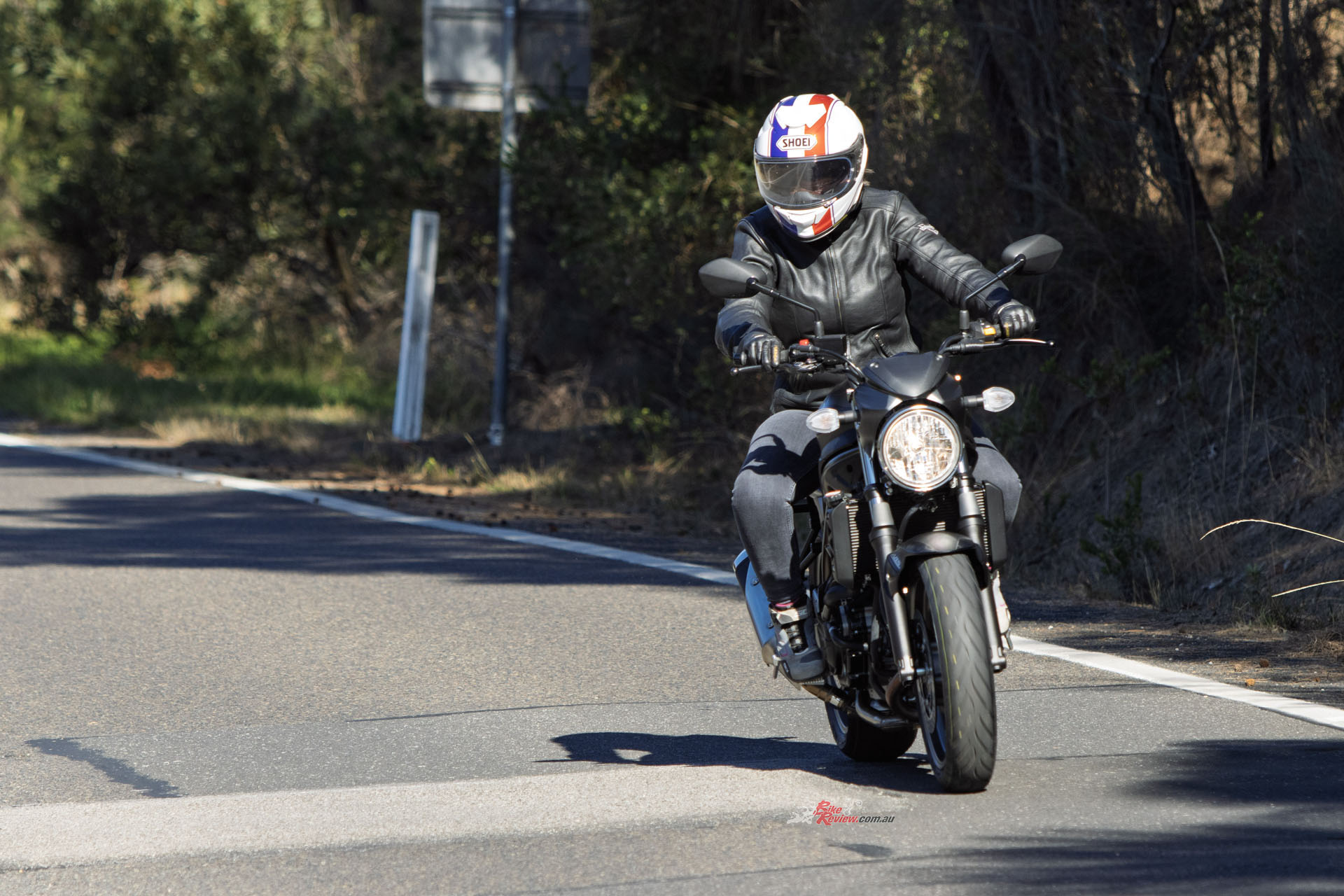
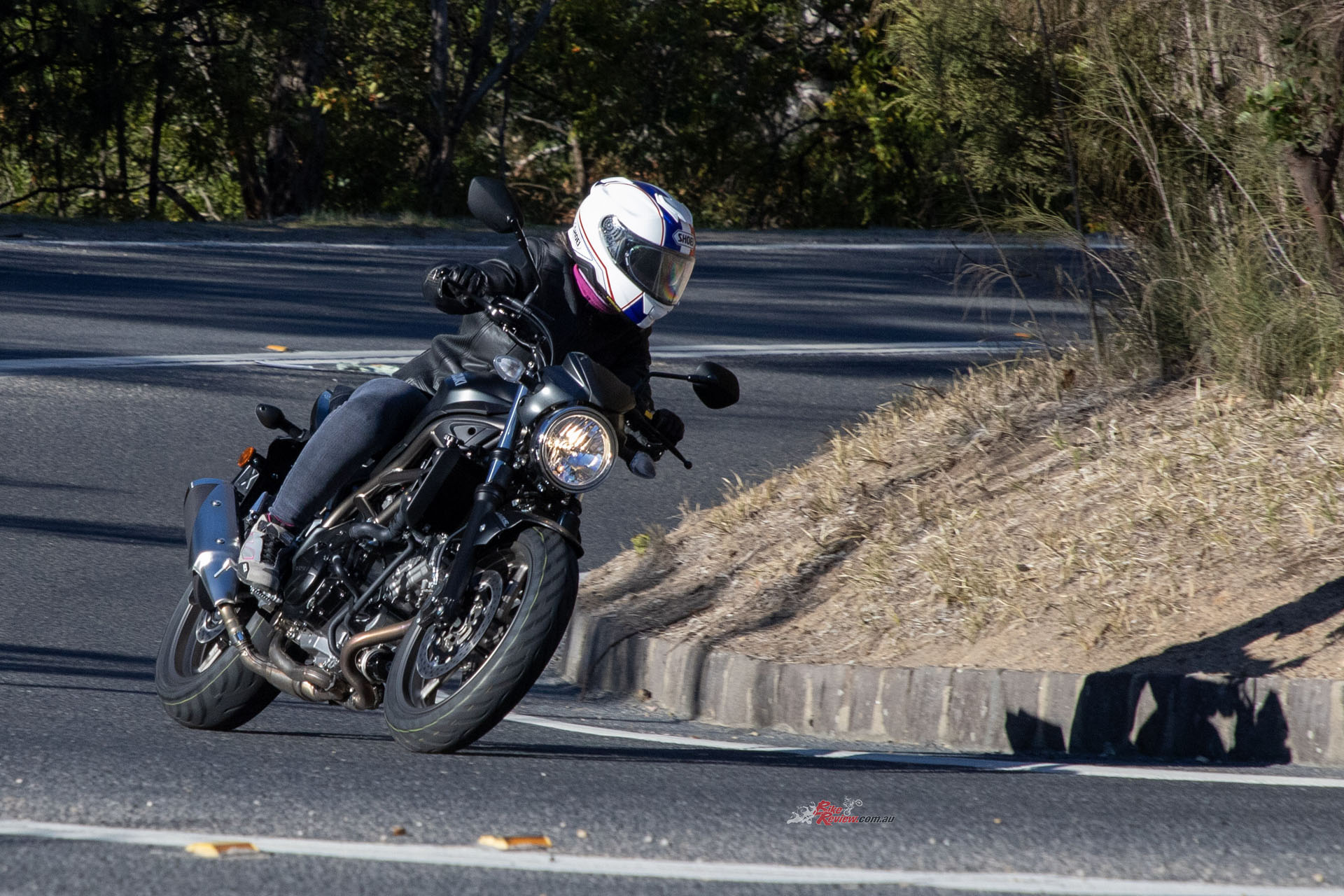
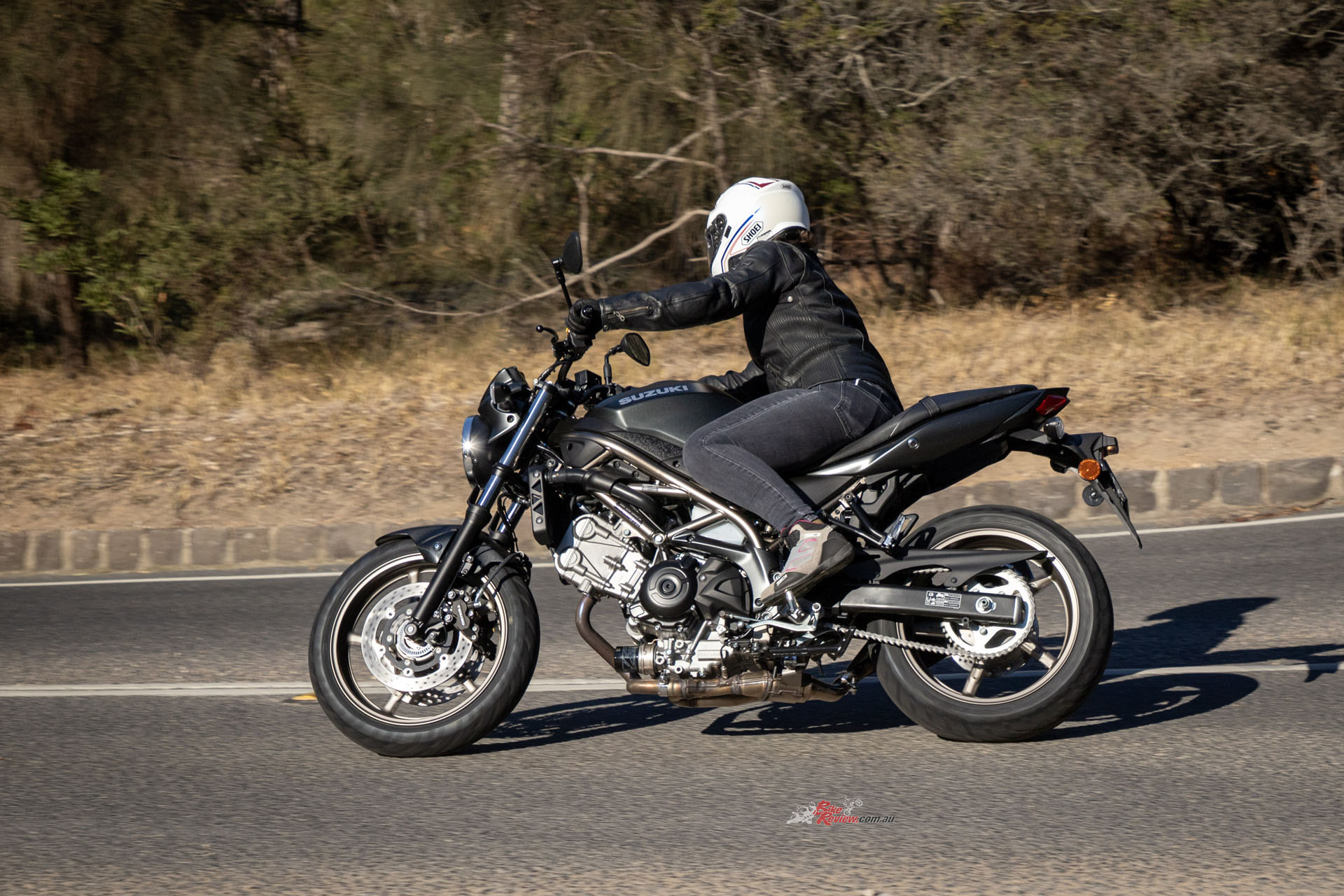
Like every SV before it, the 2025 model strikes a great balance between simple and engaging when it comes to real-world riding. Between the narrow handlebar, roomy seat and rational footpeg placement, your riding position strikes that sweet spot between upright and leant slightly forward.
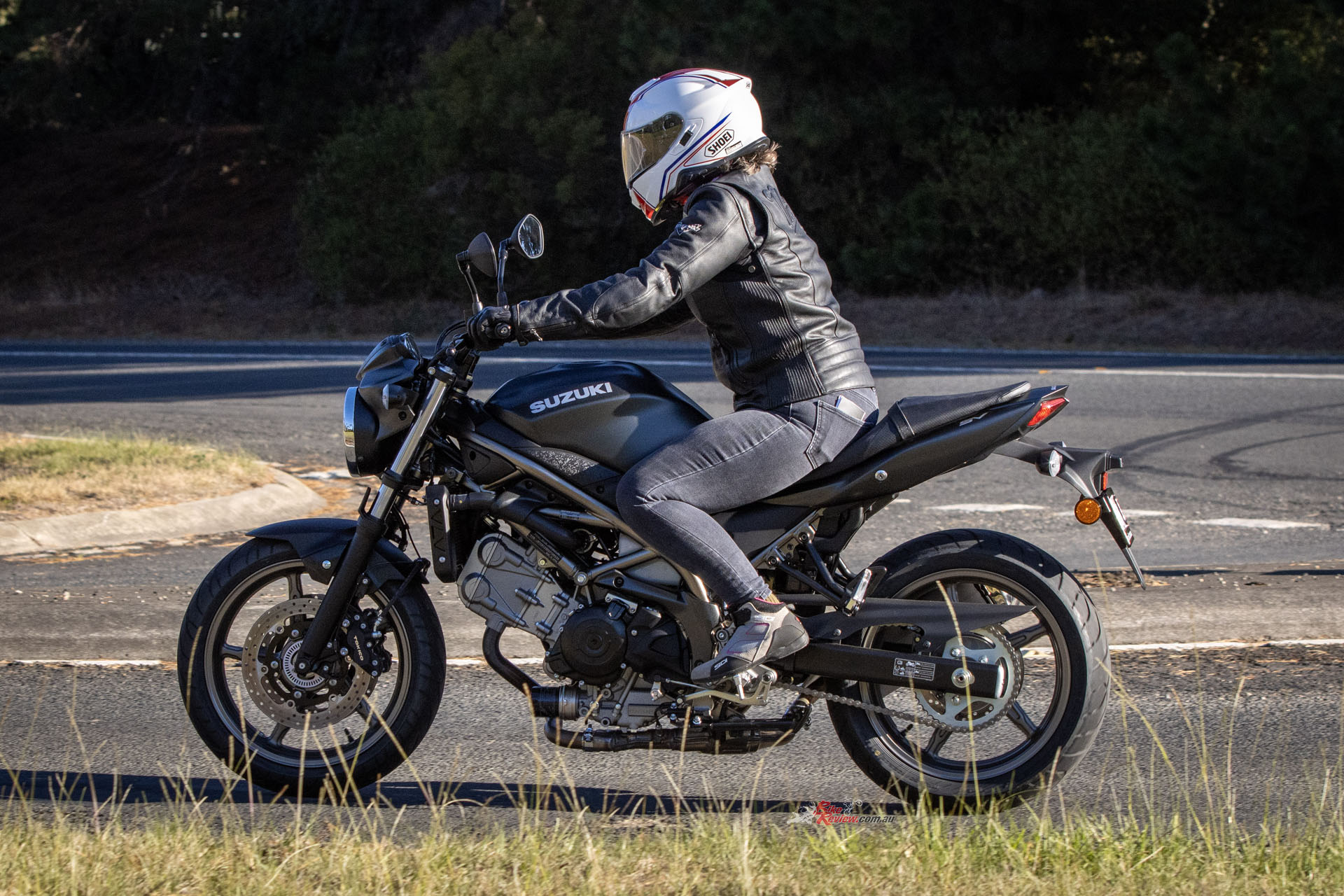
The SV650 ergonomics are super friendly and refined, suiting riders of all shapes and sizes, for commuting or having a weekend fang.
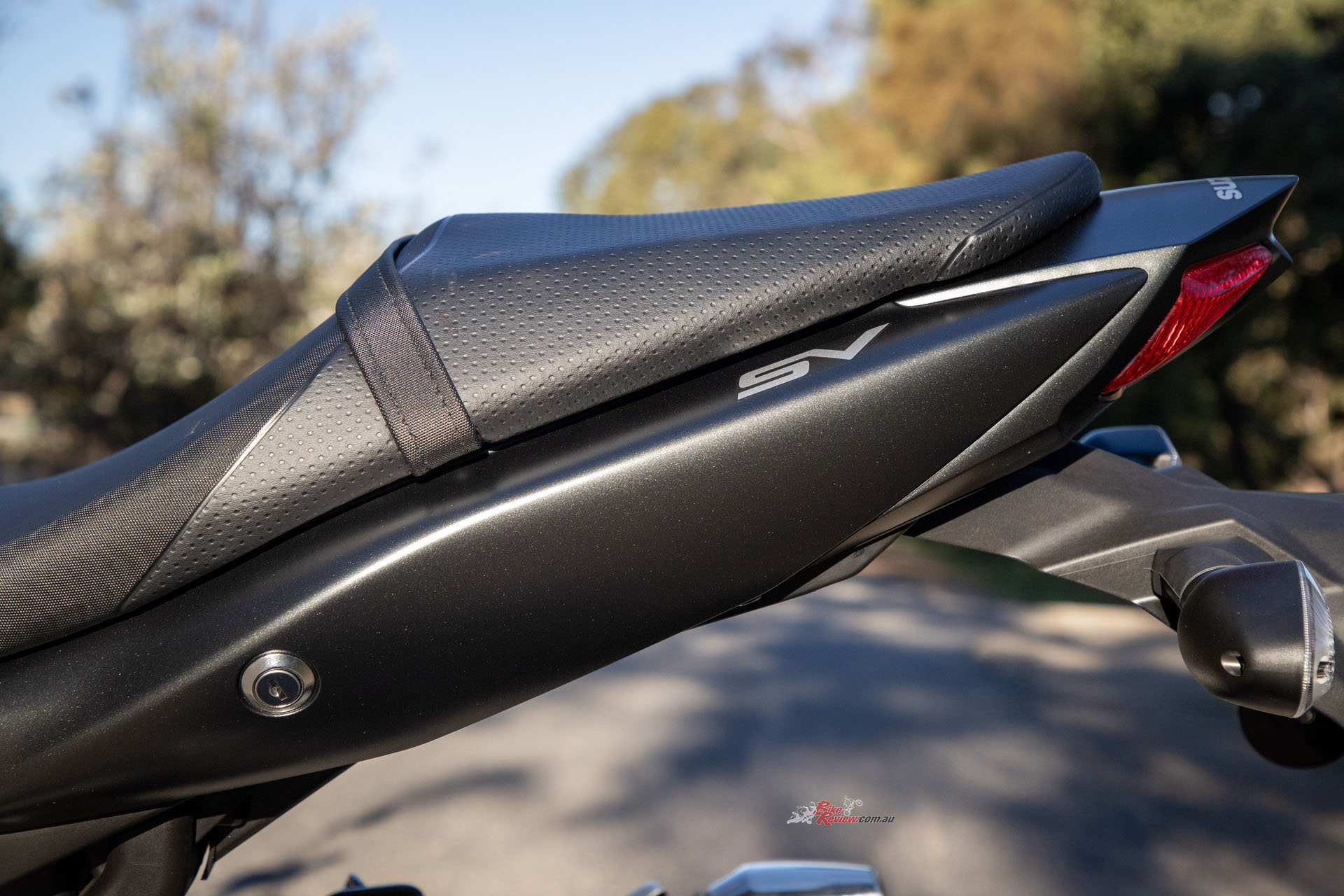
It’s relaxed without feeling lazy, with just enough weight on your wrists to keep things lively and offer some feedback through turns. The seat feels long yet narrow, and at 785mm, it’s low enough to be confidence-inspiring for commuters and shorter riders without, I suspect, feeling cramped for tall riders.
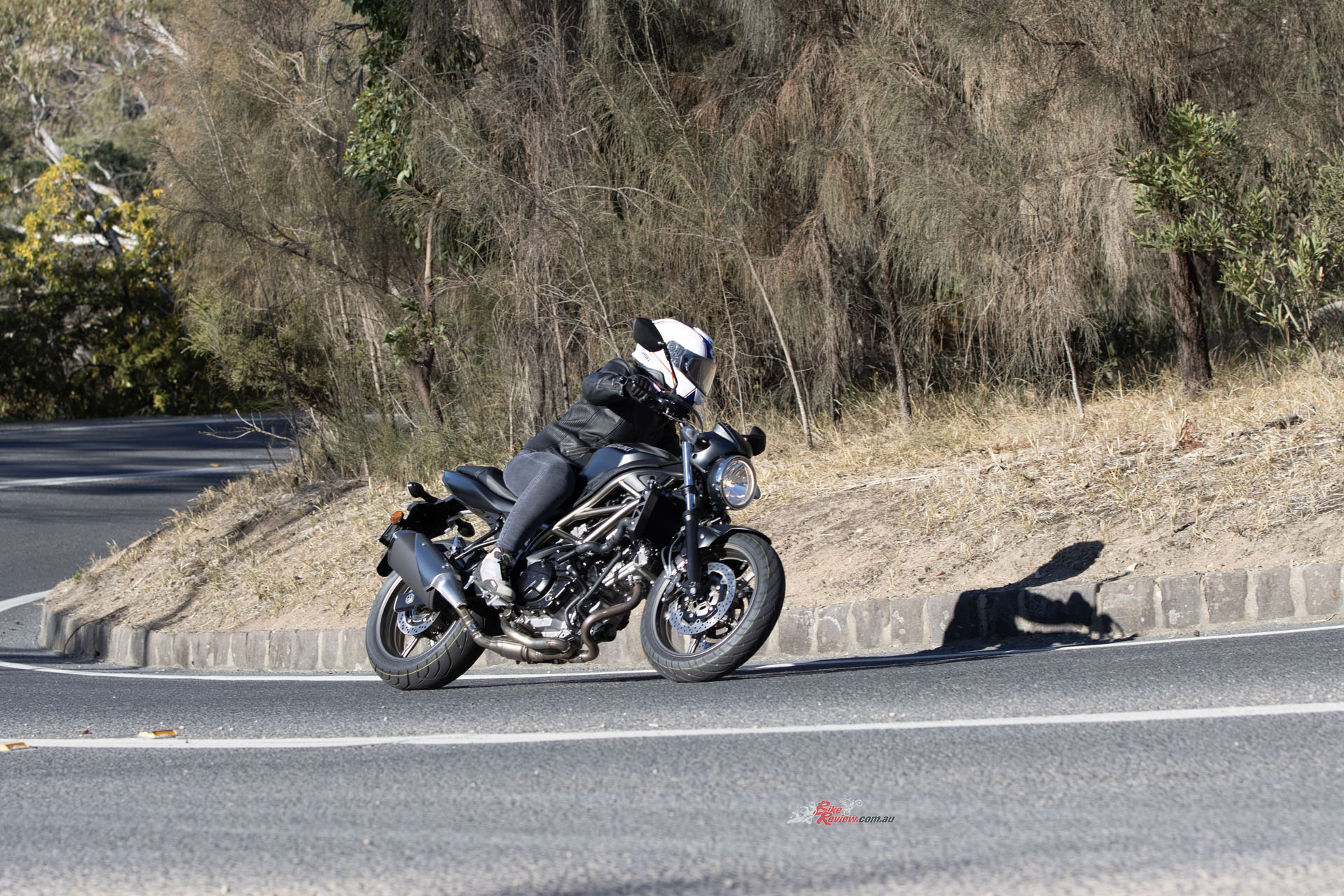
“That 645cc V-twin delivers its power in a linear, manageable yet engaging fashion, with just enough edge to the stifled note to remind you you’re riding a V-twin.”
Fuel capacity is 13.8L, with a measured consumption of just over 4L/100km. That gives a real-world range of around 330km between refills and another nod to the bike’s affordable practicality. Interestingly, the SV’s fuel capacity in 1999 was as much as 16L, but it wouldn’t have ran anywhere near as efficiently as today’s model, so the net result would be more or less on par.
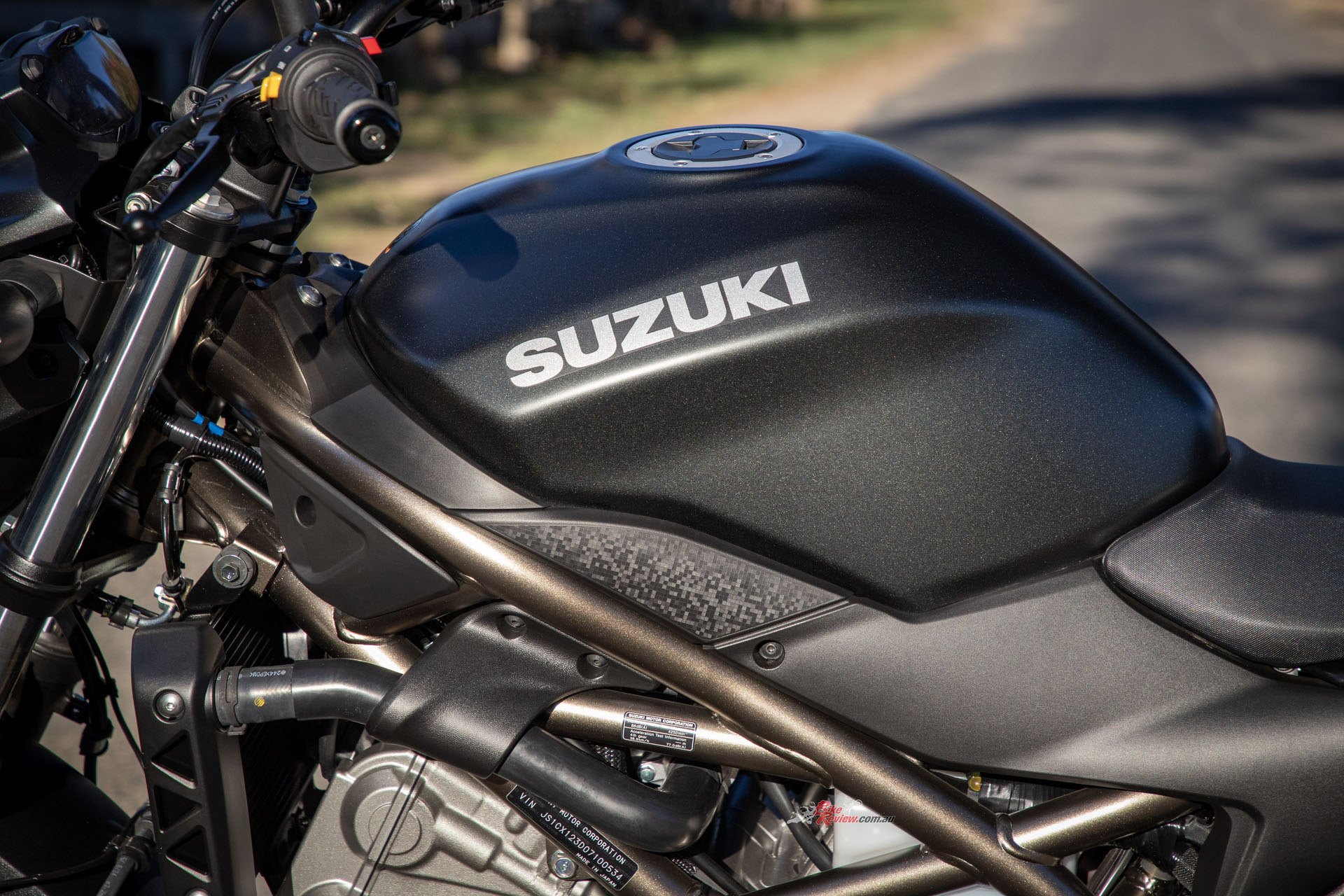
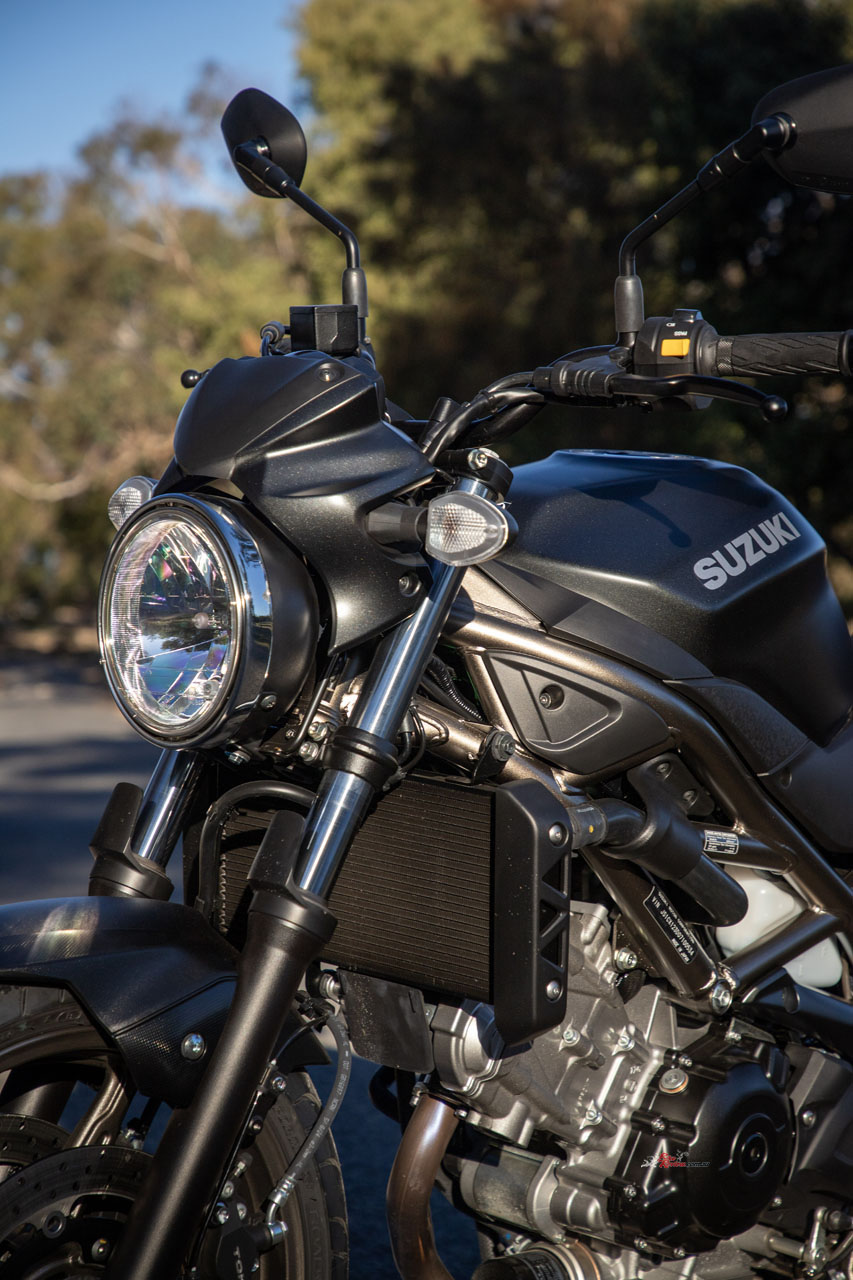
Because of the bike’s simplicity, the engine remains the headline act. That 645cc V-twin delivers its power in a linear, manageable yet engaging fashion, with just enough edge to the stifled note to remind you you’re riding a V-twin. Suzuki Australia doesn’t quote local performance figures, but international reports say it’s good for somewhere in the region of 56kW [75hp] at 8500rpm and 64Nm [87ft-lb] 400rpm earlier at 8100rpm. It’s not powerful by any stretch, it just responds, cleanly and predictably, with plenty of usable torque through the midrange. It’ll happily chug through traffic in third or fourth gear without fuss, but open it up and there’s a familiar surge that reminds you why this platform has such a cult following.
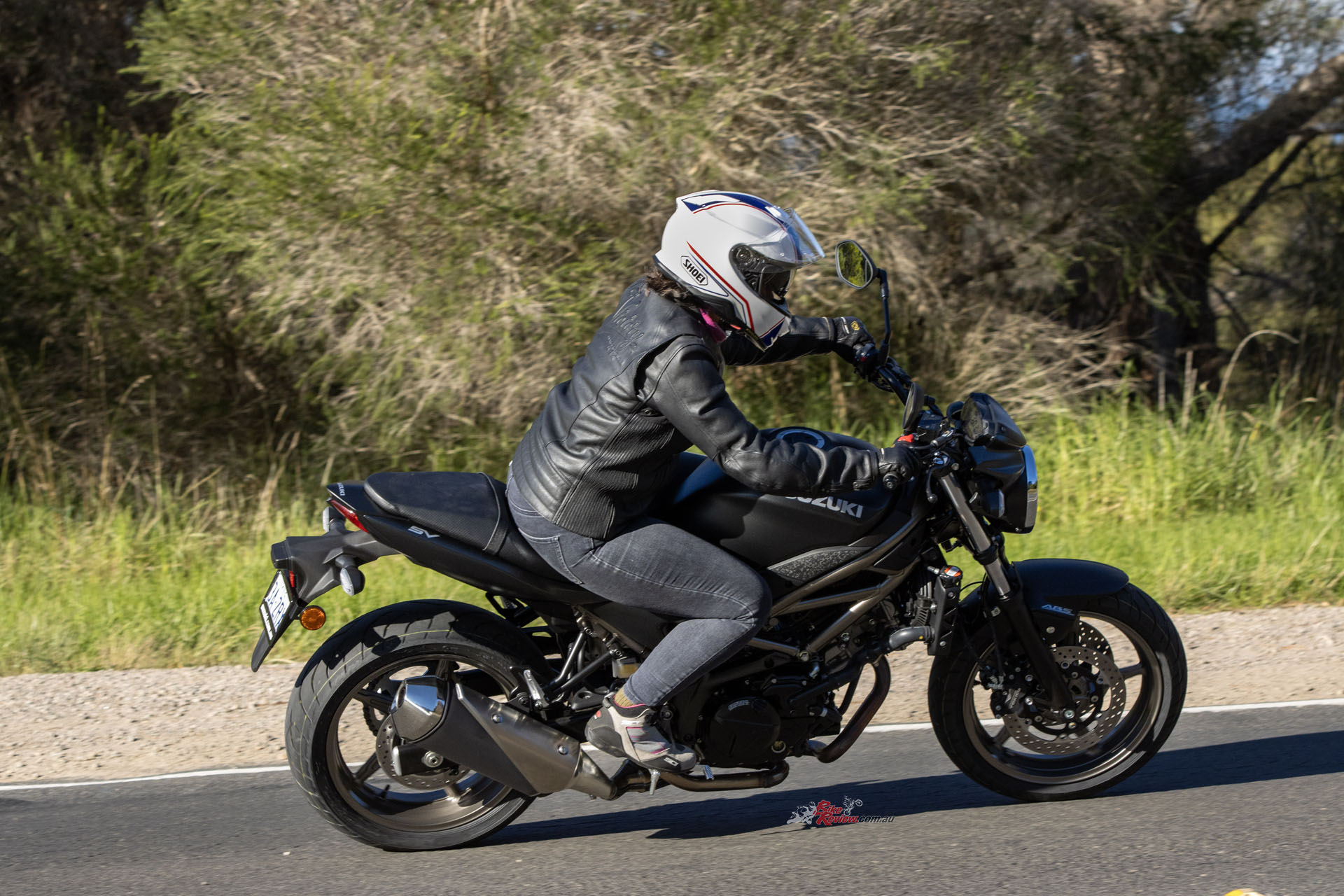
“. Combined with that slim frame and well-balanced geometry, it’s easy to manoeuvre in traffic, intuitive in tight turns and utterly composed on open sweepers.”
It’s a really flexible motor, as you’d expect, and it’s happy to rev, but there’s not a lot to be gained from it other than to make more of a racket. In all applications, whether in the city or through your favourite twisties, it’s better ridden using the bottom-end grunt. In fact, through more flowing sections, I found myself sticking it in top gear and leaving it there, using the engine’s flexibility and usable torque to fling me between apexes.
“It’s not powerful by any stretch, it just responds, cleanly and predictably, with plenty of usable torque through the midrange”
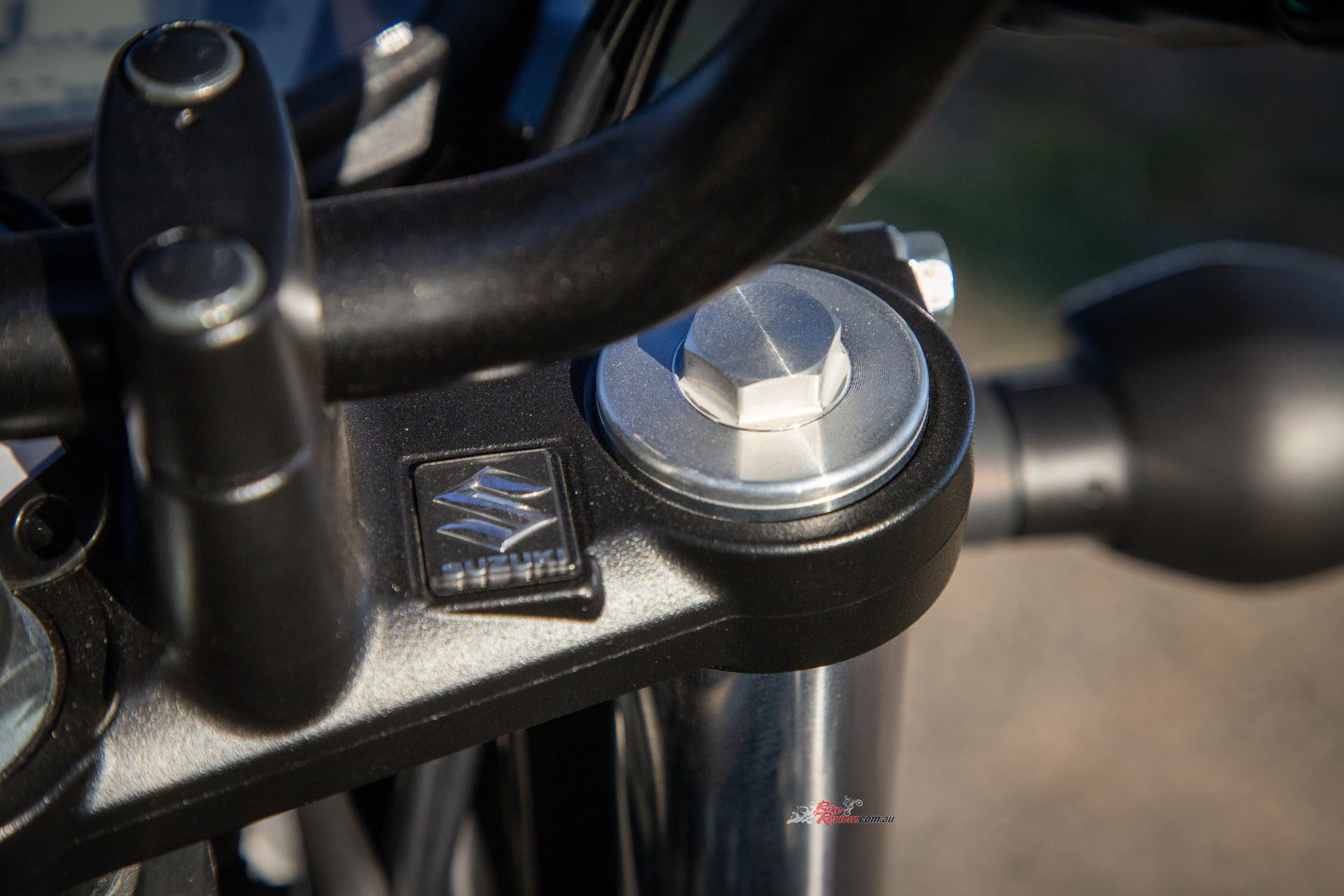
At 198kg wet (claimed), it’s not particularly lightweight, but the SV carries its weight low thanks the L-shaped twin. Combined with that slim frame and well-balanced geometry, it’s easy to manoeuvre in traffic, intuitive in tight turns and utterly composed on open sweepers. The basic suspension – non-adjustable 41mm forks up front and a preload-only-adjustable monoshock at the rear – is well matched to the bike’s intentions and thoroughly well sorted after all of these years. It’s soft enough to soak up rough patches and speed bumps, but not so soft that it wallows when you want to have a go.
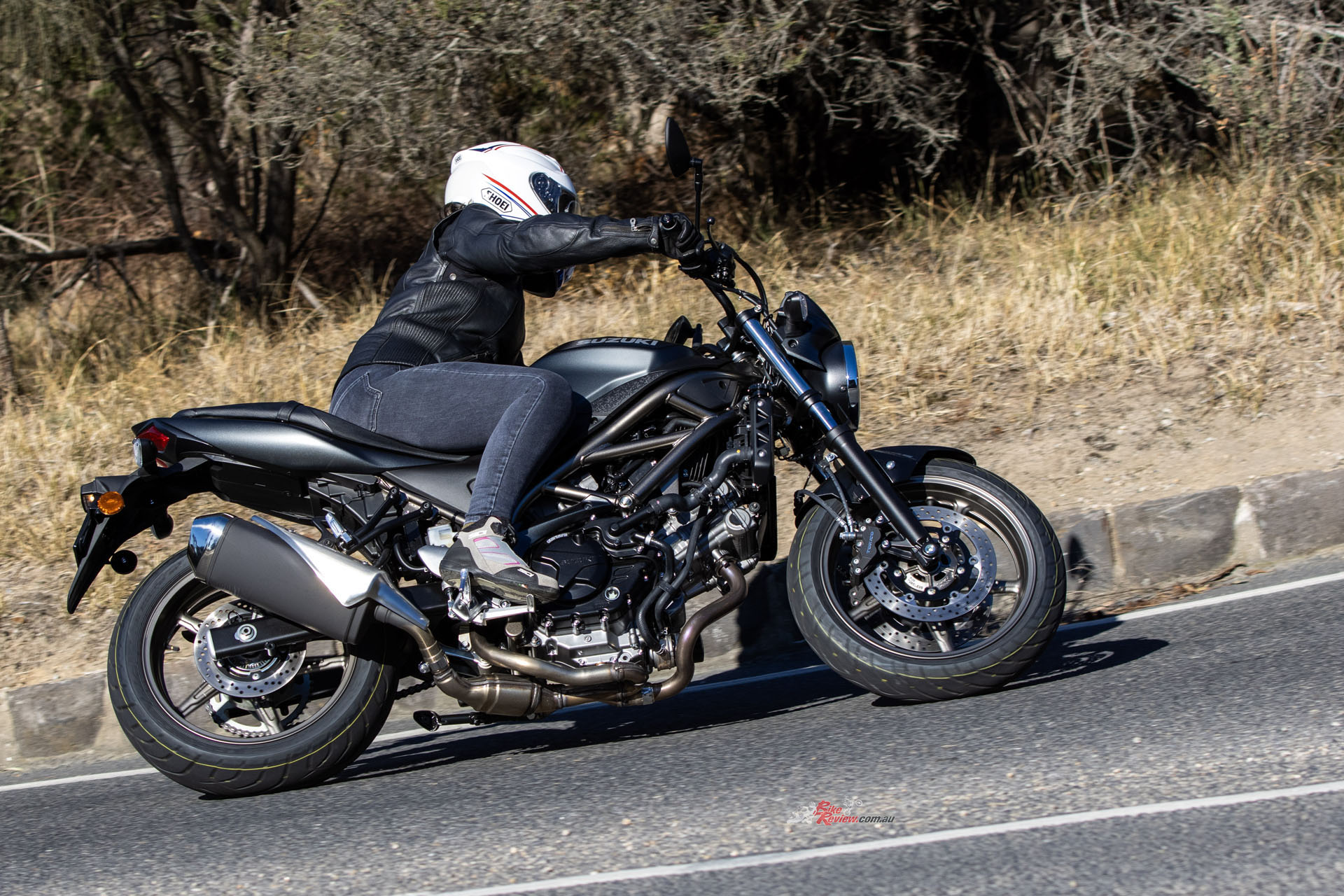
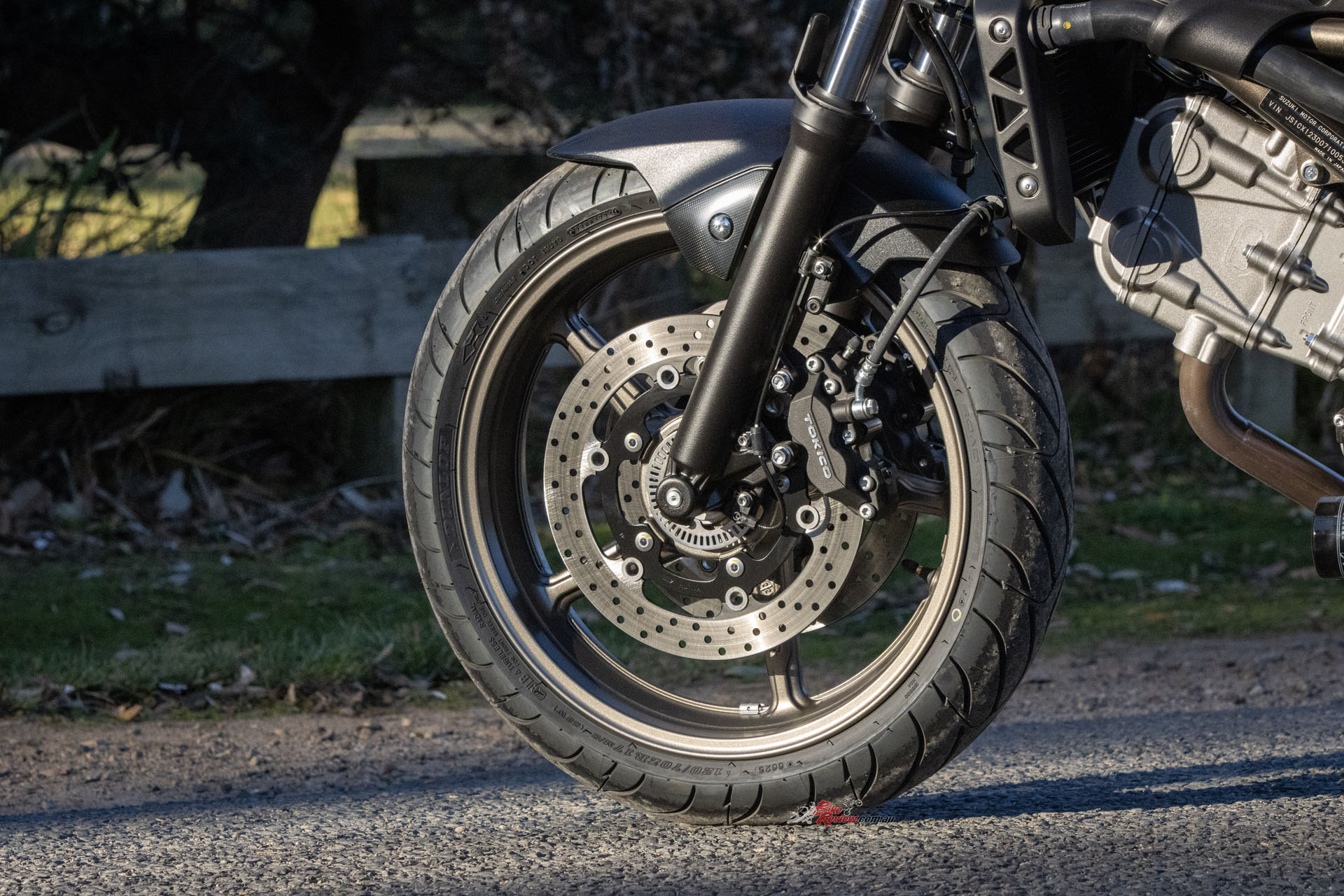
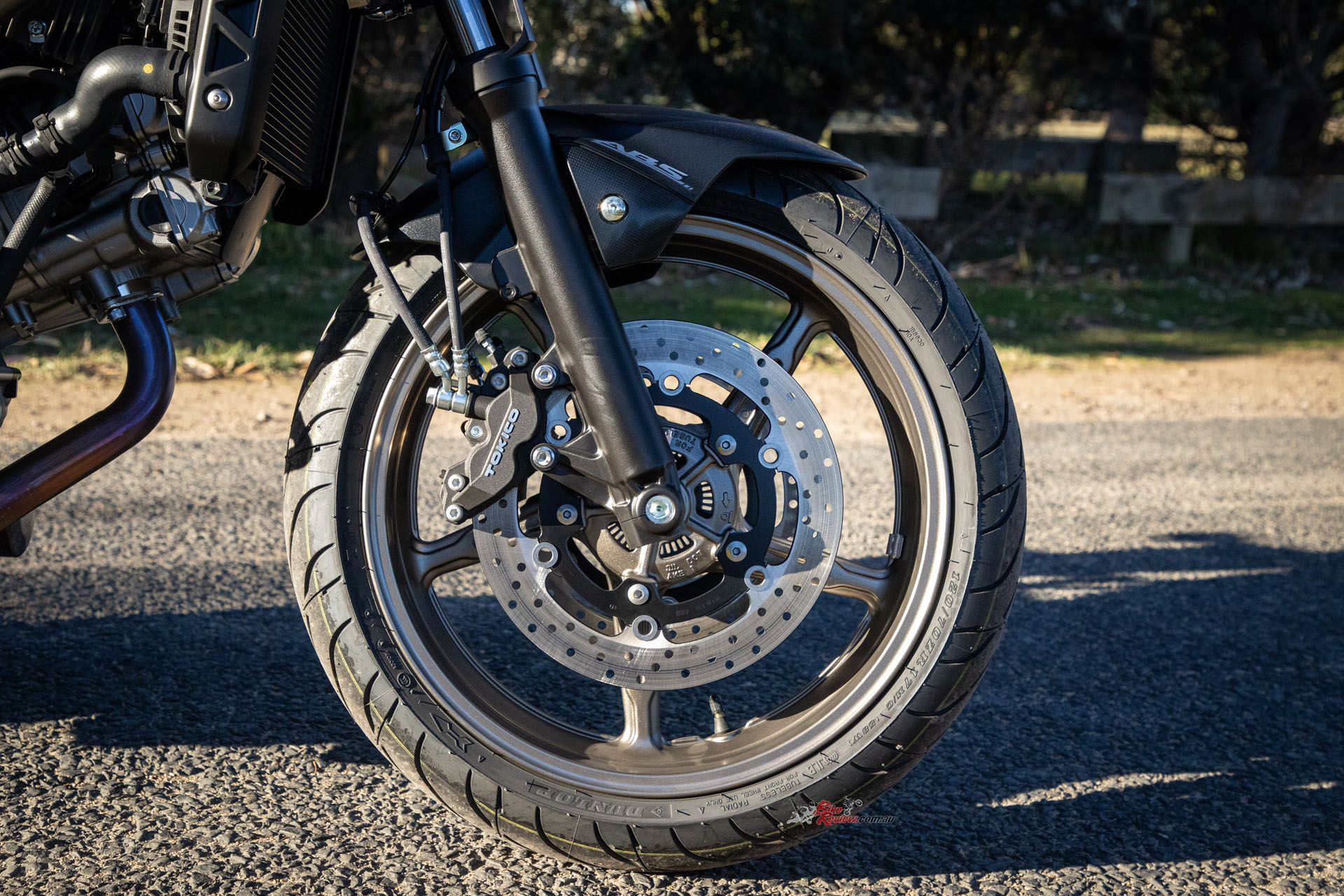
Braking is taken care of by twin 290mm discs and twin-piston Tokico calipers up front, with a 240mm rear disc. The front rotors are smaller than most, but it means the 41mm forks are never overwhelmed by any brake-torque twist when you hit the stoppers hard. There’s decent feel and progression, though my just-run-in bike’s front lever did require a decent squeeze for hurried stops. ABS is standard, of course, but unobtrusive and nicely tuned for the road, despite being a relatively basic system.
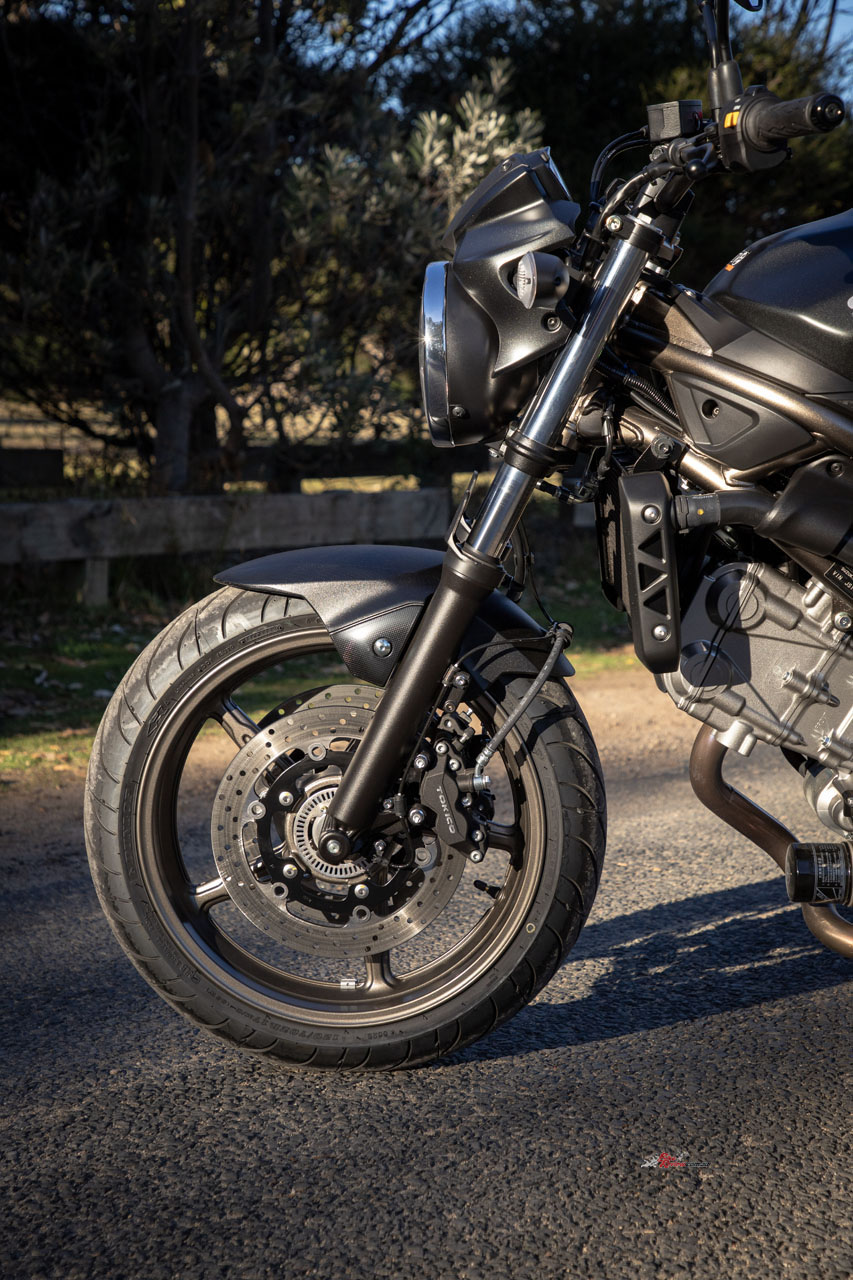
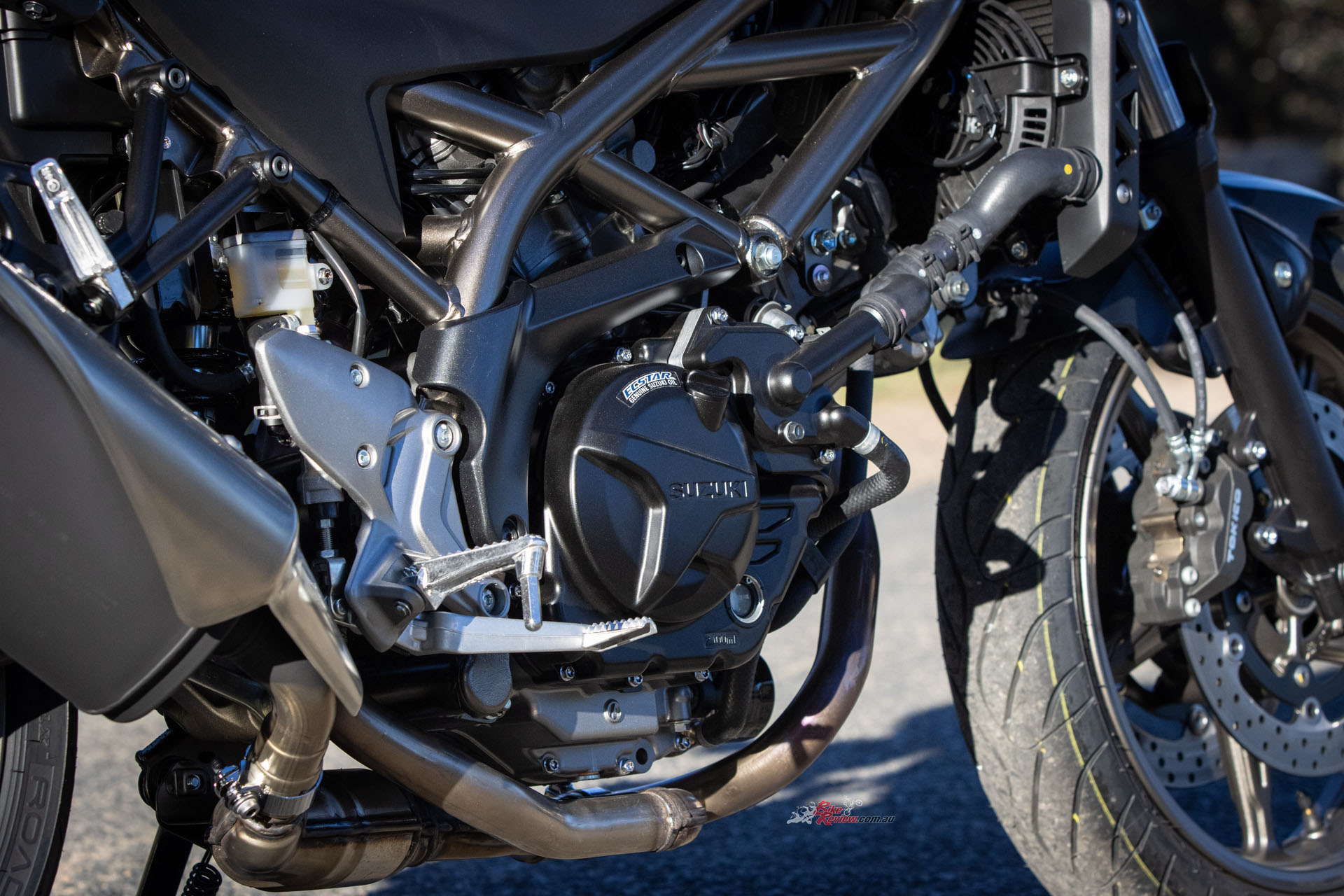
Speaking of tech, the SV is pretty light on. As well as the mandatory ABS, there’s Suzuki’s Low RPM Assist and Easy Start features which were added as part of the 2016 update, but that’s it. It still employs a cable-operated throttle, so there’s no switchable maps or ride modes to speak of, and no traction control either.
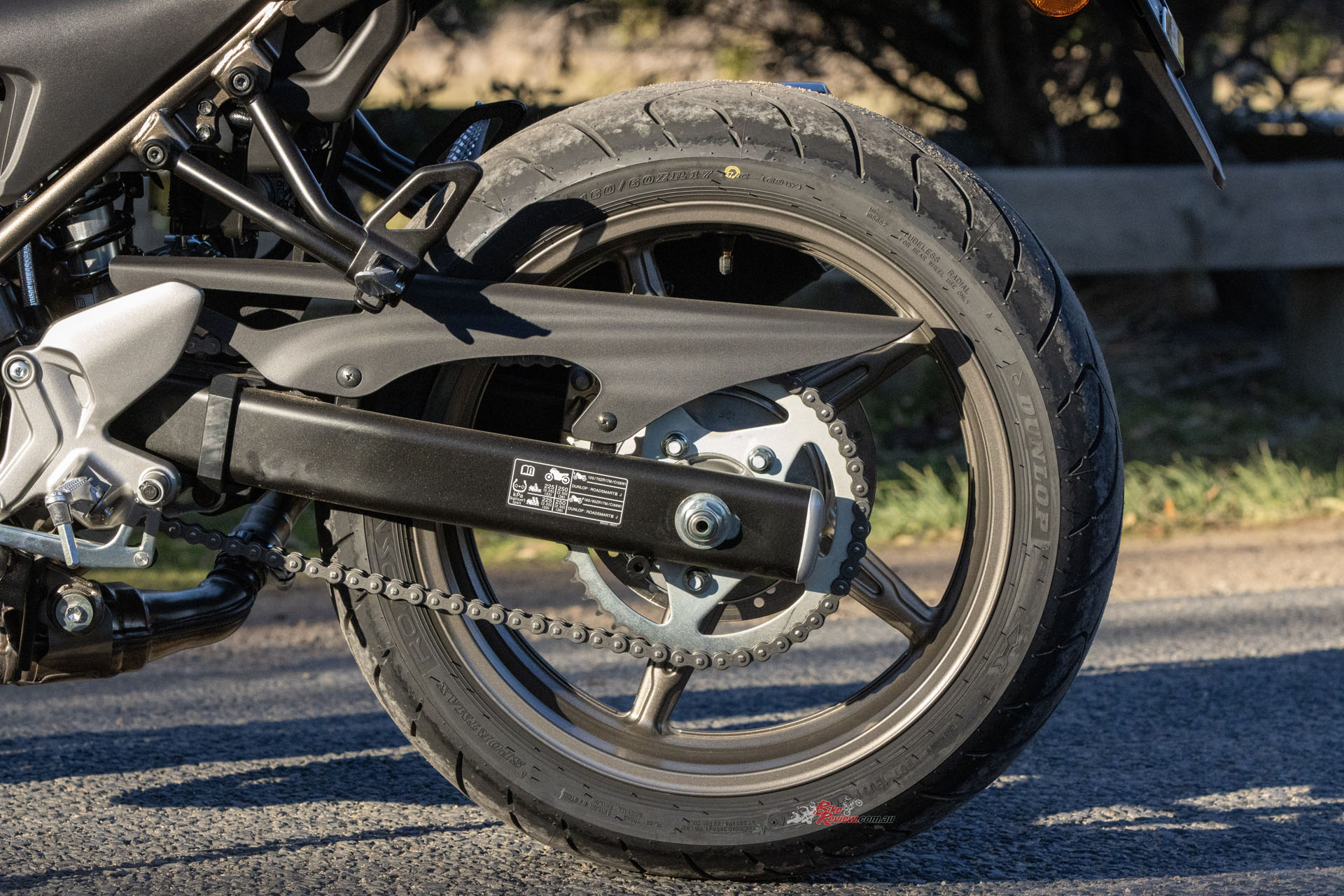
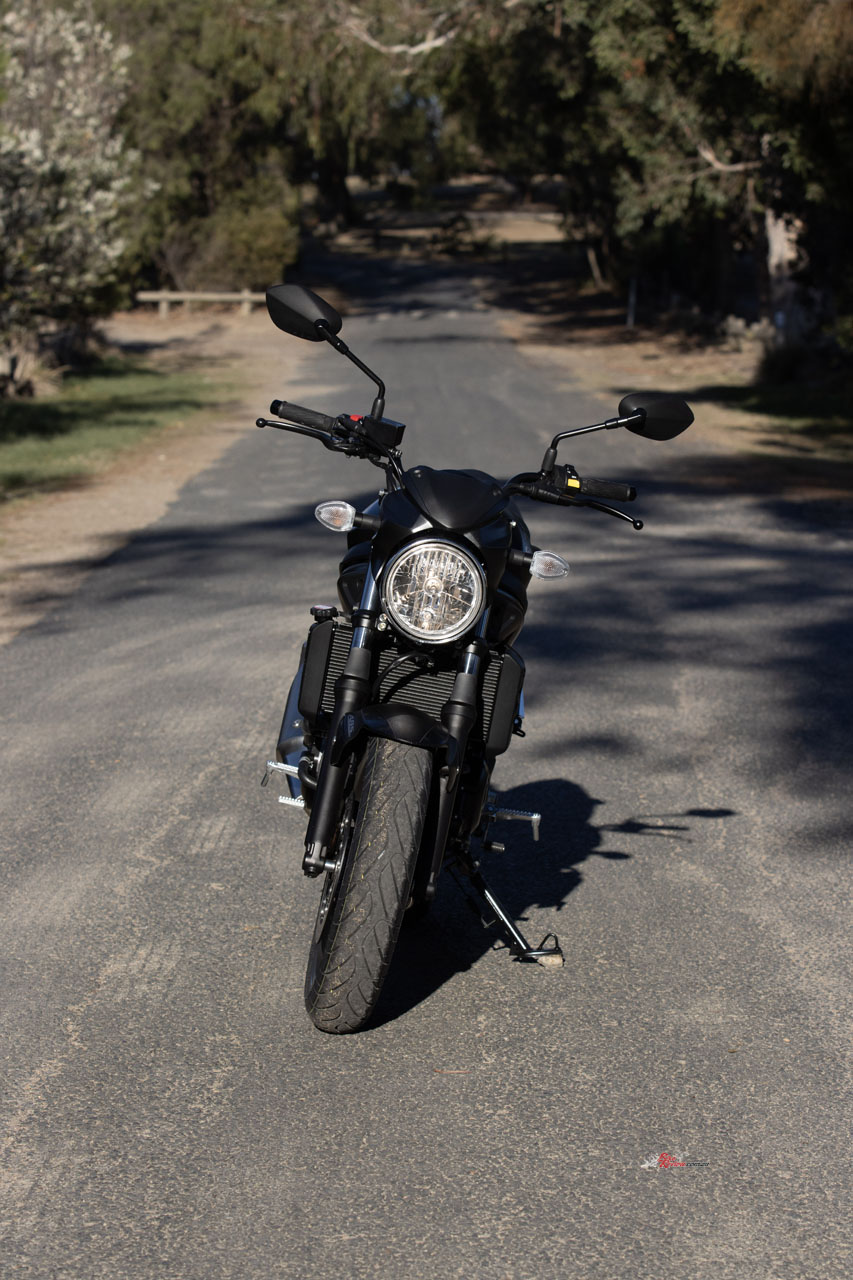
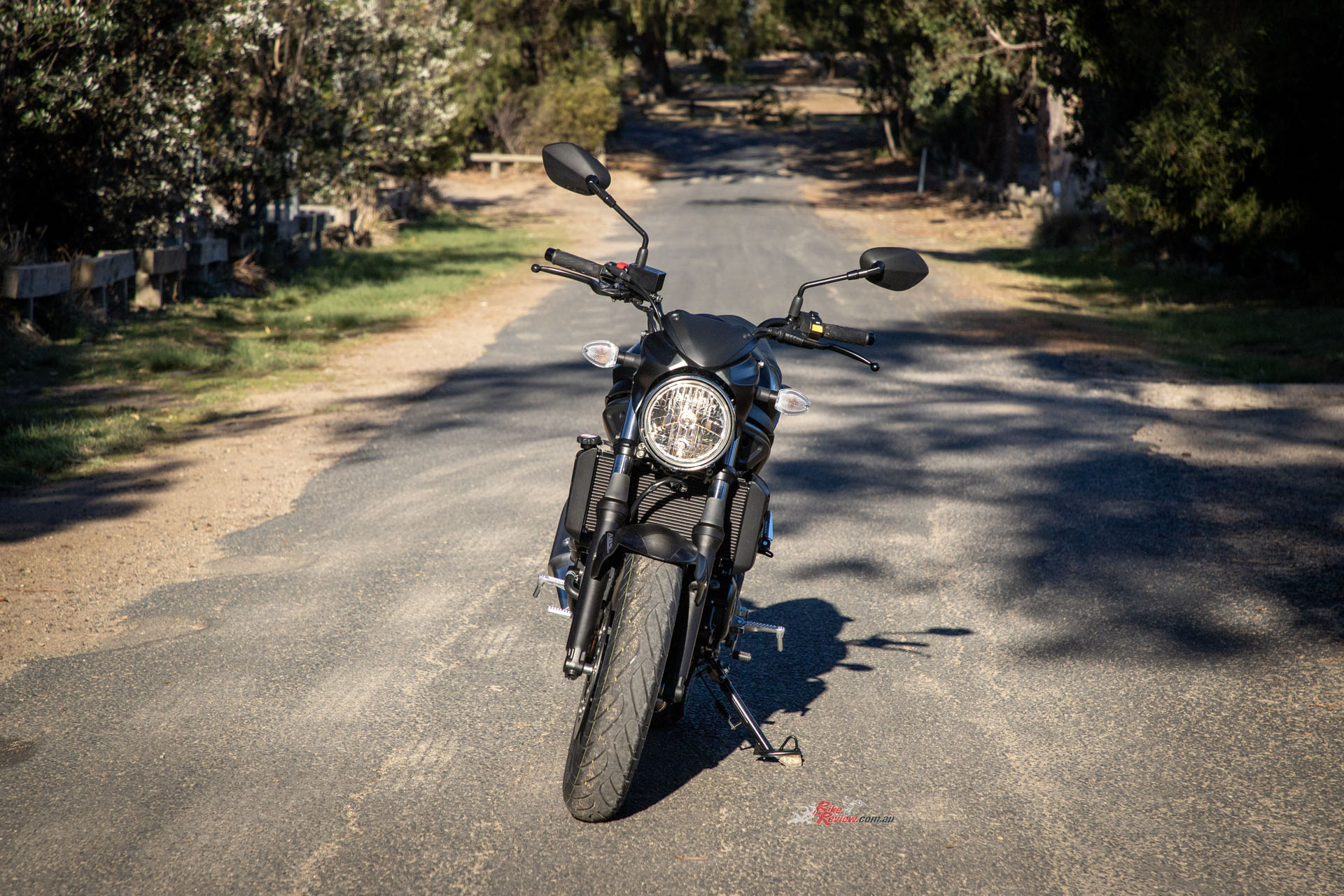
The bike comes shod with Dunlop Roadsmart III tyres, which feel well-matched to the chassis and the bike’s design brief. They warm up quickly, grip predictably and complement the SV’s accessible performance. Wind protection is minimal, as you’d expect, but at suburban and highway speeds there’s just enough airflow management from the headlight nacelle to stop things getting really fatiguing. Suzuki doesn’t list any genuine screen or wind deflector as part of its accessory options, but there are a handful of aftermarket options available.
“There are long service intervals and the fact that the engine is easy to access and relatively simple to work on should also bring the cost of servicing down“
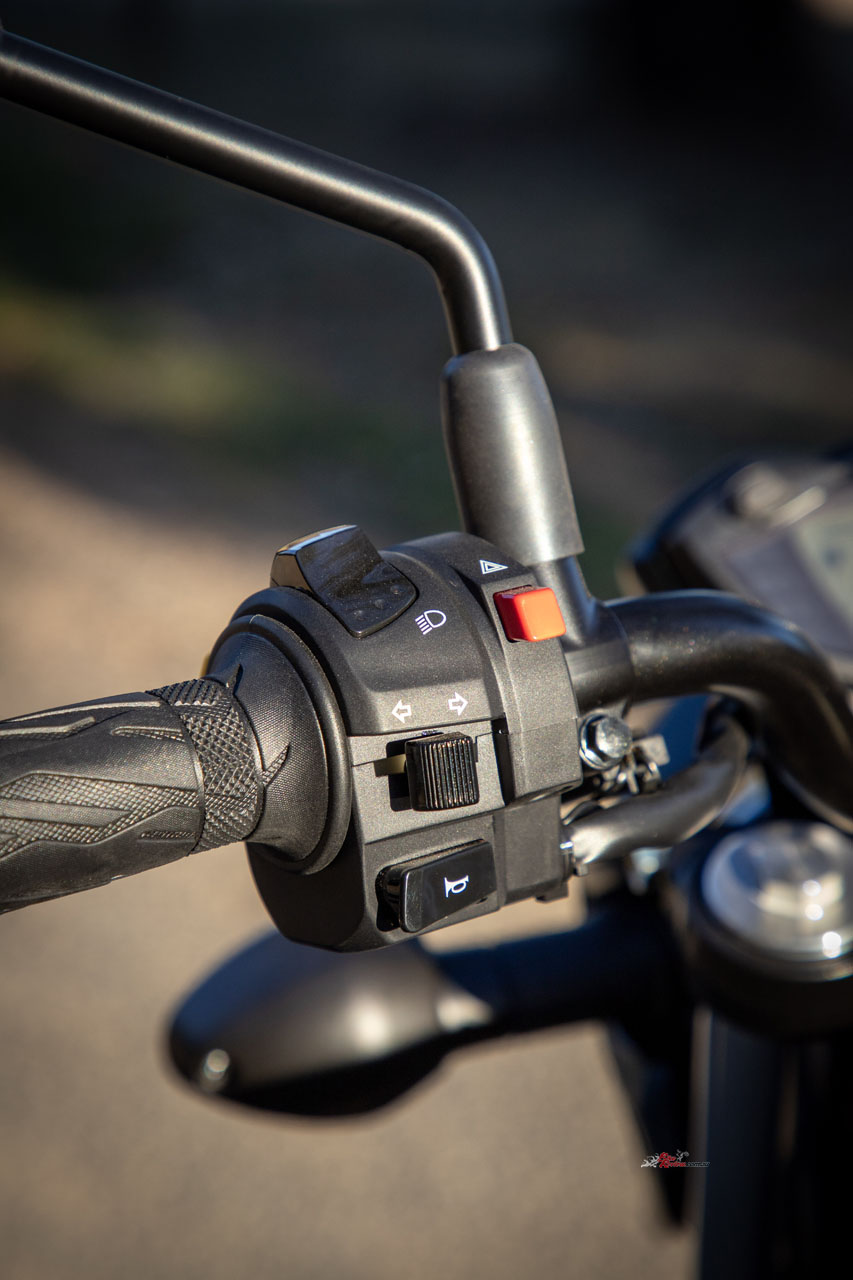
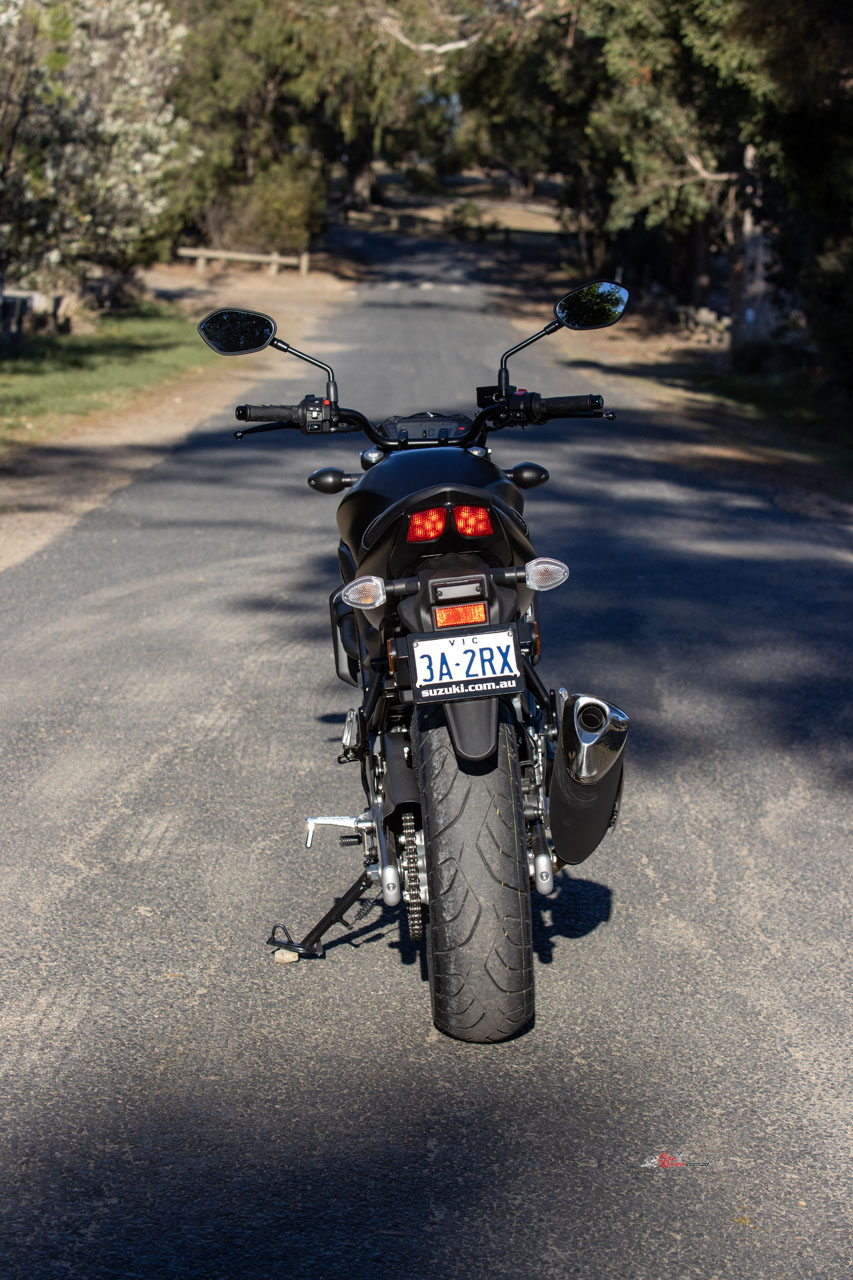
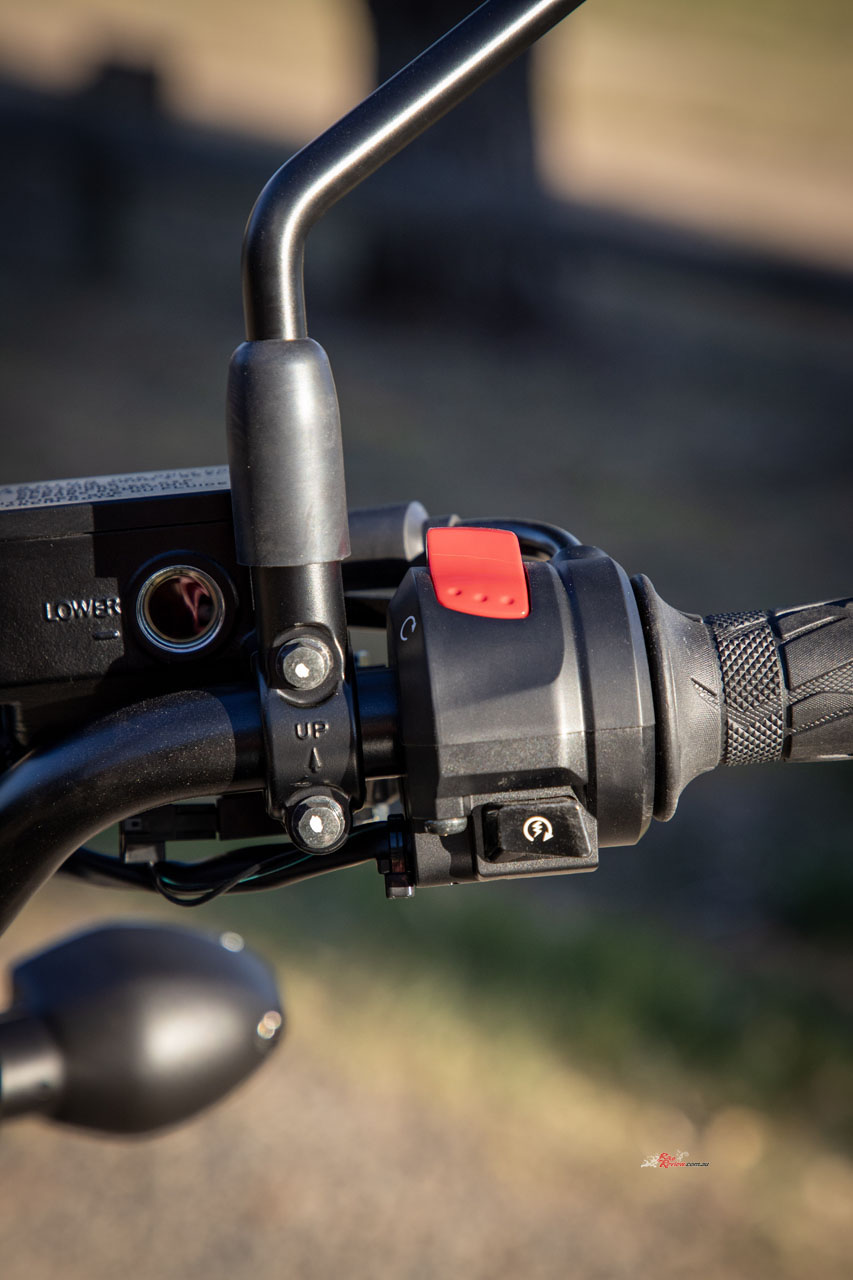
Mirrors are vibration-free, visibility is decent and the basic switchgear is easy to operate with gloved hands. The six-speed gearbox is light and accurate, and while there’s no quick-shifter to speak of either as standard or as an option, it does employ a slip/assist clutch.
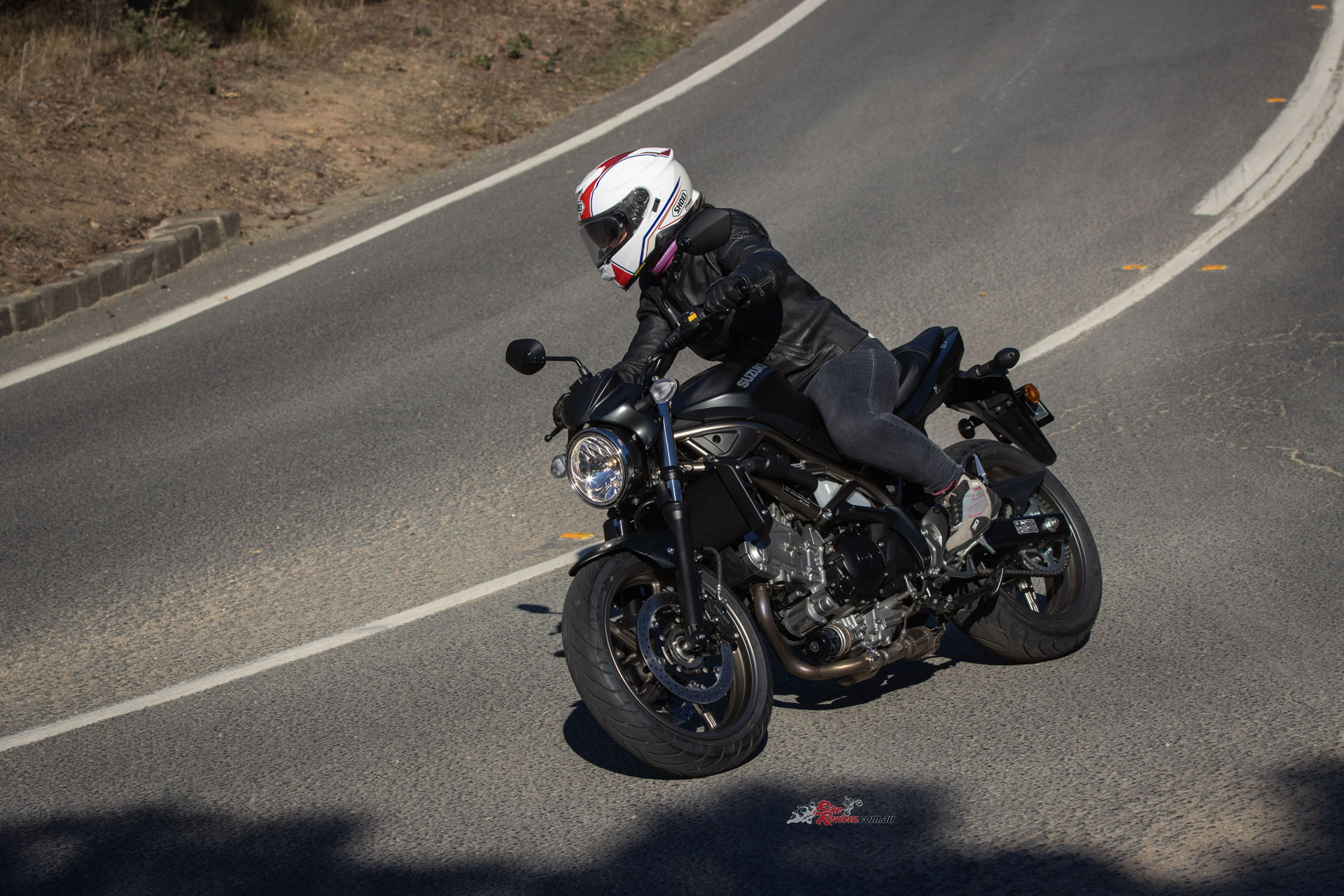
Low outlay, long service intervals, decades of experience ironing out the bugs… Suzuki make the SV650 to last…
There are long service intervals, 12,000km between minor services and 24,000 between majors, and the fact that the engine is easy to access and relatively simple to work on should also bring the cost of servicing down, too. The fully exposed oil filter situated at the front of the bottom of the engine makes for easy changes, but leaves it very vulnerable at the same time.
The standard warranty period is two years, which is a far cry from the standard five-year period other brands are offering, but Suzuki will up that to three years if you stick the recommended servicing schedule and get the work done by an authorised Suzuki dealer.
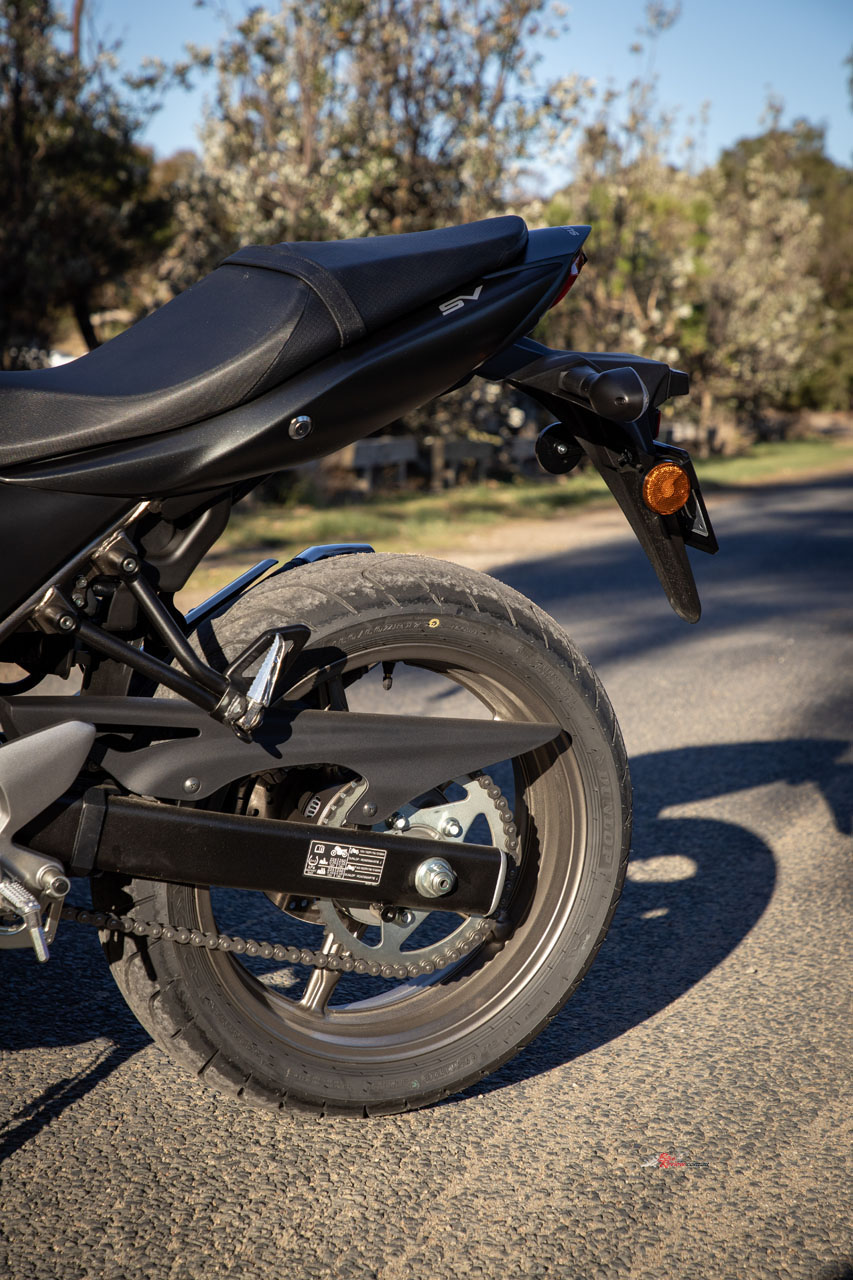
A new bike that doesn’t come loaded with tech, hype or a sub-$12k recommended retail price is a relatively rare thing these days, but the SV650 – just as it was 26 years ago – is a bike that does exactly what it says it’ll do on the tin. In a category increasingly dominated by tech-laden parallel twins, the SV650 continues on with reliable pedigree, delivering a riding experience that’s honest, capable and characterful.
“Devoid of bells and whistles, what you get is a proper V-twin with real-world performance, comfortable ergonomics and a well-sorted chassis”
Devoid of bells and whistles, what you get is a proper V-twin with real-world performance, comfortable ergonomics and a well-sorted chassis. For commuters, new riders, returning riders or anyone after a fuss-free mid-capacity bike with a bit of soul, the SV650remains a rare constant in a fast-moving world and continues to prove there’s still value in keeping things simple.
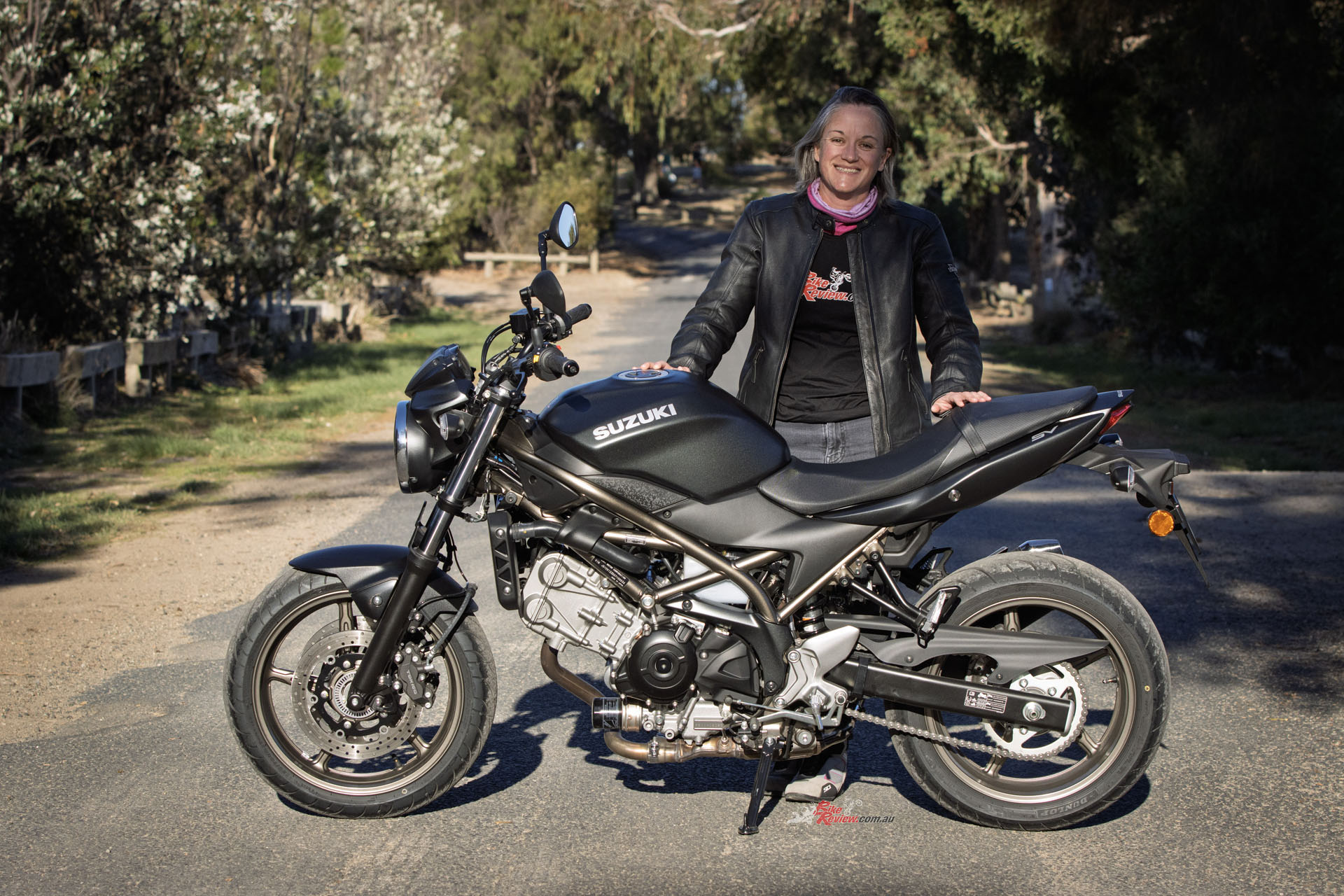
History of the SV650
When Suzuki launched the original SV650 in 1999, it was an instant hit — especially in Europe, where it became the best-selling motorcycle of the year 2000. In the UK and US, it quickly earned a reputation as the club racer’s secret weapon, thanks to its sharp handling, modest weight and the popularity of mini-twins racing classes. The early SVs featured an aluminium oval-tube trellis frame and twin 39 mm Mikuni carburettors. In 2003, these were replaced by a pressure-cast aluminium truss frame and fuel injection, kicking off the second generation. That platform stayed in production through to 2012, with the naked model replaced in 2009 by the SFV650 Gladius, though the half-faired SV650S version carried on a few years longer.
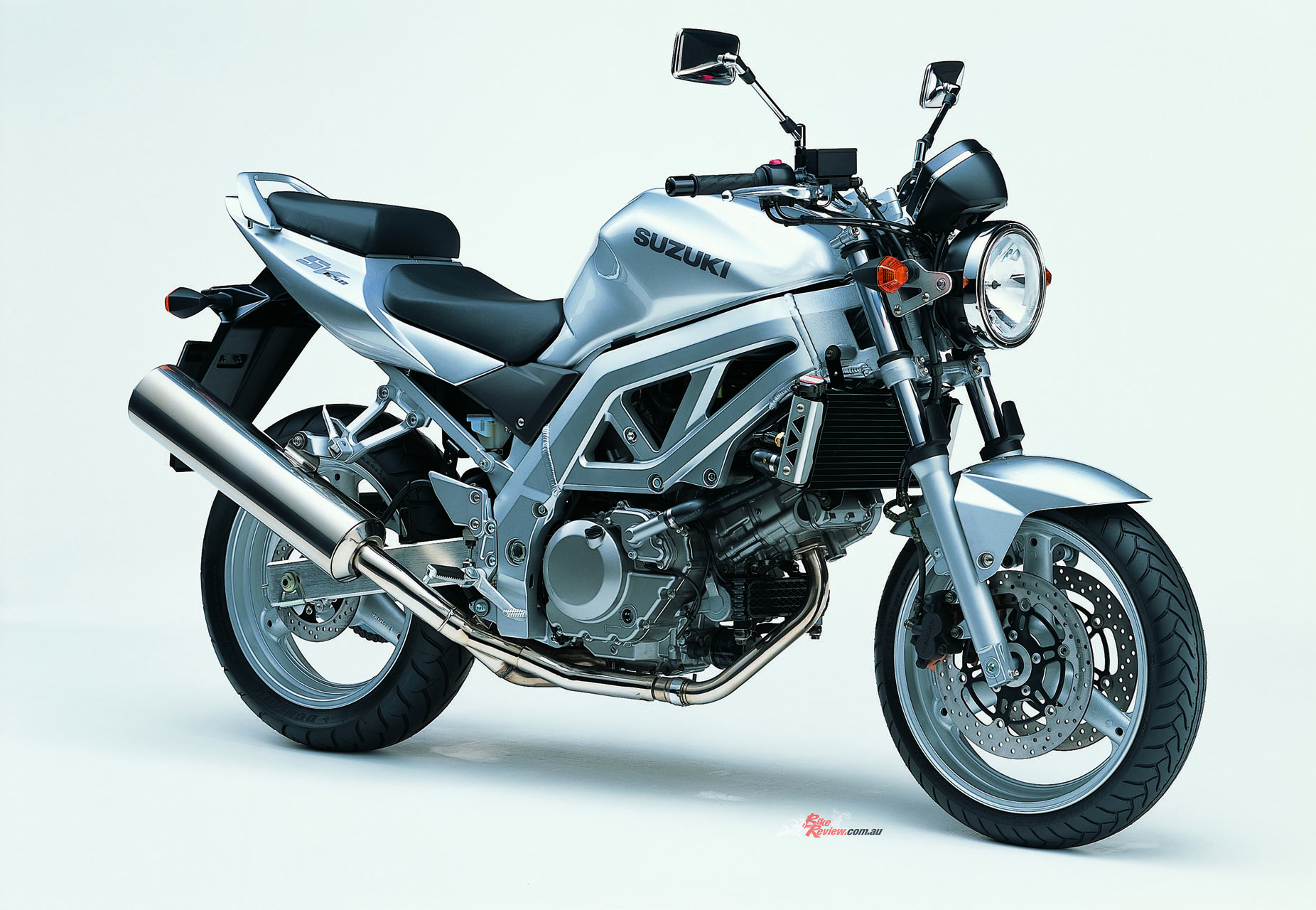
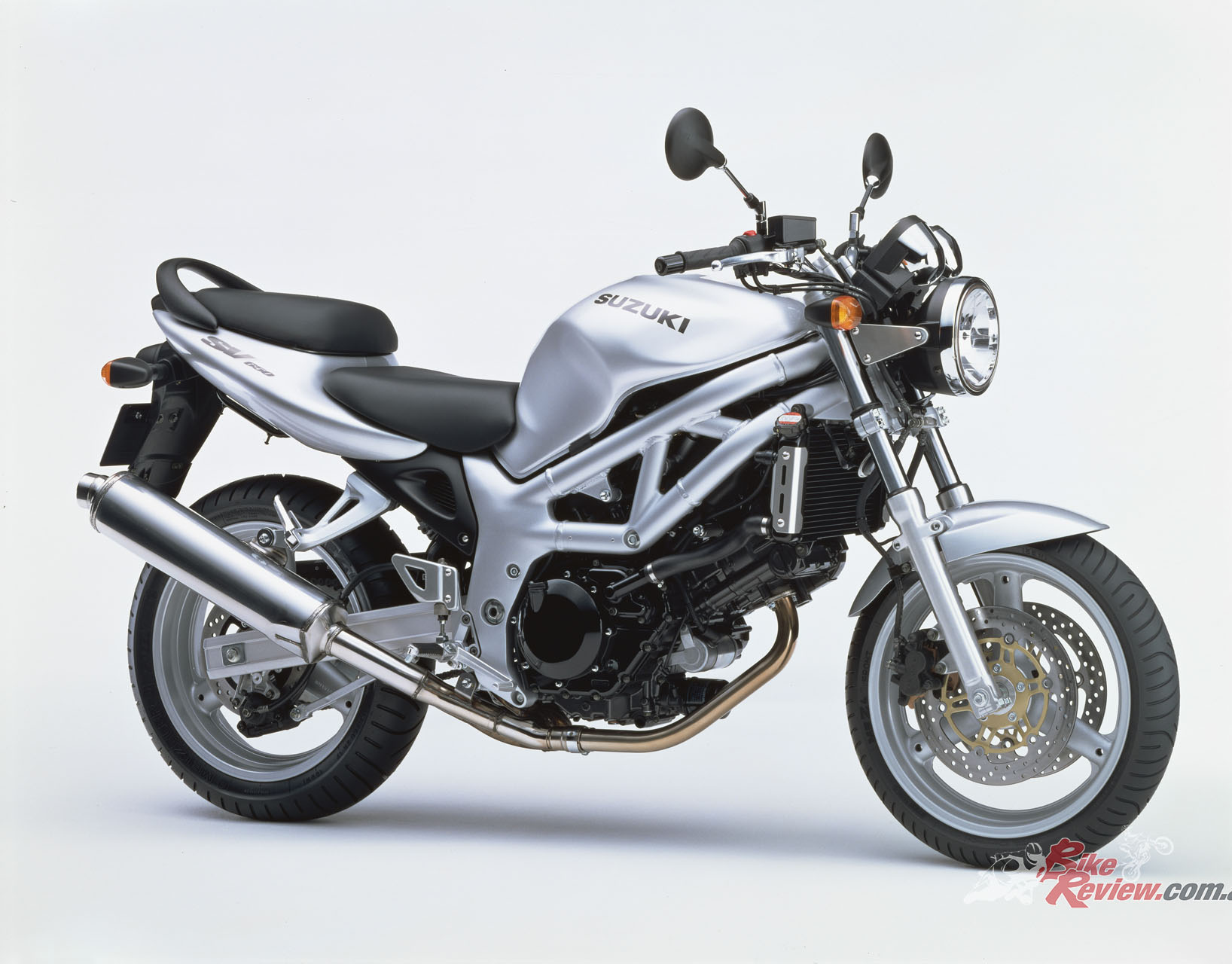
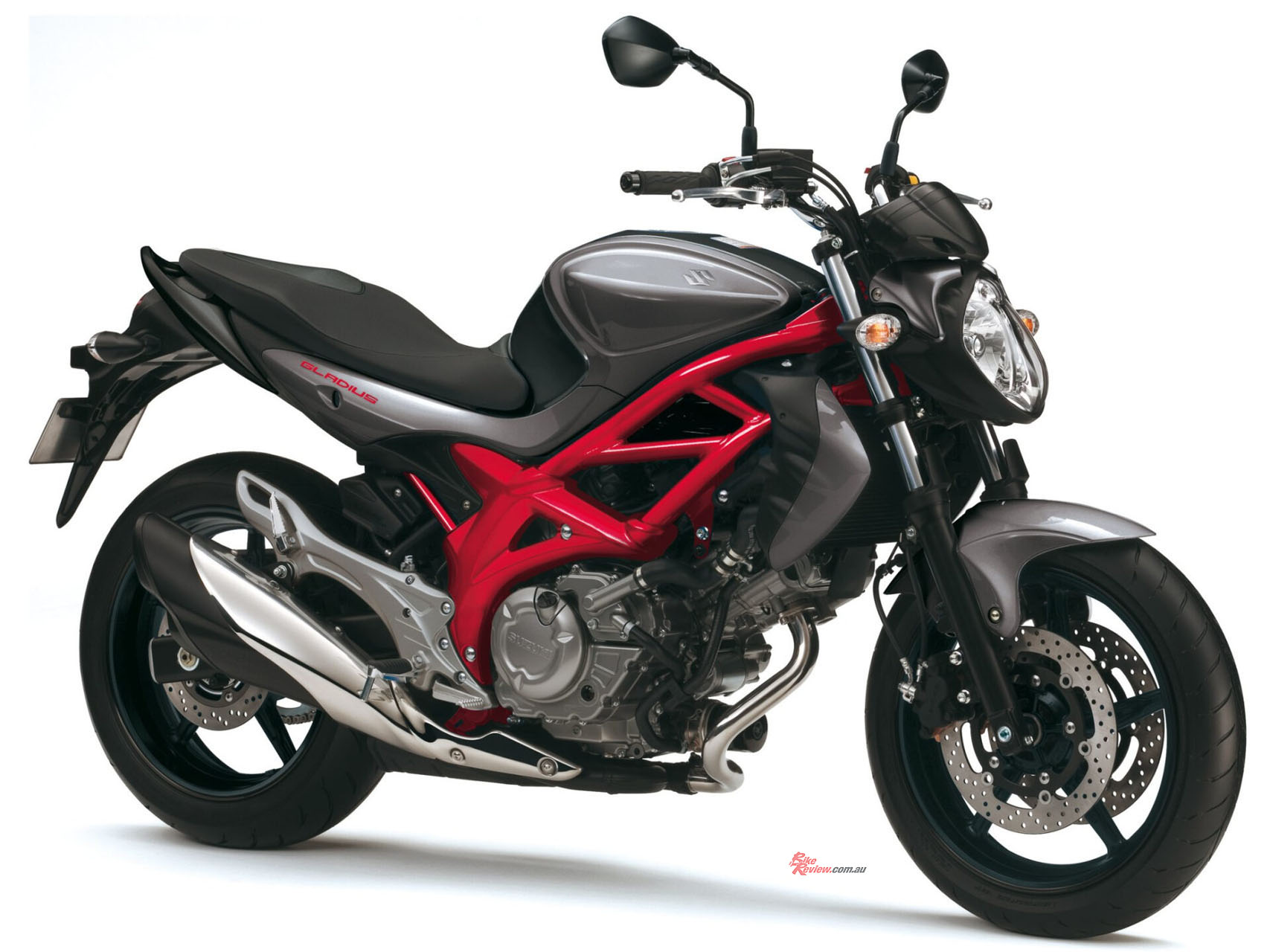
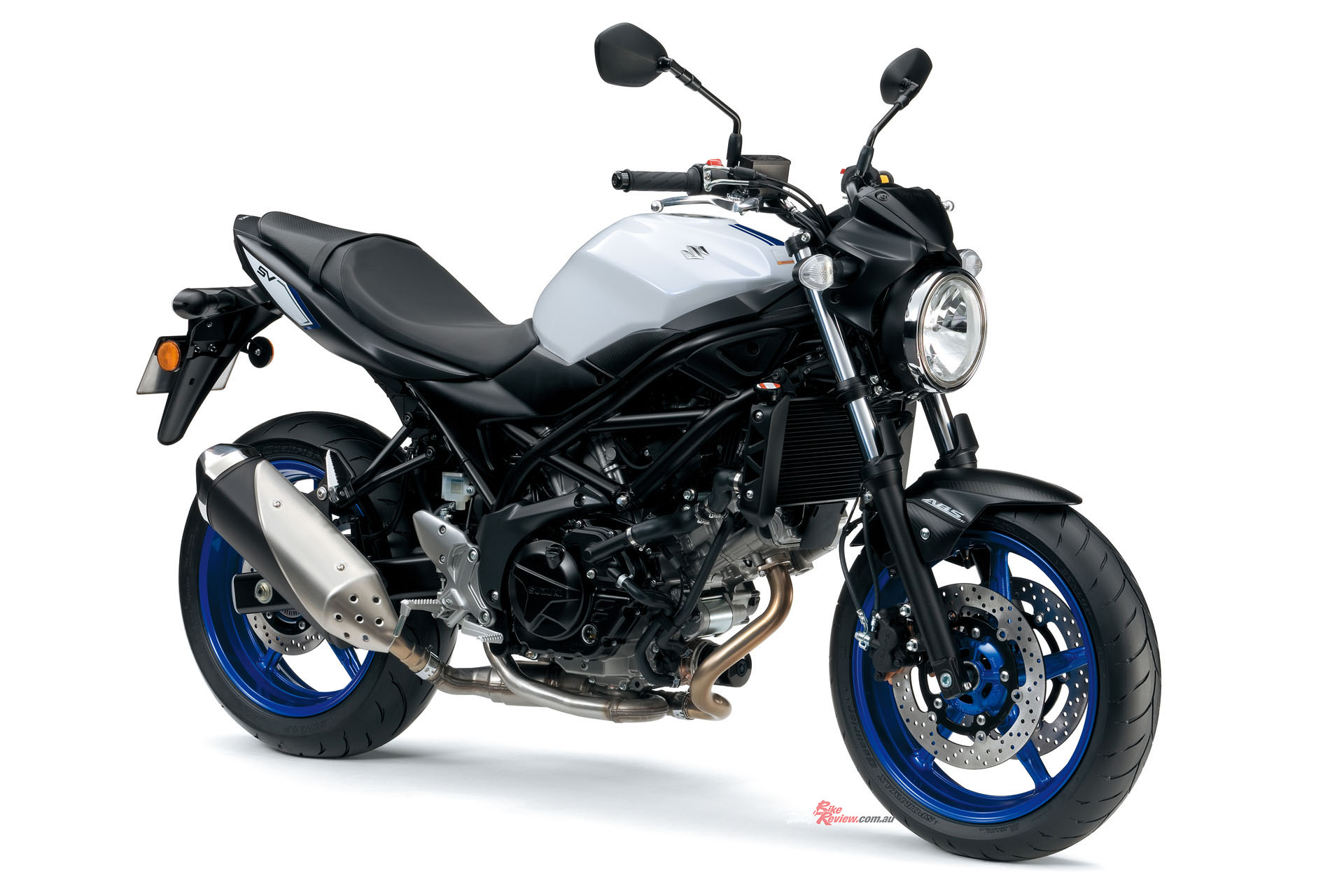
When the SV650 returned in 2016, it brought back the name, stripped away the styling excesses of the Gladius, and introduced a new tubular-steel trellis frame. A cafe-style SV650X joined the line-up in 2018 but was discontinued in 2023, leaving the standard SV650 – now offered in both LAMS and full-powered trim – to carry the torch into its third decade
2025 Suzuki SV650 Specifications
Price: $11,490 (ride away)
Colours: Metallic Mat Black No. 2
Claimed power: 56kW [75hp]@8500rpm
Claimed torque: 64Nm [87ft-lb]@8100rpm
Wet weight: 198kg
Fuel capacity: 13.8L
Fuel consumption: 4.1L/100km
Engine: Liquid-cooled, 90-degree V-twin, eight-valve, four stroke, 81 x 62.6mm bore x stroke, 645cc, 11.2 compression, cable throttle Gearbox: Six-speed Clutch: Wet, multi-plate, slip/assist
Chassis: Tubular-steel trellis type
Rake: 25º Trail: 104mm
Suspension: 41mm right-way-up telescopic fork, non-adjustable, 125mm travel (f), Monoshock, preload adjustable, 130mm travel (r) Brakes: Twin 290mm rotors, twin-piston Tokico caliper, ABS (f), single 240mm rotor, single-piston caliper (r)
Wheels & Tyres: Cast aluminium five-spoke, Dunlop Roadsmart III, 120/70-17in (f), 160/60-17in (r)
Dimensions:
Wheelbase: 1445mm
Ground clearance: Not given
Seat height: 785mm
Overall height: 1090mm
Overall length: 2140mm
Overall width: 760mm
Instruments & Electronics: ABS, Easy Start, Low RPM Assist and LCD screen.
2025 Suzuki SV650 Gallery
Ratings | Bike Review | 2025 Suzuki SV650
Lovable!
Suzuki’s SV650 enters 2025 with the same V-twin charm, everyday usability and budget-friendly appeal that’s kept it alive for more than 25 years. In a mid-capacity market defined by rider aids, aggressive styling and parallel-twin conformity, the SV continues to carve its own path.
The Author

You Might Also Like