

After a year overseas, Nigel returns to NSW roads and discovers the cost of re-registering his bikes raises questions about Australia’s motorcycle registration system.
There’s nothing quite like returning from a year overseas to remind you just how comprehensively the NSW Government can separate you from your money before you’ve even thumbed a starter – and before I’ve had the chance to enjoy getting back on the road.

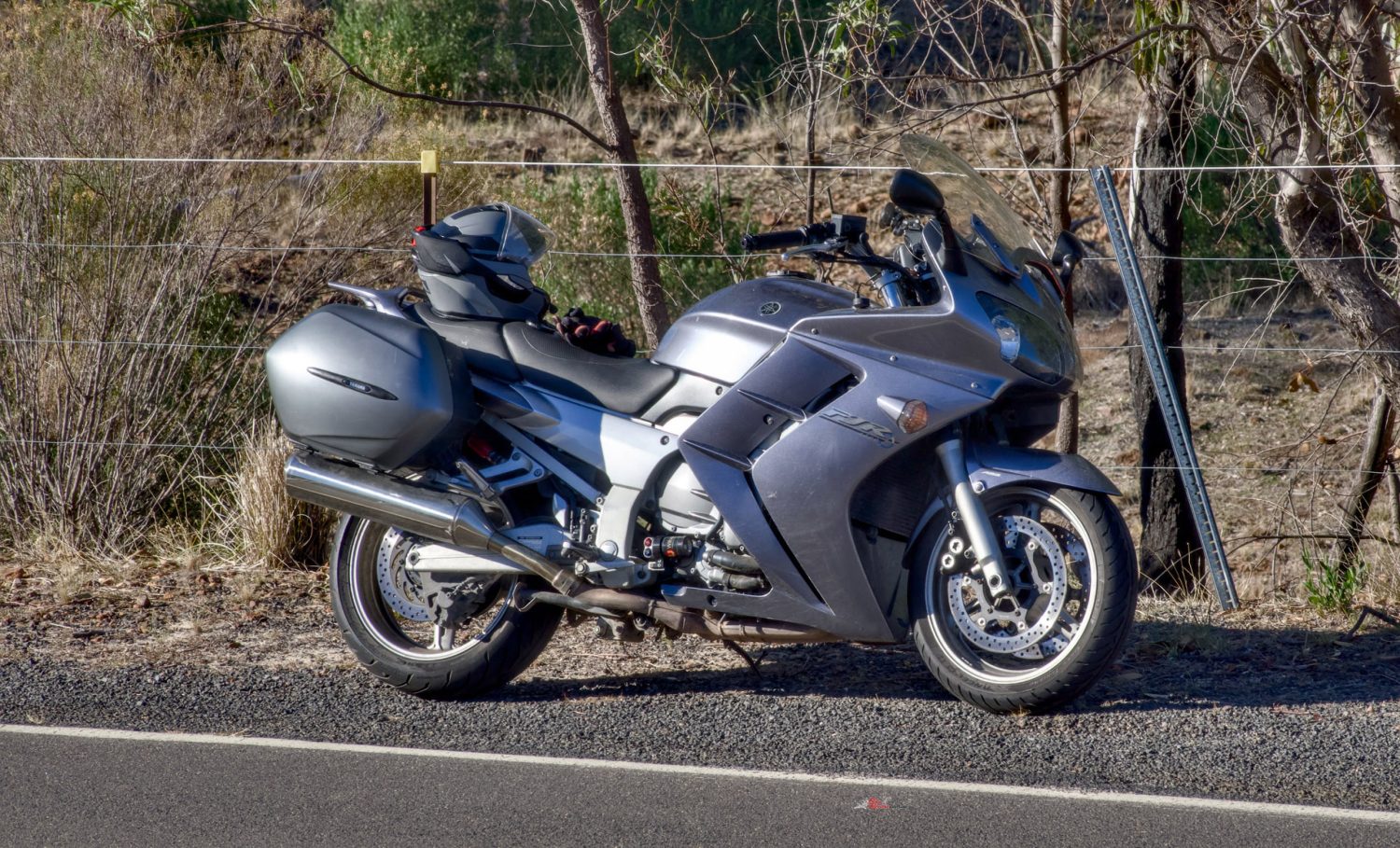
Before flying out in 2025, I surrendered the number plates on two of my registered motorcycles to Service NSW. The logic was why keep paying third-party insurance and registration on bikes that weren’t going anywhere? Seemed sensible at the time. Fast forward roughly 13 months, and the process of getting my Yamaha FJR1300 back on the road has left me questioning that decision rather seriously.
Read more of Nige’s columns here.
The Blue Slip Blues (Actually, the Easy Part)
Re-registering a previously unregistered vehicle in NSW requires a blue slip – essentially a check that your VIN and engine numbers match the paperwork, that the bike hasn’t been stolen or written off and that the lights work. I booked it in at a local workshop, and 20 minutes and $49 later, I was on my way. Painless, honestly. Then came the green slip.
The compulsory third-party personal insurance – the CTP – is where things turned ugly. NSW requires a full 12-month green slip when you’re registering a bike fresh off a blue slip, rather than simply renewing. Fair enough in principle but brutal in practice.

The cheapest green slip I could find for the FJR1300? $870.
I was so gobsmacked I dug out the old paperwork. The last green slip I’d been quoted before handing in the plates was $278 – for six months. So rather than paying $278 twice and spending $556 for the year, I was now being asked for $870. For the same bike. The same rider. Presumably the same risk.

Adding the blue slip ($49), the registration fee ($82), motor vehicle tax ($84) and a compulsory new number plate – because no, you cannot simply reuse your old one (I had to hand it back or risk a fine), that would be far too logical, and the privilege of a fresh plate costs $57 – the total to get back on the road came to just over $1100.
Had I kept the bike registered throughout that 13-month period, I’d have paid approximately $714. So yes, I did save something by taking the bike off the road, but not a full year’s costs.
Twenty Cents a Kilometre – For What, Exactly?
As part of the green slip application, the NRMA asked me to estimate annual kilometres. I selected the lowest bracket available: up to 5000km. A little research indicates this isn’t a factor in determining a premium – turns out your age, experience and what you ride are much bigger factors in predicting claims – so I’m not sure of the relevance of the question, but there you go. At 5000 kilometres, that puts the cost of registration alone at around 20 cents per kilometre. Meanwhile, my ageing FJR — hardly a fuel sipper — returns around 15 kilometres per litre. At current pump prices of roughly $2.30 a litre, that works out to about 15 cents per kilometre for fuel.

Let that sink in. It costs more per kilometre to register this motorcycle than it does to actually run it. Registration is roughly 30 per cent more expensive than the petrol it burns. And yet the national conversation remains fixated on fuel prices.

One Plate, Two Bikes — It’s Not That Complicated
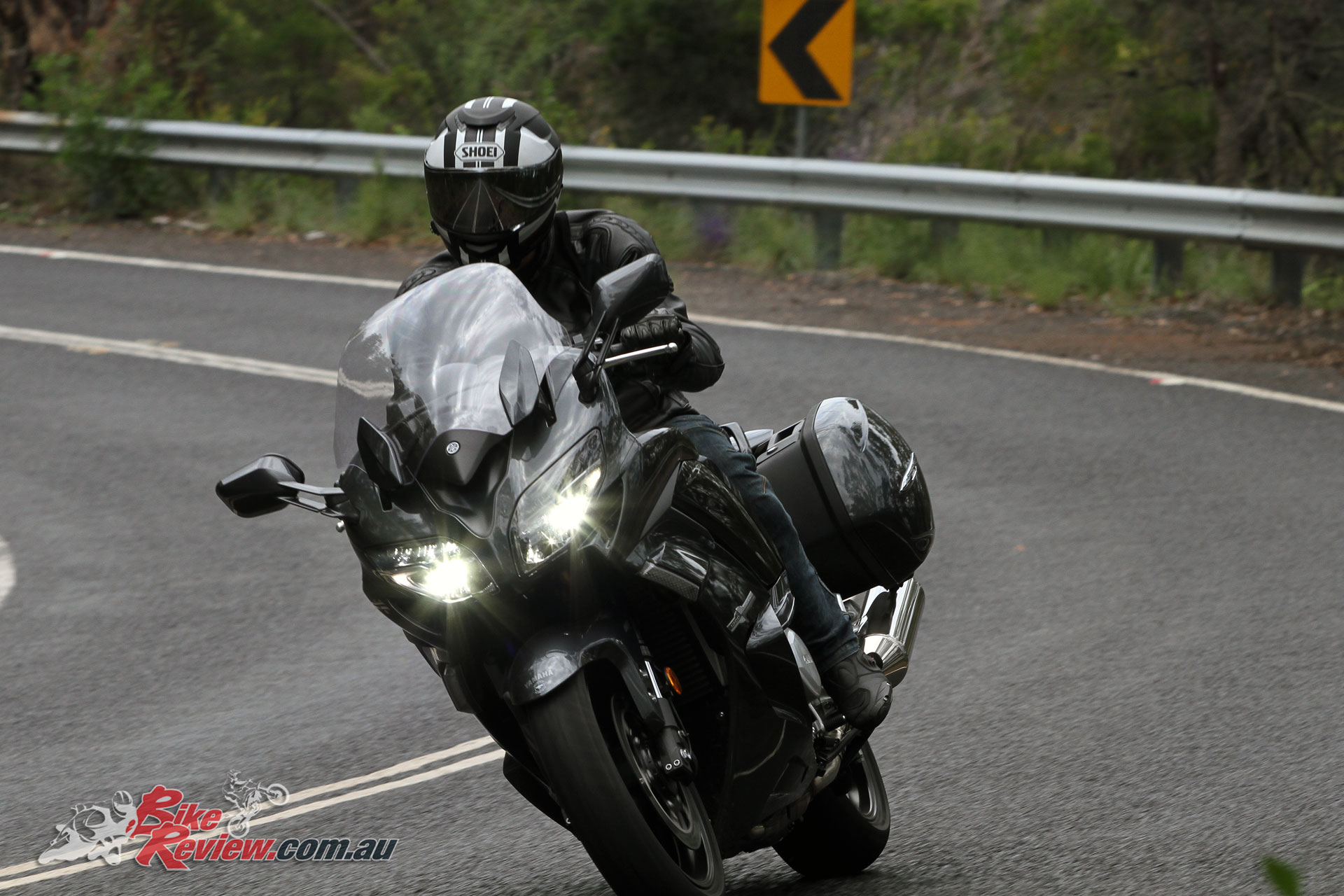
Here’s where I’ll climb onto the soapbox properly. My preference for around-town riding is actually my FZ6, not the FJR. The big tourer is well-known for cooking its rider in slow traffic on hot days – anyone who’s sat in metro-area gridlock on an FJR will know exactly what I mean. But keeping both bikes registered means paying full registration on each, despite the blindingly obvious fact that I can only ride one at a time.

Yes, in theory my partner could ride the other. In practice, she doesn’t hold a licence for either. But even setting that aside – the principle stands.


The solution seems remarkably straightforward: allow a single registration to span multiple motorcycles, with the owner moving the number plate between them and paying a modest administration fee. The plate is tied to the person, which already handles the enforcement angle; traffic cameras, parking infringements, the lot. There could be an extra digit on a separate small plate beside the main plate to identify which bike it is exactly if that’s important.
There is only ever one motorcycle on the road at any given time. Why should a rider pay for two?
You could argue this was impossible in the era of paper-based bureaucracy, and perhaps it was. But to suggest that in 2026 a system couldn’t be built to handle a registration linked to multiple vehicles is, frankly, absurd. The technology exists. The will, apparently, does not.

The Harley-Davidson LiveWire was one of our favourite long termers and an exceptional EV bike.
The Electric Future Makes This Even More Relevant
As we edge toward an electrified riding future, this inflexibility starts to look even more short-sighted. Imagine owning a small electric scooter for daily commuting – charged off your rooftop solar, zero fuel cost, perfect for urban use – while also keeping a big tourer or adventure bike for weekends. Two machines. One rider. Never both on the road simultaneously.
Under the current system, you’re paying full registration on both. Under a sensible system, you wouldn’t be. But logic, as any motorcyclist dealing with Australian bureaucracy will tell you, doesn’t always carry much weight when there’s revenue to be collected. Welcome back to the road. Now open your wallet.
The Author

You Might Also Like