

A decade on, Jeff Ware revisits the 2016 Ducati 1299 Panigale: a 205hp superbike that paired breathtaking acceleration with far friendlier road manners than the 1199.
Ten years ago, Ducati’s 1299 Panigale set out to tame the track-focused 1199 without losing its ferocious edge. We spent two weeks with the 205hp superbike to find out whether Ducati had made its flagship as enjoyable off track as it was on it. Photos: Heather Ware.
Introduced for 2015/16, the 1299 grew the Superquadro engine to 1285cc and gained revised electronics and a more compliant suspension setup. Our 2016 road test asked whether Ducati could preserve the 1199’s explosive character while making everyday riding less punishing.
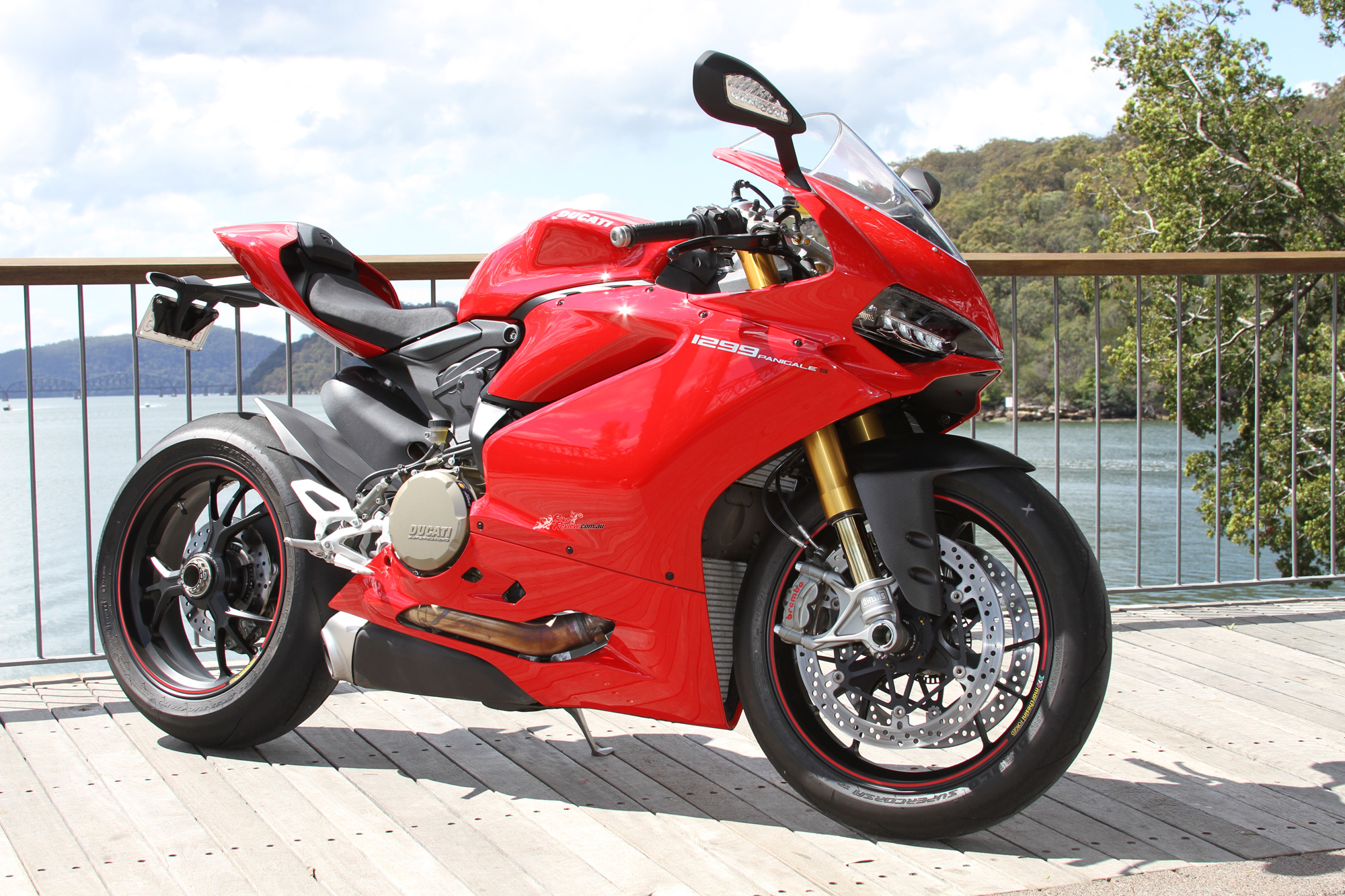
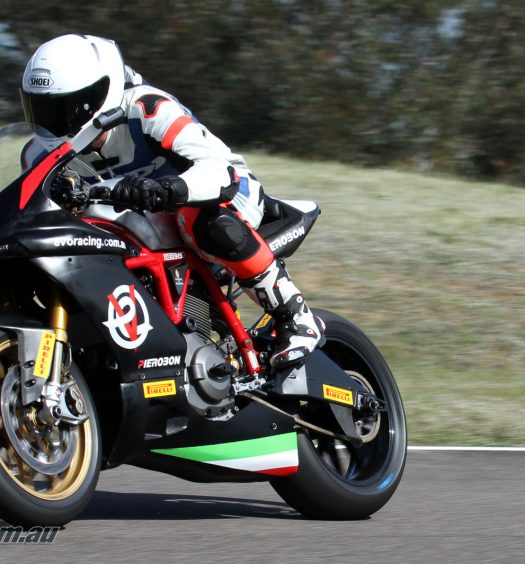
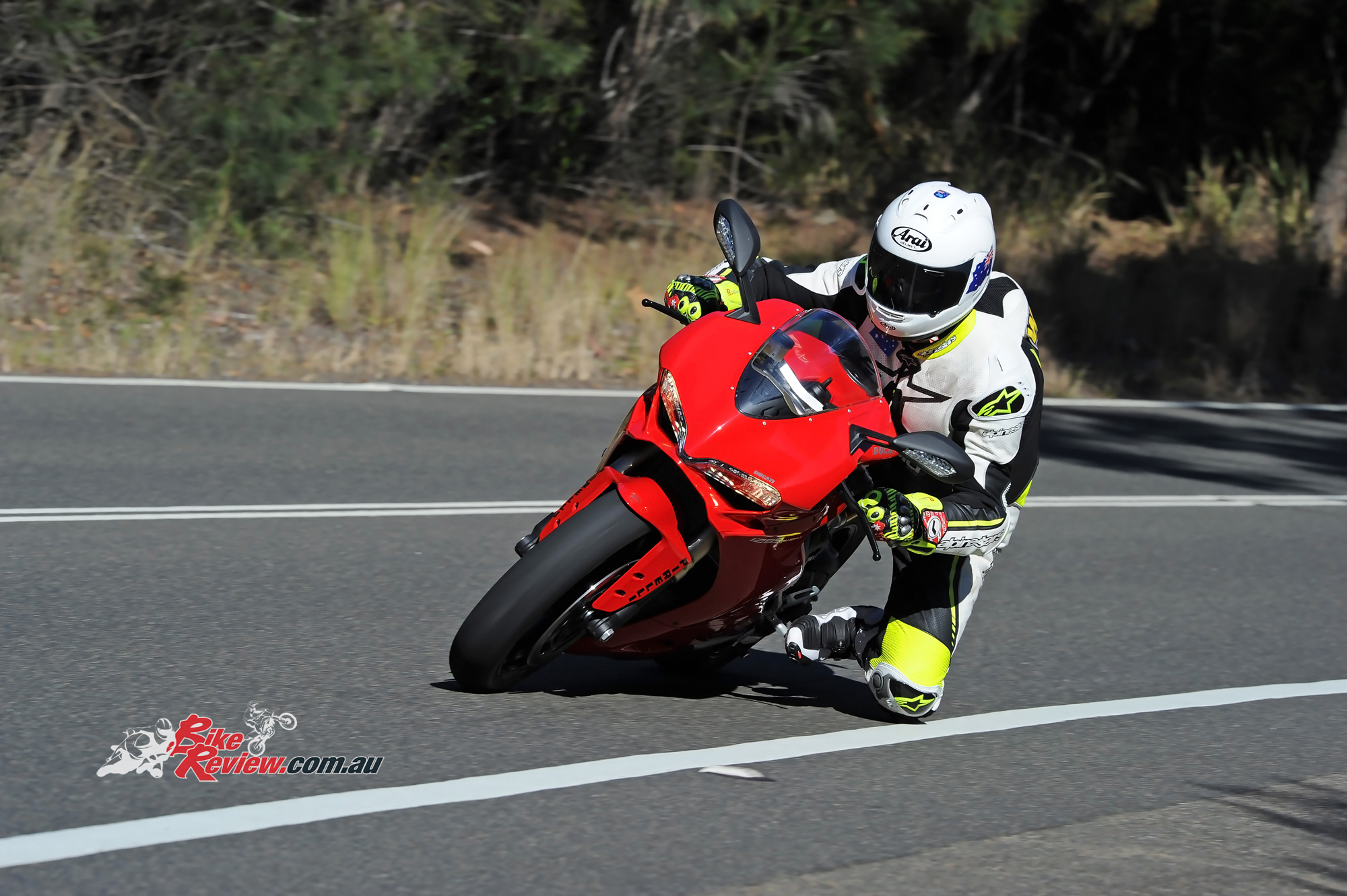
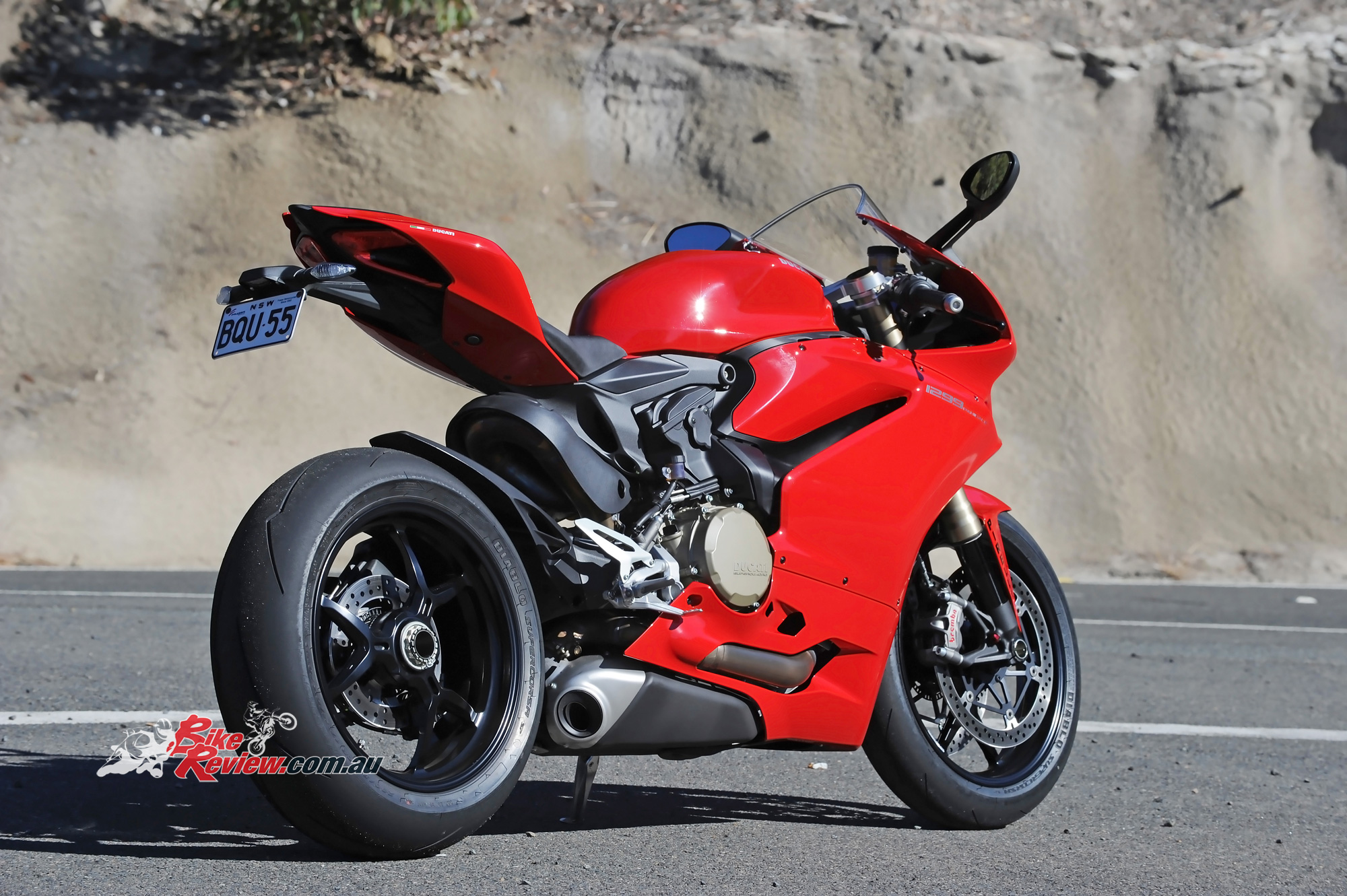
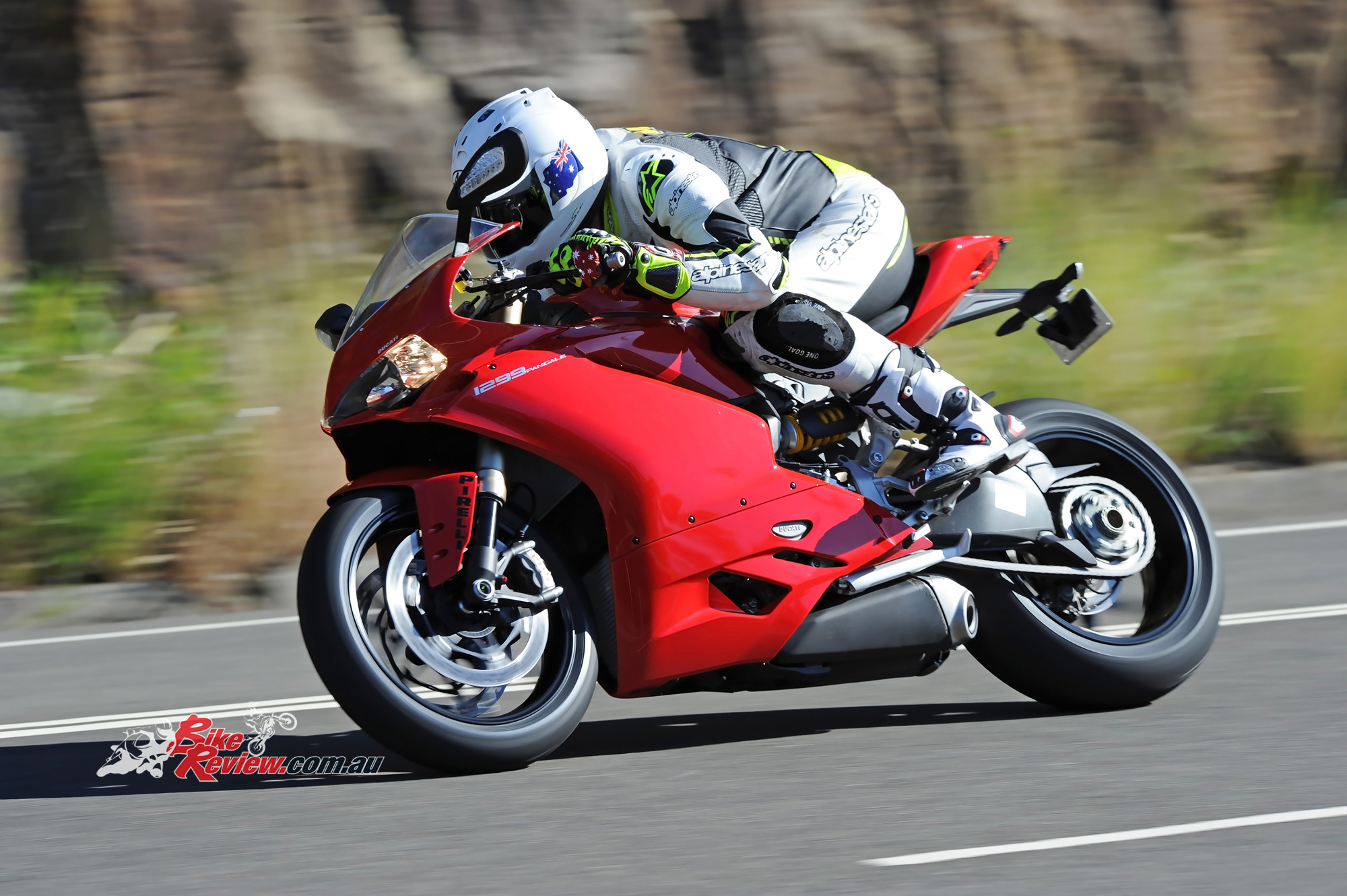
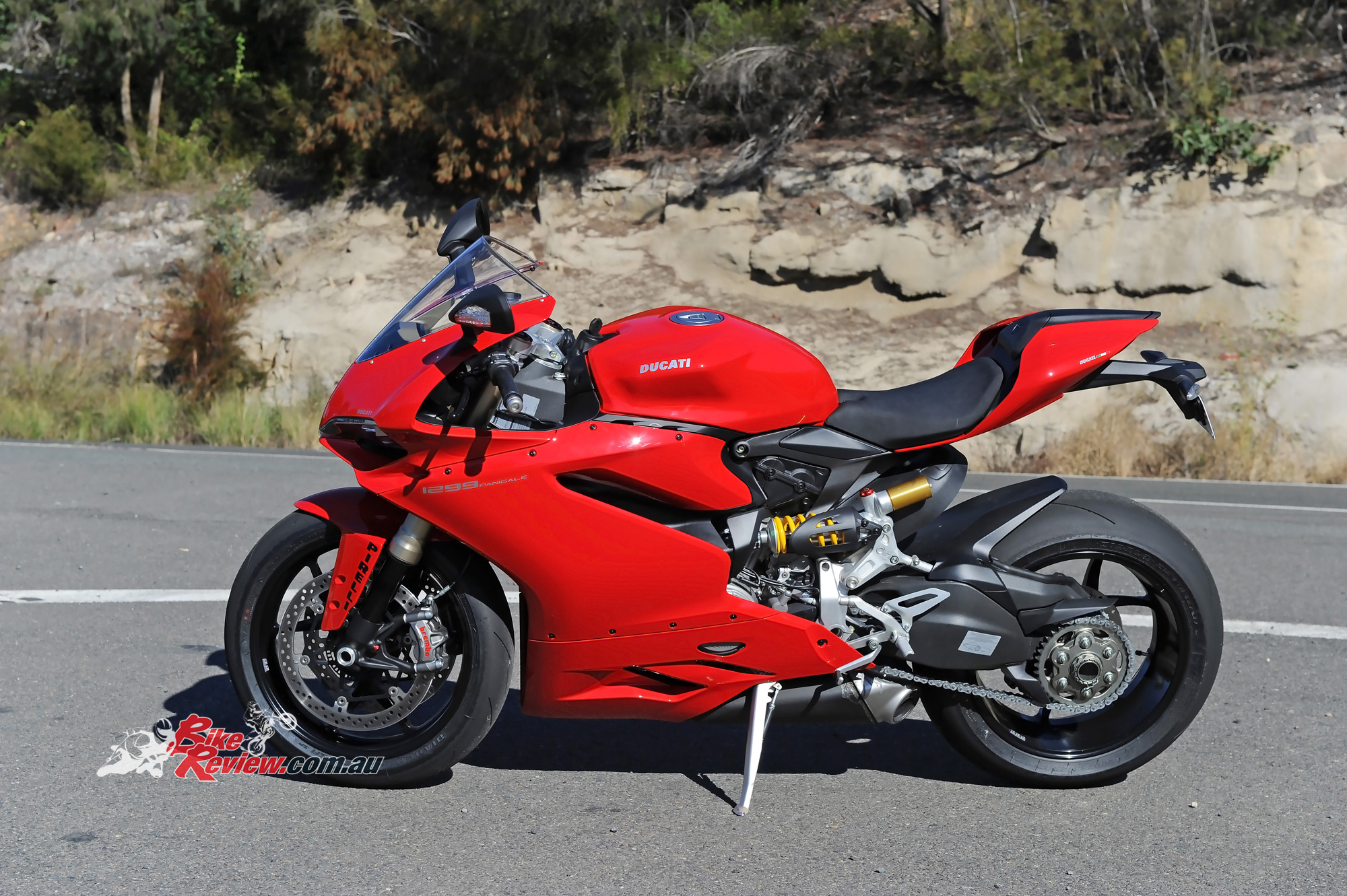
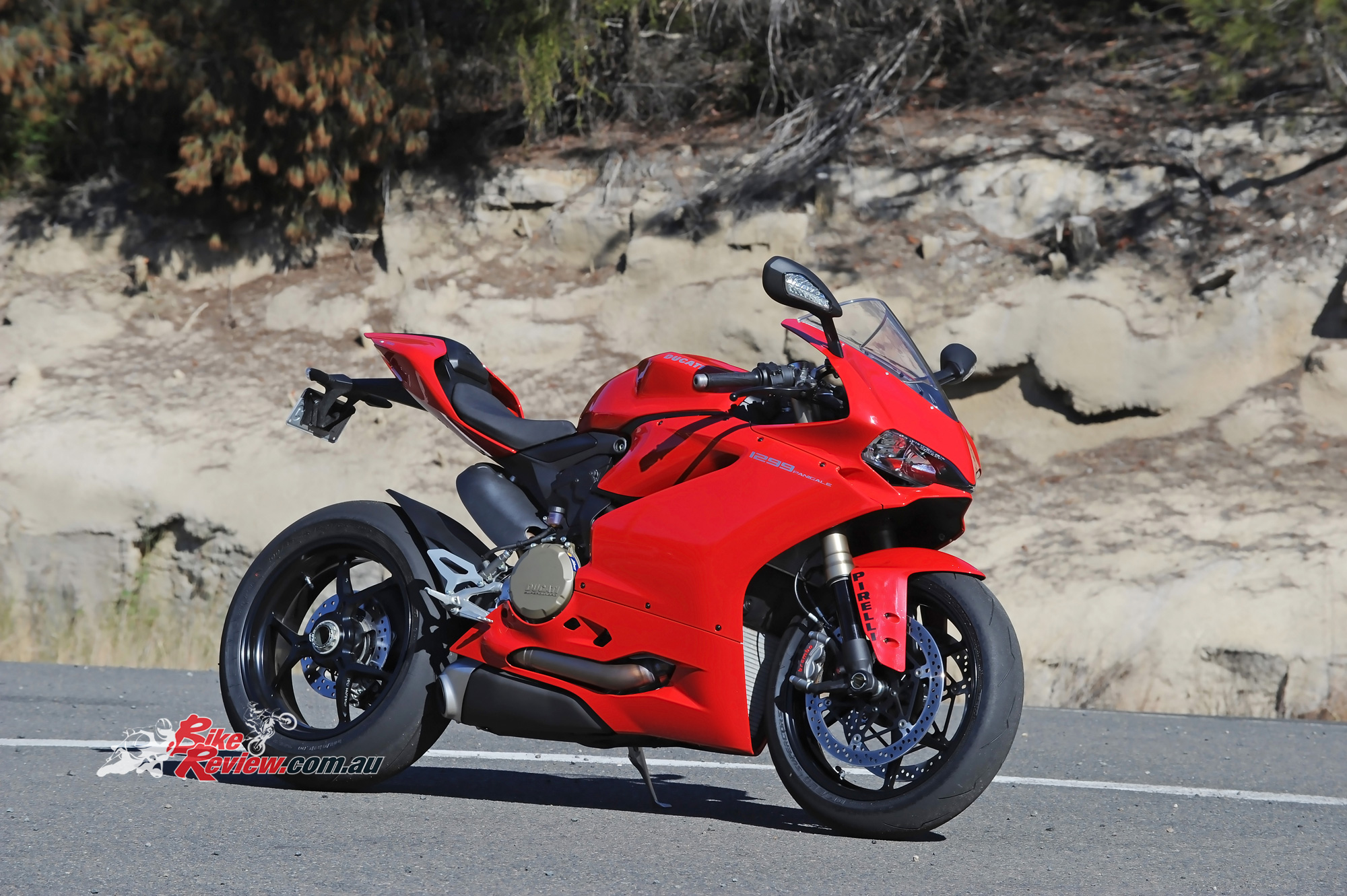
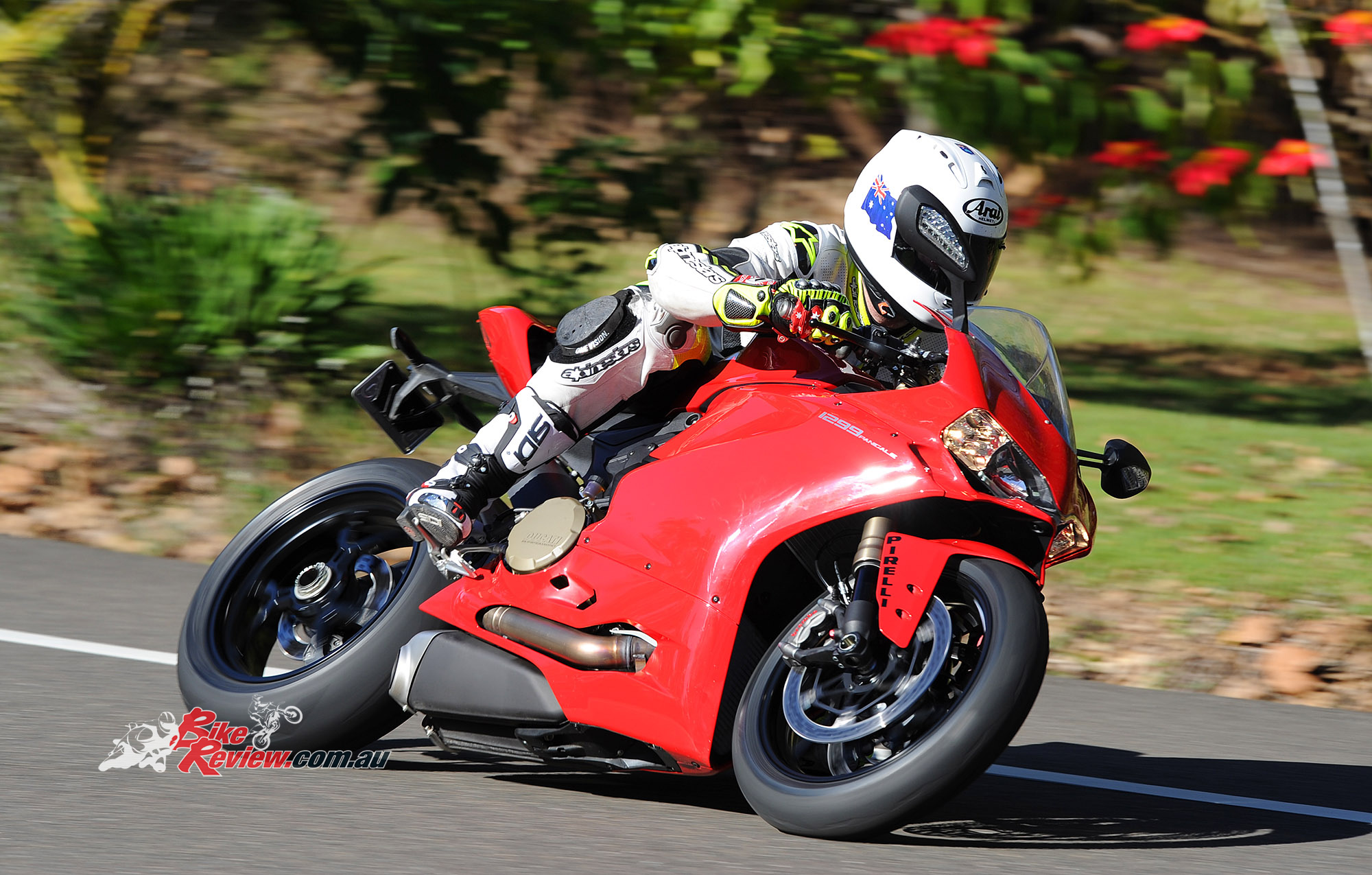
The 1299 Panigale paired Ducati’s 1285cc Superquadro engine with sharp styling and track-focused equipment. Photo: Heather Ware
The 1199 was explosive on track, but its abrupt fuelling below 6000rpm, stiff suspension and heat made ordinary road rides demanding. Ducati had already shown with the 899 Panigale that it could build a more forgiving street bike, yet many riders still wanted the 1199’s full-bore performance.
Could the 1299 deliver both? Ducati revised the engine, electronics and suspension, and my first ride brought a real surprise: the bike was easier to live with without feeling any less potent.
Read more of our Throwback Thursday articles here…
2016 Ducati Panigale 1299 | The Ride
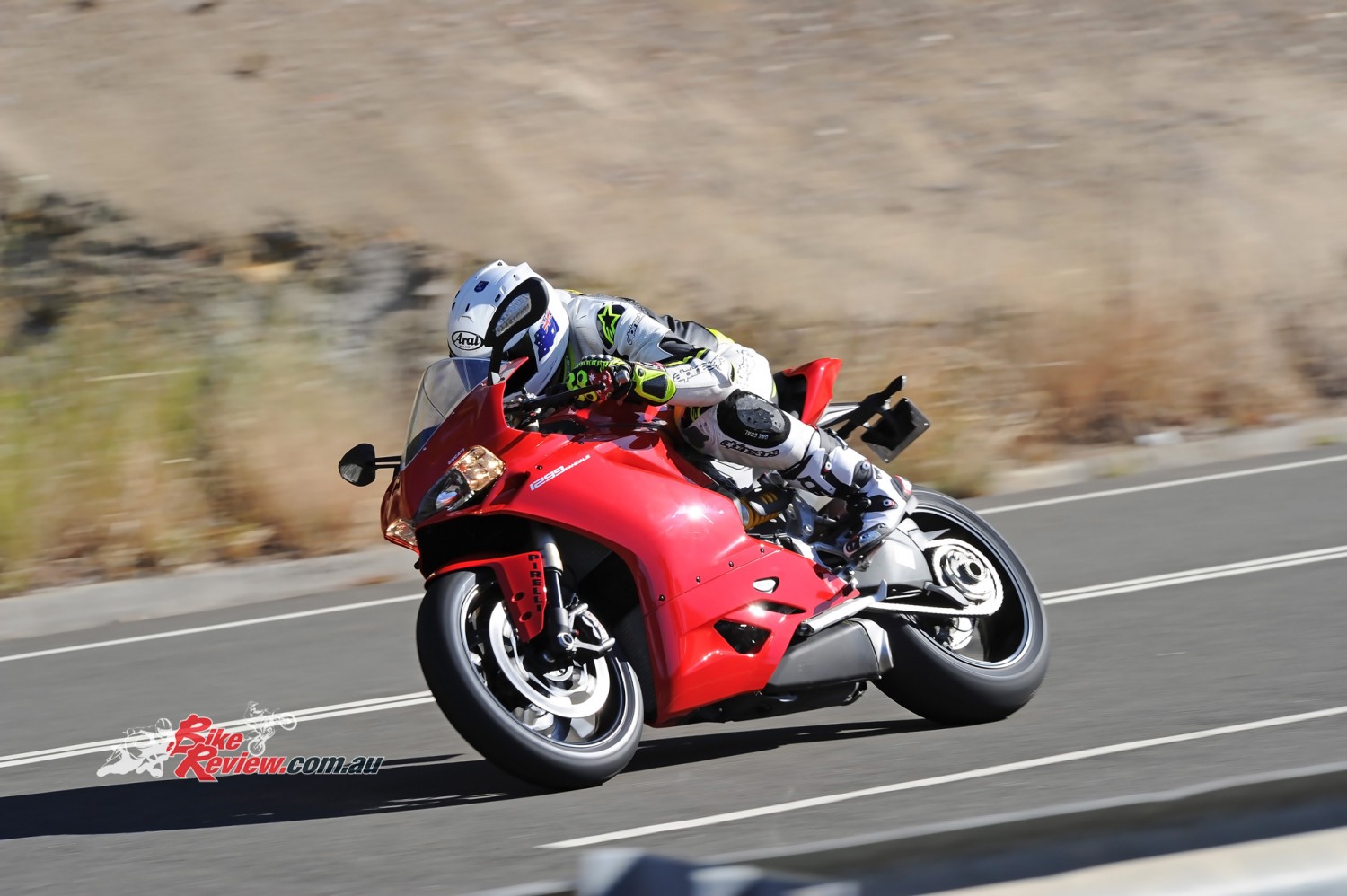
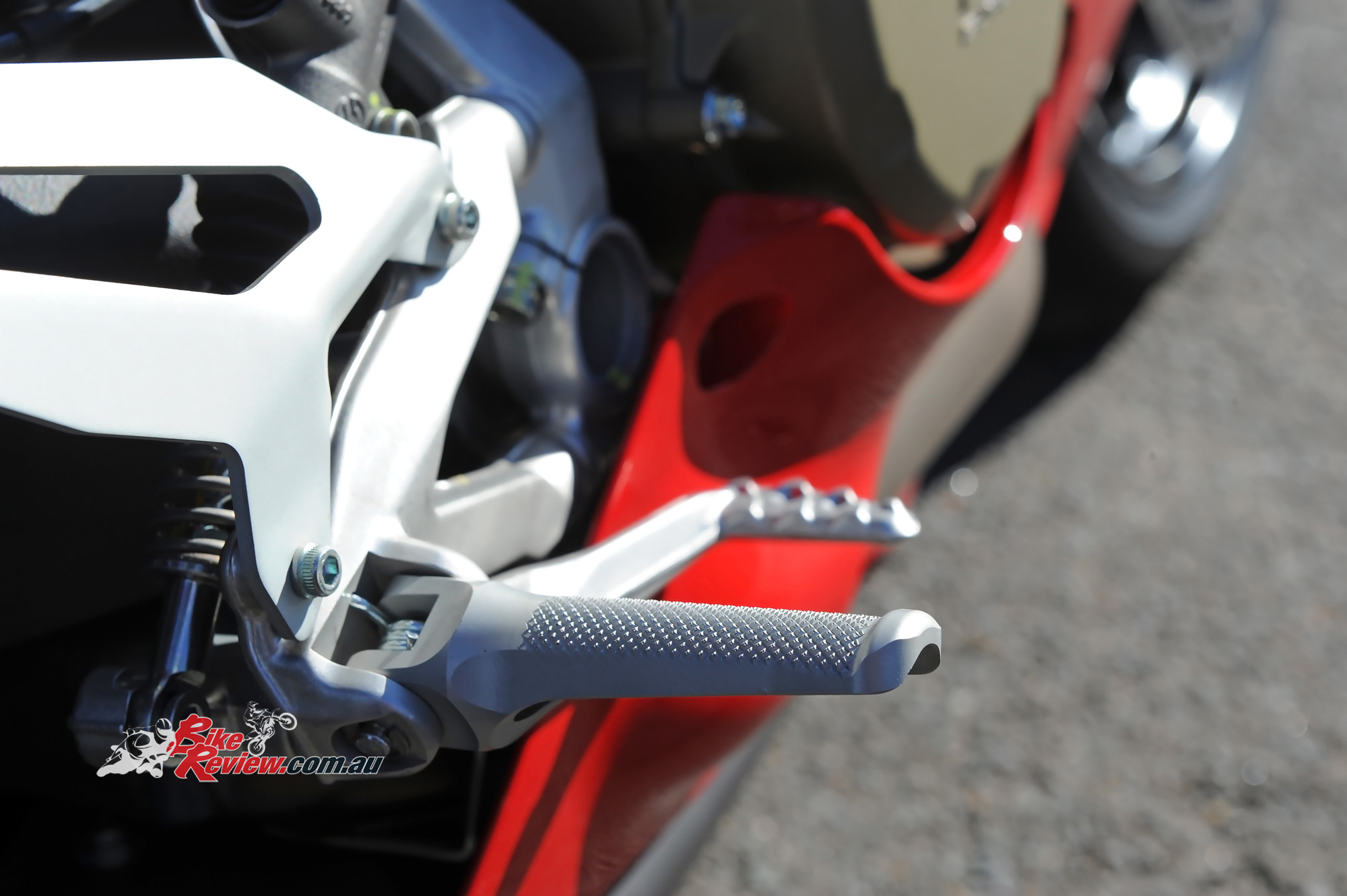
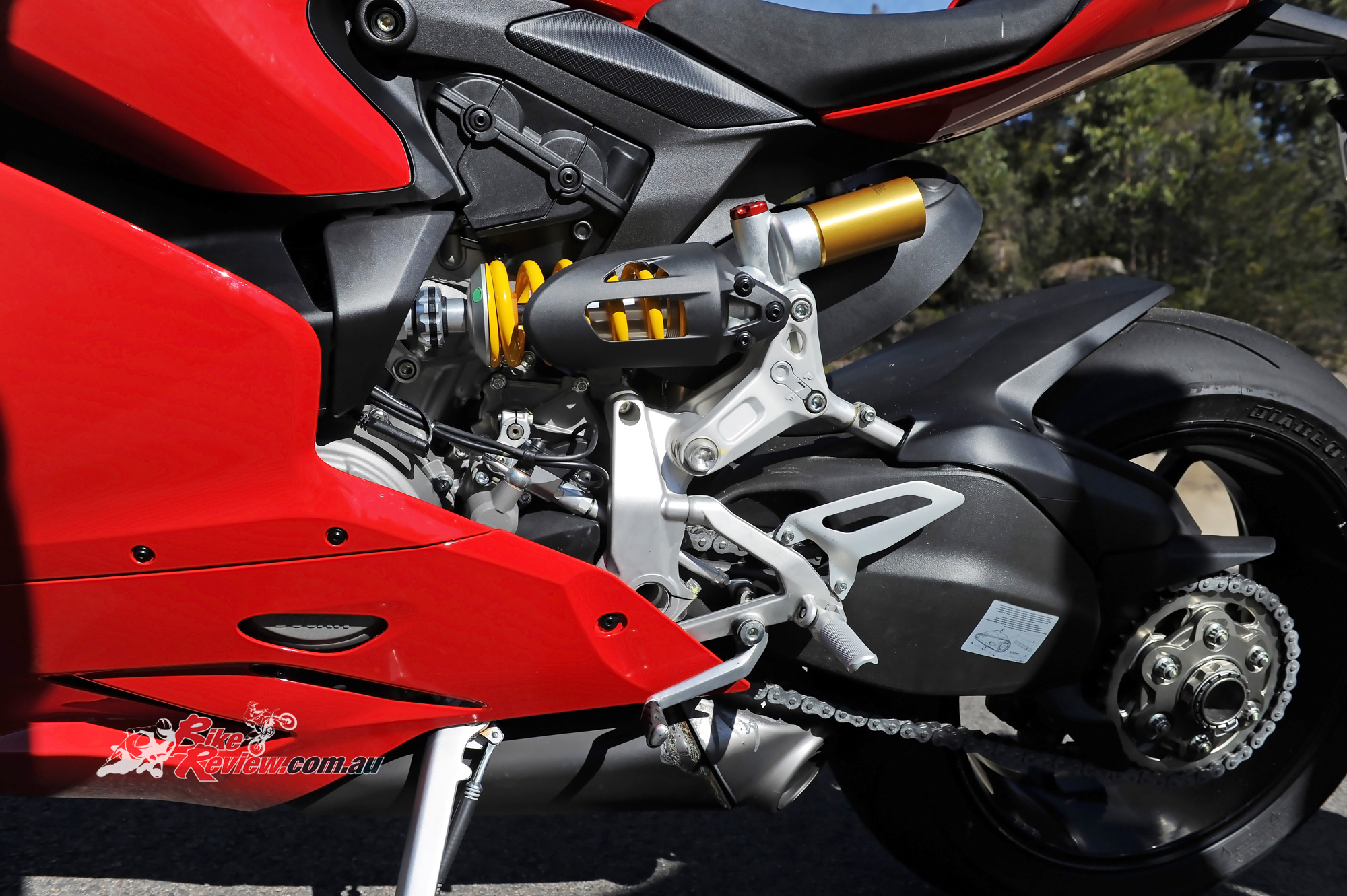
The 1299 fired with a deep Ducati idle. On the move, the revised suspension felt plusher than the 1199’s, while the new footpegs offered better grip. I settled in quickly and was surprised by how civilised the superbike felt in traffic.
Through peak-hour riding, the engine stayed smooth and temperature hovered around 90–100°C. Heat on my legs was noticeable but far more manageable than the outgoing bike, the clutch action felt lighter and the motor pulled cleanly from about 2000rpm. The quickshifter worked smoothly, though in traffic I preferred to downshift the conventional way.
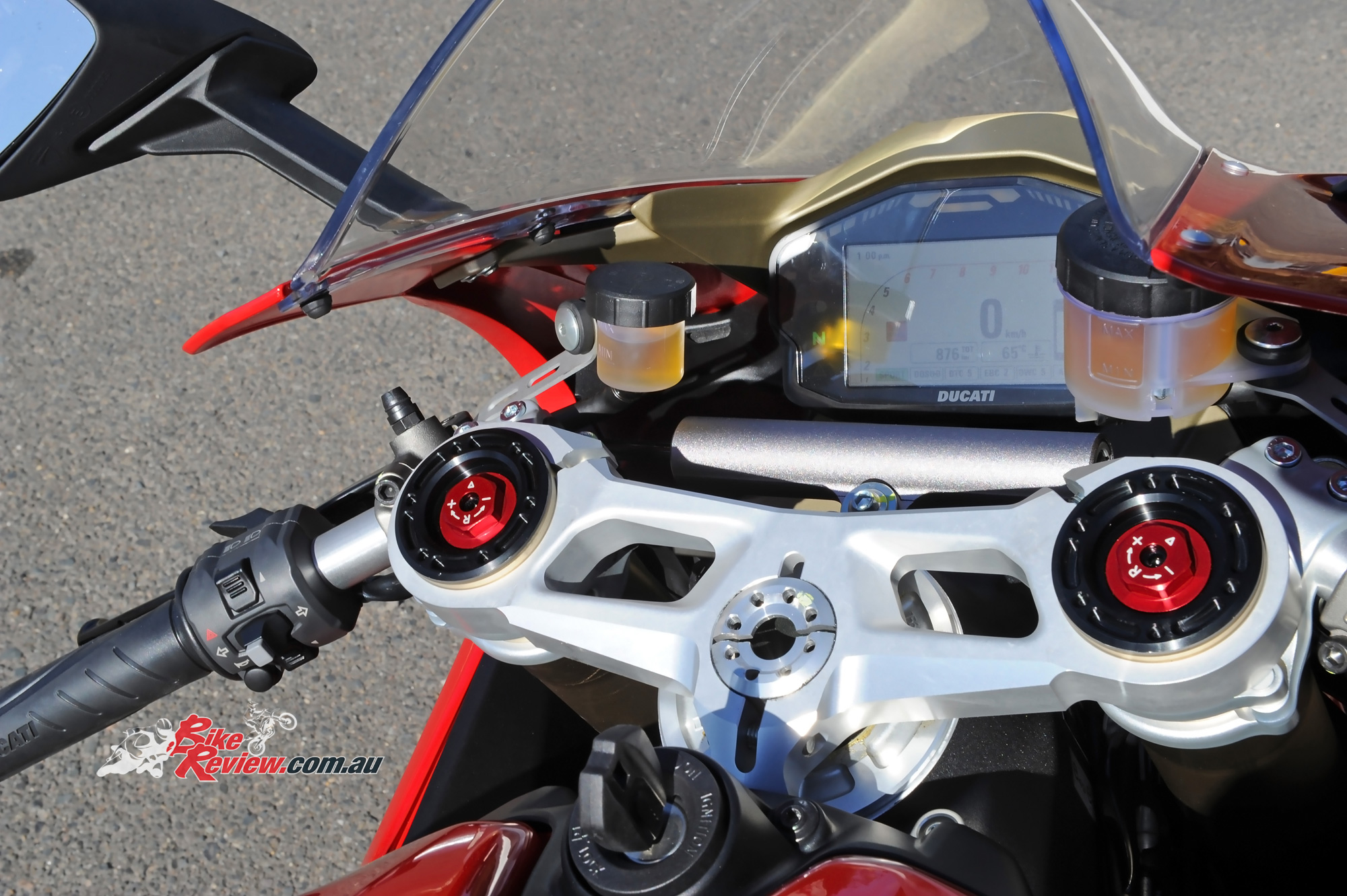
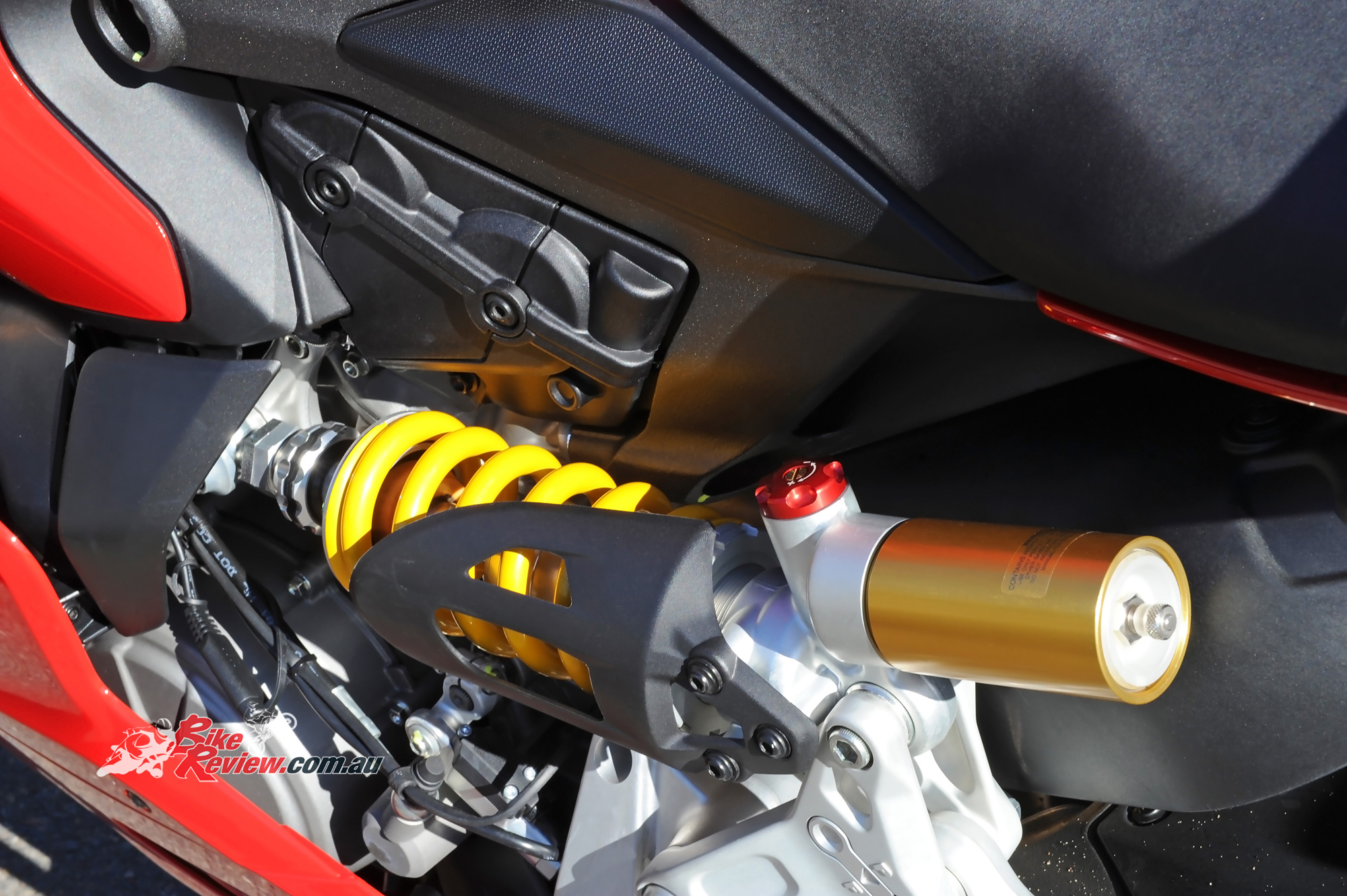
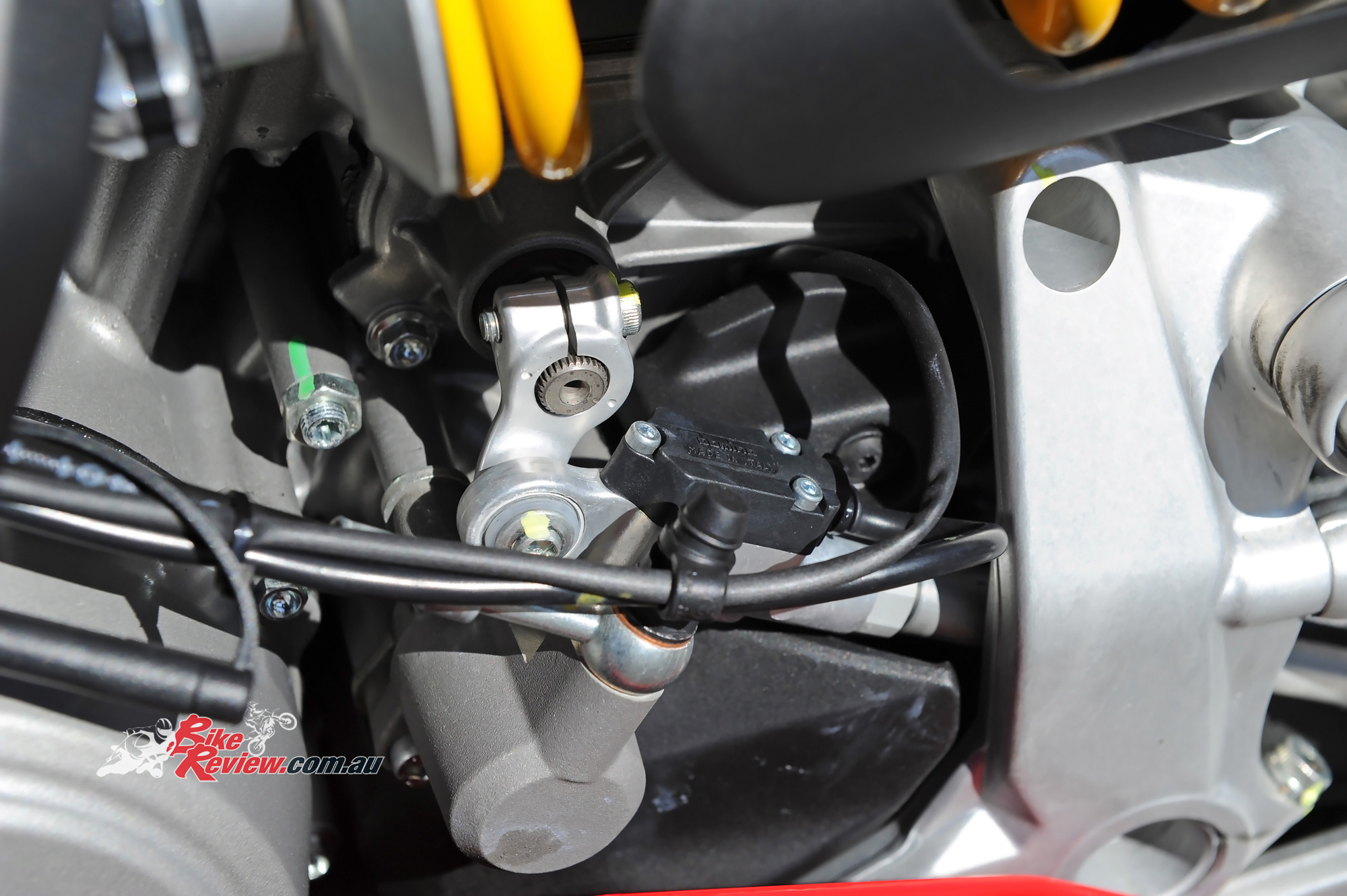
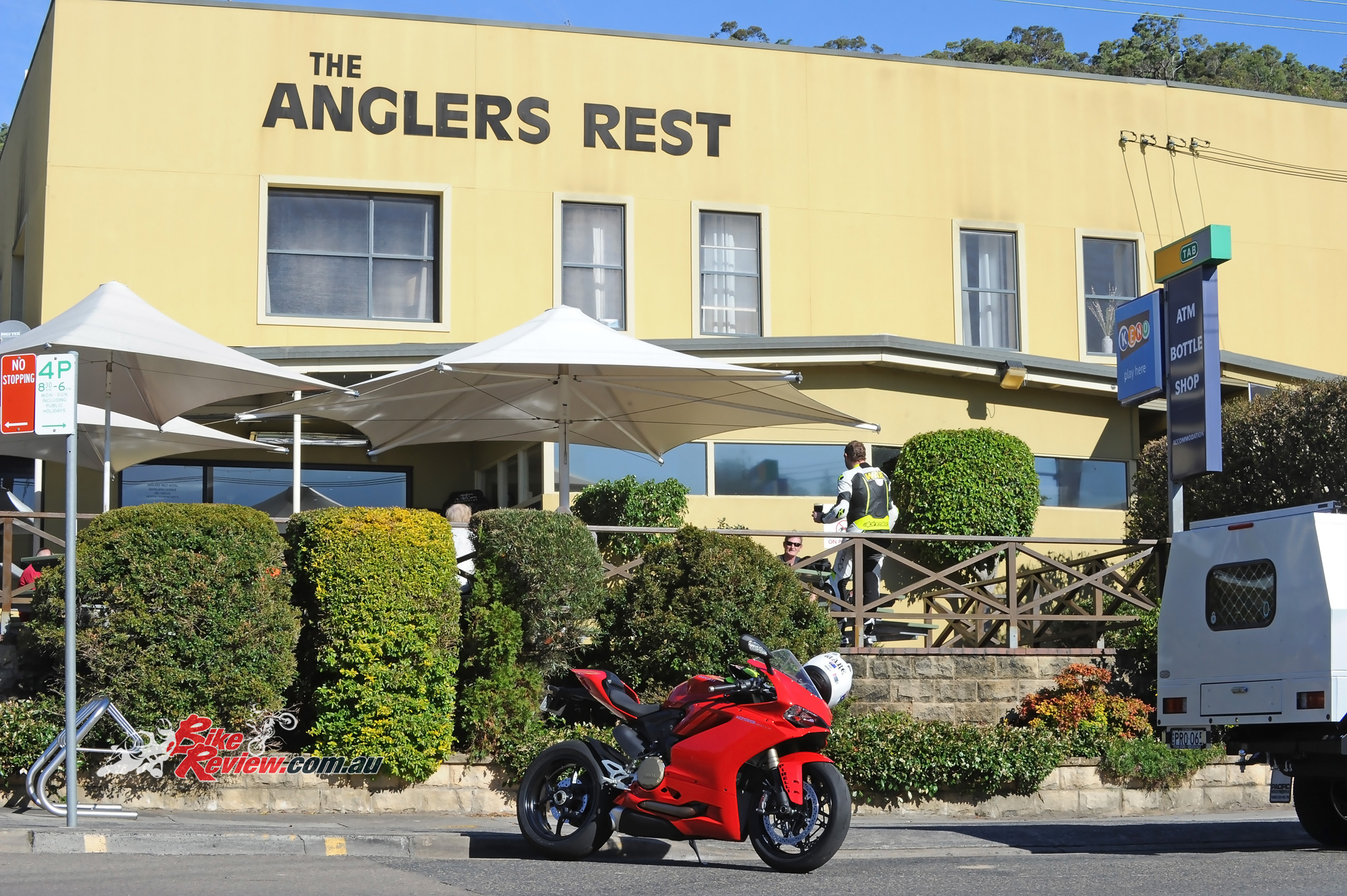
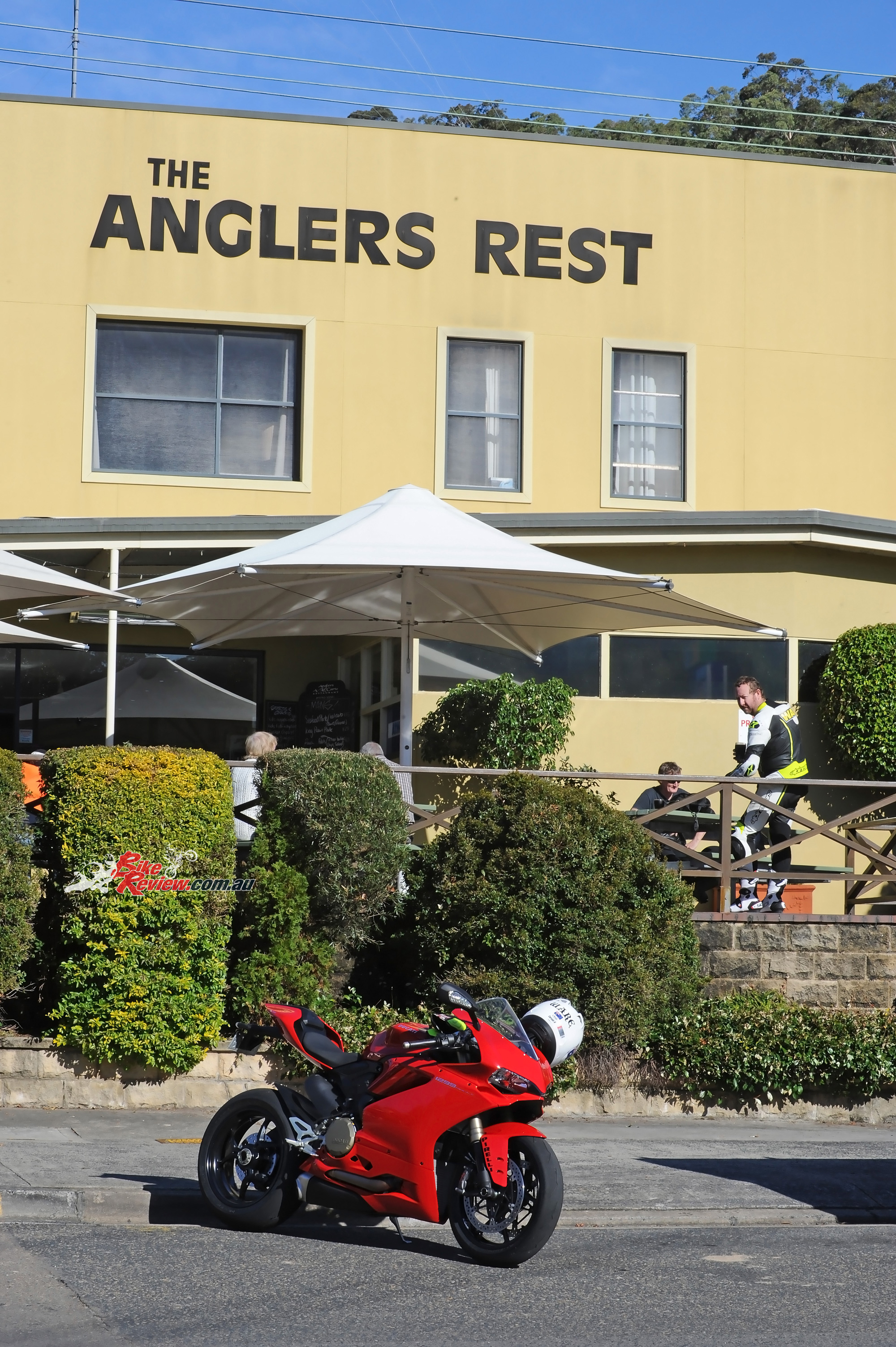
At the start of my country-road loop, I stopped for a dollar coffee feeling comfortable and relaxed. The same trip on the 1199 had been taxing. Once the spring sun warmed the road and the fog cleared, I headed for the rough, bumpy sections where the revised suspension would have to prove itself.
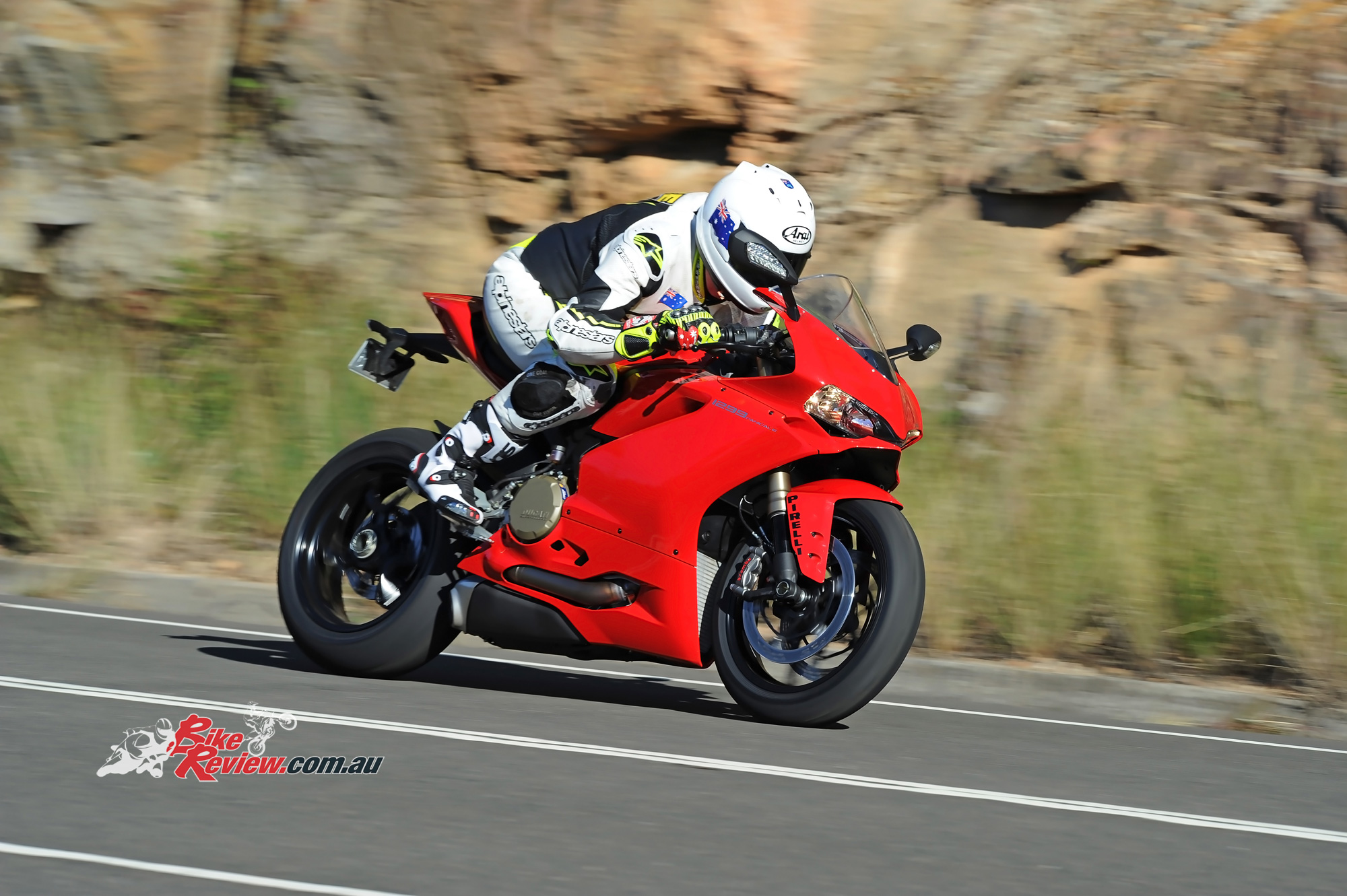
Sport mode delivered fierce acceleration. From around 5500rpm the scenery blurred, the front wheel lifted through the lower gears and the engine kept pulling hard toward 11,000rpm. With 205hp on tap and a dry weight of 166.5kg, the 1299 felt like a new level of performance in 2016. And it was.
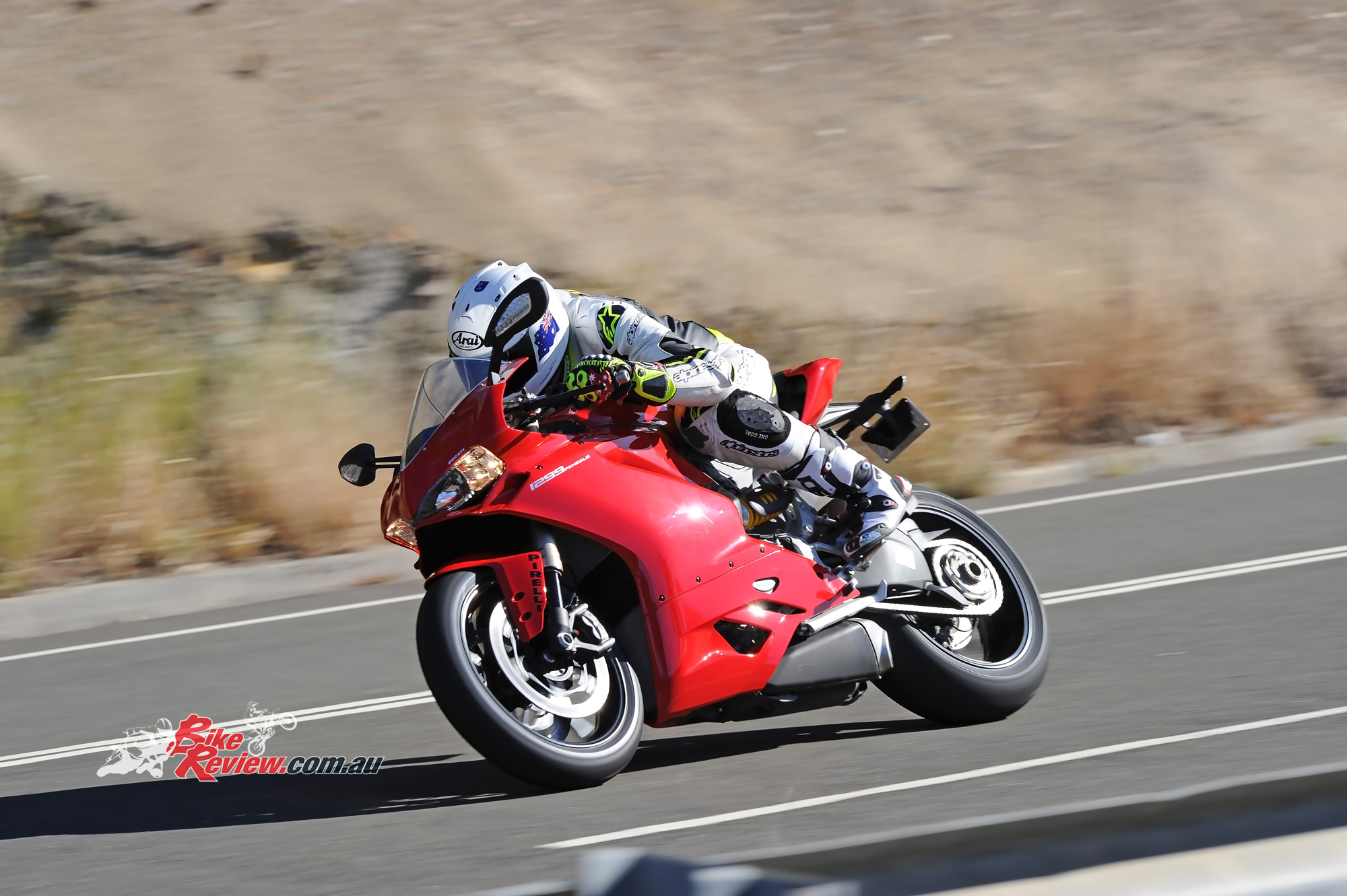
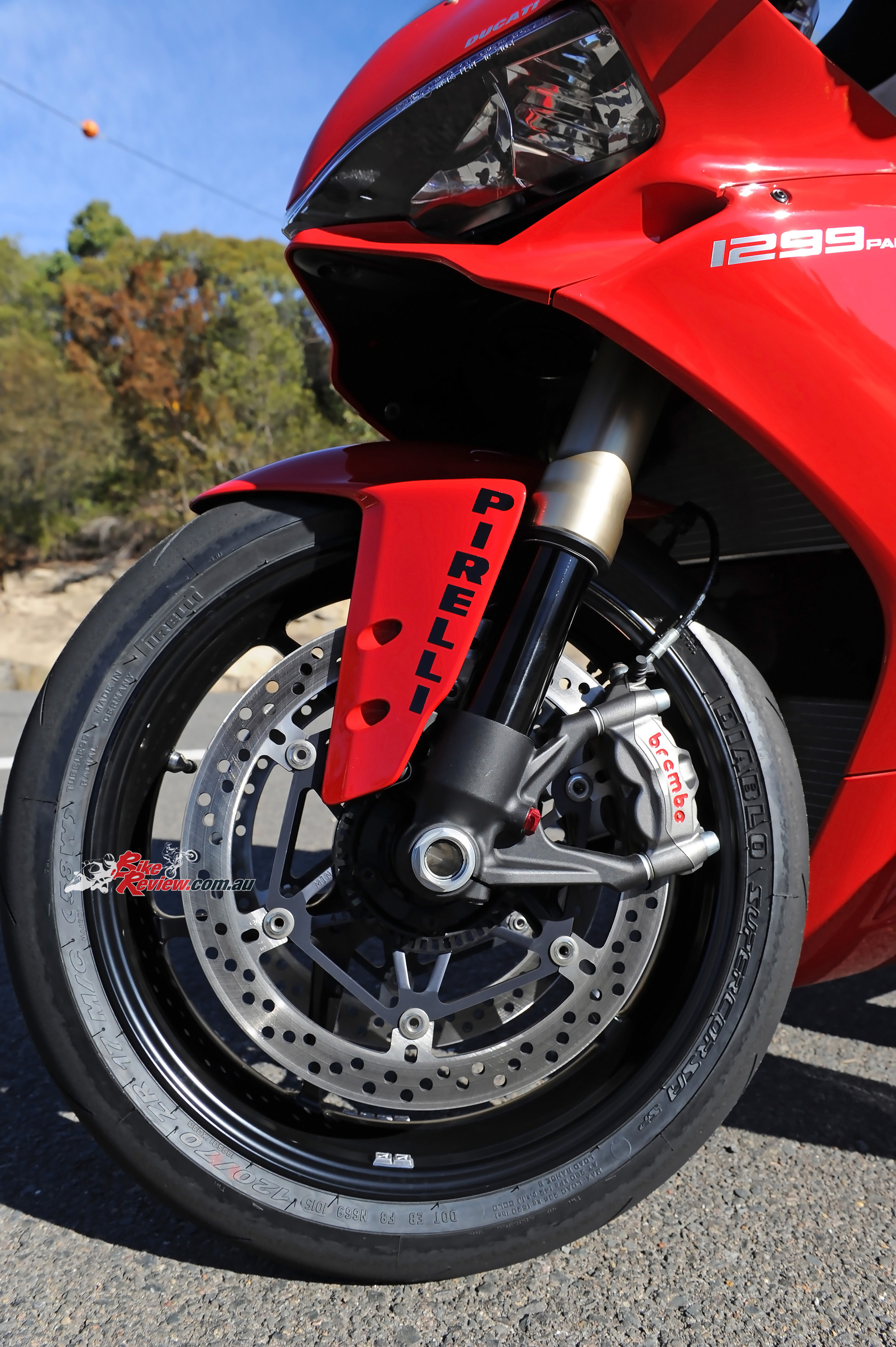
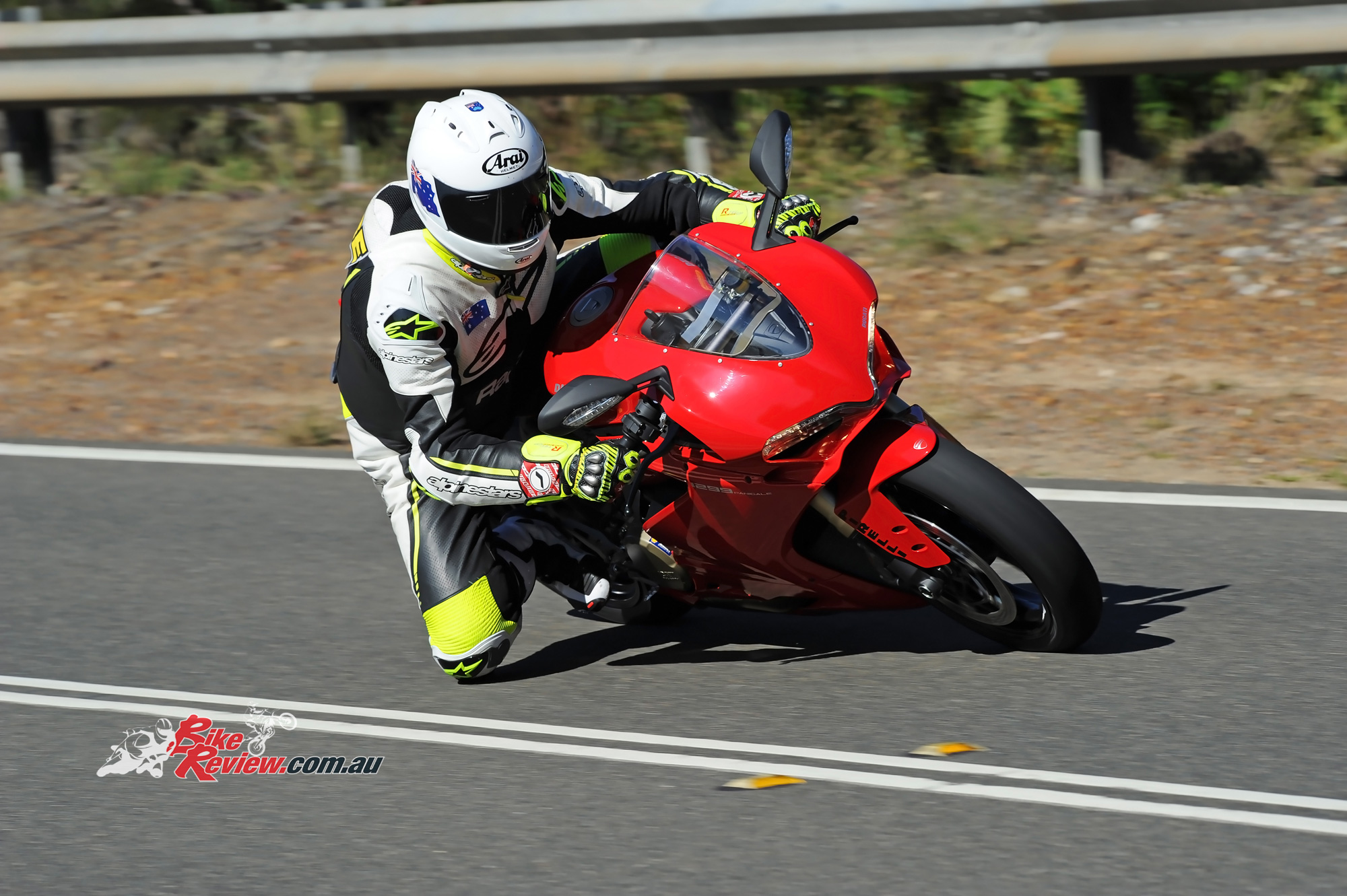
The new setup changed the way the Panigale handled broken surfaces. The Pirelli Supercorsa SP tyres provided confidence, and the bike stayed composed where I had disliked the 1199 and 1198. On smoother corners, I found myself leaning in with less hesitation and enjoying the road rather than bracing for the next bump.
I stopped for fuel at 10:25am, then returned to the same servo six hours later after riding the loop repeatedly. I had spent the day switching between Race and Sport modes and exploring their settings. Race mode was wild: the throttle response was instant, and the drive out of corners repeatedly lifted the front wheel.
“Race Mode is insane. The throttle is instant and it makes me laugh like an idiot.”
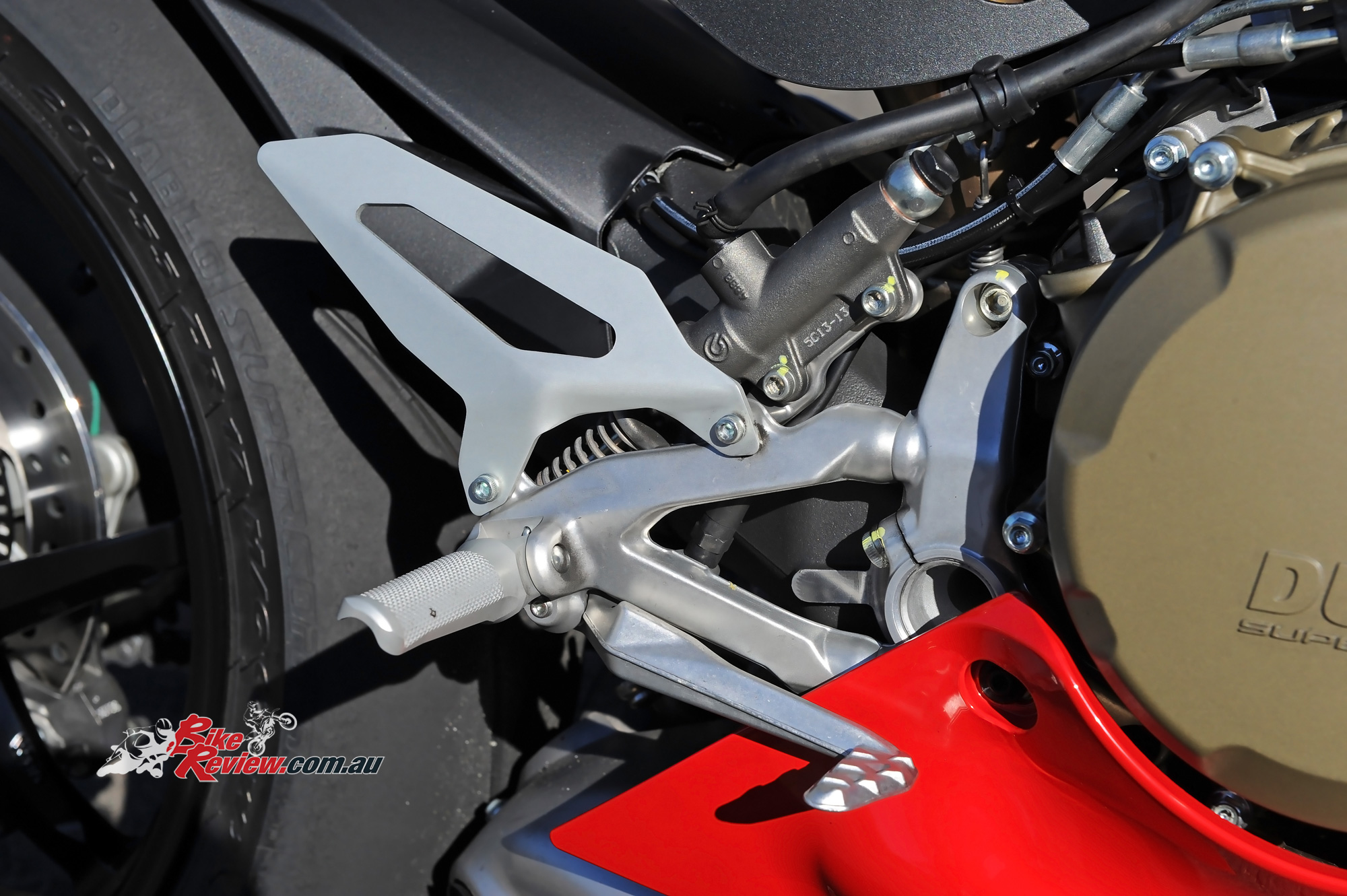


The up-and-down quick-shifter made the ride more involving while leaving me more attention for the road ahead. I had first tried reverse-shift auto-blip on World Superbike and Supersport machines at Portimão in 2011; seeing the technology arrive on a road bike felt remarkable.
Darkness and rain finally sent me home. Wet mode reduced output to 120hp and softened the throttle response, while the headlights and dash made the ride manageable. My one recurring annoyance was opening the Riding Mode menu whenever I reached for the indicator button.

The next day I washed the bike and rode it to Ducati Australia, where I spoke with multiple Pro Twins Champion Craig McMartin. He had ridden 800km on the 1299 during Turismo and agreed it was a much better road bike than the 1199.
At its 2016 launch price of $27,990 plus on-road costs, with 24,000km service intervals, the 1299 made a stronger case as a road-and-track superbike. A decade on, the detail that stays with me is how much more of its performance I could enjoy on a real road.
Used Values Today
Some standard 2015/2016 1299 Panigales sit at around $20,000–$26,000 AUD, depending on condition, kilometres and specification. Current October 2026 listed examples include a 2015 standard at $19,995 and a 2016 Panigale S at $22,990, while a low-kilometre 2016 standard is asking $26,000. Low-kilometre 2015 Panigale S examples can be listed closer to $30,000. These are advertised prices rather than confirmed sale values, and some exclude on-road costs.
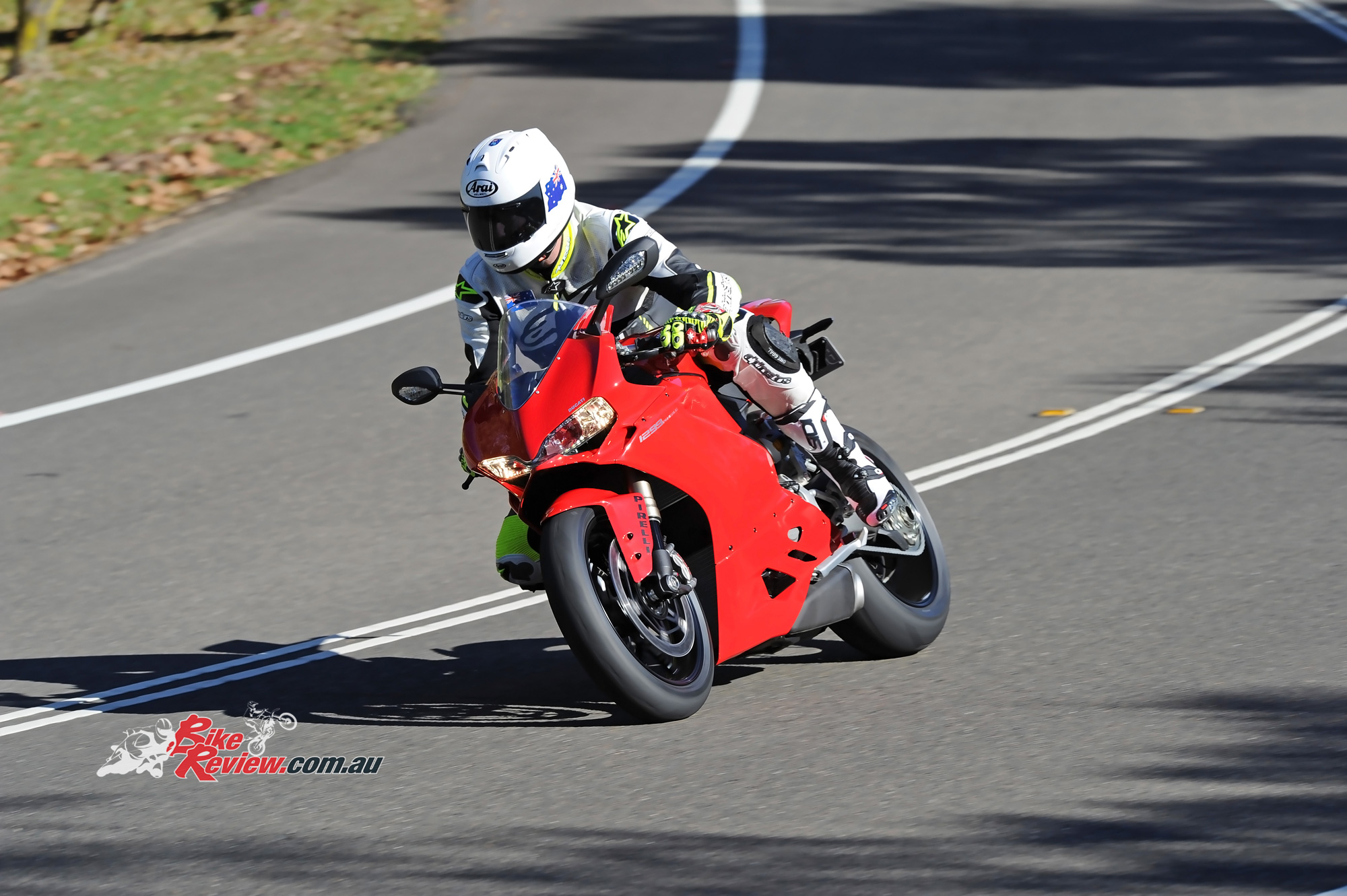
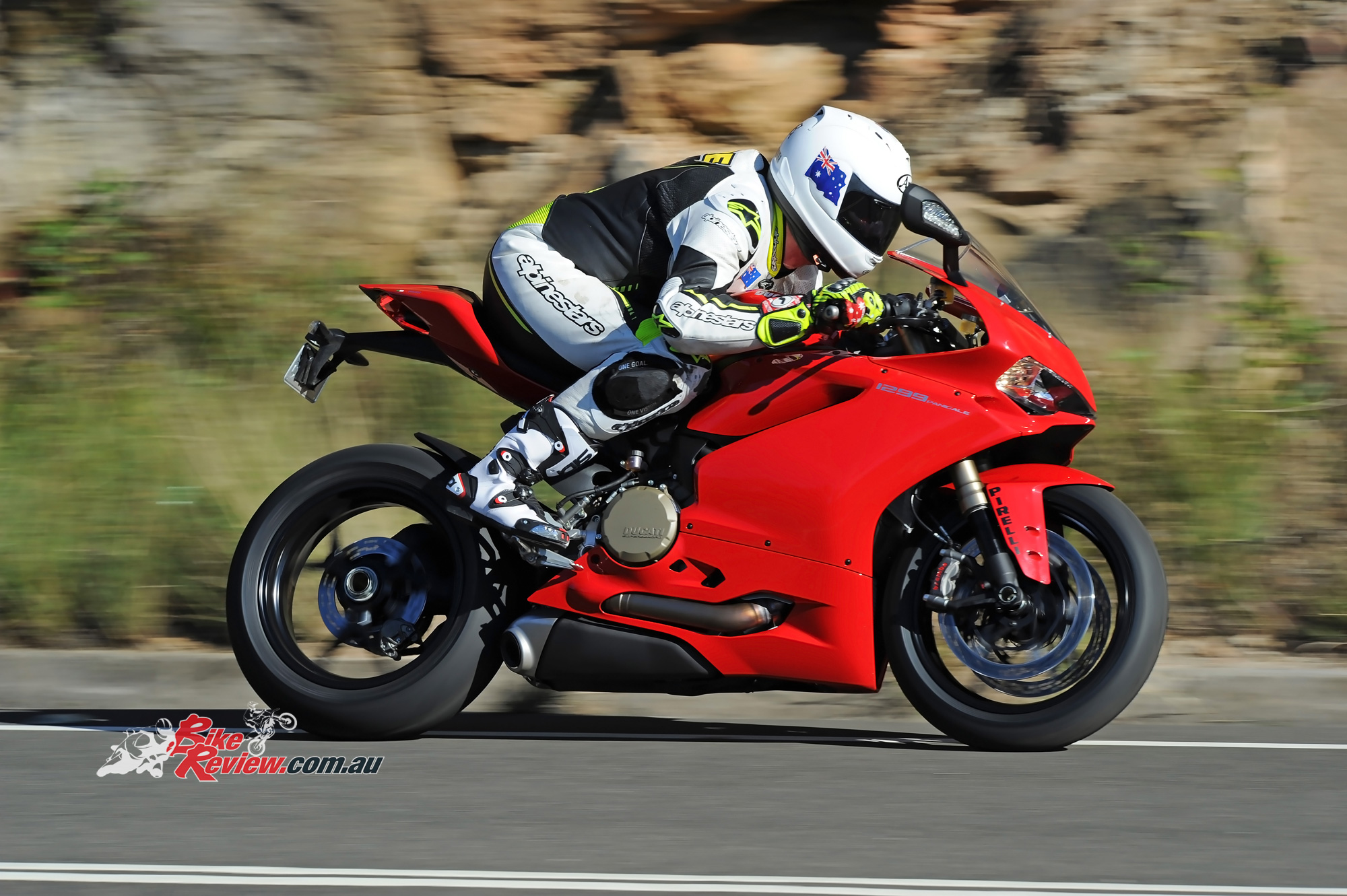
The 1299 proved more comfortable and approachable over a full day’s ride than its predecessor. Photo: Heather Ware
2016 Ducati Panigale 1299 Specifications
Engine: Liquid-cooled 1285cc L-twin Superquadro, 116 x 60.8mm bore and stroke, 12.6:1 compression, Desmodromic four valves per cylinder, electronic fuel injection, six-speed gearbox and wet slipper clutch.
Chassis: Aluminium monocoque using the engine as a stressed member, single-sided swingarm, 24-degree rake and 96mm trail. Suspension: 50mm pressurised Marzocchi forks and fully adjustable Sachs rear shock. Brakes: Brembo M50 four-piston front calipers, 330mm front discs and Bosch cornering ABS. Tyres: Pirelli Diablo Supercorsa SP.
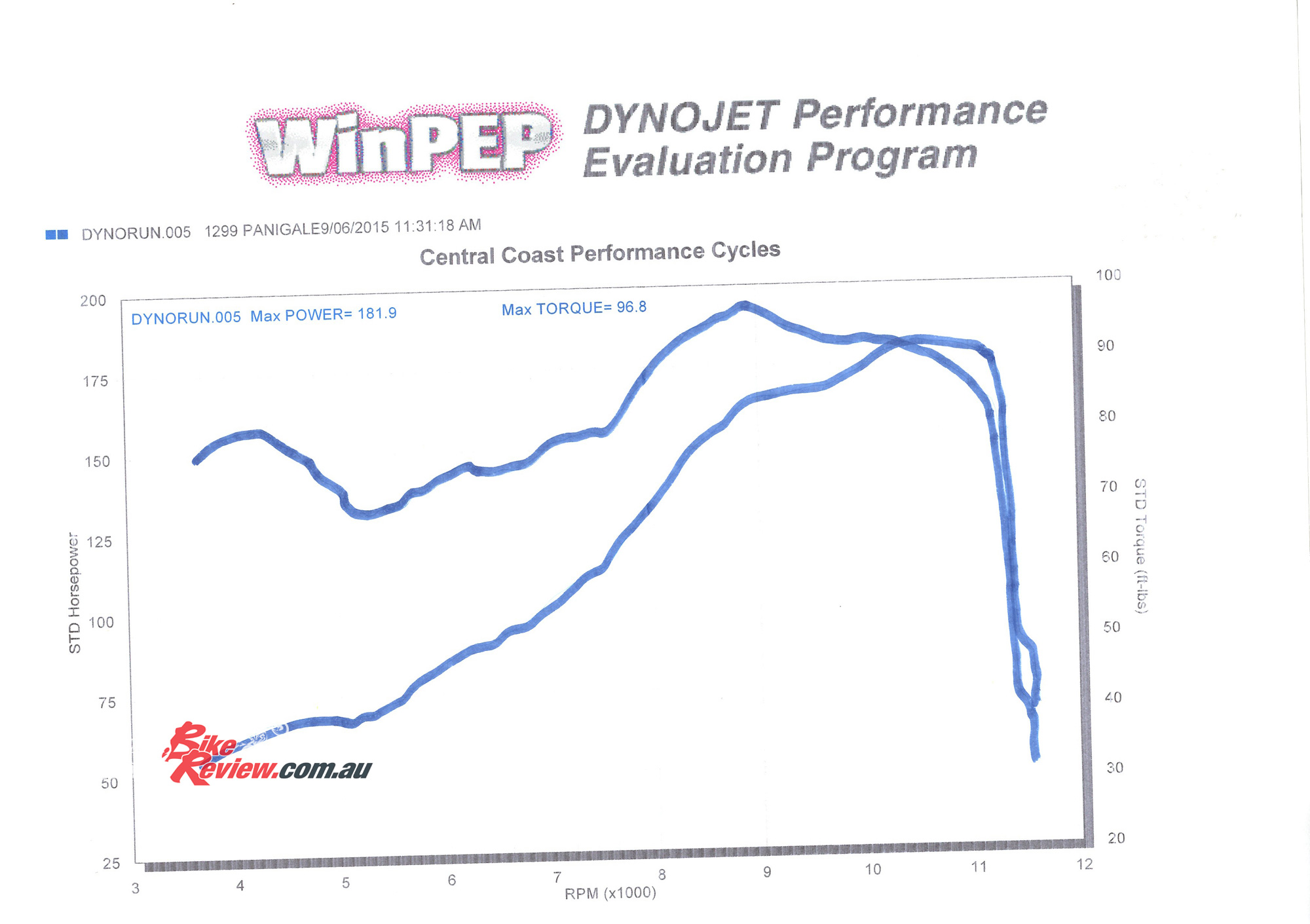
Performance: Power: 205hp at 10,500rpm. Torque: 144.6Nm at 8750rpm. Dry weight: 166.5kg. Fuel capacity: 17L.
The Author

You Might Also Like