

The Bullet 650 keeps Royal Enfield’s classic charm, adding the proven 648cc twin, improved comfort and easy road manners for modern everyday riding. Photos: Matt Hayman & Tom Fossati
Royal Enfield’s Bullet nameplate carries plenty of history dating as far back as the 1930s, but the new Bullet 650 – with comfort, performance and braking to suit modern riding – offers would-be owners far more than a nostalgic throwback, particularly for Aussie conditions.
The Bullet moniker is an important one for Royal Enfield dating back to the 1930s. Joining the 350, we now have the 650, which means finally a Bullet that can handle Australian highway speeds safely.
When I was asked to attend the launch of the new Royal Enfield Bullet 650, I agreed before I even had the full details. The Bullet name has been around for a long time and the idea of riding the new version, now with the 650 twin motor, was enough to get my attention straight away.
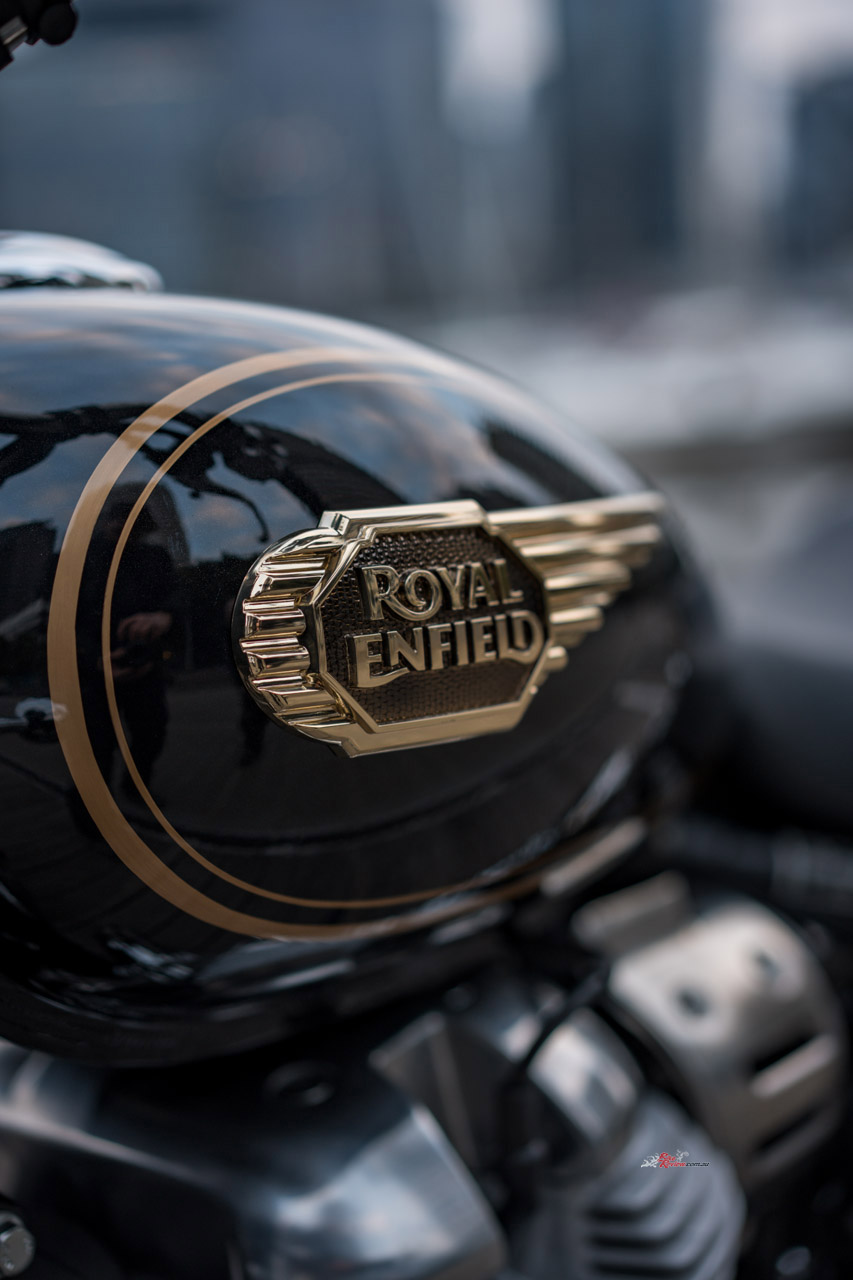
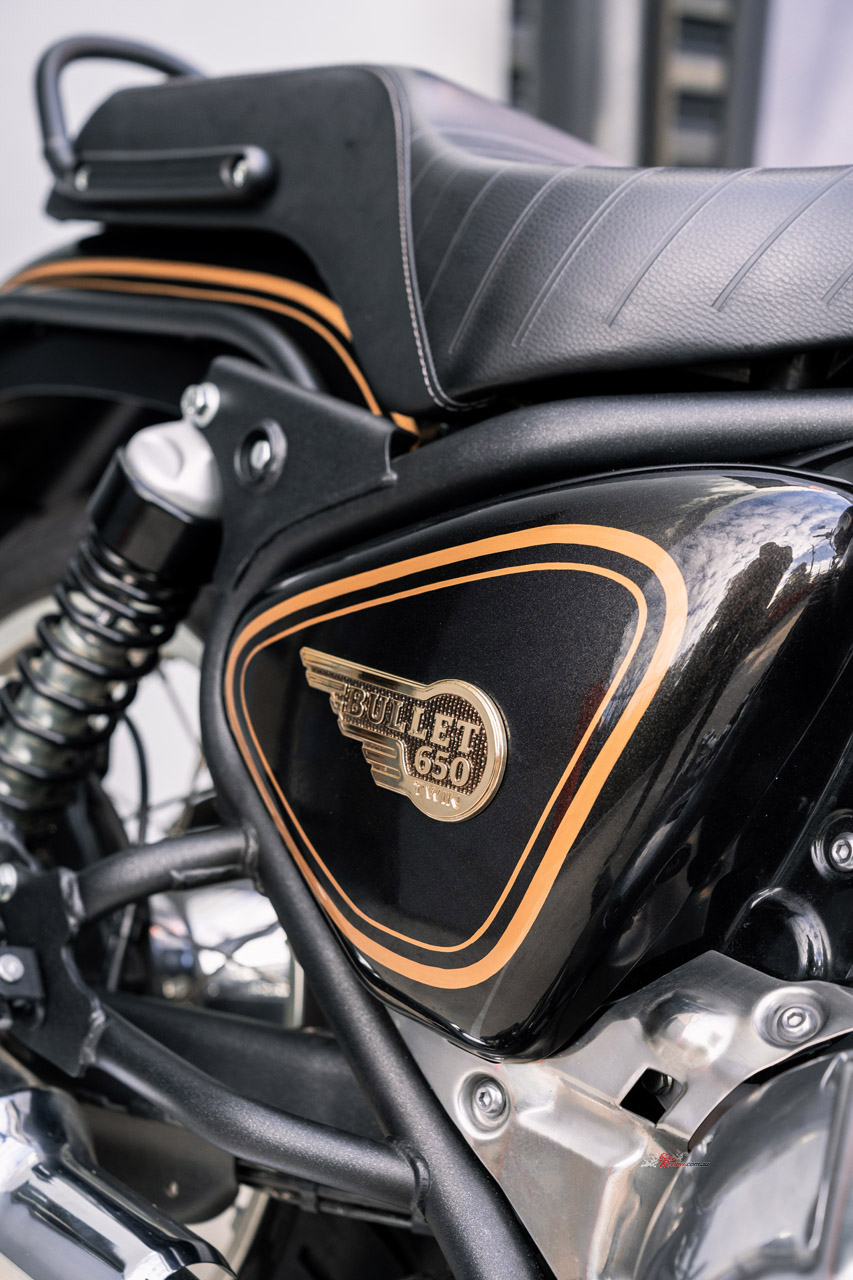
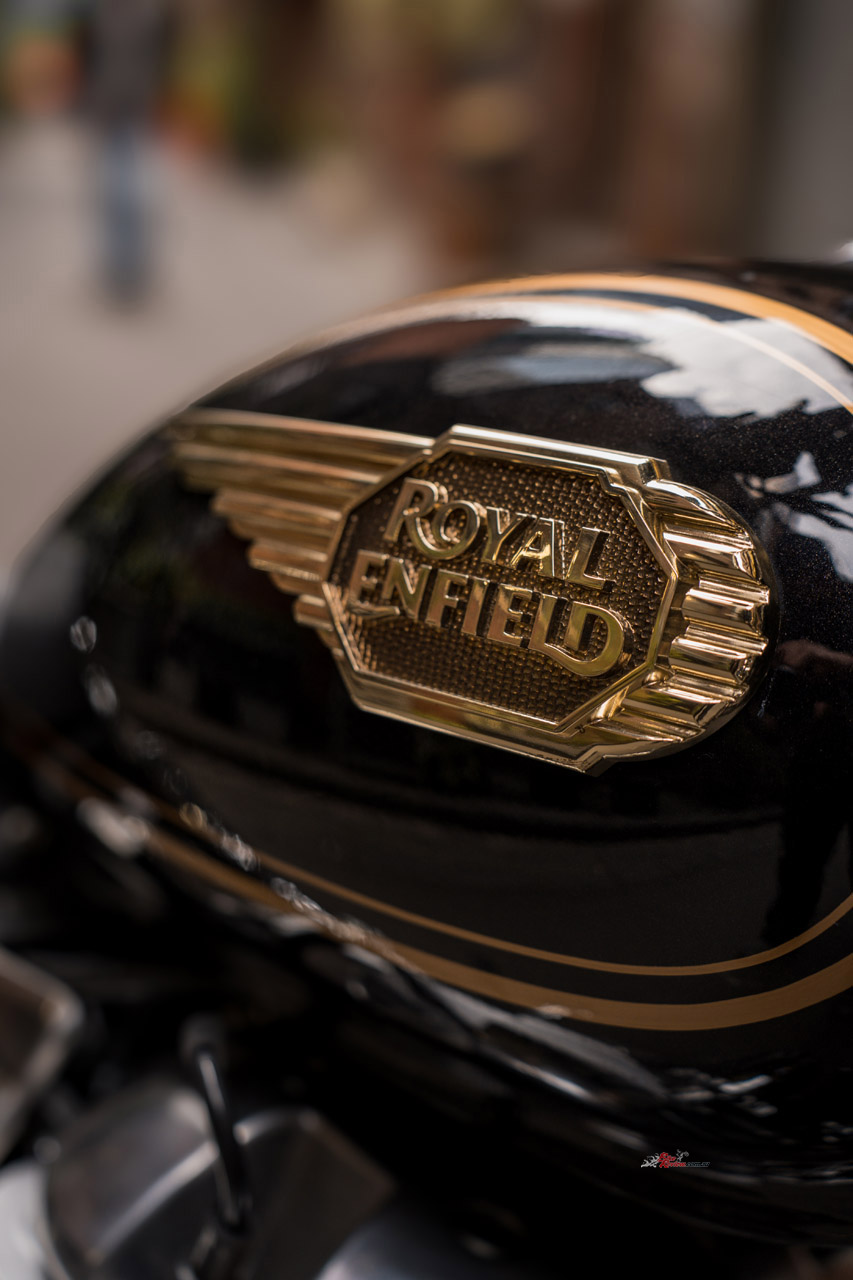
The first thing that struck me when I saw the line-up was the paint. The Bullet 650 comes in Battleship Blue and Cannon Black, with the black bike my personal favourite. Both bikes had hand-painted pinstripes, and the way the golden accents and gold flakes in the paint dance in the light is just unreal. Look closely and you can actually see the brush strokes, which I love. It gives each bike its own fingerprint and a sense of uniqueness that feels rare in the modern bike world.
Read our Royal Enfield Bullet 350 review here…
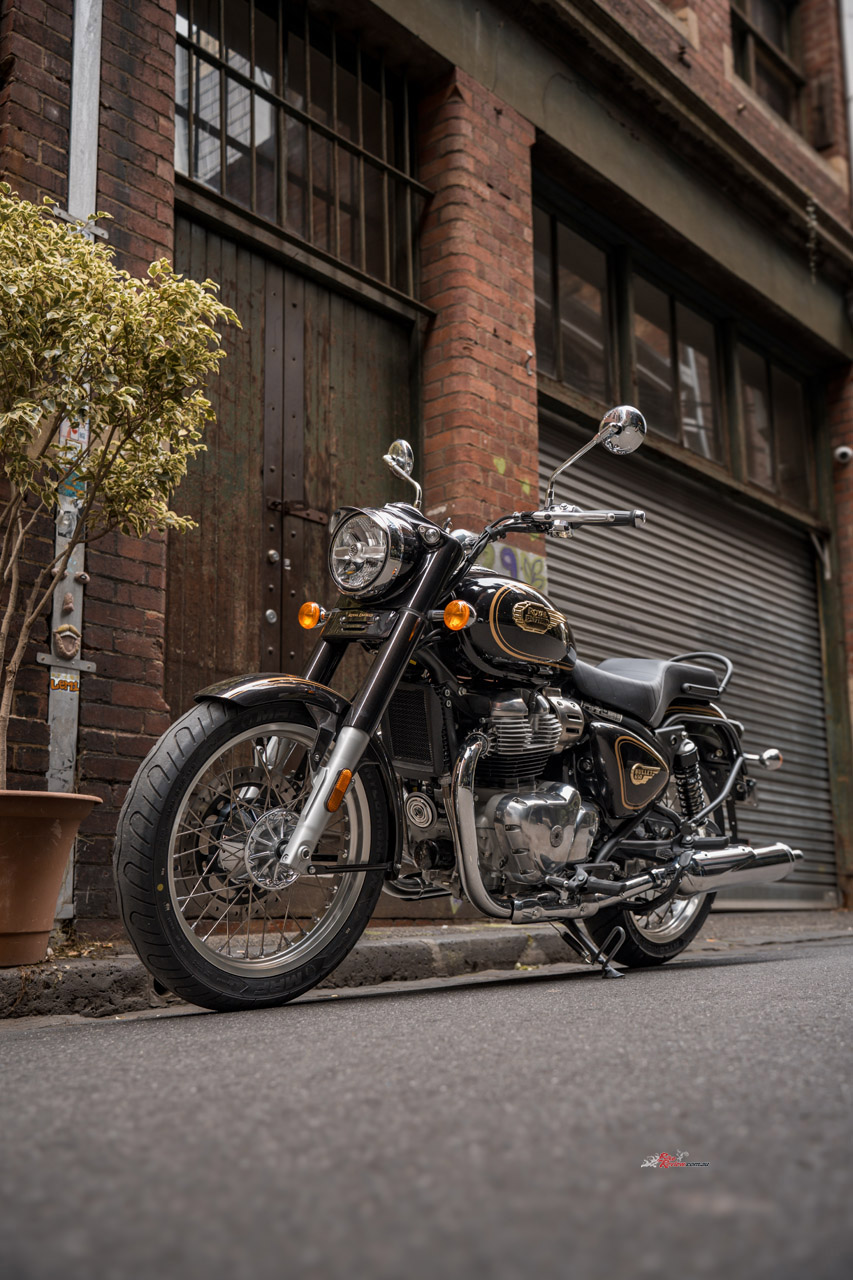
The styling is pure Royal Enfield. The chrome pipes, big front headlight and traditional shape make it look like it has been pulled from a time machine, but without feeling like it belongs in a museum. It looks simple, honest and old-school in the best possible way. A big Bullet 350…
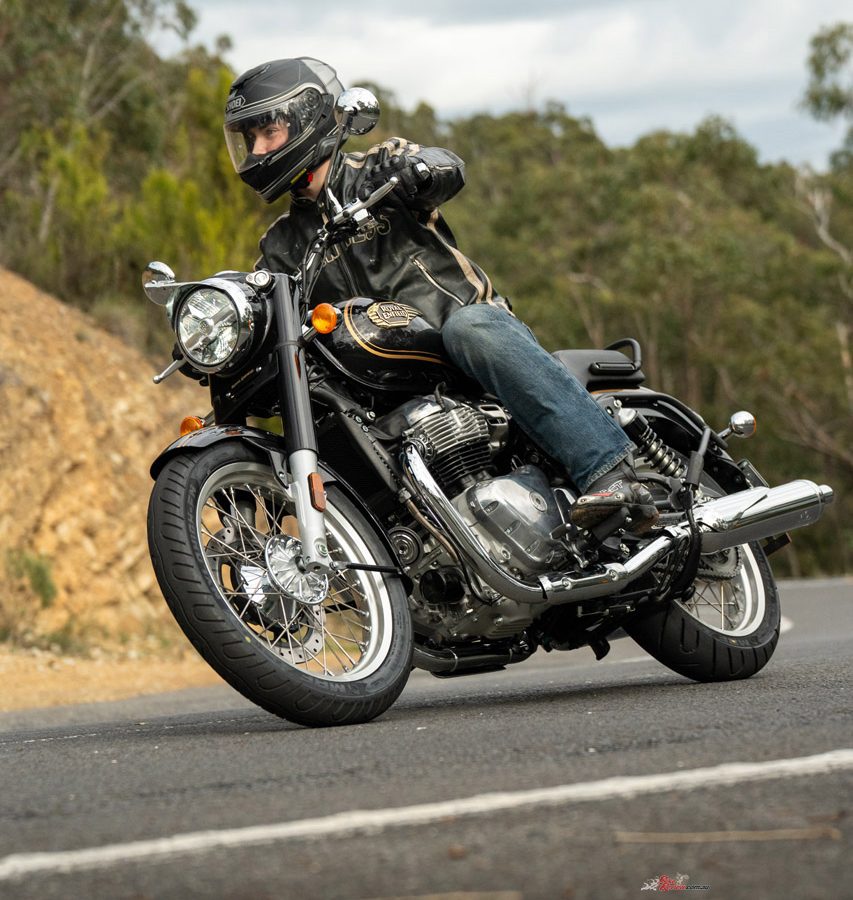
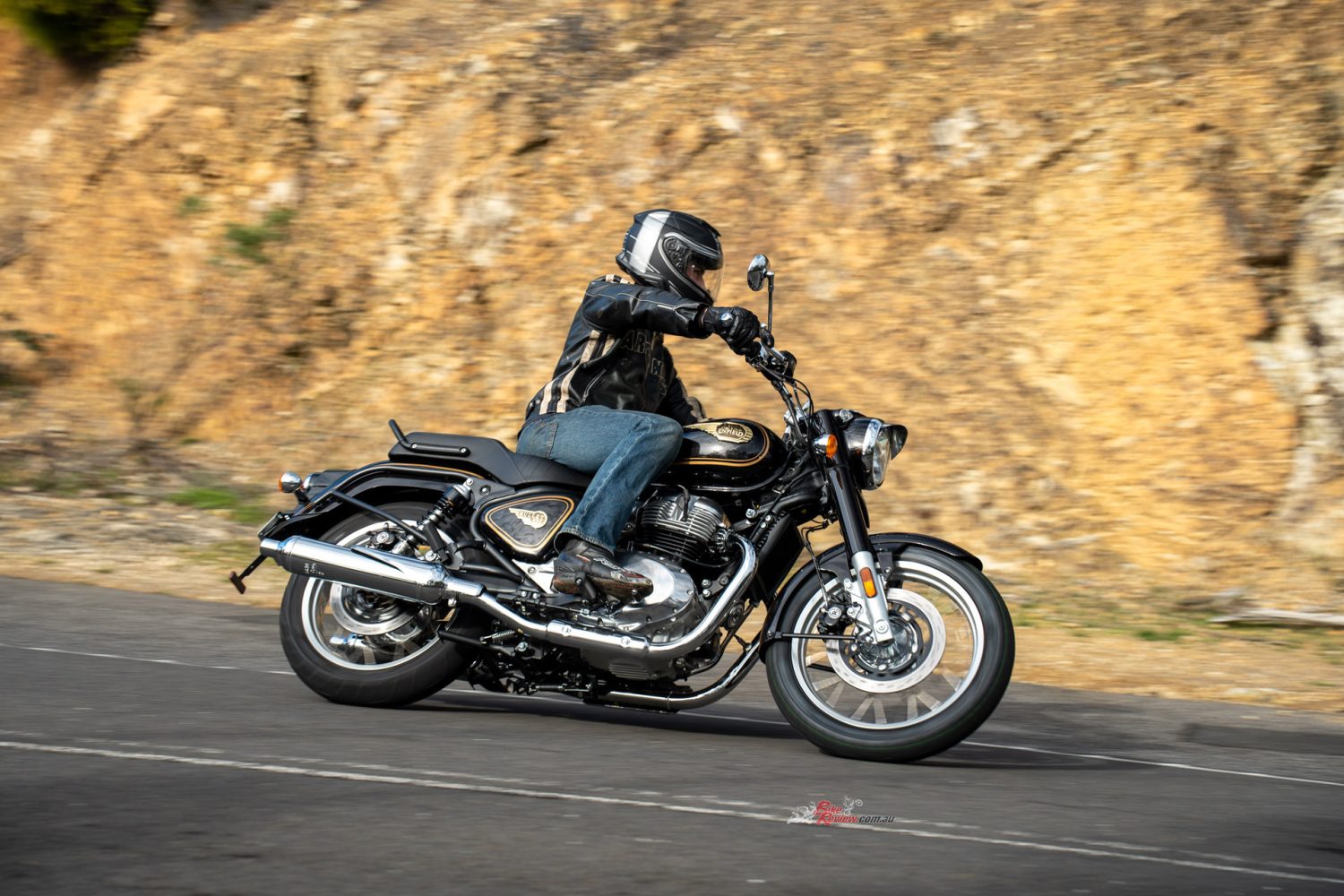
Despite its classic stance, the Bullet 650 is happy enough through tighter corners and rougher backroads.
The biggest difference from the old Bullet 500 or new 350 is obvious: the engine. The Bullet 650 uses Royal Enfield’s 650cc parallel-twin, which has already been used in many models such as the Super Meteor and Classic 650. It is a familiar engine now and in the Bullet it gives the bike a very different feel to the singles. Even through the stock pipes, the exhaust note is deep and throaty. It suits the bike perfectly. Not only does the Bullet 650 look like a classic bike, it sounds like one too.
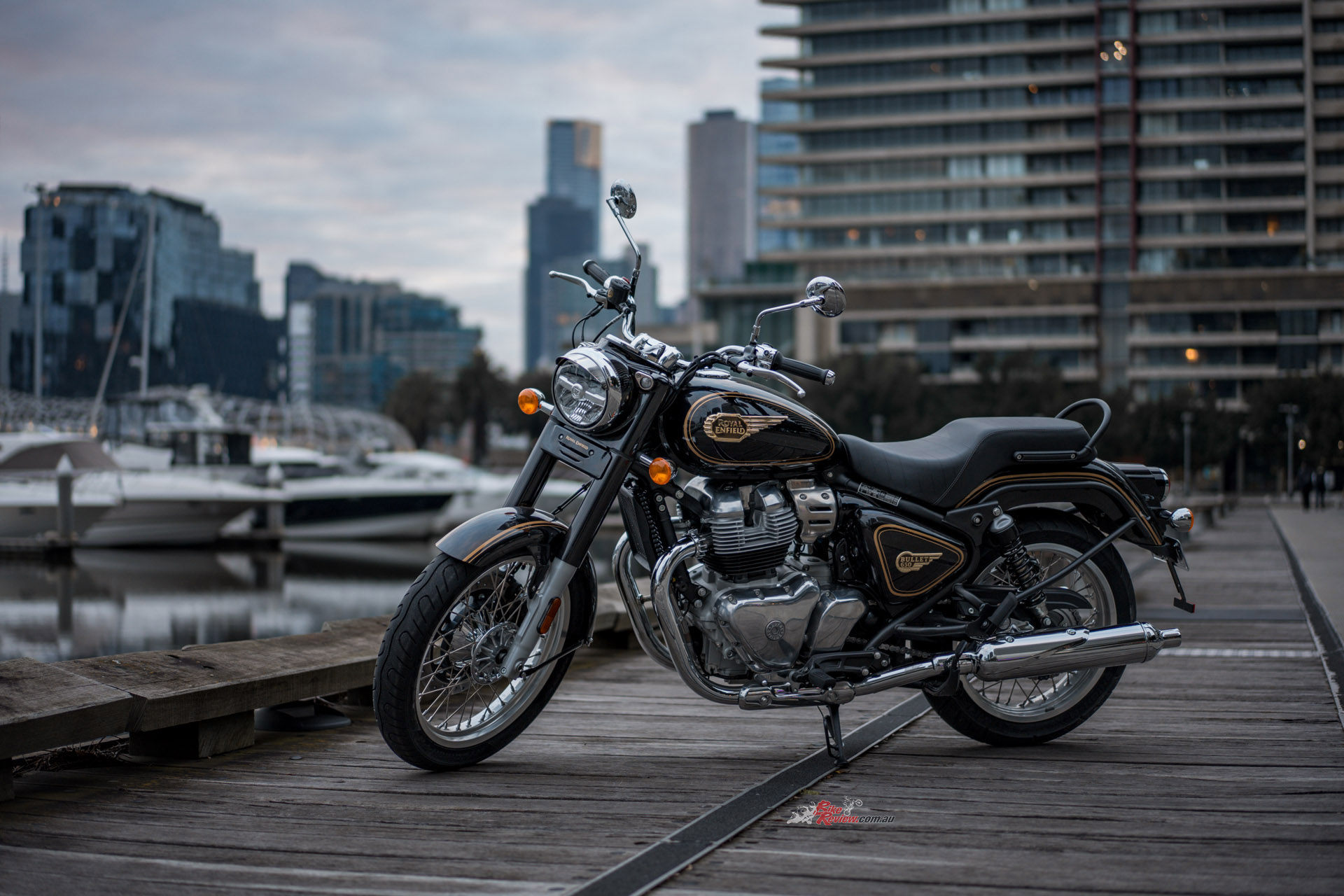
The familiar Bullet silhouette remains from the new Bullet 350, now backed by the added presence of Royal Enfield’s 650 twin powerplant and a bigger chassis.
Sitting on the Bullet 650, I noticed the riding position straight away. It is more upright and more engaged than a full cruiser, which makes it feel different to some of the other bikes in Royal Enfield’s line-up. The rider triangle works well, giving a comfortable position without feeling awkward, which becomes important once you spend a full day on the bike. It’s similar to the Classic 650, Interceptor 650 and Bear 650 in that regard.
On the road, the 650 engine gives the Bullet instant torque and enough power to make it easy to keep moving fast through twisty sections. The Bullet is one of the longer wheelbase bikes in Royal Enfield’s line-up, only the Super Meteor is longer, so I was interested to see how it would feel once the road got tighter. It needs to feel stable on the highway, but also nimble enough in the corners. The Bullet 650 managed both better than I expected. It felt comfortable and settled on faster, open roads, while still letting me focus on the corners ahead rather than thinking about the bike underneath me.
It needs to feel stable on the highway, but also nimble enough in the corners. The Bullet 650 managed both better than I expected…
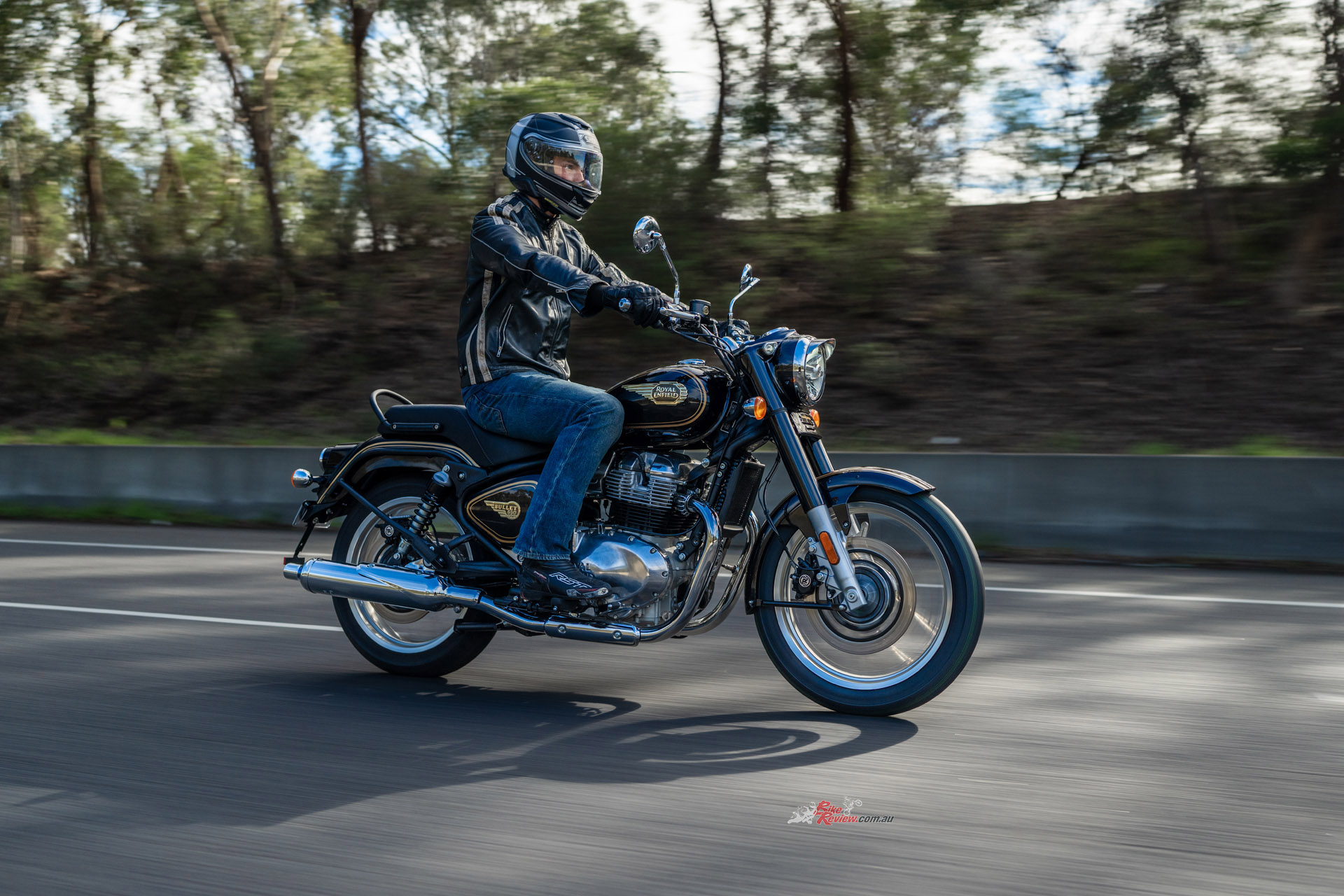
On open roads, the Bullet 650 feels right at home. It has no problem getting up to highway speeds and sitting there comfortably at lower revs. The engine does not feel like it is working hard and that makes the whole bike feel more relaxed. It also meant my hands did not go numb from vibration, which is something you can notice quickly on a longer ride.
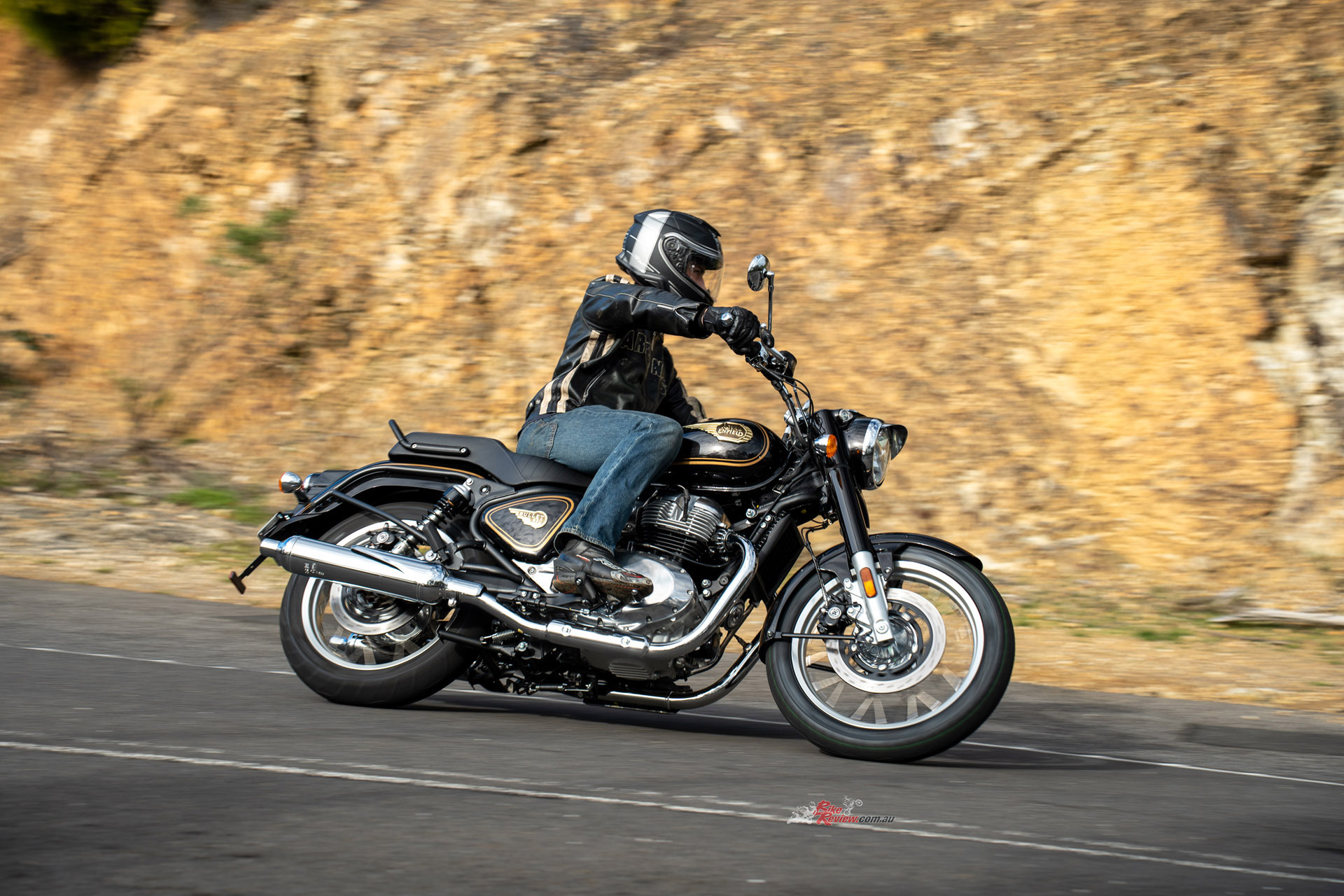
The Bullet 650 feels relaxed, with the 648cc twin adding easy torque without losing the bike’s old-school character.
With its extra weight (a whopping 41kg more than an Interceptor or Continental GT at 243kg) and longer wheelbase, I expected the Bullet to be better suited to open roads than tight city streets. That seemed like the obvious trade-off. But once we headed into Melbourne, the bike handled the urban riding better than I thought it would…
The torque helps offset the bike’s weight when taking off from traffic lights, and the adjustable levers make stop-start riding easy. The built-in Tripper navigation pod is also a smart touch. It gives directions without needing to mount a phone to the bike, which I think suits the Bullet perfectly. Having a phone mounted on this bike would take away from its old-school charm.
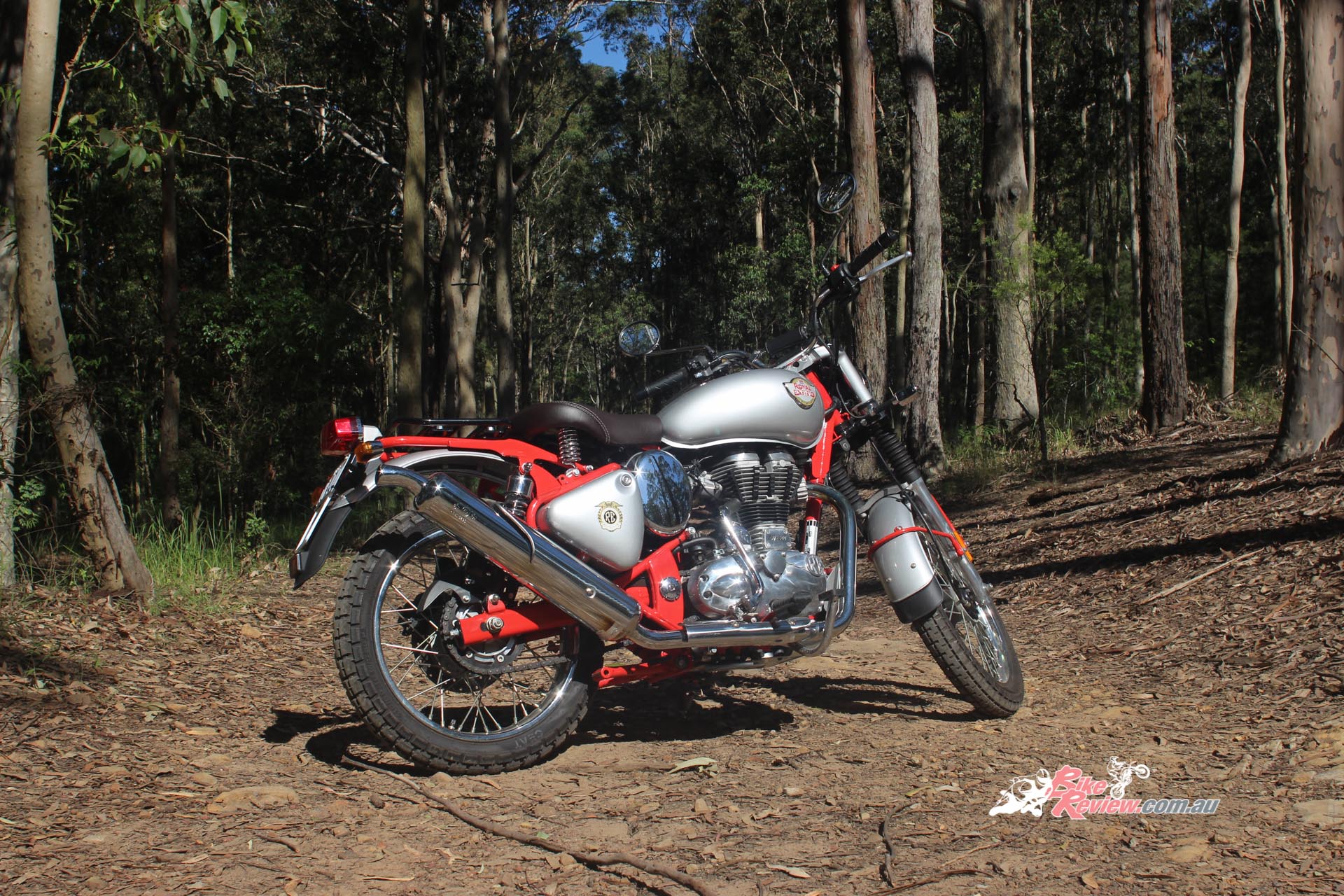
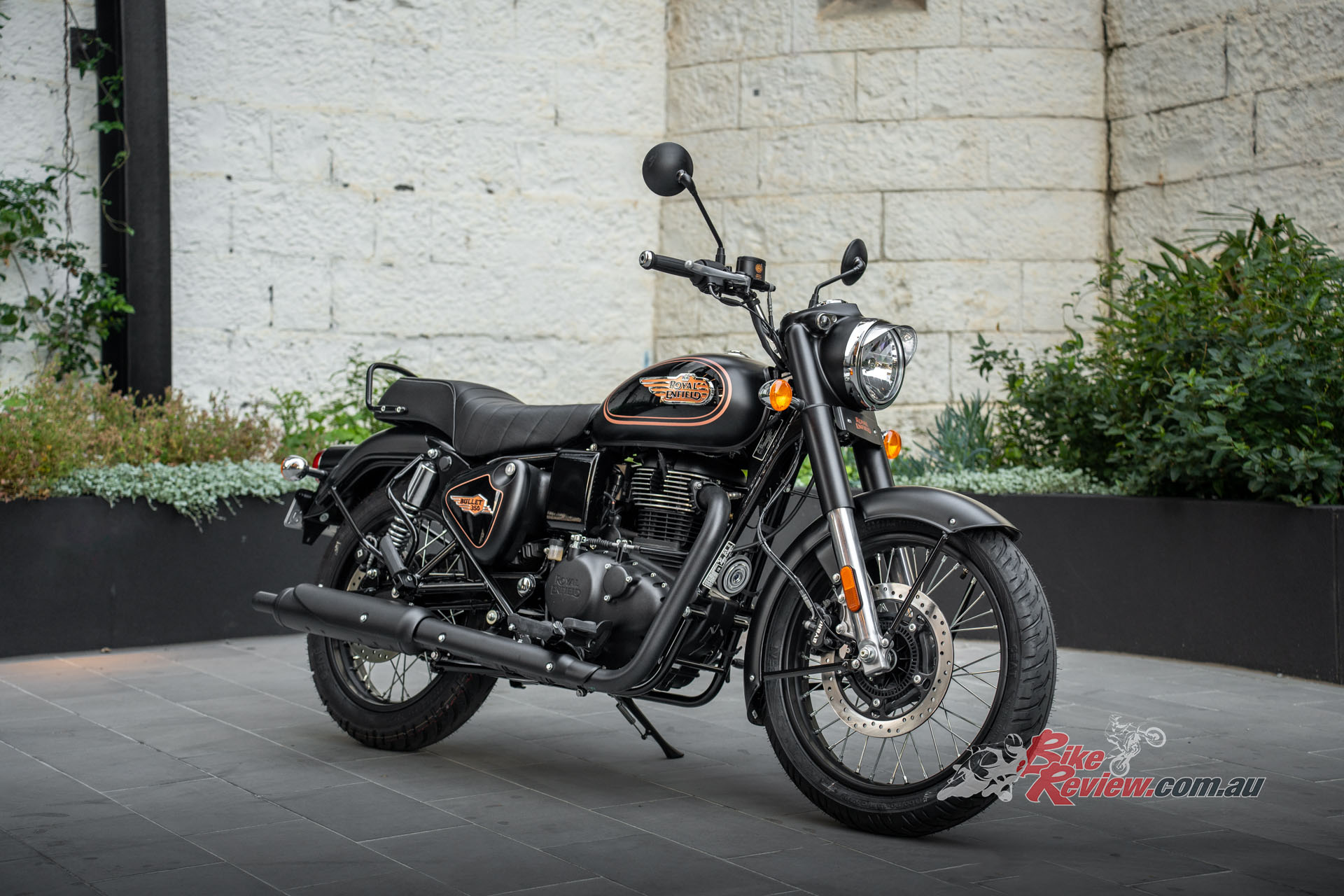
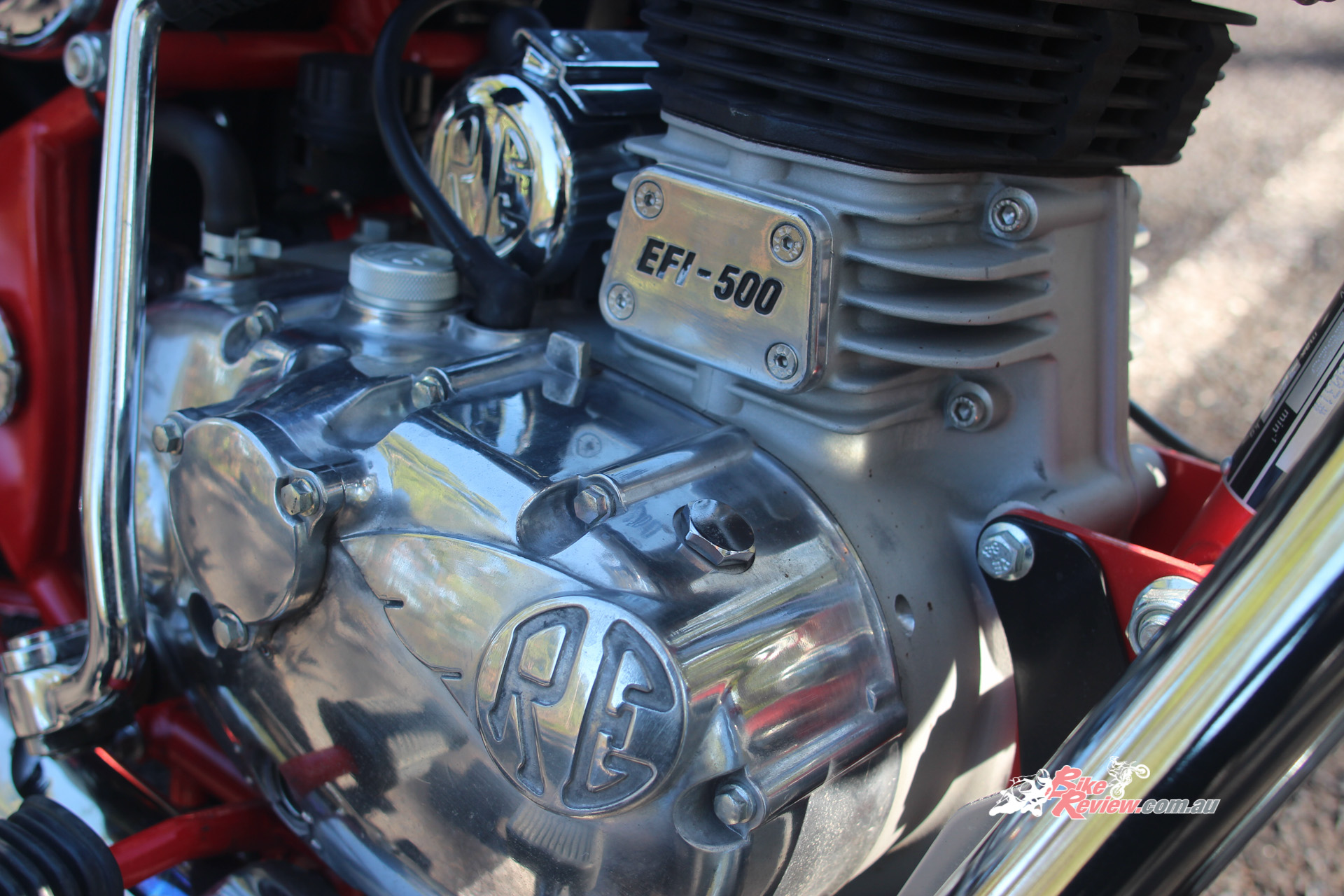
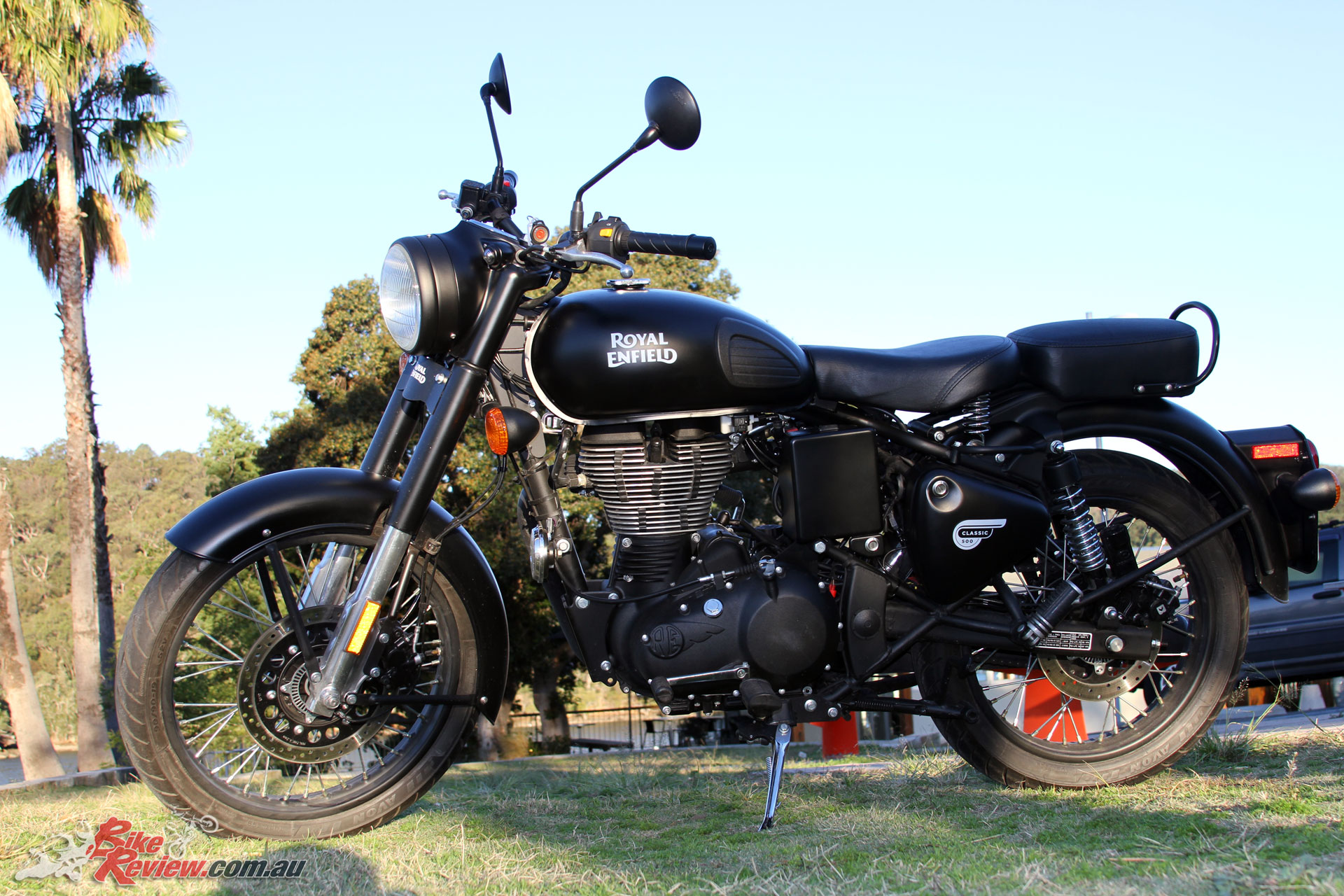
I was glad to say the Bullet 650 outperformed my expectations through tight corners and inner-city roads. It still feels like a big classic-style bike, but it does not feel out of place when the roads get tighter or the traffic gets heavier.
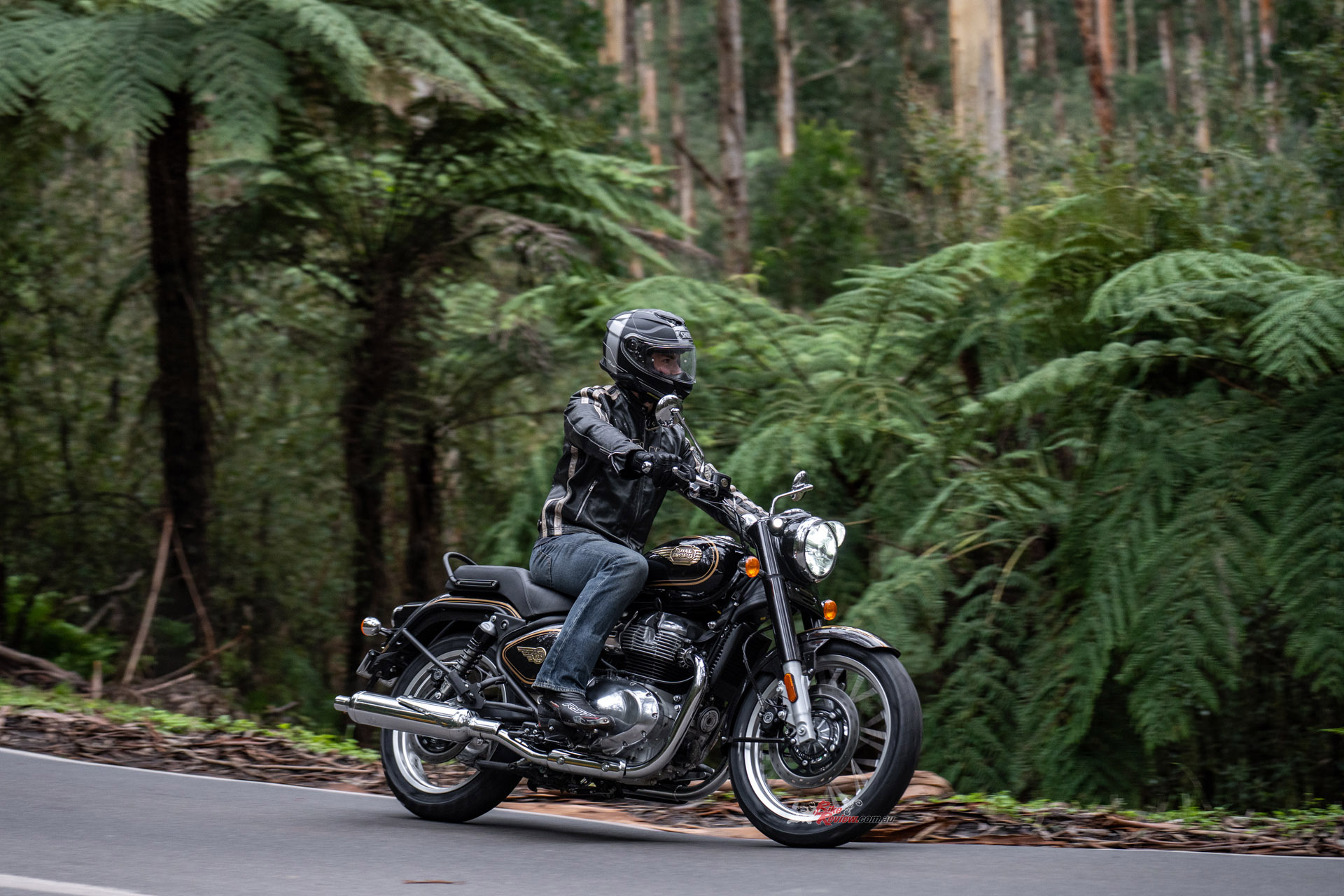
The Bullet 650’s upright riding position is comfortable, while the 648cc twin gives it easy drive through flowing roads.
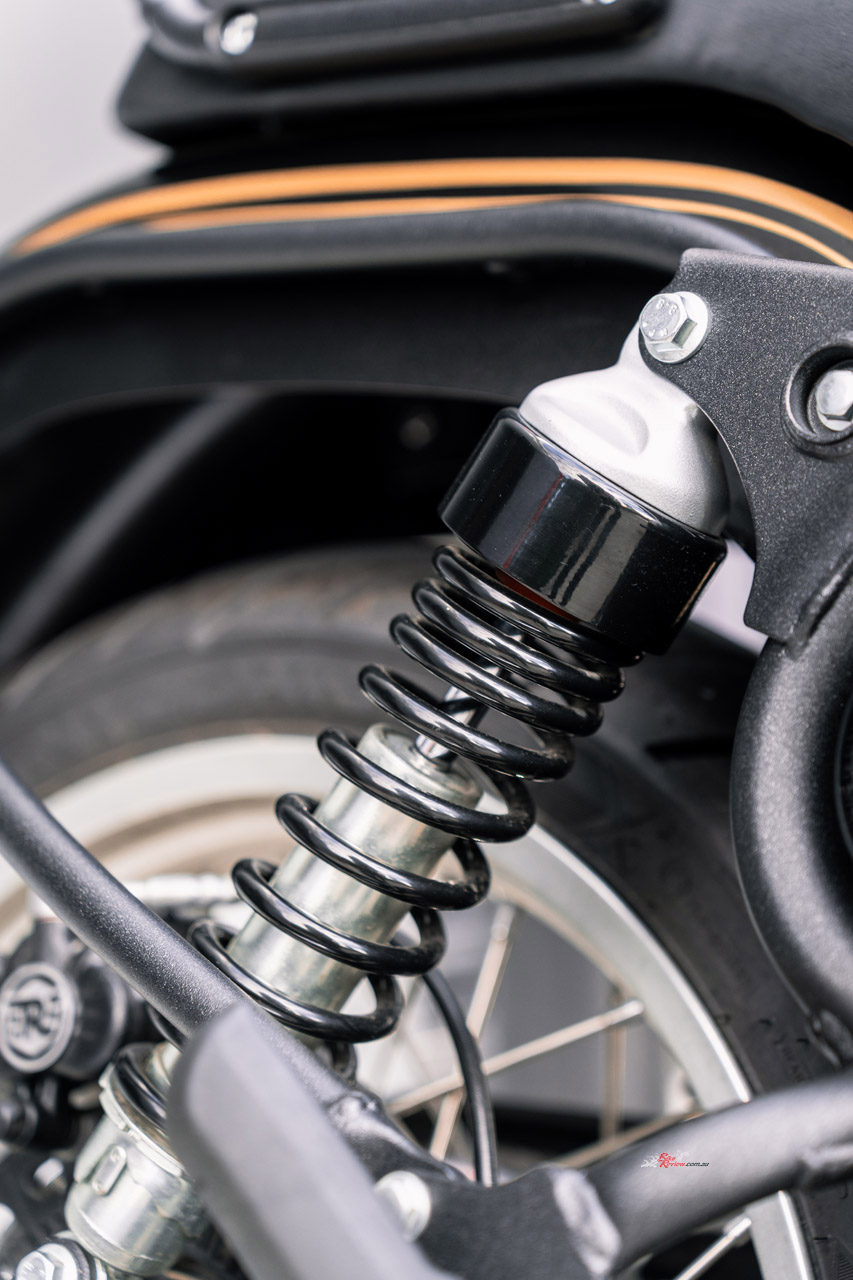
After a full day of riding, the biggest thing I noticed was that I was not sore. The seat has plenty of cushioning, and the riding position stopped me from hunching over and ending up with back or neck pain. Victoria’s roads can be compared to rocky-road chocolate, and riding all day on a bike that is not set up for bumps can become a pain (in the neck). The Bullet 650’s SHOWA forks and SHOWA twin shocks handled some of the rougher roads well, taking the sting out of bumps without ruining the way the bike felt in corners.
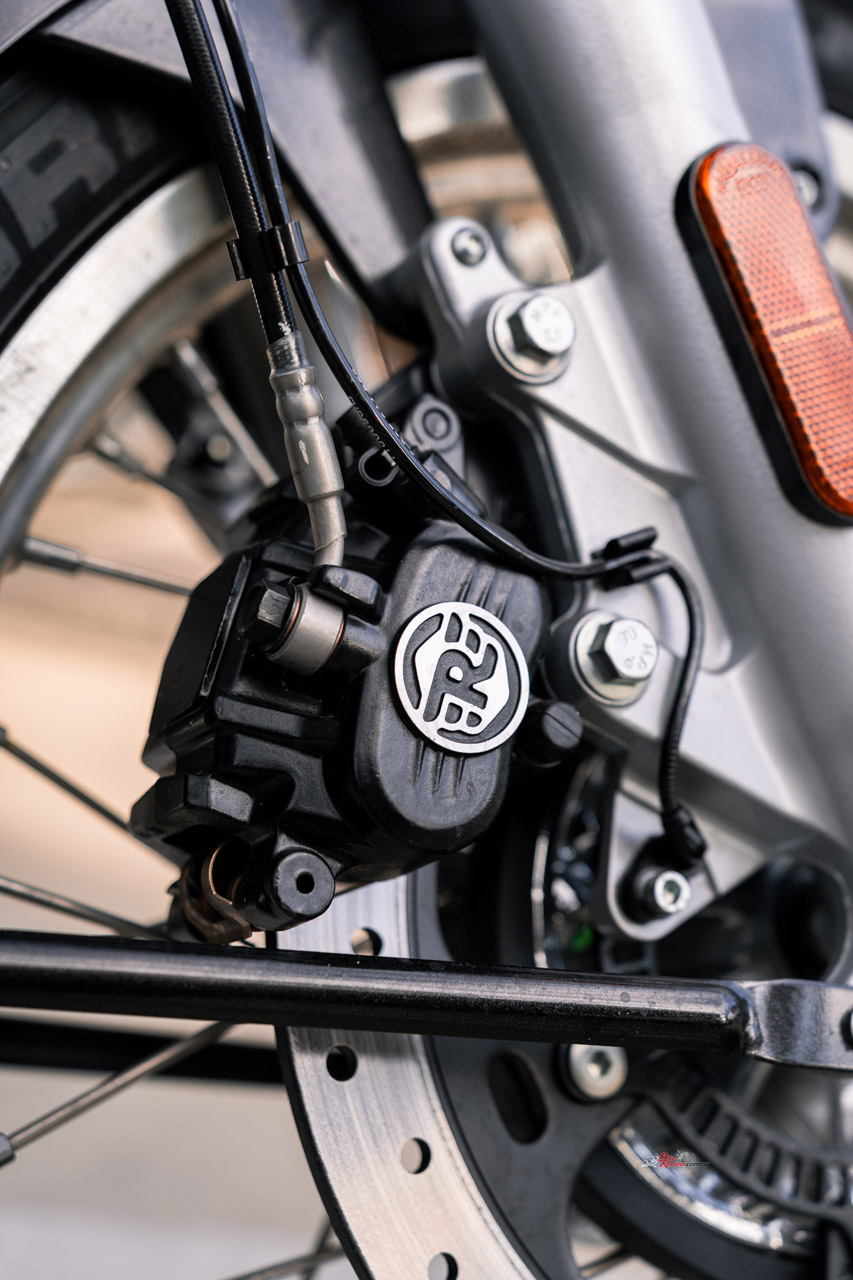
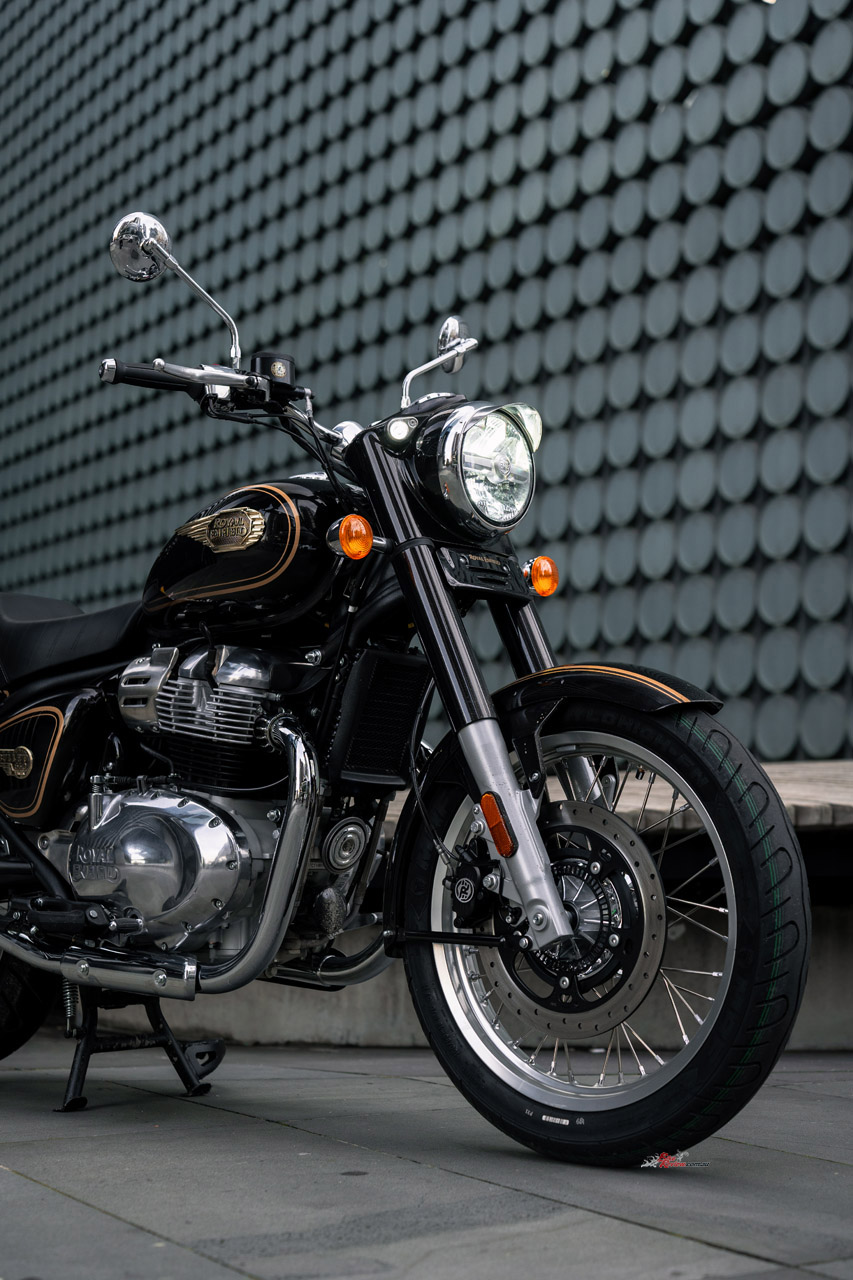
Royal Enfield has found a good middle ground with the suspension. It is plush enough to keep the bike comfortable, but it does not feel like it gives away too much when you want to enjoy a winding road. For the kind of riding this bike is likely to do, it’s a good balance. The brakes are also a major step forward from the Bullet 350 setup. With more power and more weight, better brakes are essential, and the Bullet 650’s disc brakes feel strong enough and consistent. Stopping at red lights felt predictable, and trail braking into corners was easy to manage. Even under heavier braking, I did not notice any fade or sponginess. Another brake rotor at the front to compensate for the extra weight would be welcome.
Overall, the Bullet 650 made a strong impression. I would recommend it to anyone who enjoys classic-style motorcycles, especially riders who want those hand-painted touches and old-school charm without giving up the benefits of a newer bike, and those who need more power, torque and speed than the Bullet 350 can offer.
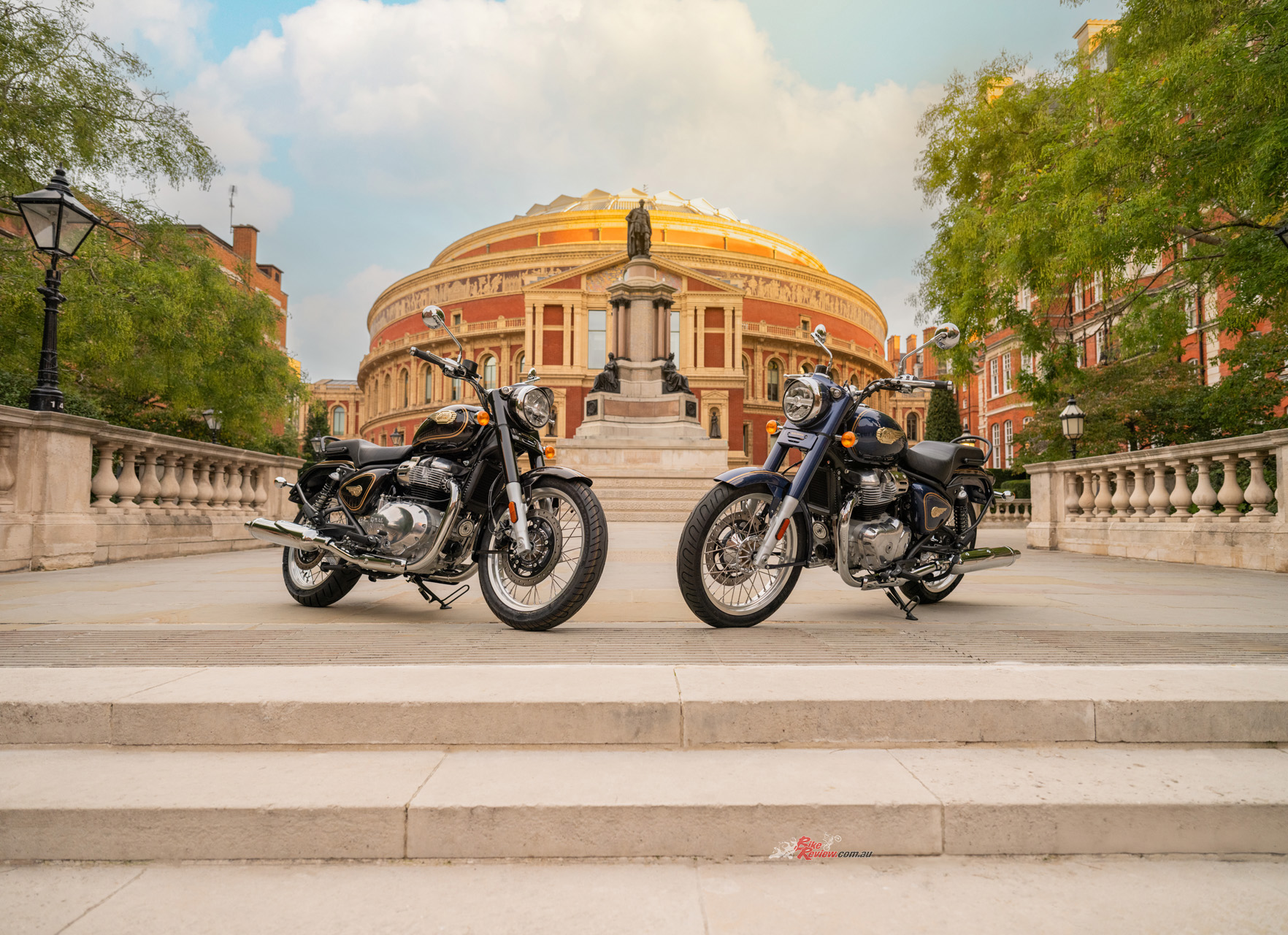
Two colour options are offered, with Battleship Blue priced at $10,990 ride-away and Cannon Black at $11,190.
The Royal Enfield Bullet 650 is available in Battleship Blue from $10,990 ride-away, while Cannon Black is priced at $11,190 ride-away. Both models include a three-year unlimited-kilometre warranty and three years of roadside assistance. For the level of quality, character and overall riding experience it provides, that is a pretty impressive price.
Tech Talk
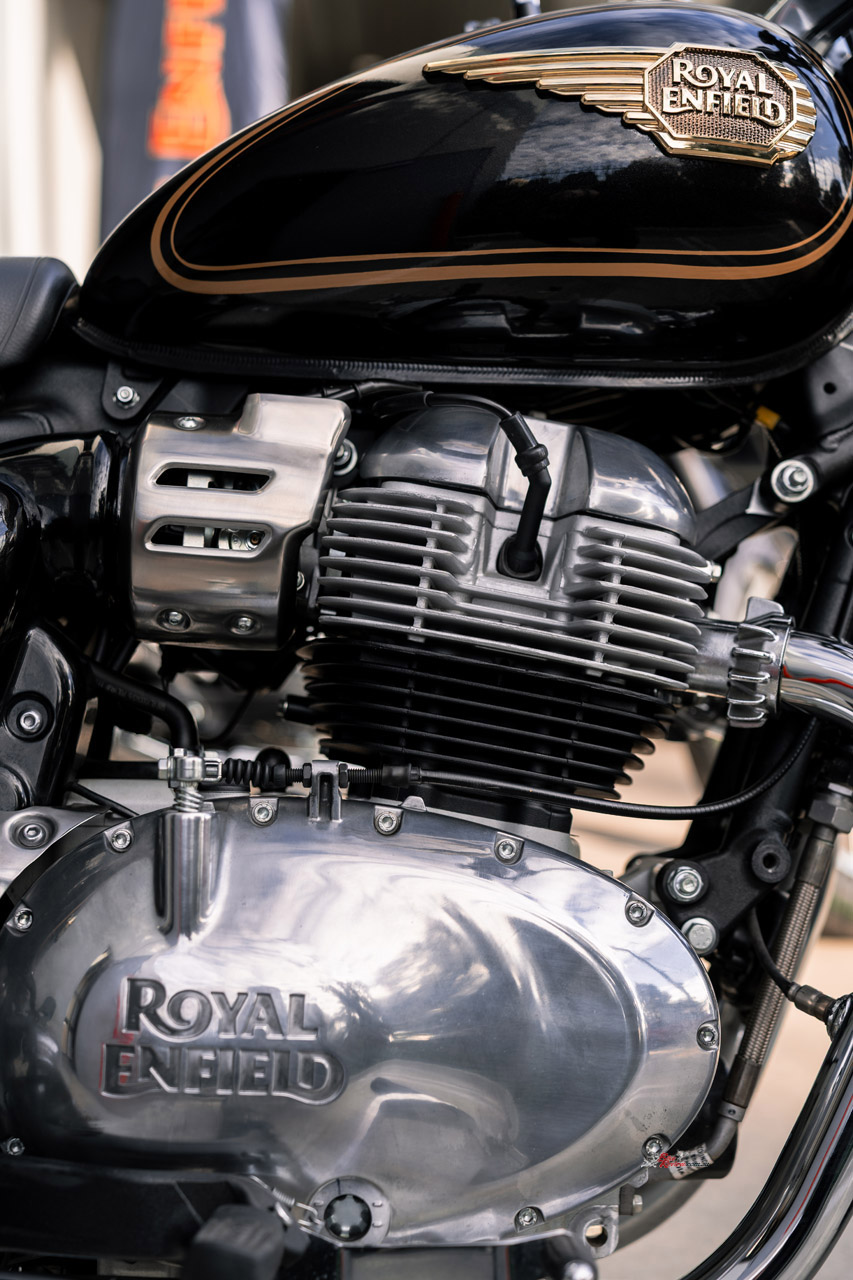
The Bullet 650 is powered by Royal Enfield’s 648cc air-/oil-cooled parallel twin and features a single overhead cam, two valves per cylinder and a 270-degree crankshaft for extra smoothness and torque. Bore and stroke measure 78mm x 67.8mm with a 9.5:1 compression ratio. Power peaks at 34.6kW at 7250rpm, while maximum torque is 52.3Nm at 5650rpm. Fuel delivery comes from electronic fuel injection through twin throttle bodies, while a six-speed gearbox and assist and slipper clutch ensure the power gets put to the ground and help ensure shifting down gears is smooth.
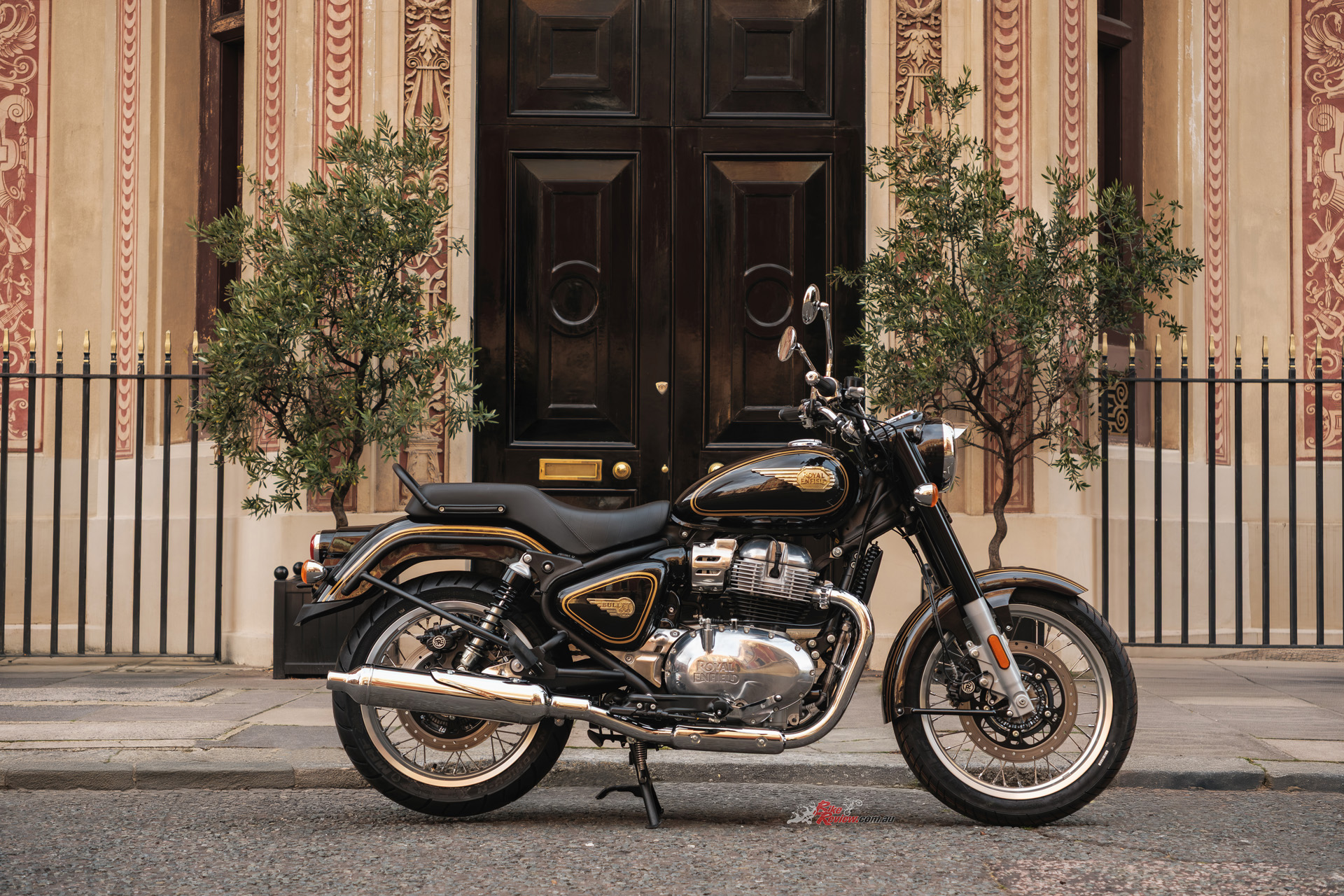
The 2260mm overall length and 1480mm wheelbase help give the Bullet 650 its long, traditional stance.
The Bullet 650 measures 2260mm long with a 1480mm wheelbase, slightly longer than the other cruisers like the Super Meteor 650. Seat height is 800mm, ground clearance is 154mm and the fuel tank holds 14.8L.
Suspension is kept simple with conventional telescopic forks up front and twin rear shock absorbers with adjustable preload.
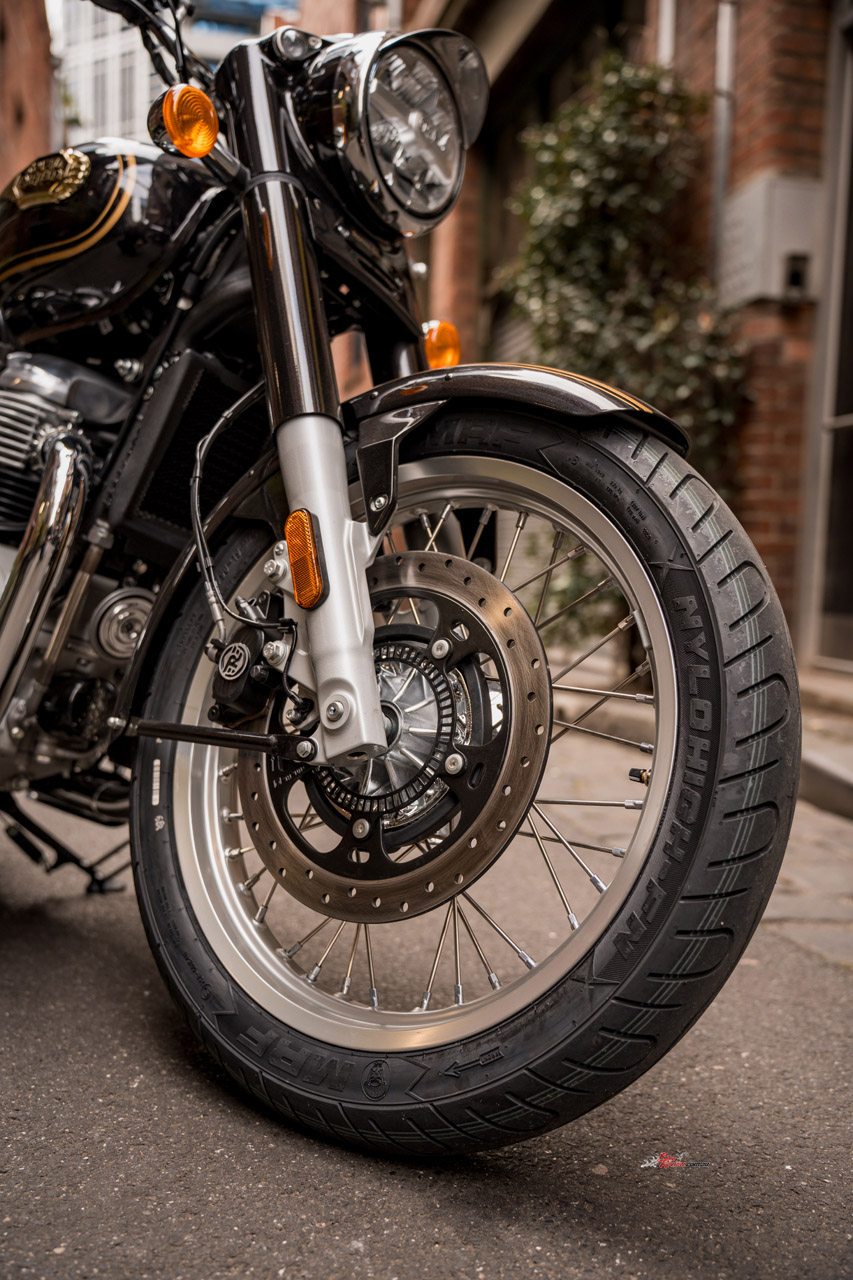
Suspension is kept simple with conventional telescopic forks up front and twin rear shock absorbers with adjustable preload. Wheel sizes are 19 inches at the front and 18 inches at the rear with road-focused tyres. Braking is handled by hydraulic disc brakes front and rear with dual-channel ABS fitted as standard. Adjustable clutch and brake levers have also been added, allowing riders to fine-tune the controls to suit their reach.
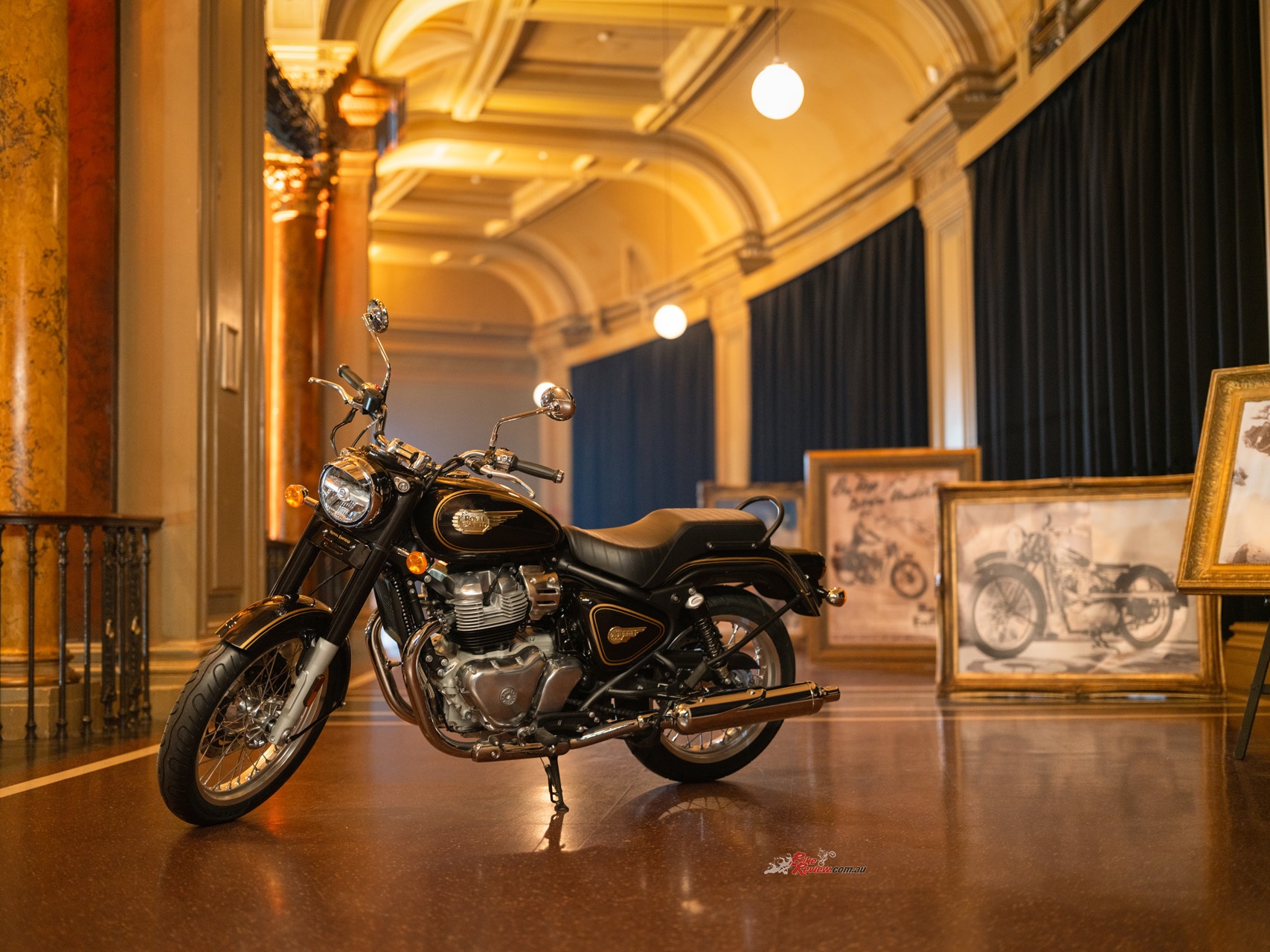
The Bullet 650 runs 19-inch front and 18-inch rear wheels, with road-focused tyres and dual-channel ABS as standard.
Although the mechanical package is new for 2026, Royal Enfield has been careful not to lose the Bullet’s identity. The teardrop fuel tank returns with hand-painted pinstripes, meaning each tank is individually painted, leaving almost like a fingerprint on the bike. The signature headlamp remains, now modernised with an LED headlight, while chrome detailing and vintage badging complete the look. The cockpit sticks with a traditional analogue speedometer, complemented by Royal Enfield’s Tripper pod for turn-by-turn directions.
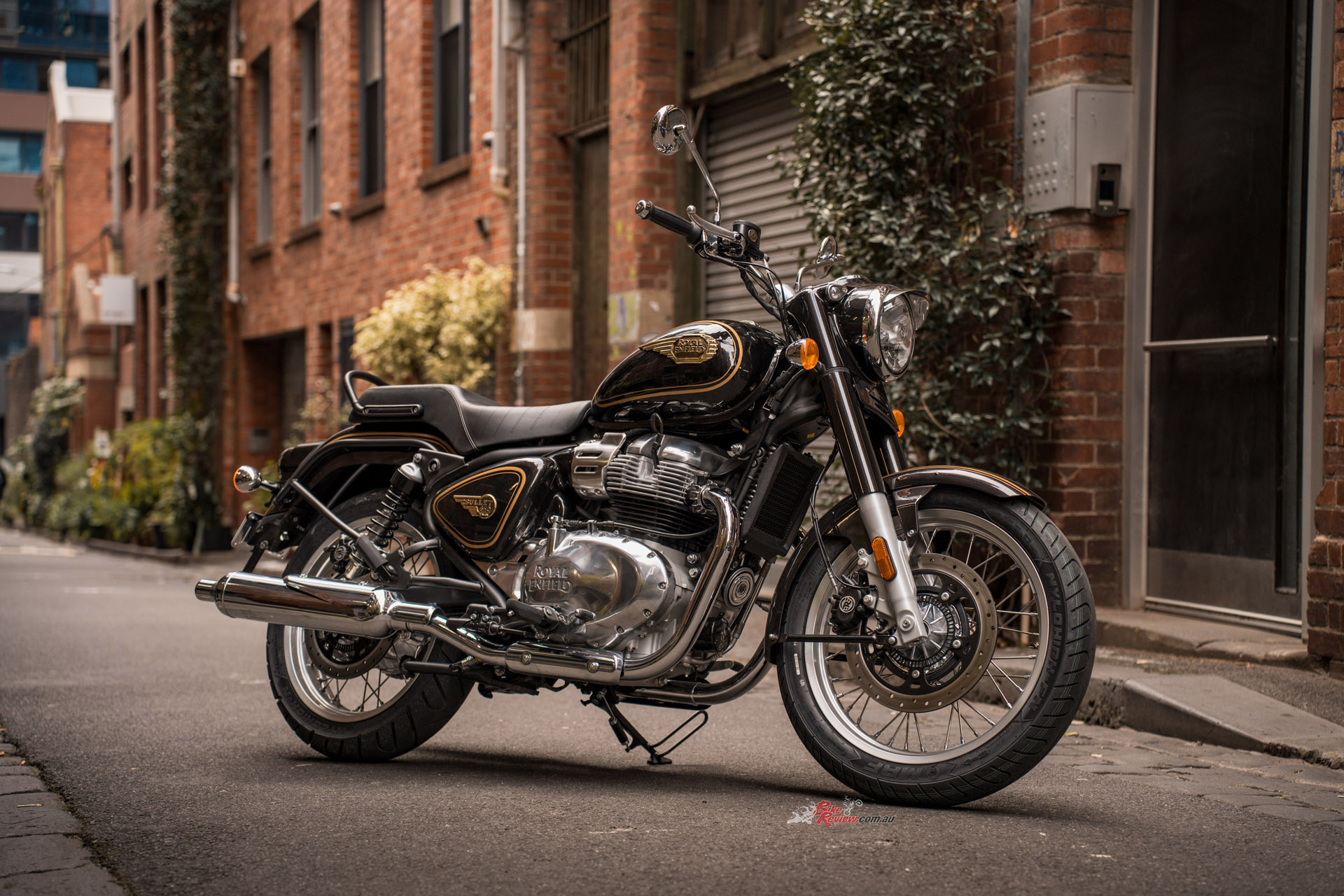
2026 Royal Enfield Bullet 650 Specifications
Price and availability: From $10,990 ride-away
Warranty: Three-year unlimited-kilometre warranty and three years roadside assistance
Colours: Battleship Blue ($10,990) and Cannon Black ($11,190)
Claimed Power: 34.6kW [46.4hp] @ 7250rpm
Claimed Torque: 52.3Nm [38.5ft-lbs] @ 5650rpm
Wet Weight: 243kg
Fuel Capacity: 14.8L
Fuel Consumption (Claimed): 4.7L/100km
Fuel Range (Claimed): +300km
Engine: SOHC air/oil-cooled 648cc parallel twin four-stroke, eight-valve
Bore x Stroke: 78mm x 67.8mm, Compression Ratio: 9.5:1, Crankshaft: 270º firing order, Fueling: EFI with twin throttle-bodies, Gearbox: Six-speed, Clutch: Assist and slipper clutch.
Chassis: Frame: Tubular-steel backbone
Rake: 26° Trail: 98mm
Suspension: Front: 43mm Telescopic Forks, 120mm travel Rear: Twin shocks, 90mm travel, preload adjustable Brakes: Front: 320mm disc, twin piston ByBre floating caliper, ABS Rear: 300mm disc, twin piston ByBre caliper, ABS Wheels & Tyres: Chrome spoked, MRF Nylohigh-FN Front: 100/90 – 19 M/C, Rear: 140/70 – 18.
Dimensions:
Wheelbase: 1480mm
Seat Height: 800mm
Ground Clearance: 154mm
Overall Width: 830mm
Overall Length: 2260mm
Overall Height: 1155mm
Instruments & Electronics: Analogue speedometer, Royal Enfield Tripper pod for turn-by-turn navigation, LED headlight, dual-channel ABS, adjustable clutch and brake levers.
Ratings | Bike Review | 2026 Royal Enfield Bullet 650
Authentic
Royal Enfield’s Bullet nameplate carries plenty of history back to the 1930s, but the new Bullet 650 – with comfort, performance and braking to suit modern riding – offers riders far more than a nostalgic throwback.
The Author

You Might Also Like