

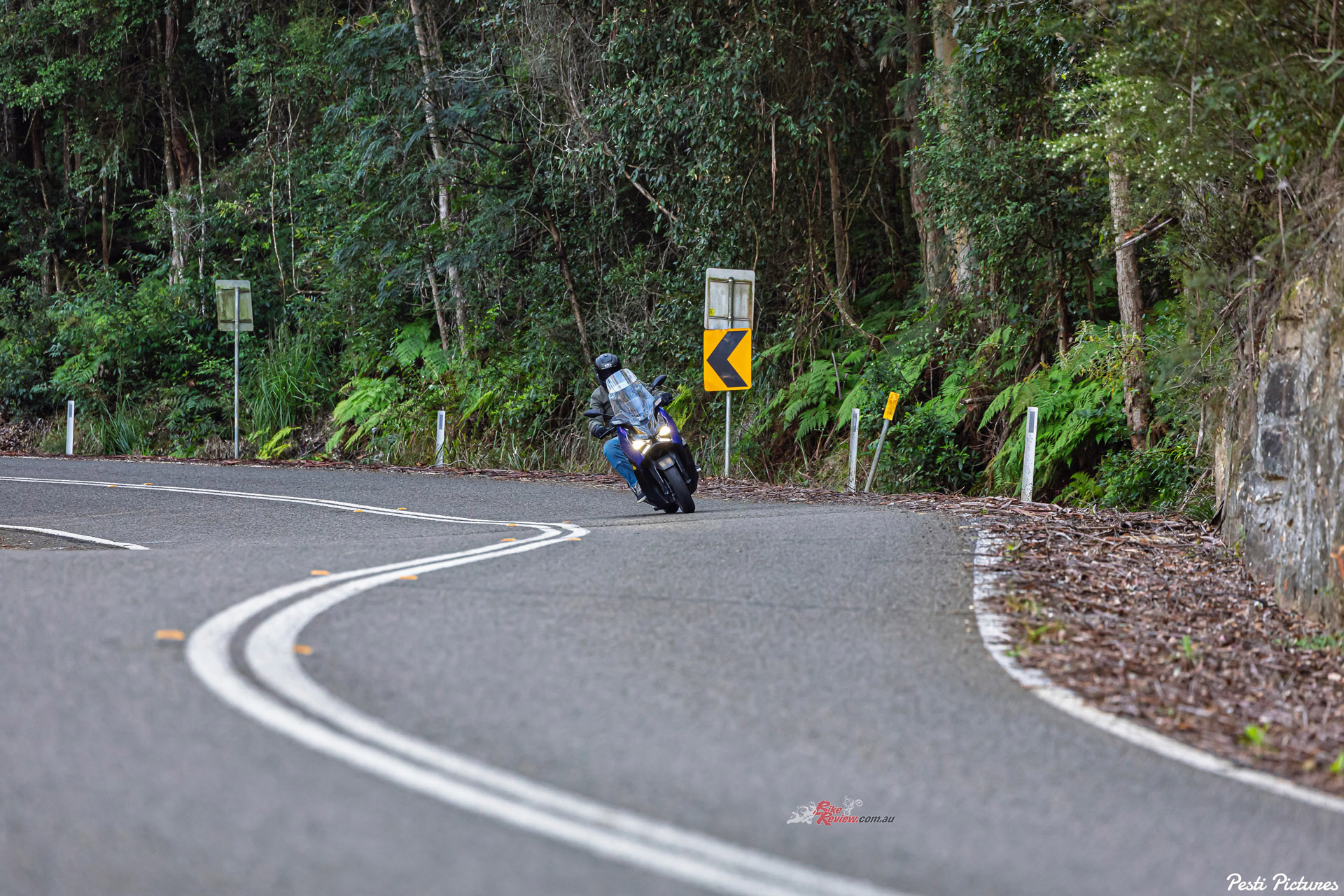
Life with our BikeReview XMAX 300 has been fantastic over Autumn and Winter, with the scooter proving a fantastic daily. We just gave it a first service... Action Pics: Pesti Pictures
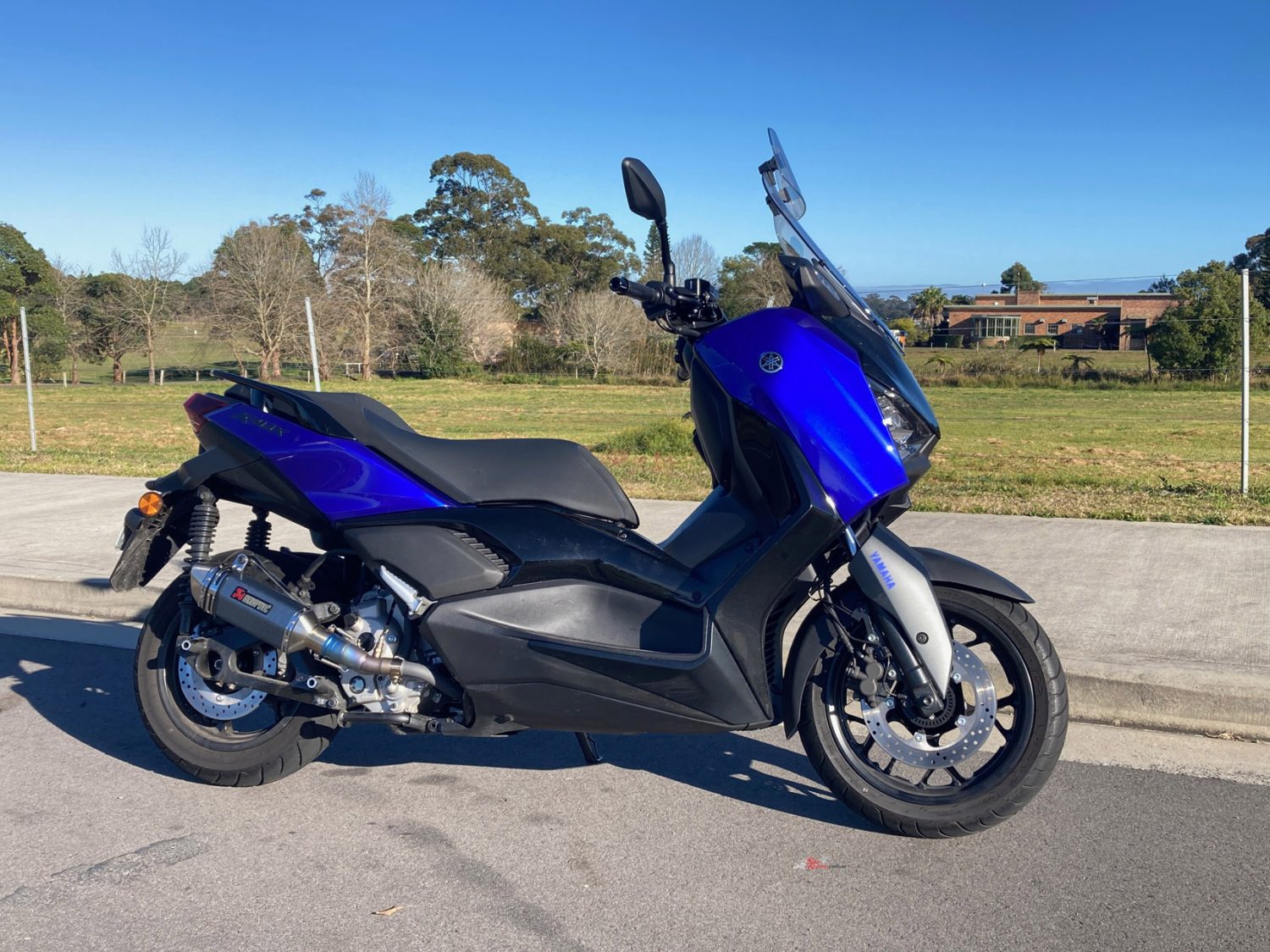
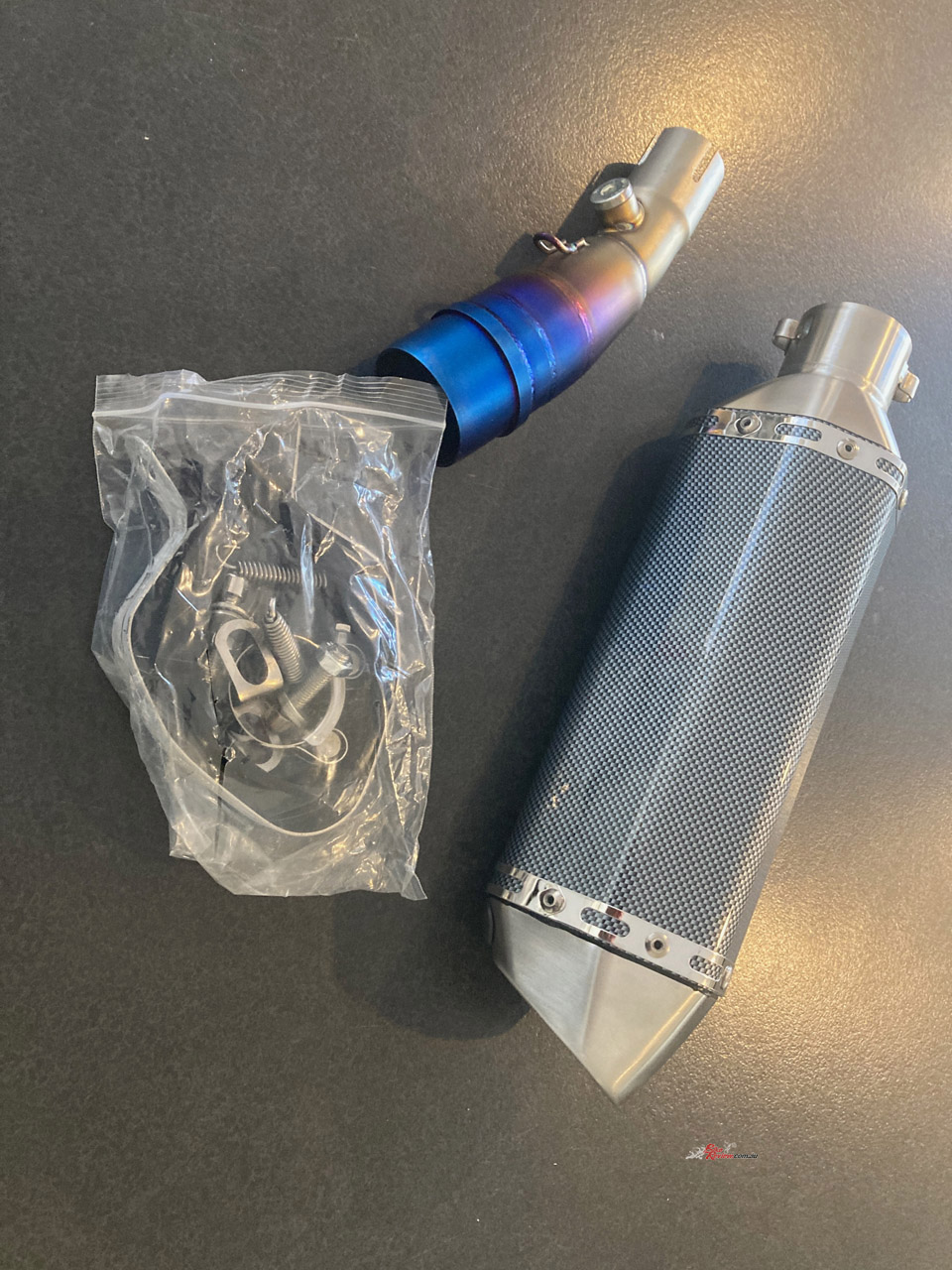
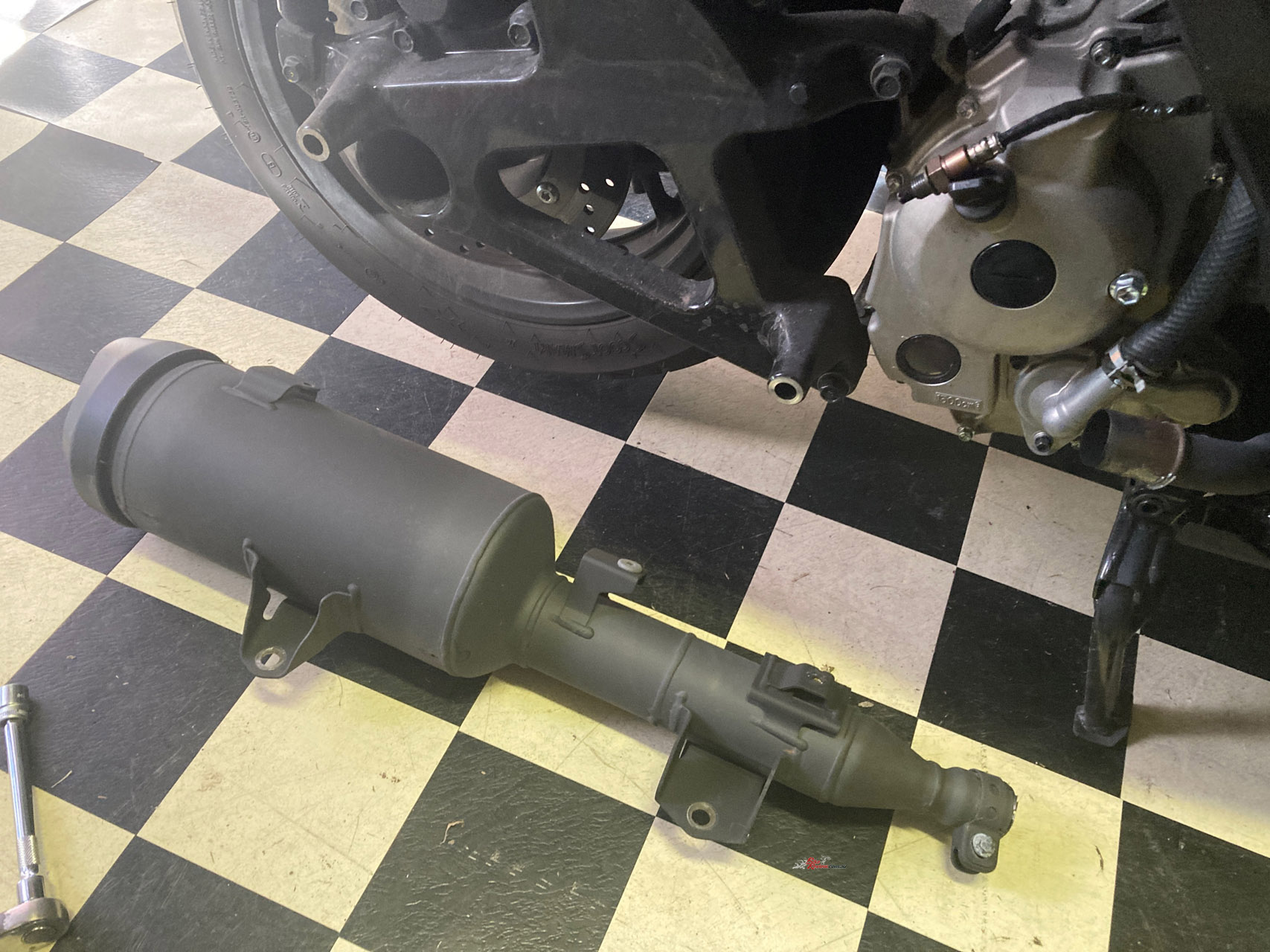
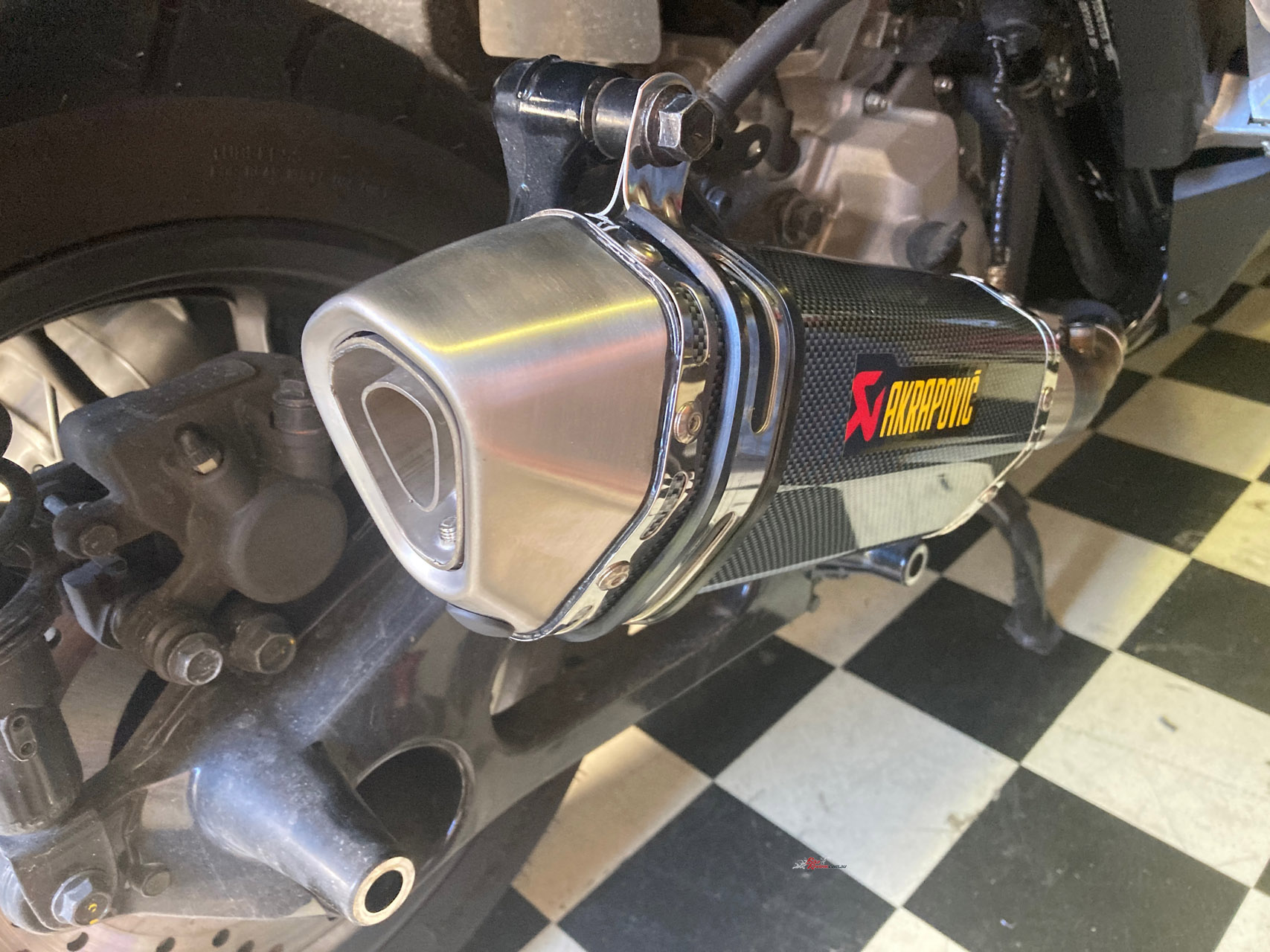
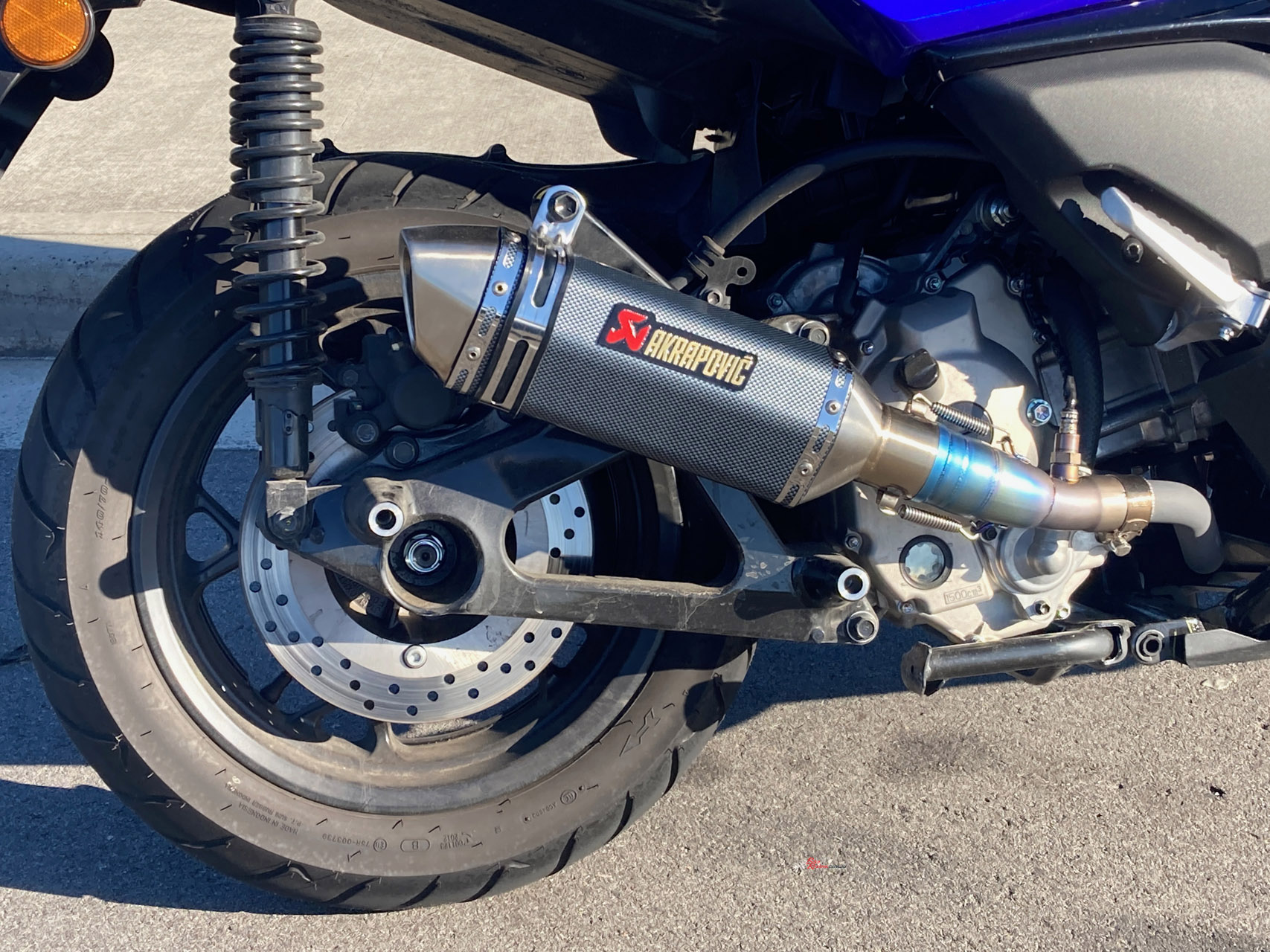
In Part 1, I hit the 1000km mark on our Yamaha XMAX 300, which meant it is time for the first service. Before getting into that, though, I should mention one small modification I have made since taking delivery. I fitted an aftermarket muffler, which went straight on without any drama.
It is not a known brand, just a cheap eBay special that I scored new and delivered for $150. I bought an Akro sticker on eBay too and slapped it on for good measure! It sounds great, feels like it has given the scooter a little more punch, and has also saved around 10kg in weight. Best of all, it has not affected fuel economy, with the XMAX currently averaging just 3.2L/100km.
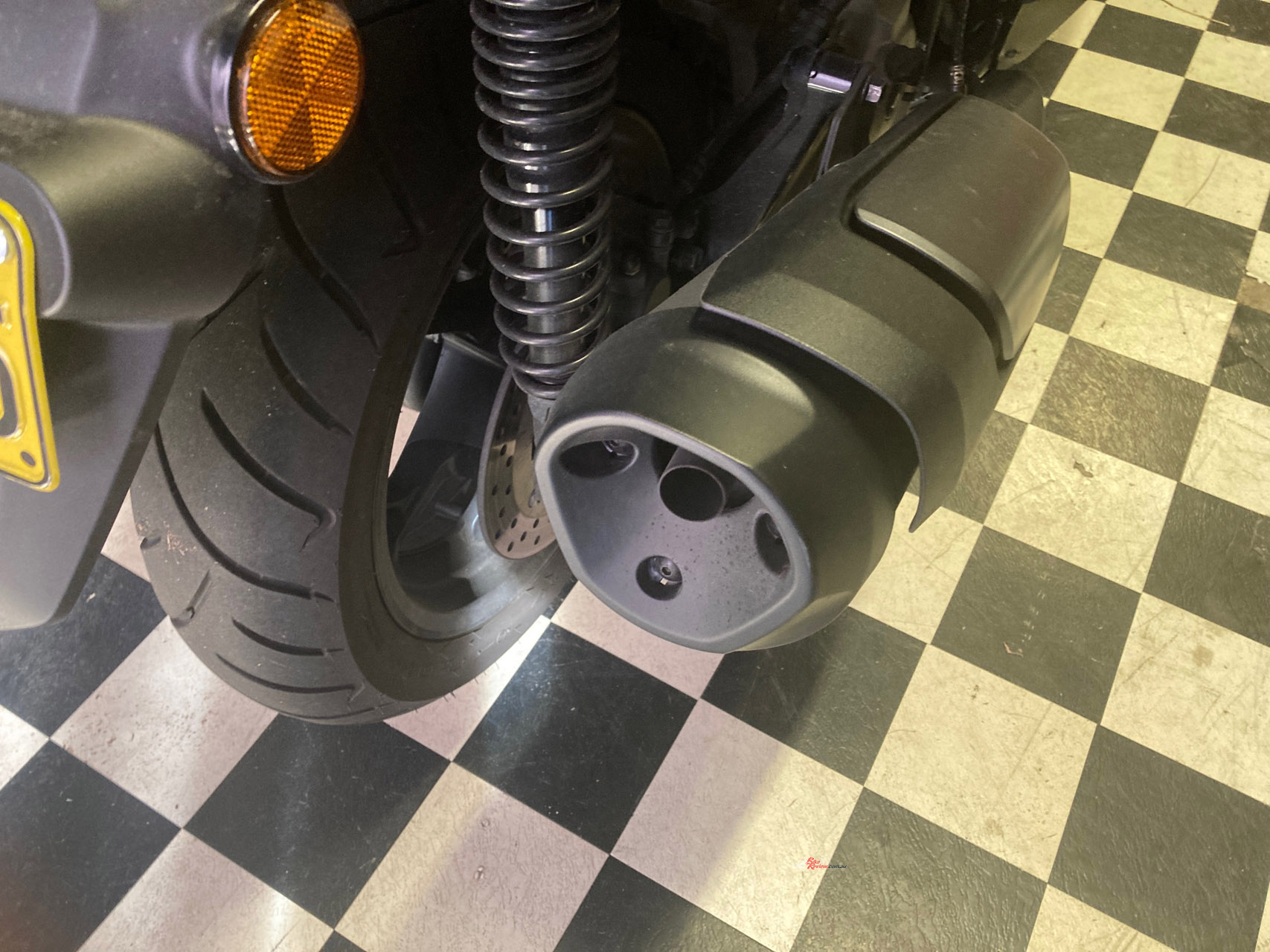
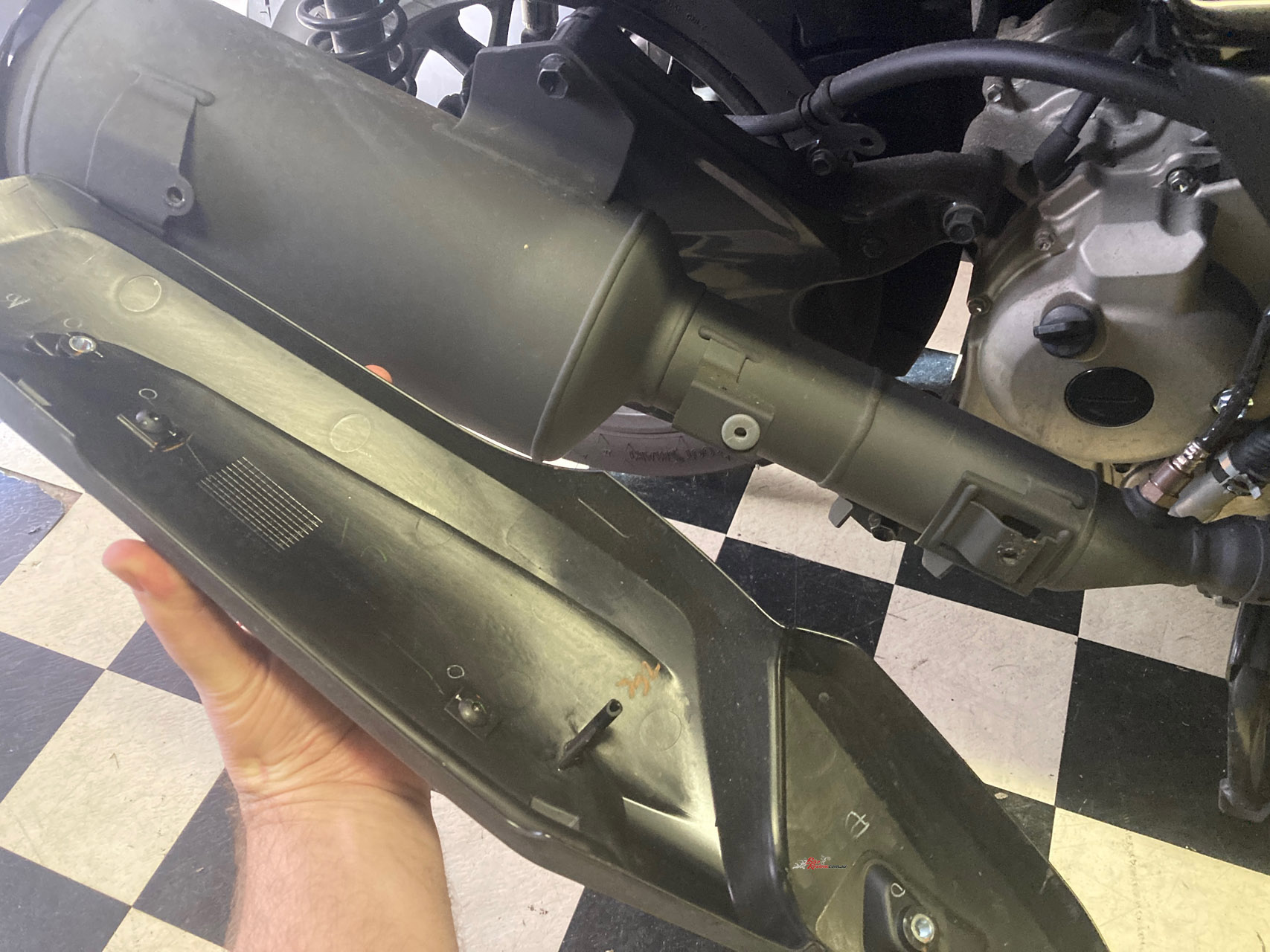
Back to the service. The first thing I did was contact Yamaha and line up a Yamalube oil change kit. The kit consisted of a bottle of Yamalube FS4 Fully Synthetic 10W40 engine oil, ($114.95 for 4L) a genuine paper-element oil filter and a new sump plug washer. Yamalube FS4 is a high-performance four-stroke oil suitable for motorcycles and scooters, offering protection across a wide range of operating temperatures.
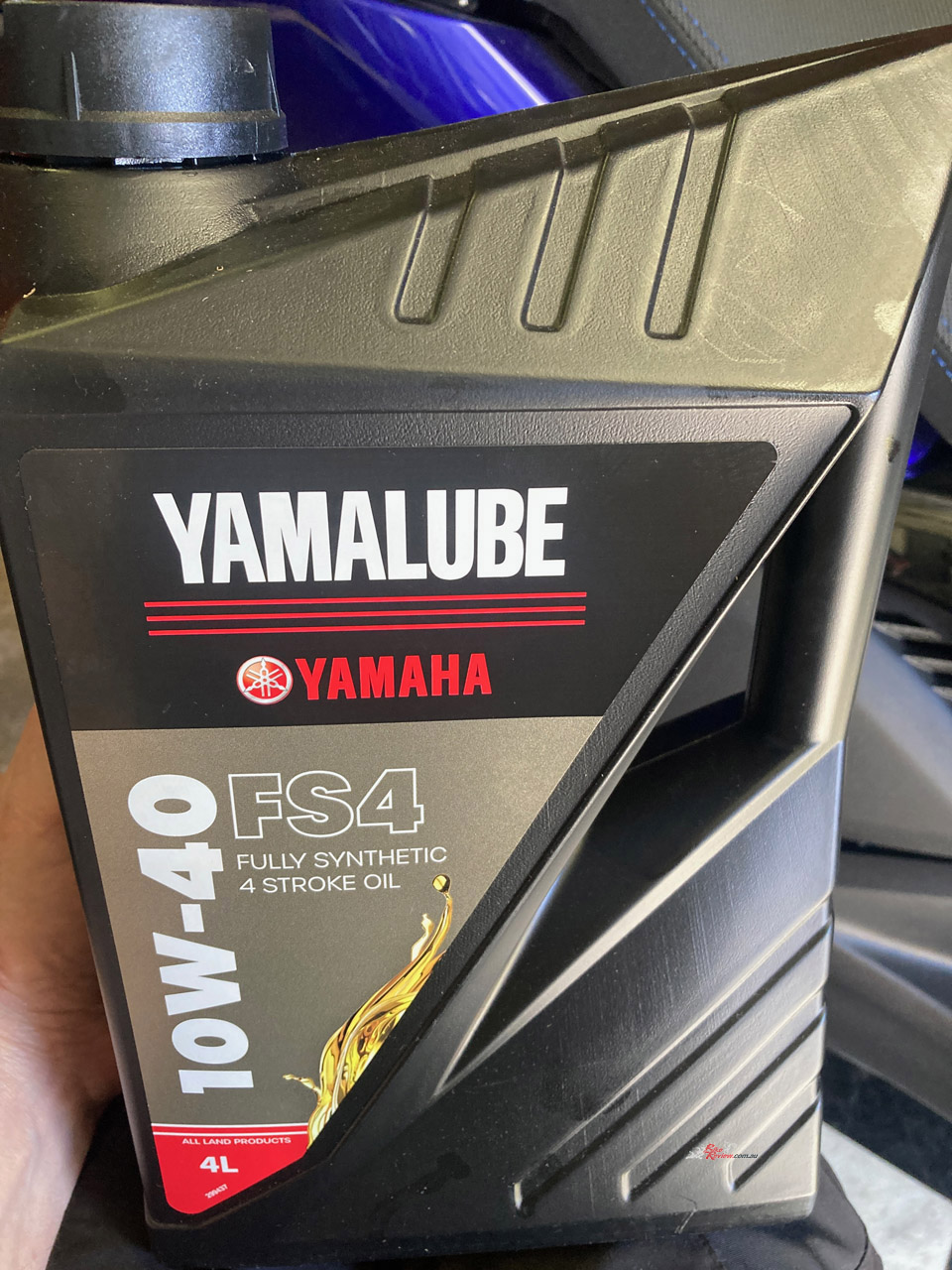 It is designed to provide good thermal stability, detergency and resistance to oxidation, corrosion and foaming, while meeting the JASO MA standard. The 10W40 viscosity rating is also well suited to a wide range of Australian riding conditions, with the first number relating to cold-temperature flow and the second describing its performance once the engine is at operating temperature.
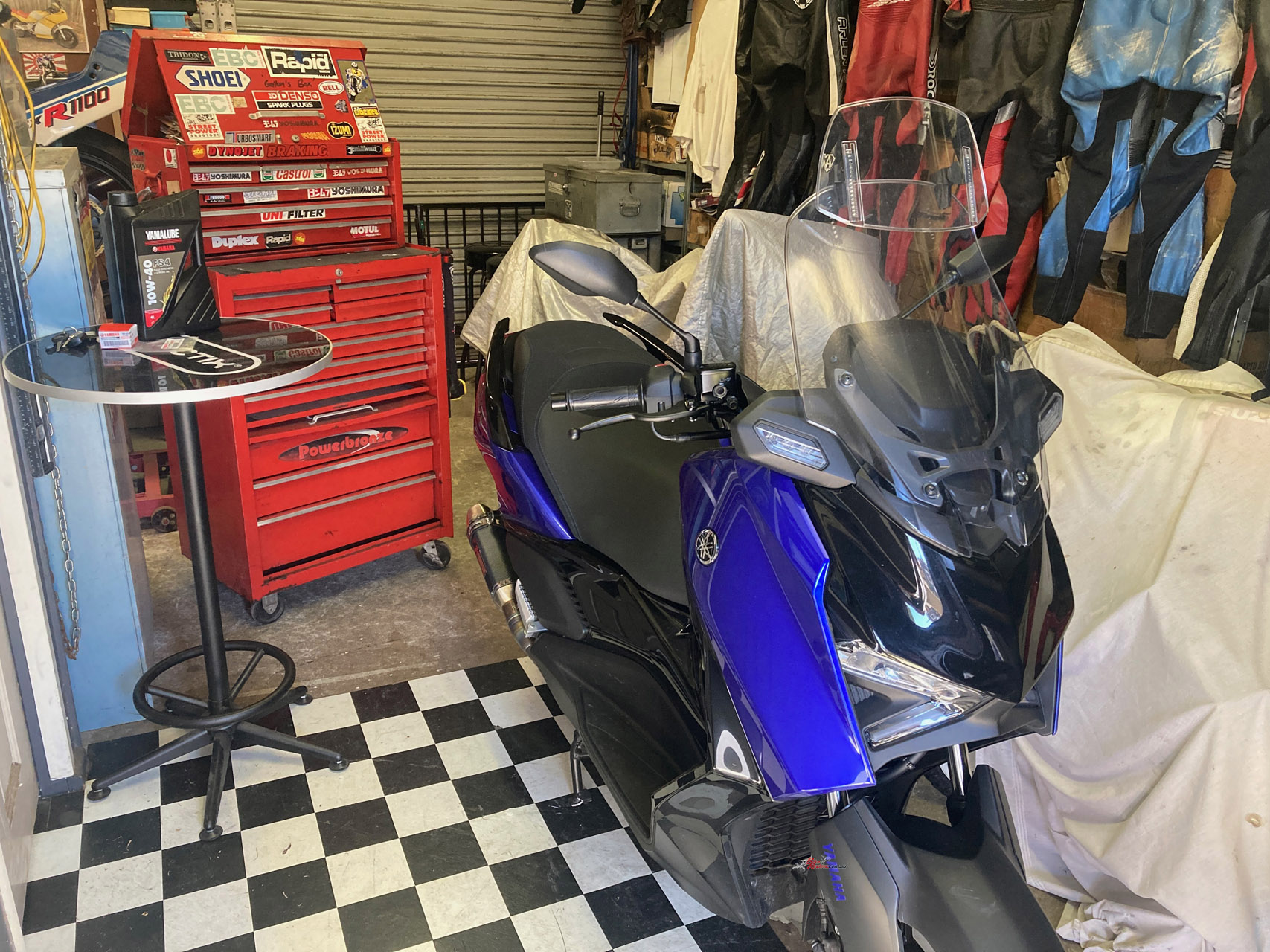
Before we start, I will point out that I am a fully licensed motorcycle mechanic and can carry out these jobs legally without affecting the warranty. That said, we personally suggest using your Yamaha dealer to have your XMAX serviced, particularly while it is still under warranty.
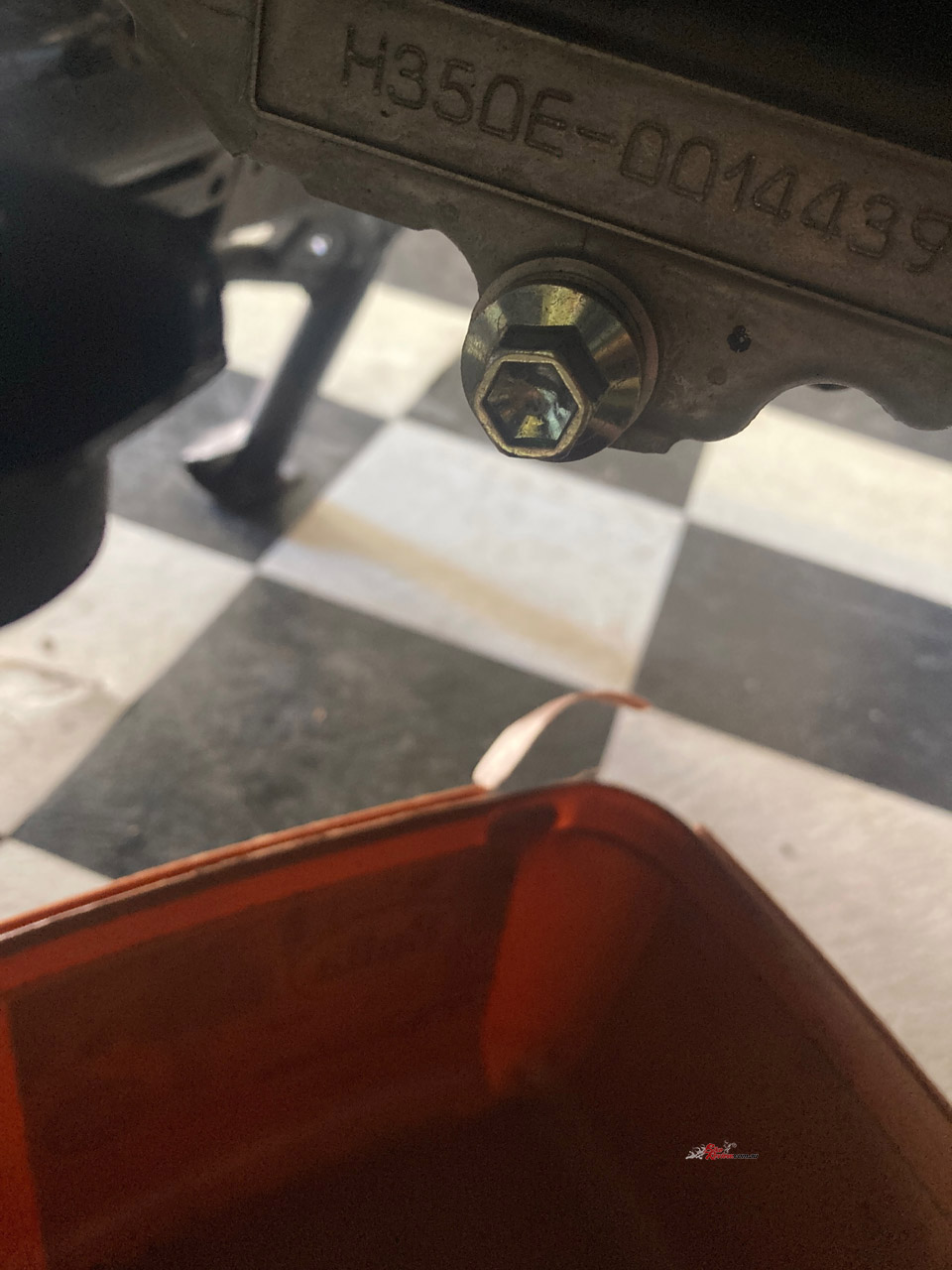
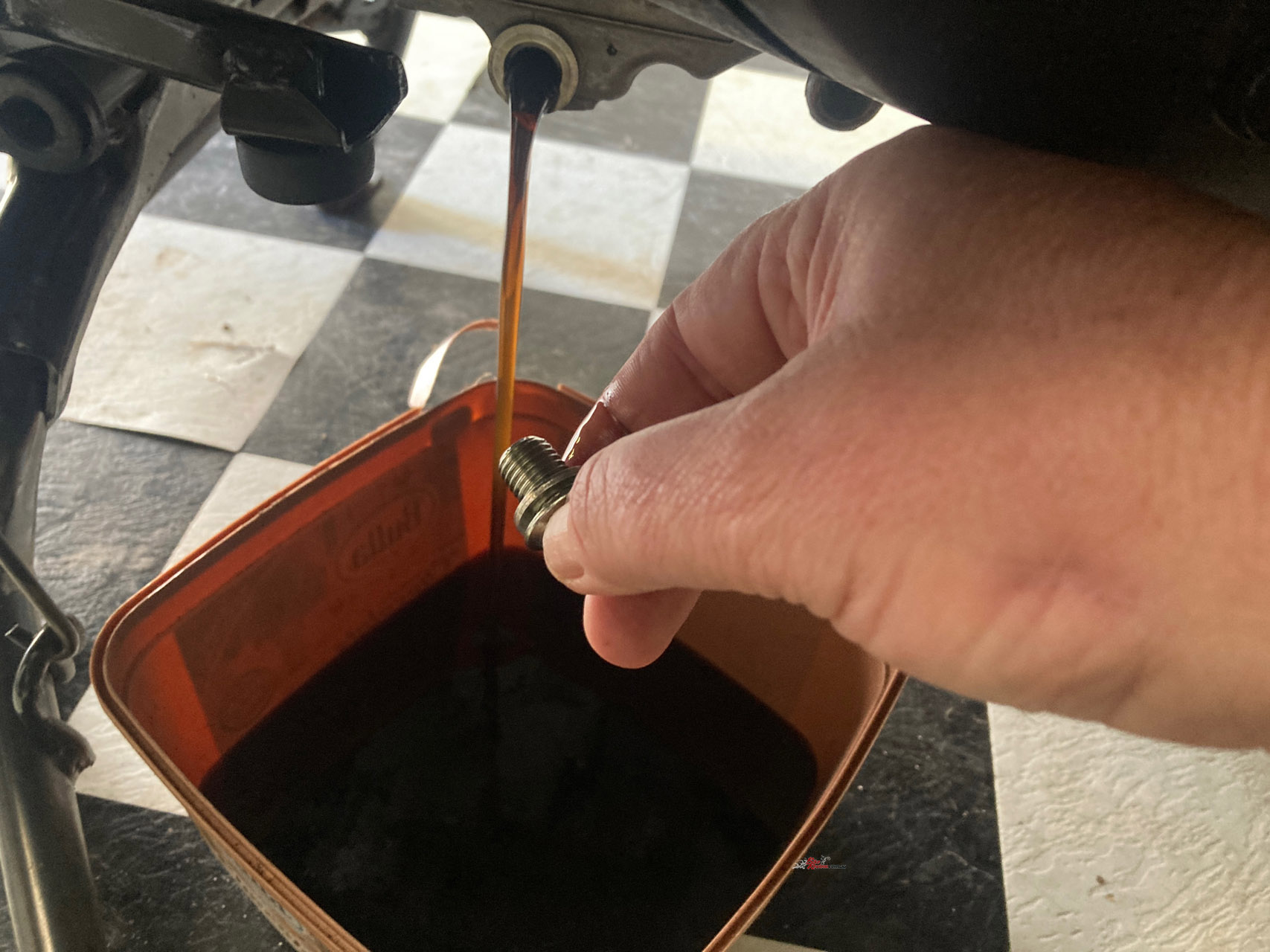
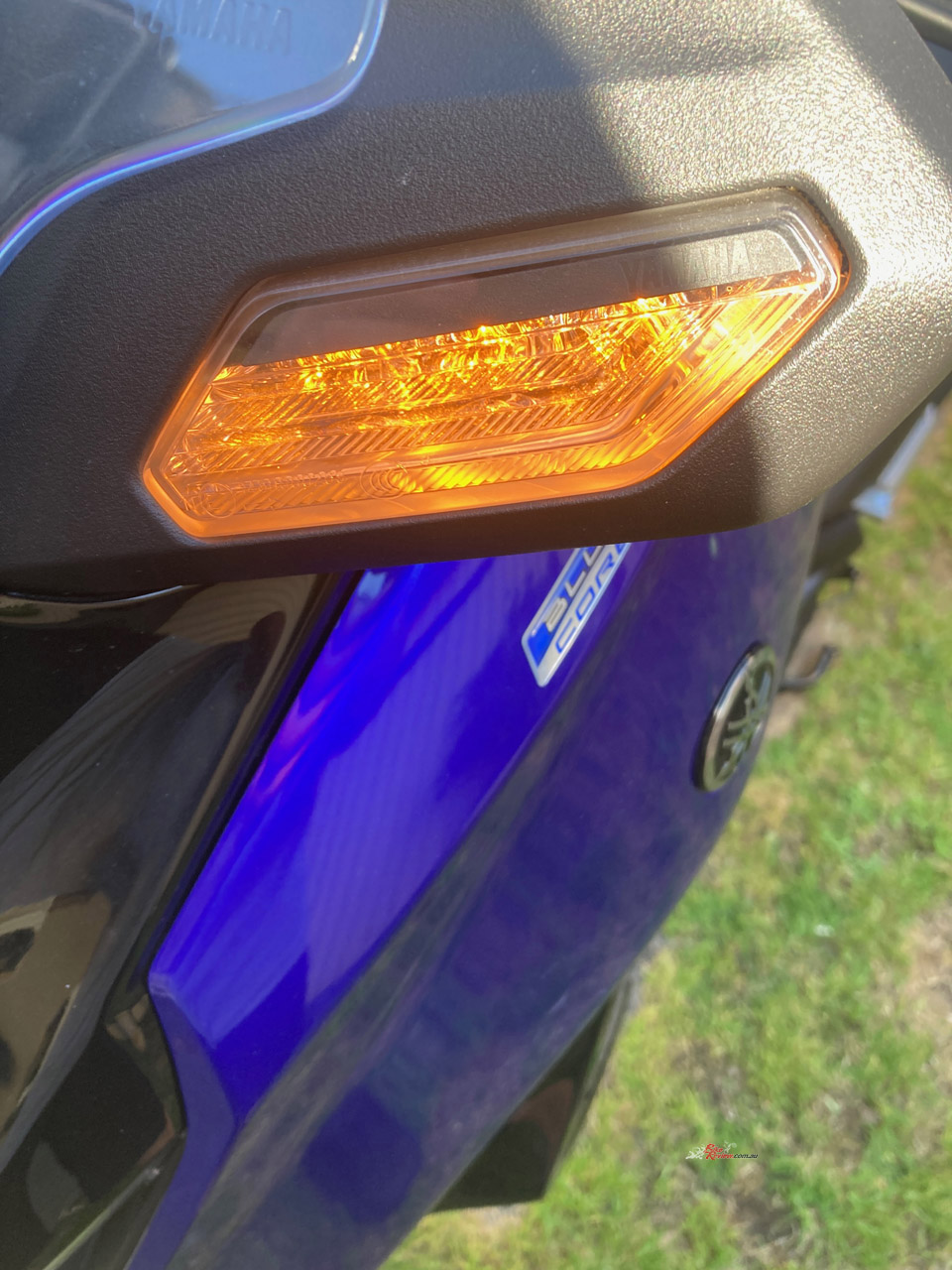
The first job was to warm the engine up with the scooter running on the centre-stand. While it was warming, I took the opportunity to check that all the lights and the horn were working. Once the engine was warm, I placed a drain tray beneath the sump and removed the drain plug, allowing the old oil to run out while hot. Warm oil drains more easily and helps carry any suspended contaminants out with it.
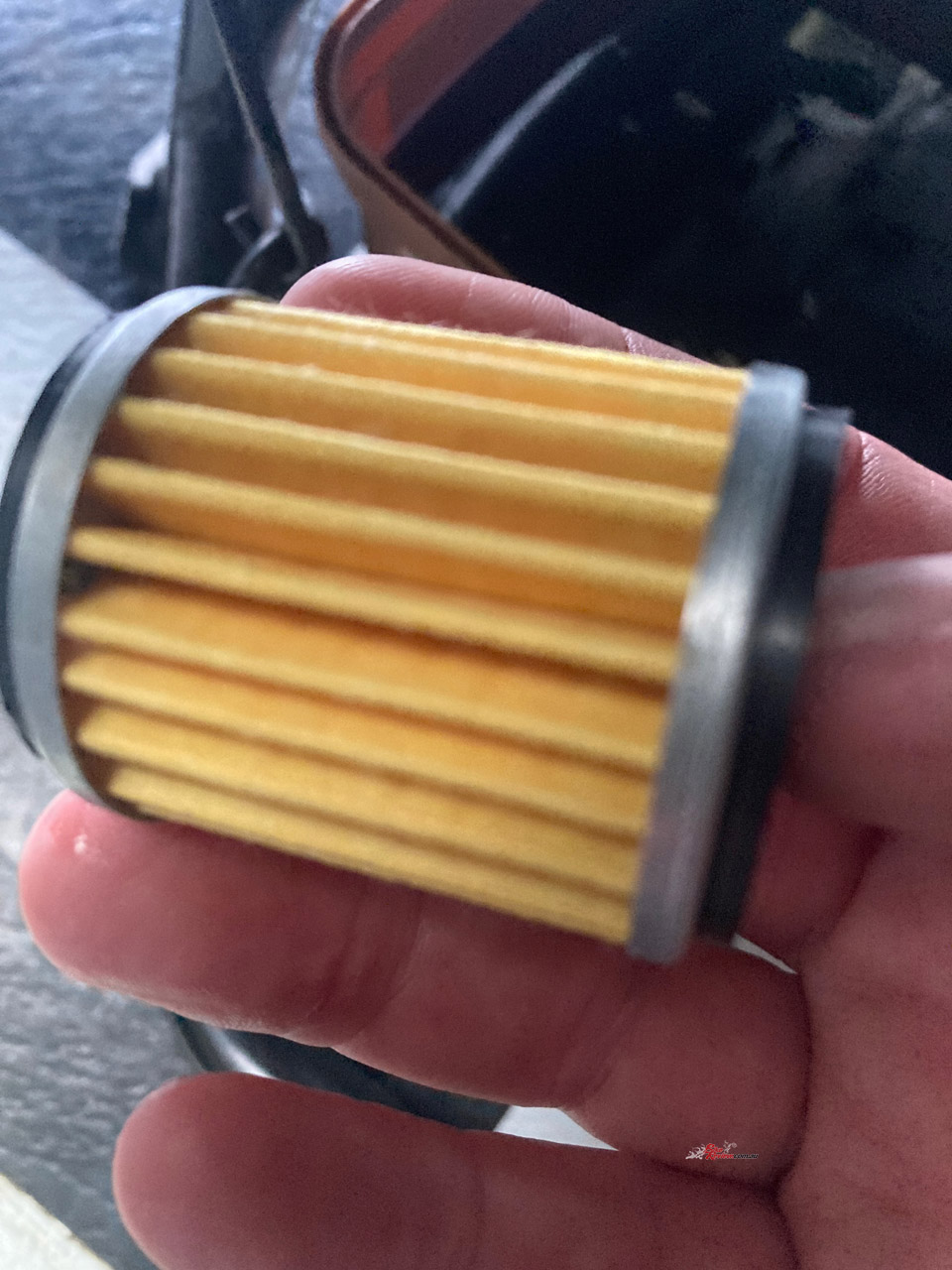
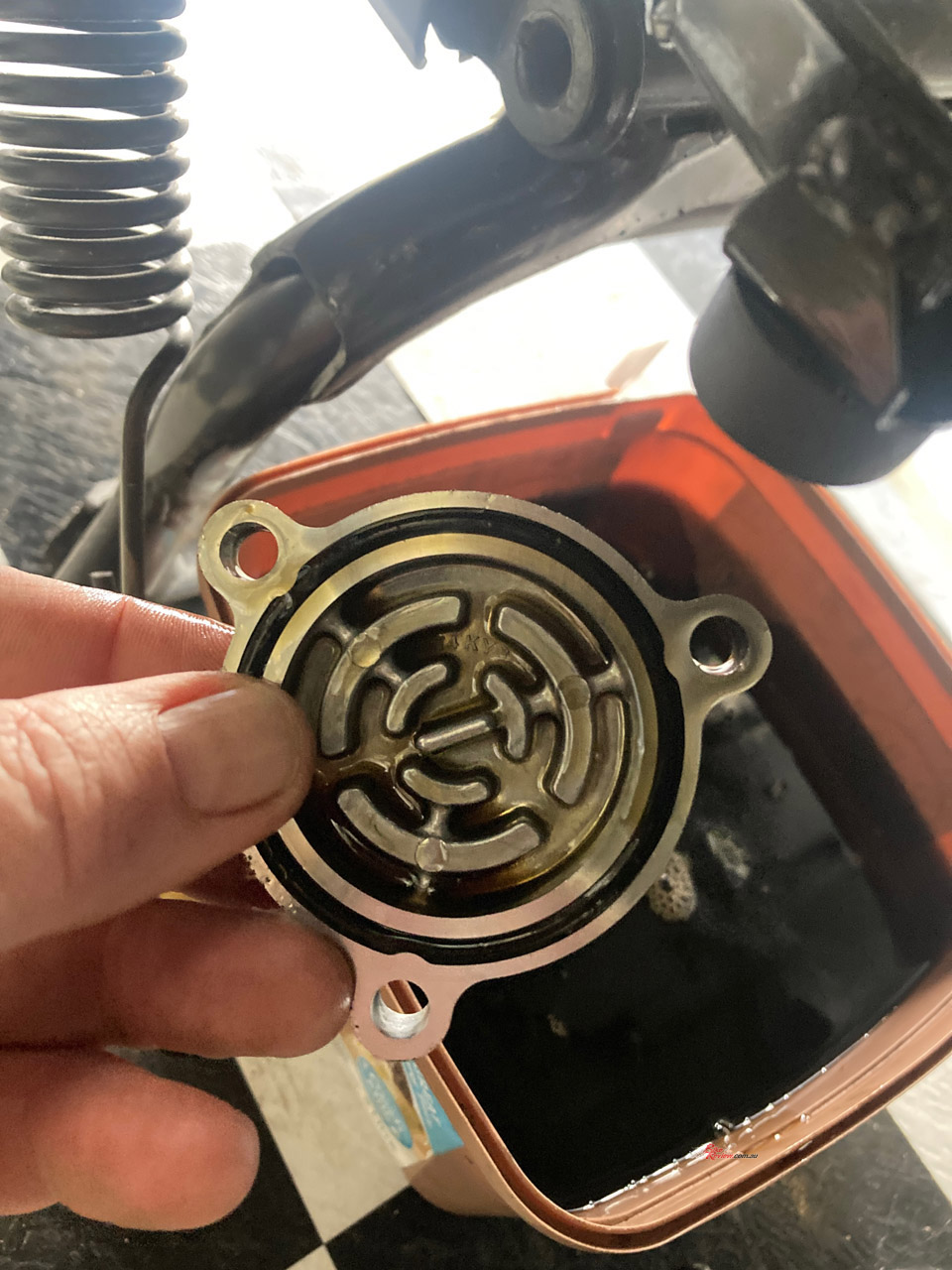
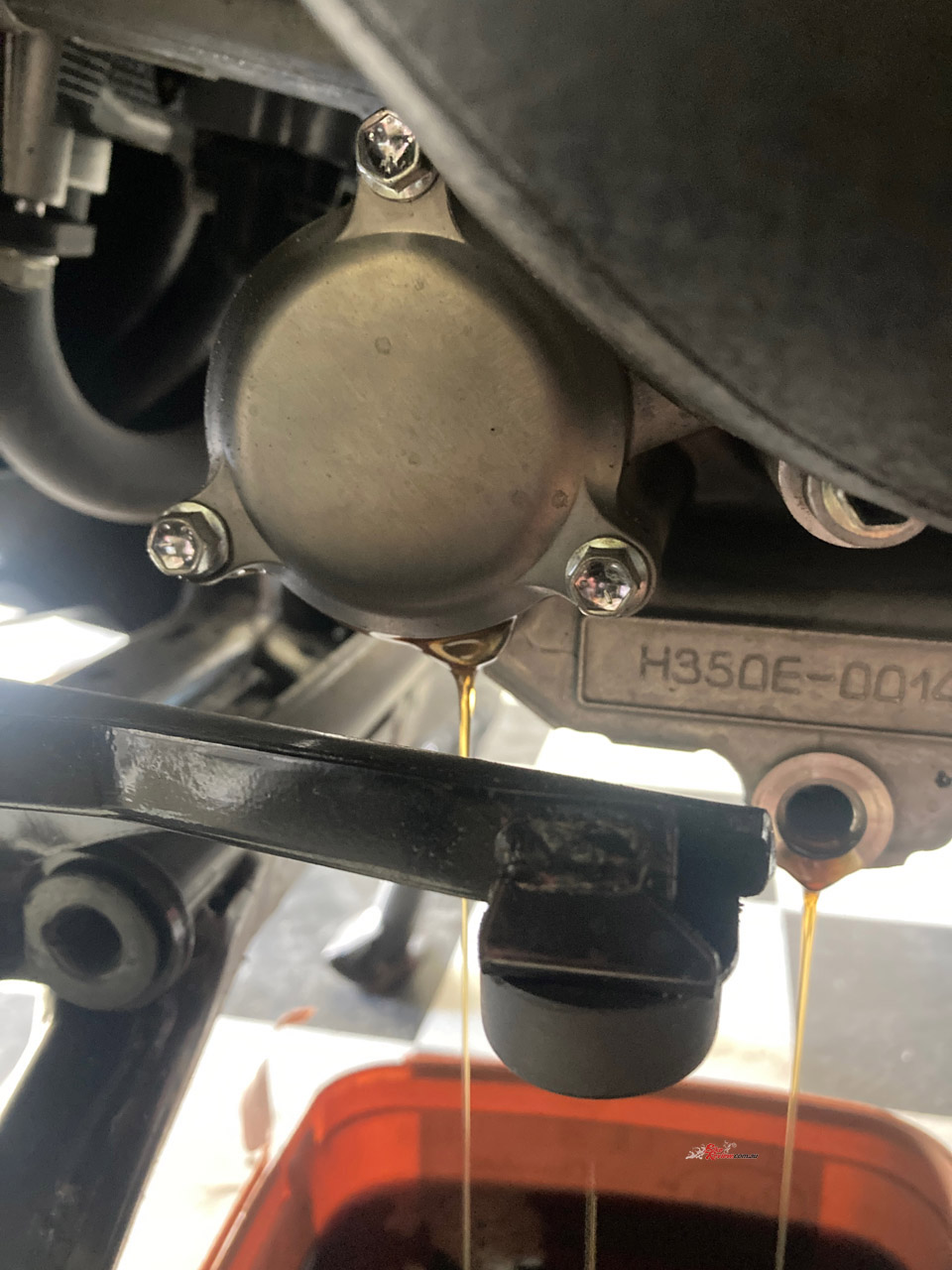
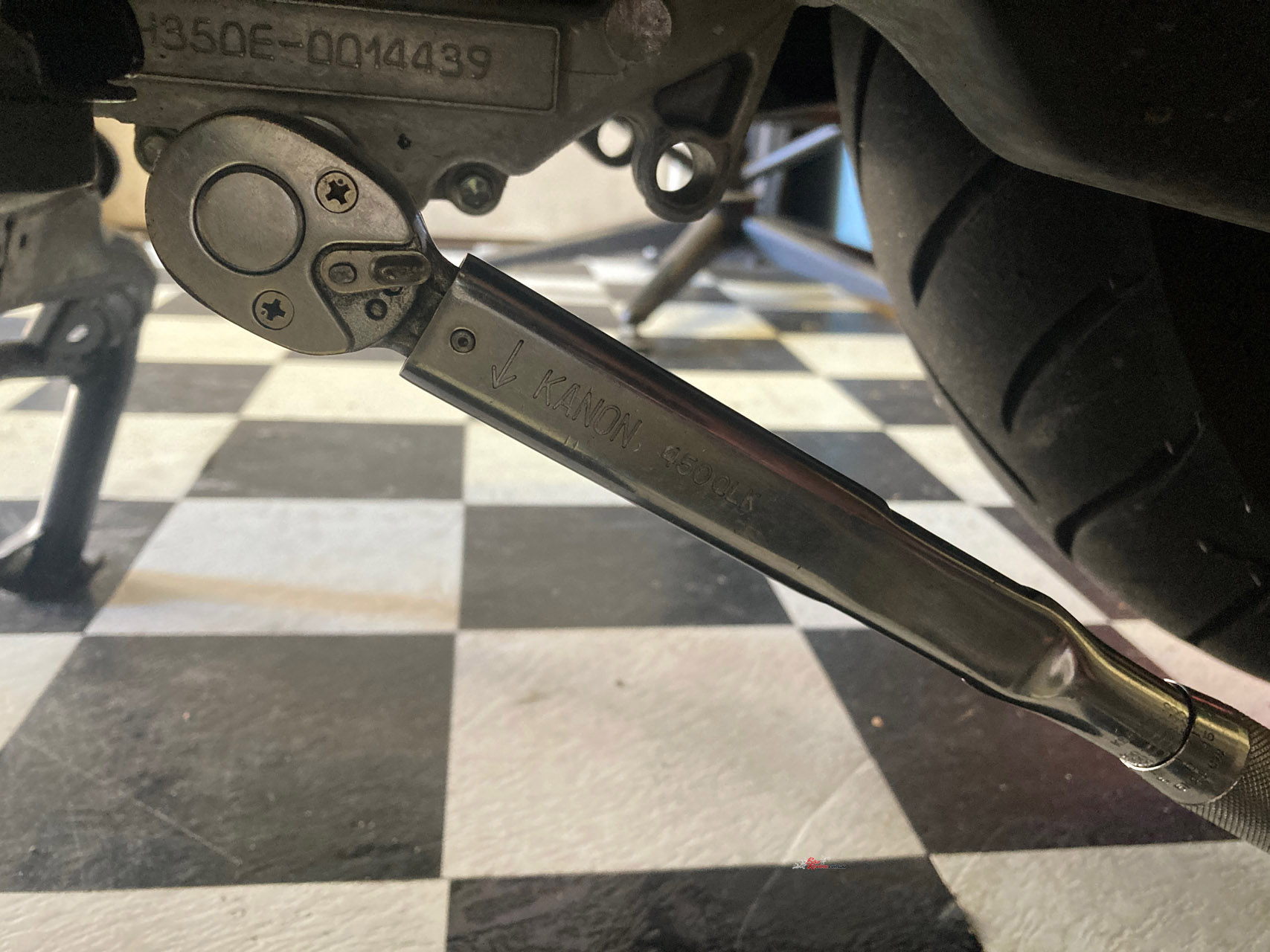
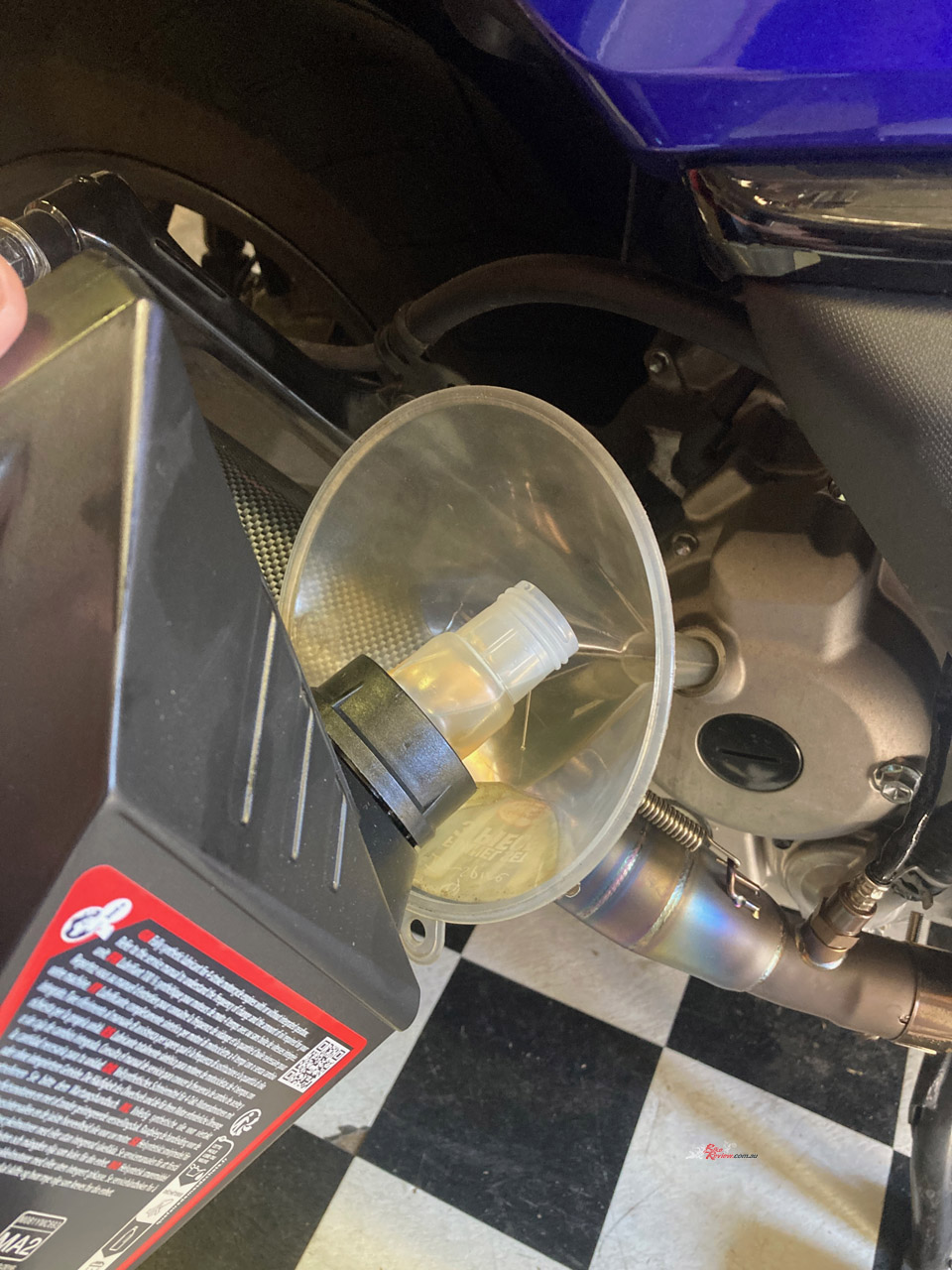
I then replaced the oil filter, which is an easy job on the XMAX as it is housed beneath a small retaining plate, and I also replaced the O’ring on the plate. The sump plug was refitted with a new washer and torqued to specification before I added 1.6L of fresh FS4 oil.
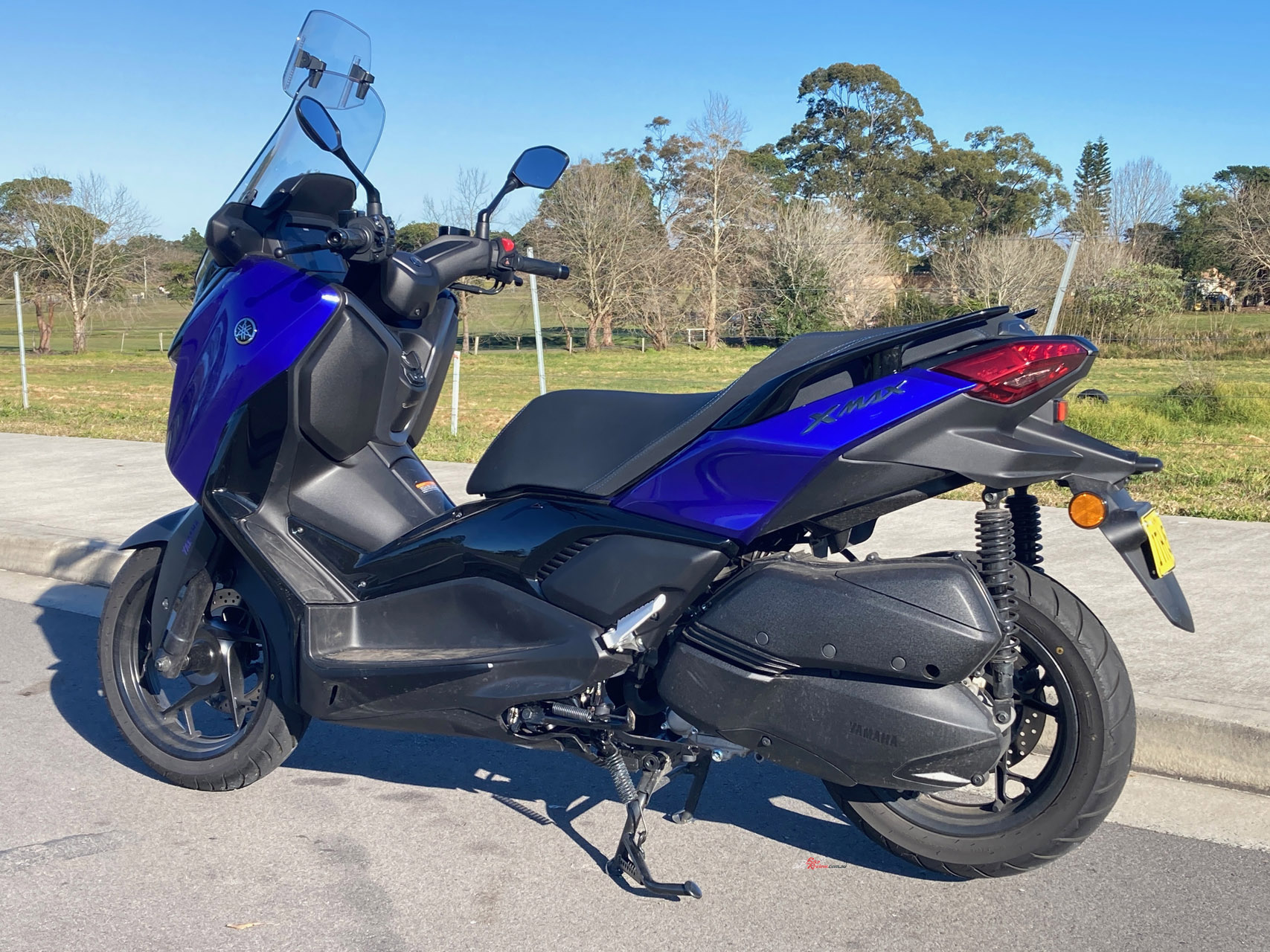
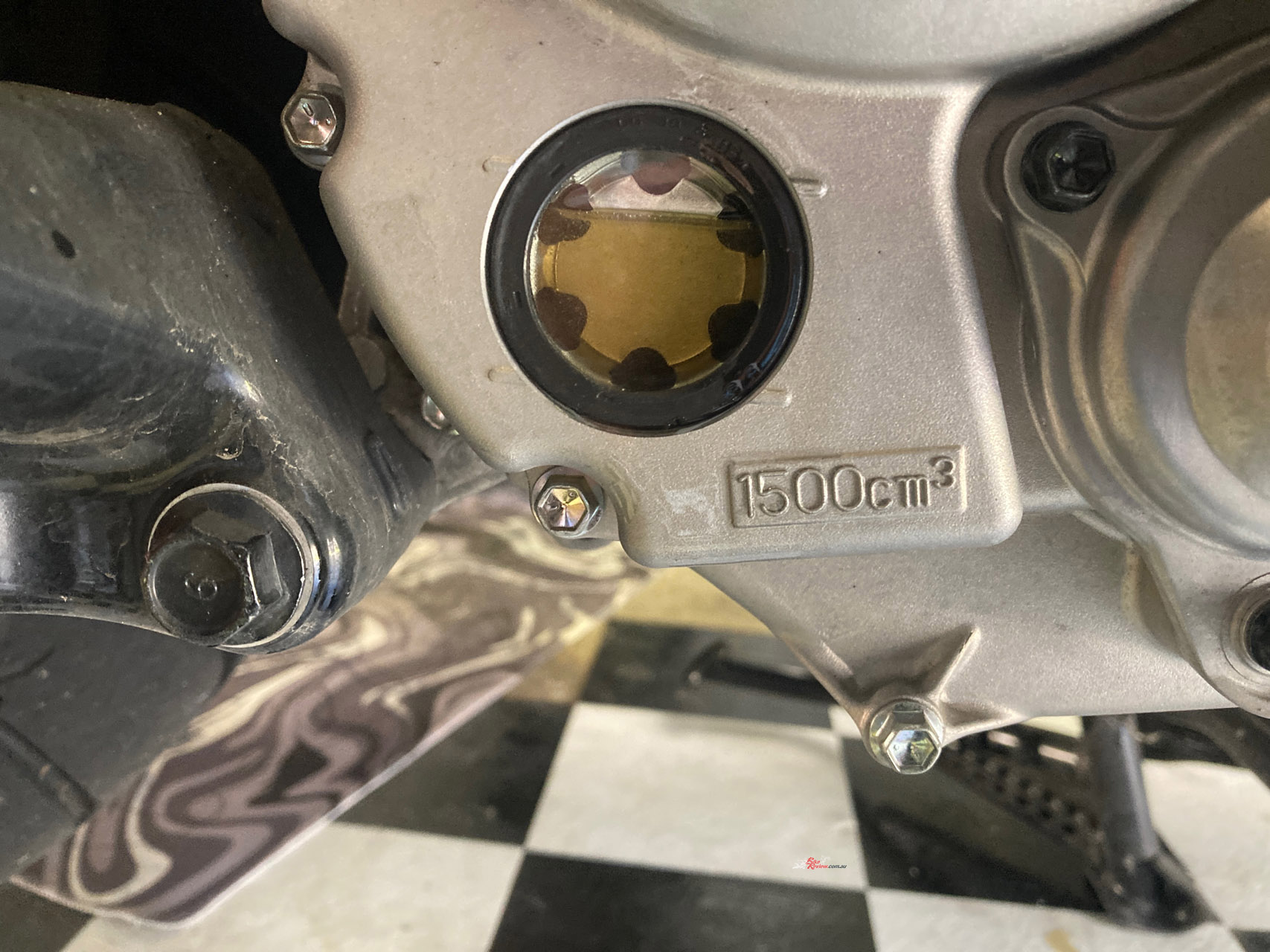
I then started the scooter and allowed it to run for around a minute before switching it off and giving the oil time to settle. The level was checked through the sight glass and adjusted as required. With the oil and filter change complete, I moved on to the rest of the first service, including a few checks above and beyond what Yamaha schedules.
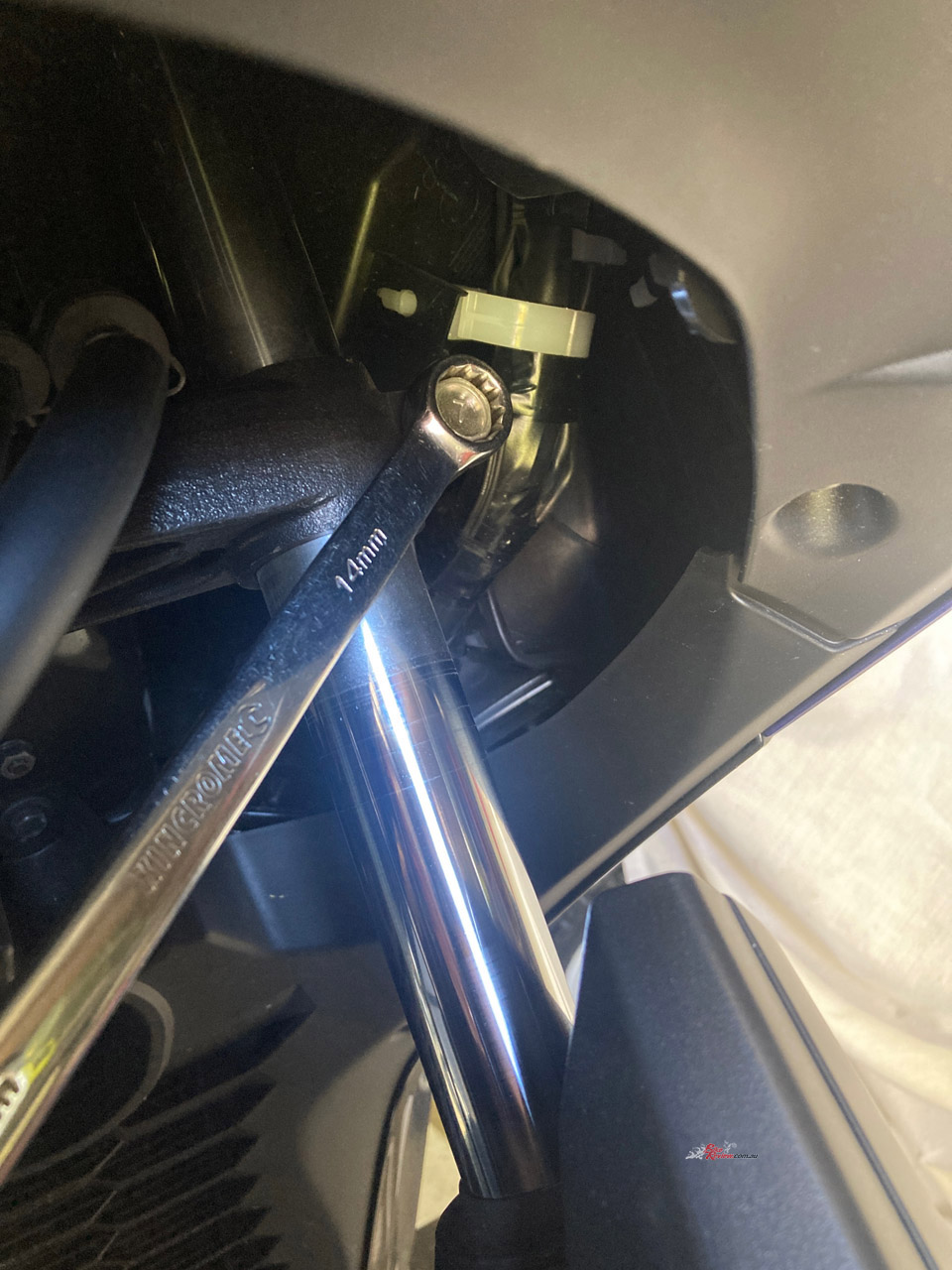
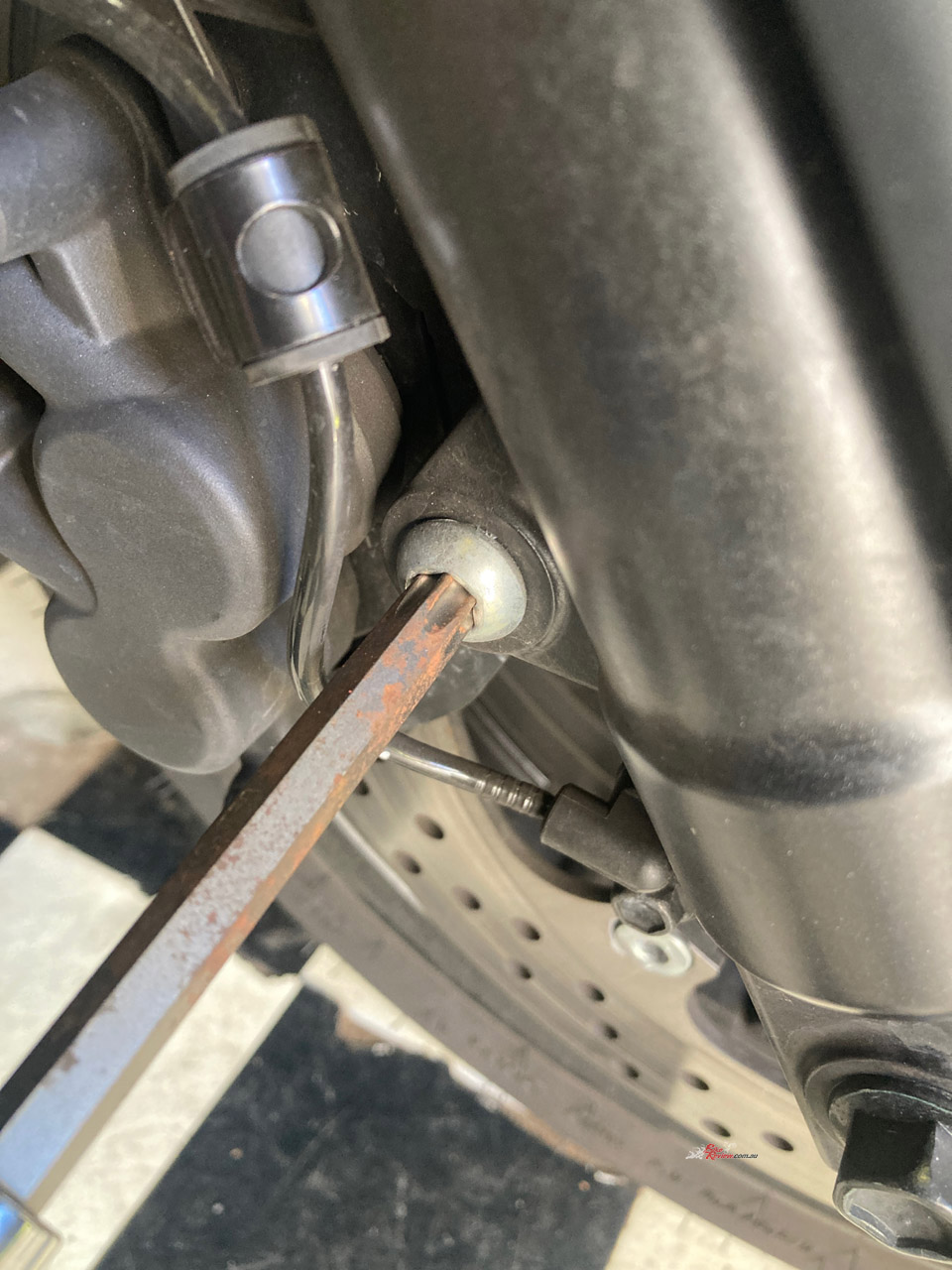
I decided to check every major fastener and found a couple of loose bolts around the fairing and bodywork. I also checked the axles, caliper bolts, triple-clamp bolts, handlebars, levers, engine mounts and stand pivots.
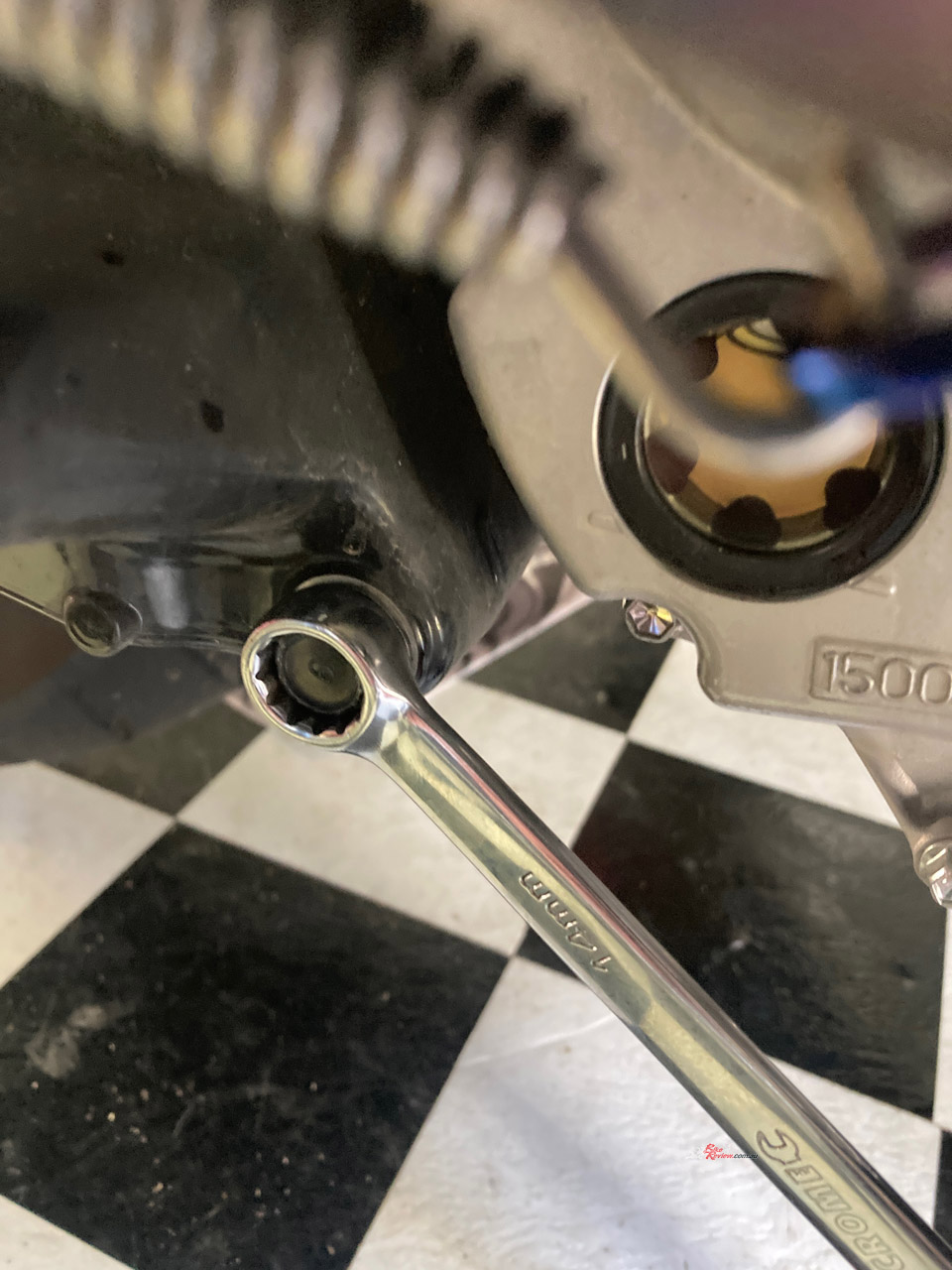
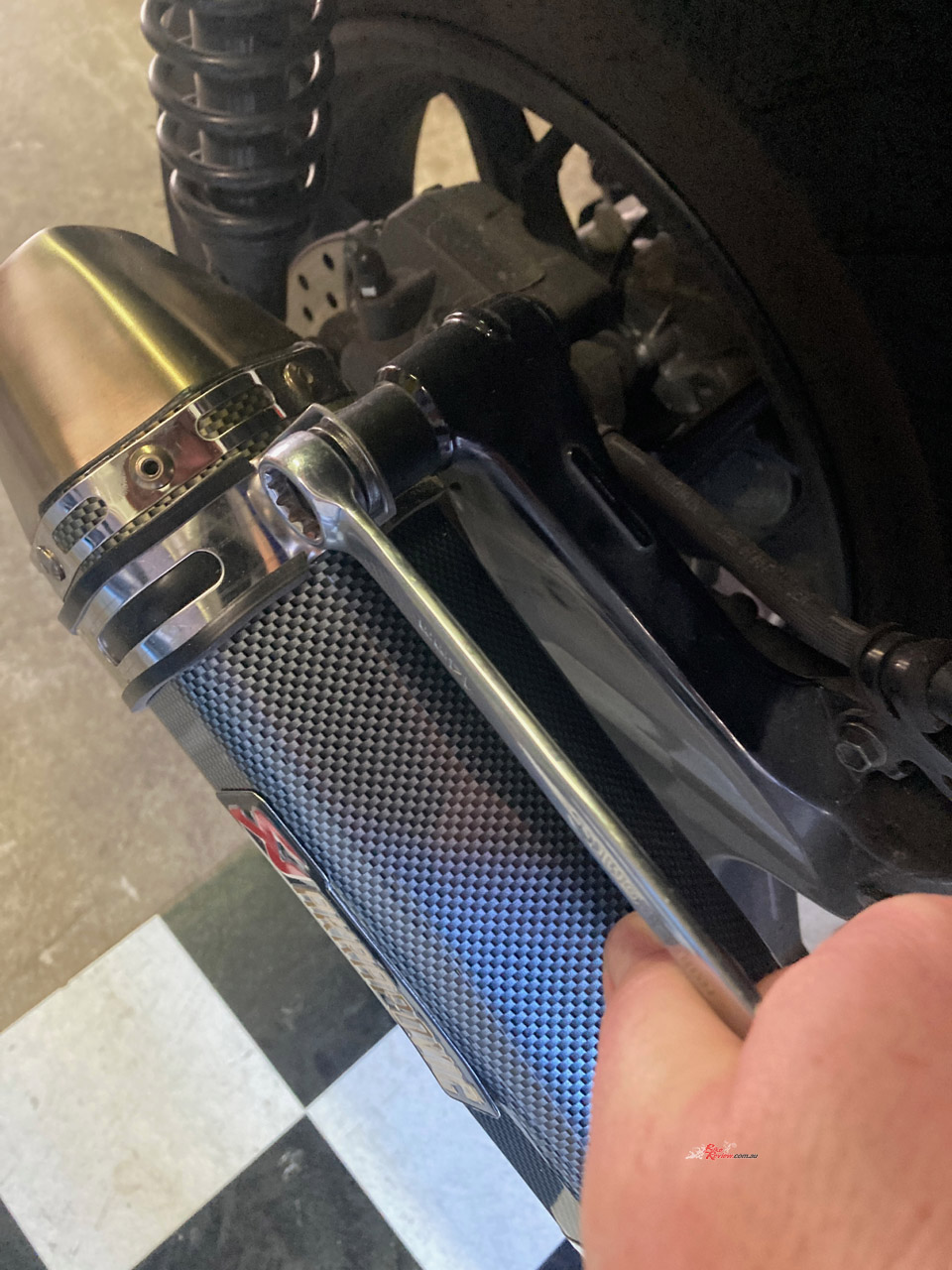
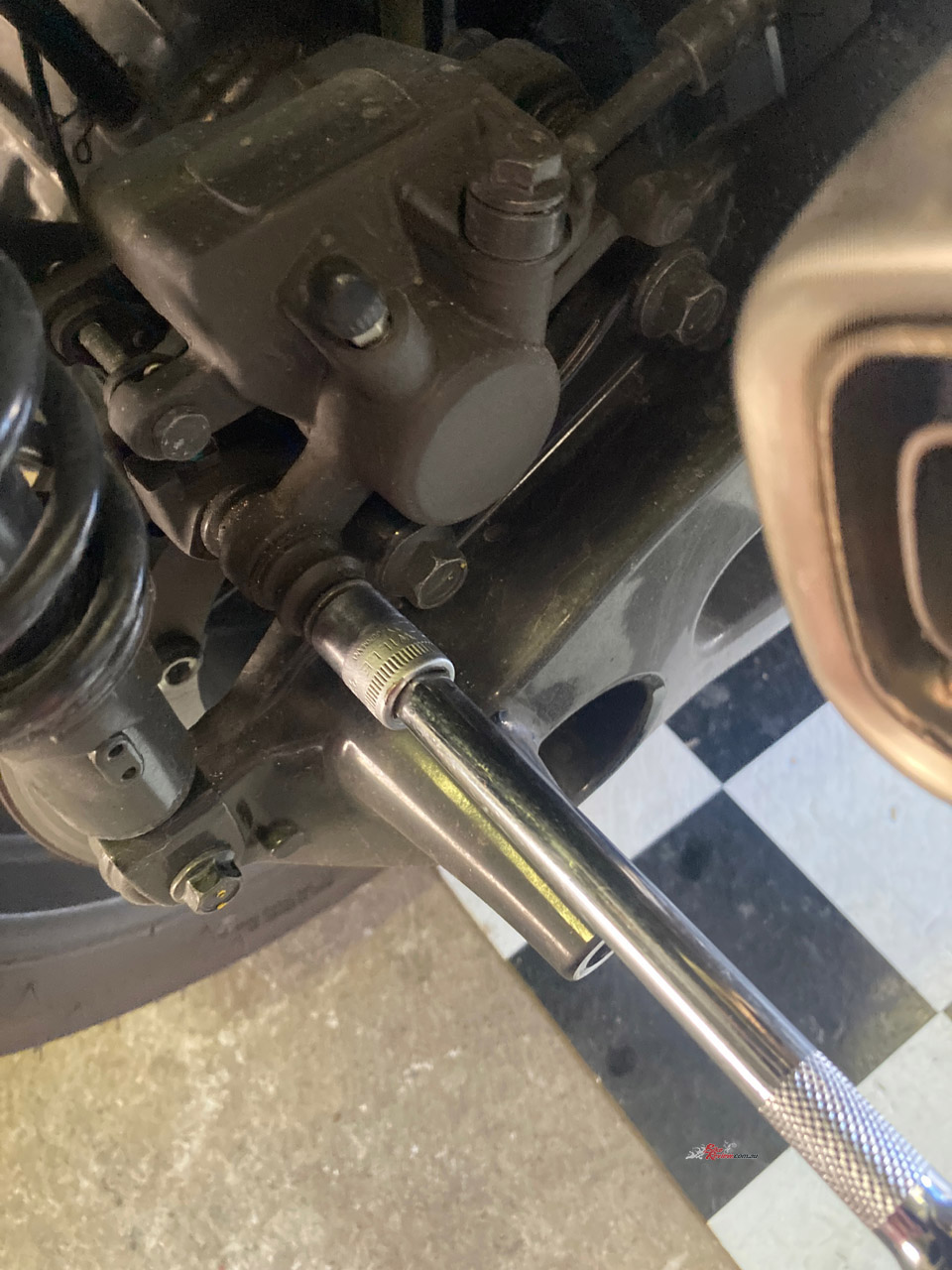
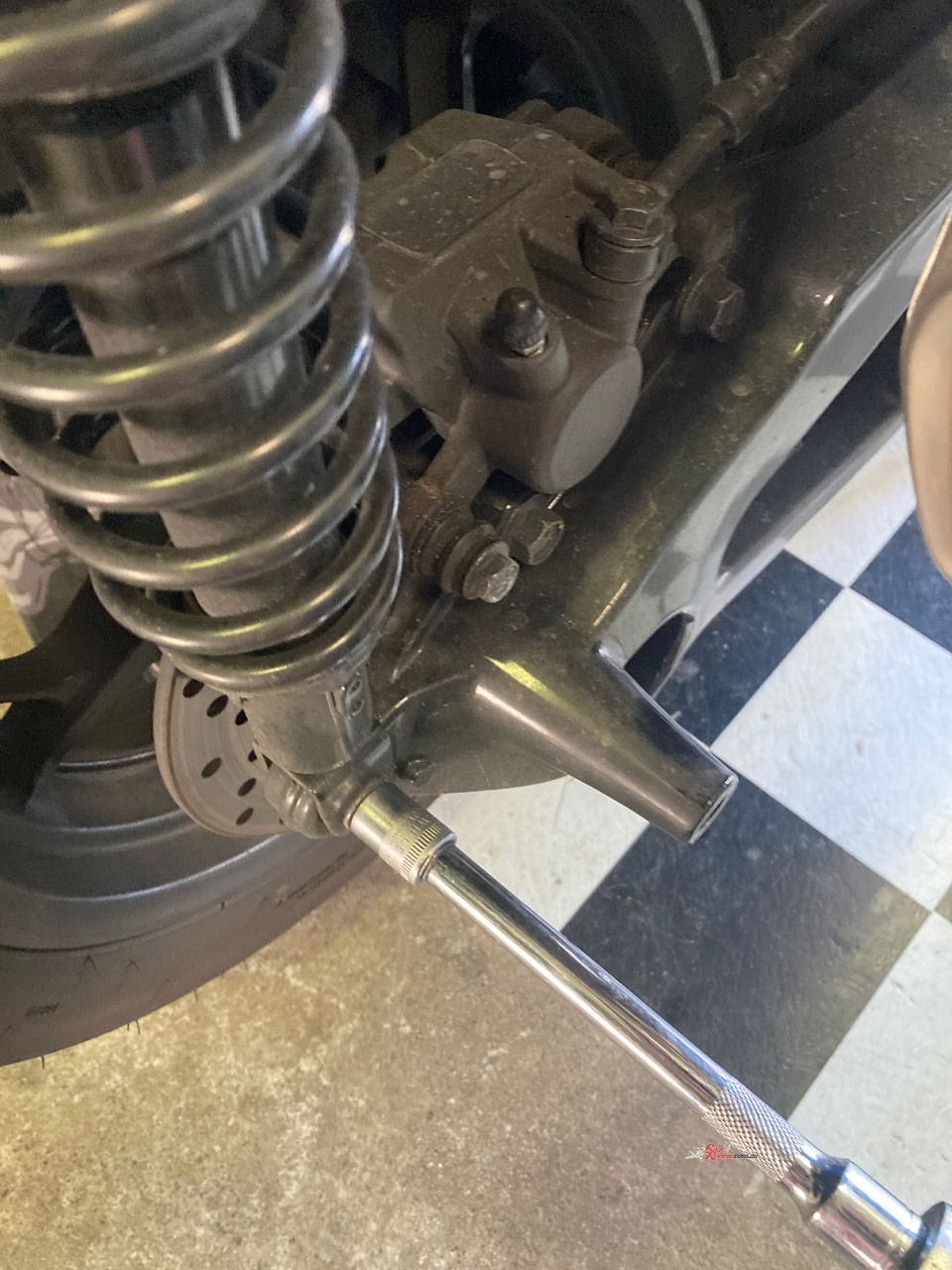
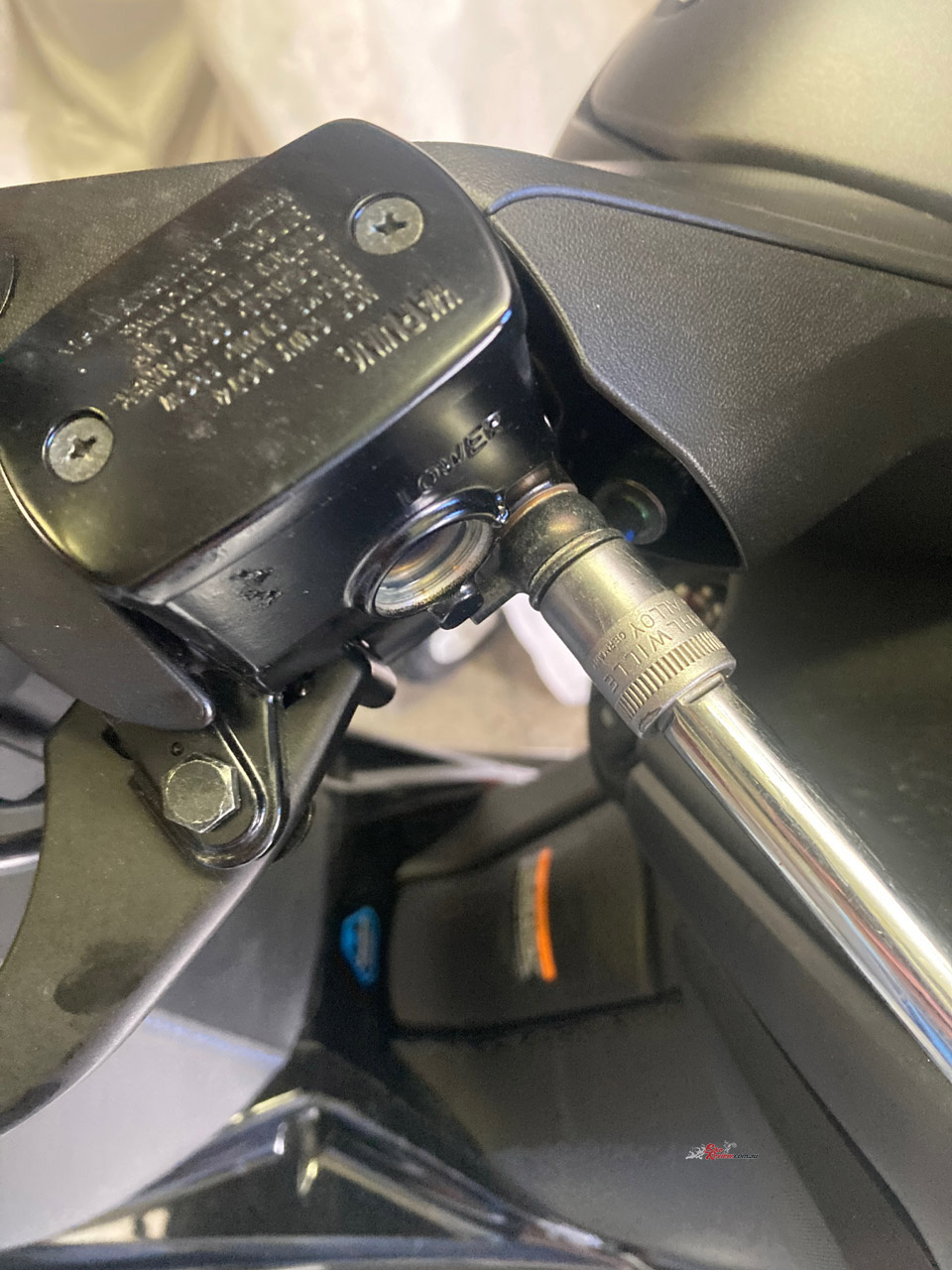
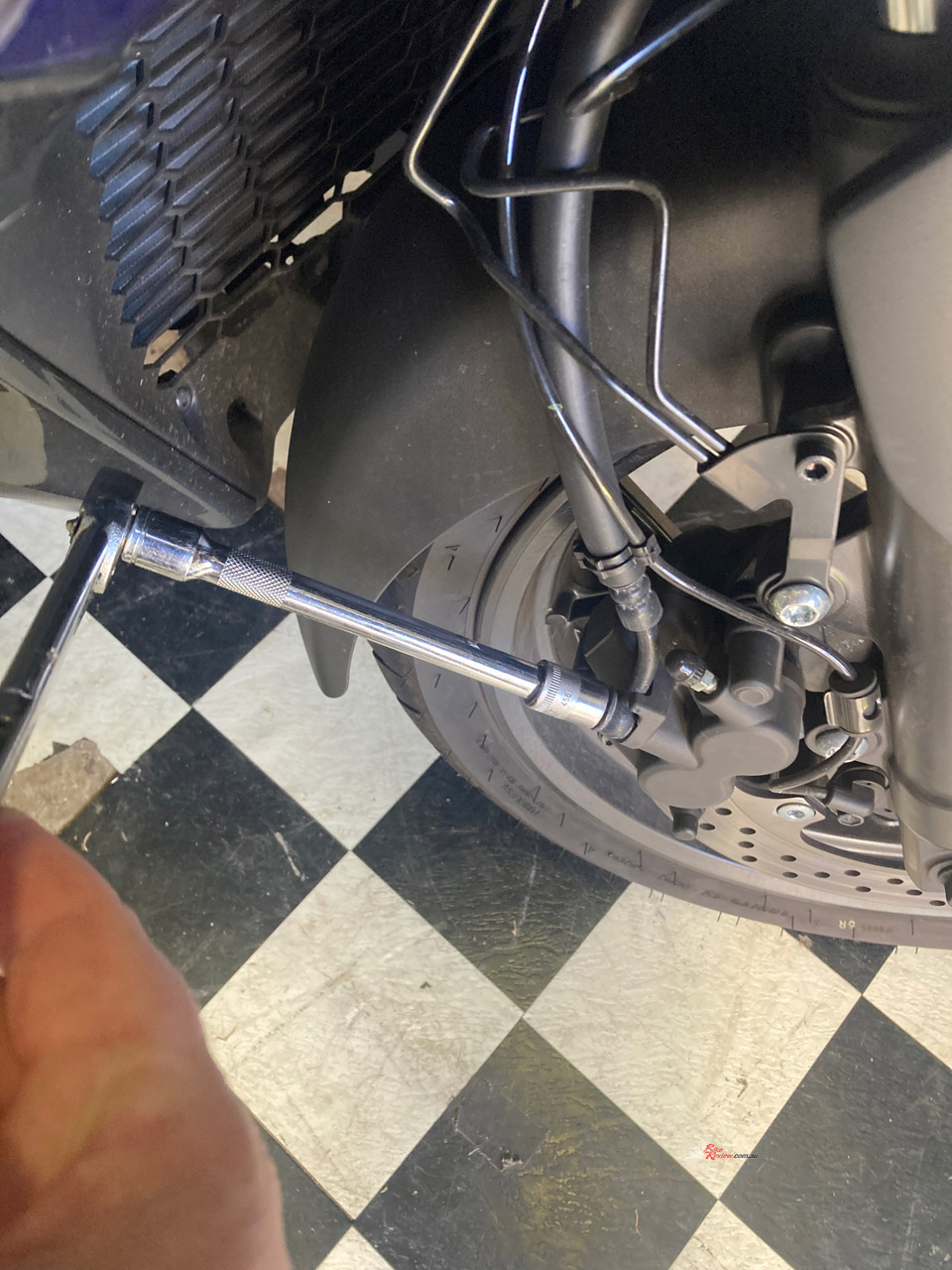
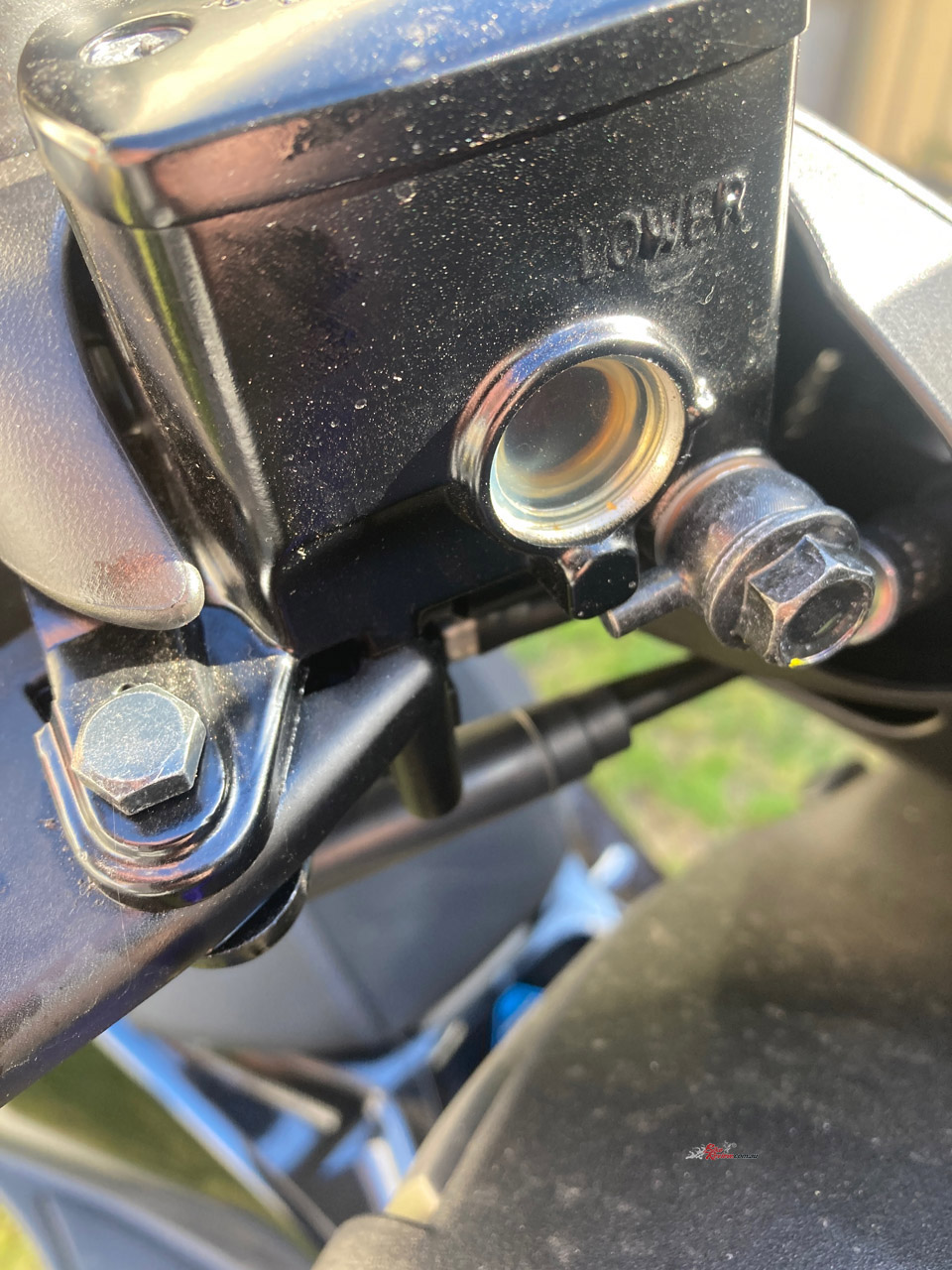
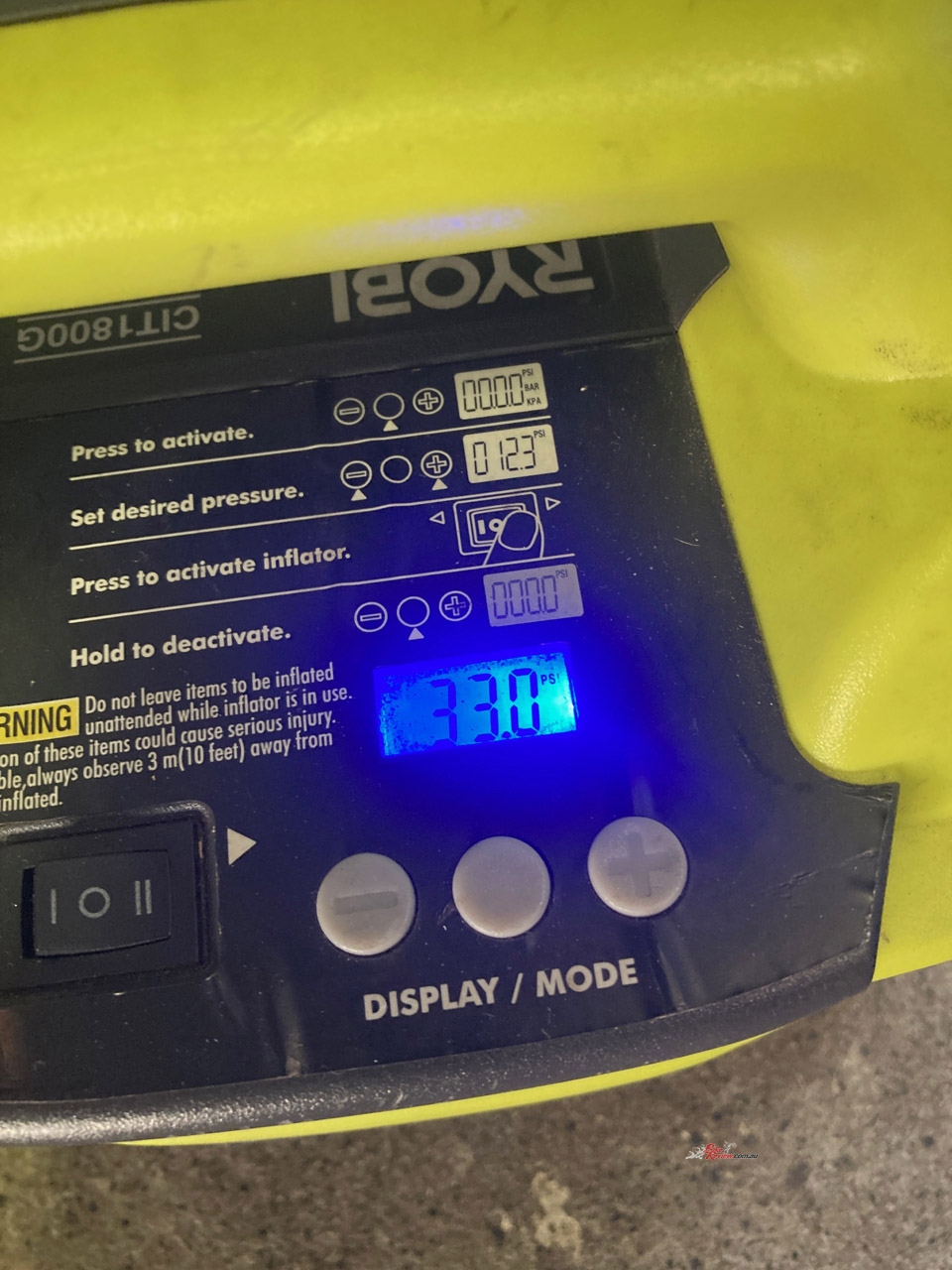
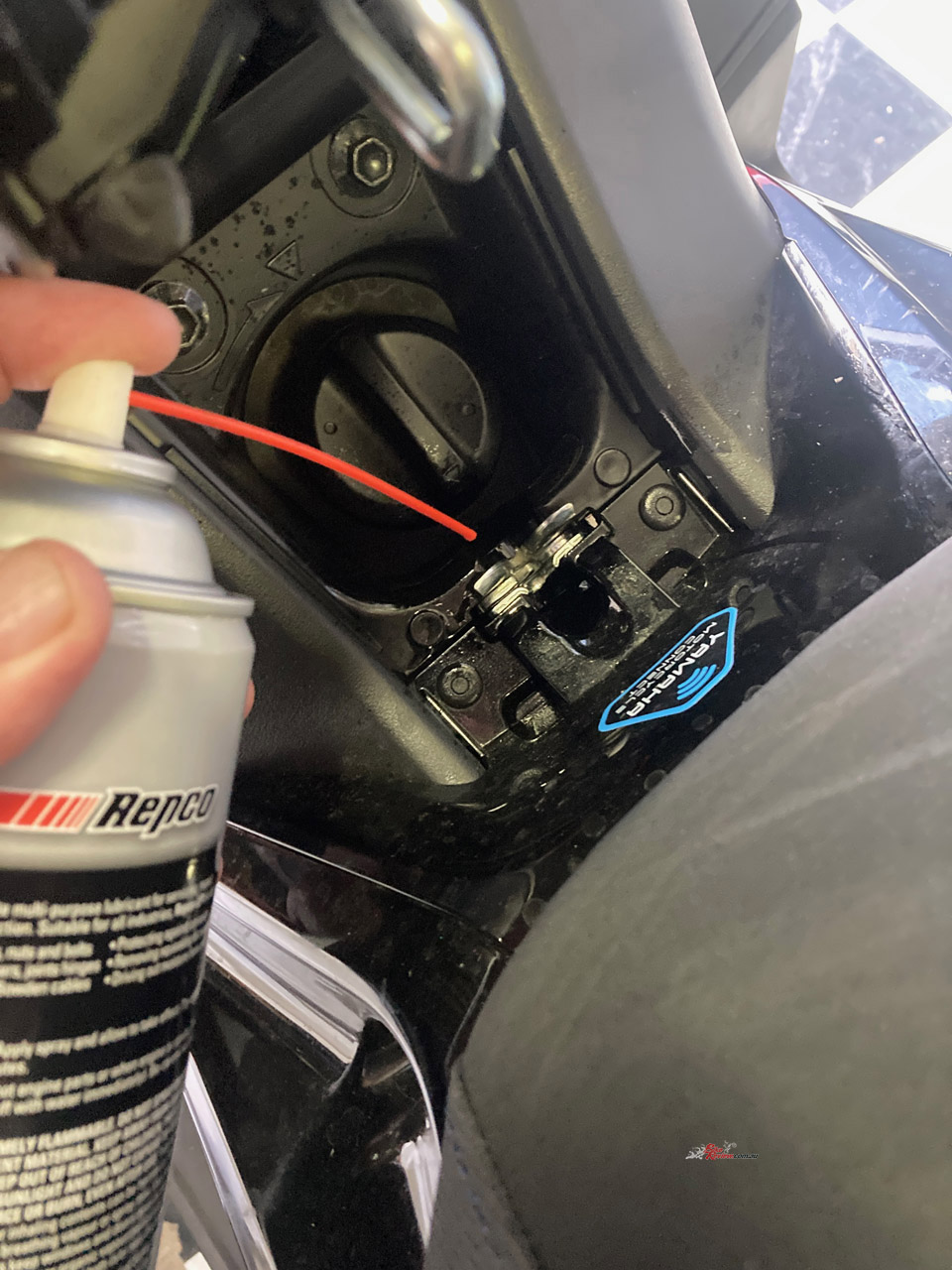
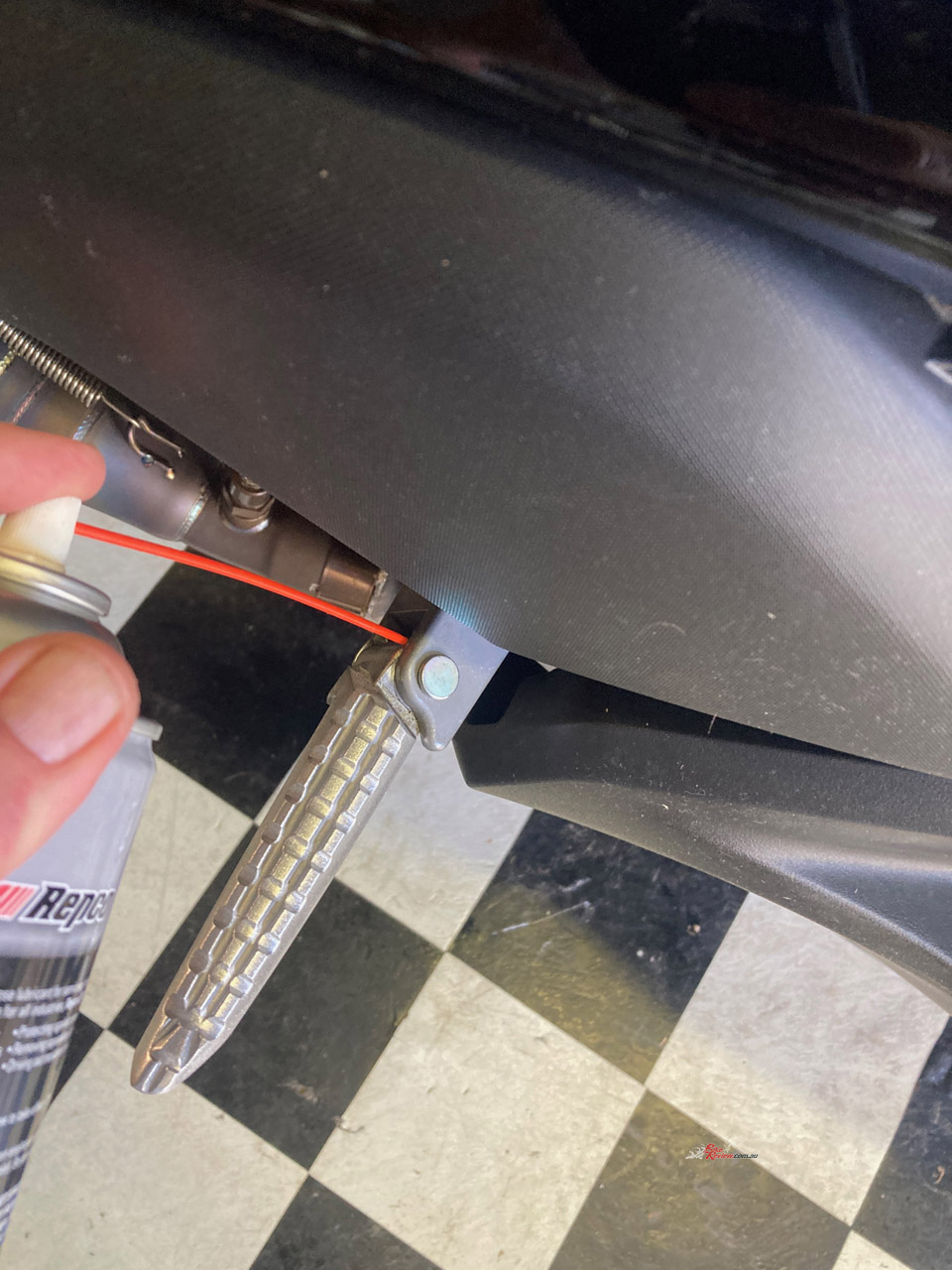
The tyre pressures were checked and adjusted to specification, while I carried out a quick inspection of the air filter, coolant level and brake fluid levels. The coolant needed a small top-up. All pivot points were lubricated and wiped down, as were the locks, and I tightened the mirrors. The final jobs were checking the steering-head bearings for excessive play and inspecting the battery terminals. It is amazing how quickly a basic oil change can turn into a much more thorough inspection when you take the time to work through the scooter properly.
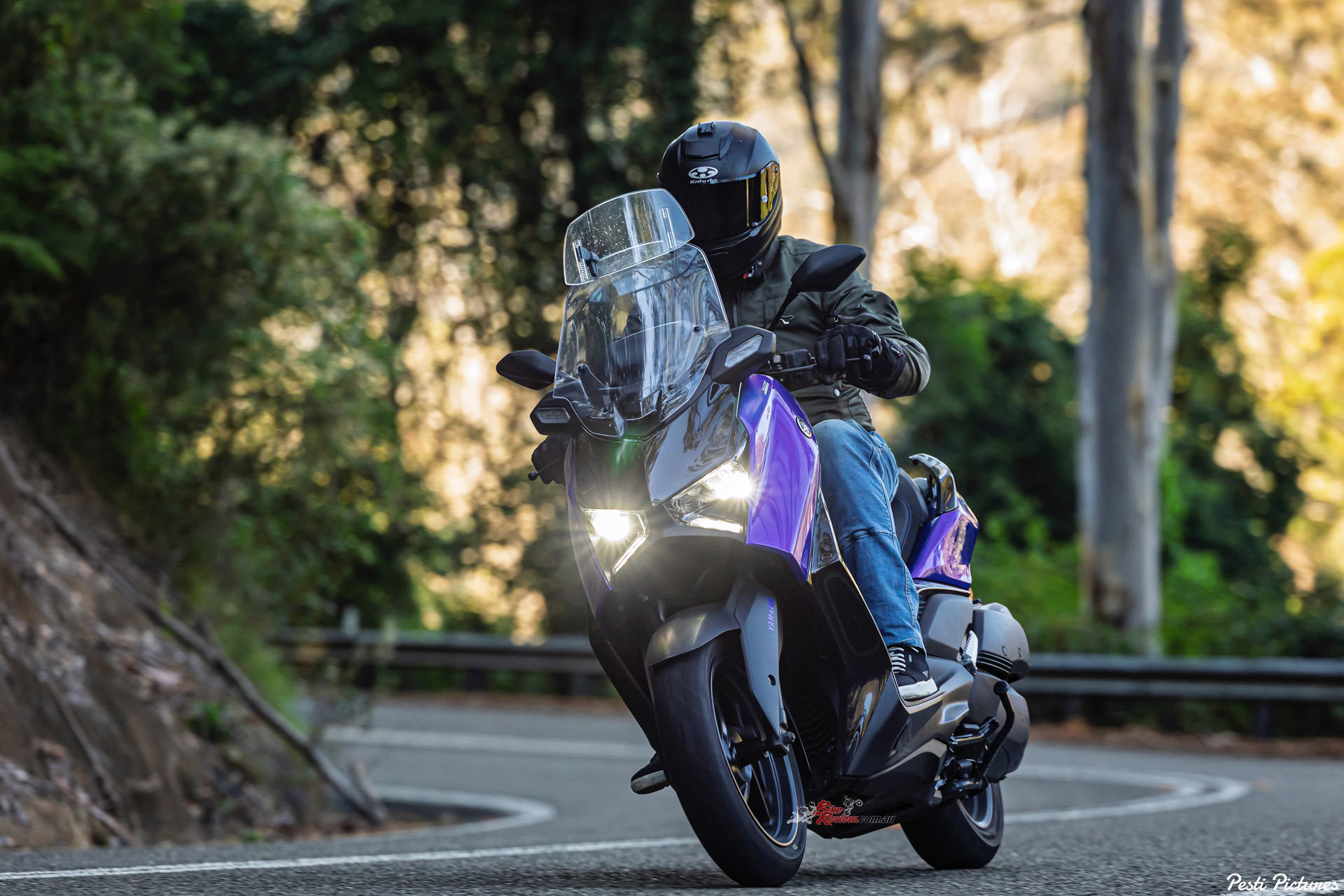
With the service finished, I gave the XMAX a good wash and polish before heading off to Sydney for a meeting. Naturally, it started raining. Typical!
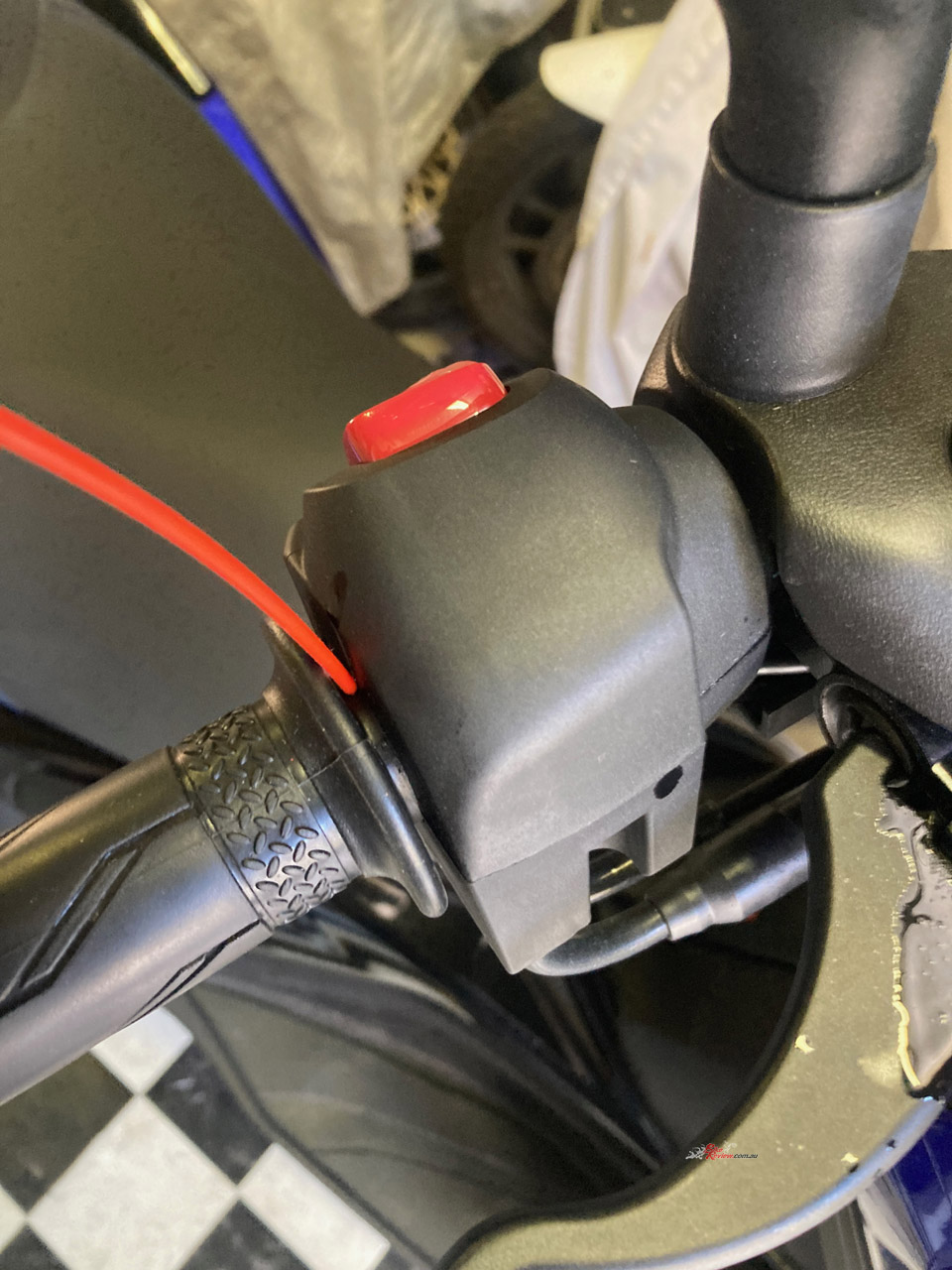
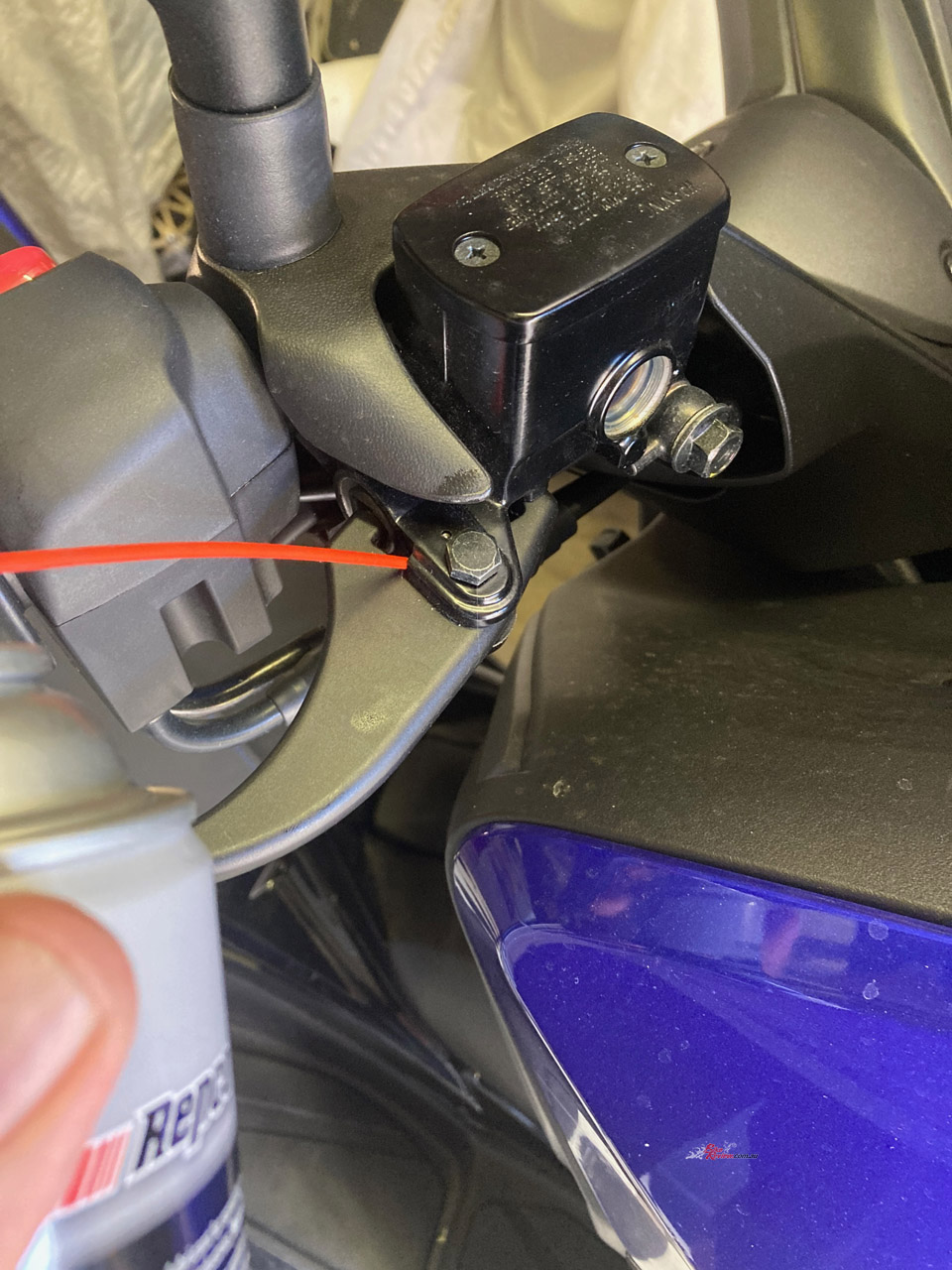
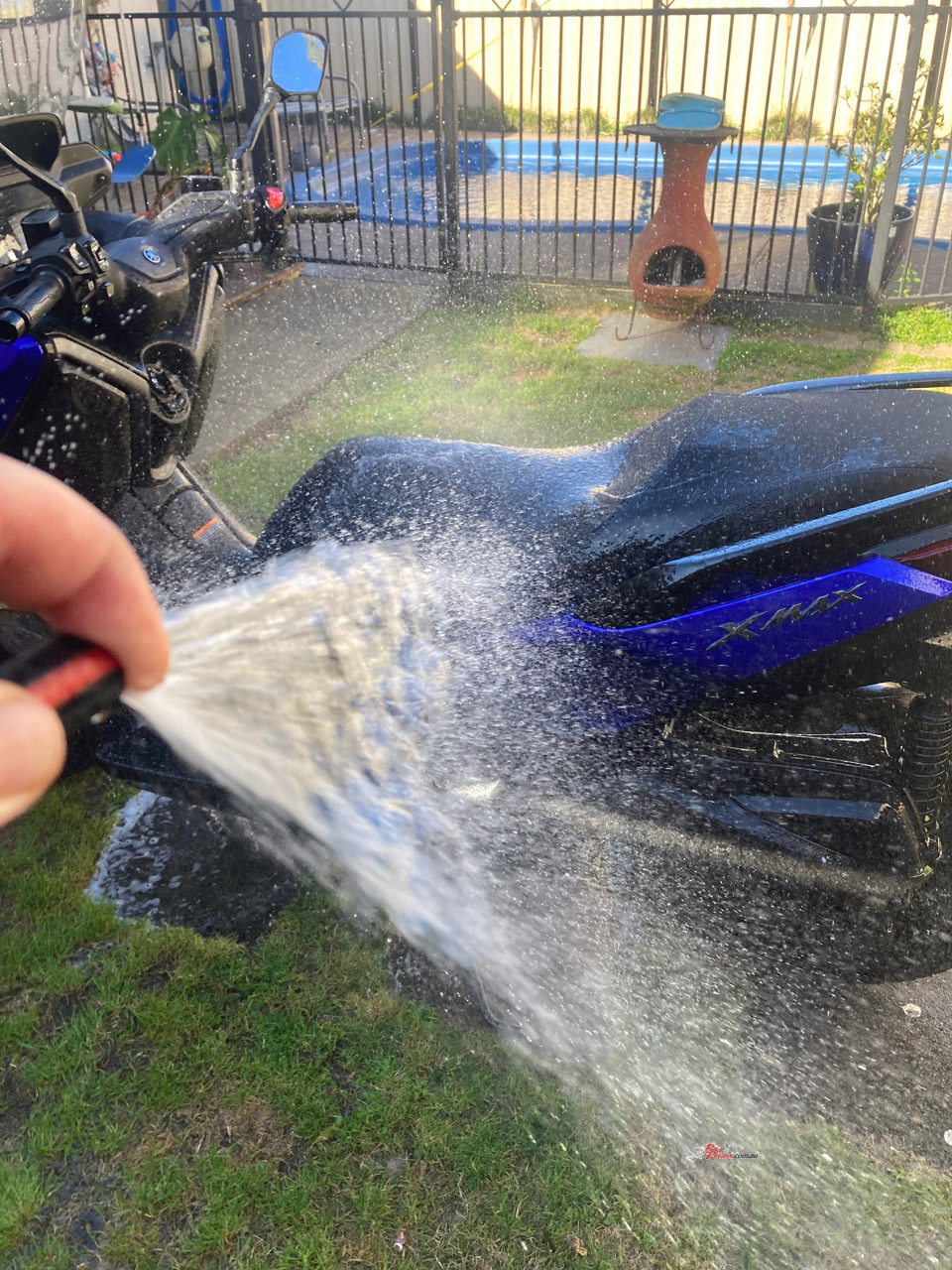
I have been using the XMAX daily and, honestly, I just cannot fault this scooter. Aside from the muffler and the windscreen extension, both of which were fitted purely for my own comfort and enjoyment, I have not felt the need to change a thing. It is a fantastic ride, and I am looking forward to the next instalment, where I will provide a full update on what it has been like living with the XMAX 300. Our full review will be coming soon, too.

Read our XMAX300 Staff Bikes Part 1 here…
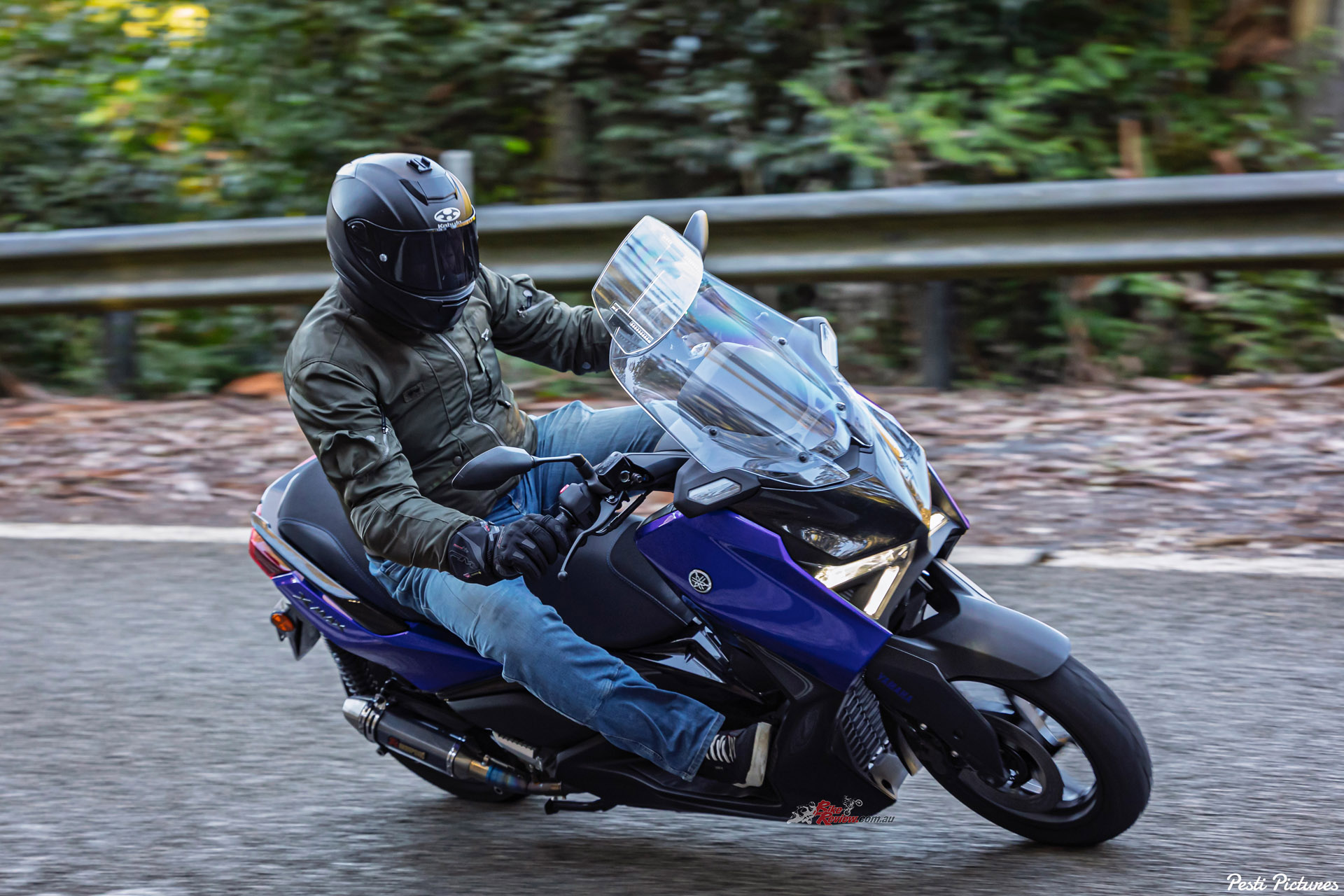
2026 YAMAHA XMAX 300 SPECIFICATIONS
Price: $10,499 R/A
Warranty: Two-year, unlimited kilometre
Colours: Icon Blue, Crystal Graphite
Claimed power: 20.6kW@7250rpm
Claimed torque: 29Nm@5750rpm
Wet weight: 187kg
Fuel capacity: 13L
Fuel consumption: (Claimed) 3.1L/100km
Fuel consumption: (Measured) 3.9L/100km
Fuel Range: Approx 390km
Engine: Liquid-cooled, SOHC, single-cylinder, fuel-injected four-valve, four-stroke, 292cc, 70.0 x 75.9mm bore x stroke, 10.9:1 compression, V-Belt Automatic, Blue Core Technology, CVT drive.
Chassis: Underbone steel tube frame
Rake: 26.5º Trail: 94mm
Suspension: 33mm telescopic forks, 110mm travel, twin rear shocks, 79mm travel
Brakes: ABS, single 267mm front rotor, 245mm rear rotor, single-piston calipers
Wheels & Tyres: Alloy wheels, 120/70 – 15 (front), 140/70 – 14 (rear) Dunlop Scoot Smart
Dimensions:
Wheelbase: 1540mm
Seat height: 795mm
Overall height: 1410mm
Overall width: 800mm
Overall length: 2180mm
Ground clearance: 135mm
Instruments & Electronics: 4.2in TFT display, Keyless Fob, Garmin-compatible navigation via Y-Connect App, Traction Control System, ABS, Electric windscreen (95mm range), USB-C port
The Author

You Might Also Like