
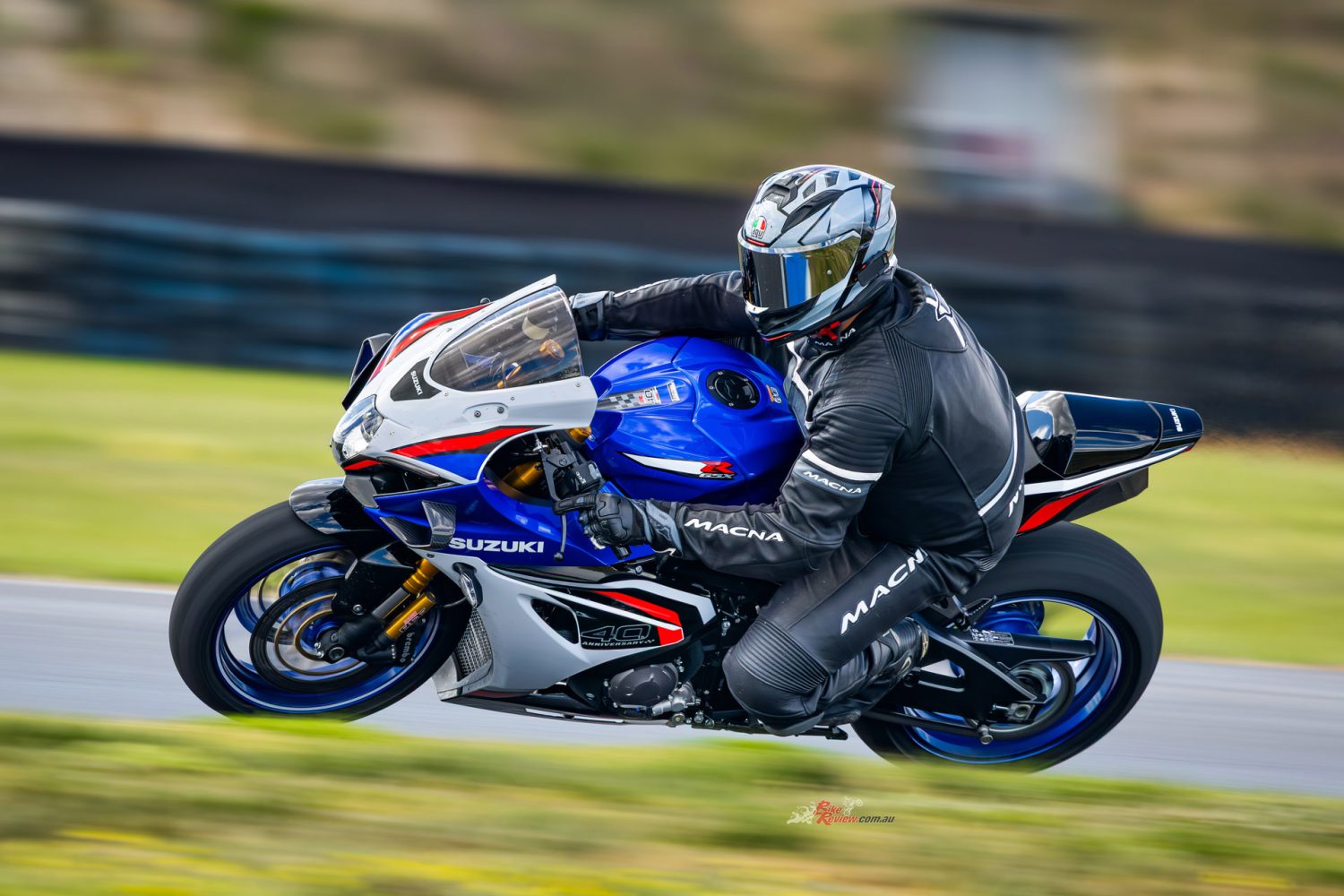

Four decades after it appeared, Suzuki has revised the Gixer with engine updates and smarter electronics. We ride the new GSX-R1000R at One Raceway. Photos: Chelsea Wong
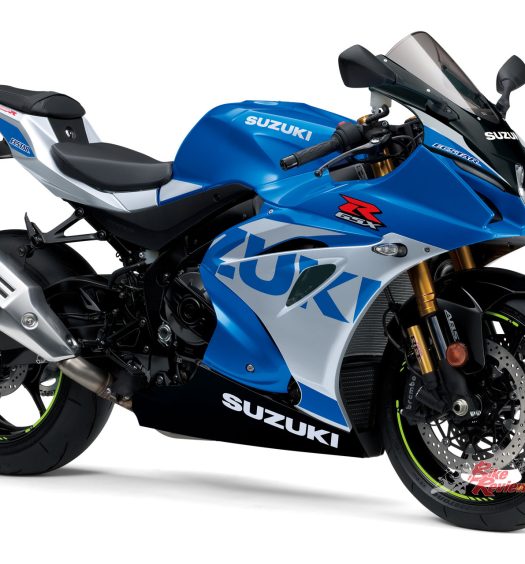
Four decades after the GSX-R750 revolutionised the sportsbike world, Suzuki celebrates with a 40th Anniversary GSX-R1000R. Featuring revised engine internals, upgraded electronics and anniversary liveries, the latest incarnation promises to keep the GSX-R legacy alive.
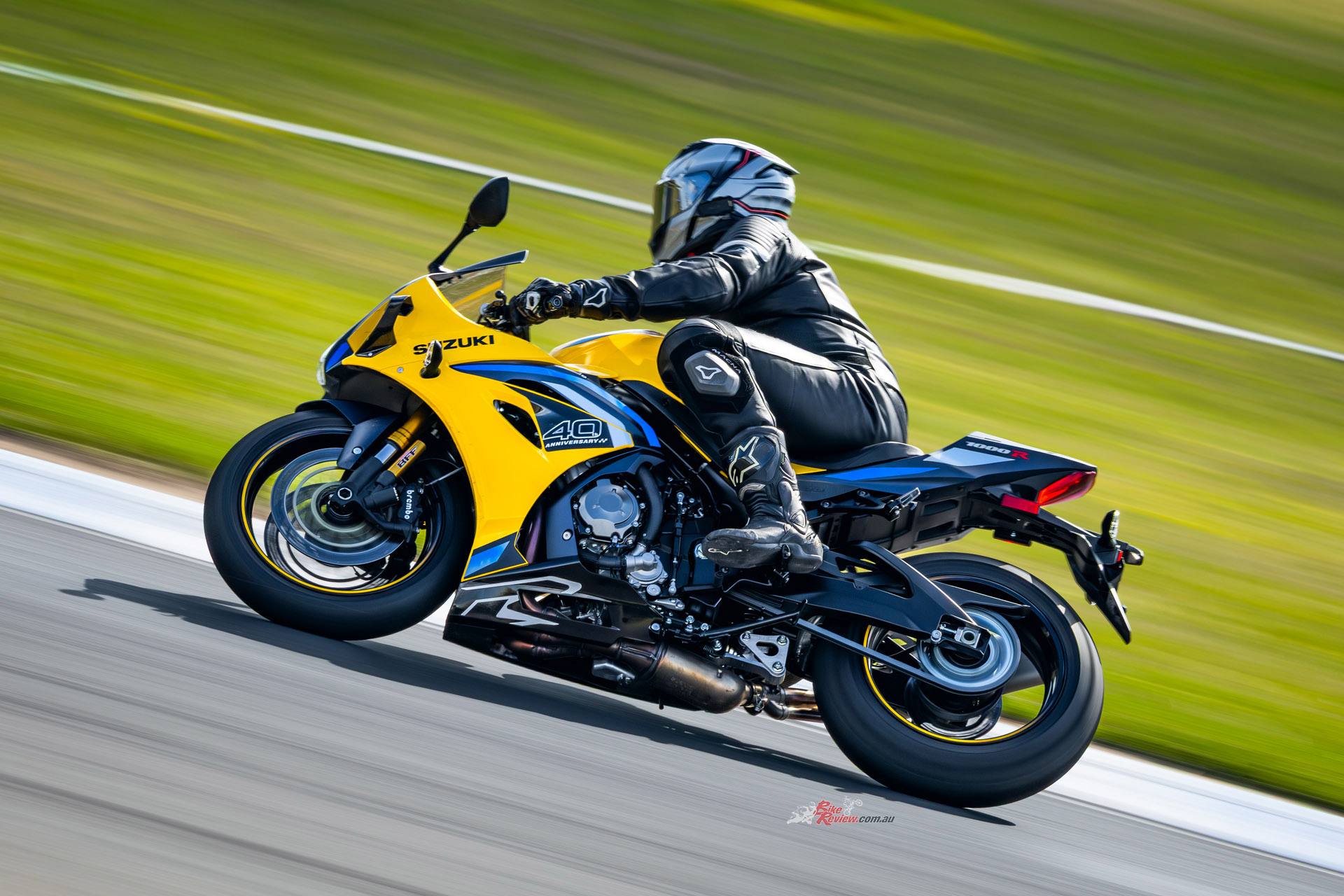
The GSX-R family has now passed 1.2 million motorcycles produced, with an impressive racing history including 20 World Endurance Championship titles and loads of Australian Superbike and Supersport titles.
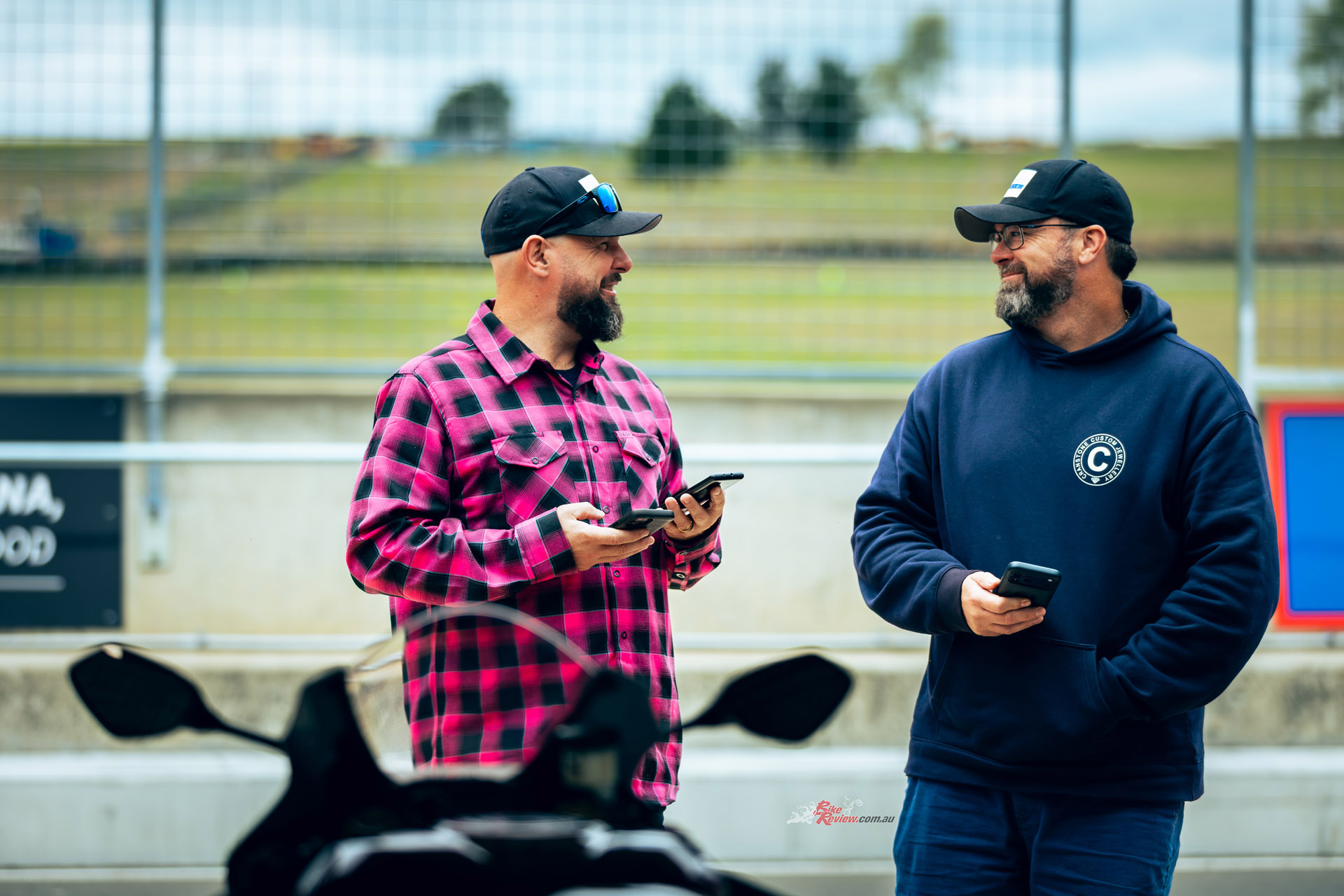
In all my years riding motorcycles, I’ve somehow never had the opportunity to throw a leg over a GSX-R1000. I’ve ridden the GSX-R600, GSX-R750 and even Suzuki’s wild TL-R1000, but the big Gixer had always eluded me. When Jeff offered me the BikeReview spot at this launch, it was a swift yes!

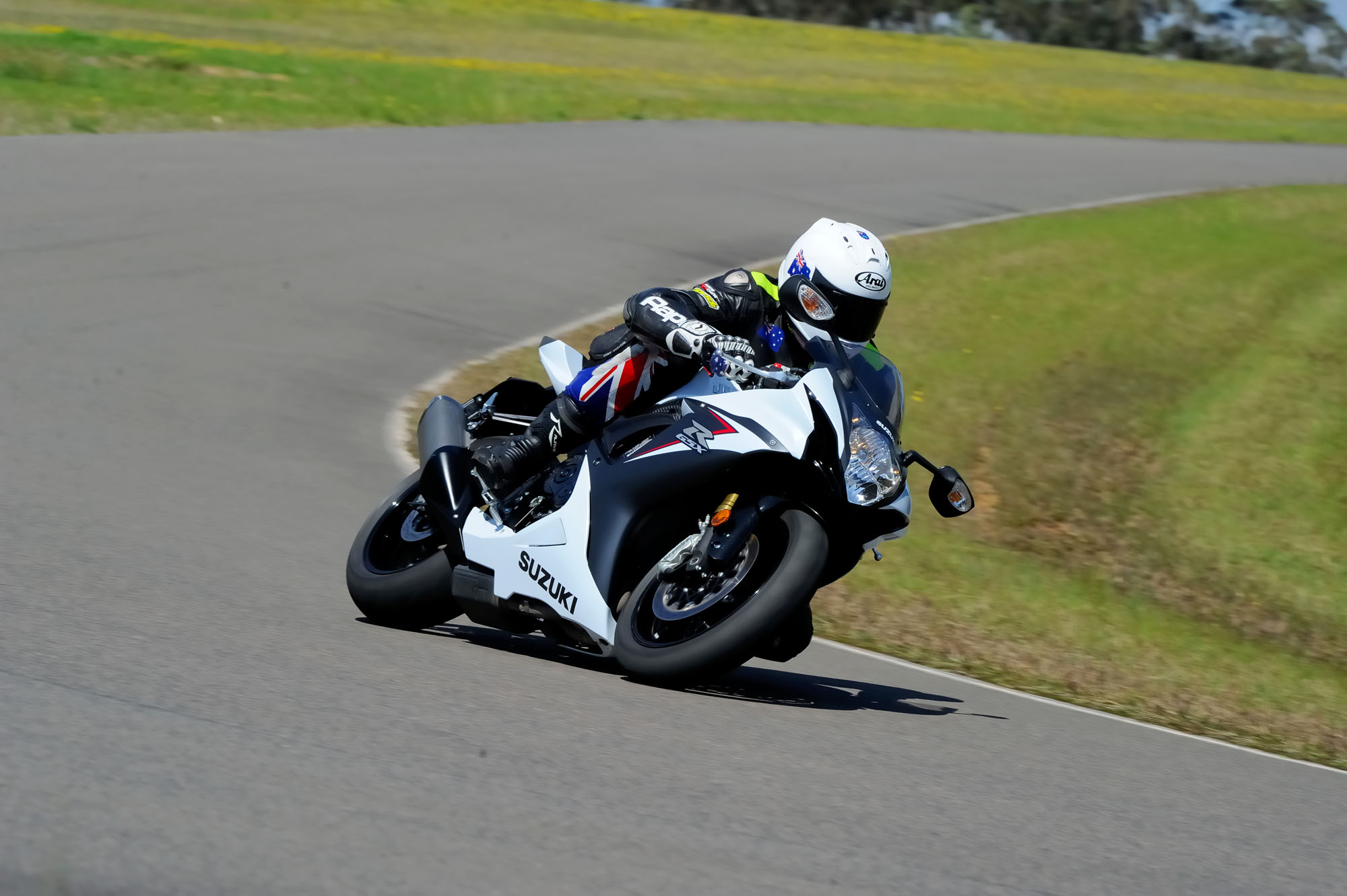
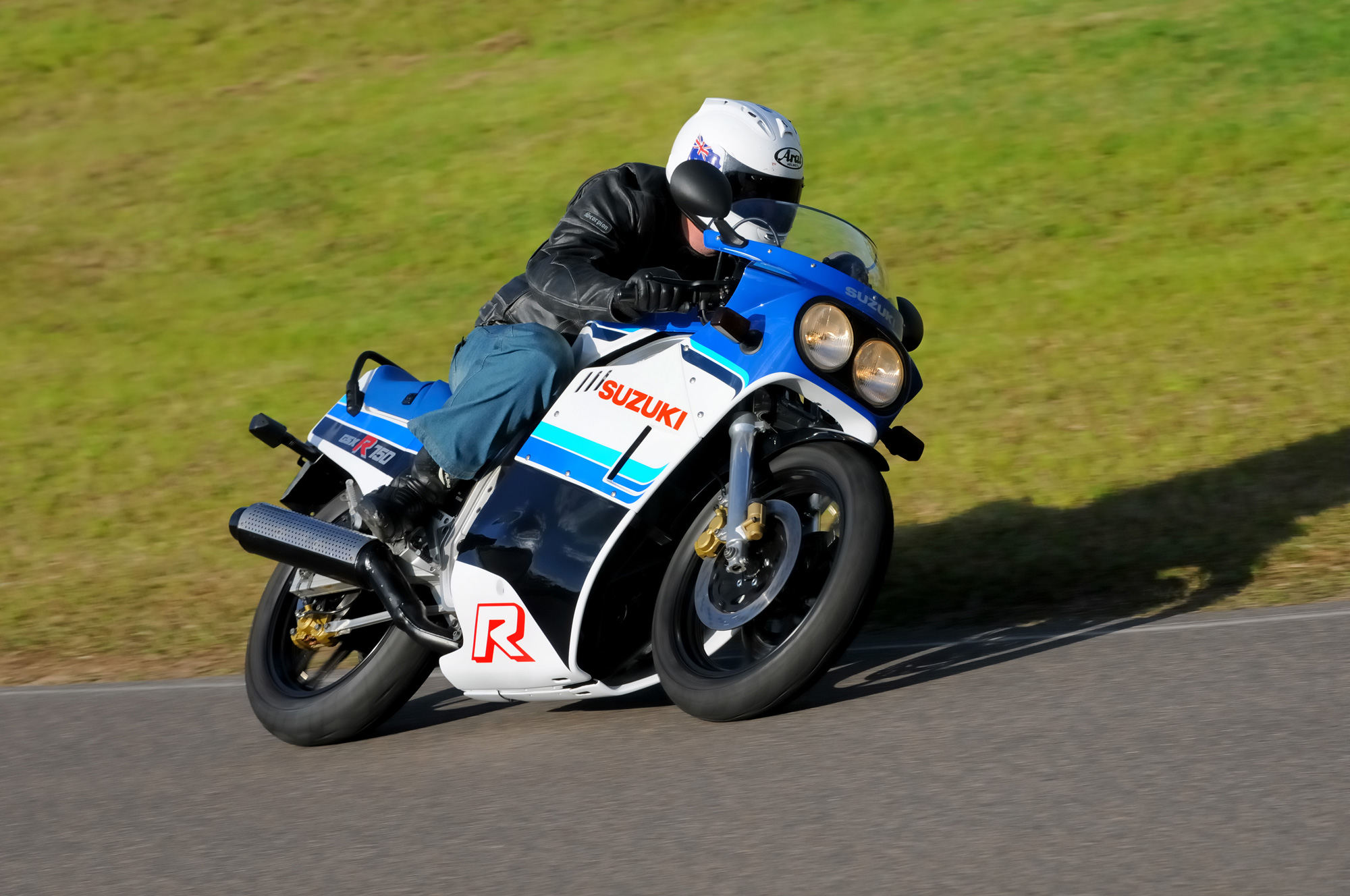
Jeff at The Farm on his beloved BikeReview 1985 GSX-R750F.
That was about to change as 2025 marked the official 40th anniversary celebration of the GSX-R family, although there is a small technicality here. Suzuki’s own anniversary history dates the GSX-R’s 40 years from the launch of the legendary GSX-R750 in 1985. But the GSX-R badge actually appeared on the GSX-R400 in 1984, meaning if you’re being really pedantic and let’s face it, motorcycle journalists can be, the GSX-R name itself was already 40 in 2024.
Either way, four decades of GSX-R is something worth celebrating. The family has gone from the lightweight, race-bred GSX-R400 and original oil cooled GSX-R750F through the GSX-R1100, GSX-R600 and eventually the GSX-R1000 that arrived in 2001 and changed Suzuki’s open class sportsbike game forever. Suzuki says the GSX-R family has now passed 1.2 million motorcycles produced, with an impressive racing history including 20 World Endurance Championship titles across the family.
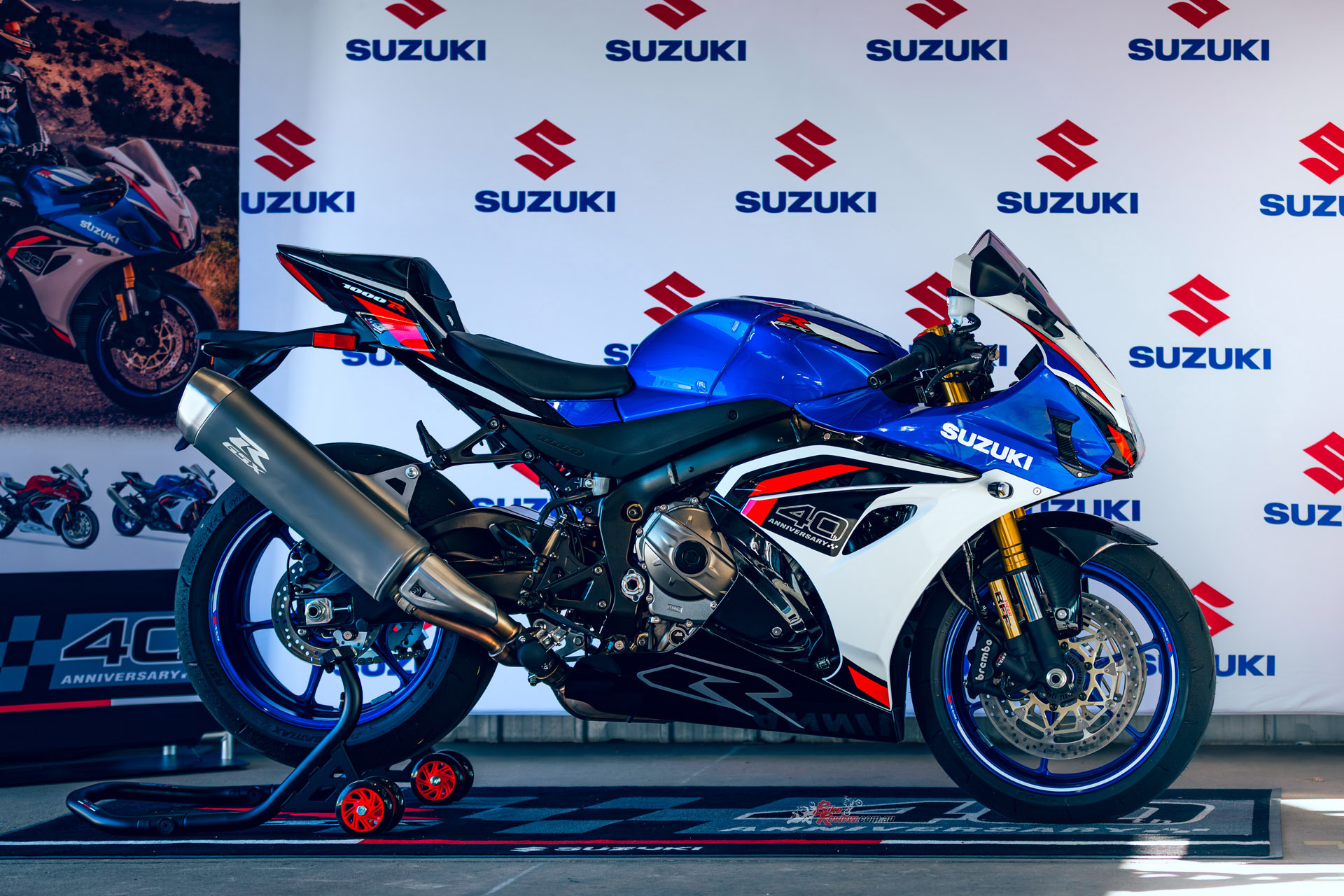
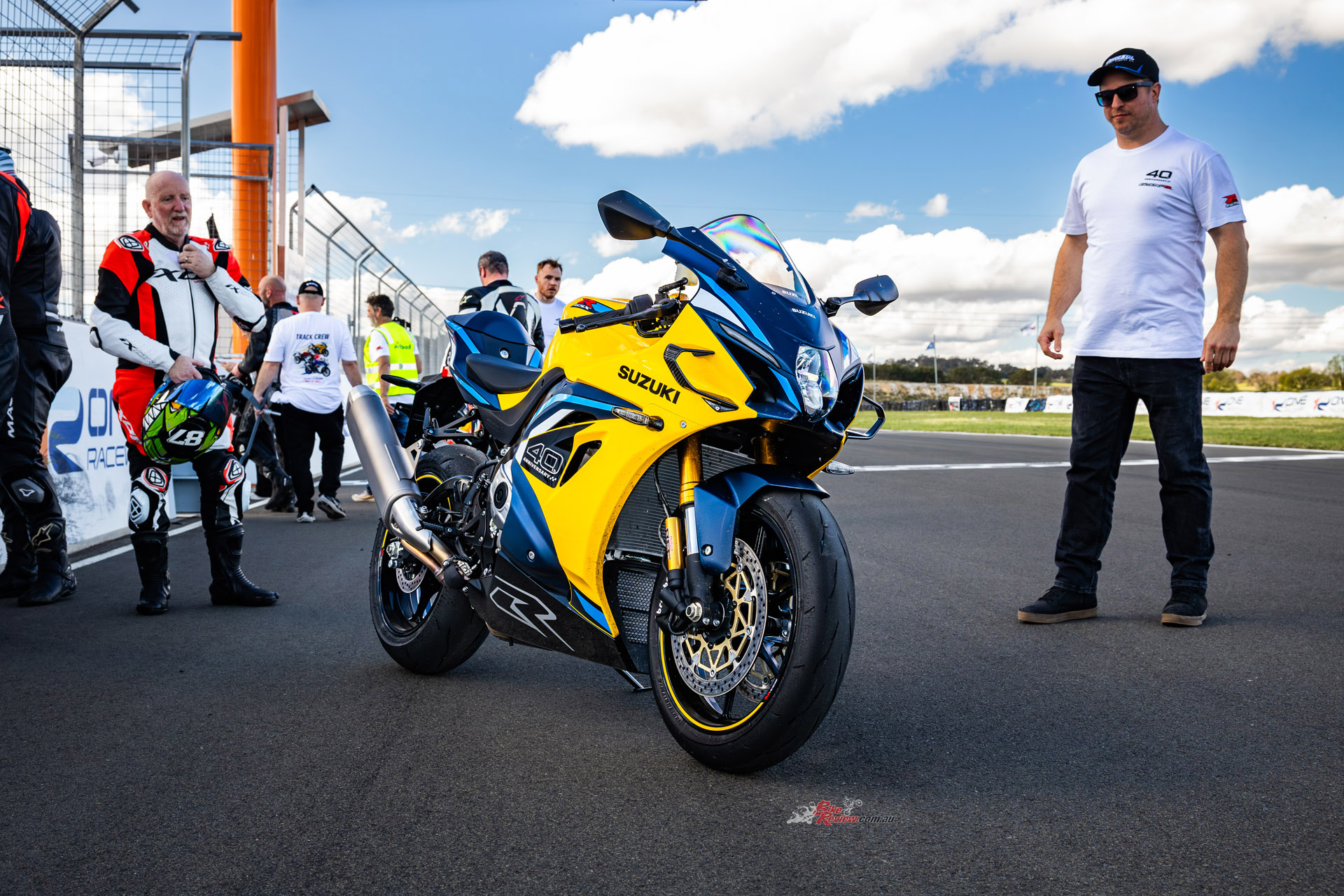
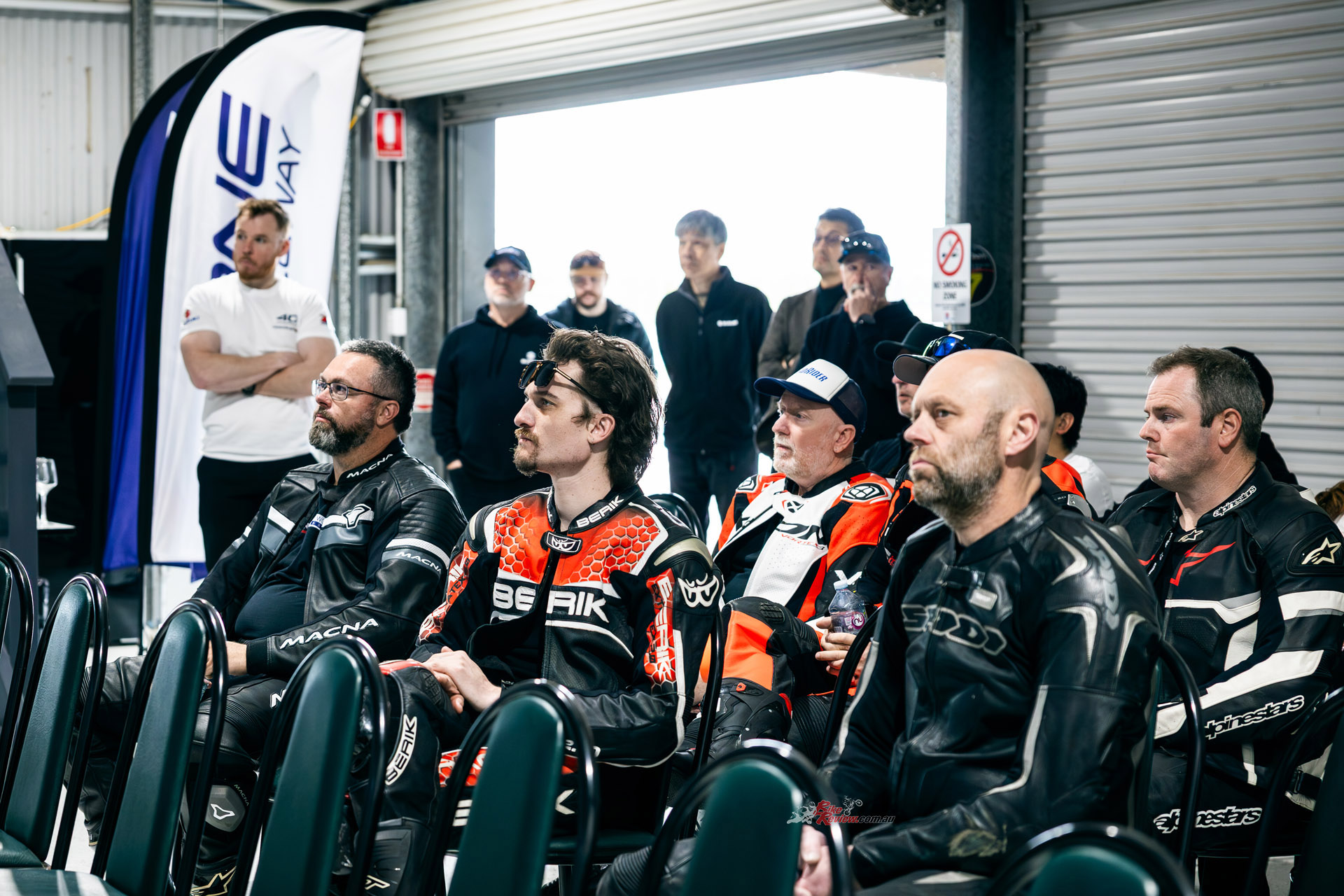
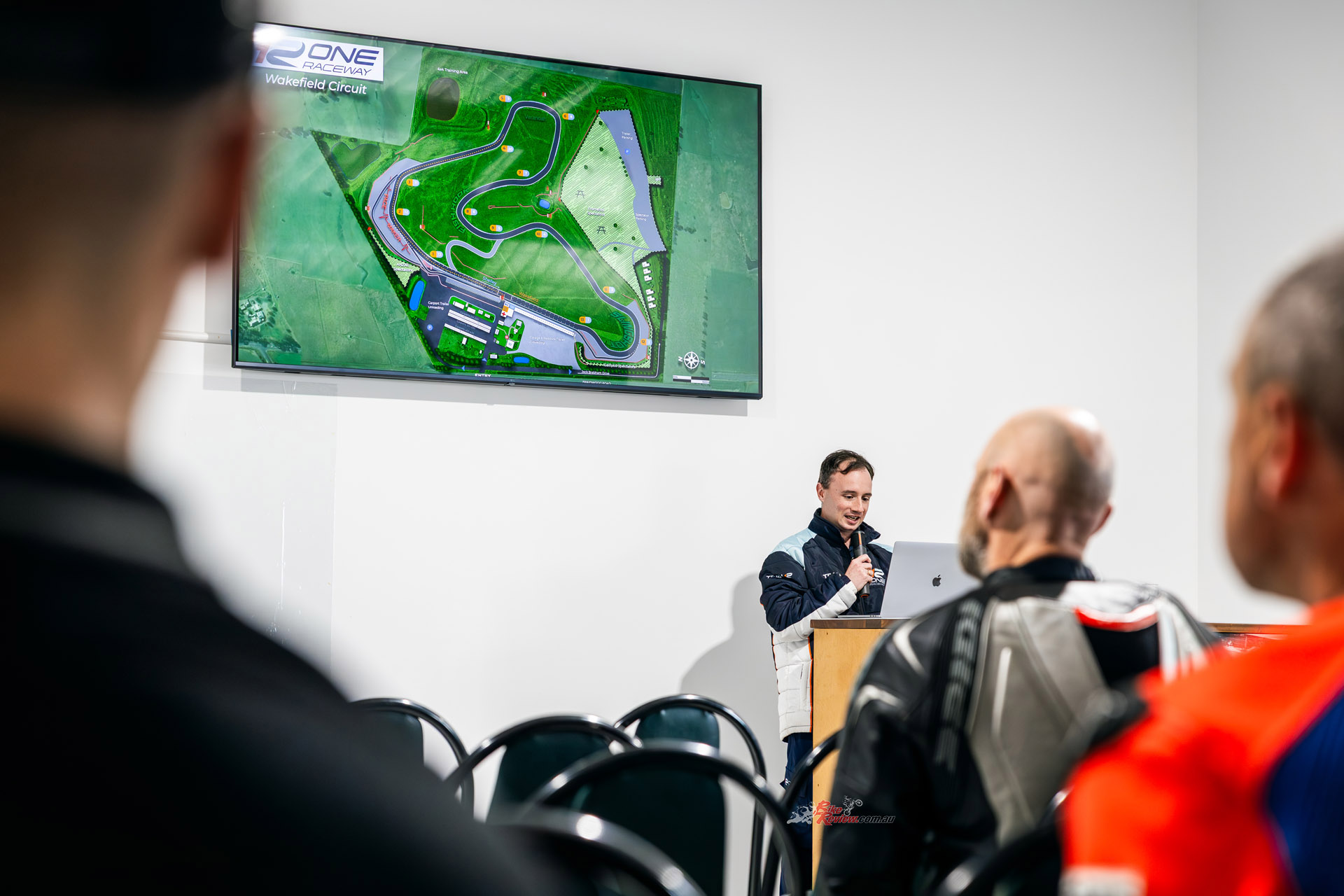
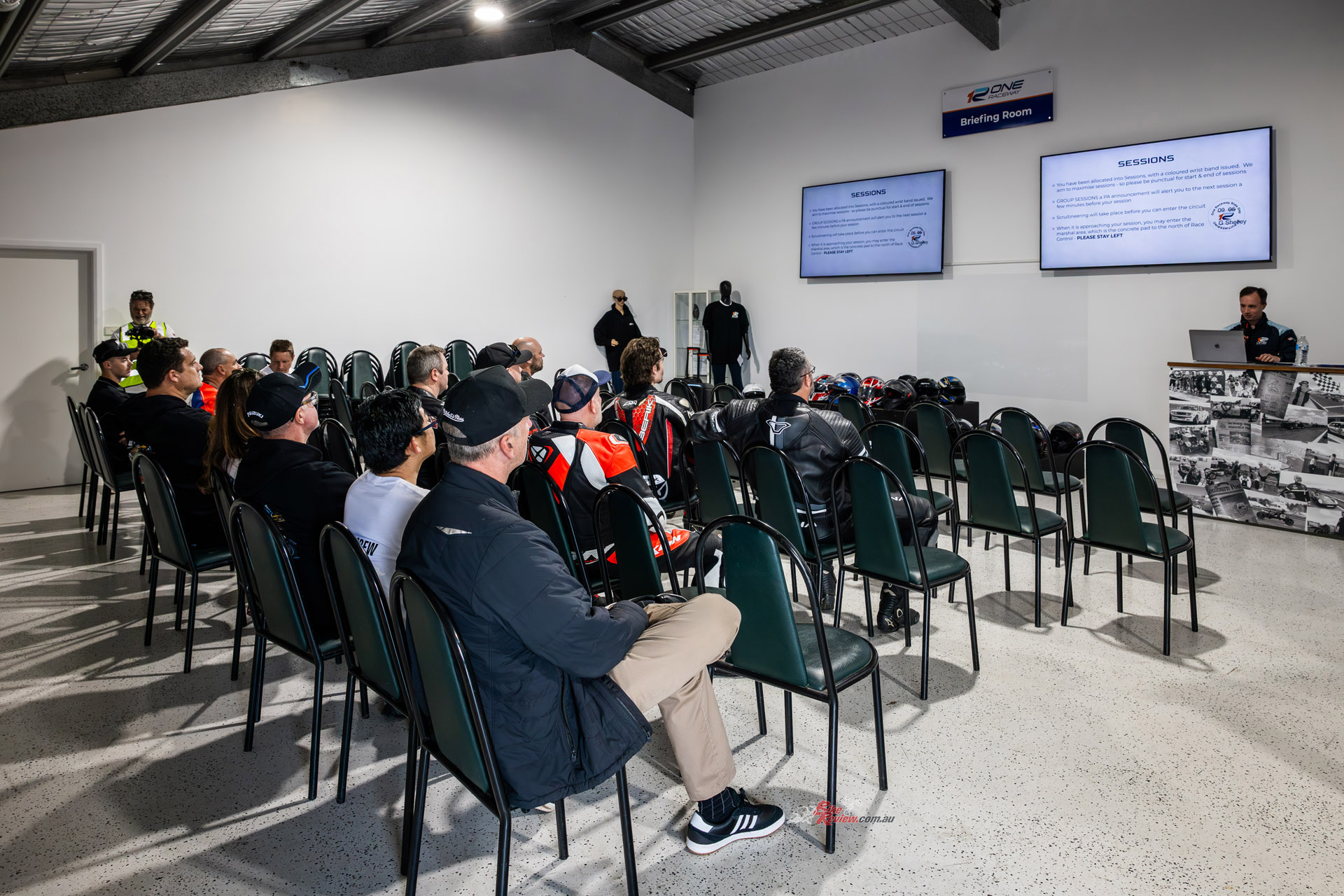
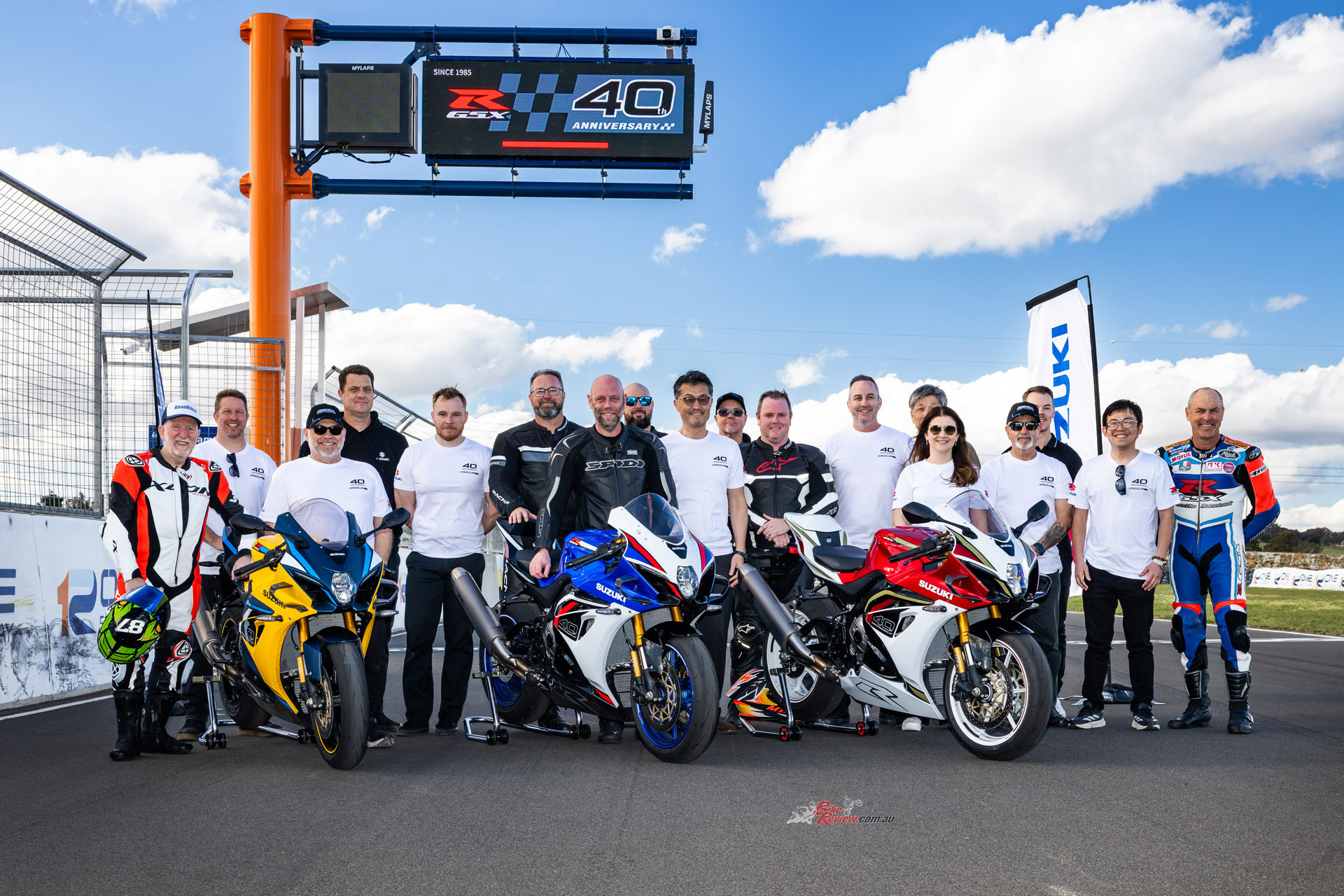
Suzuki Motorcycles Australia celebrated the GSX-R1000R 40th Anniversary model in style at One Raceway, NSW.
I wasn’t sleeping particularly well – not because of the beers, but because I was finally going to ride a GSX-R1000R. But the important stuff did sink in: this isn’t simply a GSX-R1000R with some retro stickers slapped over the fairings, Suzuki has gone considerably deeper. The philosophy remains very Suzuki: reliability, performance and practicality.
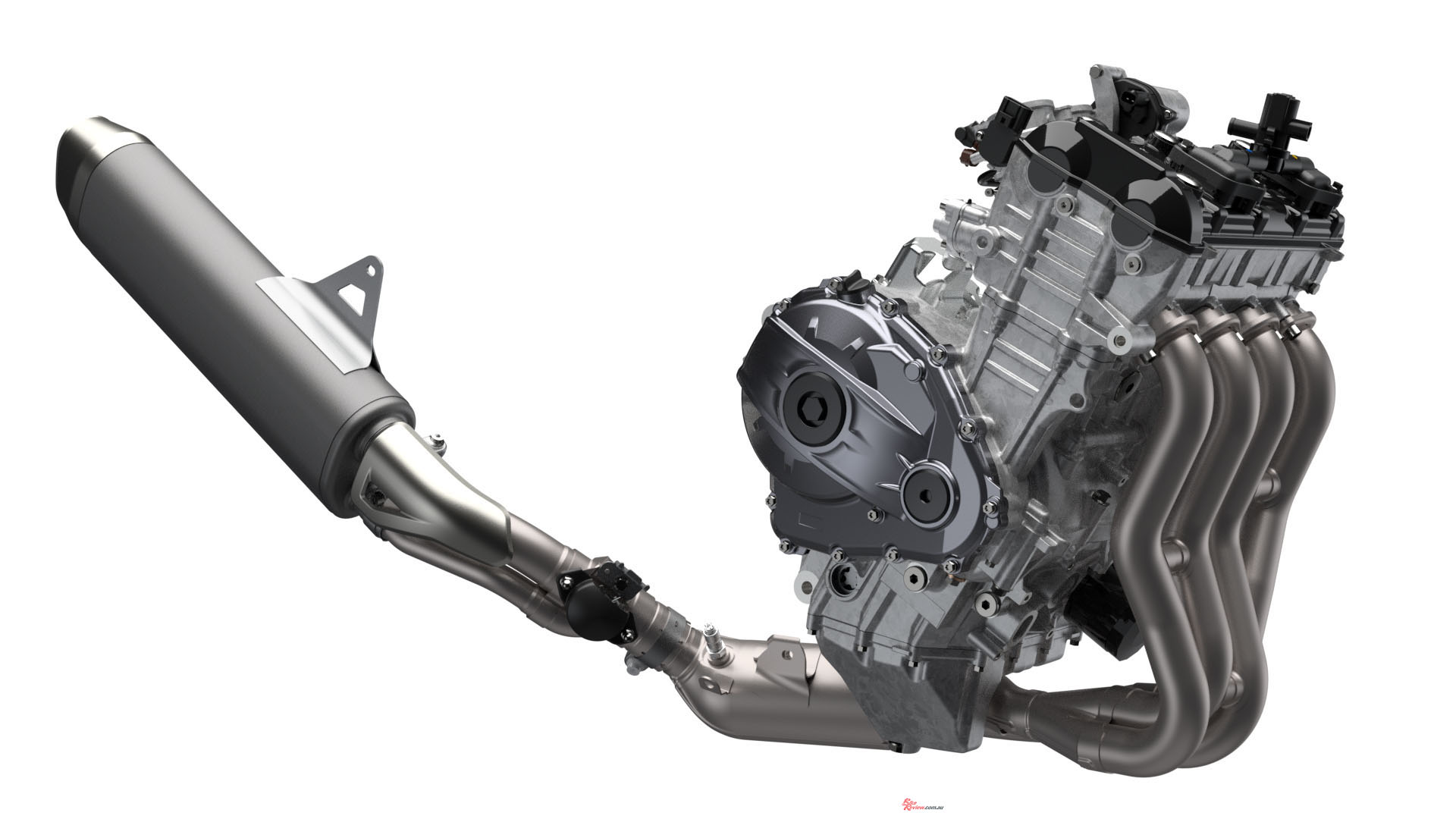
Being able to meet Euro5 without losing too much peak horsepower is a huge achievement by Suzuki.
The 999.8cc inline-four retains the basic architecture that has made the GSX-R1000 such a formidable package, but the internals have been substantially revised to meet modern emissions and noise regulations while maintaining the performance characteristics that matter on a racetrack.
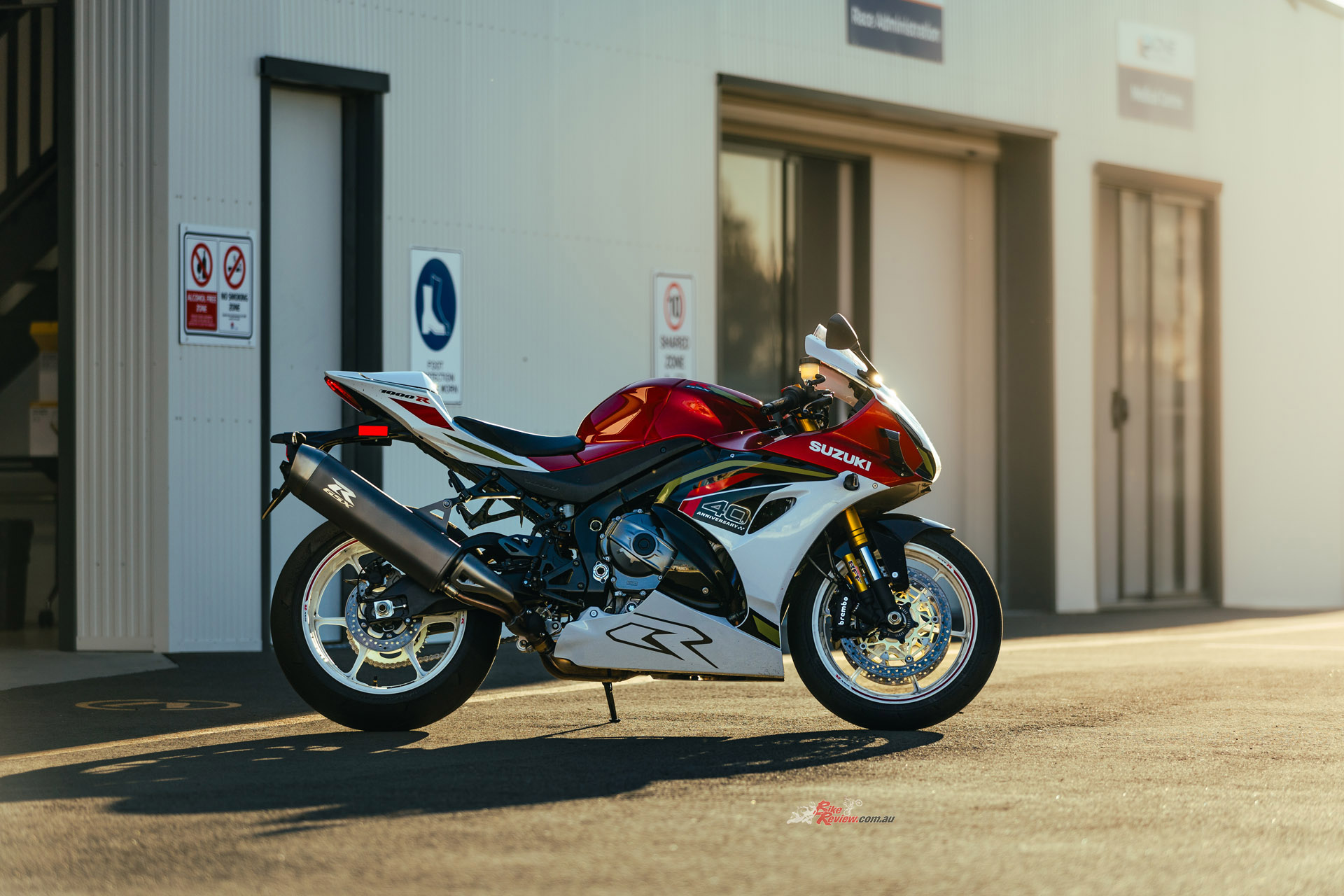
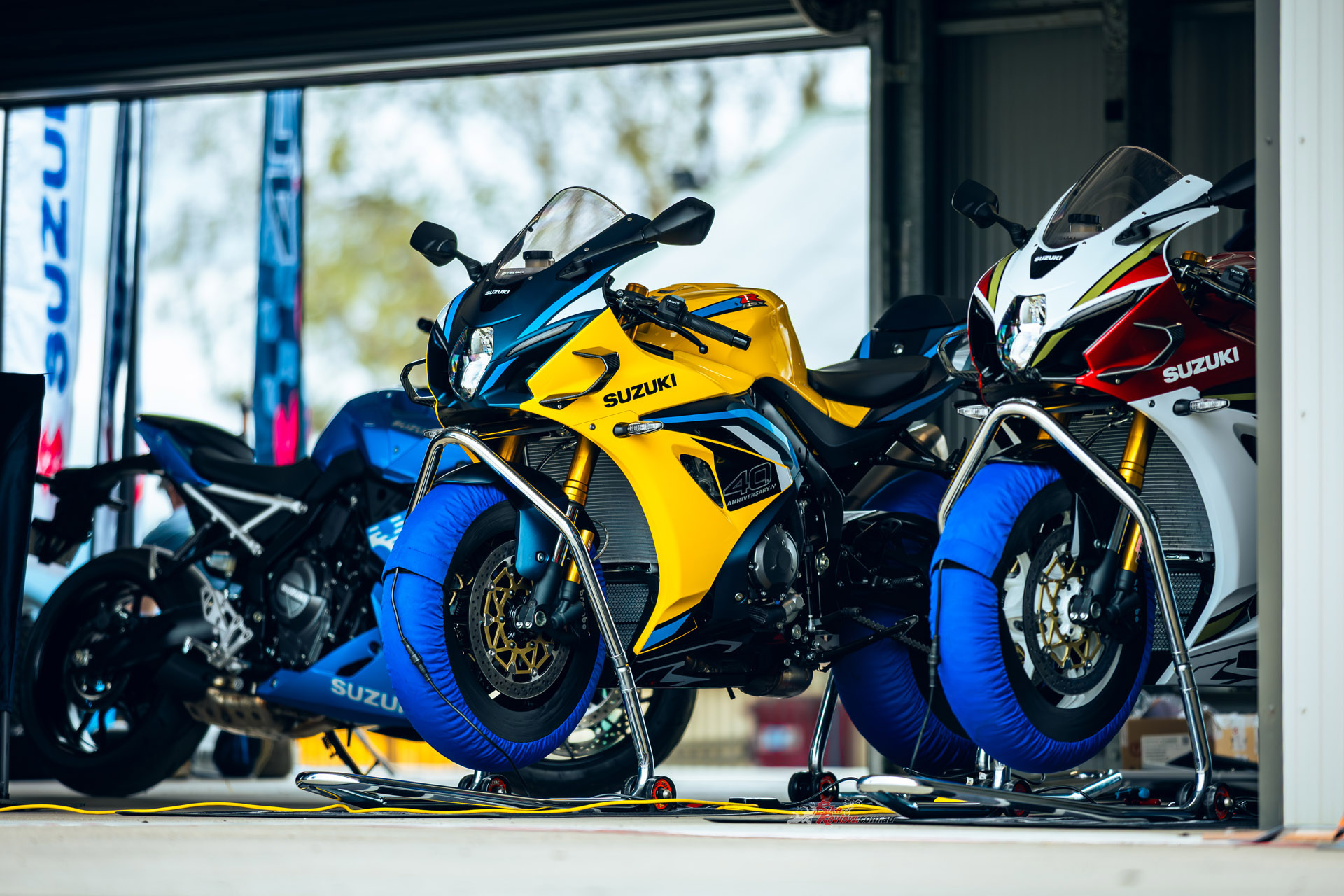
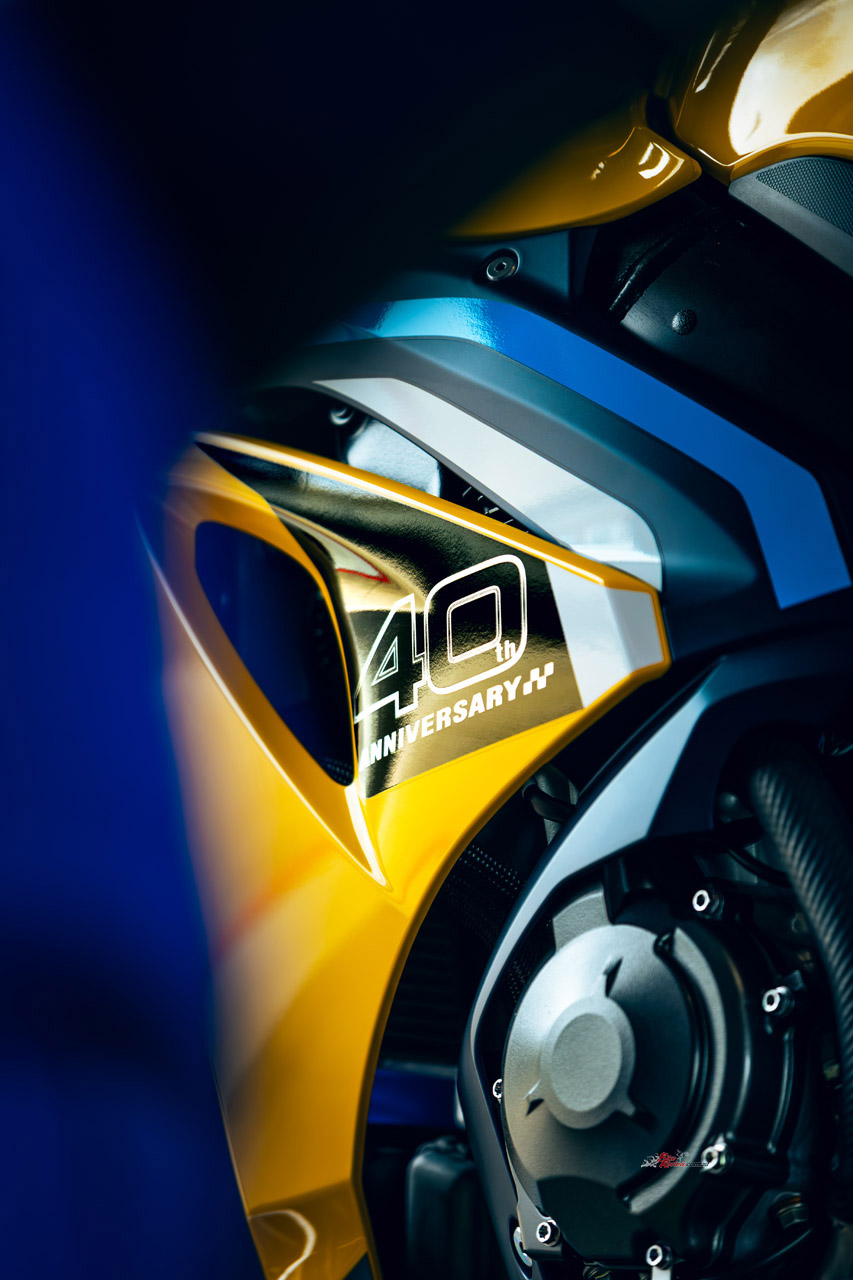
There are three anniversary liveries, and all look fantastic, from the “lucky strike” Red and white to the traditional Blue white and red, But the yellow and blue? That was the one for me. It immediately took me back to the late ’90s and early 2000s, when those bright Corona-coloured Suzukis were running around. I also loved the new exhaust.
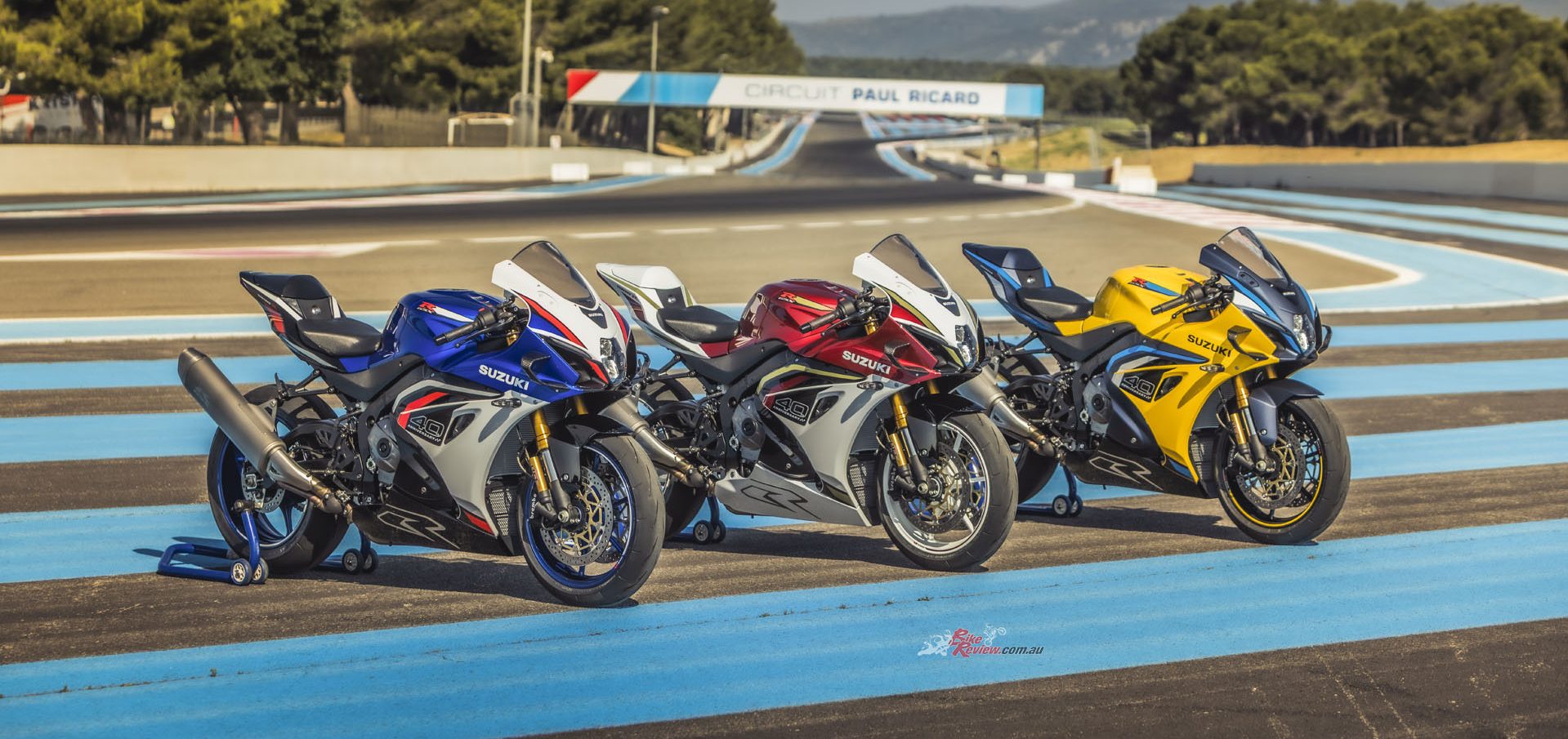
The GSX-R1000R comes in 40th Anniversary Blue, Red or Yellow and from $30,990 Ride Away
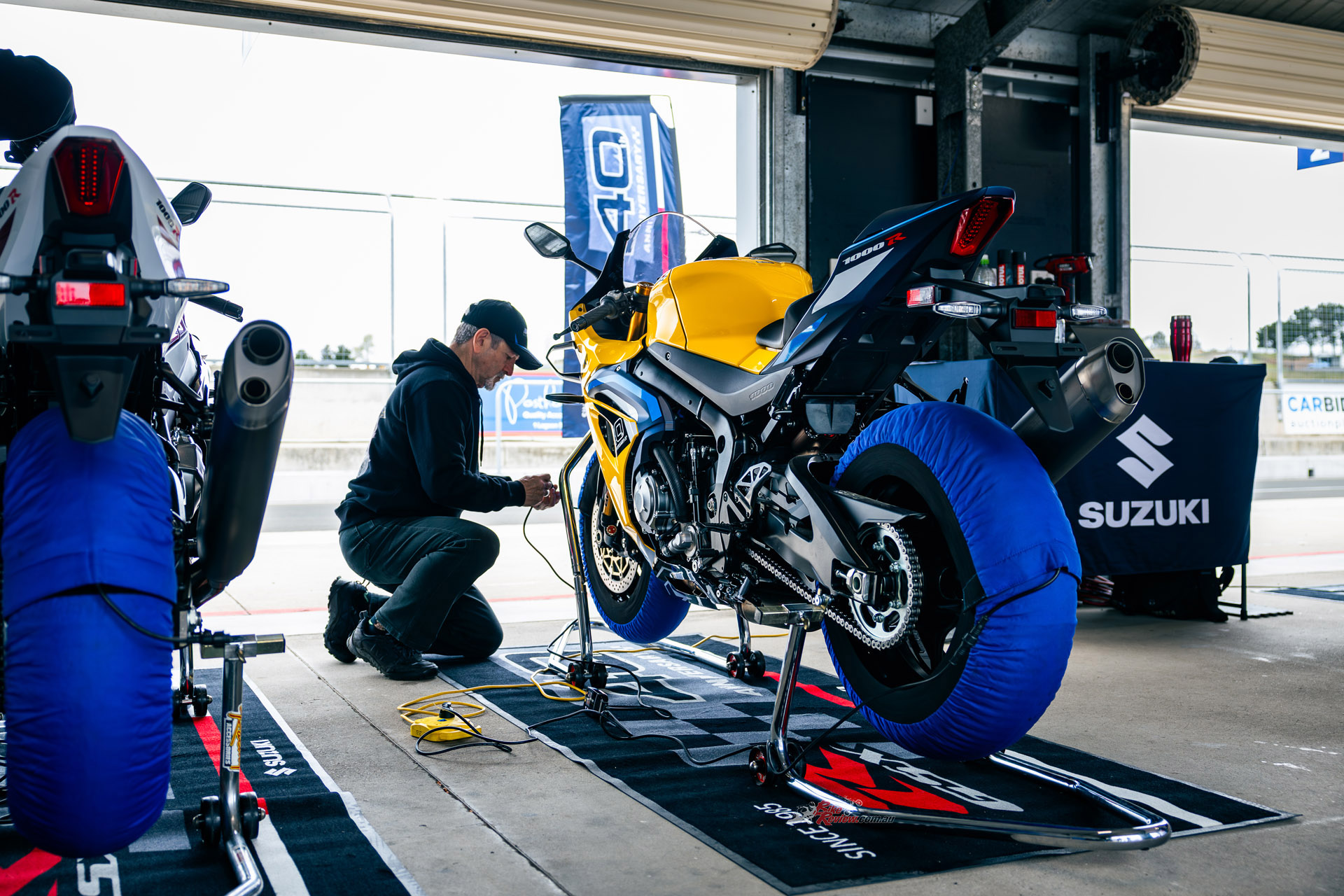
After years of increasingly enormous looking exhaust cans on performance motorcycles, the more traditional looking titanium muffler with its embossed GSX-R logo looks right at home on the bike. It’s a small thing, but it contributes significantly to the overall bike feel. Then we headed out to the pit garages. Three GSX-R1000Rs were lined up, sitting proudly on race stands with tyre warmers wrapped around their Bridgestones.
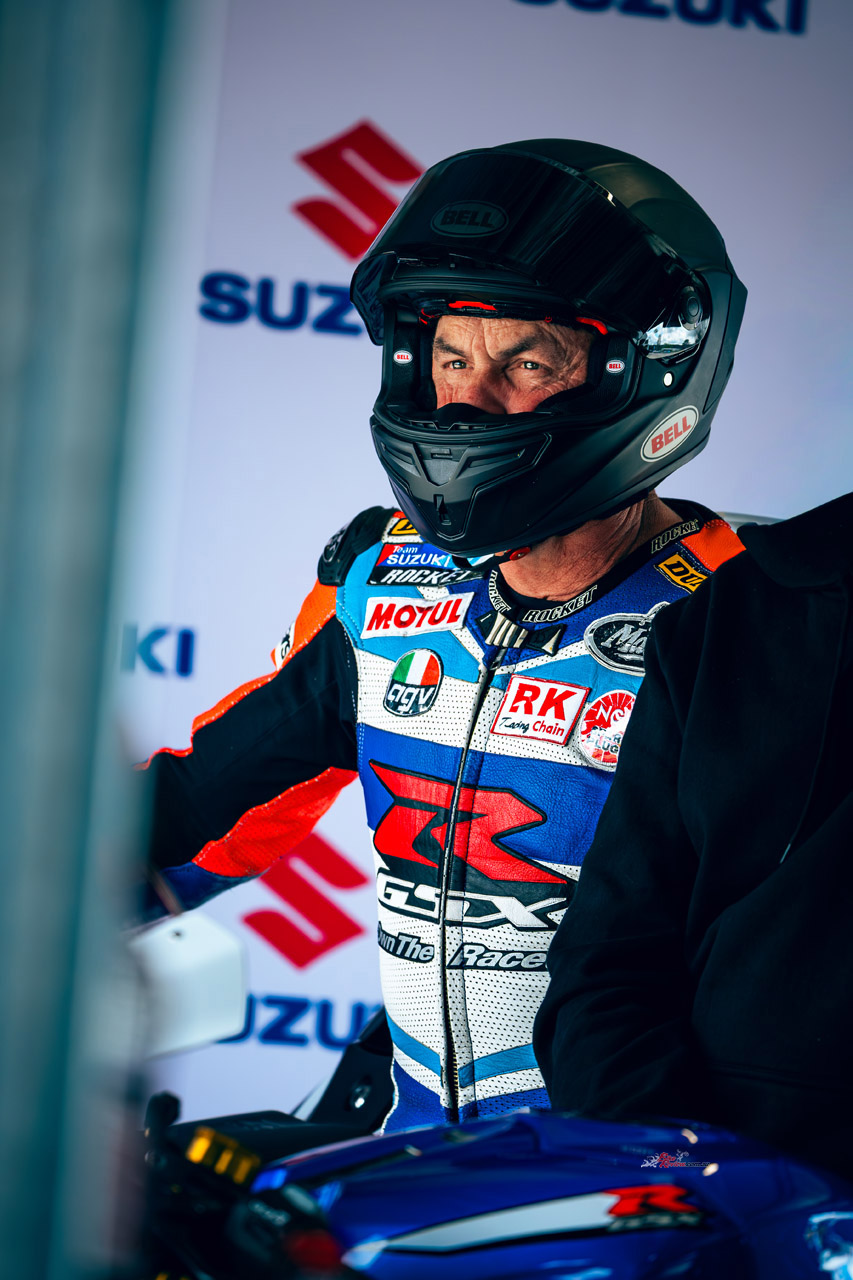
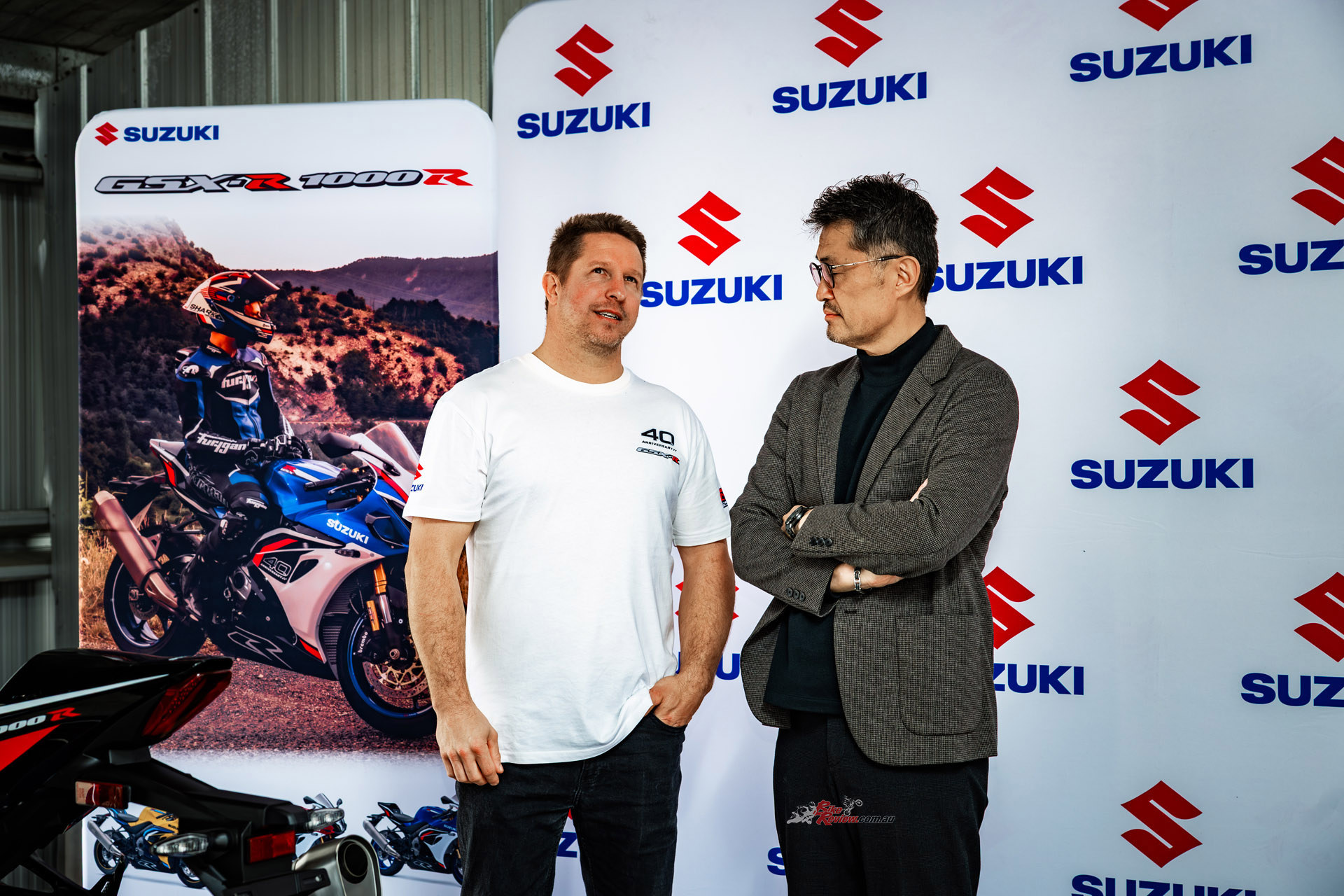
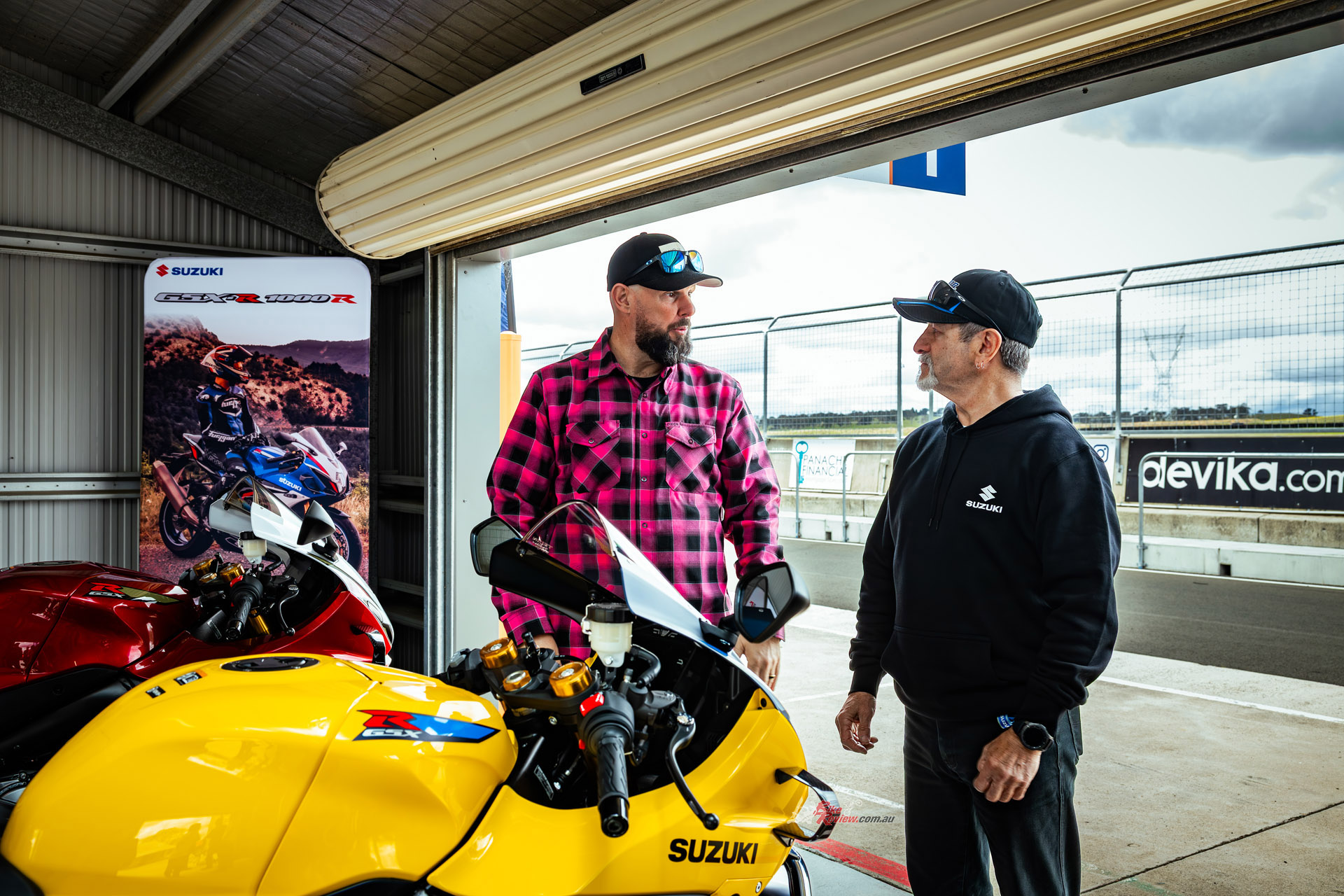
Read our interview with Suzuki Motorcycles Australia GM Sean Sealey here...
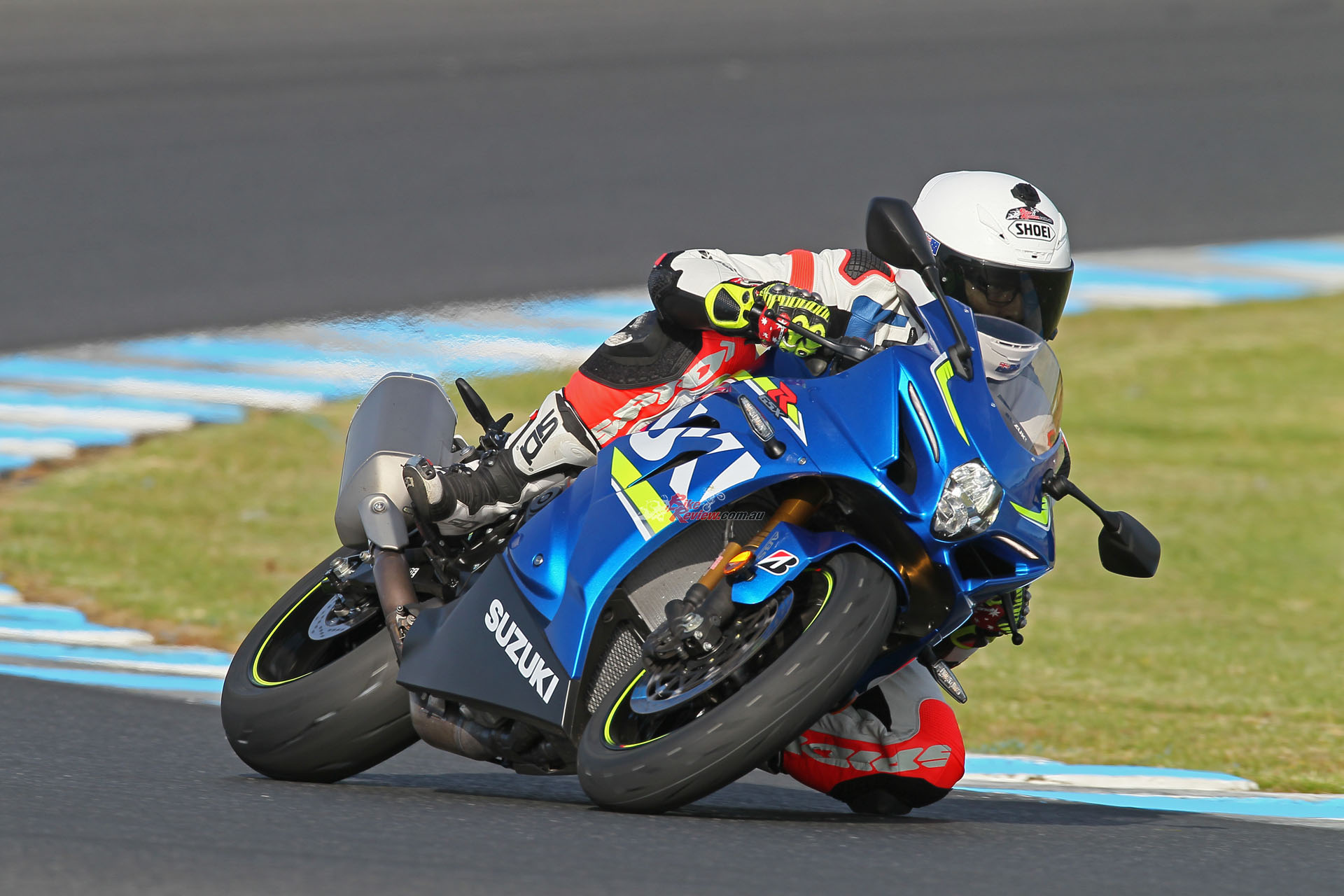
The 2017 Suzuki GSX-R1000R was launched at Phillip Island.
What’s changed since 2017?
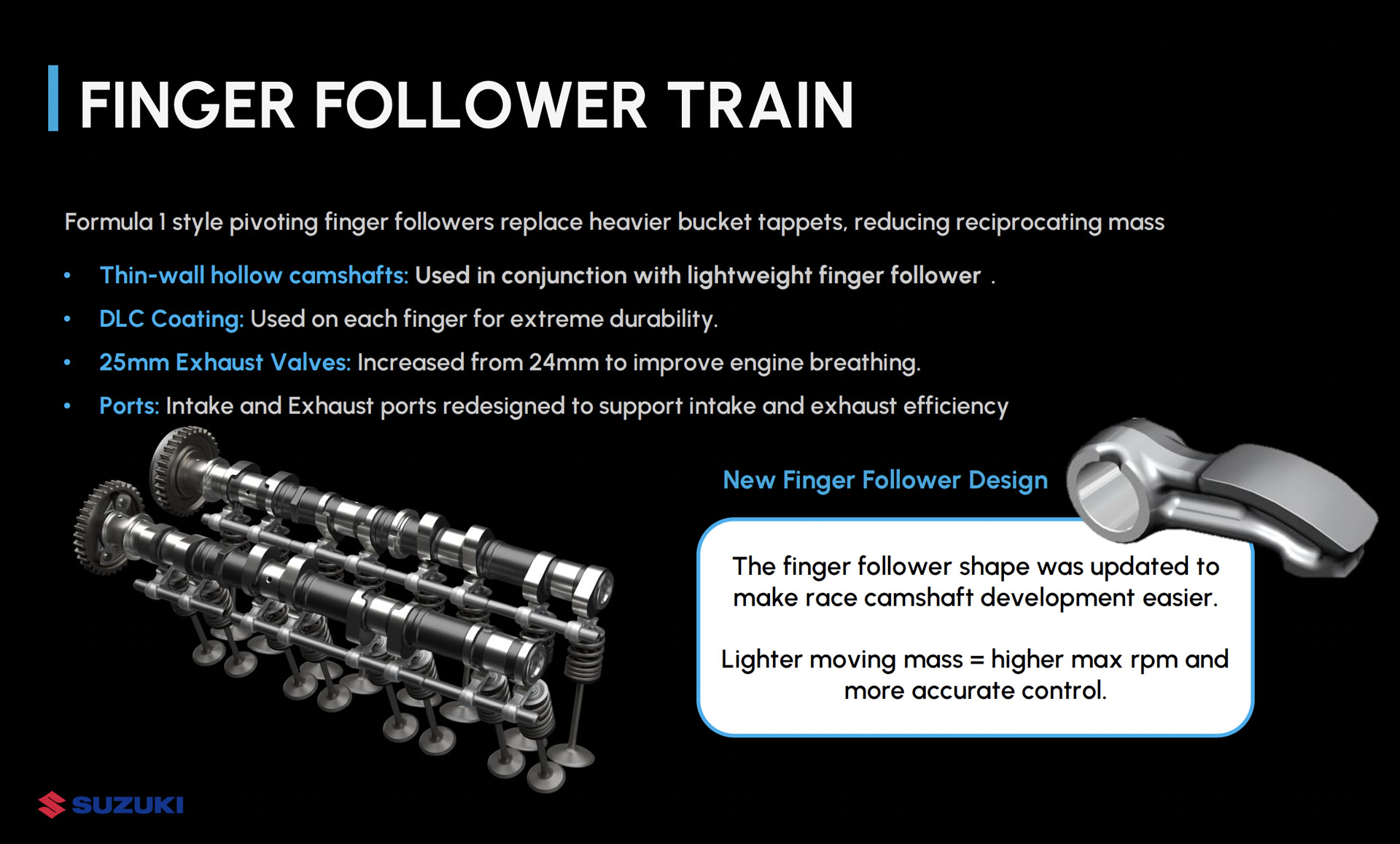
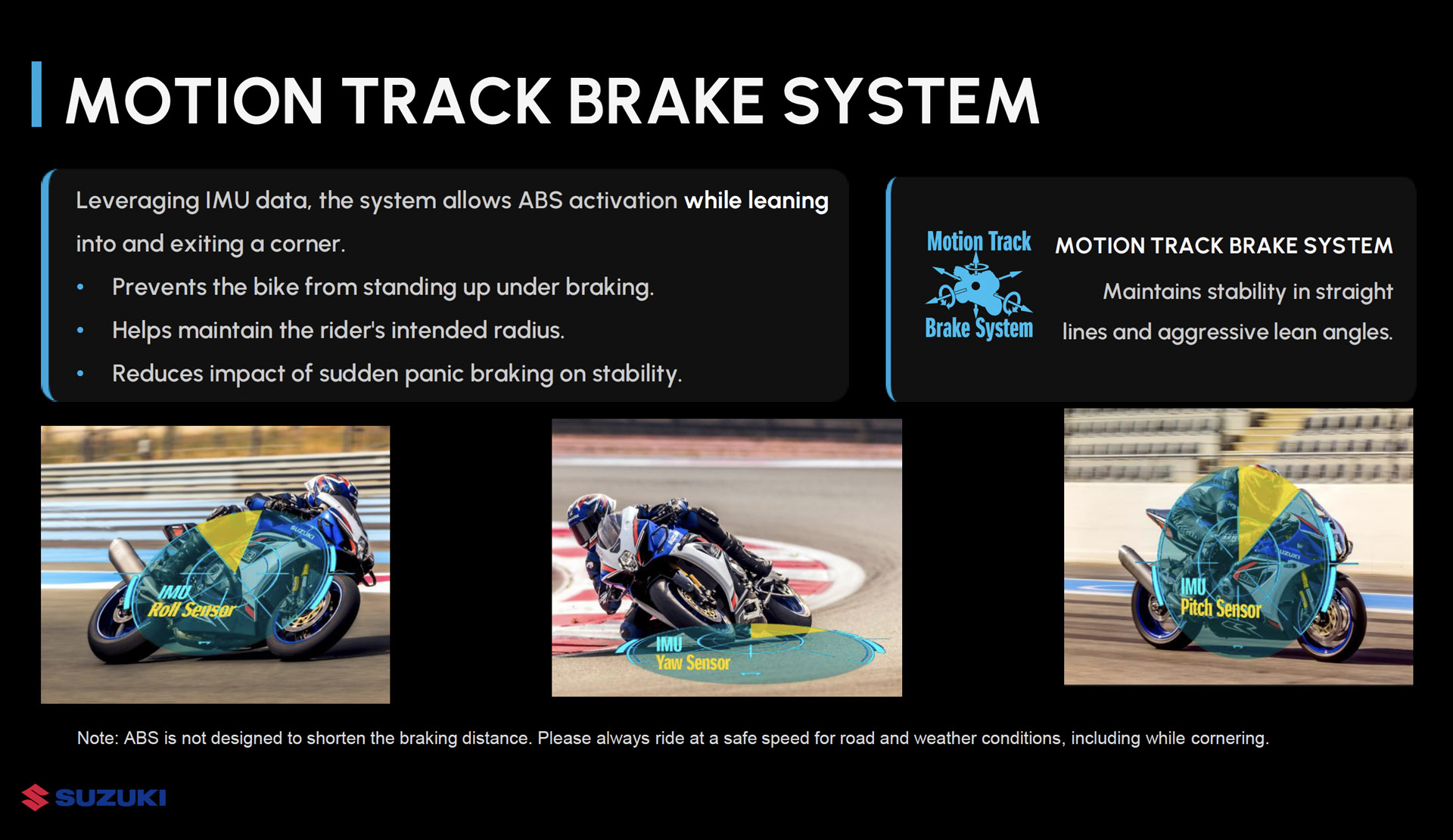
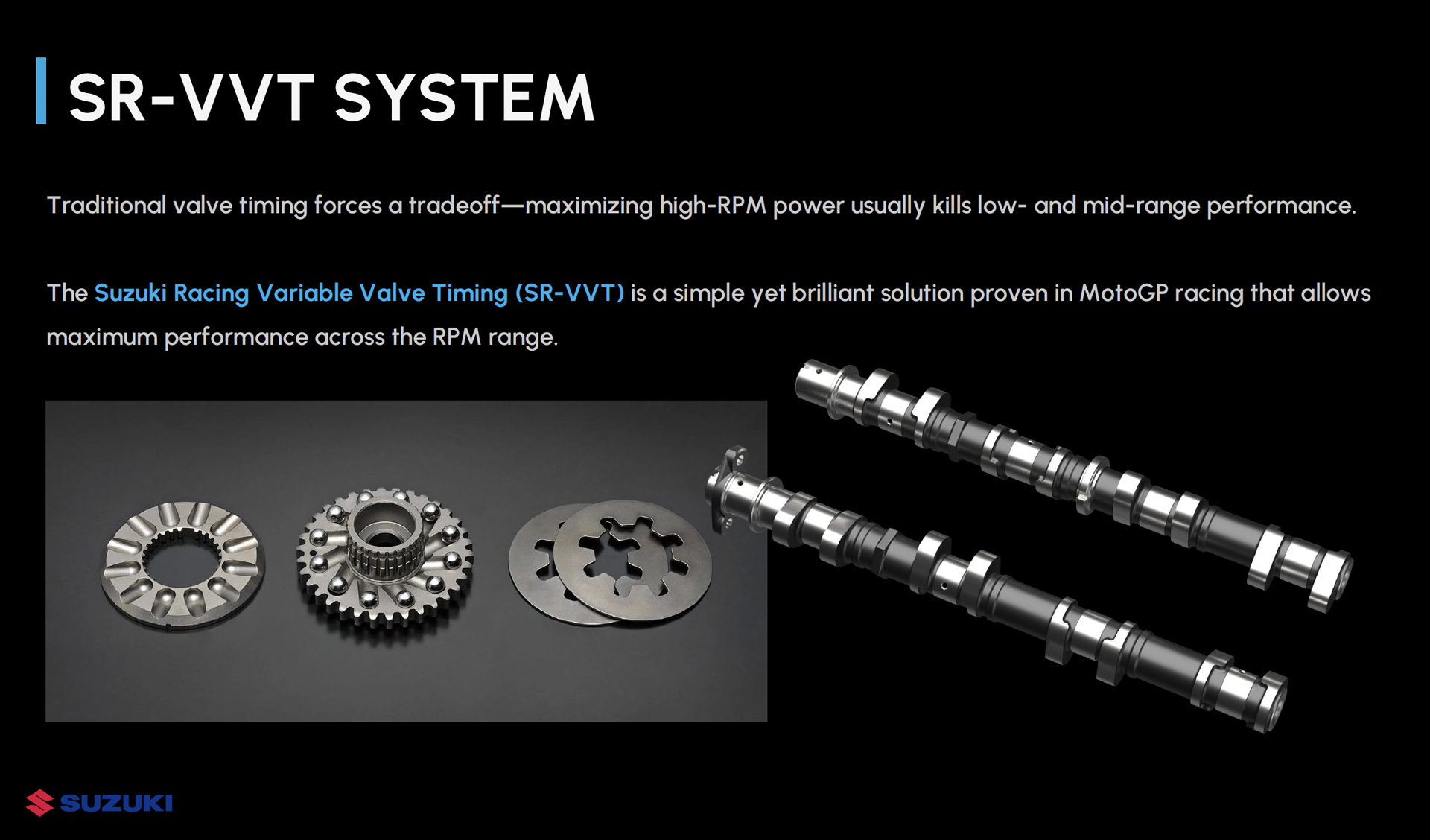
The current GSX-R1000R traces its fundamental architecture back to the major 2017 overhaul – read our 2017 GSX-R1000R review here. That was the sixth generation GSX-R1000 and Suzuki threw more than 600 new parts at the motorcycle when it launched. It introduced ride-by-wire, Suzuki Racing Variable Valve Timing, finger follower valve gear, an IMU, multi-level traction control, three riding modes, Motion Track Brake System and a much lighter aluminium chassis. The announced 2025 40th Anniversary machine isn’t a clean sheet replacement for that bike. Instead, Suzuki has taken a fundamentally very good platform and gone through it in considerable detail.
“Suzuki has taken a fundamentally very good platform and gone through it in considerable detail.”
The biggest work is inside the engine. The compression ratio rises from 13.2:1 to 13.8:1, while the piston crowns have been reshaped to accommodate the revised combustion chamber and larger valves. The pistons also receive changes underneath to reduce weight and improve durability, with stronger piston circlips added for high load use. The cylinder head and intake and exhaust ports have been revised, the primary injectors change from 10-hole to 8-hole units and fuel pump pressure increases to improve fuel atomisation.
Read our in-depth tech look at the GSX-R1000R 40th here…
The camshafts are revised too, with Suzuki changing the lift curve and reducing camshaft overlap. A wider cam chain is designed to reduce friction losses while also providing greater durability for the sort of sustained punishment a GSX-R can experience in endurance racing. Suzuki has also revised crankshaft and crankcase components, with thicker crankshaft journals designed to handle the increased loads. All of this sounds like the sort of stuff that belongs in a race engine builder’s workshop rather than a road bike.
“The new engine is designed to meet substantially tougher emissions and noise requirements while retaining its performance character and improving durability.”
And that’s precisely the point. The new engine has been developed not simply to chase a dyno number but to remain reliable while providing a solid foundation for tuning and race use. Peak output is now claimed at 143.5kW at 13,200rpm and 110Nm at 11,000rpm. That’s actually down on the headline figures of the 2017 model, which was quoted at 148.6kW and 117.6Nm, but the comparison doesn’t tell the whole story. The new engine is designed to meet substantially tougher emissions and noise requirements while retaining its performance character and improving durability.
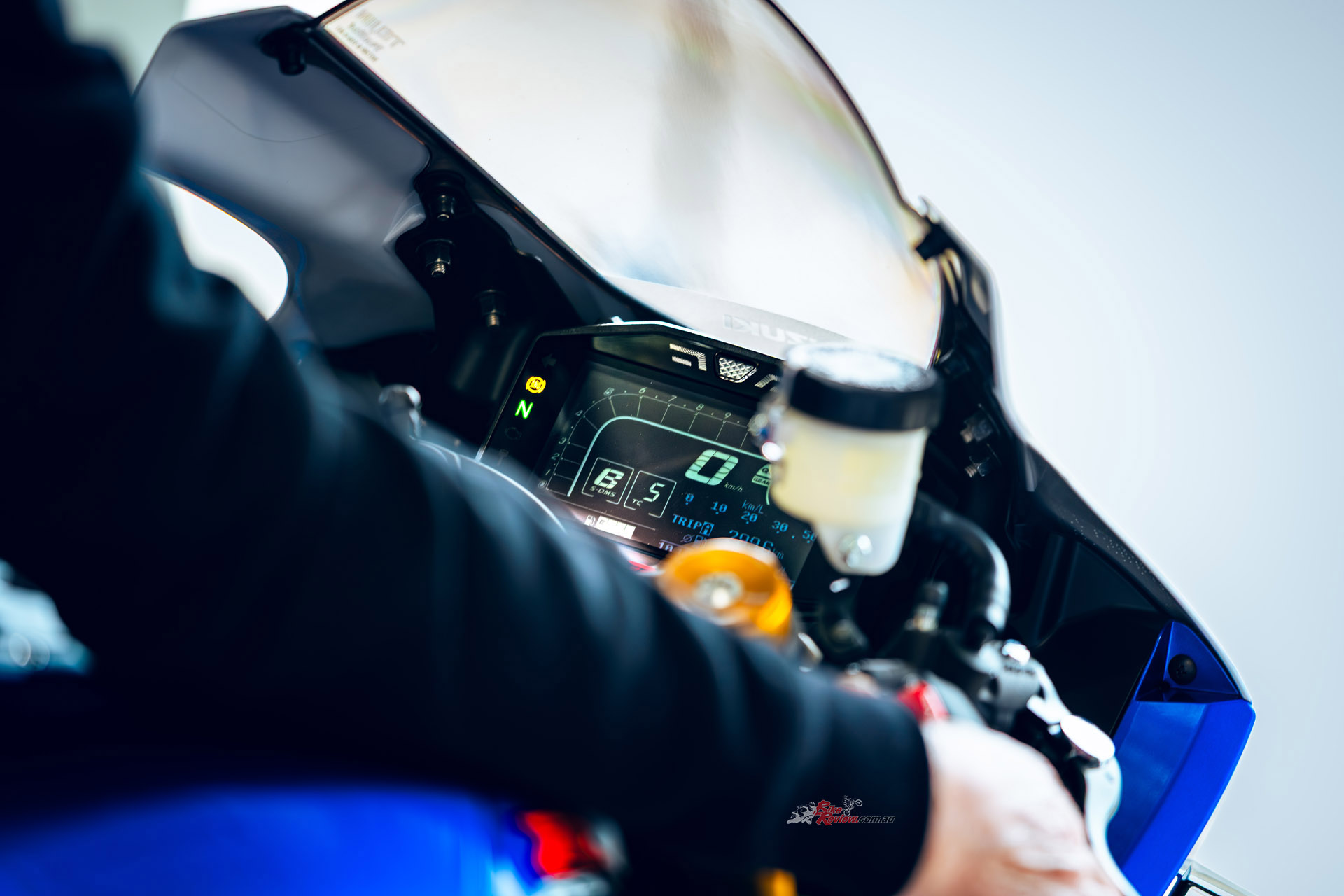
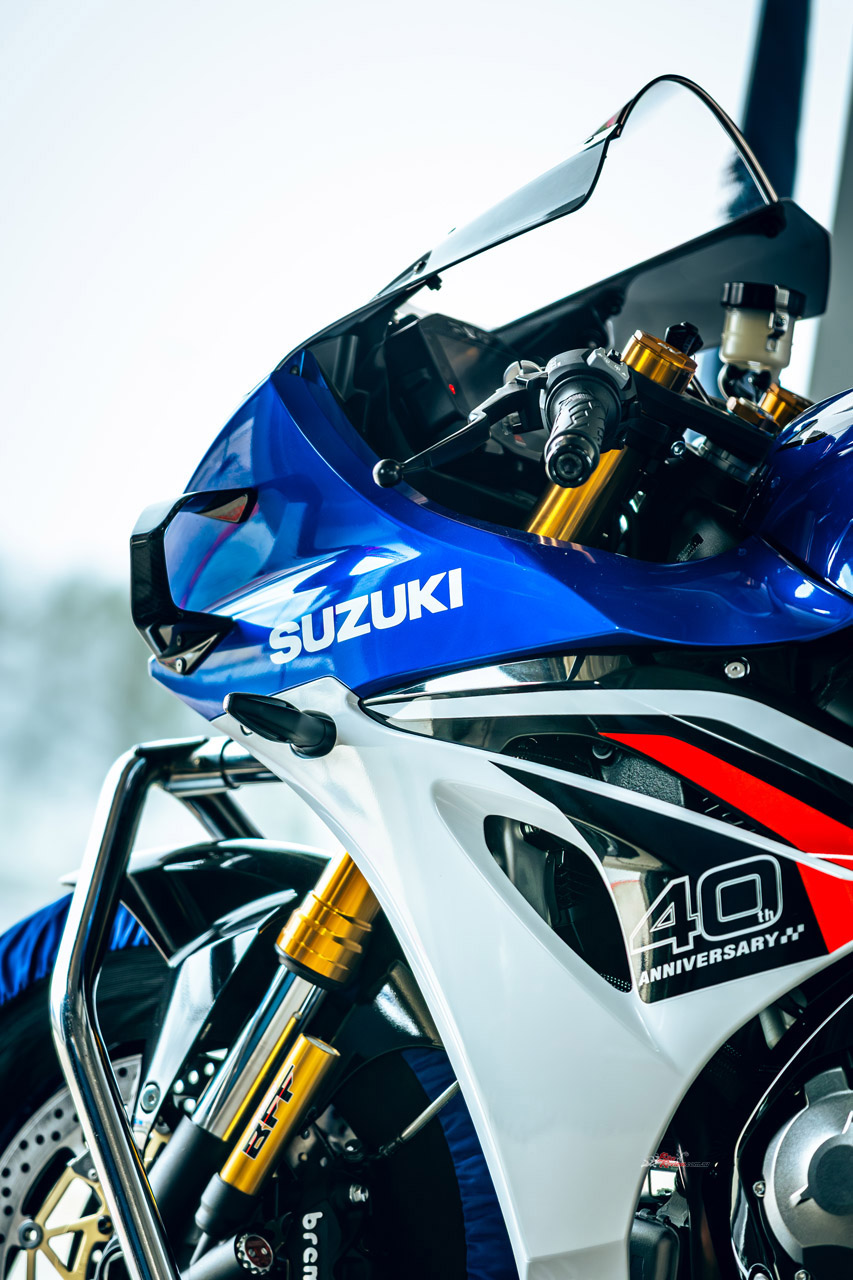
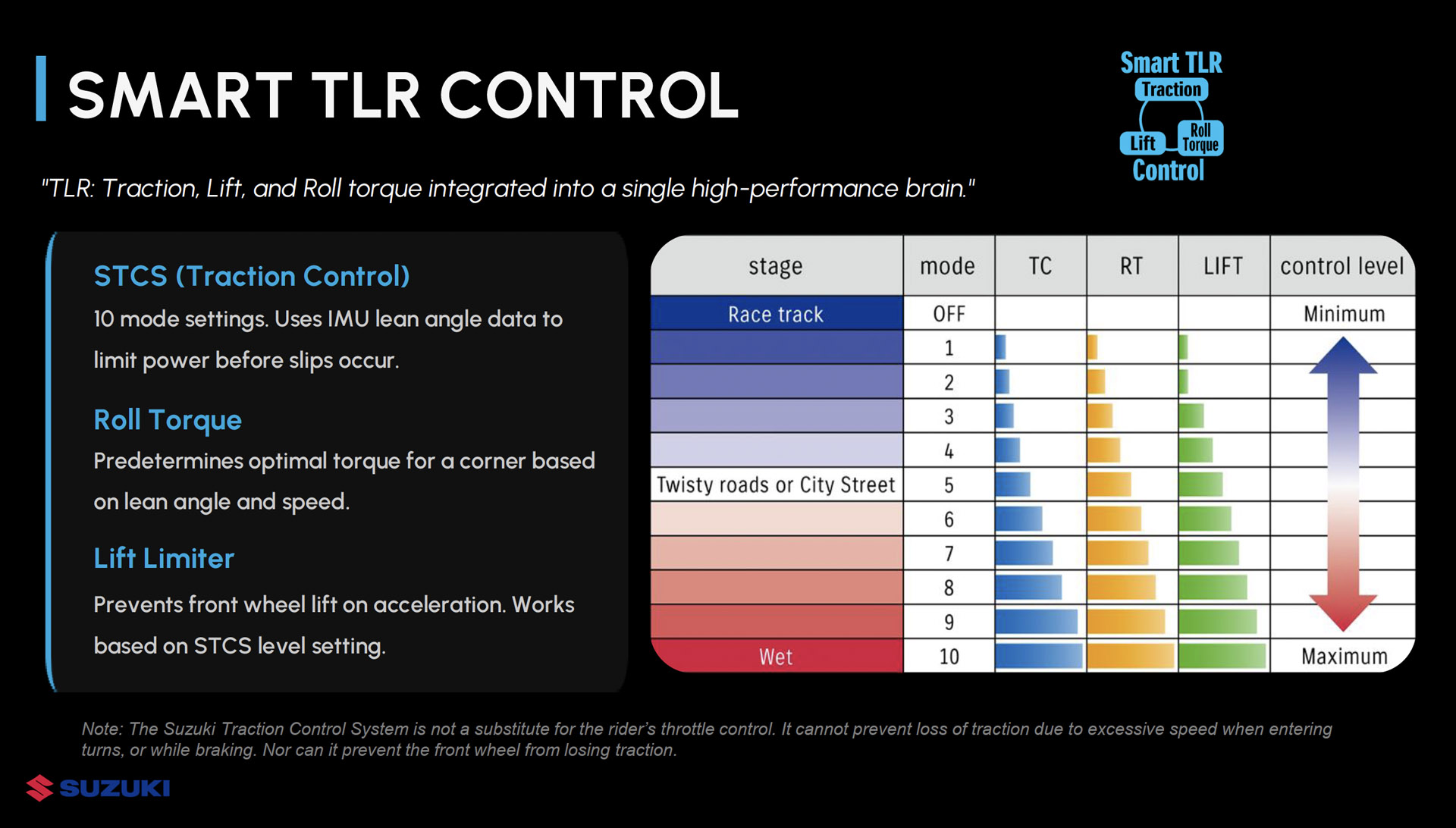
The chassis remains based around Suzuki’s compact twin spar aluminium frame and braced aluminium swingarm. This isn’t a case of throwing away a proven recipe simply because eight years have passed. The R still gets the premium SHOWA BFF forks and BFRC lite rear shock, while the Brembo radial-mount monobloc front calipers continue to provide the stopping power. Where the really significant development happens is in the electronics. The 2017 GSX-R already had sophisticated electronics, but the new machine adds Suzuki’s Smart TLR Control, bringing traction control, lift limitation and roll-torque control together.
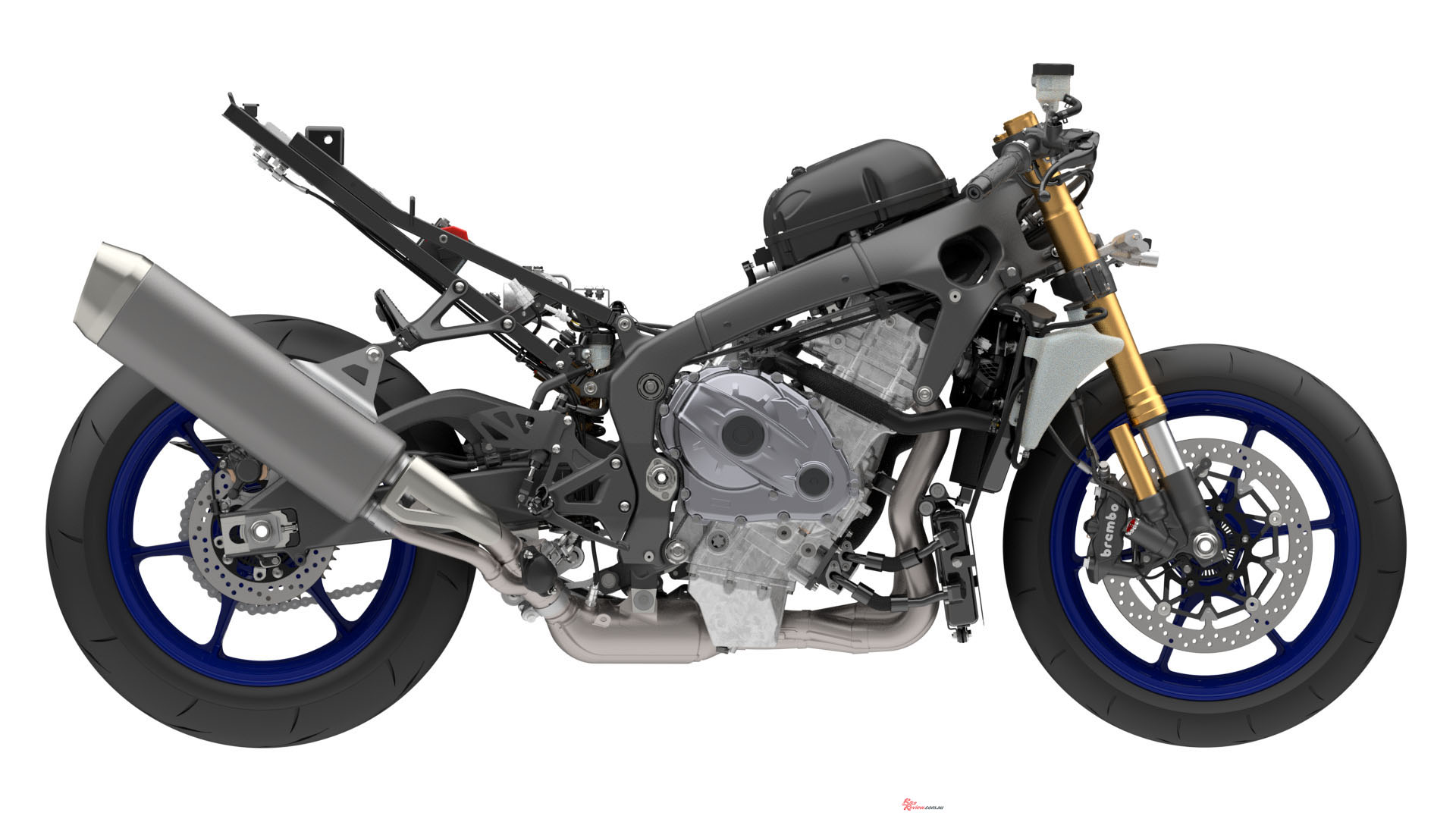
The chassis remains based around Suzuki’s compact twin spar aluminium frame and braced aluminium swingarm.
The lift limiter is pretty self-explanatory: it controls front wheel lift under hard acceleration while roll torque control monitors the bike’s attitude and rear wheel behaviour to manage drive as the bike is leaned over. The result is a more sophisticated safety net without turning the GSX-R into a motorcycle that rides itself. Launch control is also updated, and the bike retains its three mode Suzuki Drive Mode Selector, traction control, ride-by-wire throttle, bi-directional quick-shifter, cornering ABS and slope dependent control.
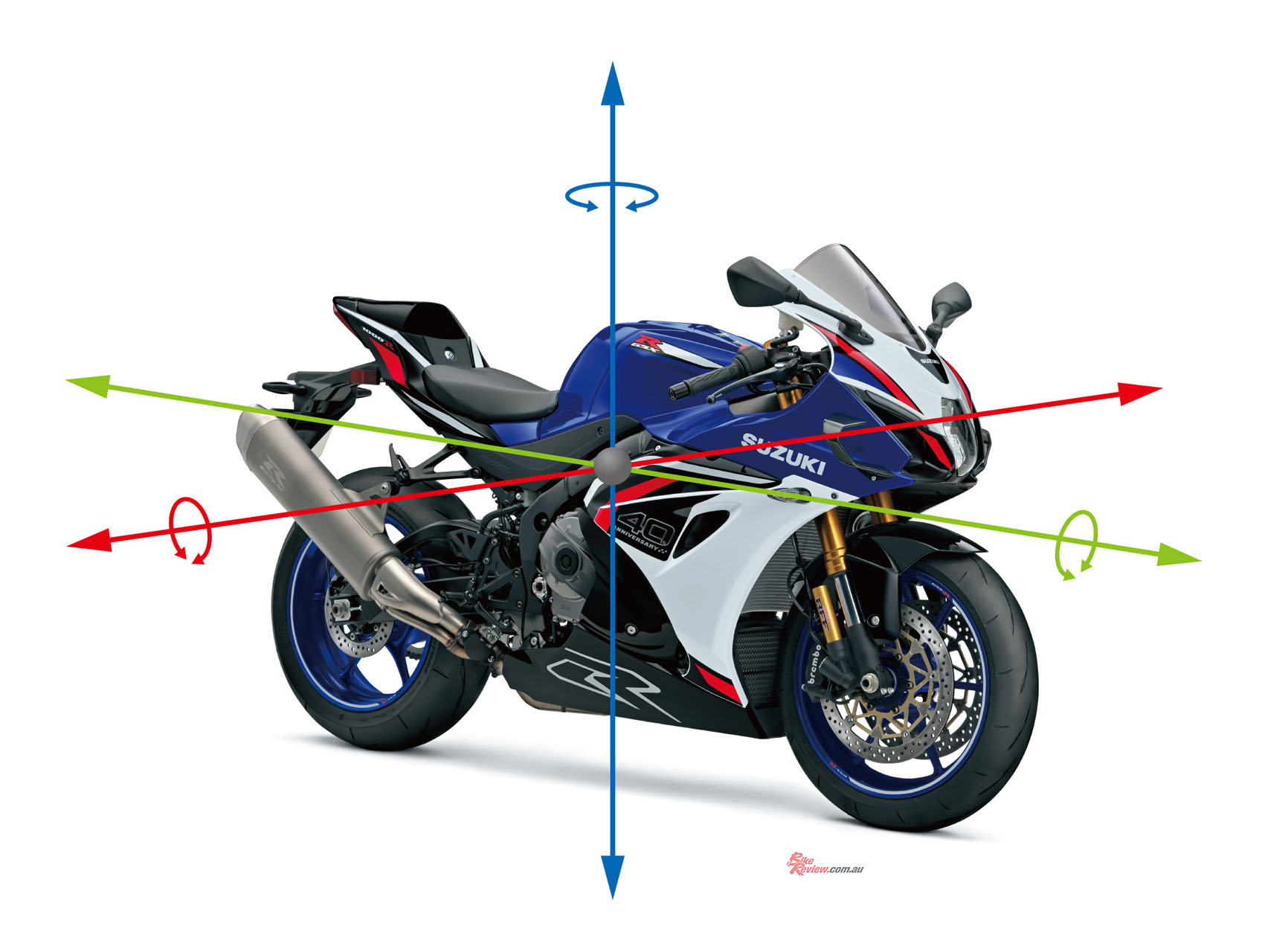
Suzuki adds Smart TLR Control, bringing traction control, lift limitation and roll-torque control together.
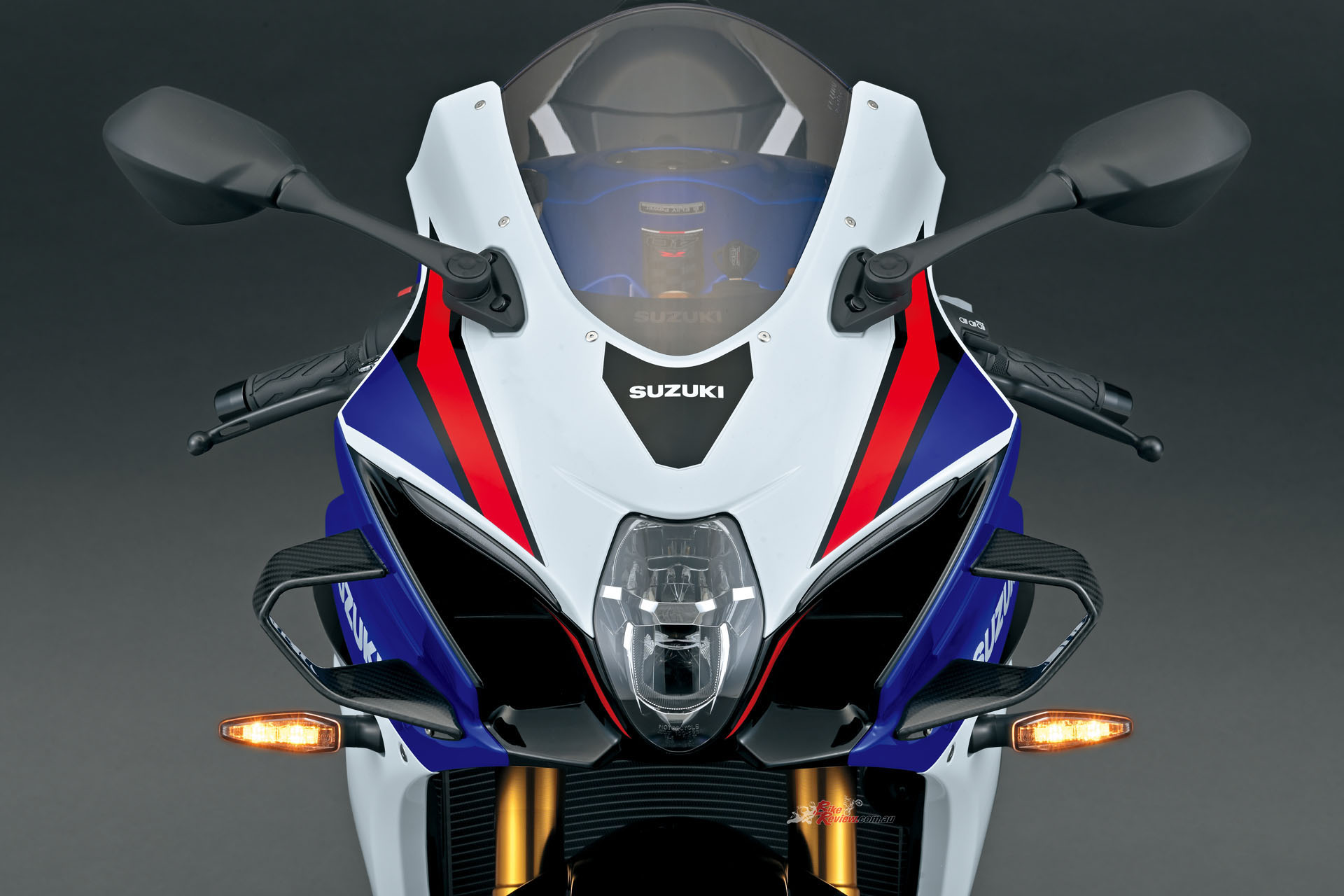
There’s also a new lightweight lithium-ion battery. And then there are the winglets. Suzuki has developed carbon-fibre MotoGP-style winglets based on those used on the company’s 2024 Suzuka 8 Hours CN Challenge machine.
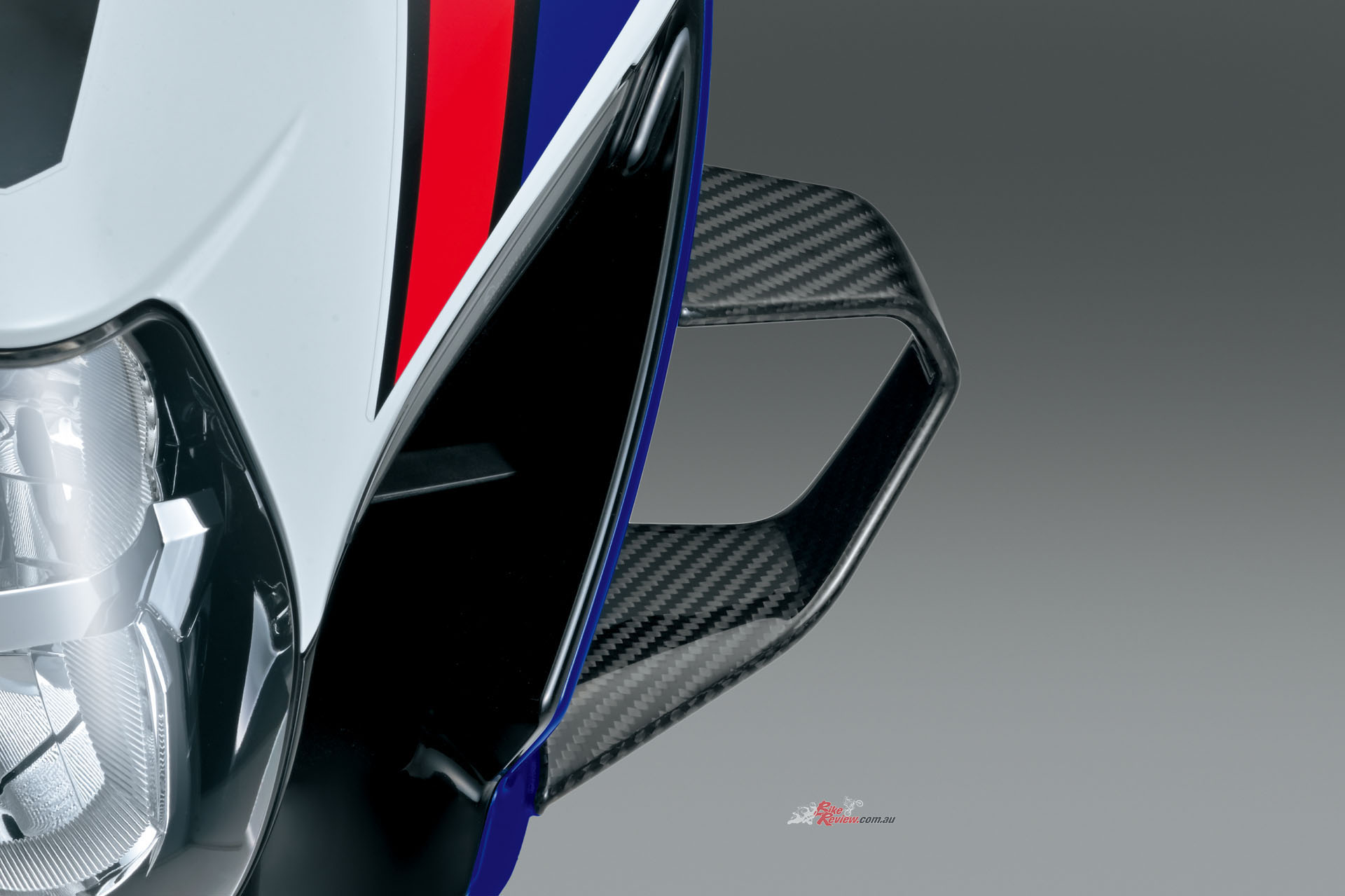
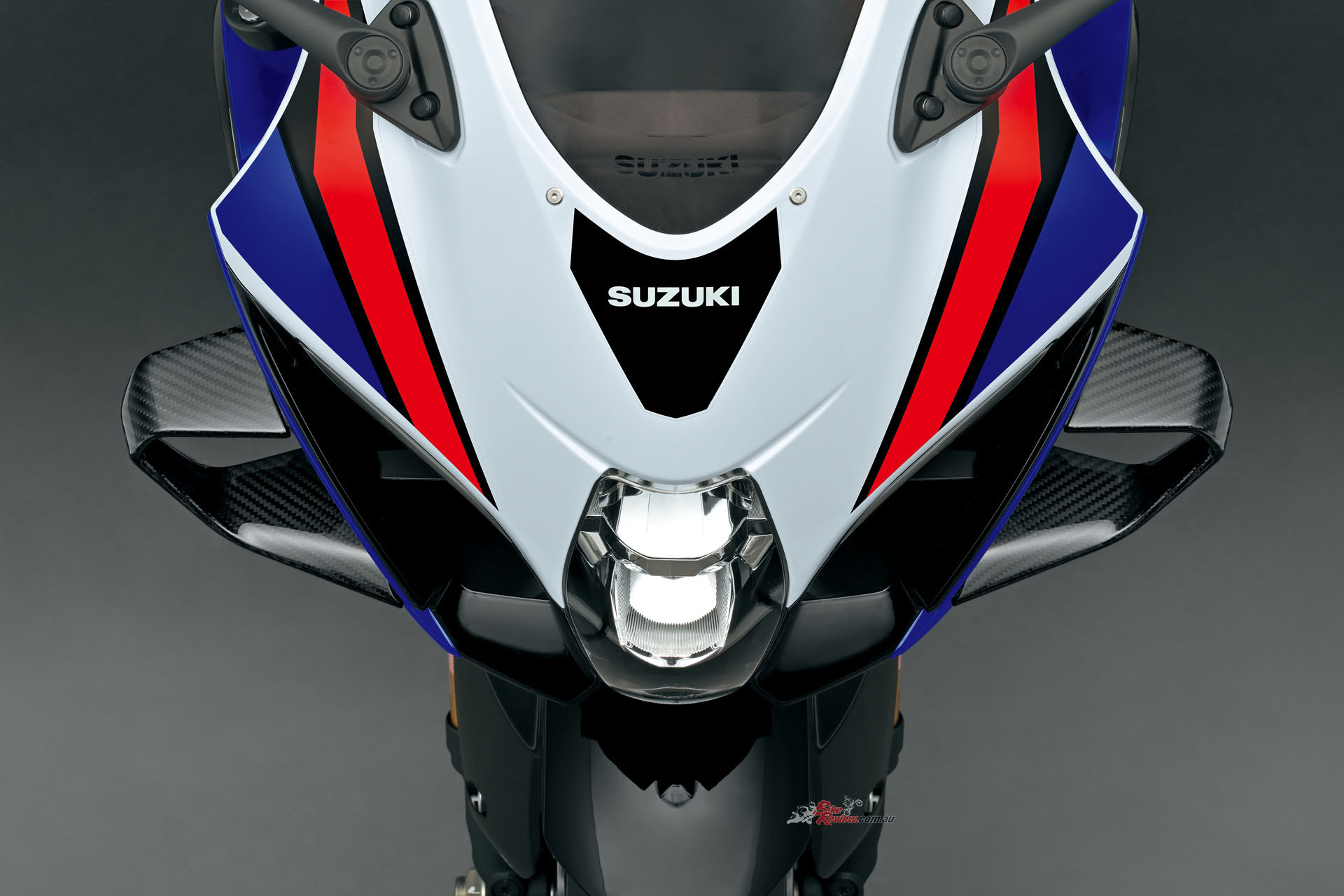
They are offered as an accessory in some markets and provide aerodynamic downforce to help control front end lift during hard acceleration. Australian delivered Anniversary models are being supplied with the carbon winglets as standard. The result is a motorcycle that still looks unmistakably GSX-R, but with a much more contemporary technical package beneath the fairings.
“Australian delivered Anniversary models are being supplied with the carbon winglets as standard.”
In the first session, I’m 6ft 1in and around 115kg, I was expecting to feel a little like a gorilla on a tricycle. Instead, I was surprised. The Gixer fitted me—actually, fitted me really well. Or I fitted the GSX-R. We’d been told that all three bikes were fitted with Bridgestone R-11 tyres rather than the road-focused RS11s. The R-11 is the more track-focused option, and with tyre warmers already doing their thing, we weren’t starting the day with cold rubber.
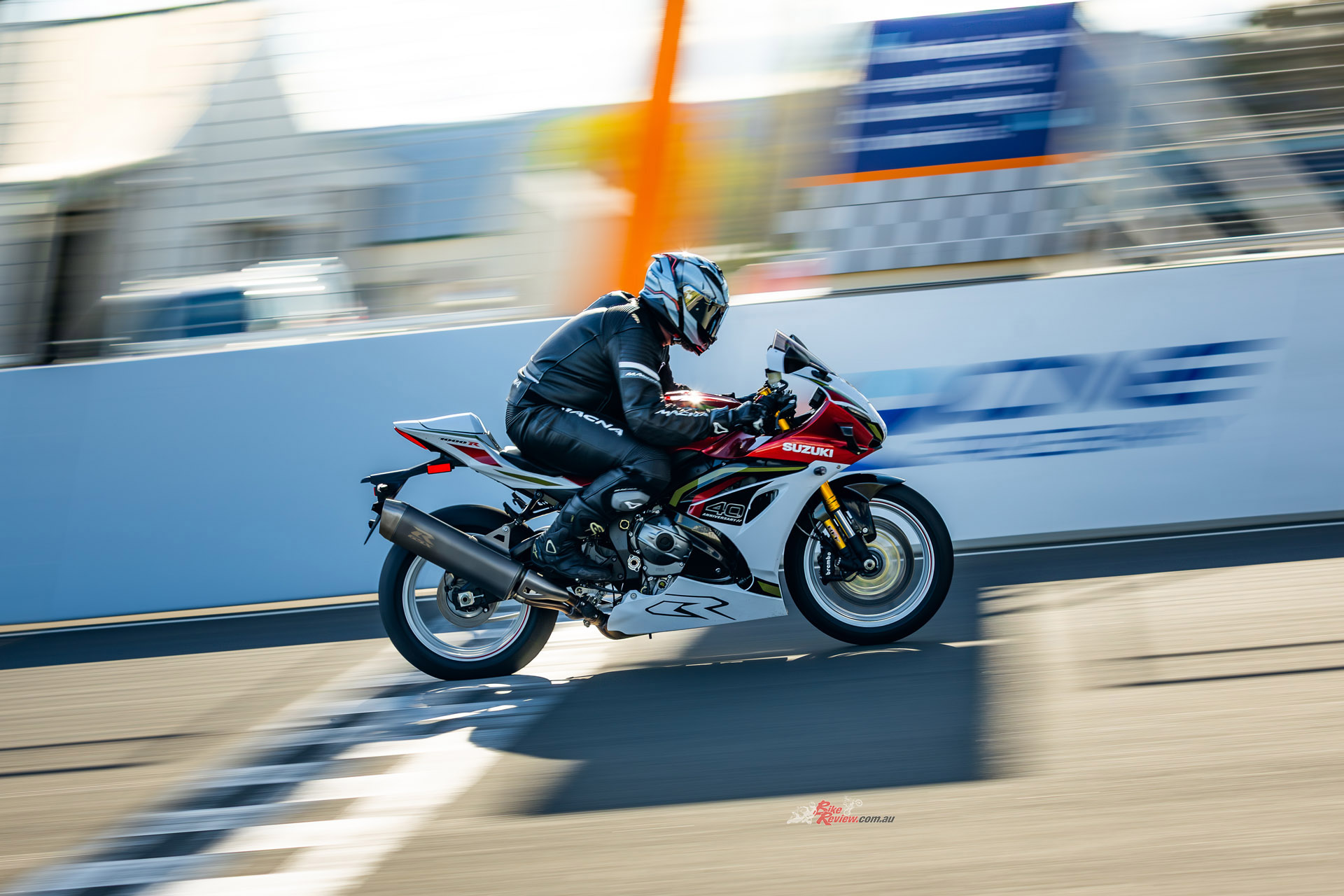
Updated launch control allowed blistering starts, holding the engine at 9500rpm before clutch release.
Track Test
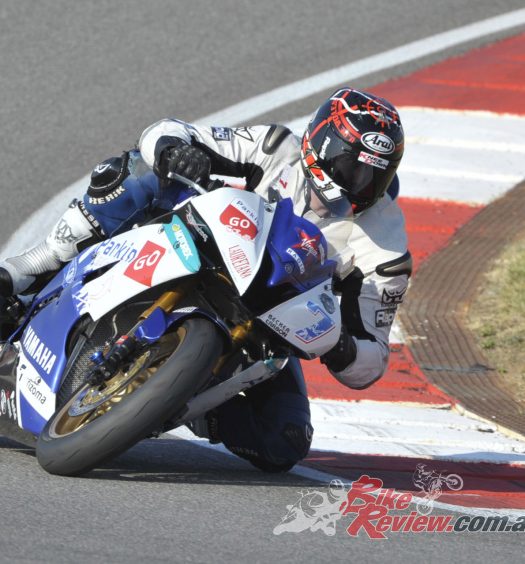
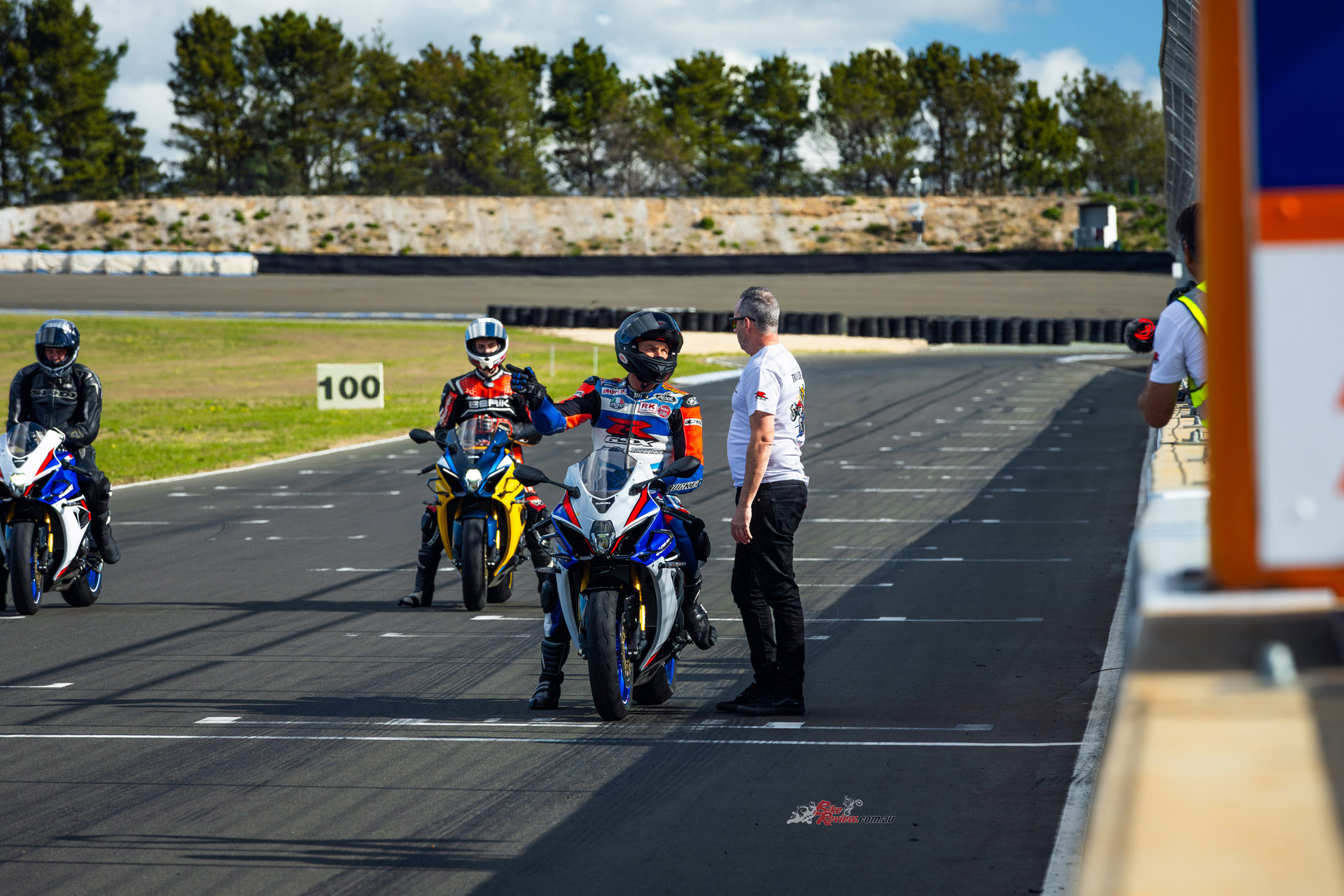
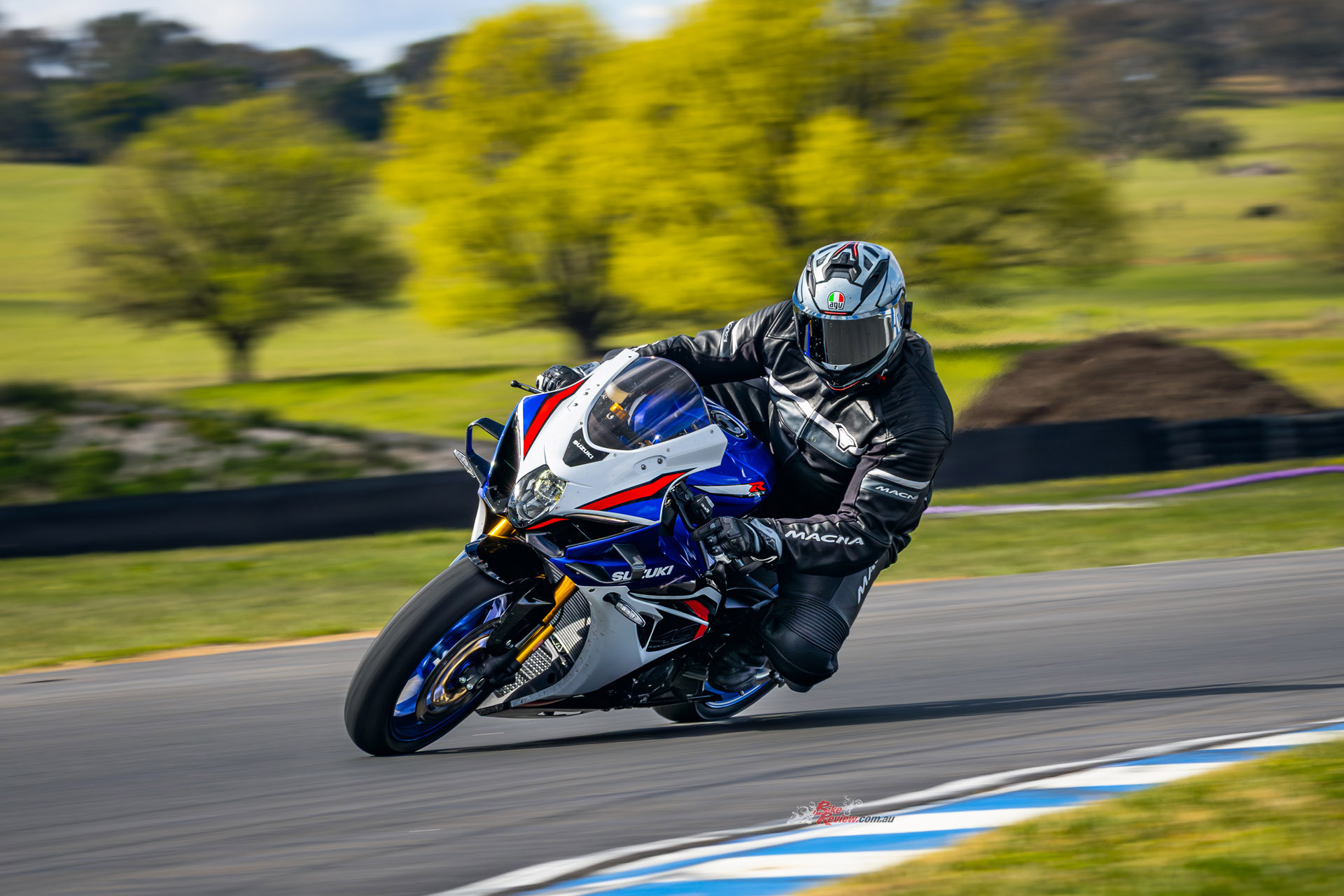
Rolling out of pit lane, the GSX-R1000R immediately felt natural. Not “natural for a 195-horsepower superbike” natural. It felt like I’d owned one for 20 years, except way better. For the first two laps we had the privilege of following three-times (for Suzuki) ASBK Superbike Champion, Bathurst winner, Suzuka 8-Hour legend and all-round guru ASBK champion Shawn Giles, who took us around the track and showed us the lines.
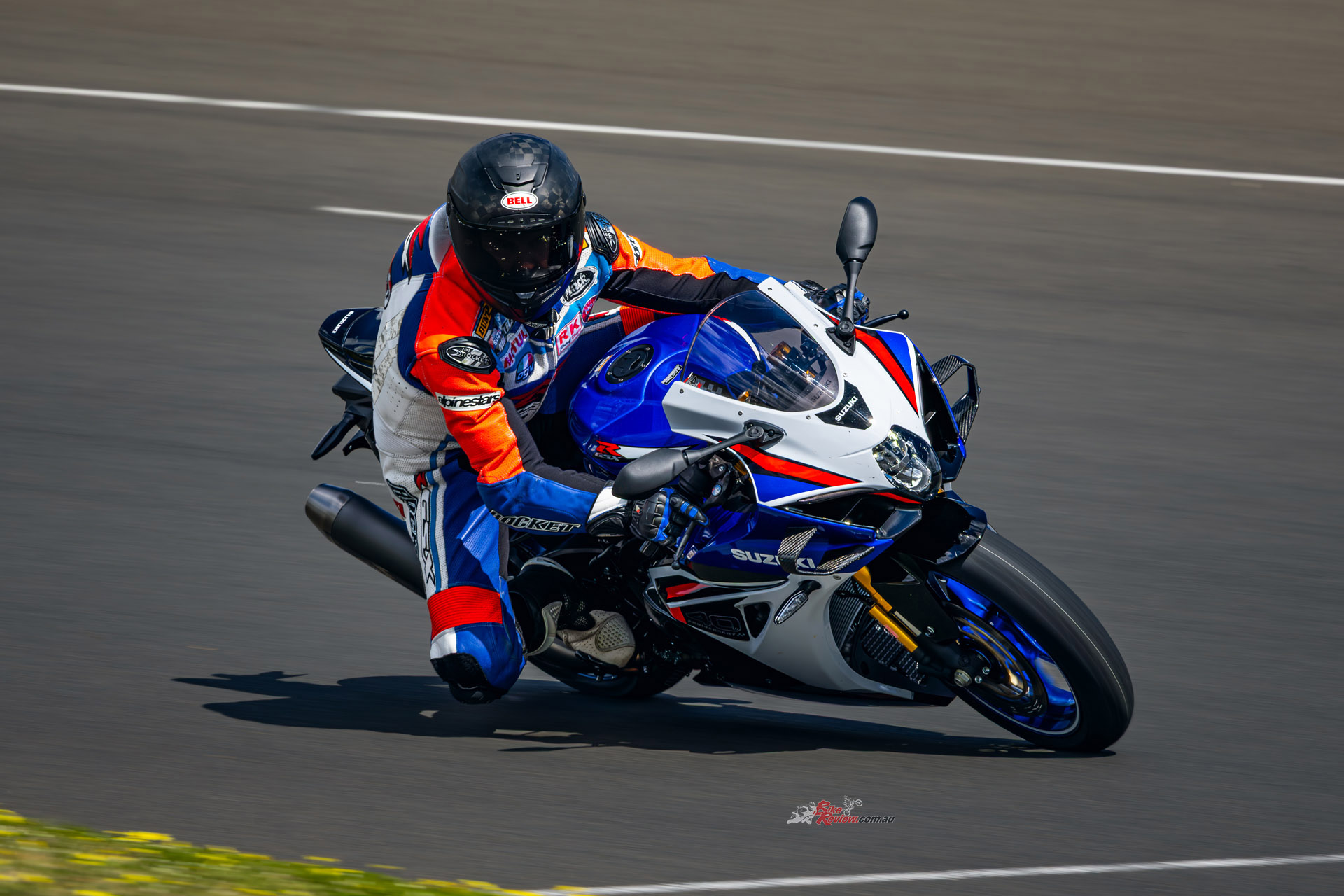
Three times Australian Superbike Champion (all for Suzuki) Shawn Giles on the GSX-R1000R 40th Anniversary model.
For the first session we were running Ride Mode B with traction control set at five. The power delivery was exactly what I wanted, strong, predictable and incredibly usable. The traction control was there, but it wasn’t constantly reminding me it was there. I could feel the bike working underneath me without feeling like the electronics were fighting my inputs. In the second session, Session two gave us the opportunity to play with the settings. We started in Ride Mode C with traction control at seven. Mode C is essentially the wet/road-friendly setting. For a road rider, I can see the appeal.
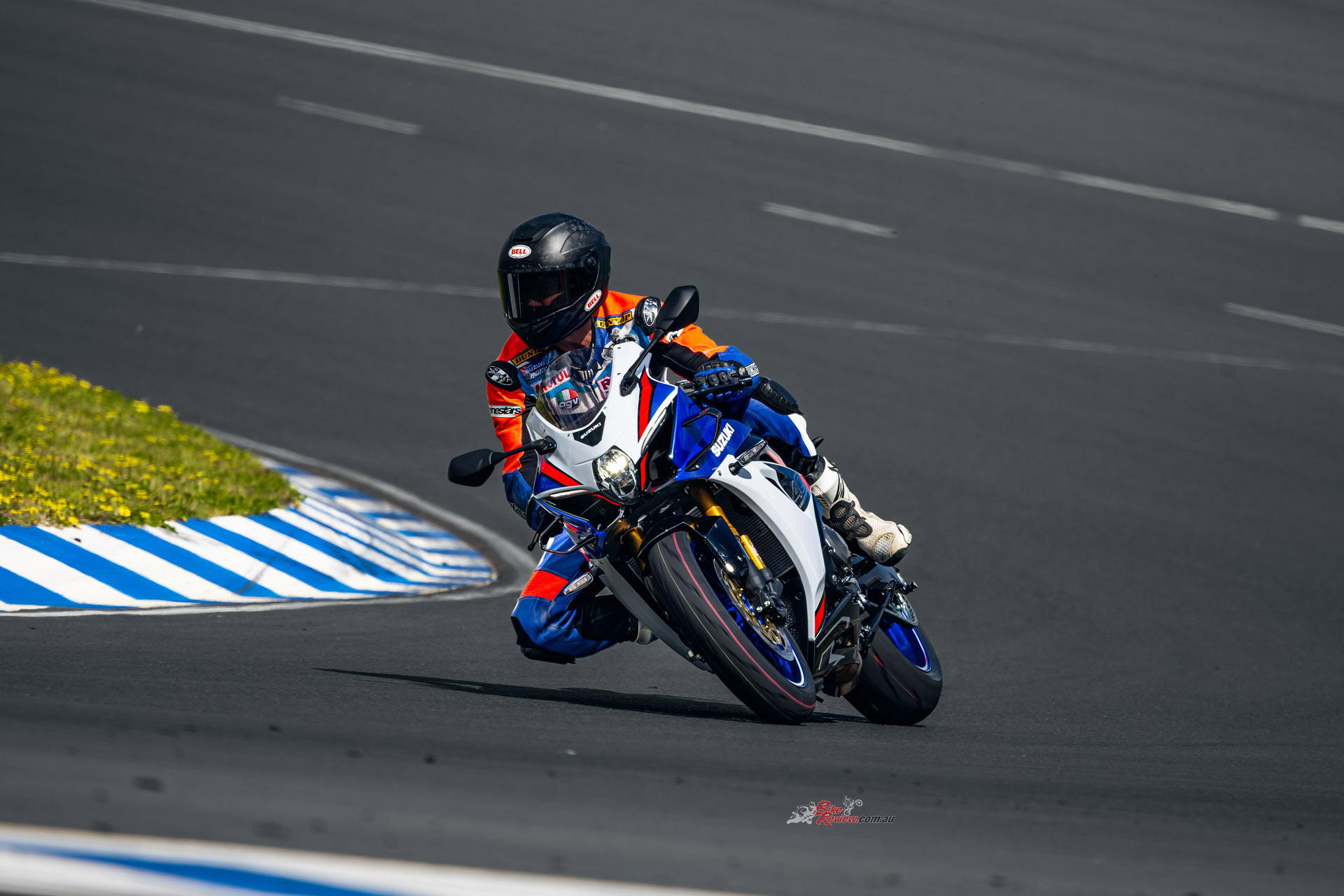
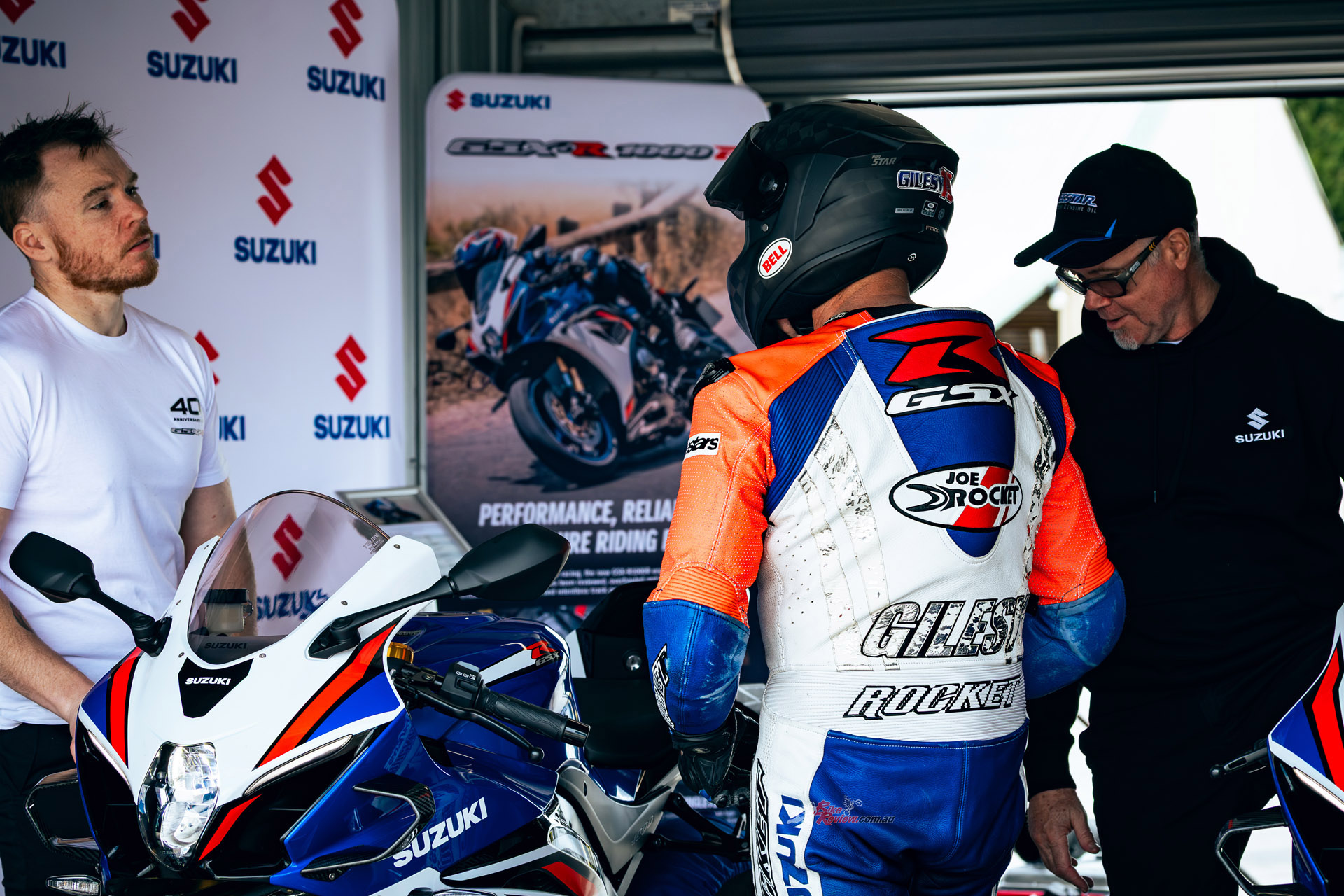
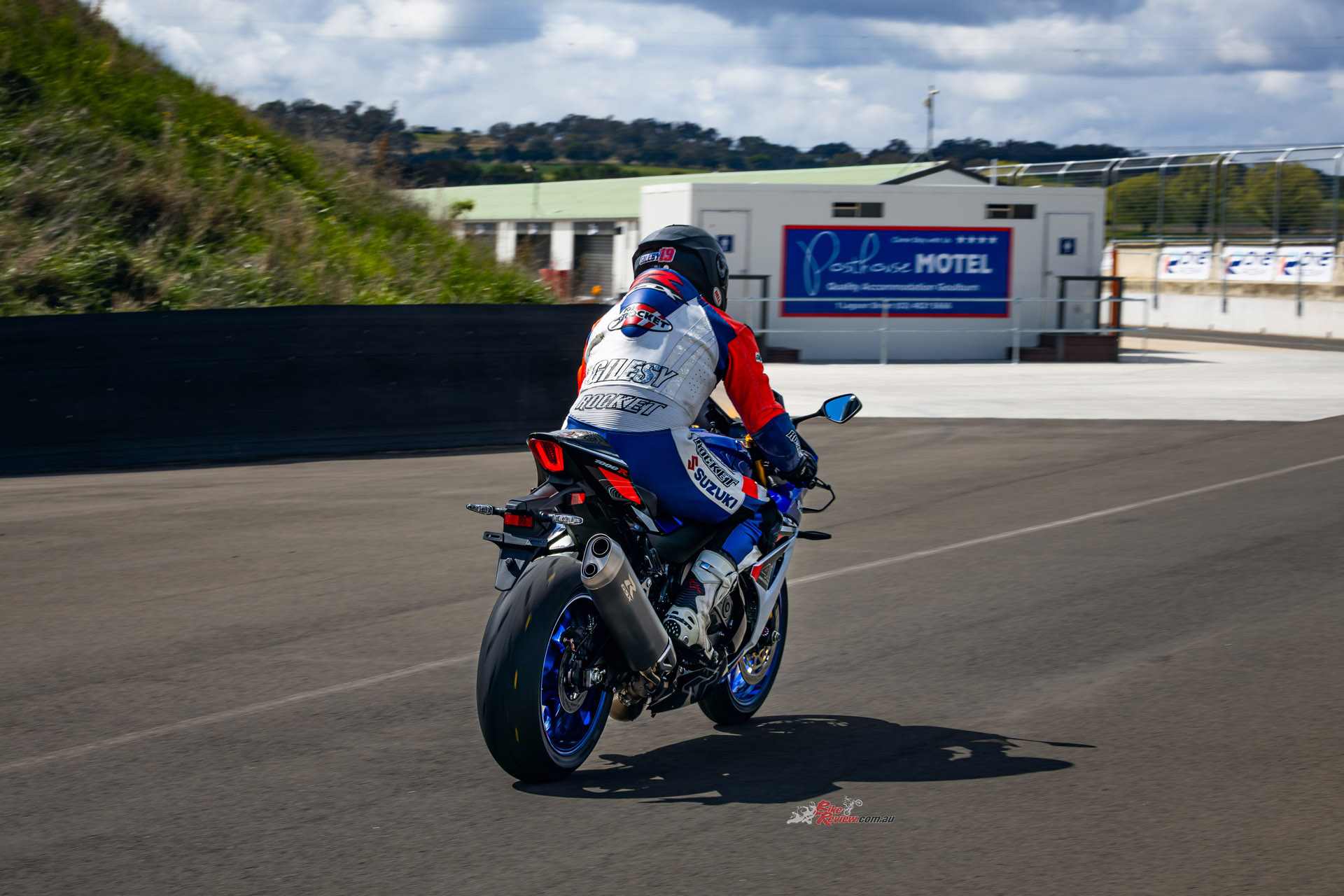
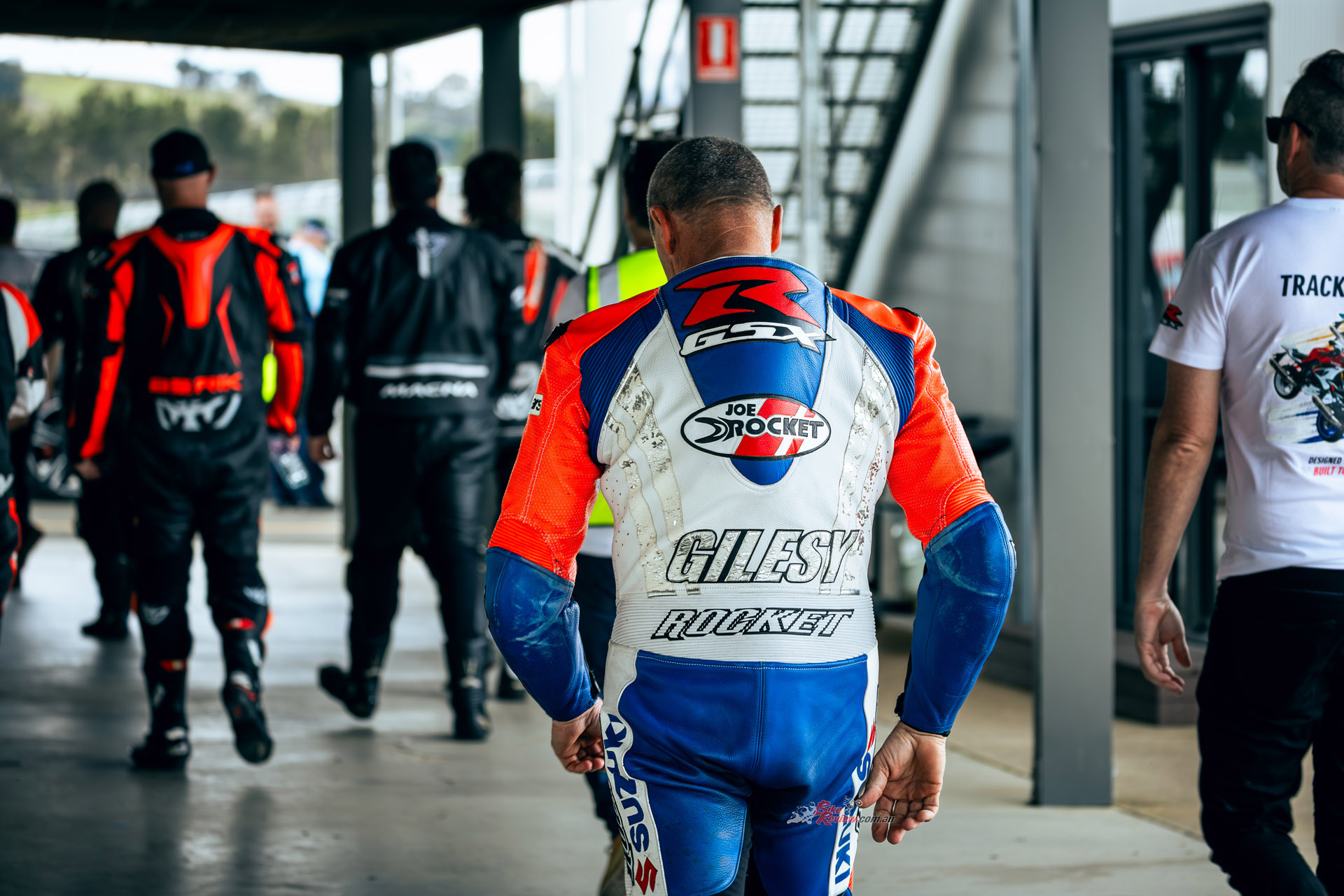
While riding, I changed to Ride Mode A and traction control level two. Now we were talking. Mode A sharpened everything up. Throttle response became noticeably more immediate, although I found it a little snappy for my liking. Traction control two also allowed the rear to move around more than I’m used to these days.
That’s an interesting thing about modern superbikes. There is a point where more freedom doesn’t necessarily equal more confidence. For me, TC two was entertaining, but it wasn’t where I felt most comfortable. The GSX-R was telling me there was more available. I just needed to find the setting that worked for me.
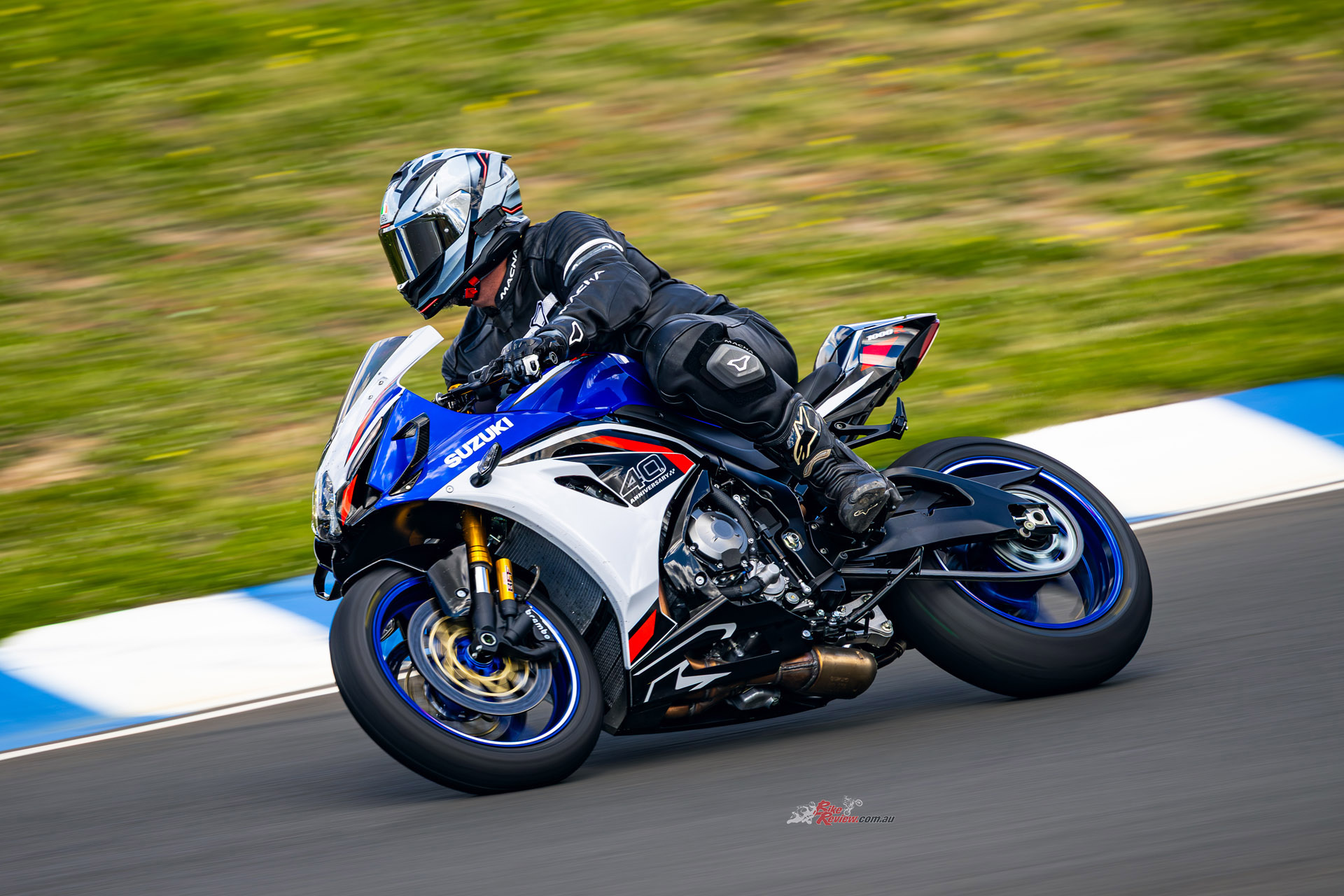
“While riding, I changed to Ride Mode A and traction control level two. Now we were talking. Mode A sharpened everything up.”
Session three was where it all clicked: Mode B and traction control level three. Perfect. This was my sweet spot. The bike retained the smooth, usable character I’d liked in session one but gave me just a little more freedom at the rear. By now I was becoming more confident. I was braking later, getting on the throttle earlier, carrying more speed into the corners, and most importantly, I was starting to trust the bike more.
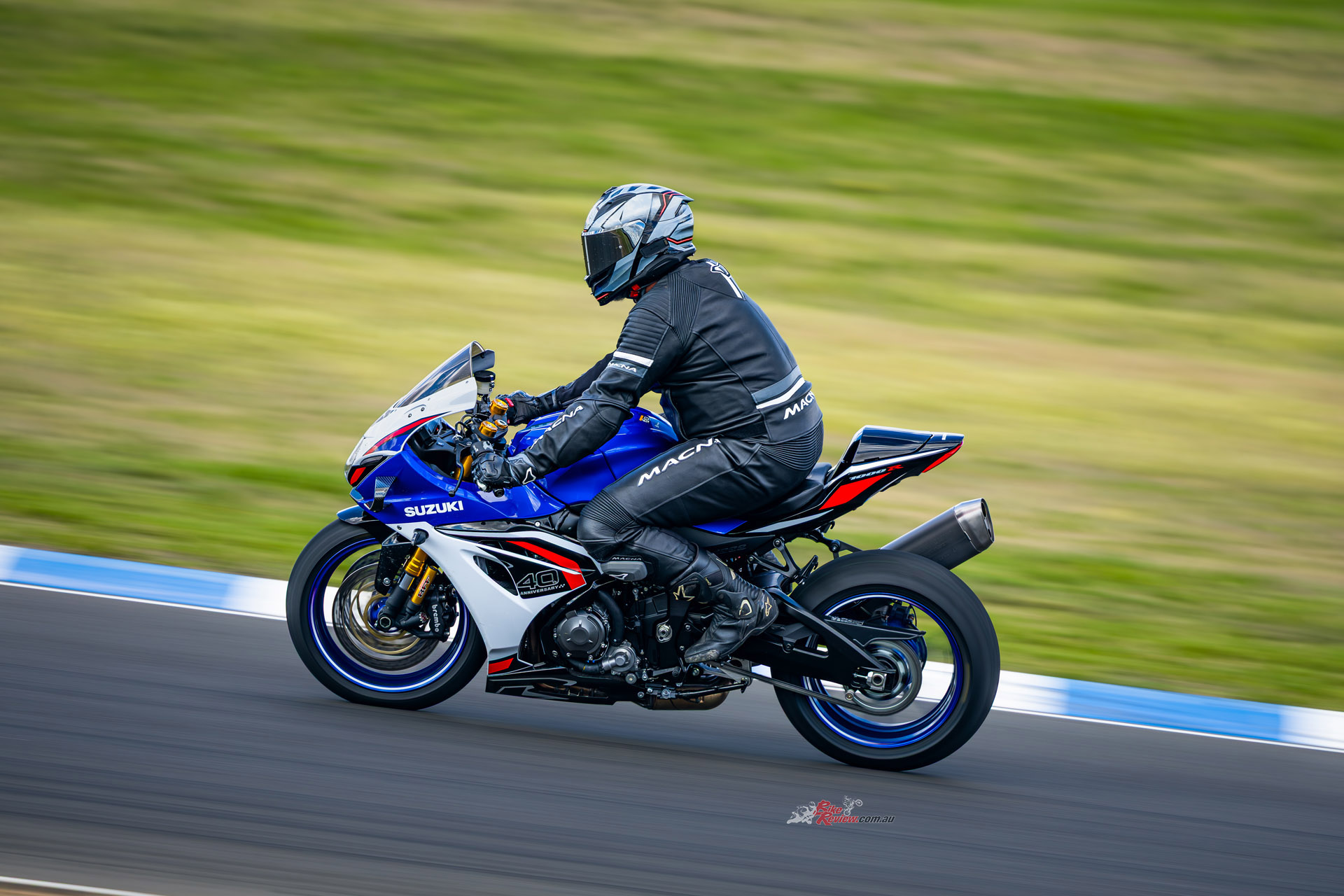
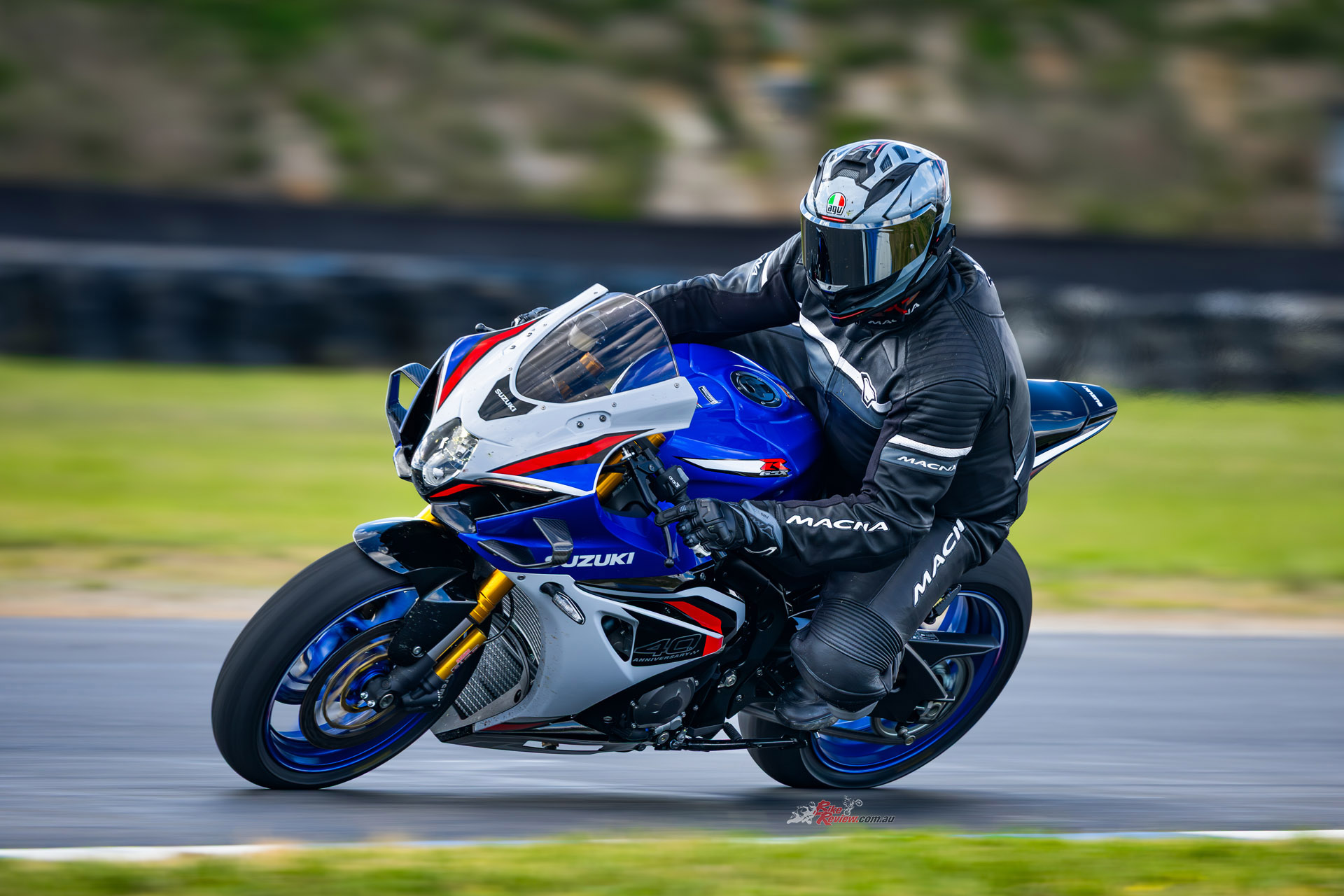
The front-end was rock solid for me. I never felt like I was asking the chassis to do something it didn’t want to do. The SHOWA suspension gave me the support I wanted under hard braking without making the bike feel nervous when I released the brakes and turned in. The GSX-R’s geometry is very much in the modern superbike camp, sharp enough to change direction without feeling nervous, with enough stability to let you commit to the corner.
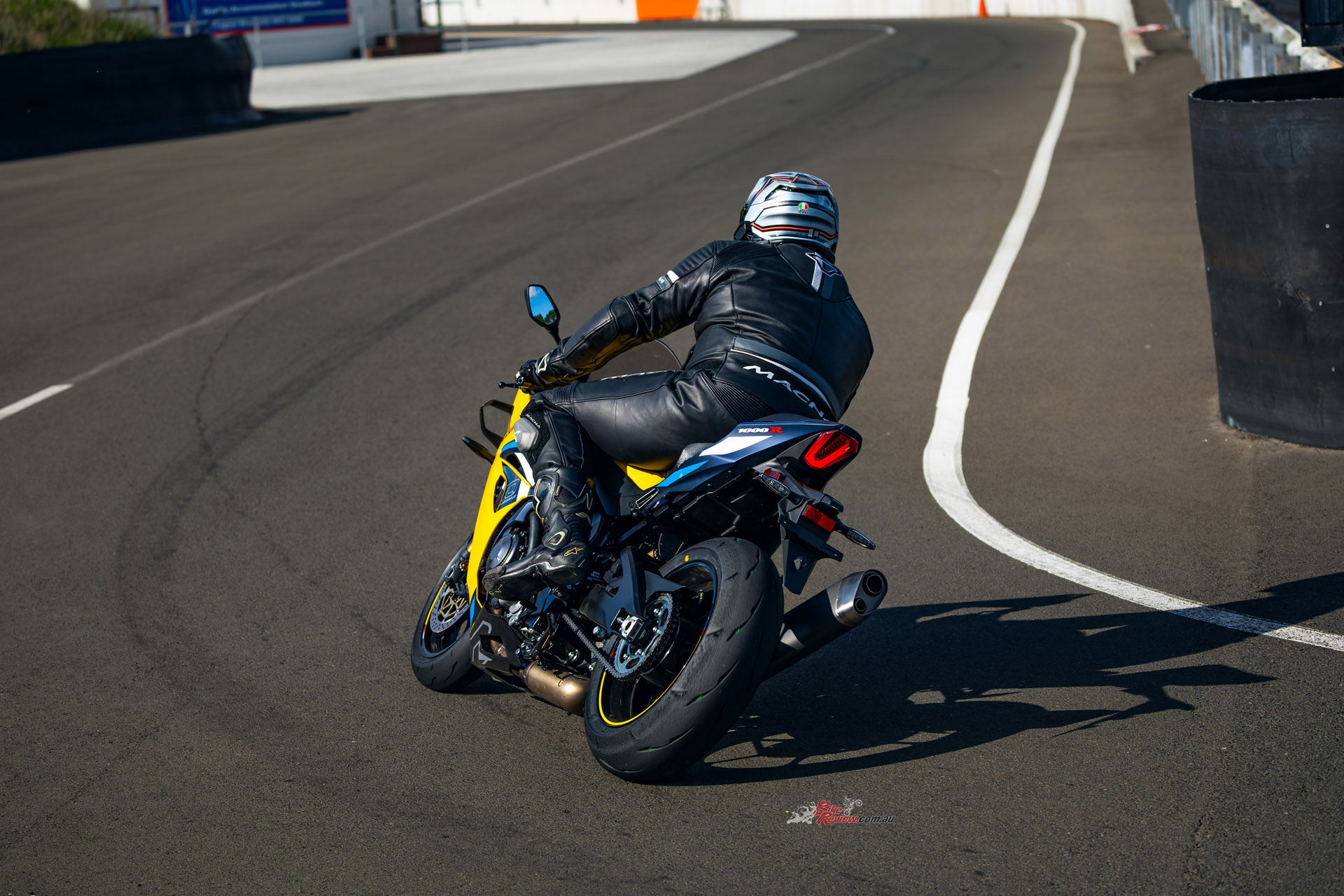
I was moving around on the bike more as my confidence increased, but the GSX-R never felt unsettled. Changing direction and adjusting the settings were easy, and the quick-shifter was doing exactly what it should. By the end of session three I couldn’t wipe the smile from my face. I felt like a kid on Christmas morning who had just been given a motorcycle. Only this Christmas morning happened to involve a 195-ish horsepower superbike, a racetrack and an ASBK champion showing me where to go.
In the final session, we got to try launch control. Another first for me. I listened very carefully to the instructions. Every fibre of my being says that revving a litre bike to 9500rpm and then dropping the clutch is probably a bad idea, but that’s where you have to trust the electronics, and the engineers. Clutch in, select first gear and hold the starter button until the launch-control symbols appear on the dash. Then crouch down – remember, I’m a MotoGP rider now – and open the throttle. The engine sprints to 9500rpm.
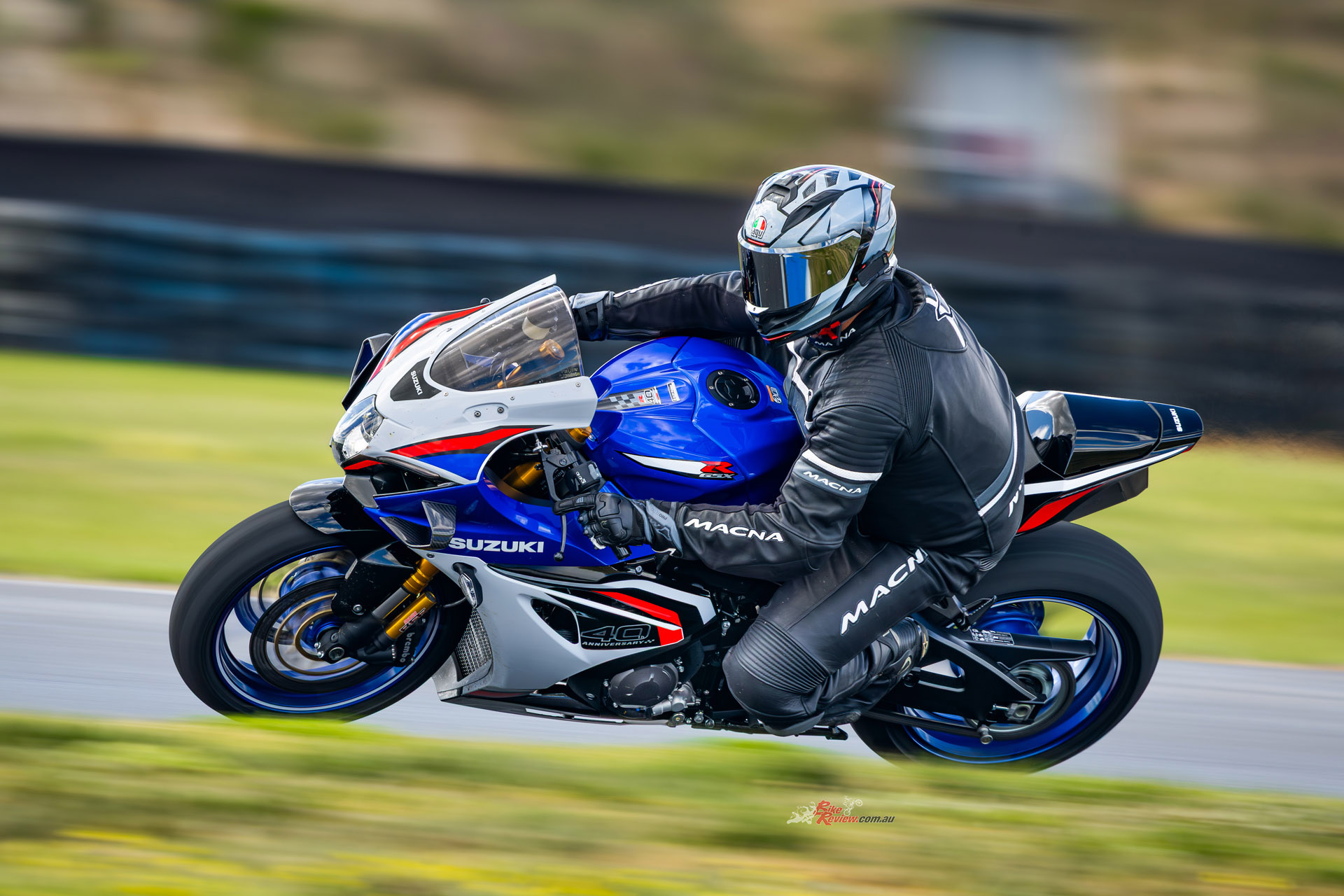
The GSX-R1000R launches like it’s been fired from a cannon: no drama, no bogging down and no giant wheelie, just brutally effective acceleration. The bike screams through first, I click second, then third, and the launch system disengages. Then it’s hard on the brakes for turn one and we’re away into the final session. By now I wasn’t thinking about whether the GSX-R was going to bite me. I was thinking about lines, braking points, corner entry, throttle pickup.
“A litre superbike shouldn’t necessarily feel easy, but the GSX-R1000R makes very serious performance accessible.”
The bike had become familiar. And that is probably the biggest compliment I can give it, a litre superbike shouldn’t necessarily feel easy, but the GSX-R1000R makes very serious performance accessible. Numbers that would have been ridiculous a generation ago, but the GSX-R1000R isn’t about the numbers, it’s about how those numbers are delivered. The inline-four is smooth, controlled and ridiculously capable.
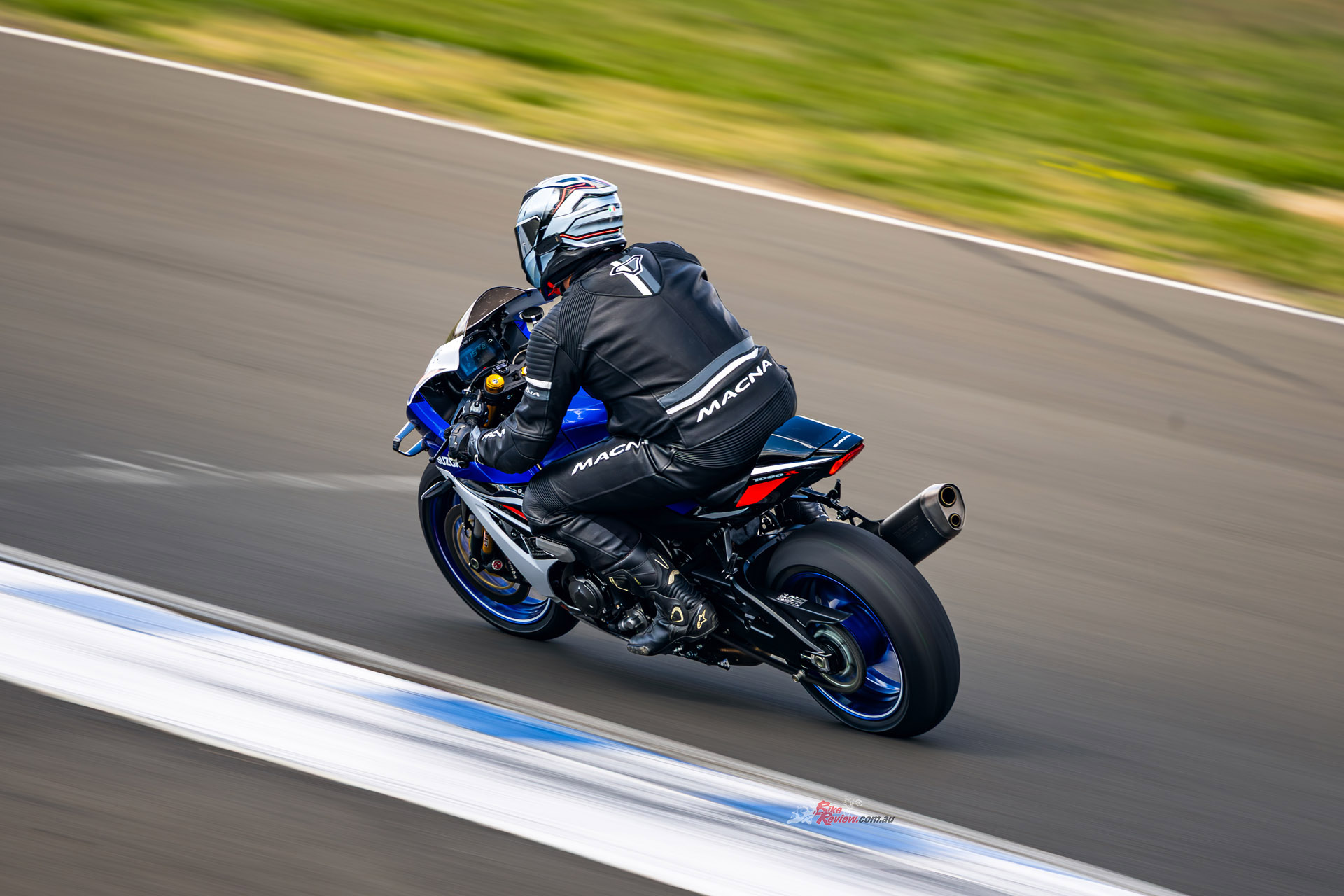
“After repeatedly braking hard for the corners at One Raceway, I never experienced the sort of vague lever feel that can creep into brakes after repeated abuse.”
The chassis is every bit as impressive. The front-end was the standout for me. It gave me confidence under braking and during turn in, while the suspension kept the bike composed as I increased my pace. The Brembo brakes are phenomenal. After repeatedly braking hard for the corners at One Raceway, I never experienced the sort of vague lever feel that can creep into brakes after repeated abuse.
The electronics are another major strength. I wouldn’t necessarily run the same settings I used on track on the road, but having the ability to tailor throttle response and traction control is exactly what you’d want from a motorcycle capable of this level of performance.
And perhaps most importantly, the electronics don’t dominate the experience. The GSX-R still feels like a motorcycle. You ride it. You make the decisions. The electronics simply help keep the consequences of those decisions within reasonable boundaries.
Conclusion
The 40th Anniversary GSX-R1000R is an interesting motorcycle because Suzuki hasn’t tried to reinvent the wheel. Instead, they’ve taken a proven platform and carefully evolved it. The engine has been substantially revised. The electronics are smarter. The emissions package is cleaner. The battery is lighter. The exhaust is slimmer. The styling celebrates four decades of GSX-R history, and the chassis retains the fundamentals that made the 2017 bike such a serious weapon in the first place.
Check out our other Sportsbike tests here...
The three anniversary colours are fantastic but for me, as mentioned, that yellow and blue combination is the standout. It has that unmistakable old school Suzuki racing vibe without making the bike look like a museum piece. And that might be the best description of the whole motorcycle. It’s a celebration of the past without being stuck in it. Suzuki has managed to retain the character that made the GSX-R famous while adding the technology needed to keep it relevant. The GSX-R1000R has spent decades earning its reputation as one of the world’s great superbikes. After finally getting my chance to ride one, I can understand why. I suggest you consider the Gixer if you are in the market for a 1000, and the 40th Anniversary model will surely become collectable in the future, too.

2027 Suzuki GSX-R1000R – Specifications
Price: From $30,990 Ride Away
Colours: 40th Anniversary Blue, Yellow or Red
Claimed power: 143.5kW@13,200rpm
Claimed torque: 110Nm@11,000rpm
Wet weight: 203kg
Fuel capacity: 16L
Fuel Consumption (Claimed): 14.7km/L
Engine: Euro5, four-stroke, four-cylinder, liquid-cooled, DOHC VVT, 999.8cc
Bore x Stroke: 76 x 55.1mm Compression Ratio: 13.8:1, Fuel Injected, RidebyWire throttle,
Gearbox: Six speed with bi-directional quick-shifter, Clutch: Wet multiplate slipper
Chassis: Twin-spar aluminium frame, braced alloy swingarm
Rake: 23 degrees, Trail: 95mm
Suspension: SHOWA SFF USD forks, SHOWA link-type rear suspension, 150mm travel each end.
Brakes: four-piston Brembo mono-block front brake calipers 310mm floating-mount dual rotors, single rear rotor Wheels & Tyres: 17in cast six-spoke aluminium wheels, 120/70-17 – 190/50-17 Bridgestone BATTLAX RACING STREET RS11 tyres (tested on R11 track versions).
Dimensions:
Wheelbase: 1470mm
Seat height: 845mm
Overall length: 2150mm
Height: 1350mm
Width: 925mm
Instruments & Electronics: LCD dash, LED Lights, two-way quick-shifter, Suzuki easy start system, Suzuki Intelligent Ride System (S.I.R.S.), Suzuki Traction Control System (STCS), SDMS, ABS.
Ratings | Bike Review | 2026 Suzuki GSX-R1000R 40th Anniversary Track Test
Wild!
Suzuki’s 40th Anniversary GSX-R1000R builds on a proven platform with a revised engine, smarter rider aids and an excellent chassis. Four sessions at One Raceway left Adam confident, smiling and finally understanding the appeal of the big Gixer.
The Author

You Might Also Like