
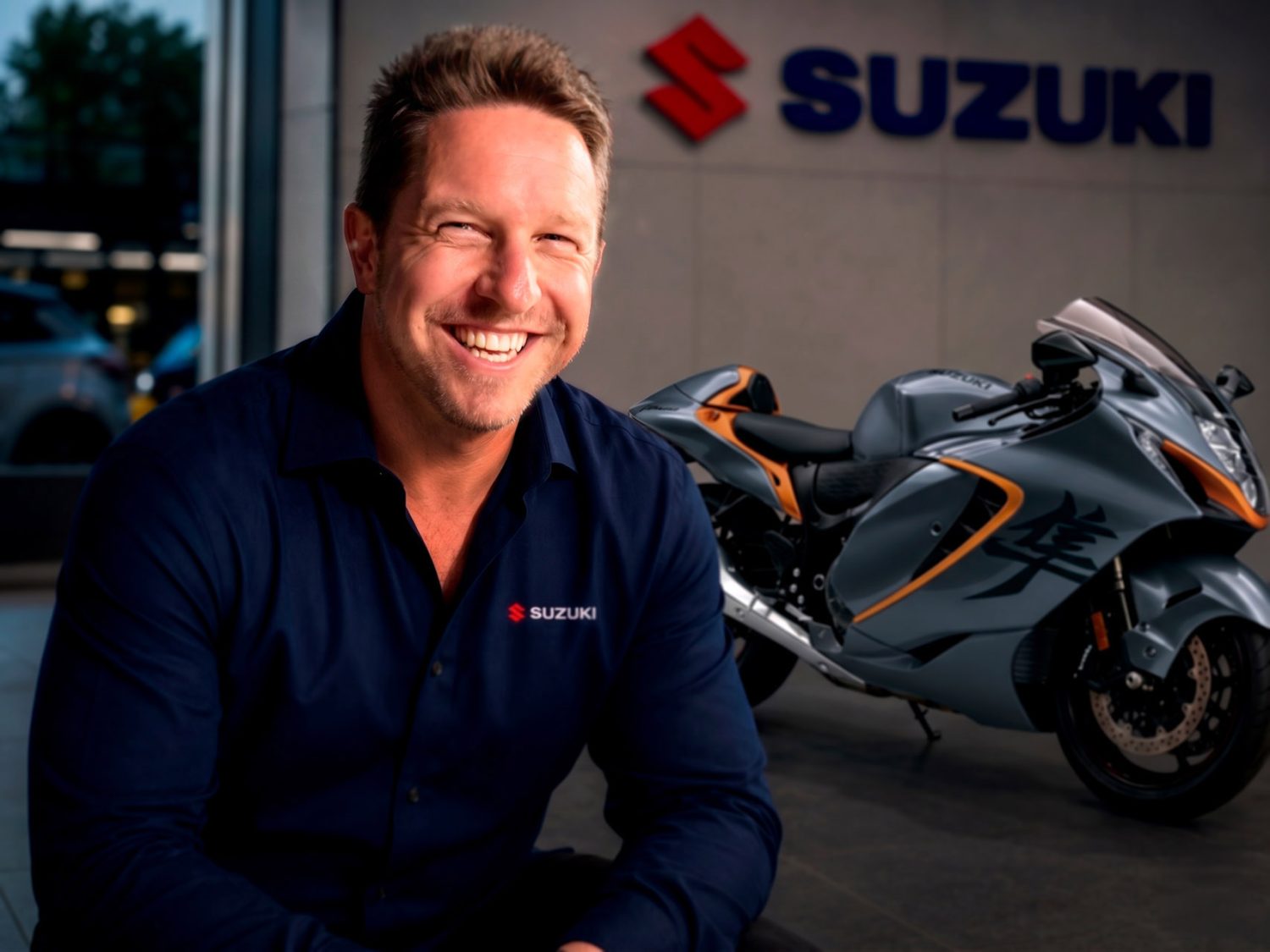

From Christmas-tree minibikes to leading Suzuki Motorcycles Australia, Sean Sealey’s lifelong passion for motorcycles, racing and people has shaped an impressive industry career...
Suzuki Australia GM Sean Sealey reflects on dealer relationships, customer loyalty and emerging tech. He talks about the growing competition from emerging marques and the future direction of one of motorcycling’s best-known brands.
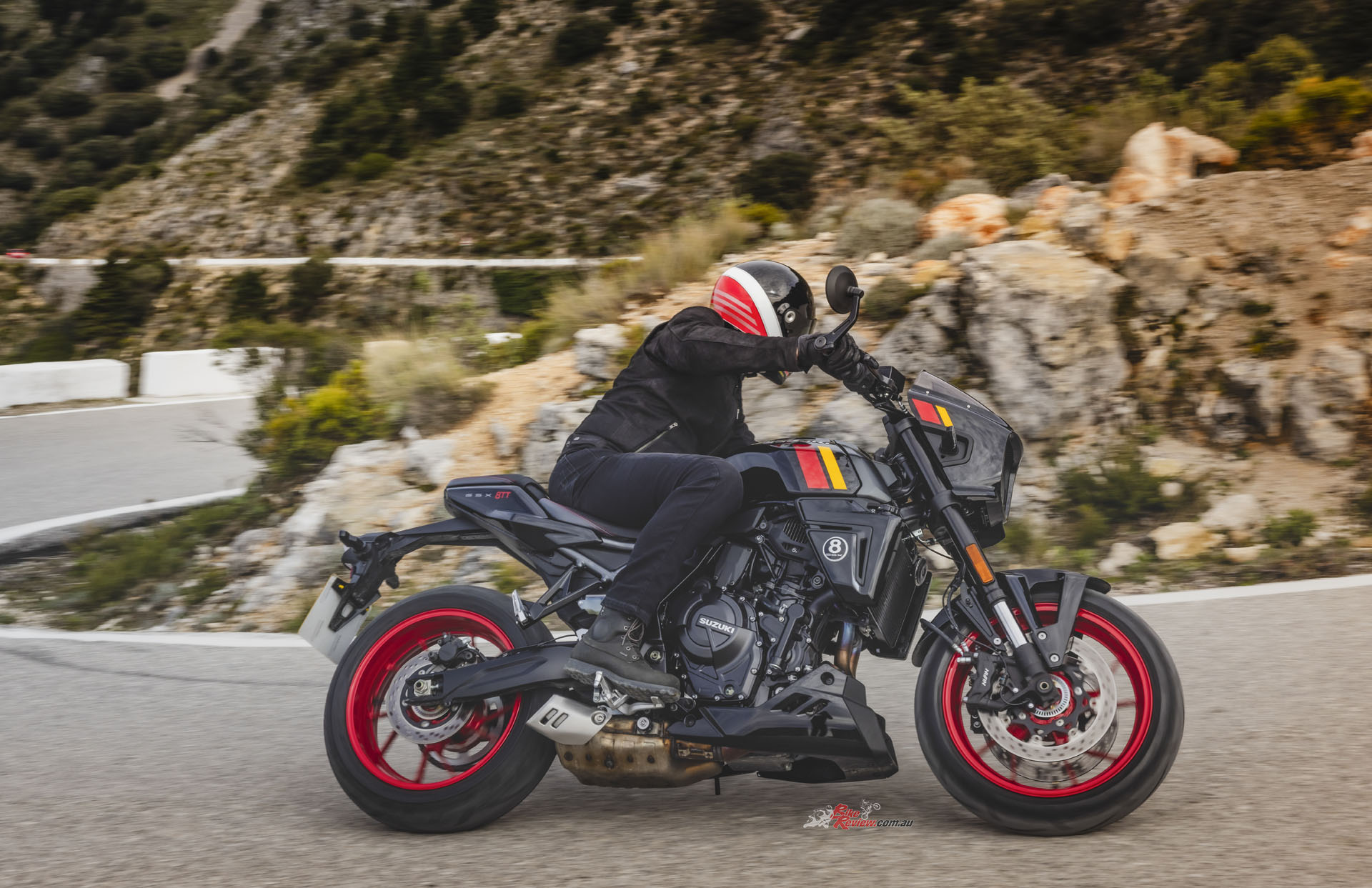
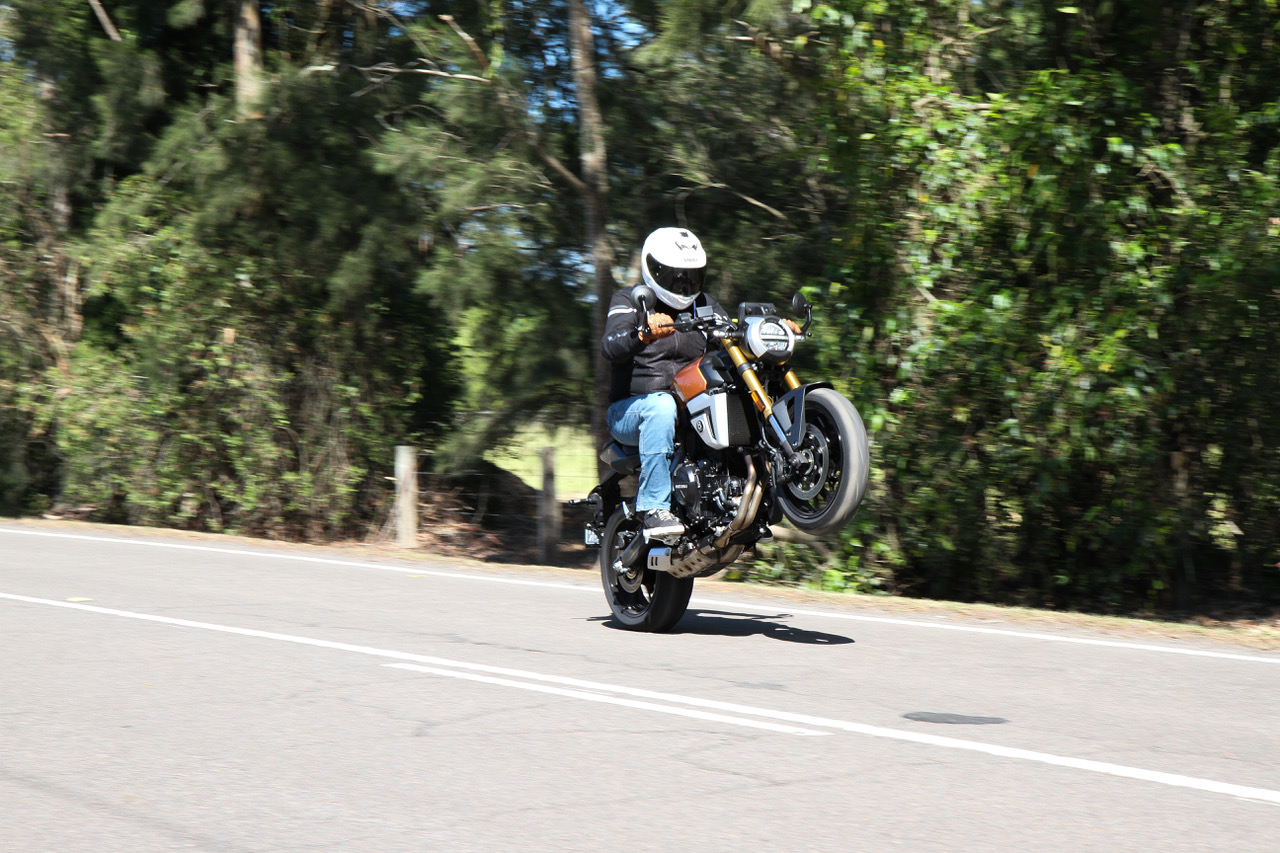
The retro-styled 800TT is the latest in the 800cc parallel-twin platform.
Sean Sealey was five-years-old when a motorcycle under the Christmas tree would ultimately shape his future. And an ultimatum from his motorsport-loving family which made him choose between bikes and go-karts when he was 12 only firmed up the inevitable. Now, nearly three decades later, he’s almost 12 months into his role as Suzuki Motorcycles General Manager after a four-year hiatus from the motorcycle industry. “I started with Suzuki in 2014 and did a few sales-based type roles and I departed in 2021,” Sealey says. “And I returned to take on this role in July 2025.”
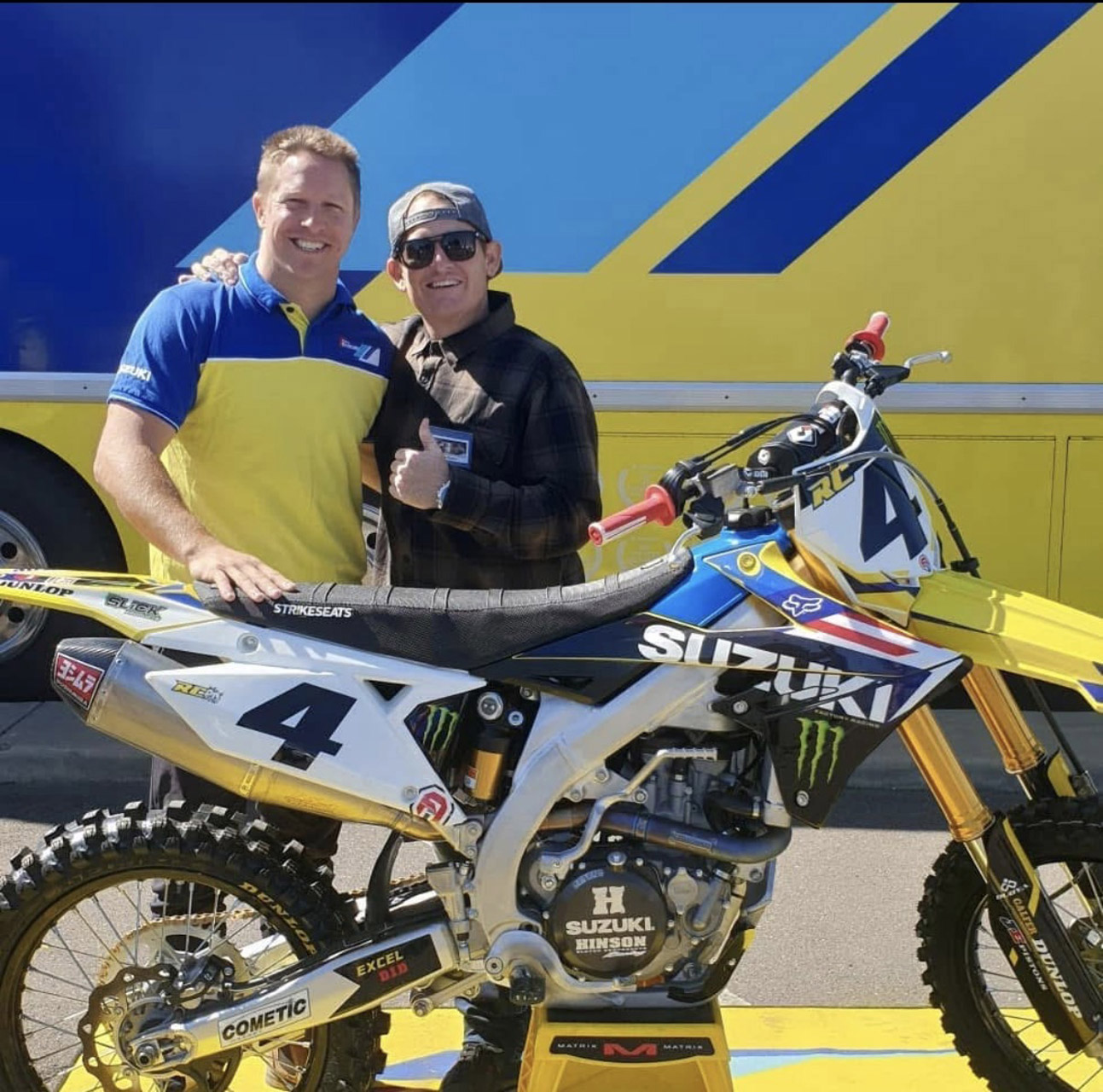
There’s an openness in the way Sean talks about his love for motorcycling that feels more like bar banter than corporate interview and it’s a rare and frankly unexpected trait from a GM of a Japanese manufacturer. Much of this is very obviously down to Sealey’s likeable personality, but those handful of years away from the company – both during and post-covid – gave the now father of three girls, aged 14, 11 and eight, a different and important perspective.
There’s an openness in the way Sean talks about his love for motorcycling that feels more like bar banter than corporate interview
Suzuki’s recent years, like others, have been shaped by transition. Roll-over protection changes, ABS regulations and shifting market expectations forced the company to rethink parts of its line-up, while newer competitors arrived with aggressive pricing and growing confidence. Sealey returned without the baggage of fighting those battles in real time.
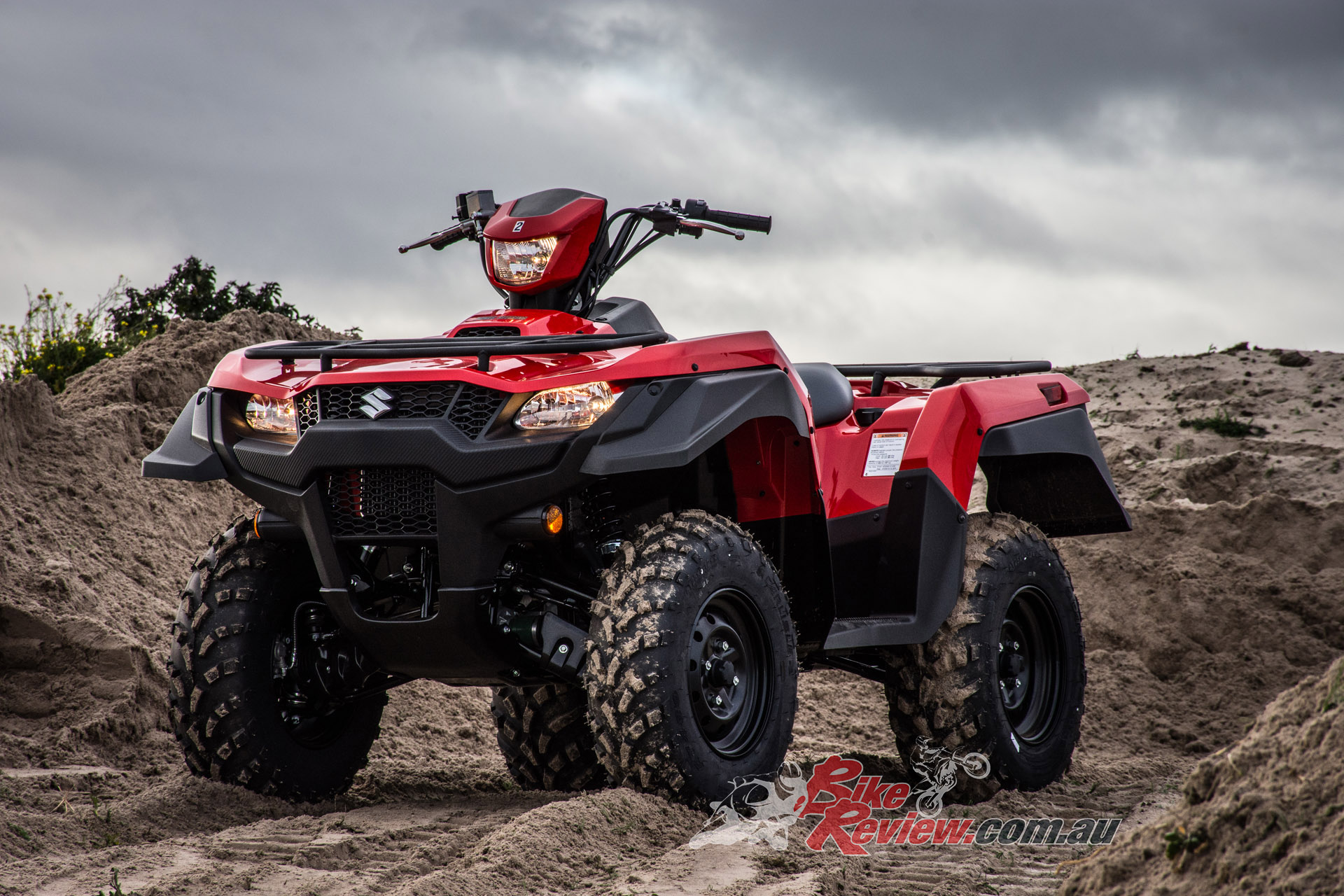
Suzuki was one of four ATV manufacturers who withdrew their utility models from the Australian market due to the Operator Protection Devices mandate.
“When you’re so deeply involved in the industry, you see everything, right, and you can sometimes have a channeled perspective,” he says. “But by then becoming a spectator, you get a totally different view on how the brands are represented and the image they portray external to the organisation. So coming back, your perspective is a lot broader, it was like ‘okay, this is what we have, this is where Suzuki exists today based on our current format, now how can we make the most with this?
“And the return has been great, to be honest, I’ve been very warmly welcomed.”

That broader perspective seems to have reinforced what Suzuki arguably does best. While parts of the motorcycle industry continue expanding into higher performance, more technology and stronger lifestyle positioning, Suzuki still appears most comfortable building approachable, usable motorcycles aimed at real-world riding. It’s a philosophy that has garnered a large and loyal brand following since its 1952 inception.
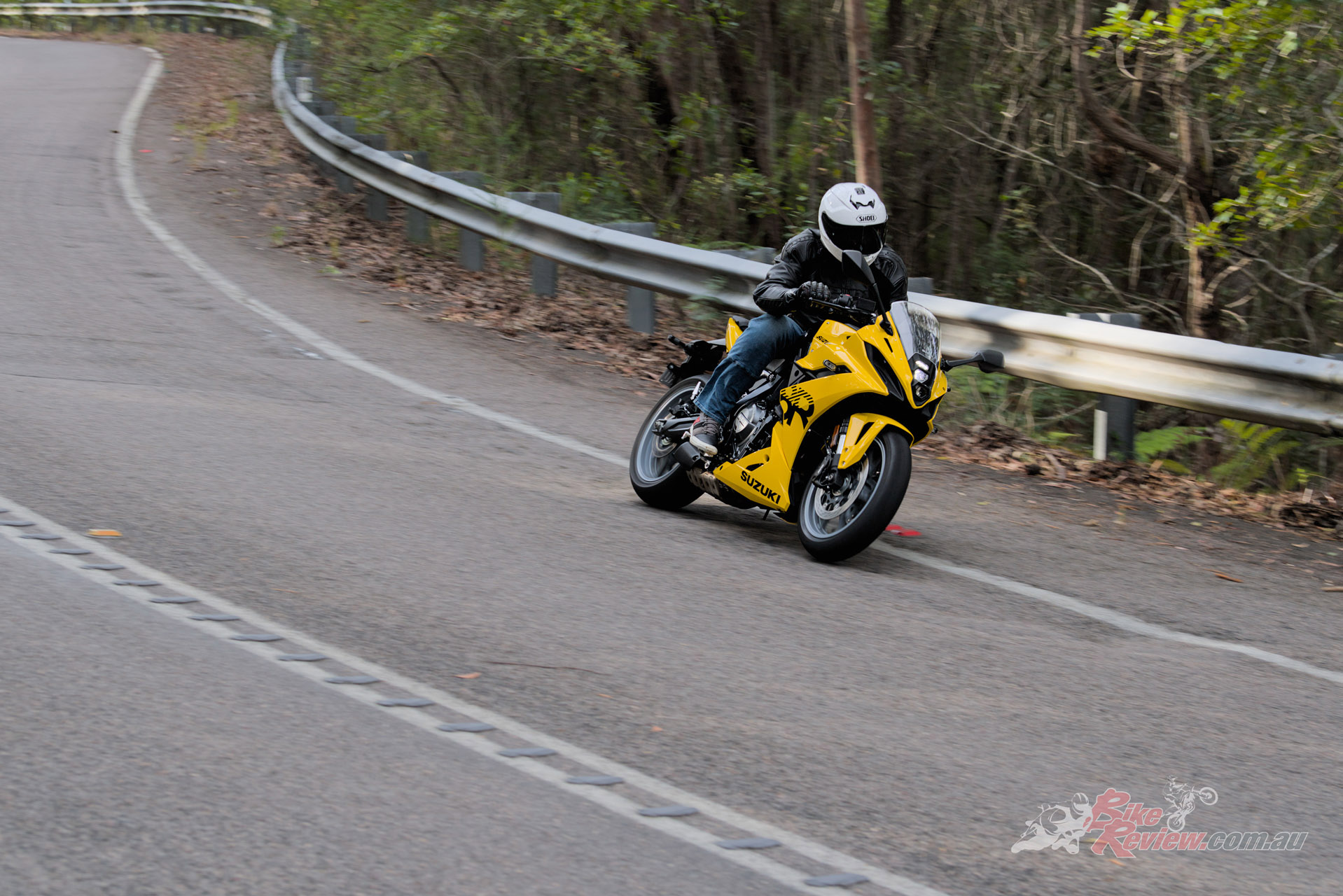
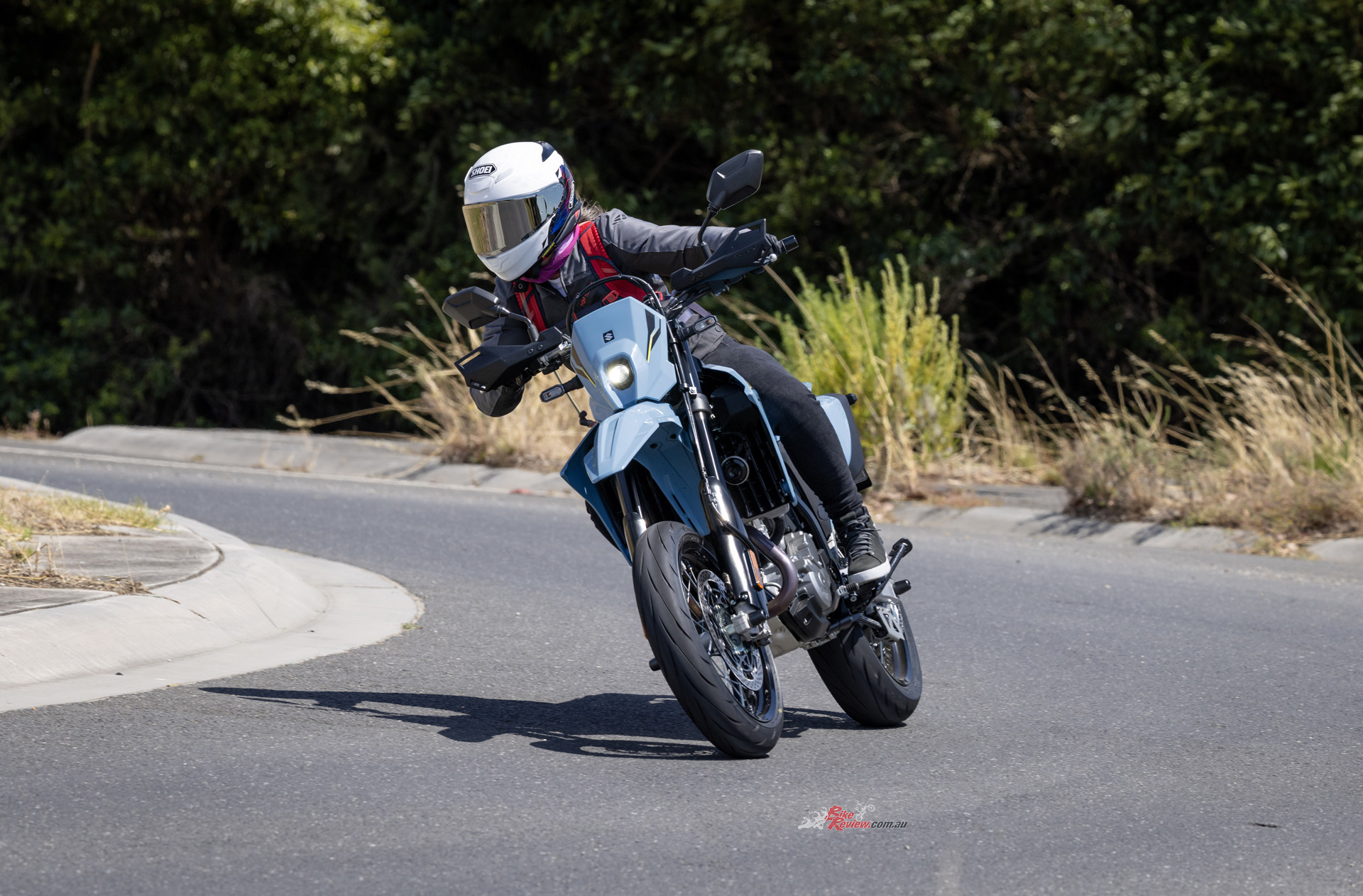
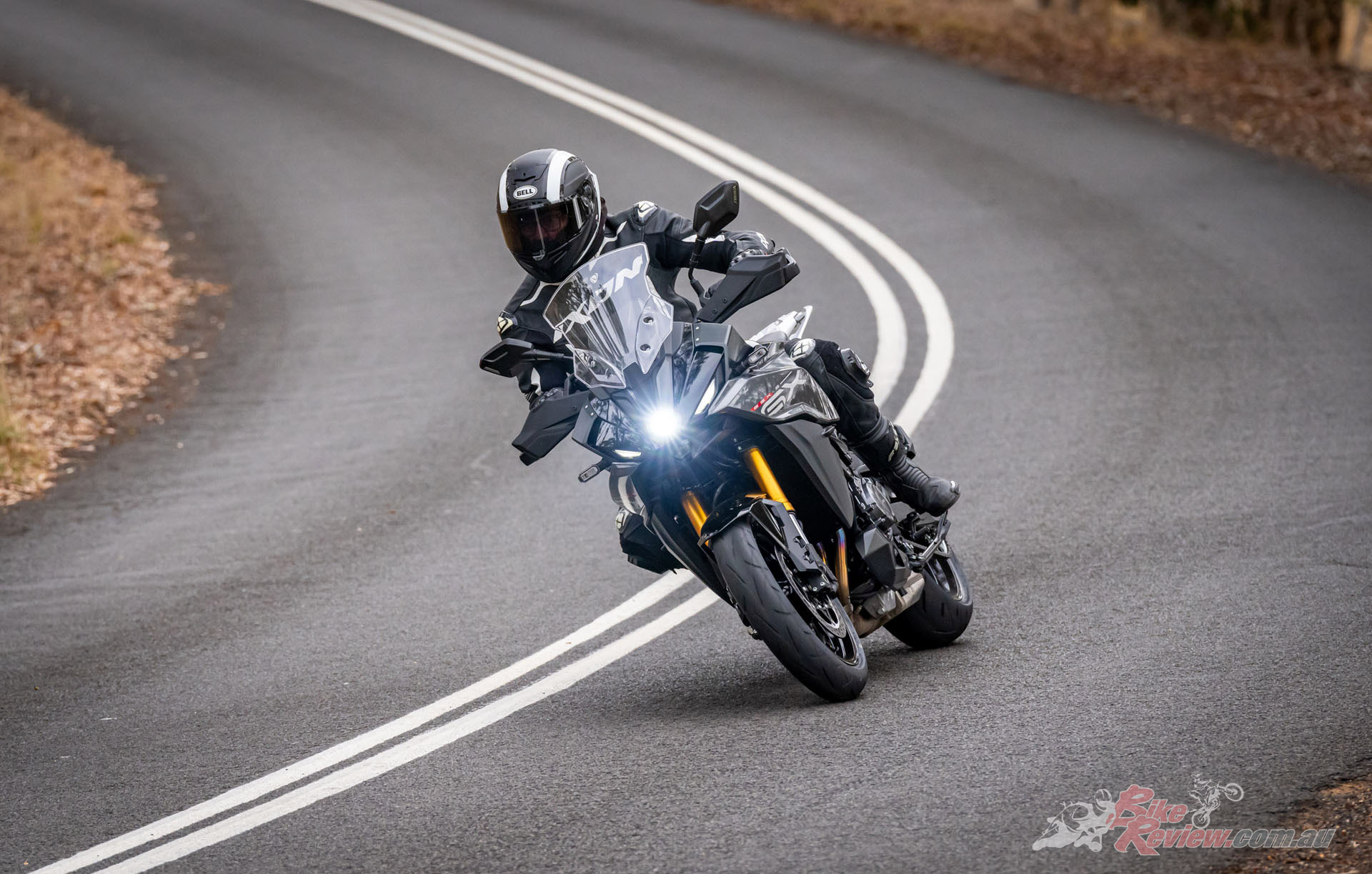
Sealey believes the strong reception to Suzuki’s 800cc parallel-twin platform reflects the broad appeal of that middleweight category. Shared across the GSX-8 range and V-Strom models, the platform sits in what he sees as a practical sweet spot for modern riders. “I think supersport in its true form is nearly like a supercar or hypercar now,” he says. “They’re amazing products, but that 80 to 100 horsepower range, I think the public have really seen that’s the ideal for regular use.”
“I think supersport in its true form is nearly like a supercar or hypercar now”
That philosophy also aligns closely with Suzuki’s recently introduced ‘By Your Side’ corporate direction, which focuses on building motorcycles that suit a broad spread of riders rather than developing increasingly narrow niches. “We’re trying to build the right products for the right purpose, for the right user,” Sealey says. “And I think this 800 category has allowed us to capture a lot of customers.”
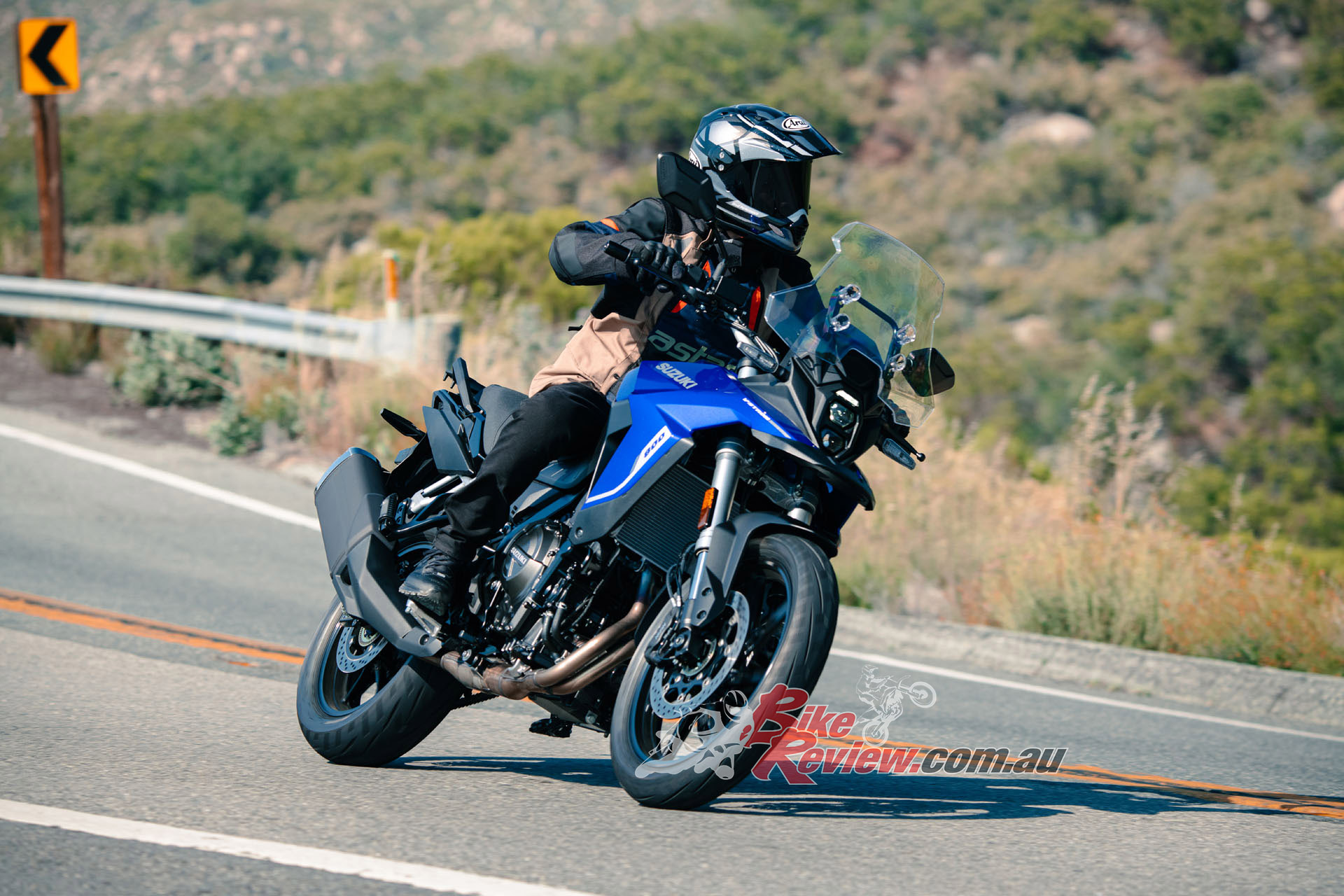
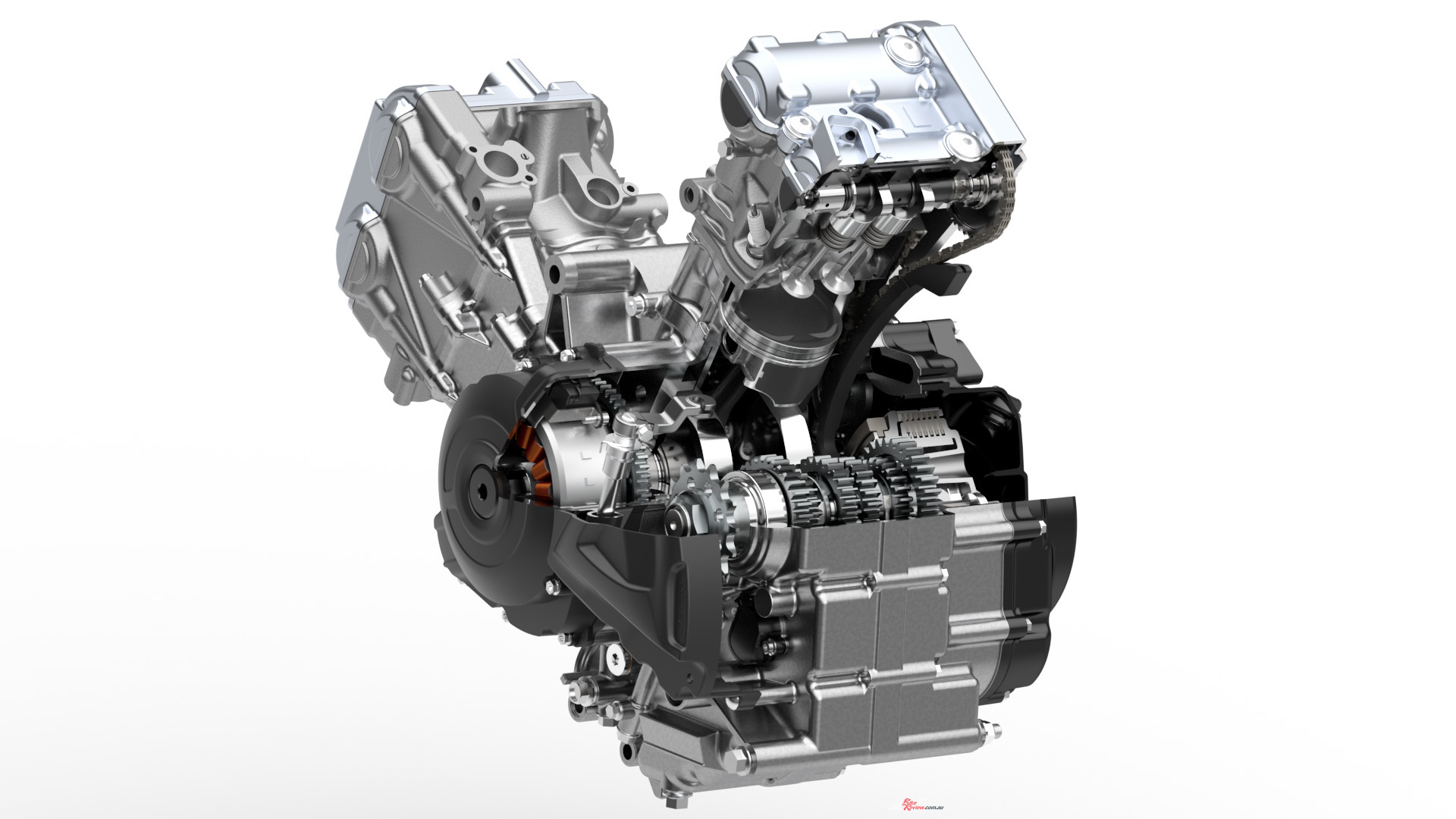
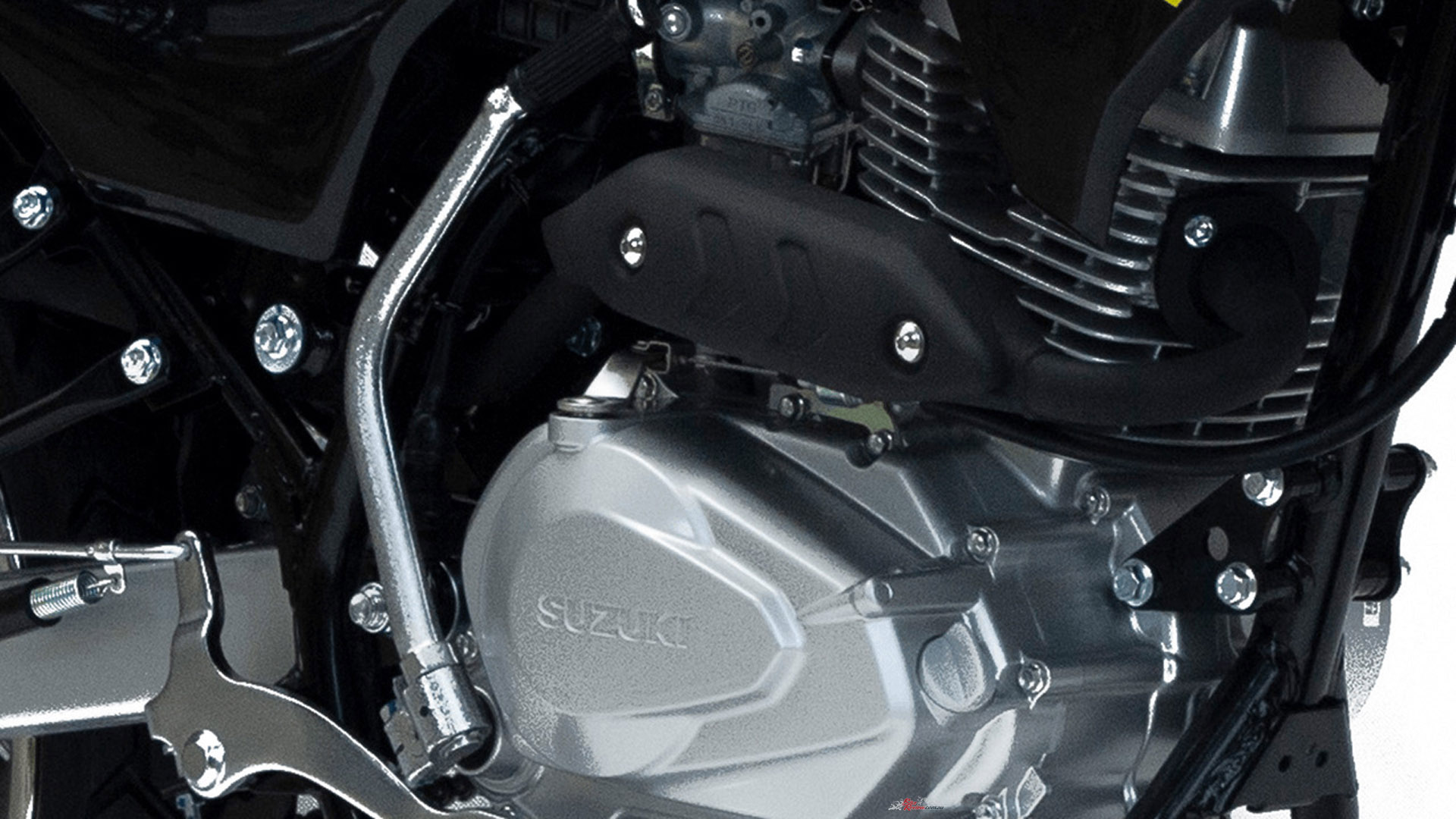
The 800cc parallel-twin engine currently powers six Suzuki models.
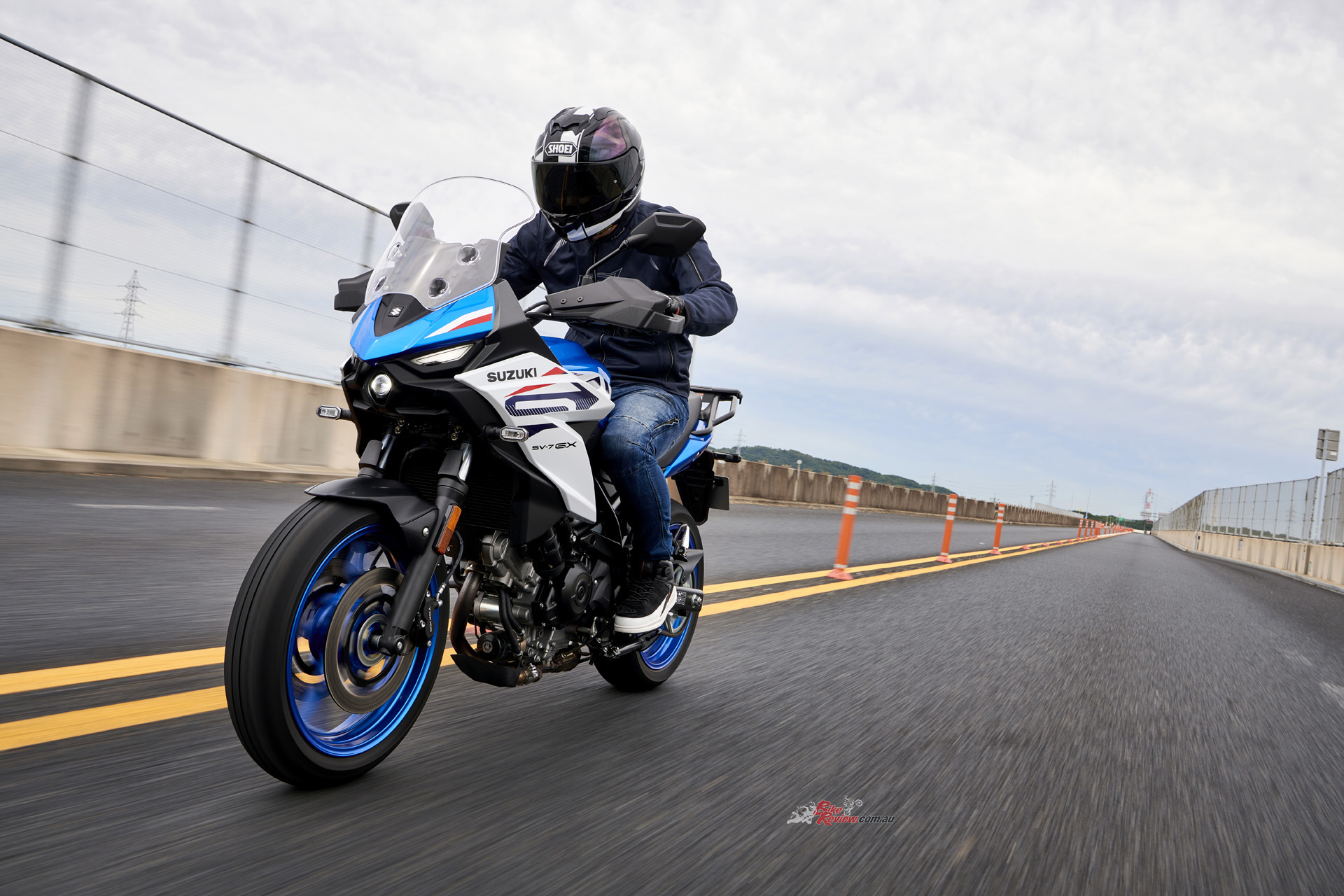
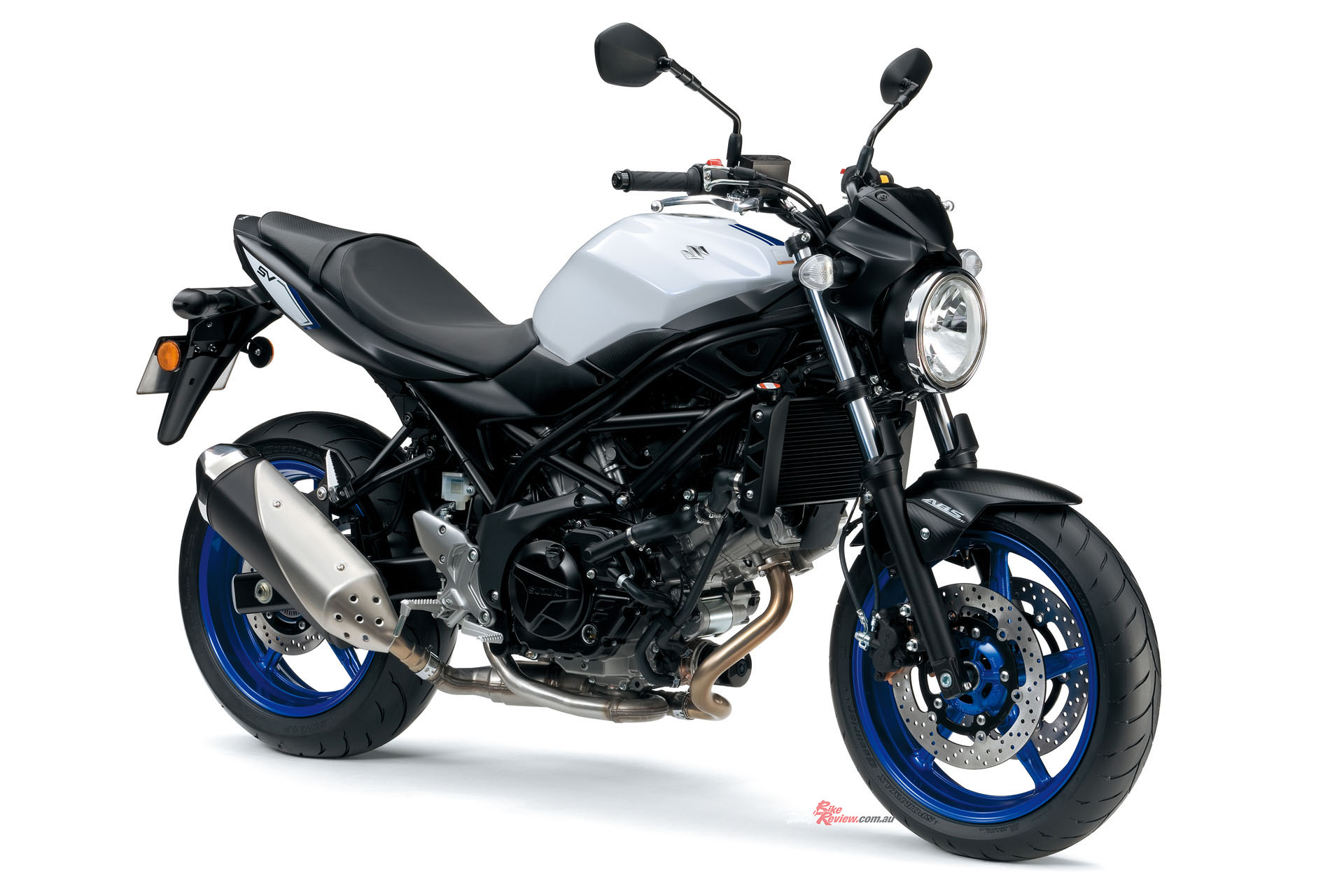
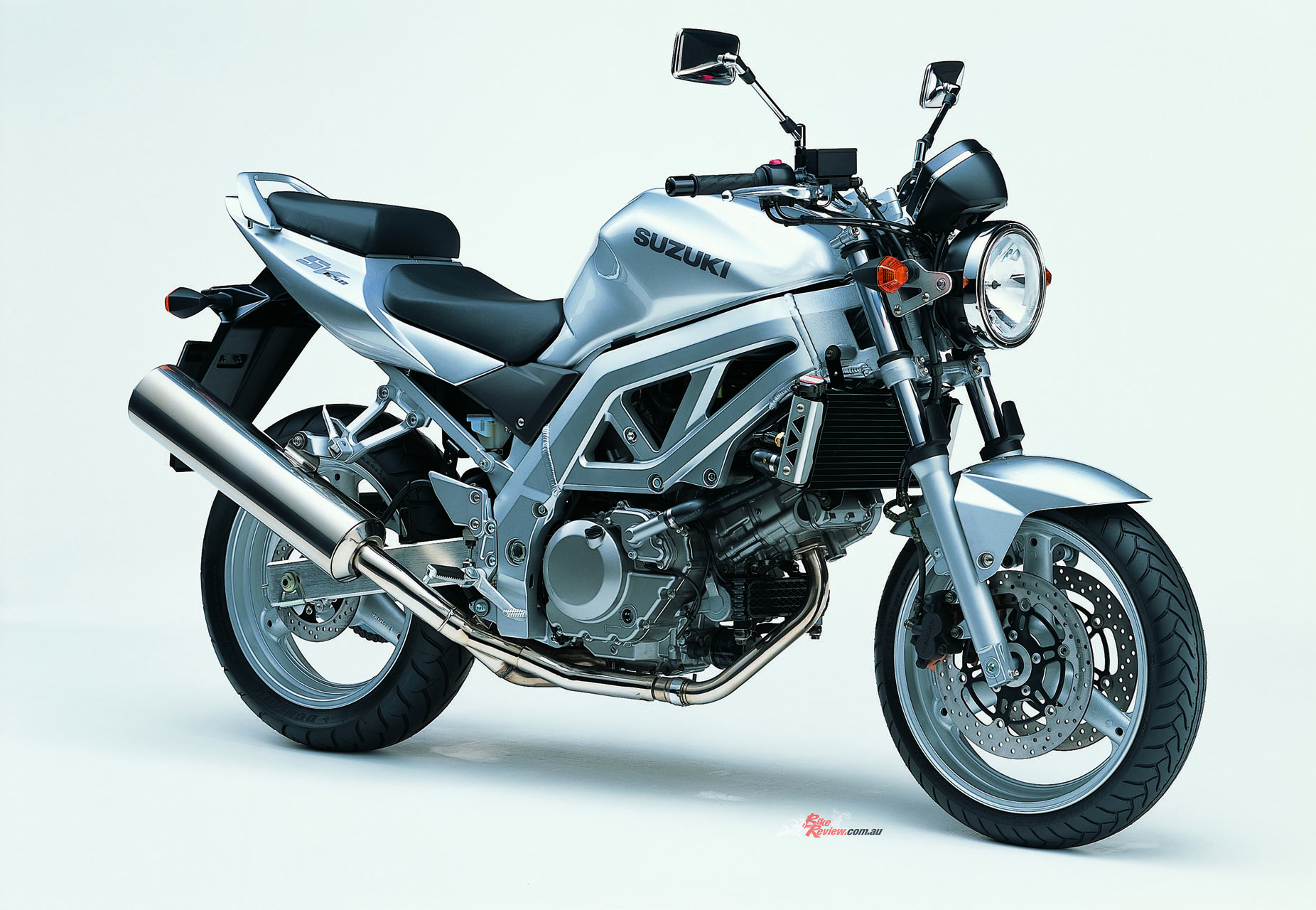
At the same time, Suzuki hasn’t abandoned the motorcycles that helped establish its reputation in the first place. Sealey confirms the new SV-7GX is currently targeted for an Australian arrival in Q4, carrying forward the V-twin lineage that has become one of the brand’s defining signatures. Globally, Suzuki has produced more than 500,000 examples of the platform, and Sealey says local interest in the new model is already strong. “The characteristic of that V-twin is really nice, so I’m glad that’s continuing into the future,” he says. “And we’re already receiving a lot of requests for it already, so that’s good.”
That emphasis on usability and familiarity also extends beyond the motorcycles. Sealey repeatedly returns to the importance of reconnecting with Suzuki owners, dealers and long-time enthusiasts, particularly after a period where much of the industry became consumed by supply challenges and post-pandemic recovery.
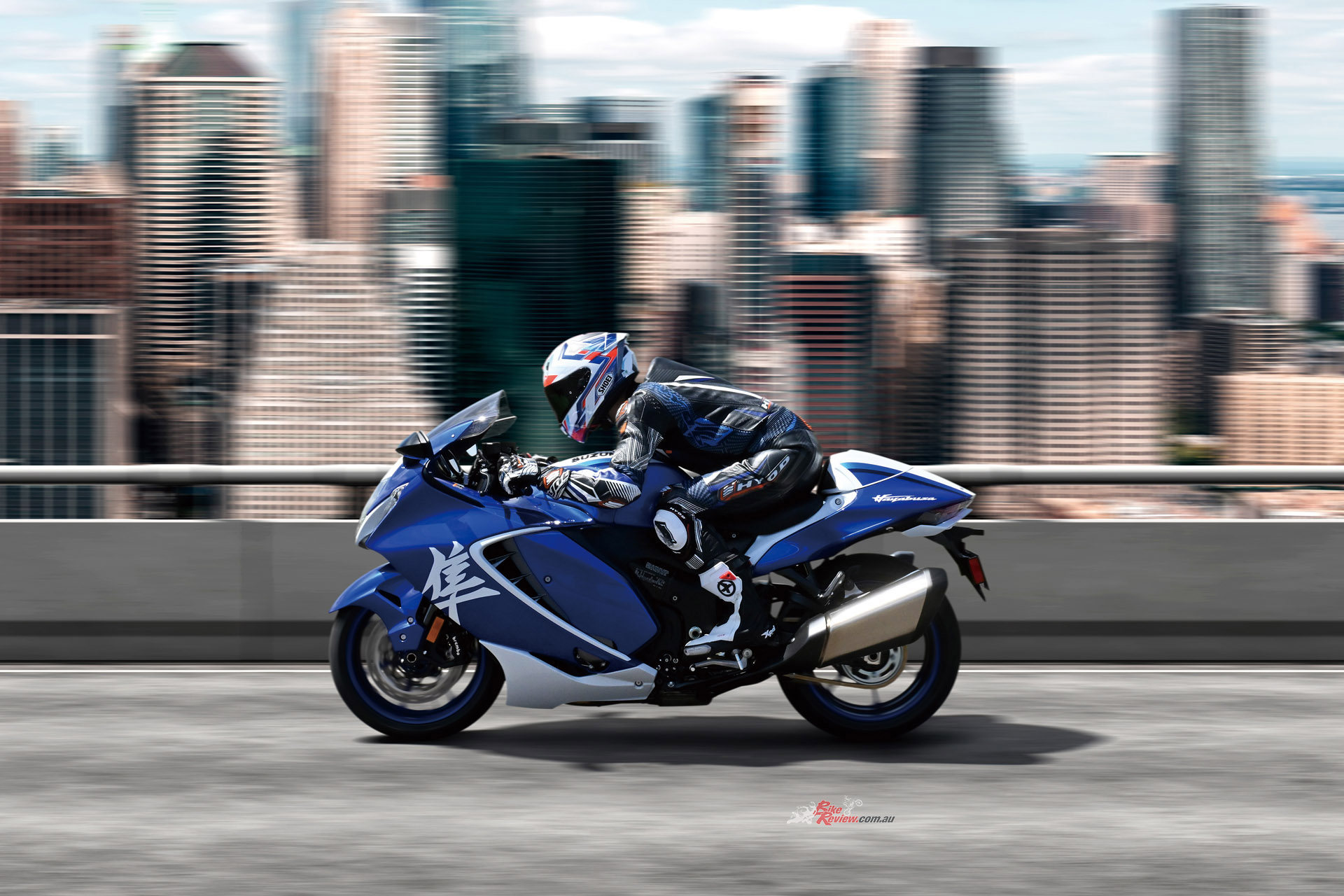
The Aussie market was allocated eight special-edition Hayabusas, and Suzuki loyalists snapped them up in minutes.
One of the clearest signs of that connection came through Suzuki Australia’s recent online sale of the limited-edition Hayabusa. Just eight motorcycles were allocated to the timed online release and all sold within three minutes. “That might even be an industry first,” Sealey says. “The amount of people that came to our website for that sale was incredible.”
“Just eight motorcycles were allocated to the timed online release and all sold within three minutes”
More importantly, the response highlighted just how passionate and engaged Suzuki’s customer base still is. Few brands enjoy the sort of long-term loyalty Suzuki has built over decades.
“It really returned a huge outpouring of Suzuki fan base again,” he says, and was quick to stress Suzuki’s online sales approach still works through its dealer network rather than around it, with customers selecting their preferred dealership for delivery, accessories and ongoing support.
Strengthening those dealer relationships has also become a major focus internally. Suzuki recently returned to holding national dealer meetings for the first time in several years, something he says was extremely well received across the network. That dealer relationship remains central to Suzuki’s local strategy moving forward. Multi-franchise dealerships continue to face growing complexity as brands, inventory and product categories expand, but Sealey believes strong dealer support remains one of Suzuki’s greatest advantages.
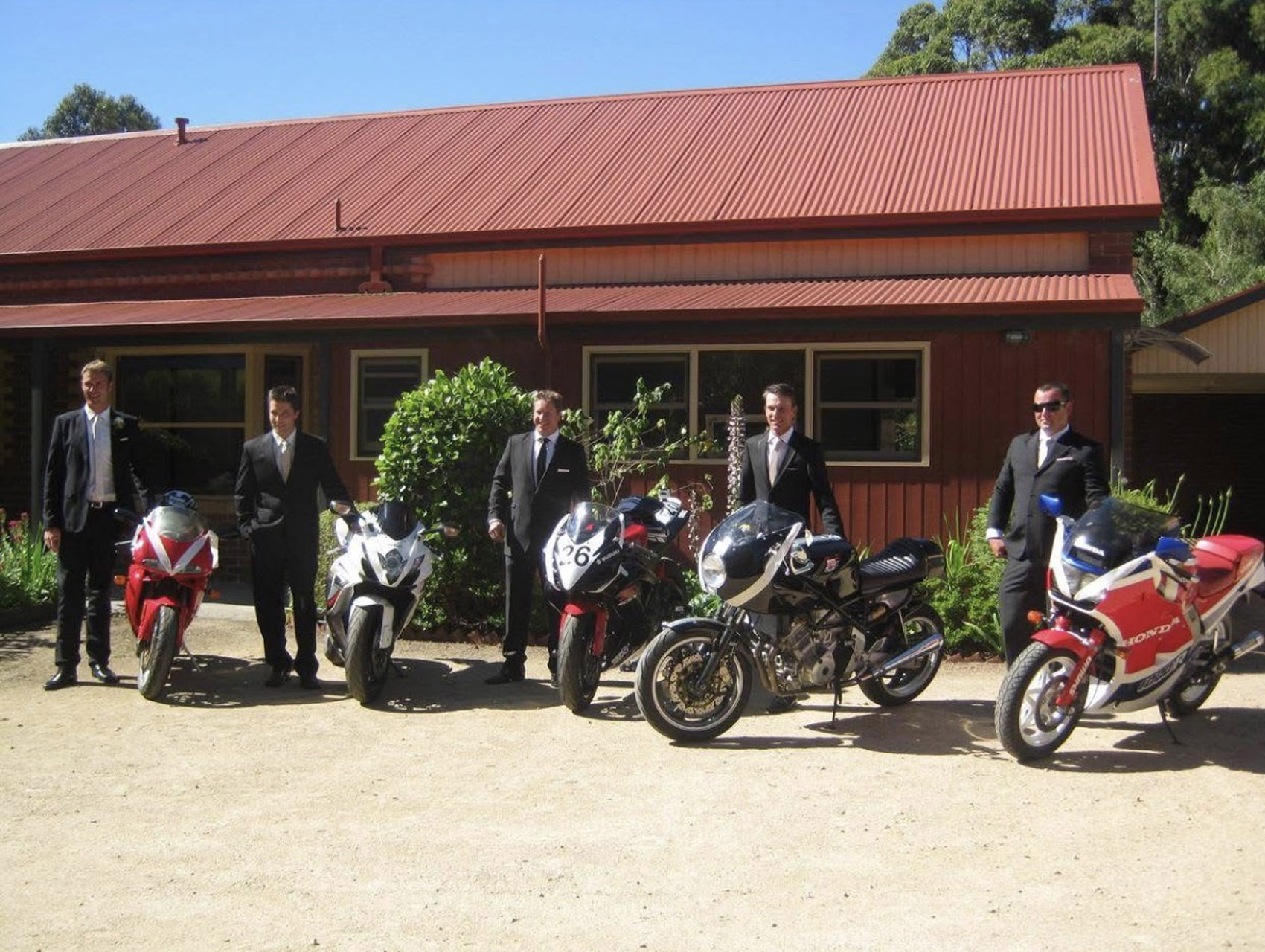
Oh course Sean Sealey would invite his Suzuki GSX-R to his wedding!
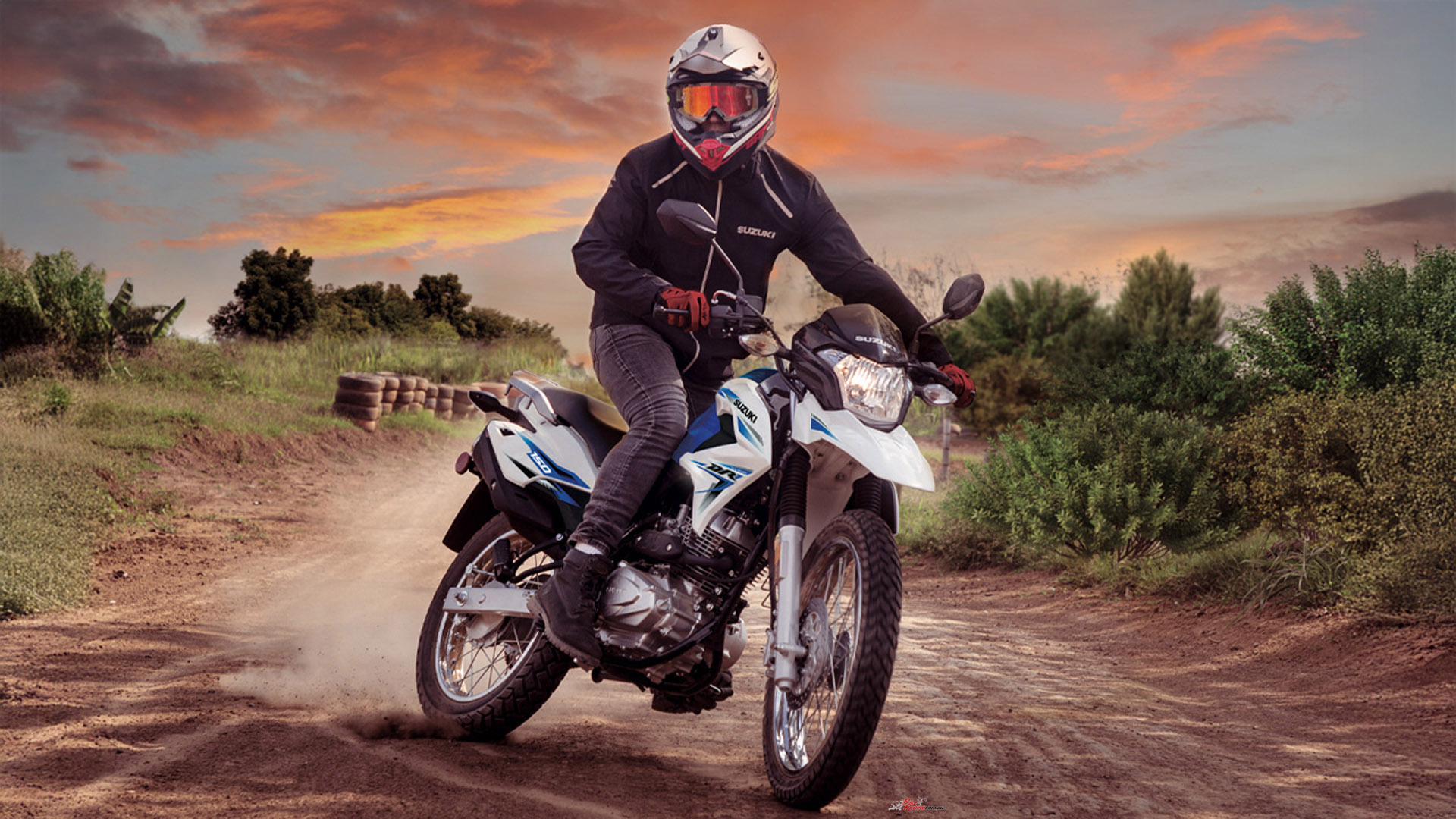
The focus now is increasingly moving towards customer engagement beyond the showroom floor. Dealer-supported rides, stronger club involvement and Suzuki-led events are all firmly on the agenda, including potential rides centred around the incoming DR-Z4S and the brand’s established DR and V-Strom communities. “We know we’ve got so many true Suzuki fans,” Sealey says. “But it’s about making sure they feel valued again. We want them to feel proud about owning a Suzuki.”
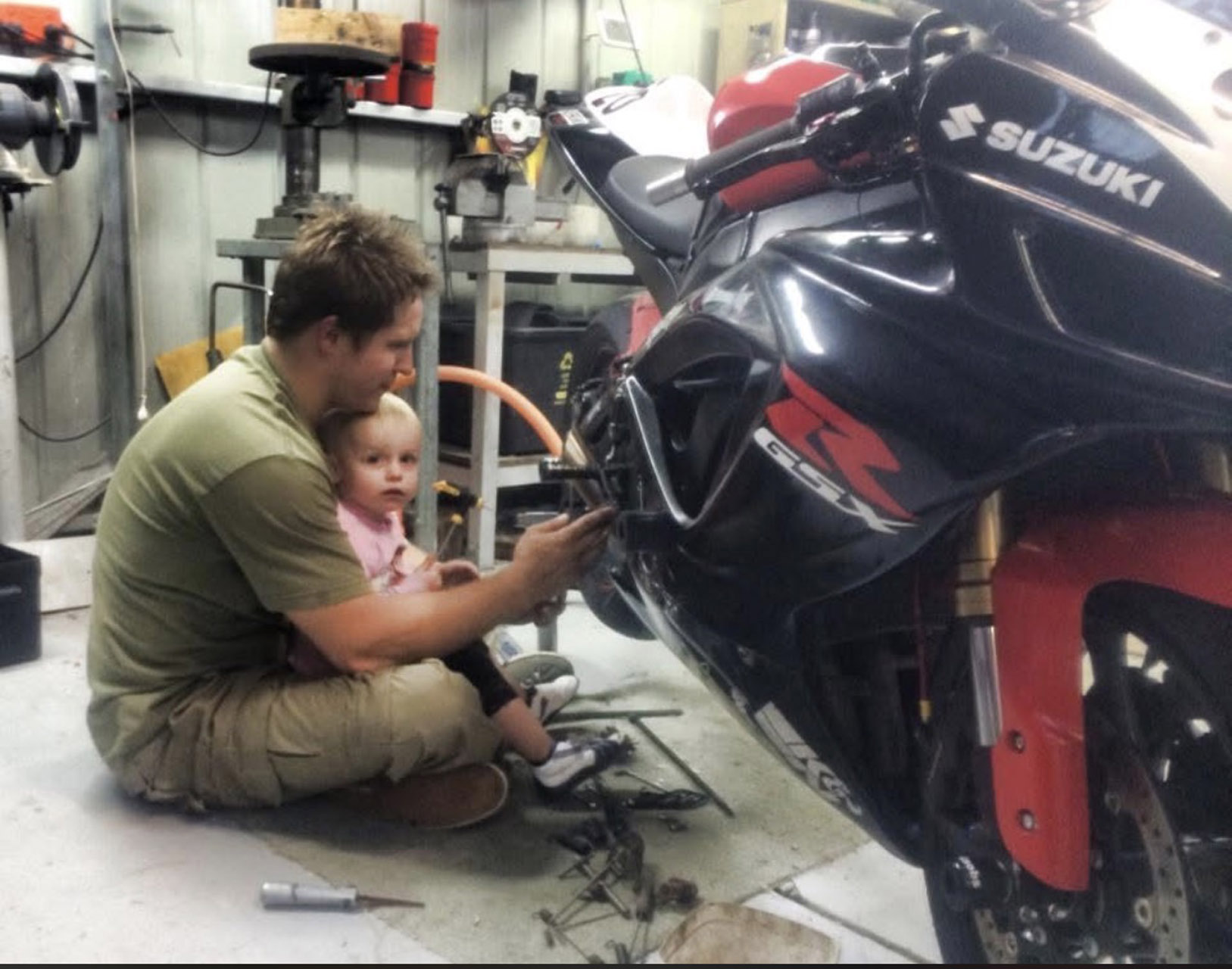
When kids came along, Sean switched his focus from off-road to track-day riding.
That loyalty becomes increasingly important as the Australian motorcycle landscape grows more crowded. Emerging manufacturers continue arriving with sharper pricing, longer feature lists and increasingly polished products, particularly in the entry-level and mid-capacity segments where value plays such a significant role in purchasing decisions.
Sealey is realistic about the changing competitive environment and acknowledges the pressure it places on established manufacturers. But he also believes long-term ownership experience still matters, particularly as riders progress beyond their first motorcycle. “We still see customers value the quality, the history and the dealer network,” he says. “Particularly as they progress through their motorcycling journey.”
“We still see customers value the quality, the history and the dealer network”
Suzuki has also responded to that affordability pressure itself through its Indian and Indonesian-built models, including the V-Strom 250 and GSX250 range, which have become some of the company’s strongest-selling motorcycles locally. “There’s always going to be that subset of affordable-driven motorcycles,” Sealey says.
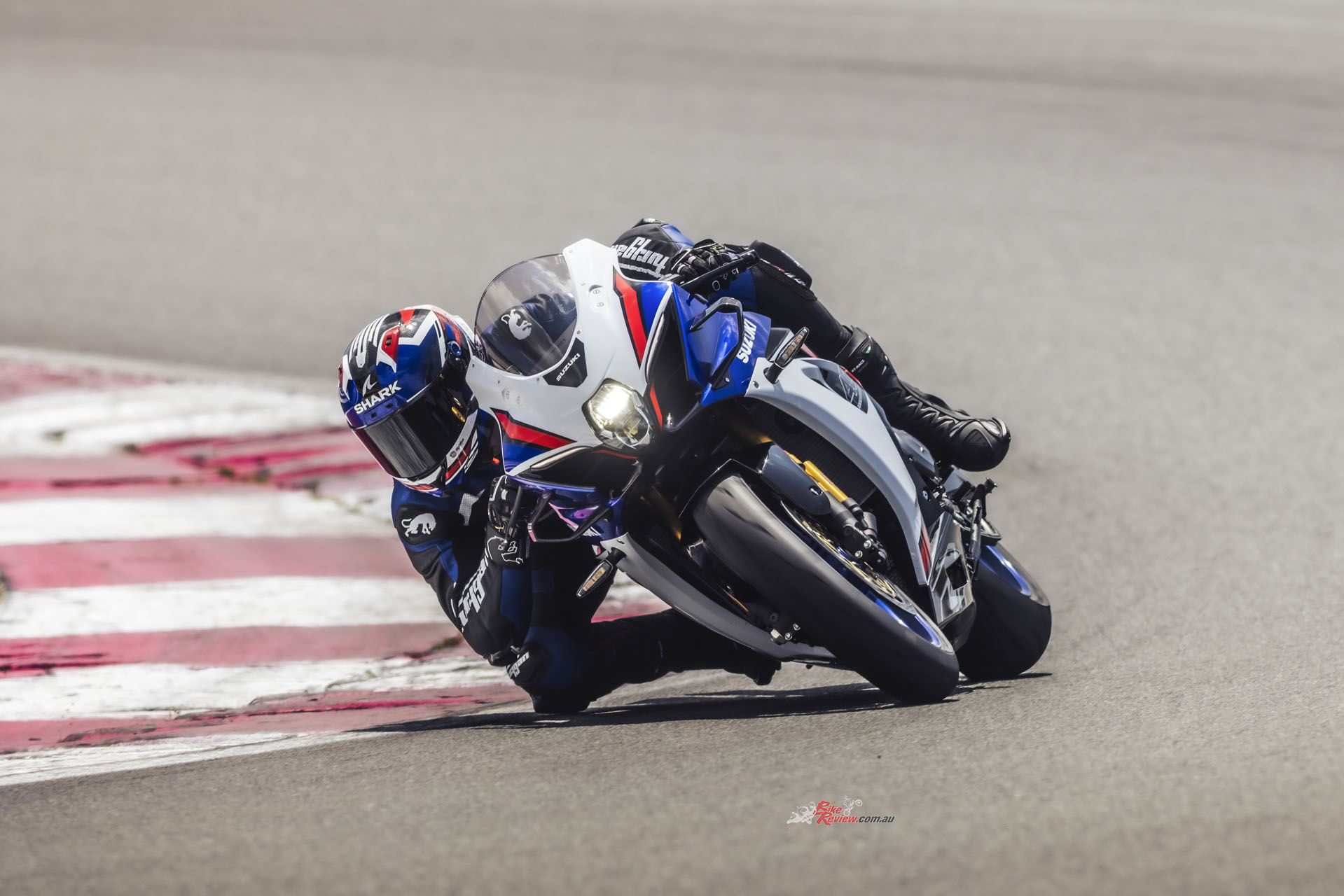
producing 40th Anniversary models is the one thing emerging brands can’t compete with, Sean says.
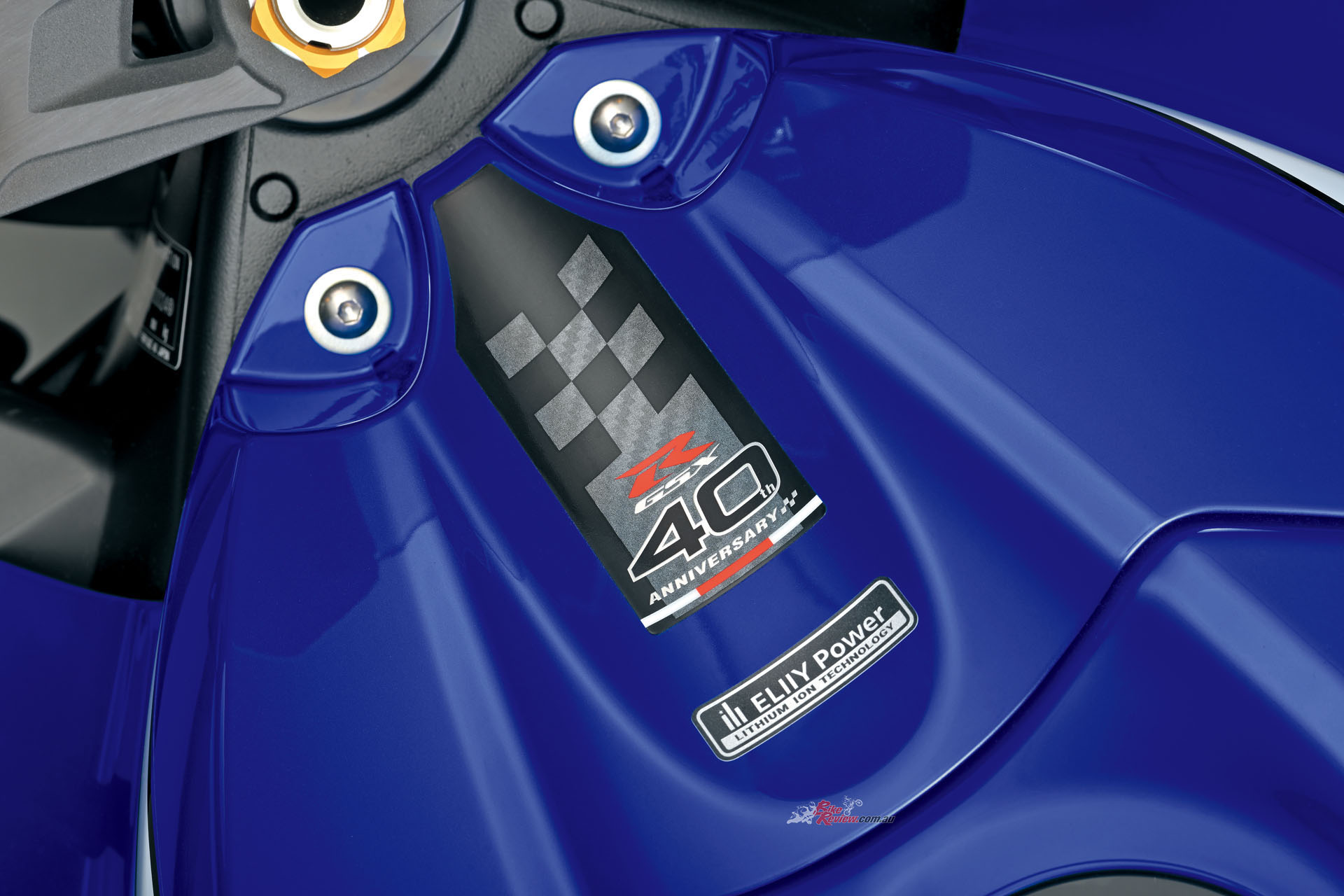
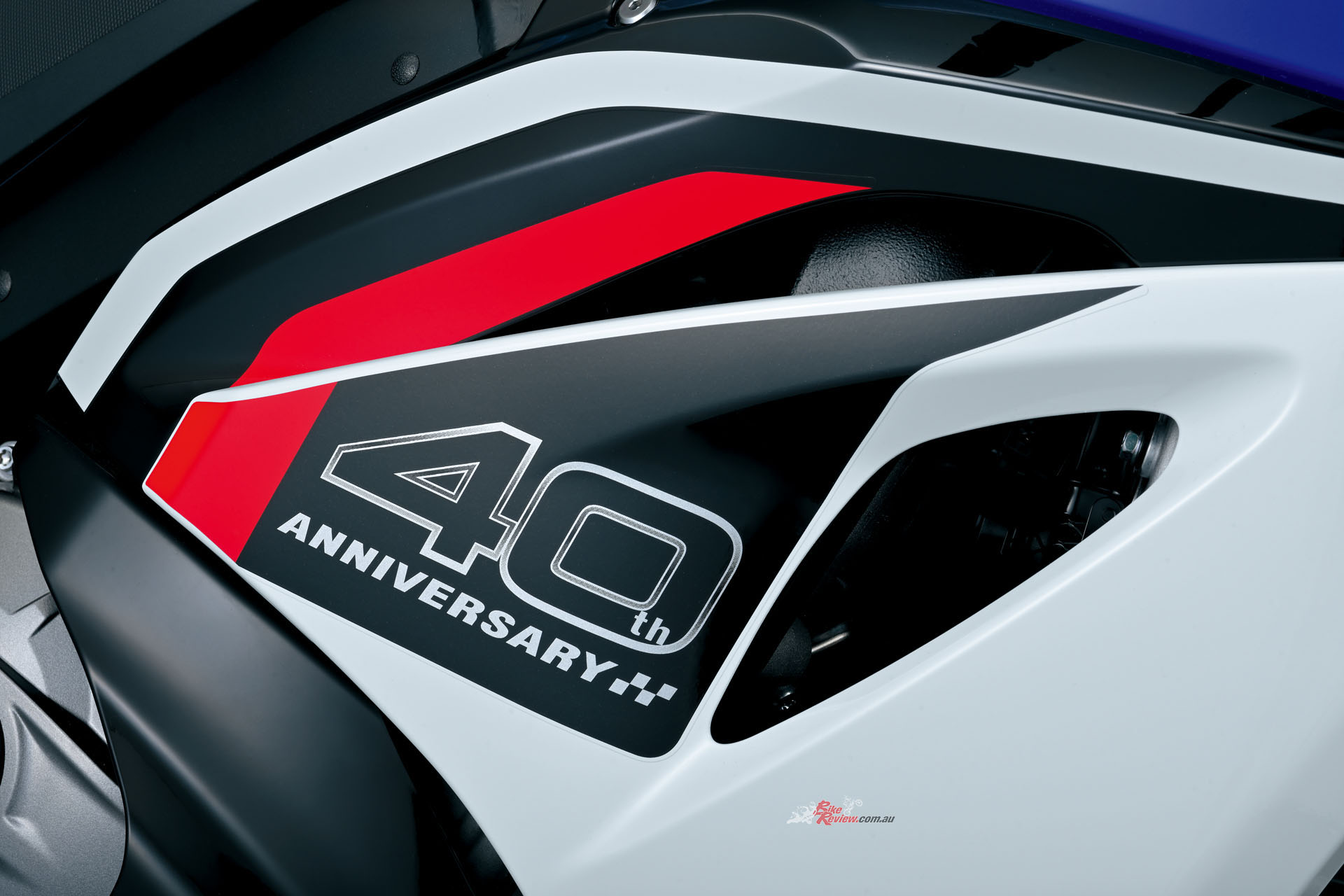
At the same time, he believes heritage remains one advantage newer brands simply can’t fast-track. Suzuki’s 40th anniversary GSX-R models arriving later this year are one example of how heavily that history still resonates with riders. “It’s amazing how people view 40 years of GSX-R,” he says. “You obviously can’t build that in a short space of time.”
Like every major manufacturer, Suzuki is also navigating the uncertain path towards lower-emission transport, though Sealey is careful not to frame electrification as a one-size-fits-all solution for motorcycling. Suzuki has already introduced its e-Address electric scooter in India and previously announced plans for a broader electric motorcycle rollout globally, but locally the company is still taking a measured approach. “We’re certainly keeping an eye on it,” Sealey says. “And if it’s something that we see as being a worthwhile and value-packed product here in Australia, then we’ll certainly consider it longer term.”
“I don’t think electric is the be all and end all. I think there’s going to be lots of different options that will work”
Rather than viewing electrification as the single future of motorcycling, Sealey sees it as one part of a much broader mix that also includes alternative fuels and evolving engine technologies. Suzuki has explored synthetic and alternative fuel development internationally through its racing programs, while broader changes in areas like tyre technology and emissions reduction continue progressing behind the scenes. “I don’t think electric is the be all and end all,” he says. “I think there’s going to be lots of different options that will work.”
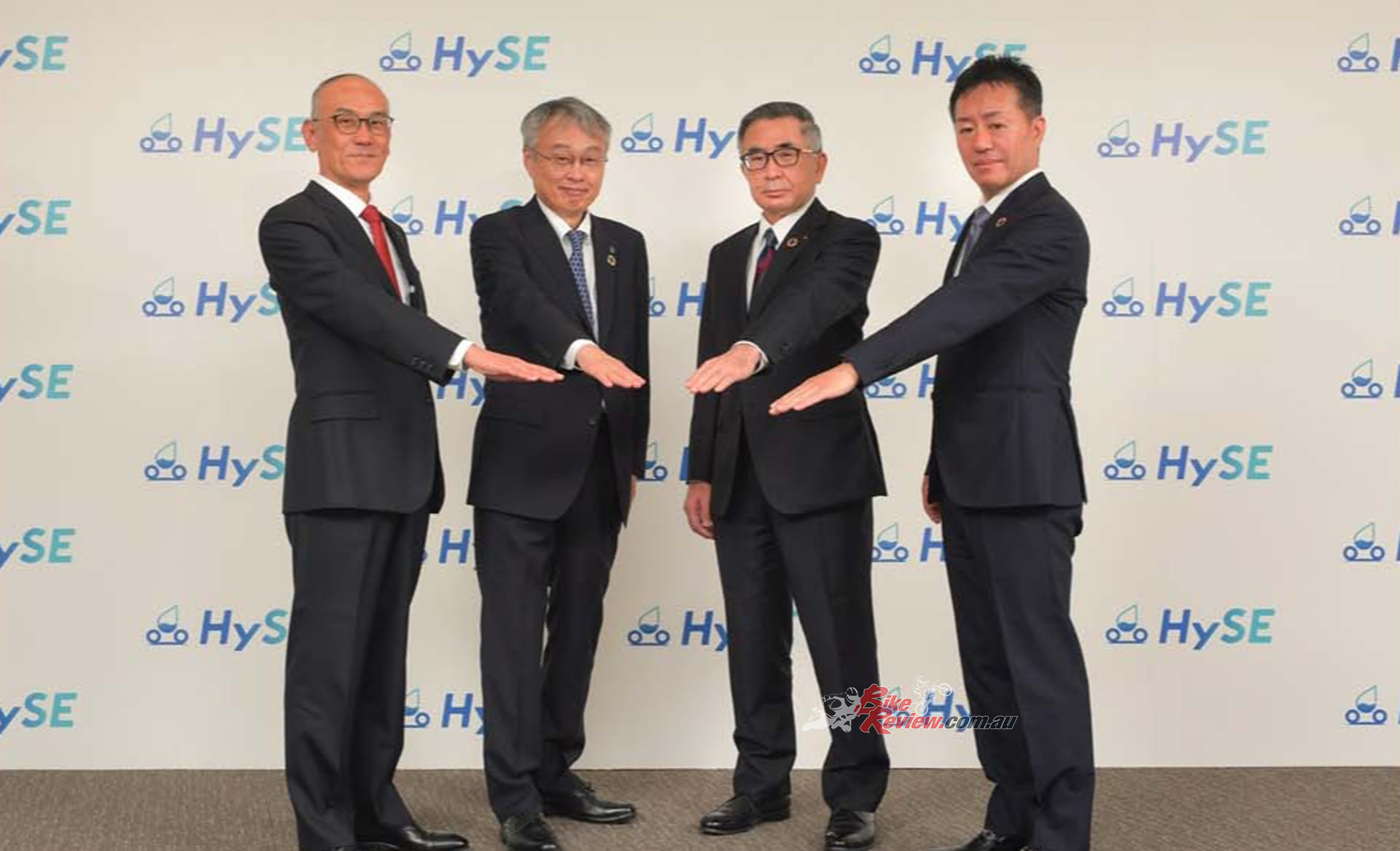
Suzuki, Kawasaki, Honda and Yamaha joined forces to develop hydrogen-powered internal combustion engines for motorcycles and small mobility vehicles.
Interestingly, Sealey believes off-road riding may ultimately be one of the more logical spaces for electrification to gain traction, particularly as noise restrictions continue placing pressure on riding areas and motocross facilities around expanding urban centres. At the same time, he understands why many riders still remain attached to internal combustion motorcycles and the experience that comes with them.
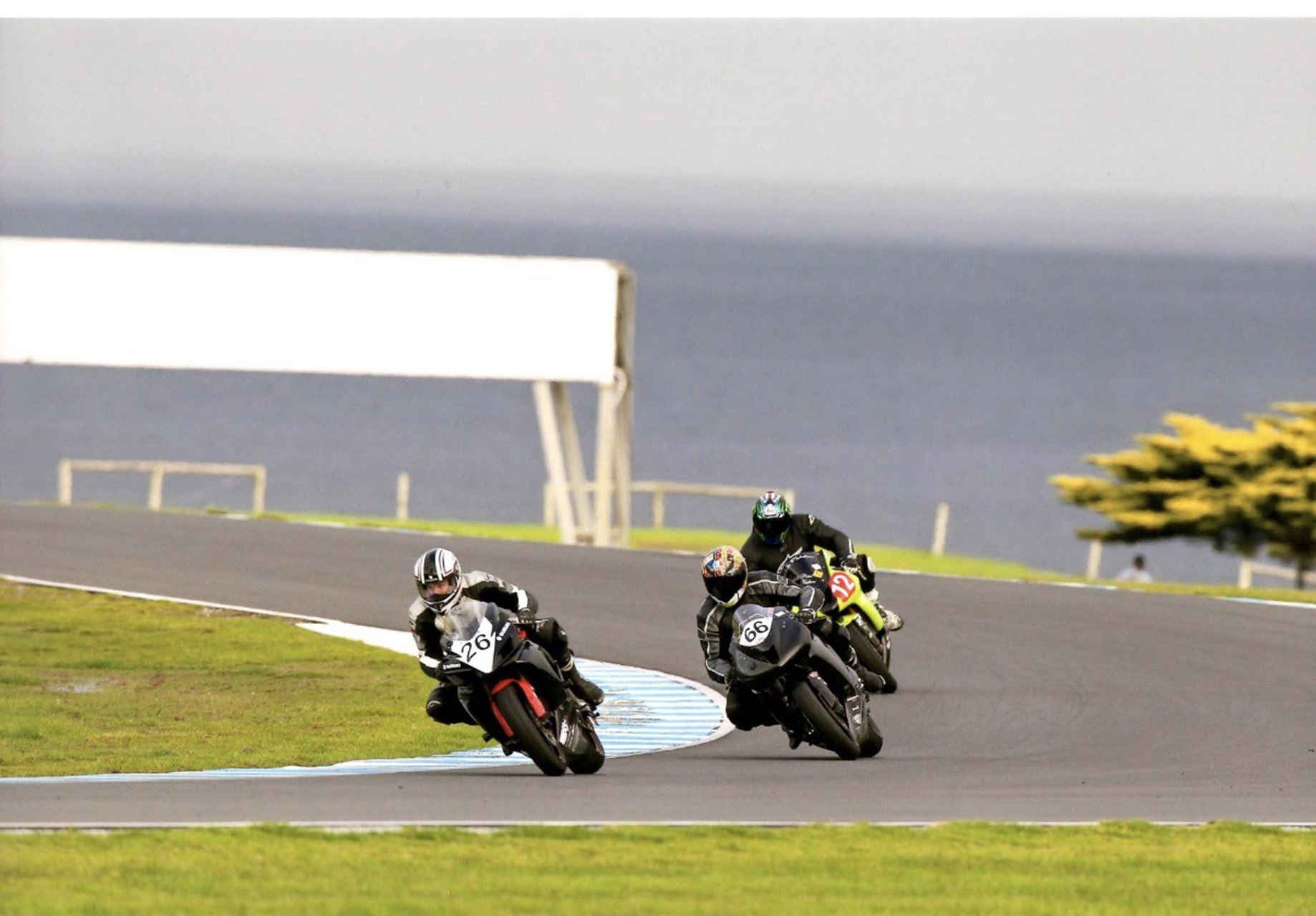
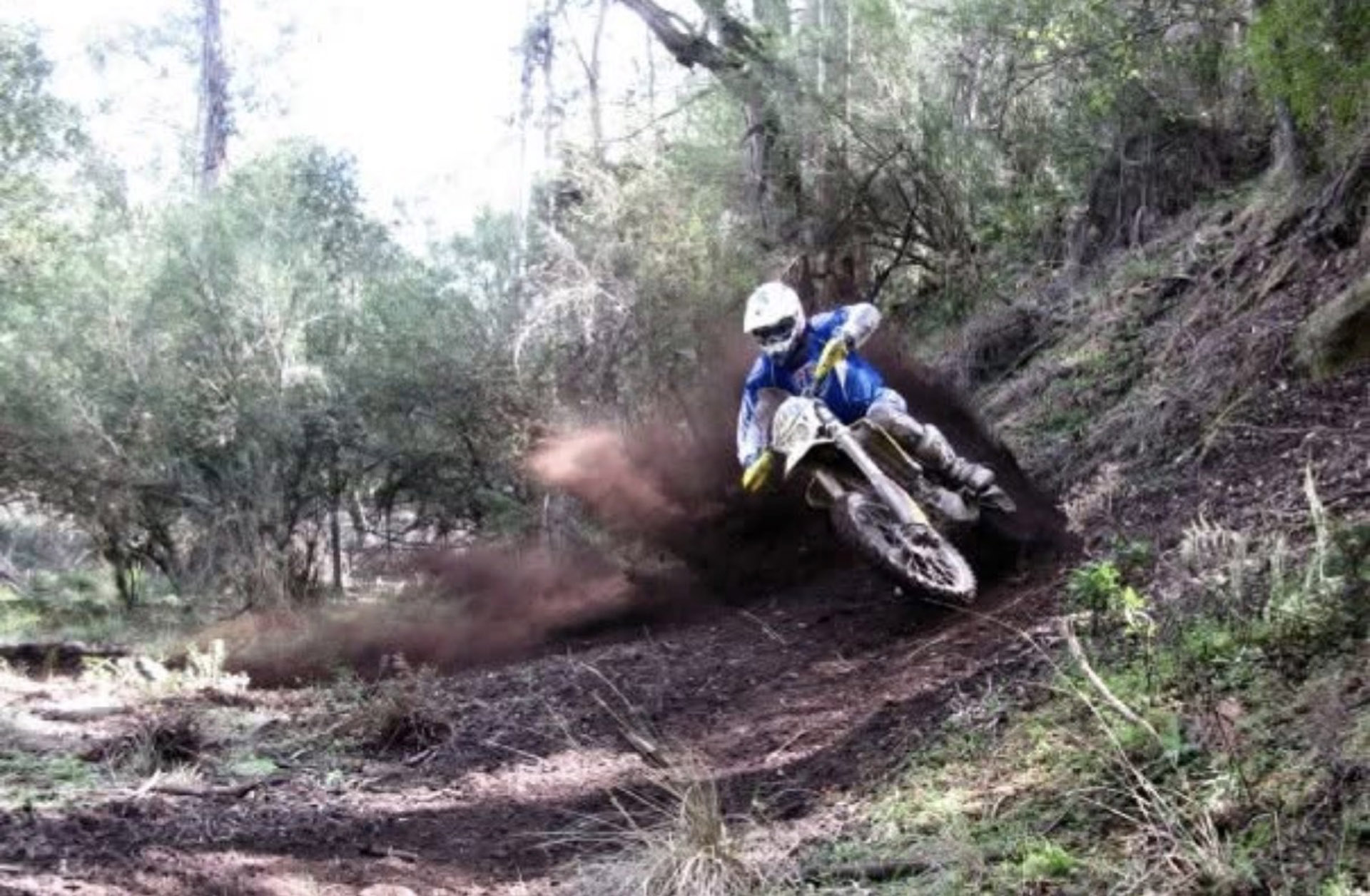
Sealey’s first 11 months back at Suzuki have largely been about rebuilding momentum. Much of his early time in the role was spent reviewing the business internally before then focusing on reconnecting dealers, launching new models and re-engaging customers. The results, he says, are already starting to show. “Our Q4 2025 was the best we’d had in over 12 months,” he says. “And we had that momentum flow straight into Q1.”
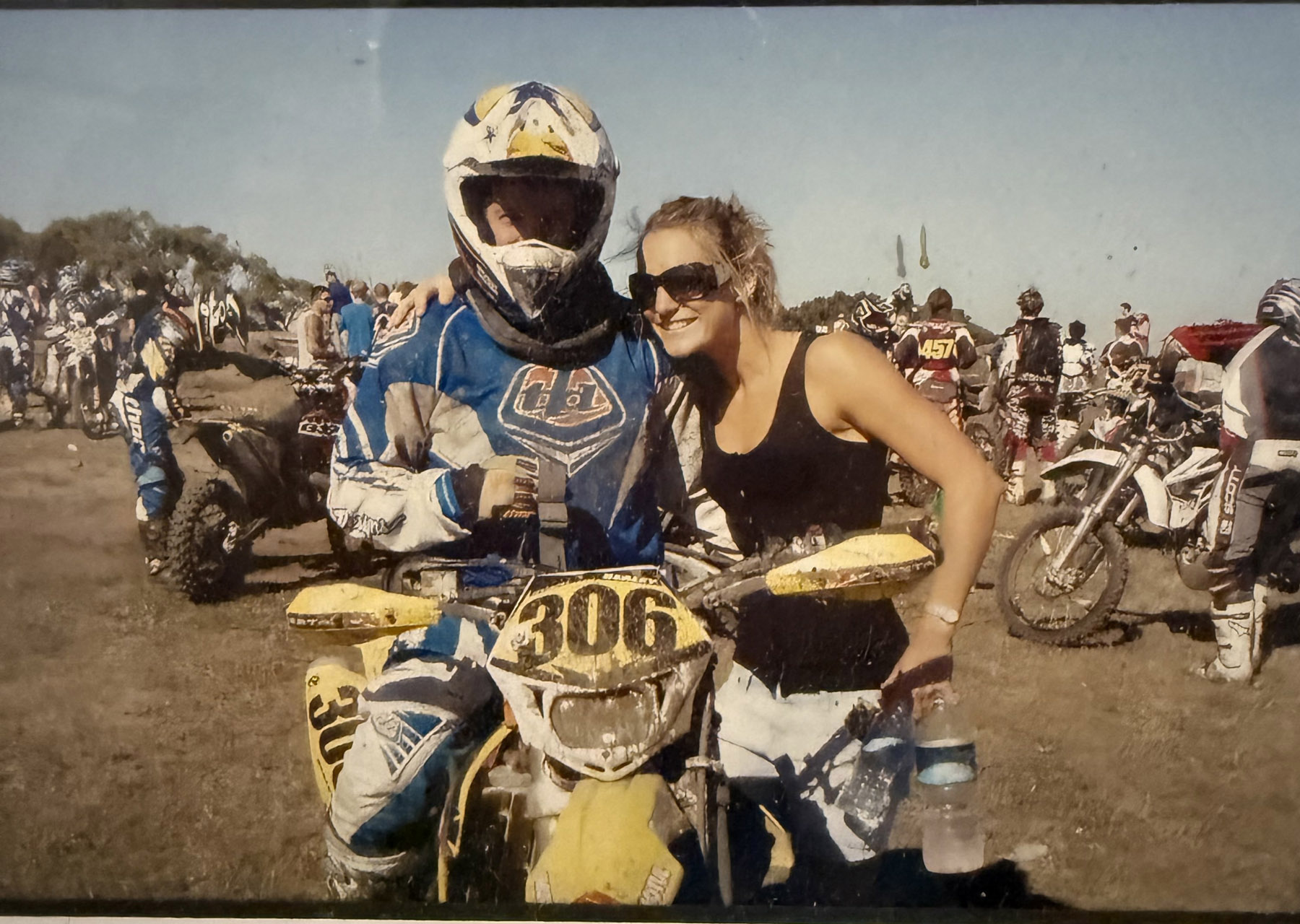
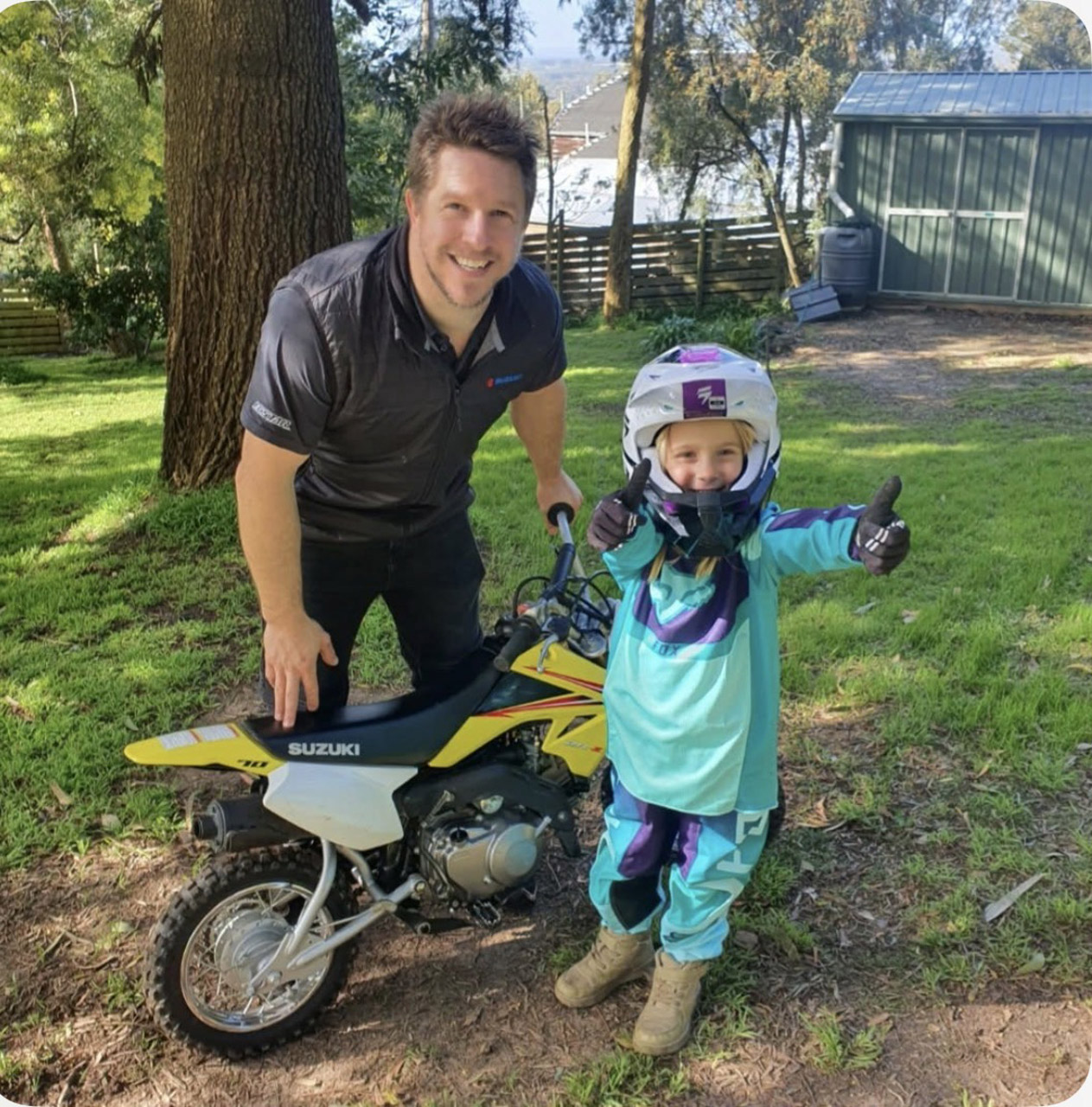
Sean’s family has always been very supportive of his love for two wheels.
More than sales figures alone, Sealey says he’s most encouraged by the response from the broader Suzuki team and dealer network as the company starts shaping its next phase locally.
“I’m proud of how our team have embraced the recent change and how excited they are for Suzuki’s future. I think we know our baseline now,” Sealey says. “And going forward, expansion of products, closer relationships with dealers and more interaction with customers is really the focus.”
“I’m proud of how our team have embraced the recent change and how excited they are for Suzuki’s future”
For all the corporate planning, sales targets and future product discussions, though, the conversation eventually circles back to bikes. Asked about his favourite Suzuki of all time, Sealey pauses before settling on two machines from very different parts of his riding life: a 2006 RM250 and a 1991 RGV250 two-stroke sportsbike. Both, he admits, are motorcycles he now wishes he’d never sold.
“They’d both be in the lounge room by now!” he laughs.
The Author