
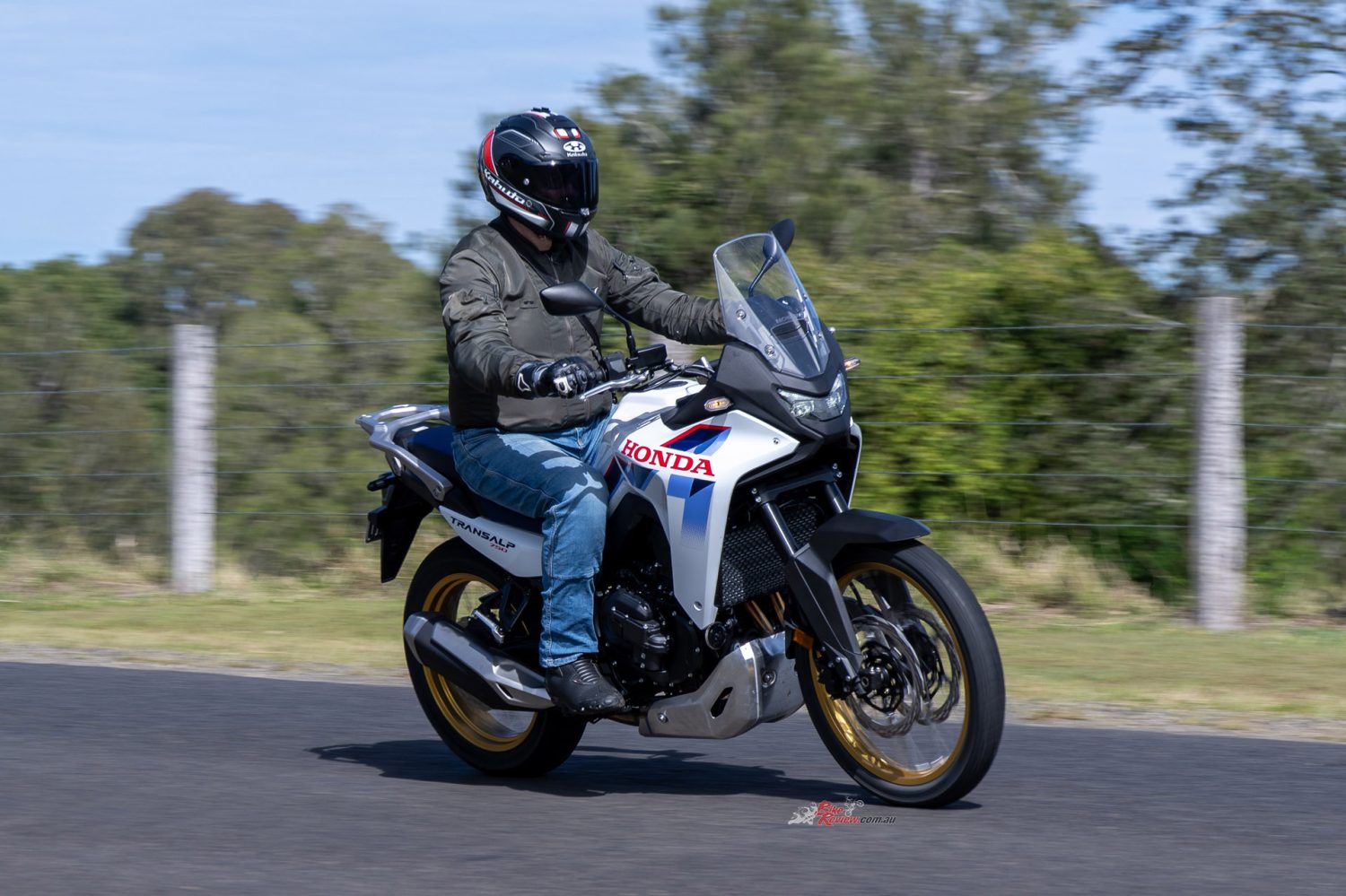

Honda expands its E-Clutch technology, bringing automated clutch control to the 2026/2027 NX500, XL750 Transalp and CB750 Hornet in Queensland... Photo: RbMotoLens
Honda’s E-Clutch technology retains a conventional gearbox while electronically controlling clutch operation. This year, the system arrived on the NX500, while the XL750 Transalp and Hornet 750 gain a TbW version, adding automatic throttle blipping.
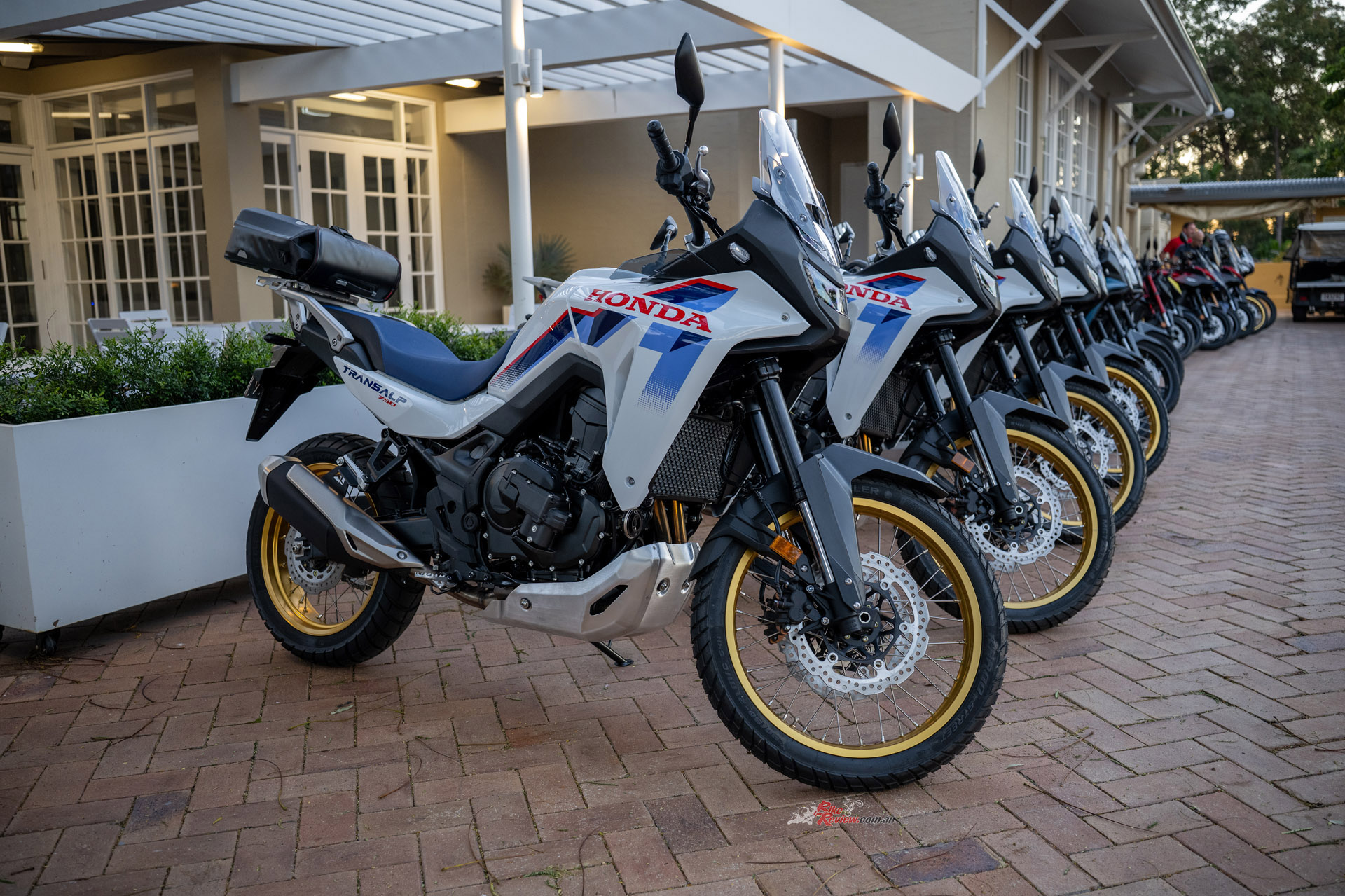
The Honda E-Clutch range launch was held at Sanctuary Cove on the Gold Coast Hinterland. The lead rider was 500GP legend Daryl Beattie. We rode the new XL750 Transalp, Hornet 750 and NX500 models over a 400km loop.
The fundamental difference between E-Clutch and a fully automatic transmission is that with an E-Clutch the rider remains responsible for selecting gears. Honda’s Dual Clutch Transmission (DCT), by comparison, can manage gear selection automatically as well as controlling clutch operation.
“It’s still a manual transmission box. You’re still changing with your foot. You just have automatic clutch control.”
Standard E-Clutch
E-Clutch retains the conventional gearbox and its familiar gear lever, with electronic control replacing the need for routine clutch-lever operation. The rider can start, stop and change gears without using the lever, but can also operate the clutch manually whenever required. The system can be switched off to return to conventional clutch operation in an instant by simply pulling in the clutch lever.
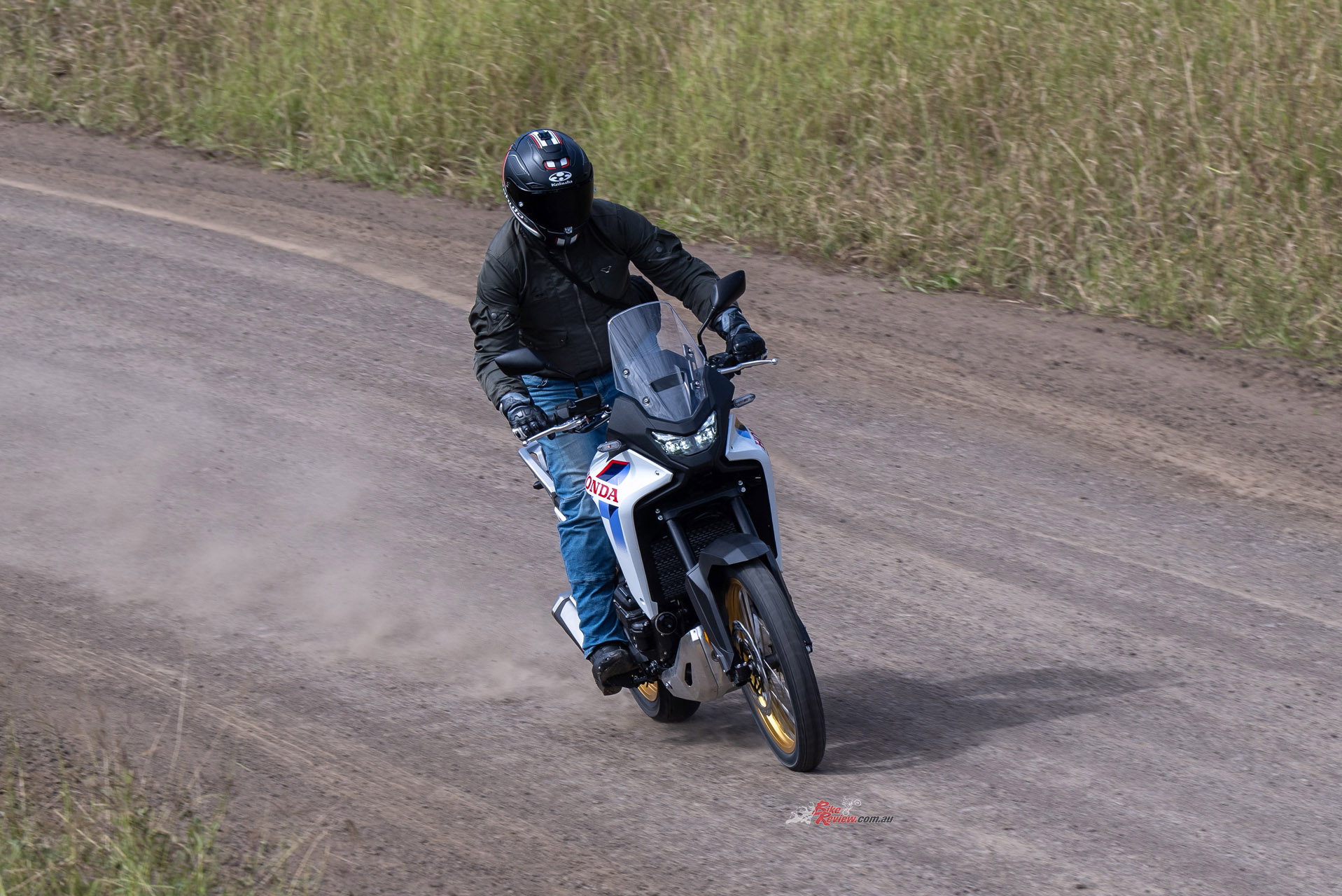
The original Honda E-Clutch combines a conventional manual transmission with an electronic clutch actuator and a Motor Control Unit (MCU). As a Honda explained during the launch presentation, “It’s still a manual transmission box. You’re still changing with your foot. You just have automatic clutch control if you want it.”
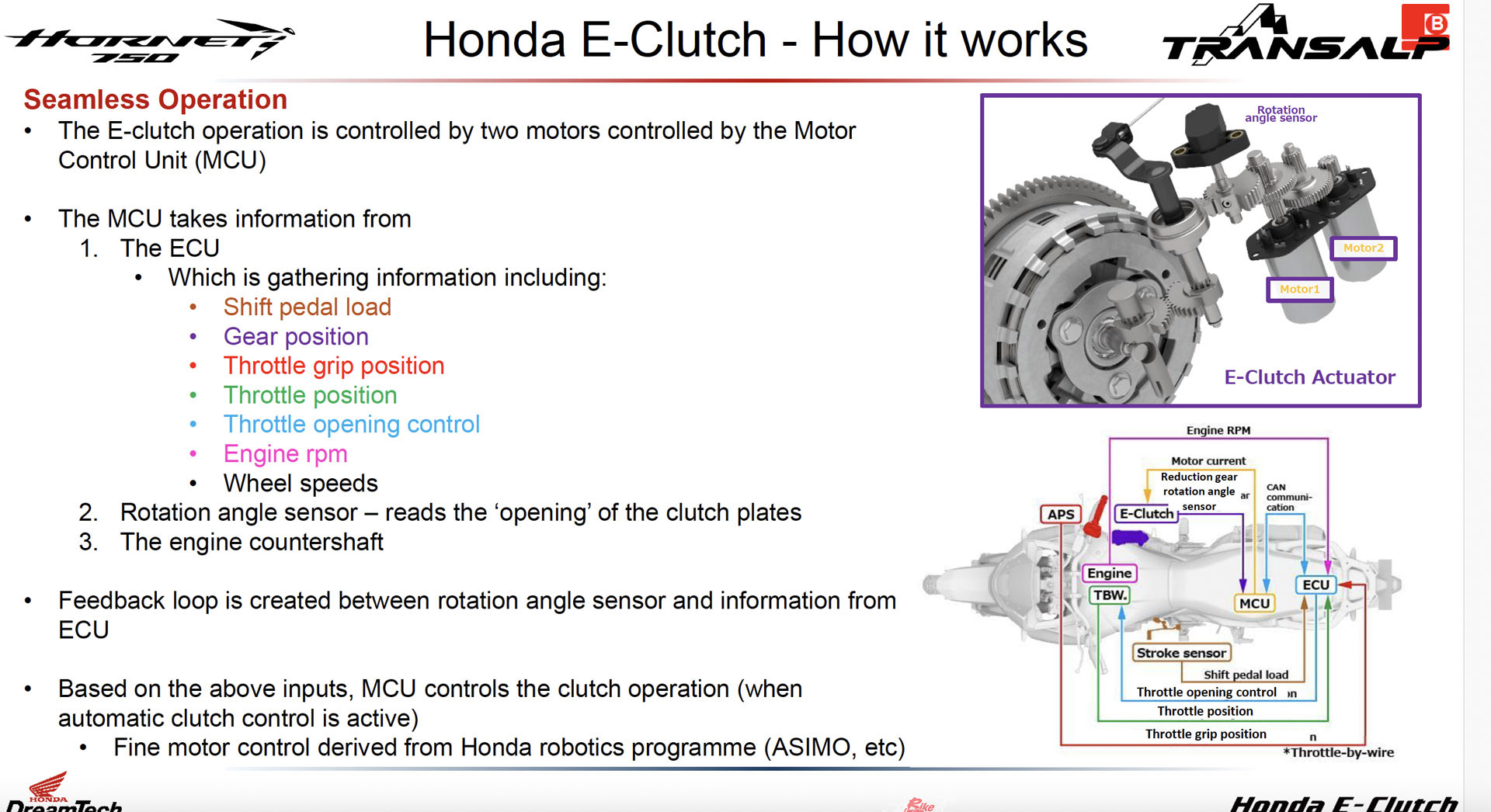
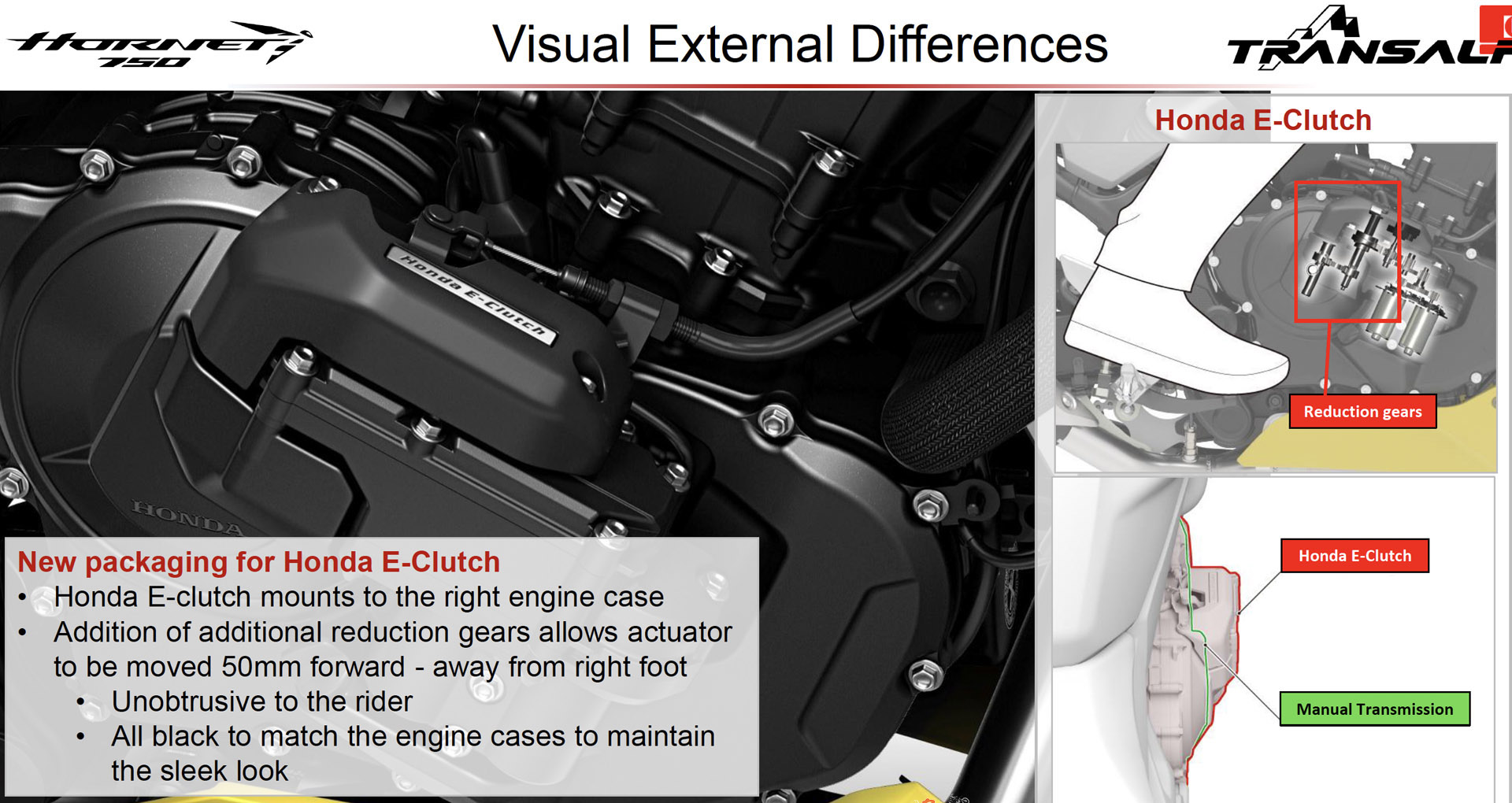
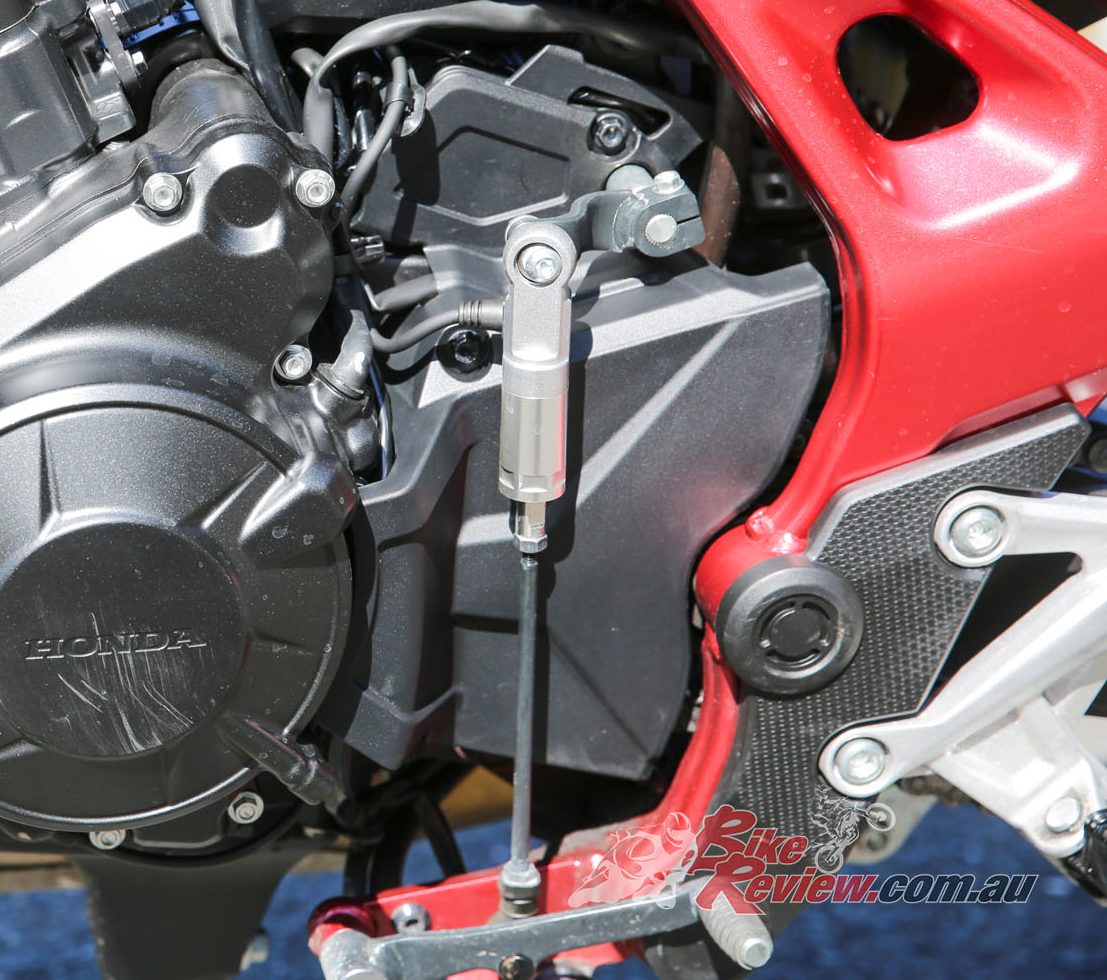
The actuator uses two electric motors and a reduction-gear mechanism to operate the clutch, while the MCU processes information from the engine control unit (ECU) and various sensors to determine the appropriate clutch movement.
Inputs include engine speed, gear position, shift-pedal load, throttle-grip position, throttle position and front and rear wheel speeds. A rotation-angle sensor monitors clutch movement, allowing the controller to adjust its operation in response to conditions.
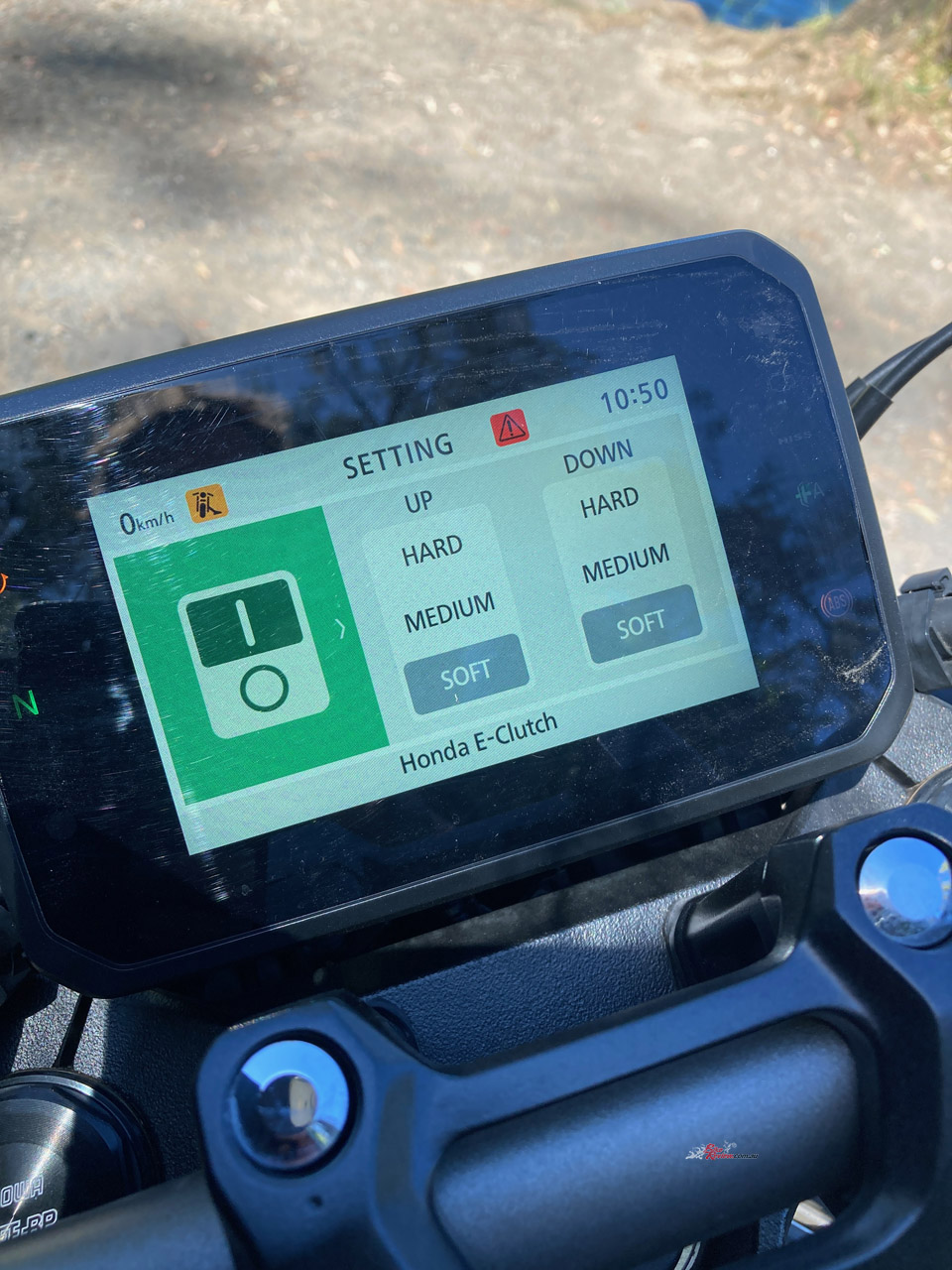
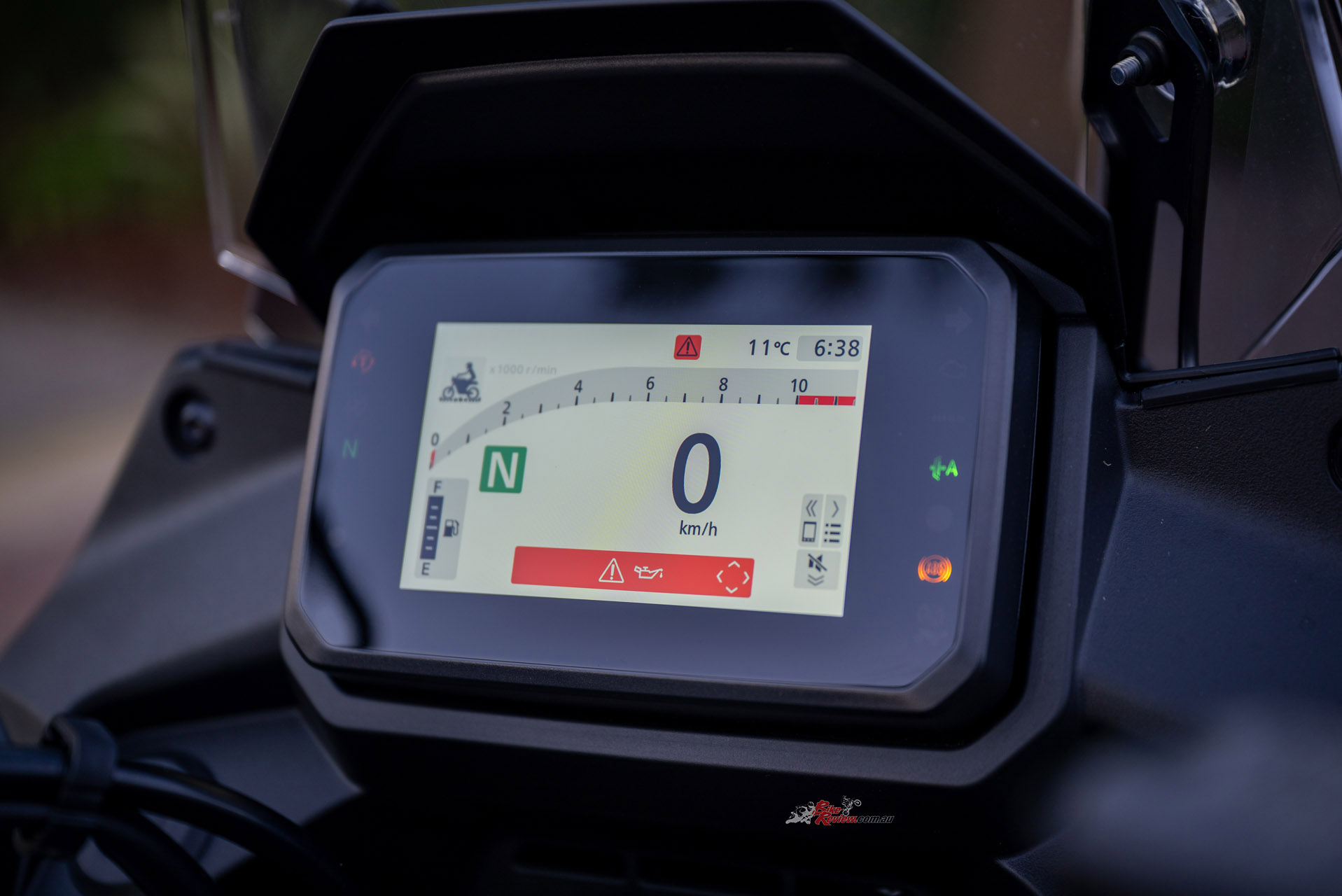
There are three settings for shift input, this is the dash of the CB650R, 2025 model.
When the ignition is switched on, the system recognises neutral and opens the clutch plates. After the engine is started, selecting first gear initiates the clutch-control process. The MCU manages engagement as you open the throttle, allowing the bike to move away without requiring the conventional combination of throttle and clutch control.
The same electronic control operates when the you come to a stop, just like a scooter or postie bike, reducing the need to coordinate clutch disengagement manually. Honda says the system draws on experience gained through development of its DCT auto gearbox technology, particularly in managing smooth clutch engagement.
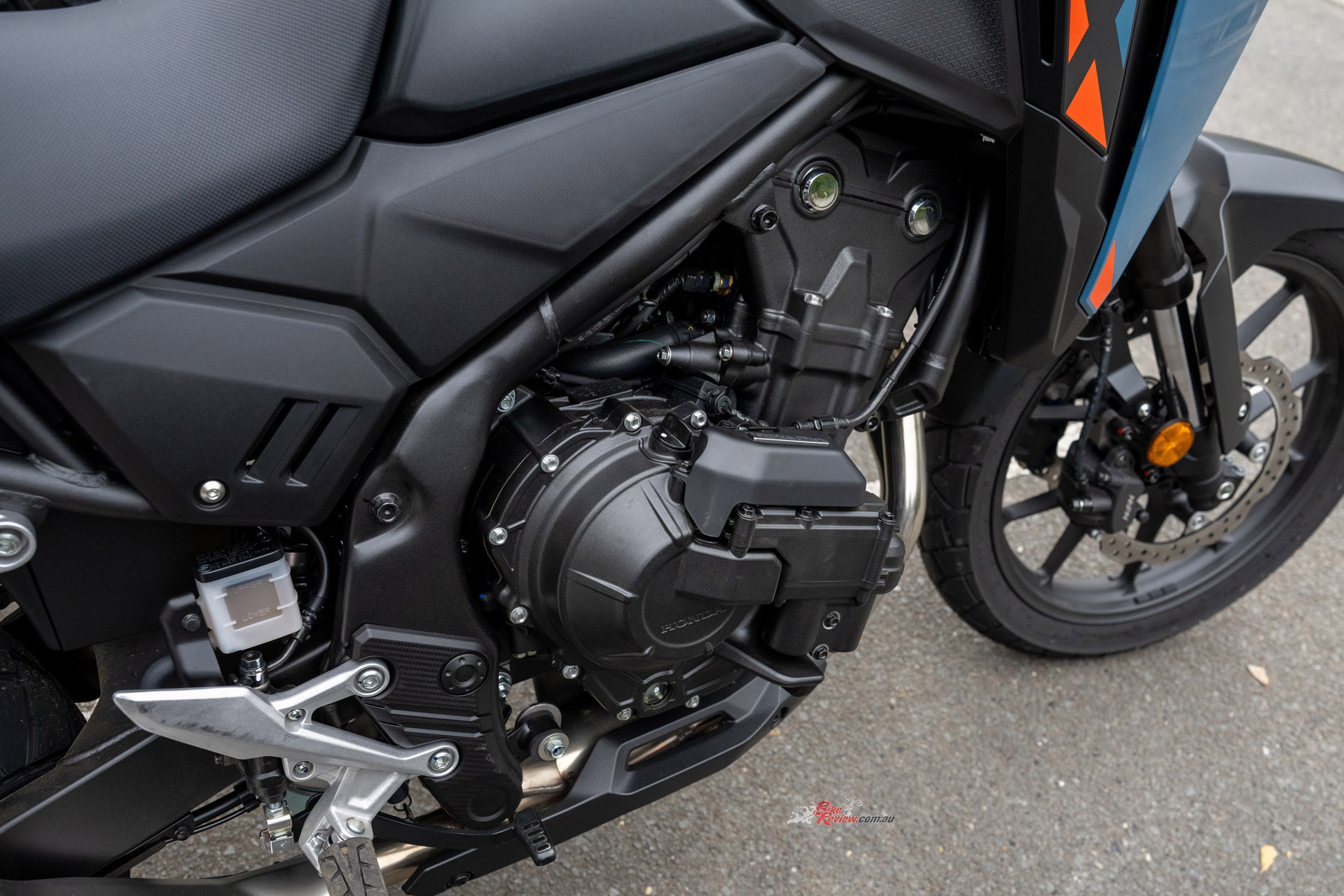
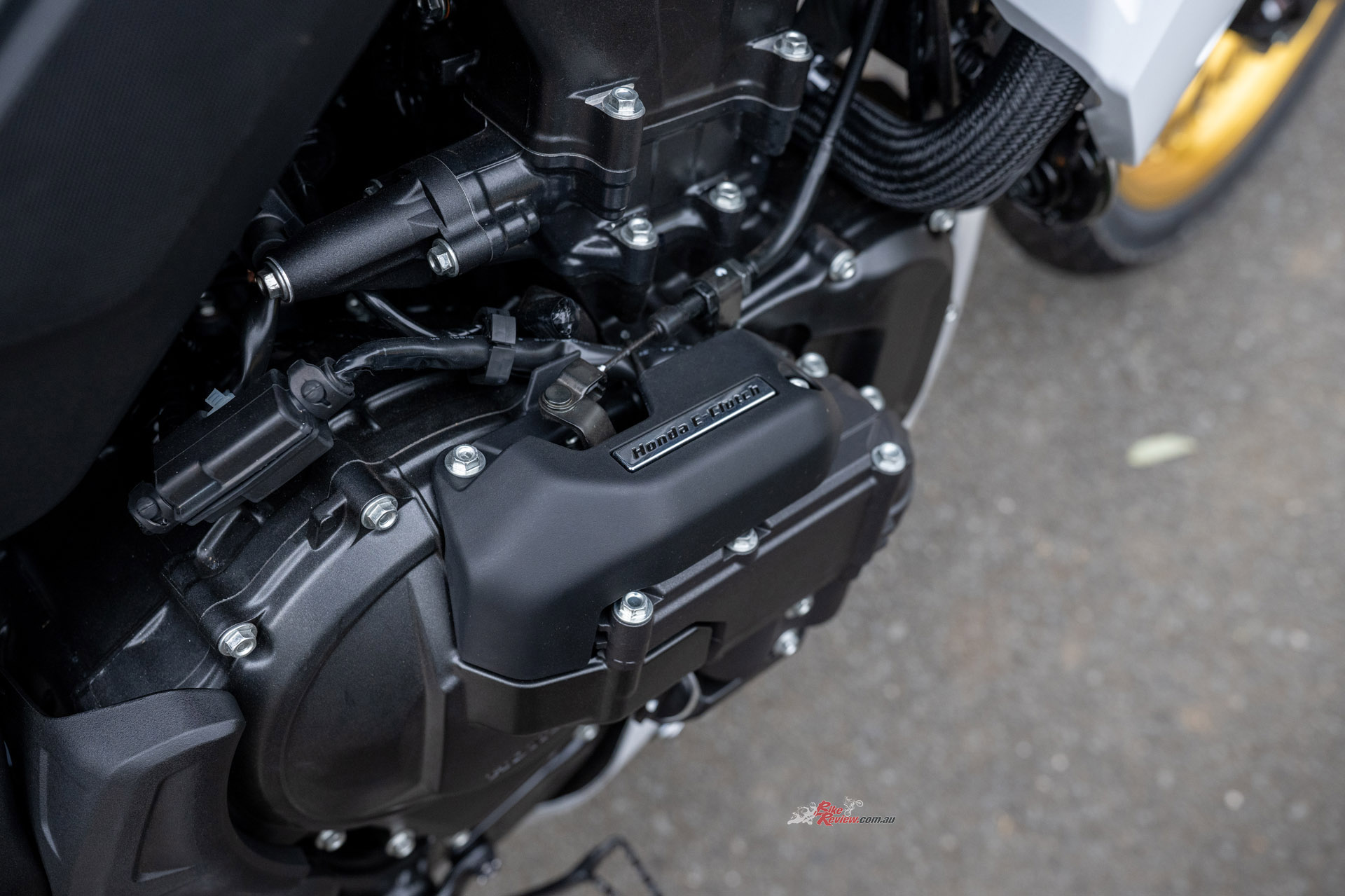
The 2026 E-Clutch design on the NX500 is designed to be more compact and neater than the first gen system.
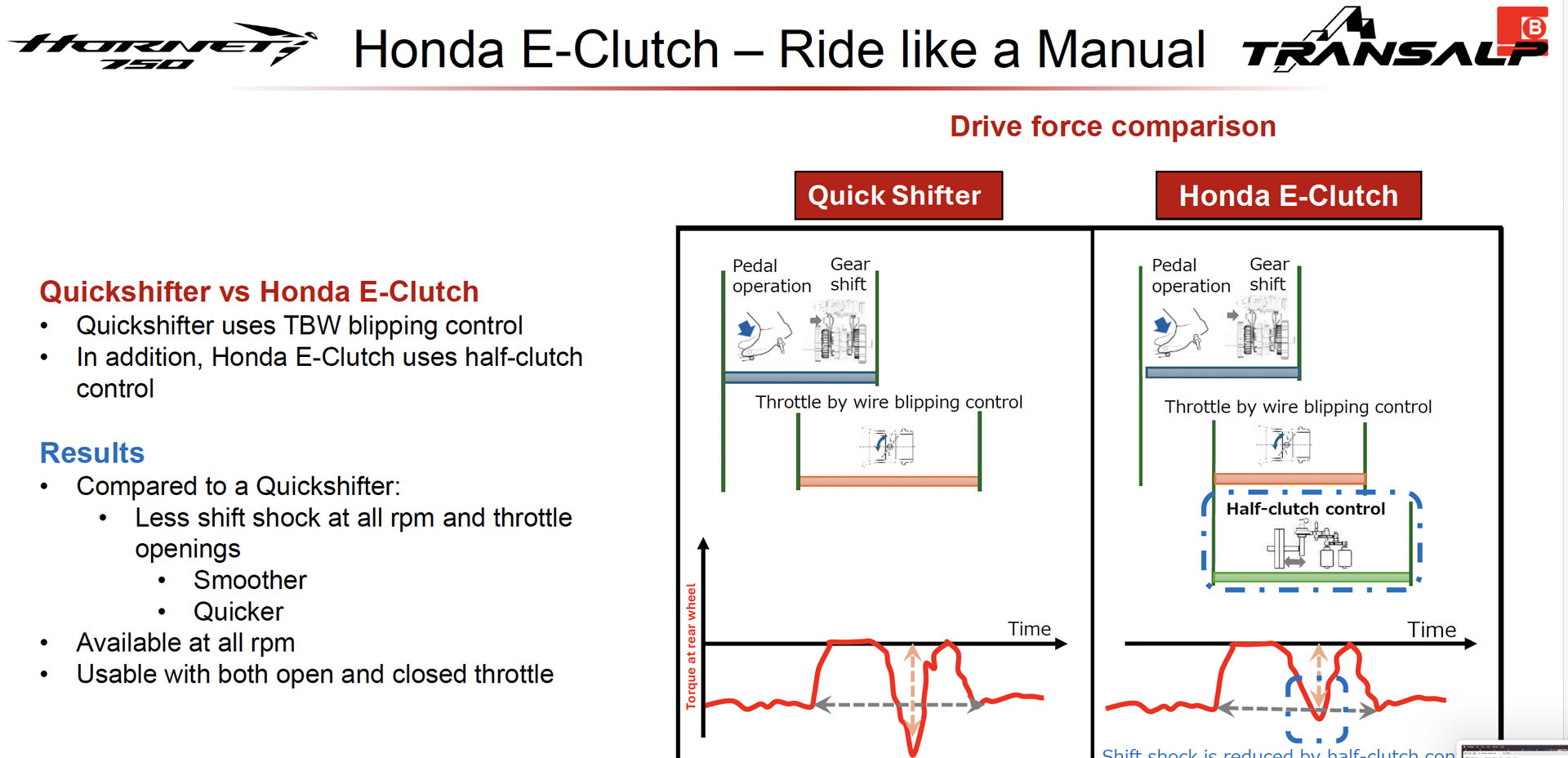
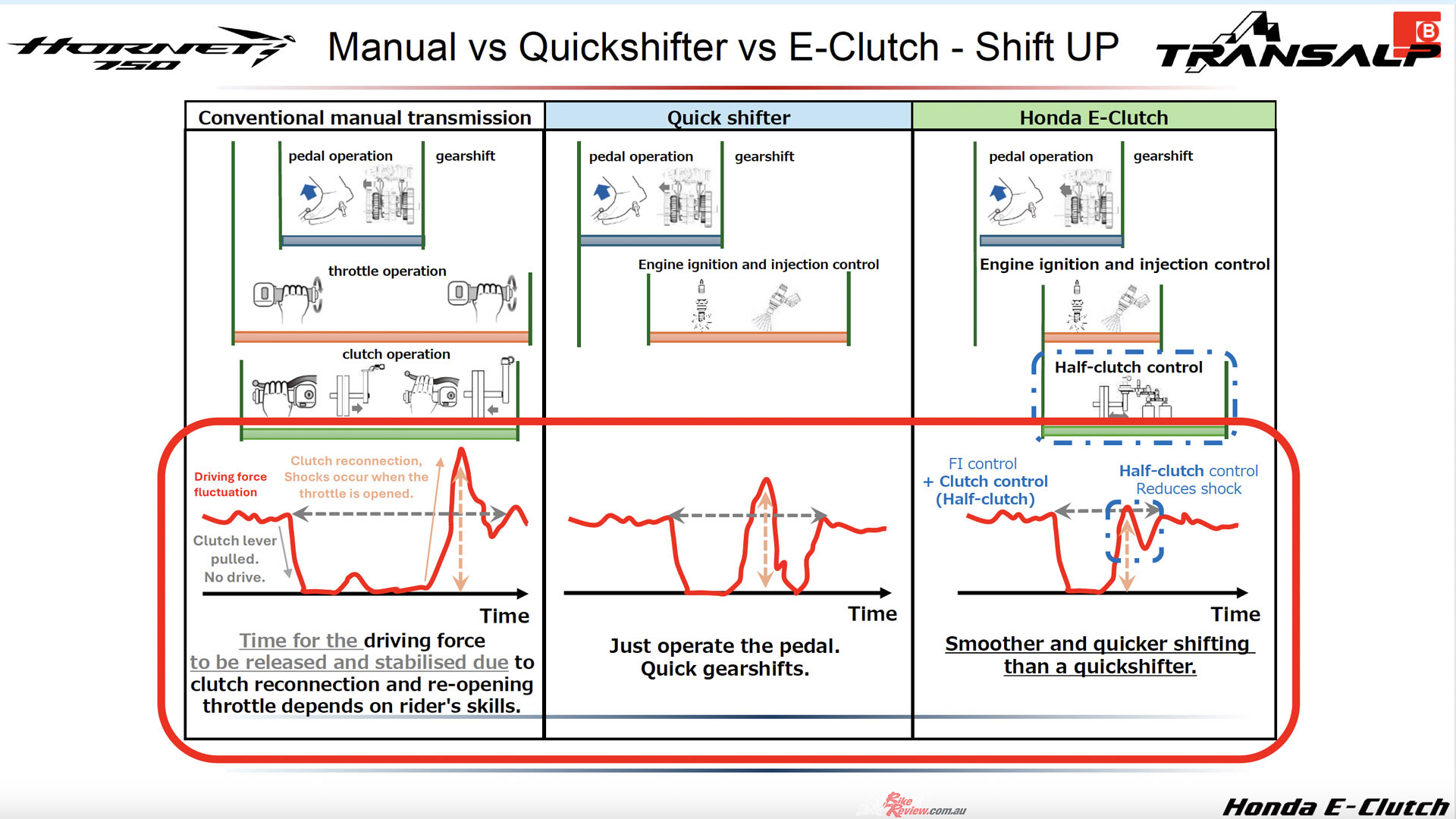
During an upshift, fuel injection and ignition timing are managed to help unload the transmission, while the actuator controls clutch movement as the next gear engages. A partial-clutch phase, described by Honda as half-clutch control (a bit like fanning the lever with your fingertips), helps reduce the change in driving force associated with reconnecting the engine and transmission. Rather than relying entirely on your timing and technique, the system manages these operations electronically. This enables shifts to be completed more smoothly across a range of engine speeds and throttle openings.
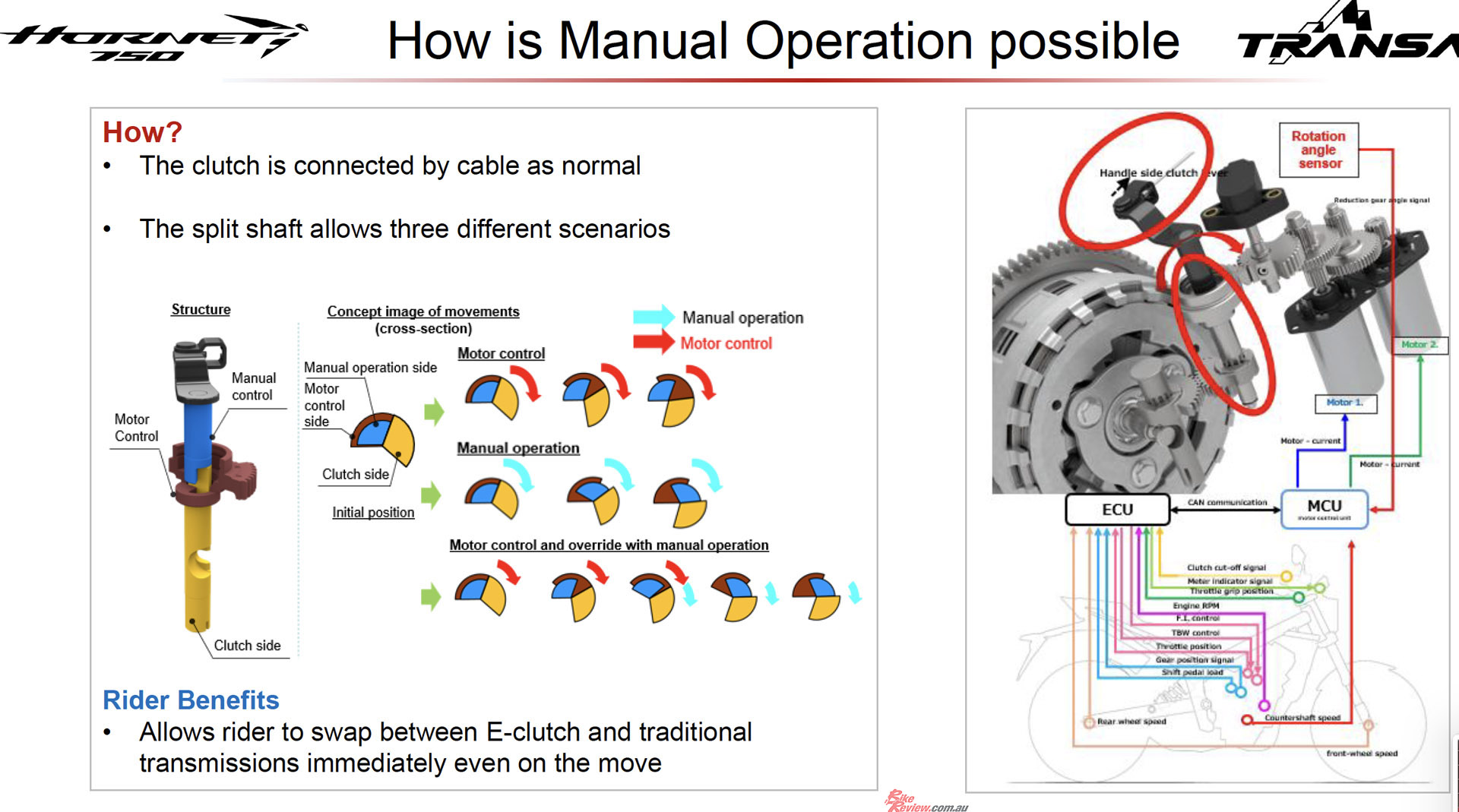
The clutch lever remains connected through a conventional cable arrangement, but its operation is independent of the electronic actuator. This allows you to override automatic control by pulling the lever at any time. Once the lever is released, the system resumes automatic operation after a short interval. This takes up to five seconds at low engine speeds and approximately one second at higher engine speeds. Alternatively, you can switch E-Clutch off using the left-hand switch when the bike is stationary and in neutral, returning to conventional manual clutch operation.
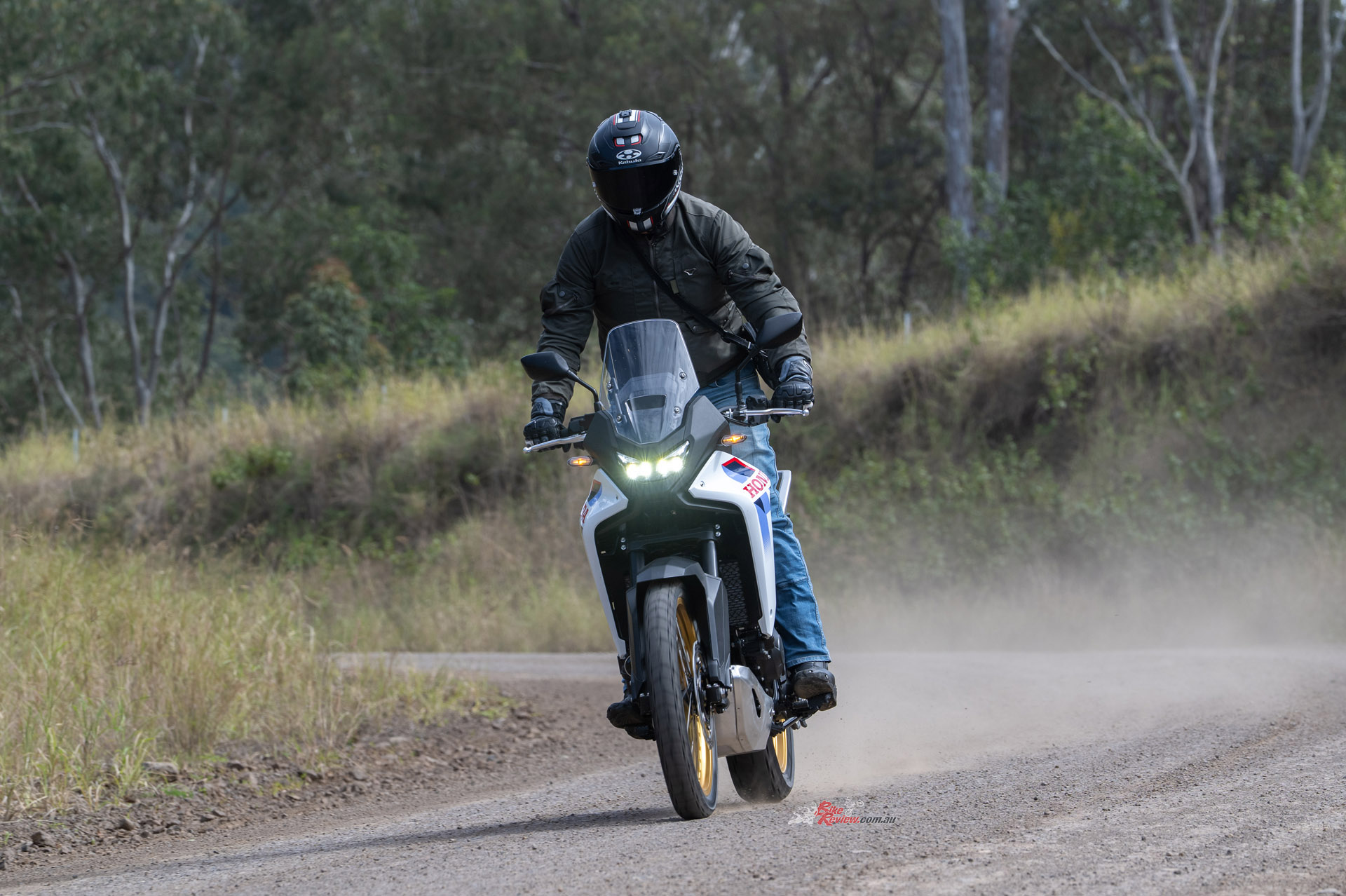
E-Clutch with Throttle By Wire
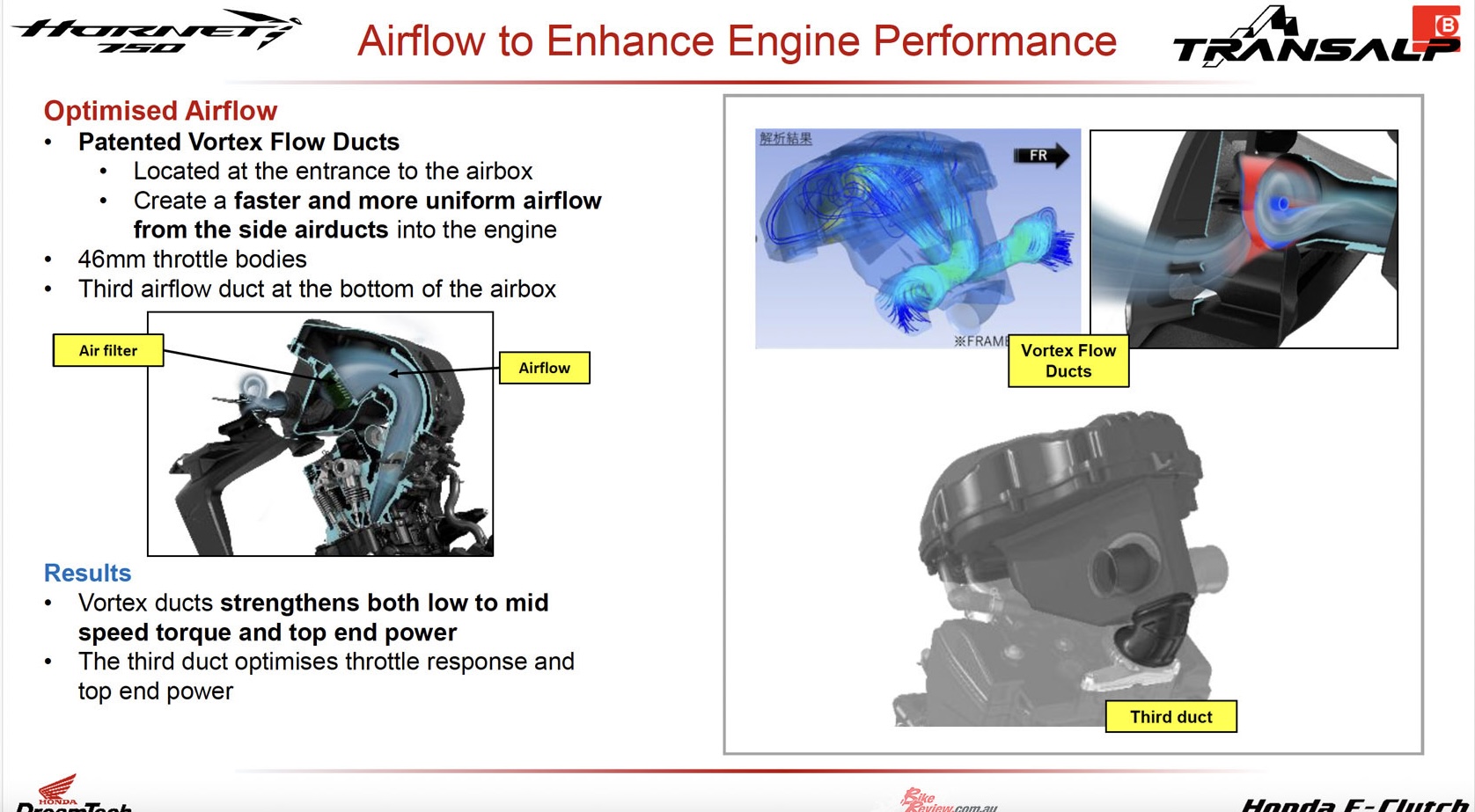
The second system, fitted to the 2026 CB750 Hornet and XL750 Transalp, adds electronic throttle control to the clutch-management process. In combination with E-Clutch, TbW provides additional control over engine speed during gear changes and allows the throttle, clutch and Honda Selectable Torque Control (HSTC) settings to work together.
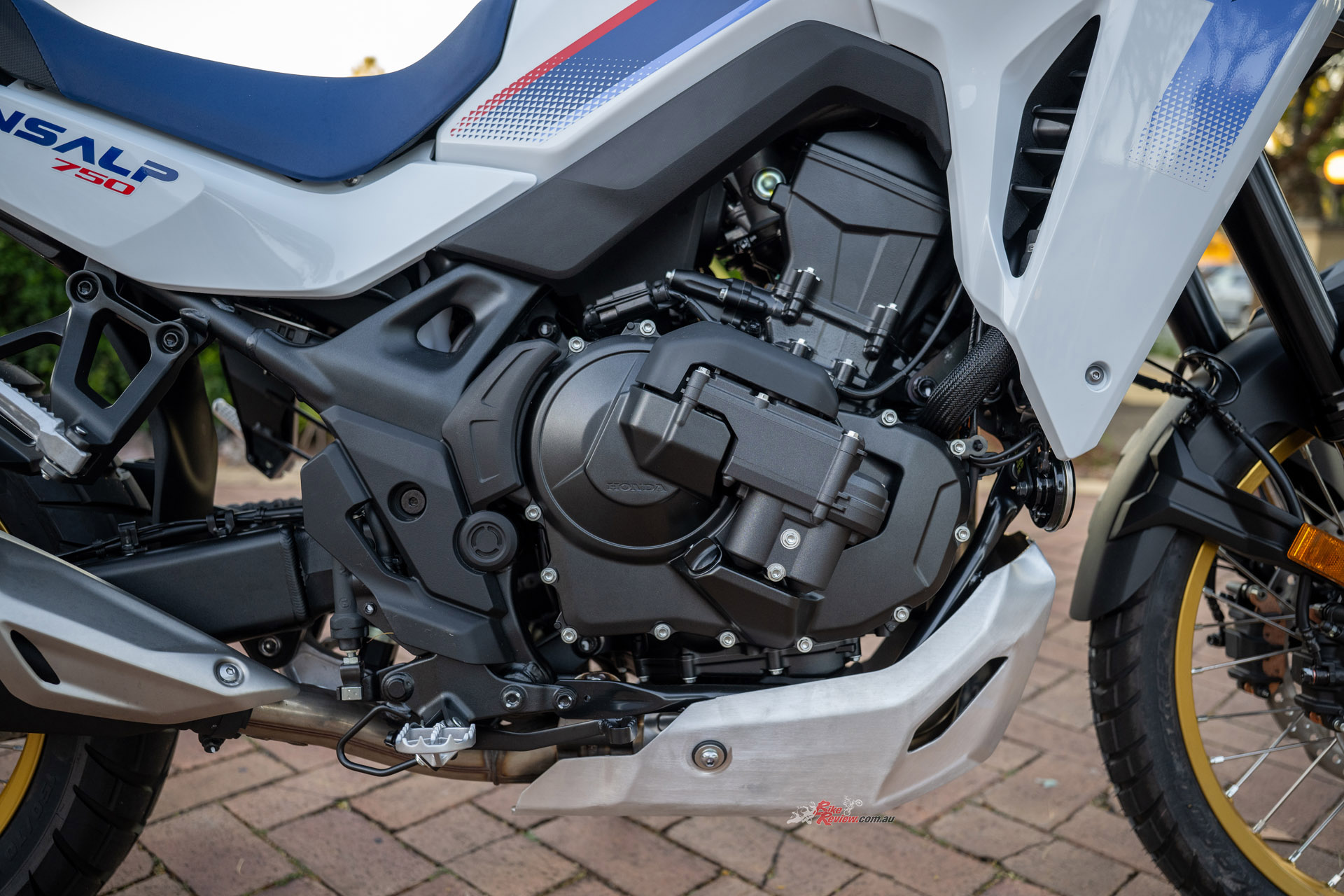
The second system, fitted to the 2026 CB750 Hornet and XL750 Transalp, adds electronic throttle control to the clutch-management process.
The principal difference is better control during downshifts, which is exactly what I asked for out of the CB650R Gen 1 system. When you selects a lower gear, TbW auto blips the throttle to raise engine speed and better match it to the requirements of the lower cog. This reduces the difference in engine and transmission speeds during the shift.
The clutch actuator also manages engagement through a partial-clutch phase, helping reduce the disturbance that can occur as drive is re-established. Honda identifies improved smoothness and stability during downshifts as benefits of combining throttle blipping with controlled clutch operation and I can confirm that is the case.
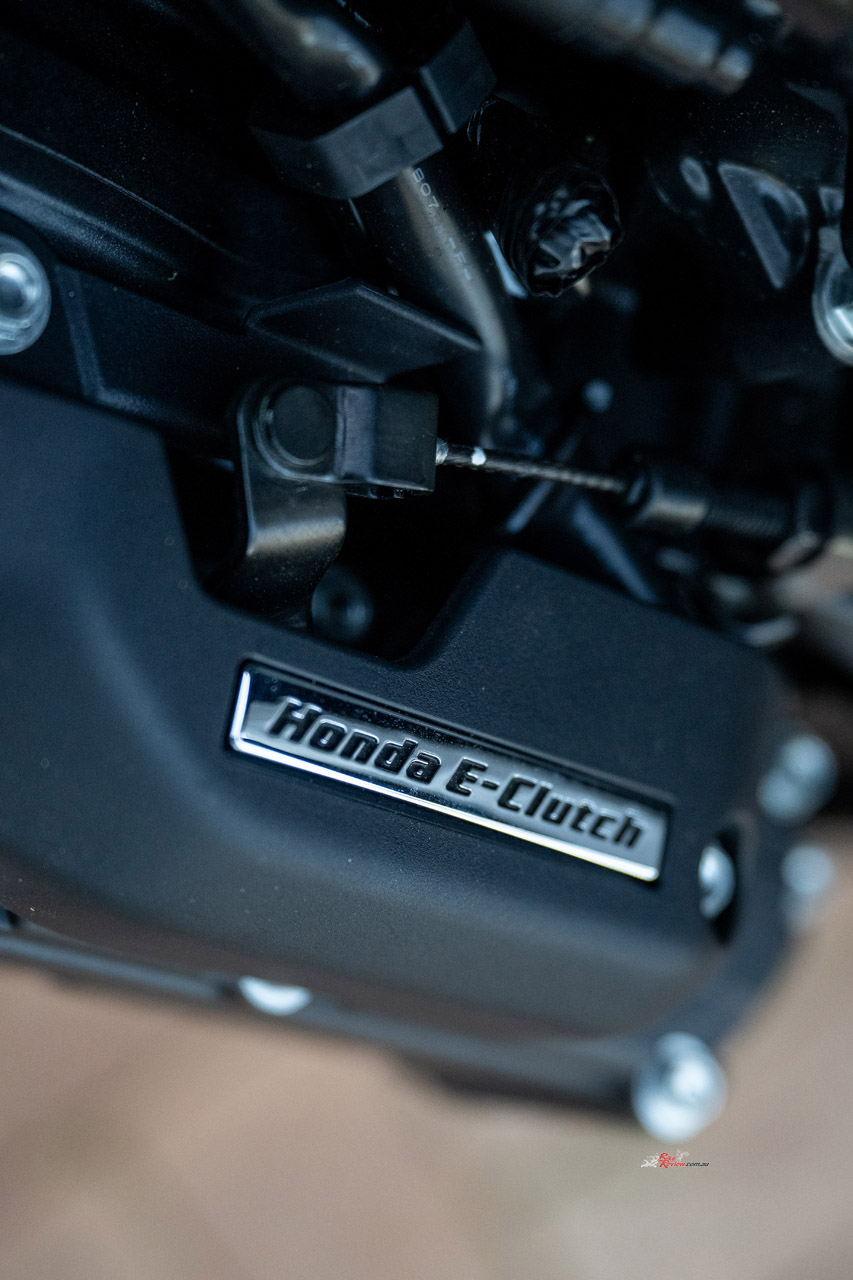
Honda described the change this way, “Basically, it allows for auto blipping on the throttle on downshifts and has a better ability to control the power delivery and control the E-Clutch with the traction control settings.” TbW also allows Honda to adjust power delivery more precisely according to throttle opening.
The company has calibrated throttle behaviour alongside E-Clutch and HSTC, with the intention of improving clutch engagement when moving away from a stop. According to Honda’s presentation, the interaction between these systems is designed to maintain smoother take-offs, including when you apply the throttle more aggressively, which we may have! The degree to which these characteristics are noticeable will depend on the operating conditions and the settings selected…
Honda has also incorporated additional control functions that use front and rear wheel-speed info. If the system detects rear-wheel slip during an upshift, it can open the clutch fully to help the gear change proceed. This is relevant to off-road riding, where the rear wheel may lose traction on loose surfaces and unload the gearbox.
The system can also detect rear-wheel hopping by monitoring the relationship between front and rear wheel speeds. When hopping is detected, partial-clutch control is activated to help reduce the effect by slipping the clutch. These functions extend clutch management beyond the basic requirements of starting, stopping and changing gears.
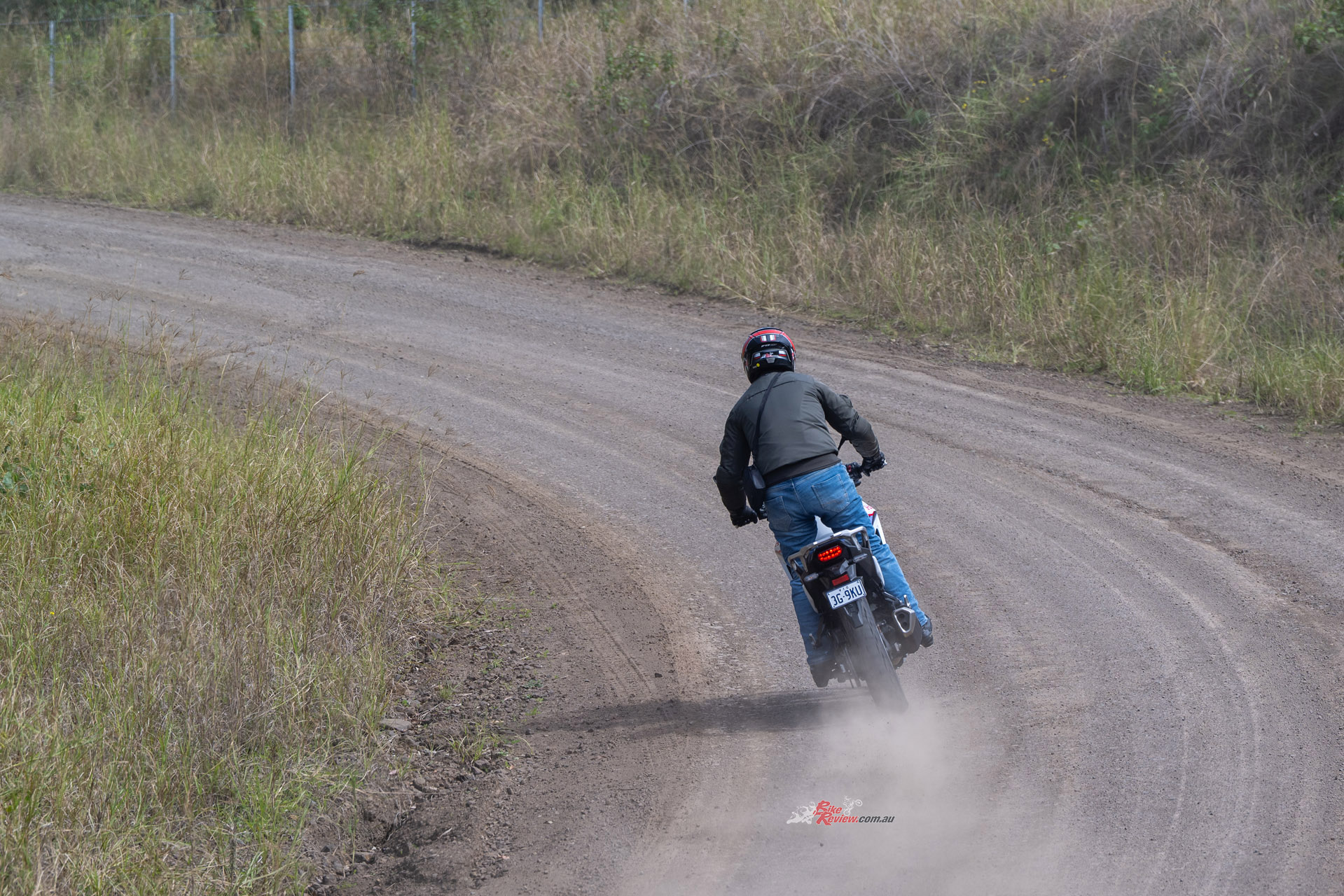
If the system detects rear-wheel slip during an upshift, it can open the clutch fully to help the gear change proceed.
A further part of the system is its ability to manage clutch slip during gear changes, say Honda, “The E-Clutch has actually got this half-clutch control, and it reduces the shock out of the gear change. What you realise is how smooth the gear change is, whether you’re changing up or down through the gears.”
A conventional quick-shifter allows gear changes without using the clutch lever by briefly managing engine torque during the shift. Depending on the system, it may also incorporate electronic throttle blipping for downshifts. Honda E-Clutch uses a different approach, adding a third control element, by controlling the clutch directly as part of the gear-change process. Its additional partial-clutch operation is intended to reduce changes in driving force as the next gear engages.
The E-Clutch system also allows you to adjust the force required to operate the gearshift. Hard, Medium and Soft settings are available, with the upshift and downshift settings adjustable independently. The instrument display indicates whether automatic clutch control is active, helping the rider identify when the system is operating or when manual clutch control has been selected.
Three Bikes, Two Systems, On The Road
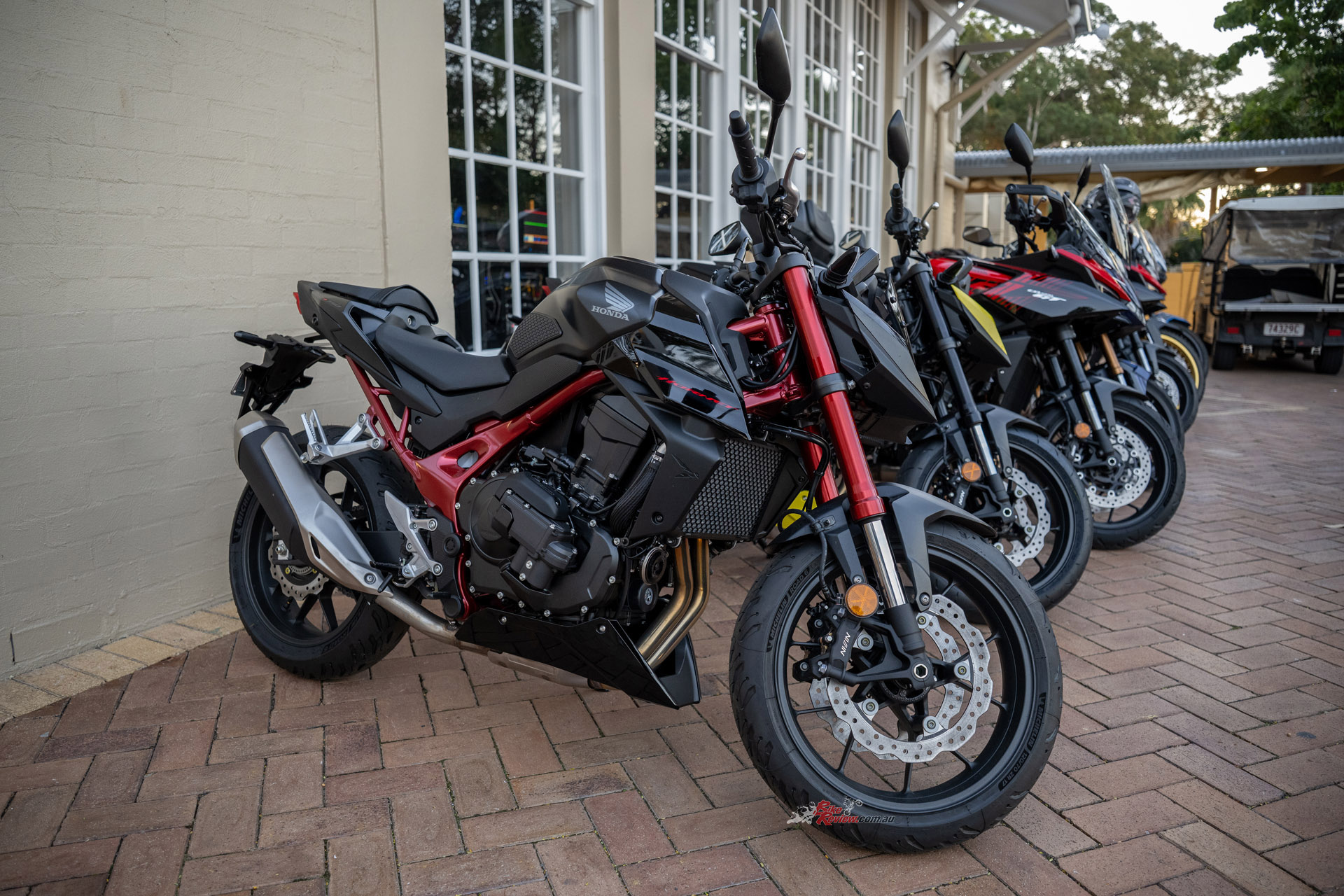
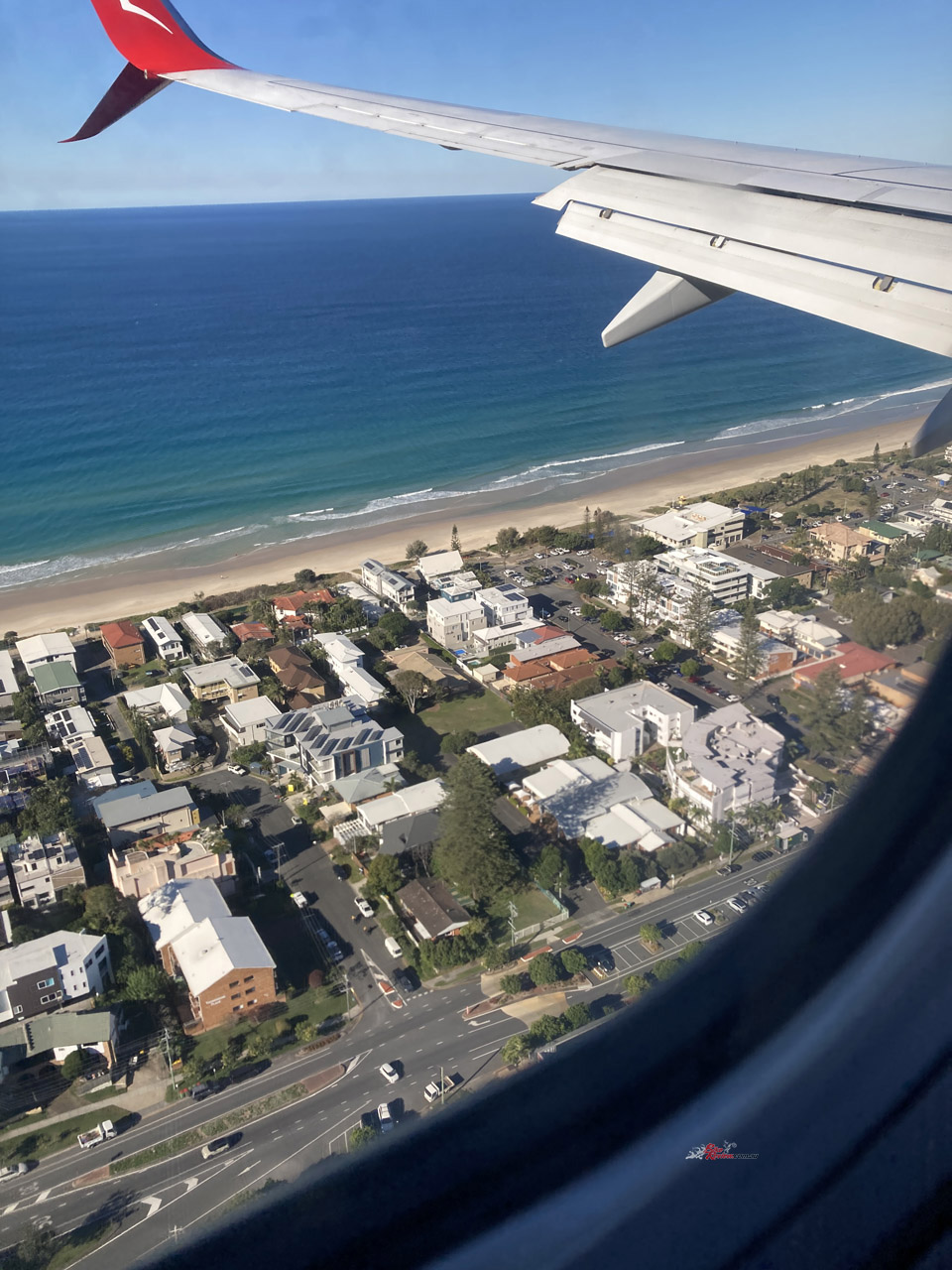
Honda’s Australian launch of the 2026 E-Clutch range was held at Sanctuary Cove on the Gold Coast. With the resort overlooking the water, it was a pleasant setting for the event, but the main attraction was the opportunity to ride three motorcycles equipped with the technology: the NX500 with the original but refined for 2026 E-Clutch system, followed by the XL750 Transalp and CB750 Hornet, both fitted with the newer TbW version.
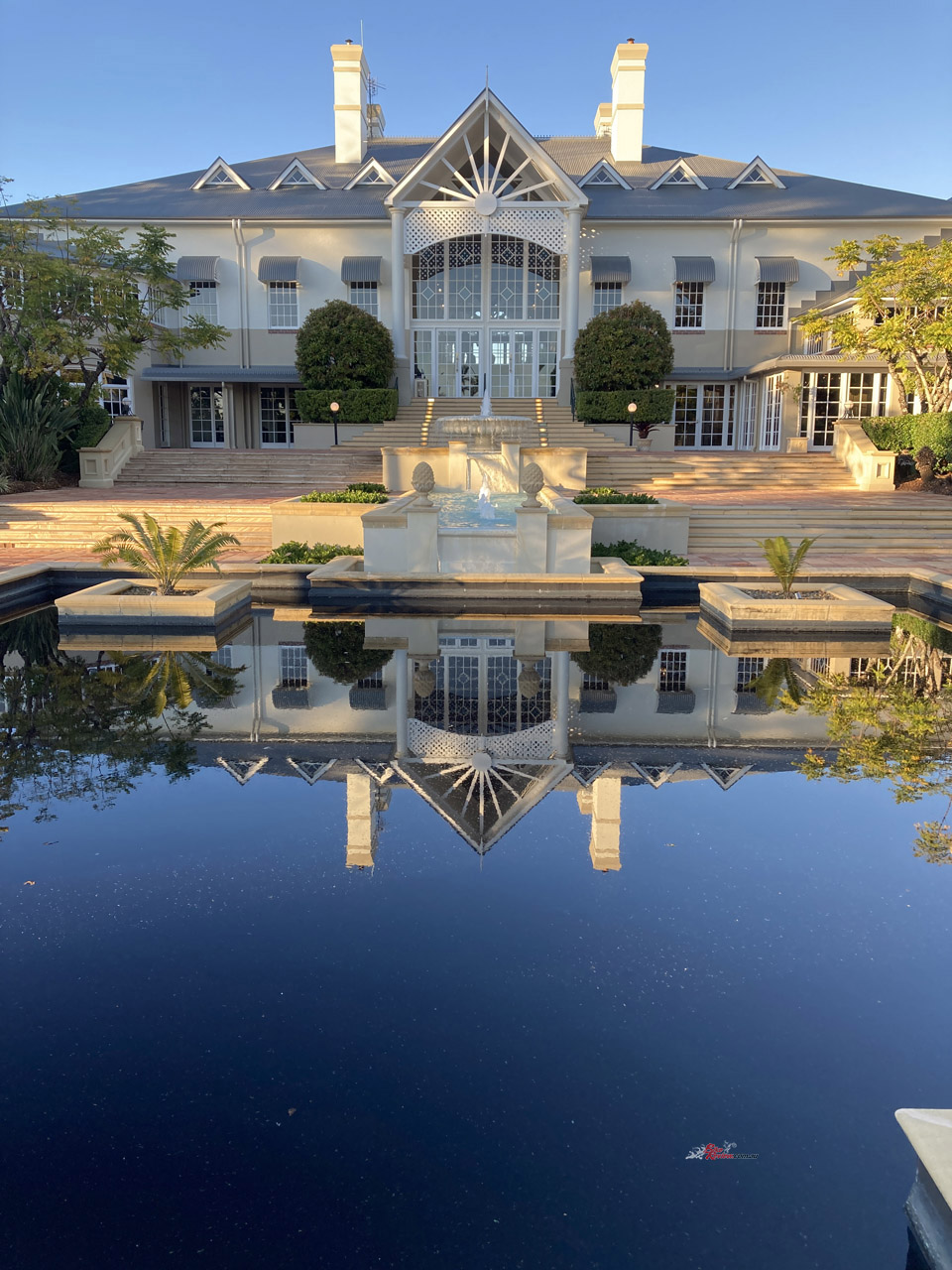
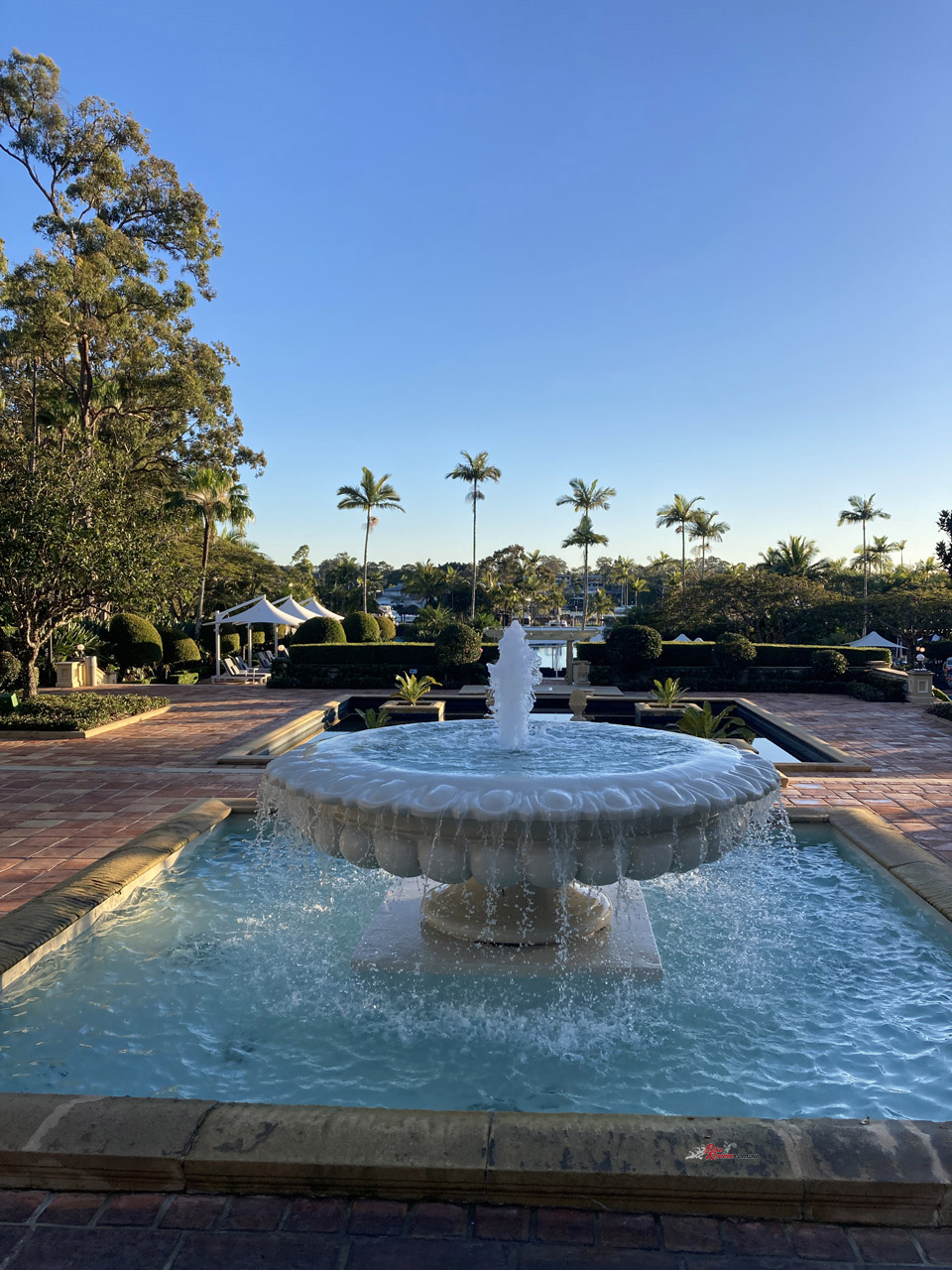
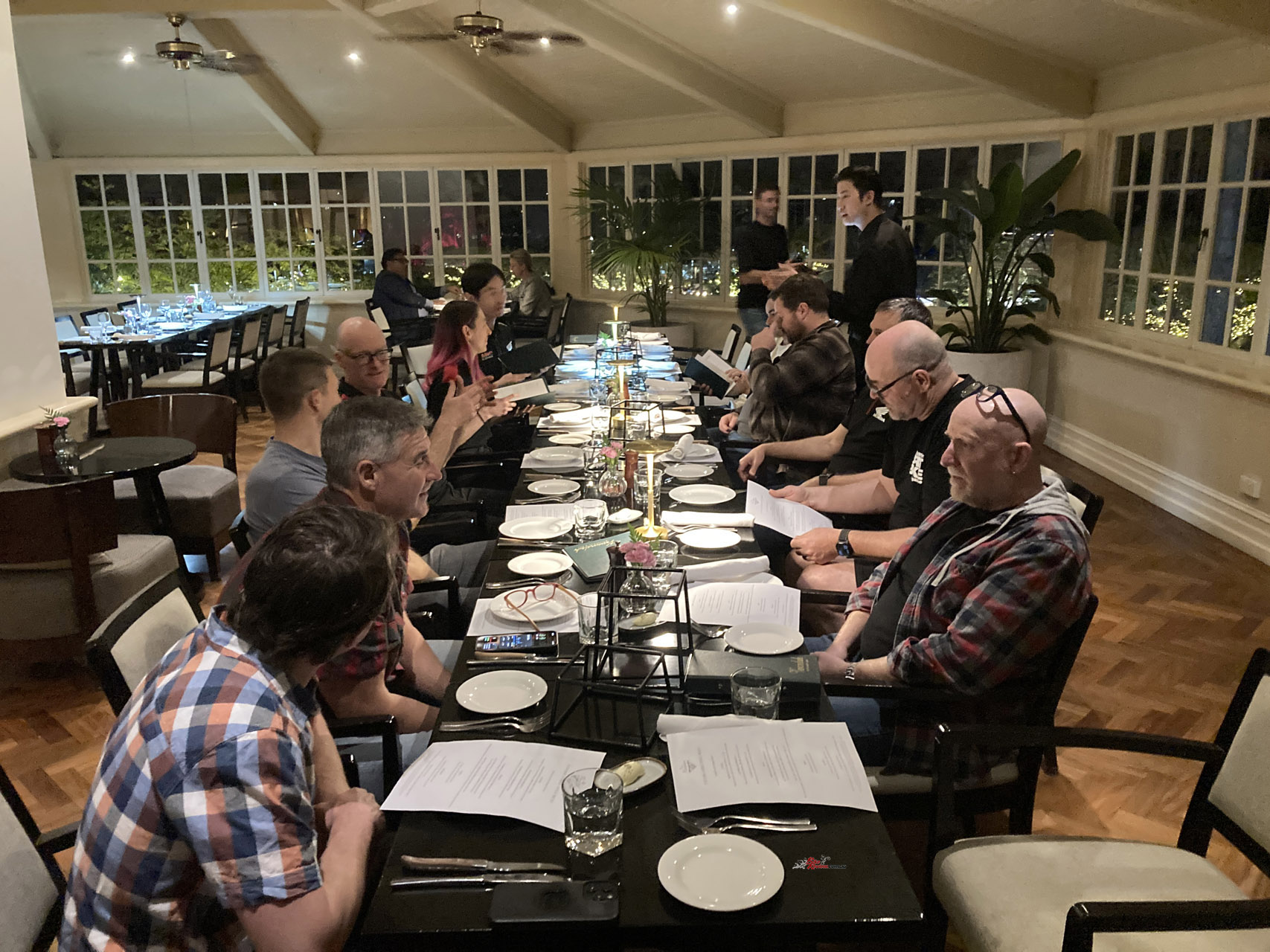
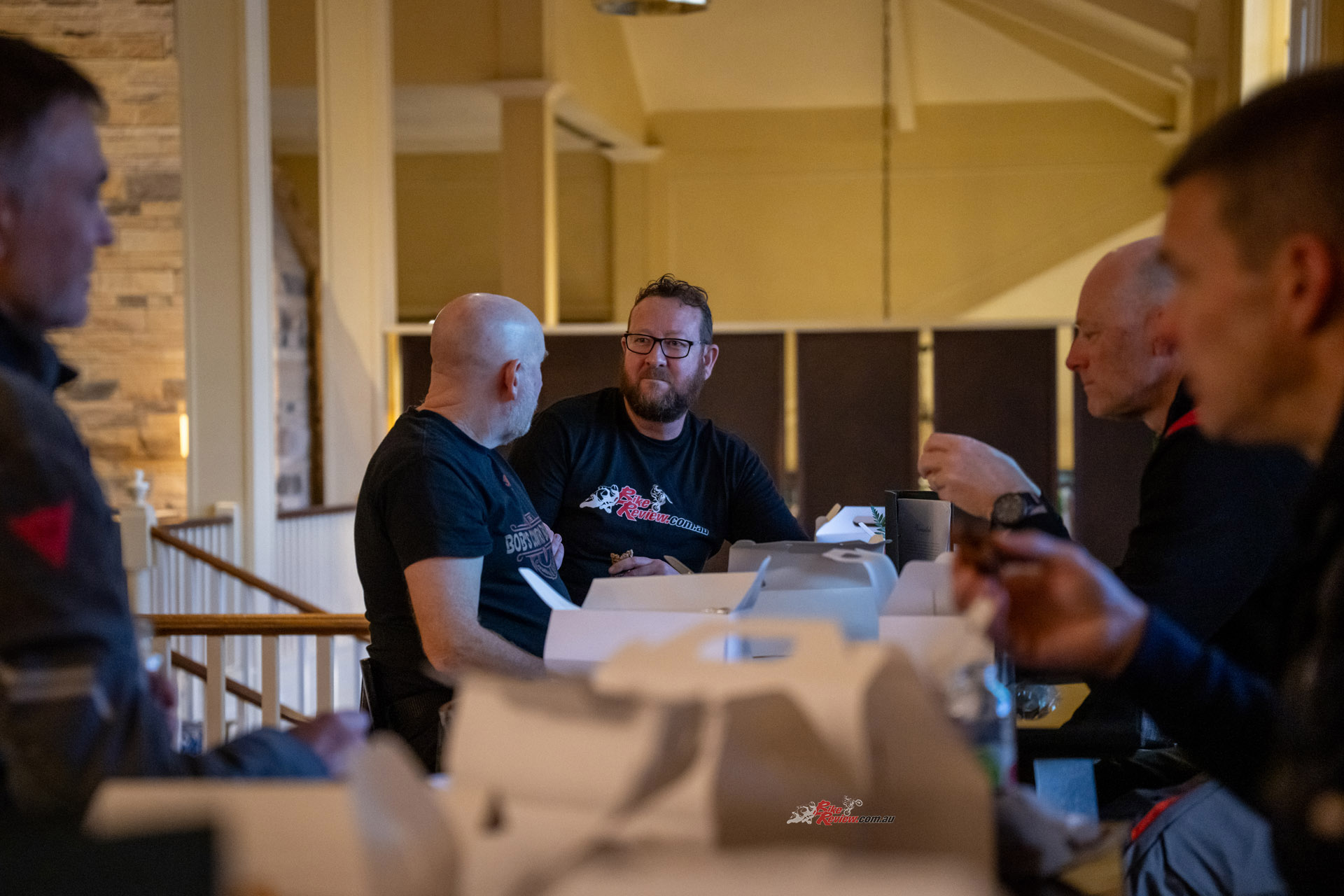
The launch ride covered 400km through the Gold Coast Hinterland, stopping for lunch at Uki, finishing at Norwell Motor Complex, with Daryl Beattie leading. Having spent a month on the CB650R E-Clutch, I was keen to compare the NX500’s original system with the newer 750 setup.
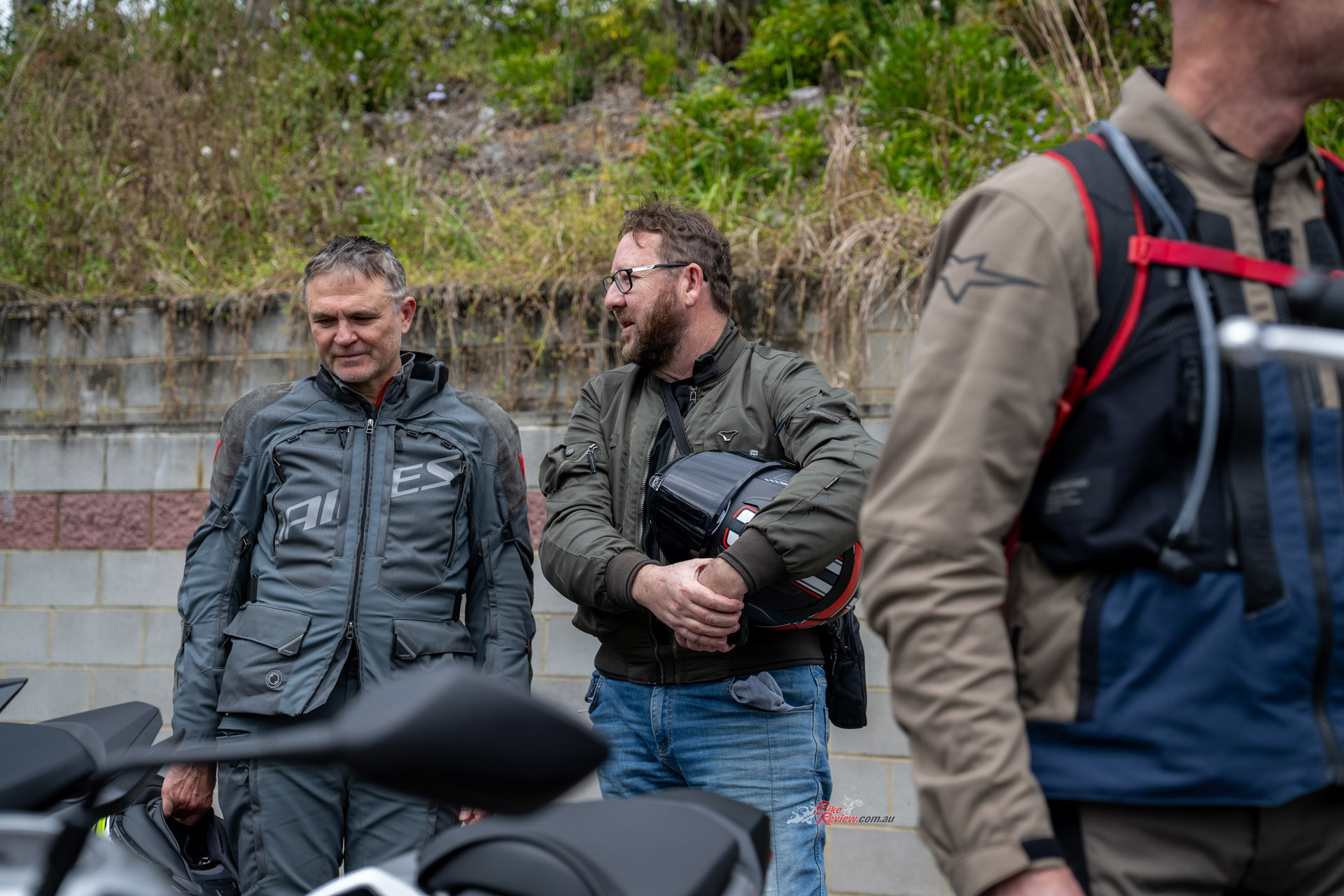
Honda also explained that safety was part of the thinking behind the technology. As Honda’s GM Chris Schultz put it, “One of the key things when Honda originally produced this system was looking towards its 2050 targets of zero deaths and injuries on the road. Part of it was asking how we make motorcycles, particularly entry-level motorcycles, safer.”
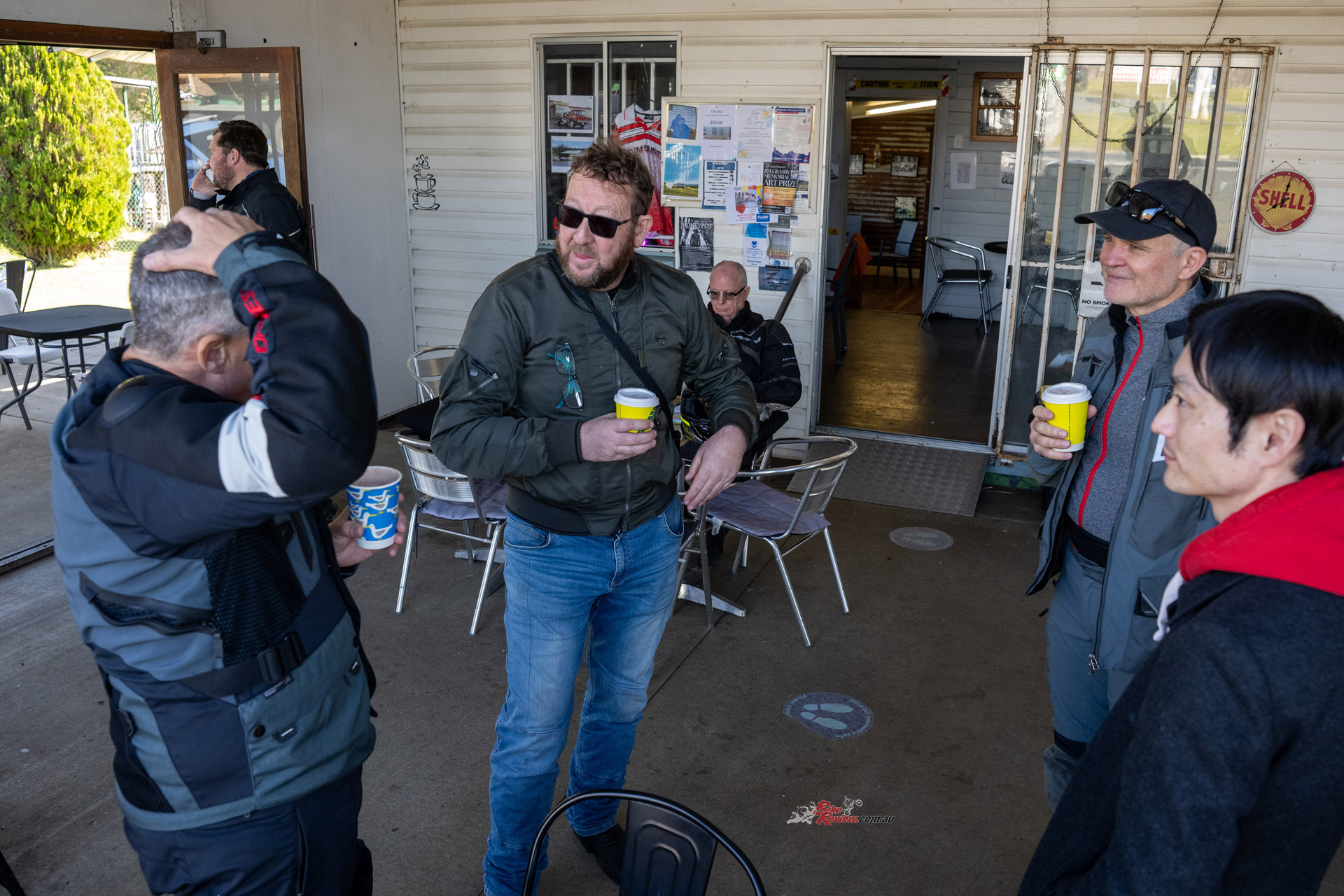
The system does not remove the need for rider skill or judgement, but it can simplify one of the tasks that new riders must learn while also offering practical benefits to experienced motorcyclists.
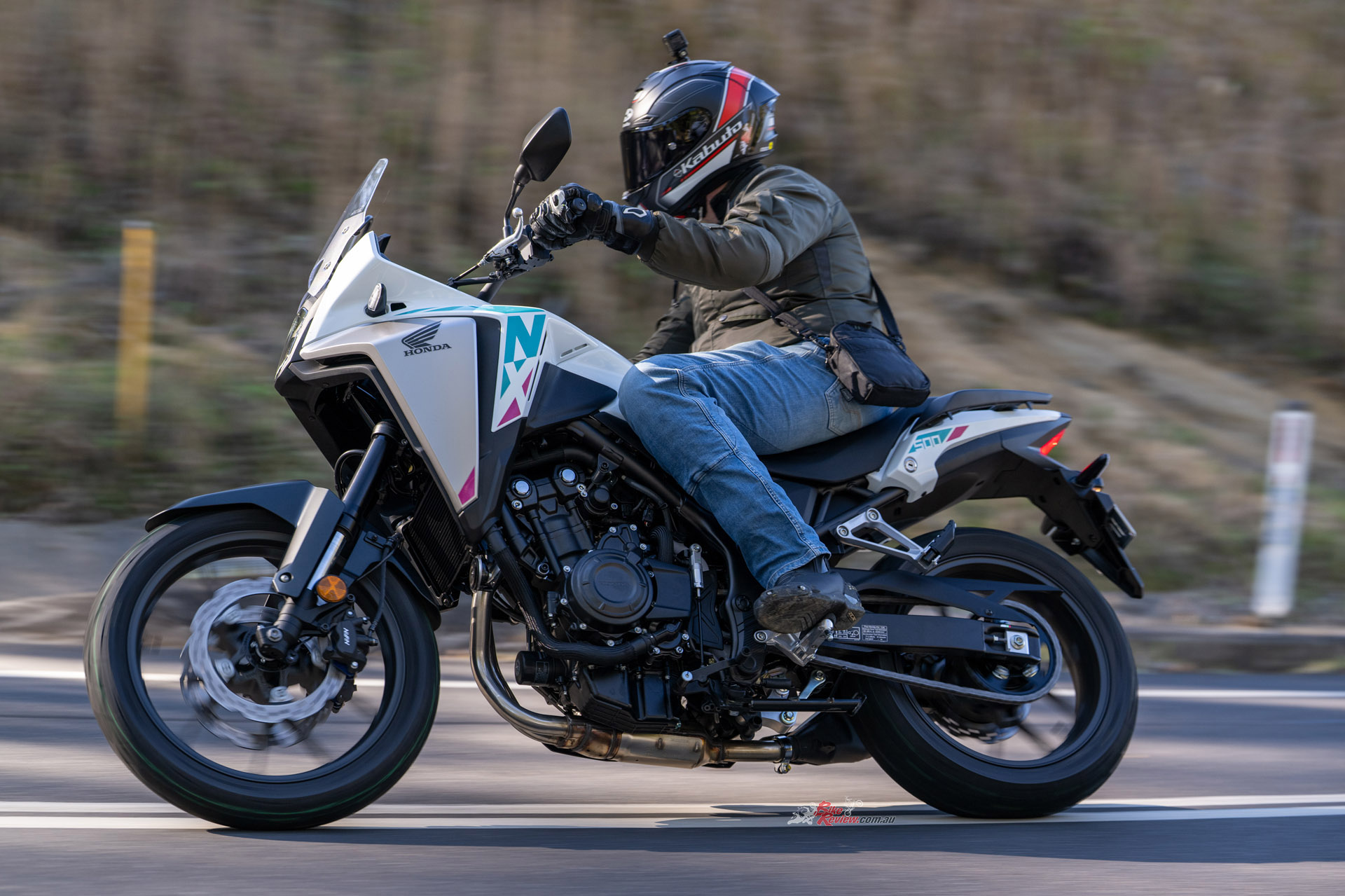
Honda NX500 E-Clutch
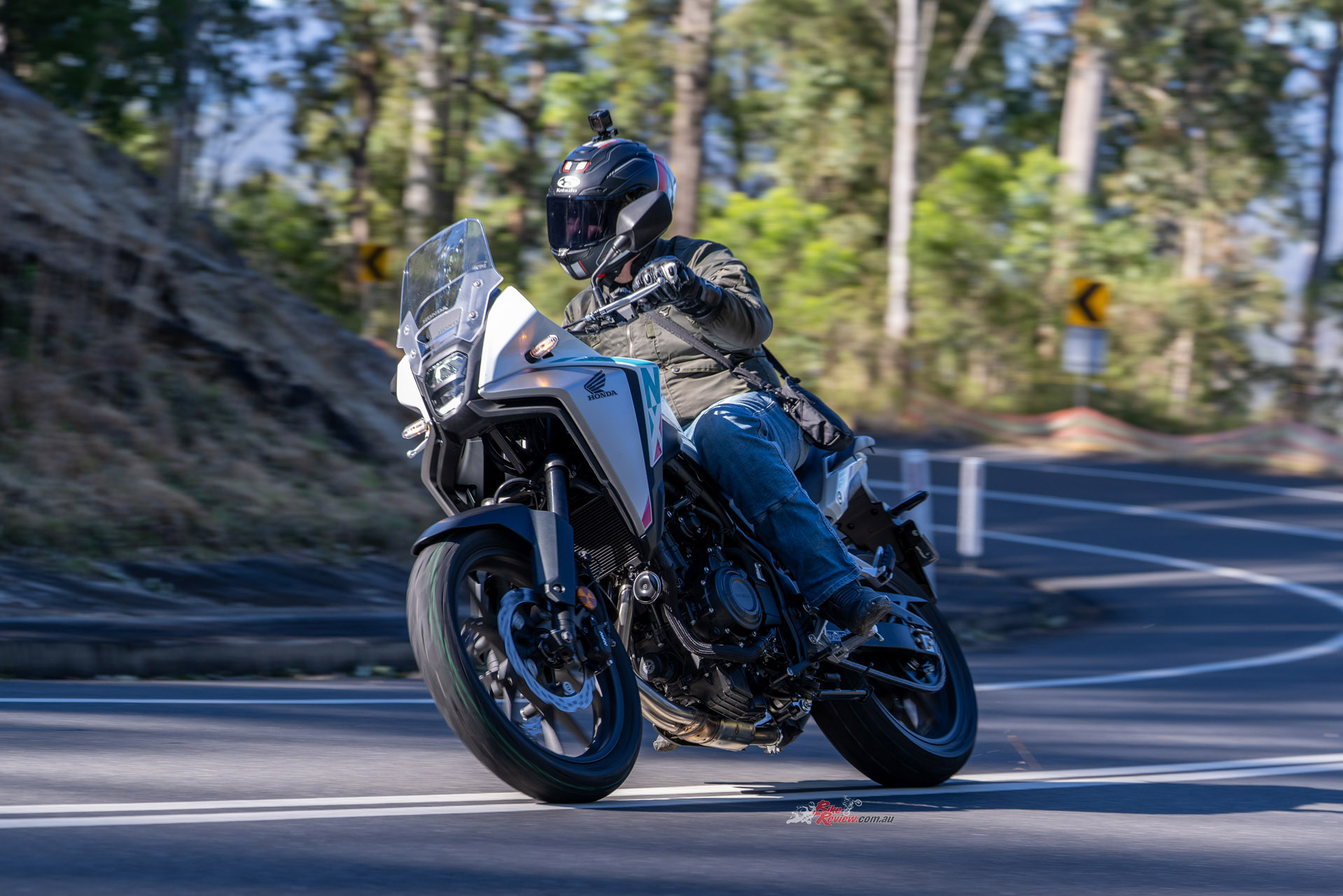
The NX500 was the first motorcycle I rode on the day. Having earlier completed a month on the CB650R E-Clutch, I wanted to see how the system worked on one of Honda’s popular middleweight adventure-style road bikes, as well as experience the legendary NX itself. The first thing I noticed was how much more compact and out of the way the system is on the outside of the clutch cover compared to on the CB650R, which my shin touched on. Not on the NX500. Good stuff.
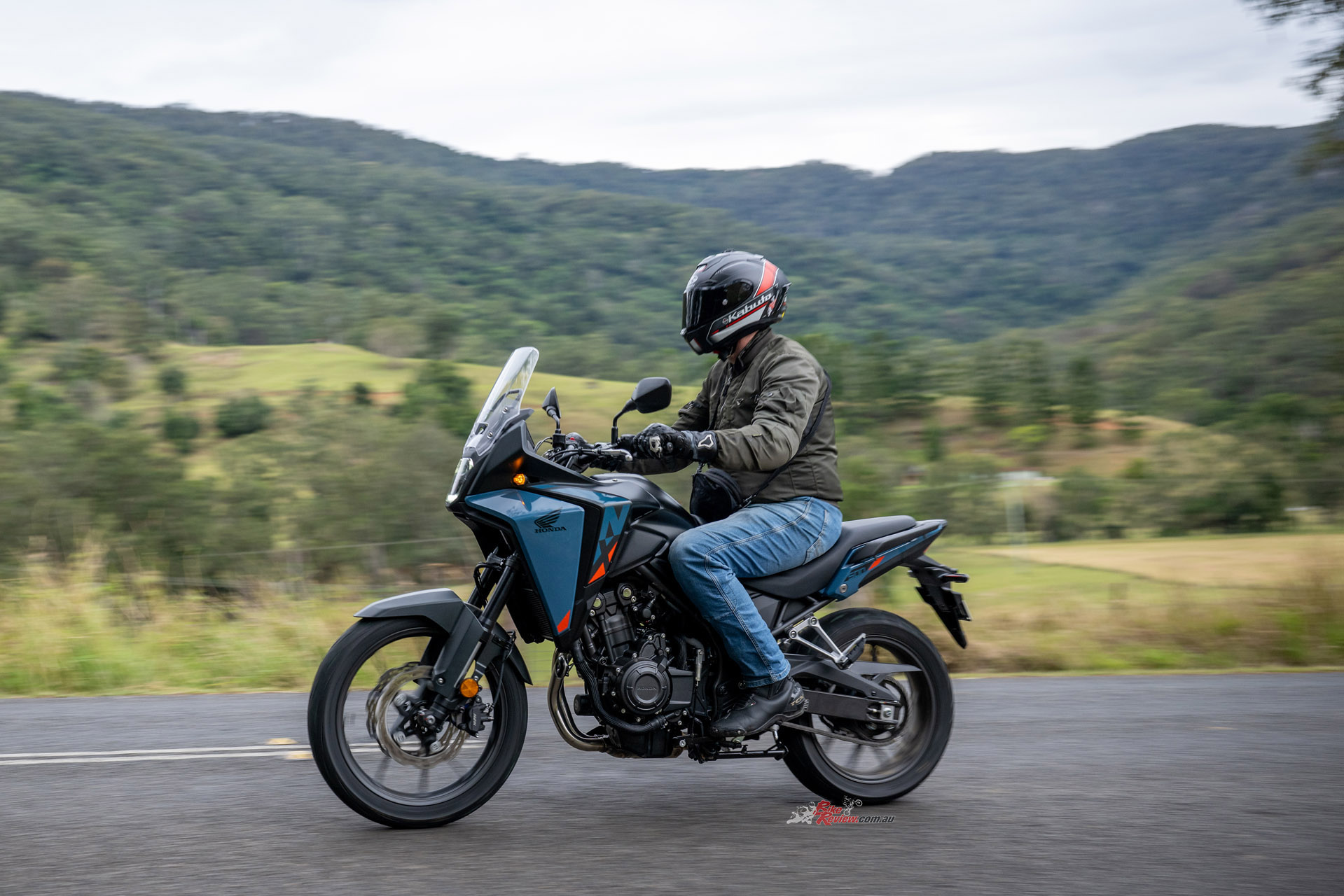
The original E-Clutch system worked well on the NX500, making shifts straightforward without needing the clutch lever.
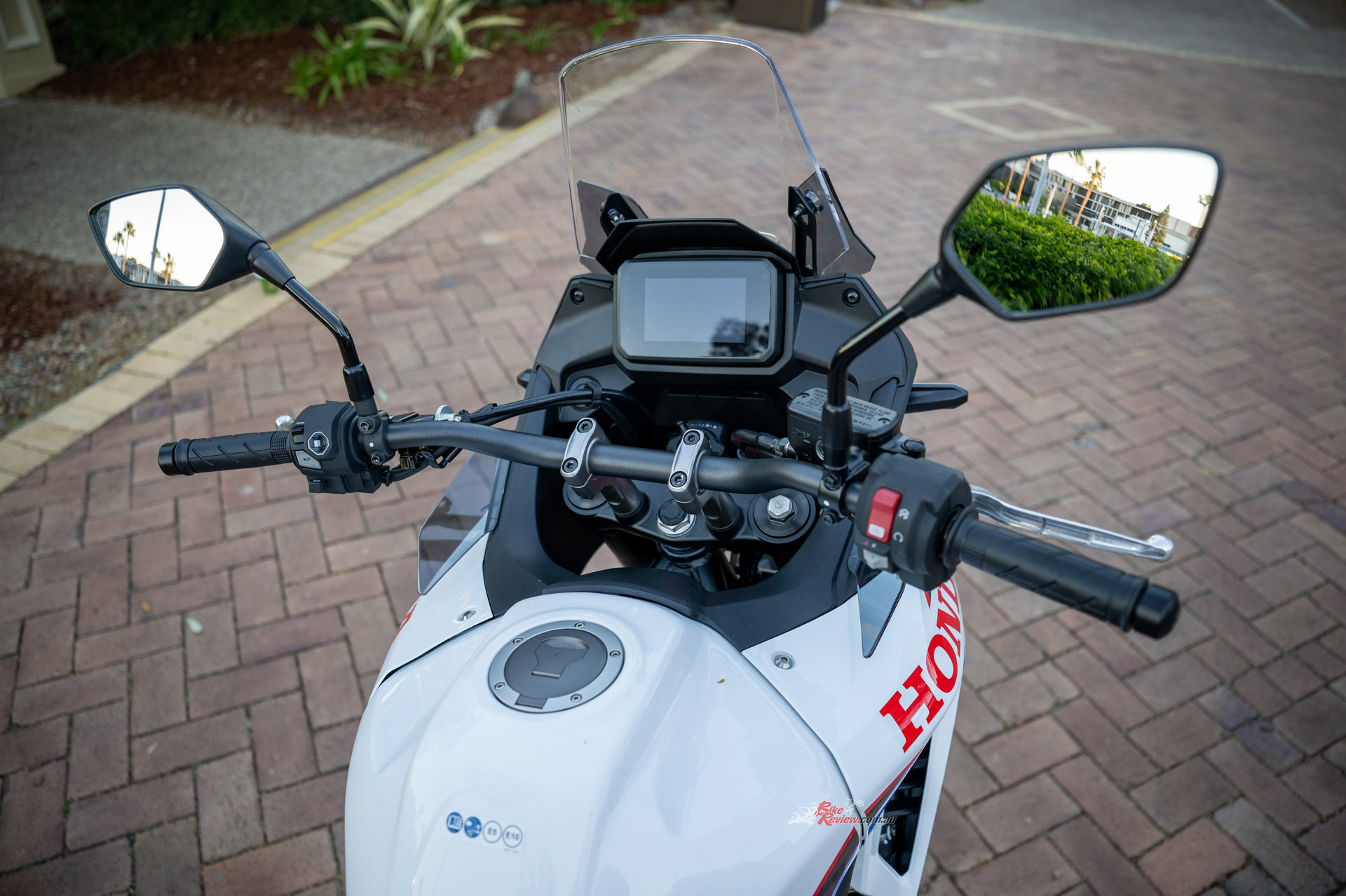
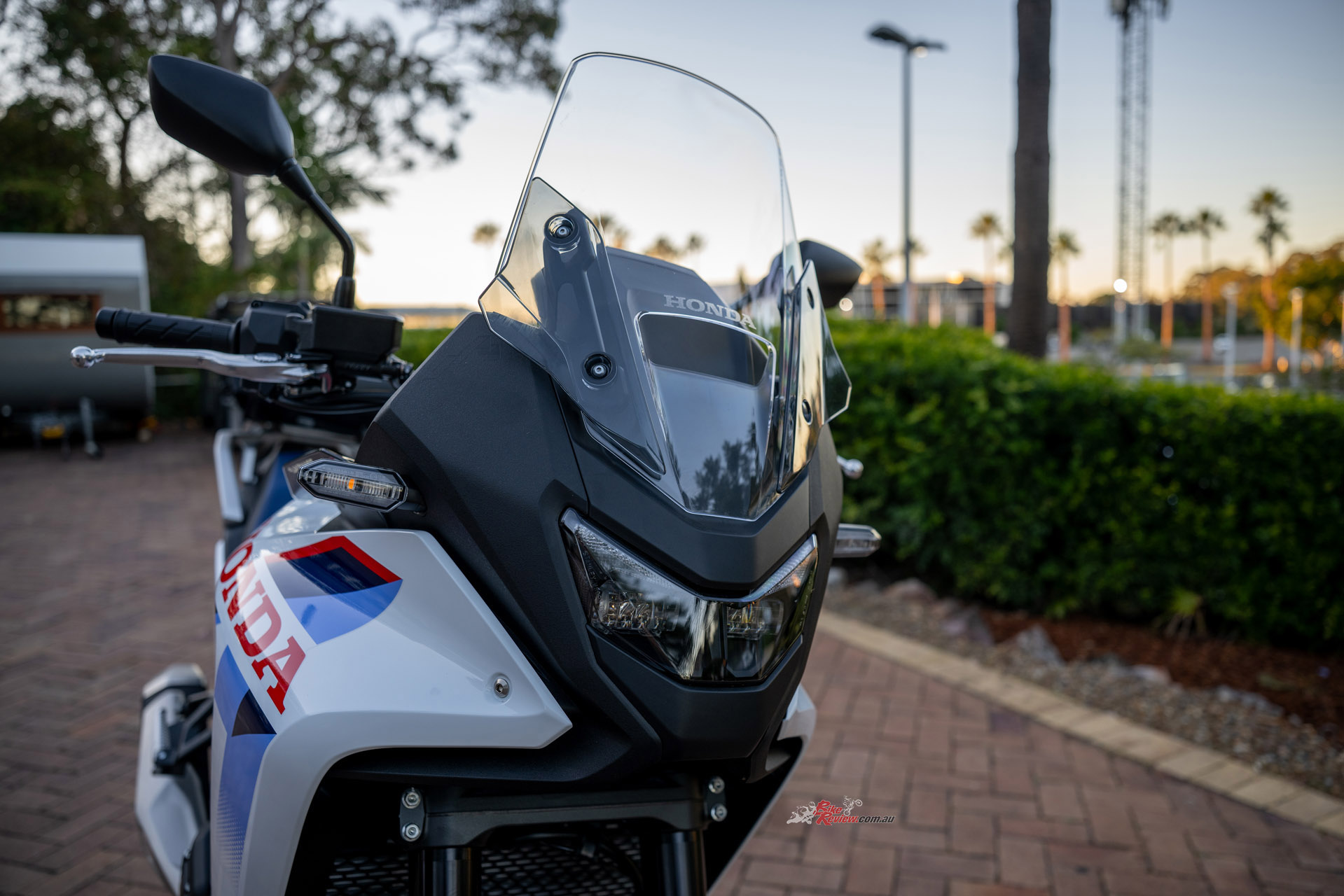
The NX500 made a positive first impression, with comfortable ergonomics, a sensible riding position and a well-designed rider triangle. At my height of 187cm, I fitted comfortably, with a good seat, well-placed ‘pegs and ‘bars, and a screen that offered useful wind protection. The dash was also easy to read at a glance, just an easy bike to be on.
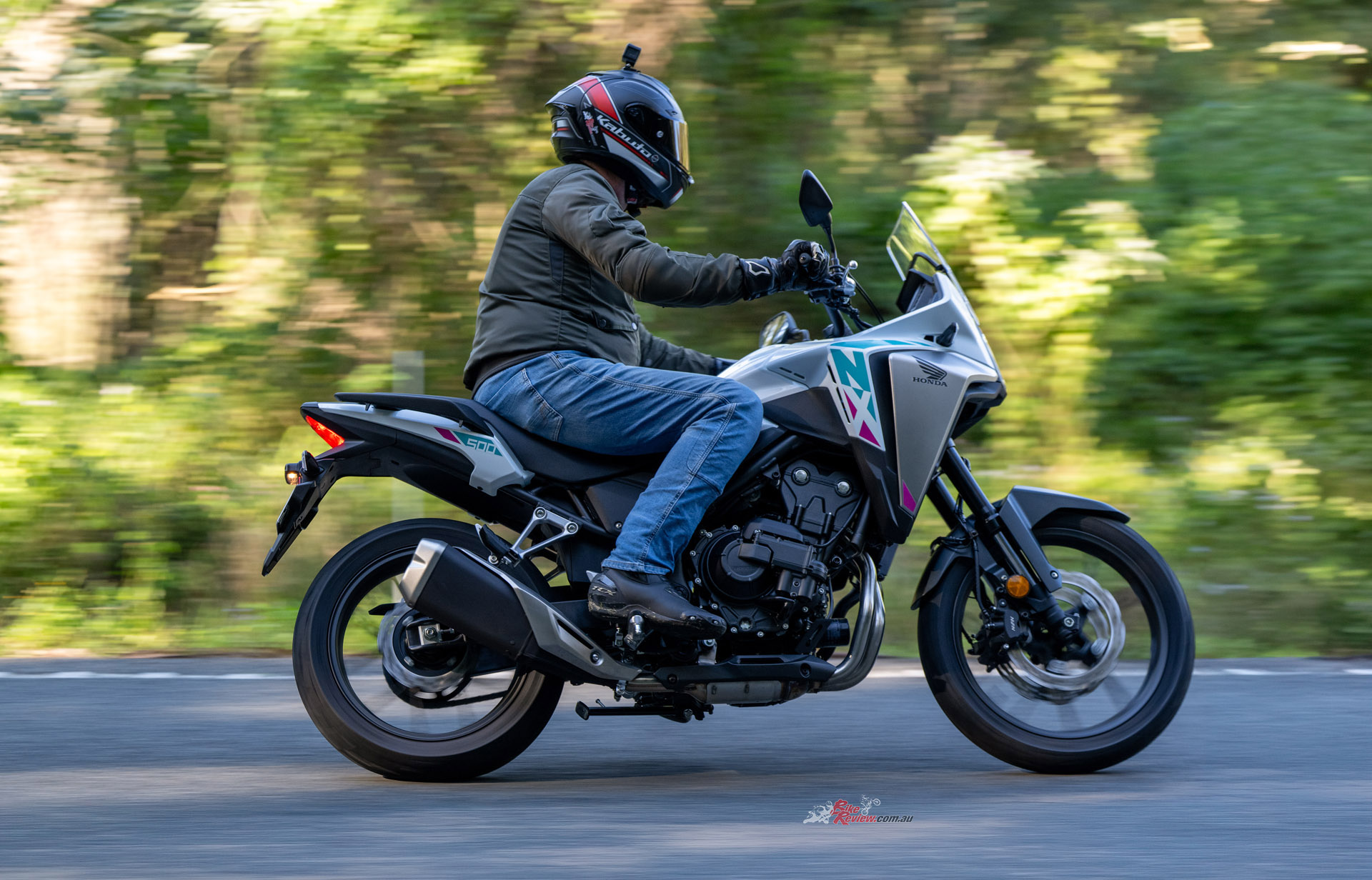
The ability to take off and come to a stop without manually operating the clutch made the bike particularly easy to ride
The 471cc parallel-twin engine is a strong part of the NX500’s appeal, it’s smooth, engaging and offers useful torque through the rev range, with enough extra zip higher in the revs to keep the ride entertaining. It is not an engine that demands constant attention to the gearbox to stay in its useful range, which makes the E-Clutch a natural fit. The combination provides an approachable motorcycle that can handle commuting and everyday duties while still being enjoyable on a weekend ride.
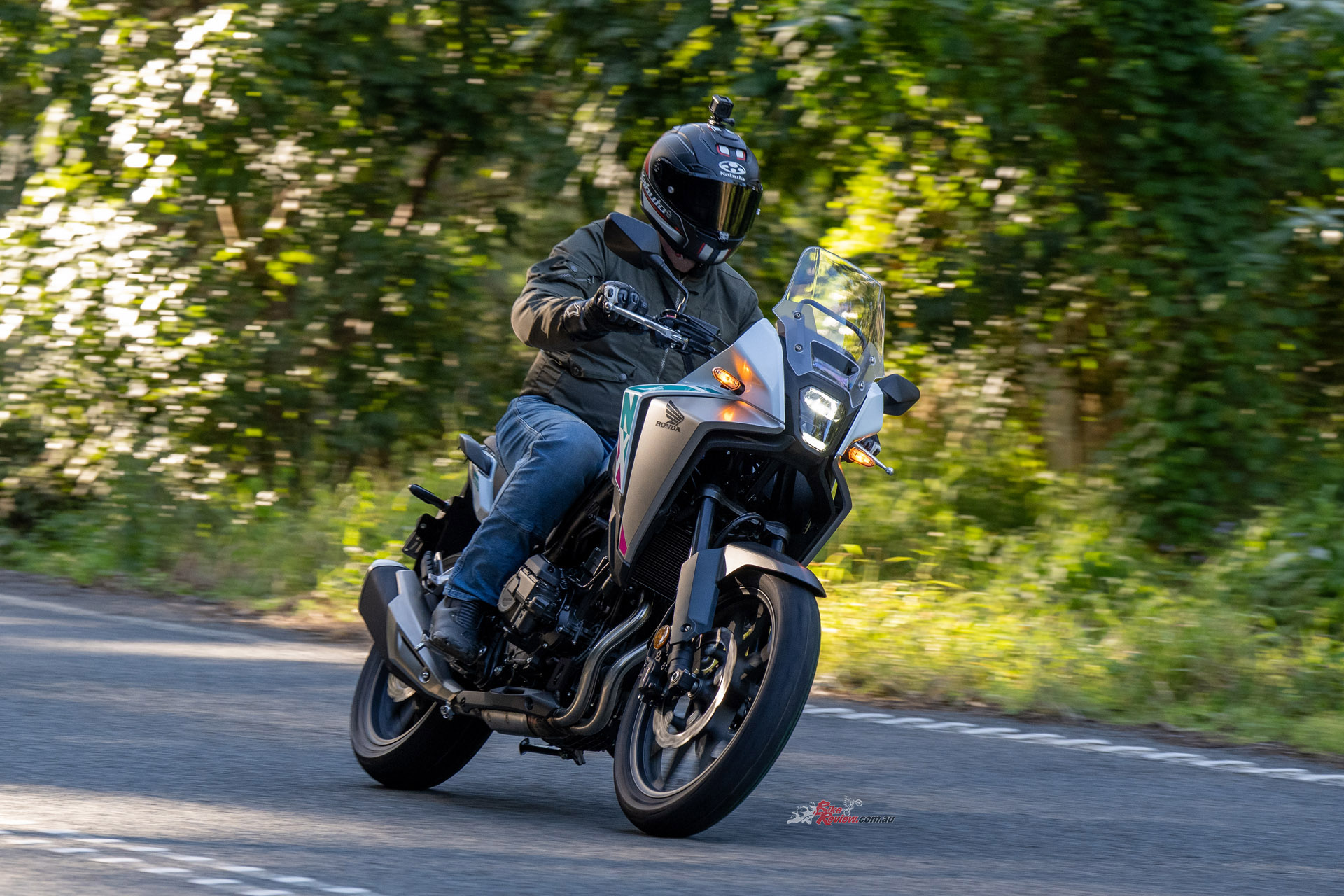
The 2026 Honda NX500 E-Clutch was a surprise package for me. It’s just such a sweet handling, fun little motorcycle.
The handling was a highlight, the NX500 felt stable through the corners, held a line well and offered plenty of ground clearance for spirited road riding. The brakes and front suspension were also up to the task. I would, however, consider upgrading the rear shock to a higher-quality, more adjustable unit. At around 100kg, I found the standard rear suspension a little lacking when the pace increased over bumpy roads, packing down and bottoming out at times.
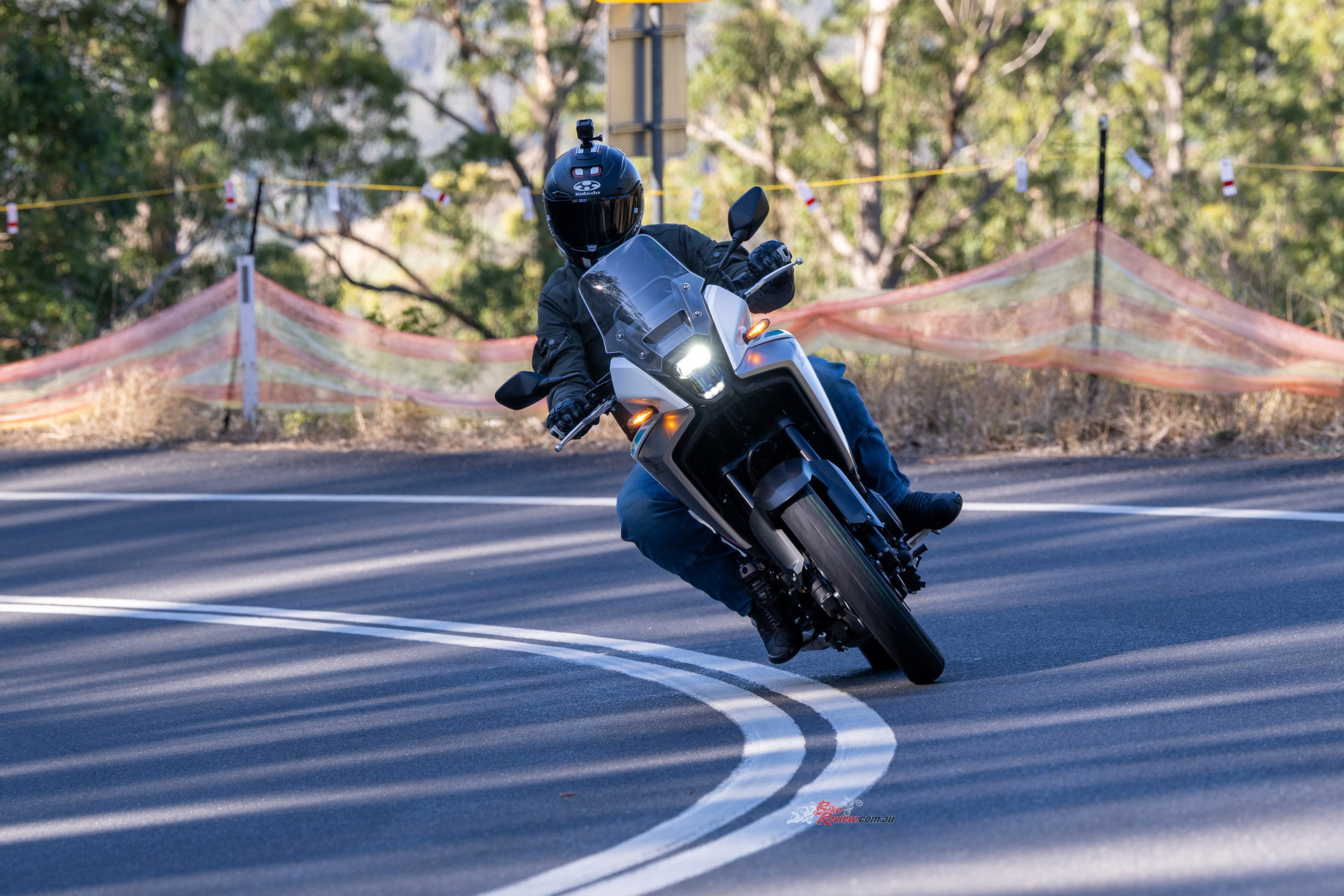
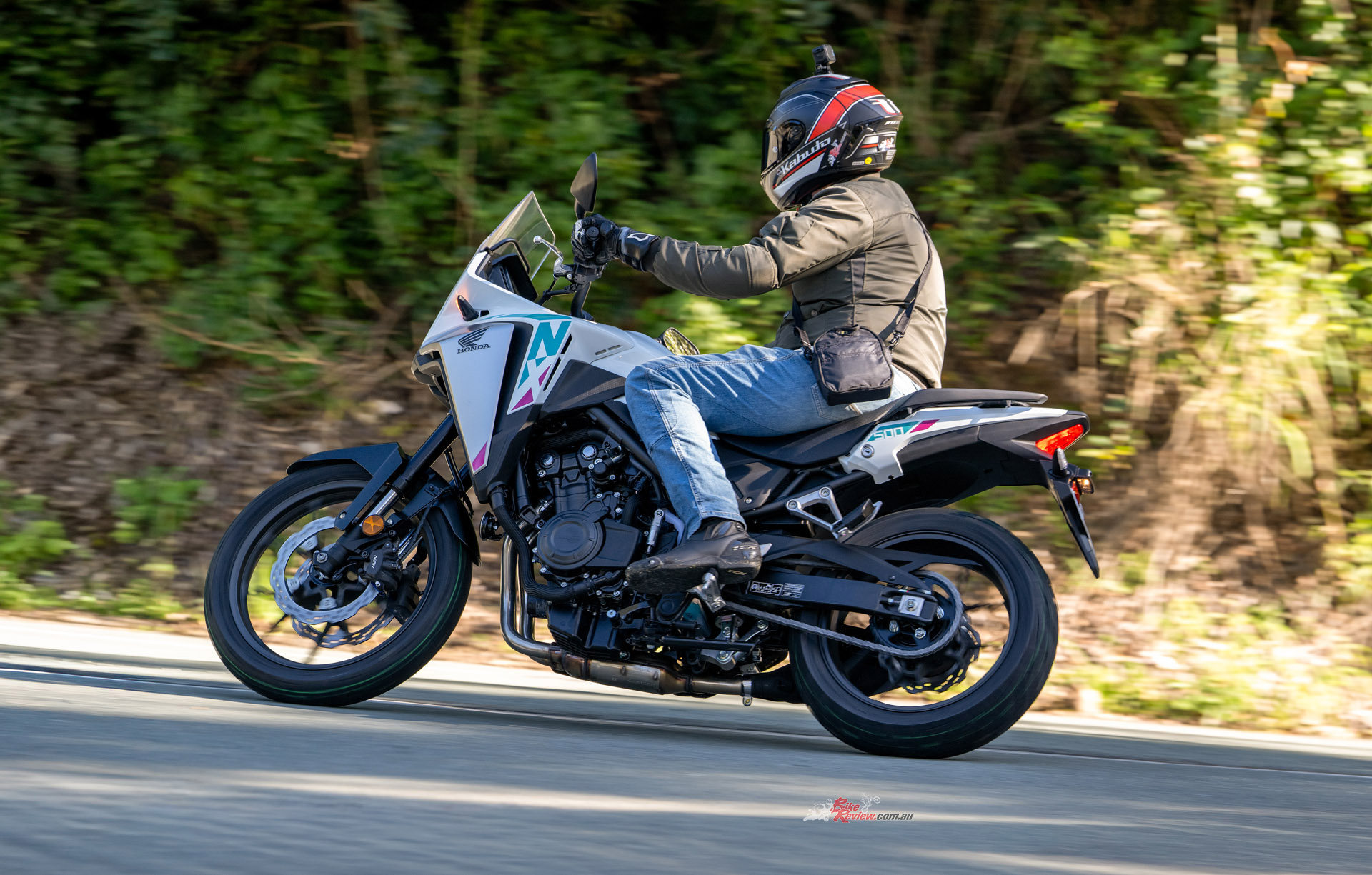
I was doing my best to follow Daryl Beattie through some of the best twisty roads in the Gold Coast Hinterland, though, and many of those roads were far from smooth, plus we were having some fun. In normal urban riding and everyday use, the rear suspension was fine and many owners would not need or want to change a thing, I’m simply talking refining the bike for personal use here…
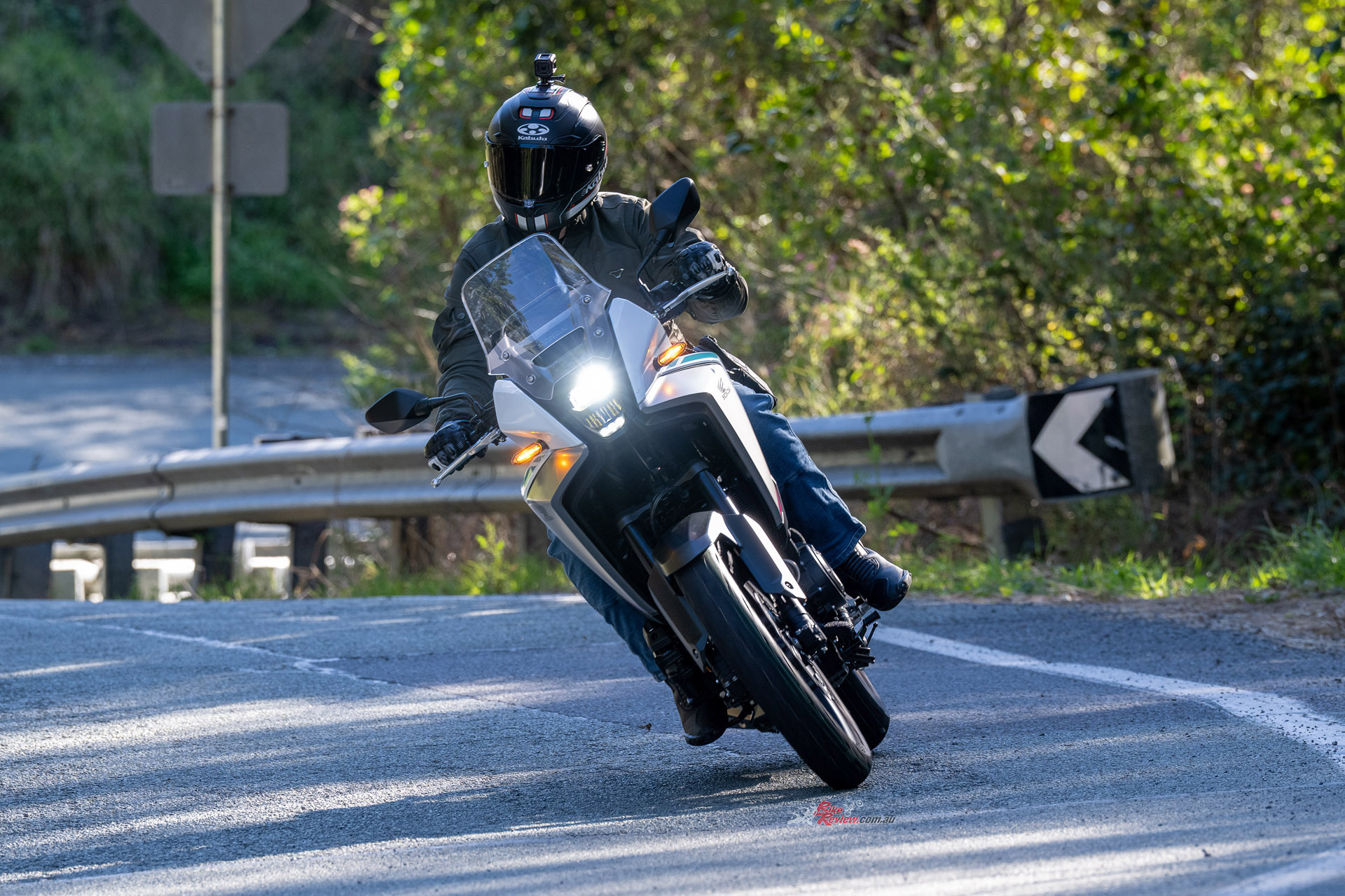
The NX500 (formerly CB500X) is a top selling bike and for good reason, further improved with the E-Clutch system.
The original E-Clutch system worked well on the NX500, making upshifts and downshifts straightforward without needing the clutch lever. The ability to take off and come to a stop without manually operating the clutch made the bike particularly easy to ride, and I found little reason to override the system. The manual lever remains available whenever you want it, but the point is that routine clutch operation becomes unnecessary. An awesome little bike with the E-Clutch spot-on.
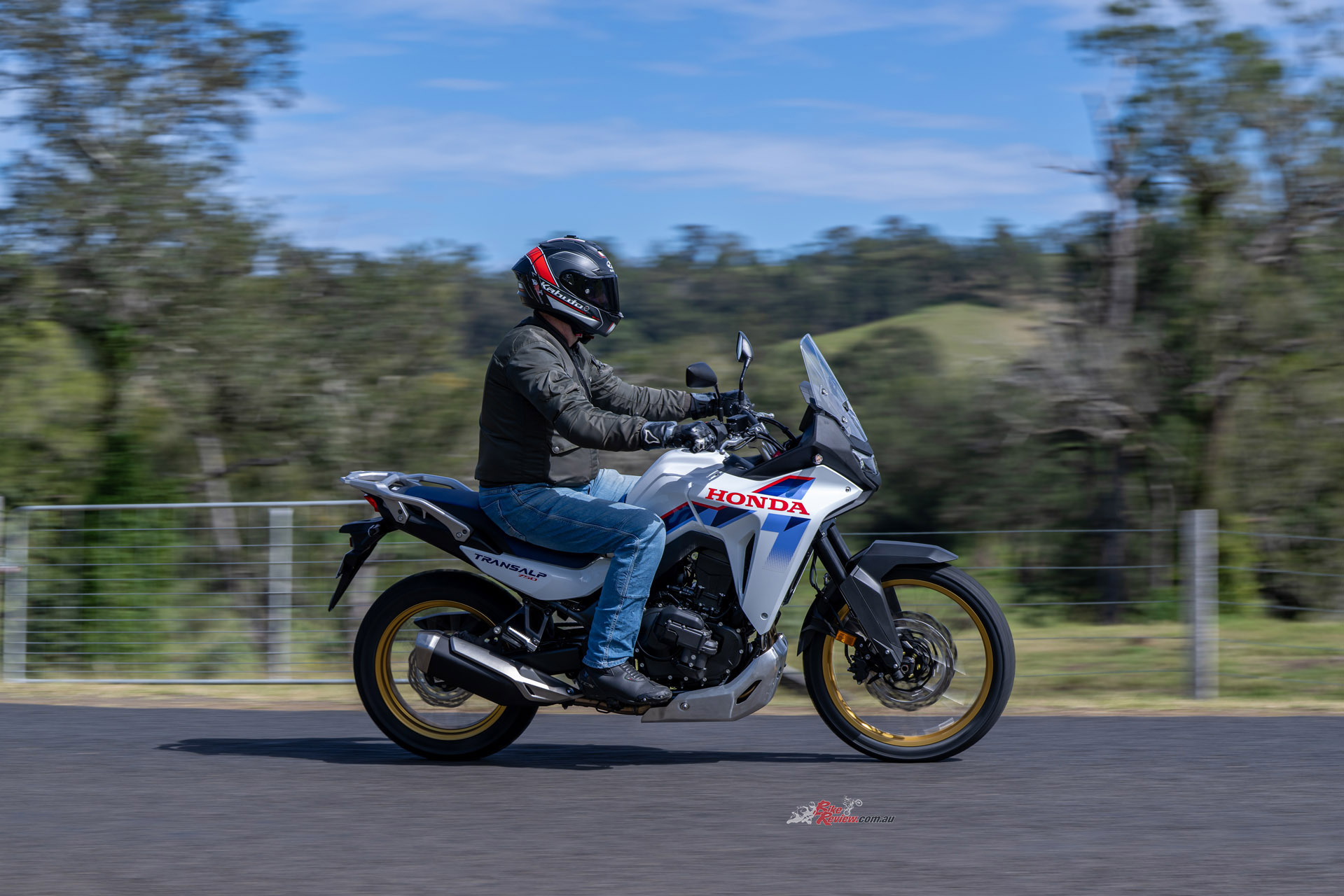
Honda XL750 Transalp E-Clutch
I had not previously ridden the current-generation XL750 Transalp, so I was keen to discover how the popular bike performed before assessing the newer E-Clutch system. I was immediately impressed by its comfortable ergonomics and relaxed riding position.
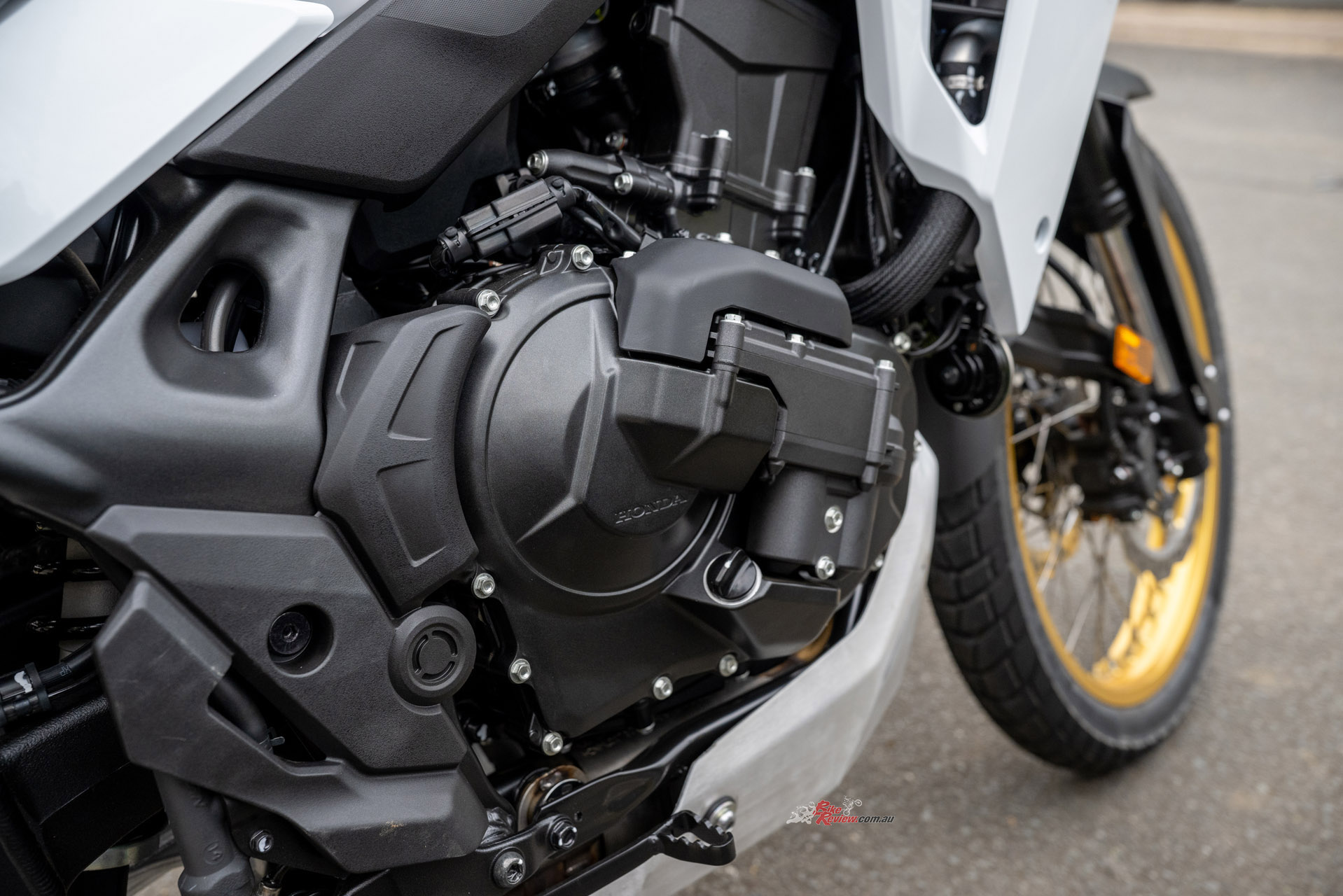
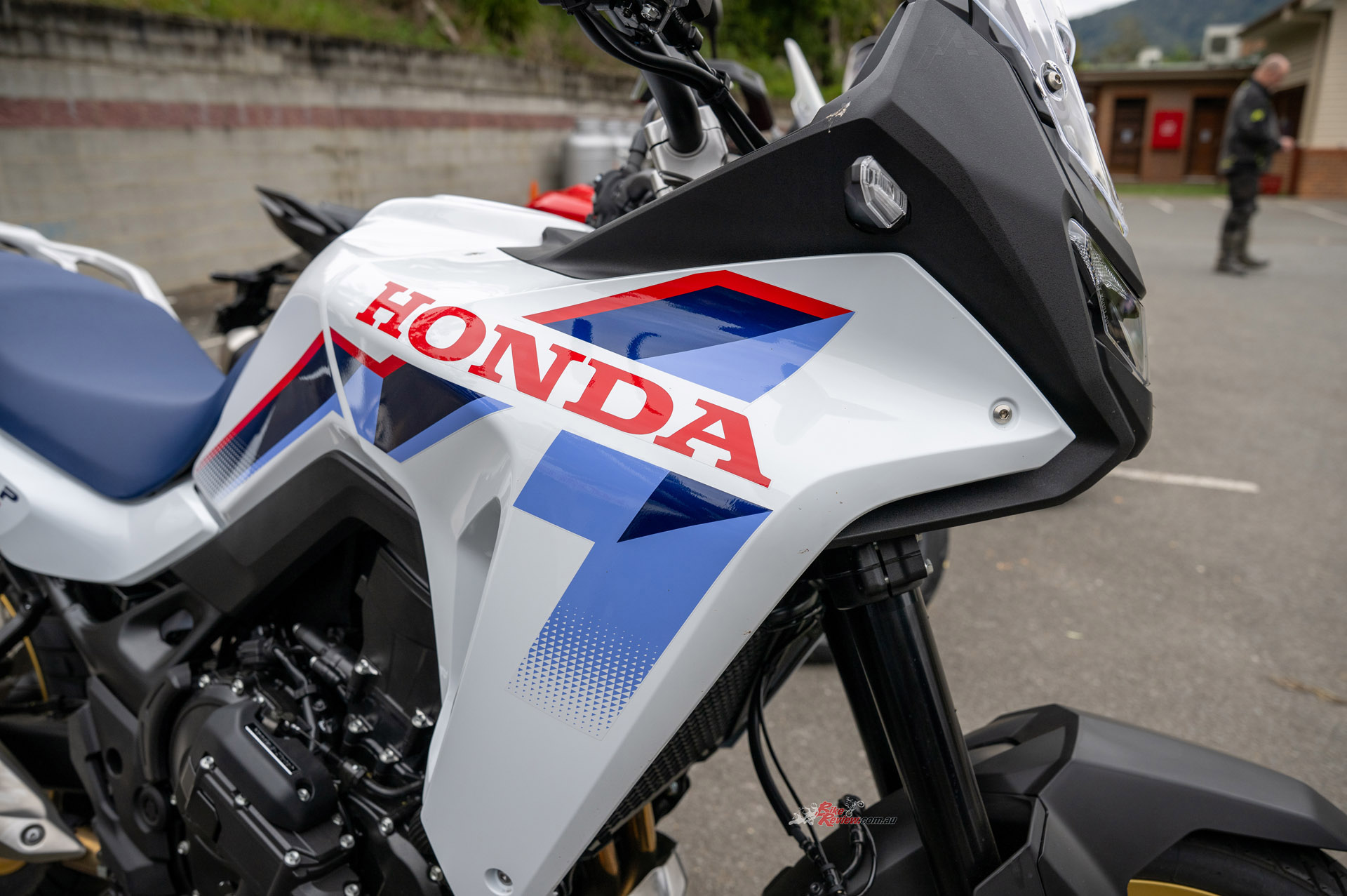
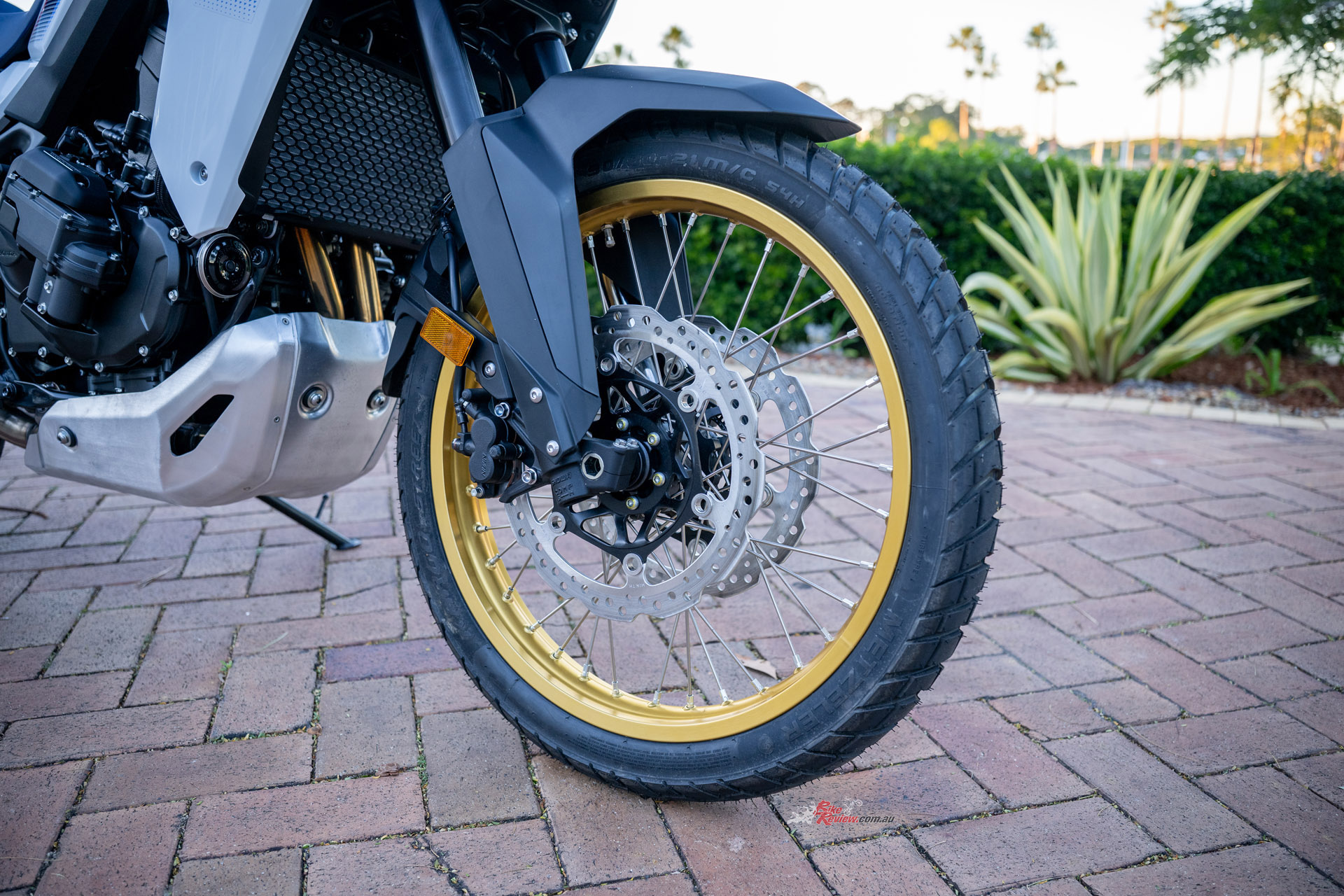
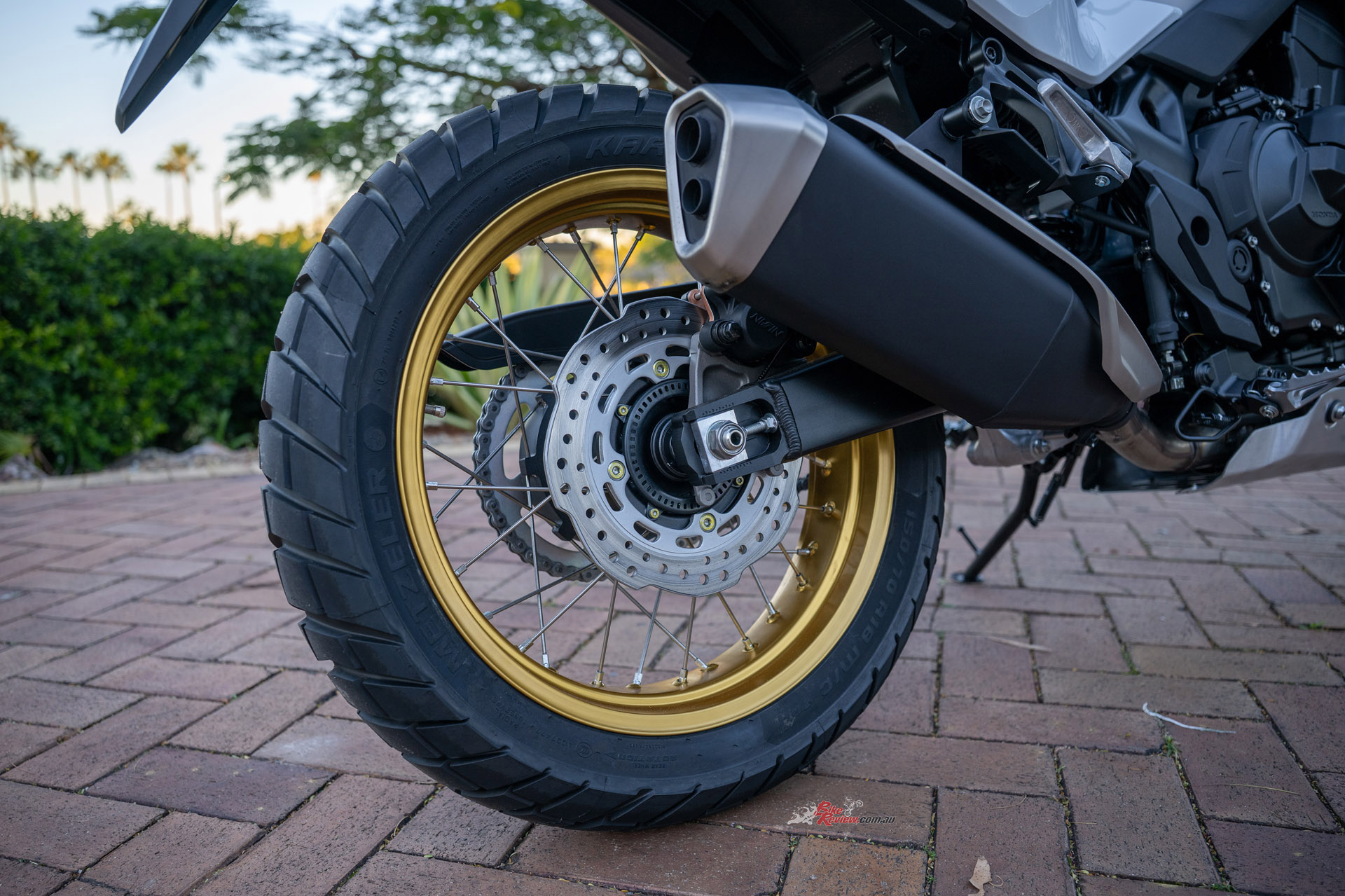
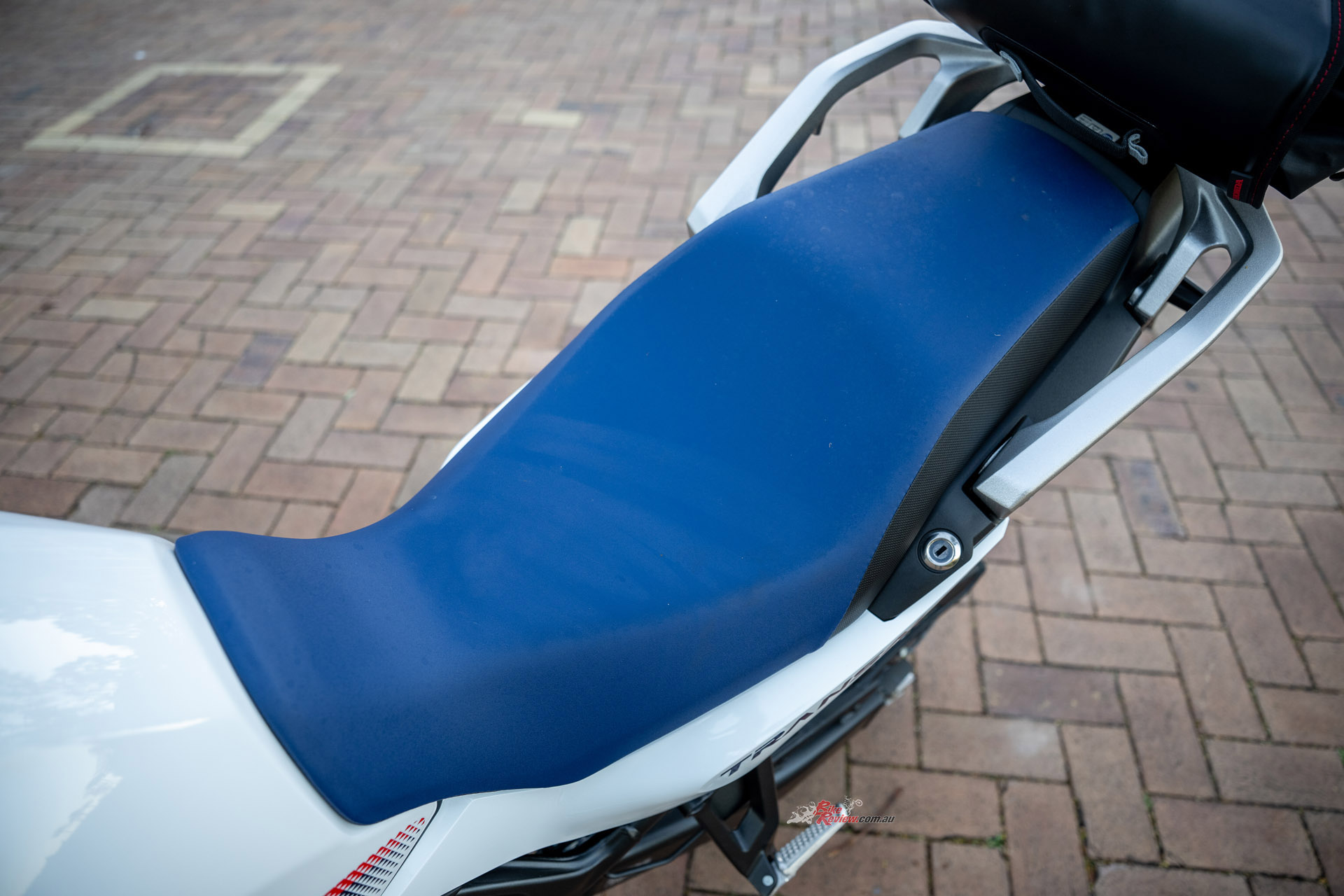
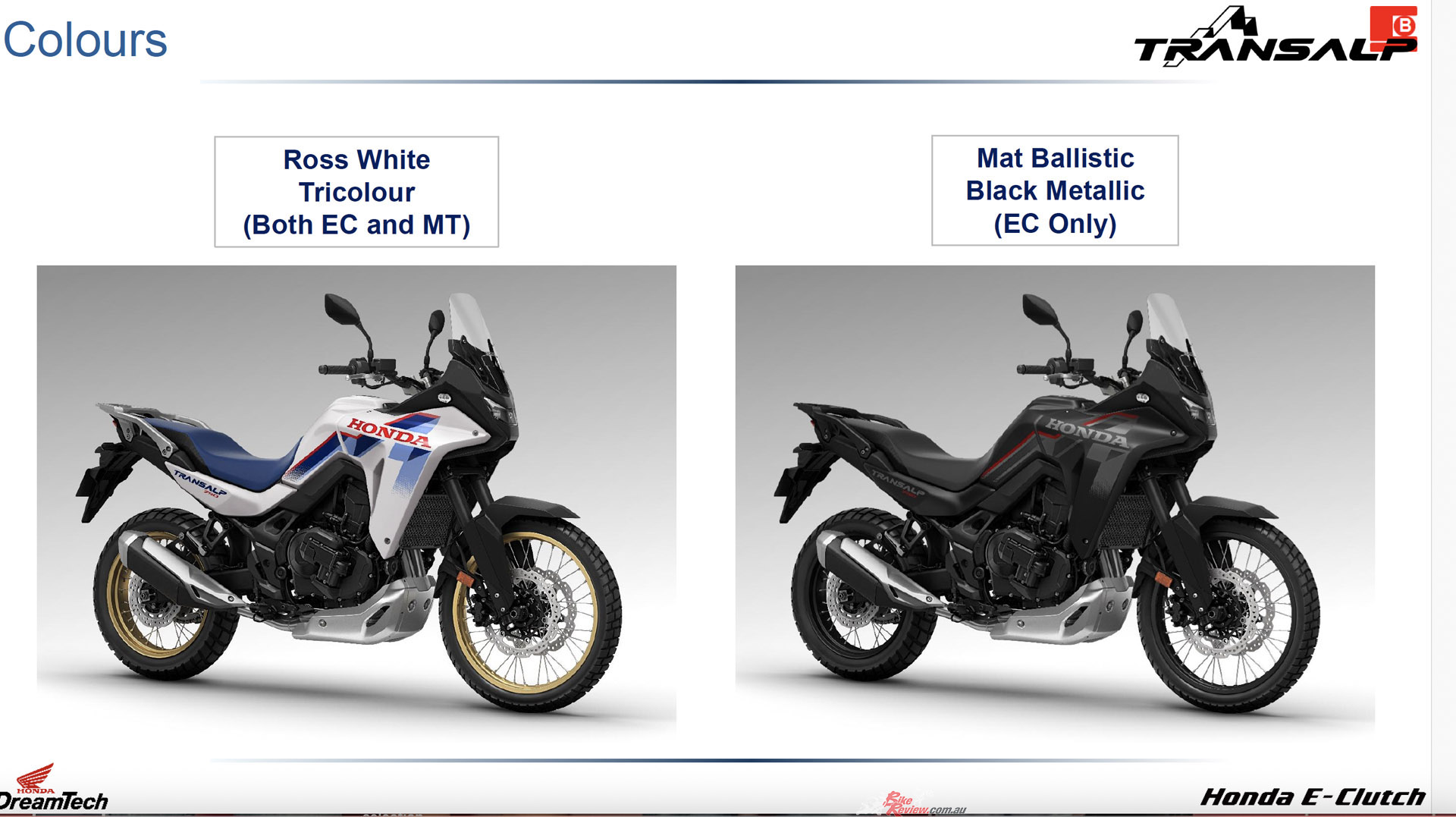
The 755cc parallel-twin engine, shared with the Hornet 750, provides strong performance and useful flexibility, while the brakes and suspension are great, with the strong stoppers offering good feel and power and the suspension offering a well supported yet definitely comfy and plush ride. With the big seat, it’s a true all-day ride… and it looks awesome, too. I just love the Ross White Tricolour.
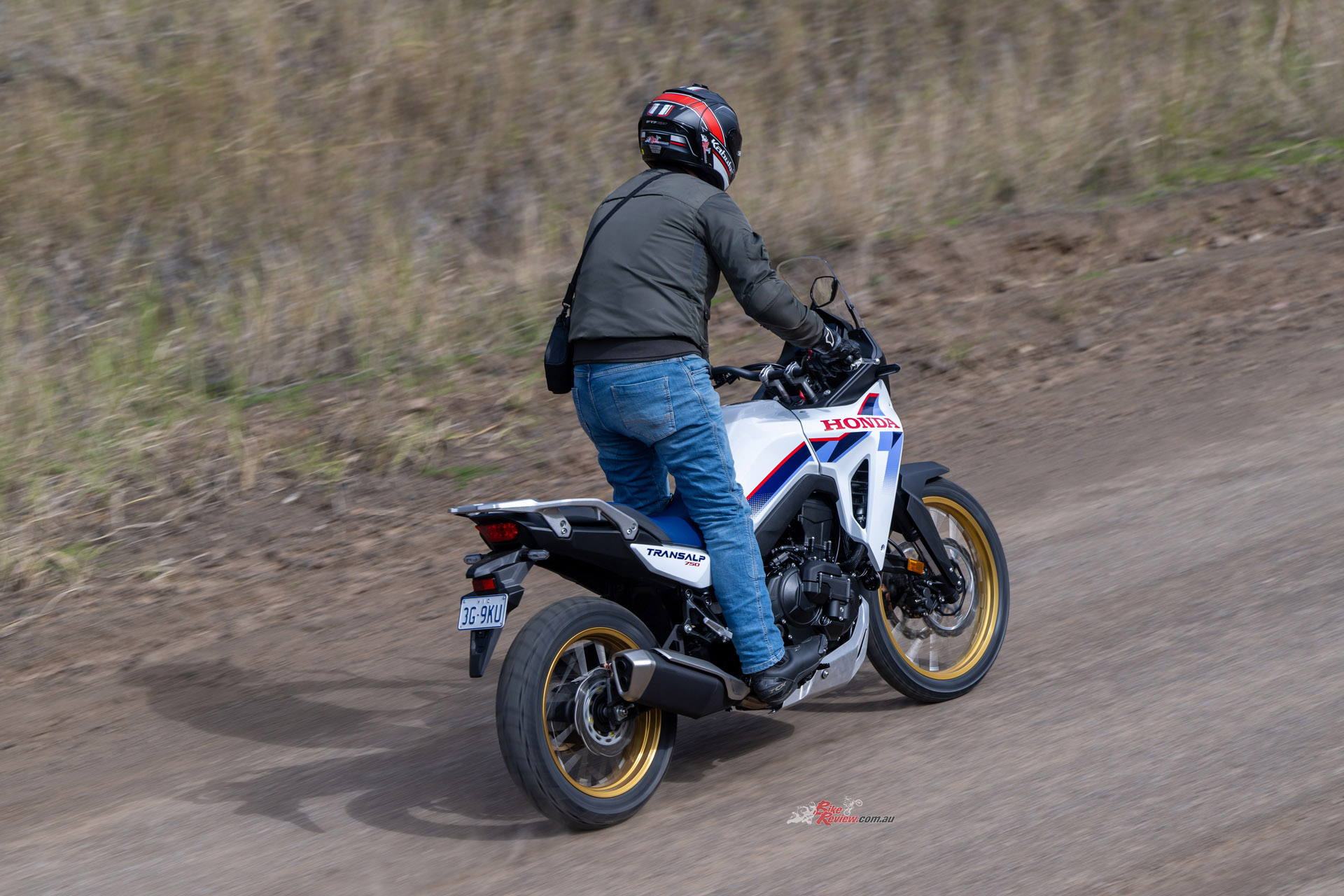
The E-Clutch system adds another layer of ease to the laid back riding experience of the Transalp. Gear changes were smooth and relaxed, yet the process remained engaging because I was still choosing the gears and using the gearlever.
 I tried the different shift-force settings of Soft Medium Hard both up and down and preferred Soft for upshifting and Medium for downshifting. That preference will be personal, but being able to adjust the feel of upshifts and downshifts independently gives riders useful scope to tailor the system to a heavy or light foot or shift technique.
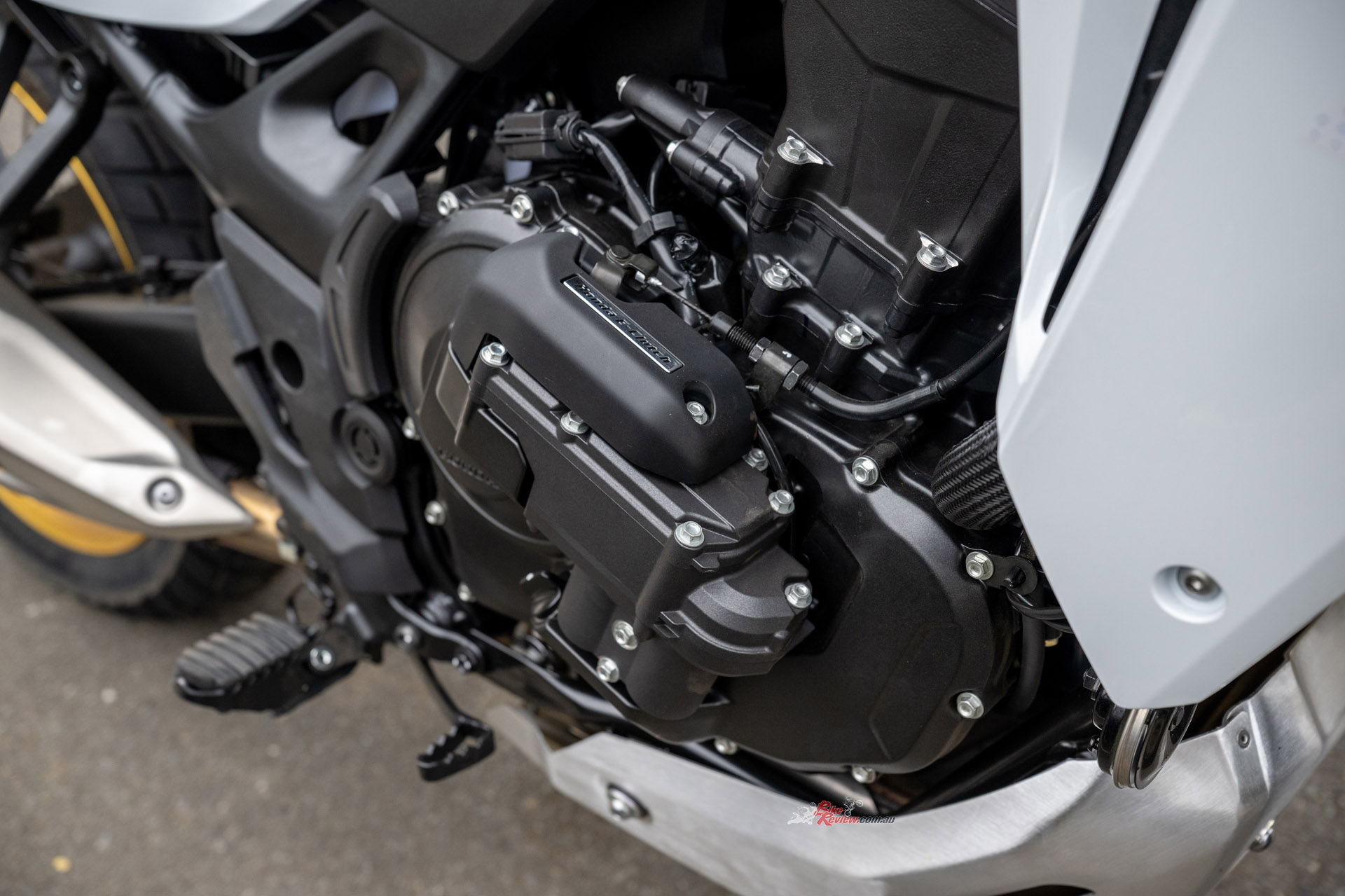
One particularly interesting aspect was being able to feel the clutch actuator working – while riding, I reached down towards the side of the engine with my left hand over the tank and I could feel the small movements of the clutch actuation arm as the system managed clutch operation. Just as I set my GoPro up to film this in action, it went flat, so hopefully next time I can capture it for a video.
“I could feel the small movements of the clutch actuation arm as the system managed clutch operation”…
It was a tangible reminder that the electronics were making fine adjustments during gear changes, rather than simply switching the clutch fully in or out. The partial-clutch operation felt similar in principle to the way an experienced rider might gently slip the clutch when entering a corner to manage engine braking, although the system was doing this electronically and in coordination with throttle and engine management, just amazing stuff and happening super quickly.
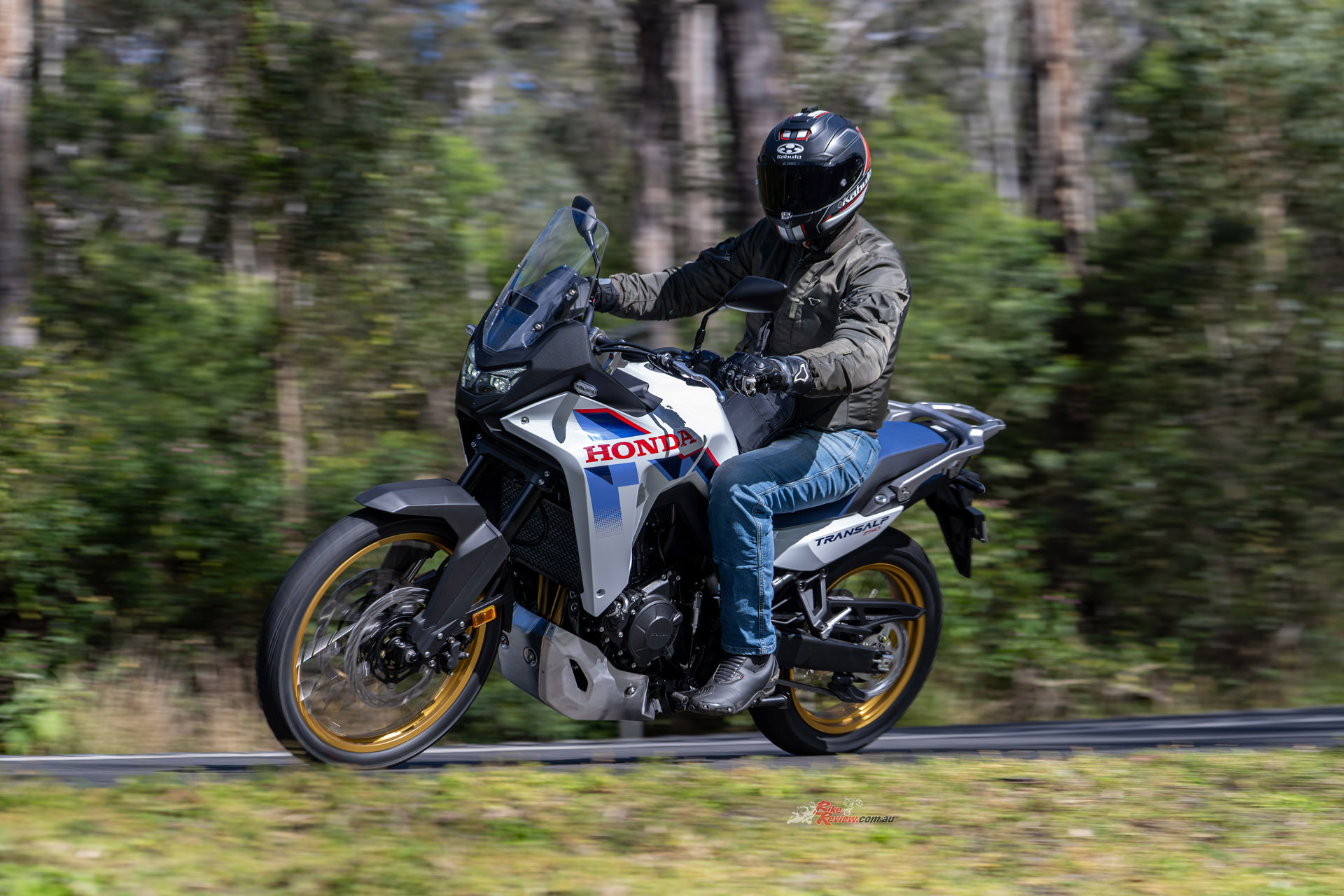
The partial-clutch operation felt similar in principle to the way an experienced rider might gently slip the clutch when entering a corner.
The combination of the slipper clutch, ignition and fuel control, automatic clutch slip and throttle blipping made the Transalp feel exceptionally well integrated. The TbW system addresses the main limitation I had identified with the original E-Clutch on the CB650R, giving the motorcycle more control over engine-speed matching on downshifts. That gave me loads more confidence in the system when punting along, particularly into corners when carrying lean angle, and also on the gravel road.
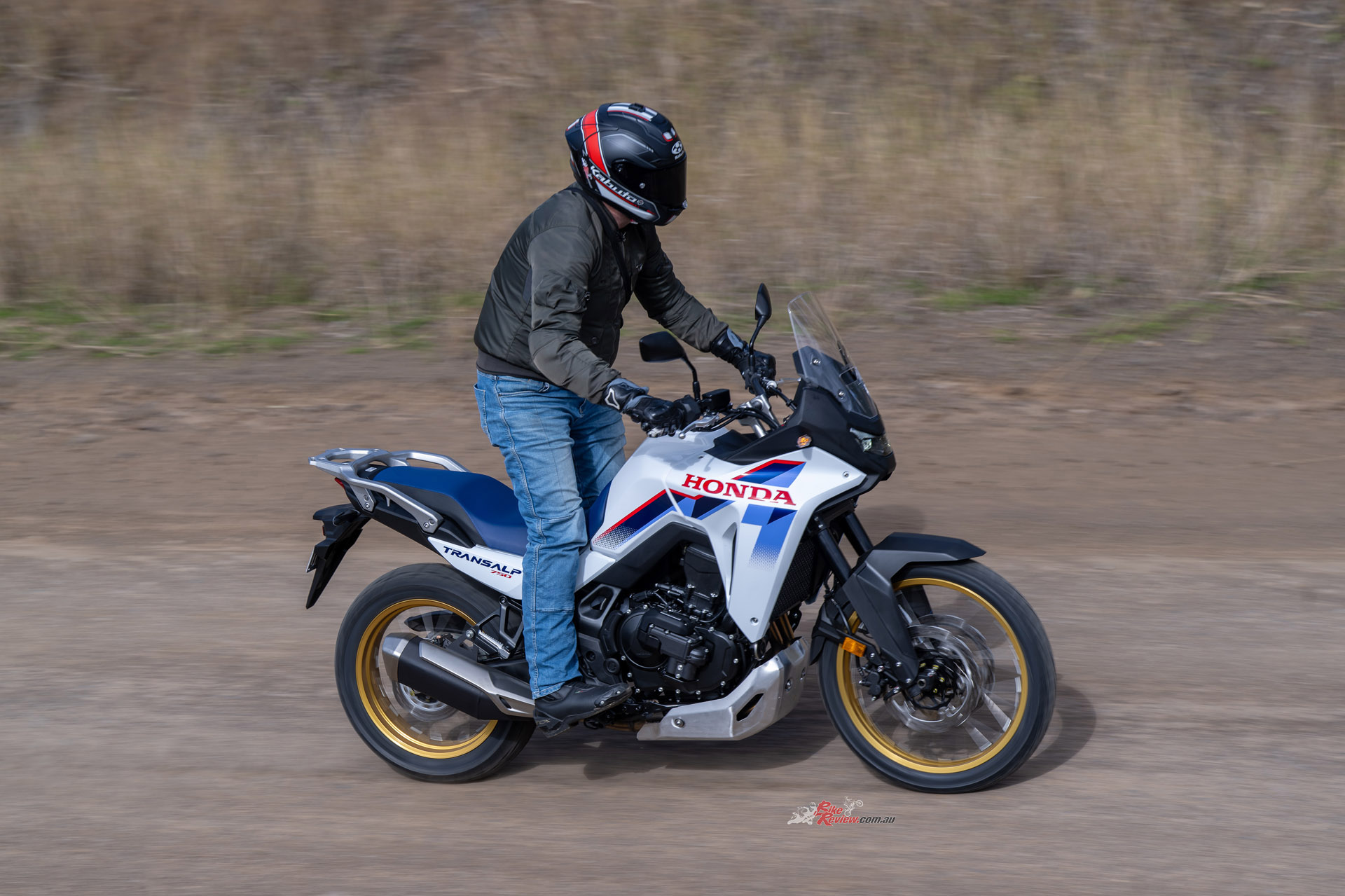
We only rode on the gravel very quickly for photoshoots but it was enough to get a quick feel for downshifts with the TbW E-Clutch system and it was very smooth
The result was a relaxed and enjoyable ride through the Hinterland, with enough rider involvement in the motor and where it was in the power curve to make the experience rewarding. I could happily have spent the whole day riding the Transalp up and down those roads, it’s a bike that just makes so much sense for our Aussie conditions and the addition of the E-Clutch is a no brainer as far as I am concerned, particularly with the TbW extra inputs refining the system so well.
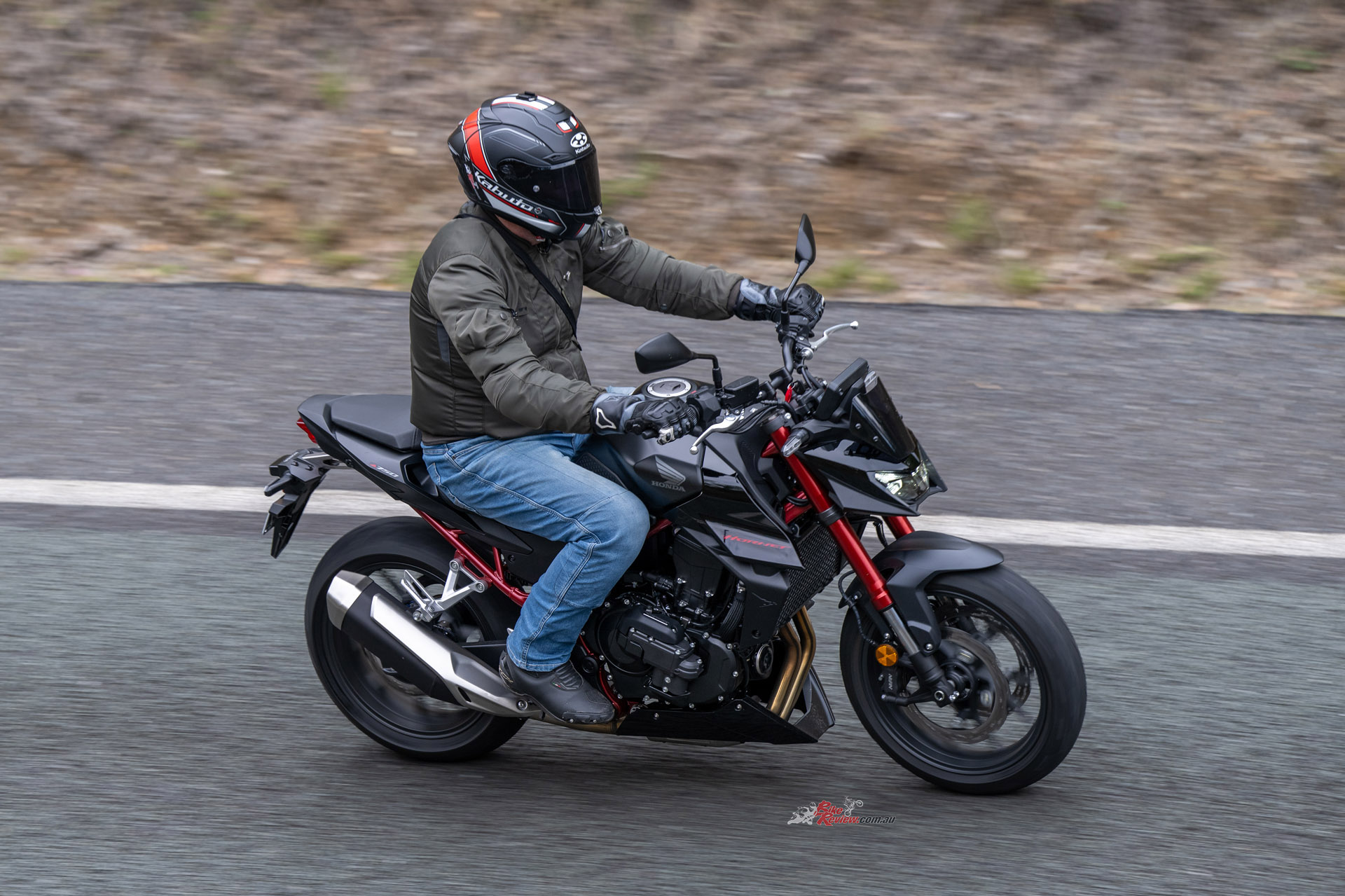
Honda CB750 Hornet E-Clutch
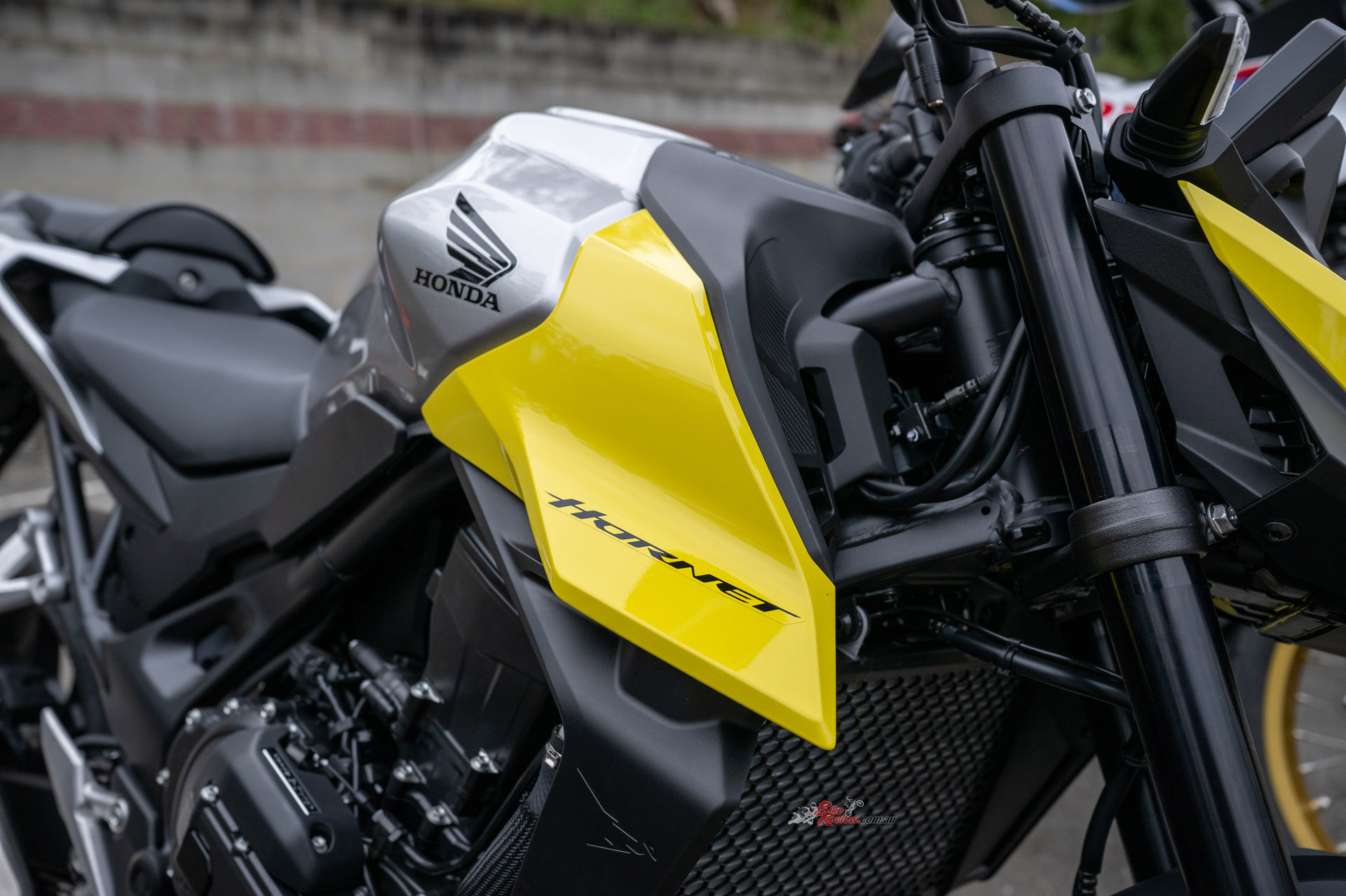
Jumping off a Transalp and onto a Hornet 750 is like walking out of an airline lounge and stepping into a rave. The Hornet is already hyper little middleweight naked eager to go quick and carve up anything ahead of it. It’s fast, agile and sounds great, too.
The 755cc twin is lively and responsive, and the chassis encourages the rider to enjoy a twisty road. With the TbW E-Clutch system fitted, I wanted to find out whether the automatic downshift control would give me the confidence to leave the clutch lever alone when riding harder into turns without worrying about the rear wheel.
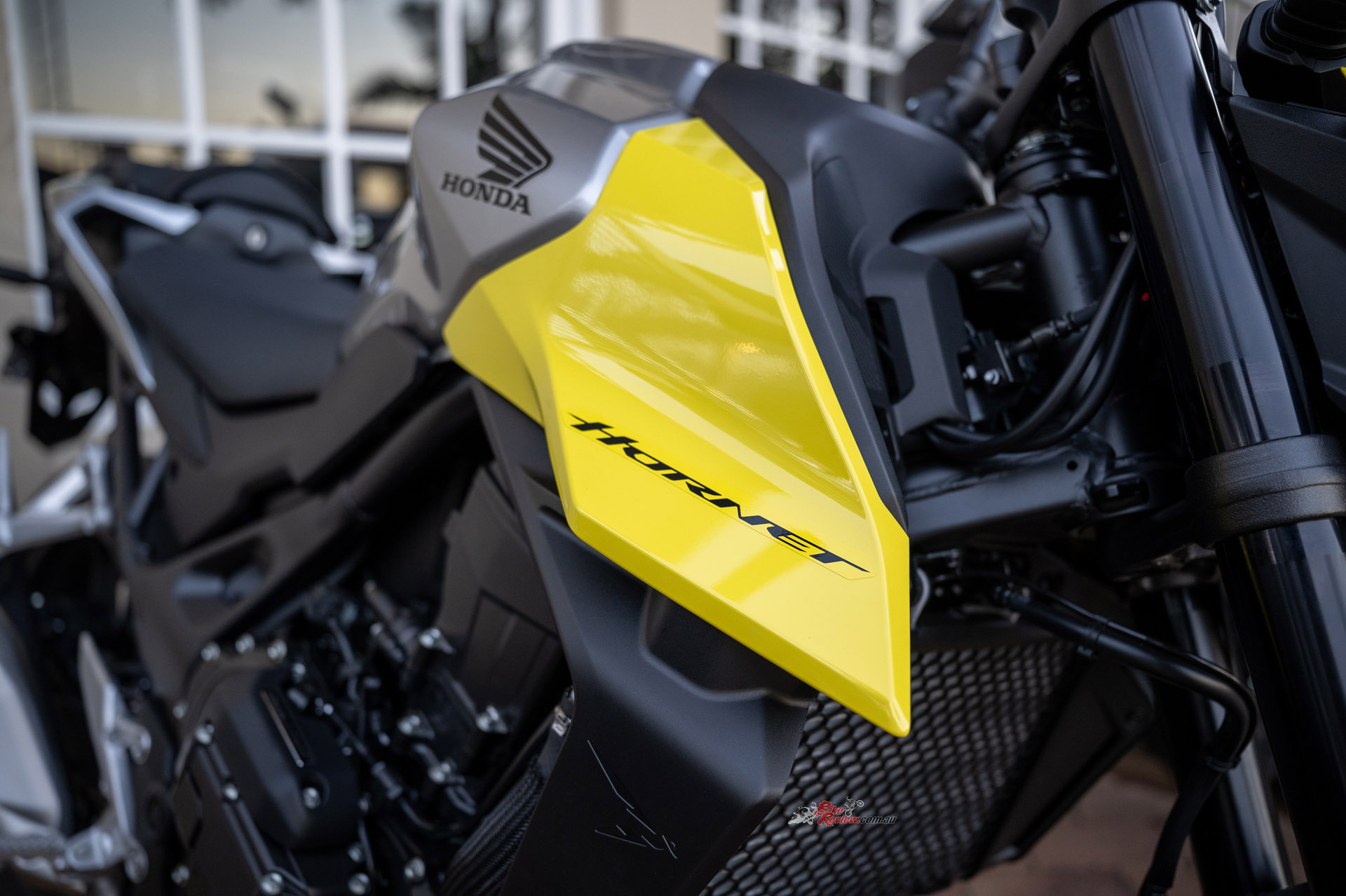
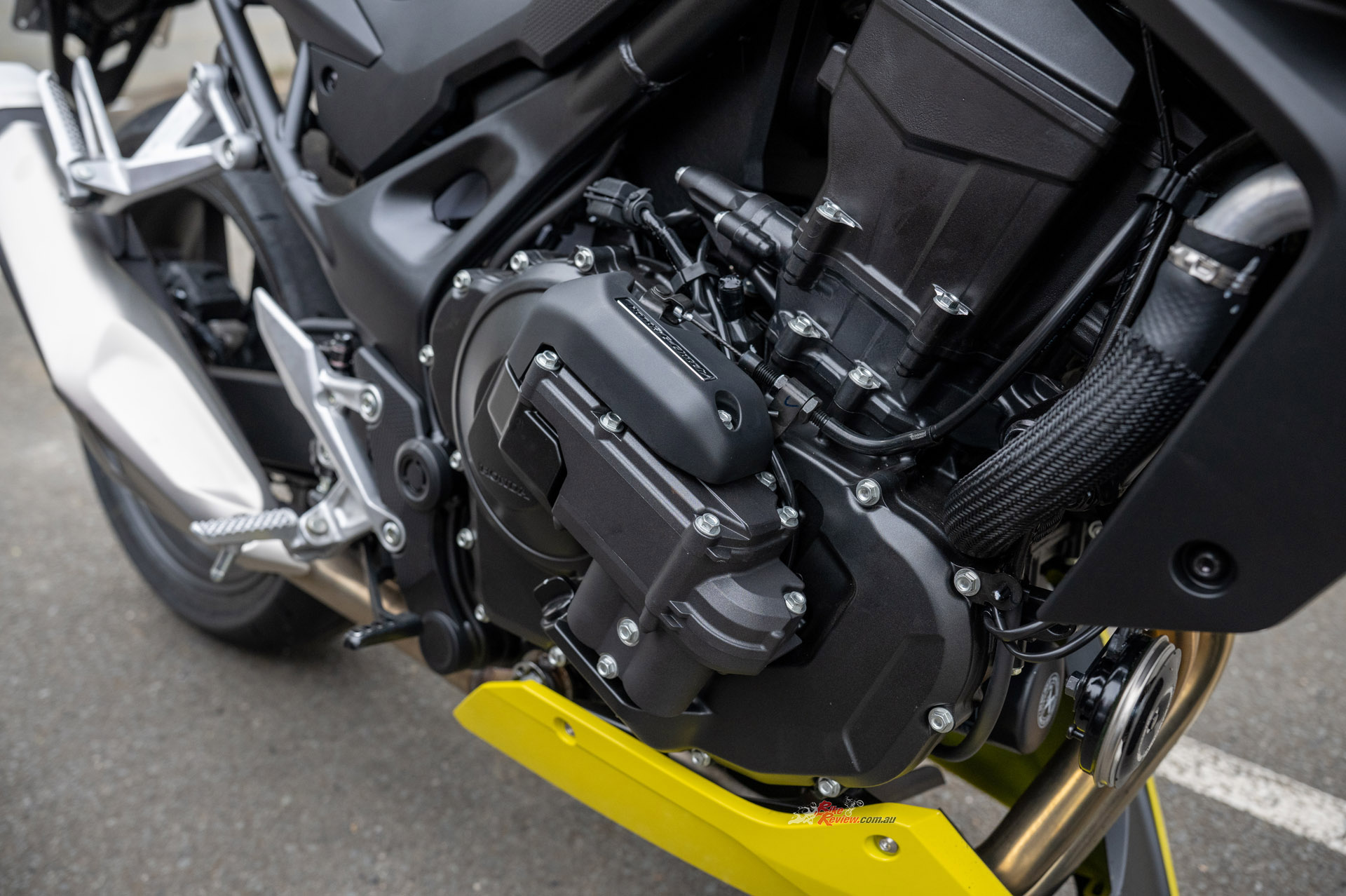
The answer was yes. Even at higher lean angles, I was comfortable slamming down to lower gears without touching the clutch lever. Riders who grew up on pre slipper clutch and quick-shifter bikes will understand the habit of keeping a couple of fingers over the clutch, ready to manage the engine and rear wheel when entering a corner.
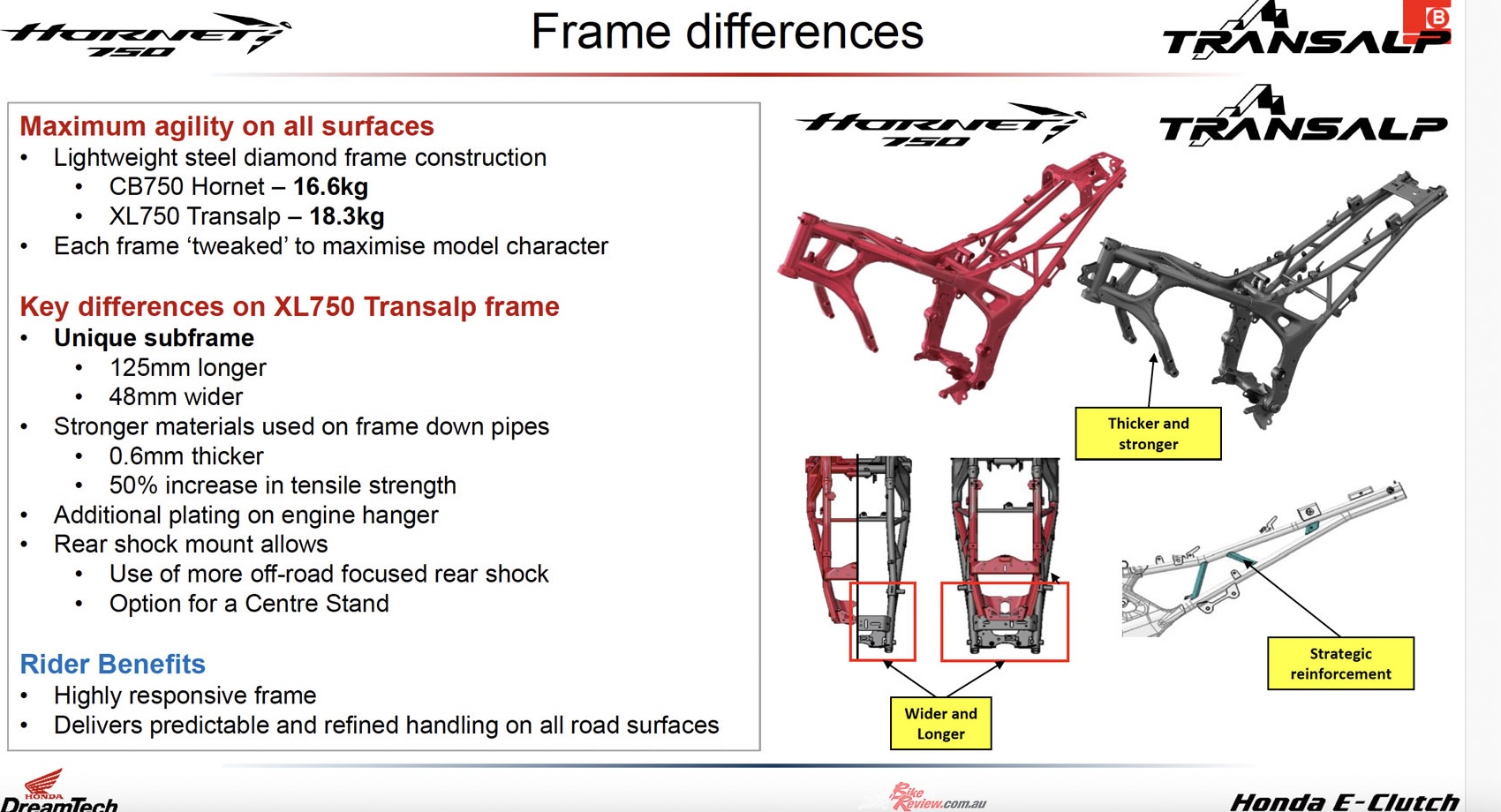
I had expected that instinct to remain strong, particularly when riding quickly, but the Hornet gave me enough confidence in the E-Clutch system that I no longer felt the need to cover the clutch lever. In fact, it just left me with more time and confidence to focus on cornering, more so than a conventional reverse-blip quick-shifter does, just thanks to that added clutch control going on in the background.
“The Hornet gave me enough confidence in the E-Clutch system that I no longer felt the need to cover the clutch lever”…
Downshifts are quick and controlled, with the actuator managing clutch slip while the engine management system adjusted fuel and ignition and the TbW system blips the throttle. The shift feels well coordinated, and the system helps take some of the abruptness out of changing down while the little weapon is leaned over.
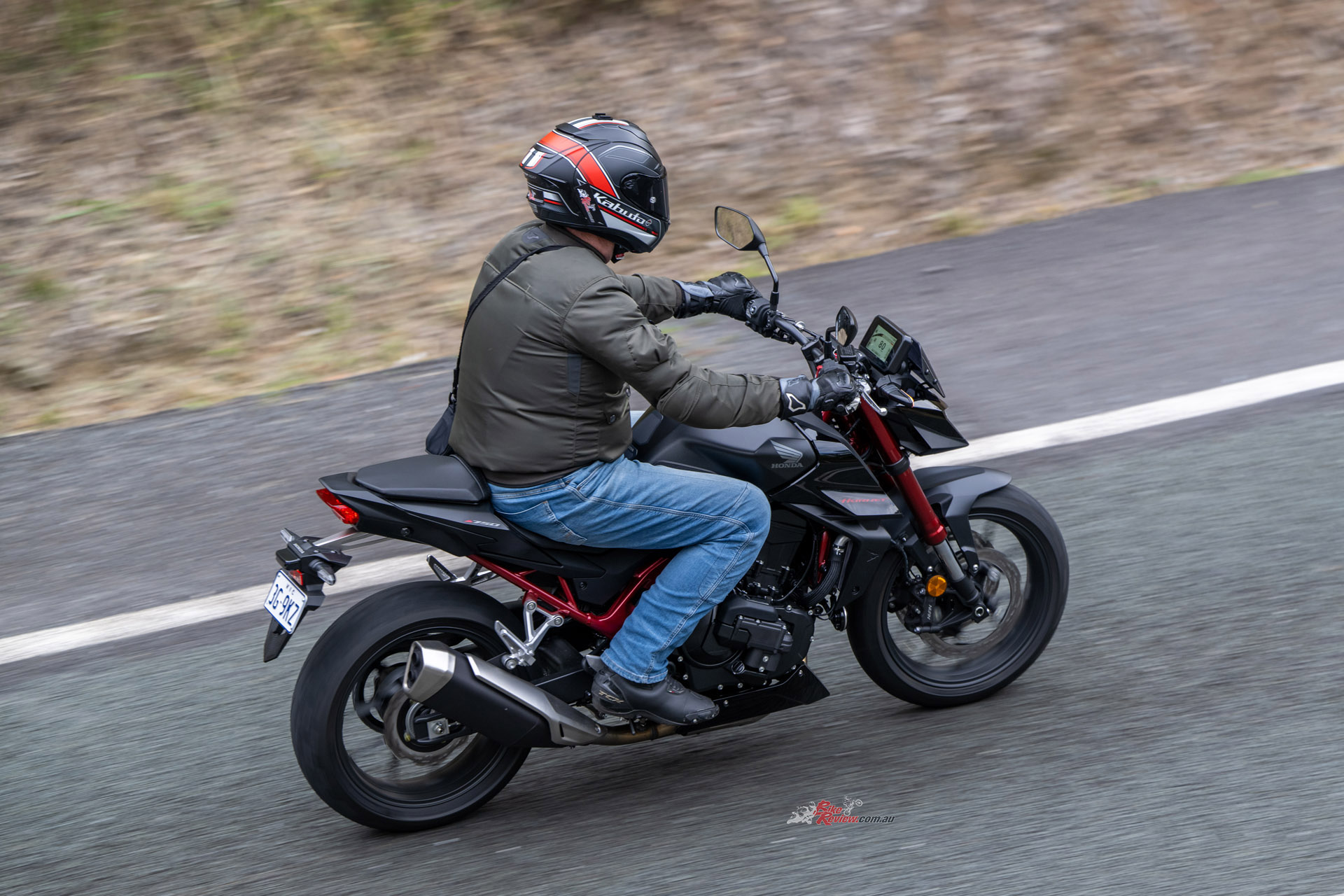
The Hornet demonstrated the advantage of the newer system most clearly of the bikes on the day.
The original E-Clutch on the NX500 works well for everyday riding, but the TbW version adds a level of downshift refinement that is especially noticeable when riding more “enthusiastically” shall we say. The ability to adjust the shift settings, like on the other models, also means the rider can choose a feel that suits their preferences, rather than being locked into one calibration.
Living With E-Clutch
Honda acknowledges that some riders may initially be reluctant to trust the system, “People are a little bit frightened to use the system the way it’s meant to be used, because they’re scared not to use the clutch. Everyone’s used to using their clutch, so it takes a while to convince them that it’s all okay. Once they do, it becomes very comfortable.”
Operating the clutch is one of the fundamental skills learned by motorcyclists, and many experienced riders use it instinctively to manage engine braking, traction and corner entry. E-Clutch asks riders to let the system handle that part of the process while they concentrate on gear selection, braking, throttle and road position. The ability to pull the lever at any time remains important, as it allows the rider to intervene whenever they want to. The only situation all day that I found myself overriding the E-Clutch and riding in manual was in rolling 20 to 60km traffic on a peak hour jammed freeway, where the TbW E-Clutch system just seemed to be getting confused and causing very jerky progress.
For me, there was also a practical benefit. Following surgery after breaking both wrists, I have found repeated clutch operation uncomfortable, particularly in traffic after an hour or two of riding. My left thumb was also badly damaged. During the launch ride, despite covering around 400km, I experienced no fatigue in my left wrist or thumb. That is a significant personal advantage, rather than simply a convenience in stop-start traffic.
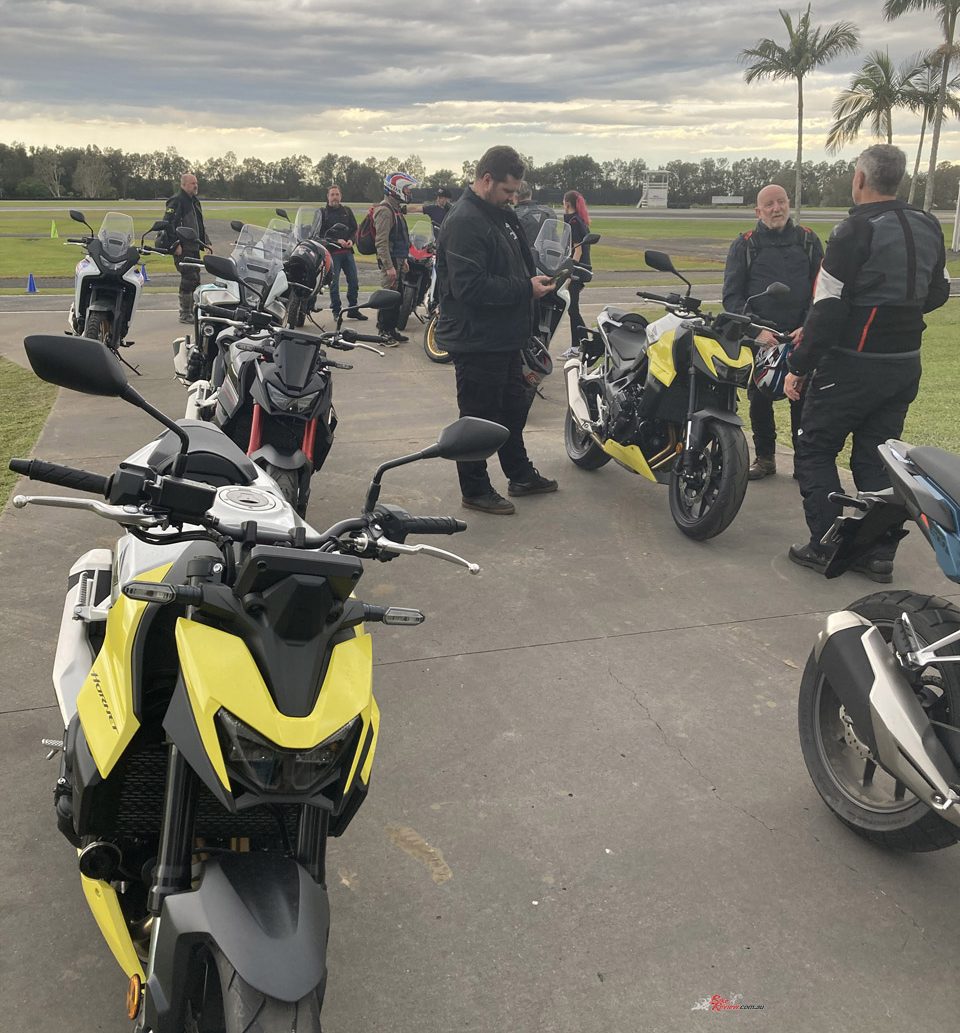
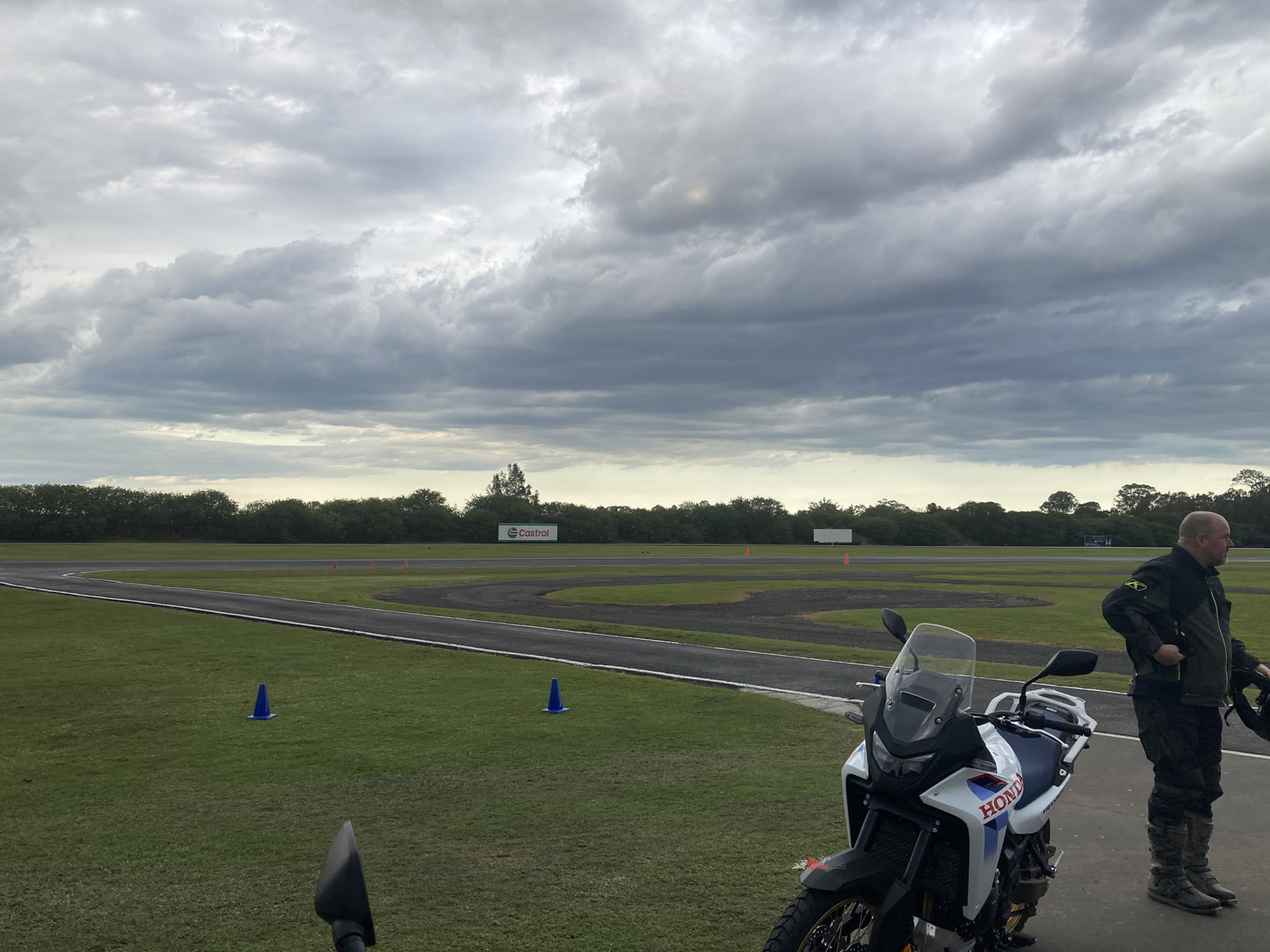
The end of an amazing day of riding finished by dropping the bikes at Norwell Motor Complex. I was on the mighty Hornet 750. Sighting a bucket list racetrack venue was a nice surprise, too, for a racetrack nerd like me.
Honda’s E-Clutch is a useful example of electronic assistance being applied to a conventional manual motorcycle without removing the rider’s involvement. The original system offers clear benefits in everyday riding, particularly when starting, stopping and changing gears in traffic. The newer TbW version builds on that foundation, with automatic throttle blipping and more integrated control of clutch engagement during downshifts.
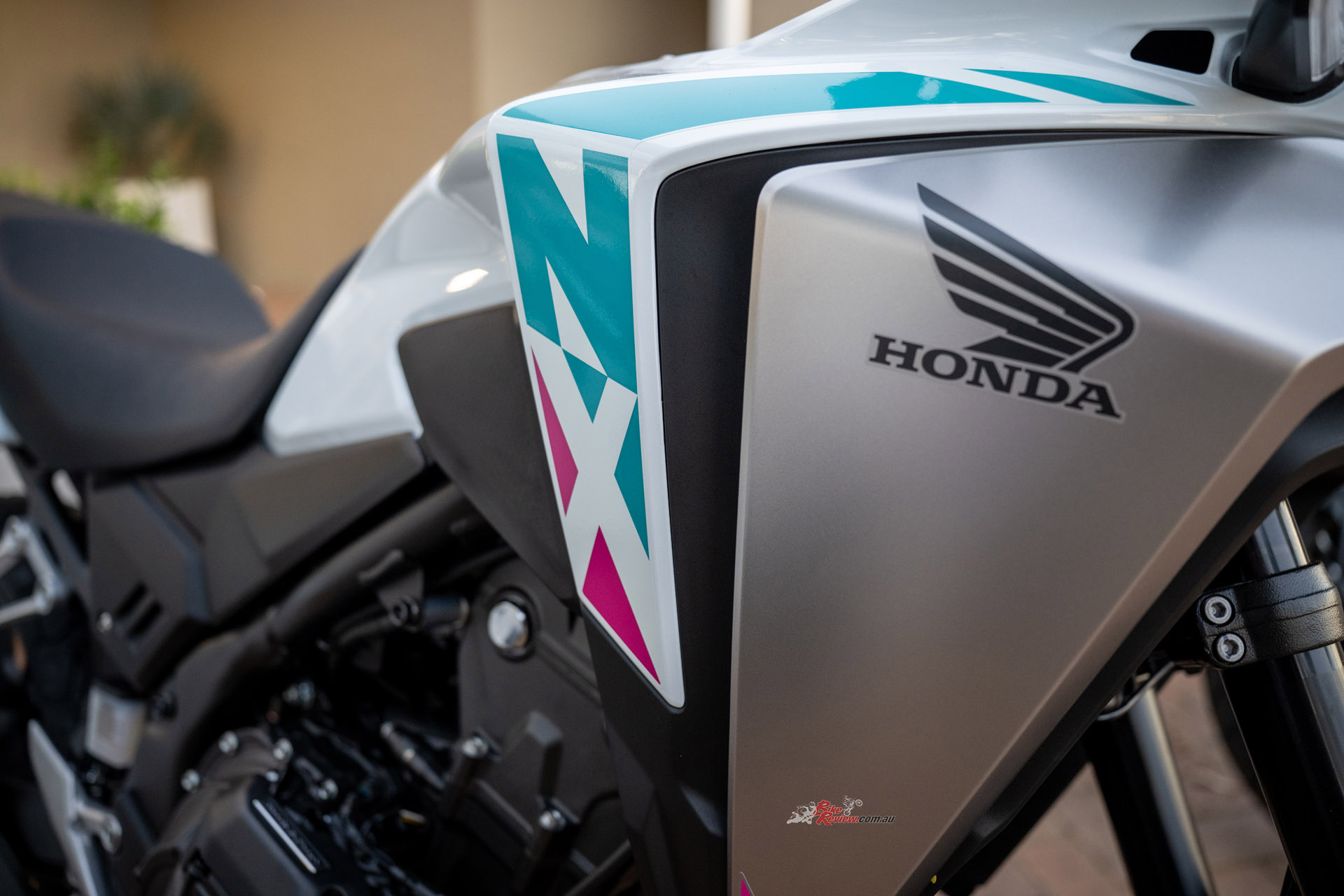
2026 Honda NX500 E-Clutch Specifications
Price: From $11,399 ride away
Warranty: 6-Year Unlimited KM
Colours: Pearl Horizon White, Matte Gunpowder Black Metallic
Claimed power: 35kW @ 8600rpm
Claimed torque: 43Nm @ 6500rpm
Weight: 198kg
Fuel capacity: 17.5L
Fuel Consumption (Claimed): 3.6L/100km
Fuel Range (Claimed: +400km
Engine: Liquid-cooled, parallel-twin, DOHC, eight-valve, 471cc, 67 x 66.8mm bore x stroke, four-stroke, electronic fuel injection, 10.7:1 compression ratio. Gearbox: 6-speed. Clutch: Honda E-Clutch. Final drive: Chain.
Chassis: Frame: Steel diamond frame.
Rake: 27.5° Trail: 108mm
Suspension: 41mm Showa SFF-BP USD forks, 135mm travel (f); Pro-Link monoshock, 135mm travel, preload adjustable (r).
Brakes: Twin 296mm discs, two-piston calipers, ABS (f); 240mm disc, ABS (r). Wheels & Tyres: 110/80-19 (f), 160/60-17 (r).
Dimensions:
Length: 2165mm
Width: 830mm
Height: 1415mm
Wheelbase: 1445mm
Seat height: 830mm
Ground clearance: 180mm
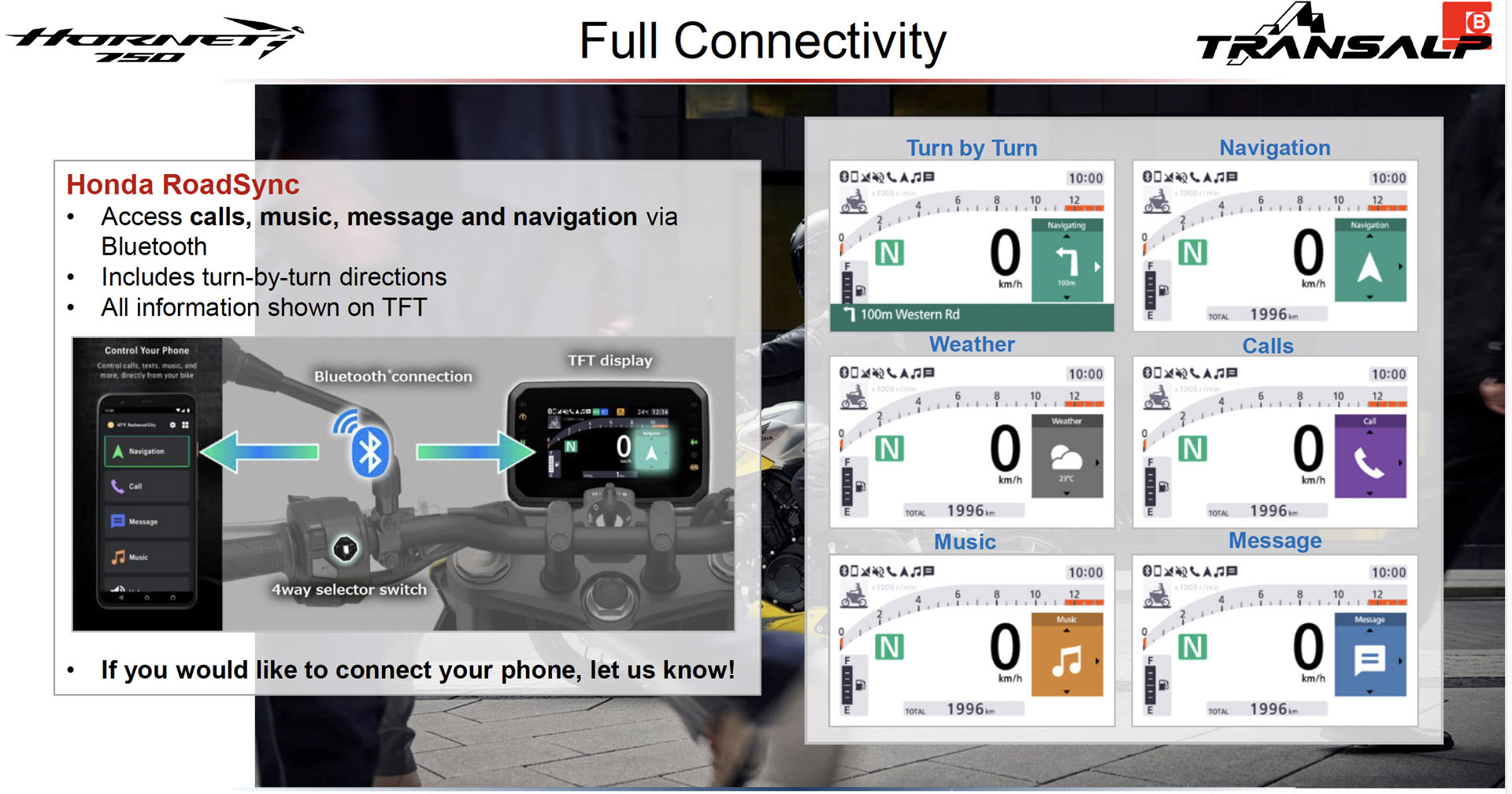
Instruments & Electronics: 5-inch full-colour TFT display, Honda RoadSync smartphone connectivity, Honda Selectable Torque Control (HSTC), ABS, Honda E-Clutch system and LED lighting.
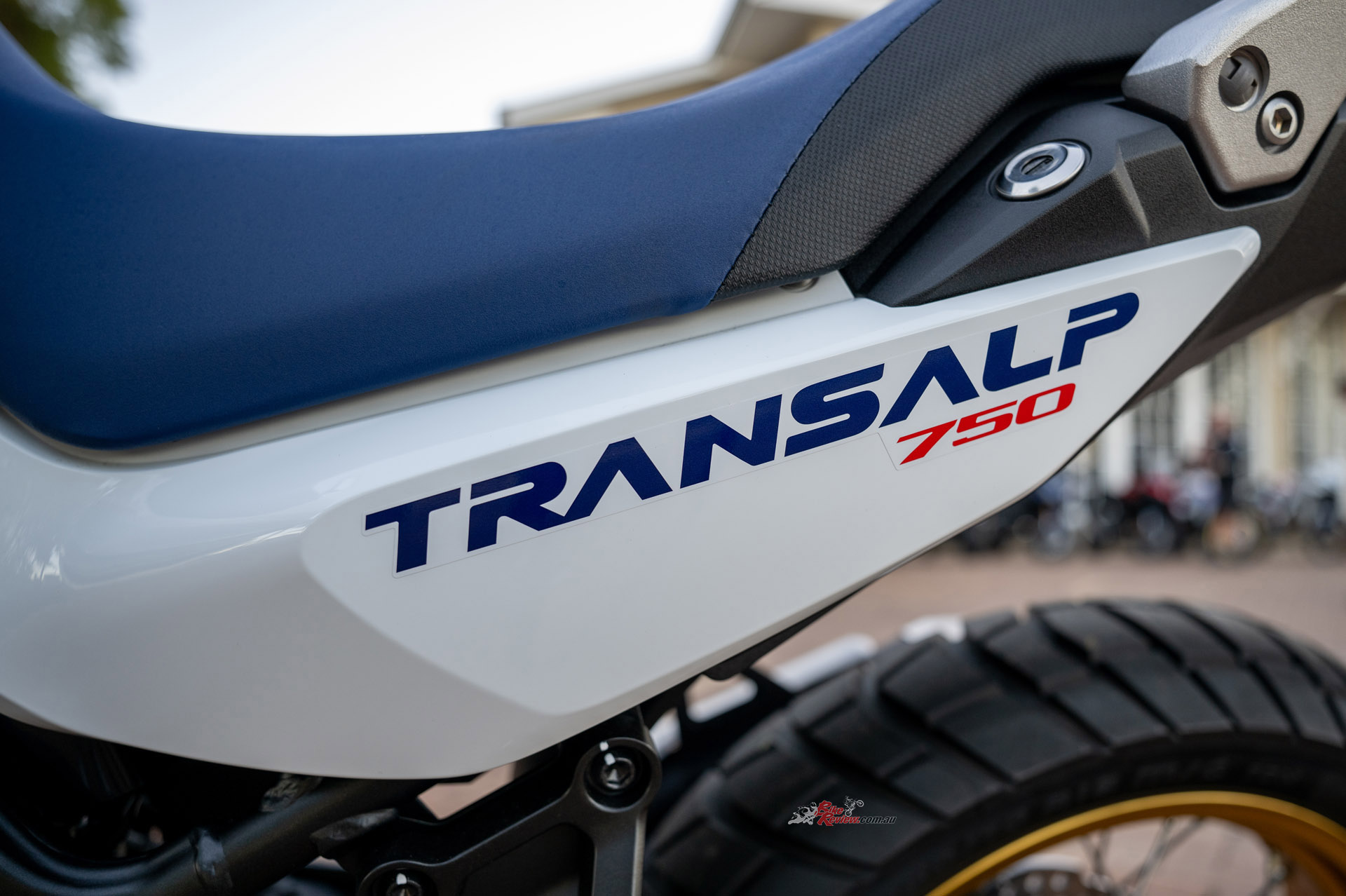
2026 Honda XL750 Transalp E-Clutch Specifications
Price: From $17,799 ride away (EC)
Warranty: 6-Year Unlimited KM
Colours: Ross White Tricolour (EC and M) Matt Ballistic Black Metal (EC only)
Claimed power: 67.5kW @ 9500rpm
Claimed torque: 75Nm @ 7250rpm
Weight: 216kg
Fuel capacity: 16.9L
Fuel Consumption (Claimed):
Fuel Range (Claimed):
Engine: Liquid-cooled, parallel-twin, four-stroke, eight-valve, 755cc, 87 x 63.5mm bore x stroke, electronic fuel injection, 11:1 compression ratio. Gearbox: 6-speed. Clutch: Honda E-Clutch with Throttle By Wire. Final drive: Chain.
Chassis: Frame: Steel diamond frame.
Rake: 27º Trail: 111mm
Suspension: 43mm SHOWA SFF-CA USD forks, 200mm travel, fully adjustable (f); Showa Pro-Link monoshock, 190mm wheel travel, fully adjustable (r).
Brakes: Twin 310mm discs, twin-piston calipers, ABS (f); 256mm disc, single-piston caliper, ABS (r). Wheels & Tyres: 90/90-21 (f), 150/70-18 (r), wire-spoked wheels.
Dimensions:
Length: 2325mm
Width: 838mm
Height: 1455mm
Wheelbase: 1560mm
Seat height: 850mm
Ground clearance: 195mm
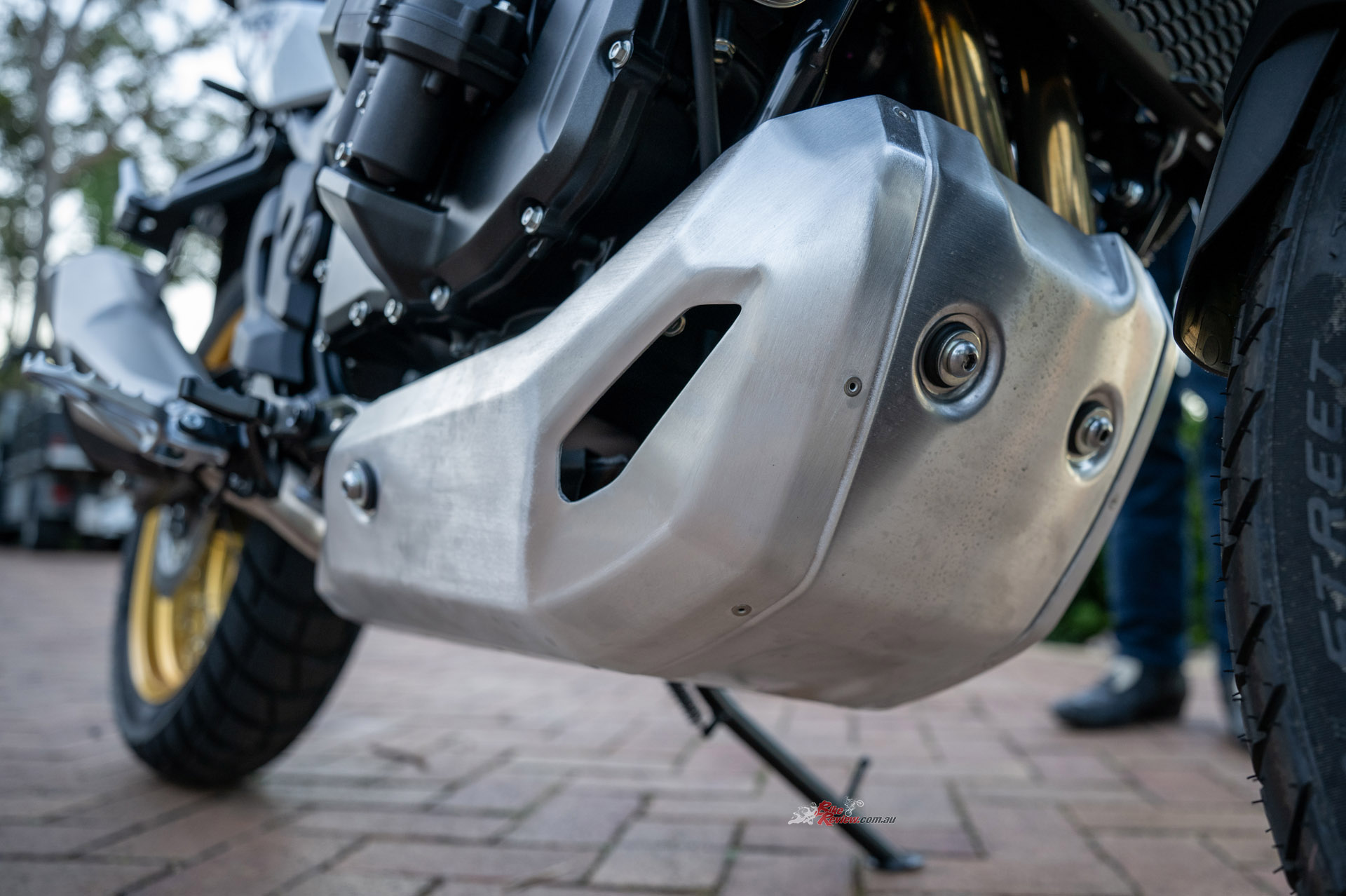
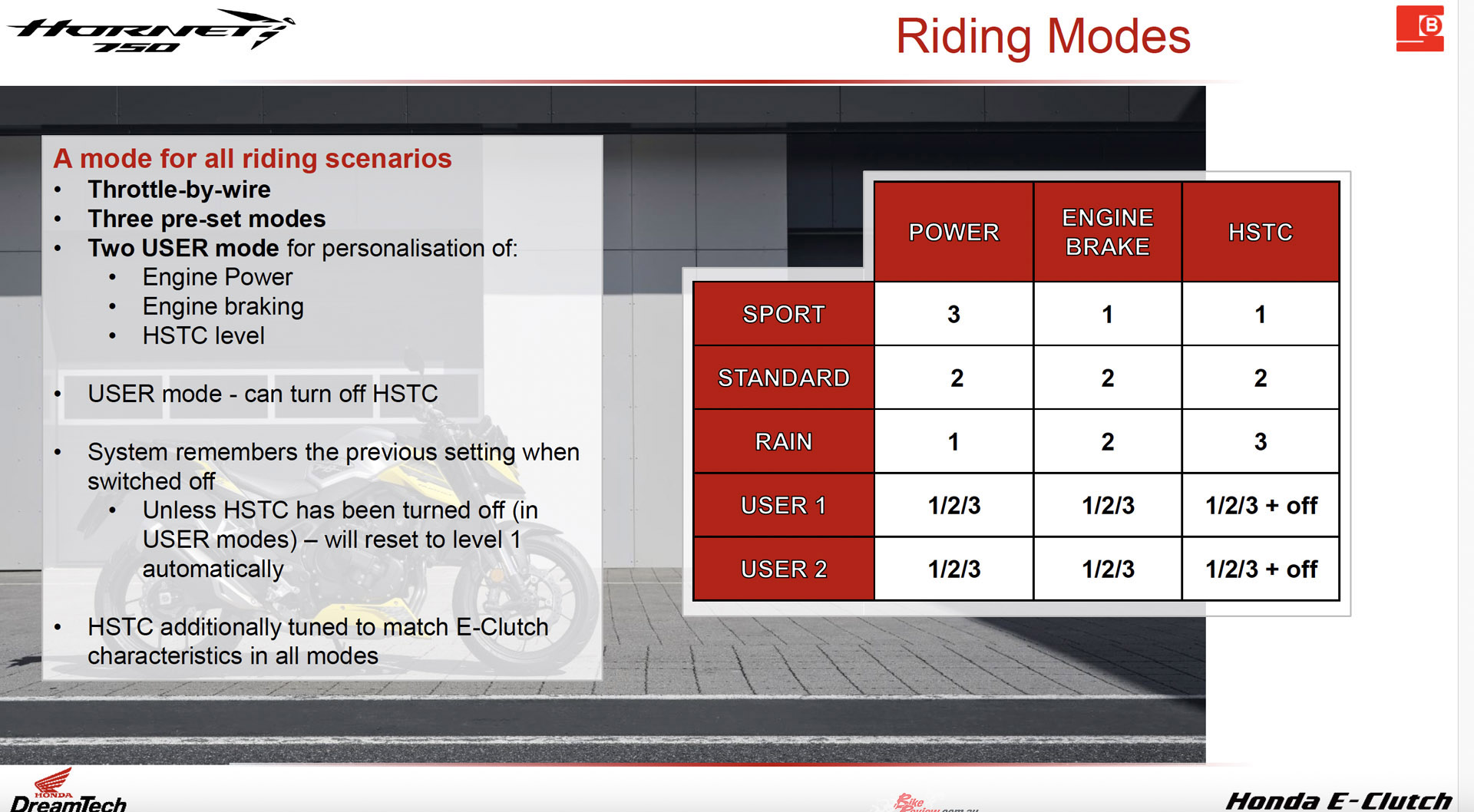
Instruments & Electronics: TFT instrument display, Honda RoadSync smartphone connectivity, Throttle By Wire, Honda Selectable Torque Control (HSTC), riding modes (Sport, Standard, Rain, Gravel and User), Honda E-Clutch, automatic throttle blipping on downshifts, ABS and LED lighting. Factory-fitted skid plate on the E-Clutch version.
2026 Honda CB750 Hornet E-Clutch Specifications
Price: TBC
Warranty: 6-Year Unlimited KM
Colours: TBC
Claimed power: 67.5kW @ 9500rpm
Claimed torque: 75Nm @ 7250rpm
Weight: 195kg
Fuel capacity: 15.2L
Fuel Consumption: N/A
Fuel Range: N/A
Engine: Liquid-cooled, parallel-twin, four-stroke, eight-valve, 755cc, 87 x 63.5mm bore x stroke, electronic fuel injection, 11:1 compression ratio. Gearbox: 6-speed. Clutch: Honda E-Clutch with Throttle By Wire. Final drive: Chain.
Chassis: Frame: Steel diamond frame.
Rake: 25° Trail: 99mm
Suspension: Non-adjustable 41mm SHOWA SFF-BP USD forks (f); Preload adjustable Pro-Link monoshock (r).
Brakes: Twin 296mm discs, radial four-piston calipers, ABS (f); 240mm disc, ABS (r). Wheels & Tyres: 120/70-17 (f), 160/60-17 (r).
Dimensions:
Length: 2090mm
Width: 780mm
Height: 1085mm
Wheelbase: Confirm E-Clutch specification
Seat height: 795mm
Ground clearance: N/A
Instruments & Electronics: TFT instrument display, Honda RoadSync smartphone connectivity, Throttle By Wire, Honda Selectable Torque Control (HSTC), riding modes, Honda E-Clutch, automatic throttle blipping on downshifts, ABS and LED lighting.
The Author

You Might Also Like