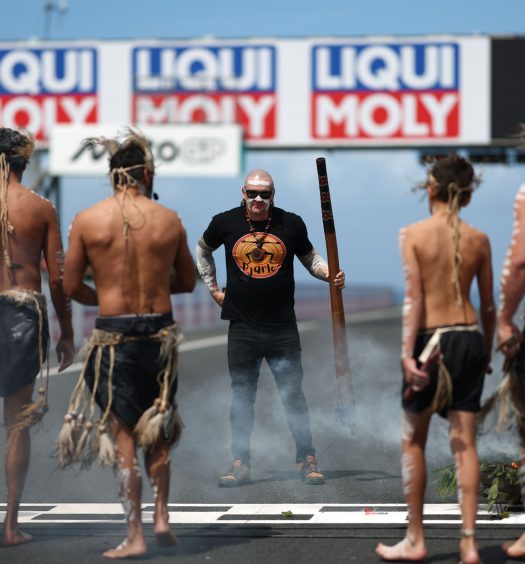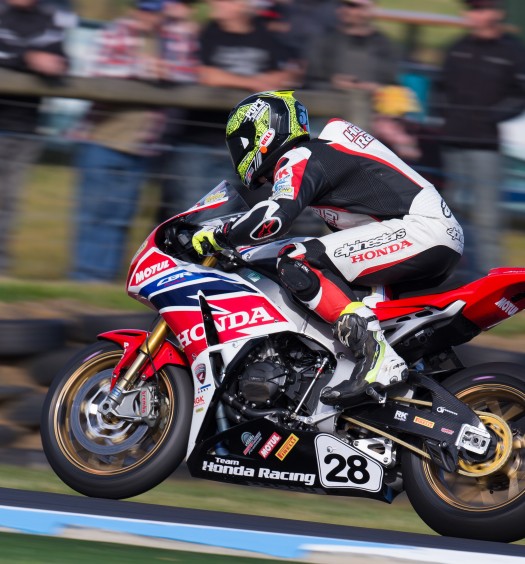

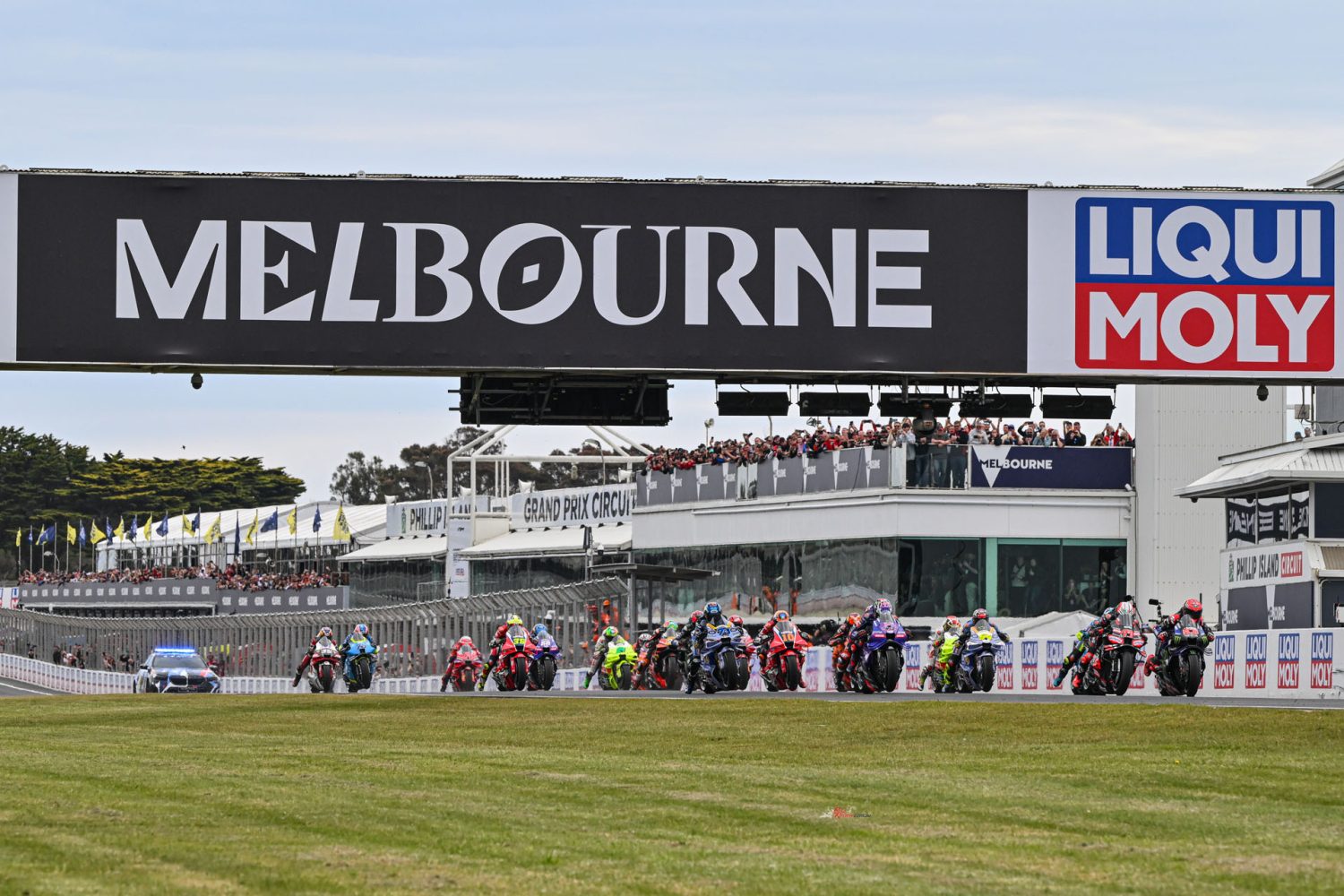

Nigel Paterson readies himself to head to Phillip Island for one last MotoGP trip before the Australian Grand Prix moves to Adelaide, reflecting on 37 years of Island history.
It’s that time of the year again. I’m getting ready to ride to Phillip Island, and it feels a little strange because it’s the last time I’ll do this for the foreseeable future. Next year MotoGP goes to Adelaide and that’s a whole different ballgame.
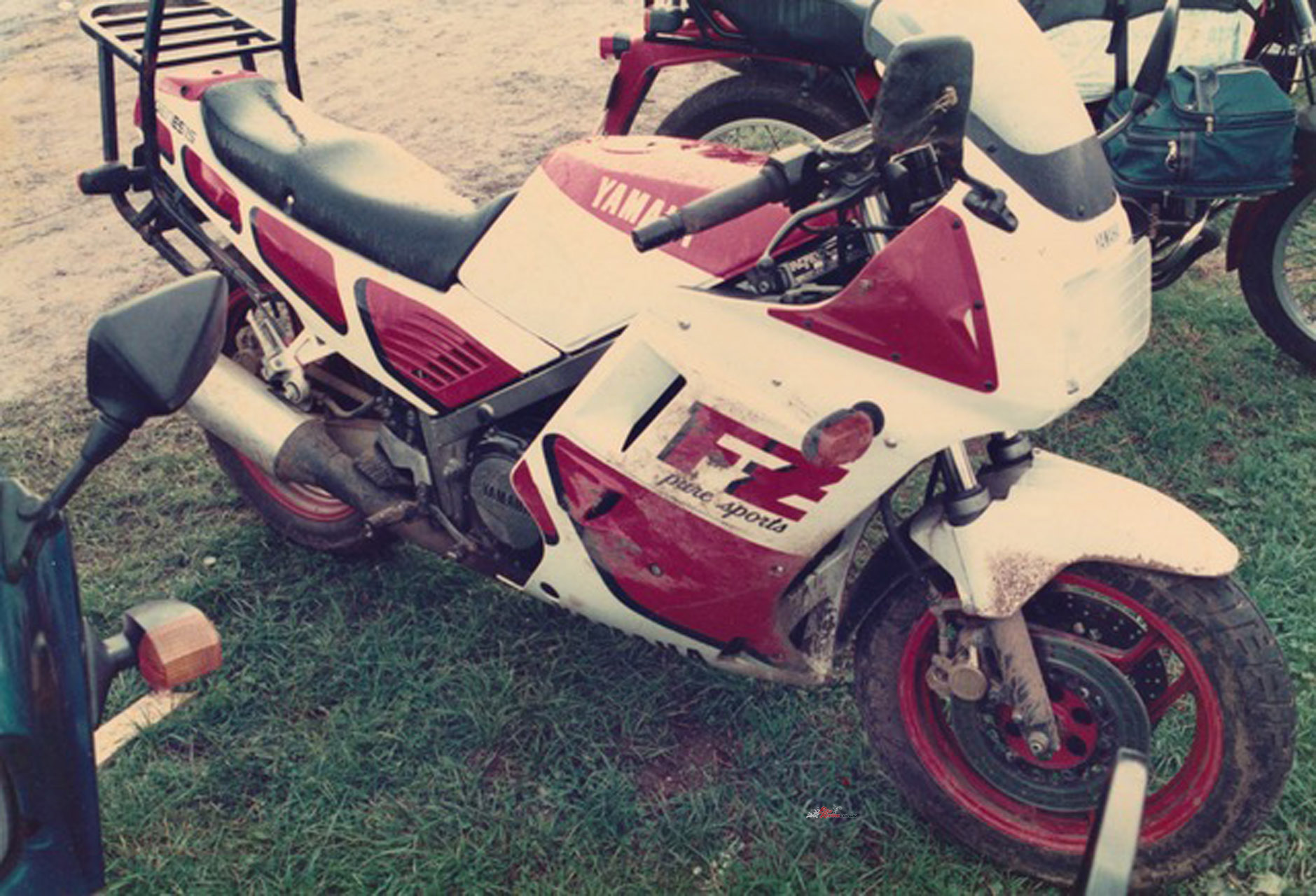
I first made the trip in 1989 for the Australian Motorcycle Grand Prix. I rode a Yamaha FZ750 I’d bought especially for the occasion, two years old and sporty enough to suit a bloke who’d just finished his first – and as it turned out last – season of road racing. It was more comfortable than a GSX-R750 and more nimble than a GPz900R. I sold my RZ350 race bikes to fund it. I loved racing but it had sent me broke and I wasn’t going to miss the first world championship grand prix on Australian soil. I never did get back to racing, though a career as a motorcycle journalist feels like fair compensation.
Read more of Nigel’s columns here…
I was young and bulletproof and old enough to tackle the Nullarbor. I moved to Sydney after that grand prix, planning to stay a couple of years. Becoming a journalist torpedoed that plan and I haven’t lived in the West since. It’s really, really hard to be a motorcycle journalist based in WA.
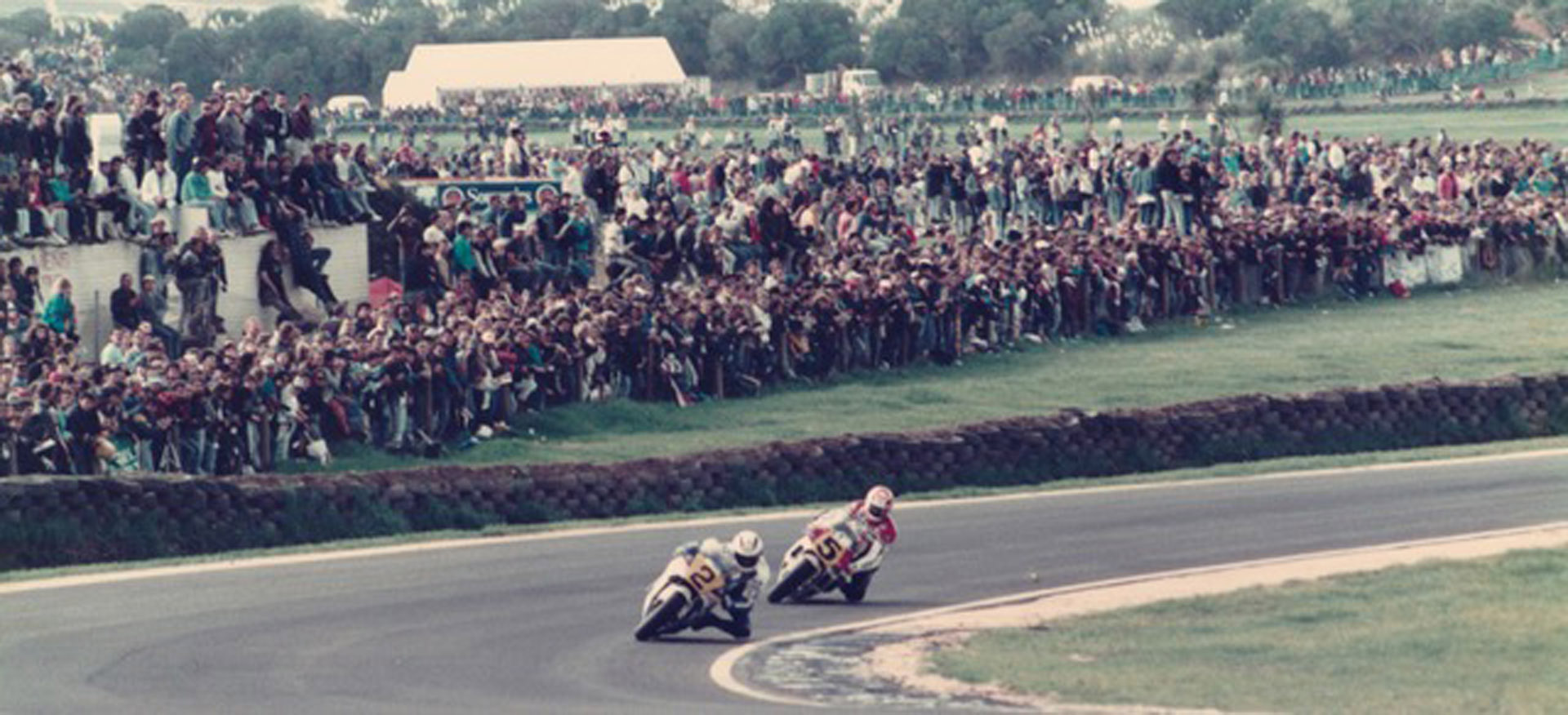
Gardner leads Magee through Southern Loop, 1989. Pic: Nigel Paterson
The Island and the Move North
About 100,000 people turned up in 1989. I watched from under the stand at Southern Loop which gave me a half-decent angle for photos and some shelter from the Island’s fickle weather. Then Wayne turned it on. Gardner won a savagely fought race, with crashes – Kevin Schwantz among them – repeated battles for the lead between the Australians, Europeans and Americans, and a fairytale finish. In 1990, it was backed up with an Aussie one-two, Mick Doohan joining Gardner on the podium. Then the grand prix went to Sydney’s Eastern Creek and it was processional.
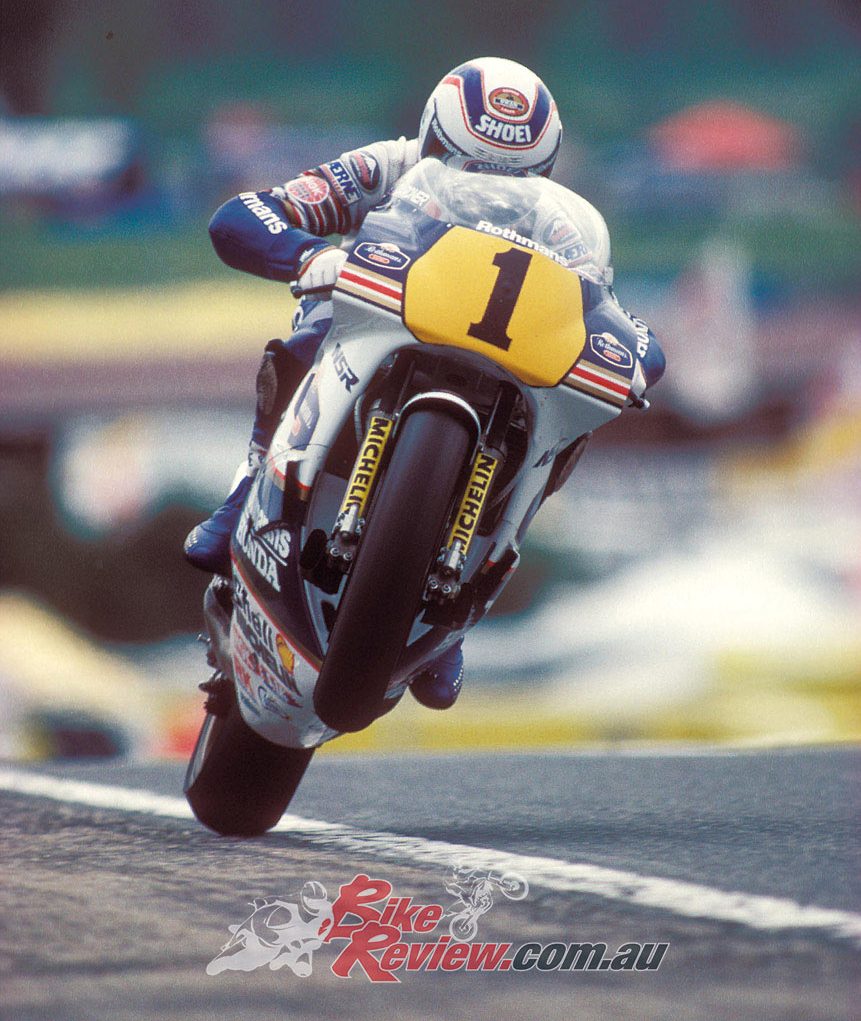
Wayne Gardner was the hero of the 1989 Phillip Island Grand Prix. Pic: Lou Martin
The move was political. Victoria decided tobacco advertising was a bad thing and at the time many teams and events, through to track signage and naming rights, ran on Big Tobacco money. NSW poached the event and Sydney got what’s now Sydney Motorsport Park. It’s a great track, but it was always overshadowed by how good Phillip Island is to ride and the racing it produces. Amaroo Park and Oran Park were already getting old and tired, but Eastern Creek’s existence didn’t help them, and we lost both over the following two decades.
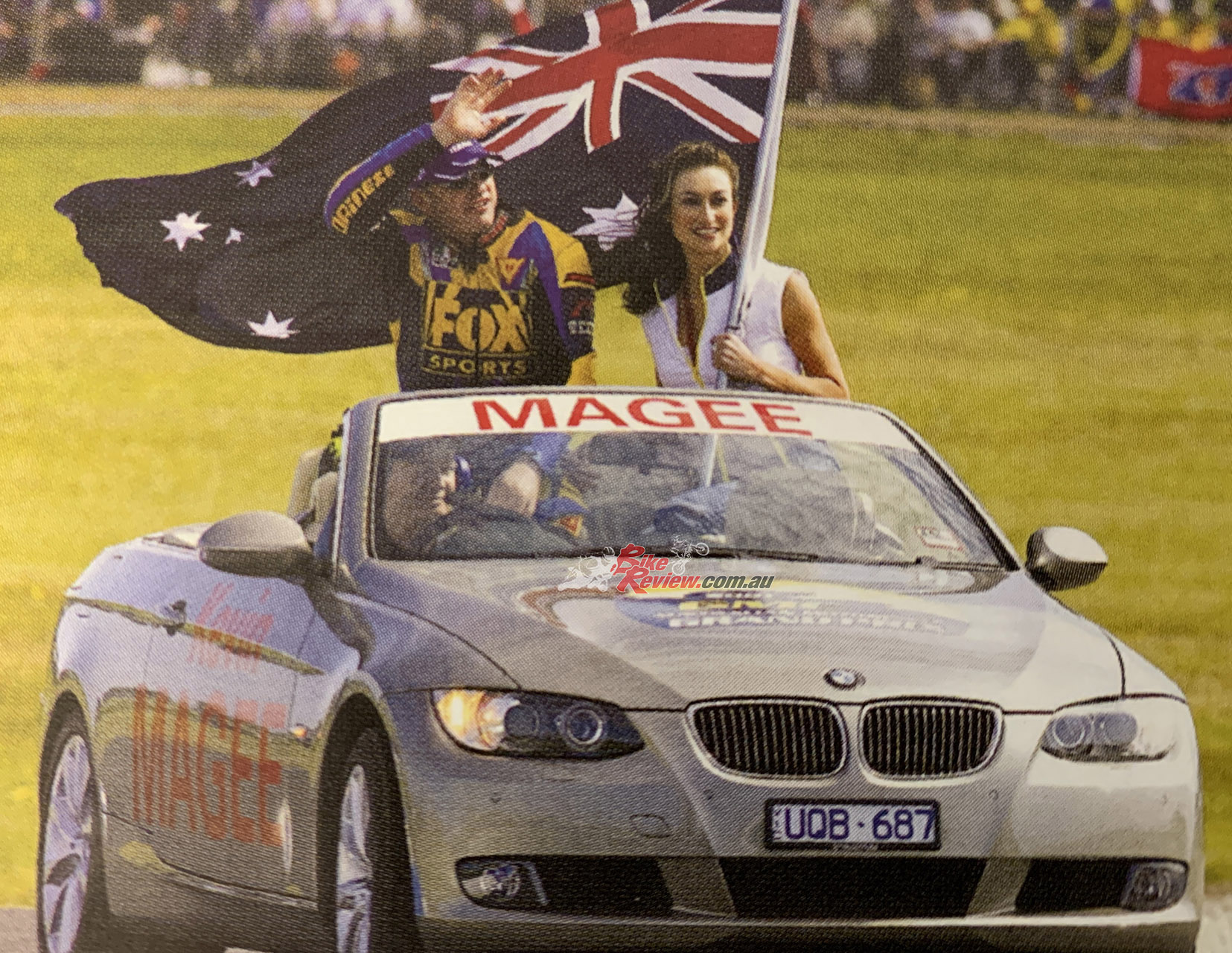
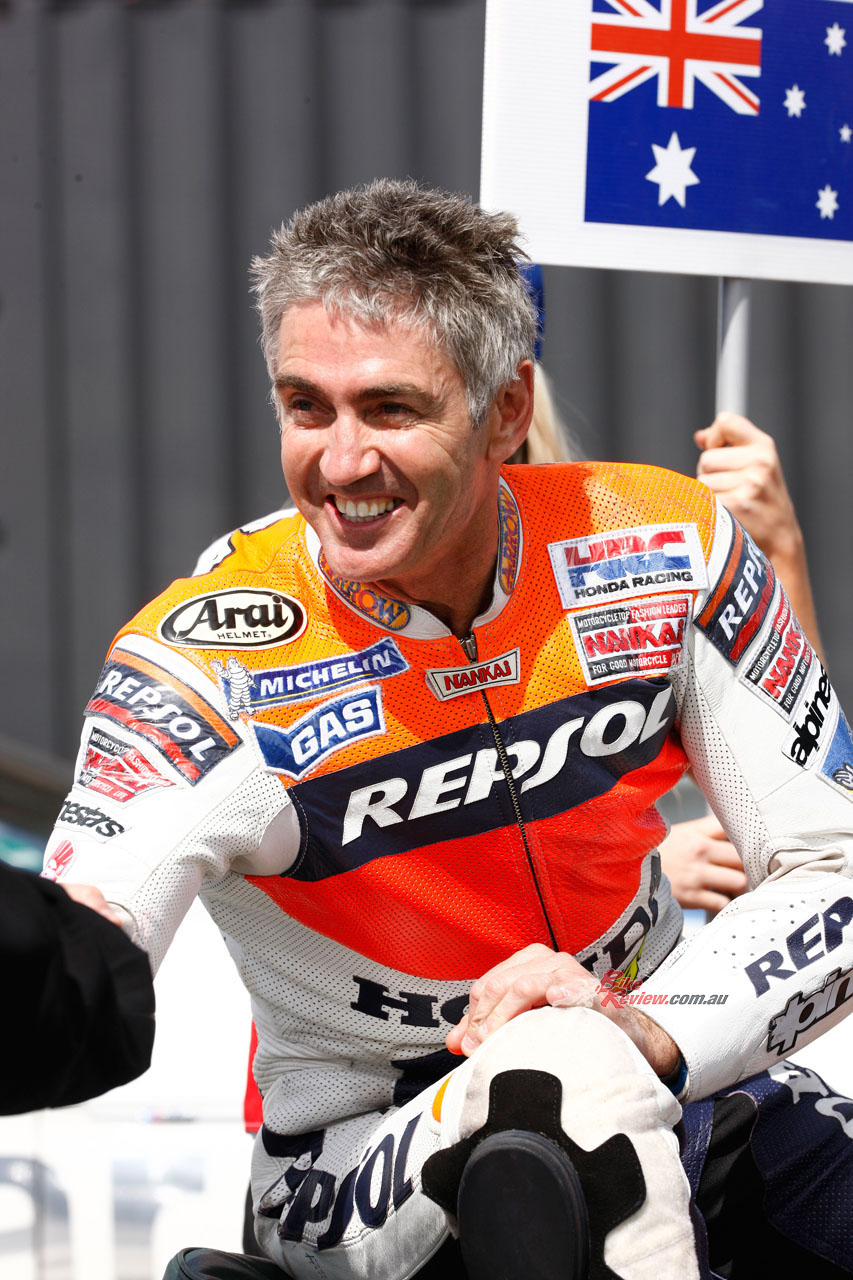
None of the six Eastern Creek years really stand out to me. The Doohan/Criville crash at the hairpin was spectacular, and Schwantz’s 1993 win was an explosion of joy for the American. But the track just didn’t produce the racing the Island is known for. When the NSW government lost interest, the Grand Prix went back to Phillip Island, to the relief of (nearly) everyone.
What Adelaide Will and Won’t Do
Now it’s heading to a street circuit in a big city. That might be great for the top end of the sport, but it’s probably grim for the grassroots racers and punters who love a good ride day. I’ve done hundreds of laps of Phillip Island and SMSP over my years in this job, but I doubt I’ll ever do a lap of Adelaide. Maybe the organisers will put on a demonstration lap for punters, where you can’t overtake the lead rider and nobody goes over 100km/h. Yeah, great.
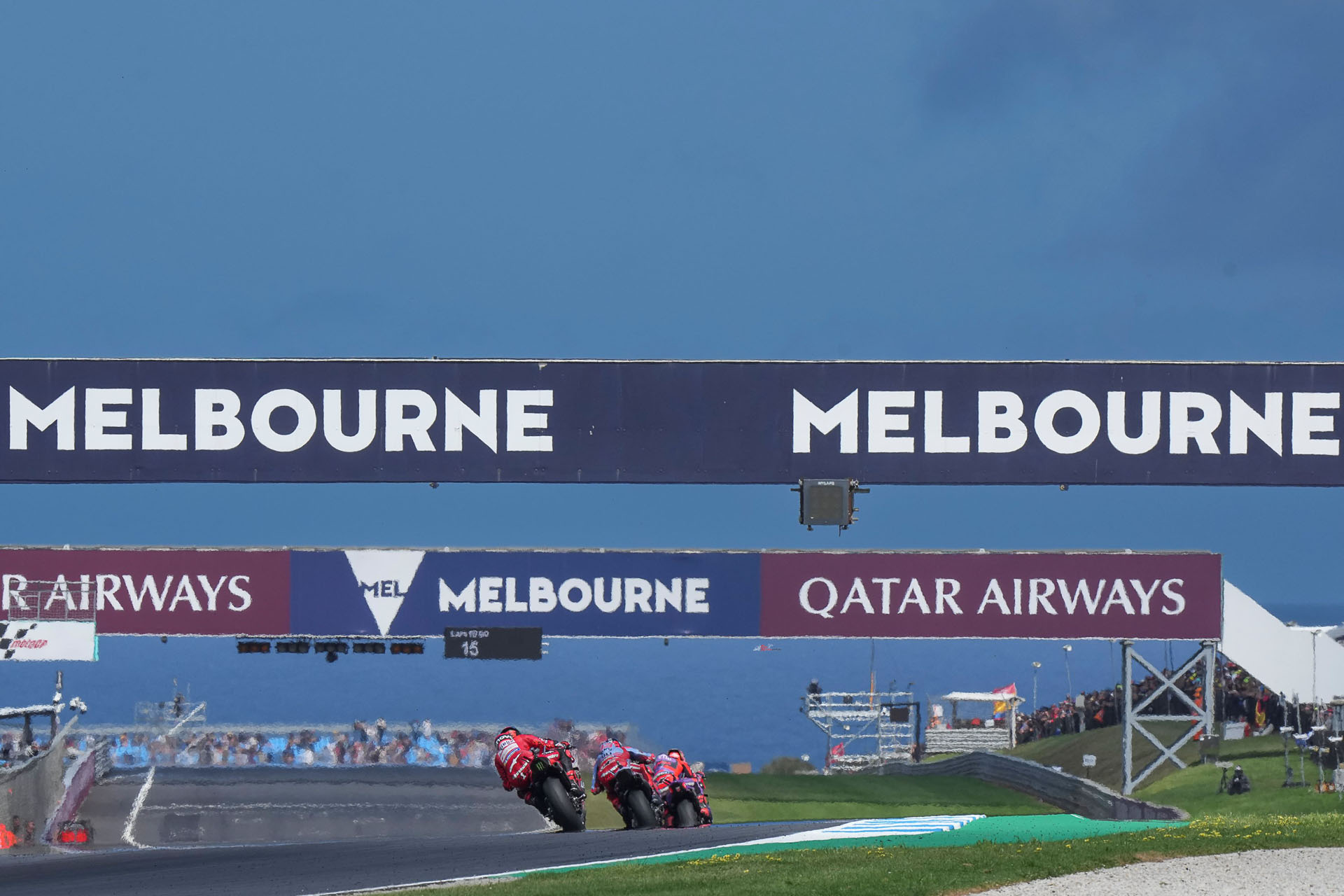
Maybe 150,000 people will pay to see the race, which will be great for the government, the promoter and MotoGP. But what will it do for racing? Where does a kid inspired by what they see actually go racing? Not around the Adelaide streets.
“That’s strictly for the elite, visiting once a year.”
Anyway, I should be too old to care and I do hope to be in Adelaide for that first event, watching Senna Agius take on the world’s best at home. I met him at Silverstone last year and he’s a smart, focused and very fast young man. His joy at taking his first win that weekend was a delight to see.
Twenty-one and Playing Up
Thirty-seven years on, I’m getting ready to ride to the Island again for the same event, though it’s called MotoGP now. The race bikes have doubled in capacity and my bike has grown a bit too. I’ll likely take the FJR1300.
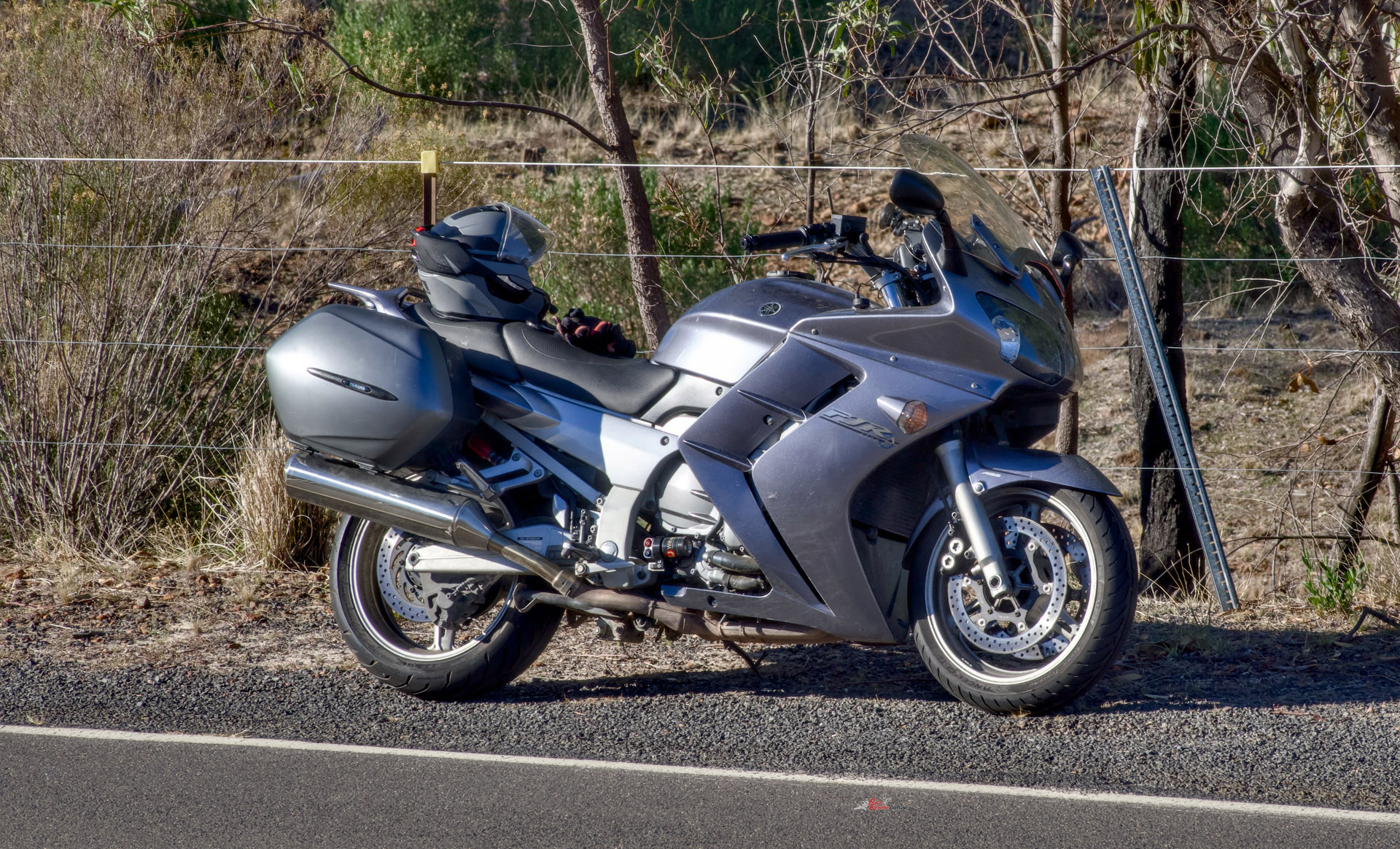
The FJR is no spring chicken. At 21, it’s old enough to vote and any politician running on a better-roads mandate will have its support. I’m not sure it wants to go, either, because it’s been playing up. The fuelling at low revs and low speeds has been horrible, surging as if someone had fitted a Euro5+ ECU to a carburettor bike. Yes, I hear you: don’t ride like that. But traffic, speed limits and following my P-plate-restricted girlfriend sometimes demand docile riding. I’ve swapped the fuel pump and spent some time balancing the injectors. My one test ride since shows promise, but the jury is still out.
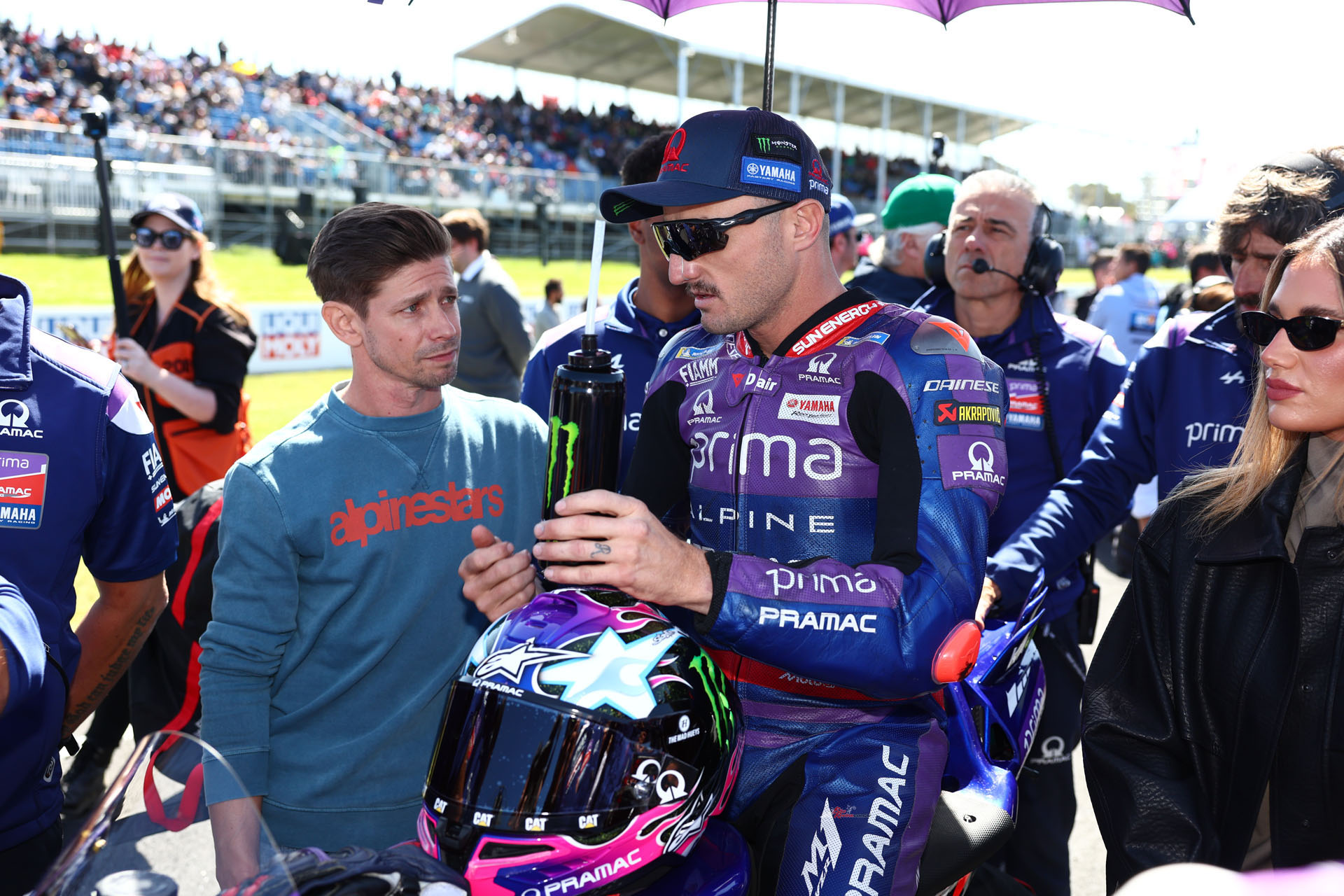
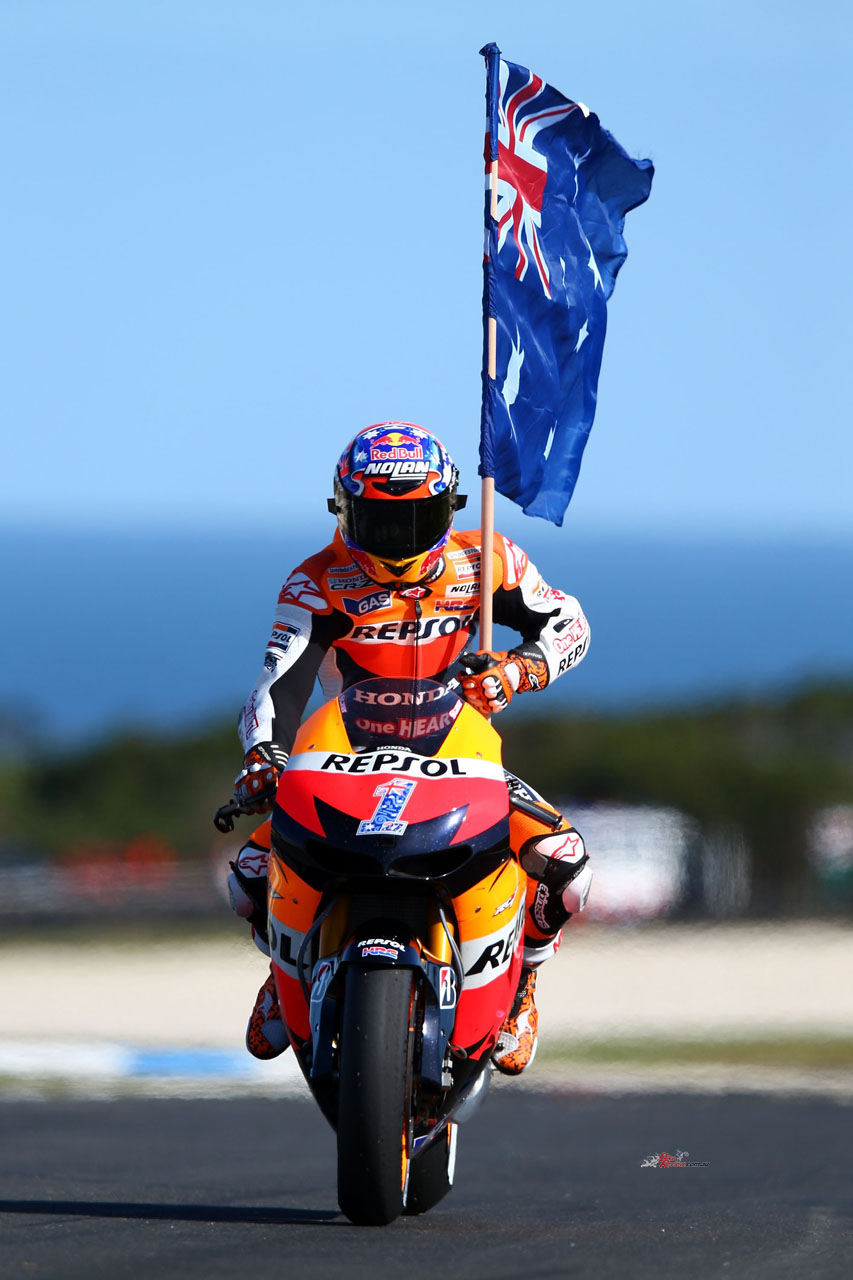
The two biggest hurdles were a media pass and an apartment to stay in, and I have both, which is why I finally committed. I’d rather work the event with a pass around my neck than pay to get in and be restricted in where I can go.
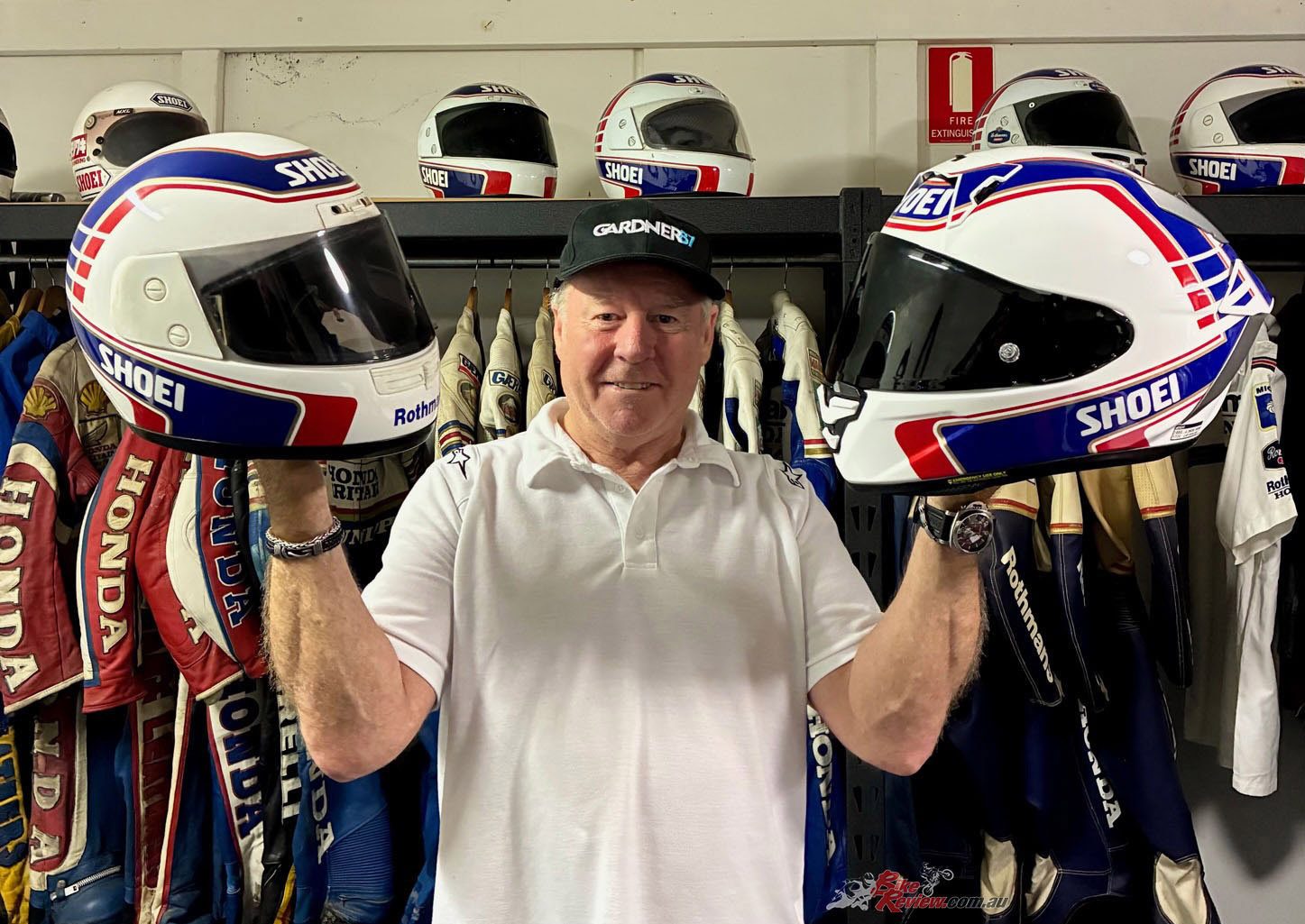
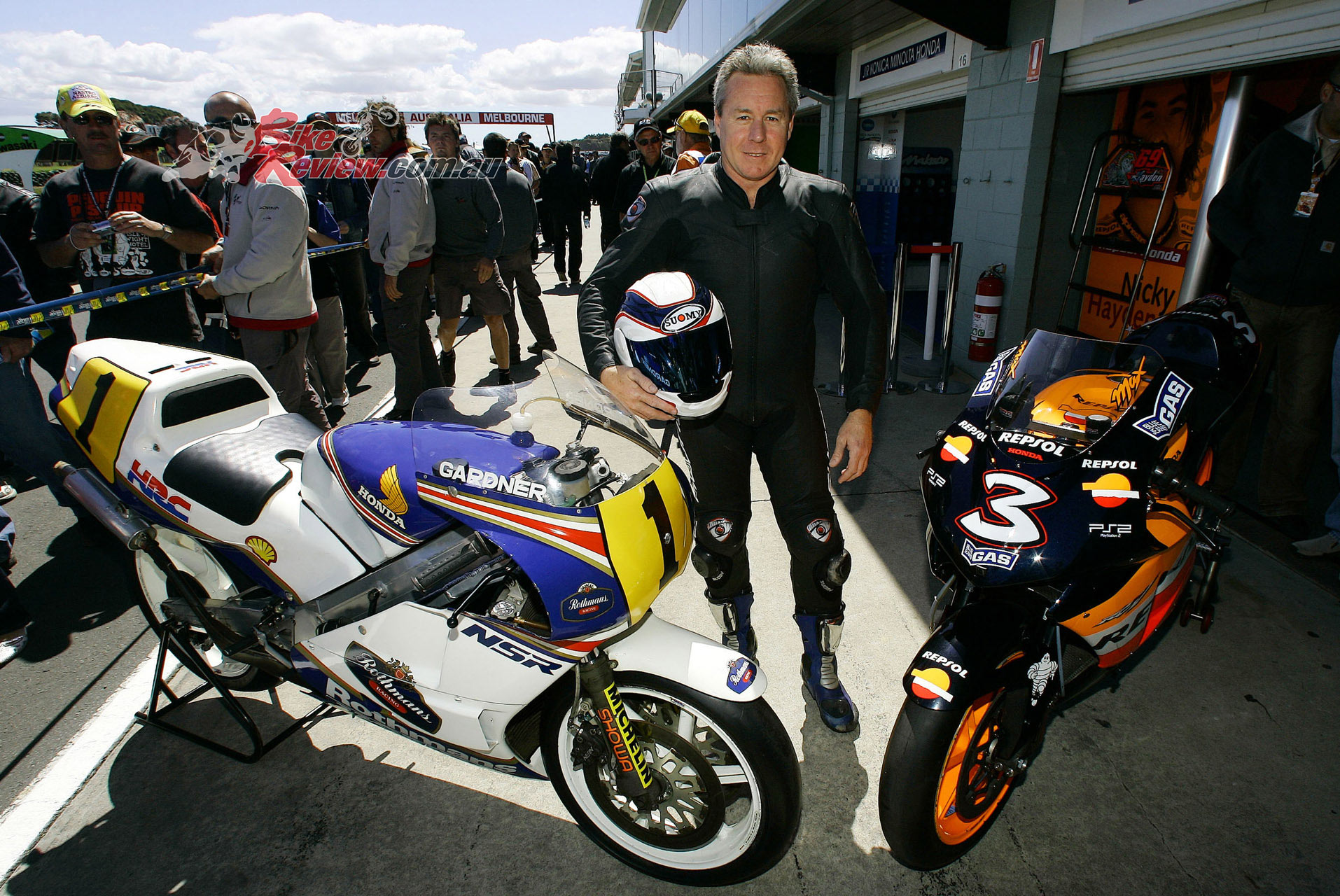
Wayne Gardner at home in Wollongong in 2026. Pic: Jeff Ware
Packing, 2026 edition
In 1989, I had a Gearsack, throw-over saddlebags, a strapped-on tankbag and camping gear tied to the rack. This time will be far more civilised. The FJR’s big panniers take the camera gear and heavy items, the SW-Motech tankbag holds the quick-access essentials and a Kriega US-20 on the pillion seat will probably be full of clothes.
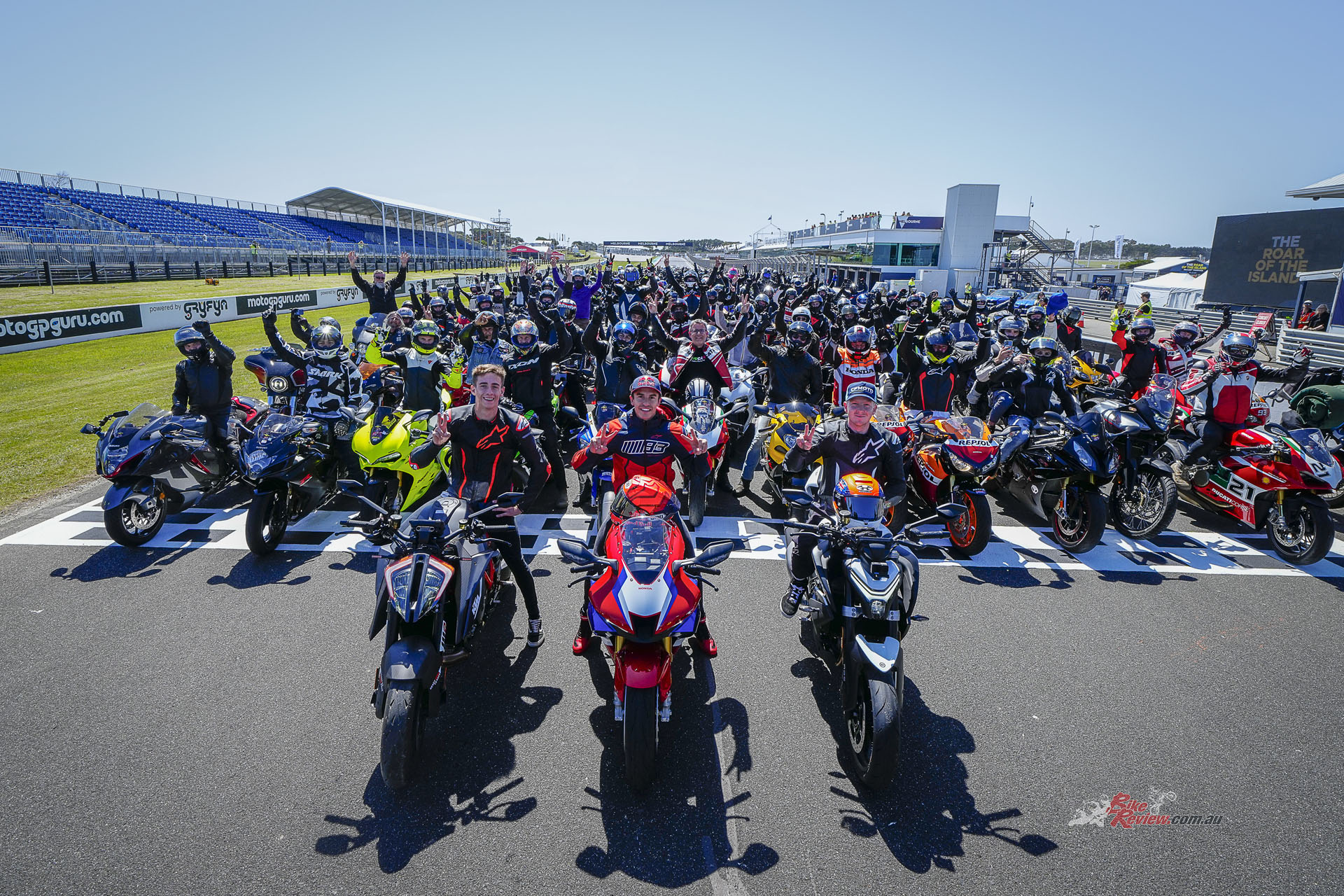
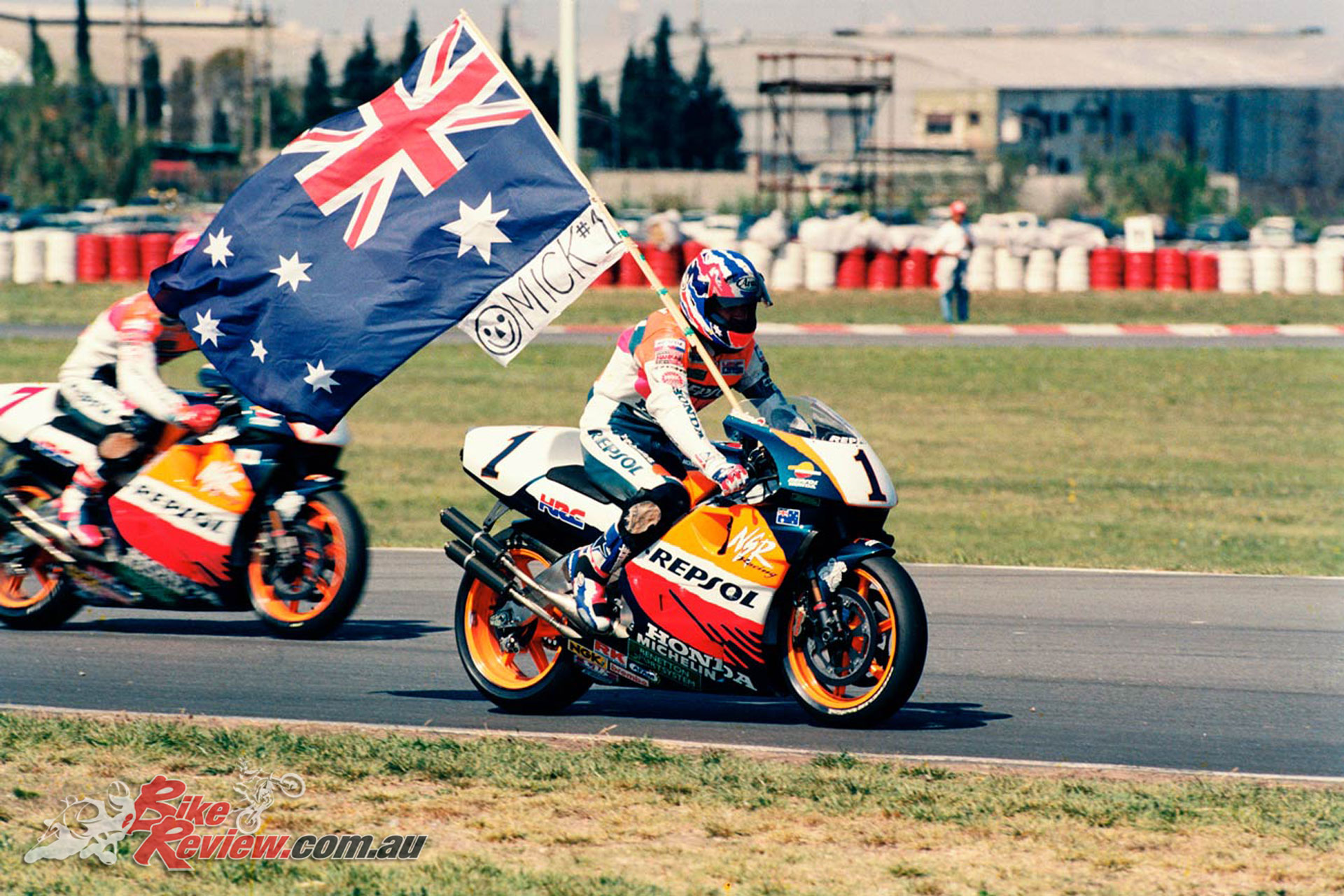
A tripod goes on the rack for video, time-lapse and long-exposure work. With no camping, cooking or sleeping gear, the load is a lot lighter. Thirty-seven years, two bikes and one very long career later, the Island is still where I want to be.
“Let’s hope the FJR feels the same.”
The Author

You Might Also Like