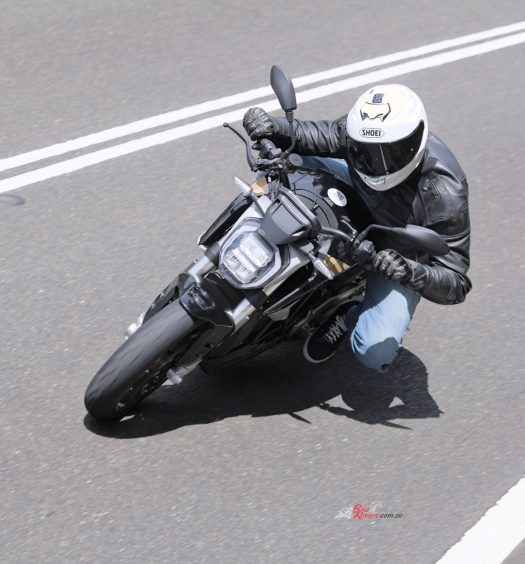

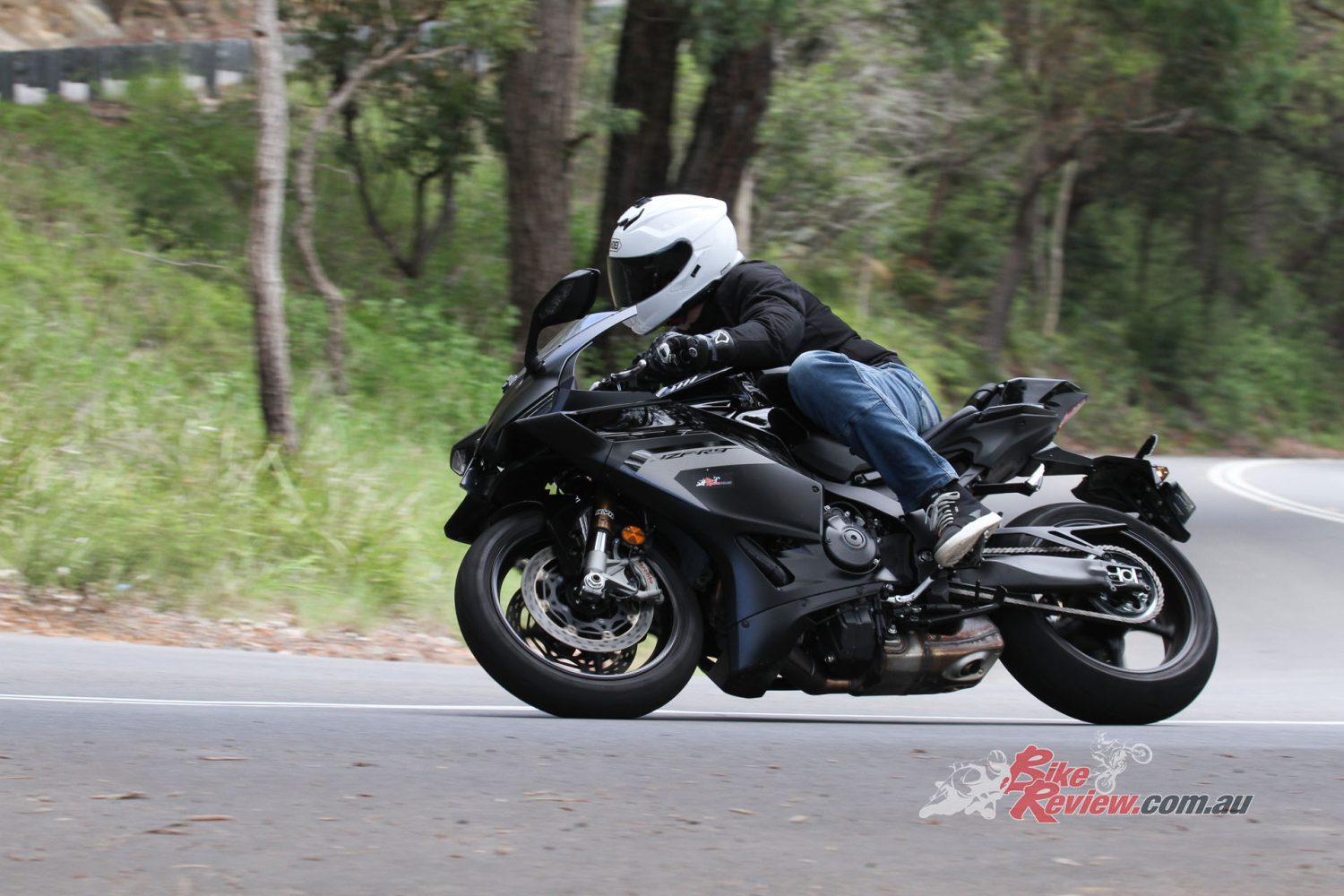

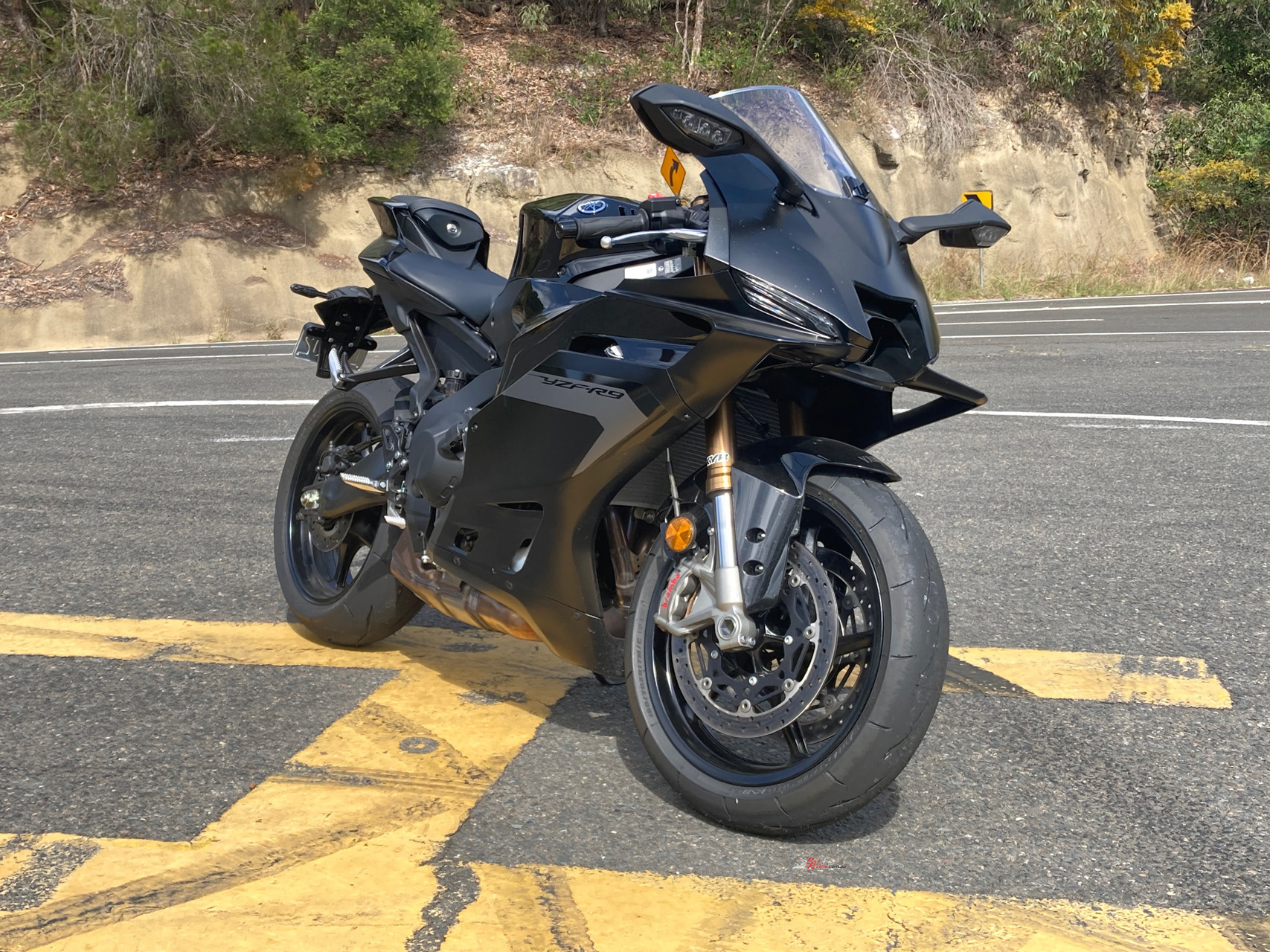
We previously track tested the Yamaha YZF-R9 at SMSP. We then had a long termer for four months. Now we have our full road test for you, the place this bike really excels... Photos: HMC Photography
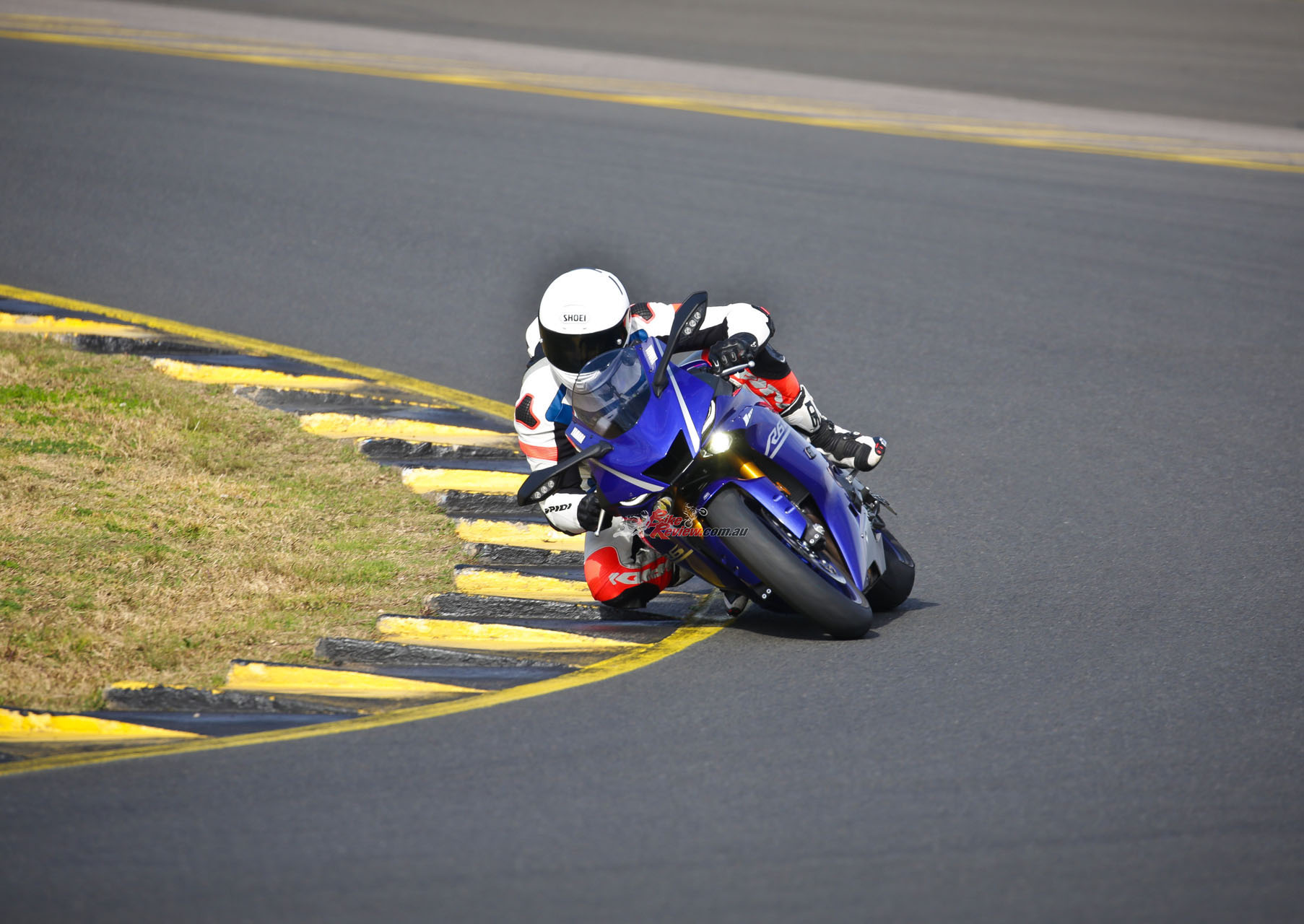
Ever since the original MT-09 arrived and turned the nakedbike class upside down, I’ve been waiting for Yamaha to build a proper supersport around the CP3 triple. I remember riding the first MT-09 at The Farm and thinking, “This engine belongs in a sportsbike.”…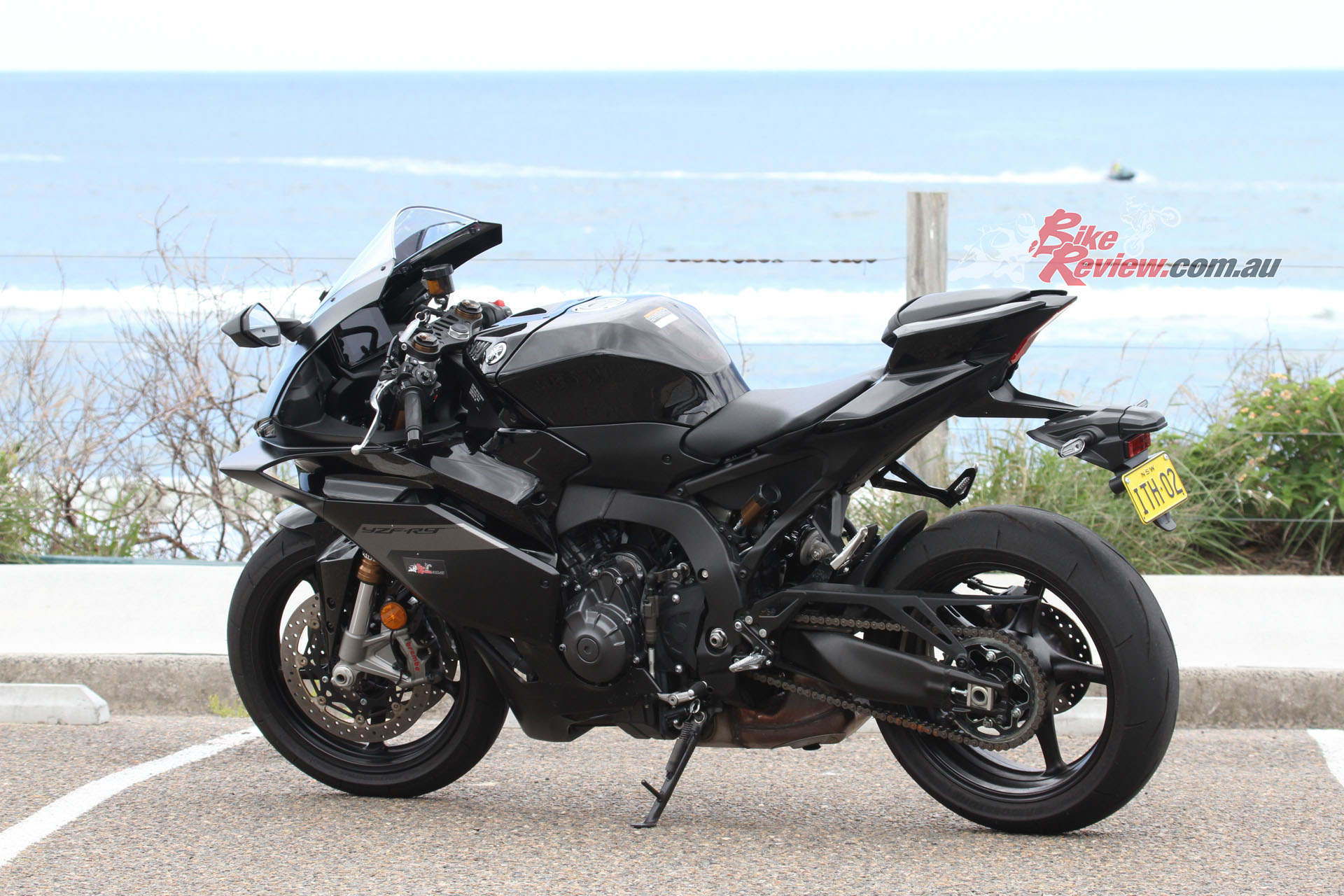 More than a decade later, Yamaha has finally delivered exactly that. The YZF-R9 has already proven itself on the racetrack. We tested it at SMSP during the Australian launch, and it immediately impressed with its friendly nature, sharp handling and torque-rich performance. But the real question was always how it would perform where most owners will actually ride it – on public roads.
Read about our long term YZF-R9 here…
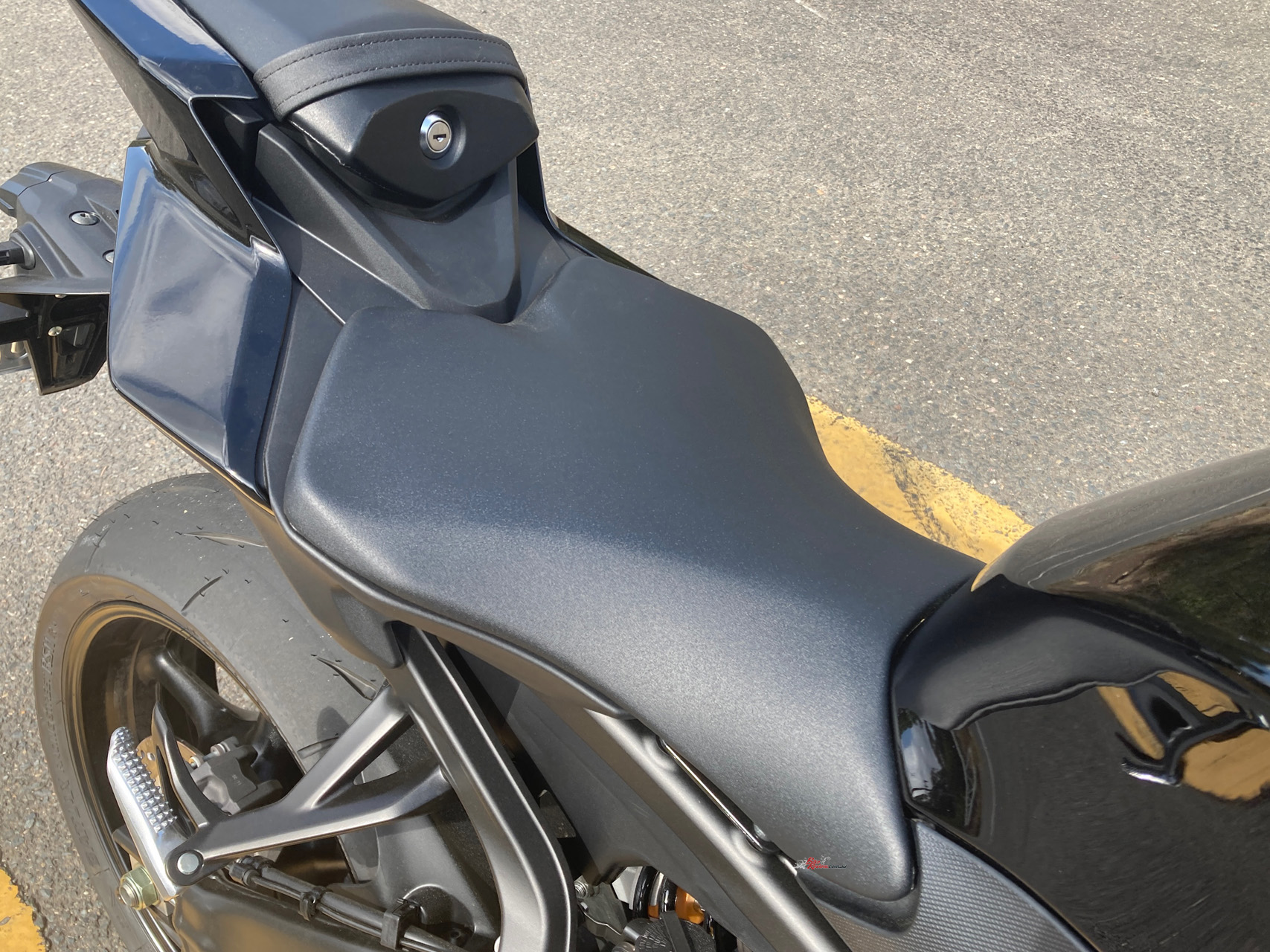
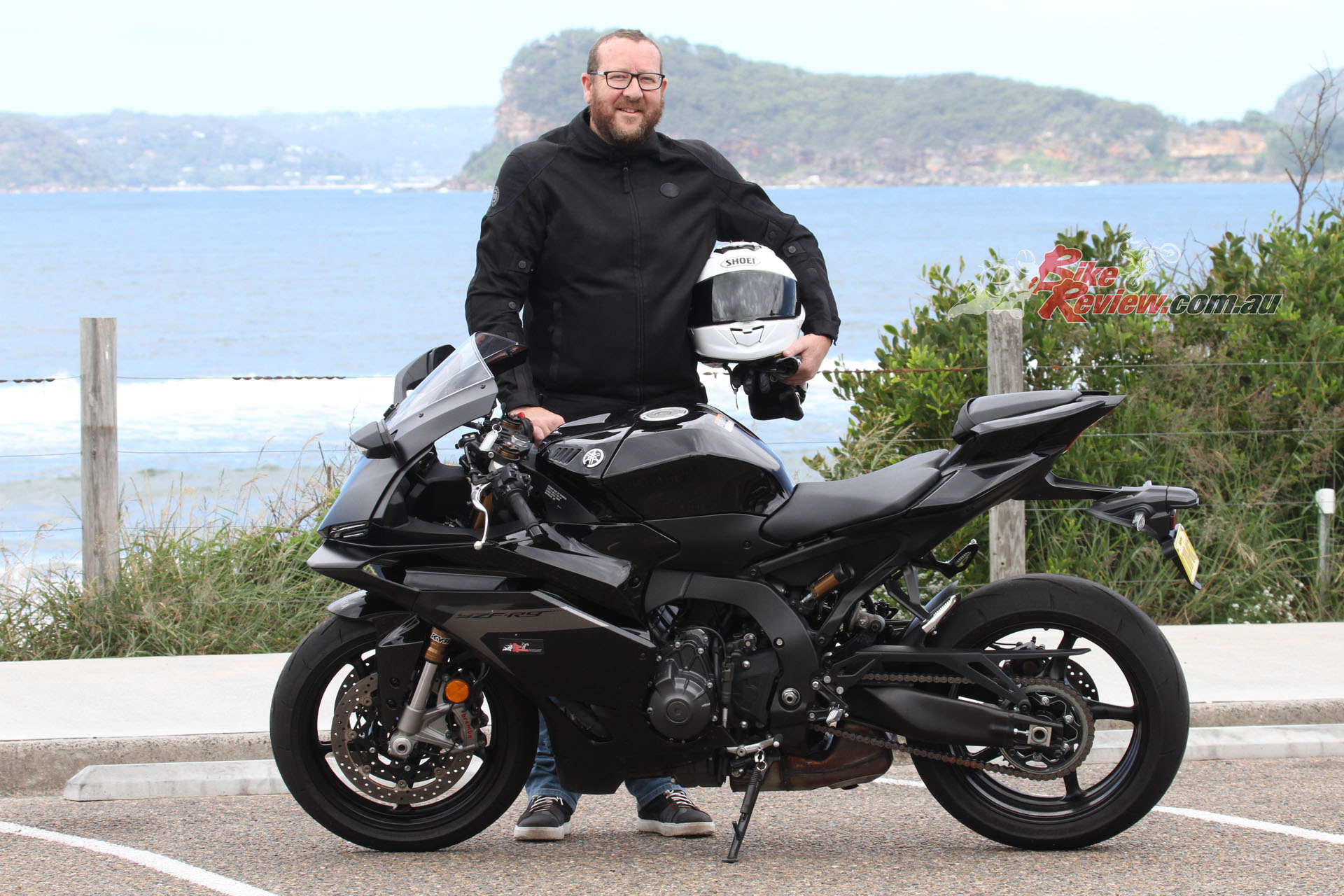
The first thing that strikes you is that despite looking every inch a modern supersport, the R9 doesn’t punish you for climbing aboard. At 187cm tall, I often feel folded up on middleweight sportsbikes, but the Yamaha offers noticeably more room than an R6. The clip-ons are positioned slightly higher, the relationship between seat, ‘pegs and ‘bars feels natural, and there is enough space to move around without feeling cramped. Don’t mistake that for comfort-bike ergonomics. You’re still sitting on a focused sportsbike, but it’s a riding position you can happily live with for more than an hour at a time.
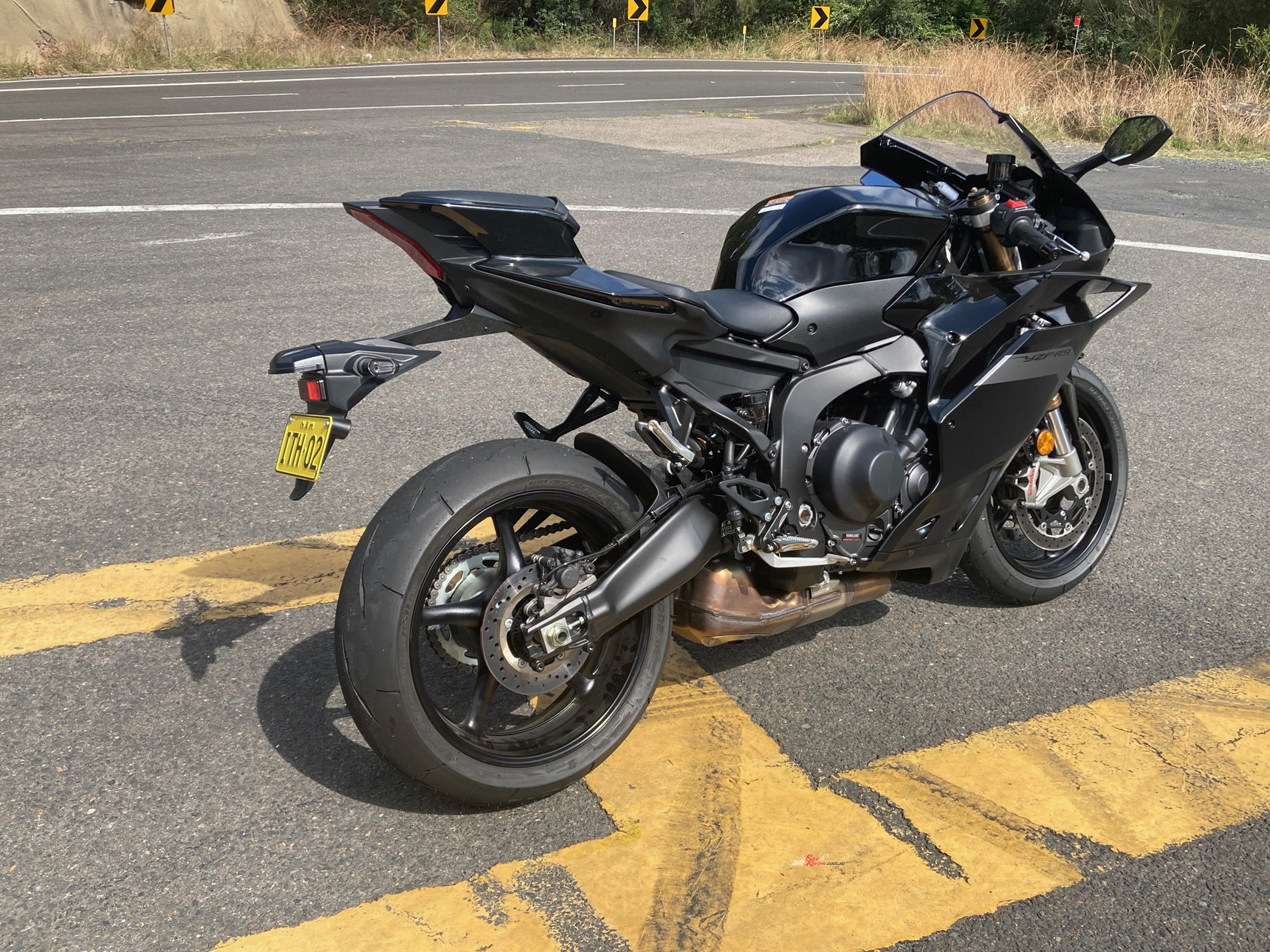
The YZF-R9 ergonomics are more road friendly than that of the racer YZF-R6. Good for old blokes like me, actually.
The CP3 engine remains the star of the show. Yamaha’s 890cc triple has become one of the great modern motorcycle engines, and in the R9 it feels perfectly at home. While the internals remain largely unchanged from the MT-09, revised mapping, gearing and intake tuning give it a distinct personality. The result is an engine that feels alive from the moment you crack the throttle.
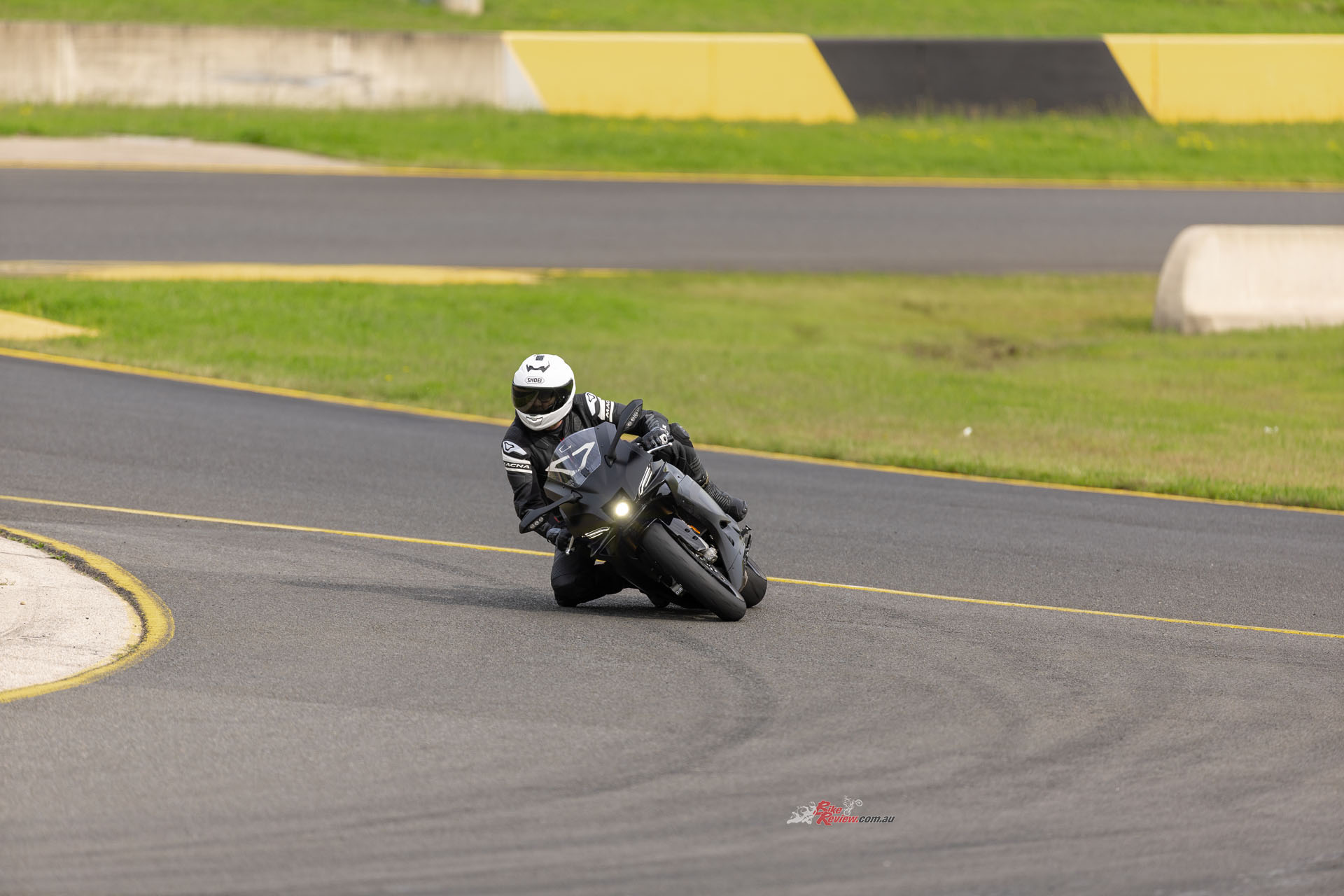
Where a traditional supersport demands revs and commitment, the R9 simply gets on with the job. There is meaningful drive almost everywhere in the rev range. Roll on the throttle in third gear exiting a tight corner and the bike surges forward without hesitation. Overtakes require little planning and even lazy riding is rewarded. That’s what makes the R9 so effective on the road. You don’t need to ride at ten-tenths to enjoy it.
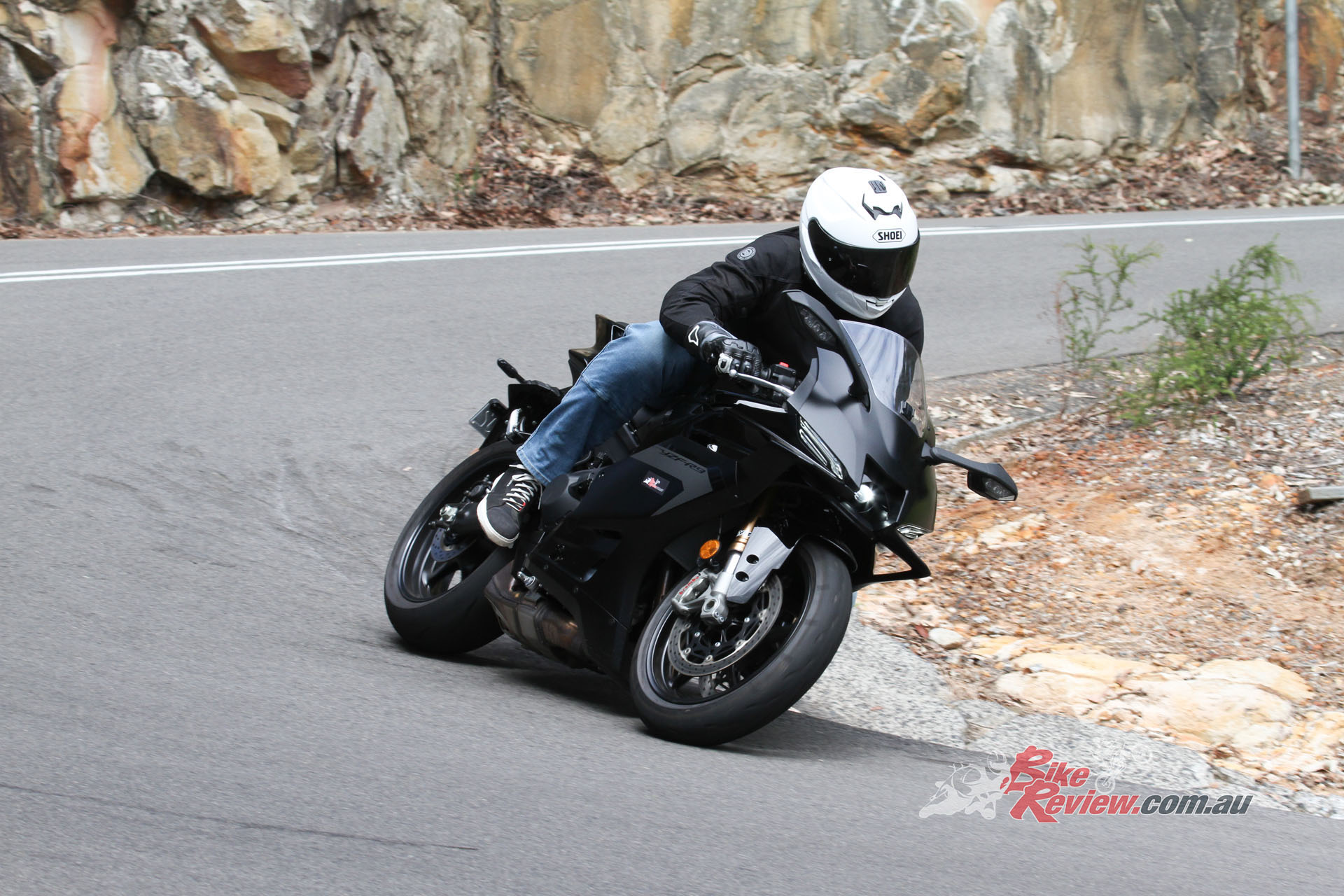
Roll on the throttle in third gear exiting a tight corner and the bike surges forward without hesitation.
The triple delivers a broad spread of torque that lets you focus on the road ahead rather than constantly chasing the perfect gear. It still rewards aggressive riding when the mood takes you, but unlike the old supersport formula, it isn’t demanding.
The soundtrack helps too. The distinctive crossplane-inspired triple growl remains one of motorcycling’s great noises. The induction roar from the airbox and the exhaust note combine to create a character that feels far more engaging than many modern four-cylinder engines.
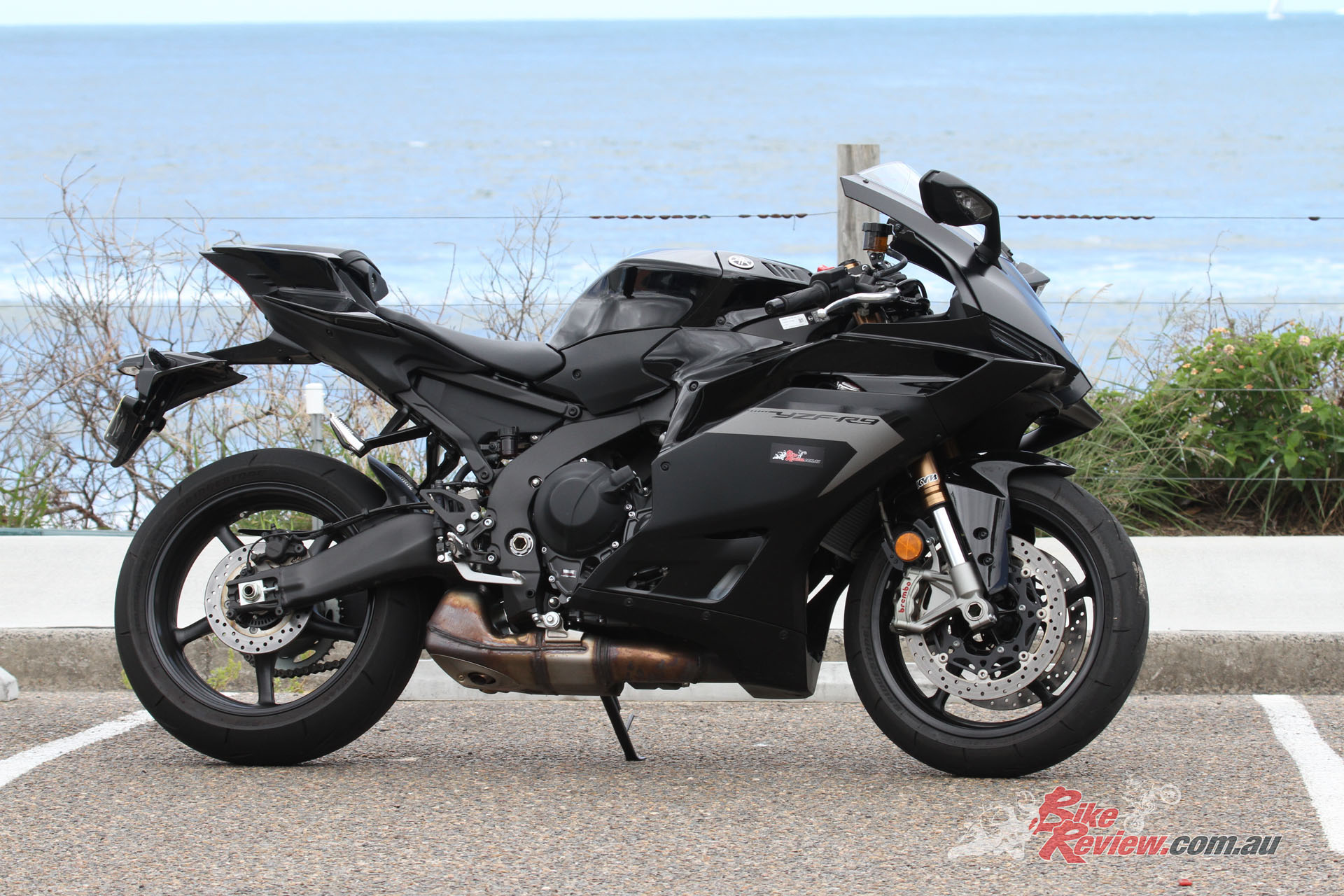
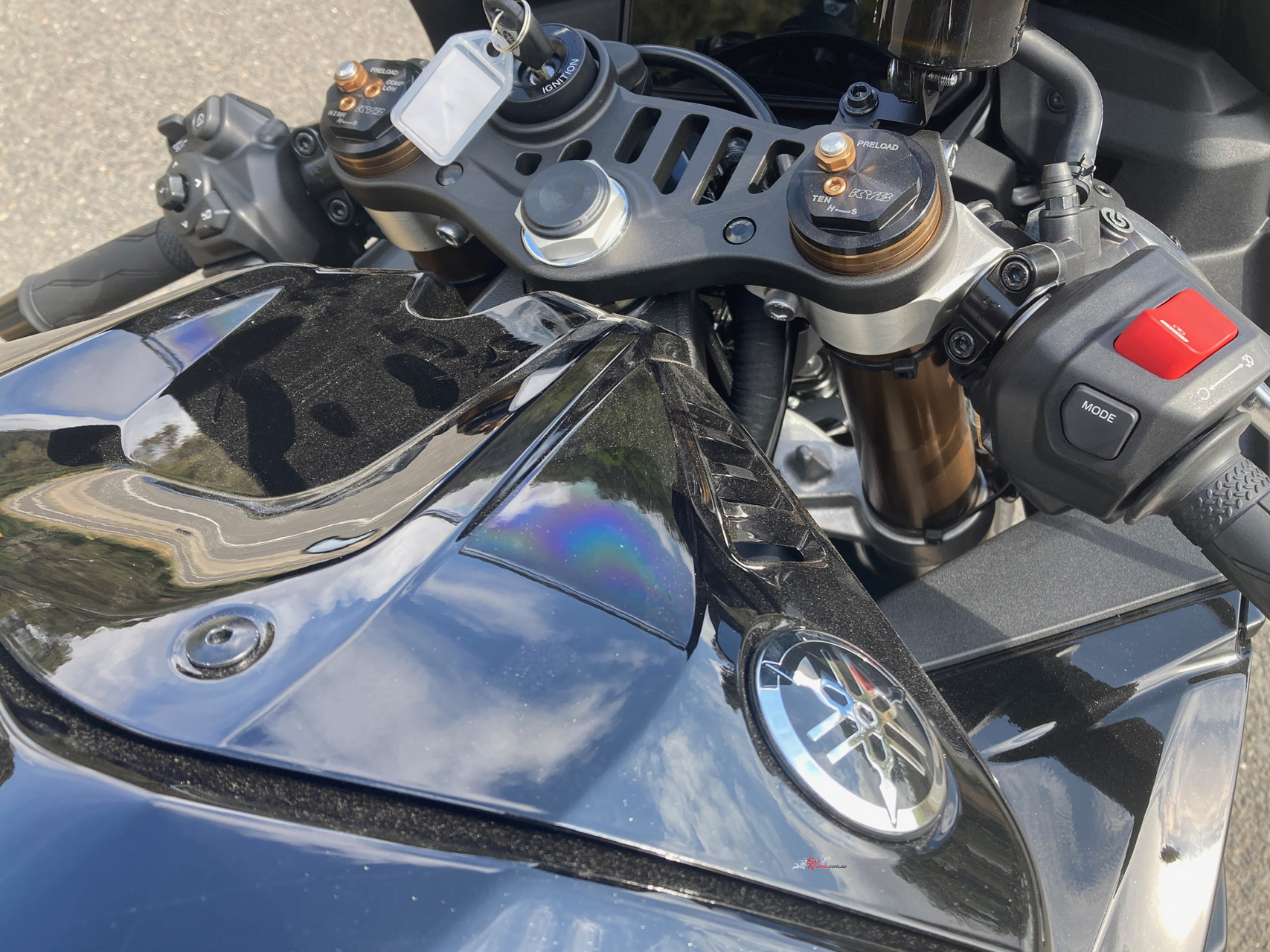
This isn’t an MT-09 wearing fairings. Yamaha’s dedicated Deltabox frame, revised geometry and premium suspension package transform the riding experience. The bike turns quickly, holds a line well and remains composed even when the road surface deteriorates. The KYB suspension strikes an impressive balance between control and compliance. It feels sporty without being harsh, particularly with a few clicks taken out, as we did with our test bike, allowing the tyres to track across rough surfaces while still providing the precision expected of a genuine supersport machine.
One of the biggest surprises is just how confidence inspiring the bike feels. The front-end feedback is excellent. You always know what the tyre is doing and the bike communicates clearly when cornering loads increase. Combined with the neutral steering and balanced chassis, it creates a motorcycle that flatters riders of varying experience levels.
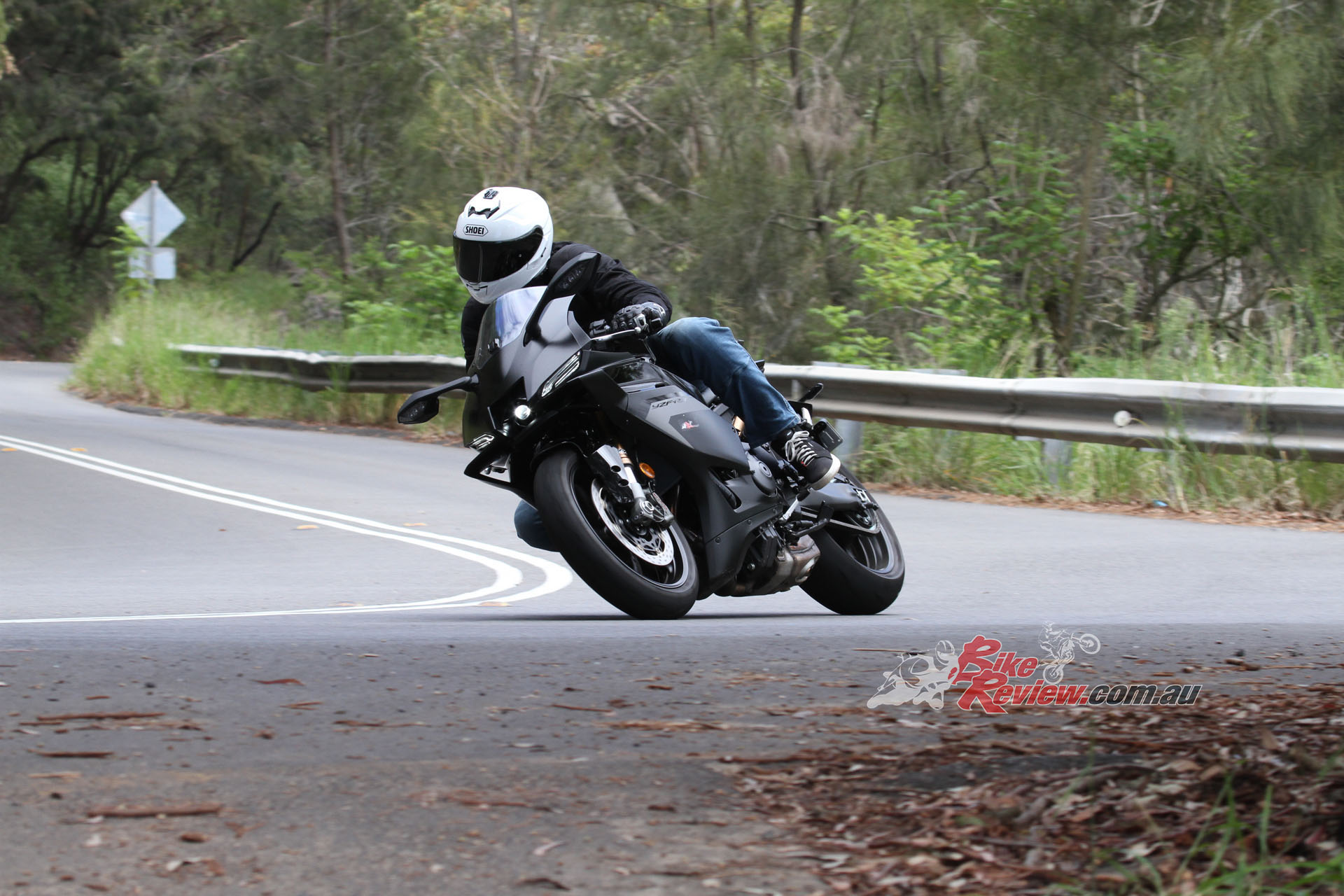
Front-end feel is communicative and confidence-inspiring.
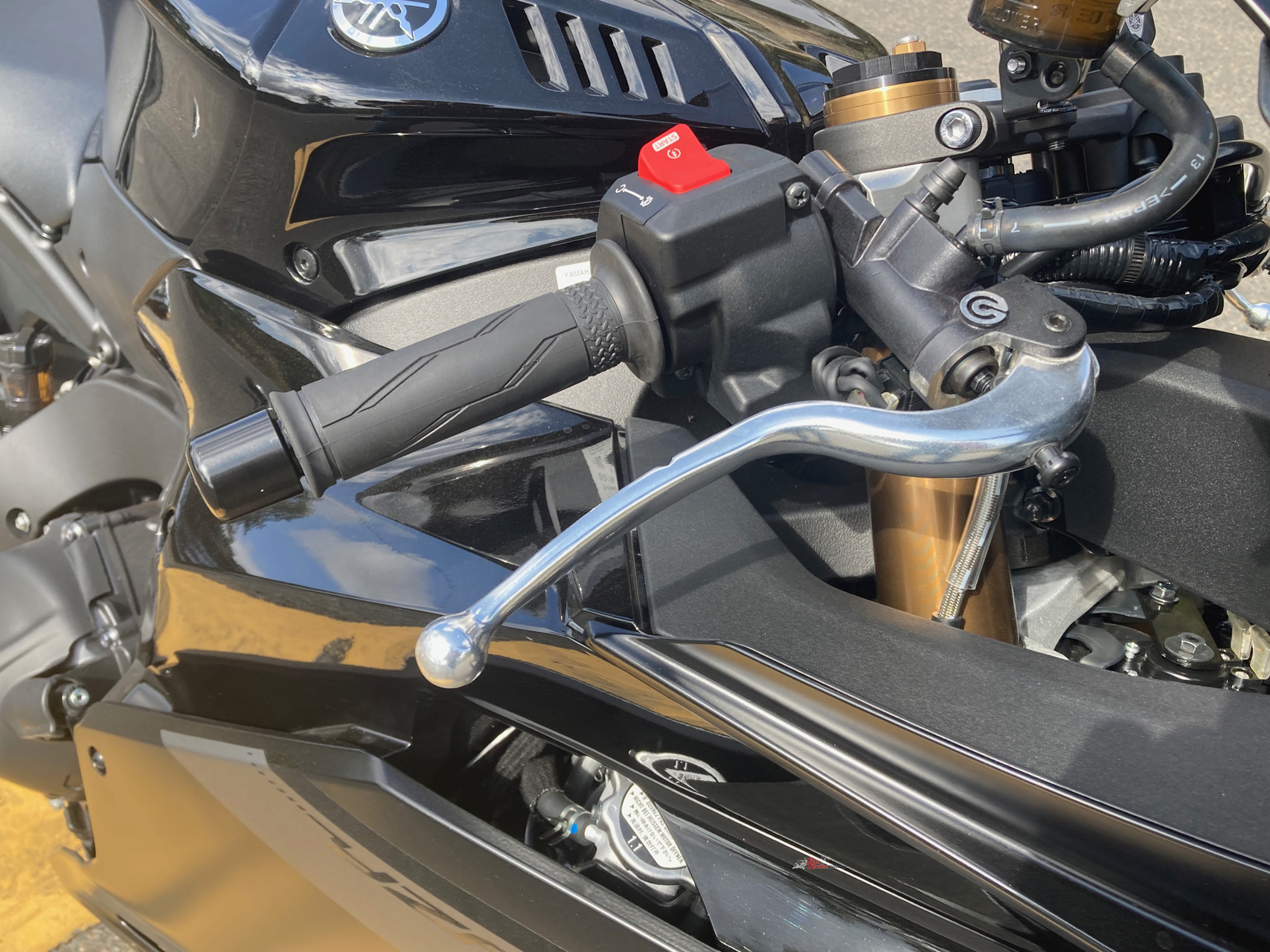
The brakes are pretty impressive. Brembo Stylema calipers, a radial master-cylinder and dual 320mm rotors provide strong stopping power with excellent feel. Initial bite is firm without being abrupt, and the system remains easy to modulate when conditions become less than ideal on the road.
Modern electronics are everywhere, but Yamaha has done a good job integrating them without overwhelming the rider. The six-axis IMU governs traction control, slide control, wheelie control and cornering ABS, while multiple ride modes allow a degree of customisation. Once set up, the electronics largely fade into the background and simply allow you to ride.
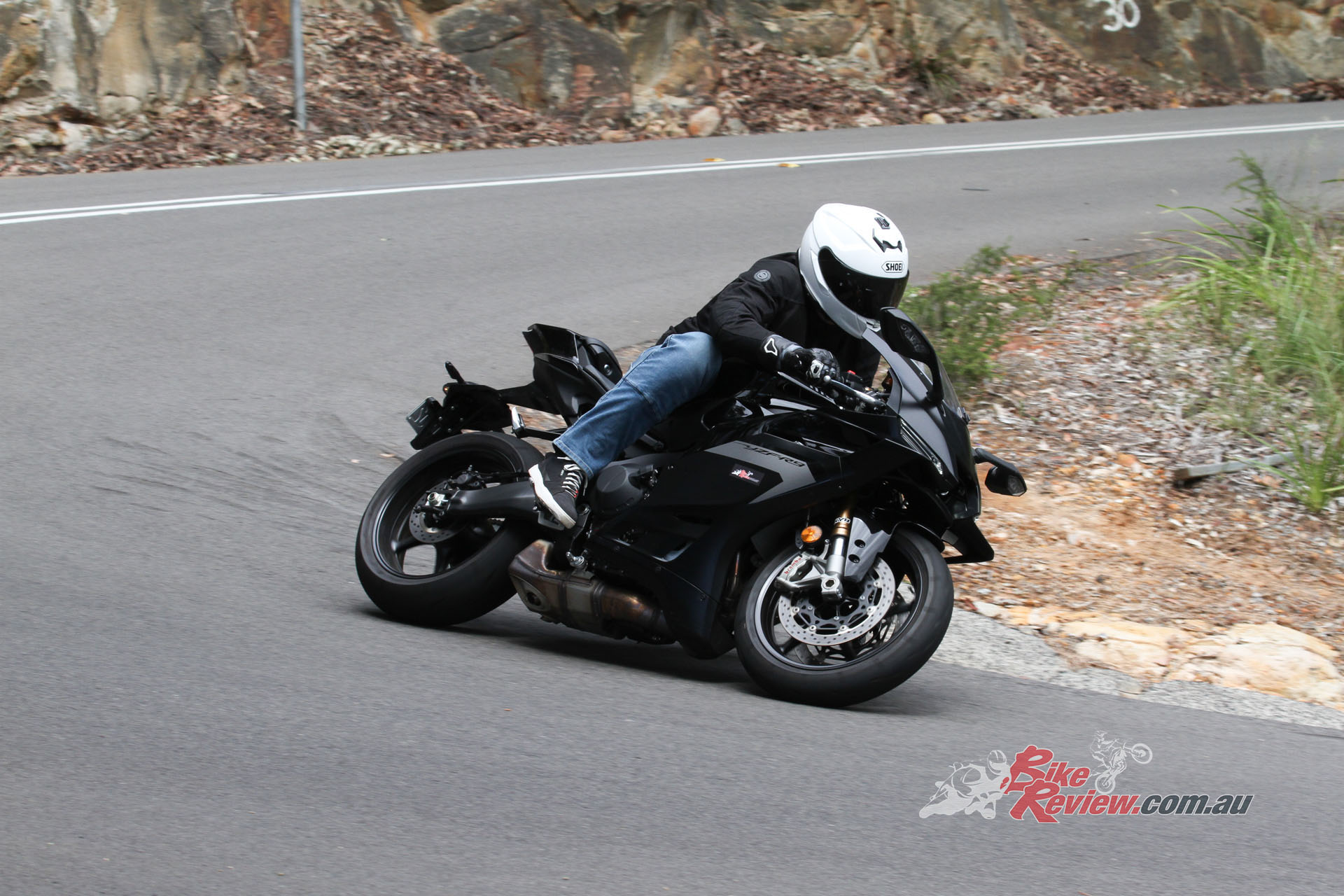
For years, supersport bikes chased racetrack performance at the expense of road enjoyment. The R9 feels like Yamaha stepped back and asked what riders actually wanted. The answer wasn’t more peak horsepower. It wasn’t a higher redline. It wasn’t a more extreme riding position. The answer was a bike that delivers genuine supersport handling while remaining enjoyable on real roads.
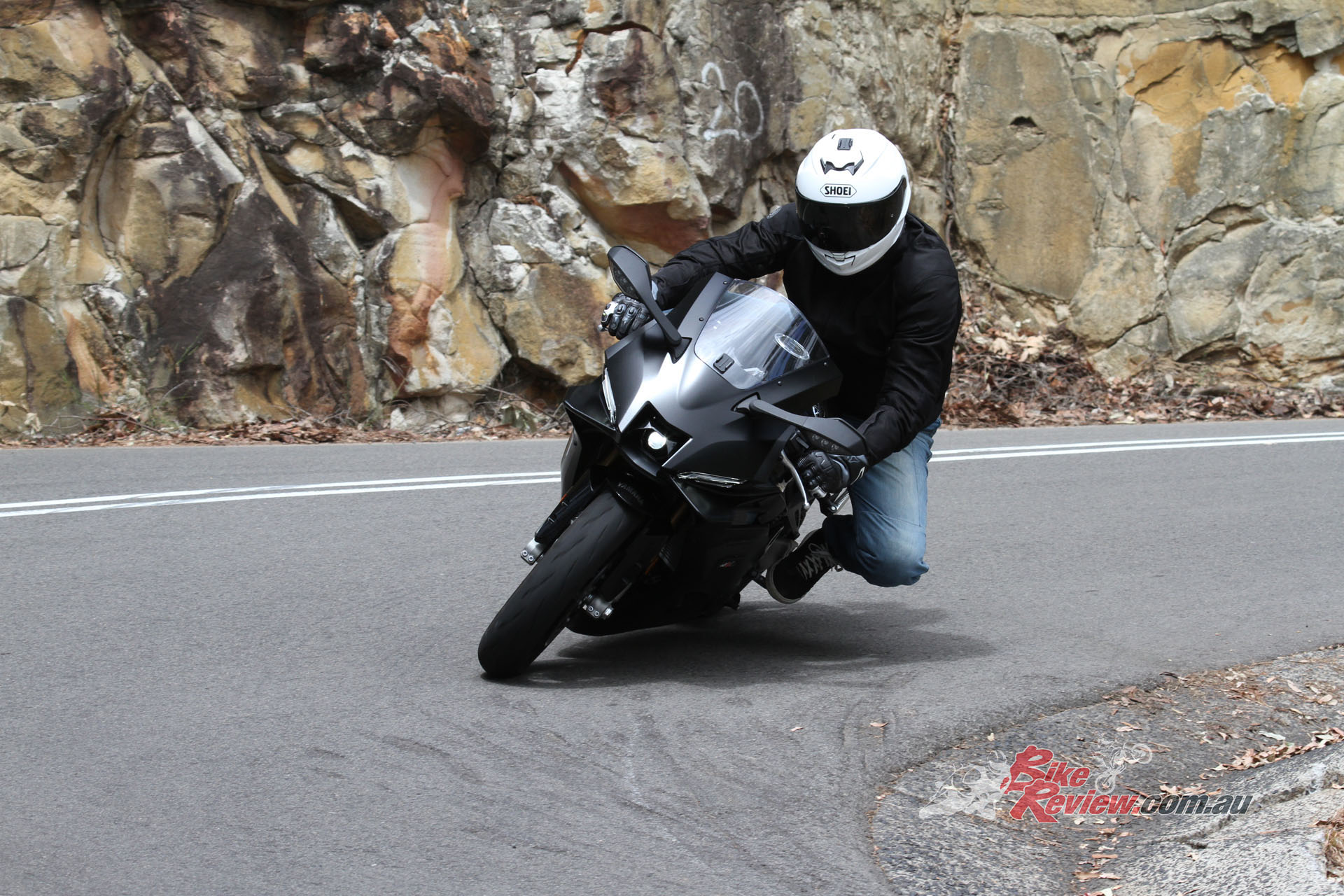
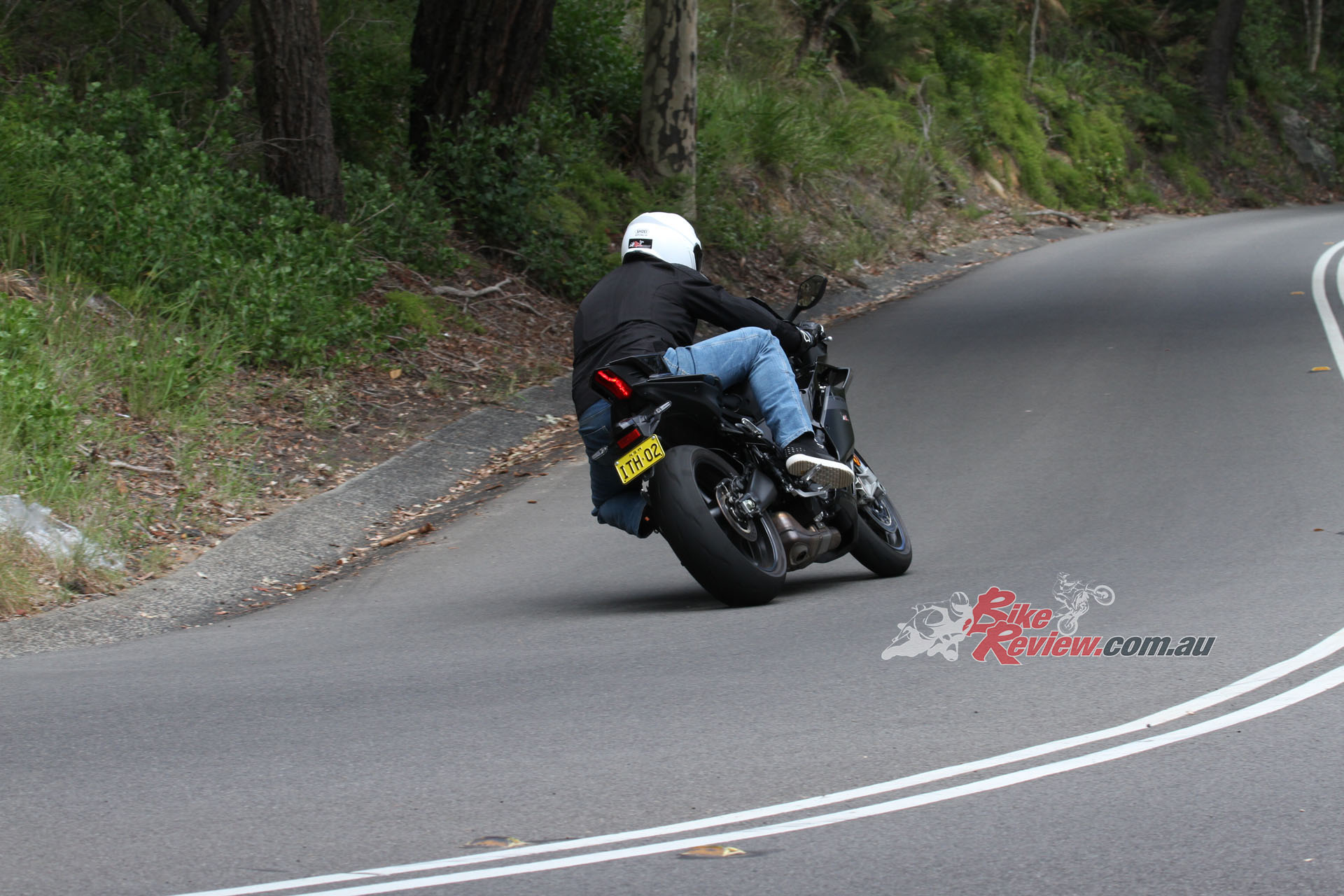
It’s also worth remembering that this isn’t intended to replace the R1. Nor is it simply an R6 successor. Yamaha already has the R1 for riders chasing outright superbike performance and the R6 Race for dedicated circuit work. The R9 occupies a space between those machines and, arguably, where most sportsbike riders actually live.
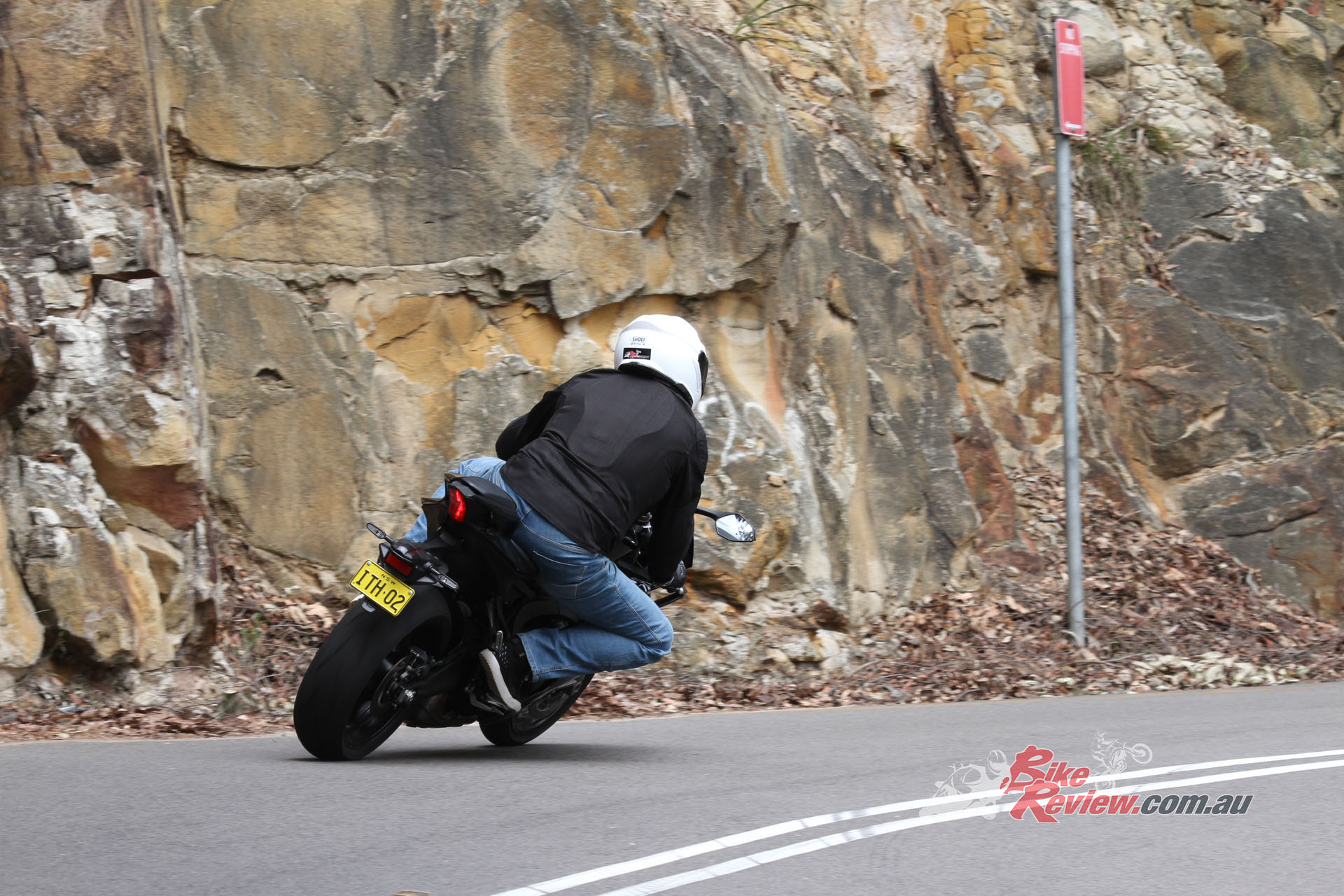
After spending time with it on both road and track, I keep coming back to the same conclusion. The YZF-R9 feels like a big R3 with serious grunt. It has that same friendly, flickable nature, but combines it with a charismatic triple-cylinder engine and genuine supersport capability. For riders who spend most of their time carving through their favourite roads, commuting during the week and enjoying the occasional track day, the R9 might just be the smartest sportsbike currently on the market.
TECH TALK
The YZF-R9 represents Yamaha’s answer to a question many riders have been asking for years: what happens when you combine the brilliant CP3 triple-cylinder engine with a dedicated supersport chassis? The result is a machine designed to bridge the gap between racetrack performance and real-world usability.
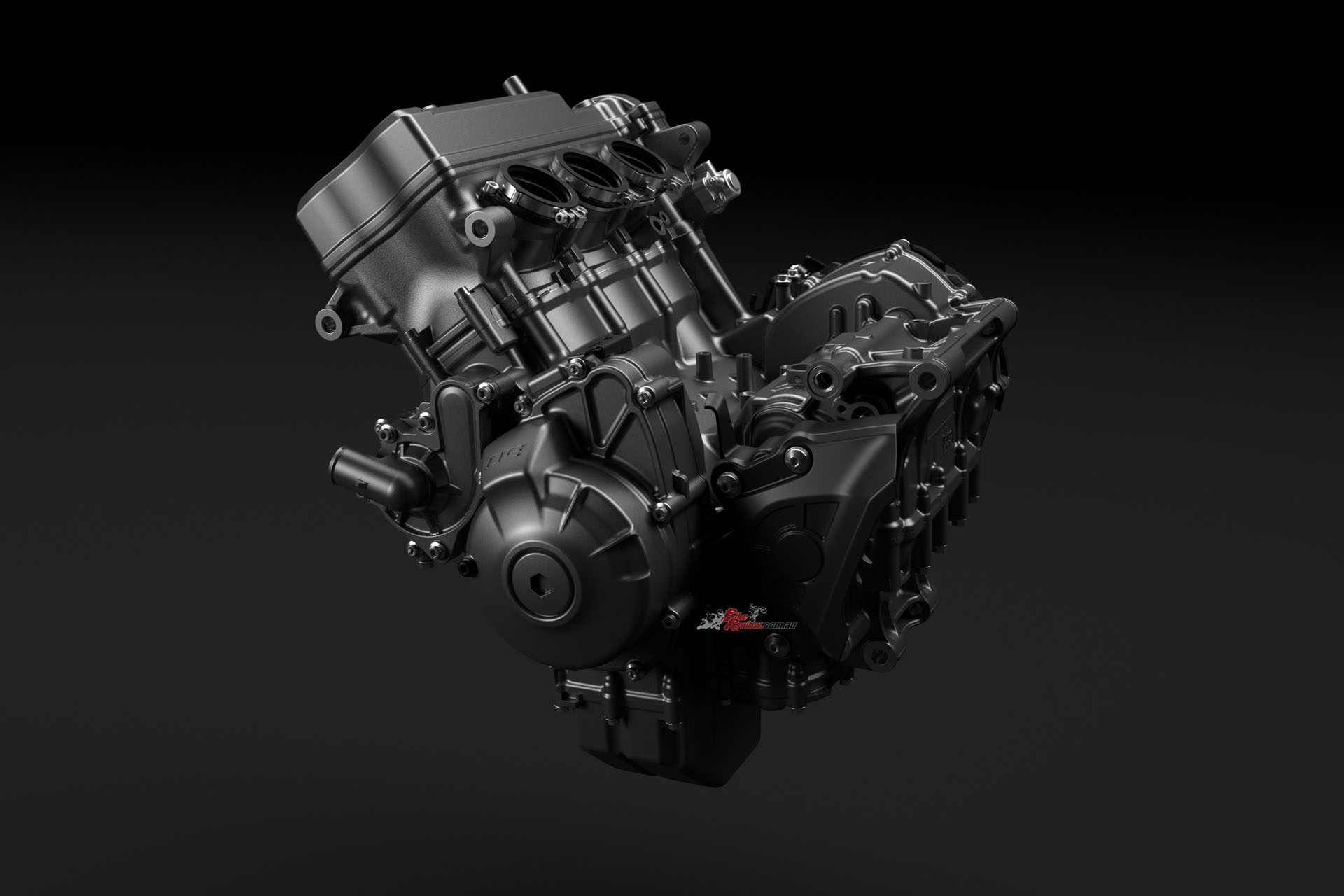
Yamaha CP3 Engine.
At the heart of the R9 is Yamaha’s 890cc liquid-cooled CP3 triple, an engine that has earned a reputation as one of motorcycling’s most charismatic powerplants. Producing a claimed 87.5kW and 93Nm, the three-cylinder engine has been specifically tuned for supersport duty with revised ECU settings, optimised gearing and a carefully developed intake system. The aim wasn’t to create an R1 rival, but rather a sportsbike with broad, accessible performance and strong midrange torque.
A large part of the R9’s appeal comes from its all-new chassis. Yamaha’s gravity-cast aluminium Deltabox frame is the lightest ever fitted to one of the company’s supersport models and has been engineered to offer a balance between low-speed compliance and high-speed rigidity. Combined with close to 50/50 weight distribution, the frame delivers the agile handling and confidence-inspiring feel that quickly became a hallmark of the bike during testing.
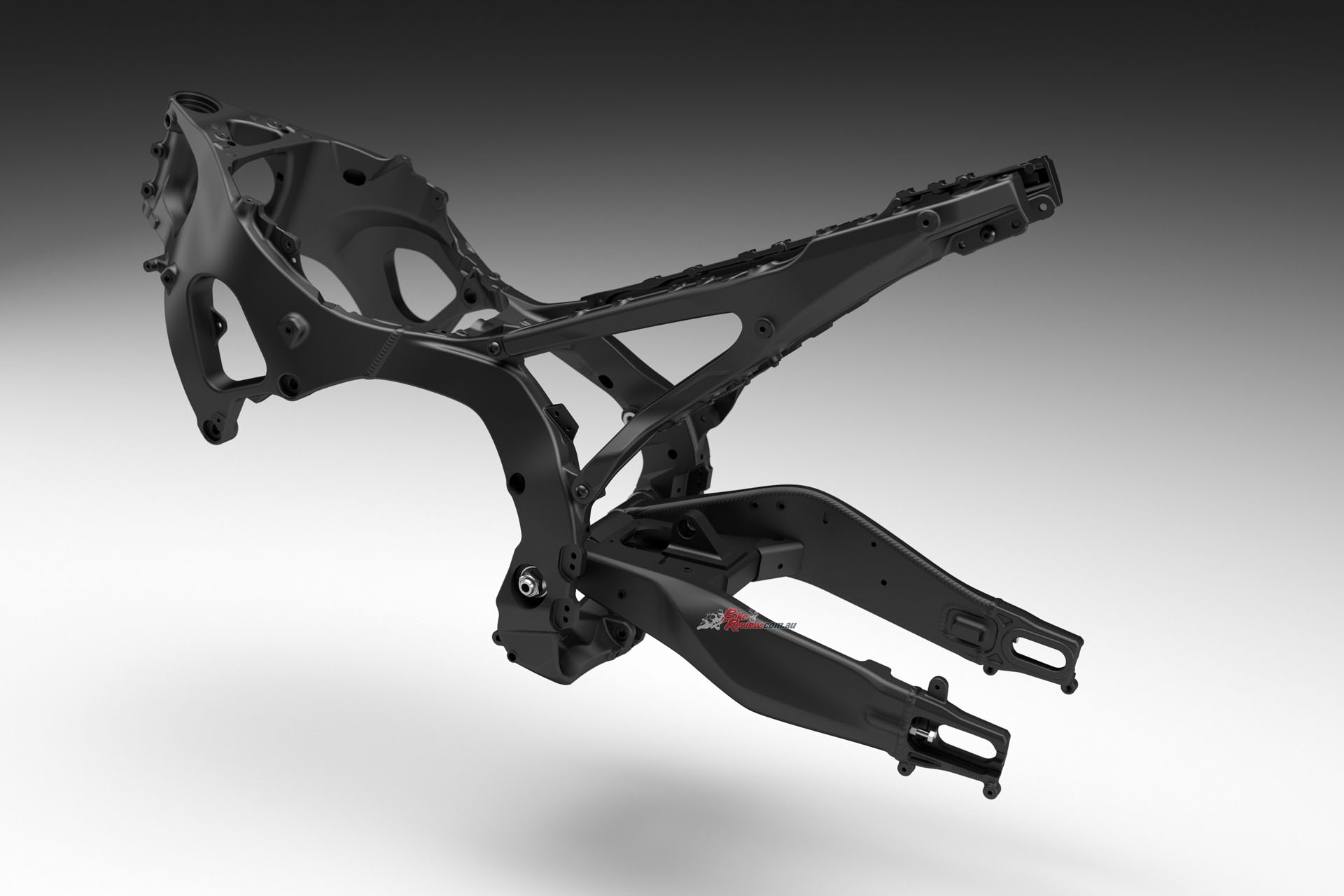
Yamaha’s lightest ever Deltabox frame.
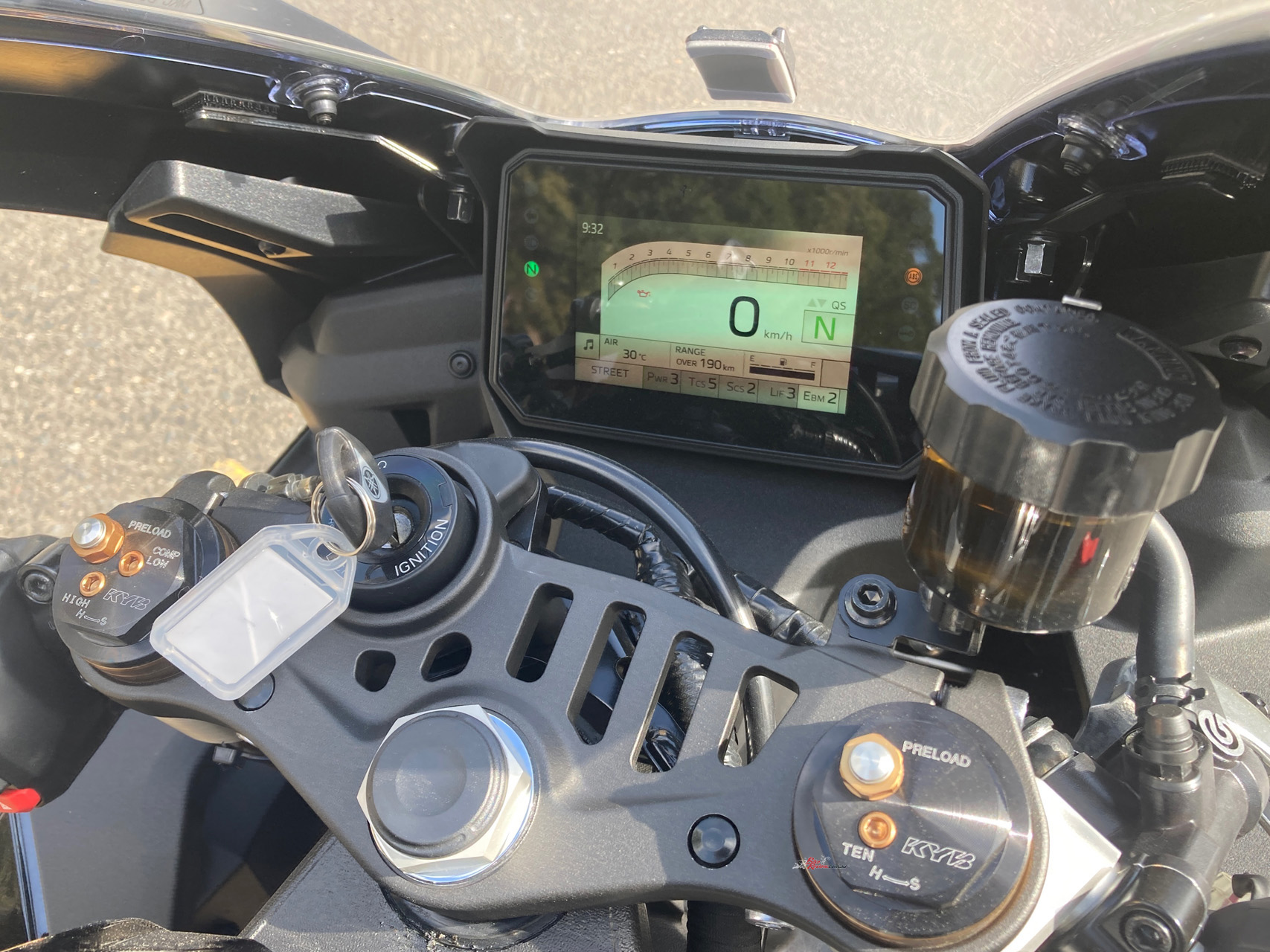
Suspension duties are handled by fully adjustable KYB components front and rear. The 43mm upside-down fork features revised internal valving, while the rear shock introduces a new low-speed valve design intended to improve chassis stability and damping consistency. Together, the package provides excellent road feel while retaining the support required for track riding.
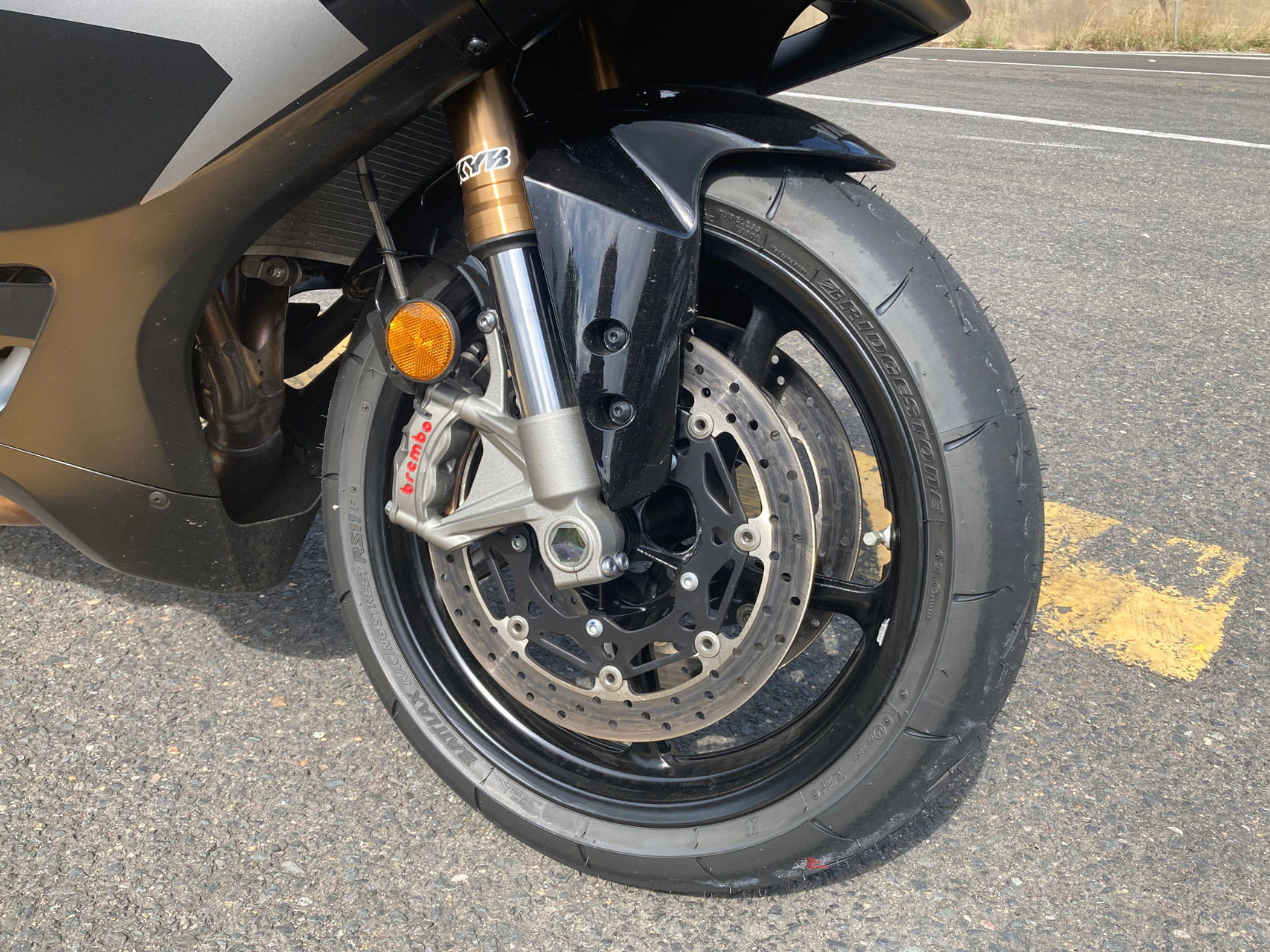
Braking performance is equally impressive. Twin 320mm front discs are paired with Brembo Stylema radial-mount calipers and a Brembo radial master cylinder, creating a premium braking package more commonly associated with litre-class superbikes. Stainless steel braided lines and cornering ABS complete the system, while track riders can disable rear-wheel ABS if desired.
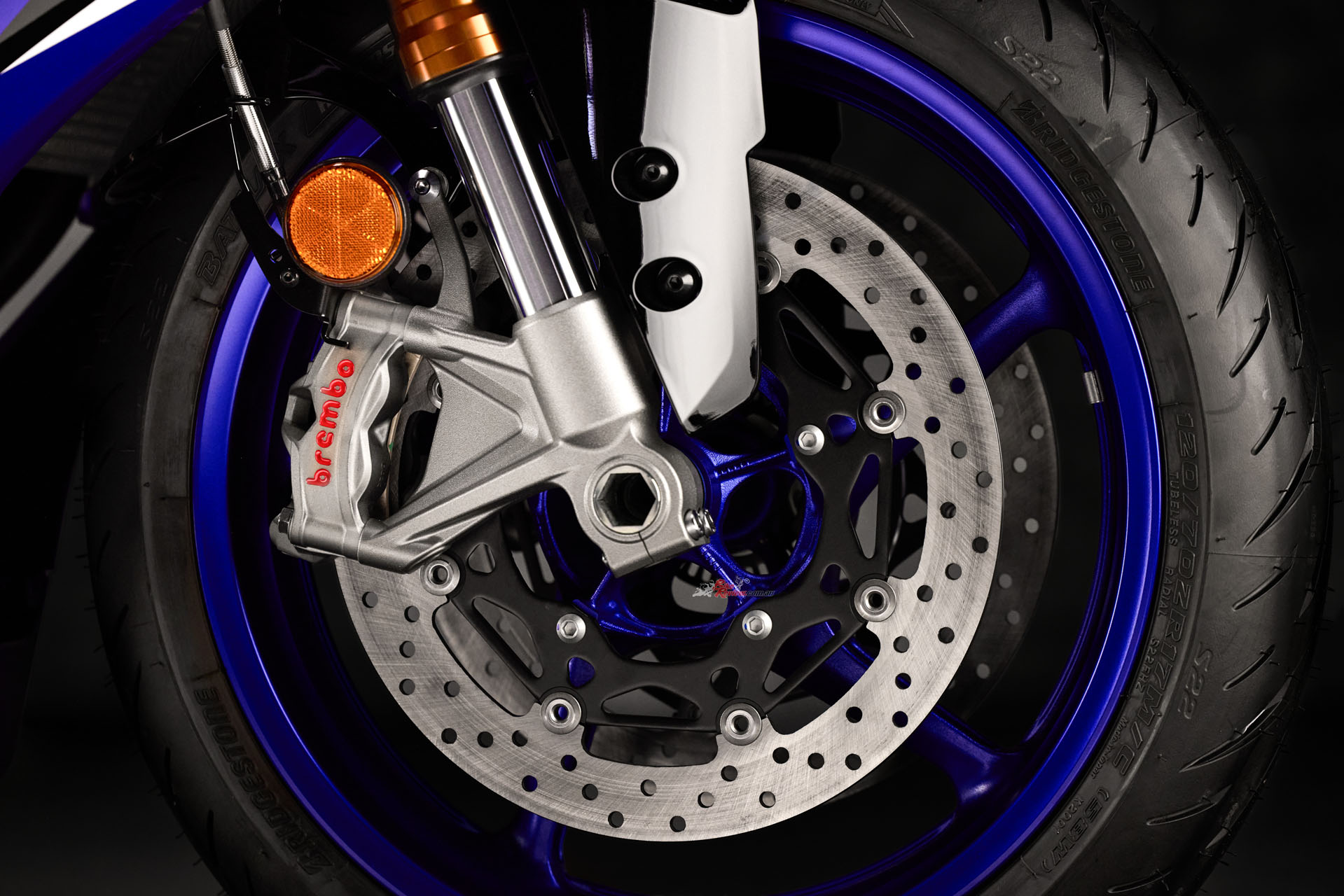
Brembo 320mm rotors and monoblock calipers.
Aerodynamics have also received considerable attention. MotoGP-inspired winglets generate downforce to improve front-end stability without significantly increasing drag, while Yamaha claims the R9 is the most aerodynamically efficient production motorcycle the company has ever produced. Despite its aggressive appearance, the riding position remains surprisingly accommodating, with a relatively short reach to the bars, ample leg room and a manageable 831mm seat height.
Technology is controlled through a new five-inch full-colour TFT display offering four road themes and a dedicated track layout. Smartphone connectivity is standard via Yamaha’s Y-Connect app, while Garmin StreetCross navigation can be displayed directly on the dash.
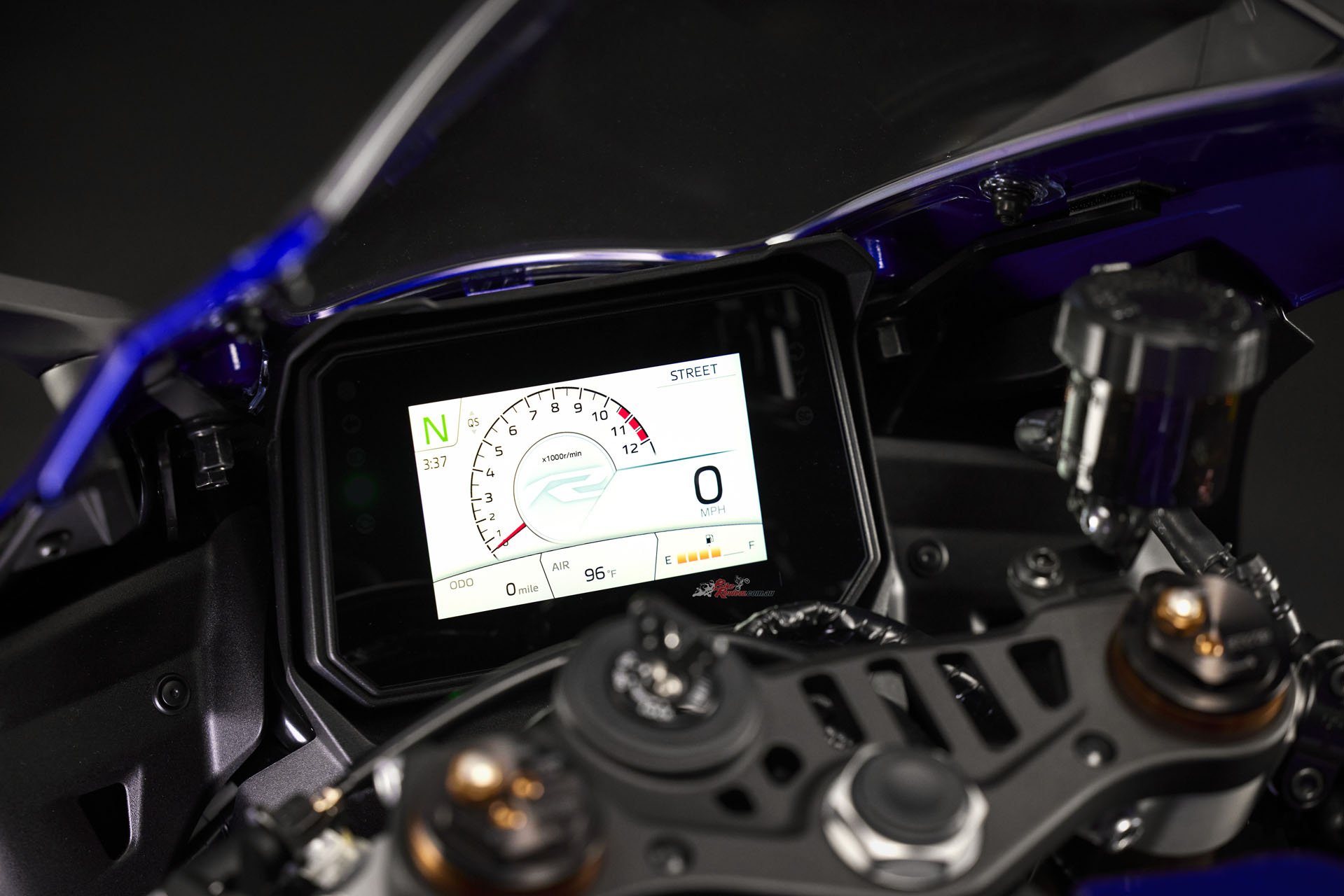
New generation TFT dash.
Supporting the rider is a comprehensive electronic package based around a six-axis IMU derived from the YZF-R1. This enables lean-sensitive traction control, slide control, wheelie control, brake control, engine brake management and launch control, along with cruise control, multiple ride modes and Yamaha’s Y-TRAC track telemetry functions.
The result is a motorcycle that combines modern electronics, premium components and one of the industry’s best triple-cylinder engines into a package designed as much for Sunday morning road rides as it is for track days.
2026 Yamaha YZF-R9 Specifications
Price: $23,699 R/A
Warranty: Three-years unlimited km
Colours: Team Yamaha Blue, Raven
Claimed Power: 87.5kW@10,000rpm
Claimed Torque: 93Nm@7000rpm
Wet Weight: 195kg
Fuel capacity: 14L
Fuel Consumption (Claimed): N/A
Fuel Consumption (Tested): N/A
Range (Claimed): N/A
Engine: Liquid-cooled, four-stroke, DOHC, Crossplane triple, 78.0mm x 62.1mm bore x stroke, 890cc, 11.5:1 compression, three-into-one exhaust Gearbox: Six speed Clutch: Assist & Slipper Clutch with Quick Shift System (up & down), EFI, three-into-one exhaust.
Chassis: Aluminium Deltabox frame
Rake: 24.7° Trail: 109.2mm
Front Suspension: USD 43mm KYB forks, fully adjustable, 120mm travel, KYB monoshock, fully adjustable with low-speed valve, 117mm travel.
Brakes: Twin 320mm discs with Brembo Stylema four-piston radial calipers, Brembo radial master-cylinder, stainless braided lines, cornering ABS (f), Single 220mm disc with single-piston caliper, ABS (r), rear ABS disconnect for track
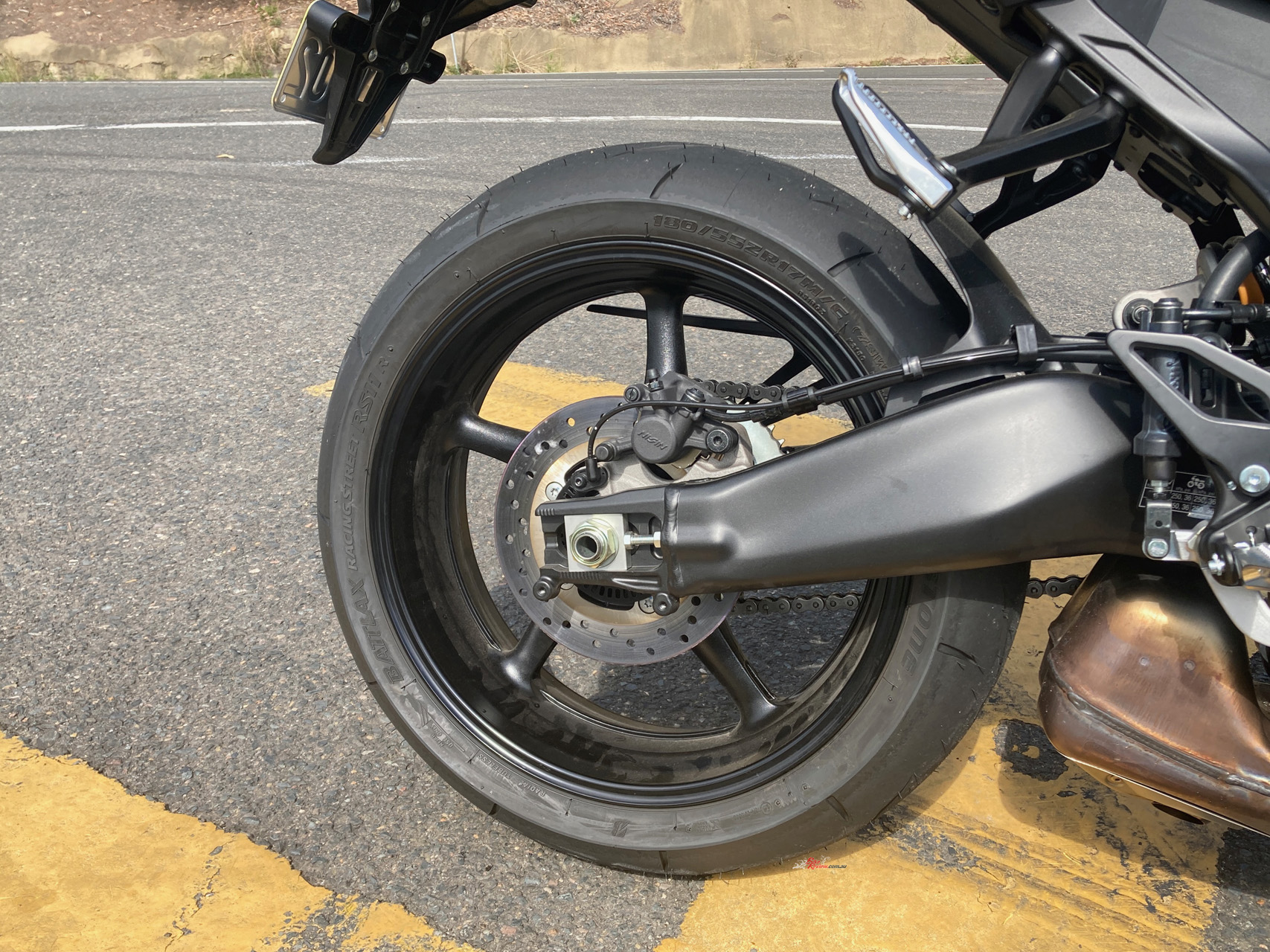
Wheels & Tyres: 10-spoke cast alloy wheels, Bridgestone RS11 120/70 – 17 (f), 180/55 – 17 (r) tyres
Dimensions:
Wheelbase: 1420mm
Seat height: 831mm
Ground clearance: 140mm
Overall width: 706mm
Overall length: 2070mm
Overall height: 1181mm
Instruments & Electronics: 5in full-colour TFT dash with four street and one track theme, Y-Connect app compatibility, Garmin StreetCross Nav support, 6-Axis IMU, Traction Control (TCS), Slide Control (SCS), Lift Control (LIF), Brake Control (BCS), Engine Brake Management (EBM), Back Slip Regulator (BSR), Launch Control, Cruise Control, Quick Shifter, Ride Modes (Sport, Street, Rain, Custom x 2), Virtual Pitboard, Variable Speed Limiter, Immobiliser, LED lighting.

Ratings | Bike Review | 2026 Yamaha YZF-R9, Road Test
Awesome!
We previously track tested the Yamaha YZF-R9 at SMSP. We then had a long termer for four months. Now we have our full road test for you, the place this bike really excels…
The Author

You Might Also Like