

From Agostini to endurance, the Swann Series and Top Fuel drag bikes, Melbourne’s Calder Park is a key venue in our motorcycle racing history. Photos: Robin Lewis/Lou Martin
From club racers to world champions, production races, the Swann Series and Top Fuel drag bikes, Calder Park played a central role in Australian motorcycle racing for more than three decades, hosting some of the sport’s biggest names and most memorable meetings.
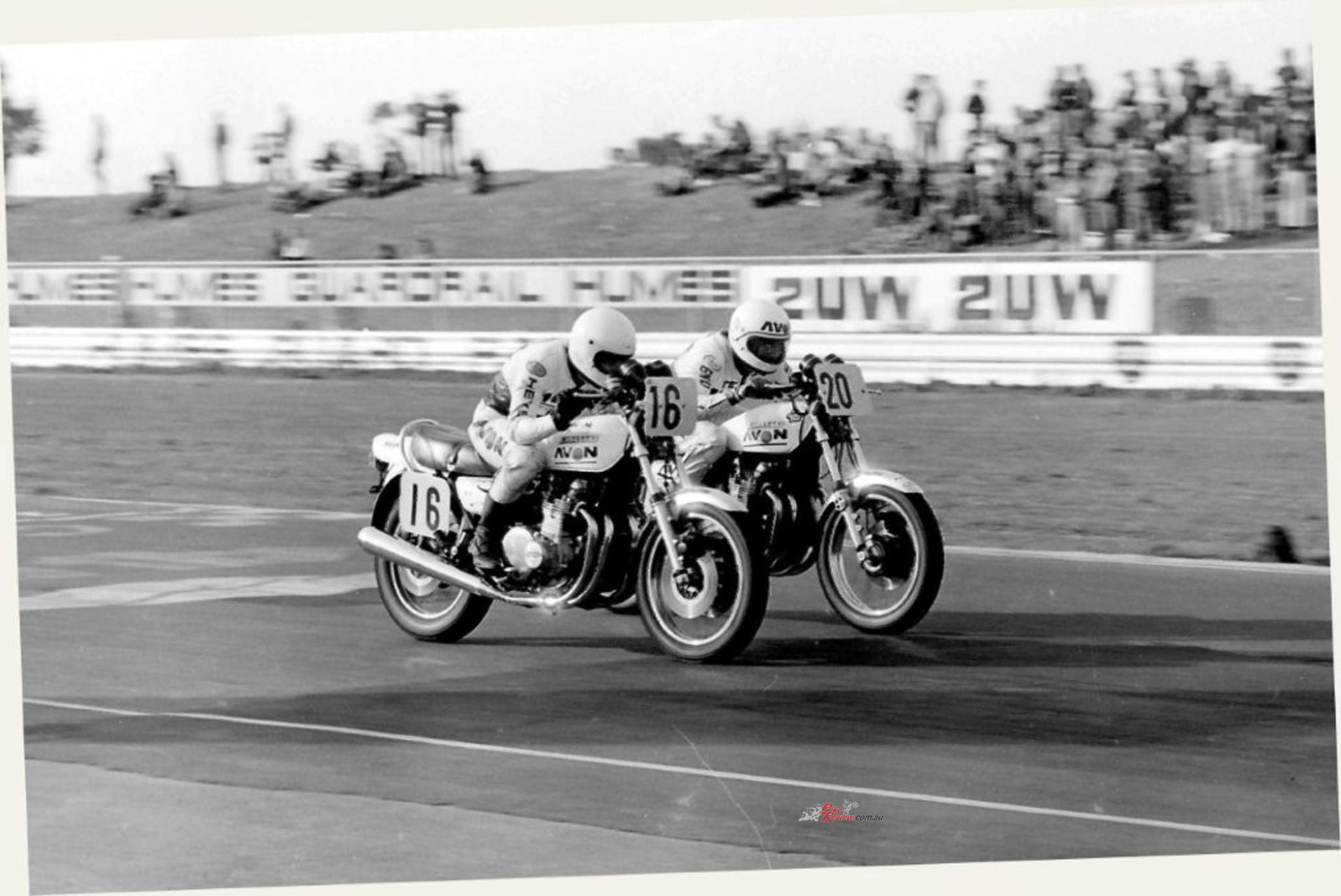
The 1977 Calder Two-Hour, with production racers fighting for every inch.
Before Calder Park Raceway became one of Melbourne’s best-known race circuits, it was little more than a dirt track carved into a paddock on the city’s north-western fringe. It was sealed and officially opened in 1962, and since then has played a significant role in Australian motorcycle racing. Across the decades, it has hosted club meetings, production endurance races, the Swann Series and Top Fuel drag bikes. While Calder became best known for its association with four wheels, its contribution to motorcycling is a rich and fascinating chapter in the circuit’s history.
When the facility opened on the city’s north-western outskirts in 1962, it was intended as a multi-purpose motorsport venue rather than a circuit dedicated to any one discipline. While cars quickly became a major attraction, motorcycles were there from the beginning. The opening months featured road racing alongside other forms of competition, establishing Calder as a new home for Victorian motorcycle sport at a time when purpose-built permanent circuits remained relatively uncommon.
Following its opening, Calder Park quickly established itself as a regular venue for motorcycle competition. Club meetings featured solo and sidecar racing, with riders from across Victoria competing at the circuit throughout the 1960s and into the 1970s.
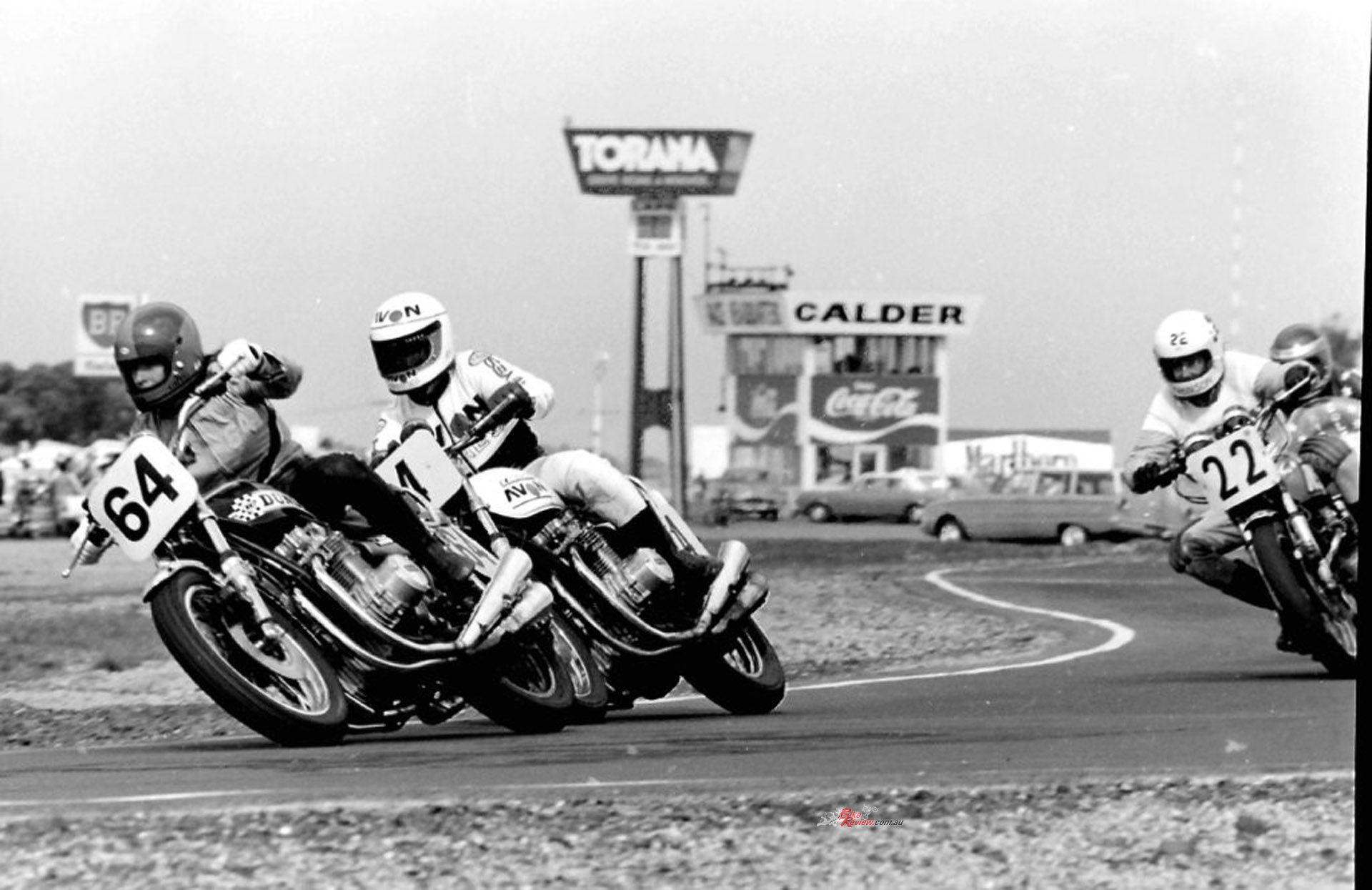
Calder’s control tower and period sponsorship frame the 1976 Two-Hour action.
Among the clubs to race there was the Preston Motorcycle Club, which regularly staged meetings at Calder Park. With the closure of Darley in 1963, Calder inherited one of Victorian road racing’s best-known annual events when the club shifted the Harvie Wiltshire Trophy meeting to the new circuit. The move helped cement Calder’s place on the state’s road-racing calendar, and the circuit quickly became a regular venue for club meetings, state titles and feature races.
Calder inherited one of Victorian road racing’s best-known annual events when the club shifted the Harvie Wiltshire Trophy meeting to the new circuit.
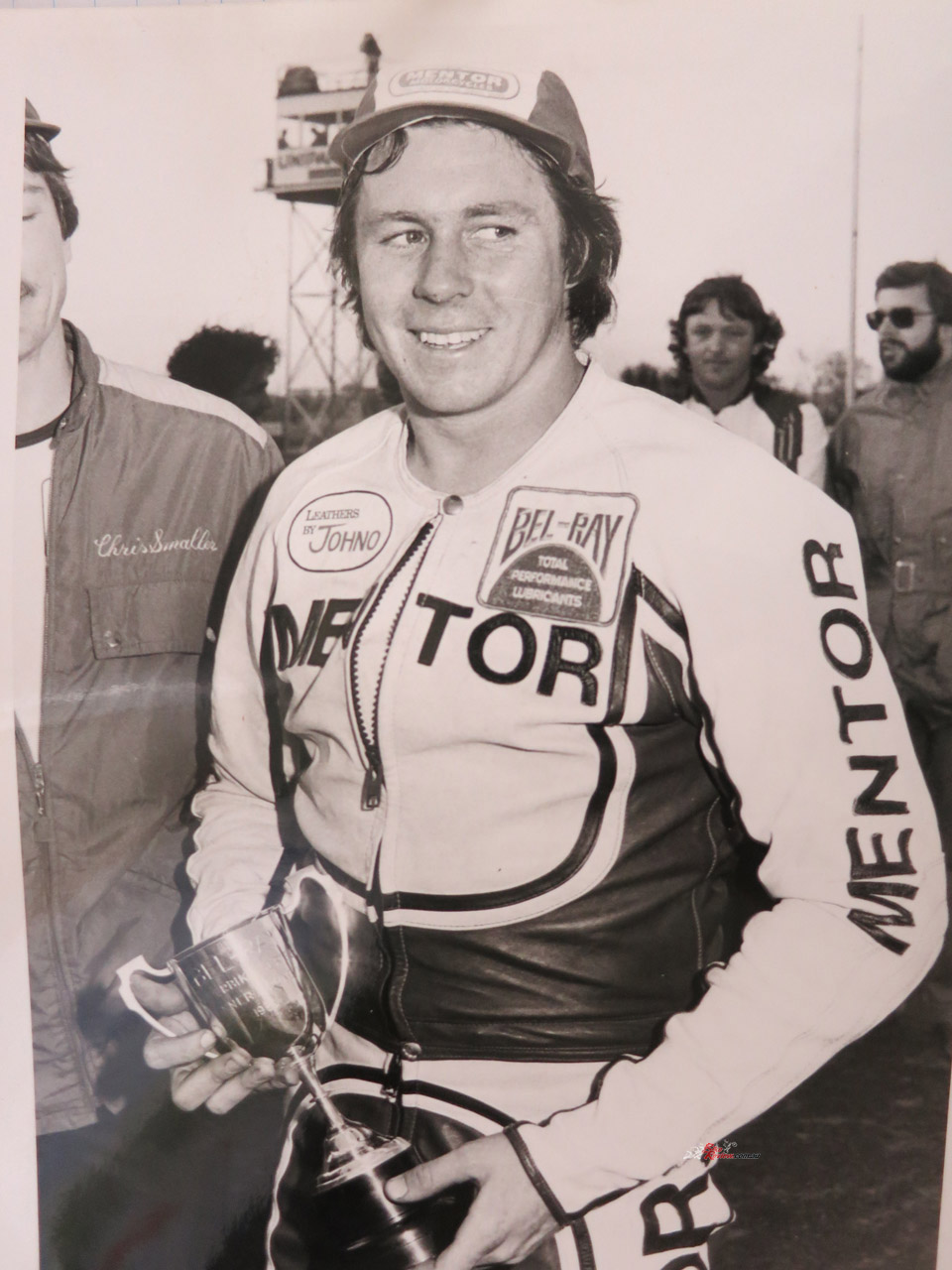
The meeting also produced one of Peggy Hyde’s most significant victories. Hyde, the first woman in the world to be granted an Open road-racing competition licence, won the April 1970 production race against an A-grade field that included Ken Blake, Peter Jones and Jeff Curley after Jones and Blake both crashed while trying to regain the lead. It was one of the defining performances by one of Australian road racing’s pioneering women.
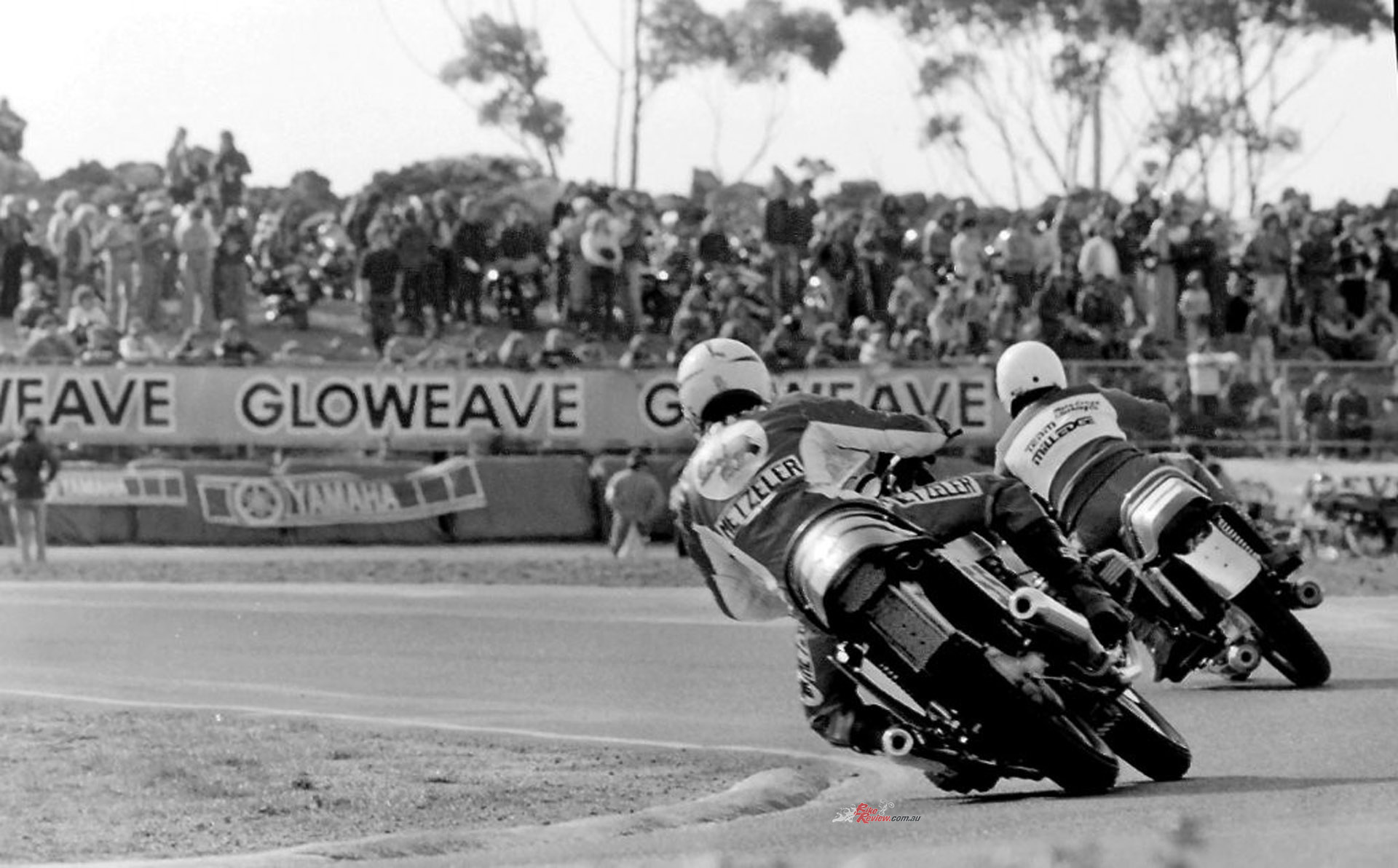
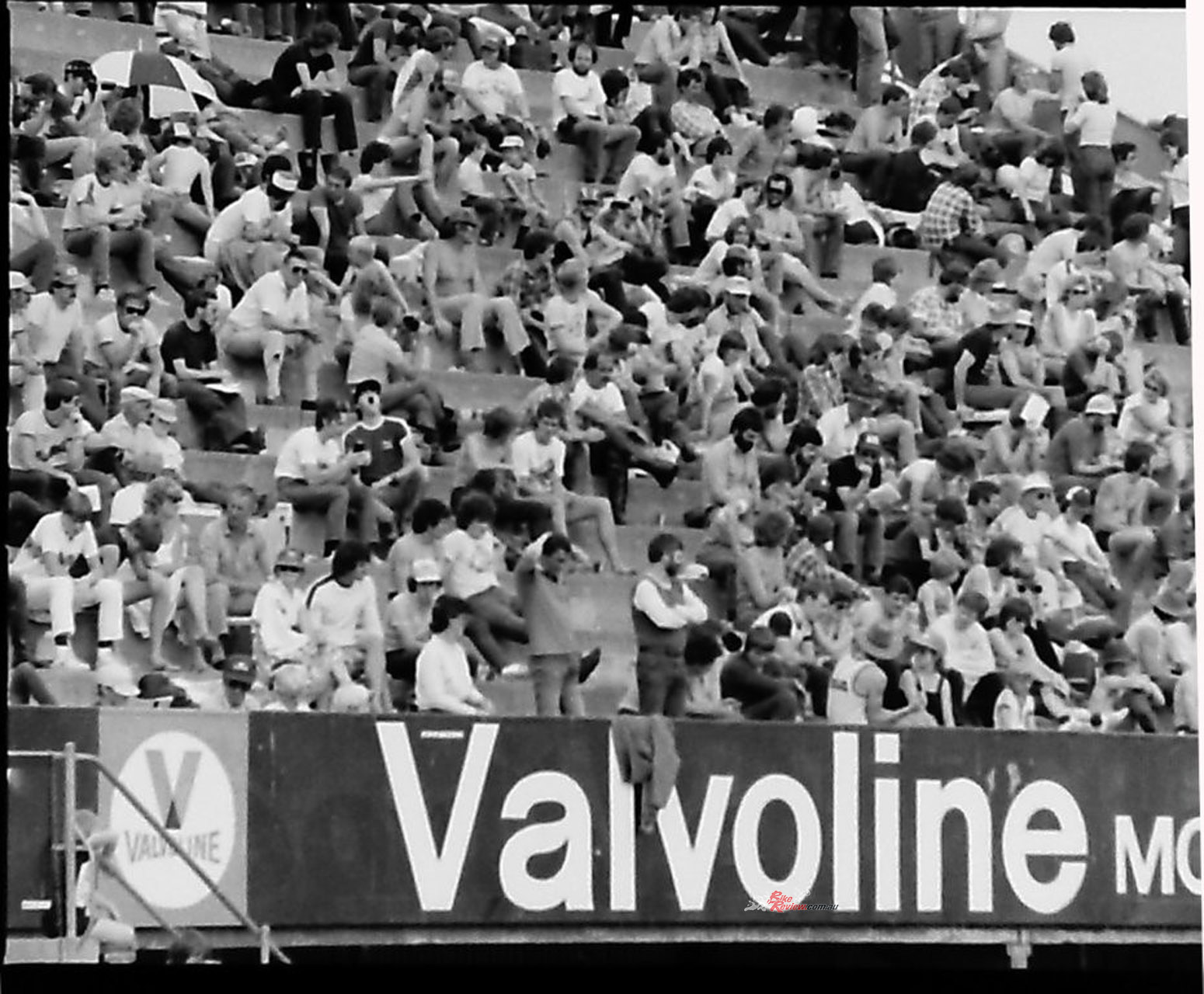
The 1977 Two-Hour brought packed spectator banks and plenty of period signage to Calder.
Before televised championships and factory-backed superbike teams became commonplace, club meetings provided the opportunity to gain race experience, develop machinery and build a reputation against strong local competition.
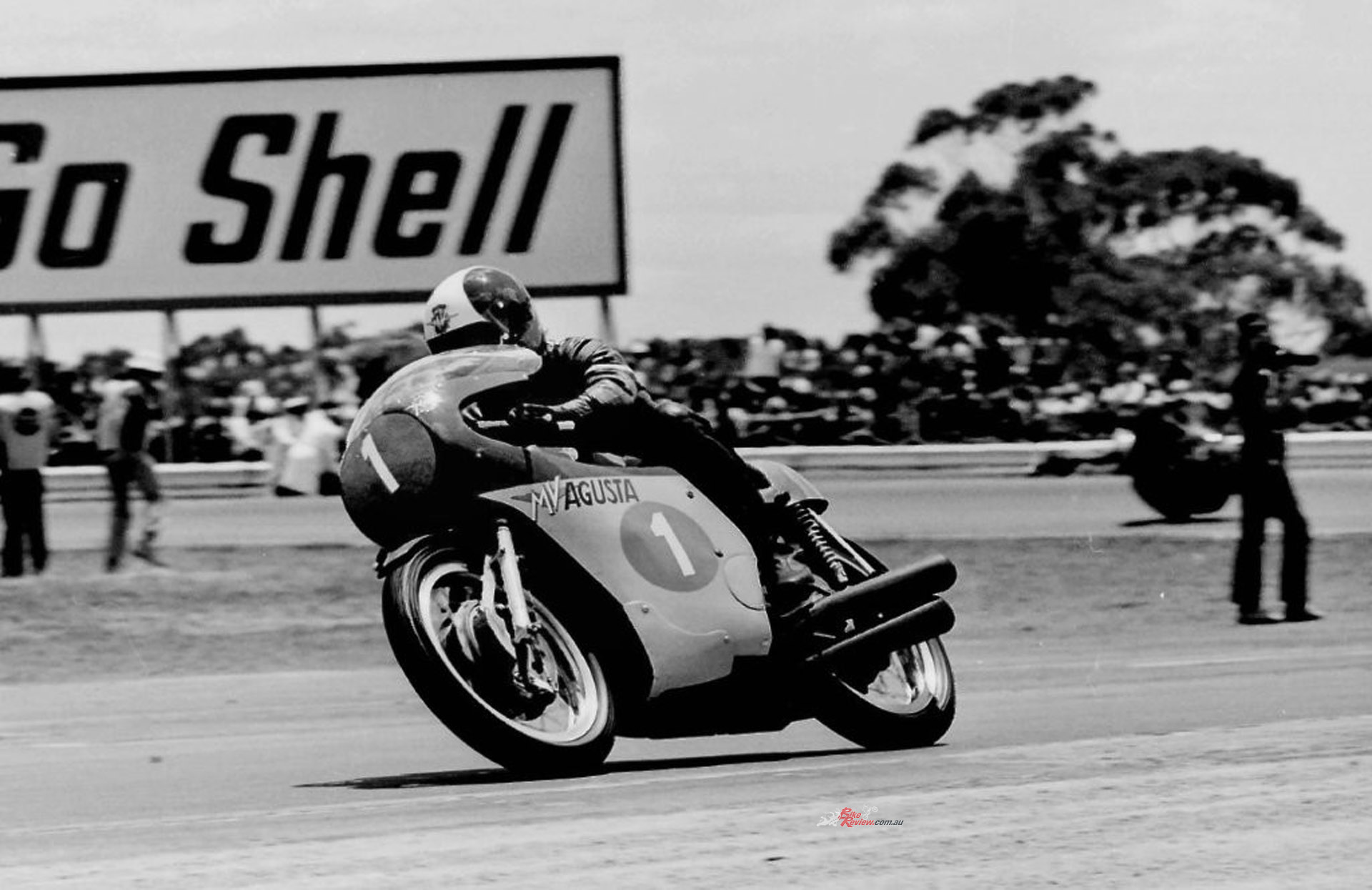
Calder’s profile reached well beyond Victoria on 12 December 1971, when the then 10-time world champion Giacomo Agostini headlined the Coca-Cola City of Melbourne Grand Prix aboard his factory MV Agusta 350 and 500 triples. Calder owner and entrepreneur Bob Jane, who had also secured the Victorian distributorship for MV Agusta, helped bring the Italian star to Australia for meetings at Calder and Oran Park. Agostini’s appearance drew mainstream media attention and placed local riders on the same grid as the most successful grand prix racer of the era. Before racing at Oran Park a week later, Agostini singled out New Zealand rider Ginger Molloy as one of the standout competitors he had seen at Calder.
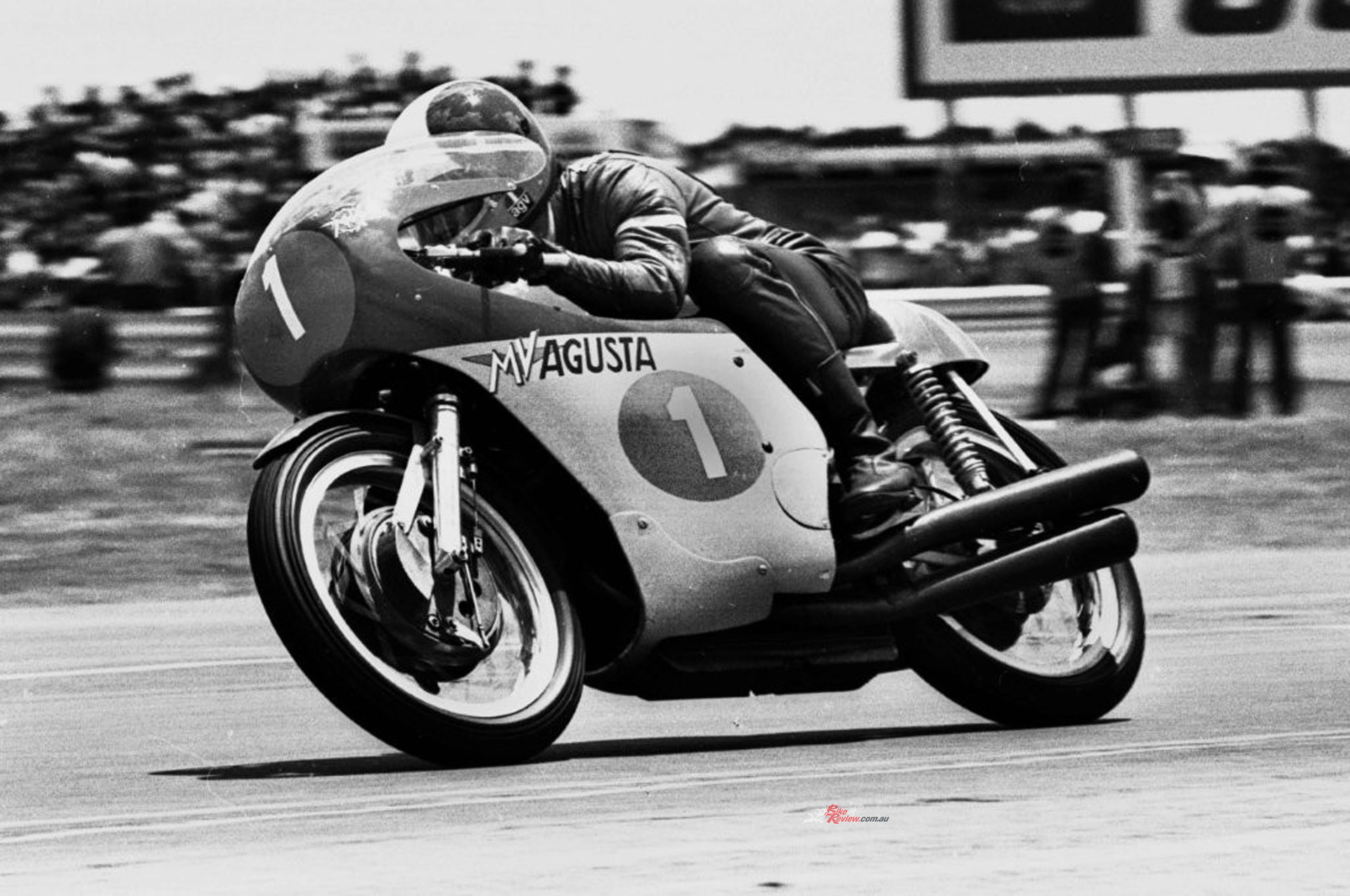
Agostini completed a clean sweep at Calder, winning the 350cc, 500cc and Melbourne GP races.
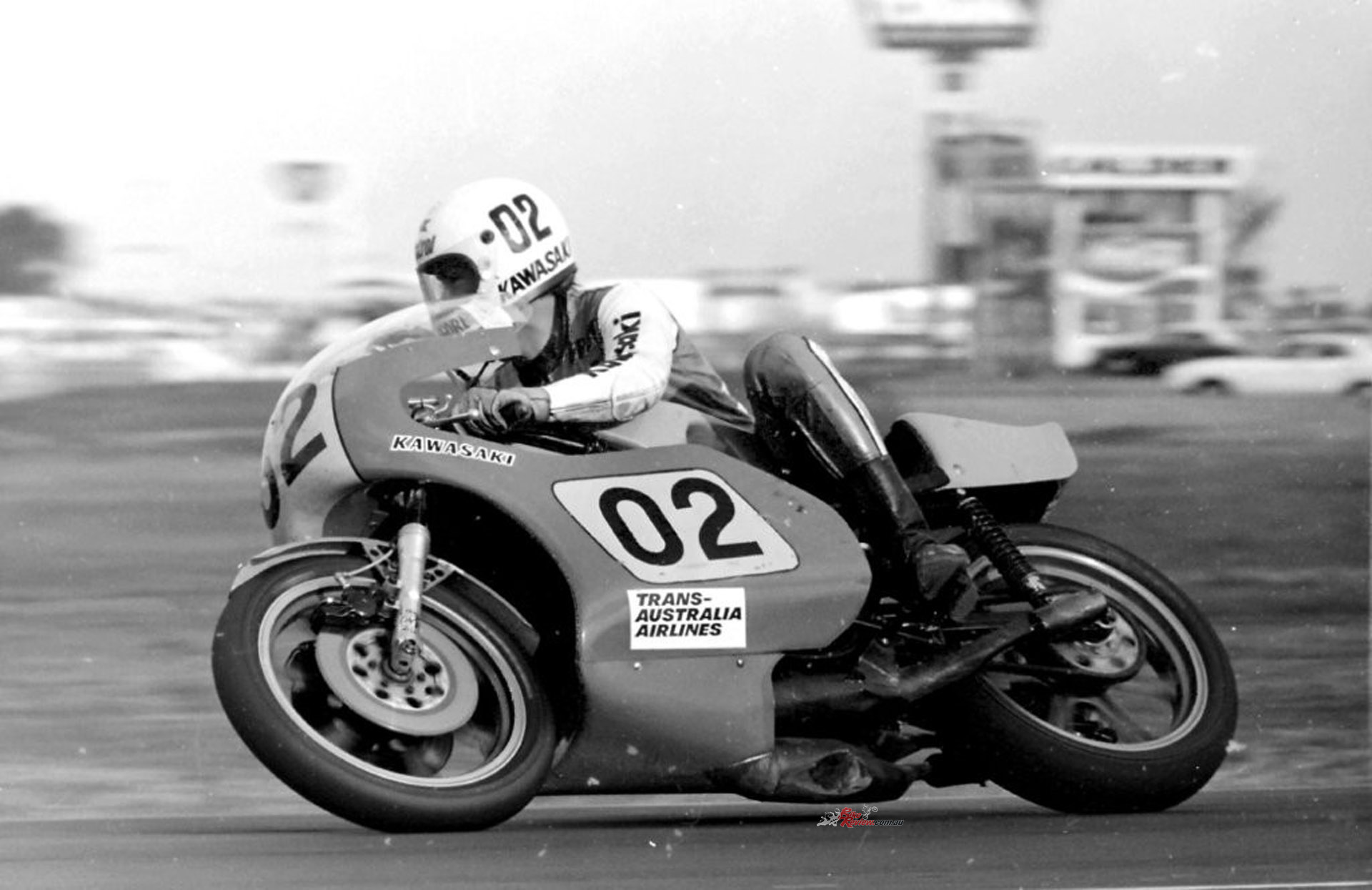
By the early 1970s, Calder Park had become a regular fixture on Australia’s production-racing calendar. The arrival of faster, increasingly sophisticated Japanese machinery was transforming the sport, replacing the British singles and twins that had dominated the previous era. Calder became a natural home for the new breed of production endurance race, drawing leading riders and giving spectators the chance to watch showroom-based motorcycles pushed far beyond their everyday limits.
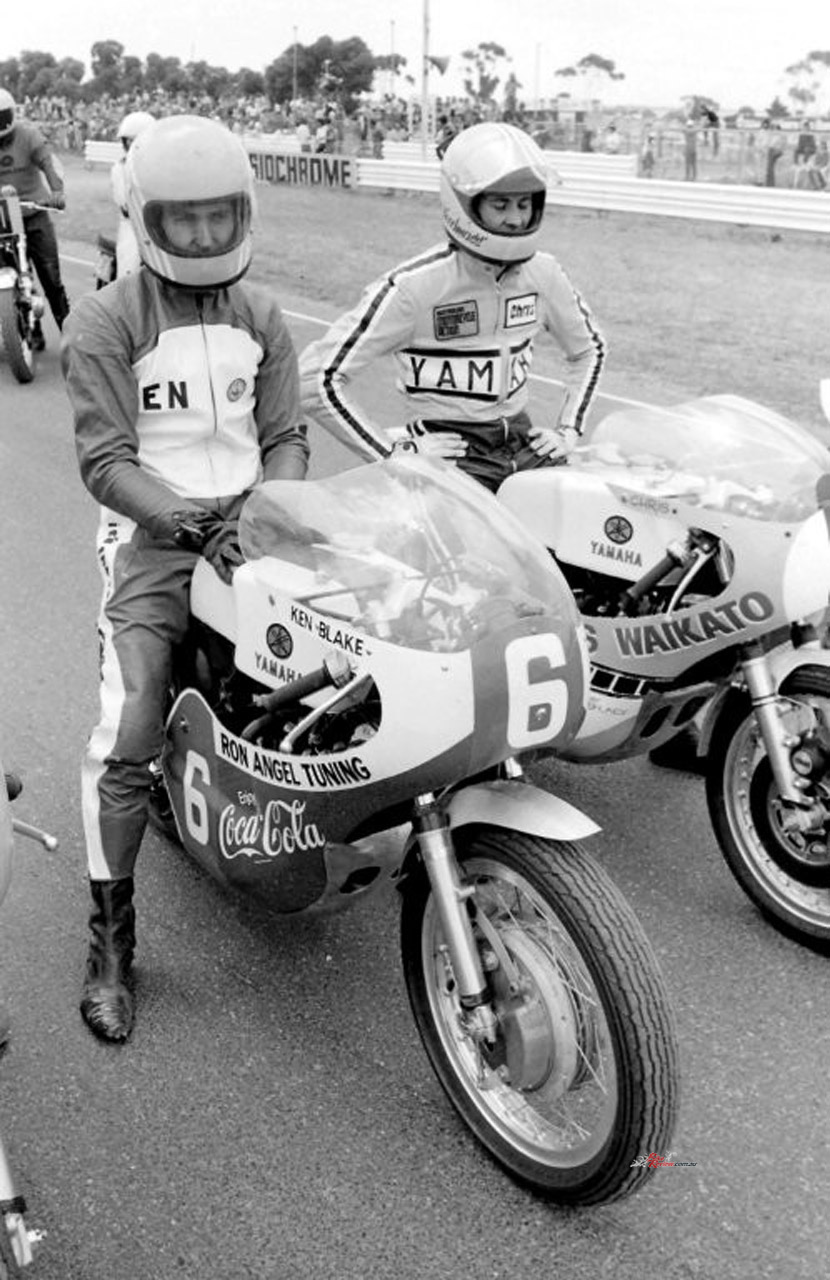
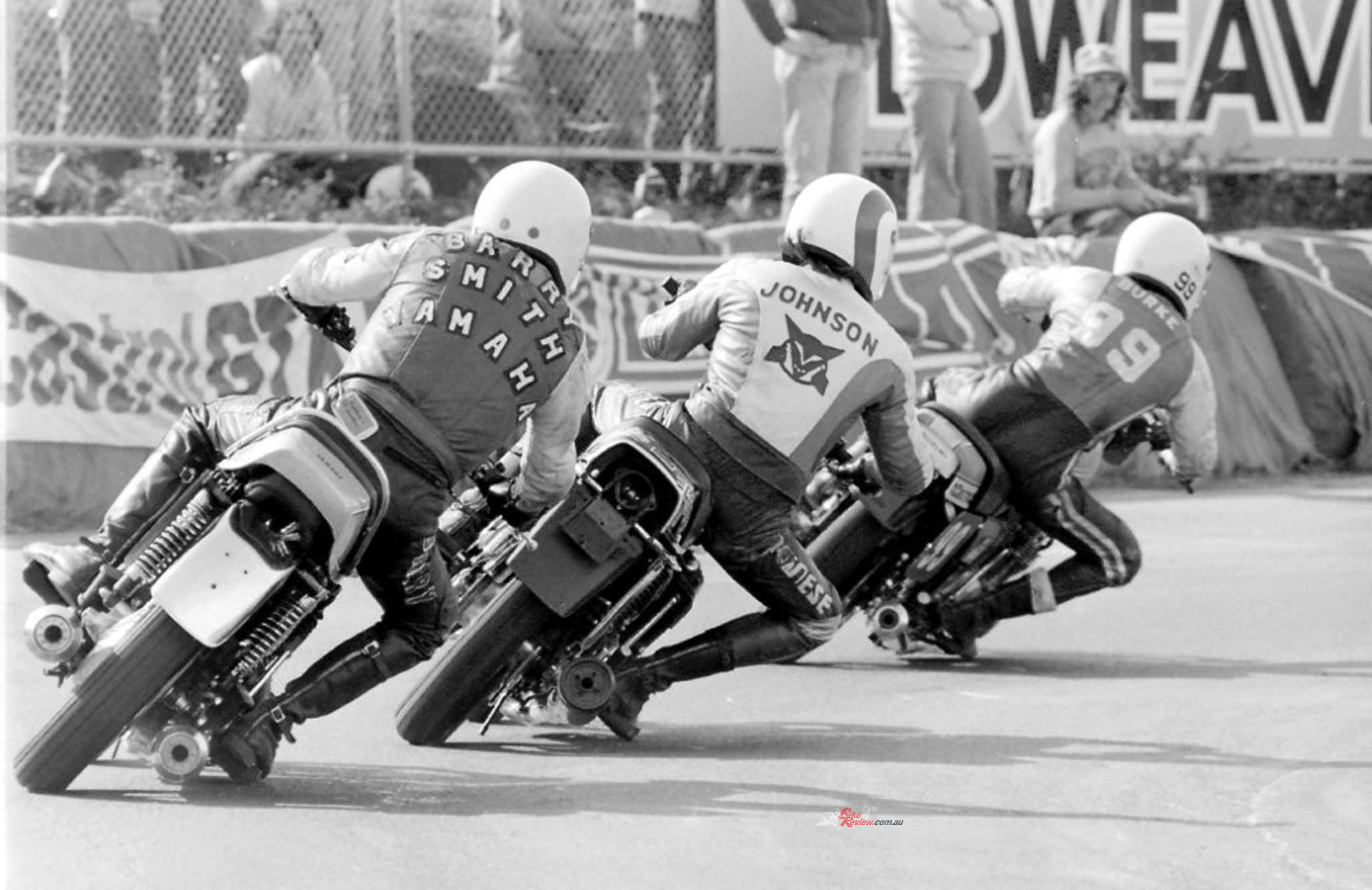
One of those meetings was the Marlboro Two-Hour in September 1973. The race was overshadowed before it began when Chesterfield 5000 Superbike series leader Max Robinson was killed in a road accident while travelling to Melbourne. In tribute, organisers left pole position vacant, creating a sombre and unforgettable image at the head of the grid. Events such as the Two-Hour reflected the growing popularity of production racing across Australia. The motorcycles remained recognisably related to those sold through dealerships, but the competition was serious, fast and fiercely contested, with Calder’s compact layout placing a premium on braking, corner speed and acceleration onto the straights.
The circuit hosted rounds of the prestigious Swann Insurance International Series, bringing many of Australia’s leading riders together with visiting international stars.
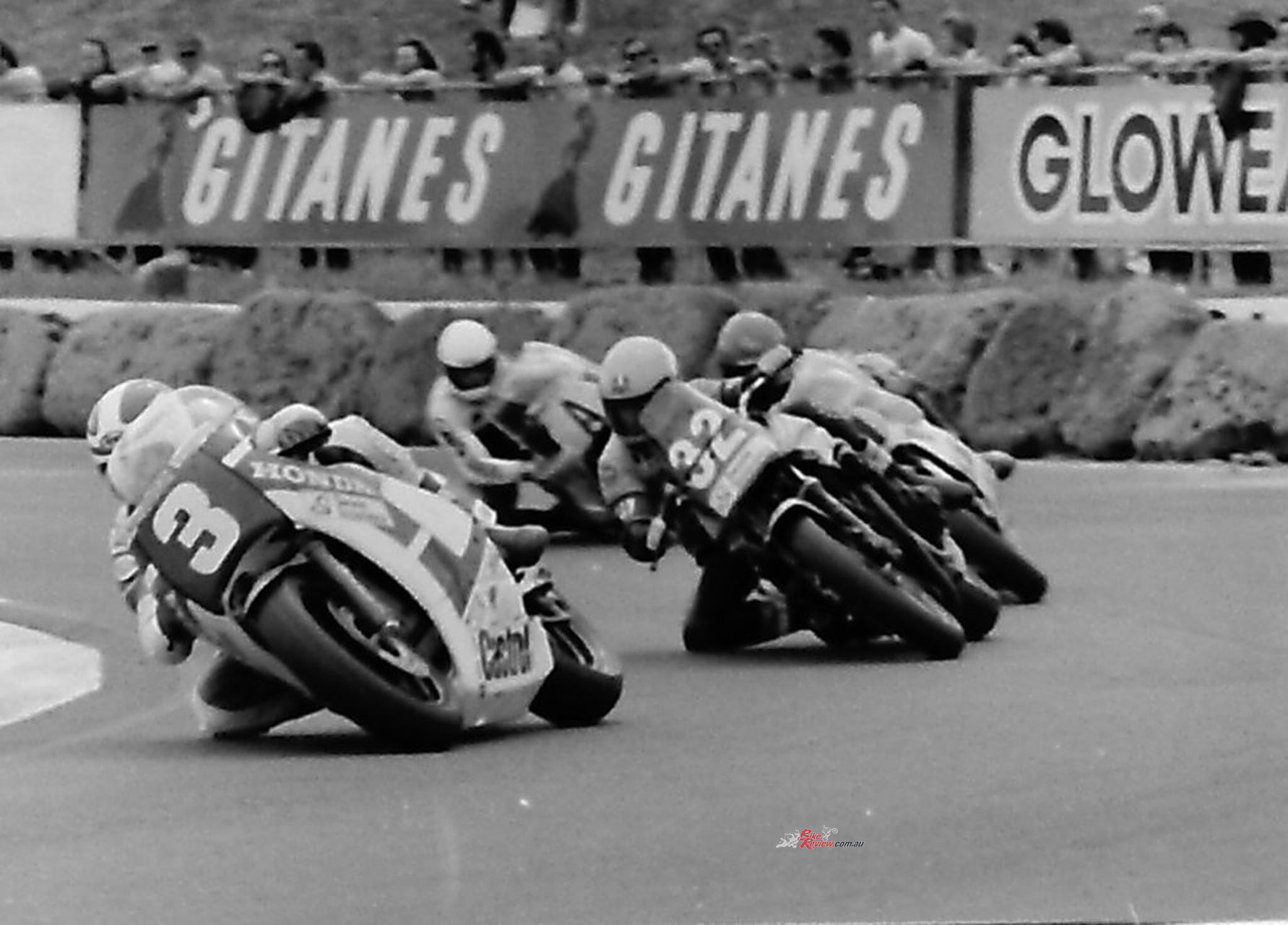
By the 1980s, Australian motorcycle racing had entered the superbike era, and Calder Park remained firmly on the national calendar. The circuit hosted rounds of the prestigious Swann Insurance International Series, bringing many of Australia’s leading riders together with visiting international stars in front of large crowds and a growing television audience.
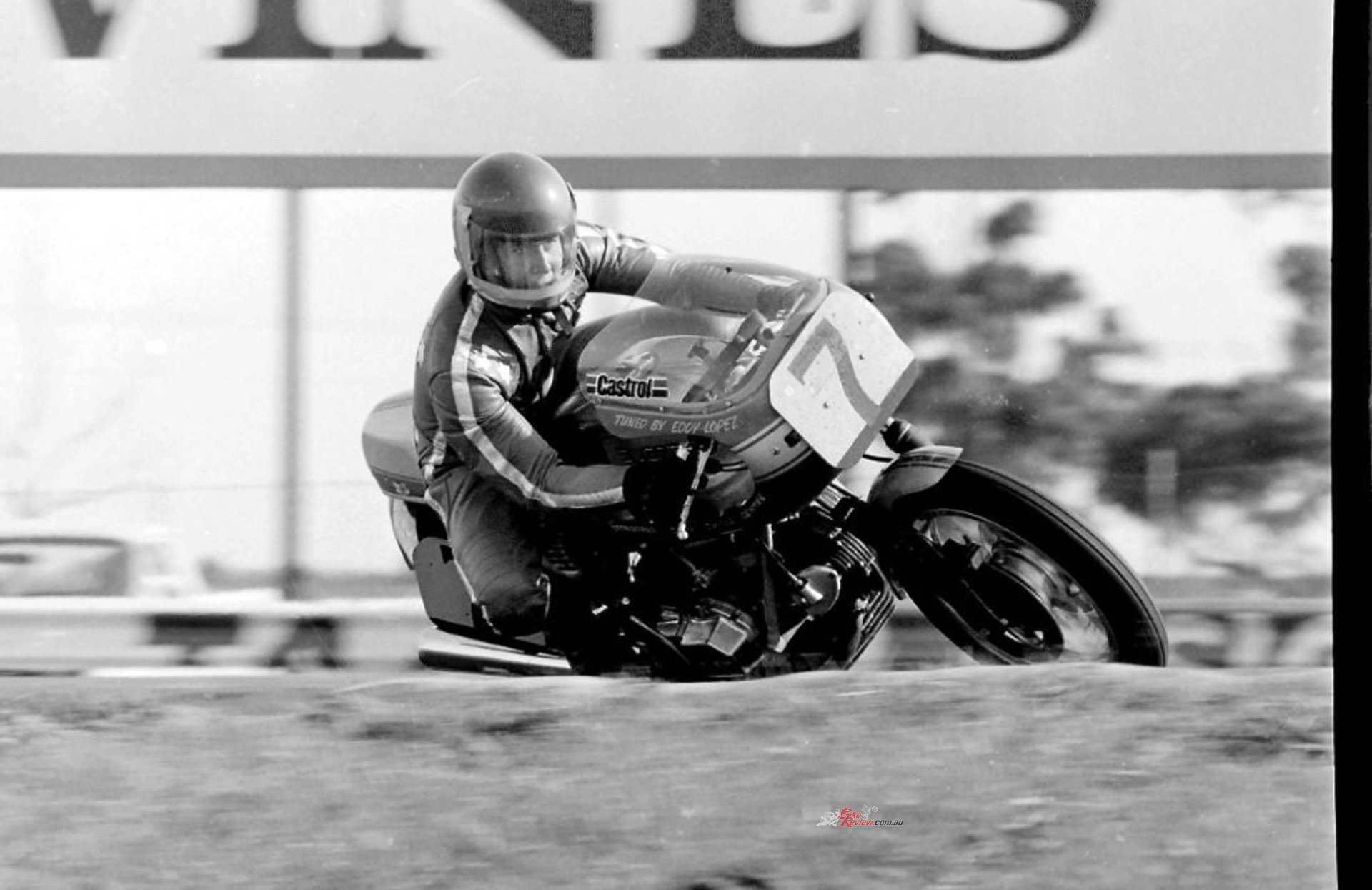
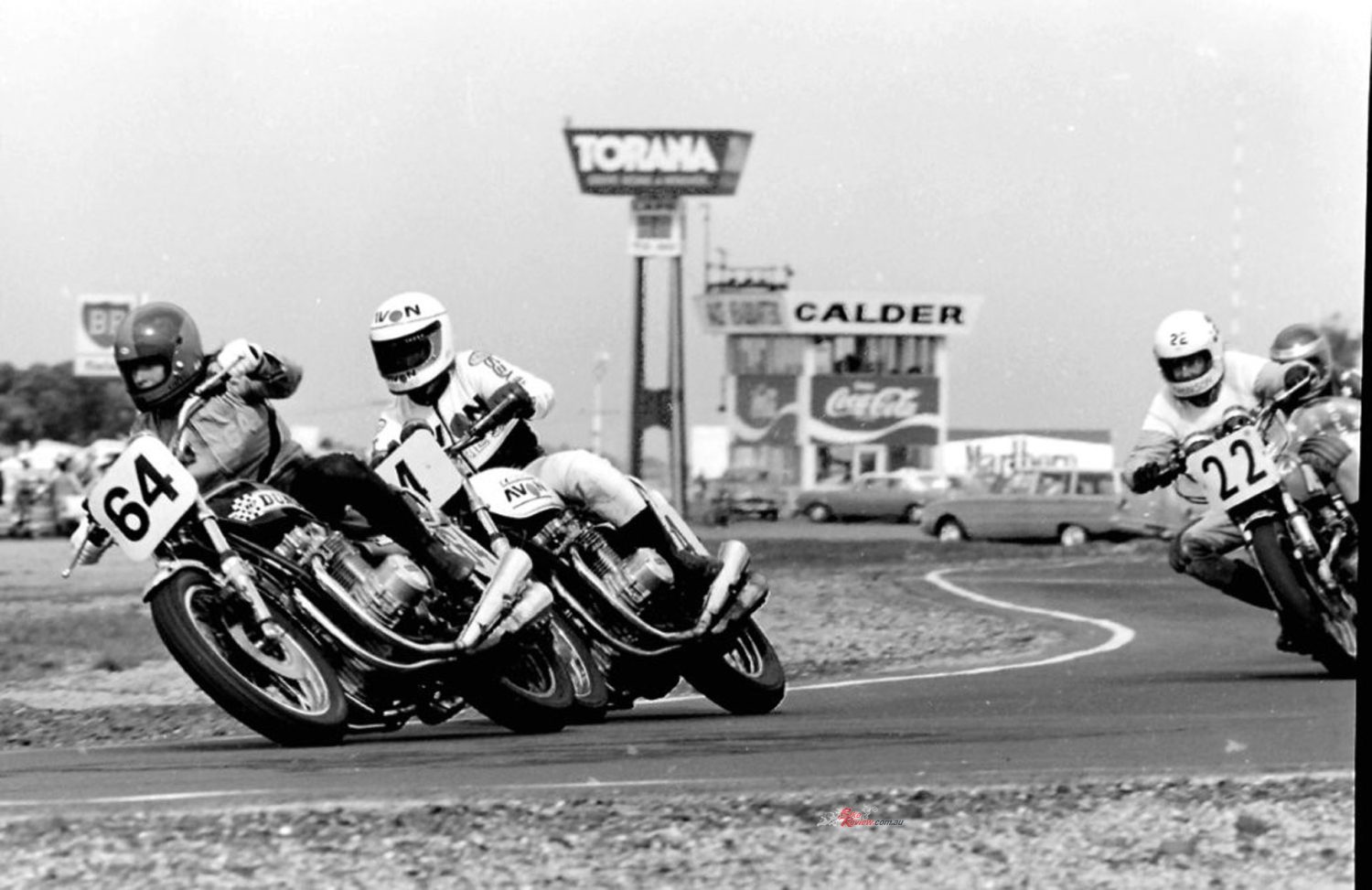
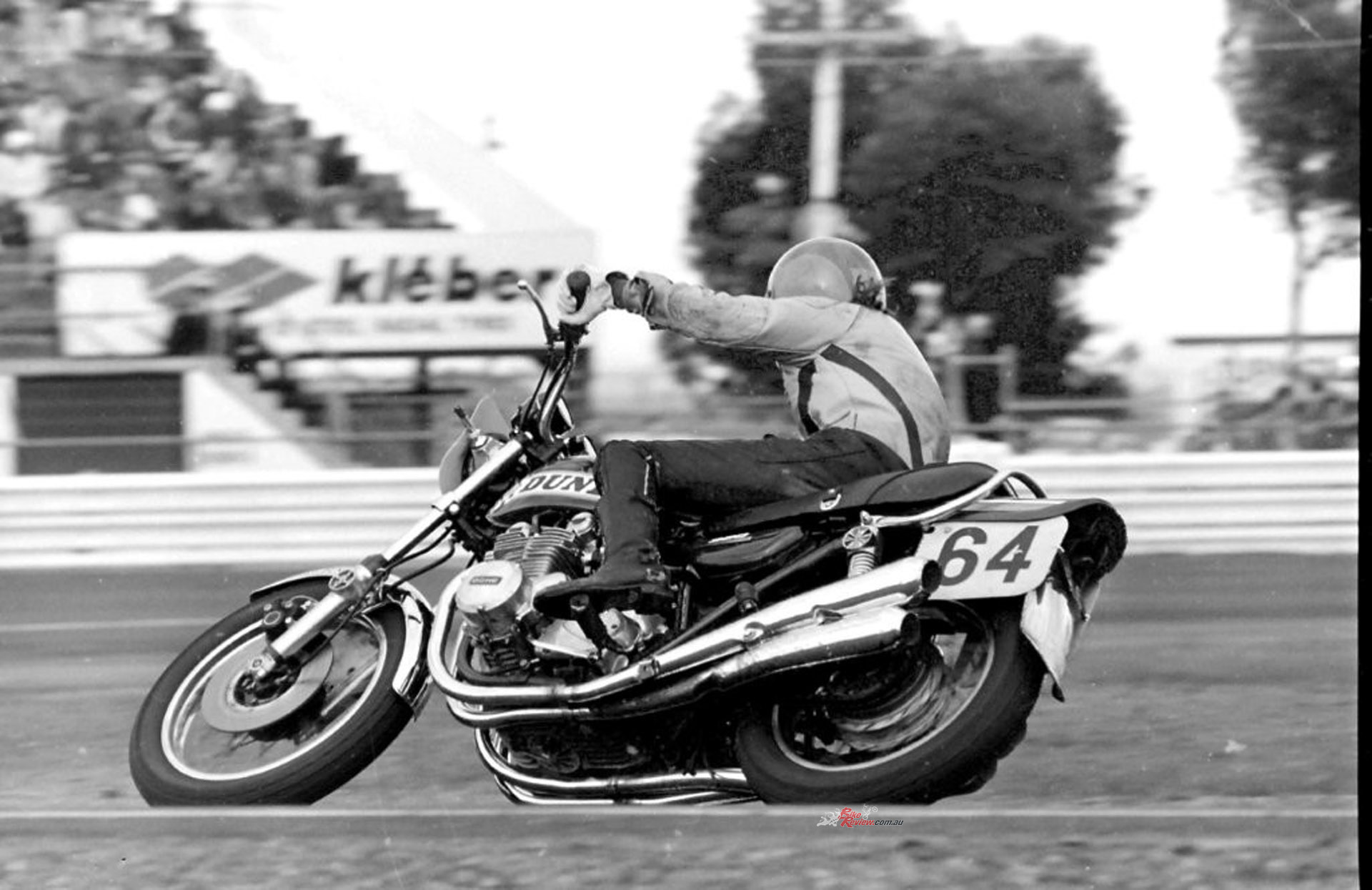
An Eddie Lopez-prepared Ducati in action at Calder Park in 1977.
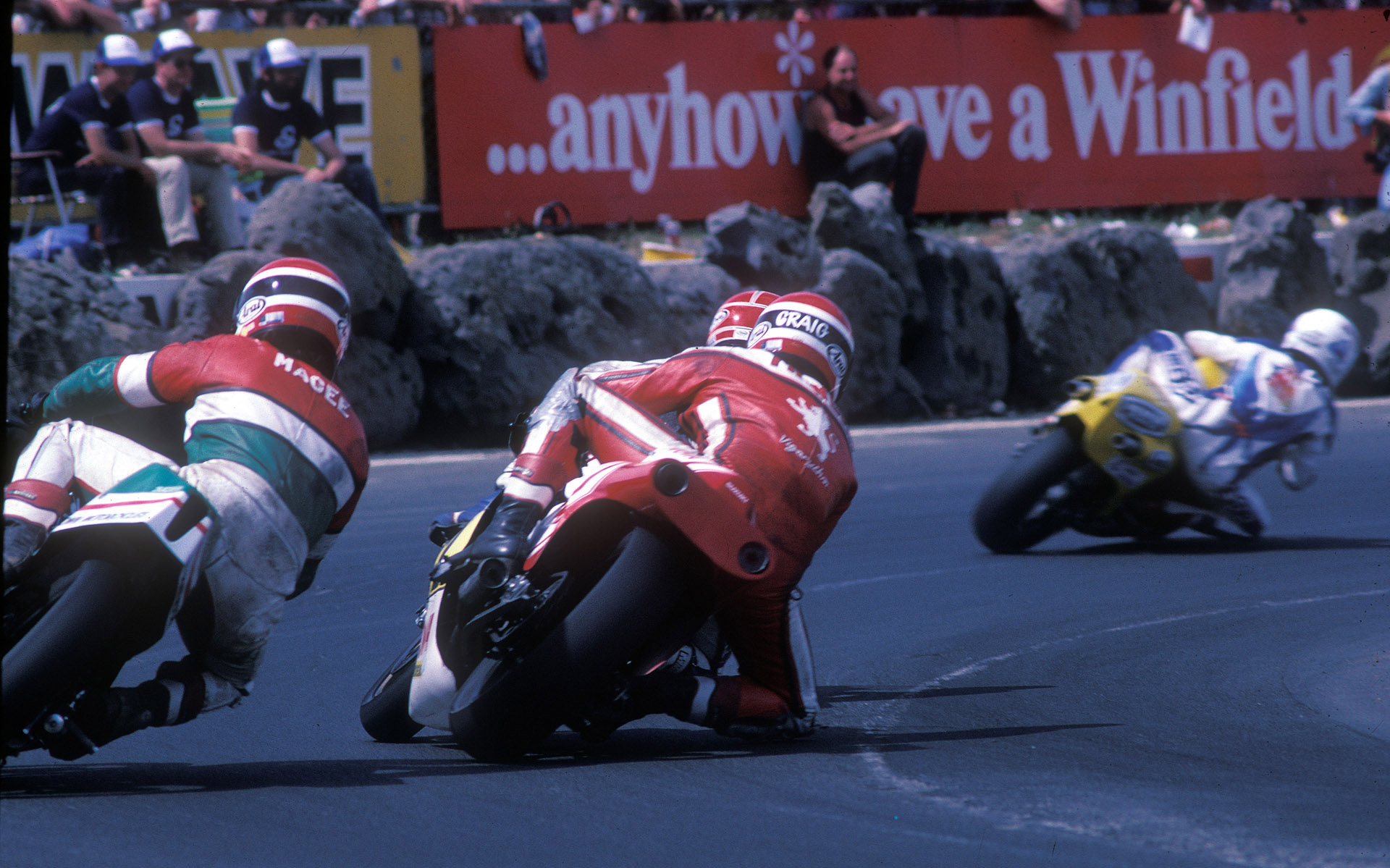
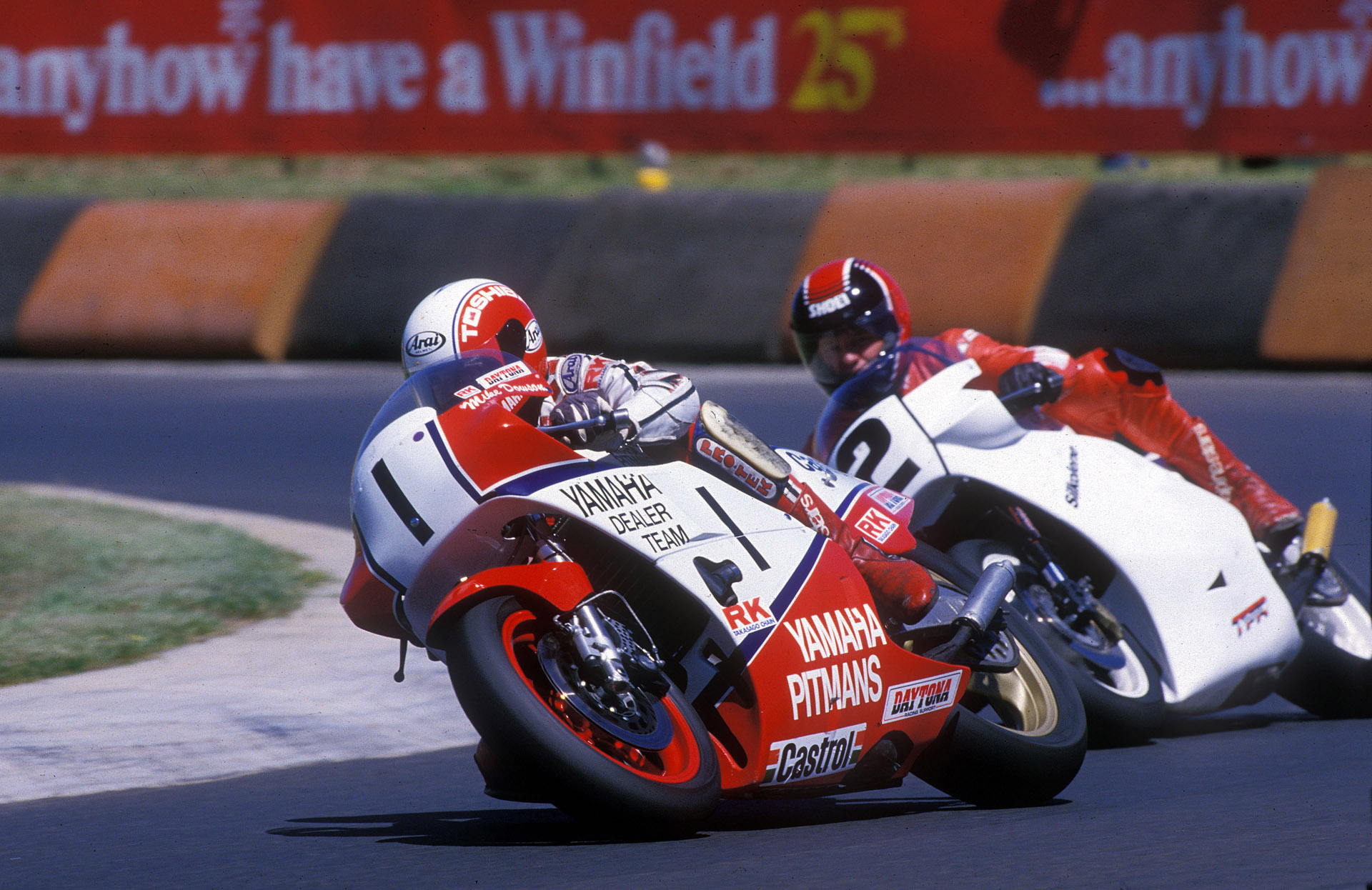
Calder’s place in the series reflected its standing as one of the country’s established motorcycle venues. Riders including Graeme Crosby, Rob Phillis, Malcolm Campbell, Kevin Magee and Aaron Slight all competed at the circuit during an era that helped shape modern Australian superbike racing.
One of Calder’s more unusual chapters came in 1987, when a Swann Series round incorporated part of the newly completed Thunderdome complex, the centrepiece of Bob Jane’s expansion of the venue. Rather than tackling the oval’s steep 24-degree banking, competitors used the flatter apron before rejoining the road circuit, creating a layout unlike any other used in Australian motorcycle racing.
Road racing wasn’t the only form of motorcycle competition to thrive at Calder. The circuit’s quarter-mile drag strip became one of Australia’s premier venues for motorcycle drag racing, hosting everything from grassroots club meetings and street-bike brackets to national championship events.
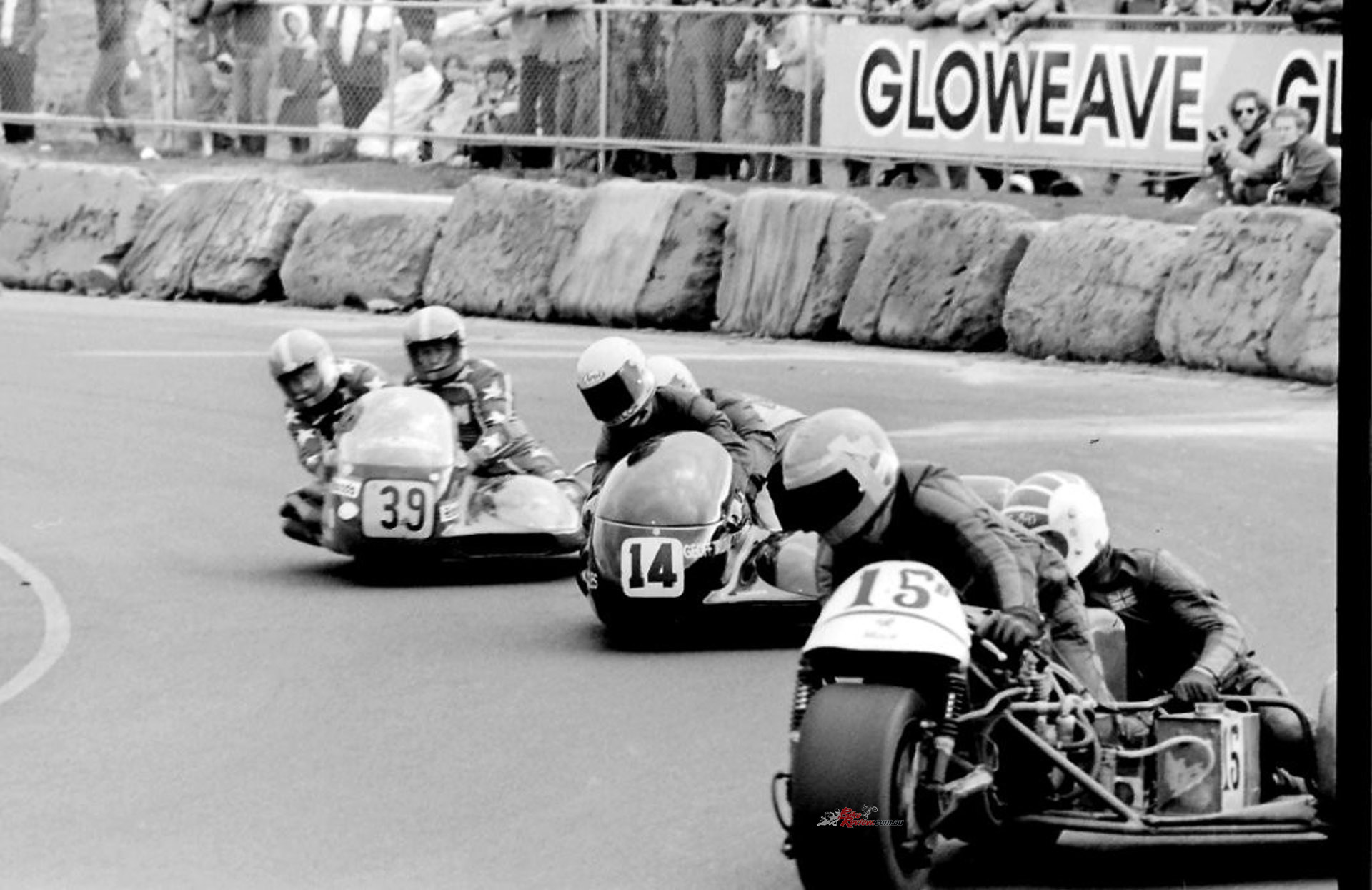
Sidecars in action at Calder Park, who needs safety air-fencing when you have rocks?!
As performance levels continued to climb through the 1980s and ’90s, Calder attracted the country’s fastest motorcycles and biggest names in straight-line competition. Top Fuel motorcycles, Pro Stock bikes and modified drag machines all became regular attractions, with the circuit earning a reputation as one of Australia’s quickest quarter-mile venues.
Top Fuel, Pro Stock bikes and modified drag machines all became regular attractions, with the circuit earning a reputation as one of Australia’s quickest quarter-mile venues.
Among the highlights were rounds of the Australian Nationals, where riders raced up the strip for national titles and records in front of packed crowds. Calder remained a fixture on the motorcycle drag racing calendar well into the modern era, ensuring its contribution to Australian motorcycling extended far beyond the road course.
Mal ‘Wally’ Campbell leads Rob Phillis through Calder, with the pair among the stars of Australia’s superbike era.
Calder’s motorcycle drag-racing spectacle was at full force on 24 October 1992, when more than 30,000 spectators watched former AMCN editor Ken Wootton sample the Curry/Pearce Party Time Top Fuel bike. Bill Curry had already claimed the Australian title aboard the 750hp machine with a 7.037-second pass and become the first Australian motorcycle rider into the six-second bracket after recording 6.924 seconds in qualifying. As Australian motorcycle racing evolved, so too did the circuits that hosted it. Calder’s high-banked oval reinforced the venue’s growing focus on four wheels and reshaped the complex around a very different form of motorsport.
Motorcycles never became a regular feature of the Thunderdome, and the Swann Series experiment proved brief. Even so, it showed how Calder’s motorcycle racing history continued to intersect with the circuit’s evolution, right up to the point where road racing began to lose its place at the venue.
Improved facilities, changing safety standards and the rise of venues better suited to modern machinery gradually saw major road racing move elsewhere, with the Phillip Island Grand Prix Circuit cementing its place as Victoria’s premier motorcycle circuit and Winton Raceway continuing as a stronghold for state and national competition.
Motorcycles never became a regular feature of the Thunderdome, and the Swann Series experiment proved brief.
Calder’s place in Australian motorcycle history, however, had long since been assured. For more than three decades it provided a proving ground for club racers, welcomed the world’s greatest rider, hosted major endurance races, the Swann Series and some of the country’s quickest drag bikes.
Today the road course is no longer synonymous with motorcycles, but few Australian circuits can claim to have witnessed such a broad cross-section of the sport’s history.
Tags
Endurance Calder park Swann Series Top fuel Thunderdome Harvie Wiltshire Preston Motorcycle Club Bob Jane SidecarsThe Author

You Might Also Like