

It doesn’t seem all that long ago, at least to an old codger like me, that the four cylinder, shaft-driven motorcycle was the perfect platform for smooth touring – even sports touring...
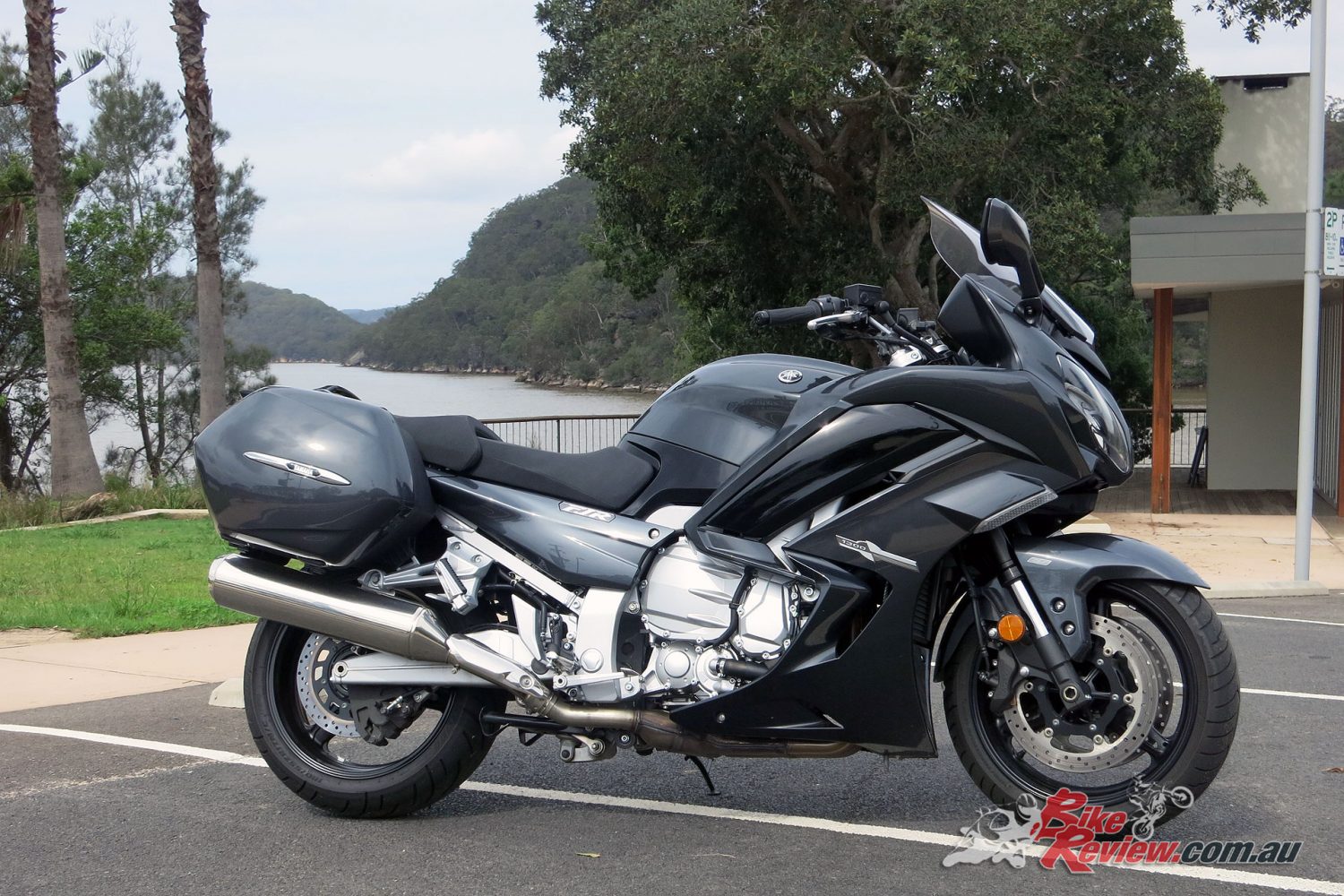
With the Yamaha FJR1300, the last four-cylinder shaft drive bike on the market, now only available here and in Canada, four-pot shafties are all but gone. We still have BMWs Boxers, triple-cylinder Triumph Tiger 1200 and sixes from BMW and Honda.
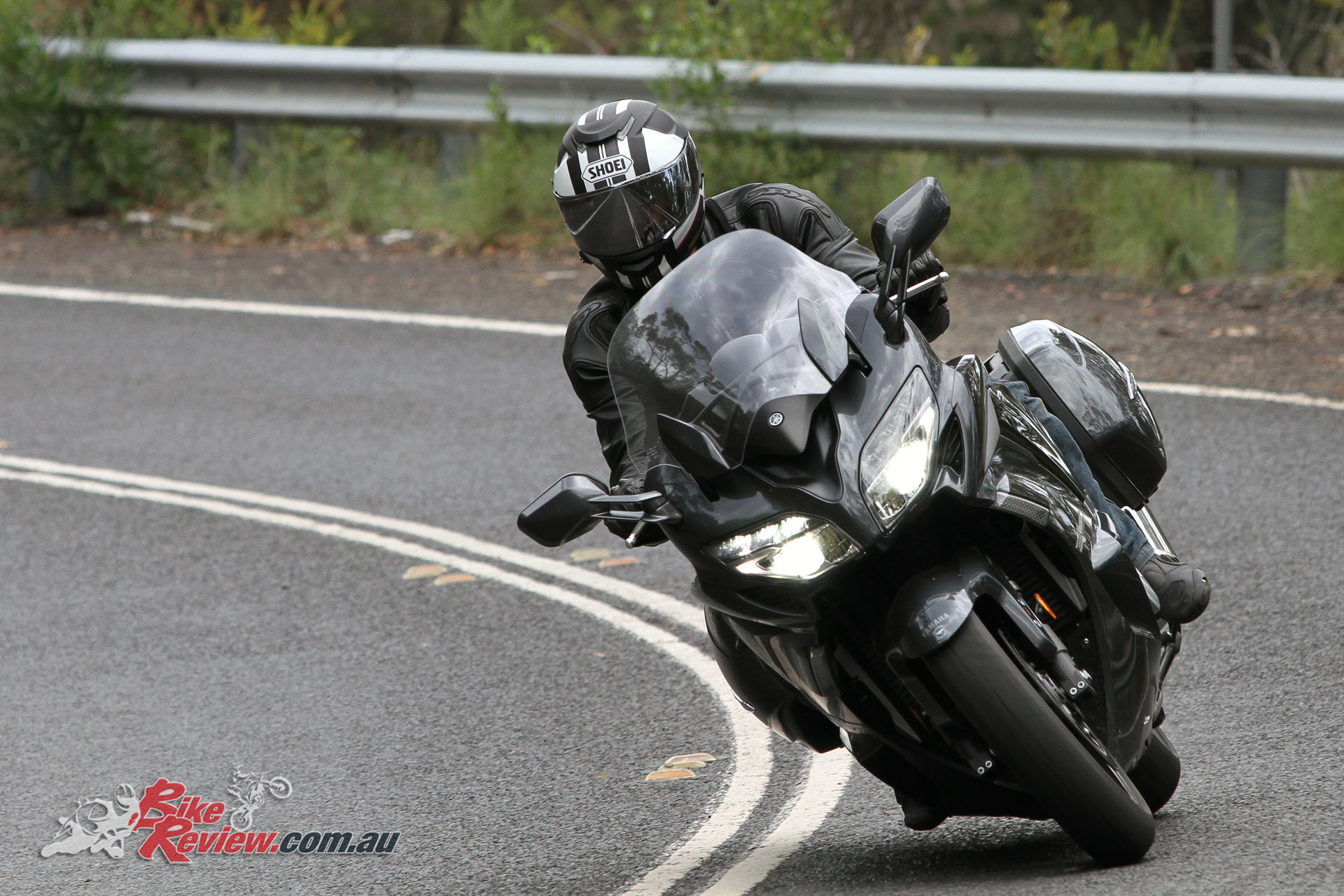
We will still get the FJR in Australia next year and beyond for now, thankfully, but many markets will not. Back when the Japanese were starting to build big, powerful bikes motorcycle chains weren’t up to the job and would stretch and break all too often, so for bikes not designed for sports riding a shaft would go in – there were GS Suzukis, XS Yamahas and the legendary early Gold Wings and even a few Kawasakis, the company which seemed to prefer shaft drive the least.
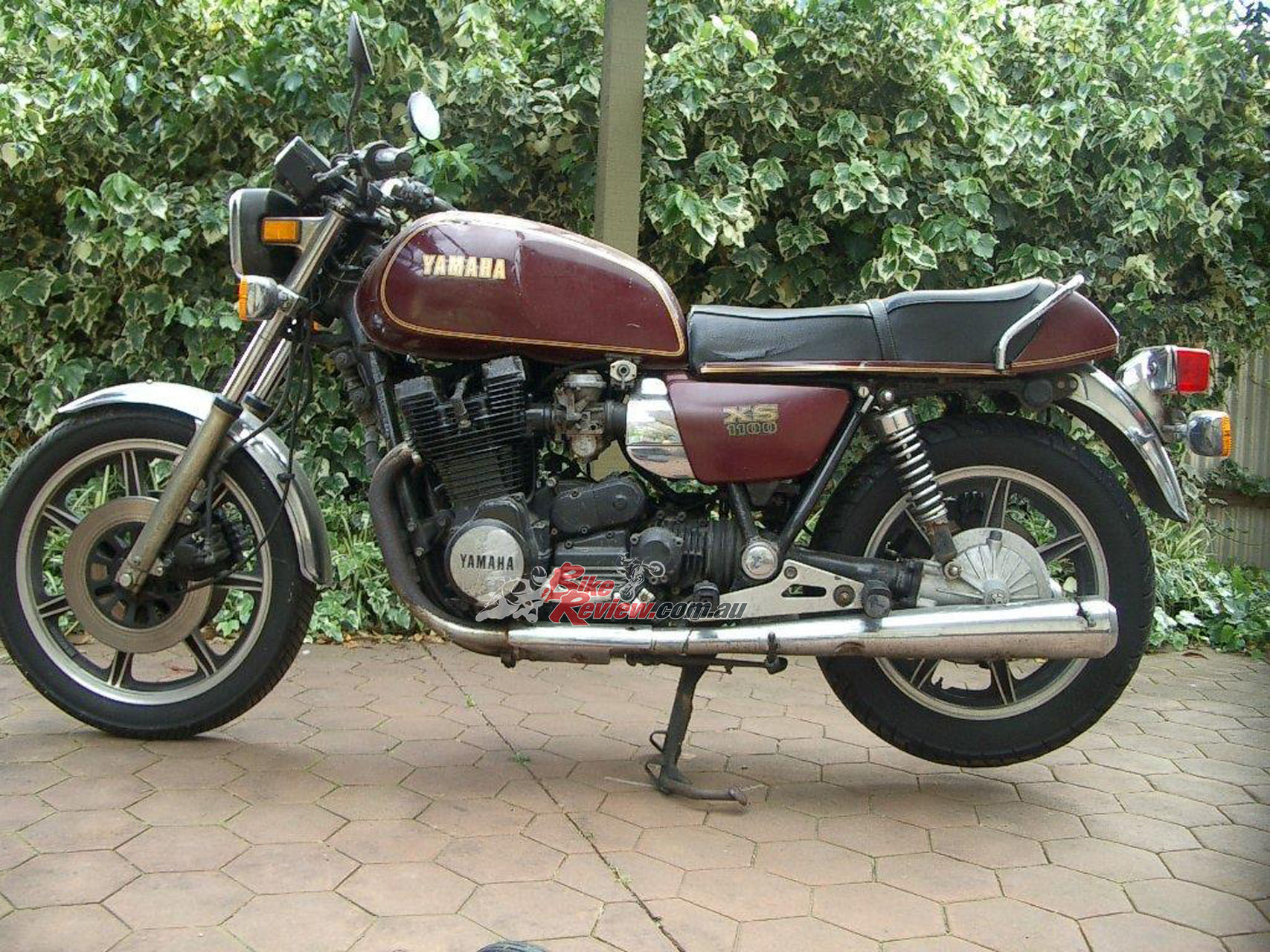
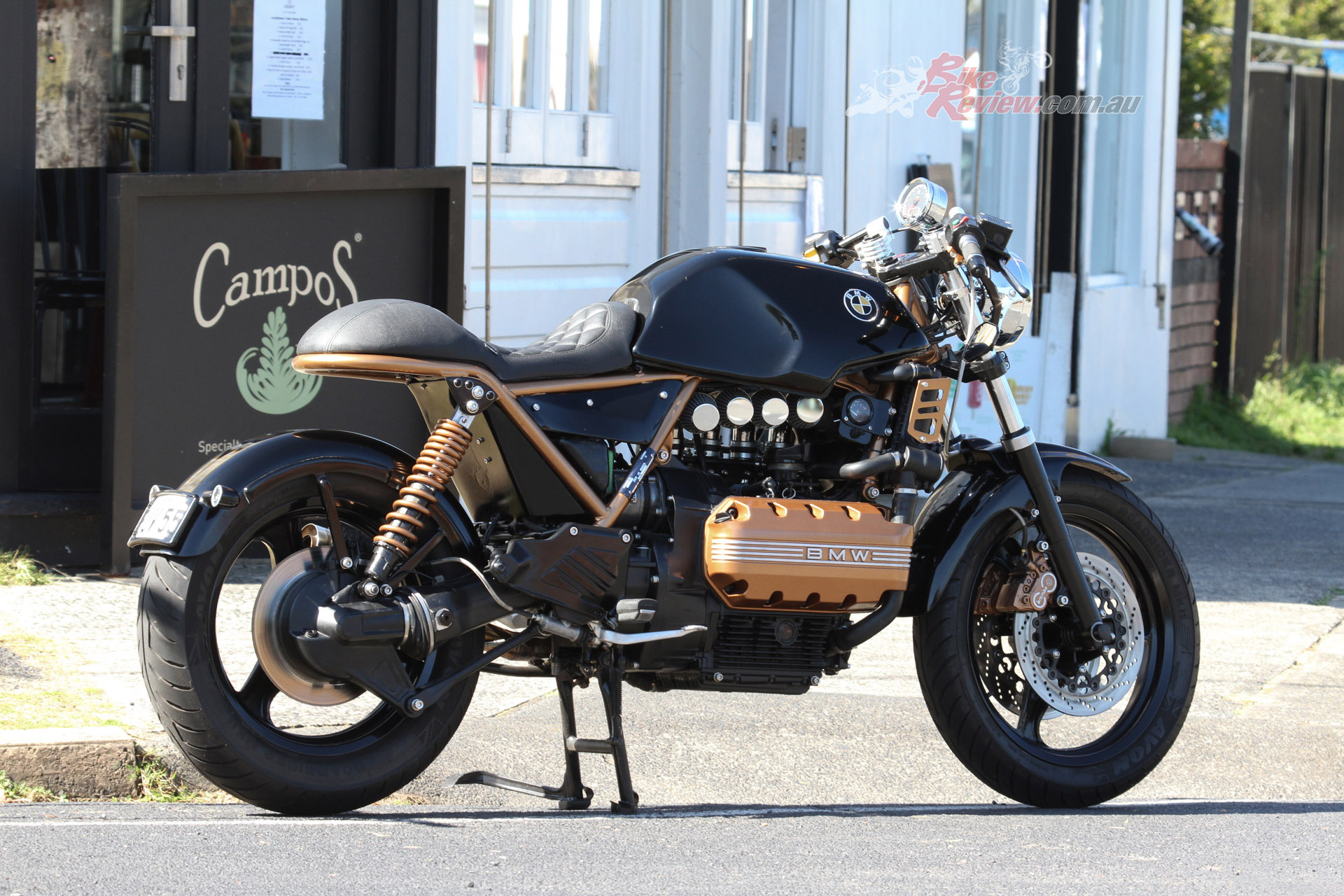
Chains got better though, so shaft drive moved more to touring bikes, although I did own a XJ750, once sold on its quarter-mile drag strip times by Yamaha, and it was shaft driven. In the ’80s and ’90s we had BMW K100s, Kawasaki’s 1000GTR, Yamaha’s Royal Star cruisers and Honda’s ST1100. The Gold Wing left the fold when it grew an extra pair of pots.
In the 21st Century the four-cylinder shaftie would be definitely on the wane, but Yamaha would create one of its longest-lived models ever with the FJR1300, introduced in 2001. Honda created one of its shortest-lived with the VFR1200.
Why go back to chains?
Back in the day bikes like the Yamaha Tracer 9, Kawasaki Ninja 1000 and Suzuki GSX-S1000GT might have been shaft driven, but not anymore: a chain is lighter, cheaper and perceived to offer more performance than a shaft – riders associate shaft drive with slow bikes.
More importantly, a quality chain will last the first owner until they sell the bike – there’s no doubt manufacturers know how long most new bike buyers will hang on to their machine, and how many kilometres it will have done when it’s traded in or sold on – and I bet that figure is way under the 30,000-odd kilometres I reckon most OEM chains last.
If it’s not going to give the buyer trouble, why offer something different which may push up the price and make the specifications less appealing, due to being a few kilos heavier? There’s no doubt the cost of fixing a broken shaft drive can be extreme, too, possibly another reason for their loss of popularity.
Still popular in some places
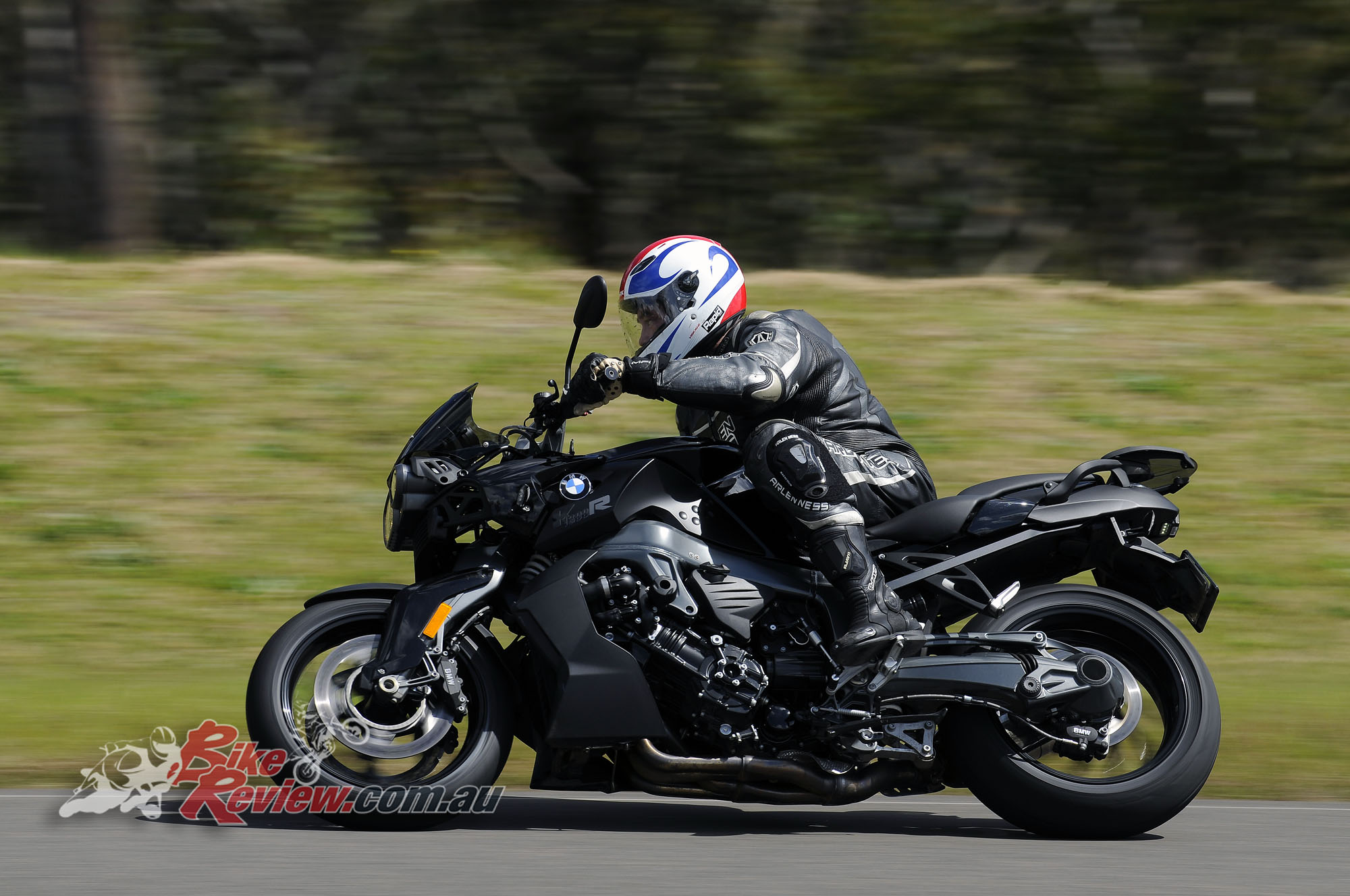
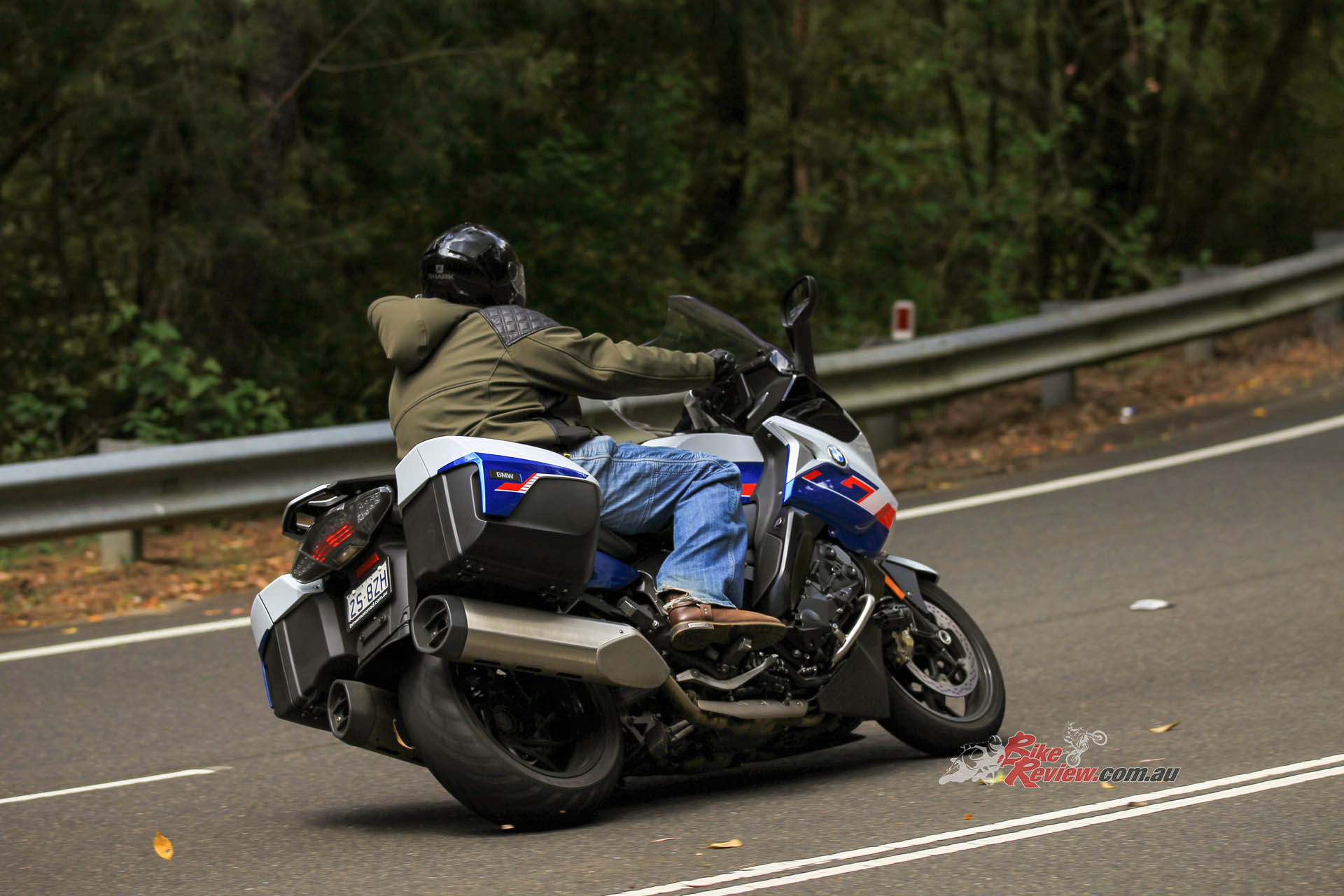
Shaft drive is, of course, still popular with BMW – on its Boxer twins and six-cylinder K 1600 range. Used in a Boxer twin, like Moto Guzzis and Gold Wings, the shaft is effectively an extension of the crankshaft, which is spinning at 90° to the direction of travel.
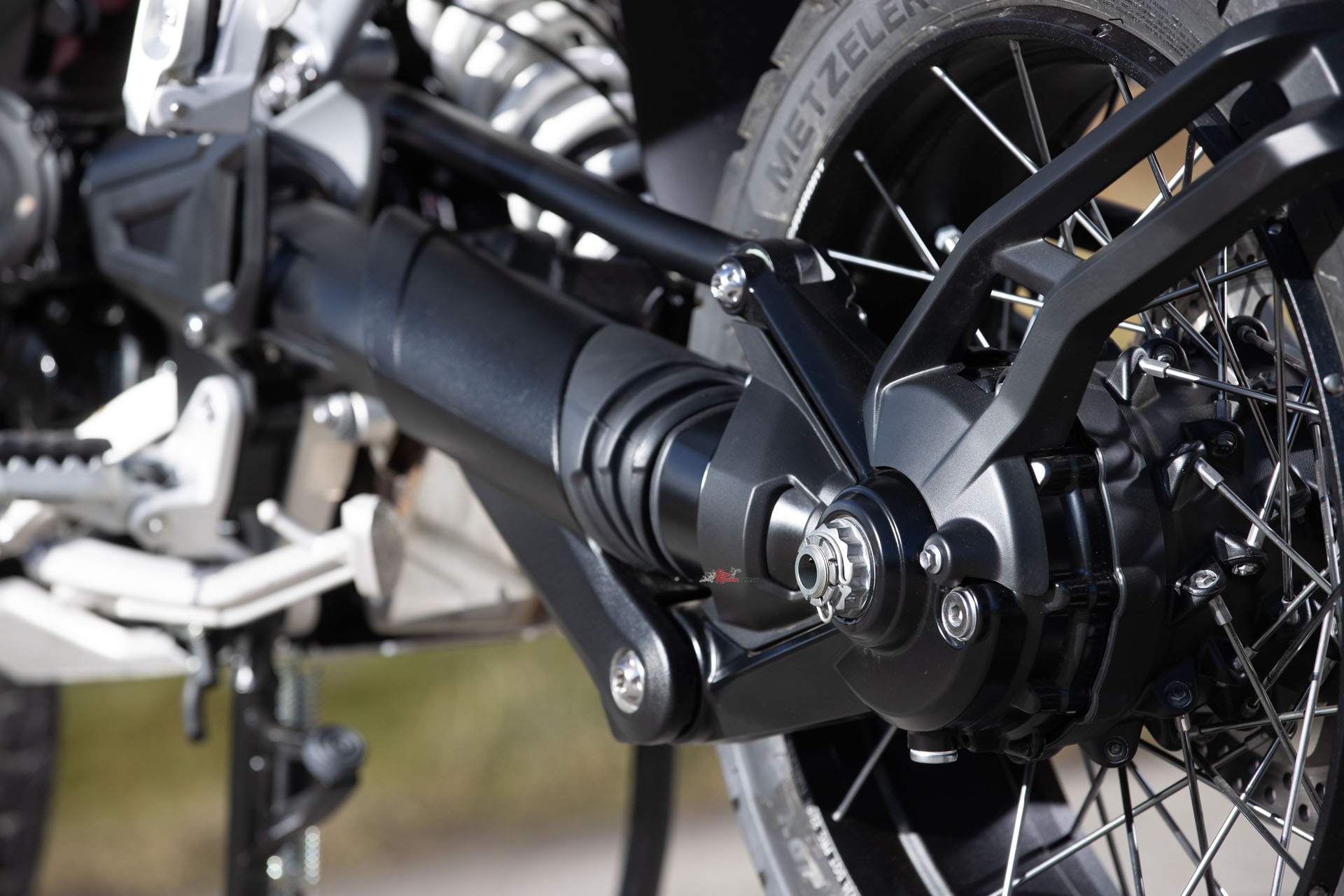
On bikes like the K 1600 and Triumph’s Tiger 1200 triple, which have their engines mounted transverse to the direction of travel, engineers have to build a set of bevel gears to convert the power from flowing transversely to longitudinally (the shaft spins at 90° to the direction of travel). At the rear wheel the reverse happens, with power converted from longitudinal to transverse and the rear wheel can then drive the motorcycle forward.
Contrast this with a chain, which can be easily attached to the transmission output shaft via a sprocket, with another sprocket on the rear wheel. Boxer twins, Moto Guzzis and the Gold Wing would suffer the same fate in reverse if you tried to build a chain-drive version.
For the old blokes?
I feel a sense of loss when I look at how few bikes are available today with shaft drive – the technology seemed to promise a future which was cleaner, with less maintenance, good things in my book. These days it seems only us old blokes care about the demise of the shaft drive, and I think that’s because our memories of stretched and broken chains, of needing a well-equipped workshop to change the chain on a powerful bike and the eye-watering cost of quality parts (which, admittedly, last an awful lot longer with a lot less maintenance than chains from the Bad Old Days) are still lingering in the back of the mind when they are looking at the line-ups from today’s manufacturers.
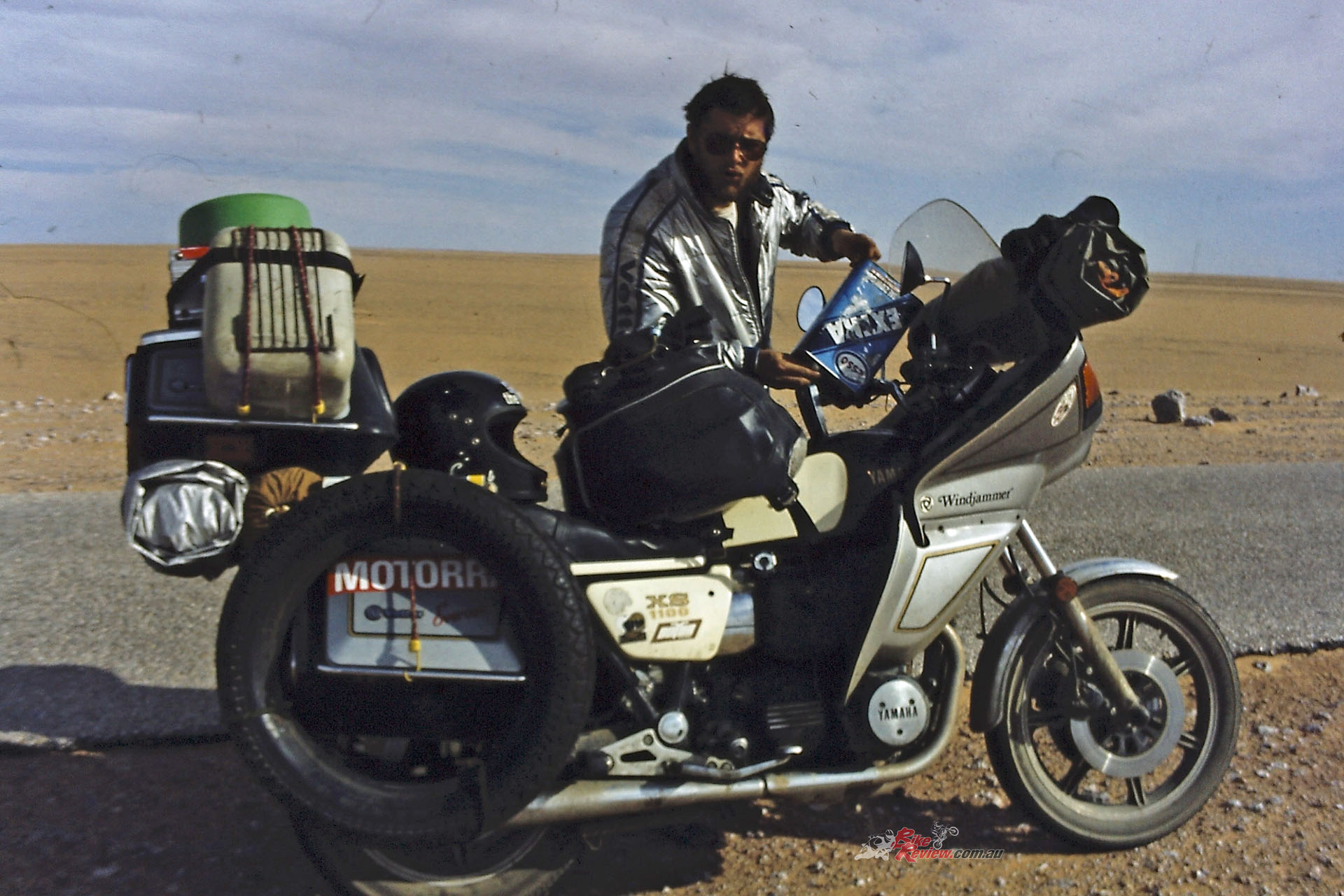
Pic: The Bear
Will we see a return to shaft drive? I doubt it, particularly on anything with sporting or adventure predilections. Chains have simply gotten so good there’s no need or demand beyond the biggest of touring bikes… and bikes which have their crankshafts spinning longitudinally.
The Author

You Might Also Like