
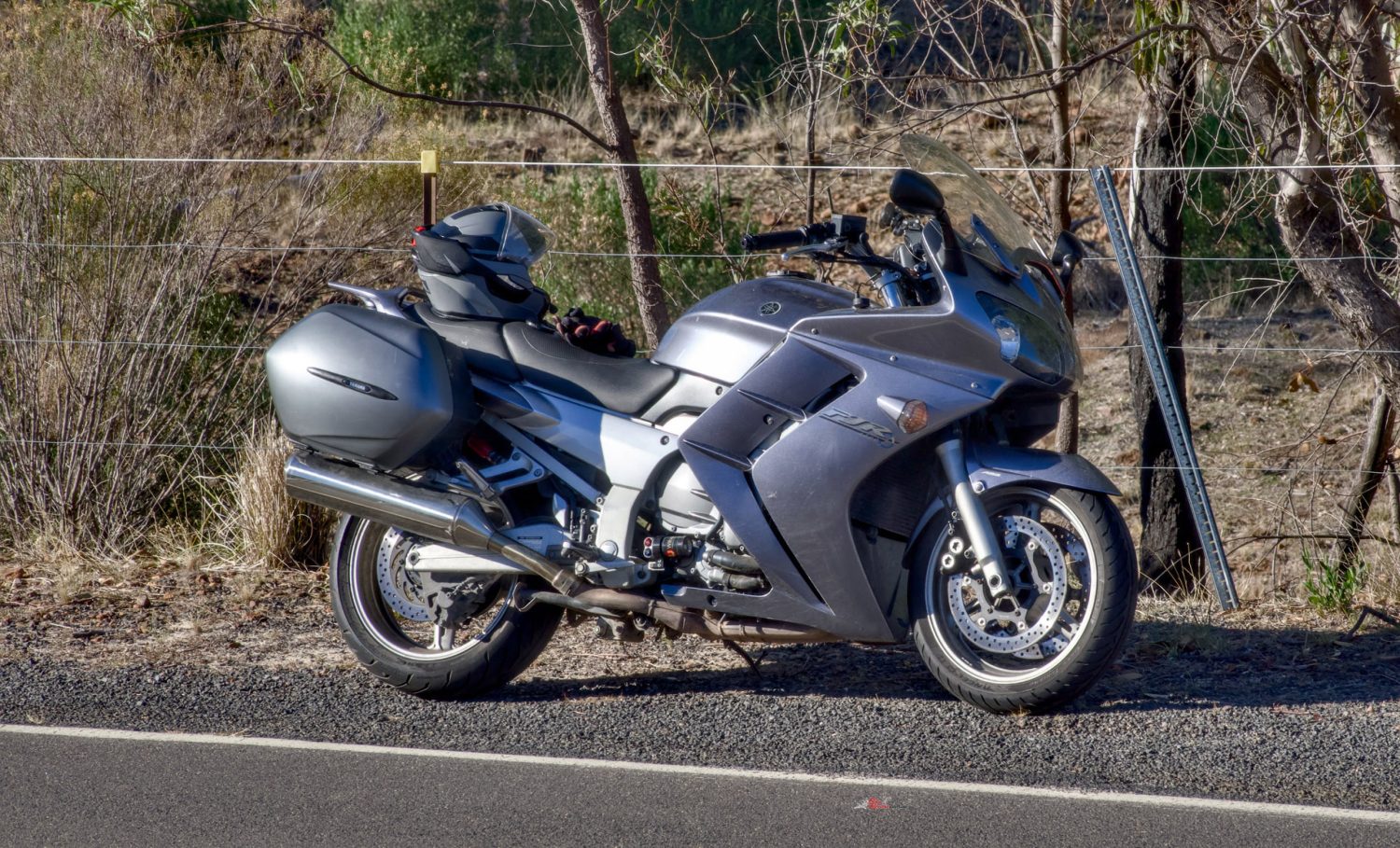

After a year overseas, Nige returns to the FJR1300 for a country-road catch-up with mates and finds quiet roads, fuel anxiety and a renewed appreciation for riding in Australia.
A weekend ride with old mates gives Nige the perfect excuse to reacquaint himself with his faithful Yamaha FJR1300, question the price of fuel, curse disappearing servos and remember why Australia’s vast, rough-edged roads still make for unforgettable riding.
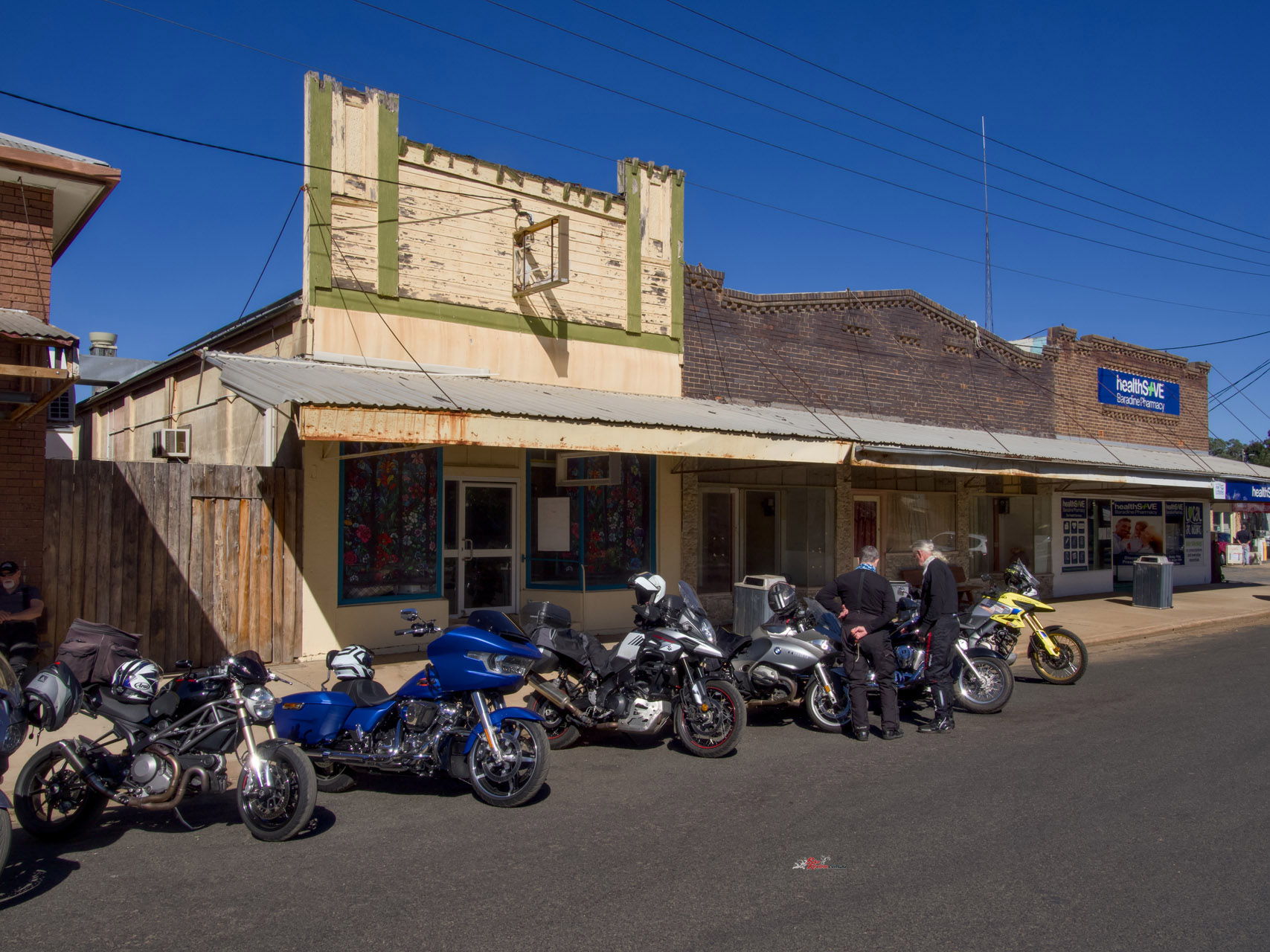
The bikes lined up outside a country pub during Nige’s long-overdue catch-up ride with old mates.
I’m just back from a ride with mates. Blokes I’ve known for years, riding out to a pub on the edge of the outback to catch up with even more mates, because this particular mob of ageing riders sprawls from Queensland all the way south into Victoria. We are, in short, a dispersed and disreputable lot. The timing was ambitious, sitting as it did between Easter and Anzac Day, when Australian autumn weather can deliver anything from biblical downpours to blast-furnace heat. This time, though, we got lucky – clear skies, not hot, not cold. Bloody perfect. I was almost suspicious.
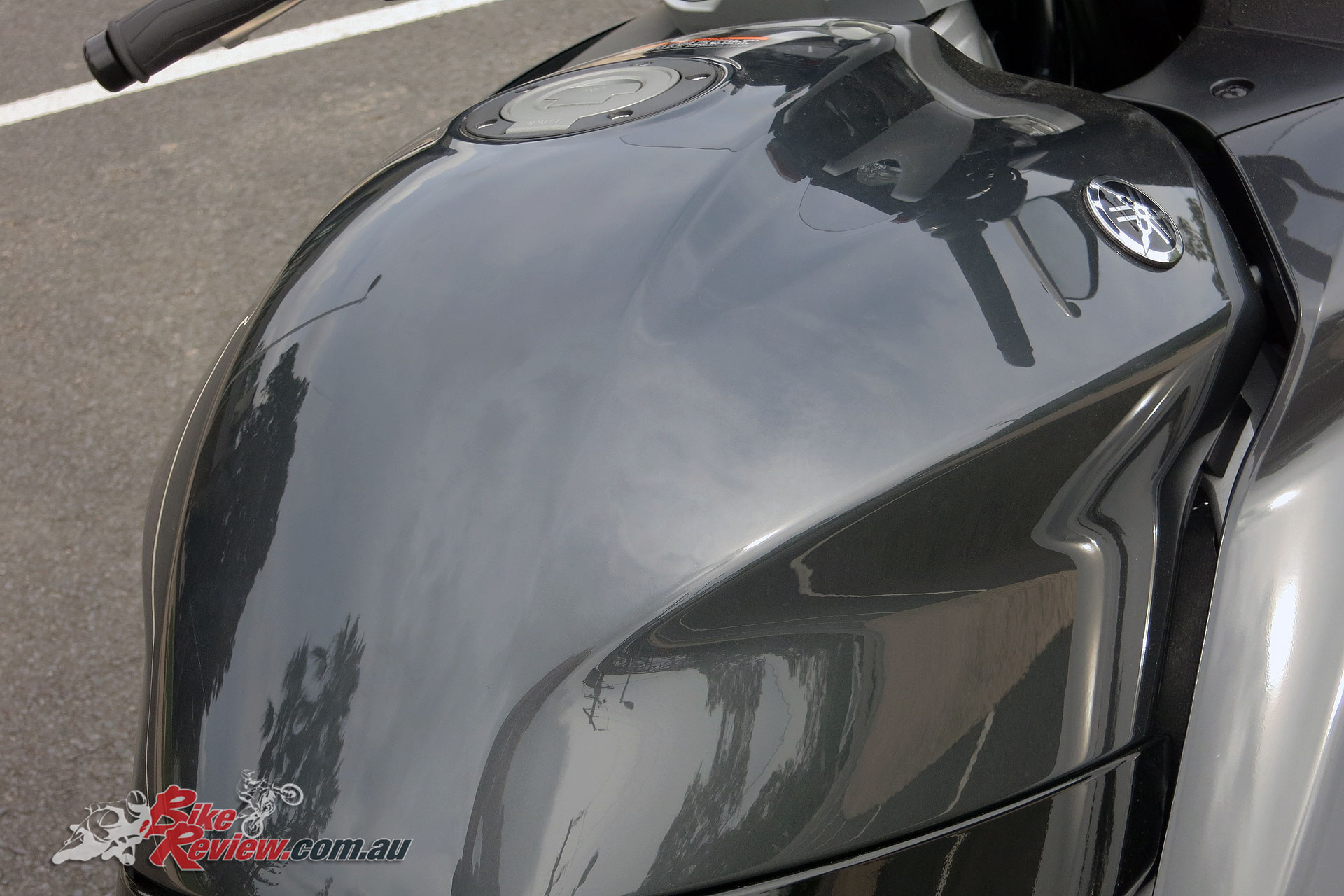
If the weather was a pleasant surprise, the lack of traffic was an even bigger one. The roads were gloriously quiet, and if that’s the silver lining to paying over 50 bucks to fill the FJR1300, I’m prepared to call it a fair trade. If you know the FJR and you’re doing the maths, you’ll already know that squeezing $50 worth of 91 octane into one requires running the poor thing nearly bone dry. Fuel is just over two bucks a litre, and I managed to put in 24.4 litres to fill the 25-litre tank. That’s fewer than 10 kilometres of range remaining before the big push. Committed? Me? Absolutely not. Fine, yes.
Fuel is just over two bucks a litre, and I managed to put in 24.4 litres to fill the 25-litre tank.
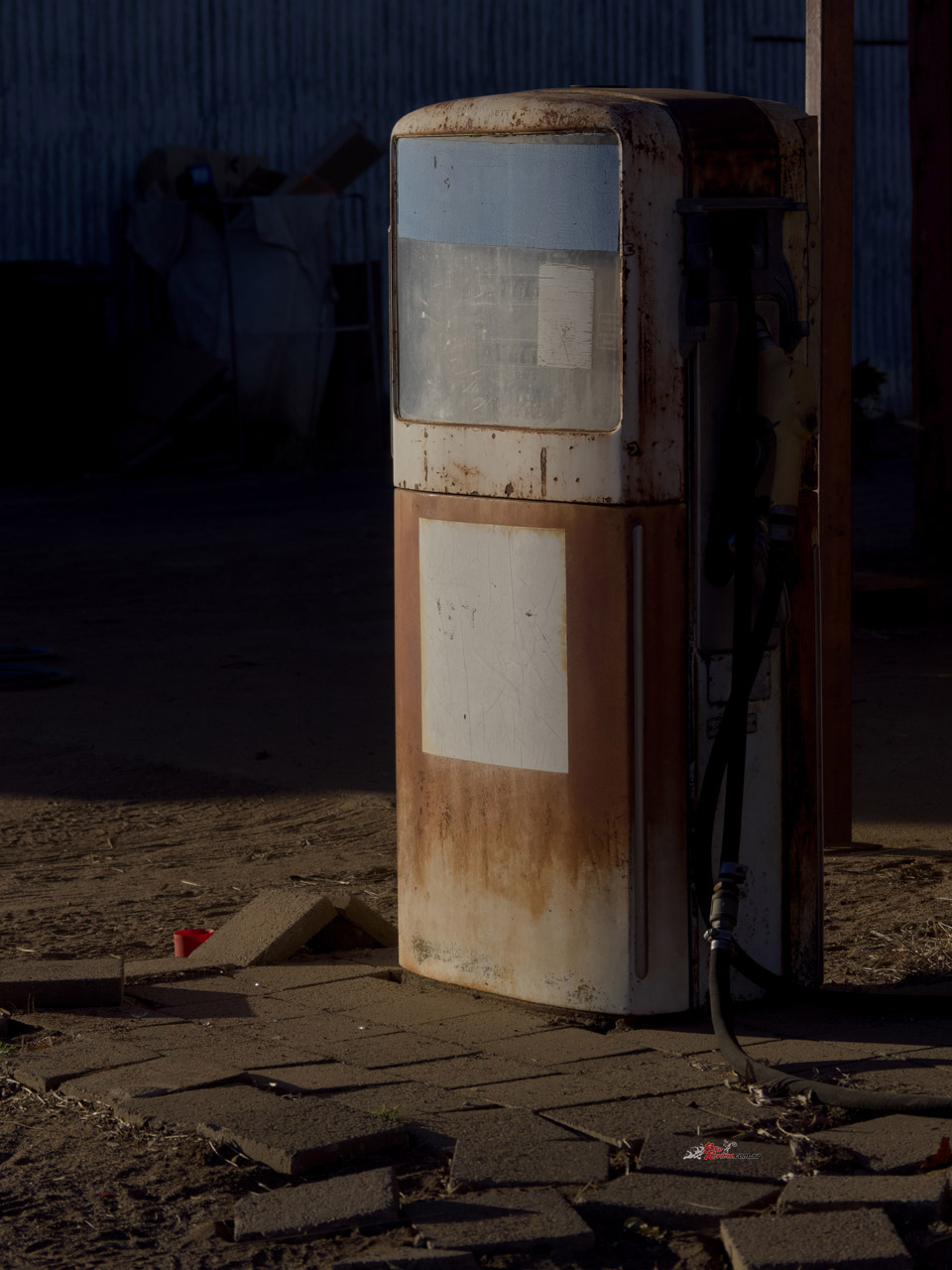
It also didn’t help that there aren’t as many servos out there as there used to be — and they aren’t coming back. Though I’ll give credit where it’s due: those automated pay-at-the-pump units in more isolated areas are a clever way to keep fuel available in places that can no longer justify a staffed servo, or indeed a human presence of any kind.
The light traffic paid dividends in all sorts of ways. Less overtaking, obviously, but also fewer white-knuckle moments stuck behind someone who’s decided that the yellow advisory sign with the black number is actually a strict instruction, and has slowed to 35 to navigate a bend I could carry at 80. On any NSW road with 35 km/h corners these days, the speed limit’s probably already been knocked down to 80 anyway, because the safetycrats have collectively decided we cannot be trusted to choose our own pace — despite most accidents occurring well below the posted limit. But I digress. Loudly.
Read more of Nige’s columns here
This was my first proper ride on the FJR in over a year. I spent the bulk of 2025 overseas, where I was fortunate enough to fling a variety of rental bikes and media fleet machines around some rather spectacular roads – mostly modern stuff loaded with more electronics than the space shuttle. And mostly, I didn’t miss them.
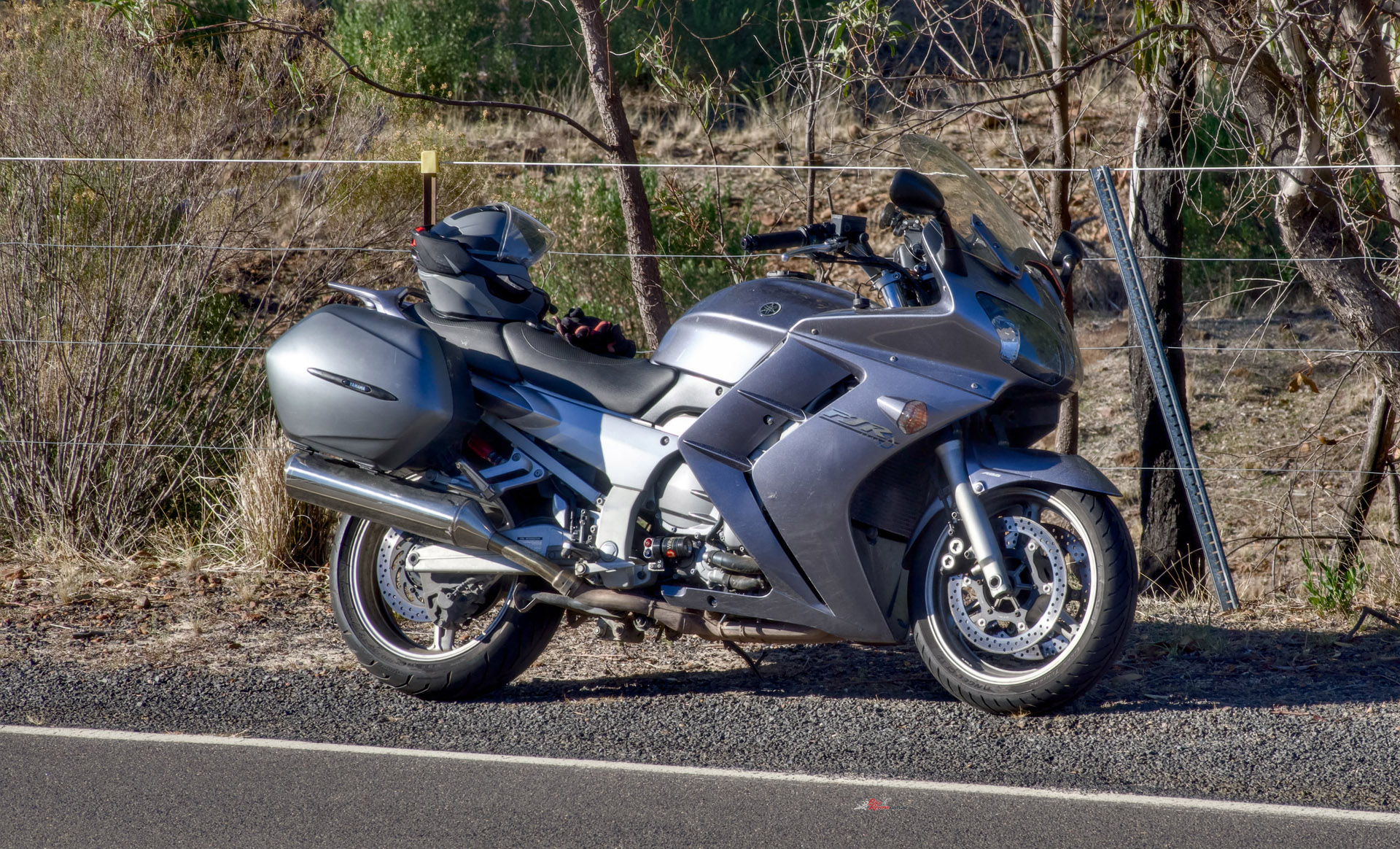
Nigel’s 20-year-old FJR1300 still makes a strong case for old-school sports touring.
I didn’t need the FJR’s ABS on this ride, and I certainly wasn’t pushing hard enough to require traction control — which is convenient, given that my twenty-year-old bike has none. There’s no cruise control either, but the Kaoko throttle lock — the clever unit that replaces the bar-end weight and holds the throttle steady — let me rest my right wrist for brief periods, which at my age is less a luxury than a medical necessity.
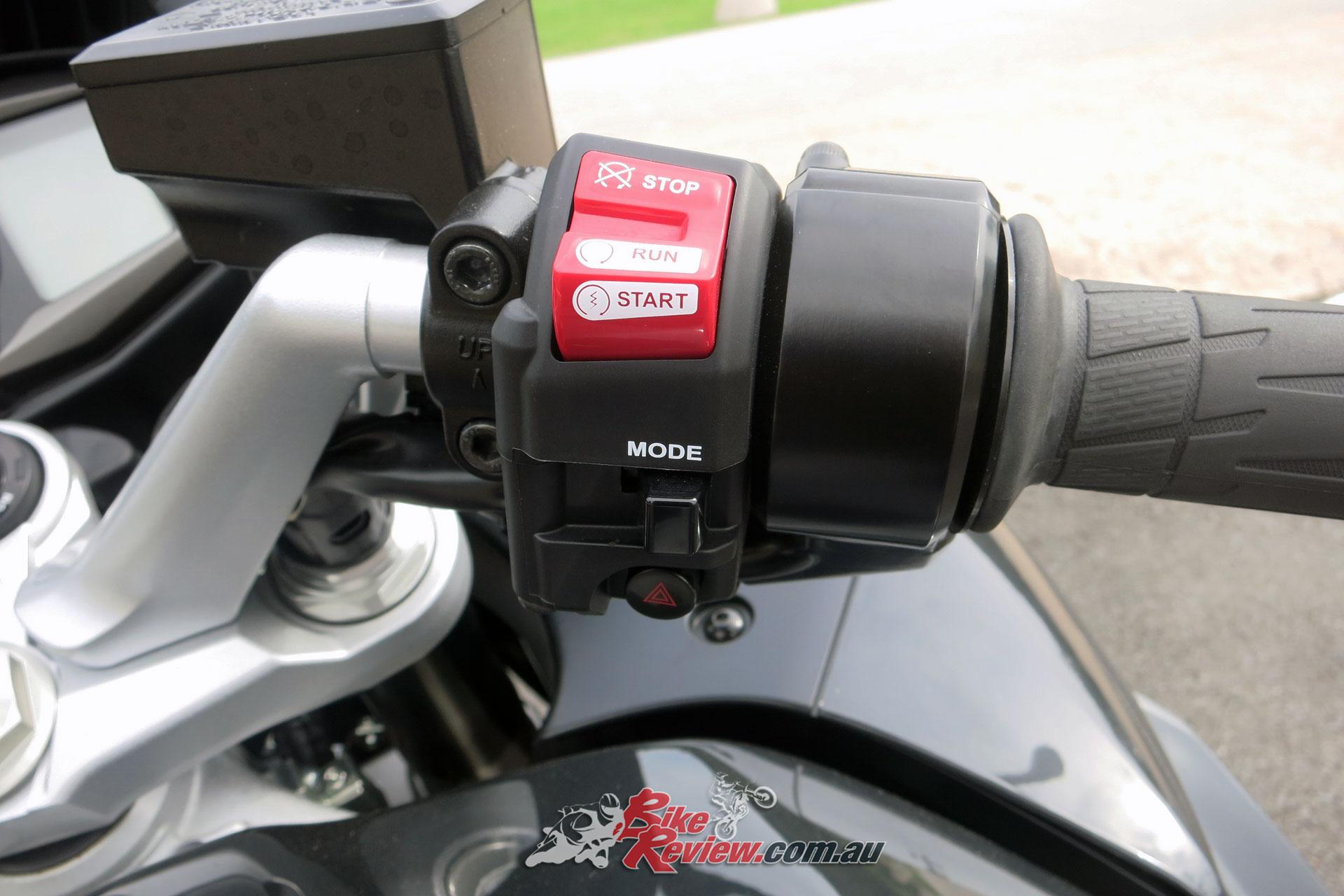
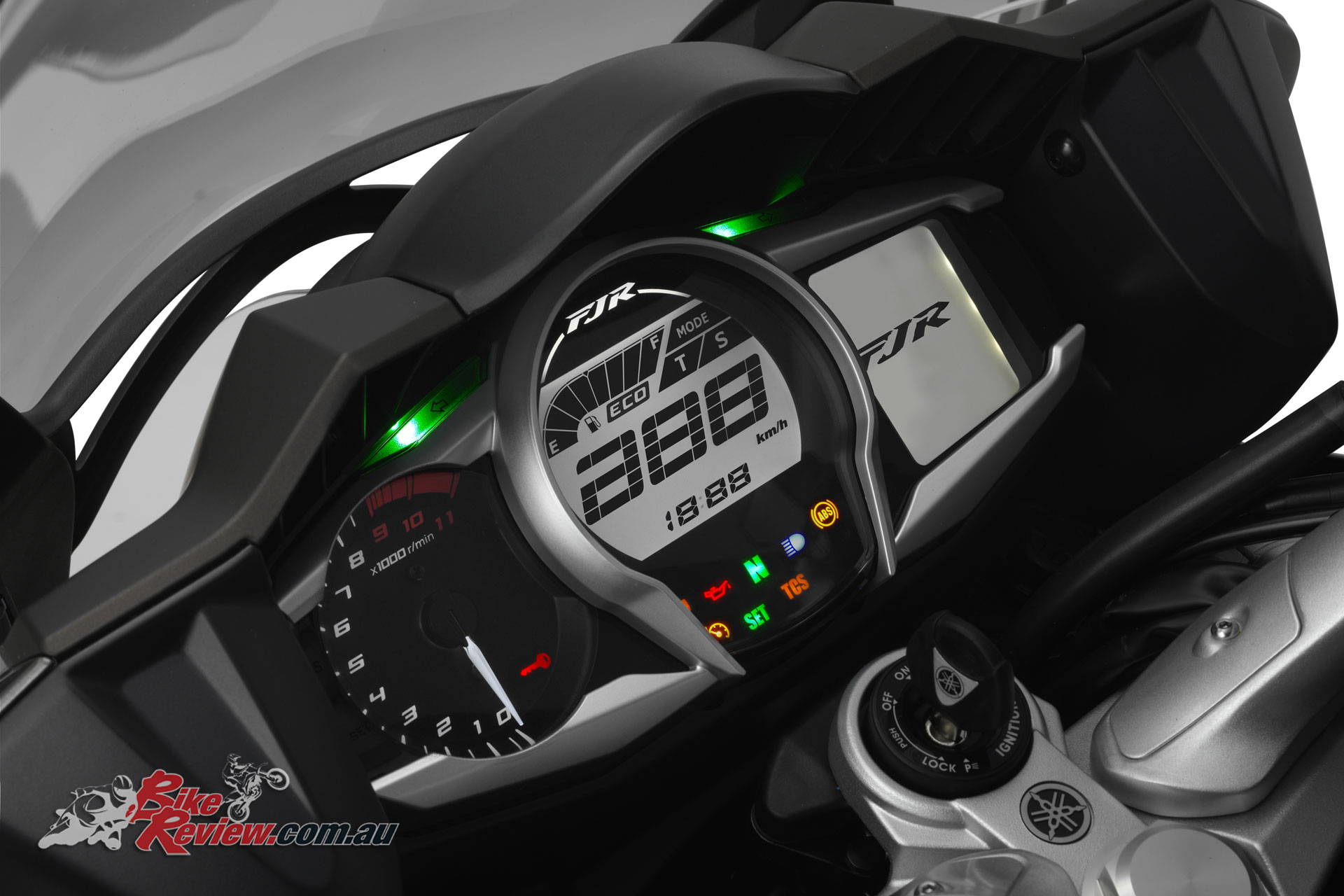
What I did miss was modern instrumentation. The Carpuride CarPlay display I’ve had for a while decided to perform like a toddler in a supermarket, acting up so badly it was quickly banished to the pannier, where it will almost certainly spend the rest of its days before becoming e-waste. So I navigated by iPhone, which is fine – I’ve been doing it for the best part of a decade – but I genuinely missed having a big digital speedo, a range indicator (being reminded to fill up is, it turns out, quite useful), and a speed limit display. Small joys, perhaps, but they’re missed when they’re gone.
It couldn’t tell me how much fuel remained in the tank. That particular anxiety was mine alone to manage, and I managed it poorly.
The Carpuride, when it was deigning to function, did solve some of these problems via Waze – GPS speed, speed limits and a bigger map — though it couldn’t tell me how much fuel remained in the tank. That particular anxiety was mine alone to manage, and I managed it poorly.
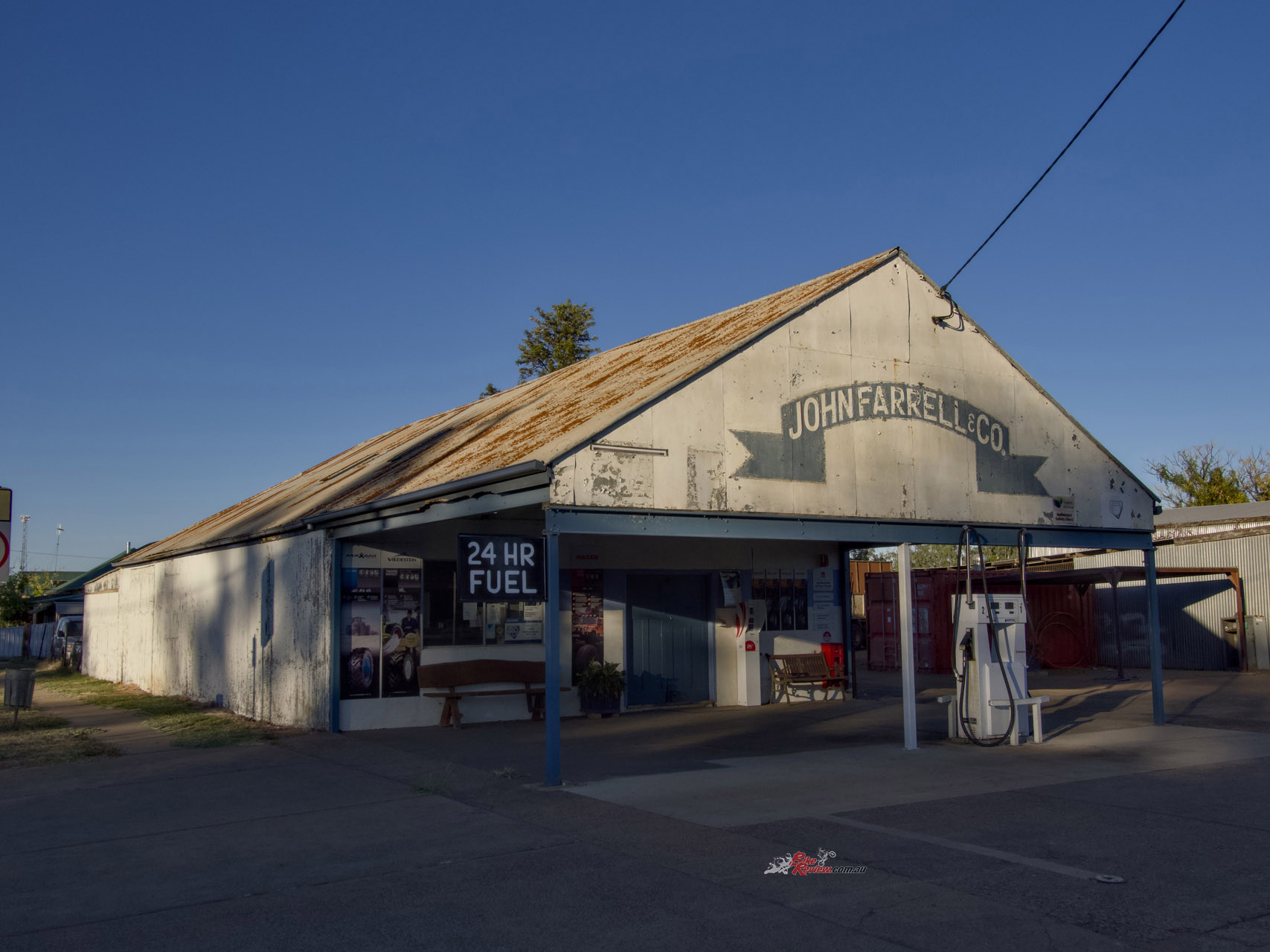
Automated pumps can keep fuel available where staffed country servos no longer make sense.
What the FJR does have going for it is genuinely excellent suspension. A few years back I fitted a Wilbers kit – fork springs, fresh oil, and a complete rear shock built in Germany to suit my specific weight, which I will not be disclosing. The transformation was remarkable. It makes a twenty-year-old bike handle like something considerably newer, which given the FJR’s alloy chassis, sportsbike-sized wheels and tyres, and deceptively sporty steering geometry, means it handles rather well indeed. Throw in around 145 horsepower and the standard panniers, and you’ve got something of a wolf in sensible touring clothing.


I’ve been giving serious thought to replacing the FJR with a BMW R 1250 or 1300 GS — machines better suited to two-up touring across Australia’s more adventurous bitumen and dirt. But I’ll sorely miss that Yamaha across-the-frame four and its glorious spread of power. My Honda CBR1100XX Super Blackbird was quicker, and its engine was an absolute gem, but the FJR is so much more liveable day-to-day. One of those bikes that makes you feel competent even when the evidence suggests otherwise.
The FJR1300 is one of those bikes that makes you feel competent, even when the evidence suggests otherwise.
I’ll confess I’ve been bending my friends’ ears lately about Australia’s roads – the distances, the rough surfaces, the wildlife that appears from nowhere, the weather, the somewhat enthusiastic policing presence. Having spent 2025 riding through the fabulous roads of Europe, I’d turned into a bit of a snob. But that weekend ride sorted me out. Endless blue skies, ancient hills and valleys, spectacular birds wheeling overhead (and a few kangaroos, whose appearances remain, as always, laundry-threatening), and genuinely good coffee even from tiny shops in country towns — it all reminded me that Australia is unique and extraordinary.
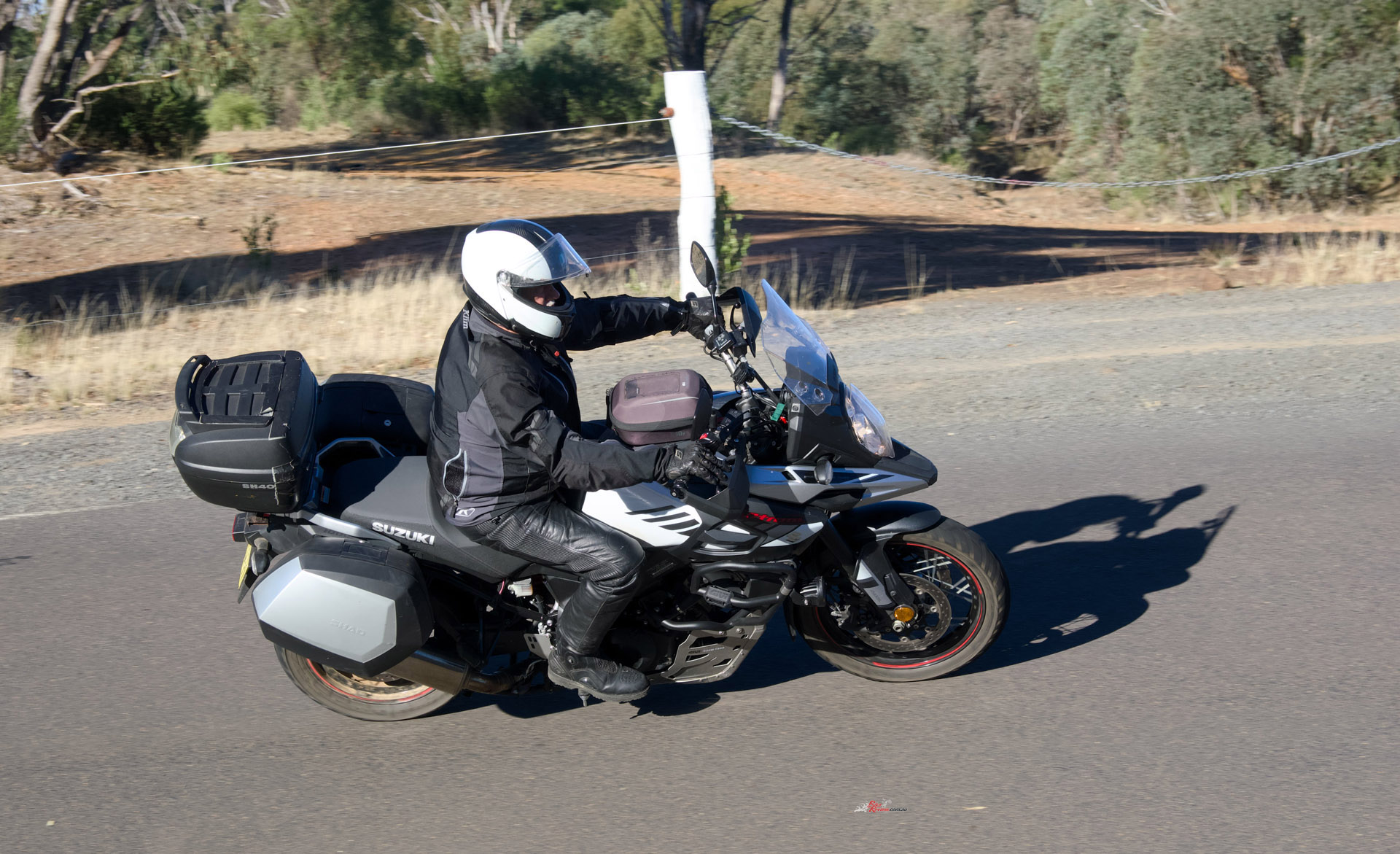
Industry stalwart John Arens joins the same run on his Suzuki V-Strom.
There’s a lot I love about riding overseas. But there’s a great ride right here, too, waiting for you to stop making excuses and go find it. Don’t let the fuel price put you off. I nearly ran out and still had the time of my life.
The Author

You Might Also Like