
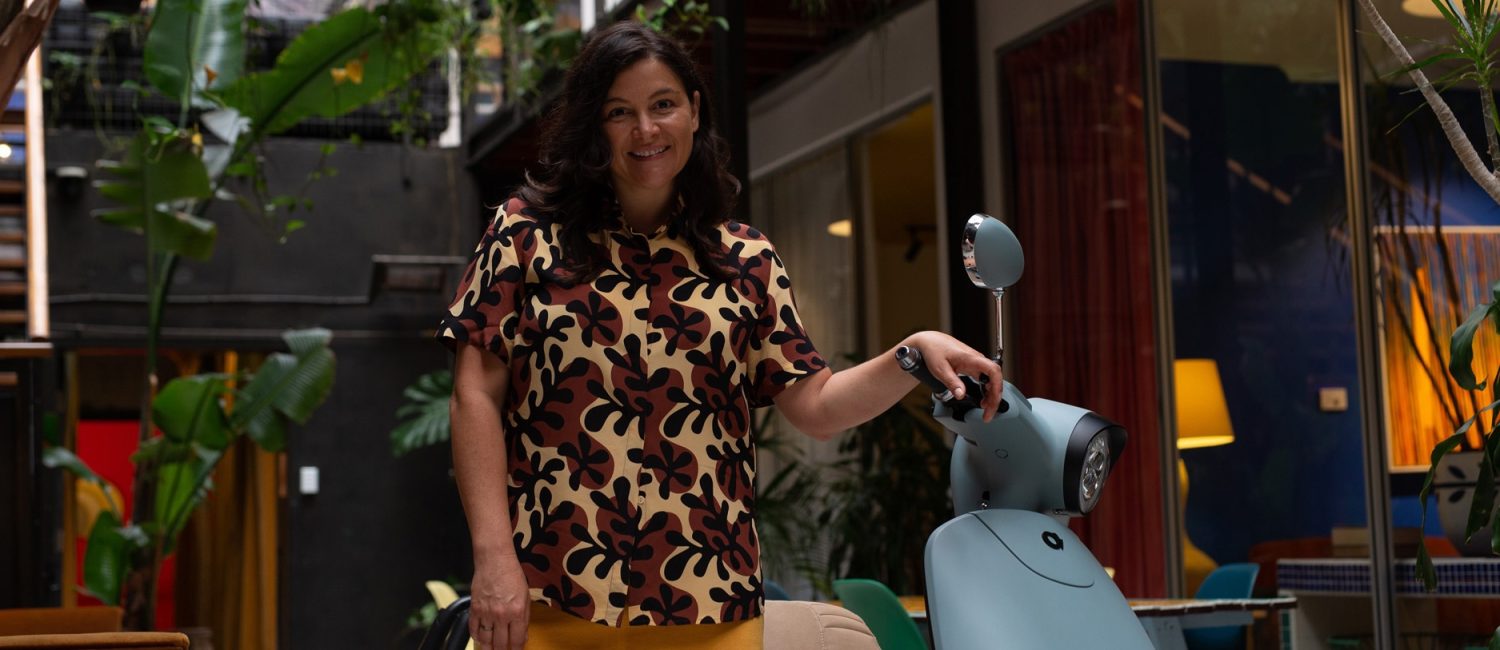

FONZ CEO Michelle Nazzari shares the decisions, challenges and ideas that helped the Australian electric motorcycle brand survive and grow over 15 years....
Electric motorcycles in Australia have never had an easy run, yet FONZ has managed to outlast many bigger, better-funded players. Founder and CEO Michelle Nazzari talks through the decisions, setbacks and ideas that have shaped the Australian brand.
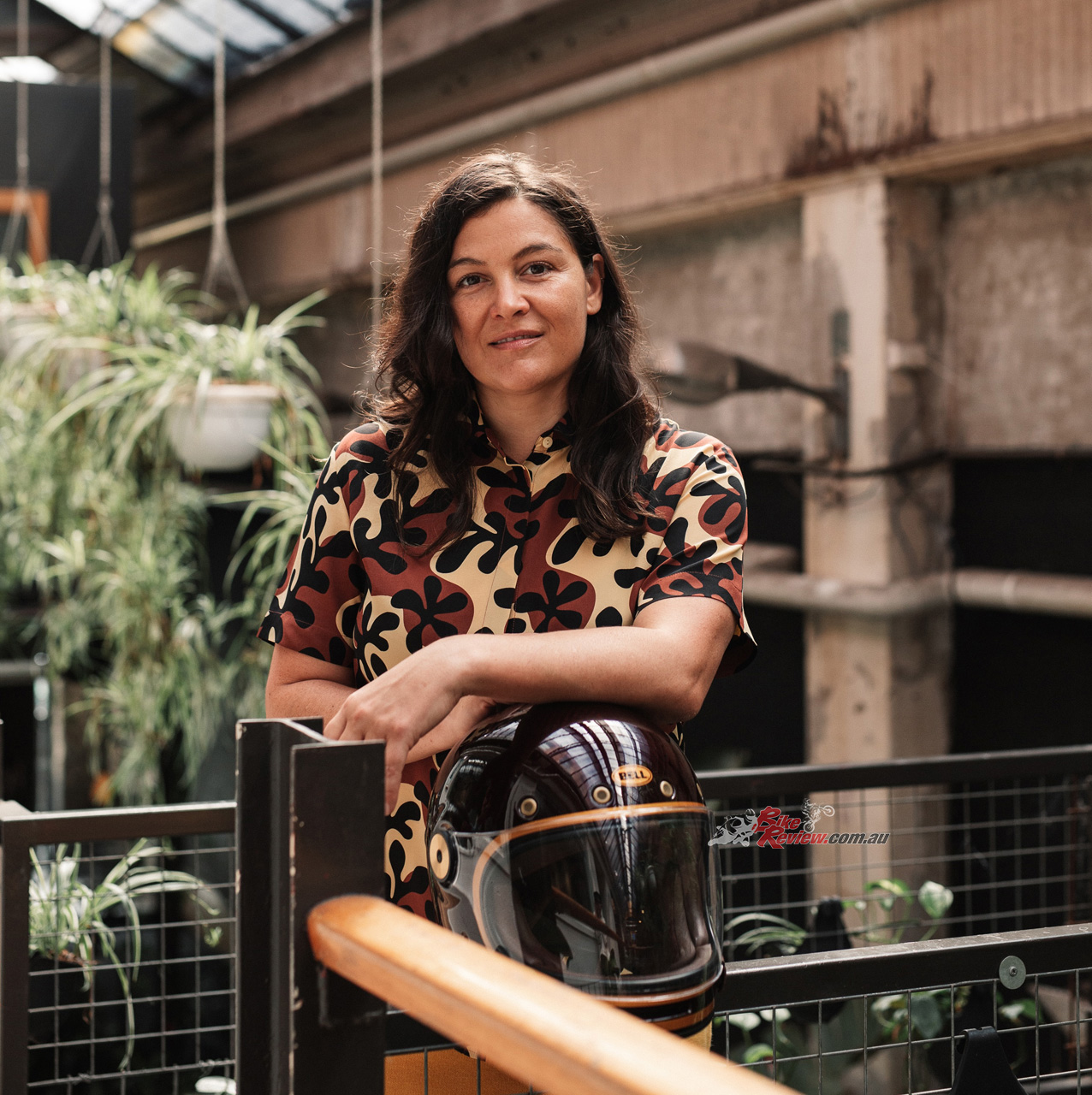
Fifteen years is a long time for any small manufacturer to survive, especially in a segment that barely existed when it began. But persistence is the one constant in FONZ founder and CEO Michelle Nazzari’s story. Through expansion, contraction, market swings, policy setbacks and shifting consumer expectations, she has held Fonz together with a mix of resolve, realism and an unpretentious willingness to scale things back if and when required.
Michelle’s experience in EVs traces back to her father’s bus company in her native Perth. His business builds buses for private operators such as Crown Coaches and Murray’s and now supplies electric buses for Canberra. “In a way, he’s the person that I really look up to,” she says. “But also, we were a nightmare working together, because we’re very, very similar.”
“After a motorcycle trip around Colombia in 2010 … she came home and set up the company … and launched the first scooters in 2012”
The spark for FONZ arrived in 2010, while she was still working in that family business. “We’d just started making hybrid buses and then electric buses, which were the first ones for the Australian market,” she explains. In the middle of that shift she headed off on a motorcycle trip around Colombia. She finished the trip at the end of August 2010, came home and set up the company the following month. From there she began initiating what would become Fonzarelli – later shortened to FONZ – and launched the first scooters in 2012.
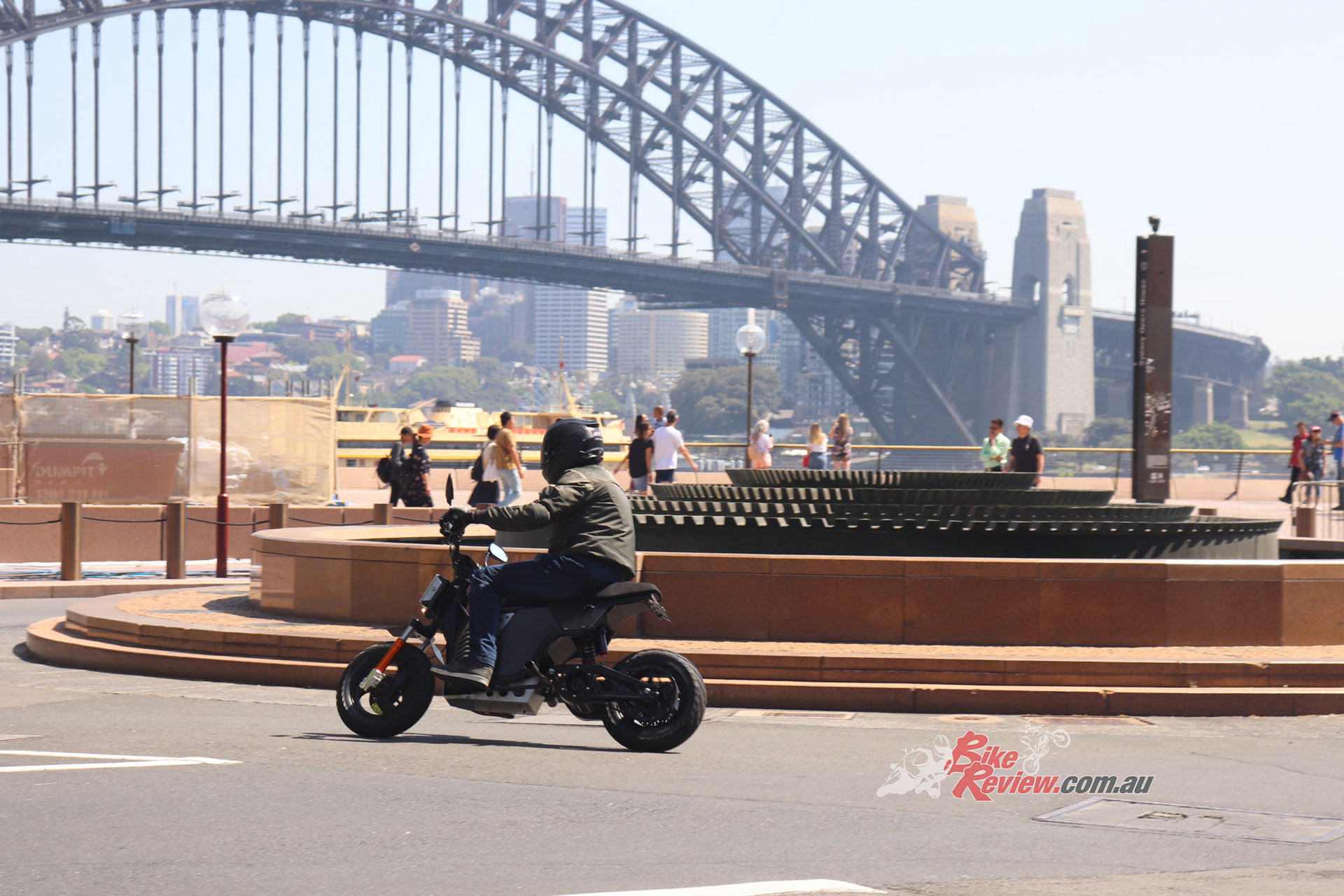
Australia’s electric motorcycle and scooter market has grown in fits and starts. Interest comes in waves, driven by fuel prices, city congestion and exposure to overseas trends, but the groundwork that supports a thriving two-wheel EV ecosystem — incentives, infrastructure, education and reliable brand presence — has rarely lined up for start-ups to capitalise from it. New entrants arrive with energy, sell a few early units, then fade when operational realities set in.

When the broader economy tightened and discretionary spending dried up, she did what she needed to do. She streamlined the business from top to bottom, absorbed roles back into her own workload and embarked on the development and launch of a new model.
“Those times stretch you a little bit,” she says. “It makes you get more creative.”
“Those times stretch you a little bit,” she says. “It makes you get more creative.” Sales units continued to grow, however the value of what customers were willing to spend reduced. FONZ stayed steady by adapting its pricing mix, expanding its pre-owned program, looking to business-to-business opportunities and doubling down on refurbishment and recycling. That adaptation reaped rewards and since July this year, the team has increased by 20 per cent.
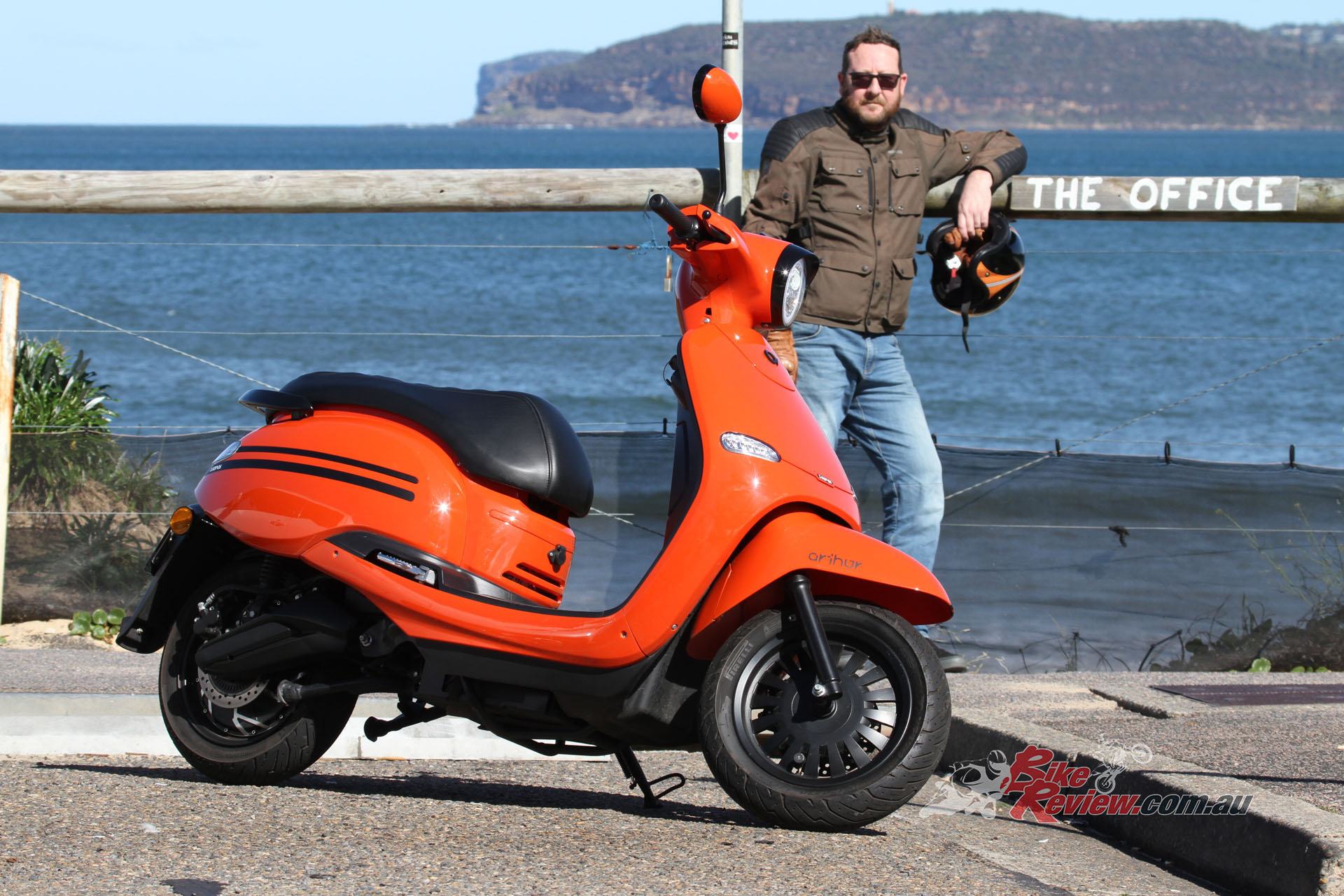
It’s that realistic and practical approach that defines both FONZ and its determined CEO and founder.
Electric motorcycles have always been a difficult fit for Australia’s traditional dealership system. Traditional dealerships rely on workshop revenue; scheduled servicing, labour and consumables keep their businesses afloat. Electric motorcycles reduce that income, which makes them less appealing and less successful within that conventional business model. “Most motorcycle dealerships make their money from service,” Michelle says. “And there’s not as much service in electric.”
Check out our Electric bike reviews here…
Fonz tested a network of independent dealerships in 2023 and 2024 to see whether a full traditional dealer presence would lift sales nationally. The idea was to establish small touchpoints in areas outside Sydney without committing to a full dealership. But customers still went straight to the source. They wanted technical clarity, direct answers and a relationship with the people who design and support the bikes.
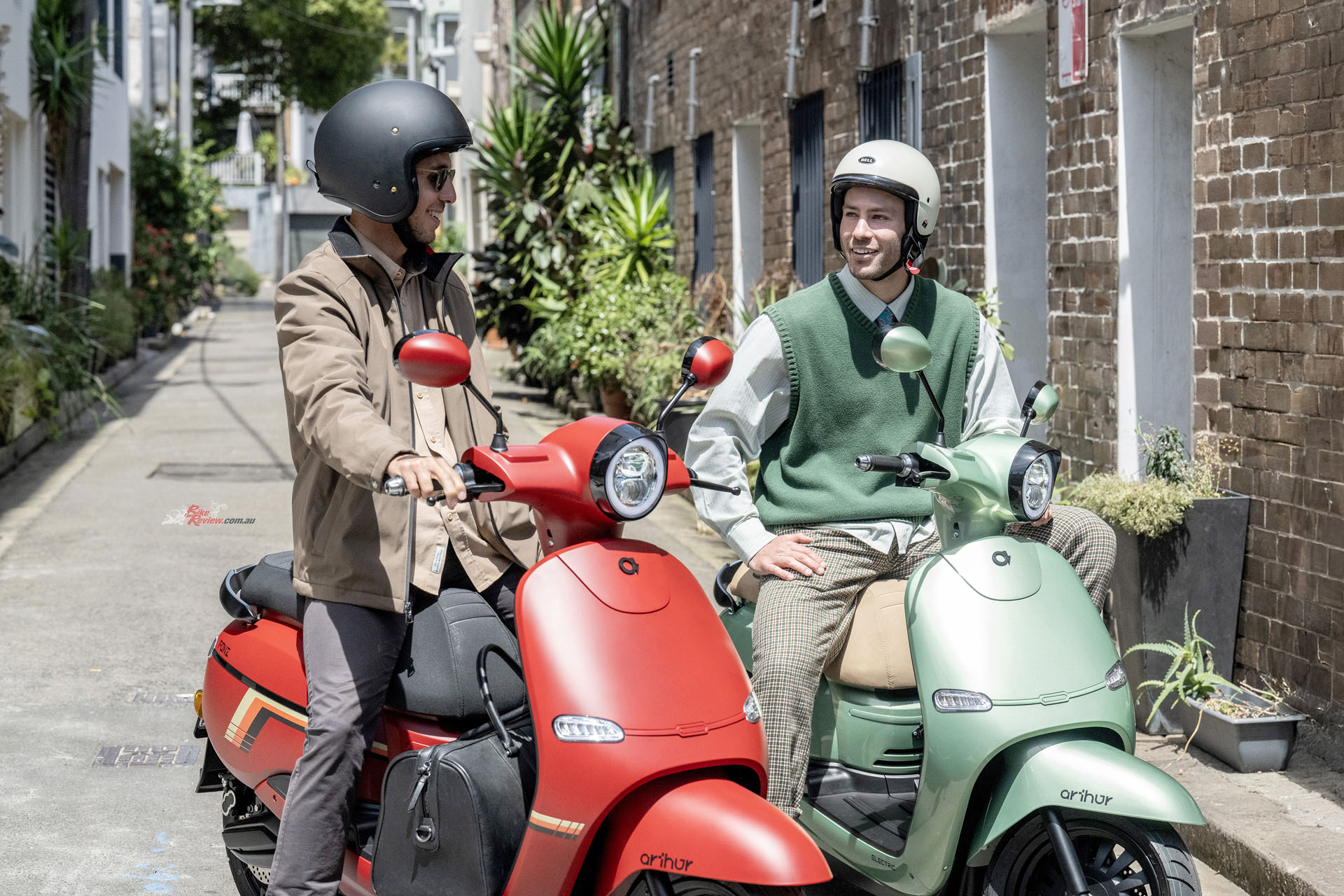
In response, the company expanded the direct-to-rider and agent approach it had already been building. FONZ vans now cover almost the entire eastern seaboard — from north of Noosa to Victoria’s coastal towns — with regular runs through Queensland, NSW, Canberra, Mornington, Torquay and scheduled trips to both Western Australia and South Australia. Deliveries, test rides, servicing, diagnostics and updates can all happen on the road.
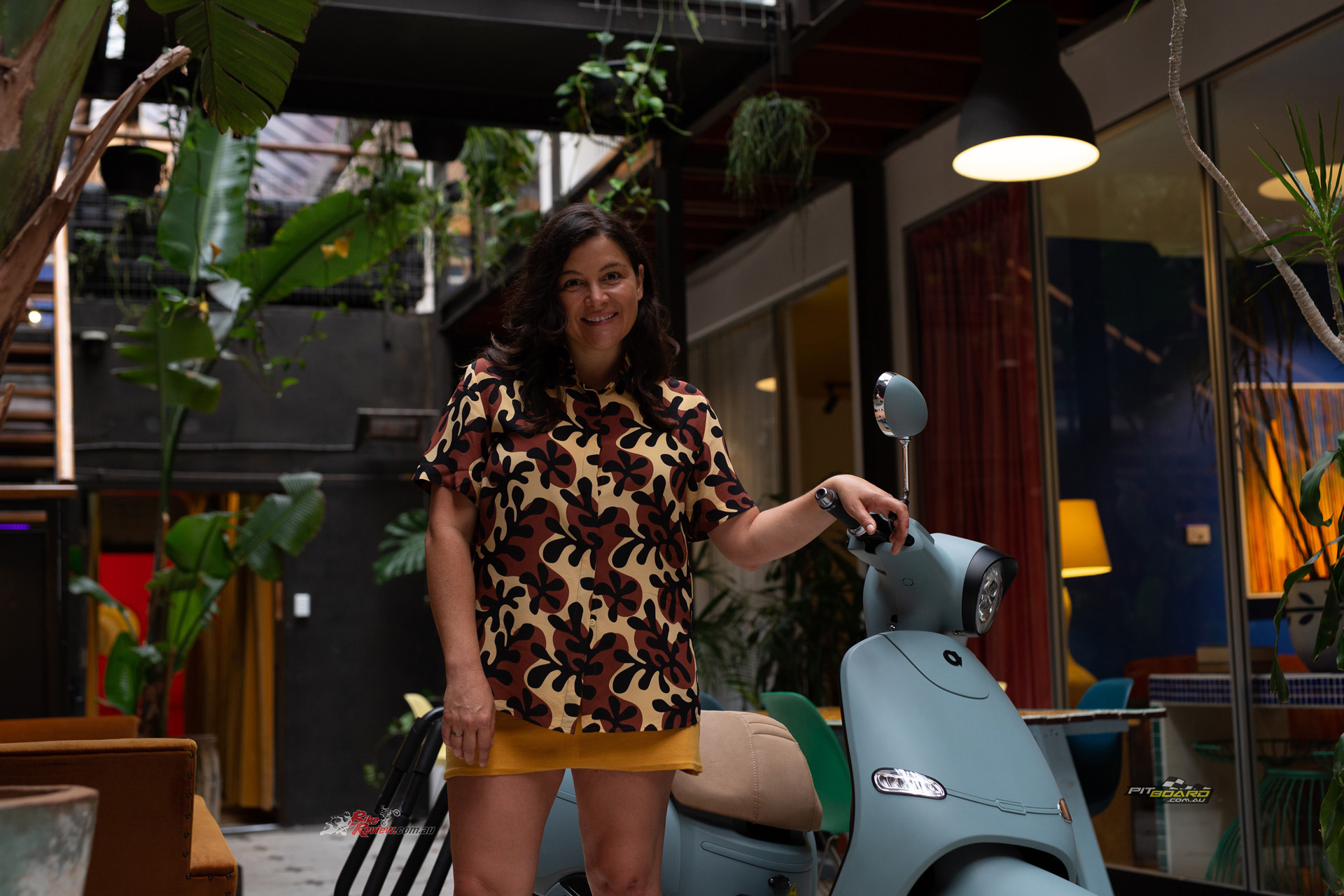
“A lot of our owners still want a test ride and a local service partner, which our agent partners offer,” Michelle explains. “This agent model can work better for the local shop, with less financial outlay than the big distributors want. And for those locations where we don’t have local agents – our bikes are so easy to work on, we are agnostic to support any service repairers – if there is specialised work, we will support them.”
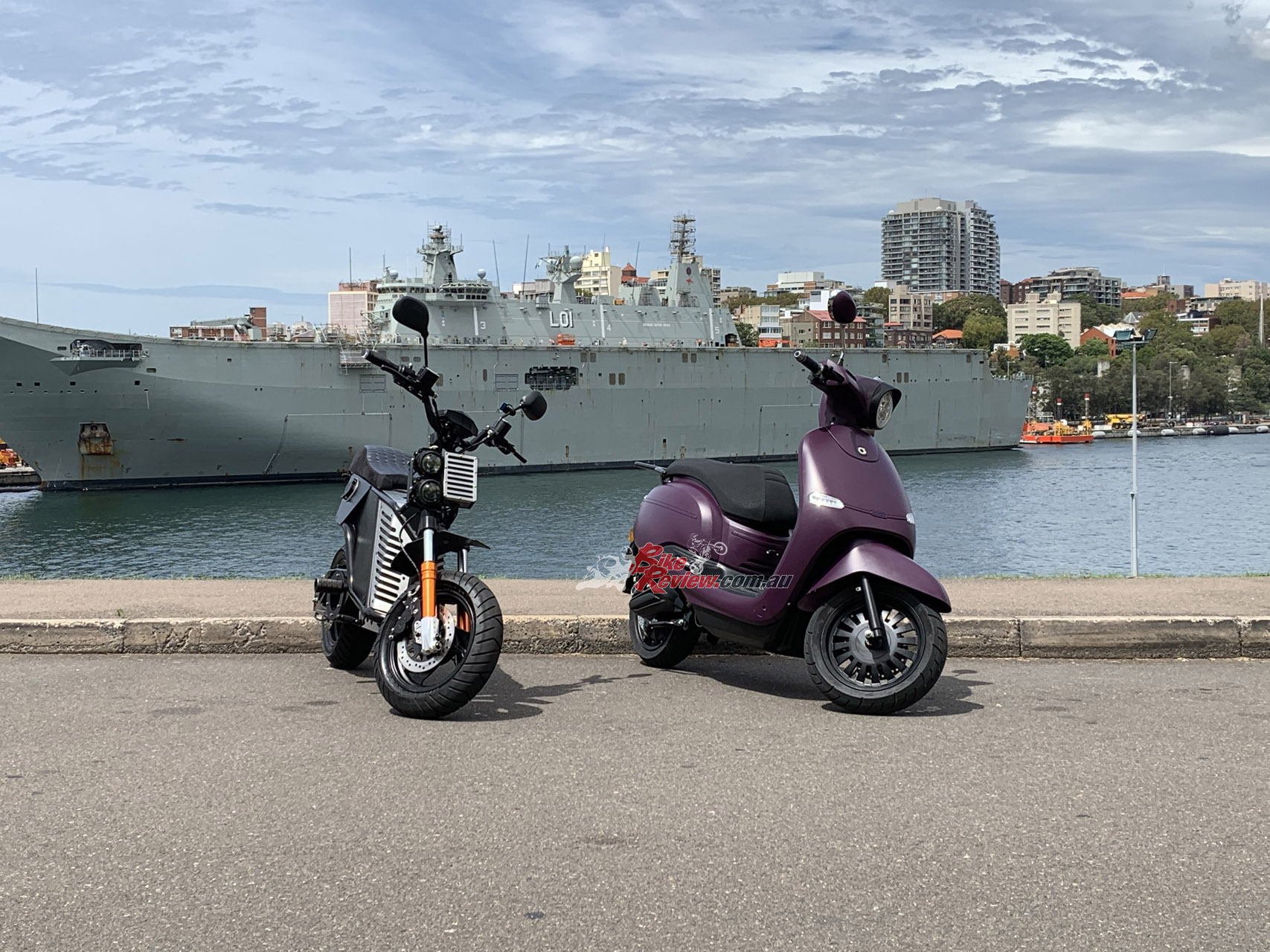
This approach works because it gives riders immediate access to someone who understands the product inside-out. New buyers get clear, detailed information. Long-term owners know someone will turn up when their bike needs attention. It closes the gap that the dealer model can’t fill for electric.
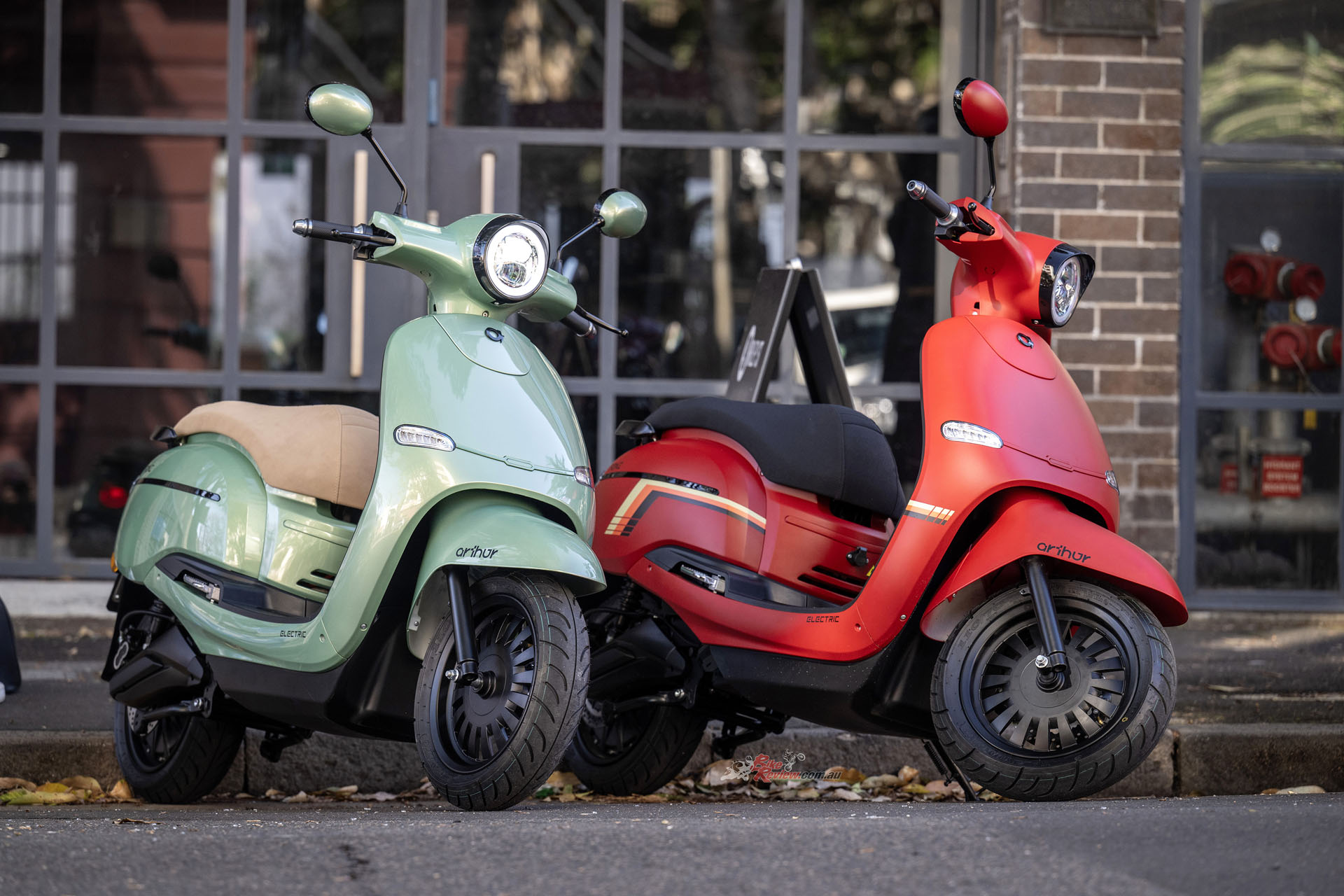
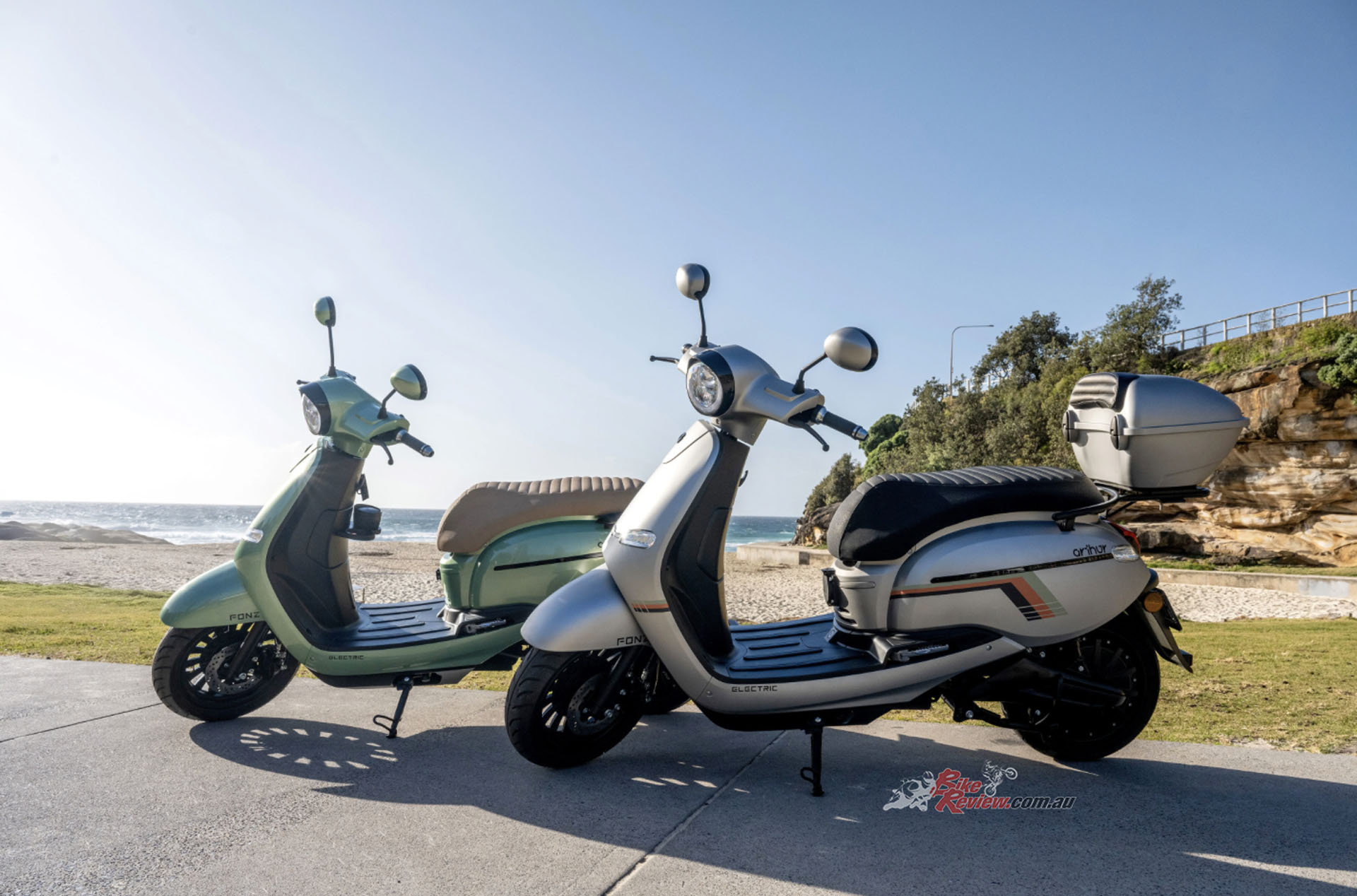
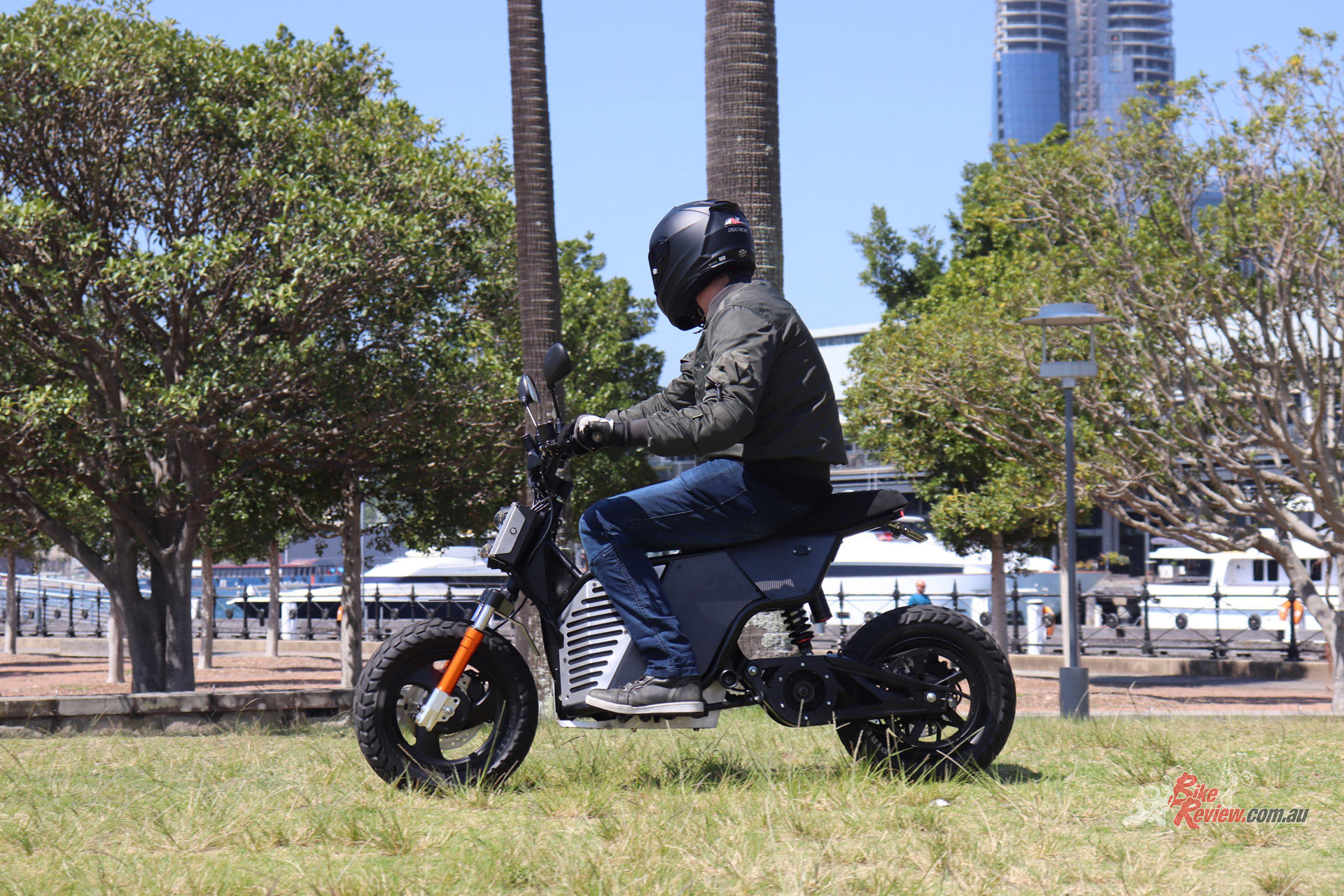
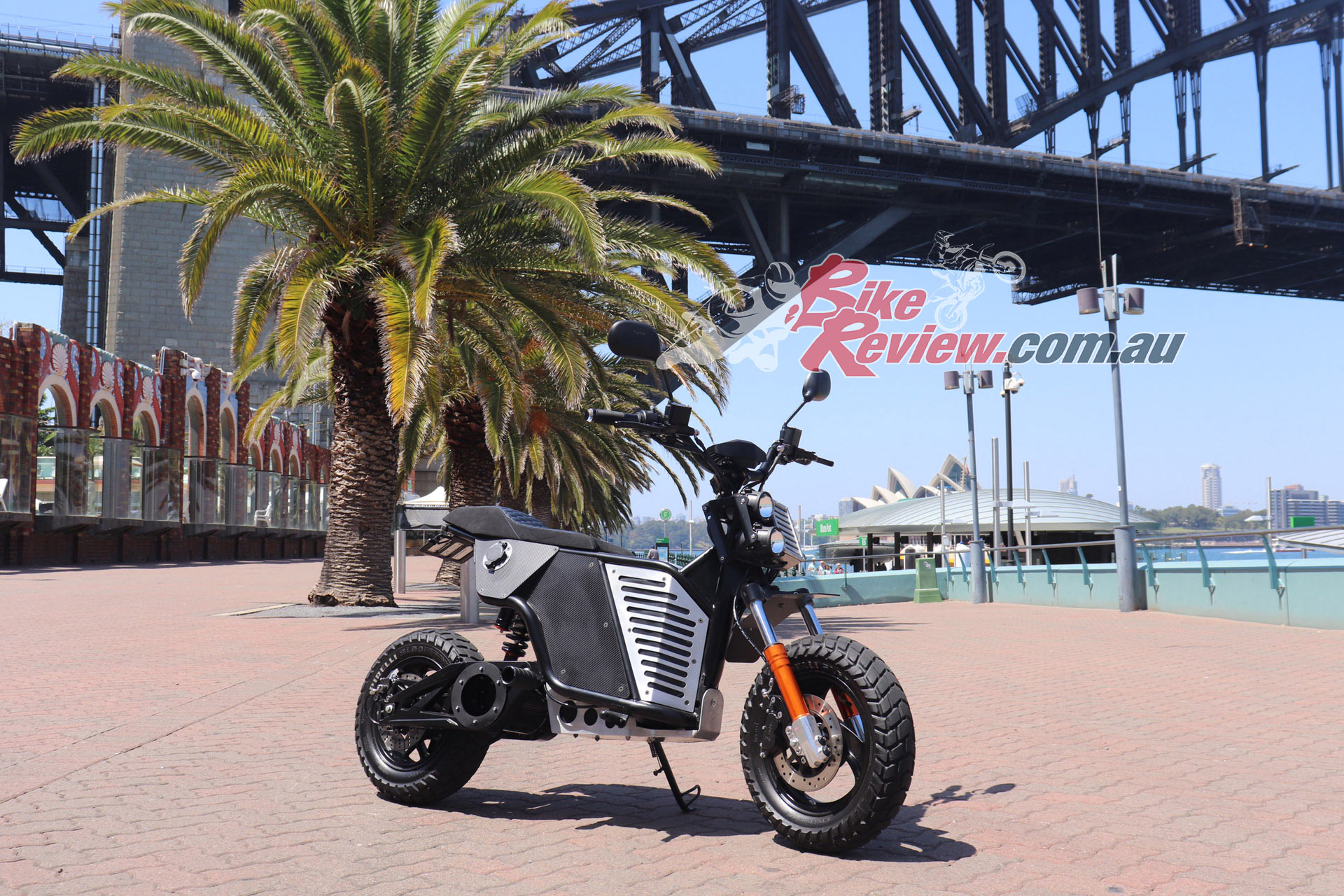
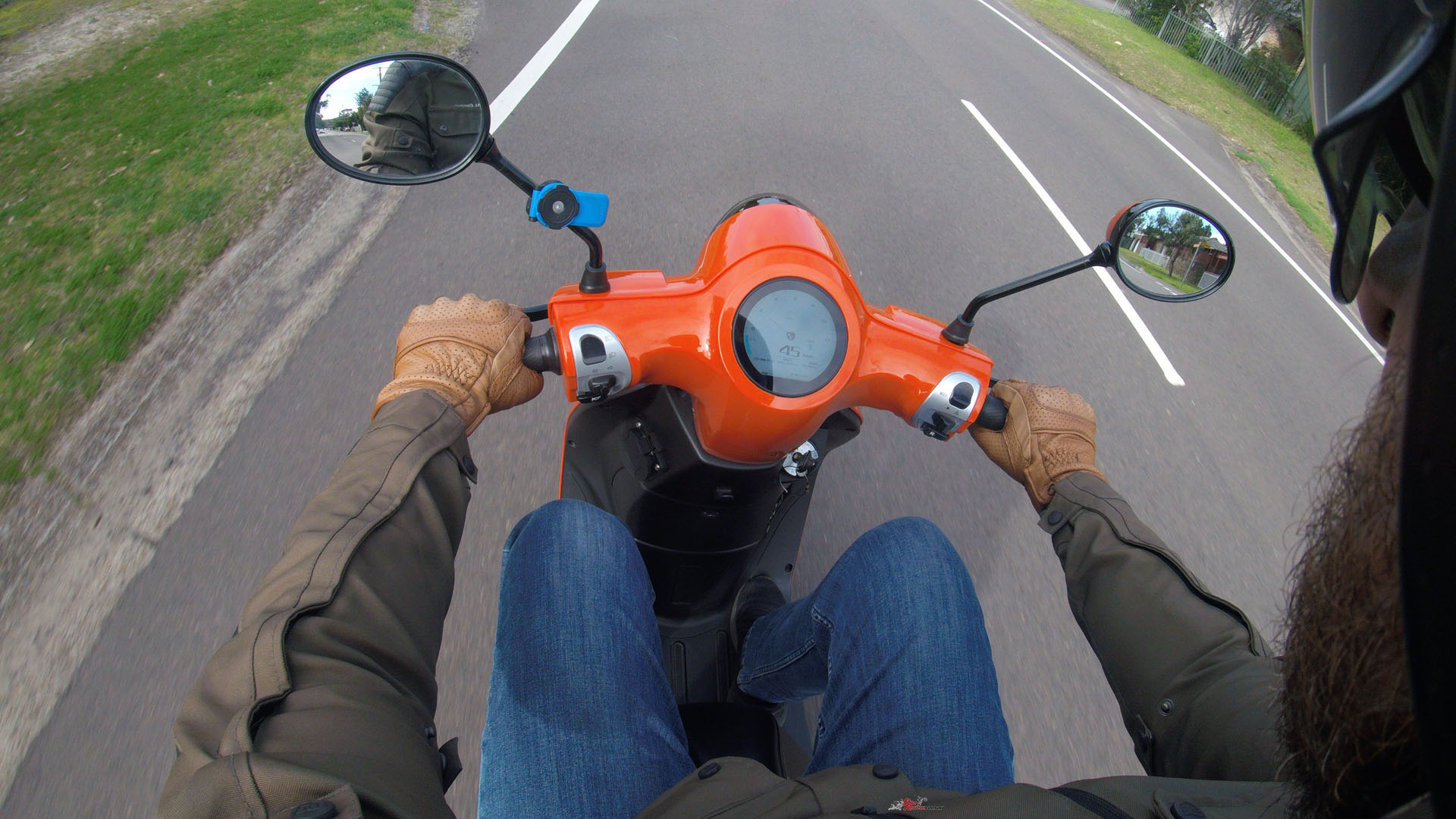
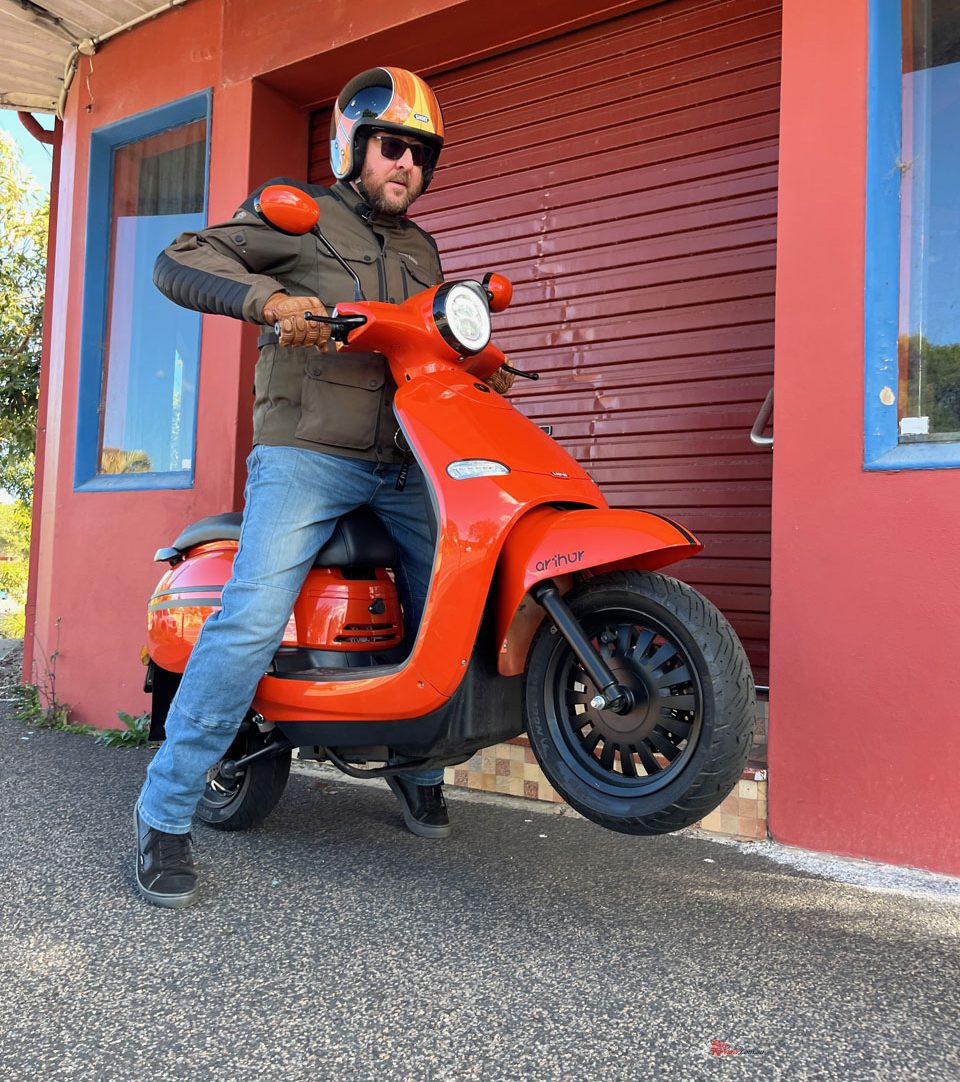
“People want to see you,” Michelle says. “You want to love the product and you want to love the people around the product.” A consistent theme across the latest FONZ models is that the engineering decisions grow out of real-world riding rather than current industry trends. The brand’s new Z Series is the clearest example, which has some small but significant differences over the Arthur.
“The engineering decisions grow out of real-world riding rather than current industry trends”
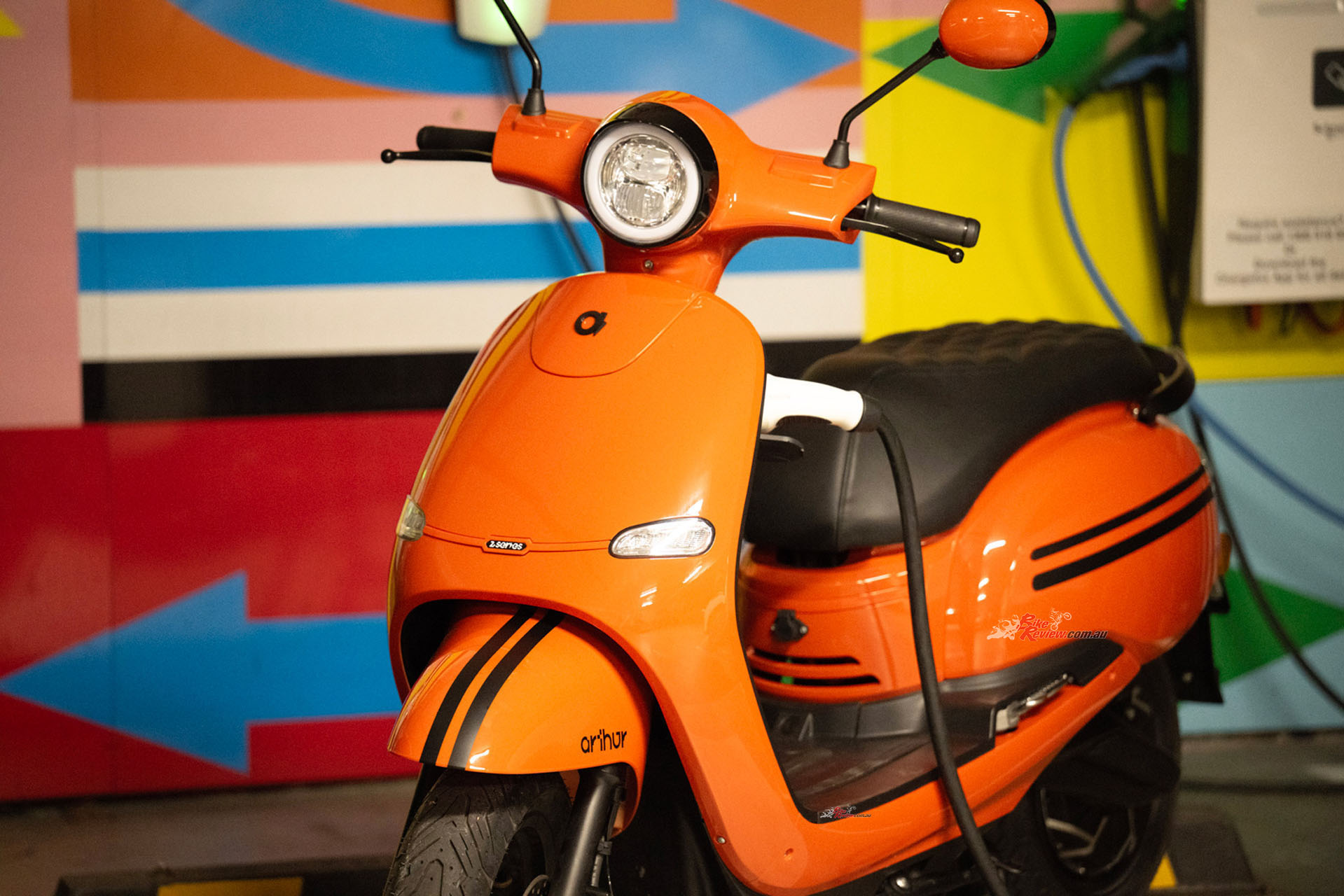
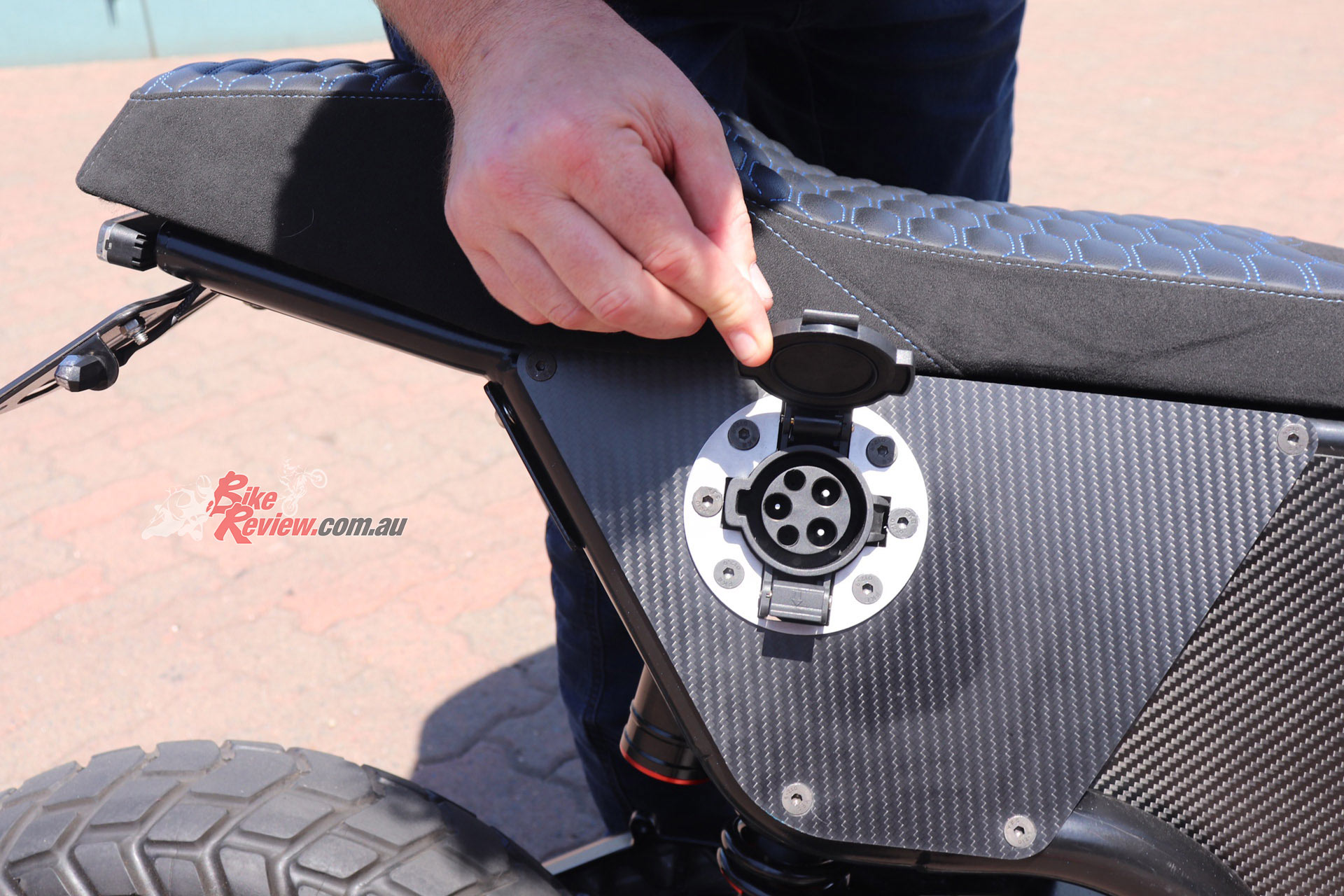
Storage was a priority. So was a digital dash and the ability to plug in at public charging stations instead of wrestling a 20-plus kilo battery up the stairs of an apartment block. Riders wanted more flexibility and more practicality and, interestingly, that meant putting a line through the removable battery and introducing the Level 2 fast charging capability.
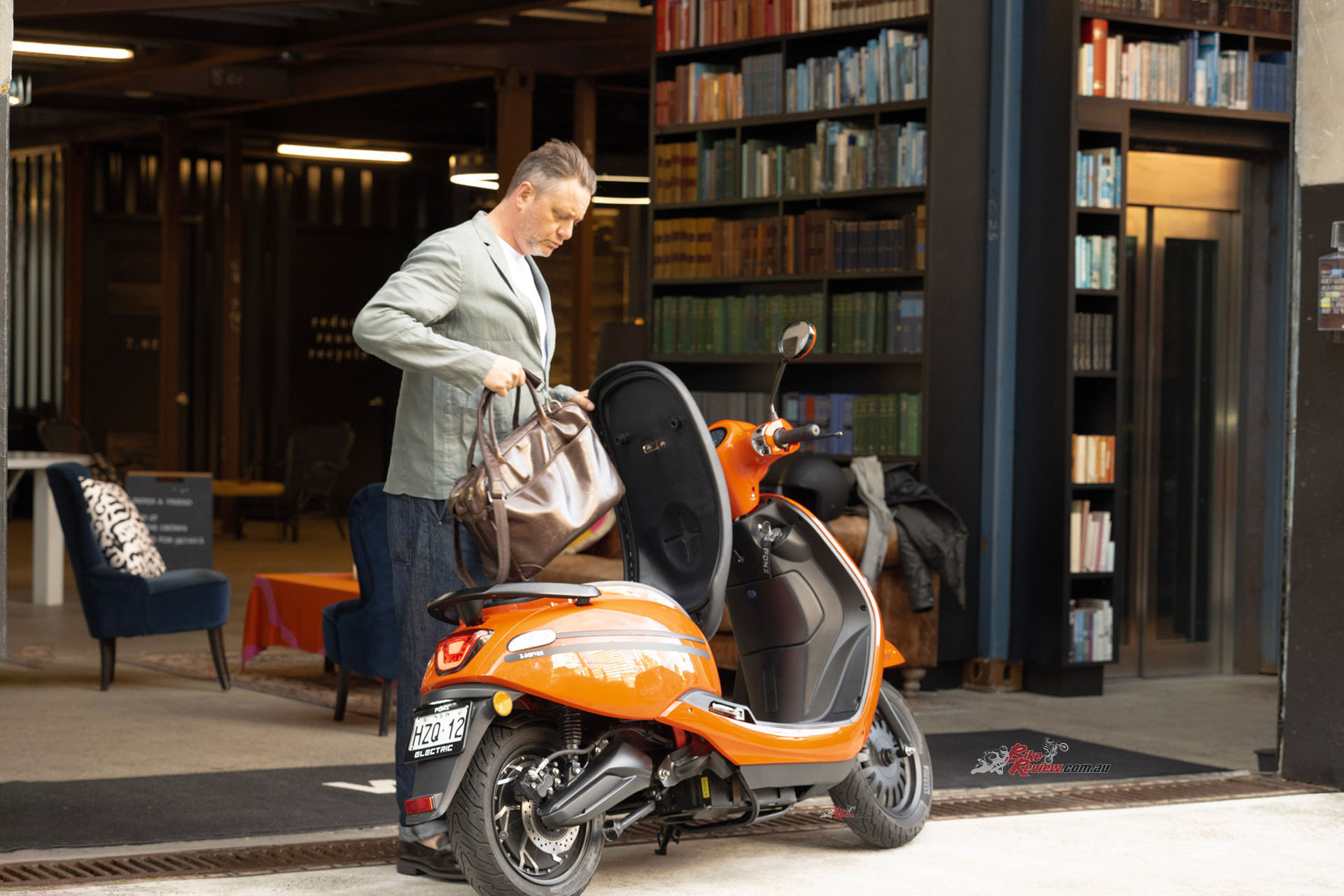
“A lot of people can’t or don’t want to lift a battery out and then charge it inside because it’s so heavy,” Michelle says. “You can charge the Z in an hour and a half. And once you get into a bit of a routine … people think charging is so complicated because people talk about it so much. But do you know how long your washing machine takes or your dishwasher? People are obsessed with charging but the thing is, petrol is only in limited locations, electricity is everywhere and that’s what makes it so easy.”
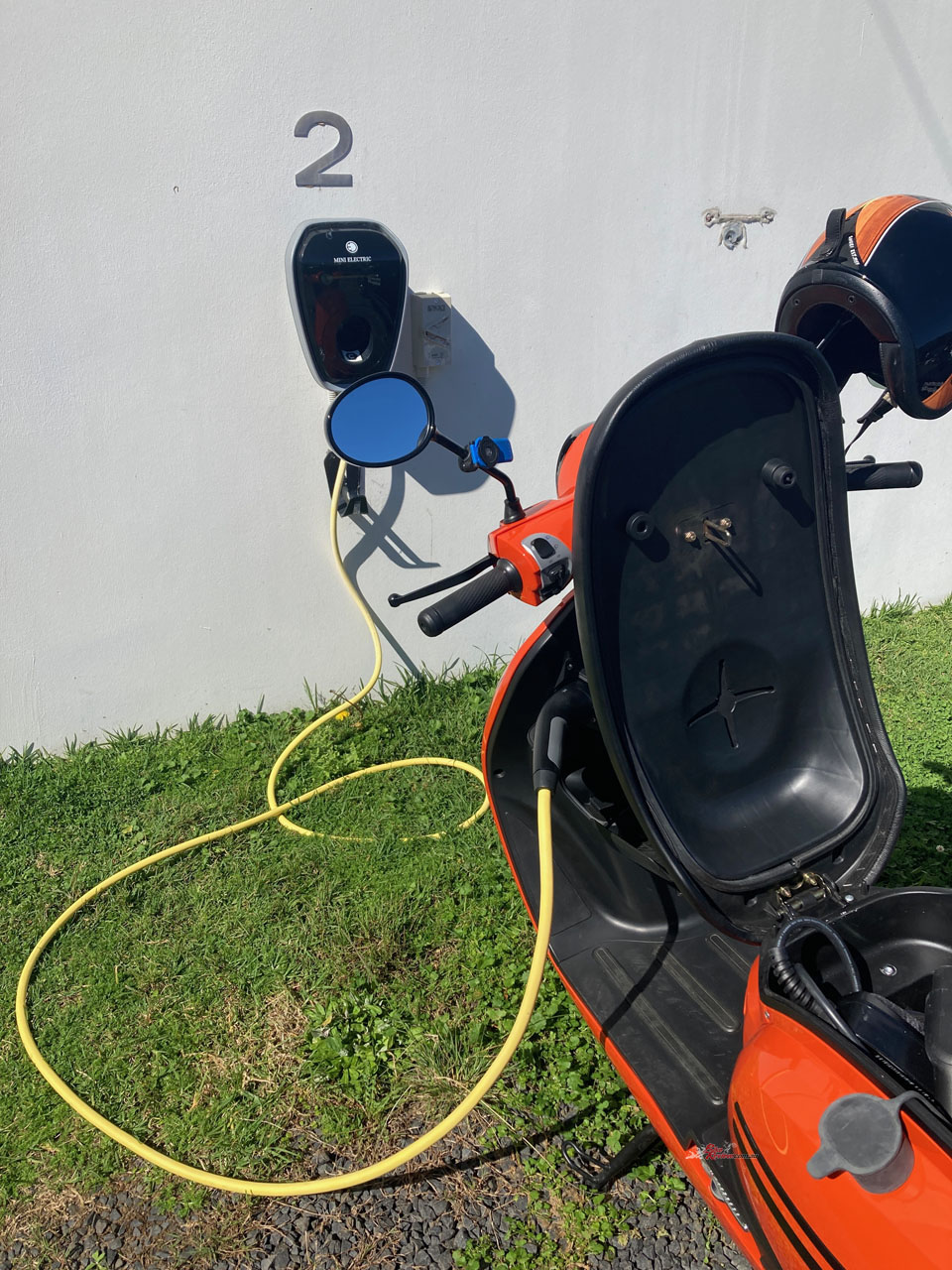
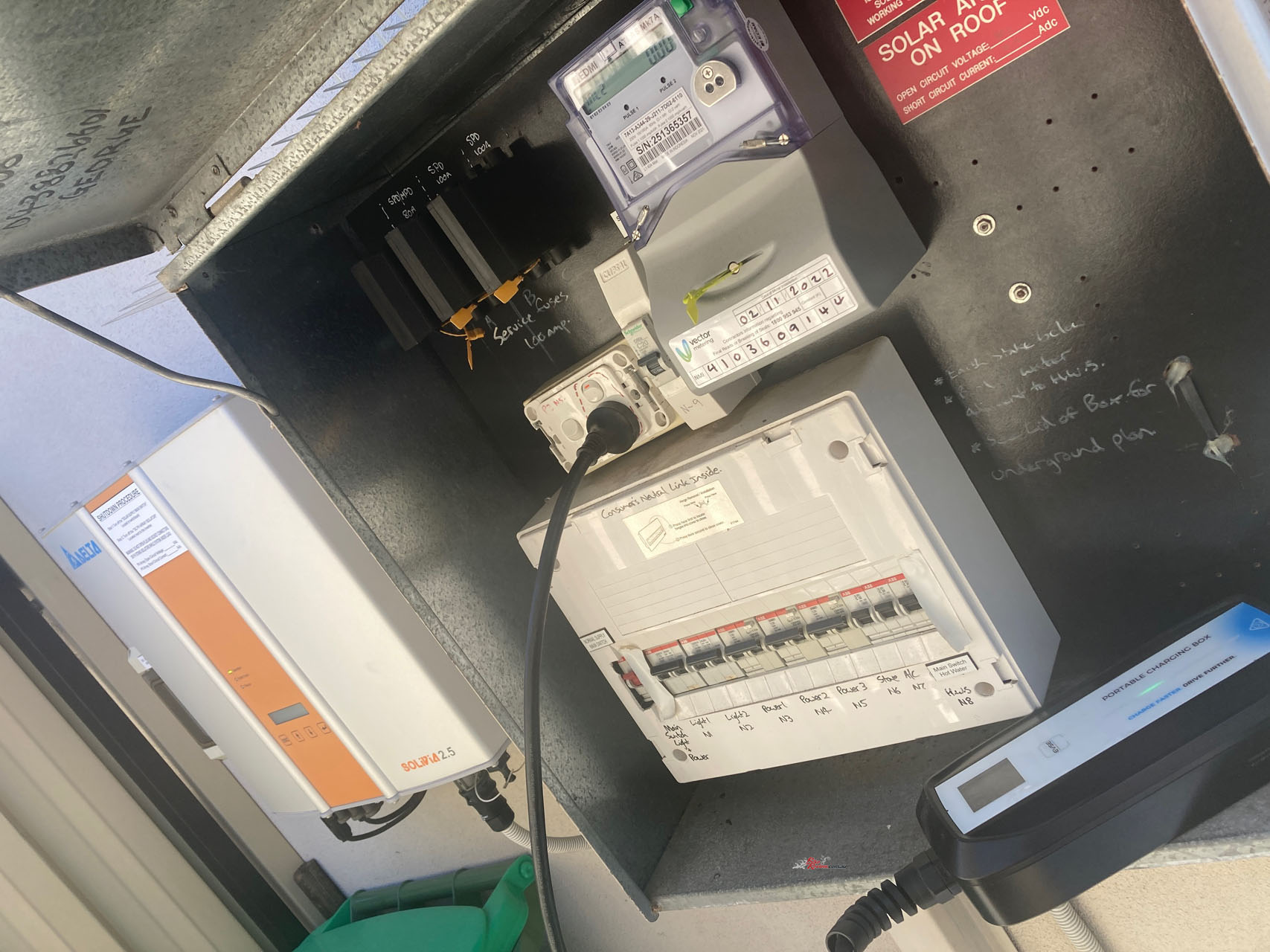
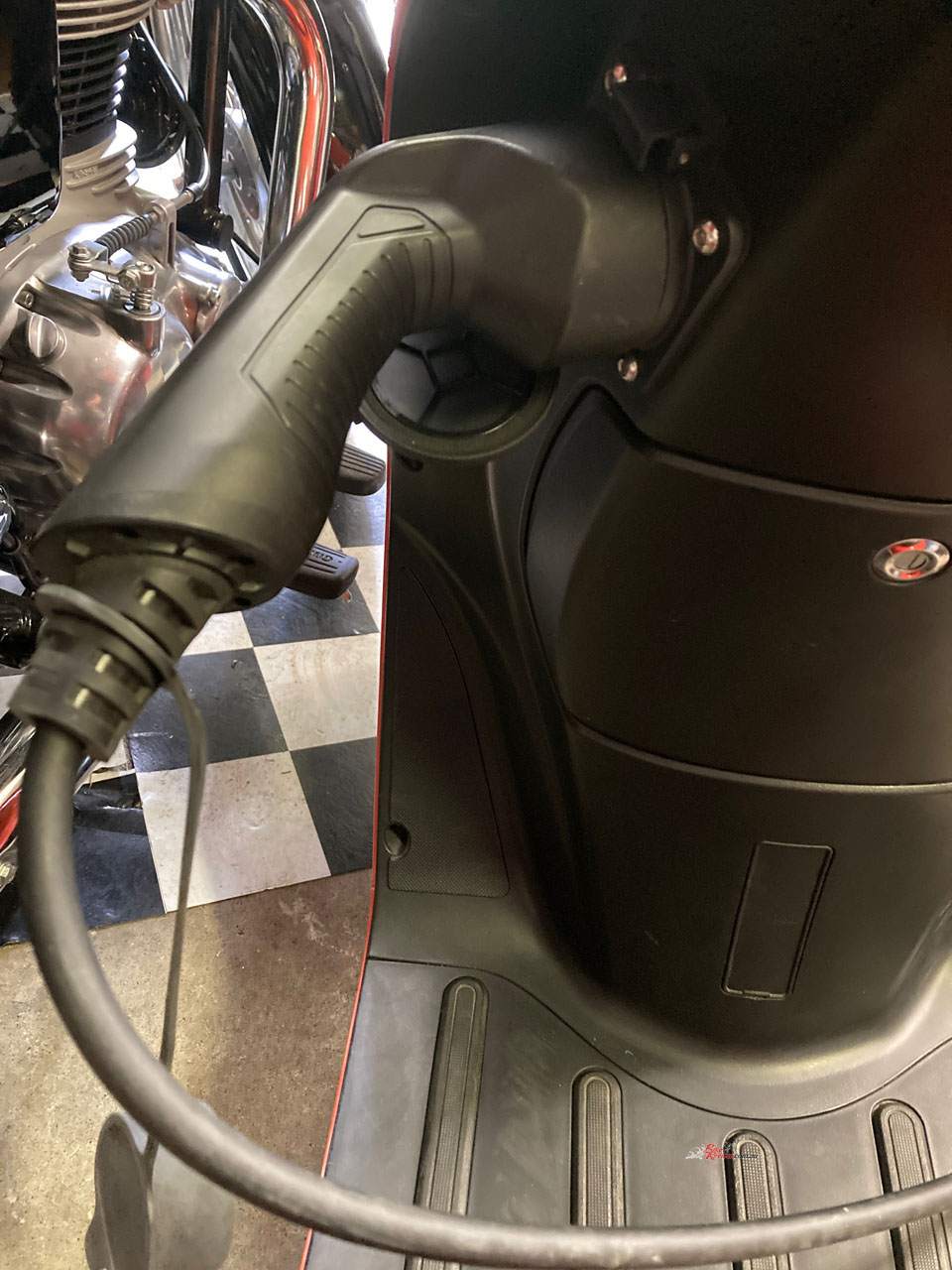
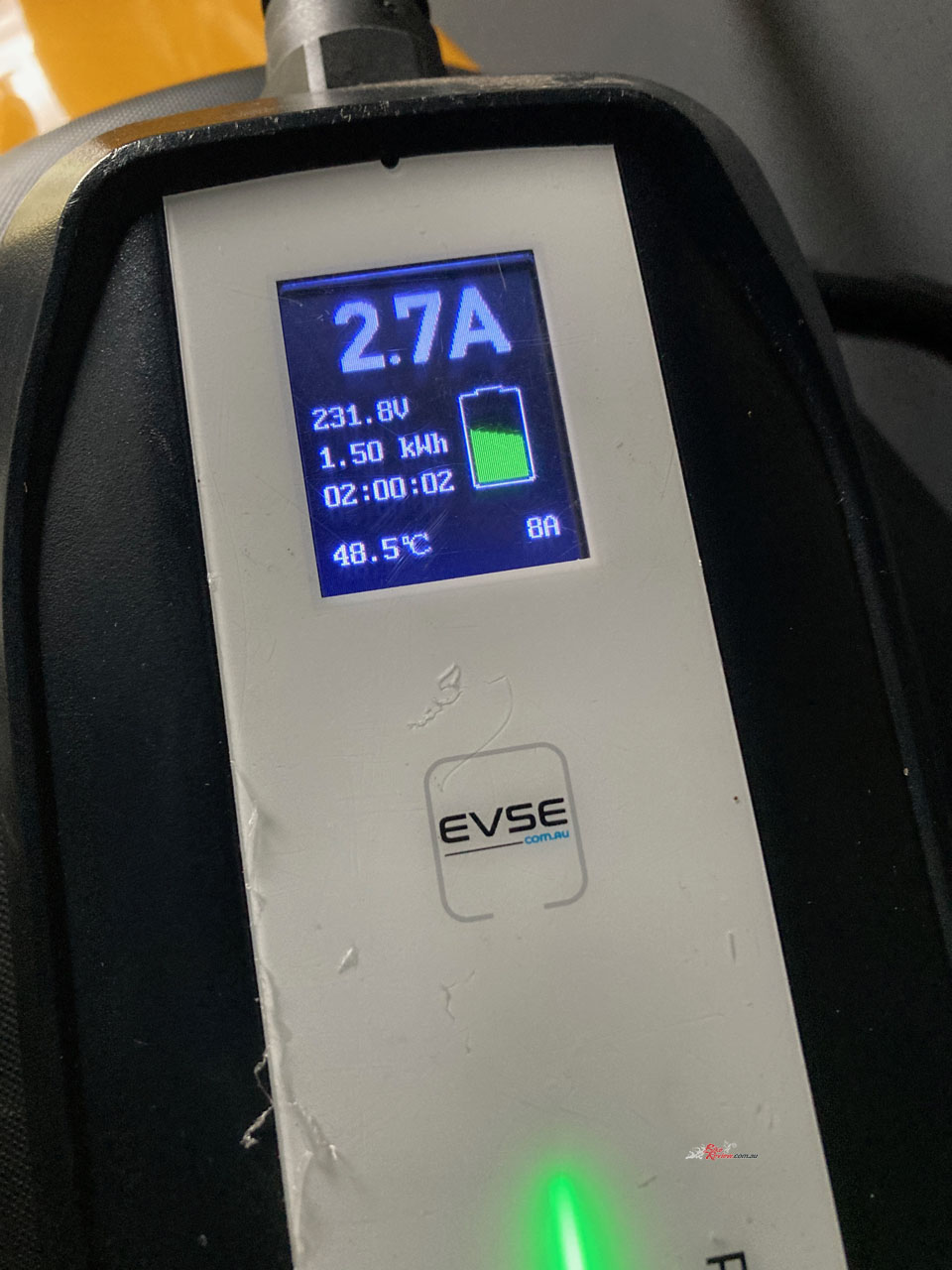
According to Michelle, most FONZ owners blend charging into their routine. They top up at the beach. They plug in at a café. They leave it on charge while they’re at work. Some riders do one rapid charge a week. The benefit of the fast charger, Michelle says, is you can integrate charging into daily life without needing home infrastructure.
“It’s not how we do it any more because you can get double the range without the coasting regen. It’s like a bicycle when you’re freewheeling, without that inertia, you’re actually getting a lot more range from that”
Regenerative braking was treated with the same level of scrutiny. Earlier models used a coasting regen system, meaning when you closed the throttle, the energy created through deceleration would feed back into the battery. “But it’s not how we do it any more because you can get double the range without the coasting regen,” she explains, saying as well as better range, riders get more control. “It’s like a bicycle when you’re freewheeling, without that inertia, you’re actually getting a lot more range from that.”
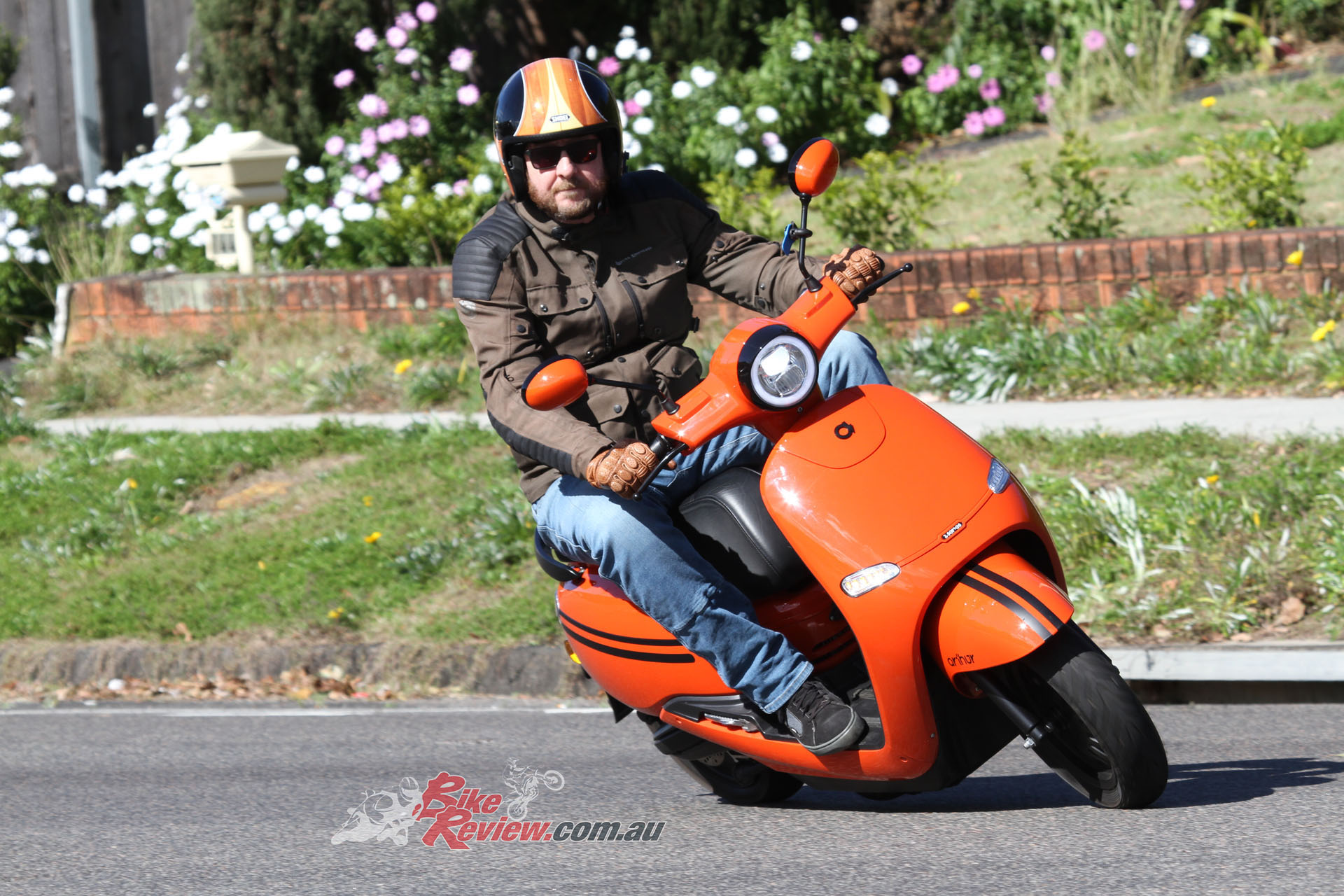
FONZ changed to a system where regen activates only when the rider applies the brakes, regardless of how much pressure is applied to the lever. It puts the rider in control and encourages smoothness.
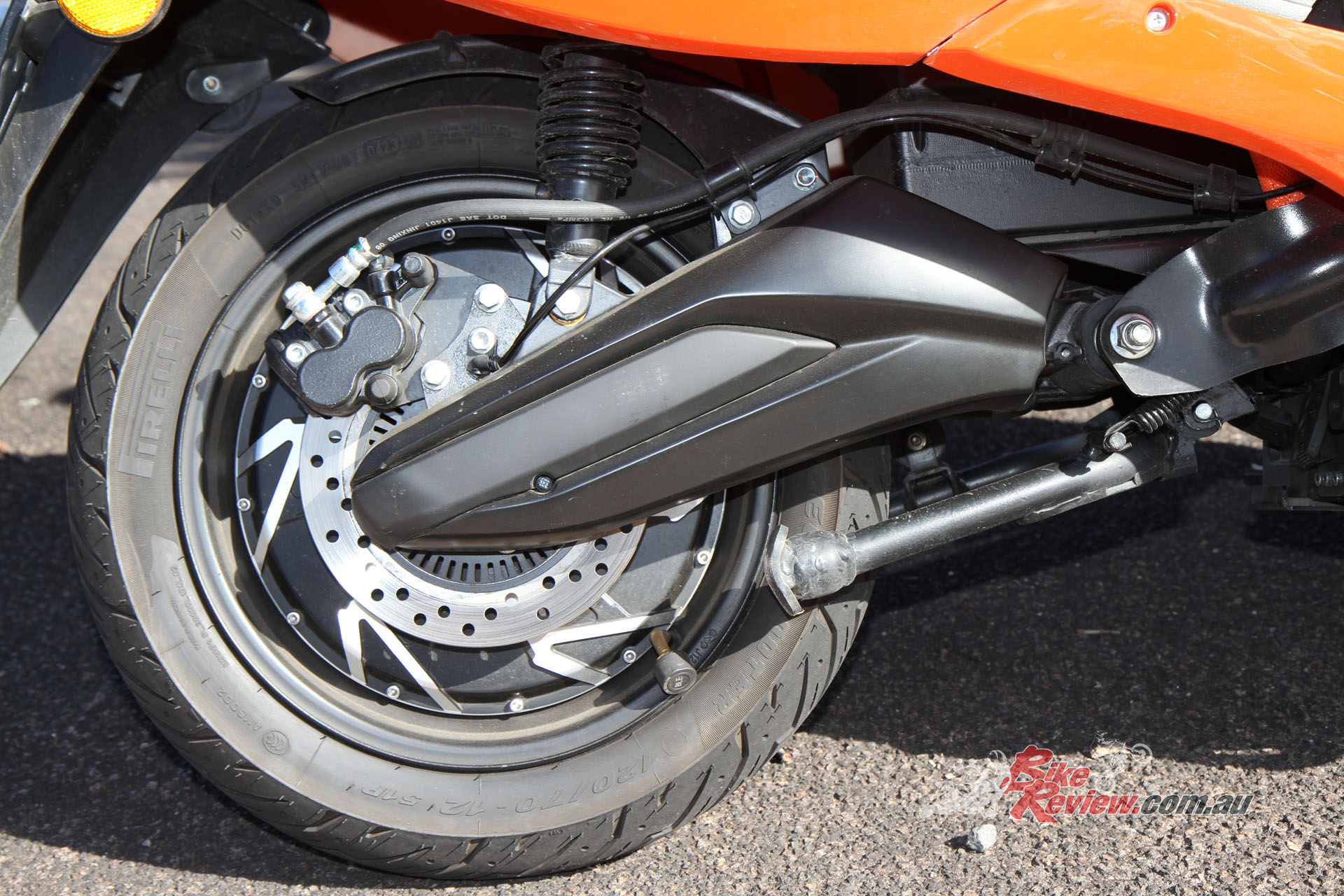
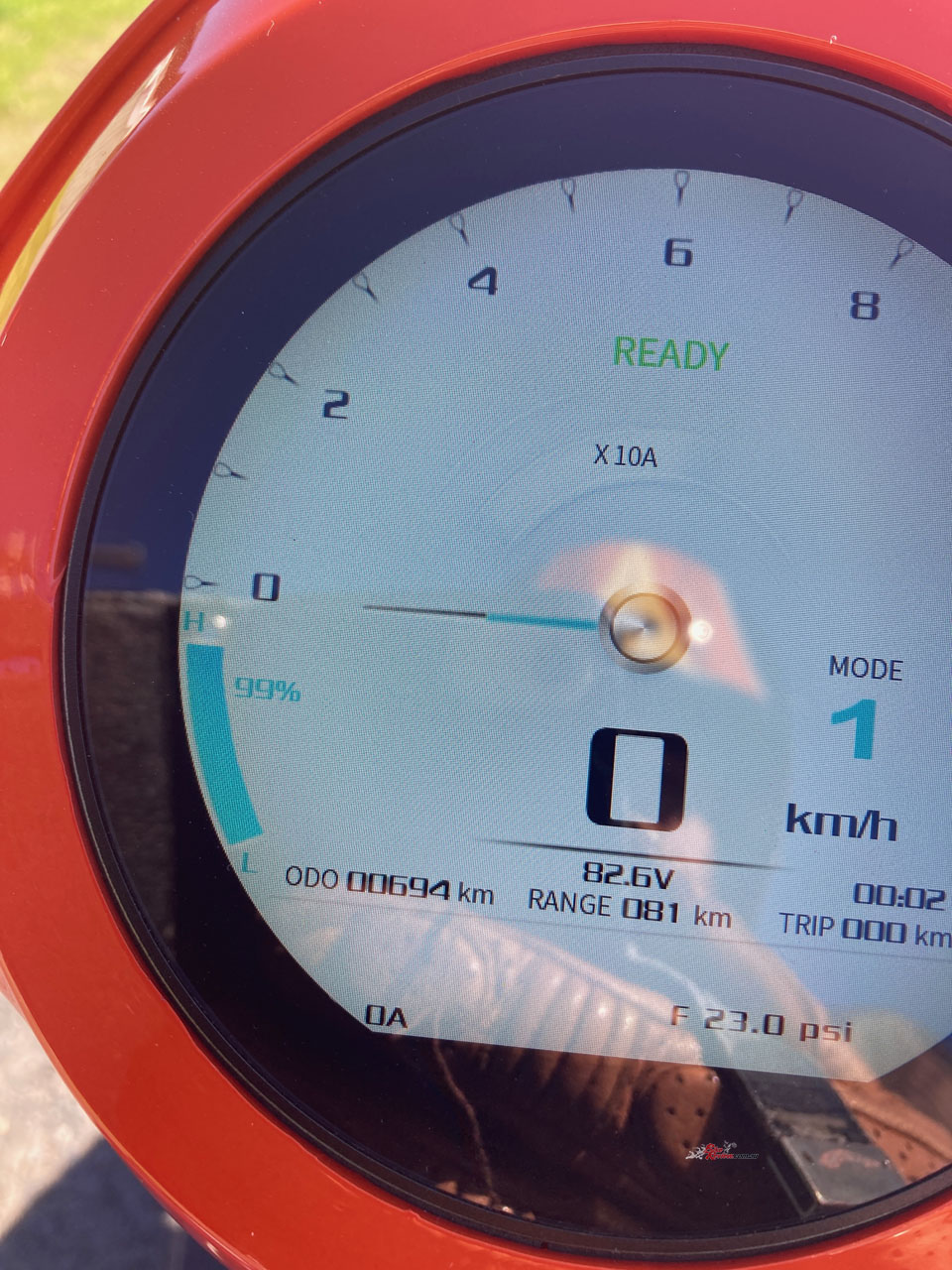
“So if you were going down a steep hill and you were going at a high speed, you can lightly apply the brakes and that’s when you’re going to be generating the best regen.” And if you know what you’re doing, the difference can be stark. Michelle tested it on a ride to Manly with a friend of hers who has been riding Fonzes for more than a decade.
“An app is nice to have … but we’ve chosen to focus our research and development on the areas that are more meaningful”
“He and I rode from the city to Manly, which was 19km and I got there 45 seconds before him, I had used 19% of the battery, and he used 40% of the battery and got there slower,” she says.
Software decisions follow the same pattern. A FONZ app will arrive when it serves a genuine purpose.
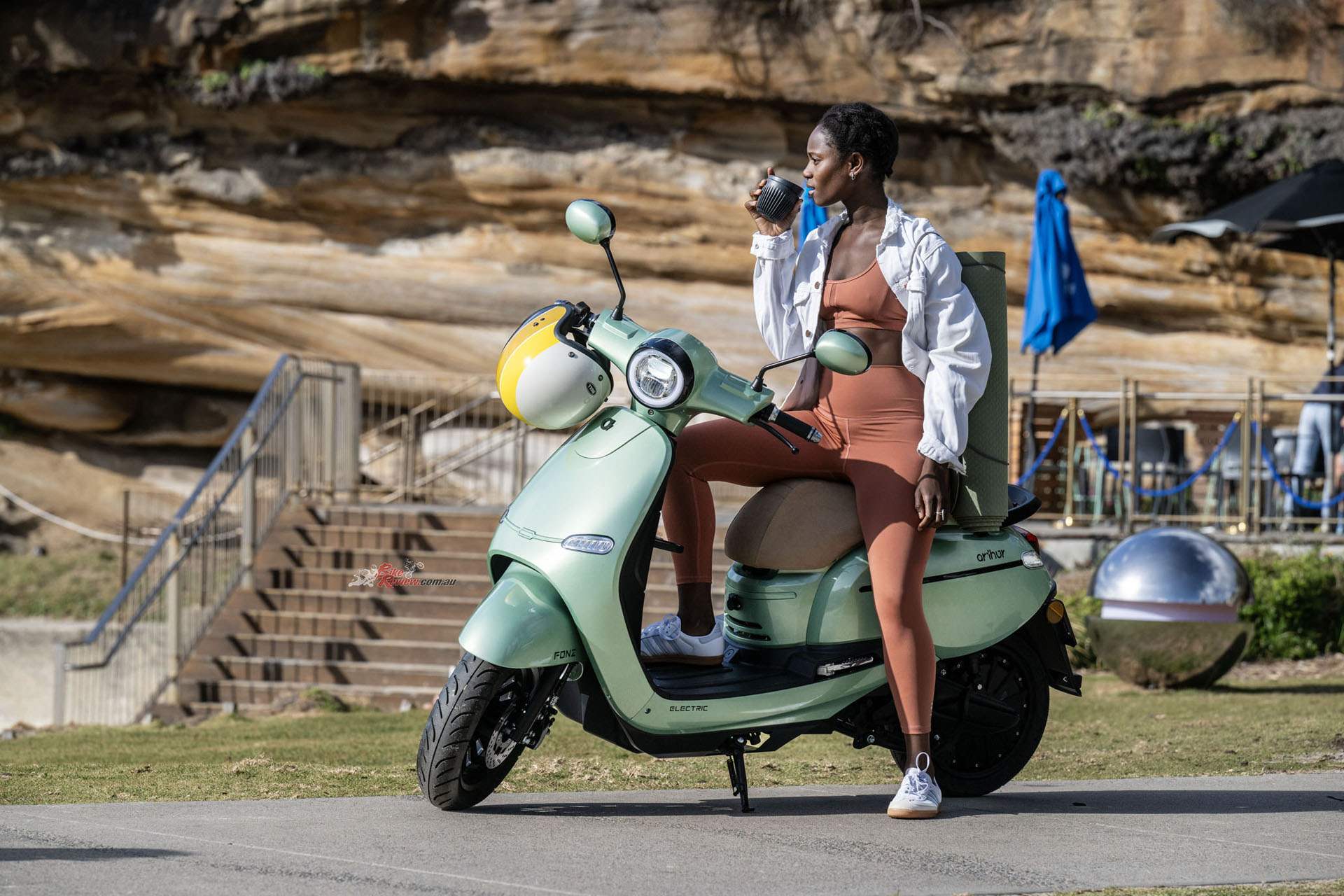
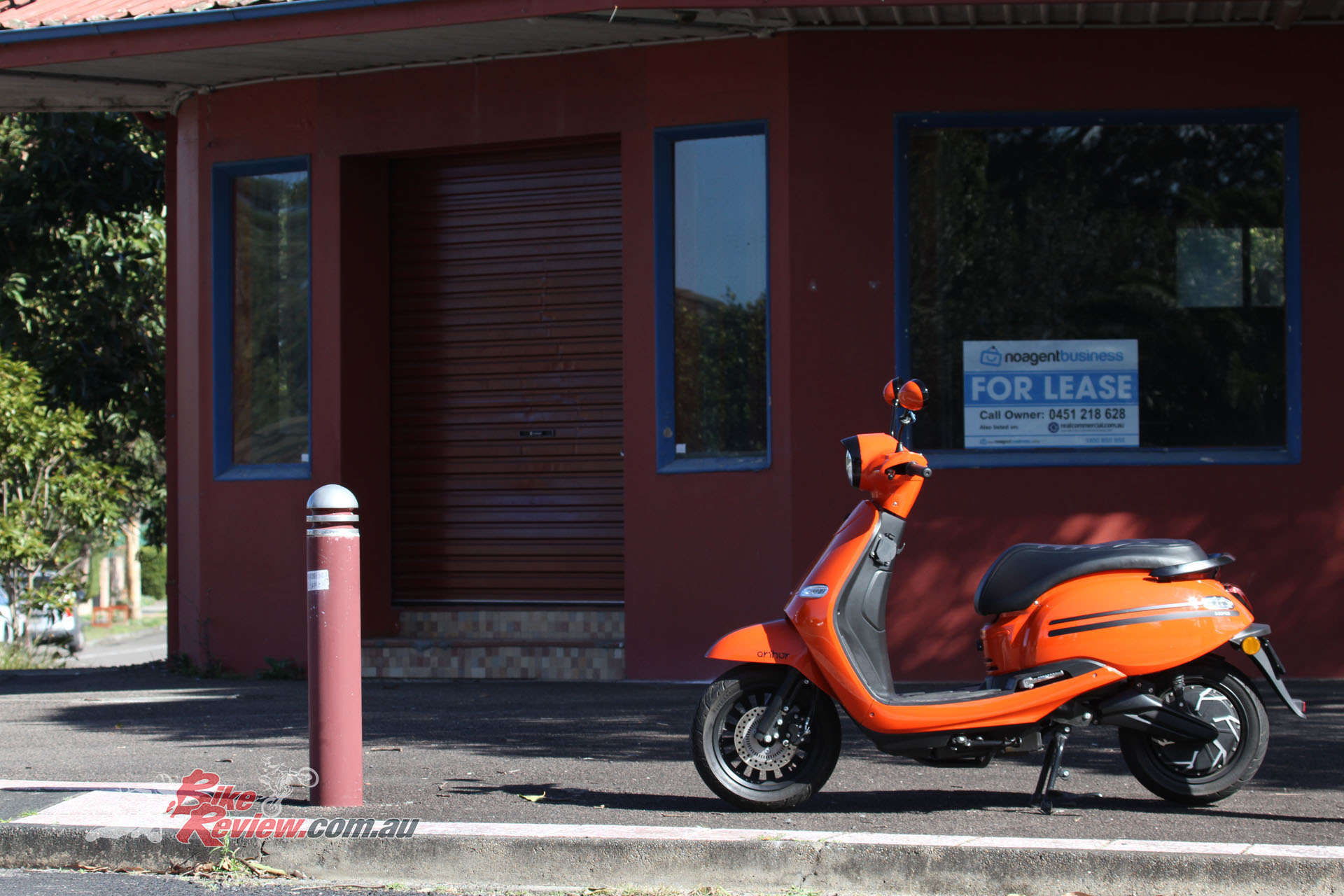
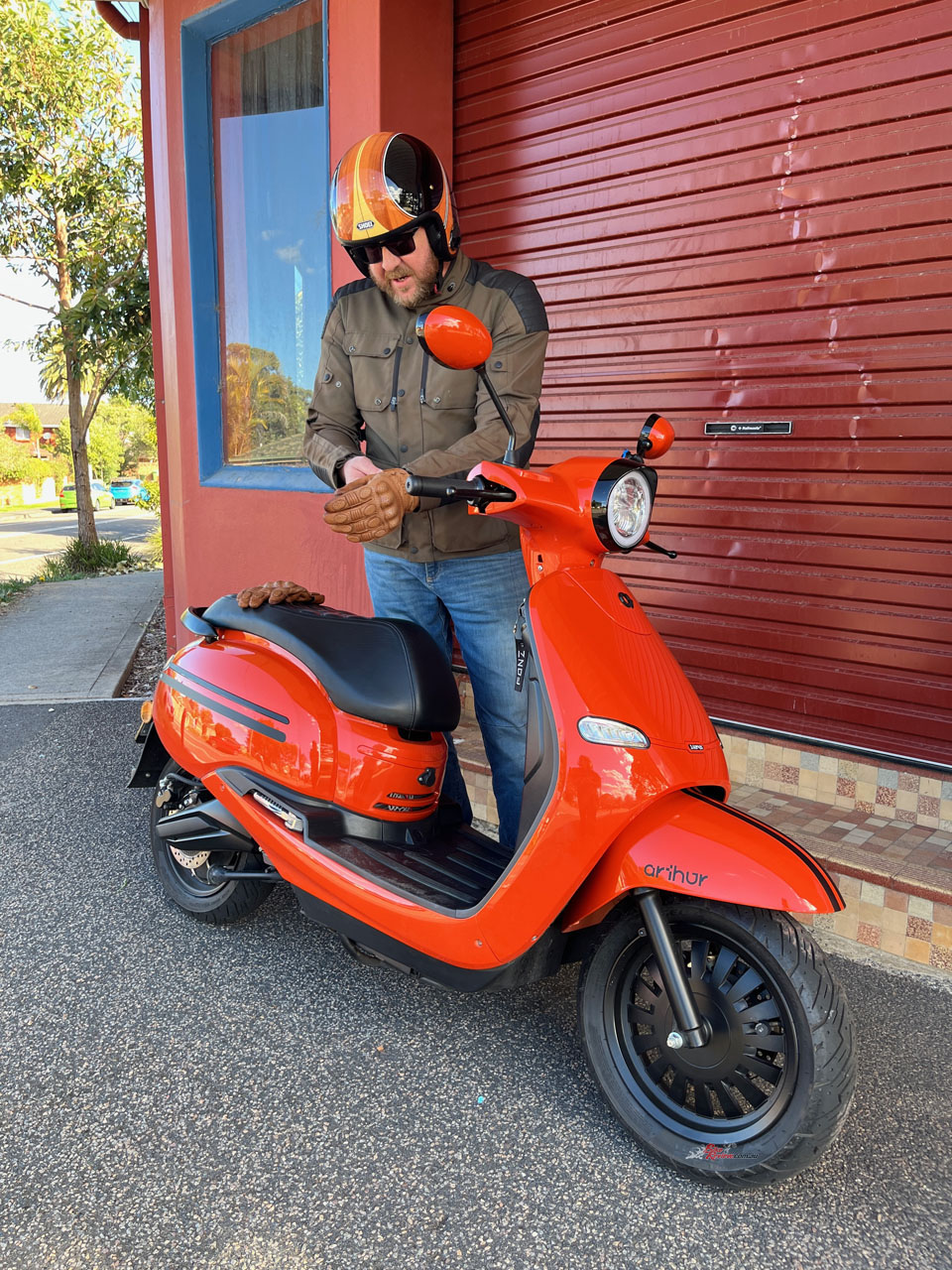
2024 FONZ Arthur 7.
“The reason we haven’t is we’ve chosen to invest in the things that we think are the most important, things that people make a decide why they would want to purchase,” she said. “An app is nice to have – with my electric car, I can turn on the a/c before I get in, but I’ve never actually done it! If we had an infinite amount of funds and time and resources and energy we would just do everything now, but when you’re choosing to do, a lot of people want more speed and a lot of people want faster charging, so we’ve chosen to focus our research and development on the areas that are more meaningful.”
 Over-the-air updates aren’t a priority because most electric motorcycles still need physical servicing. “When we launch new updates, we roll it out for existing owners with compatible products. This has been part of our ethos always, where people can upgrade components on their bike rather than a full replacement,” she says. Updates are provided free during service, whether that’s in the workshop or through the FONZ mobile vans operating along the eastern states and Western Australia, or through service agents.
“There are more and more people that are complaining about over-the-air updates, or frustrated with the subscription models. We aren’t interested in that.” This approach gives the brand a clear identity. The technology is shaped by real commuting habits, long-term rider feedback and the environments their bikes navigate every day.
“There are more and more people that are complaining about over-the-air updates, or frustrated with the subscription models. We aren’t interested in that” – Michelle Nazzari
Longevity is one of the least discussed strengths of electric scooters and motorcycles, and FONZ has real evidence to point to. Early FONZ models from 2012 are still on the road today, supported by a circular economy model that frankly serves customers better than the business. FONZ recommends battery recycling at around the seven-year mark. When riders bring back an ageing pack, they receive a $1000 credit toward a new one, which is almost 50 per cent off, and their old unit is taken apart on-site and recycled responsibly.
“So we’ll break it down, open it up, we separate all of the cells out and then we pay $6 a kilo to give it to a recycling centre,” Michelle says. Batteries weigh anywhere between 11 and 23kg, the process takes about two hours and the company absorbs the entire cost. And while battery recycling is a substantial investment, Michelle sees it as critical to industry leadership, environmental responsibility and customer longevity. “It’s not a highly profitable part of our business, but what you do is you keep people in your ecosystem, which is good,” adds Michelle.
Some riders use the opportunity to refurbish their machine altogether. The bikes are stripped, restored and updated to extend their life by another full cycle. Others trade in their older models, which are then rebuilt and sold as pre-owned. These reconditioned units form the backbone of one of the most accessible parts of the business: a discounted program for students.
“When riders bring back an ageing pack, they receive a $1000 credit toward a new one, which is almost 50 per cent off”
“We do 20 per cent for students,” Michelle says. “We can put young people on the road for four thousand with a really good as-new vehicle.” Each pathway keeps older bikes circulating rather than ending up in storage or landfill, it gives long-term owners a reason to stay with the brand and it allows new riders to enter the electric space without the cost of a brand new bike.
The electric two-wheel space in Australia has shifted constantly. Brands have entered with momentum and disappeared just as quickly. Super Soco has been and gone, as has Energica, Zero withdrew under one distributor and returned under another – twice – and Savic has taken almost a decade to deliver its first bikes to enormously patient customers. Stark has found terrific success in the off-road world, but that segment operates on different priorities and a different customer base.
Against that backdrop, FONZ stands out simply for enduring. A 15-year presence in this market is unusual, and that consistency gives riders confidence at a time when many electric brands have offered only short chapters before fading out. The policy environment hasn’t helped.
“None of the EV incentives included bikes,” Michelle says. Salary sacrifice schemes apply to cars but exclude electric bikes. State rebates came and went without acknowledging bikes. Now an EV tax is being introduced, which raises a new question. “It’ll be interesting to see if we get hit by that,” she says. “If you preclude us from the good stuff, then you should also preclude us from the bad stuff, right?”
“If you preclude us from the good stuff, then you should also preclude us from the bad stuff, right?” – Michelle Nazzari
Even with those headwinds, FONZ grew every year from 2019 through the pandemic. That momentum has levelled out with the broader economic slowdown, yet unit numbers continue to climb. Riders are choosing EV when it fits their daily patterns and budgets, and FONZ’s long-term presence makes that decision feel safer than it did a decade ago. That’s all in the face of the rise of popularity of e-Bikes.
“Where we probably lose a little bit of market might be somebody that lives near the beach and they’re going down with their surfboard,” she offers. “So that’s impacted us, I would say, but not very much.”
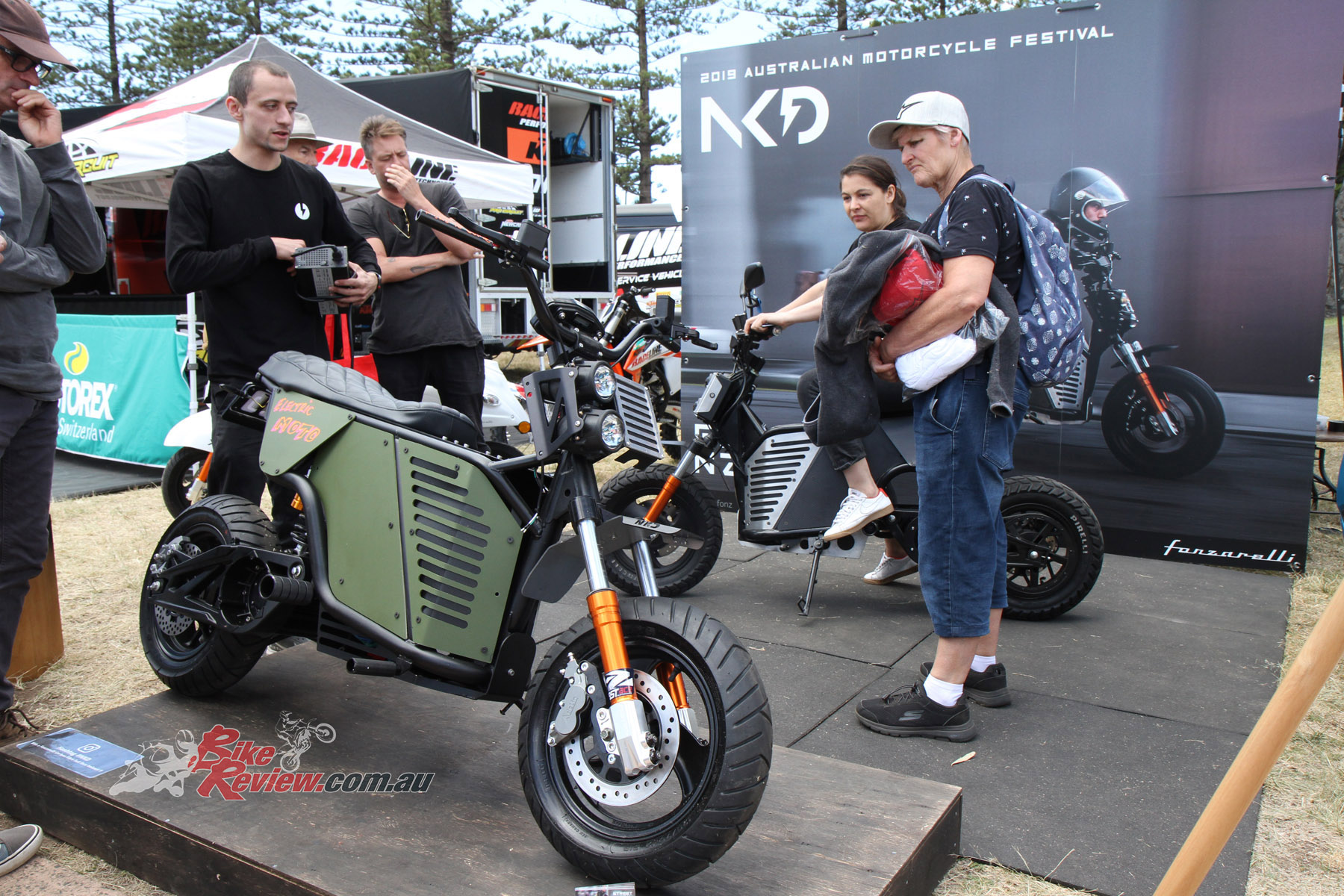
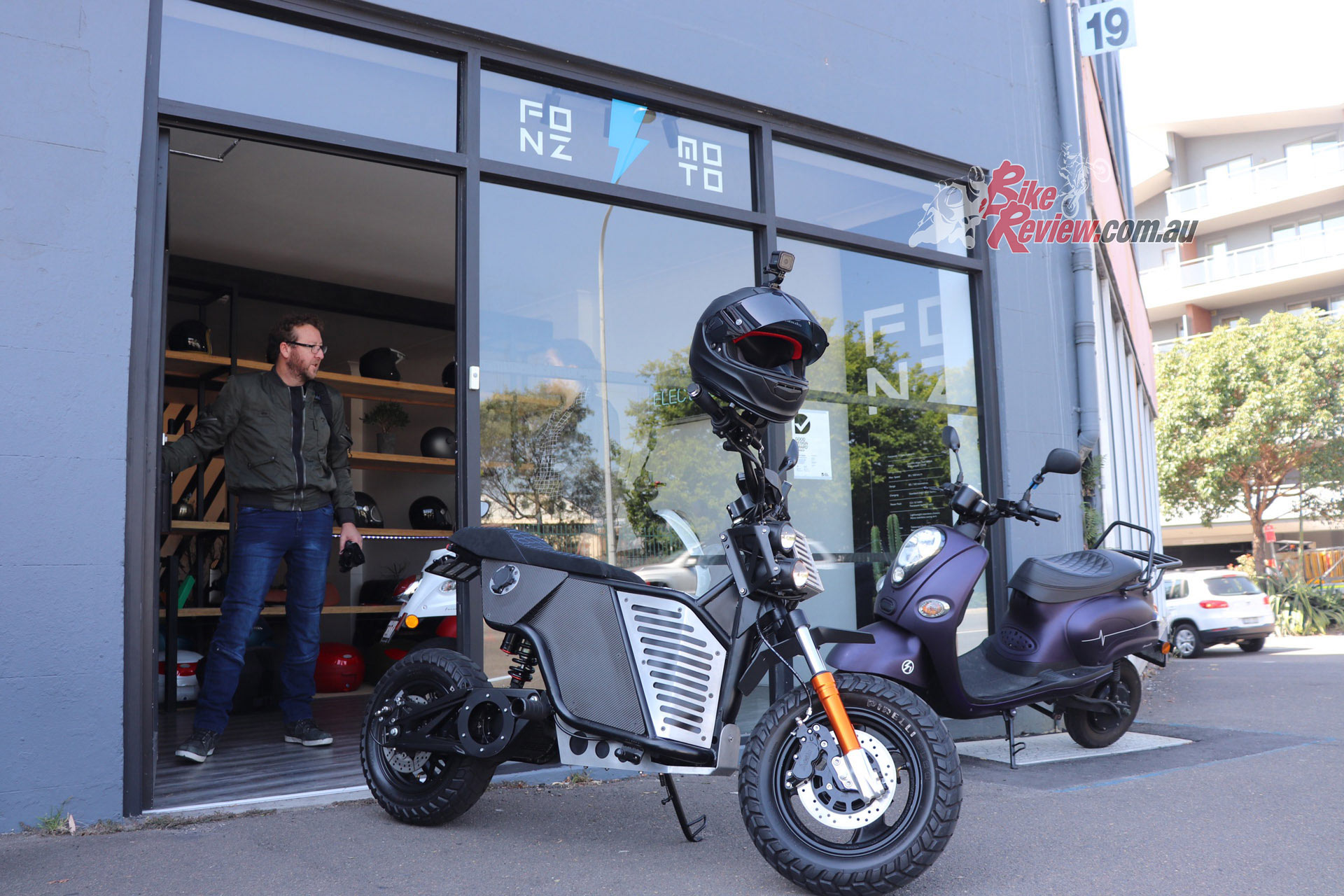
FONZ’s next steps are measured and deliberate. Michelle is rebuilding the team at a pace that suits the business rather than the market’s volatility. A second location remains on the horizon, though it will be added when the timing strengthens the company rather than stretches it. Work with commercial and fleet partners is increasing, giving FONZ a potential parallel stream alongside its direct-to-rider focus.
The product range will keep evolving in the same practical way it always has. Nothing here feels rushed or panicked. Each step reflects Michelle steady, structured focus that’s attentive to real-world use. Her clear-eyed approach is central to the brand’s longevity. She acknowledges challenges directly and adjusts when conditions shift. She scales back when required to protect the business and builds forward when momentum returns. That mindset has kept FONZ intact through economic swings, disappearing incentives and the rise and fall of other electric brands.
“That mindset has kept FONZ intact through economic swings, disappearing incentives and the rise and fall of other electric brands”
FONZ’s future rests on continuity. The company’s strength comes from staying present, supporting the bikes already on the road and refining the platform. Michelle’s resolve threads through all of it, giving the brand a depth and stability that stand out in an unpredictable electric landscape.
The Author

You Might Also Like