
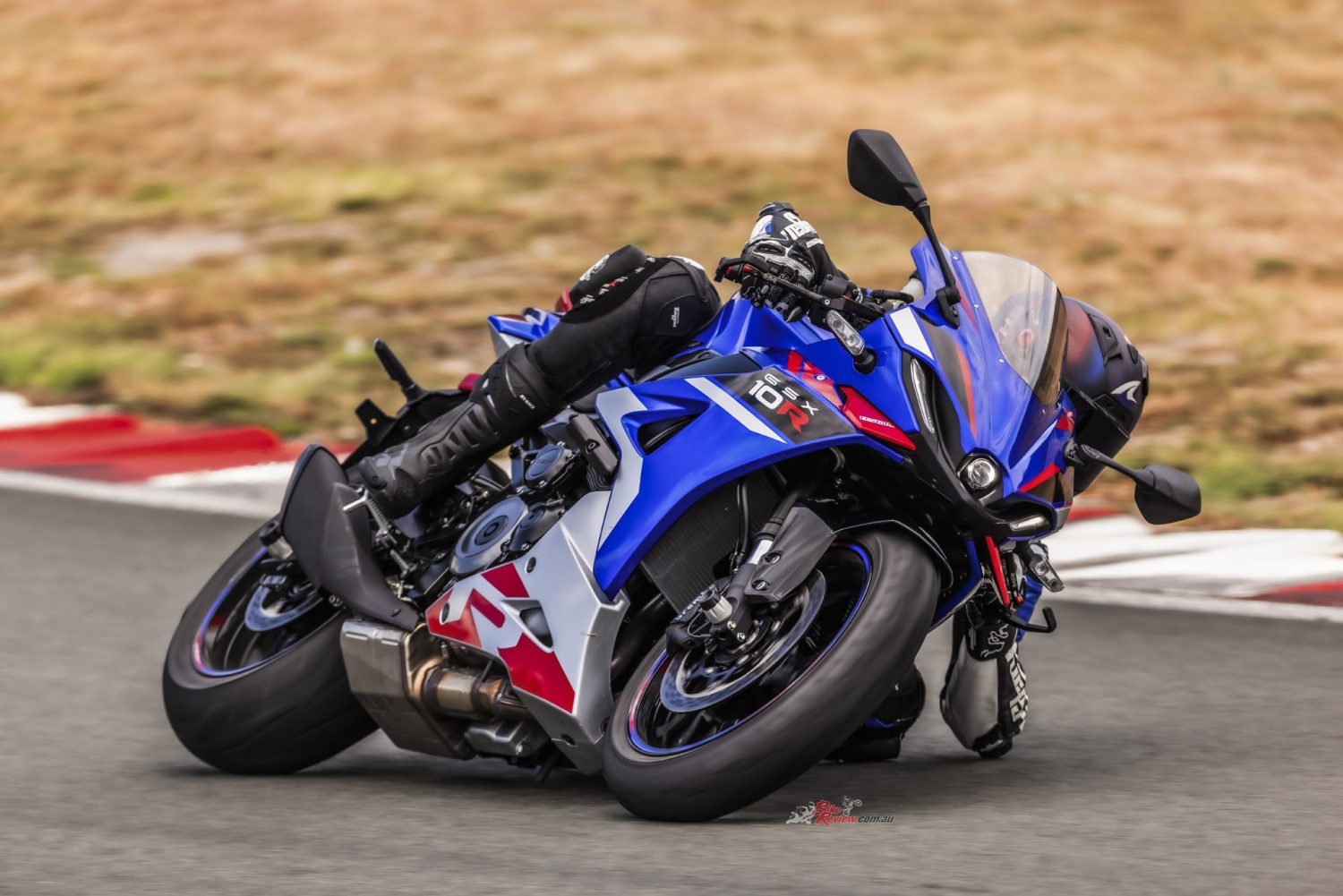

Joining the Suzuki GSX-S1000, GSX-S1000GT and GSX-S1000GX is the all-new sportsbike version. Let's take a deep dive into the all-new Suzuki GSX-10R...
Suzuki has revealed the GSX-10R, a new full-fairing litre-class sports motorcycle developed around its legendary 999cc inline-four engine. The GSX-10R combines the K5-derived powerplant with a revised sports chassis, a comprehensive suite of rider-assistance…
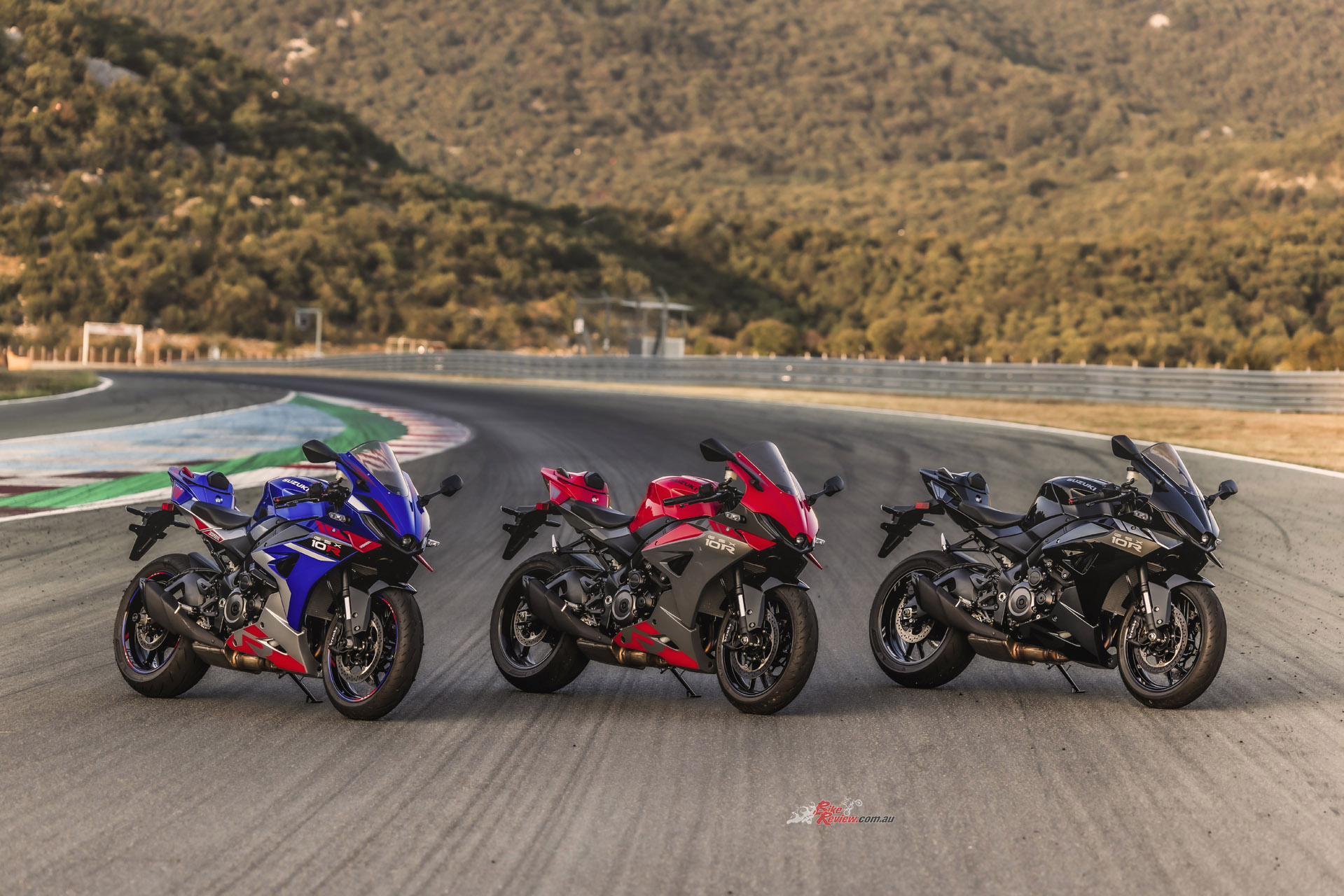
The GSX-10R is a GSX-S powered street sports model, tuned for road sports and track days.
Suzuki is pitching the GSX-10R as a sports motorcycle intended to be enjoyed in a broad range of settings, from weekday commuting and weekend touring to track days. The development brief, “FUN. UNLIMITED.”, places an emphasis on balancing sports performance and everyday practicality. The company says the project was led by a team responsible for its flagship models, including members with racing experience.
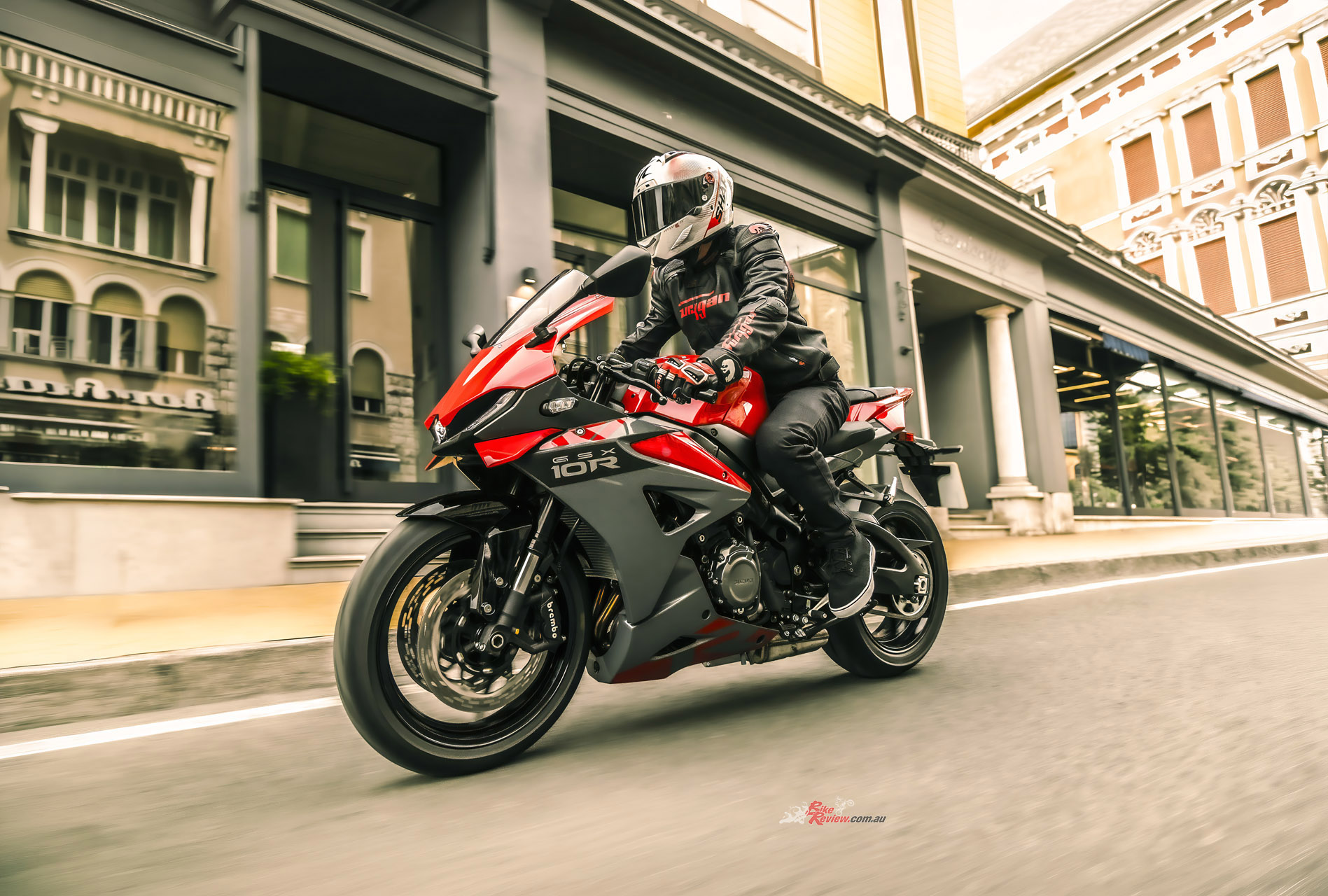
Designed with sports comfort for road riding more than full blown superbike ergonomics like the GSX-R1000R.
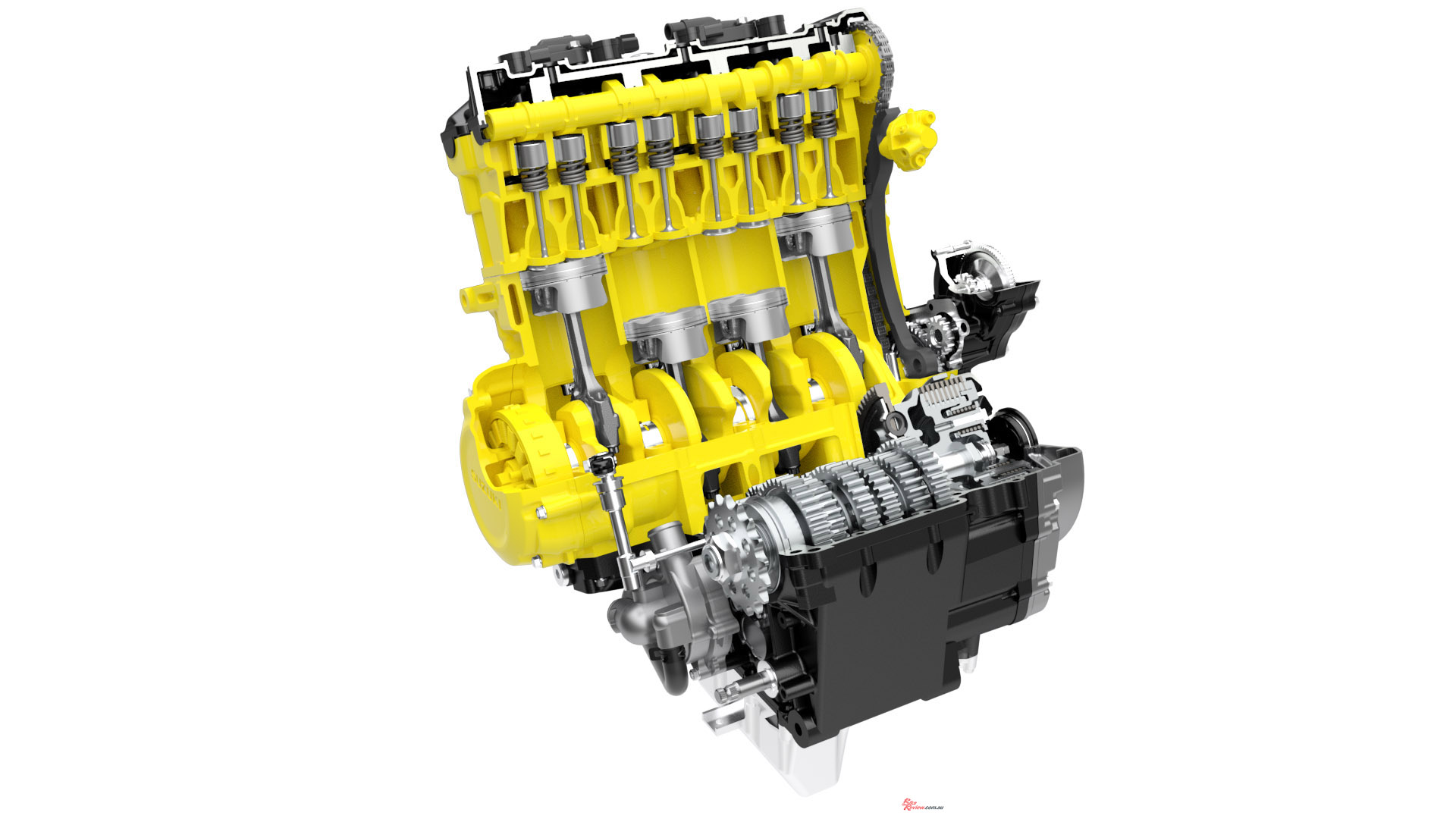
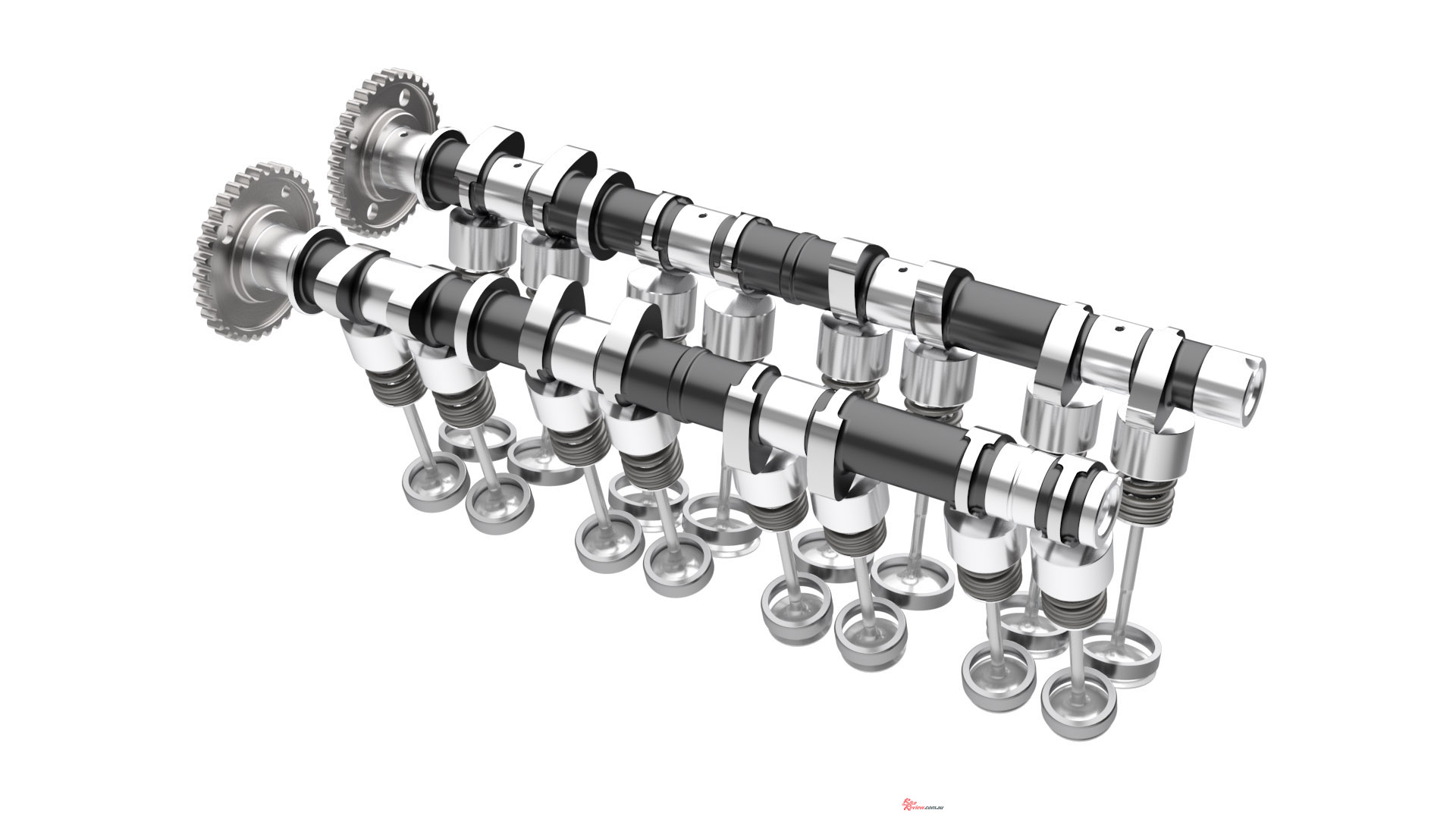
The GSX-10R takes its engine foundation from Suzuki’s K5 generation GSX-R1000, an architecture with a long history in production-based racing. This is not simply an unchanged old engine placed in new bodywork: Suzuki says it has revised the exhaust valve specifications and cam-chain assembly to improve reliability and durability, while also reducing noise. The 999cc, liquid-cooled, DOHC inline-four retains a 73.4mm bore and 59.0mm stroke, and is rated at 112kW at 11,000rpm and 106Nm at 9250rpm.
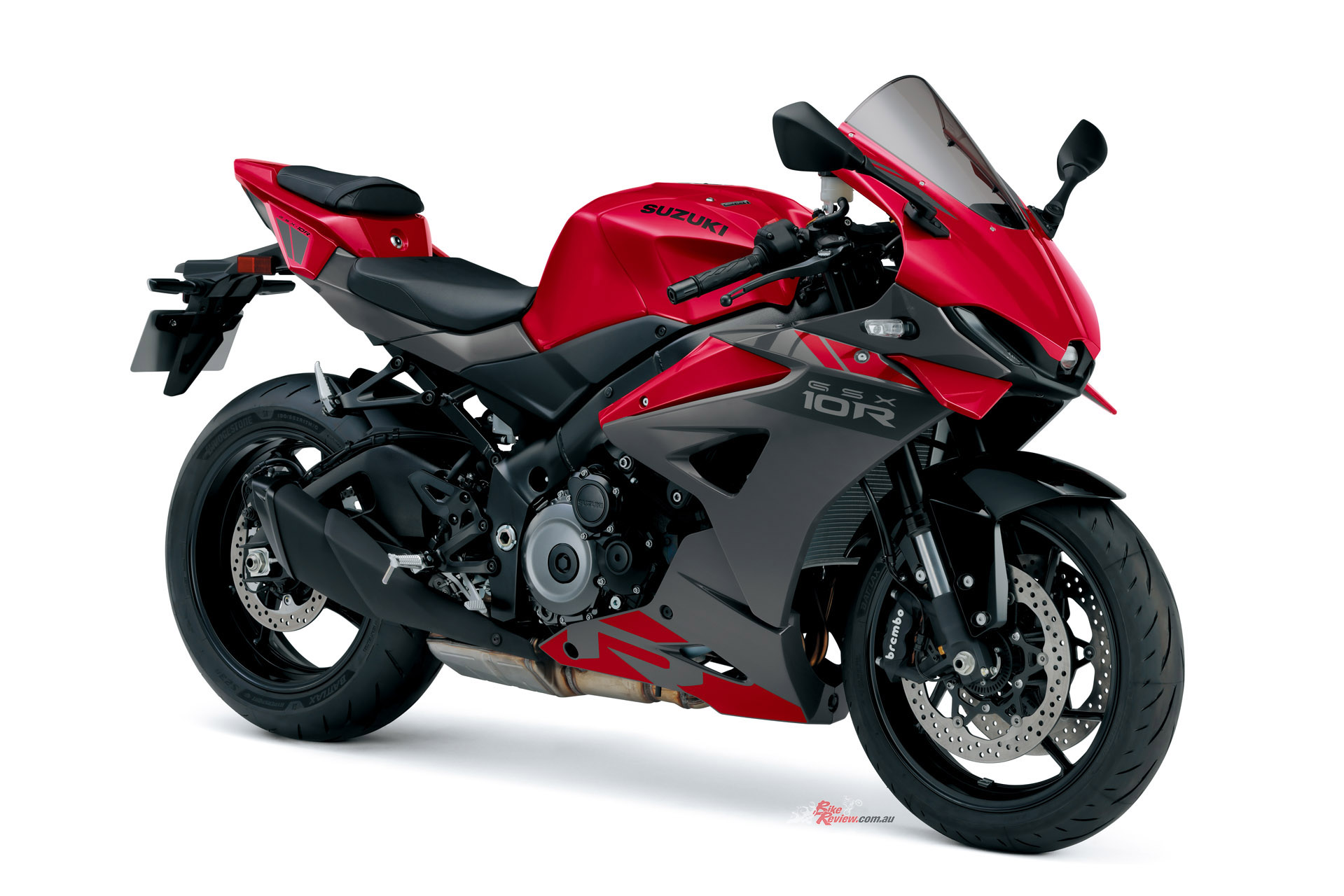
2026 Suzuki GSX-10R, red.
Suzuki says development work included testing at its Ryuyo test course and extensive road evaluation, including on the Autobahn. Its stated aim was to preserve tractable low- and mid-range response while delivering a strong high-rpm pull. The engine complies with Euro 5+ emissions requirements and uses a compact 4-2-1 exhaust system. A Suzuki Exhaust Tuning system, catalytic converter and combustion-chamber design contribute to the emissions result.
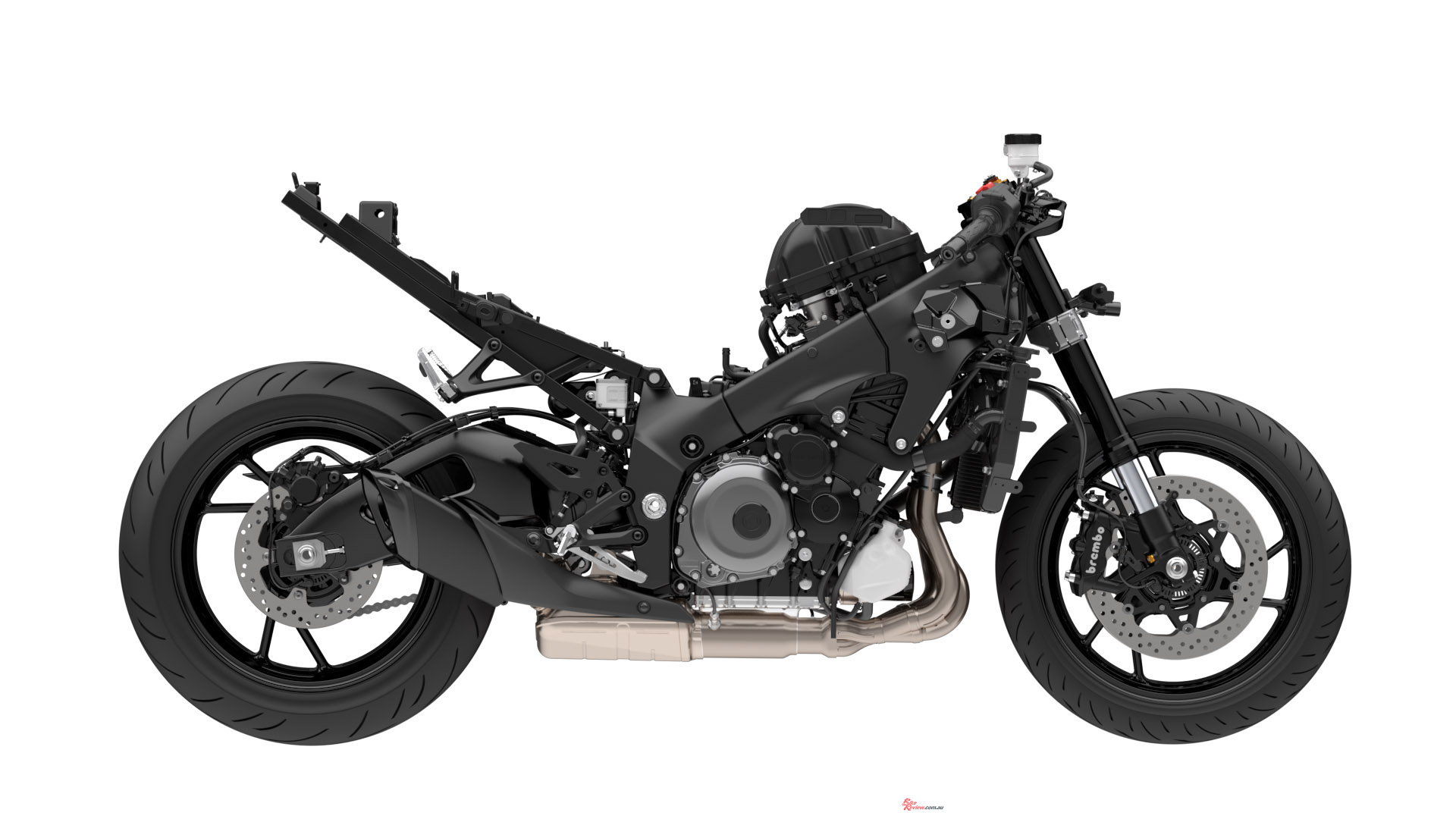
The frame is based around the GSX-S1000 range but adapted for sports riding.
Electronic throttle bodies refine the link between the rider’s throttle input and engine output. Suzuki says the system was developed from work on the GSX-S1000 series and is intended to give a linear, controllable response from ordinary street use through to more spirited riding. A Suzuki Clutch Assist System combines an assist function, which reduces lever effort, with a slipper mechanism that helps moderate rear-wheel hop or chatter under hard downshifts.
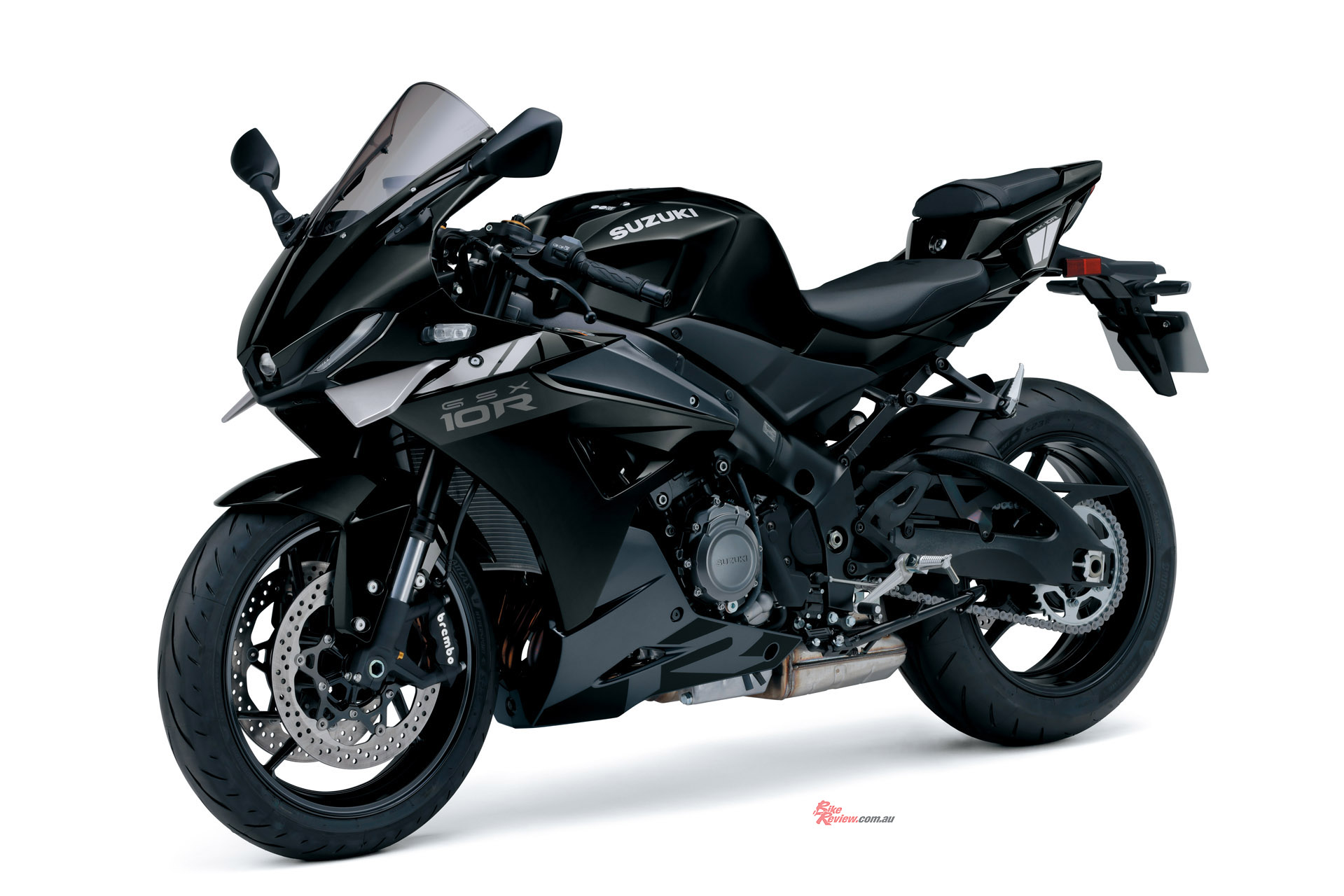
2026 Suzuki GSX-10R, black.
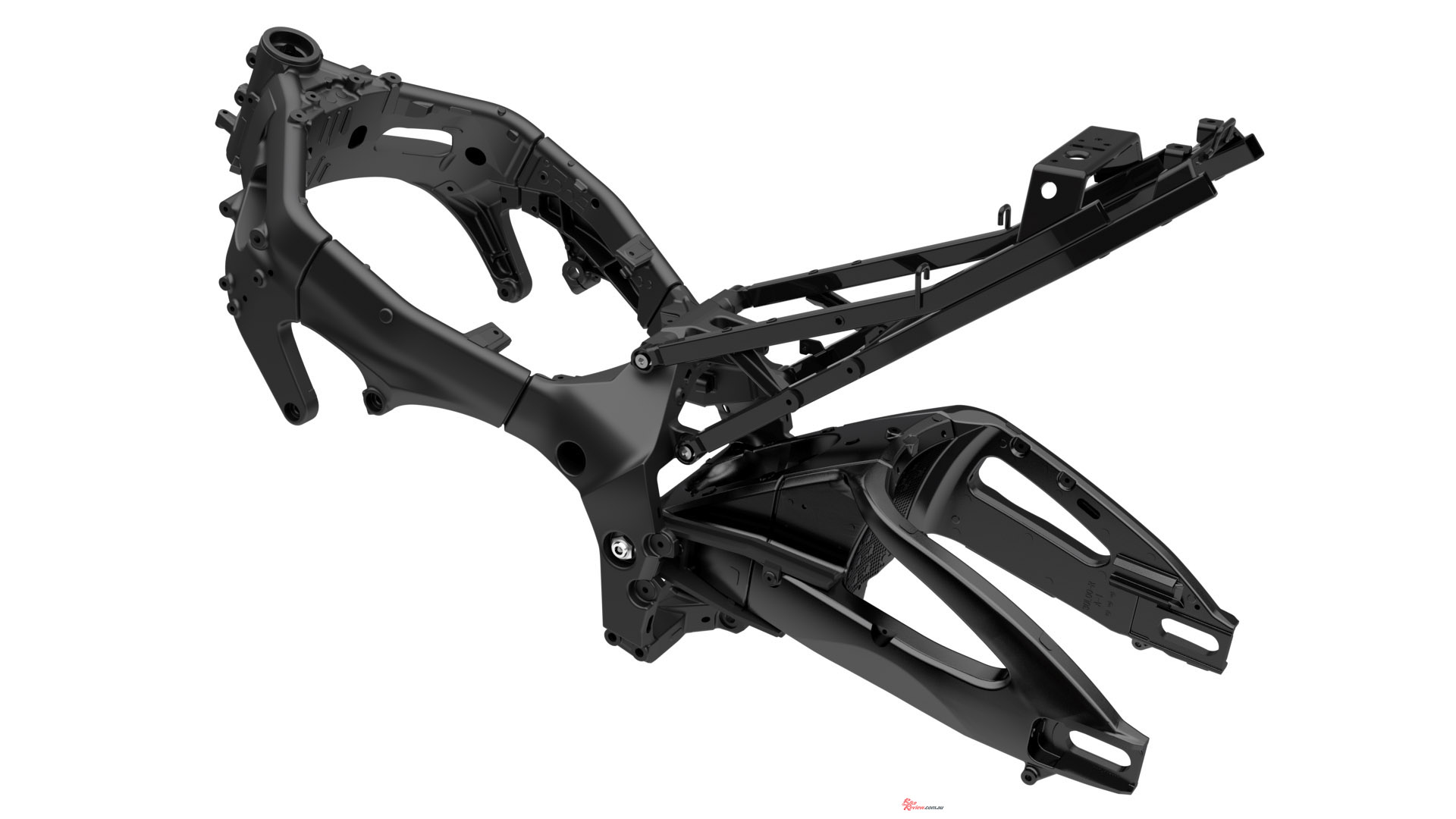
The chassis is built around an aluminium twin-spar frame, with the main spars running directly from the steering head to the swingarm pivot. Suzuki says the frame balances low weight with rigidity and has been reinforced for circuit use. A newly designed aluminium swingarm and model-specific linkage rear suspension complete the main structure. Suzuki’s aim was to establish a consistent sense of connection between engine, chassis, bodywork and electronic controls, following its “Run. Turn. Stop.” development approach.
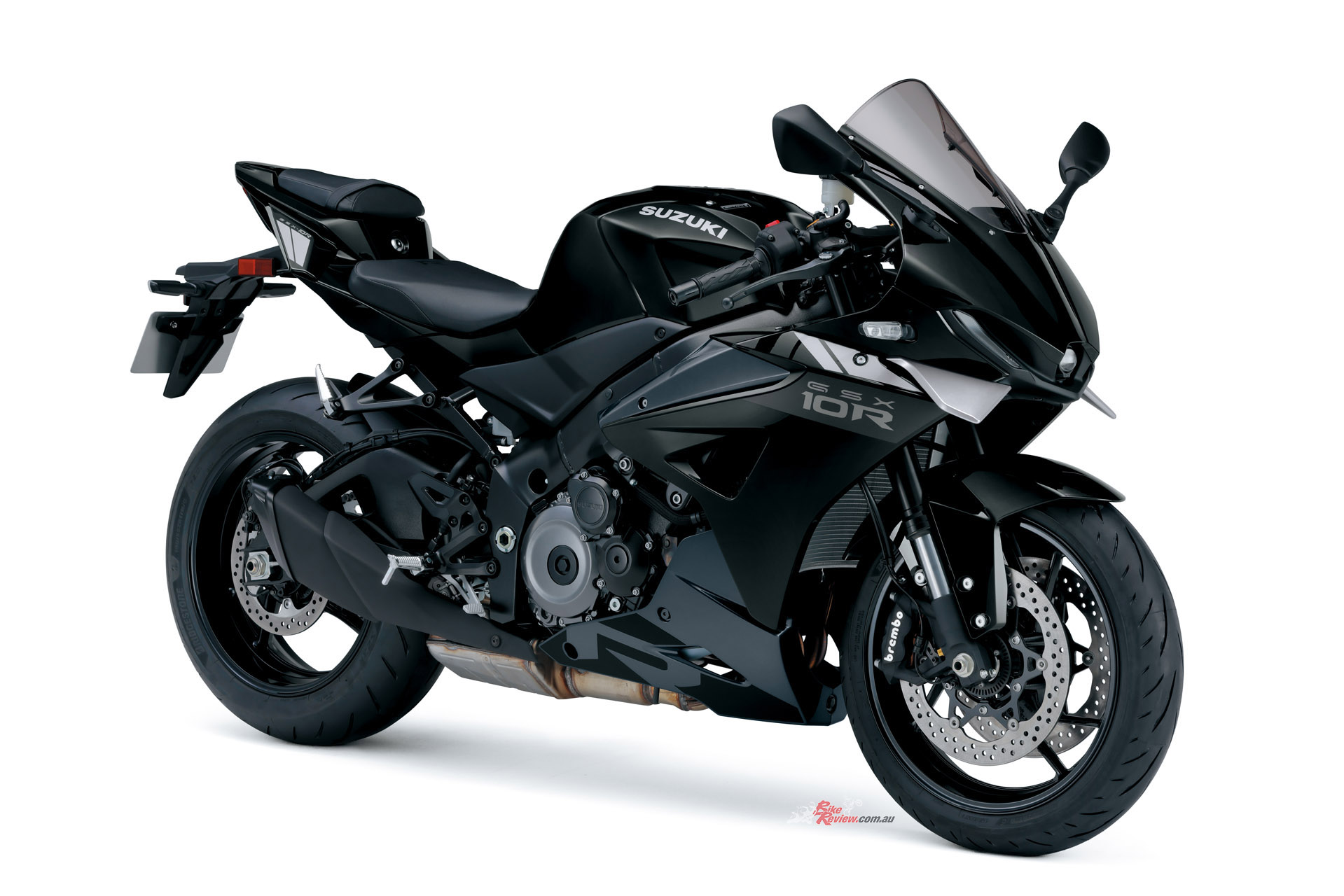
2026 Suzuki GSX-10R, black.
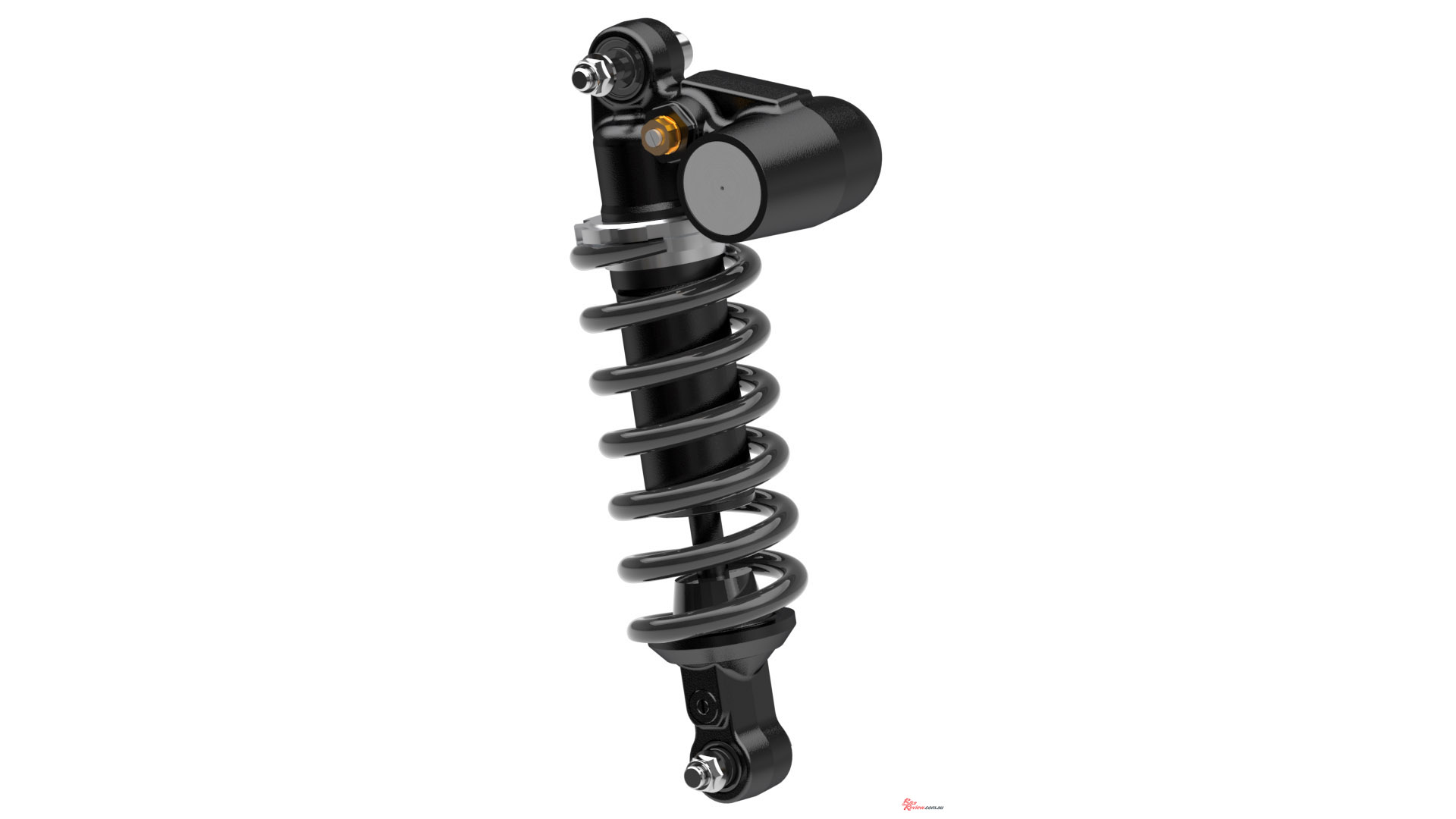
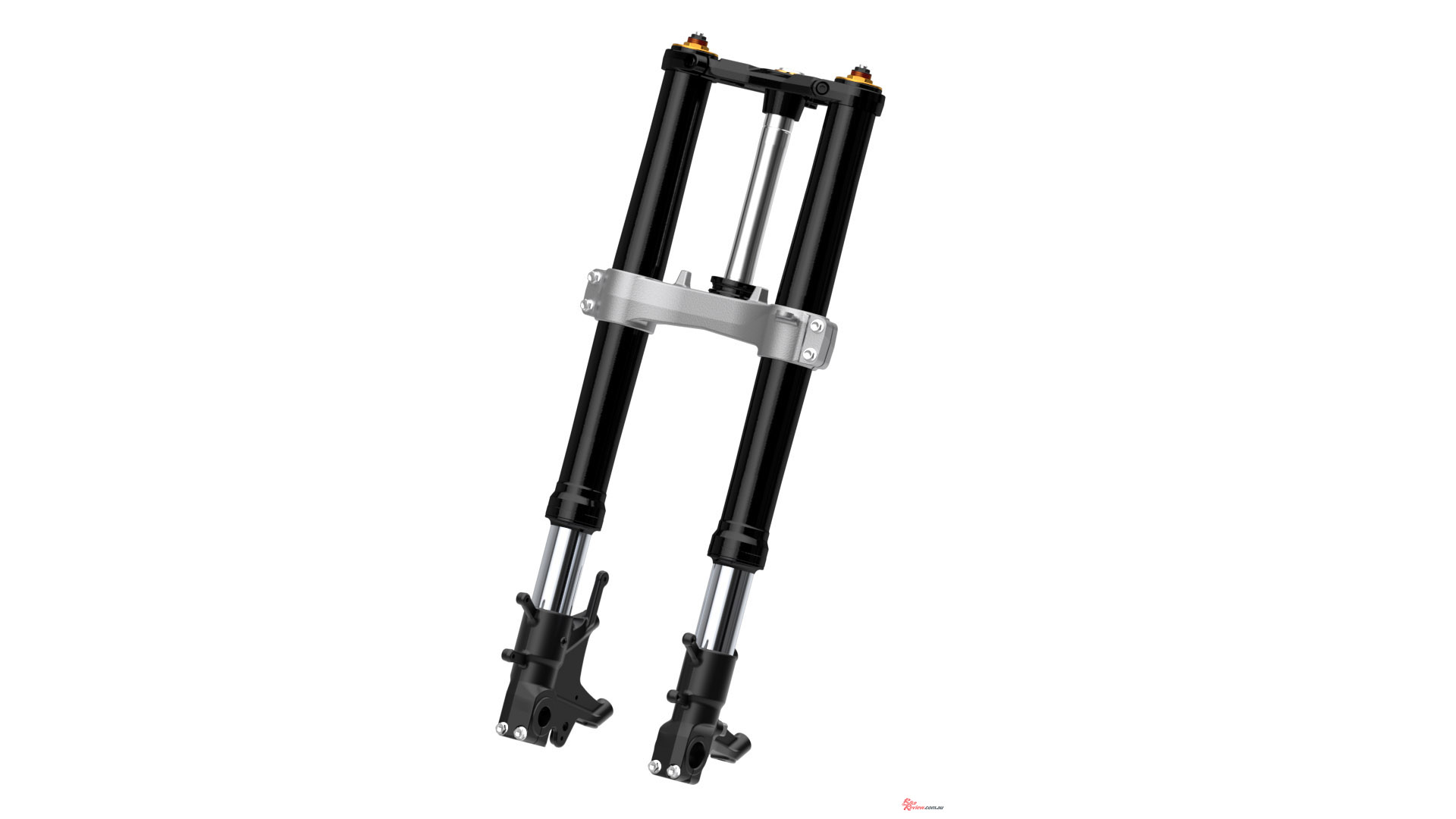
Suspension is fully adjustable up front and semi-adjustable at the back. Up front, a 43mm KYB inverted fork offers adjustment for spring preload, compression and rebound. The linkage-type rear suspension has preload and rebound adjustment, plus separate high- and low-speed compression adjustment. Suzuki says the range of settings is intended to suit both more aggressive sports riding and the softer response desired for touring or city riding.
A 53-degree maximum lean angle, compared with 48 degrees for the GSX-S1000…
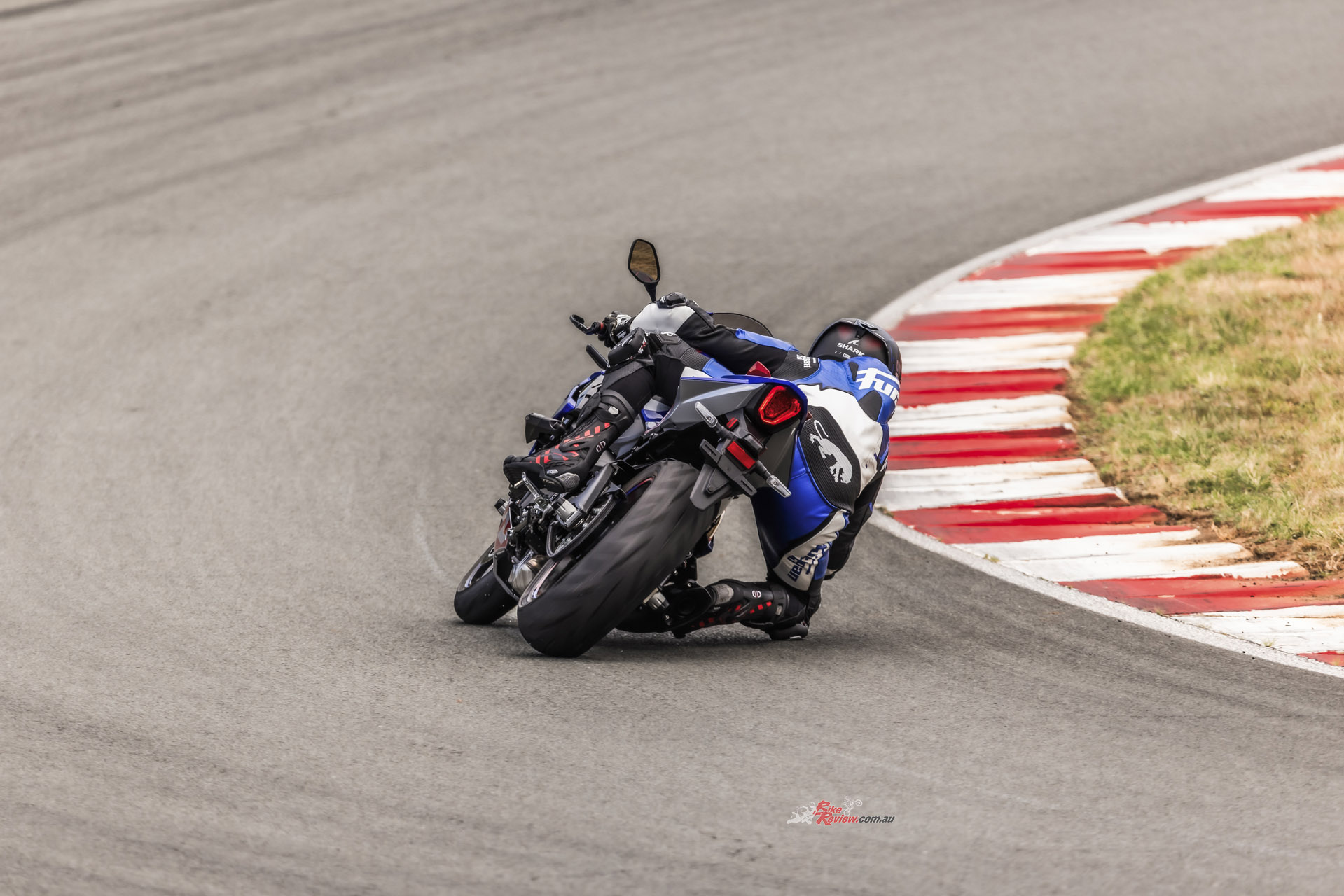
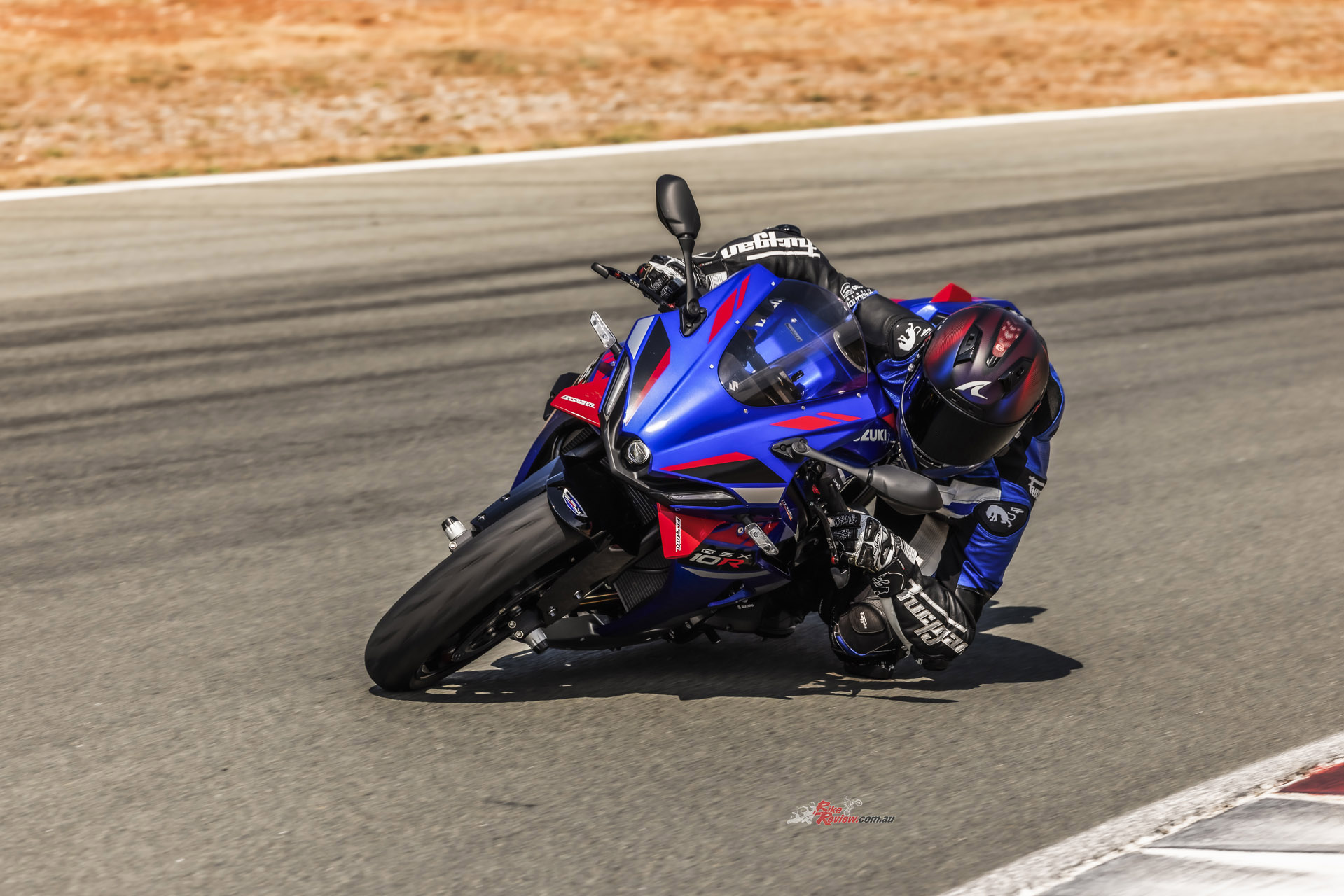
The GSX-10R’s riding position is forward-leaning, with clip-on handlebars and rear-set footpegs. Suzuki says the handlebar, footpeg and seat relationship was refined through prototype evaluation, with a focus on rider control, fit and freedom to move. The footpeg brackets are more rigid than those of the GSX-S1000 and the footpegs sit higher and further back. The company quotes a 53-degree maximum lean angle, compared with 48 degrees for the GSX-S1000.
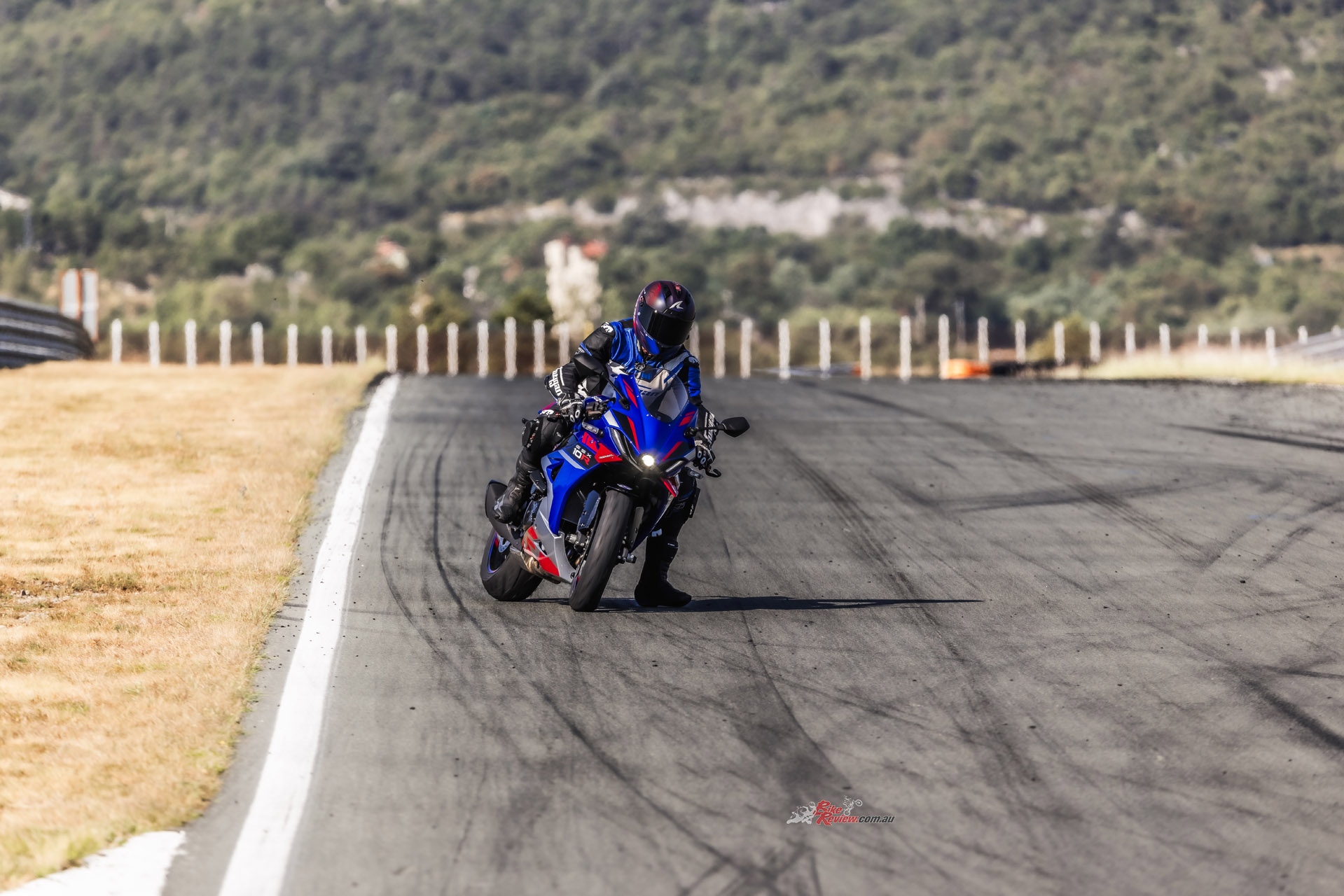
A dedicated steering stem offset and an electronically controlled steering damper are part of the handling package. The press information says the damper increases its force at higher speeds and reduces it at lower speeds, supporting stability without sacrificing agility. The offset is 30mm, reduced from 35mm on the GSX-S1000. Suzuki describes the revised geometry and damper as part of its effort to balance confidence at speed with responsive cornering.
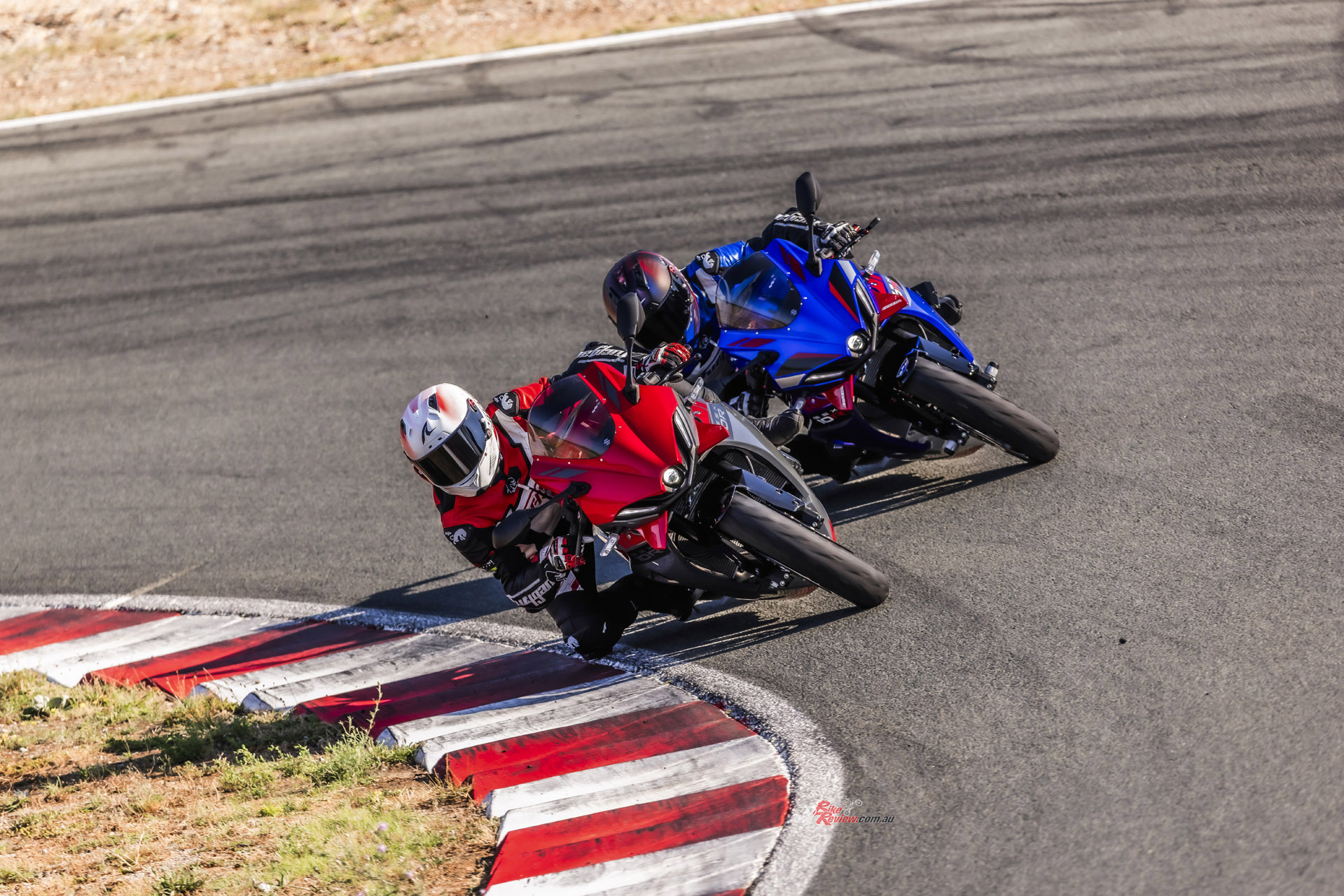
Braking is handled by twin front discs and a single rear disc. A radial front master-cylinder and specially developed discs are intended to provide a linear lever feel, from initial bite through to stronger braking. The GSX-10R also receives cornering ABS, which uses wheel-speed and inertial data to adjust braking when the bike is leaned over. Suzuki notes that ABS is a support system and is not designed to shorten stopping distances.
The Suzuki Intelligent Ride System (S.I.R.S.) is the most extensive suite of electronic controls Suzuki says it has fitted to a motorcycle…
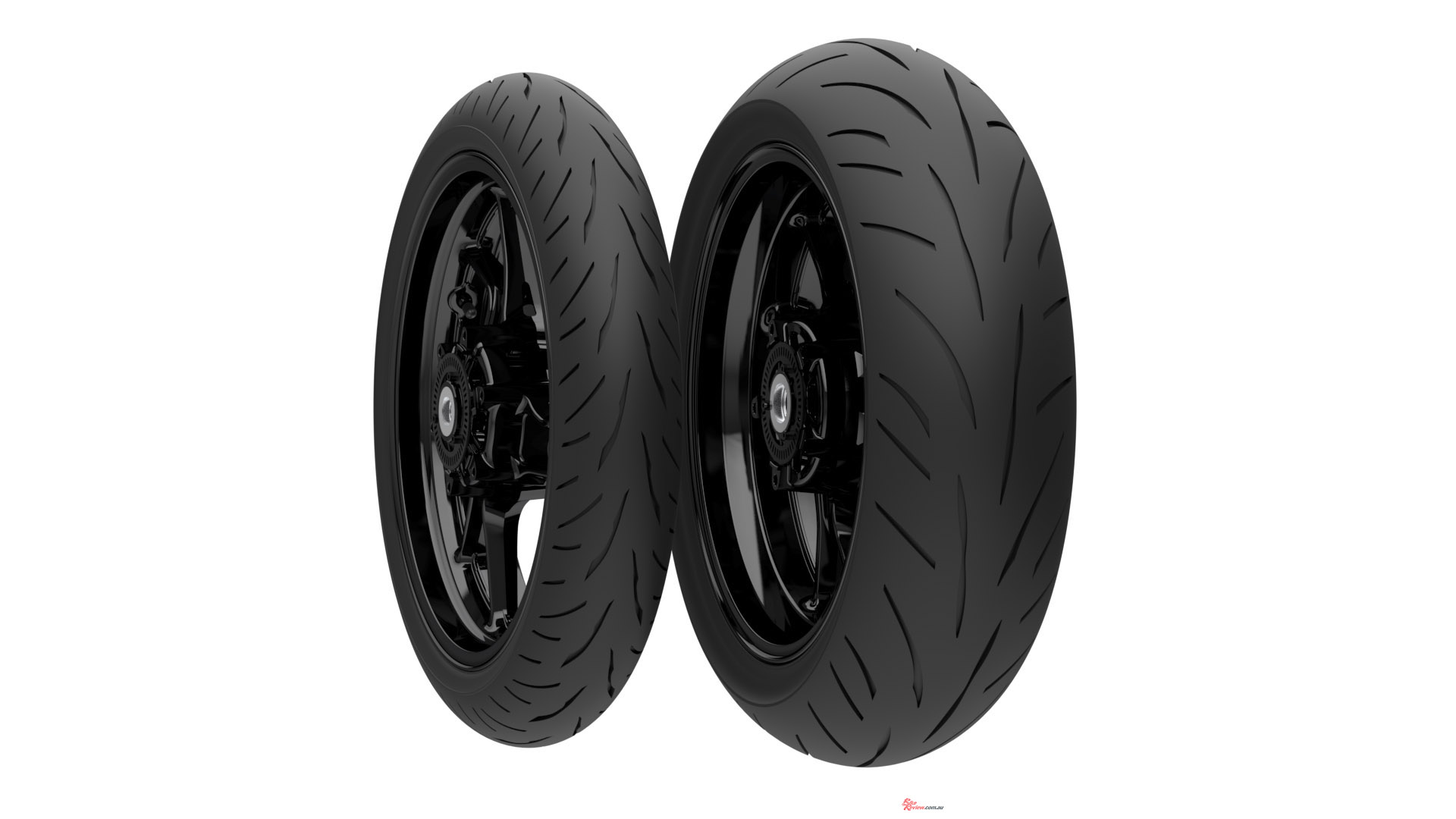
Bridgestone BATTLAX HYPERSPORT S23 tyres are fitted, with a 120/70ZR17 front and a higher-profile 190/55ZR17 rear. The latter replaces the 190/50ZR17 rear size used by the GSX-S1000. Suzuki says the tyre and rear suspension combination was tested for grip, stability and handling across a range of speeds. Six-spoke cast aluminium wheels contribute to the motorcycle’s unsprung package.
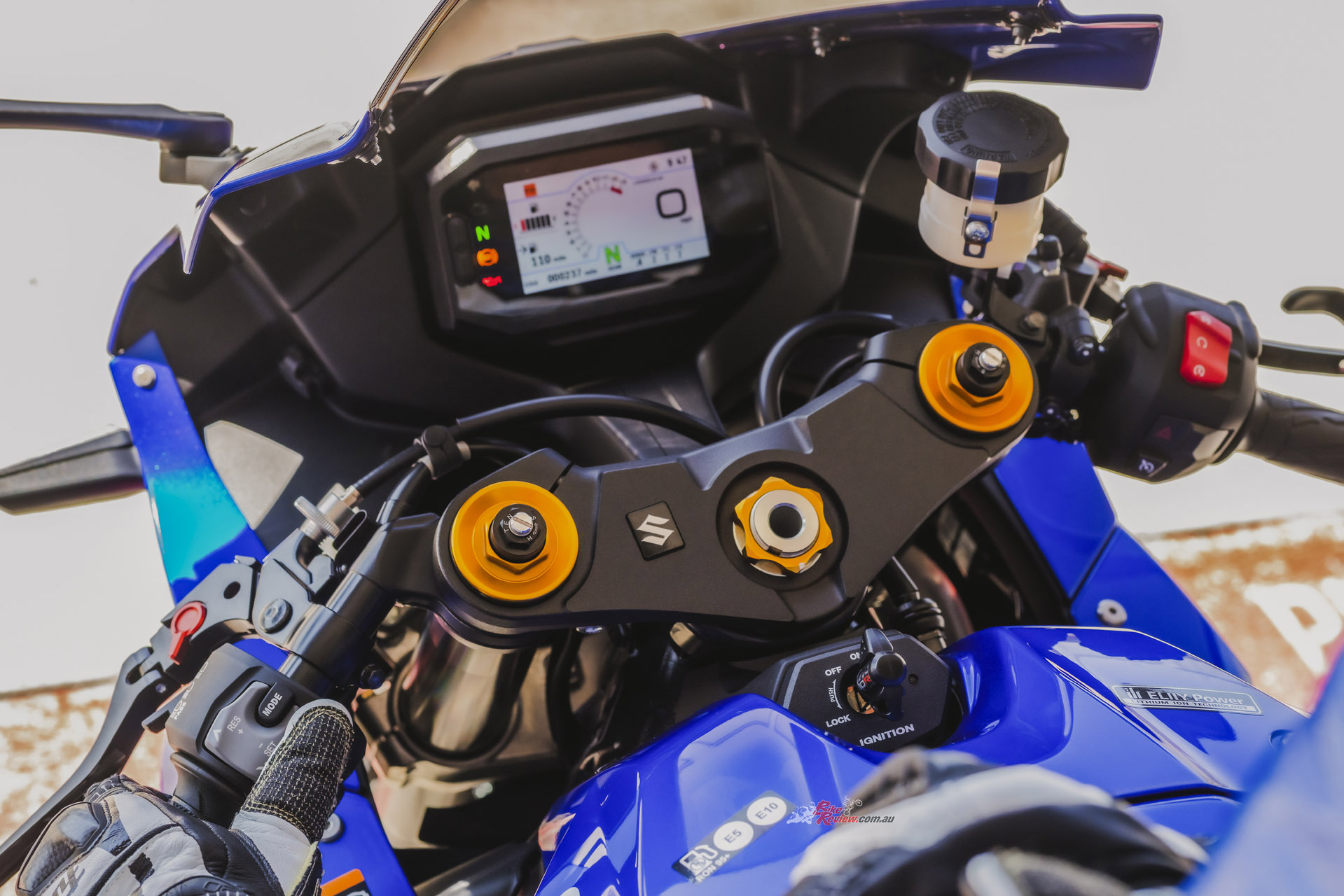
TFT dash and a sports comfort riding position.
The Suzuki Intelligent Ride System (S.I.R.S.) is the most extensive suite of electronic controls Suzuki says it has fitted to a motorcycle. New to this model are Slide Control and Brake Hold Control. Slide Control detects lateral movement in a corner and works alongside traction control to help manage a slide. Suzuki says the system can be adjusted for when intervention begins and how much engine output is reduced as grip is recovered. It is intended to support controlled cornering while stepping in more firmly if a slide becomes difficult to manage.
That function sits within Suzuki’s Smart TLRS control group: Traction Control, Lift Limiter, Roll Torque Control and Slide Control. Traction control monitors wheel speeds, engine rpm, throttle opening and gear position, then can adjust throttle, ignition and fuel delivery to limit wheelspin. The lift limiter works to manage front-wheel lift, while roll torque control adjusts drive force with lean angle and wheel-speed information in mind. Suzuki says the functions work together, with different roles and levels of intervention selected to suit the rider and conditions.
Three power modes alter throttle response while leaving maximum output unchanged. Mode A provides the sharpest response, Mode B is more linear, and Mode C softens response and torque delivery. The system is joined by launch control, which is designed for starts on a circuit or other suitable surface, and engine-brake control with three levels and an off setting. A bi-directional quickshifter allows clutchless upshifts and downshifts; the system can be switched off.
Cornering-focused assistance extends to Motion Track Brake, which uses inertial and wheel-speed information as well as front and rear brake-pressure data. Suzuki says the system can modulate brake pressure while leaned over to help reduce the risk of the bike standing up or losing traction under braking. Slope-dependent control adjusts ABS operation on descents to help manage rear-wheel lift.
‘
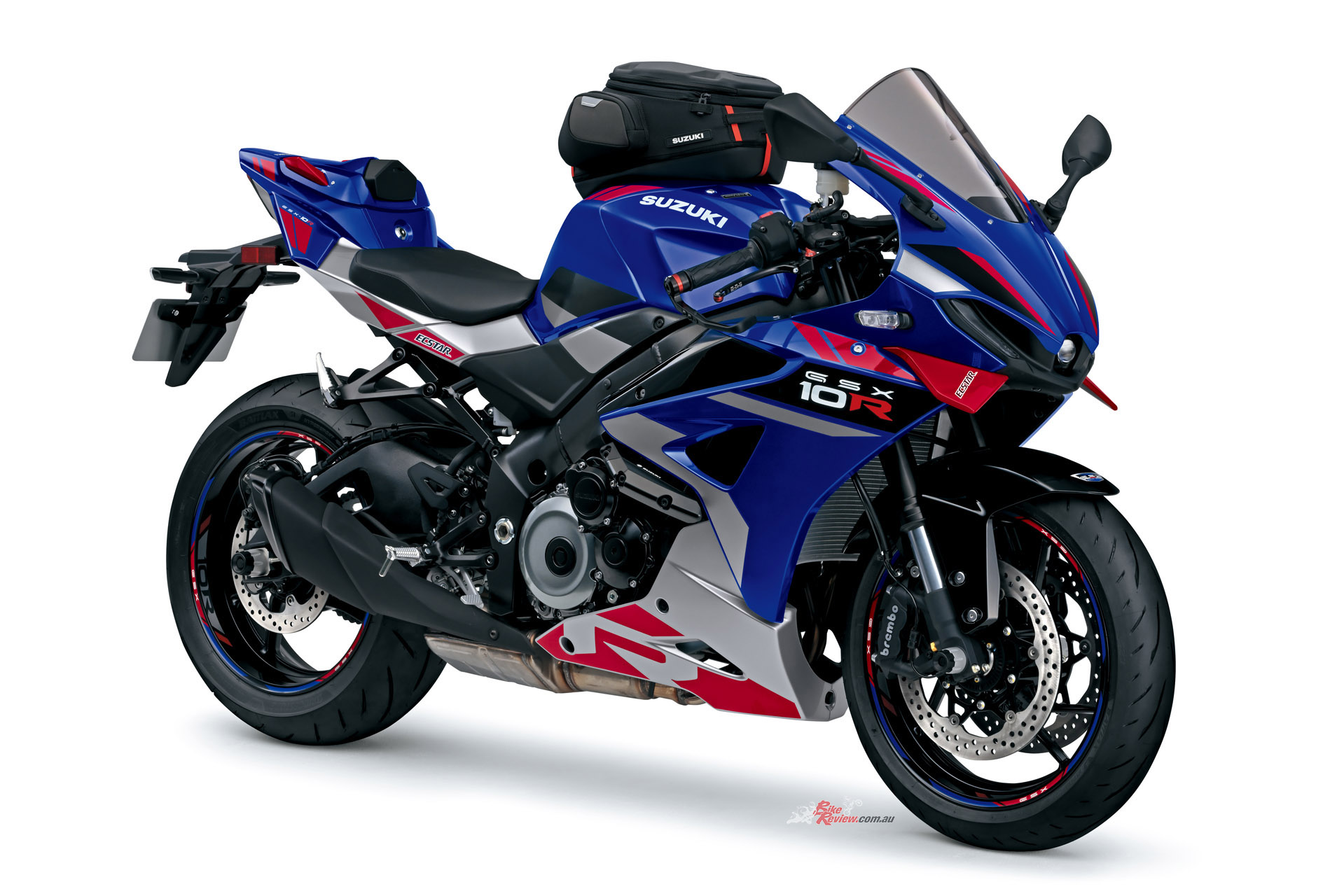
Accessories fitted – 2026 Suzuki GSX-10R, blue.
The newly developed Brake Hold function holds rear brake pressure for about 30 seconds after the motorcycle comes to a stop, including on level ground and downhill slopes, and is intended to help when setting off again.
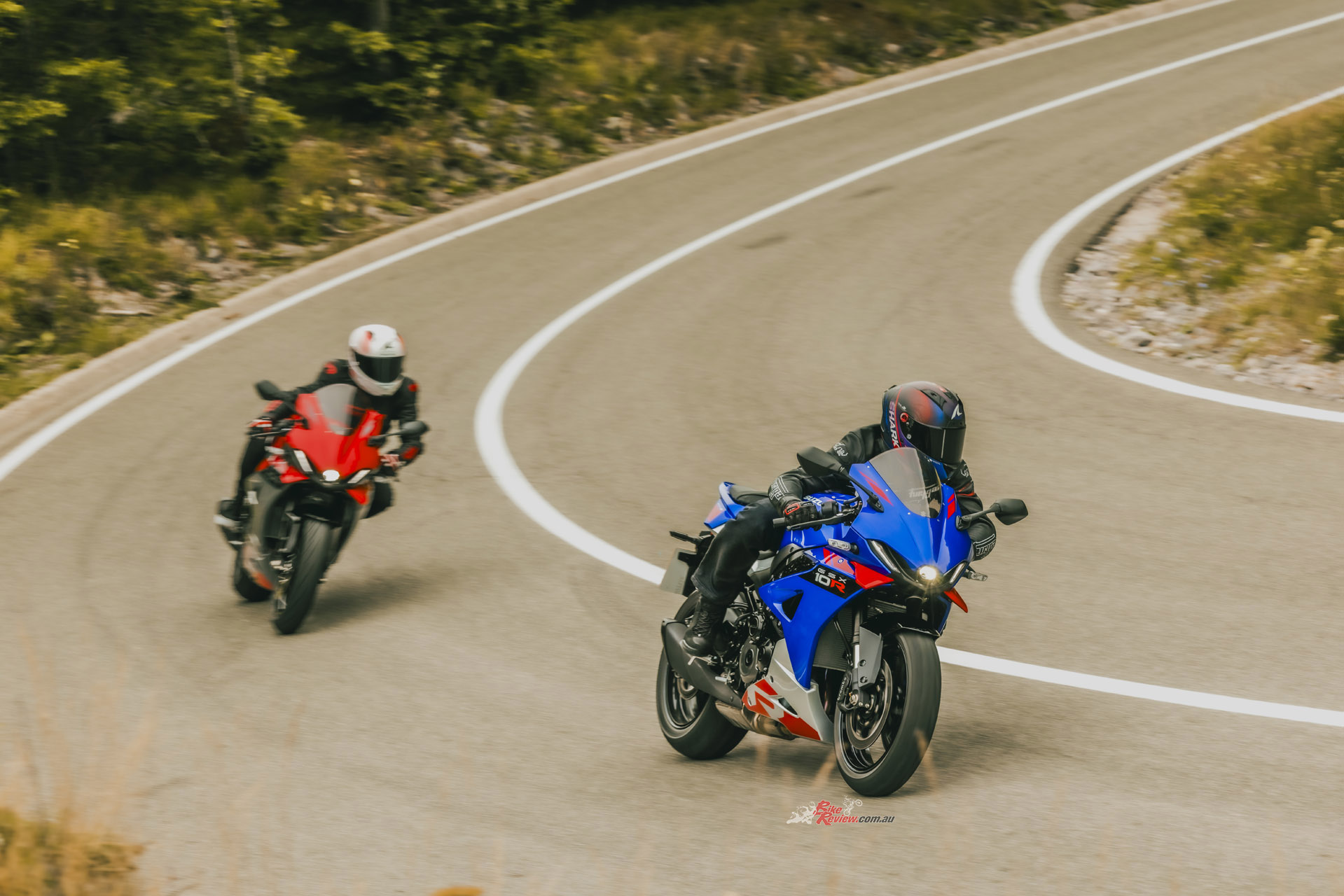
For road use, cruise control can maintain a set speed without throttle input. The press pack lists a 30-180km/h setting range in second gear or higher and says the system includes Curve Speed Control, which adjusts speed when entering a bend while cruise control is active. An Active Speed Limiter lets the rider select a maximum speed and temporarily exceed it by twisting the throttle. Low RPM Assist and Suzuki Easy Start are also included to make slow-speed operation and starting easier.
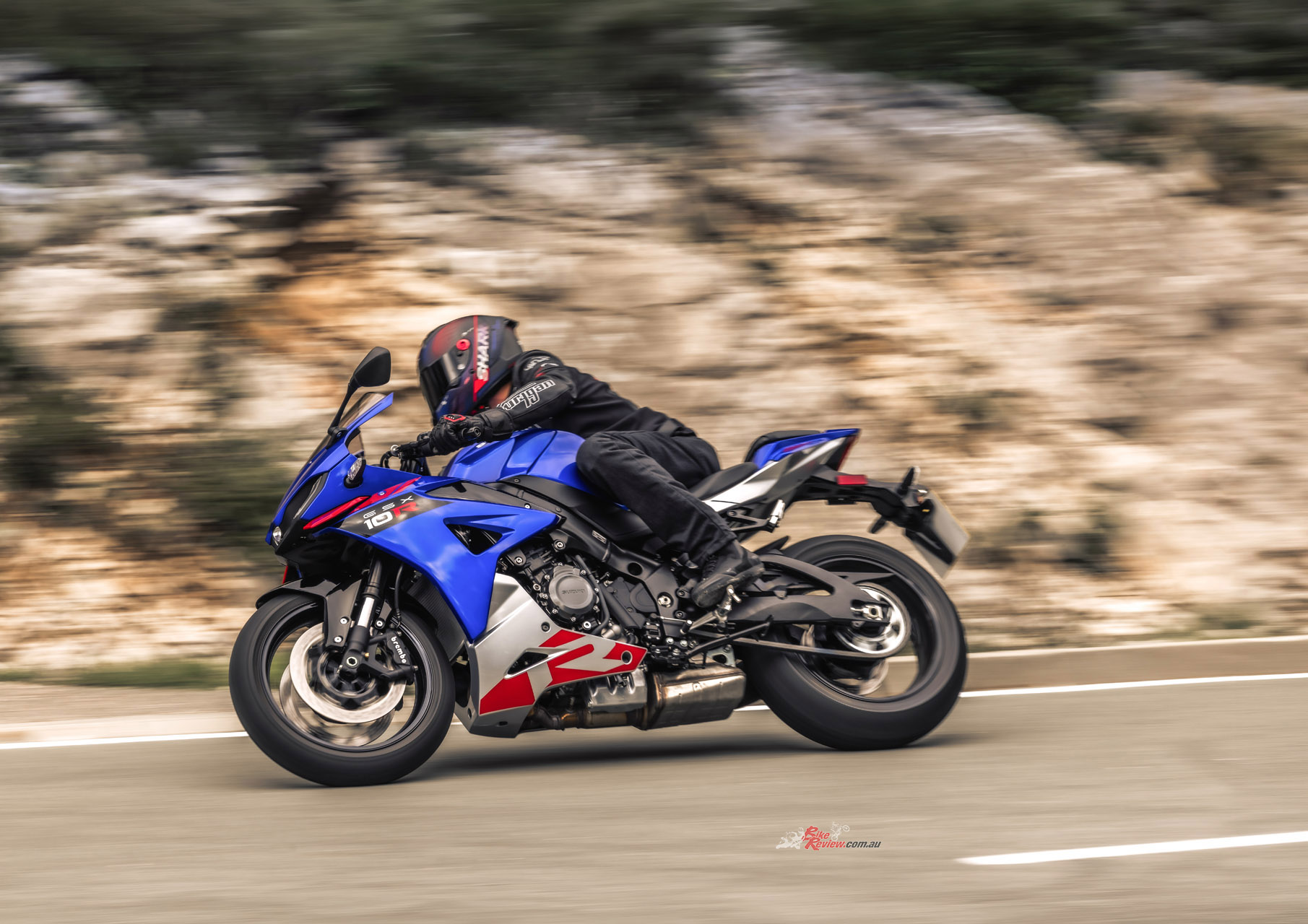
The cockpit centres on a full-colour TFT instrument display operated using the left handlebar’s up, down and mode switches. Smartphone connectivity through the Suzuki Ride Connect+ app can provide navigation, traffic and weather information, incoming notifications and trip records. A USB Type-C socket is provided for charging. Suzuki also specifies a compact lithium-ion battery.
The rider seat is 810mm high and has a flatter profile to aid movement; storage is provided beneath the passenger seat…
Lighting is LED front and rear. Suzuki’s Ground Beacon System uses the turn signals to project light onto the road surface around the stationary motorcycle, making its intended movement more visible to nearby road users. The rear combination lamp has a three-dimensional appearance intended to echo the GSX-R1000R. A newly designed 18-litre fuel tank is shaped to allow movement on the bike while still providing a secure hold in the forward-leaning riding position. The rider seat is 810mm high and has a flatter profile to aid movement; storage is provided beneath the passenger seat.
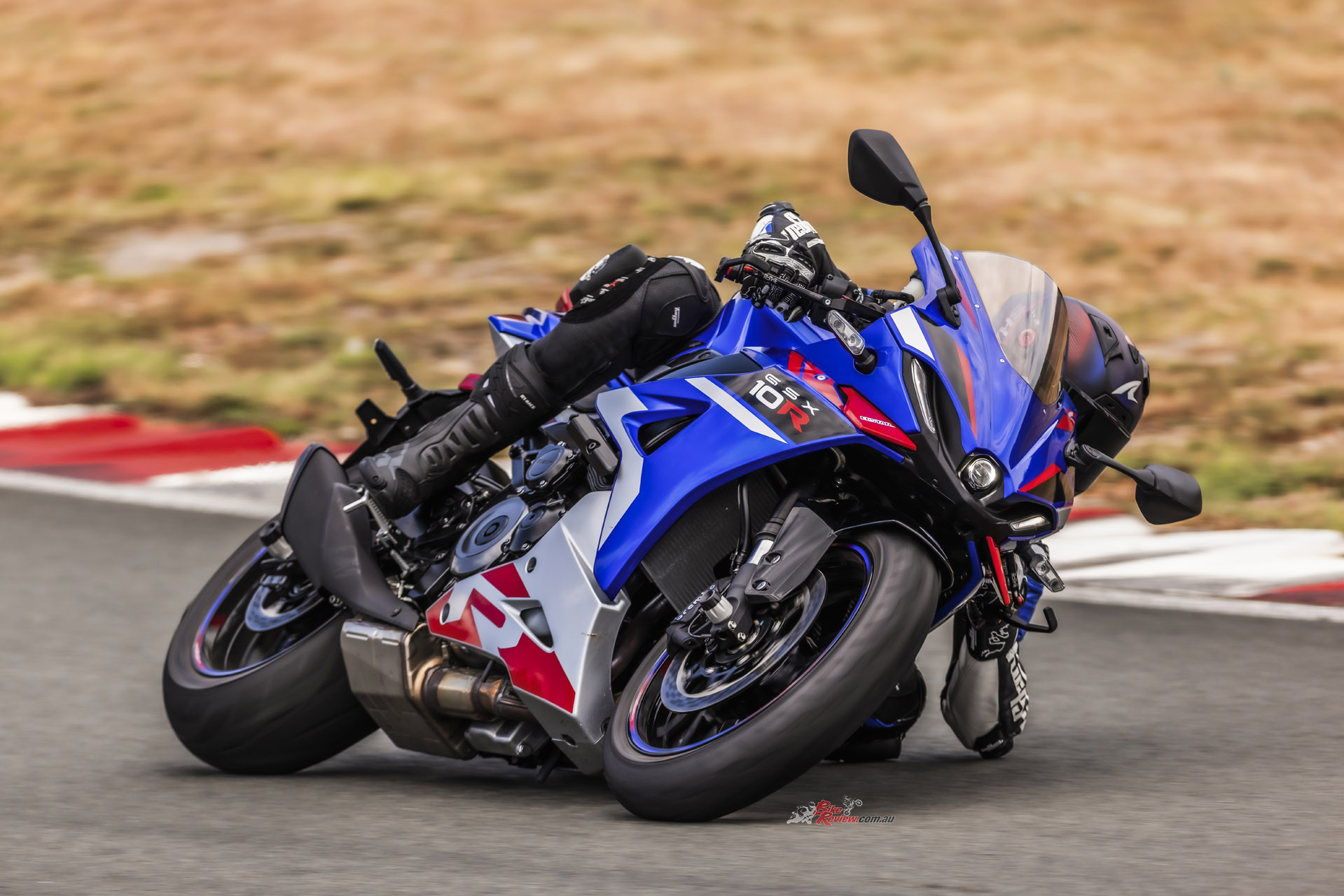
Styling draws on GSX-R design cues while giving the GSX-10R a distinct identity. The fairing was refined through wind-tunnel and road testing, and its screen and upper cowl are shaped to accommodate the rider when tucked in.
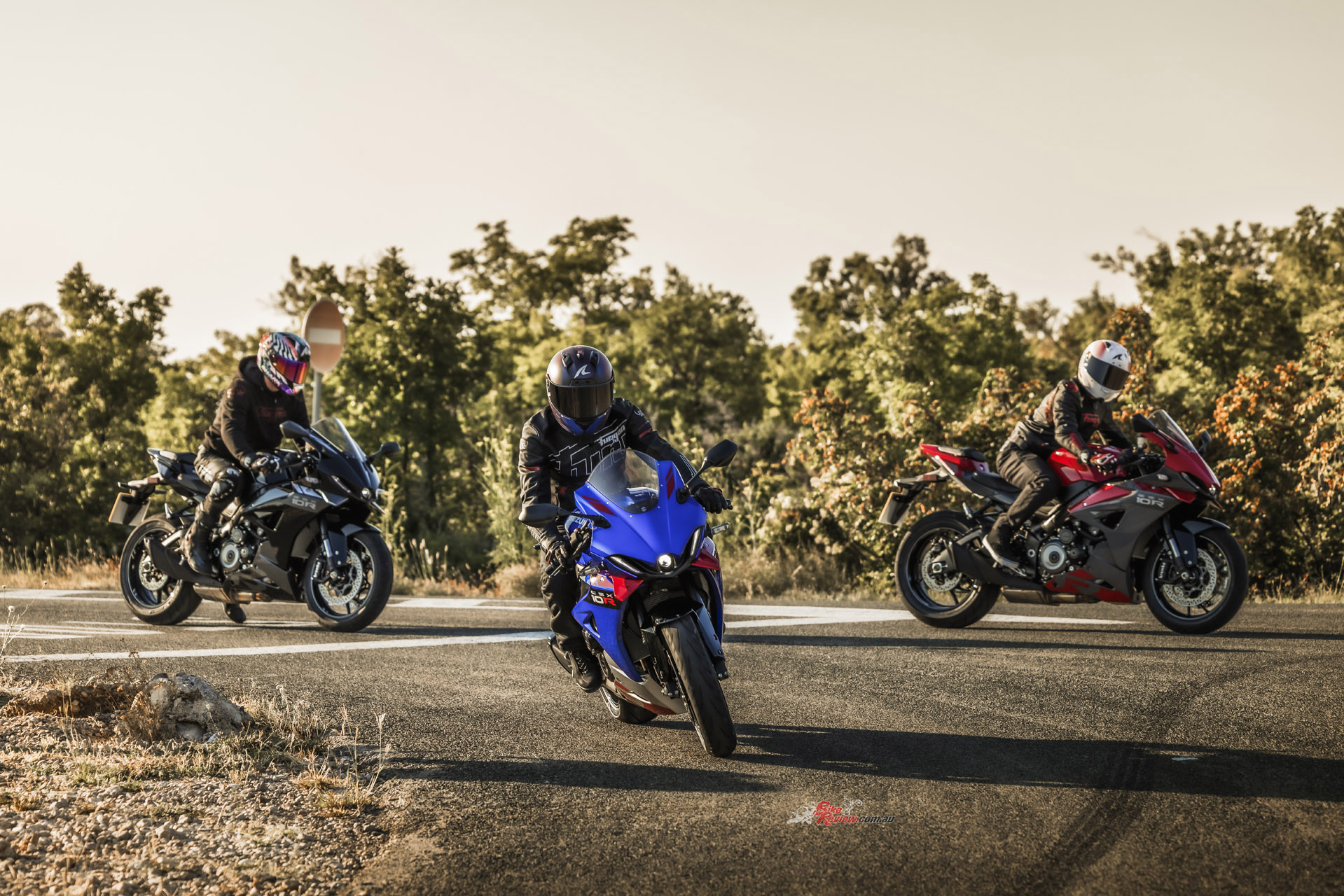
Forward-swept winglets are integrated into the front bodywork. Suzuki says they are intended to influence airflow and generate downforce to reduce front-end lift, with testing used to balance that effect against steering feel. Three colour combinations are listed: Pearl Vigor Blue / Metallic Mystic Silver, Pearl Pulse Red / Solid Iron Gray, and Metallic Galaxy Gray / Glass Sparkle Black.
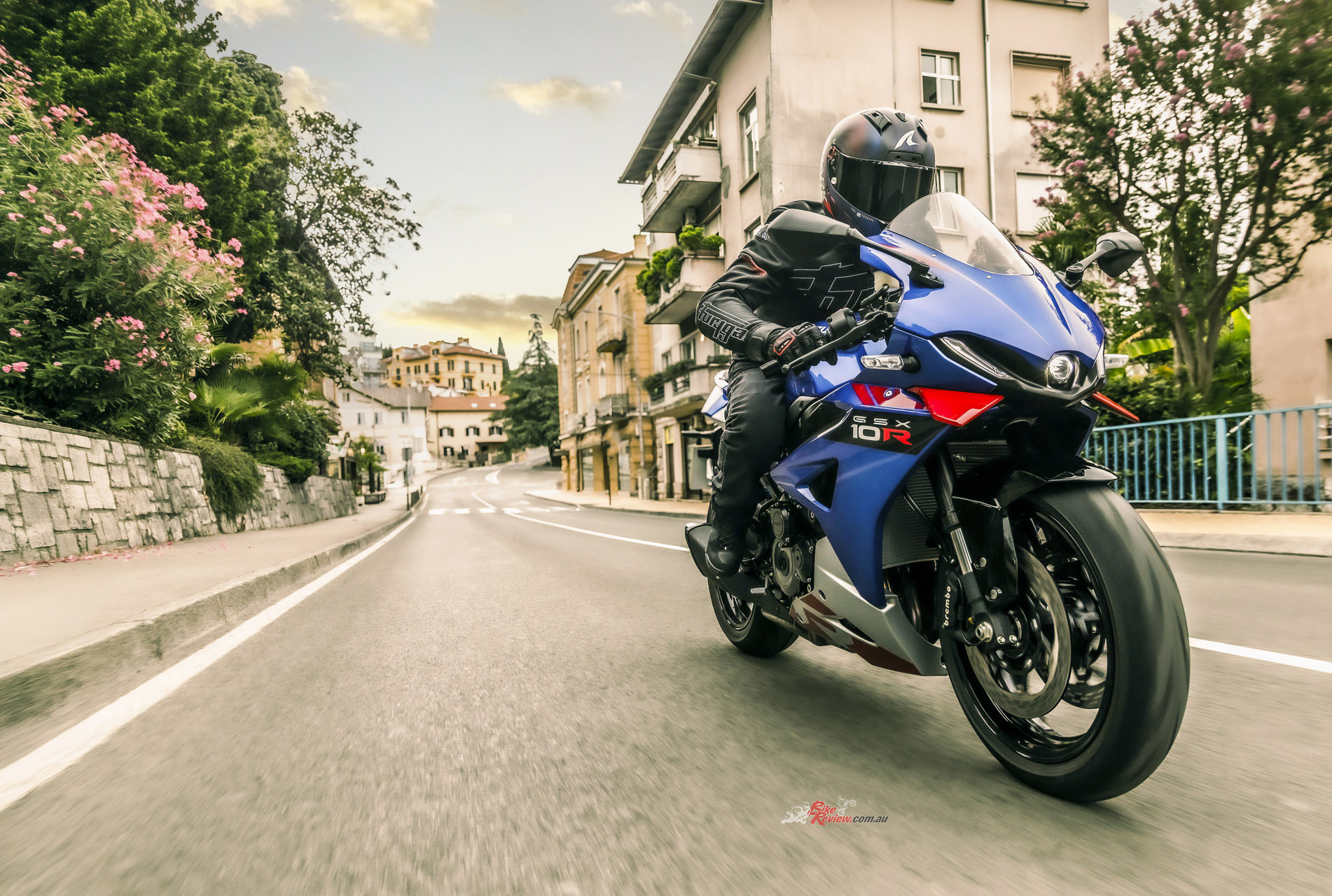
A range of genuine accessories is planned, including a single-seat cowl with four winglets, decal kit, small tank bag, frame slider, tank protection and tank pad. The press information does not give Australian pricing, local arrival timing or a confirmed Australian specification, so those details remain to be announced.
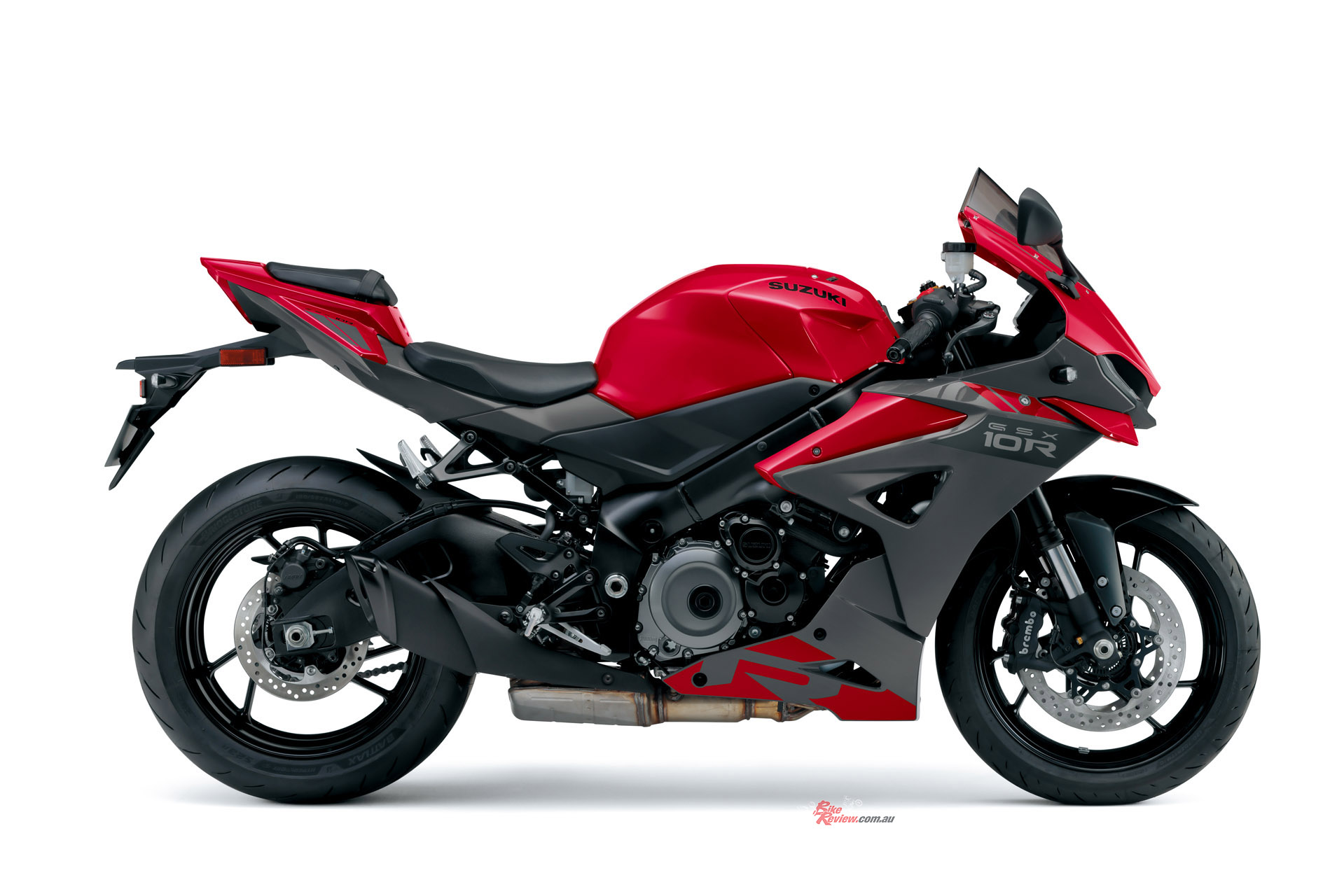
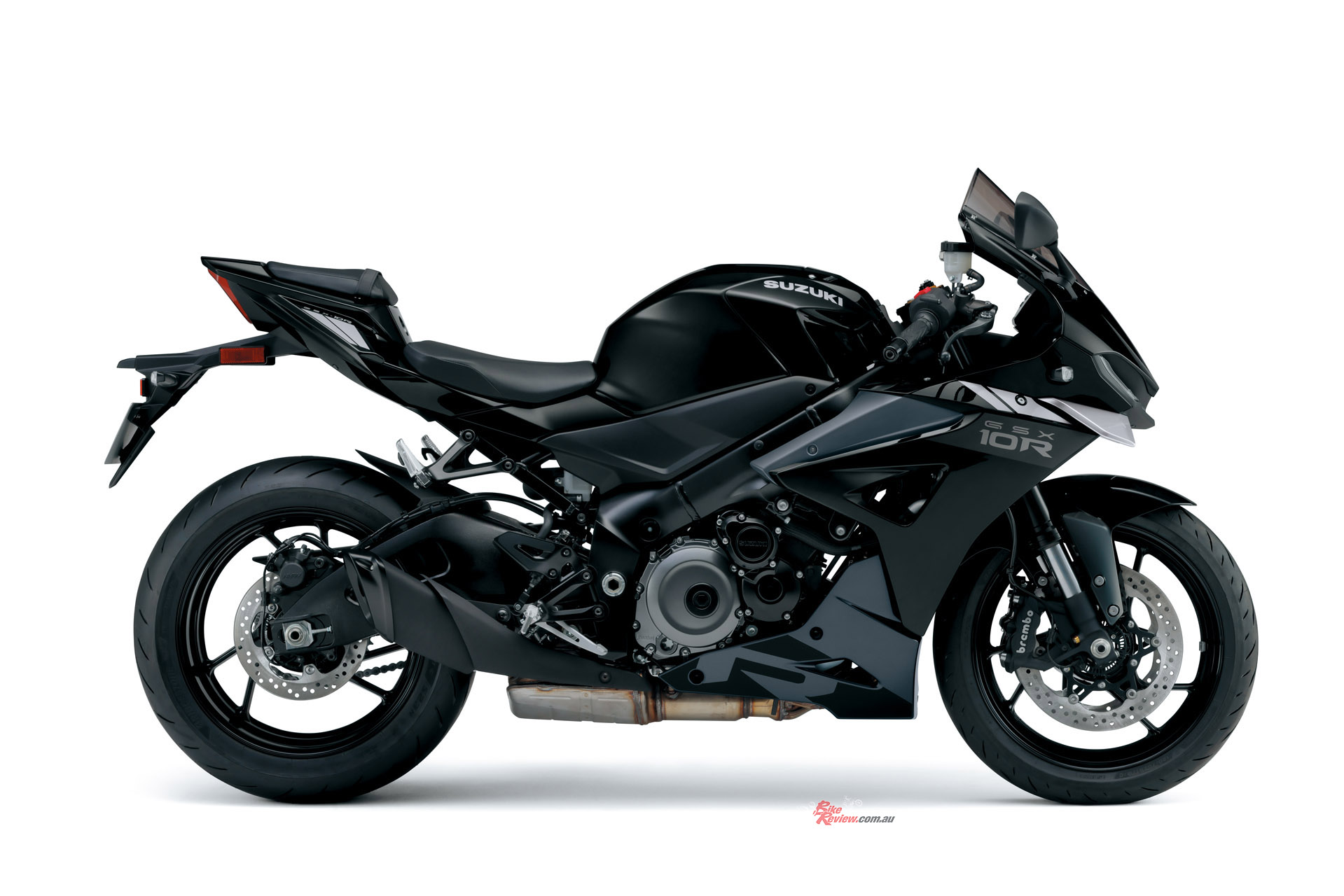
Suzuki’s aerodynamic work focused on balancing the GSX-10R’s compact, low-rising silhouette with performance and practical use. The front cowl and screen were repeatedly evaluated in a wind tunnel and on the road, including attention to the rider’s helmet position when tucked in. Suzuki says the winglets are intended to shape airflow and generate downforce that reduces front-end lift, while wind-tunnel and track testing were used to keep the steering feel agile. The fairing’s thin side sections and compact tail are part of the same effort to make the motorcycle appear light and purposeful.
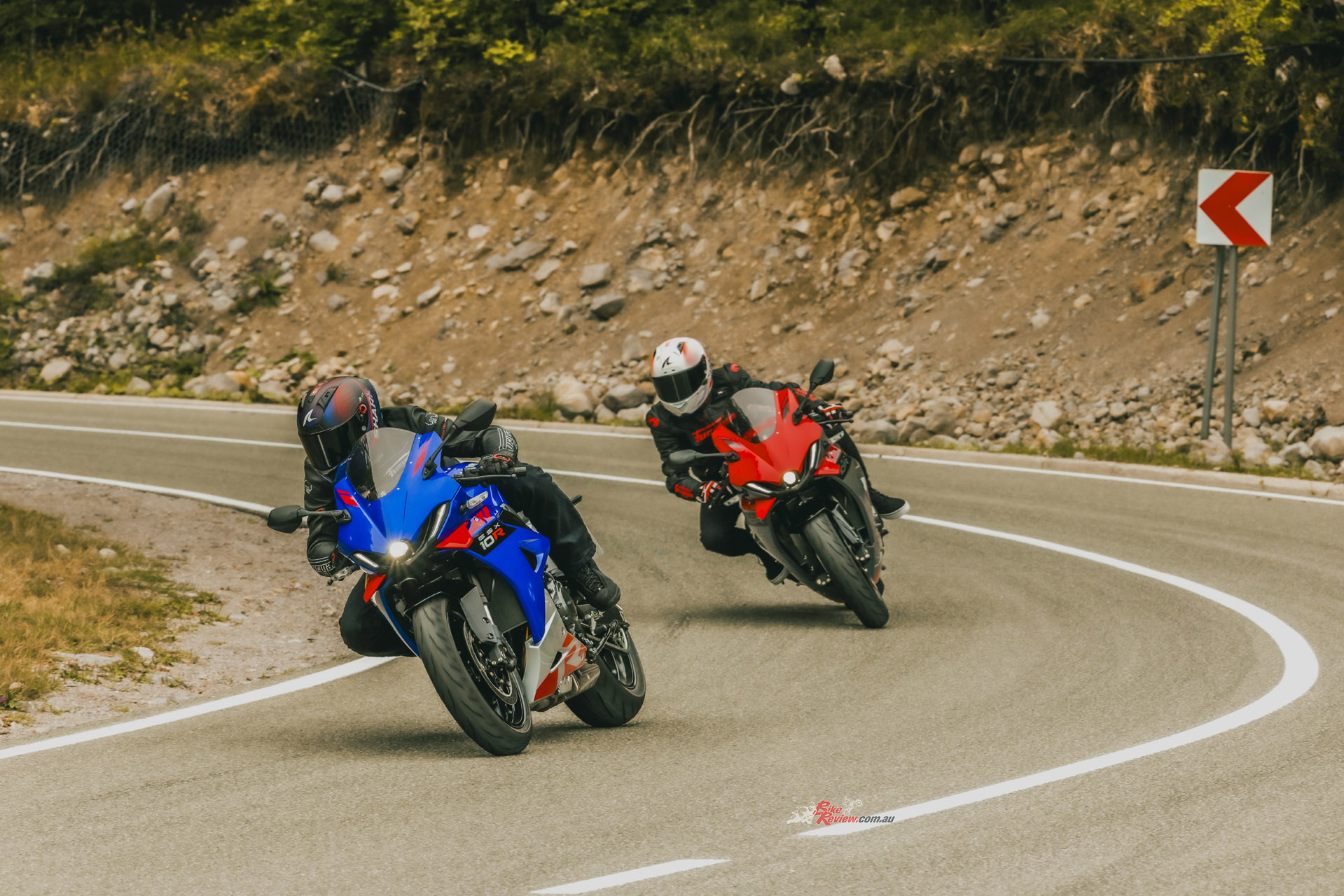
The listed colour schemes combine Suzuki’s signature blue with metallic silver, a bright red with solid grey, and metallic grey with black. The graphics connect the front-cowl lines visually to the seat and rear bodywork, and the square “10R” logo includes a red R as a nod to the GSX-R1000R. Suzuki has also designed a 10R key emblem. For owners looking to alter the appearance or add protection, the genuine accessory list includes a single-seat cowl with four additional winglets, a decal kit, tank bag, frame slider, tank protection and tank pad.
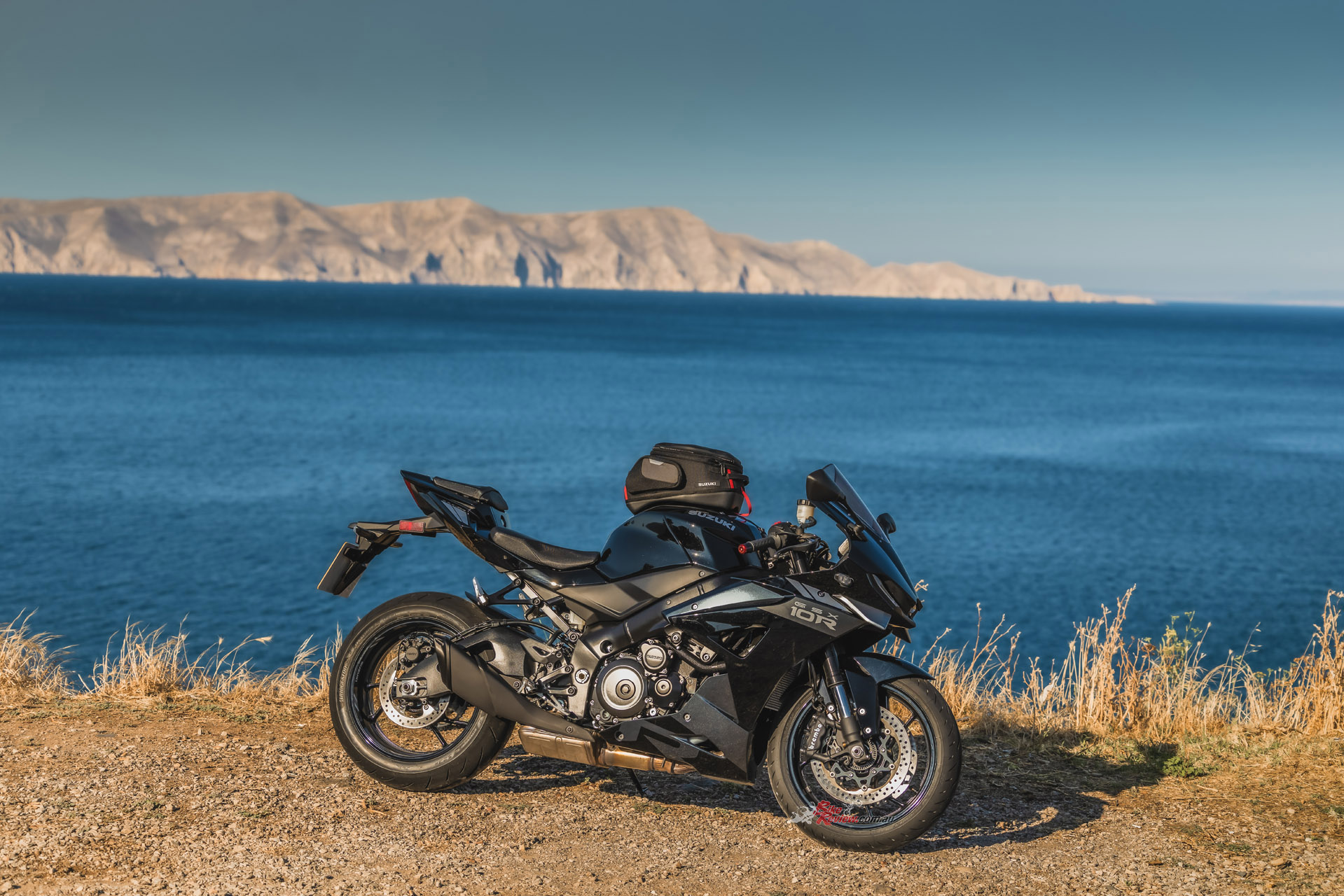
2027 Suzuki GSX-10R Specifications
Price: TBA
Claimed power: 112kW @ 11,000rpm
Claimed torque: 106Nm @ 9,250rpm
Wet weight: 214kg
Fuel capacity: 18L
Fuel Consumption (Claimed): 6.3L/100km
Fuel Range (Claimed): +250km
Engine: GSX-R1000K5 derived – Liquid-cooled, four-stroke, DOHC inline-four, 73.4 x 59.0mm bore x stroke, 999cc, 12.2:1 compression ratio, fuel injection Gearbox: Six-speed, constant mesh Clutch: Suzuki Clutch Assist System (SCAS), slipper clutch
Chassis: Aluminium twin-spar frame, aluminium swingarm
Rake: 25° Trail: 100mm
Suspension: 43mm KYB inverted front forks, fully adjustable; linkage-type rear suspension with preload and rebound adjustment, and separate high- and low-speed compression adjustment
Brakes: Twin front discs with radial master-cylinder, single rear disc, cornering ABS
Wheels & tyres: Six-spoke cast aluminium wheels; Bridgestone BATTLAX HYPERSPORT S23 tyres, 120/70ZR17M/C (58W) front and 190/55ZR17M/C (75W) rear, tubeless
Dimensions:
Overall length: 2,130mm
Overall width: 740mm
Overall height: 1,175mm
Wheelbase: 1,455mm
Ground clearance: 145mm
Seat height: 810mm
Instruments & Electronics: TFT dash, Slide Control, traction control, lift limiter, roll torque control, launch control and three power modes, Cornering ABS, Motion Track Brake, slope-dependent control and Brake Hold, Bi-directional quick-shifter, cruise control with Curve Speed Control, Active Speed Limiter and Suzuki Ride Connect+ smartphone connectivity.

You Might Also Like