



Backed by Indian giant TVS and armed with four new models, Norton says its latest revival is built on quality, modern design and giving riders exactly what they want.
Norton Motorcycles is rebuilding again, but this time the storied British marque has backing behind the promise. With TVS investment, four new models and a fresh design direction, its latest revival is aimed less at nostalgia and more at proving it can last.
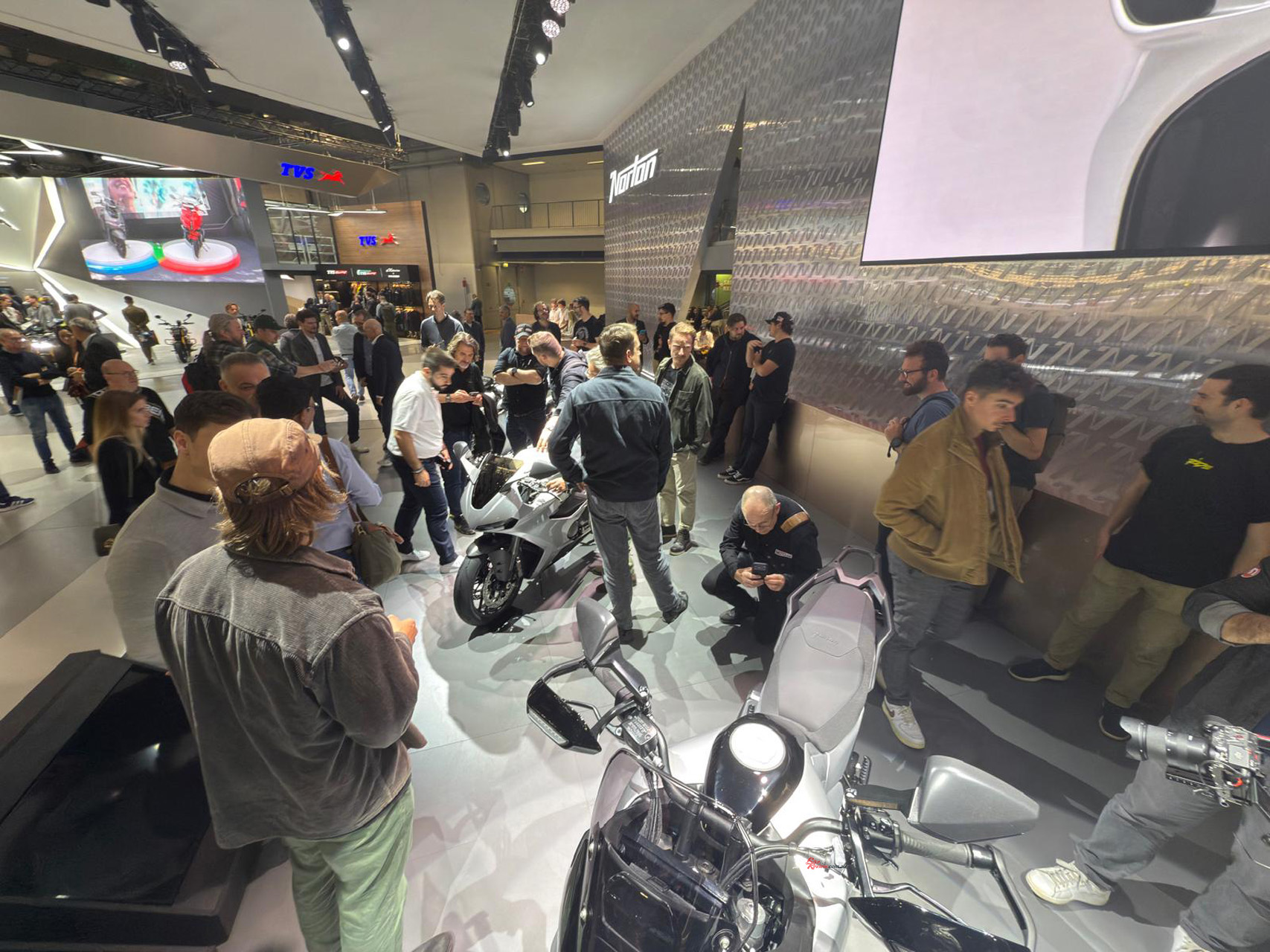
There’s a sense of déjà vu every time Norton announces a new era. The iconic British marque has lived more lives than most – from Isle of Man TT glory and featherbed frames to rotary engines and boutique revivals. But standing on Norton’s 2025 EICMA stand in Milan, surrounded by four brand-new motorcycles and a confident team backed by Indian manufacturing giant TVS Motor Company, this time feels different.

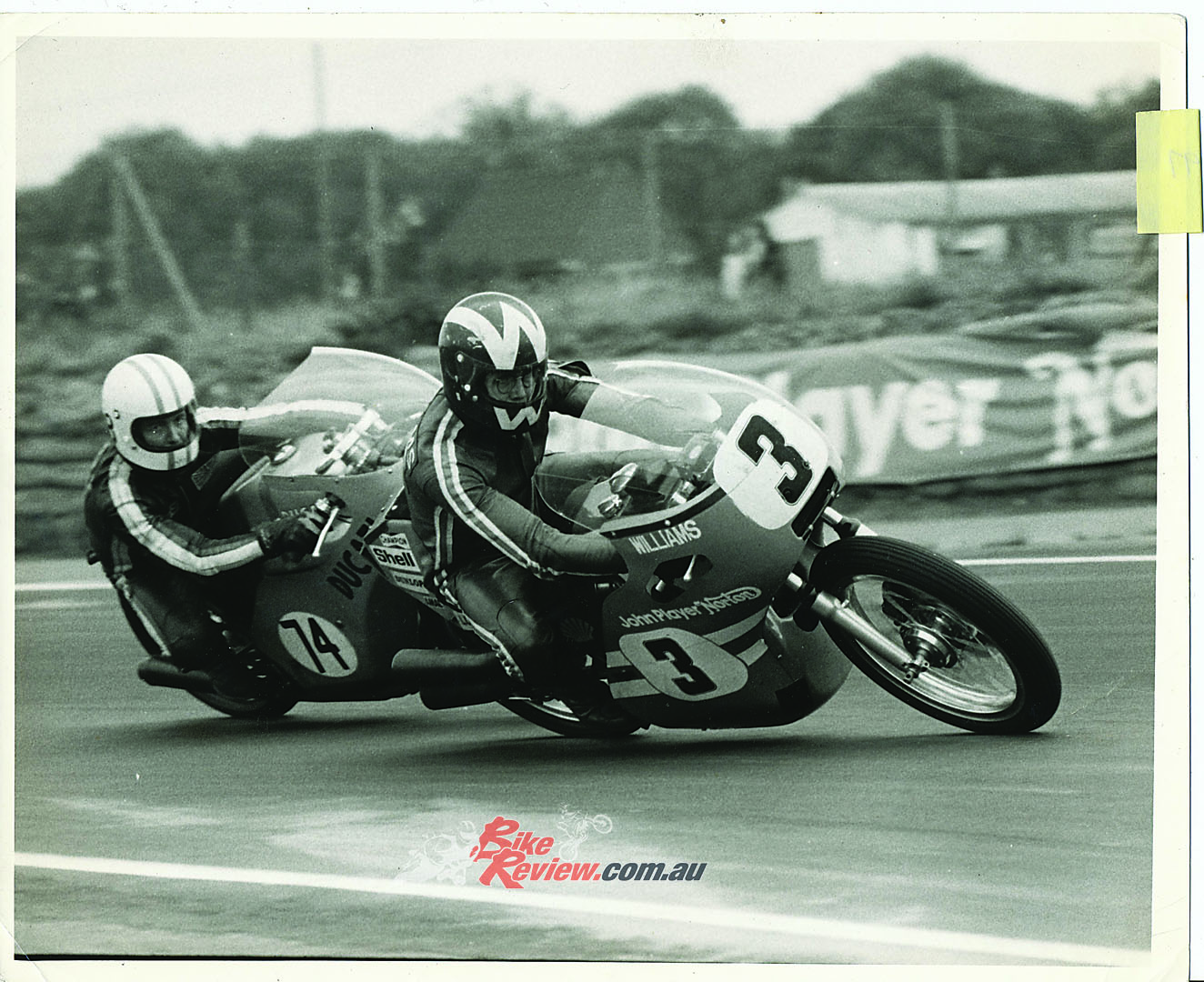
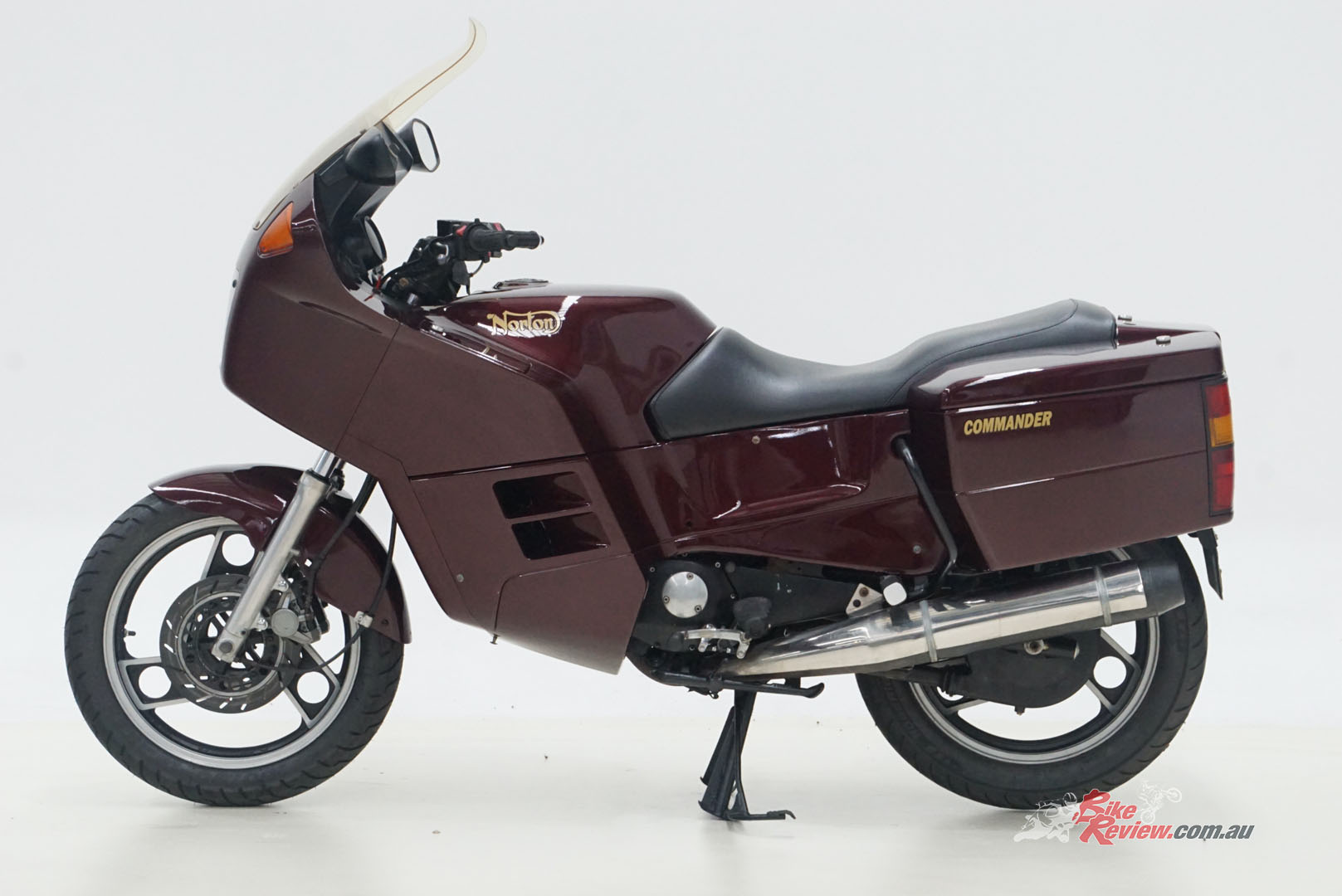
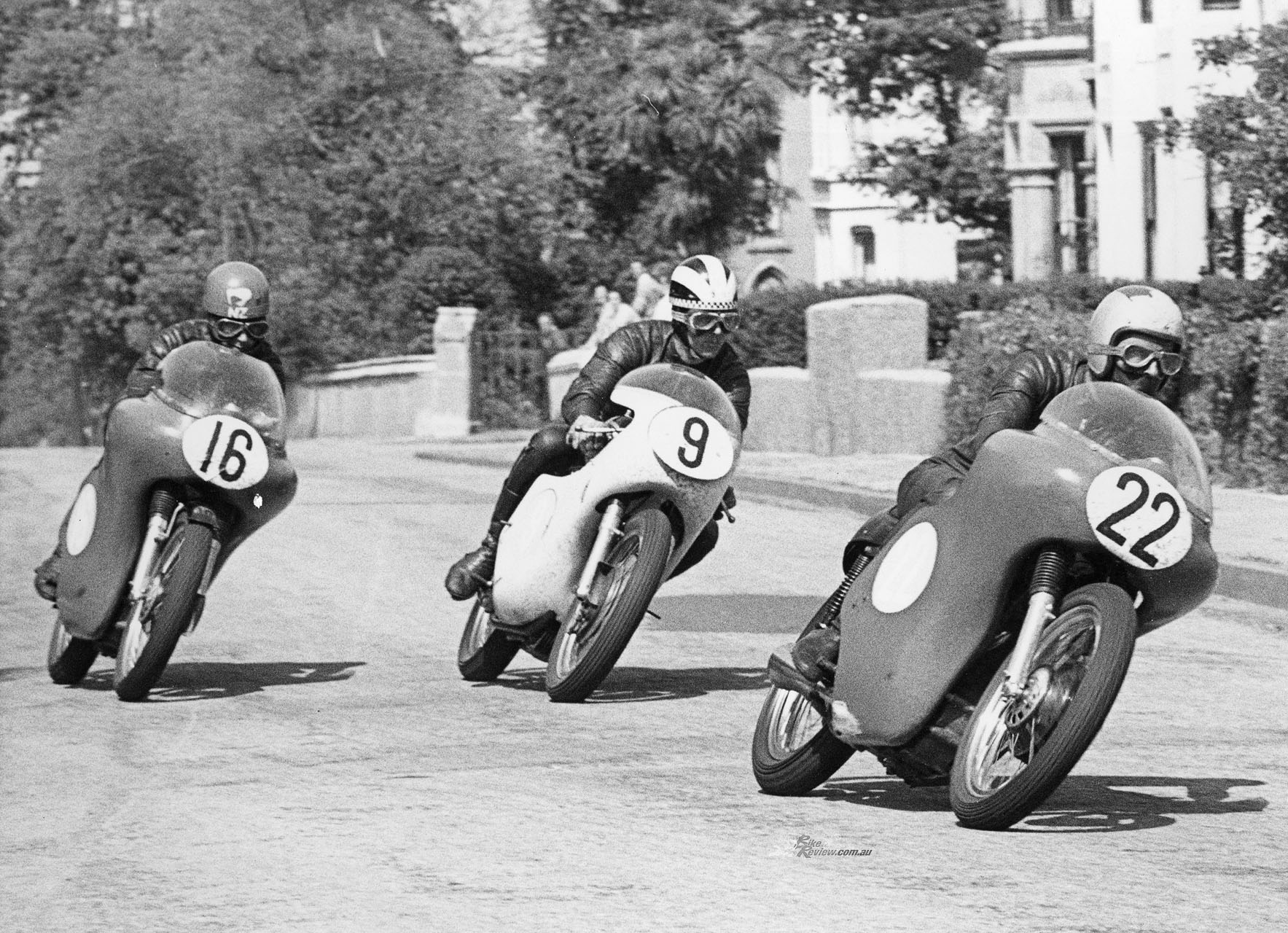
Norton’s new chapter looks solid, well-funded and focused on the future rather than nostalgia. The numbers tell part of the story – more than AUD $400 million invested, four new motorcycles revealed and two more promised in the new year. For the first time in decades, Norton seems to have the stability to match its ambition.
For the first time in decades, Norton seems to have the stability to match its ambition.
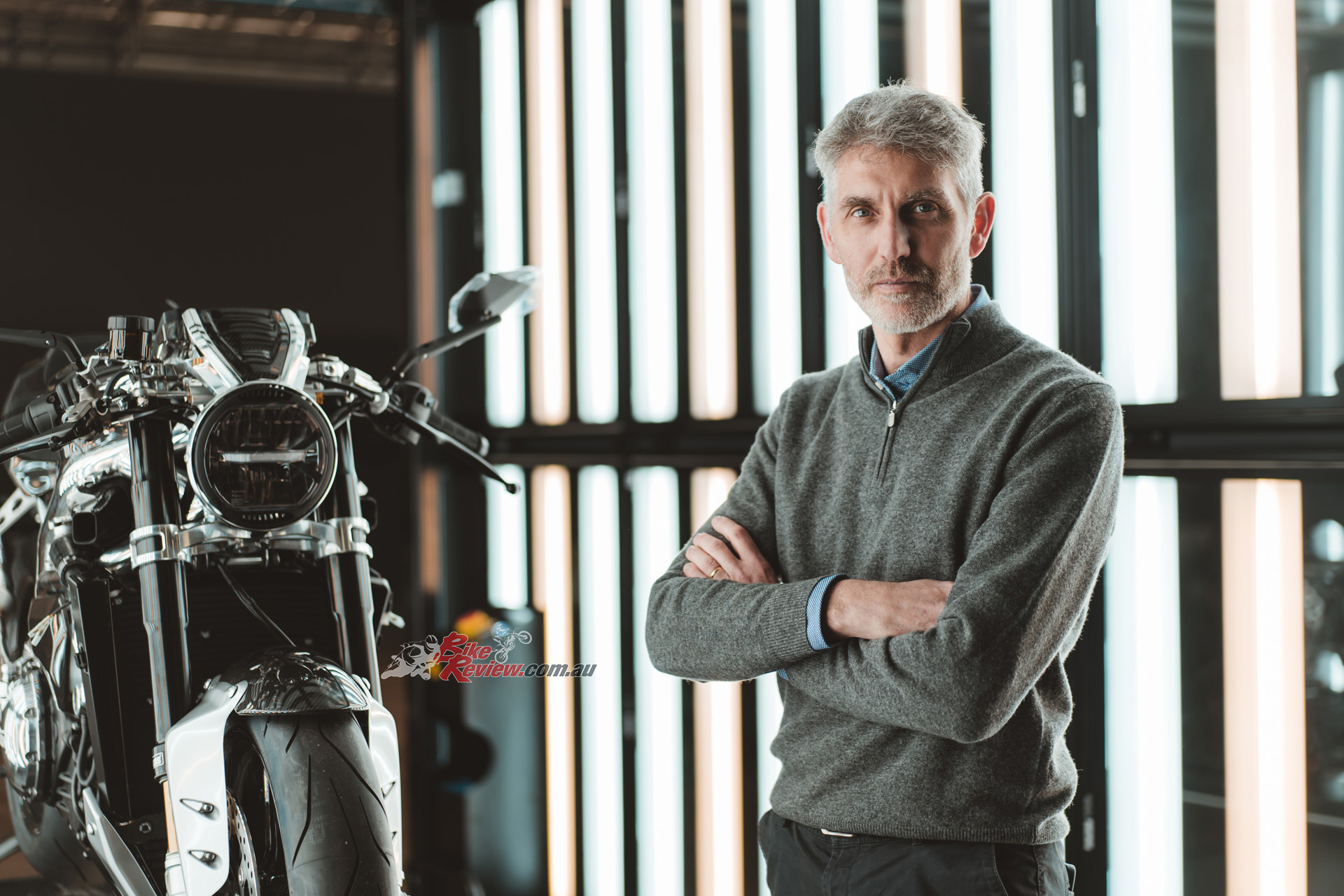
Nevijo Mance, Norton’s Chief Operating Officer, has been with the company only a year but already speaks with quiet conviction. “TVS has given us the stability and the resources to do this properly,” he says. “Sudarshan Venu, our Chairman, is the driving force – the visionary behind the project. He’s brought together people across the business who can make it happen.”
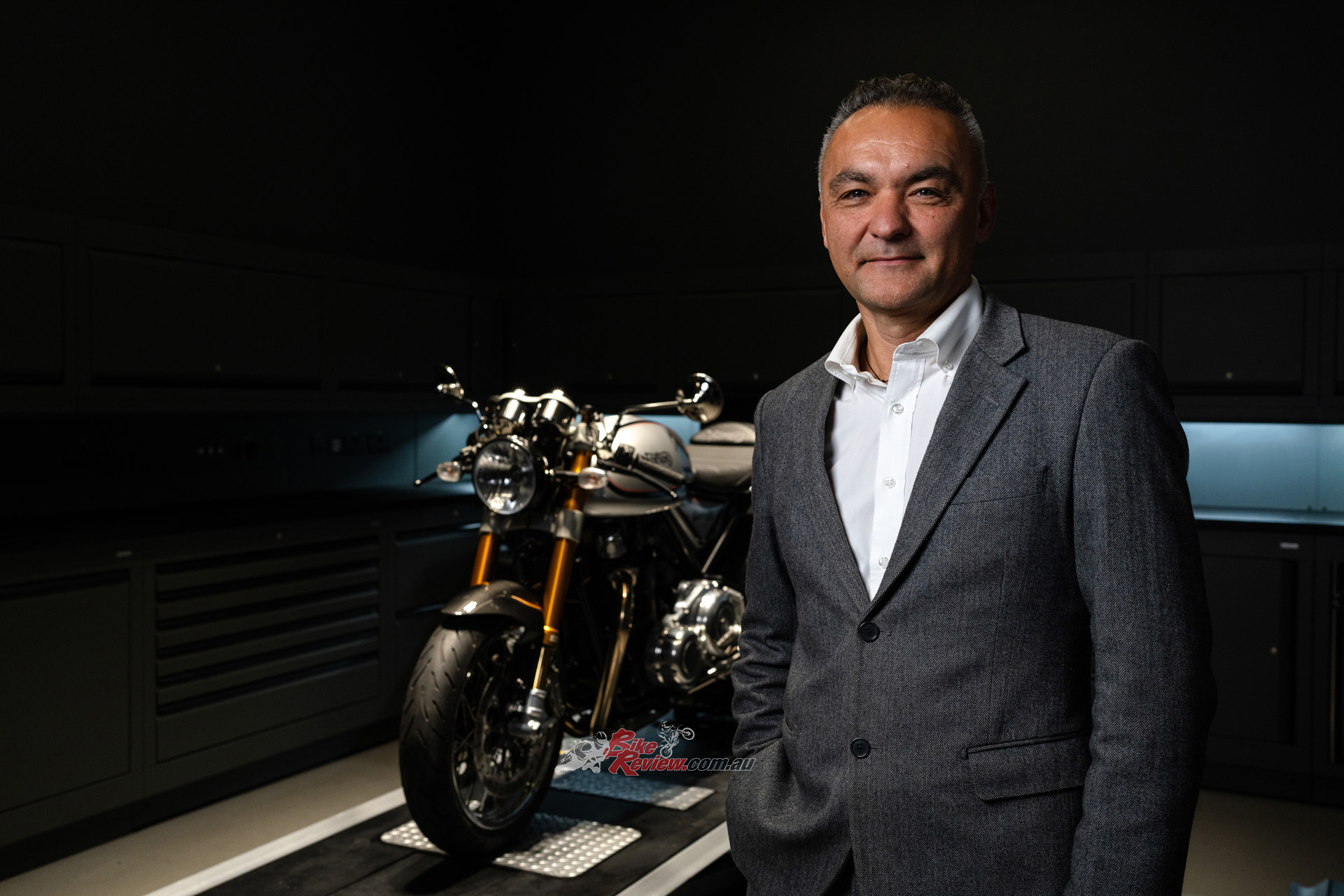
Norton Motorcycles Executive Director, Nevijo Mance.
TVS Motor Company, little known in Australia, is one of India’s largest and most successful manufacturers and the third largest in the world behind Honda and Hero. It sells more than three million vehicles a year, mostly small-capacity models, but has also worked for decades with European engineering firms including Bologna-based Engines Engineering, now a wholly owned TVS subsidiary.
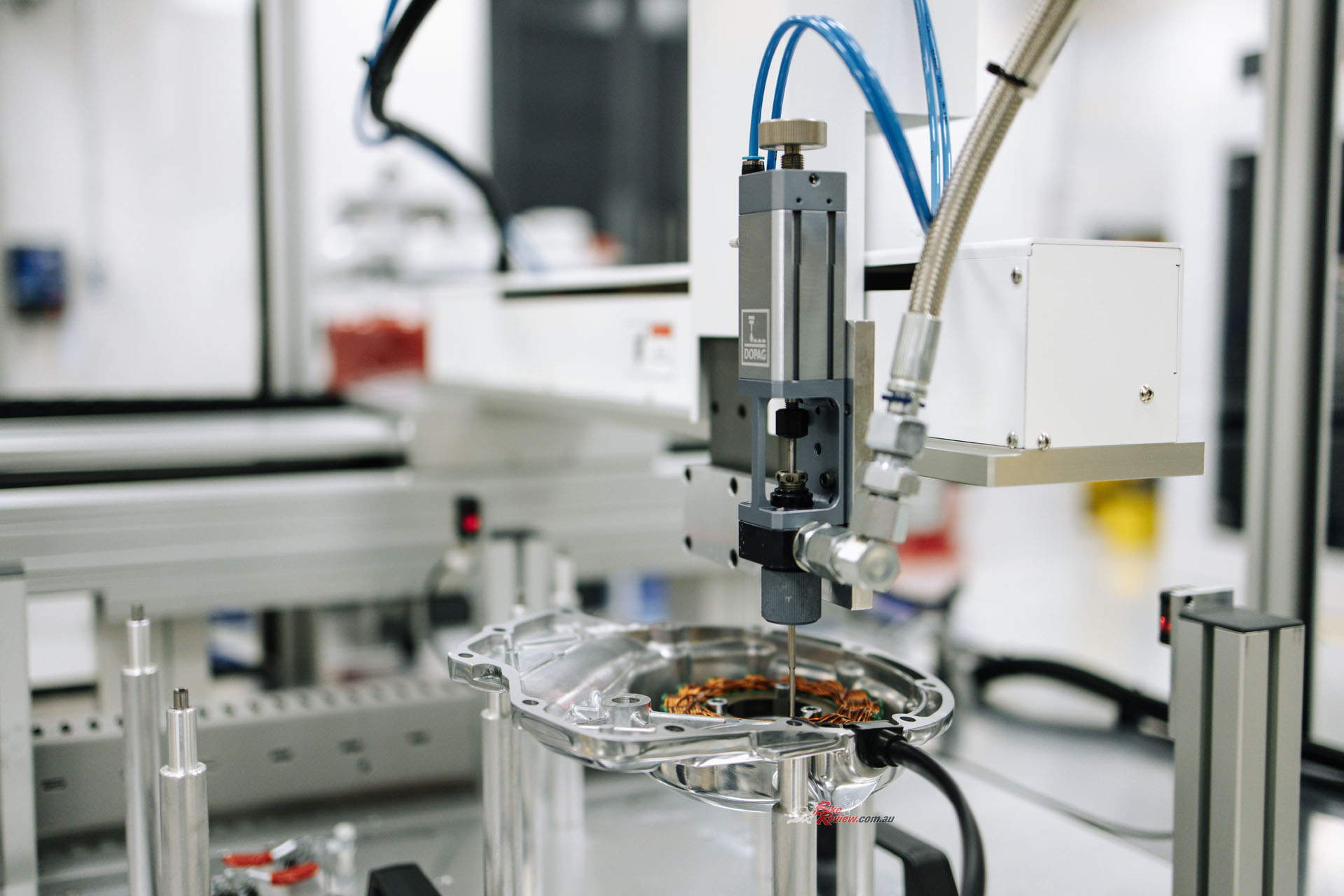
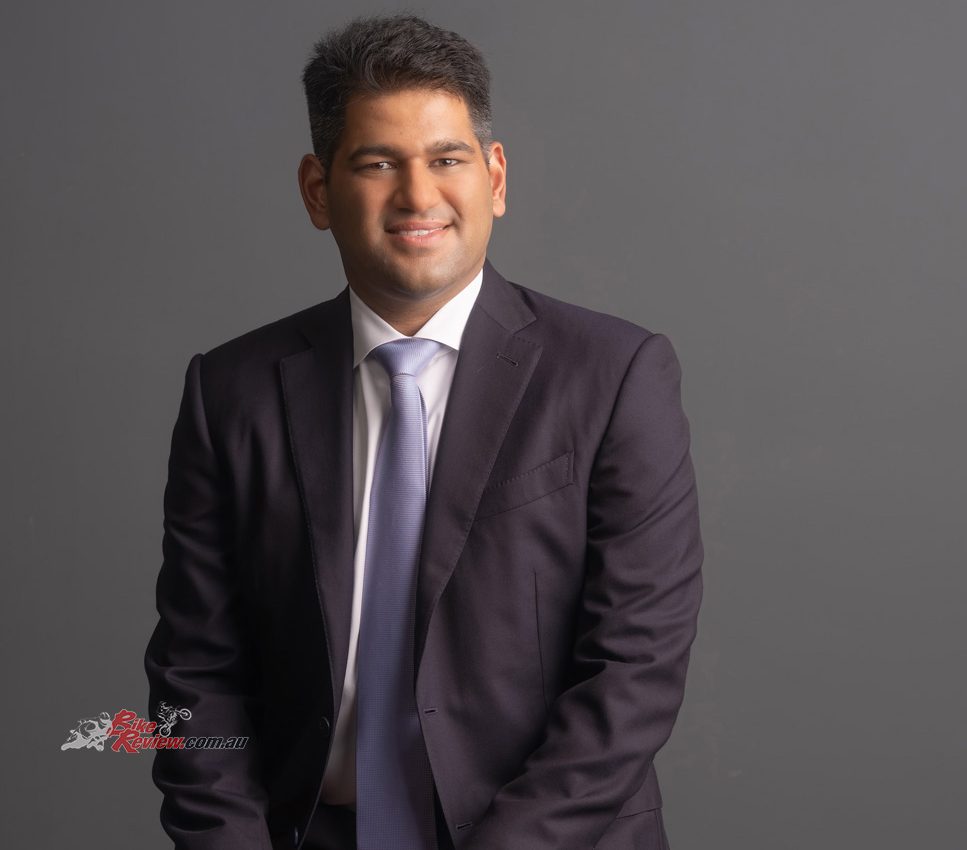
“It’s an Indian-based company, but a very global one,” Mance explains. “They’re present in over 90 countries and collaborate internationally in design and technology. The scale and the obsession with quality they bring are priceless.”
“Australia isn’t in the very first phase, but it’s definitely on the roadmap.”
Quality, in fact, has become Norton’s new mantra. “TVS has won five J.D. Power awards for quality in 2025 alone,” he adds. “That culture has now been injected into Norton’s DNA – quality, quality, quality.”
Norton’s relaunch is beginning close to home, with the UK leading the rollout before the brand pushes further into Europe and other export markets. “Australia isn’t in the very first phase, but it’s definitely on the roadmap.”
At the moment we’re selling only in the UK, so we need to set up the right relationships overseas. There’s strong interest already.” And while pricing hasn’t been finalised, Mance smiles when asked if they’ll be affordable. “We’re still crunching the numbers,” he admits. “Let’s just say they’ll be competitive with other premium brands.”
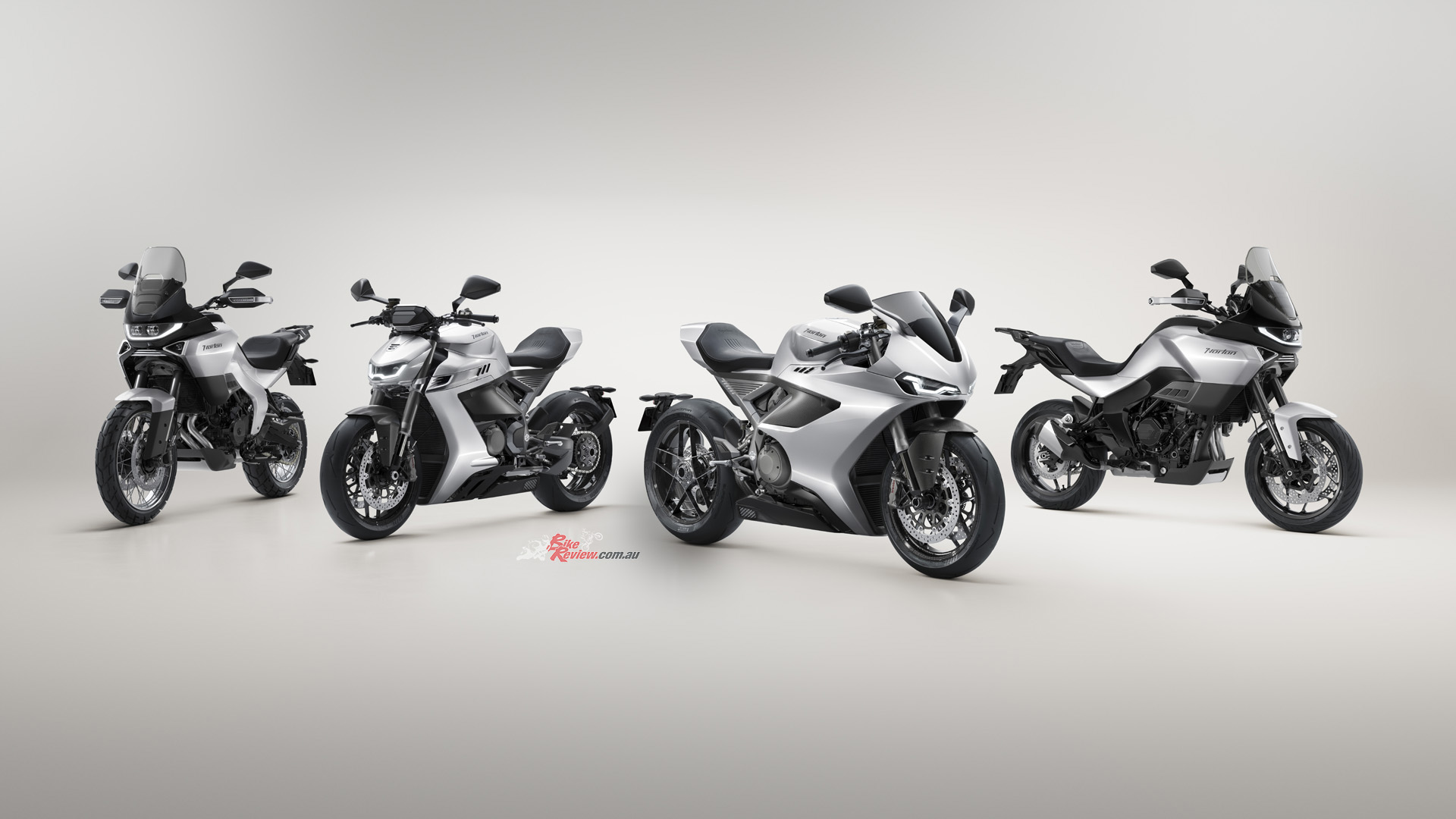
It’s hoped the four-tier range will cast a wide net in the market.
To understand what the new Norton stands for, you need to talk to Simon Skinner, the company’s Design Director and one of its longest-serving employees. Skinner has been with Norton for nearly 17 years, through its previous ownerships and now under TVS. “I’m still employee 001,” he jokes. “I’ve seen the whole journey – the rise, the fall and now the rise again.”
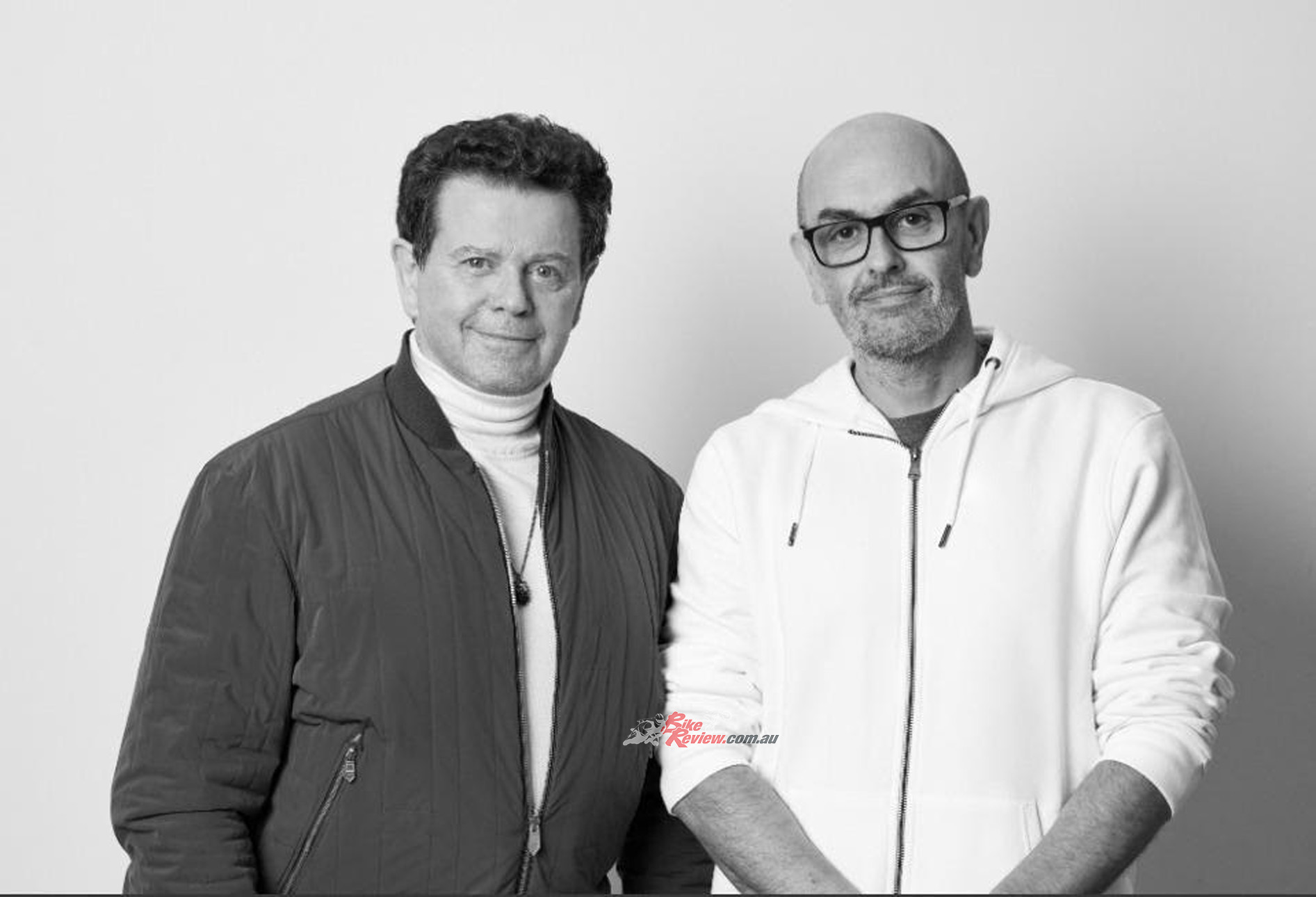
Skinner’s team is responsible for the four motorcycles unveiled so far – the Manx V4 Superbike, the Manx R Café Racer, and the Atlas Adventure and Atlas Trail models. His design philosophy is rooted in discipline rather than nostalgia. “The old 961 engine was lovely,” he says, “but with modern emissions standards it would be almost impossible to make compliant. More importantly, we’re a modern brand now. We need motorcycles that reflect where we are today.”
“We’re a modern brand now. We need motorcycles that reflect where we are today.”
Skinner says the new Norton design language is built around four ideas: modernity, integration, drama and connection. Modernity, he explains, comes through reduction – stripping away anything that does not need to be there. Integration means ensuring design and engineering work together rather than competing for attention, while drama is about giving each bike a sense of movement and emotion, even when it is standing still. Connection is the final part: making sure that visual promise carries through to the way the motorcycle feels on the road.
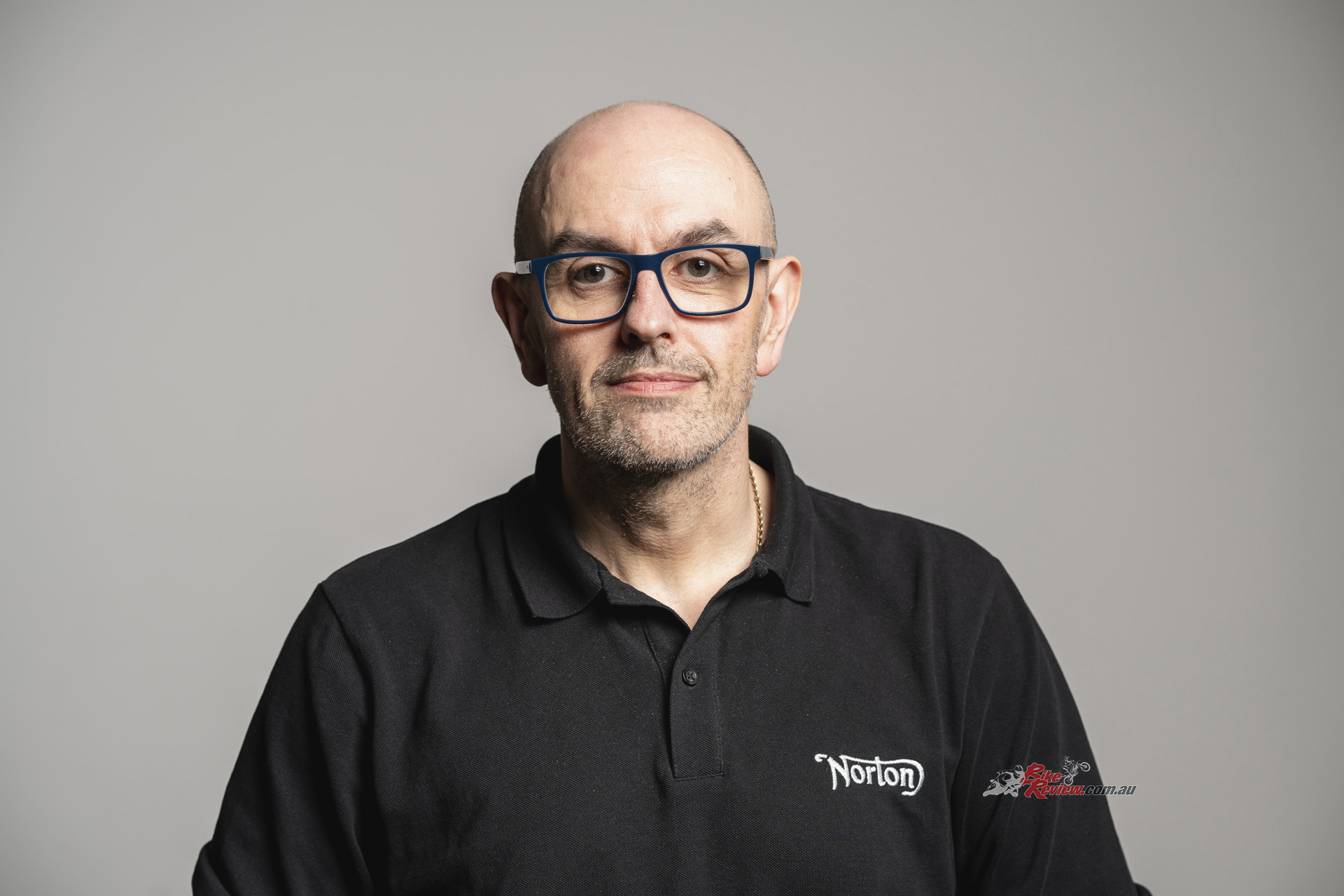
Head of Design, Simon Skinner.
“This gives us design continuity across every category,” he says. “Whether it’s a small bike, an adventure bike or a superbike, it will always look and feel like a Norton.”
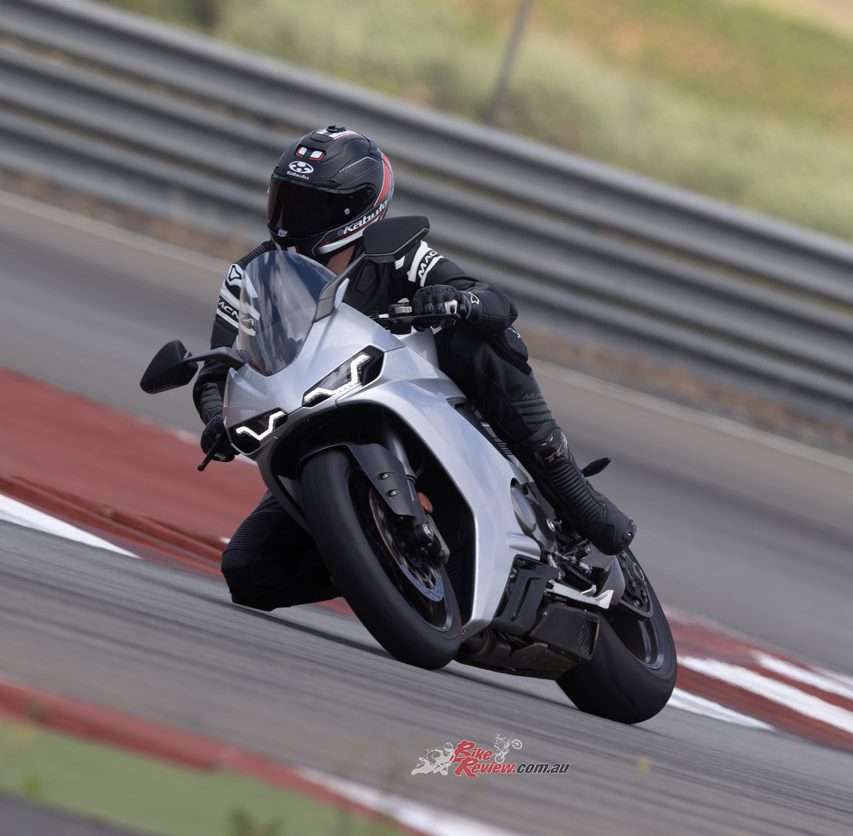
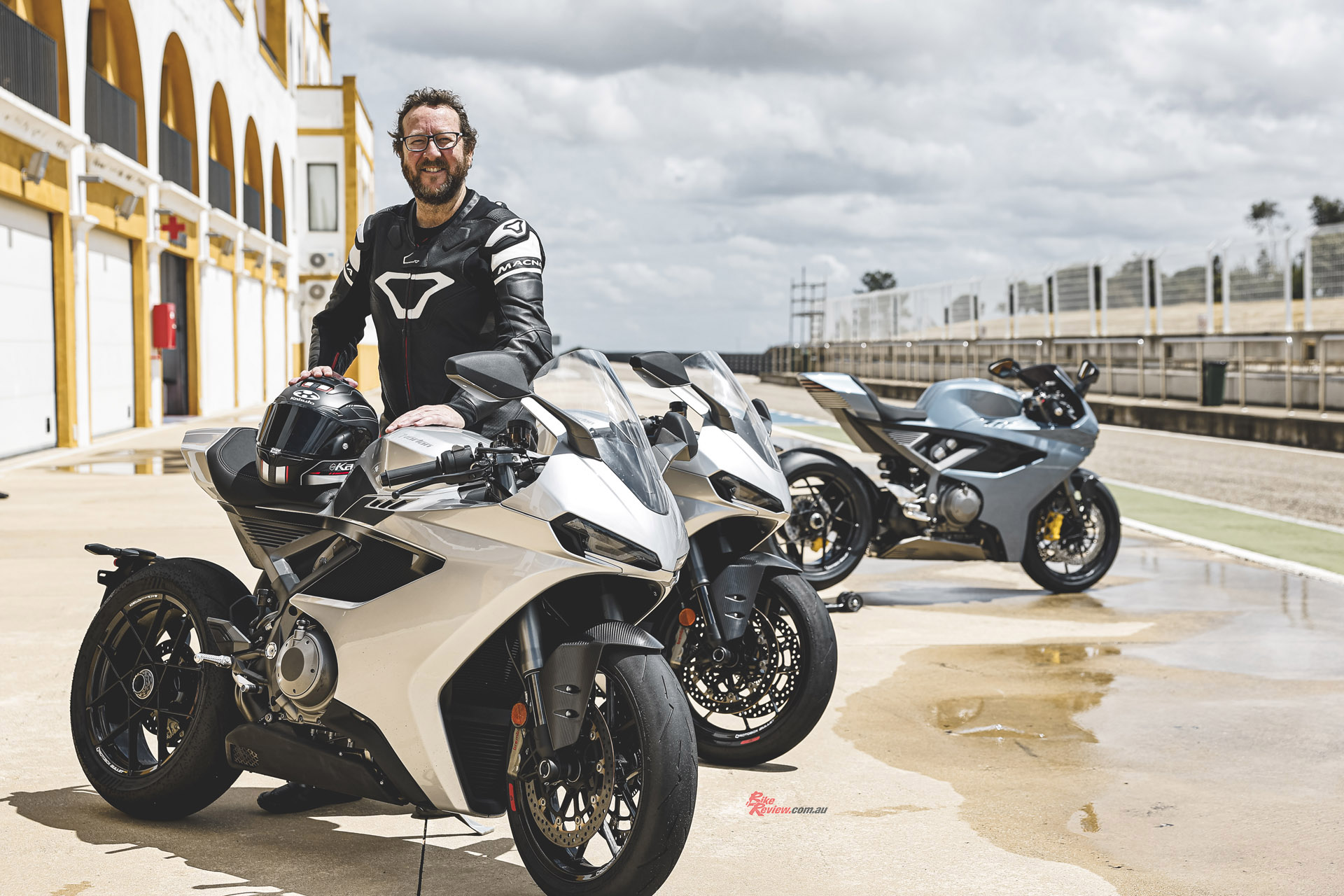
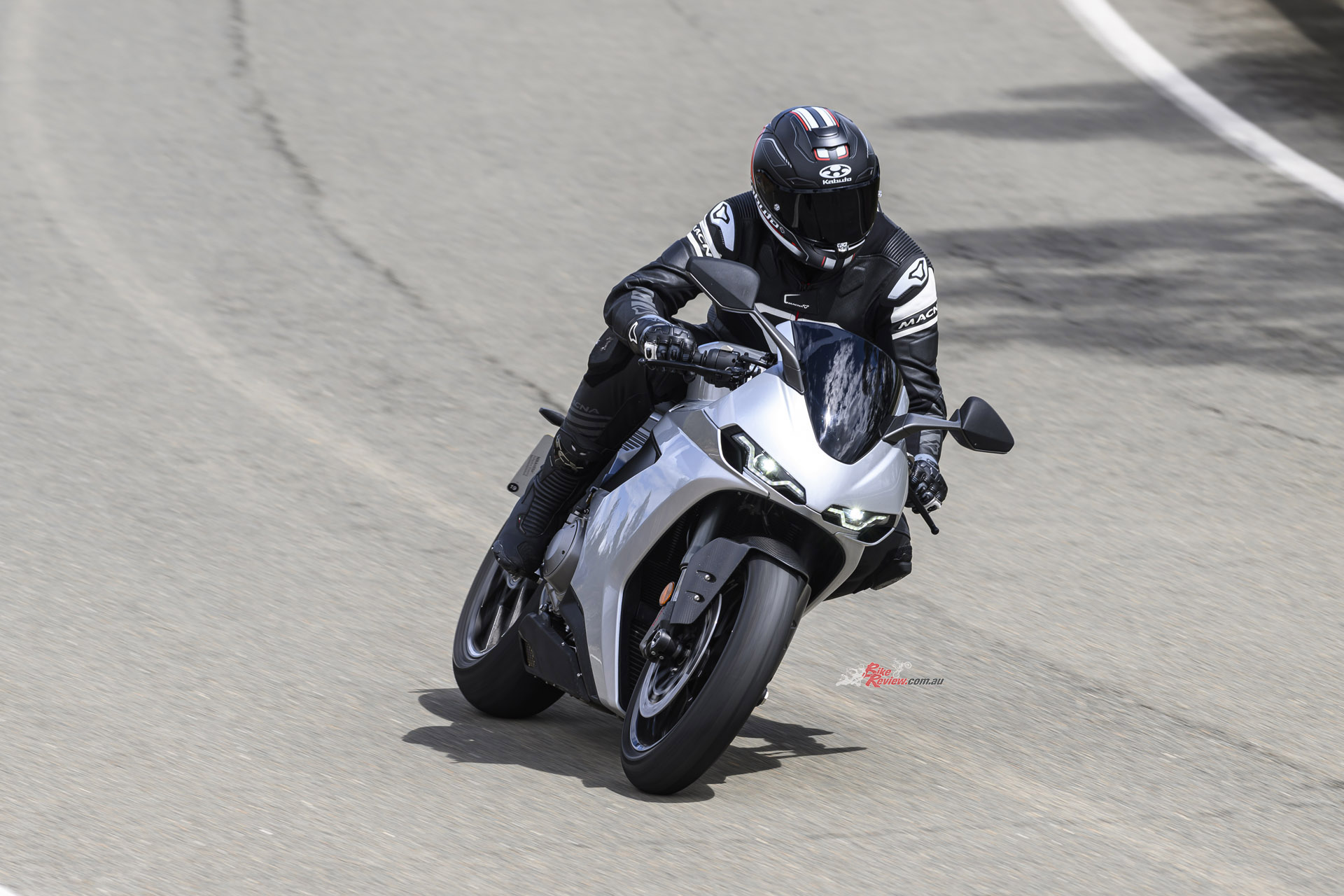
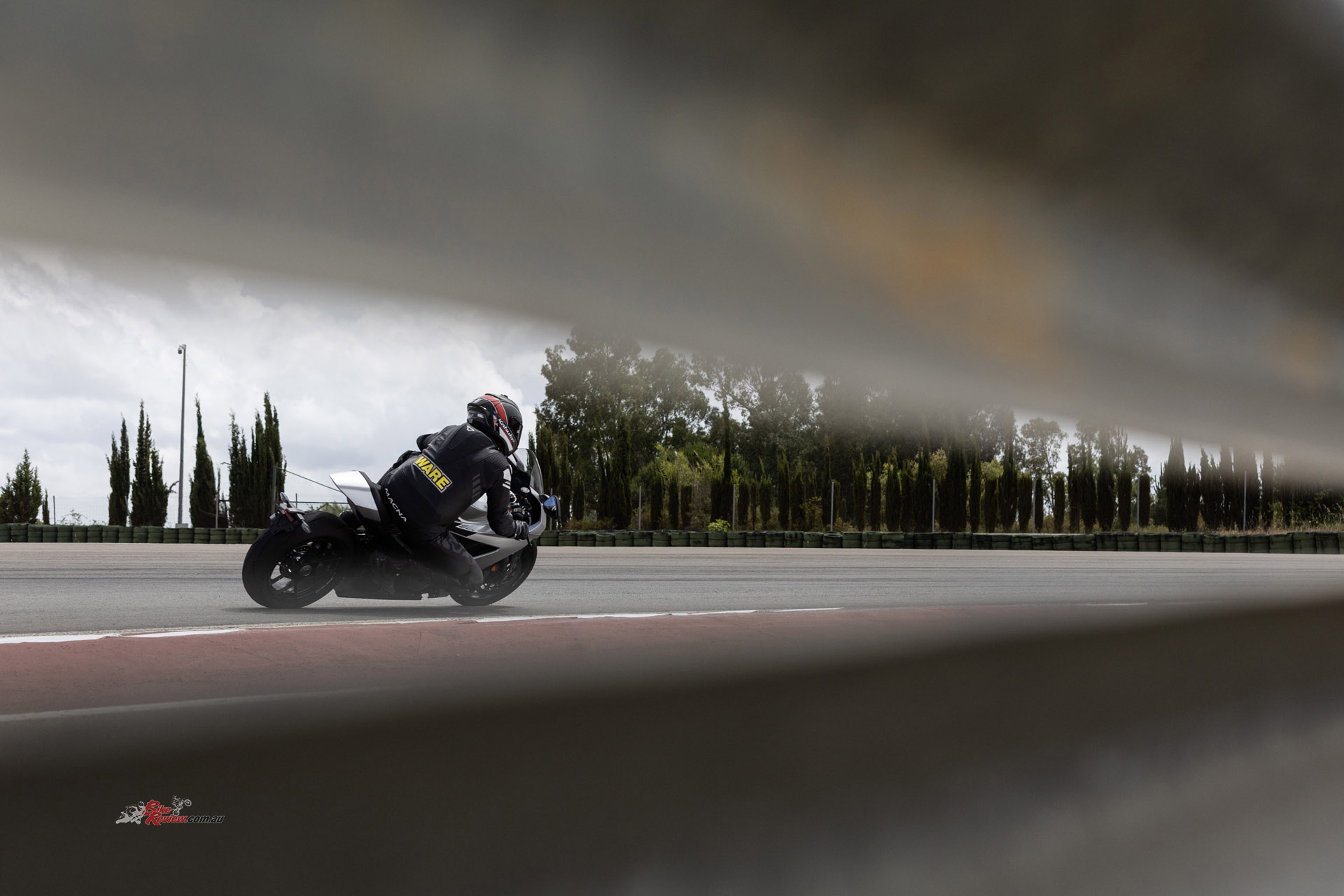
At EICMA, the two Manx models drew crowds for their clean, sculpted shapes and purposeful stance. “We don’t have the handcuffs of racing homologation,” Skinner explains. “We took a fresh look at what riders actually want. From engineering, most riders spend very little time above 8000rpm – they want torque and response, not just a headline power number. We applied the same logic to design: strip it back and build from the ground up.”
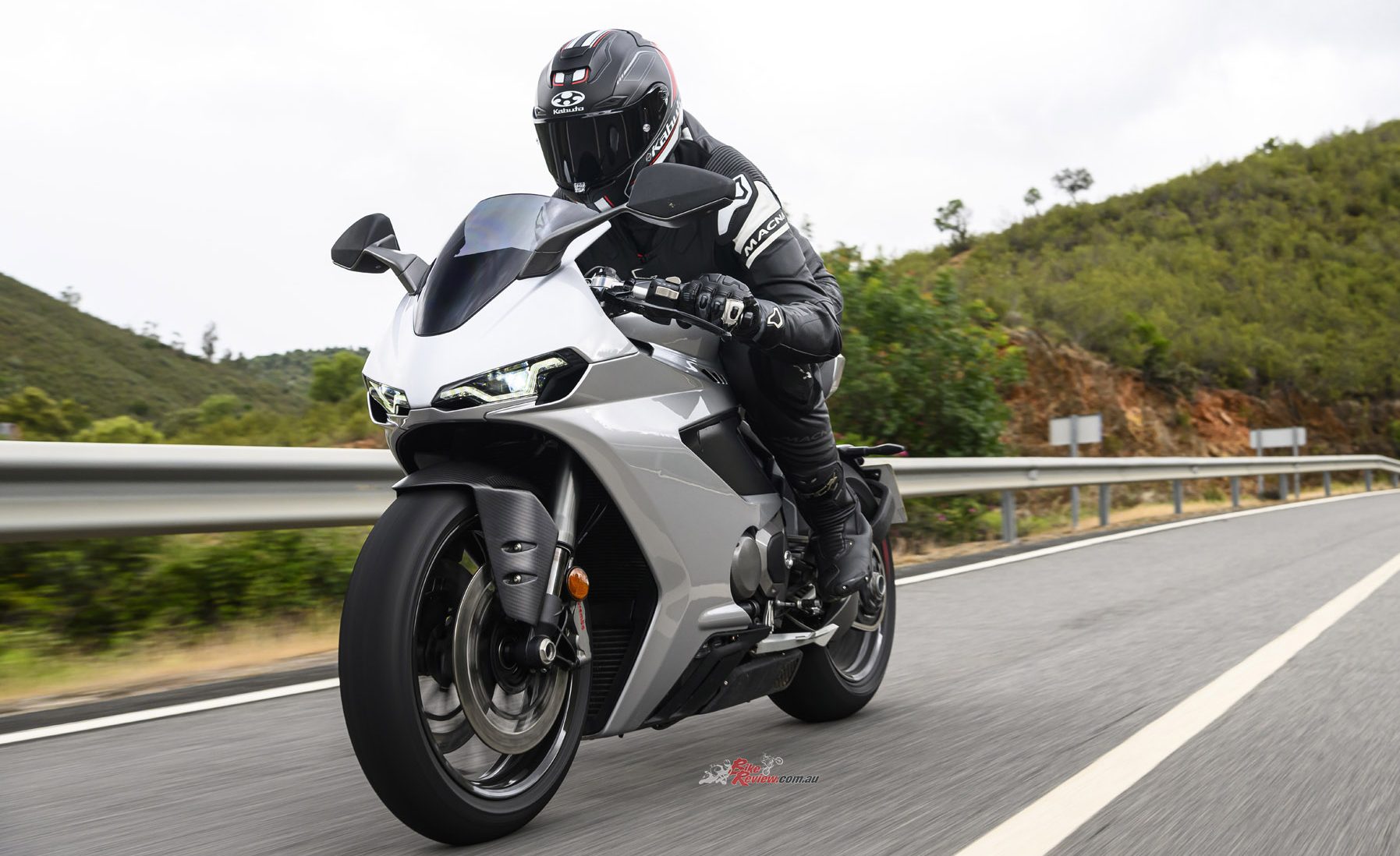
Our Editor headed to Spain to ride the new Manx R Limited on road and track…
Watch our full road and track test of the impressive Norton Manx R here!
He compares Norton’s approach to car brands rather than other motorcycle makers. “If you imagine the competition as Porsche 911 GT3 or Ferrari 296, we’re more like Aston Martin – elegant, powerful, distinctive.” That elegance extends beyond the metal. At EICMA, every display bike wore a silver finish, intentionally neutral. “We want people to see the form without being distracted by colour,” Skinner says. “But come back tomorrow and you’ll see our interpretation of colour – modern, luxurious finishes with real depth and quality. It’s part of redefining what modernity means for Norton.”
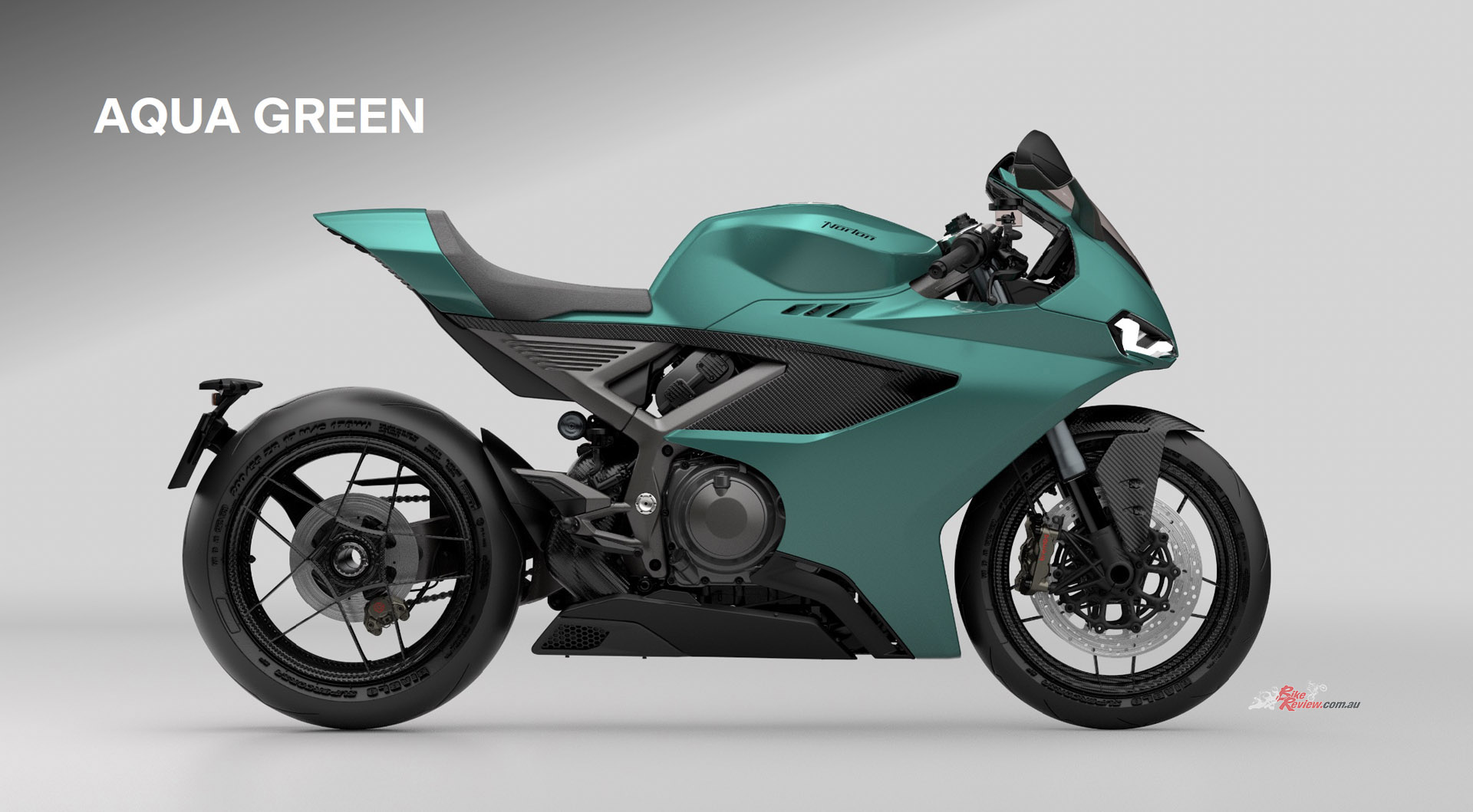
Skinner says the colour choices are luxurious rather than loud.
If the Manx and Manx R are Norton’s statement pieces, the Atlas Adventure and Atlas Trail aim to broaden the brand’s reach. Both are powered by a new parallel-twin engine and adopt a more road-biased adventure format than the hardcore off-road norm. As we published, we were off to Iceland to ride the Atlas at the Global Media launch…
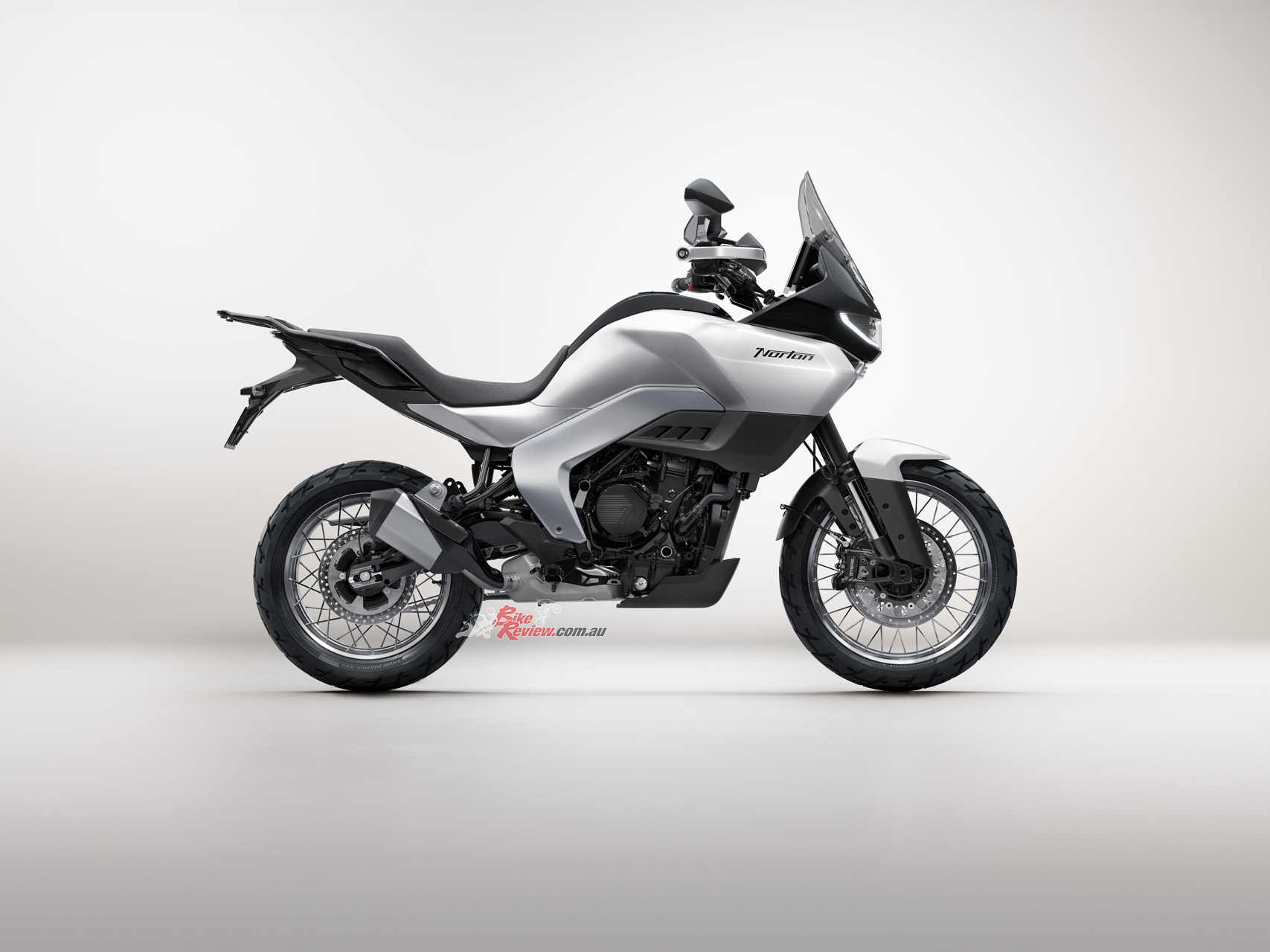
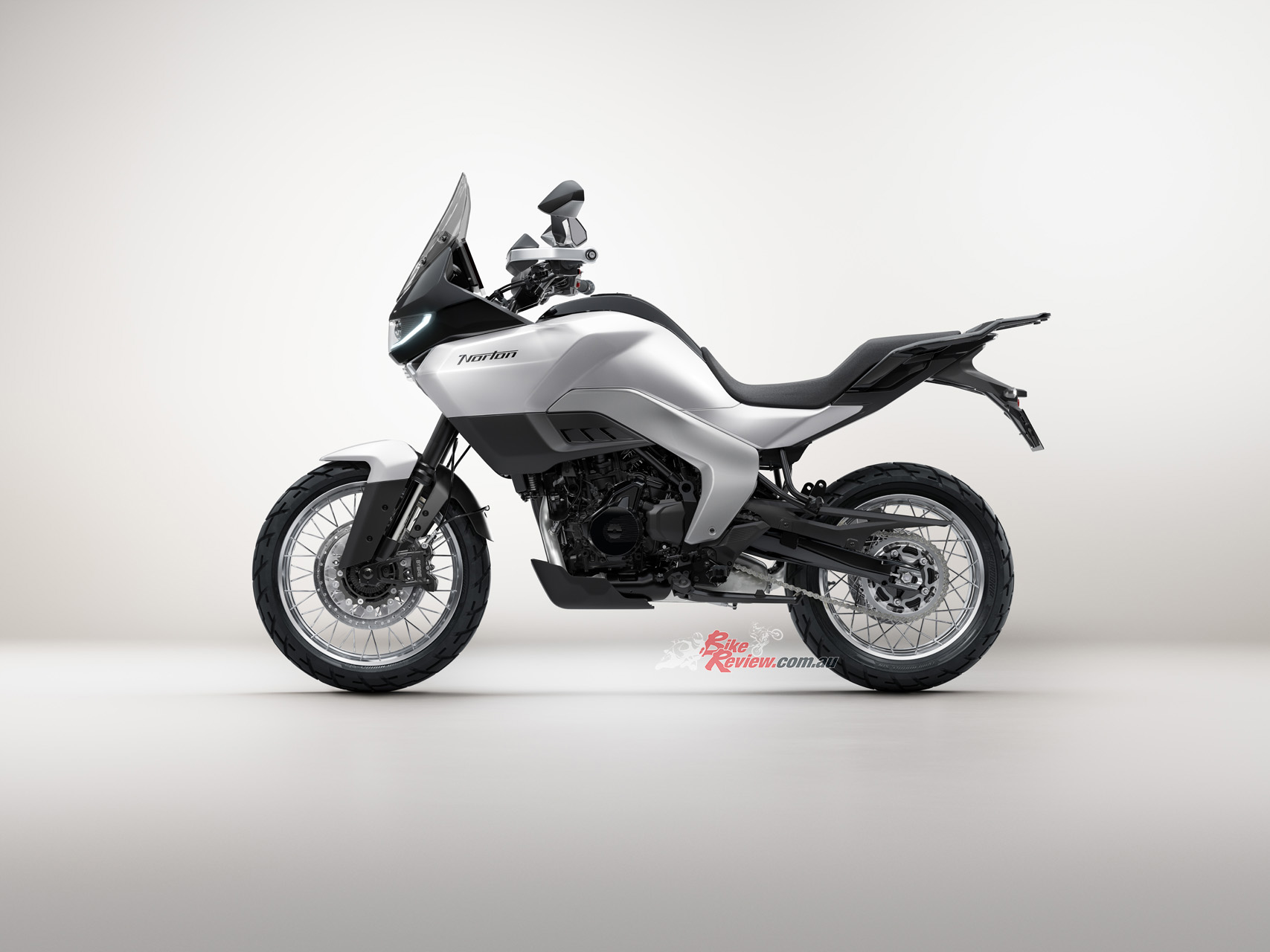
Mance concedes many of the design decisions pre-date his arrival but stands by them. “Our bikes are built around modernity,” he says. “With the Atlas, we wanted to move adventure-bike design into a new dimension – to make it look and feel different, more in line with Norton’s character. From the response so far, that approach seems to resonate.”
“With the Atlas, we wanted to move adventure-bike design into a new dimension”
For riders in markets like Australia, where middleweight adventure bikes such as the Royal Enfield Himalayan 450 and CFMOTO 450MT are strong sellers, Norton’s road-focused Atlas could offer a stylish, premium alternative.
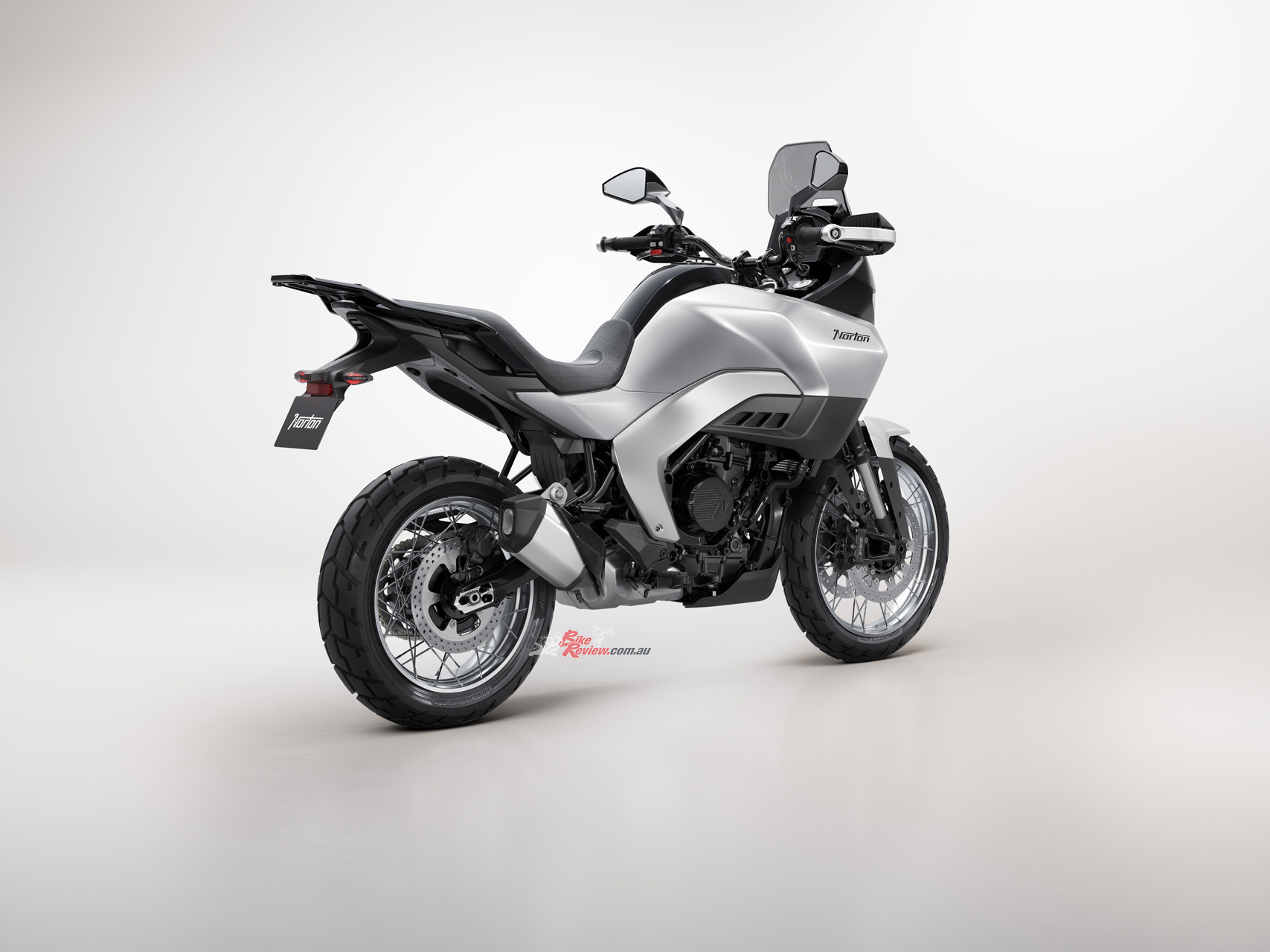
The first Norton Atlas rolled off TVS’s production line in June 2026.
While TVS provides scale and funding, engineering and design remain firmly anchored in the UK. “The 1200 models will definitely be UK-origin products,” Mance confirms. “The goal is always to deliver the best result for the customer.” Unlike many manufacturers that outsource frame fabrication, Norton builds its own. “Yes, we make the chassis ourselves,” Mance says proudly. “It’s rare these days, but it gives us control.”
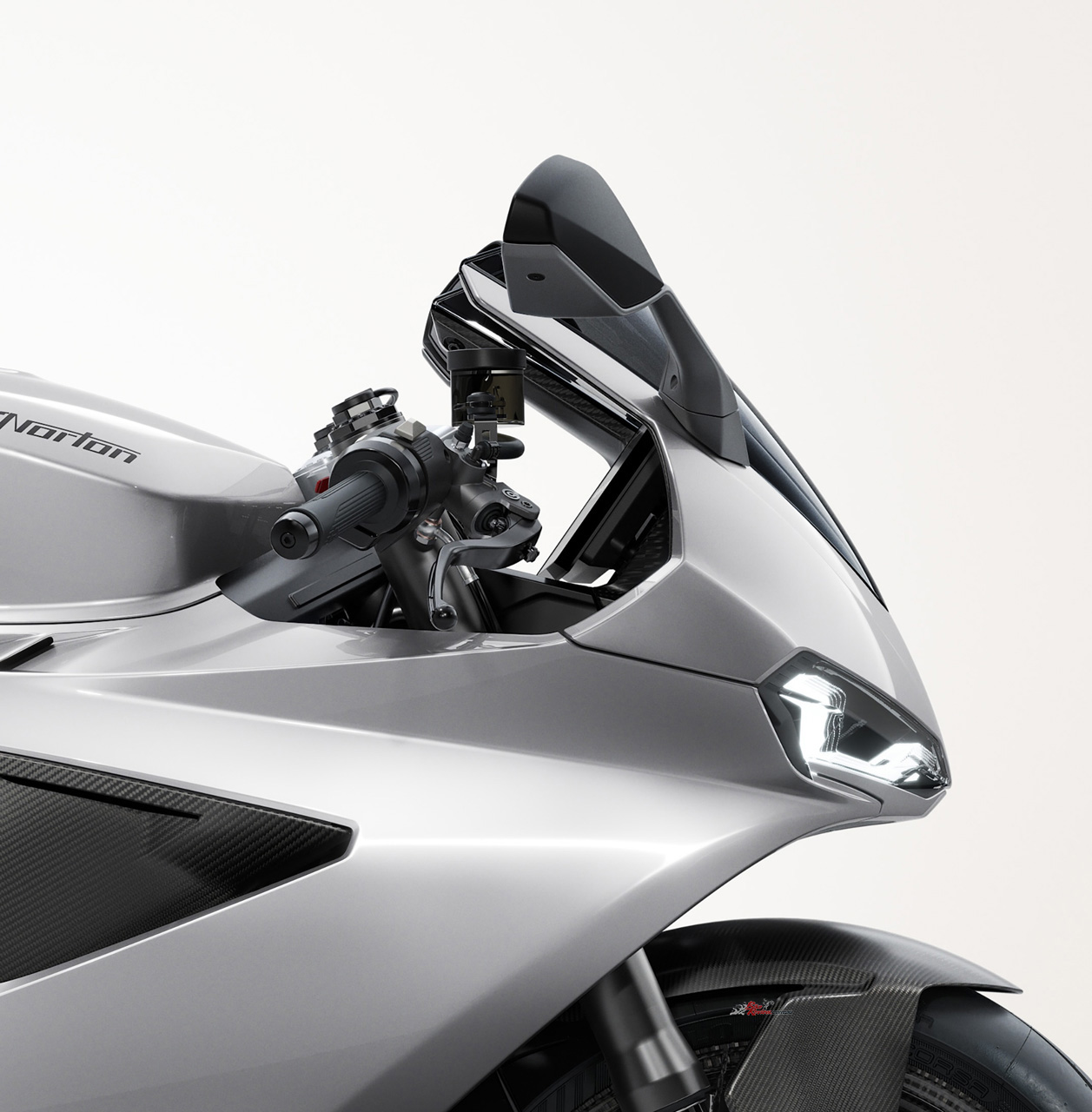
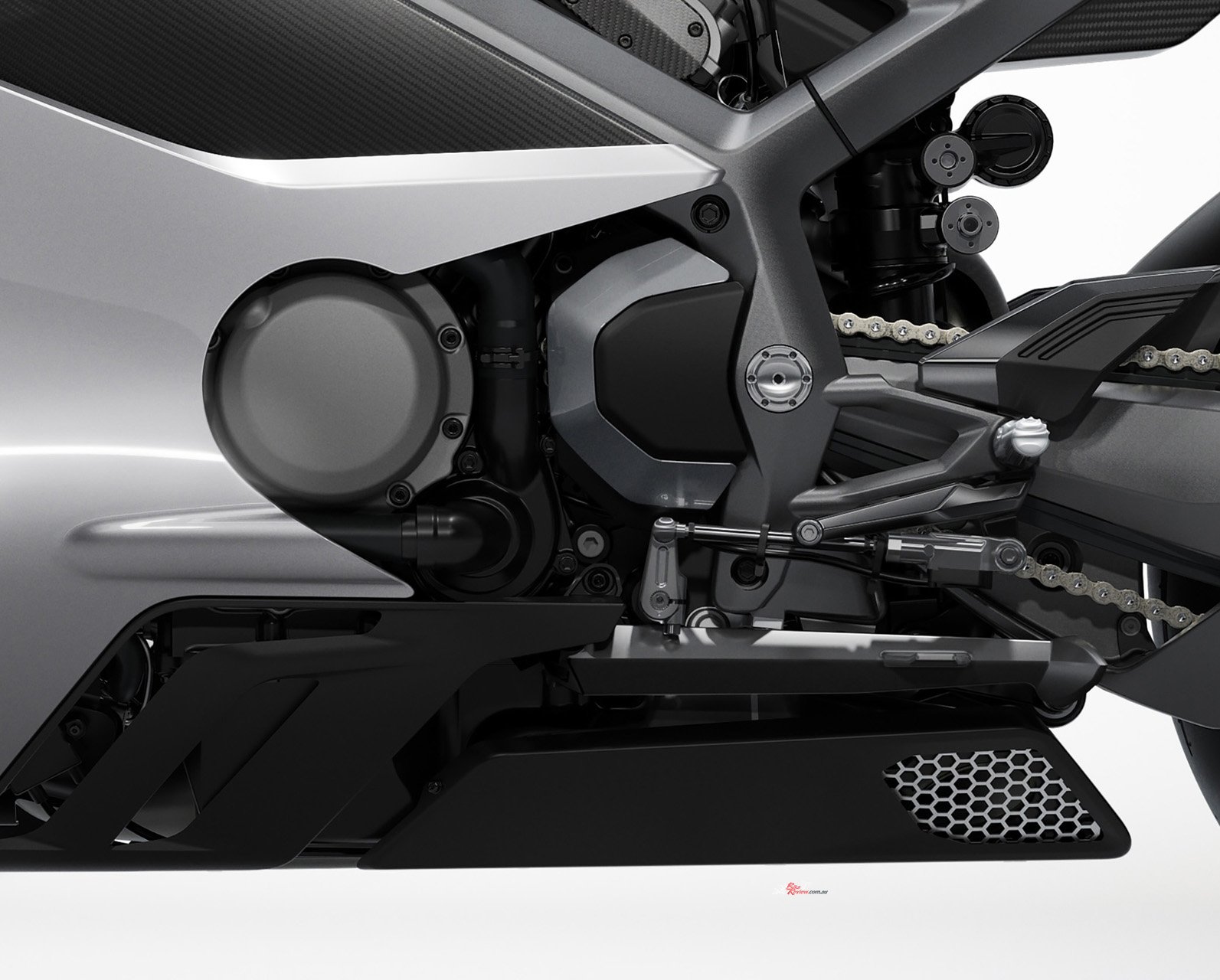
The supplier list reads like a who’s who of performance components: Brembo brakes, Öhlins suspension, and other top-tier names. The aim is to position Norton among the genuine premium makers, not just another boutique badge.
“We make the chassis ourselves. It’s rare these days, but it gives us control.”
With such performance potential, racing might seem inevitable, but Skinner is realistic. “Not right now,” he says. “We need to build stability first, meet our obligations as a modern luxury brand and get properly established. Never say never, but there are no immediate plans.” It’s a pragmatic shift for a brand once prone to over-promising. Under TVS, commercial sense is guiding passion – a welcome change for the Norton brand.
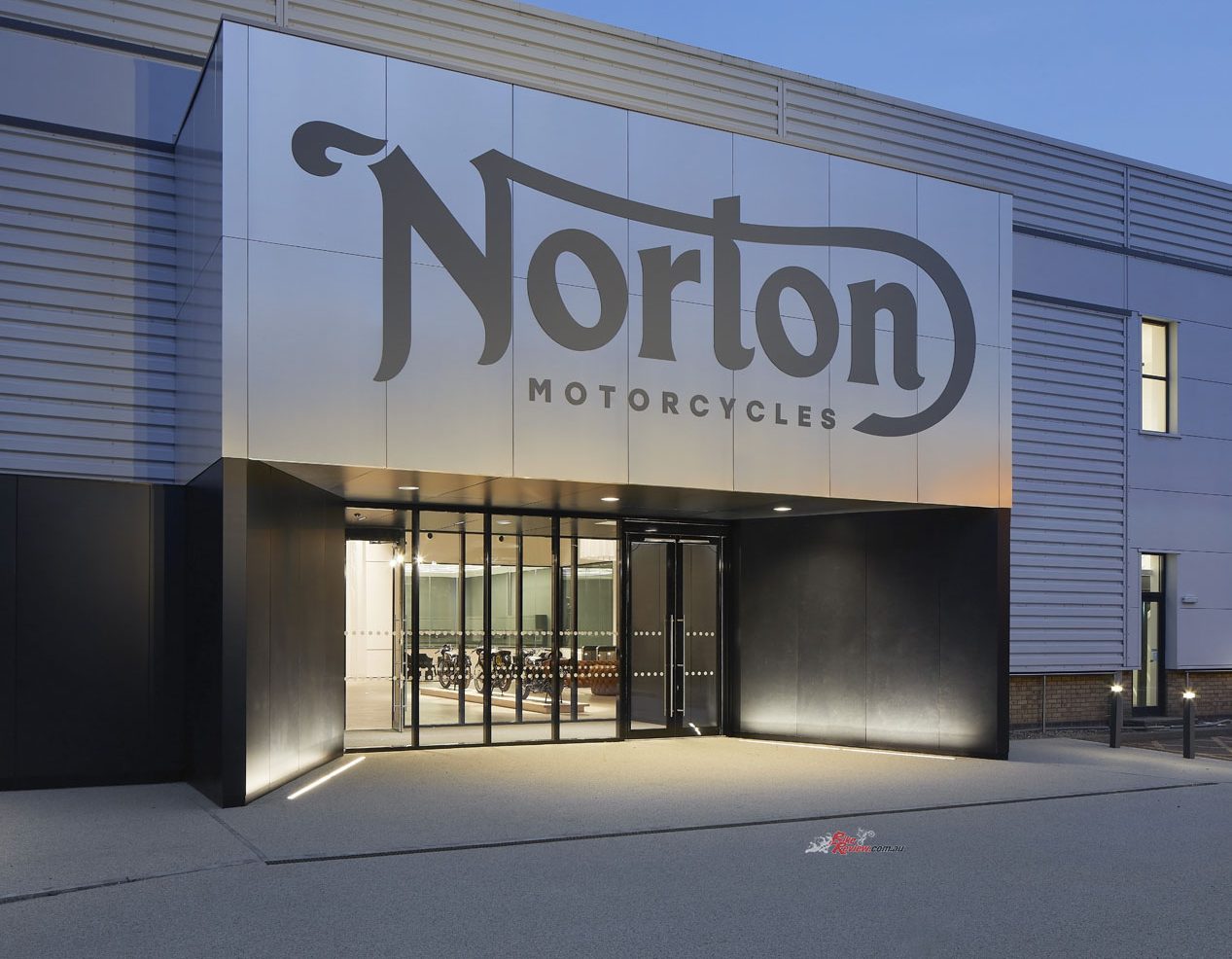
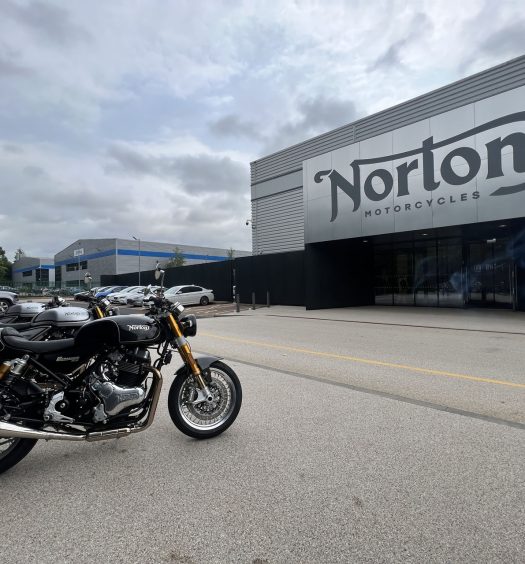
The Norton Motorcycle Company is headquartered at the firm’s UK production facility in Solihull, West Midlands.
At the heart of Norton’s new aesthetic is proportion and purity. “If you look at many competitors, there’s a lot going on – too many surfaces, too much visual clutter,” Skinner says. “We’ve taken a cleaner approach. We want a bike that looks dramatic but not busy.” That sense of reductivity runs through every model. Instead of aggressive wings and layered plastics, the Manx V4 uses flowing panels that imply speed without the excess. The Atlas models apply the same uncluttered philosophy.
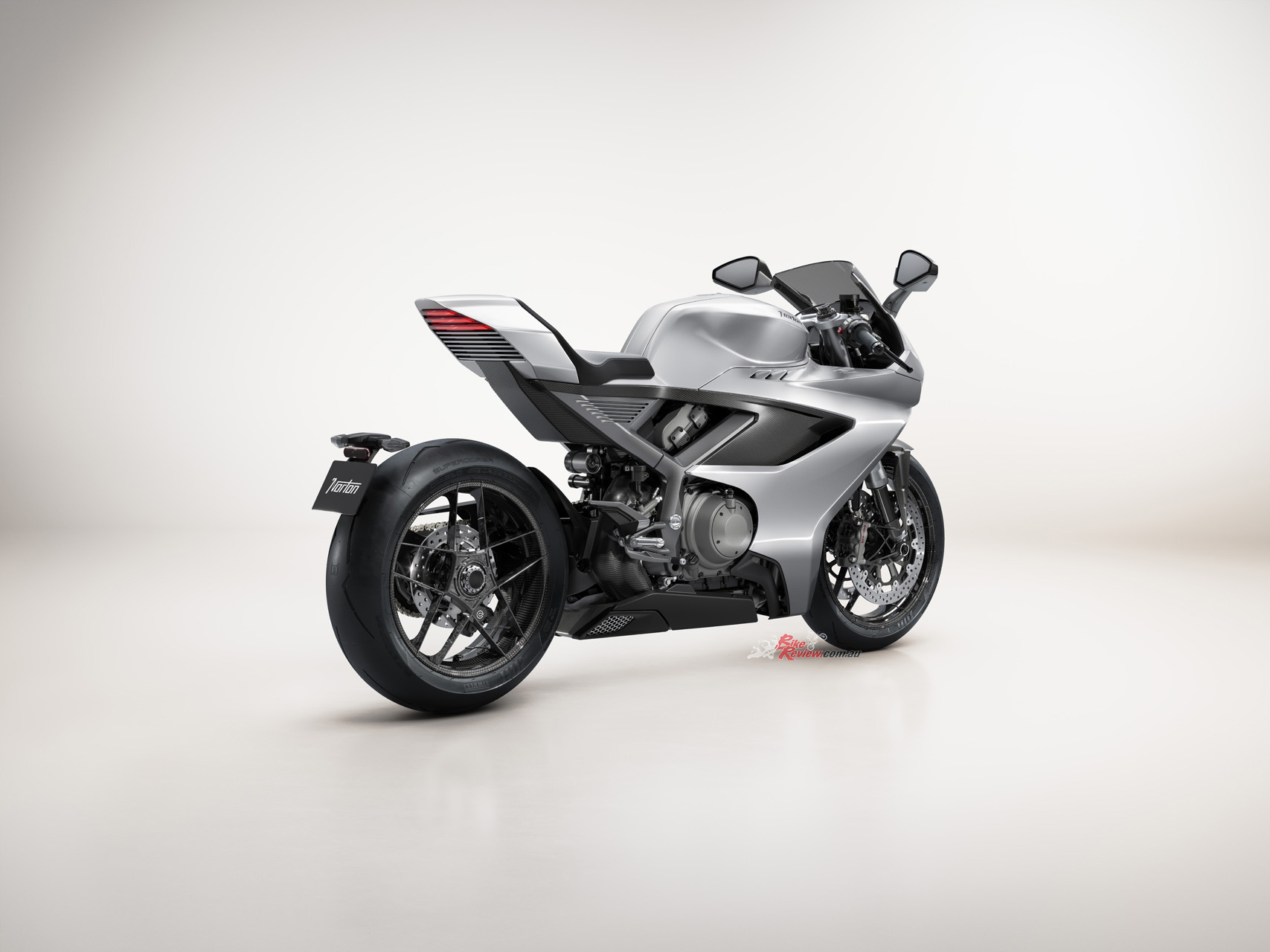
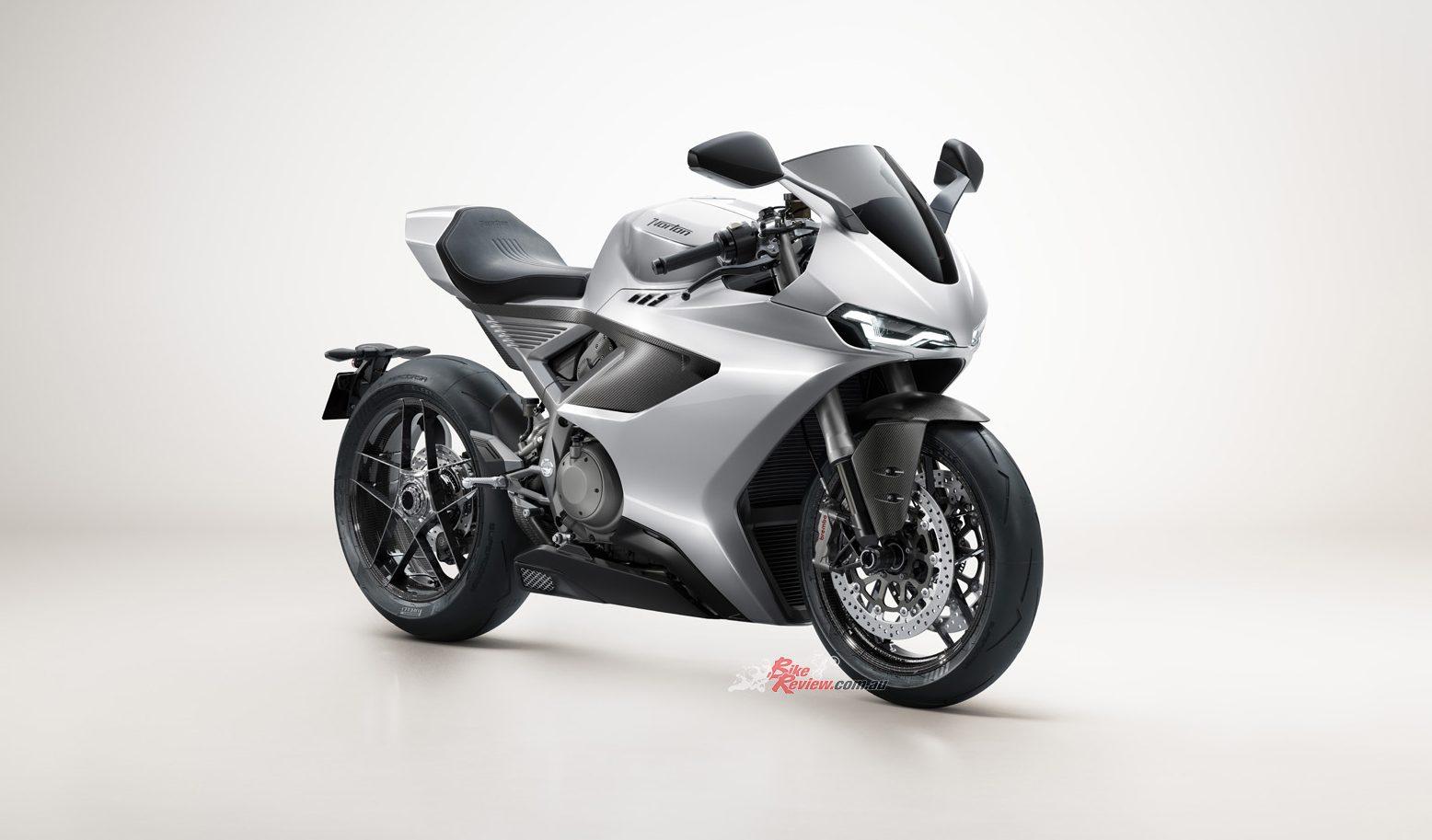
He gestures across the stand. “We’re incredibly lucky: a 127-year-old brand, the might of TVS behind us and a blank sheet of paper. That combination gives us freedom. We’re not bound by what came before – we can simply create what’s right for today.”
“We’re incredibly lucky: a 127-year-old brand, the might of TVS behind us and a blank sheet of paper. That combination gives us freedom.”
At EICMA, Mance said Norton planned to begin deliveries this year, with the priority now on getting bikes into customers’ hands at the promised standard. “The show gives people a glimpse of where the journey is heading, but behind the scenes we’re working hard to make it real. My priority is getting those bikes into customers’ hands, built to the standard we promise.” For Mance, Norton’s true revival depends not on press-show polish but on customer satisfaction. “When riders take delivery and the bikes meet expectations, that’s when Norton truly returns.”
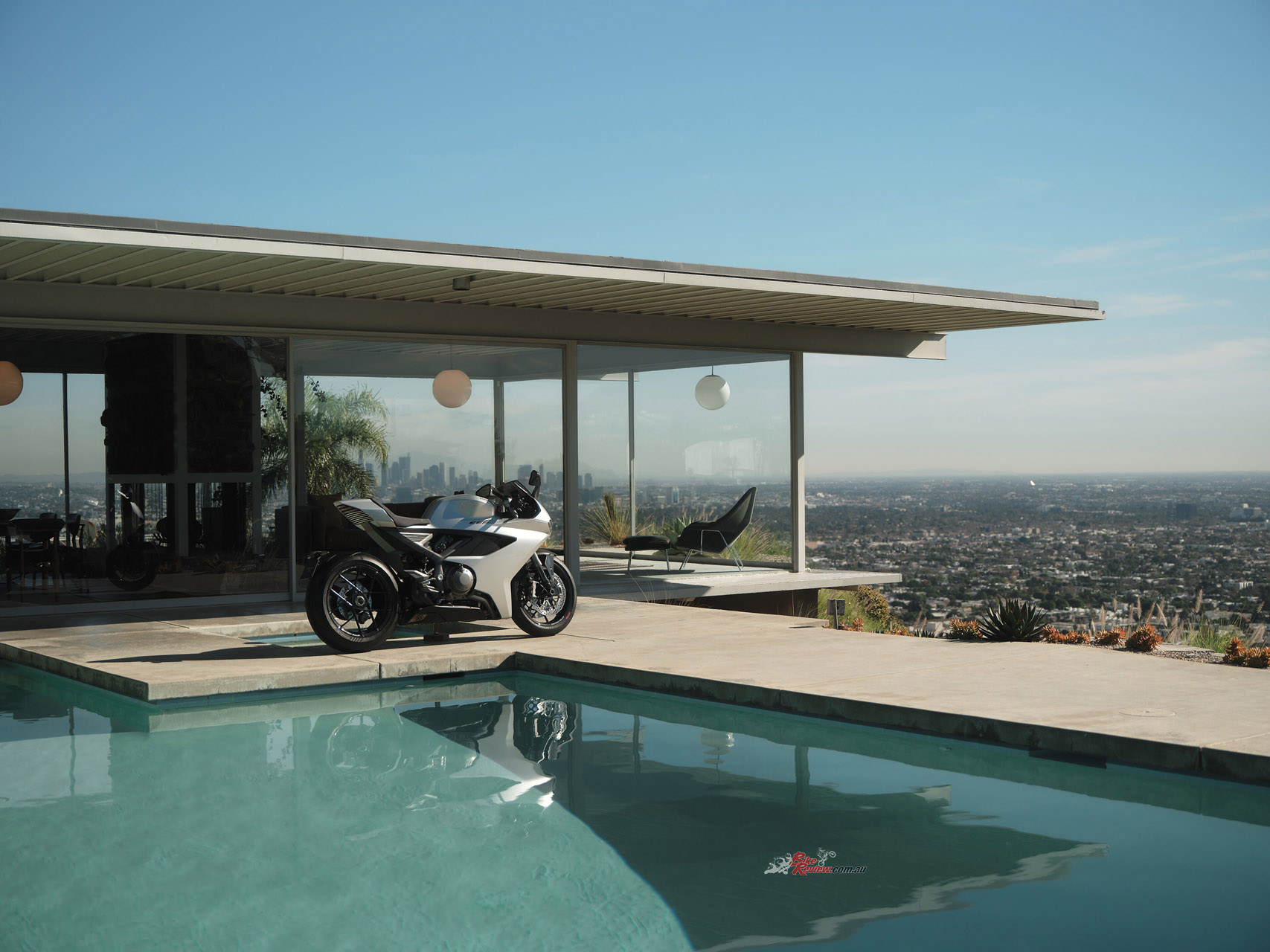
“Dramatic but not busy” is how Skinner describes the design of the modern line-up.
For Australian riders, Norton remains a familiar name but a distant one – admired for its heritage, absent from showrooms for years. The previous distributor vanished with the last collapse. Mance is careful but optimistic. “Australia is definitely a market we’ll enter,” he says. “We just need to establish the right partnerships first.”
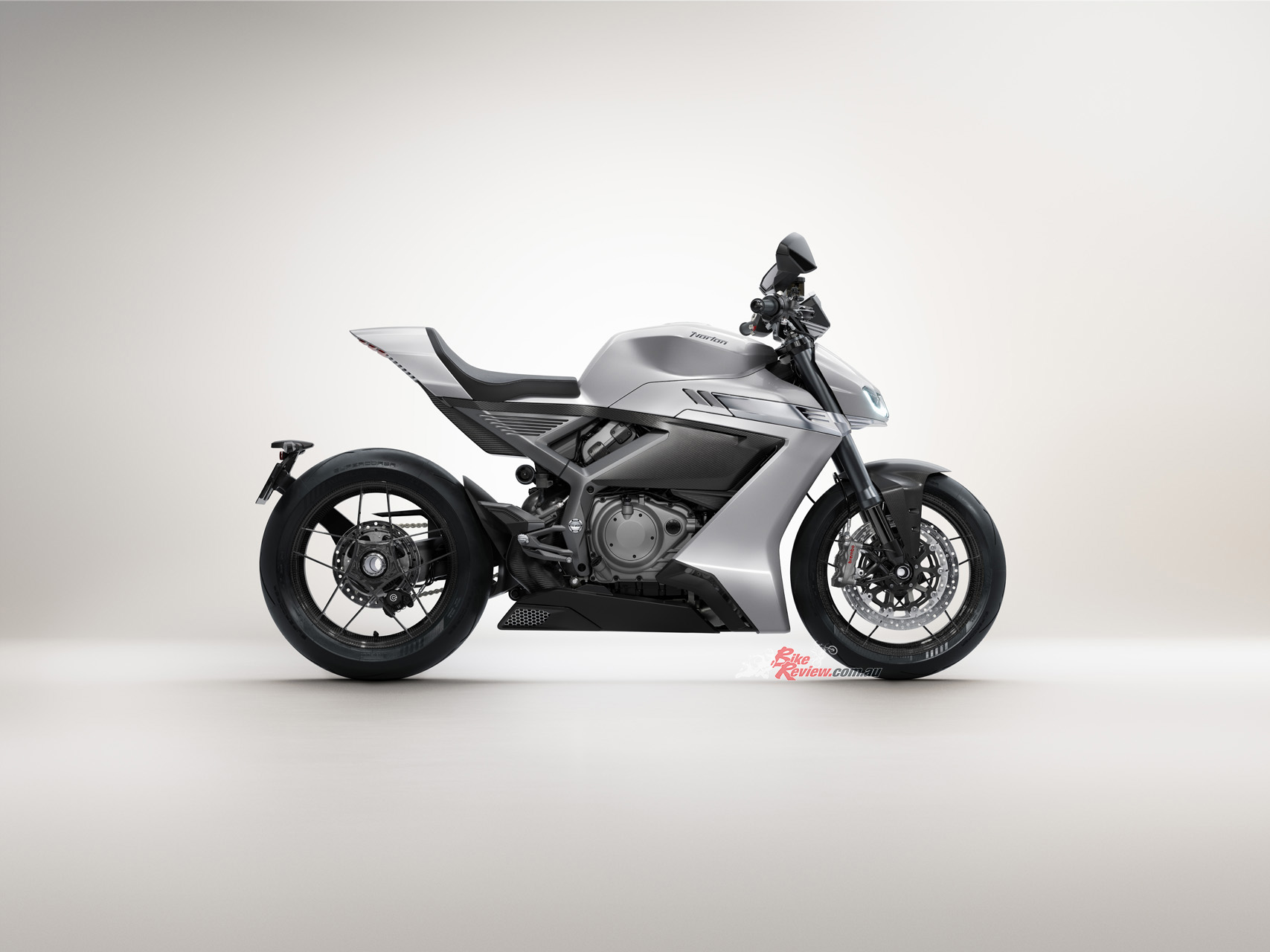
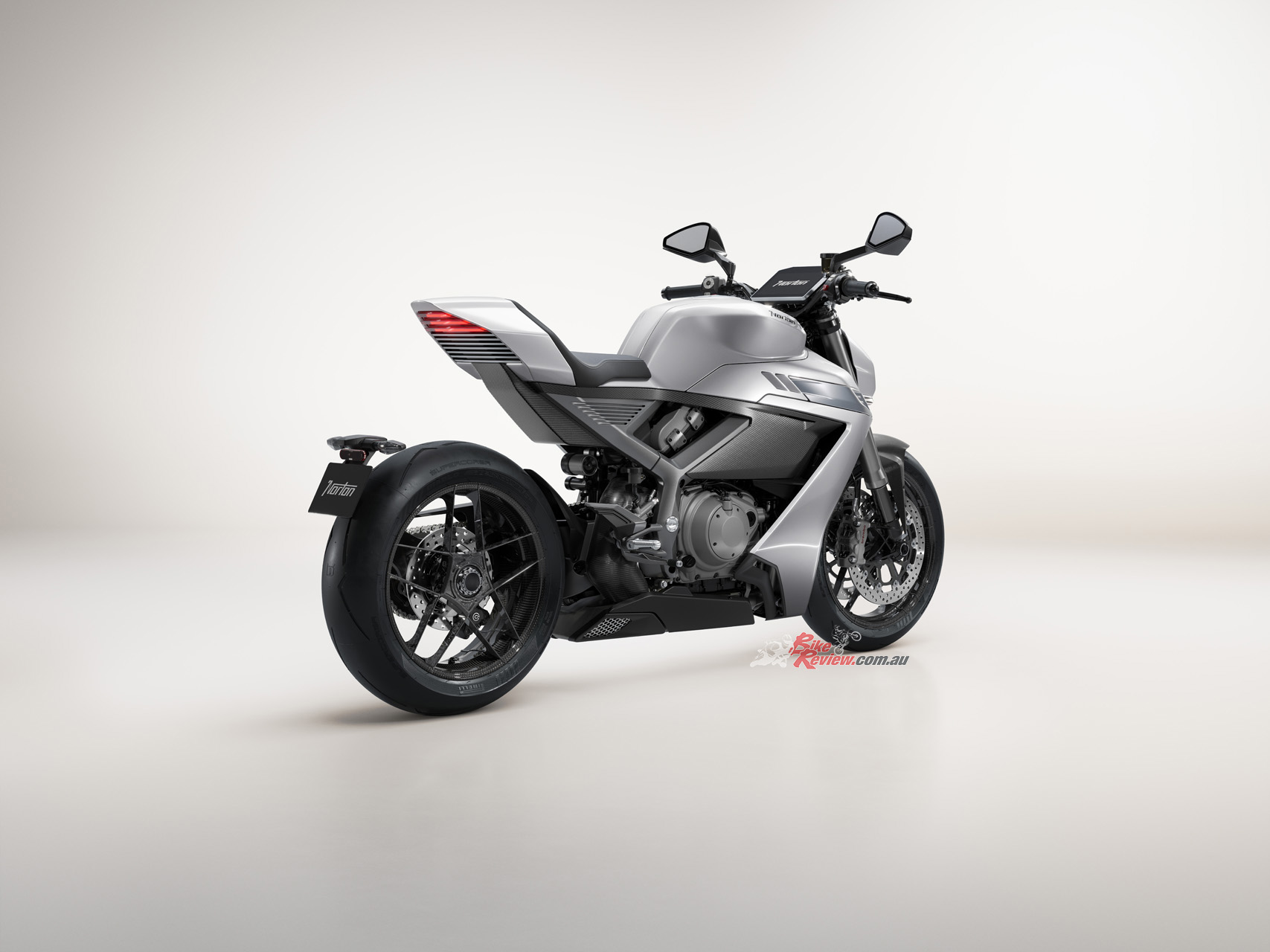
Given the local appetite for mid-capacity adventure and retro-inspired machines, Norton’s mix of modern design and classic British presence could find eager buyers. The challenge will be convincing riders this time is different.
“Australia is definitely a market we’ll enter. We just need to establish the right partnerships.”
The new Norton doesn’t trade on nostalgia – it acknowledges its past but isn’t trapped by it. Backed by a global manufacturer, driven by design discipline and fuelled by a substantial AUD $400 million investment, the reborn Norton looks ready to stand tall among modern performance brands. As Simon Skinner puts it: “We’re staying true to Norton’s DNA – but we must also look forward. The history of Norton was built on innovation. In 2025, innovation isn’t featherbed frames or rotary engines; it’s how we redefine modern luxury on two wheels.”
The Author

You Might Also Like











June 30, 2026
Norton’s should be nostalgic and represent thier heritage as triumph has and Harley does.
If not it’s just enough bike.