
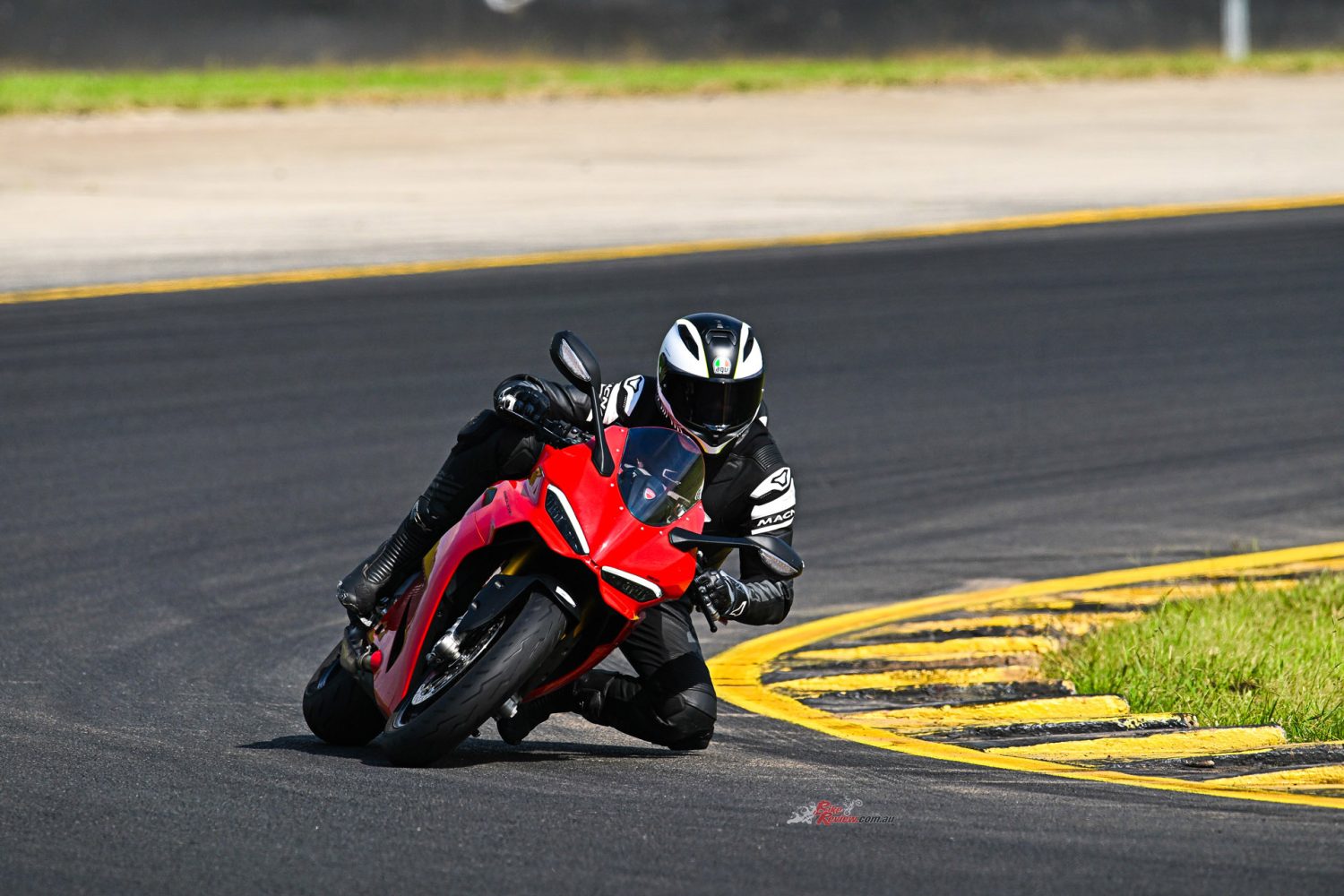

Less weight, a new 890cc V-twin and a friendlier personality aim to broaden the Panigale’s appeal. Jeff tests the V2 S on the road and track to see if the changes have paid off. Photos: SDPics
The 2026 Ducati Panigale V2 S sheds weight, gains an all-new 890cc V-twin and delivers a more approachable take on Ducati’s already popular supersport formula. Jeff tests it on his favourite roads and grabs a few sessions at SMSP to see whether less really is more.
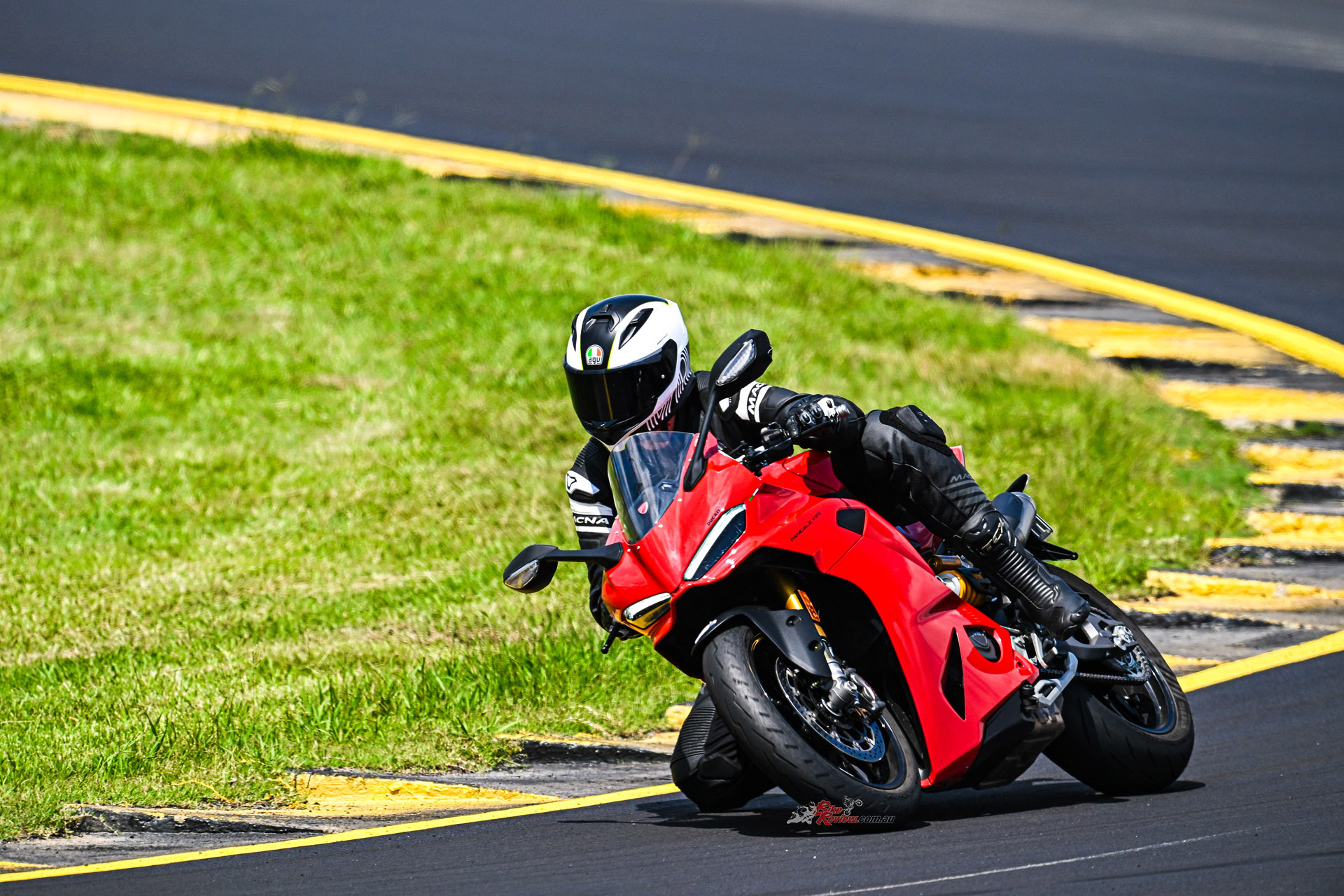
The lighter Panigale V2 S feels agile and precise through the tighter sections of Sydney Motorsport Park.
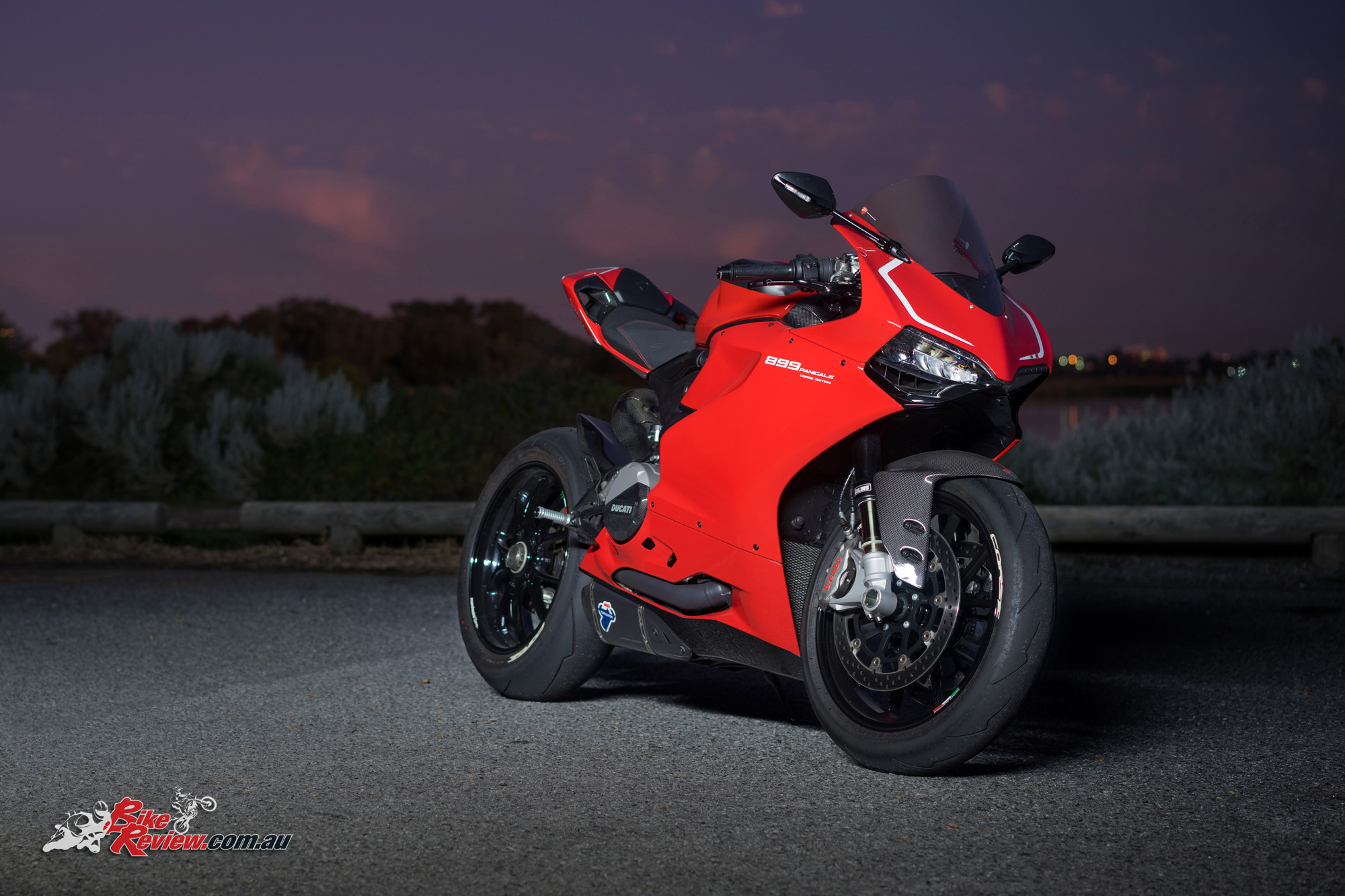
From the moment I first rode the Panigale 899 at the world launch way back in 2014 I’ve thought that there’s something special about Ducati’s middleweight superbike. The Panigale V2 has to some extent lived in the shadow of the ferocious V4, but it’s that lesser output that’s exactly what makes it so appealing. It’s fast, beautifully engineered and unmistakably Ducati, yet still usable enough to actually enjoy on real roads or a track day.
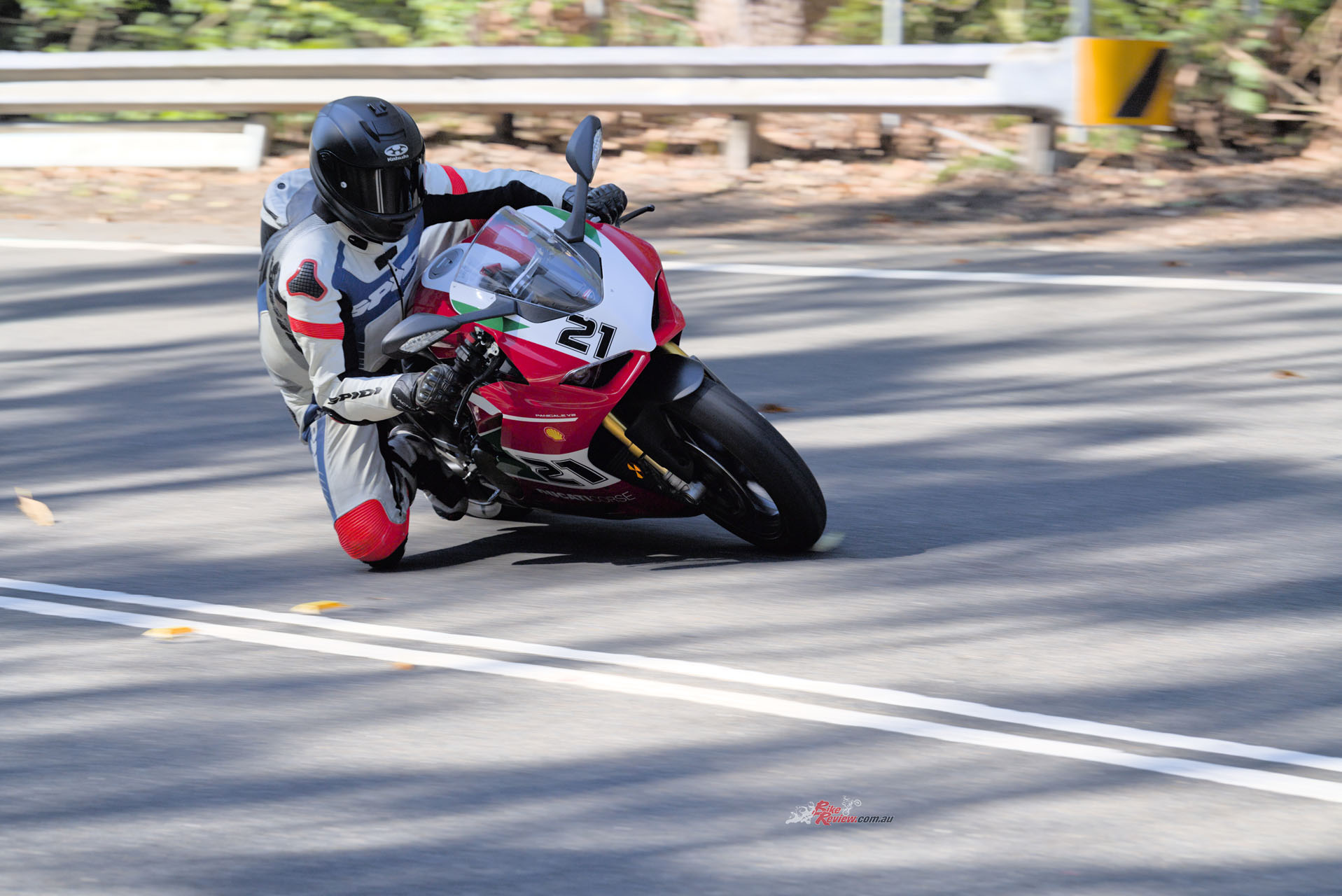
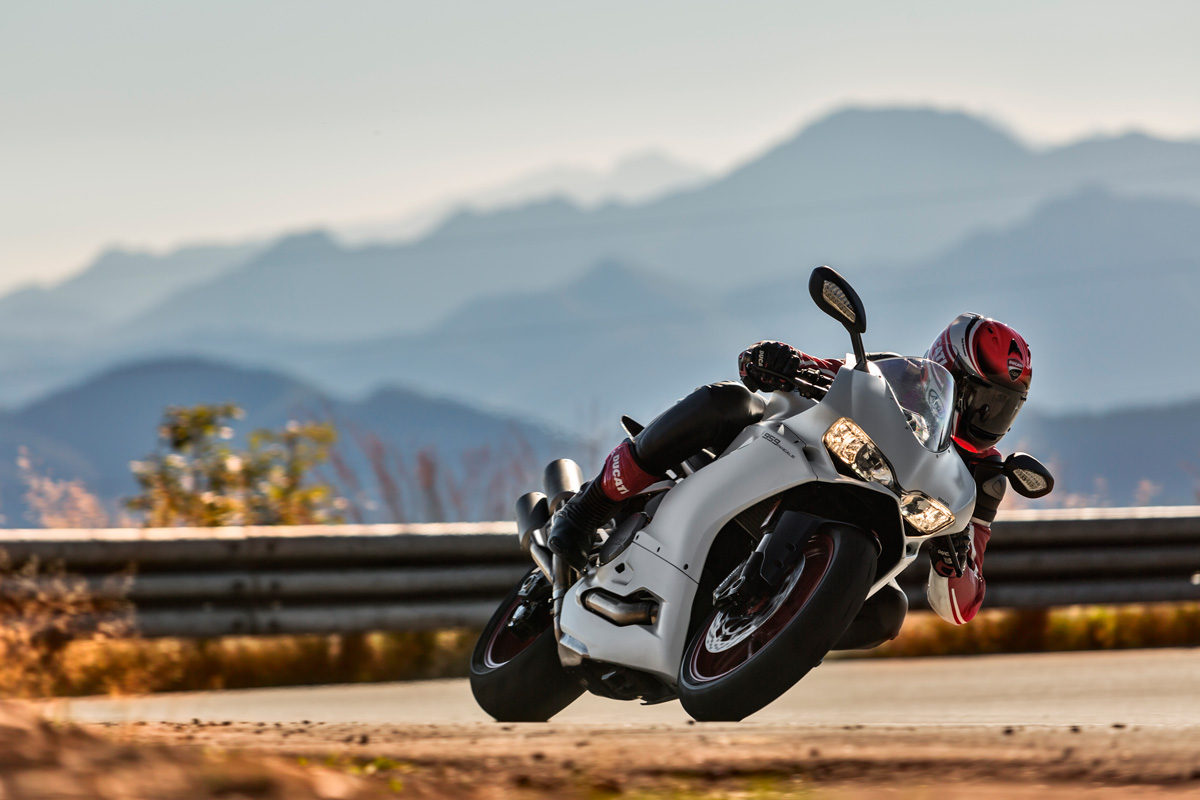
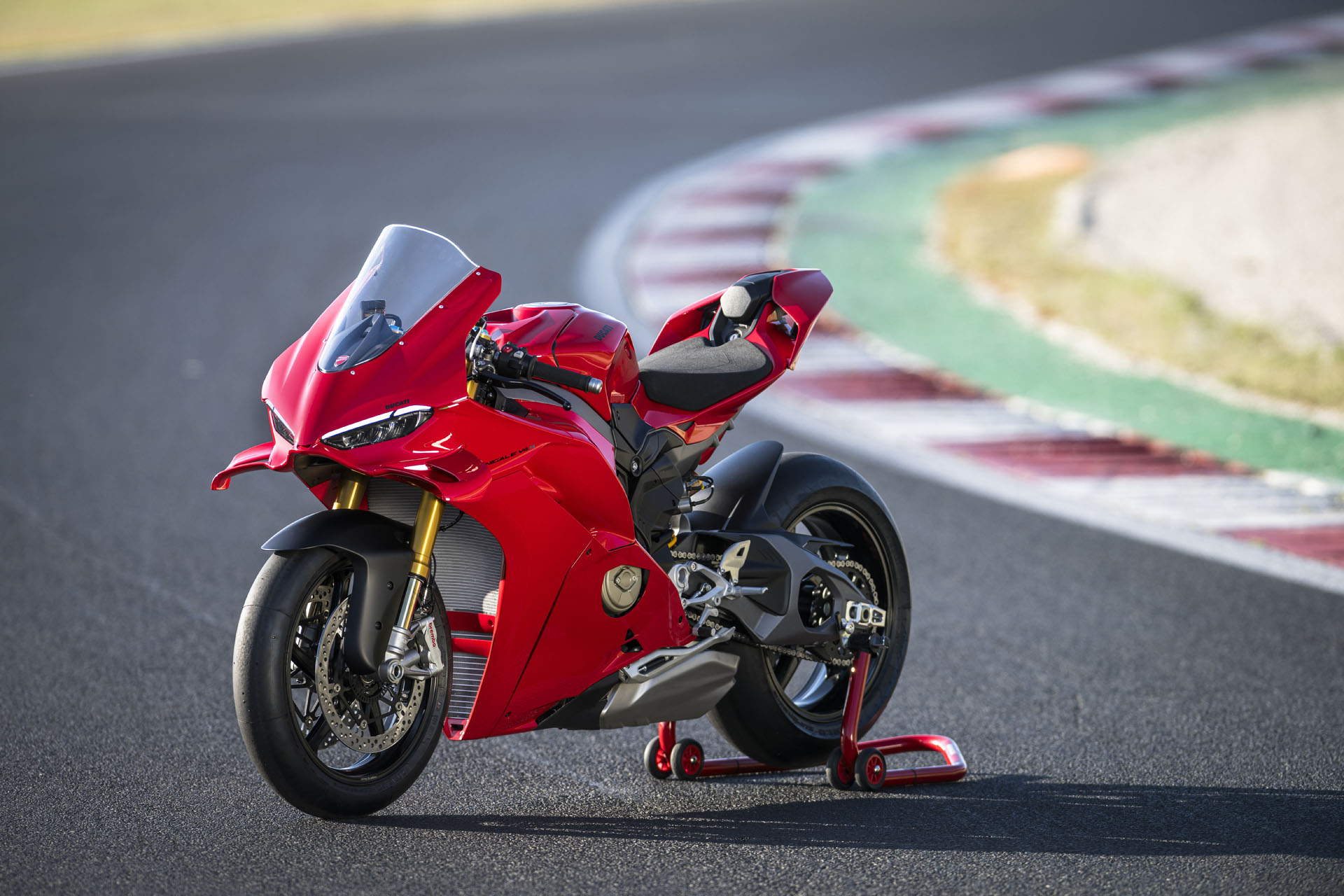
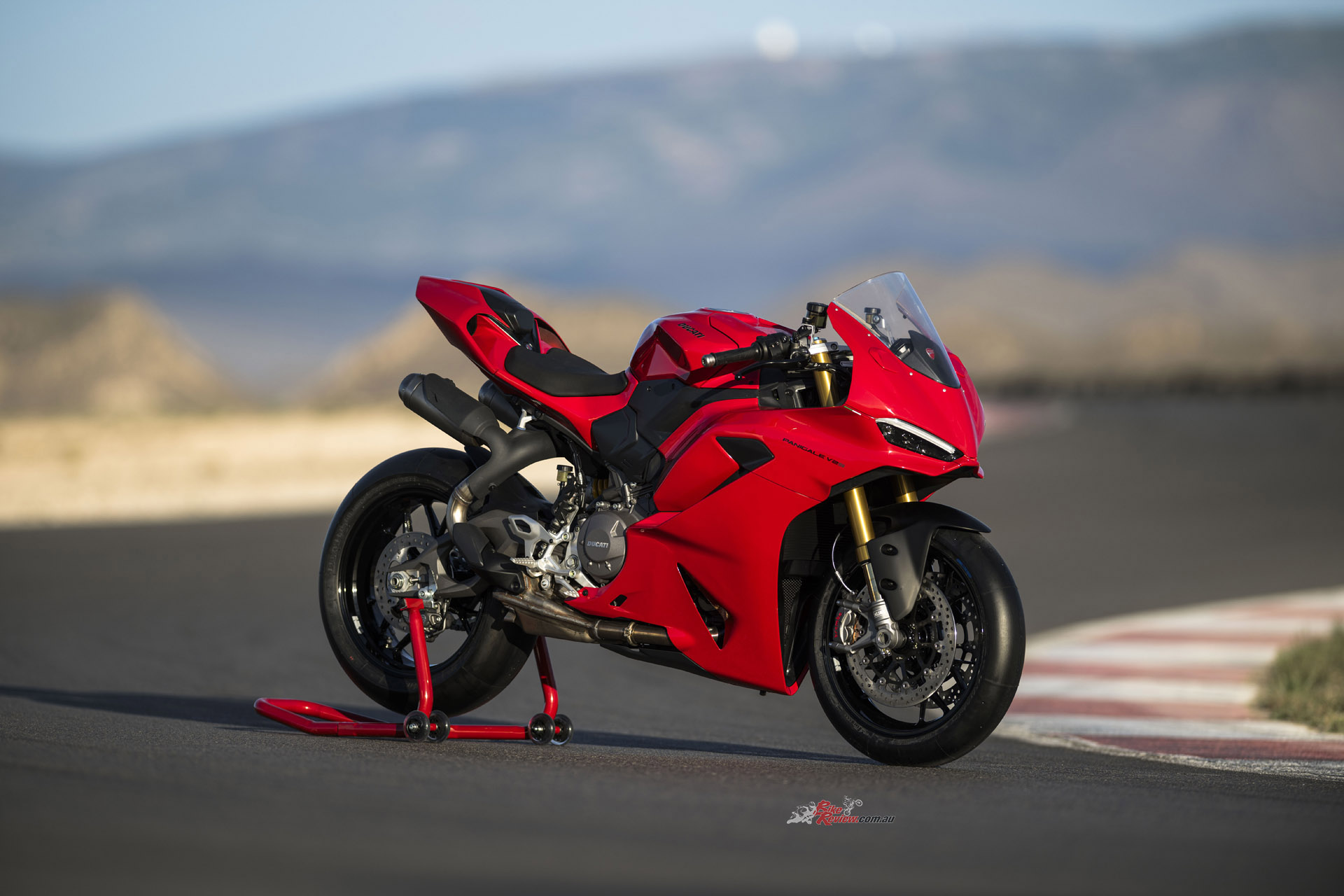
It’s still a proper sportsbike – aggressive, focused and unmistakably Italian – but one that rewards smooth riding and corner speed, and feels less intimidating than the V4. The all-new 890cc twin, Ducati’s lightest ever, gives away 65cc and a whopping 35hp to the previous V2 S, but the bike is a significant 17kg lighter overall, bringing a more road-friendly feel than the outgoing 955cc beast.
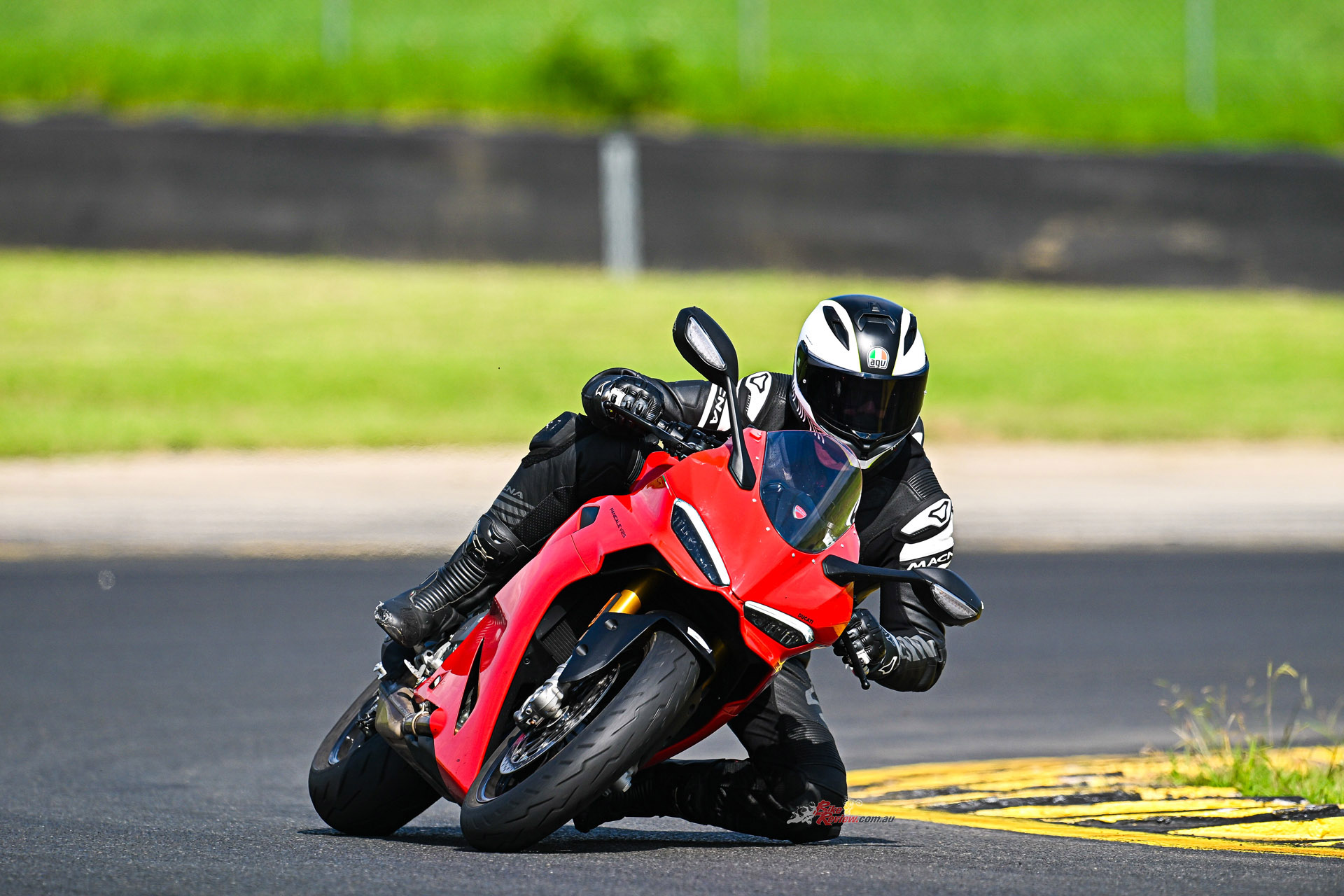
The new chassis is fantastic on track, we really liked the way the V2 steered into the tighter turns.
Swing a leg over and the new V2 S feels compact and sporty yet more street friendly. Low ’bars, high ’pegs and a tight connection between rider and machine, yes, but not full-blown race ergonomics. It’s just right now for a street sportsbike, I reckon.
Out on the road, the 890cc twin is more refined than the old 955cc Superquadro. It still fires into life with a decent mechanical thrum that reminds you immediately why Ducati twins have such a loyal following, but is not quite as loud. There’s a distinctive pulse to the engine, though, a character that’s completely different to the V4.
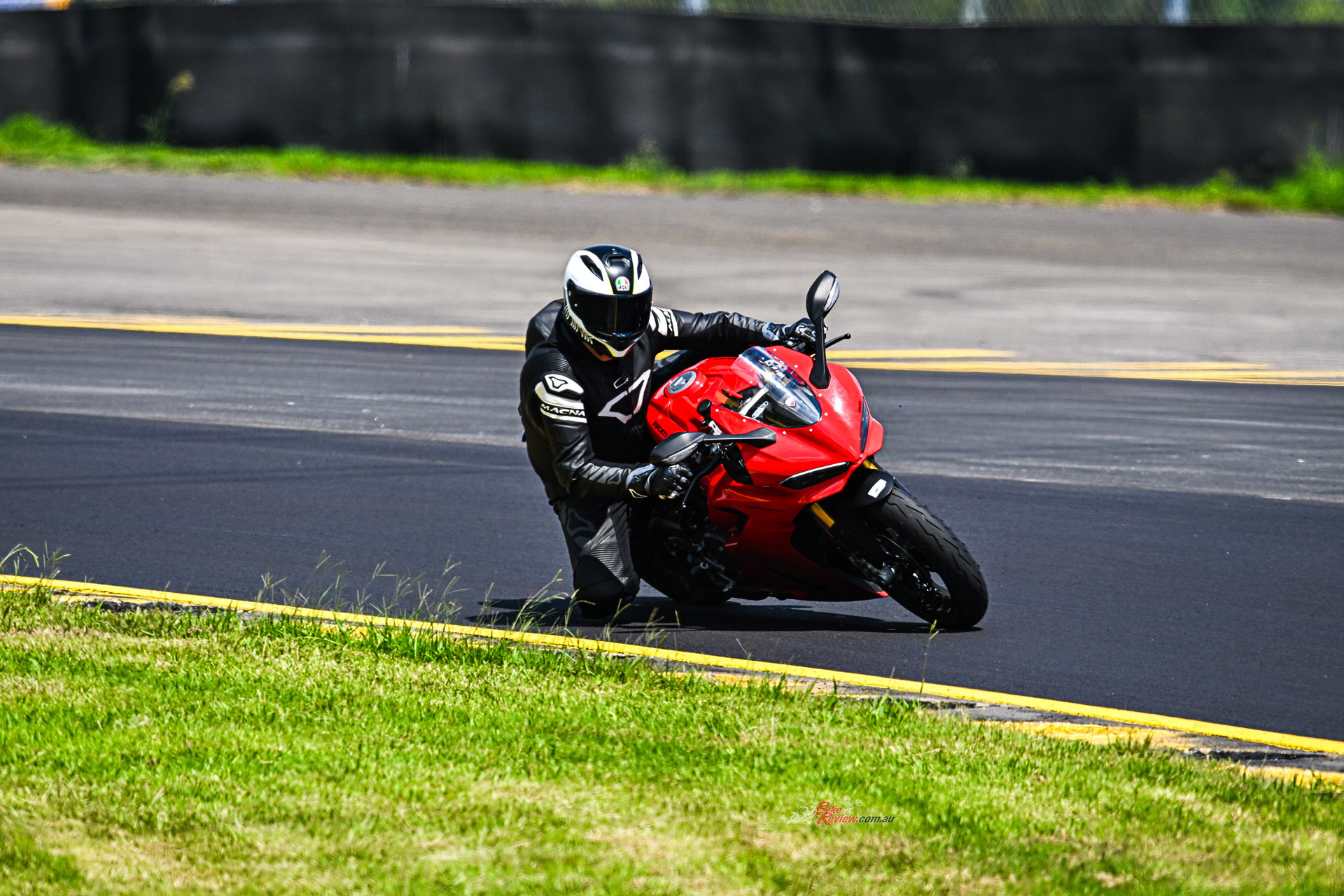
The new V2 S tips in cleanly and holds its line, but more top-end in the faster sections would be welcome.
Once rolling, the new V2 S delivers its power in a strong, linear surge that makes it incredibly satisfying to ride. The torque is the real highlight. Instead of constantly chasing the redline, the V2 rewards you for working the mid-range, driving hard out of corners with a muscular punch that feels perfectly suited to the local twisties.
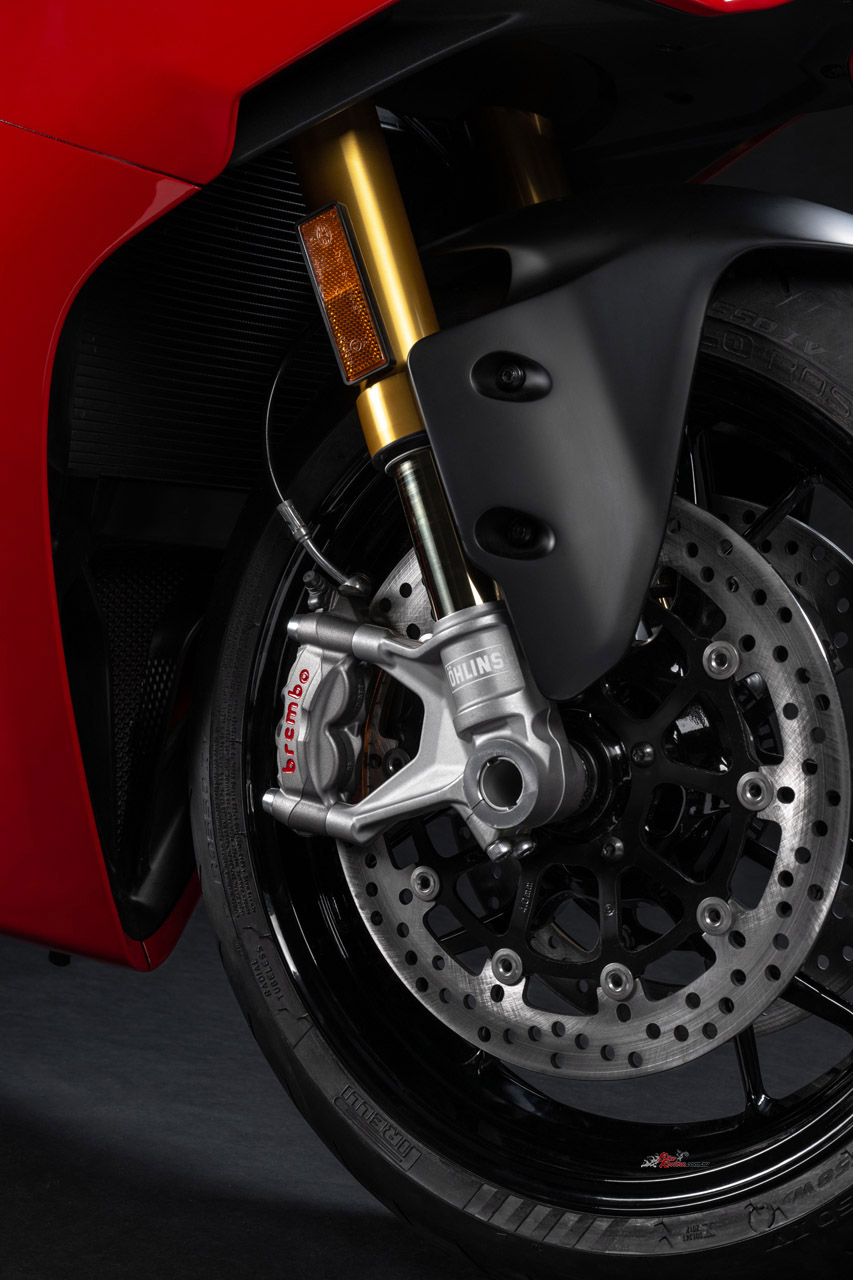
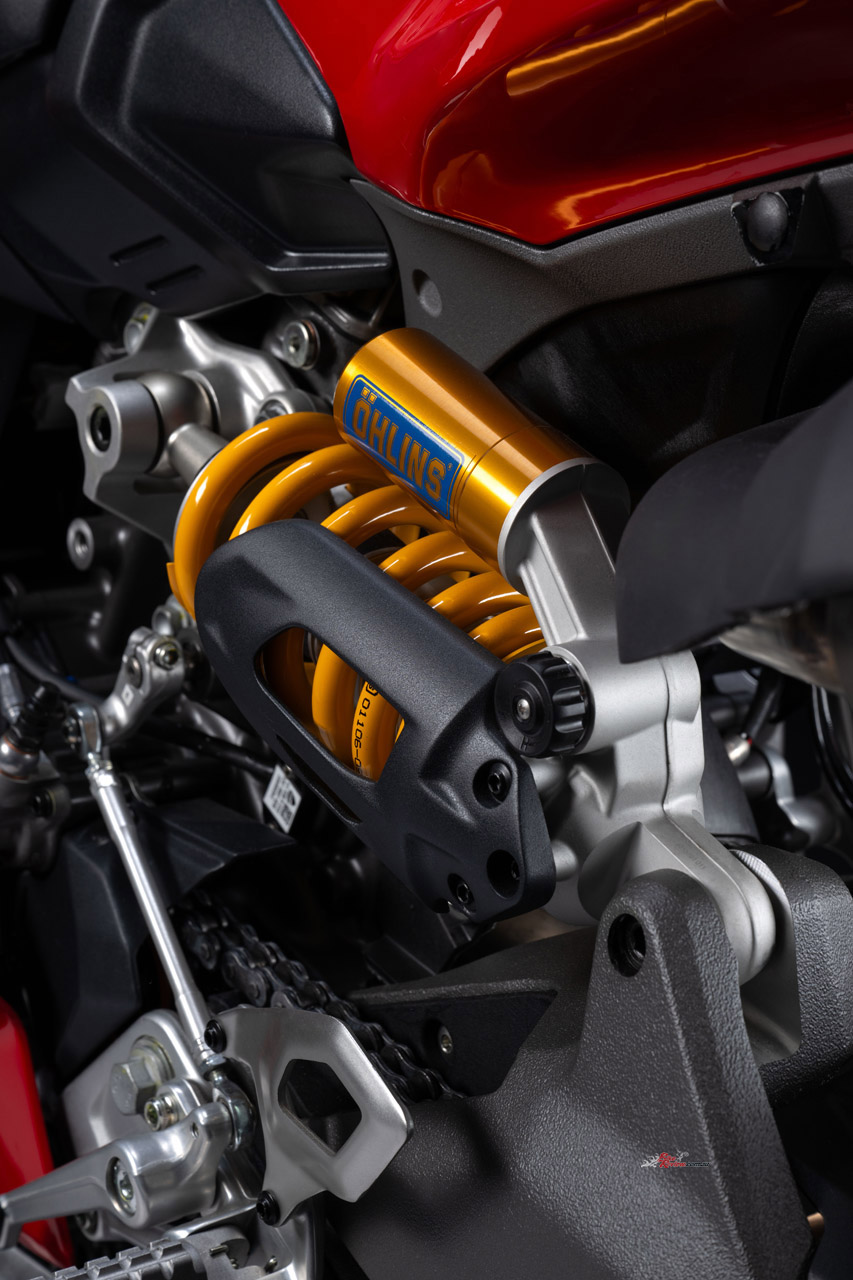
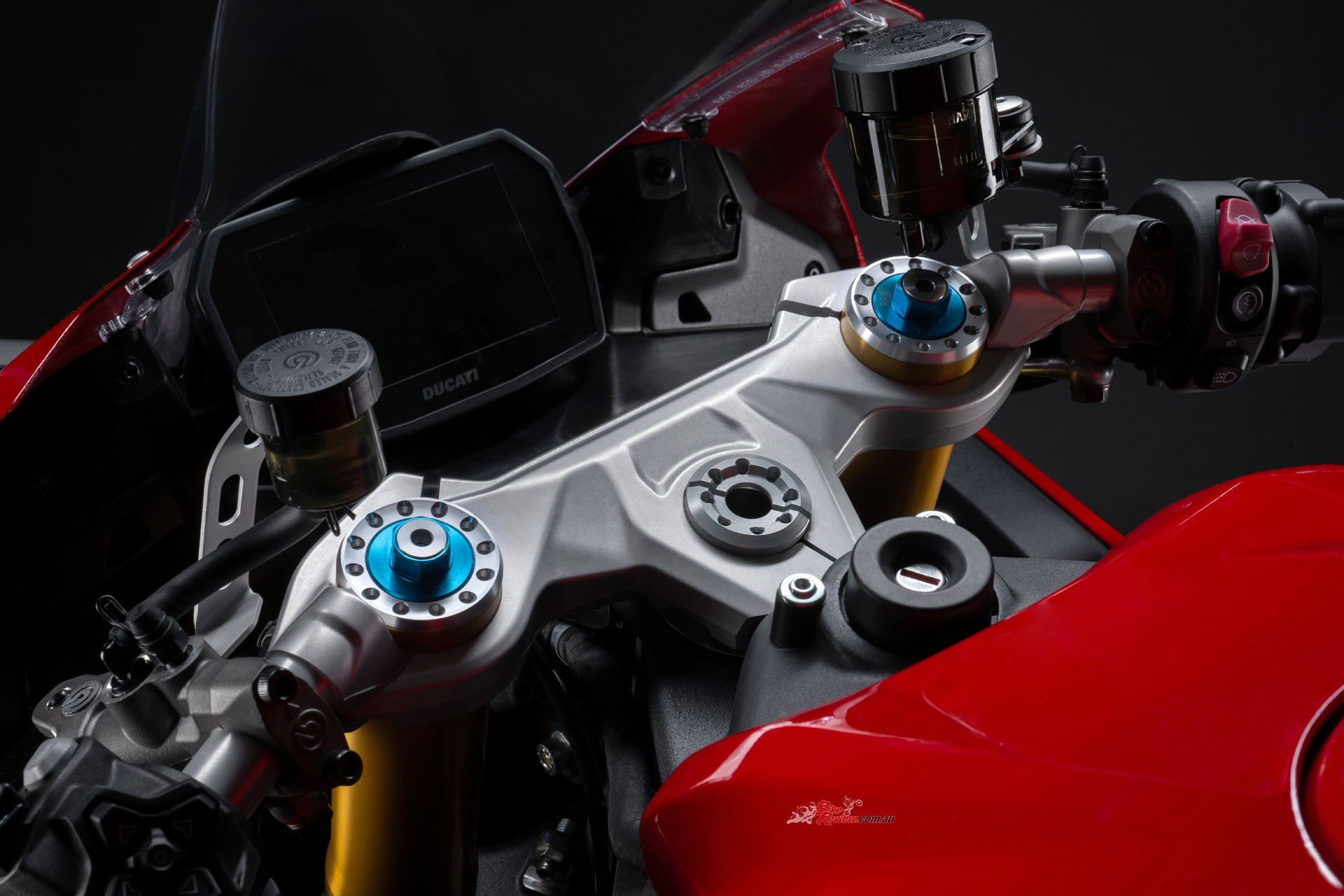
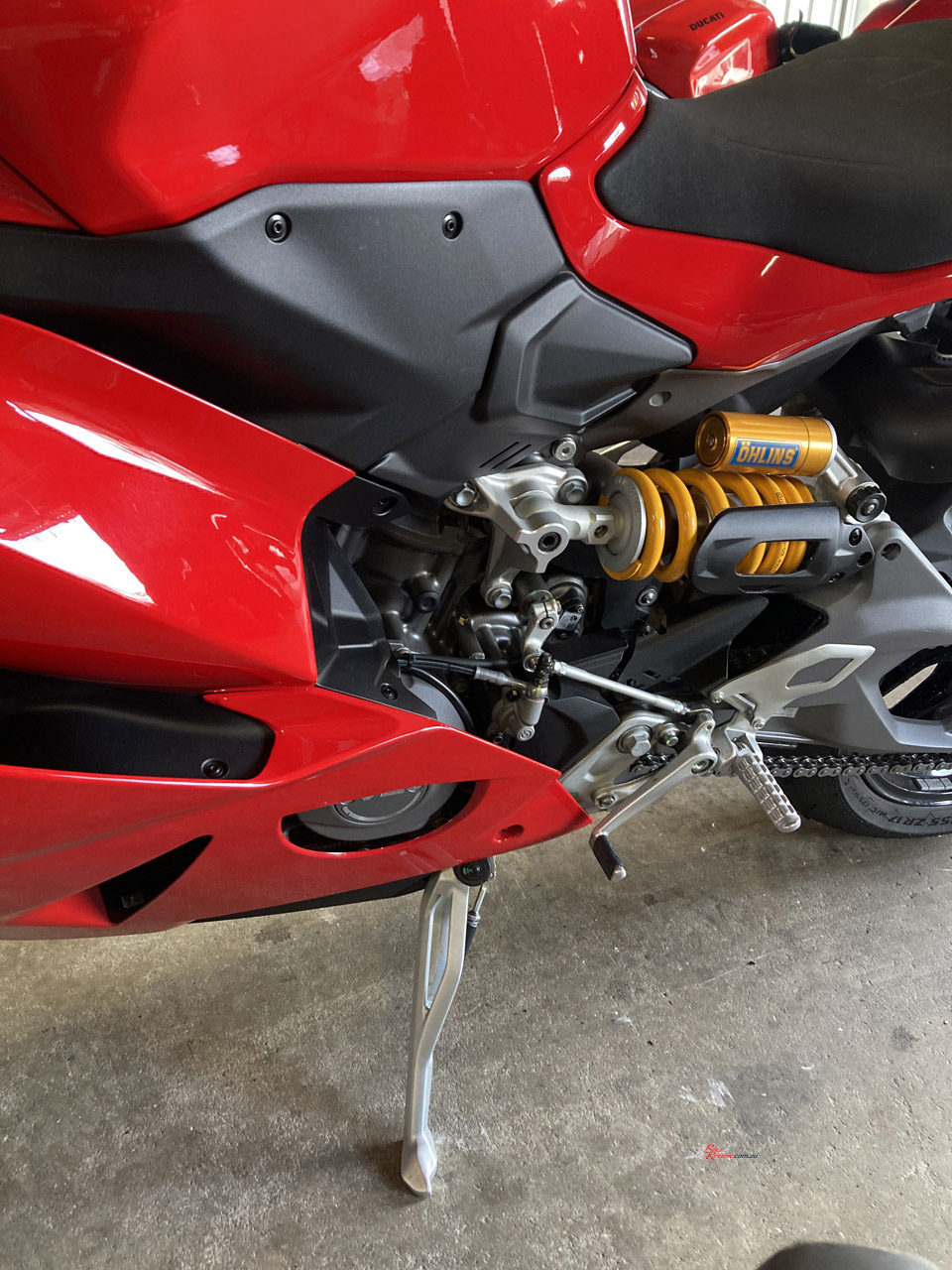
The chassis backs up the engine. Ducati’s revised aluminium monocoque frame and Öhlins duo, along with the Pirelli Diablo Rosso IV tyres, combine to deliver exceptional feedback and the bike feels incredibly light and precise once you’re up to speed. Turn-in is sharp without feeling nervous and the bike holds a line through sweepers with reassuring stability and no stand-up.
Turn-in is sharp without feeling nervous and the bike holds a line with reassuring stability…
The front-end feels planted under braking and offers excellent feel as you tip into corners, while the shock keeps everything tidy as you pick up the throttle on exit. Even at 100kg, I had no reason to firm things up on the street.
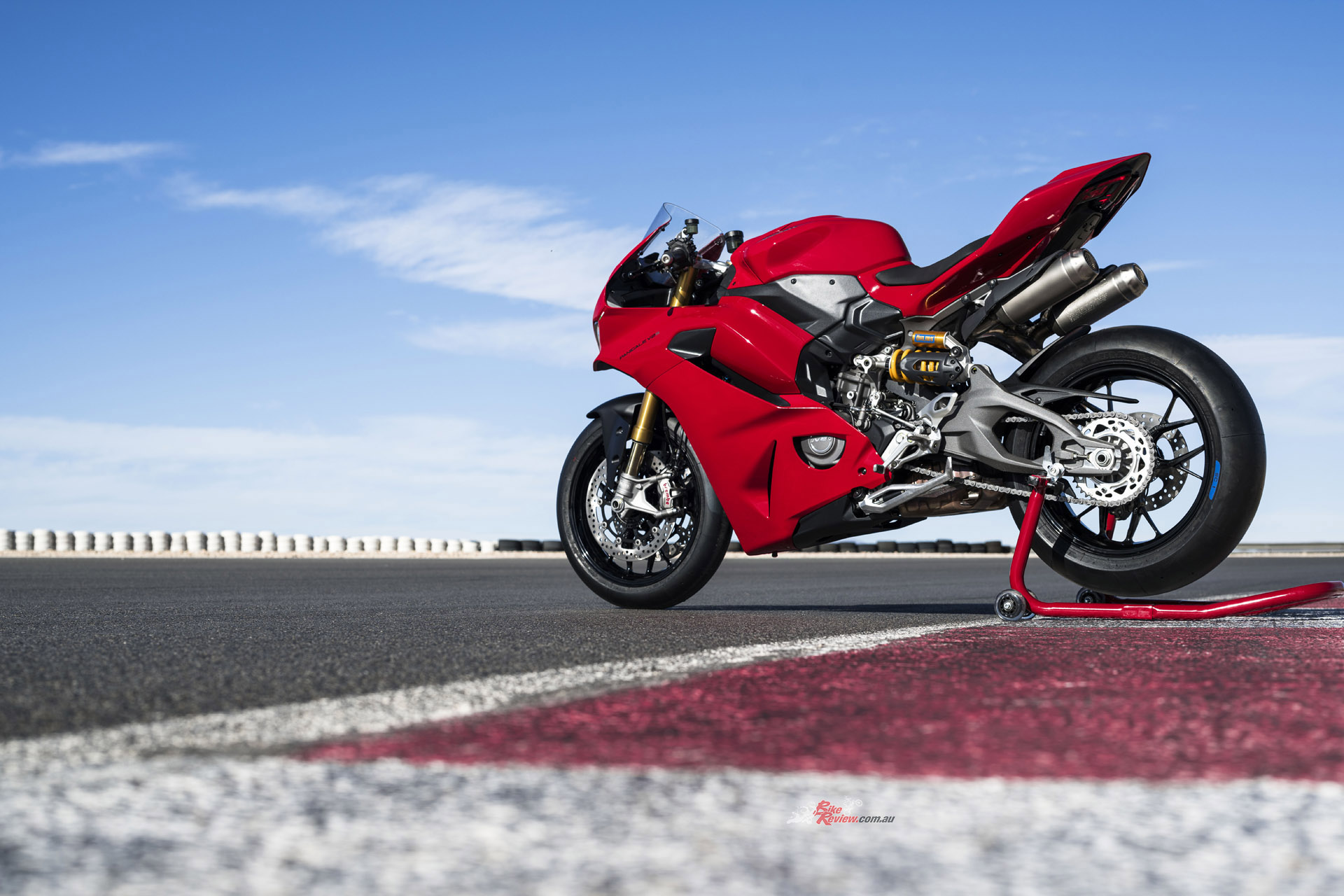
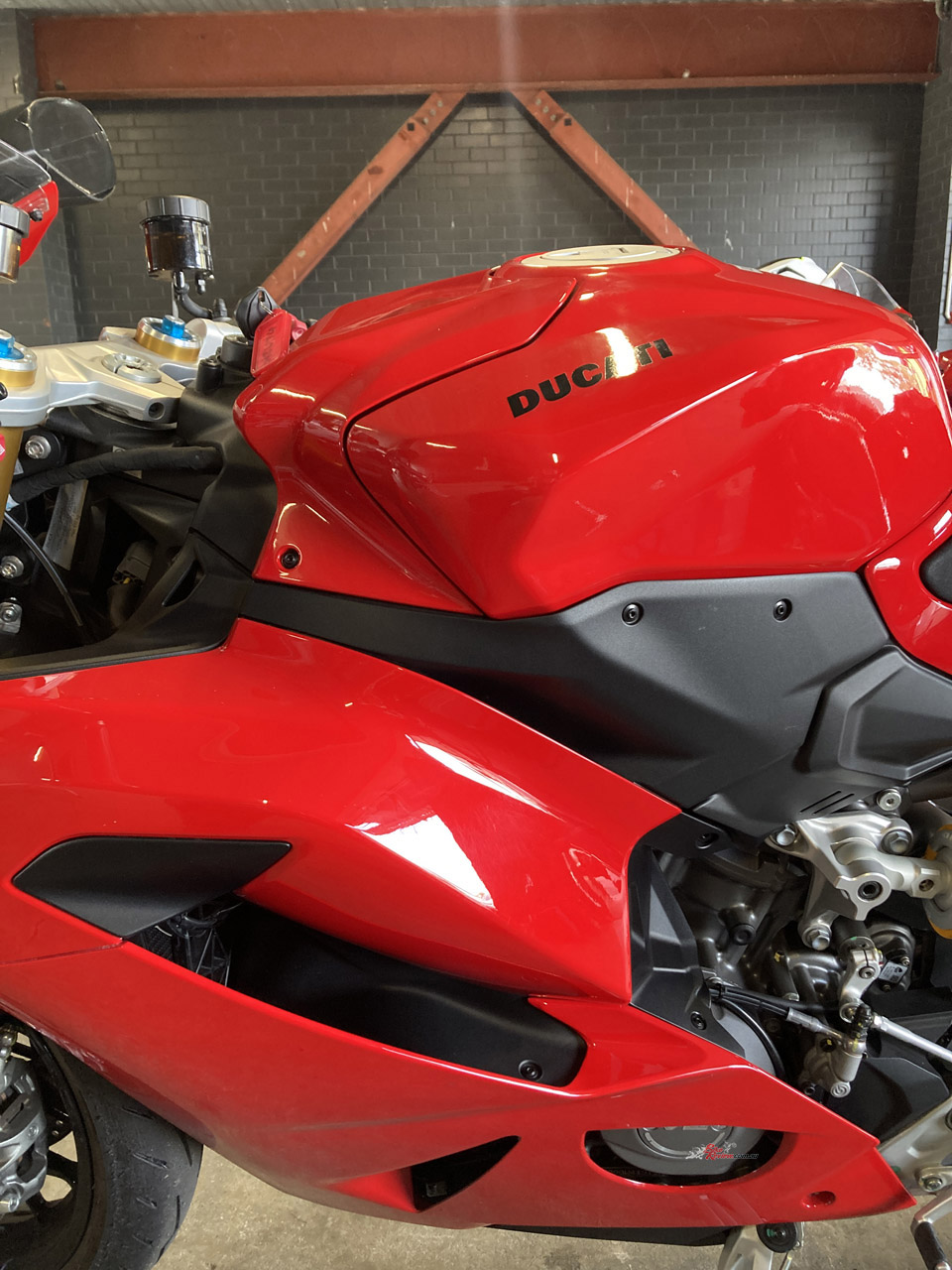
The V2 S is a considerable 17kg lighter than the outgoing 955cc model, making up for some of the power reduction.
The Brembo brake set-up delivers strong initial bite with plenty of feel at the lever, allowing you to trail brake deep into corners with confidence. The electronics package works seamlessly in the background, giving you a safety net without dulling the experience at all on the road.
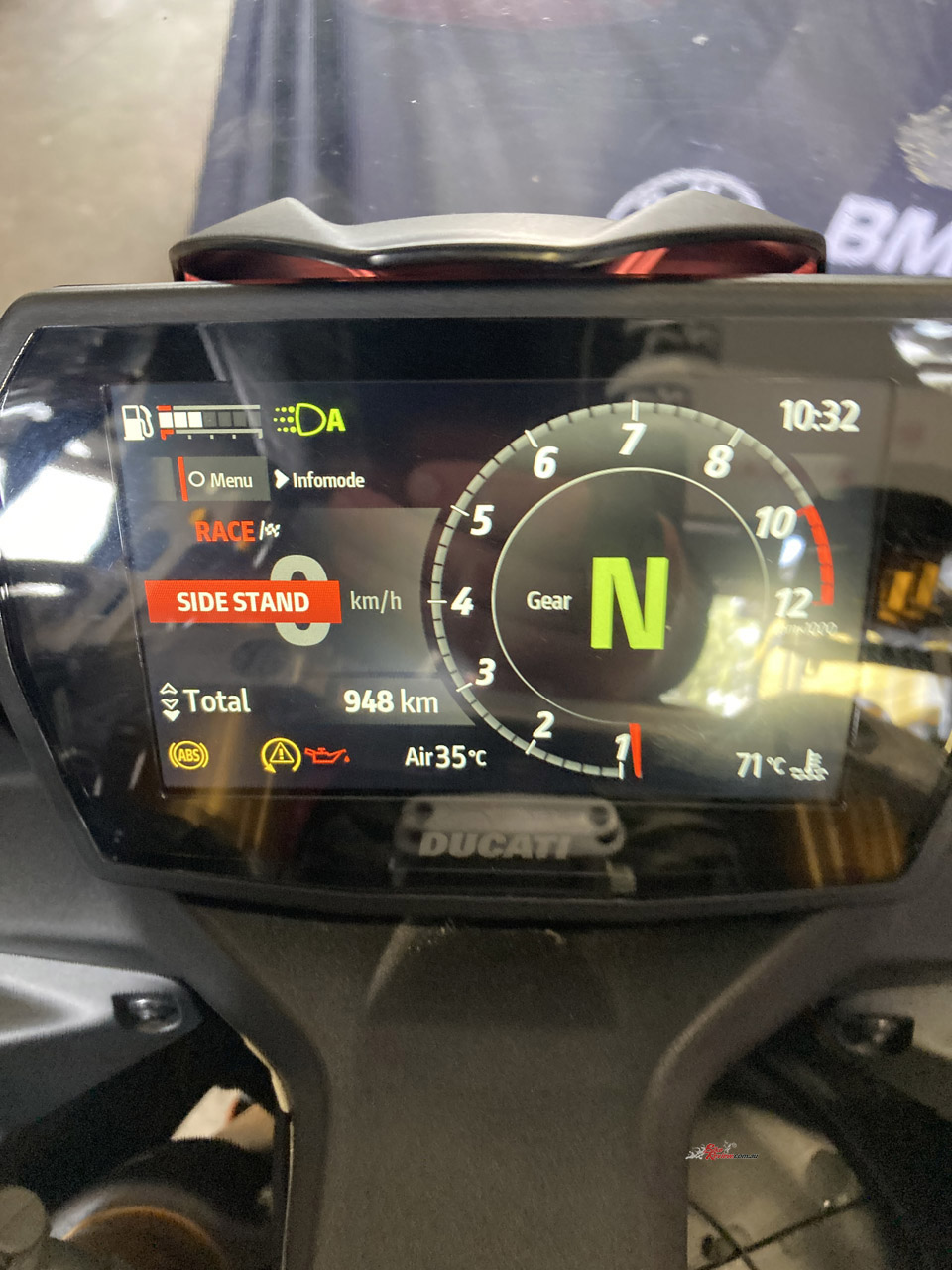
Ducati’s electronics suite includes multiple riding modes, traction control, wheelie control and engine brake adjustment, all accessed through a TFT display. It’s a comprehensive package. Set the bike up how you like it and it simply gets on with the job, I didn’t notice anything happening in the background on the road, which means it was probably doing its job quietly.
Read our Ducati Panigale V2 Bayliss review here and Panigale V4 S review here…
The V2 S is undeniably quick, but it never feels overwhelming. Instead, it encourages smooth, committed riding. You find yourself flowing from corner to corner, using the torque and the beautifully controlled chassis to maintain momentum. That sense of harmony makes it one of the most rewarding sportsbikes to ride on real roads.

The V2 S stays composed as the pace picks up but at full tilt it does start to feel a bit on the soft side. The rear tyre on our bike in the humid conditions was quickly overwhelmed towards the end of each session, too.
Of course, a Ducati sportsbike deserves some time on the racetrack and I managed to squeeze in a few sessions at SMSP thanks to SMSP Ride Days, who look after the Ducati press fleet, to see how the V2 S behaved when pushed a little harder.
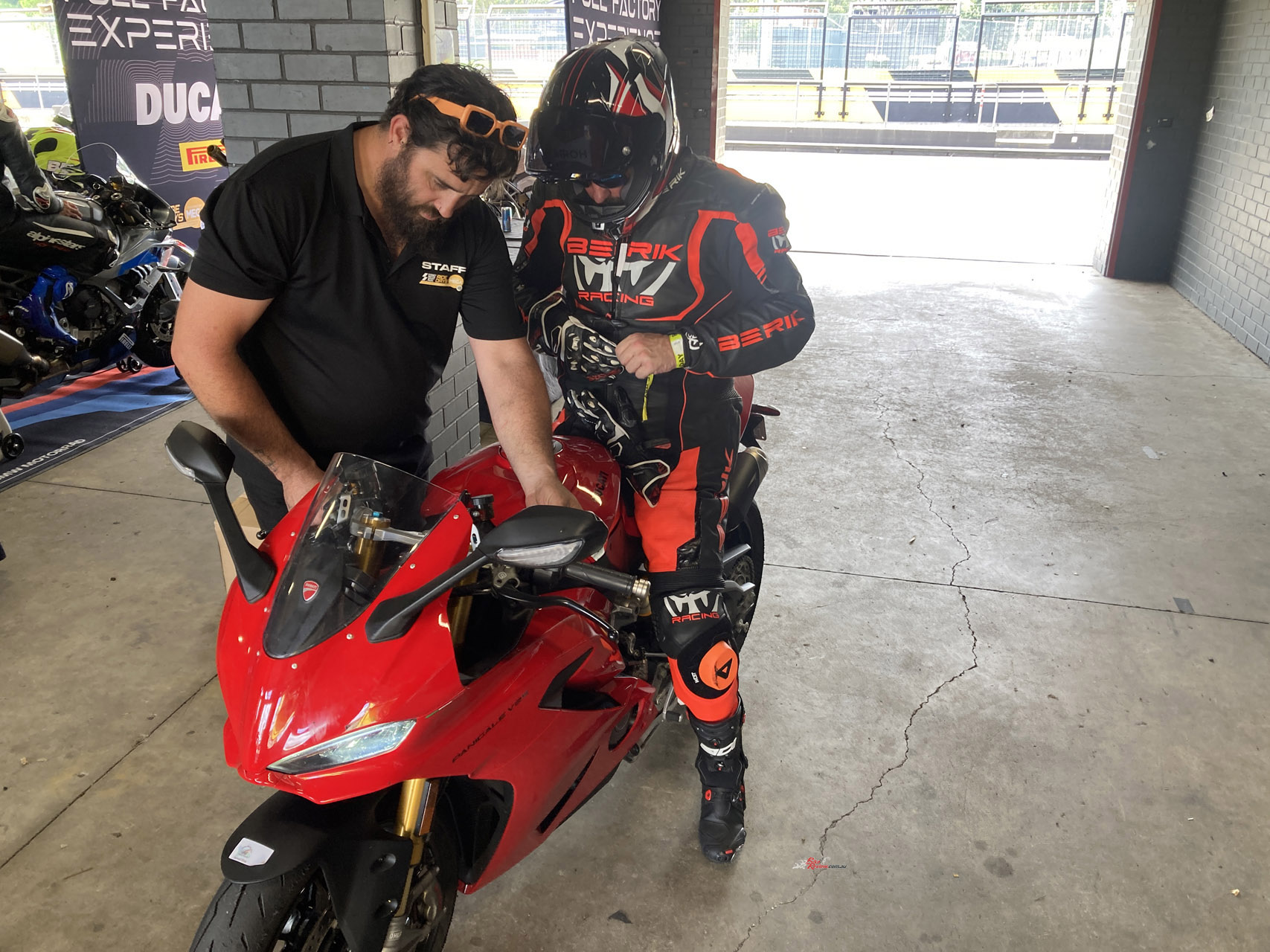
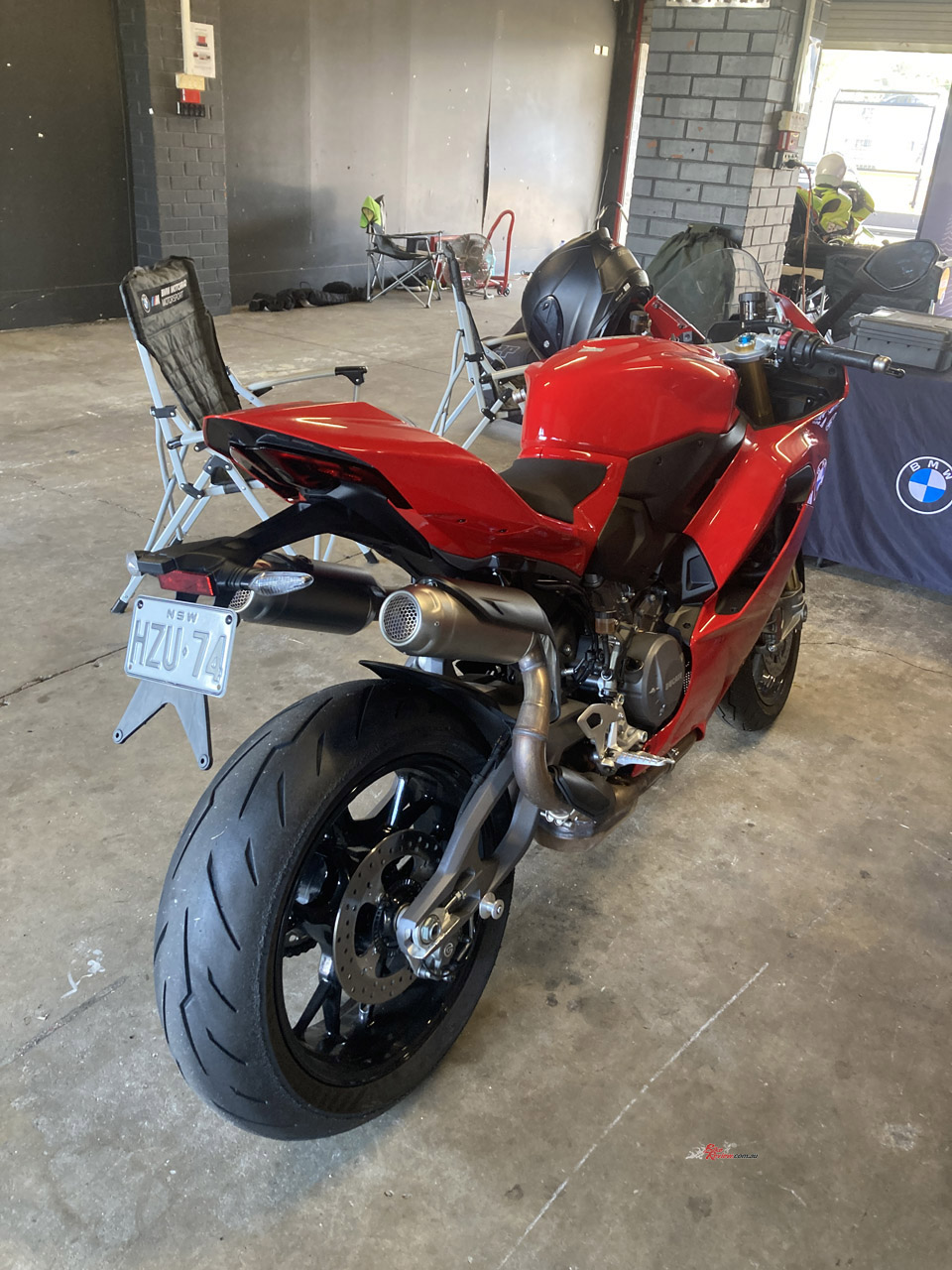
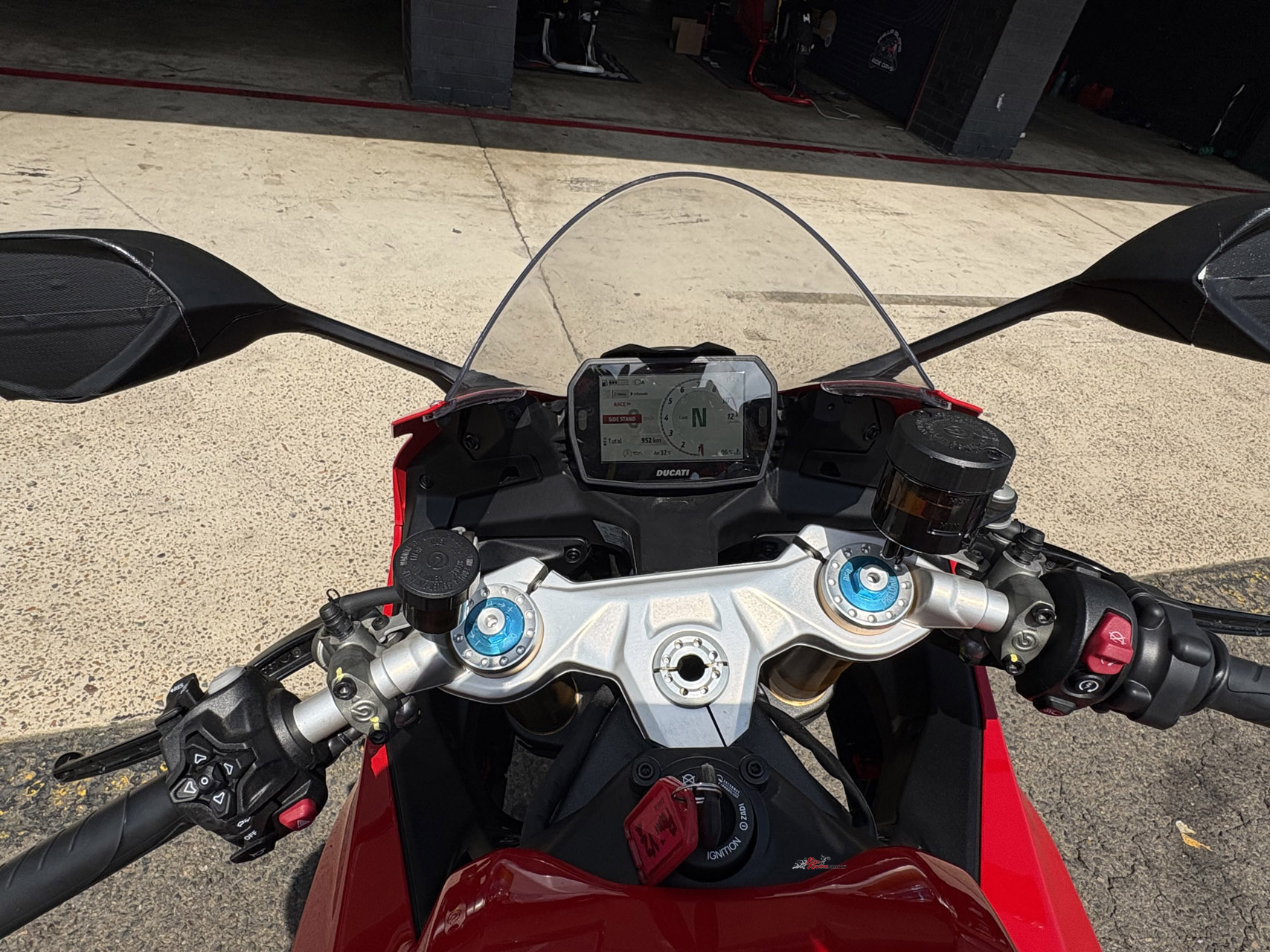
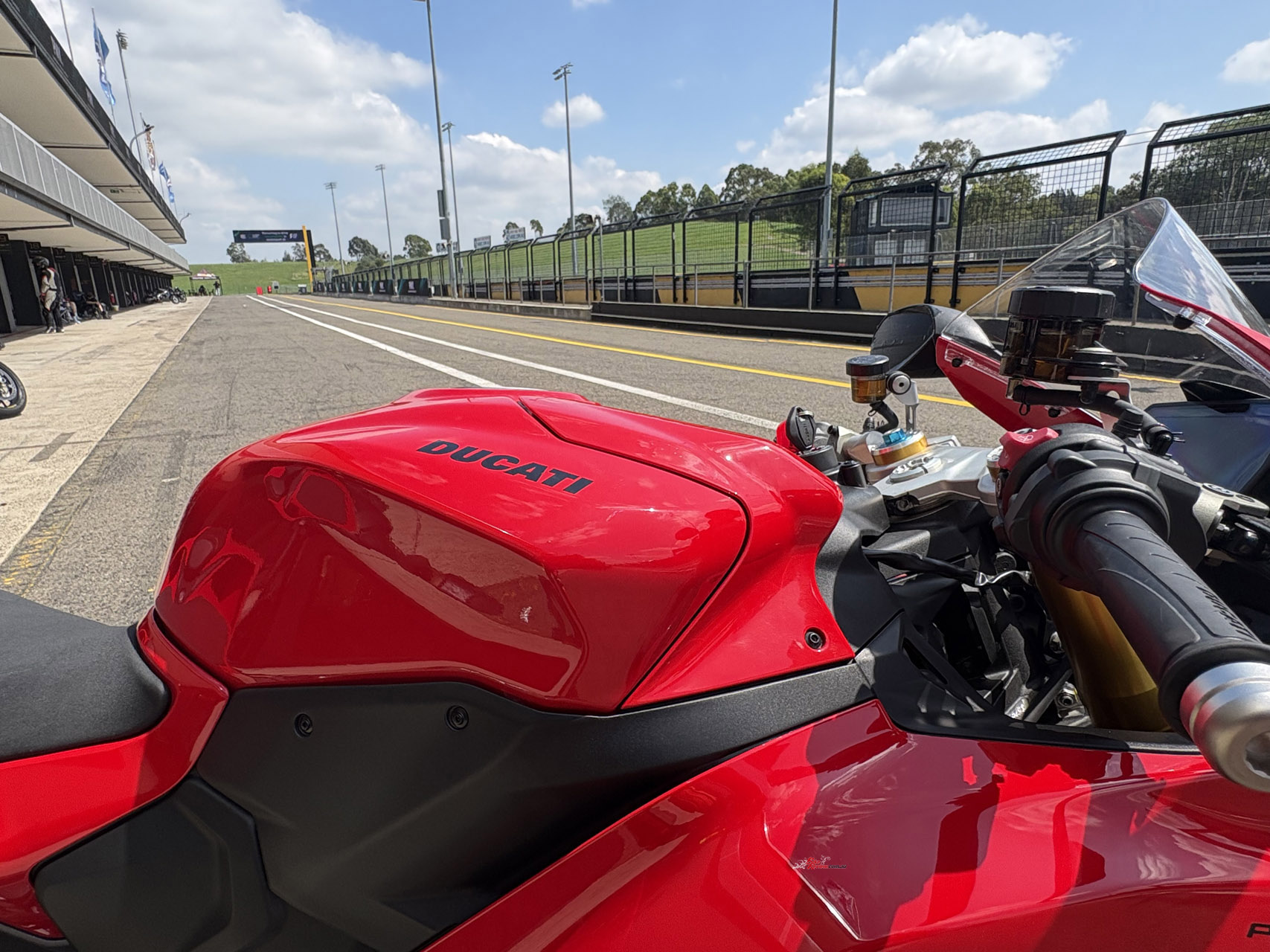
Out on the GP circuit the Panigale immediately felt at home. With a tech on hand, I was able to dial in track settings to set the bike up; we added rear preload and front compression and rebound, chasing grip, and it worked a treat. Through the tighter sections of SMSP the bike feels incredibly agile. Flicking from side to side is effortless and the chassis communicates exactly what the tyres are doing beneath you. The front-end in particular inspires confidence, letting you brake hard and release the lever smoothly as you tip into the corner.
Flicking from side to side is effortless and the chassis communicates exactly what the tyres are doing beneath you…
It’s also far less intimidating than a full-blown litre bike on track. The power is still more than enough to have fun, but it’s delivered in a way that allows you to explore the bike’s capabilities without feeling like you’re constantly on the edge. The power drop over the outgoing V2 S is noticeable on the front straight though, as expected…
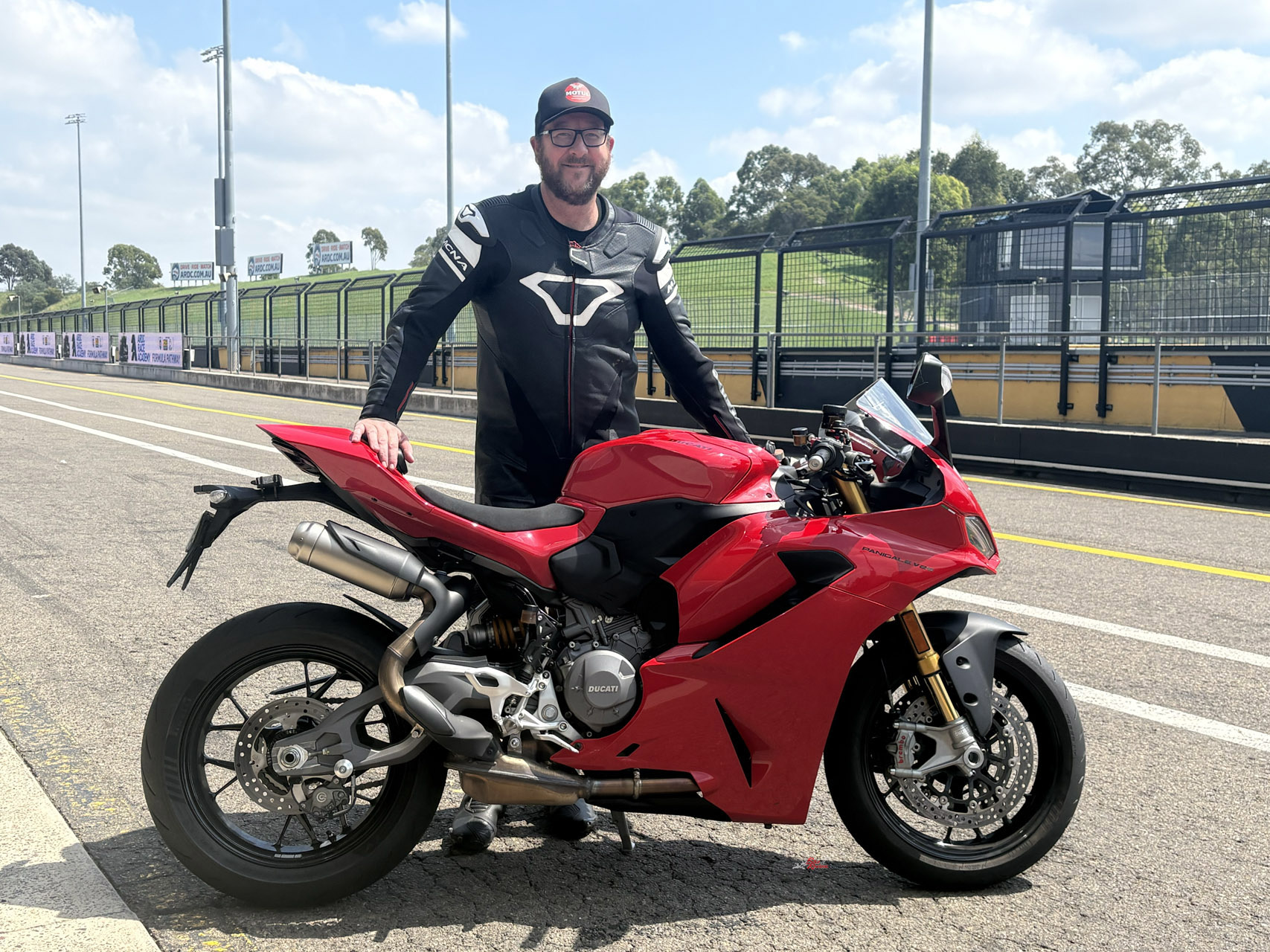
Jeff found the lighter V2 S easier to exploit than Ducati’s previous middleweight Panigale but missed the 35hp…
The Panigale V2 S offers a sweet spot between outright performance and rideability. It’s fast enough to thrill on track, yet still manageable enough to enjoy on the road.

2026 Ducati Panigale V2 S Specifications
Price: From $27,225 R/A (red, May 2026)
Claimed Power: 88kW [120hp] @ 10,750rpm
Claimed Torque: 93.3Nm [69lb-ft] @ 8,250rpm
Curb Weight: 176kg
Fuel capacity: 15L
Fuel Consumption (Measured): 5.3L/100km
Engine: Liquid-cooled 90° V2 four-stroke with intake variable valve timing system, DOHC desmodromic four-valve heads, 96 x 61.5mm bore x stroke, 13.1:1 compression, 890cc, electronic fuel injection with one injector per cylinder and full ride-by-wire throttle, 2-1-2 exhaust with catalytic converter and three lambda probes. Gearbox: Six-speed with Ducati Quick Shift (DQS) up/down 2.0. Clutch: Hydraulically actuated slipper and self-servo wet multiplate, final gearing 15/42.
Chassis: Aluminium monocoque frame with aluminium double-sided swingarm.
Rake: 23.6° Trail: 93mm
Suspension: Öhlins NIX30 43mm TiN-coated USD fork, fully adjustable, 120mm travel. Fully adjustable Öhlins rear monoshock, aluminium double-sided swingarm, 150mm travel. Öhlins steering damper. Brakes: 320mm semi-floating twin discs (f), Brembo M50 monobloc four-piston radial calipers with Bosch Cornering ABS. 245mm disc (r), two-piston caliper with Bosch Cornering ABS. Wheels & Tyres: Y-shaped six-spoke light-alloy wheels (3.50 x 17in and 5.50 x 17in), Pirelli Diablo Rosso IV, 120/70 ZR17 (f), 190/55 ZR17 (r).
Dimensions: Wheelbase: 1465mm, Seat height: 837mm, Overall width: N/A, Overall length: N/A, Overall height: N/A
Instruments & Electronics: Five-inch TFT colour display (800 x 480px), riding modes, power modes, Bosch Cornering ABS, Ducati Traction Control (DTC), Ducati Wheelie Control (DWC), Engine Brake Control (EBC), Ducati Brake Light (DBL), Ducati Quick Shift (DQS) up/down 2.0, LED lighting with DRL, auto-cancelling indicators, Ducati Power Launch (DPL), pit limiter.
Ratings | Bike Review | 2026 Ducati Panigale V2 S
Softened
The 2026 Ducati Panigale V2 S sheds weight, gains an all-new 890cc V-twin and delivers a more approachable take on Ducati’s already popular supersport formula. Jeff tests it on his favourite roads and grabs a few sessions at Sydney Motorsport Park to see whether less really is more.
The Author
You Might Also Like