
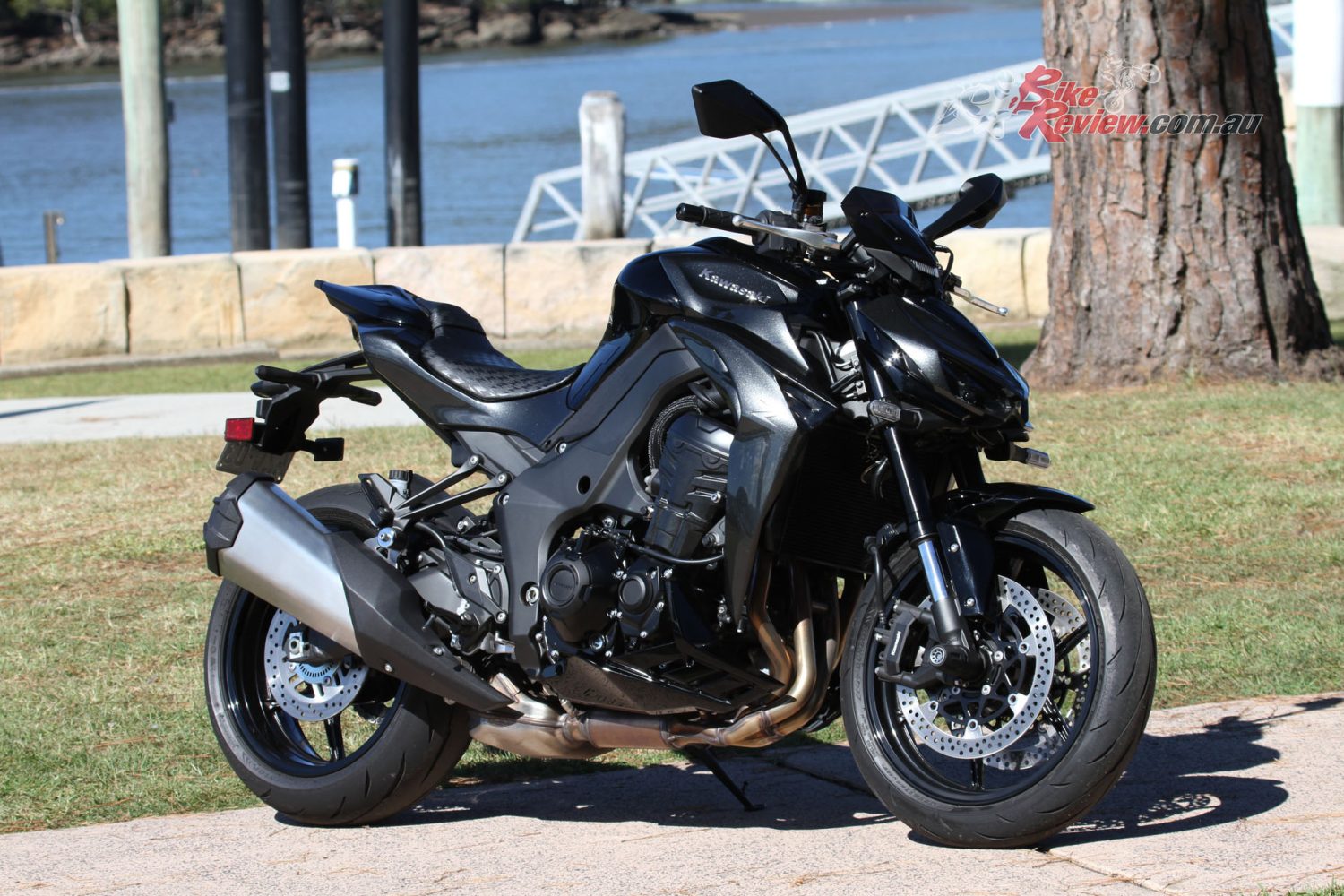

Nick finds out if Kawasaki’s new Z1100’s extra cubes and new suite of electronics live up to its real-world promise. Is it still the thrilling supernaked of old? Photos: HMC Photography
Kawasaki’s Z1100 has a bigger engine, more tech and a stronger focus on real-world riding for 2026. Peak power may be down on the Z1000, but after spending time with the new Kwaka, Nick discovered there’s far more to this supernaked than the numbers suggest…
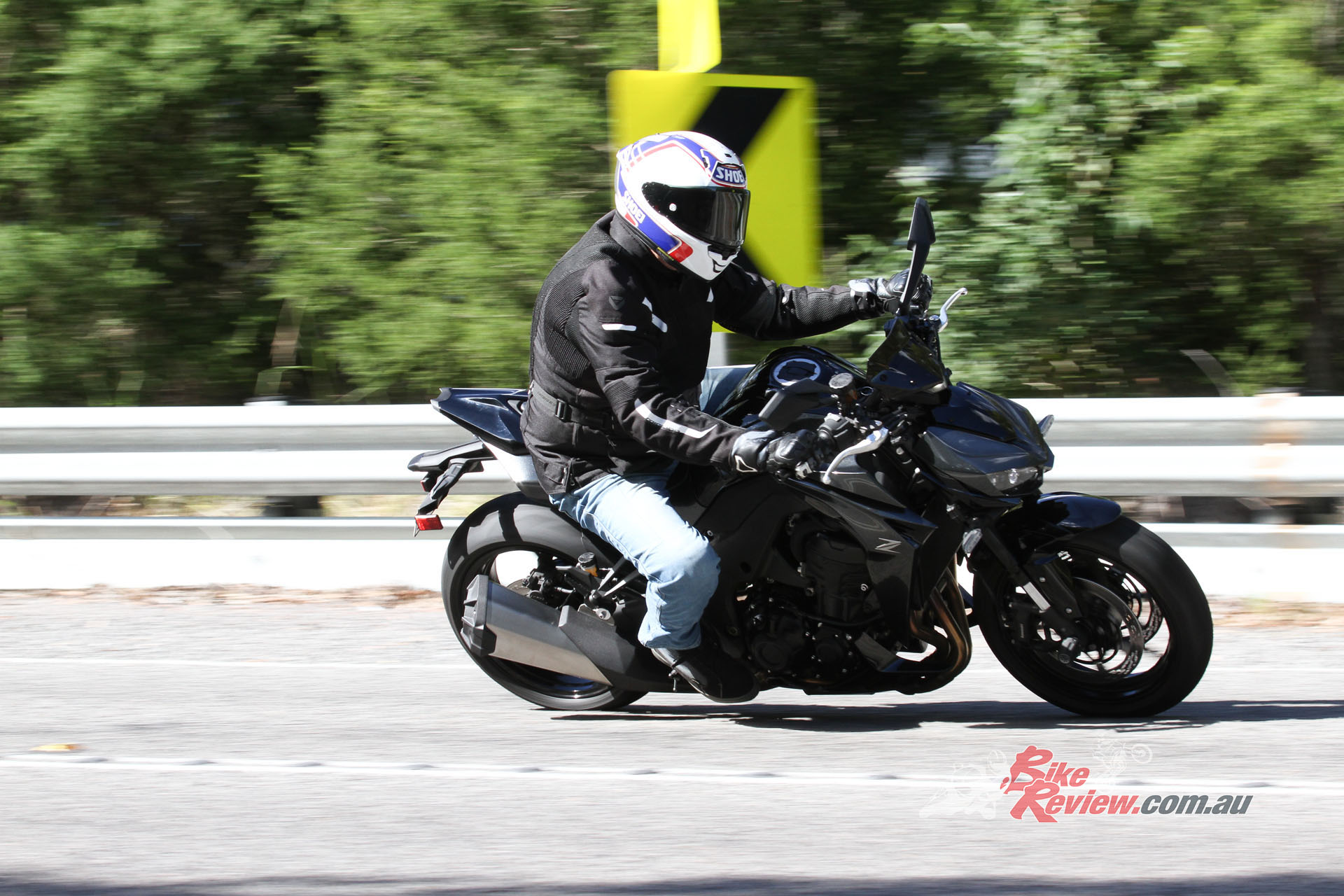
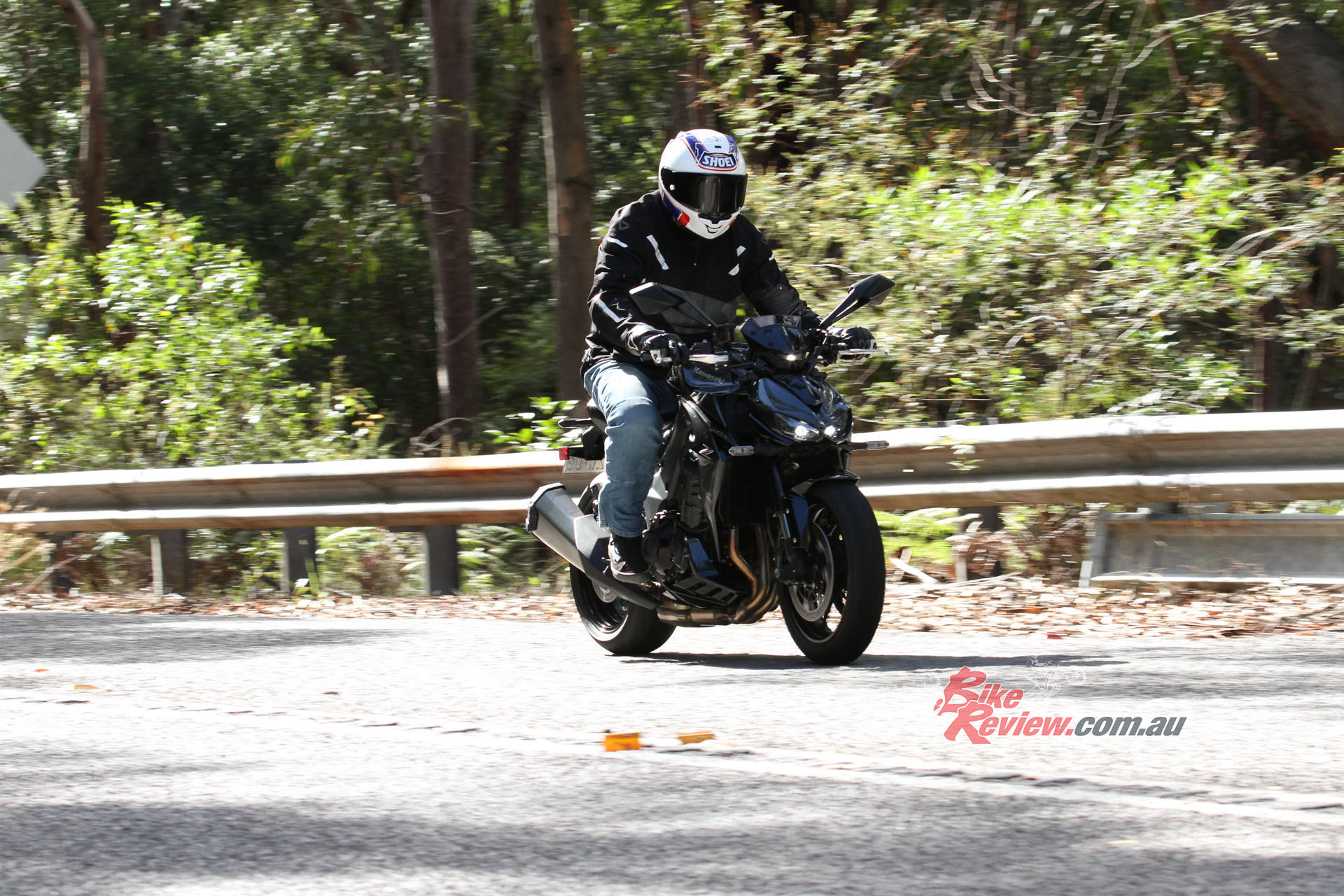
The Z1100 strikes a confident balance between everyday comfort and sporting intent.
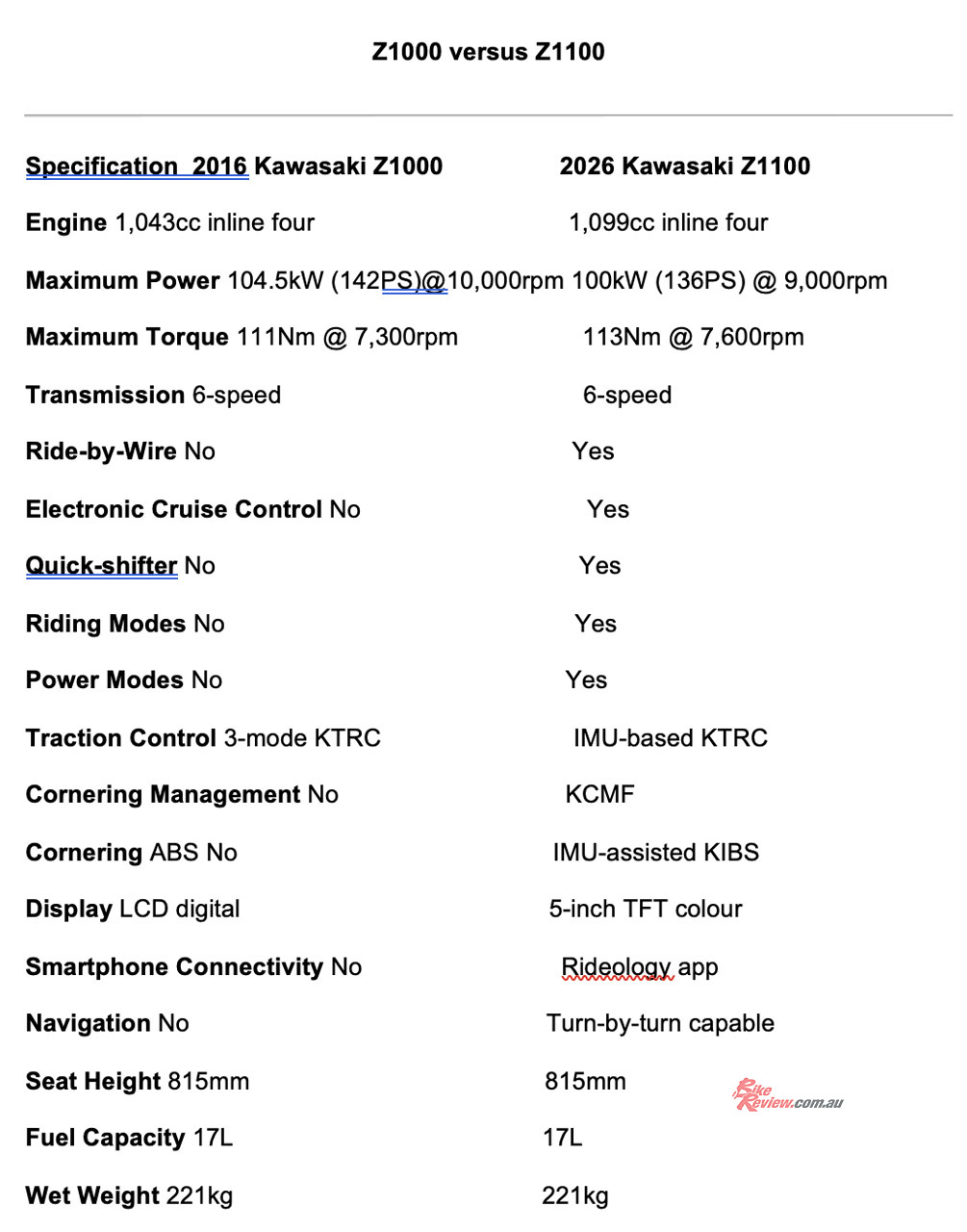
First up, you’ll notice it’s now an 1100, though we aren’t really getting a hundred extra cubes from the outgoing 1000, which hasn’t seen an update since 2016 but incidentally is actually still available in Australia ($19,958 Ride Away). The new motor measures 1099cc. Kawasaki hasn’t touched the bore, which stays at 77mm, but an additional 3mm of stroke brings 56cc more displacement. It’s the same as the Ninja 1100SX and the Versys 1100.
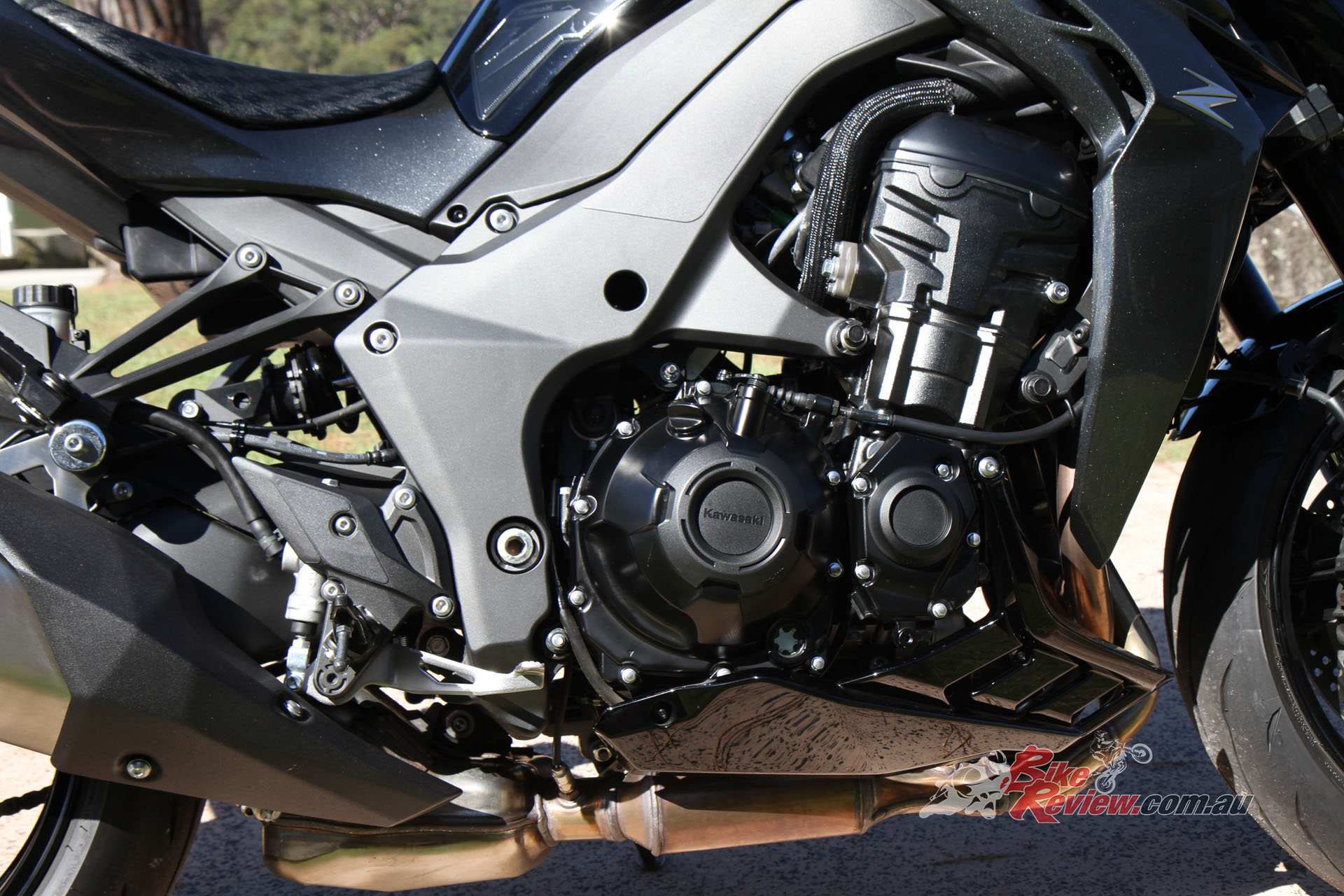
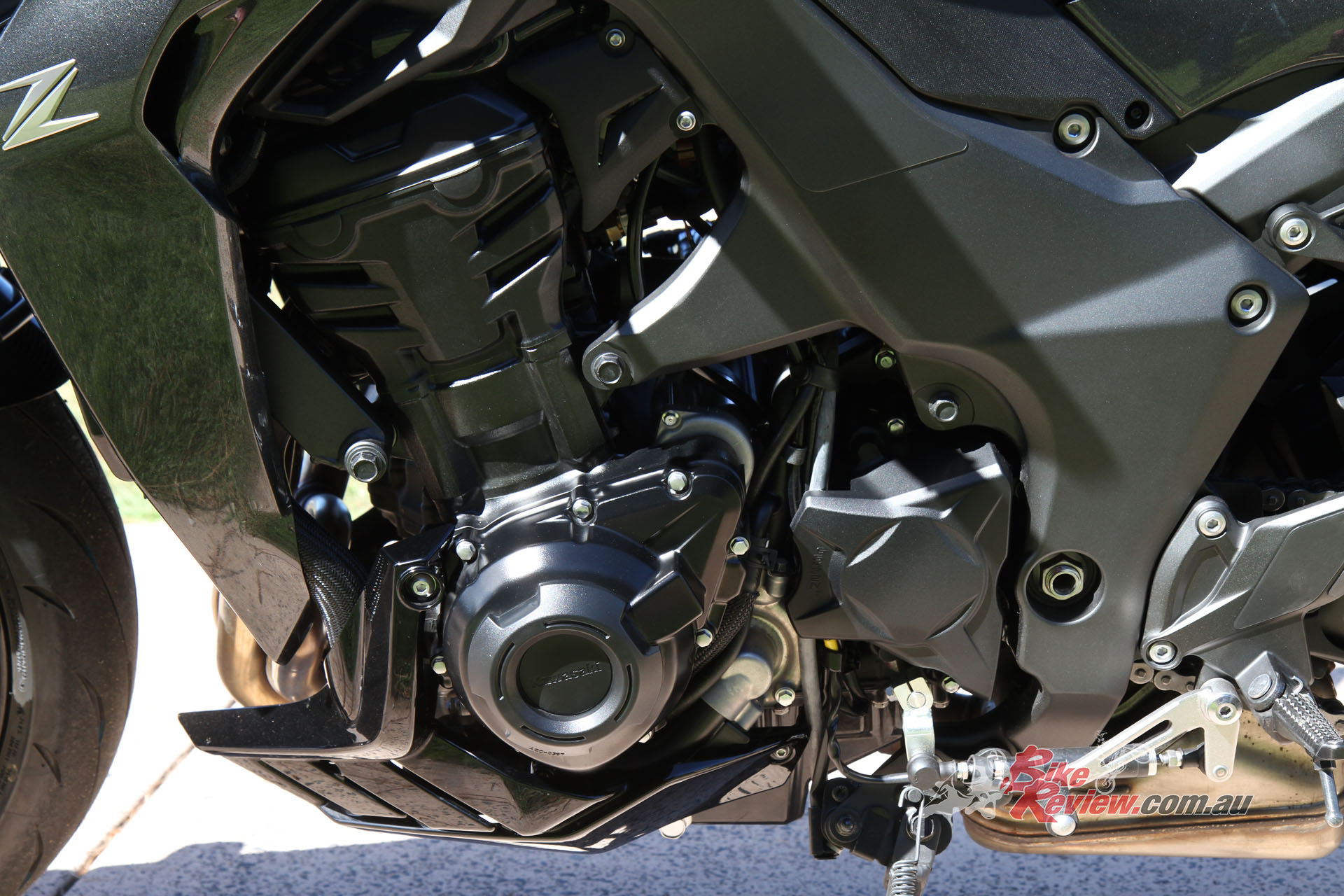
Despite the extra cubes, the engine makes less power at the top, as peak figures are 100kW at 9,000rpm and 113Nm at 7,600rpm, down from the Z1000’s 104kW, though that power now arrives around 1,000rpm earlier and comes with a touch more torque. This comes courtesy of revised cam profiles, along with new pistons and valve springs. There is also a heavier flywheel.
This comes courtesy of revised cam profiles, along with new pistons and valve springs. There is also a heavier flywheel.
Regardless of the numbers, on the tarmac it’s pure butter. Inline fours have always been a favourite of mine, and this one is wonderfully smooth right through the rev range. It might not read like much against some of its European rivals, but it makes for a beautiful highway cruiser, burbling along happily, then opening up and screaming the moment you drop a gear. The tune sits firmly on the side of a flexible low and mid-range. There’s enough grunt to just grab a handful of throttle and not worry about what gear you’re in. I loved it on the commute and found it more than punchy enough around town.
The gearbox and clutch carry that same polish I’ve come to expect from Kawasaki. The assist-and-slipper clutch makes for a very comfortable, effortless take-off, and the dual up-and-down quick-shifter didn’t give me any dramas, even crawling along at low speed. The ratios are well judged, too. Kawasaki has gone a touch taller on the top two gears for relaxed cruising, yet there’s so much mid-range on tap that it’ll still drive cleanly out of a corner even when you’ve left it in third.
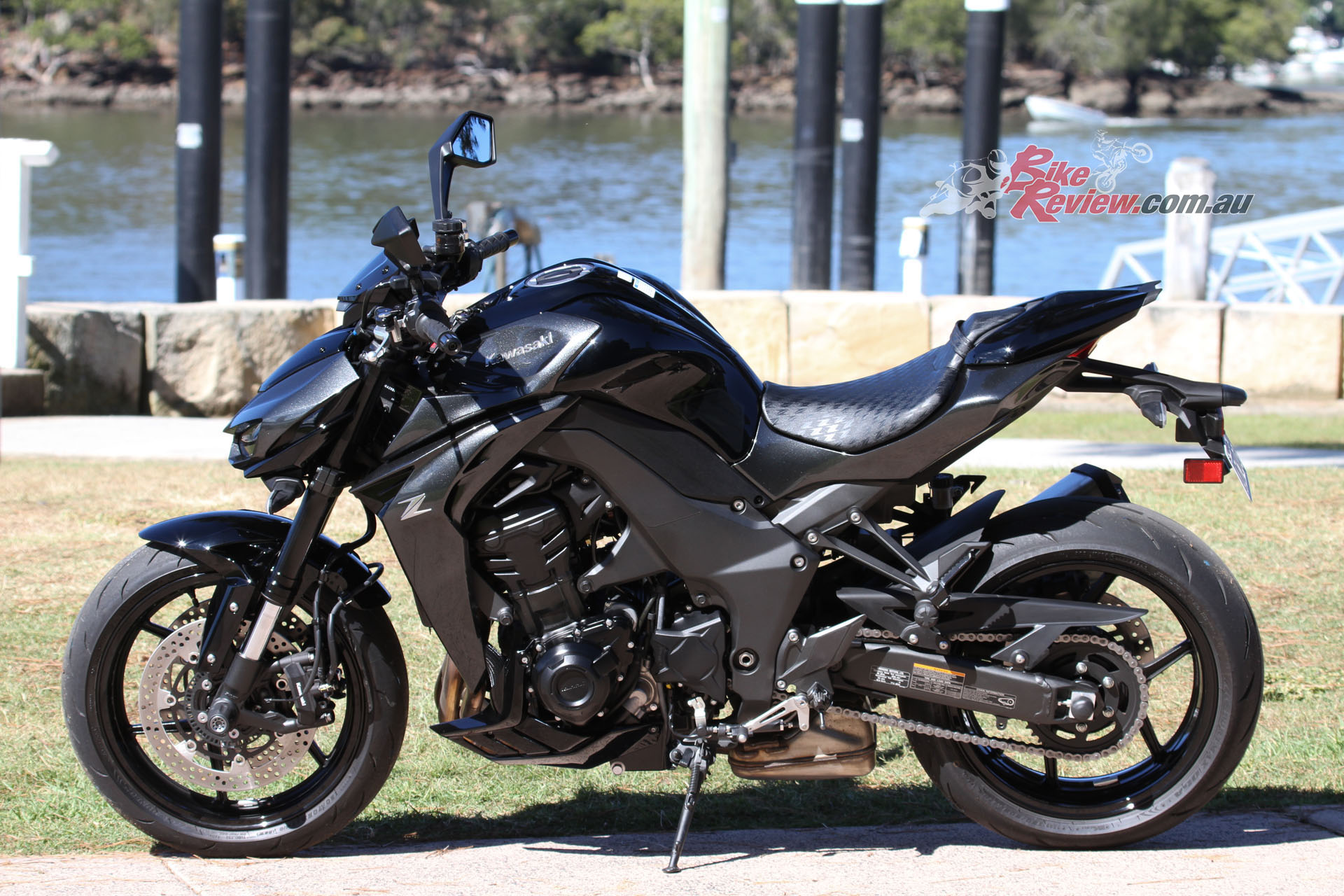
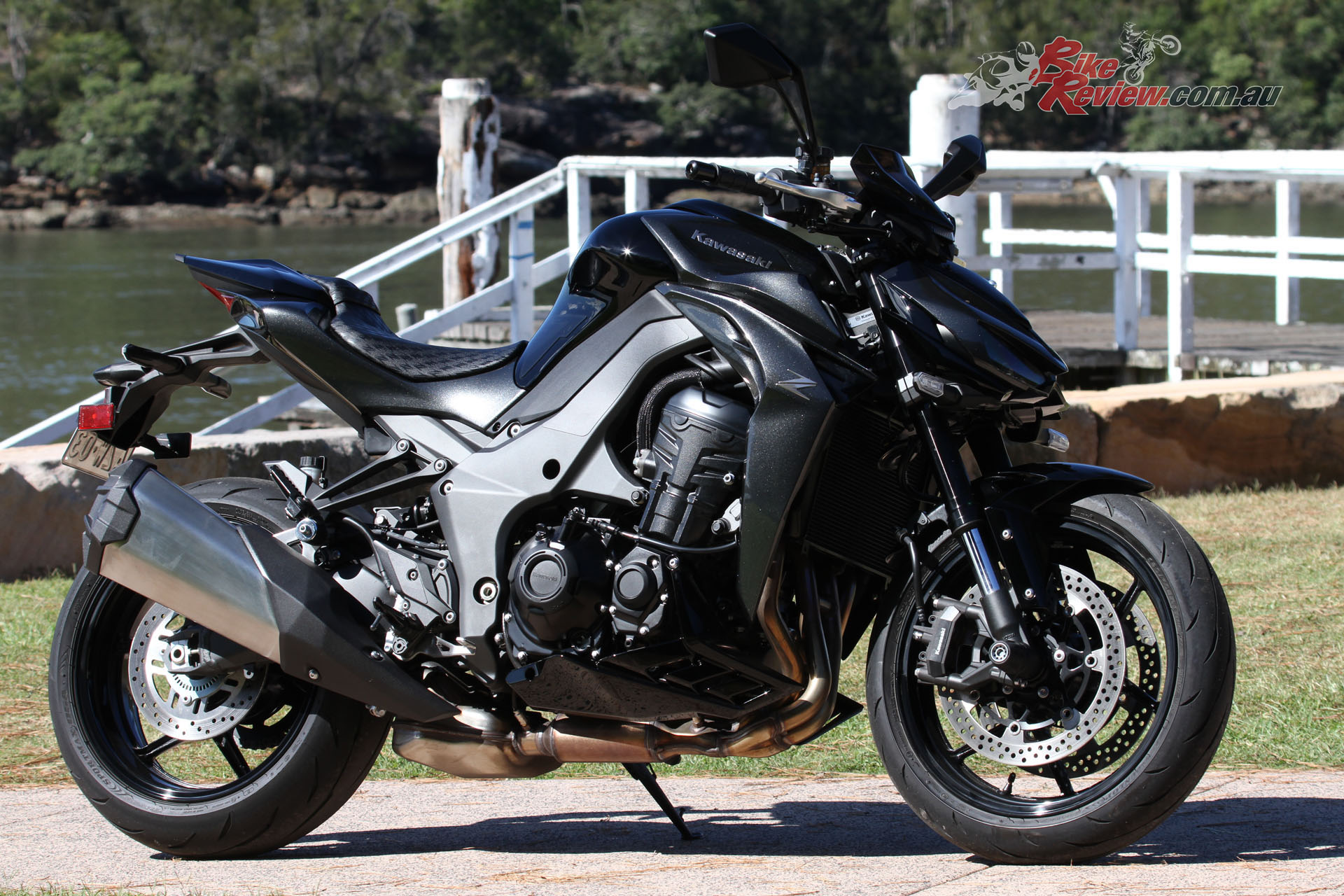
Its muscular proportions hint at the flexible, torque-rich character beneath.
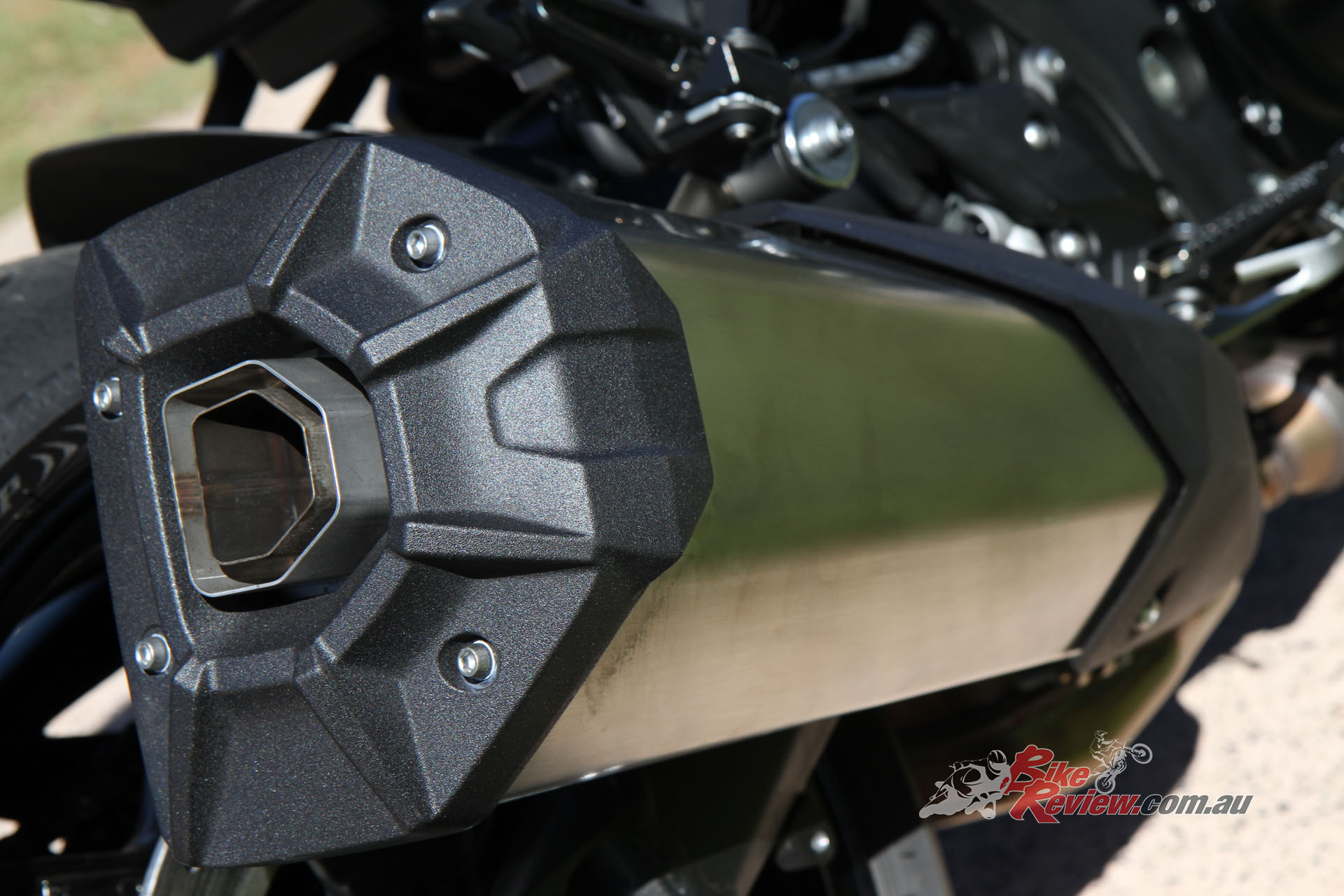
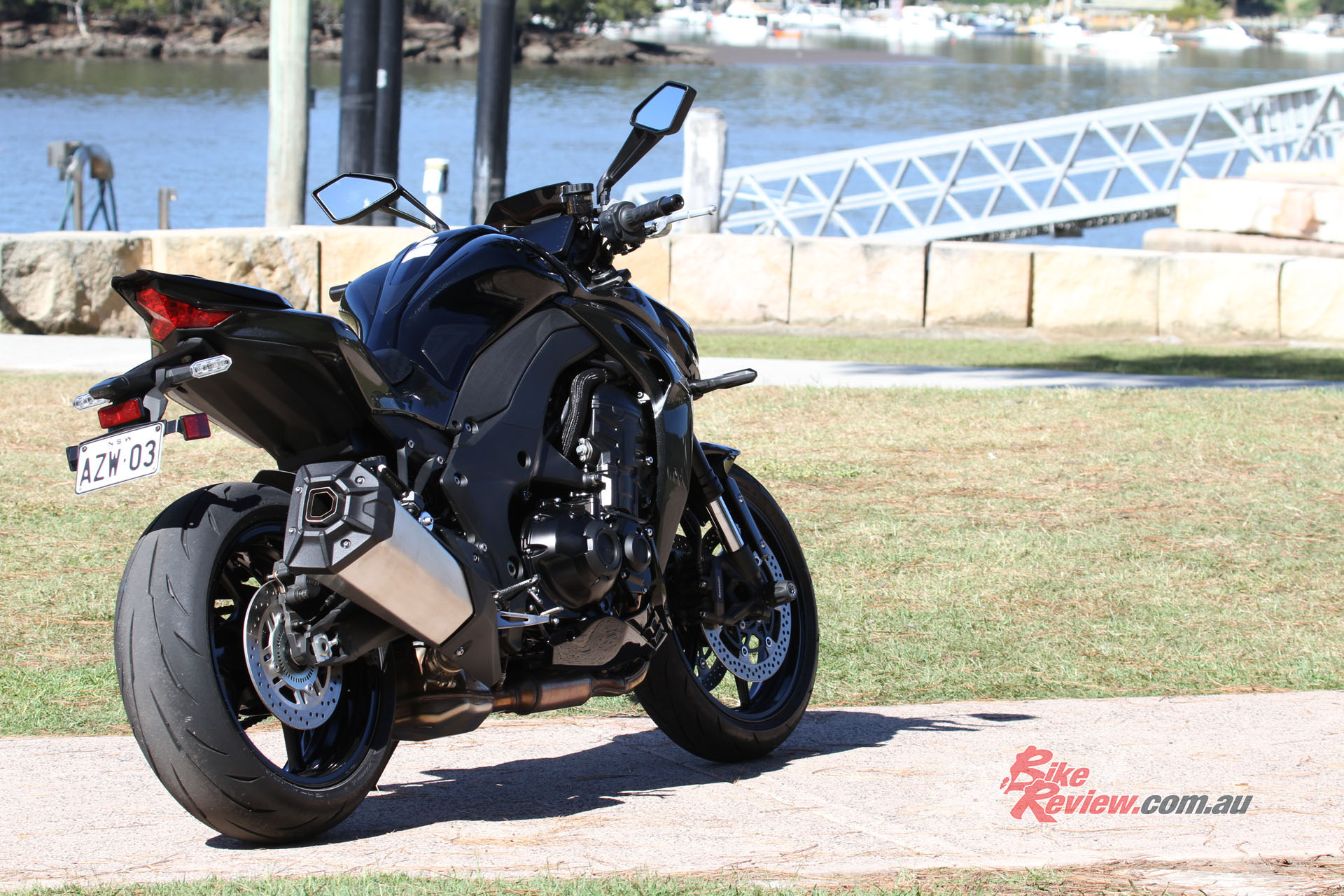
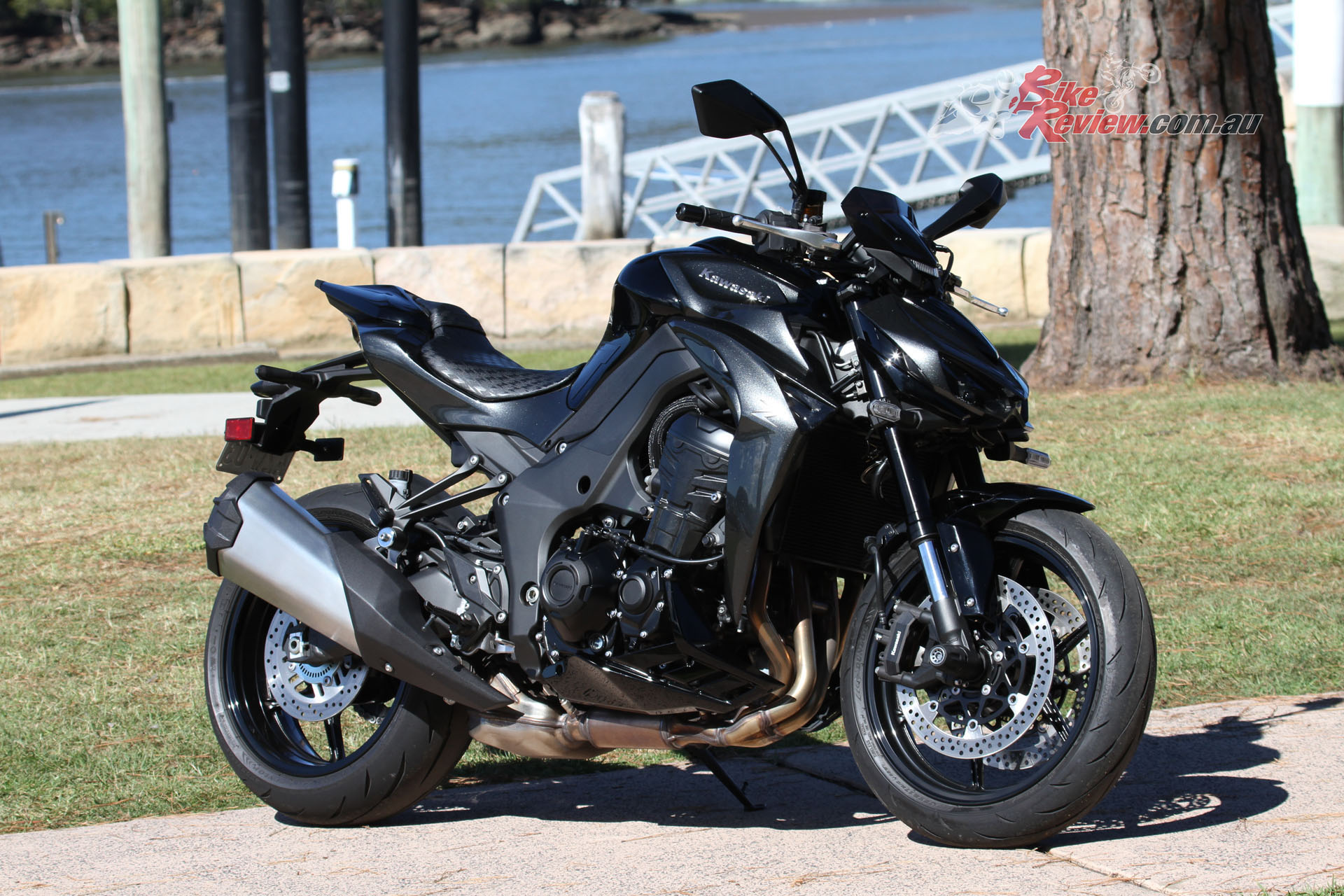
The one thing I’m not sold on is the exhaust. The 4-into-1 setup is certainly a talking point, but the look just isn’t for me. It’s an easy swap for a slip-on though, so no real harm done. And if we want bikes like this to stay on the market, they’ve got to meet emissions regulations, and Kawasaki is clearly doing everything it can to keep them both legal and fun. I can’t fault it for that.
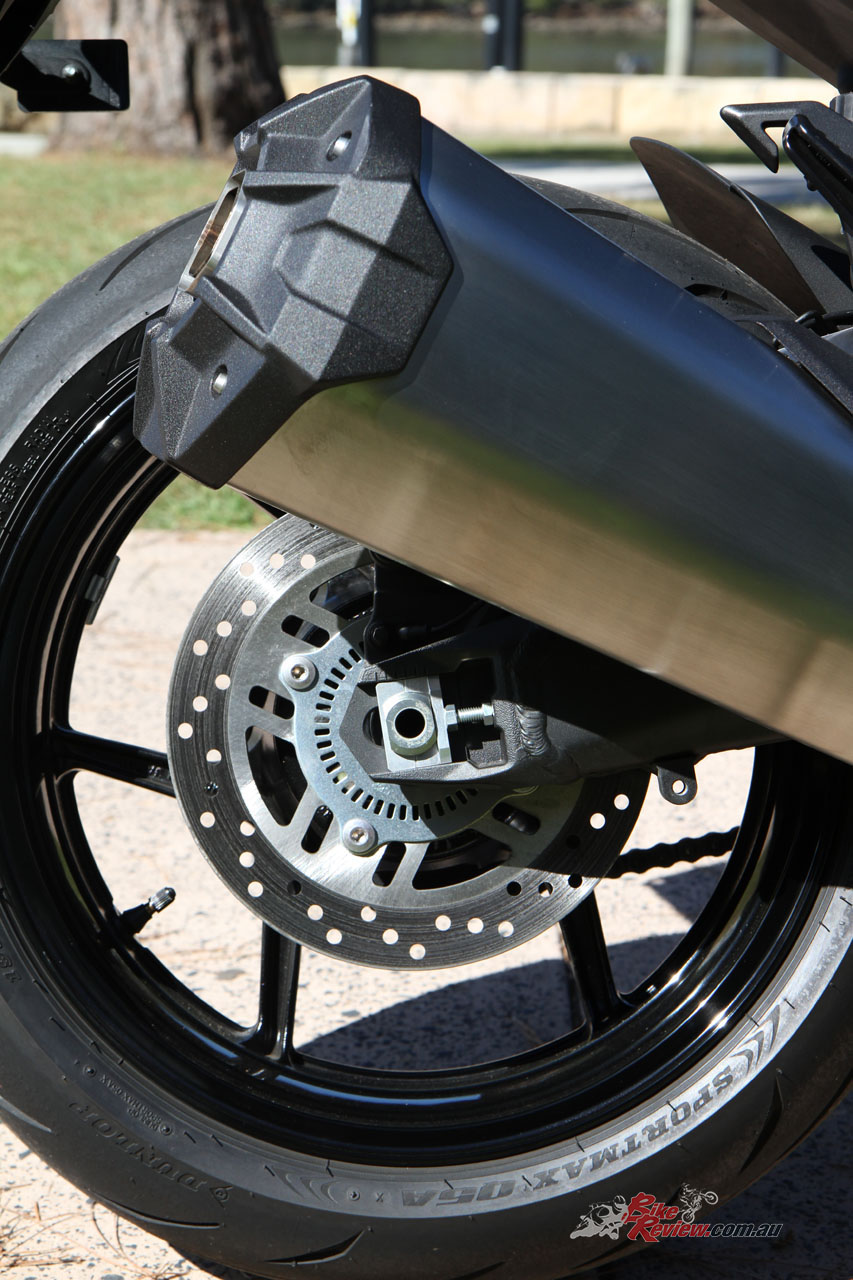
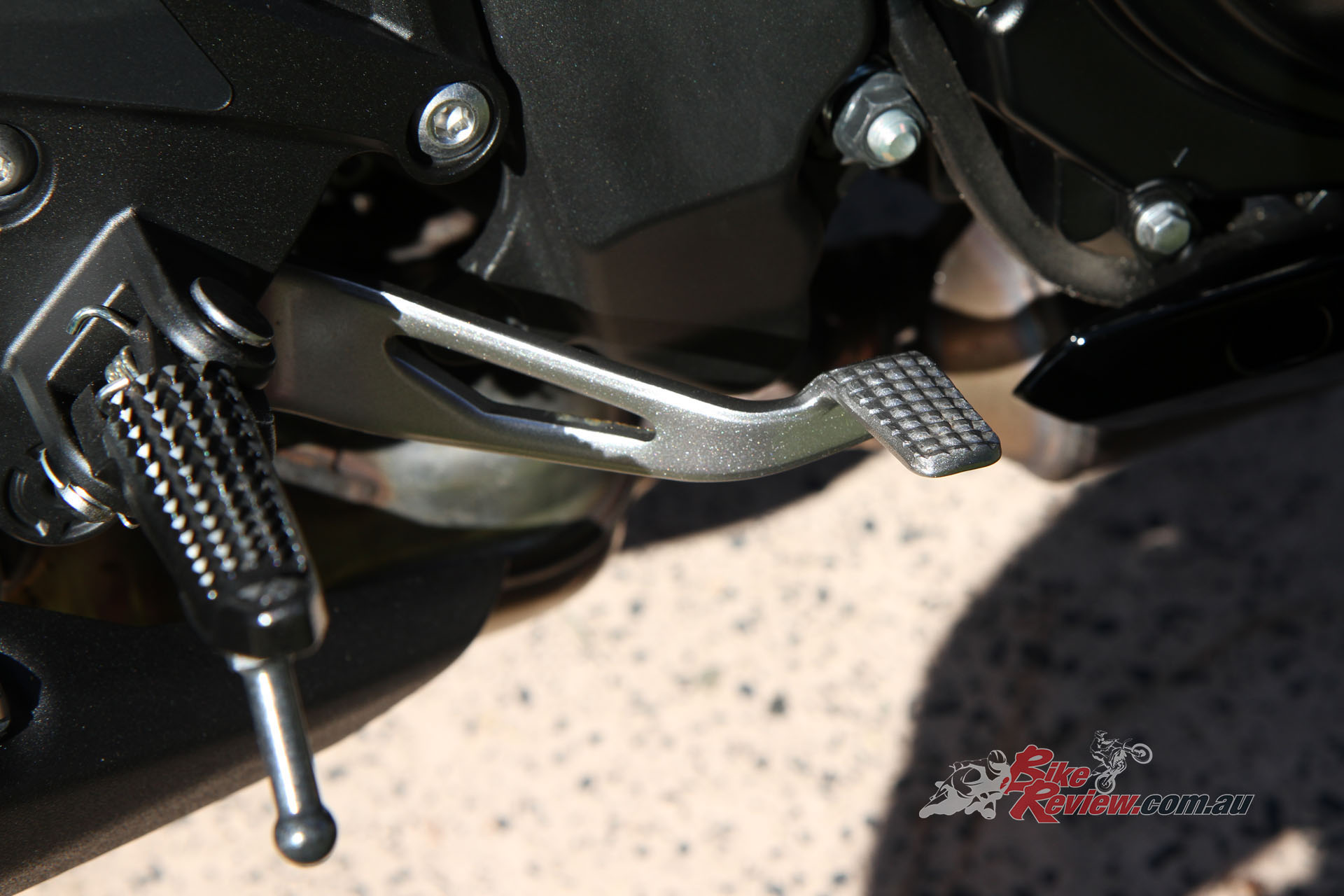
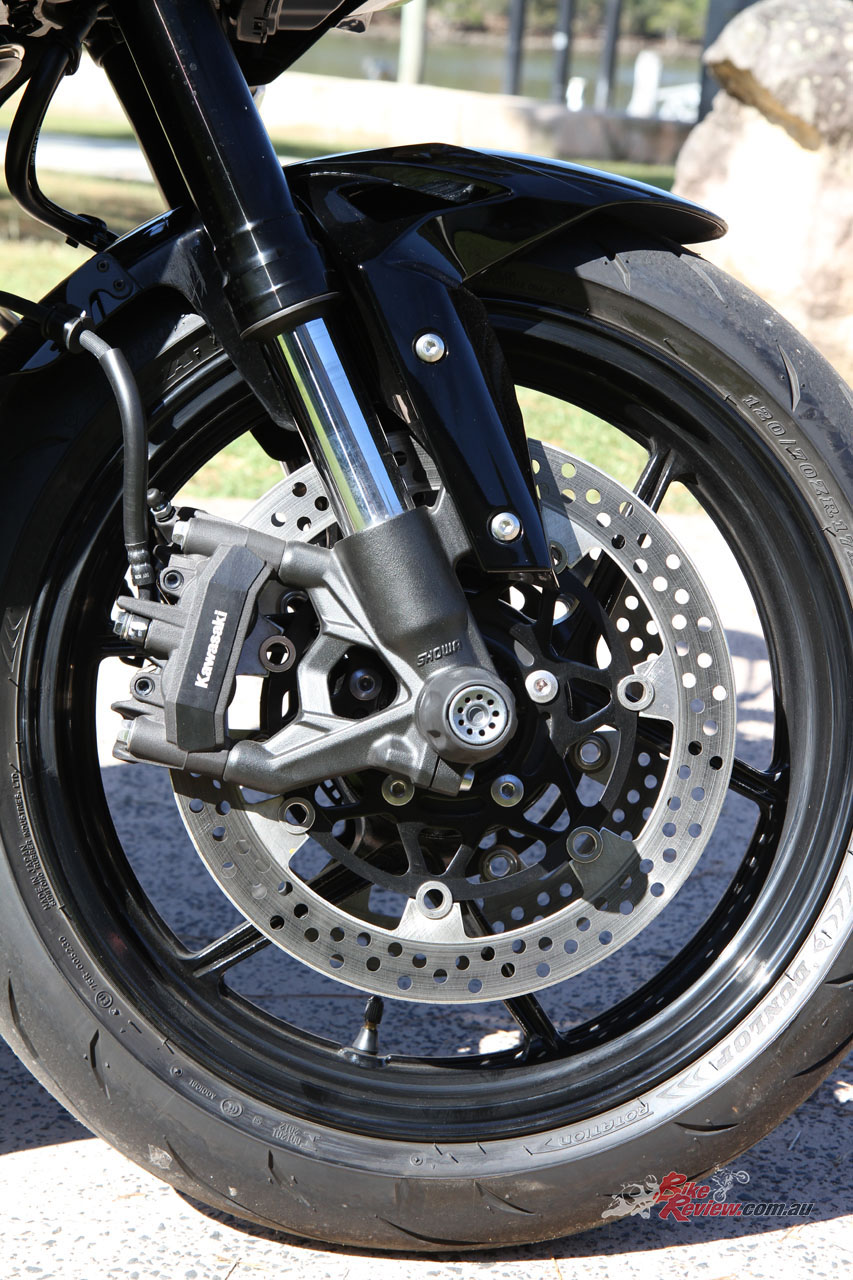
Chassis and suspension see little change up. It’s more or less the same platform that’s been around since the model’s introduction in 2010, though for 2026 there’s a new swingarm and a couple of position tweaks to the rear brake caliper. The front forks are 41mm inverted units adjustable for rebound, compression and spring preload, while the rear runs a Horizontal Back-link gas system with adjustment for rebound and preload.
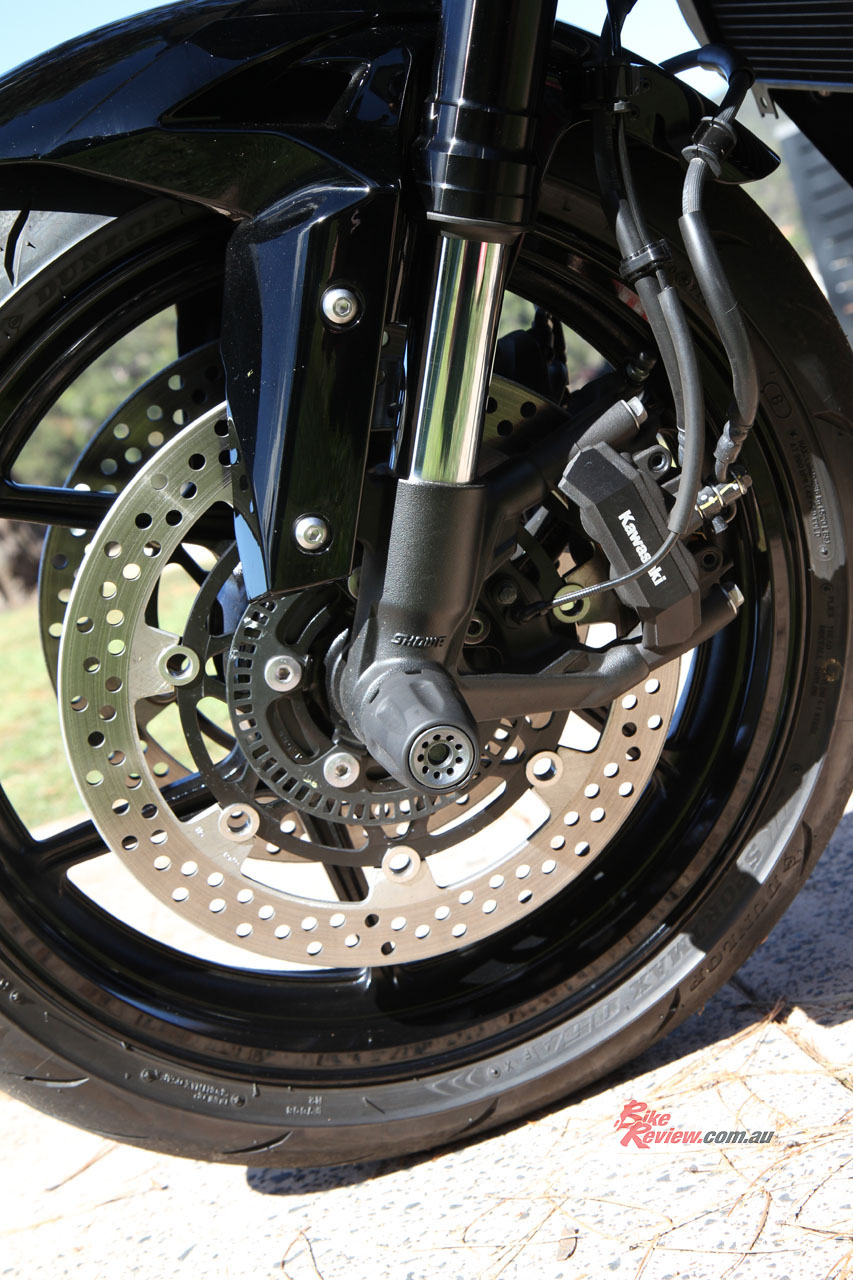
Kawasaki claims a dry weight of 201kg, rising to 221kg ready to ride and with a full 17 litre tank, which is about little heavy for a litre naked. The SE variants our overseas counterparts are getting arrive with Brembos in place of the standard Kawasaki calipers, plus Öhlins shocks. I wasn’t too fazed about missing out, though – through the bends, the standard kit did everything I asked of it.
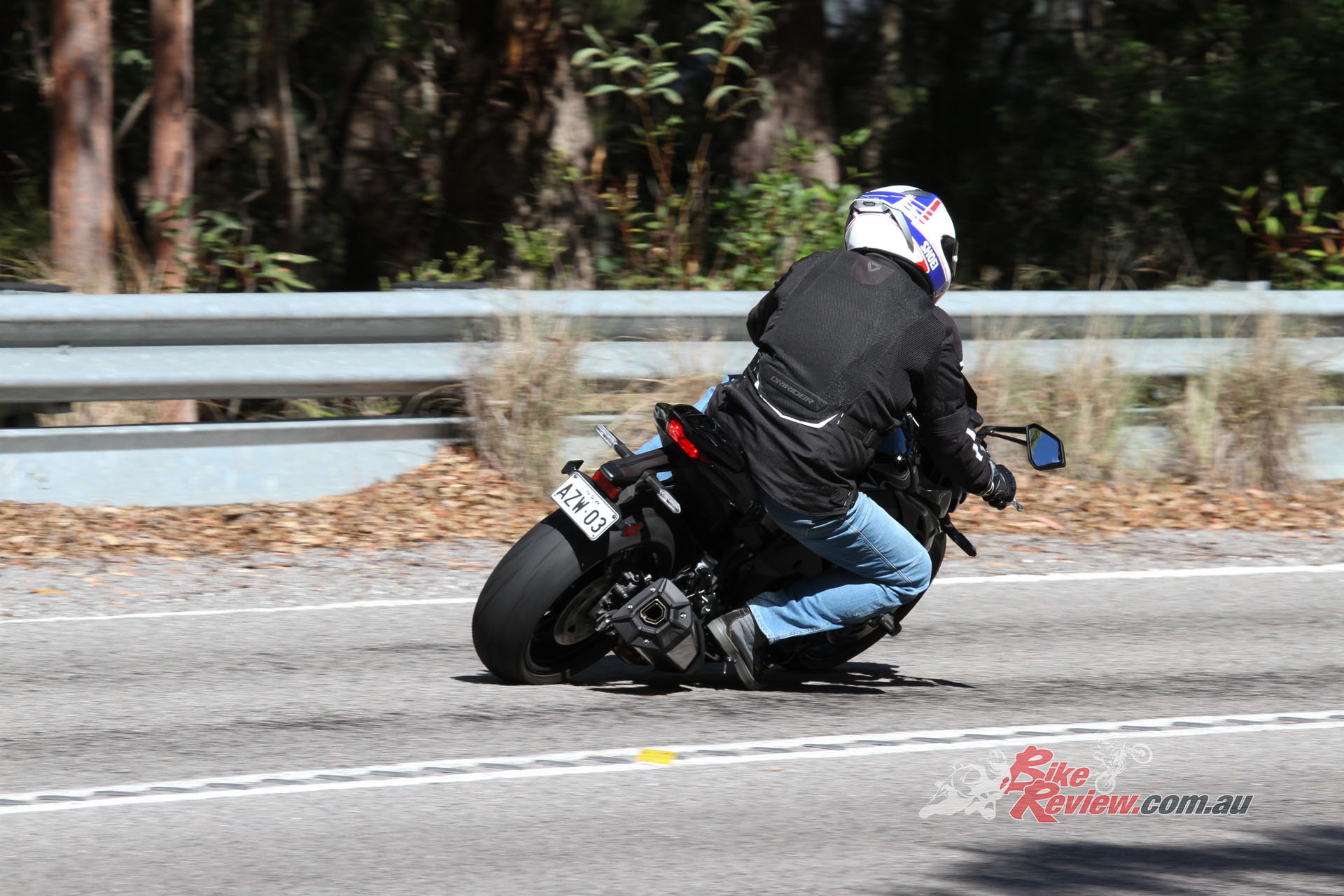
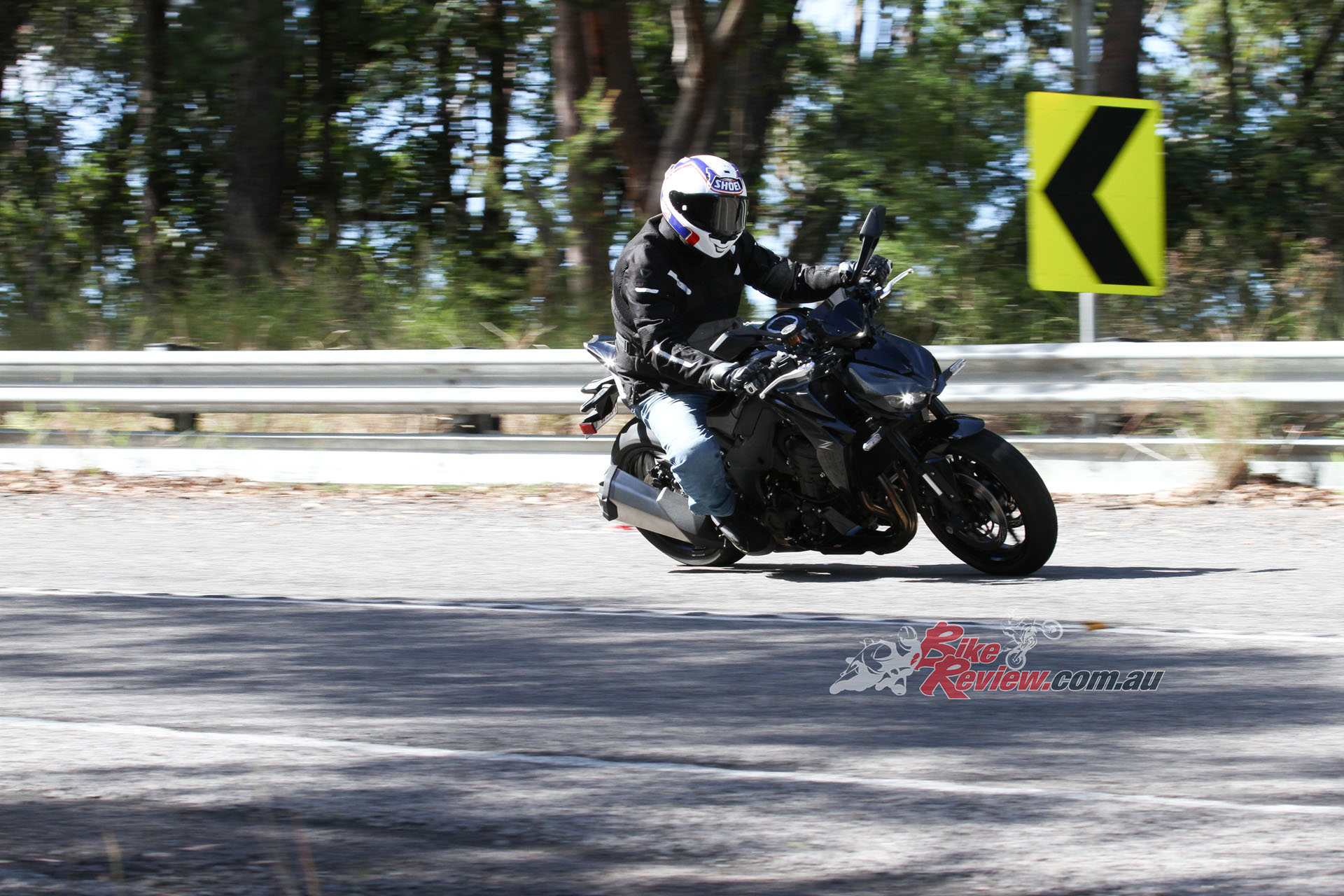
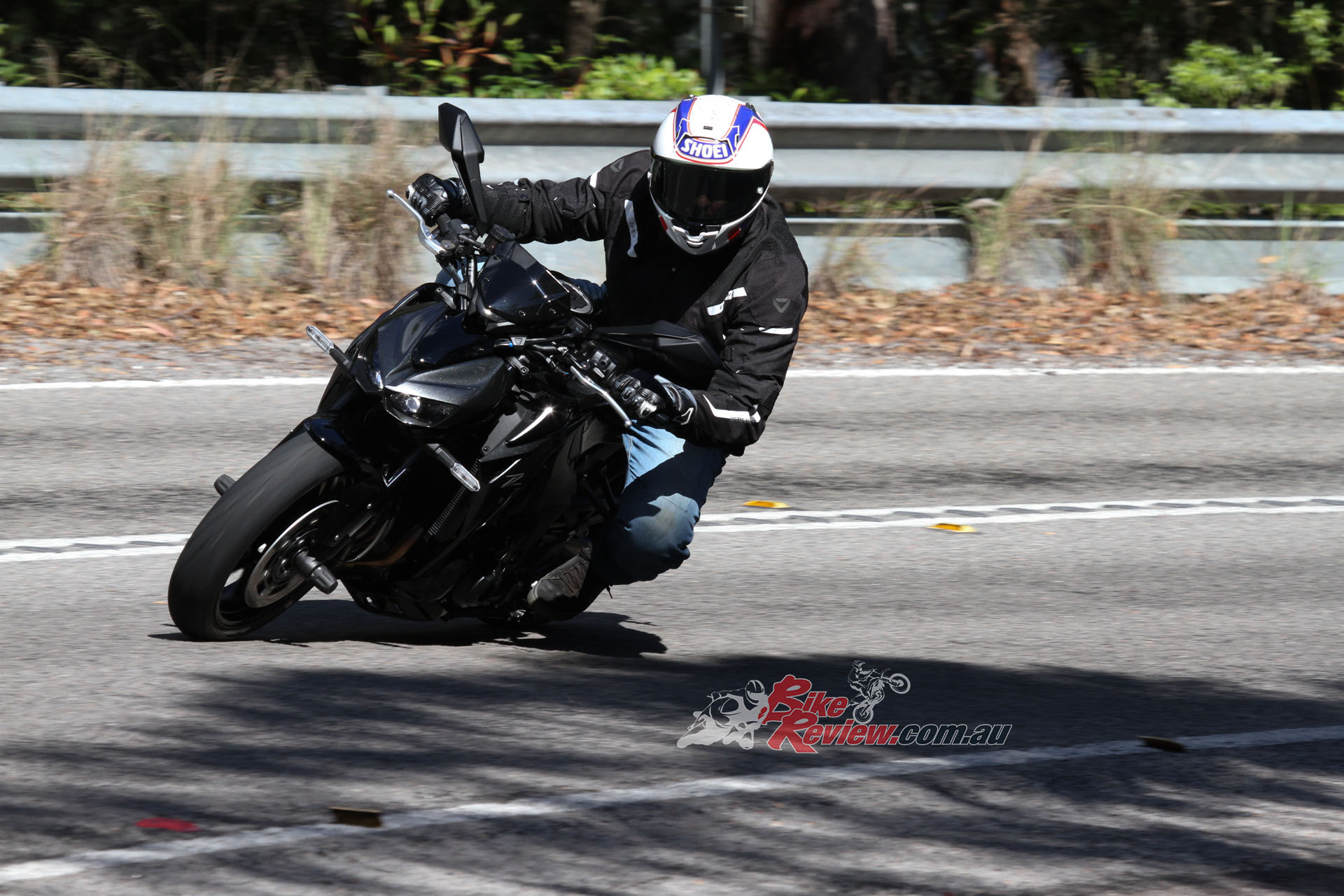
The Z1100 remains composed even when pushed hard through fast corners.
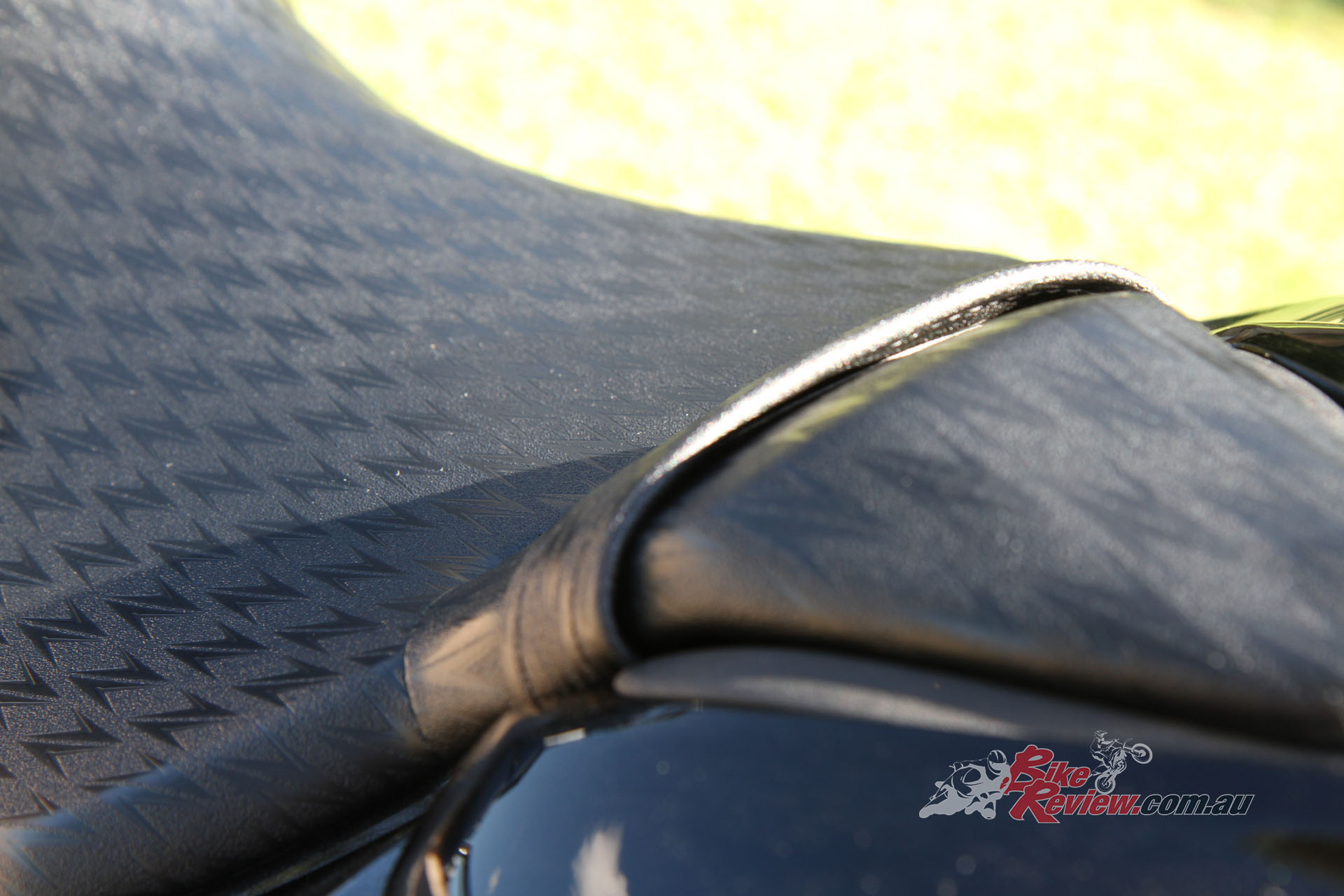
Now, the riding position. This is where things got a little tricky for me. At 193cm tall, I’ll be honest, I didn’t find it comfortable for much more than about 45 minutes at a time. After any real length of time the ‘bars put a fair bit of pressure on my wrists, and my knees were bent at a pretty extreme angle. The 815mm seat height is fine. It was the ’peg placement that got me. They sit just a touch too high, and combined with the reach to the ’bars they made longer stints a bit of a chore.
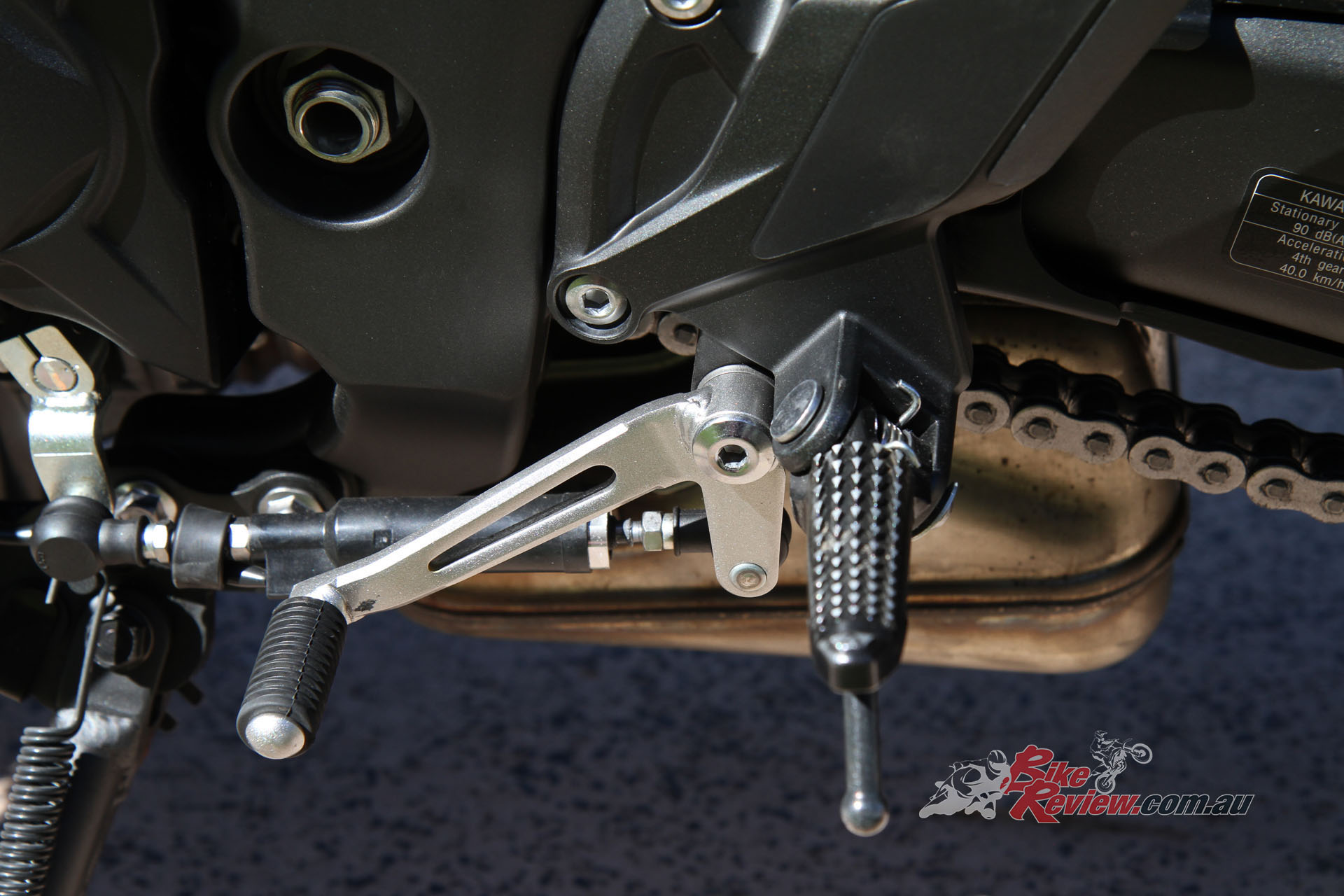
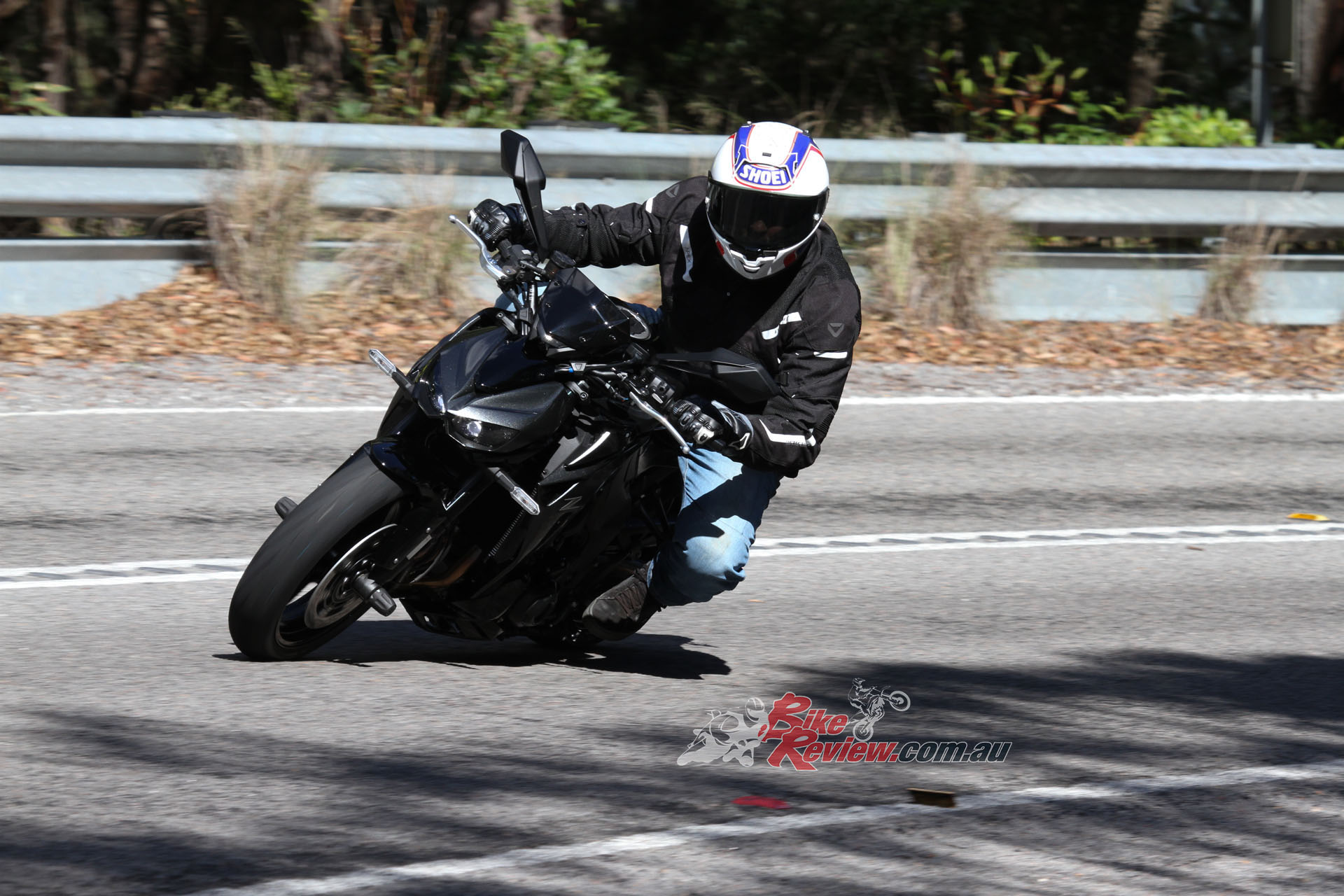
That said, all that aggression starts to make sense once the road gets twisty. Point it at a corner and the story changes completely. It’s genuinely hard to feel the weight of the bike here. The steering is sharp and agile enough that you’d never guess you were flicking 220-odd kilos around. As I said, it’s really only at the absolute limit that I’d start reaching for the Brembos, Öhlins and the rest of the overseas-spec upgrades. For the riding most of us are doing, the stock package is more than up to it.
Do your like your big-bore Kawasakis with more protection and more premium componentry? Read Nick’s review on the Ninja 1100SX SE.
As for the brakes, you’re looking at dual 310mm front discs with radial-mount, monobloc, four-piston calipers, paired with a 260mm disc and single-piston caliper at the rear. They’re Kawasaki’s own, and they did the job for me. I imagine the braided lines and Brembo calipers on the SE would add a little more feel at the lever, but I never managed to get these hot enough to fade.
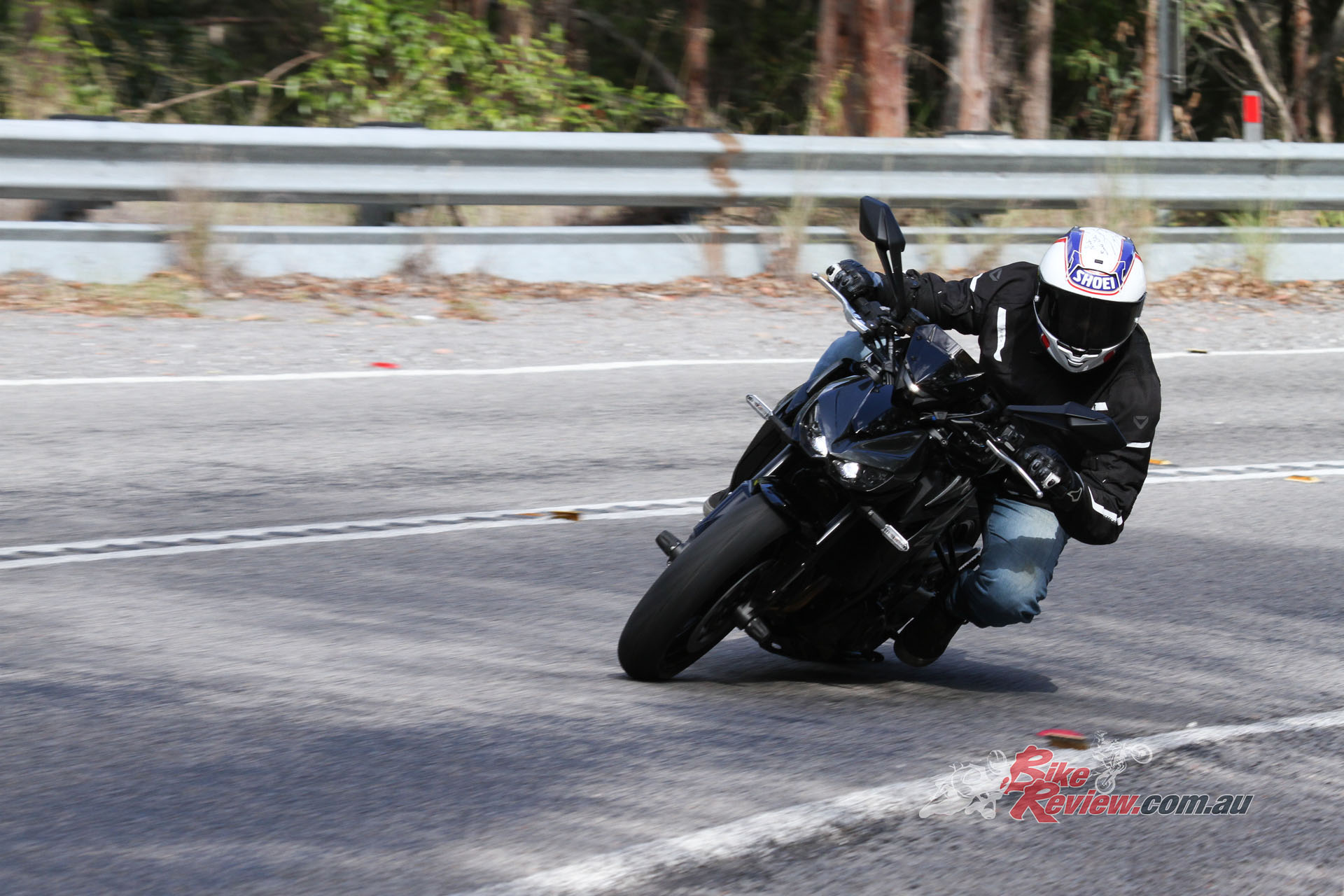
Despite tipping the scales at 201kg dry, the Z1100 disguises its weight well.
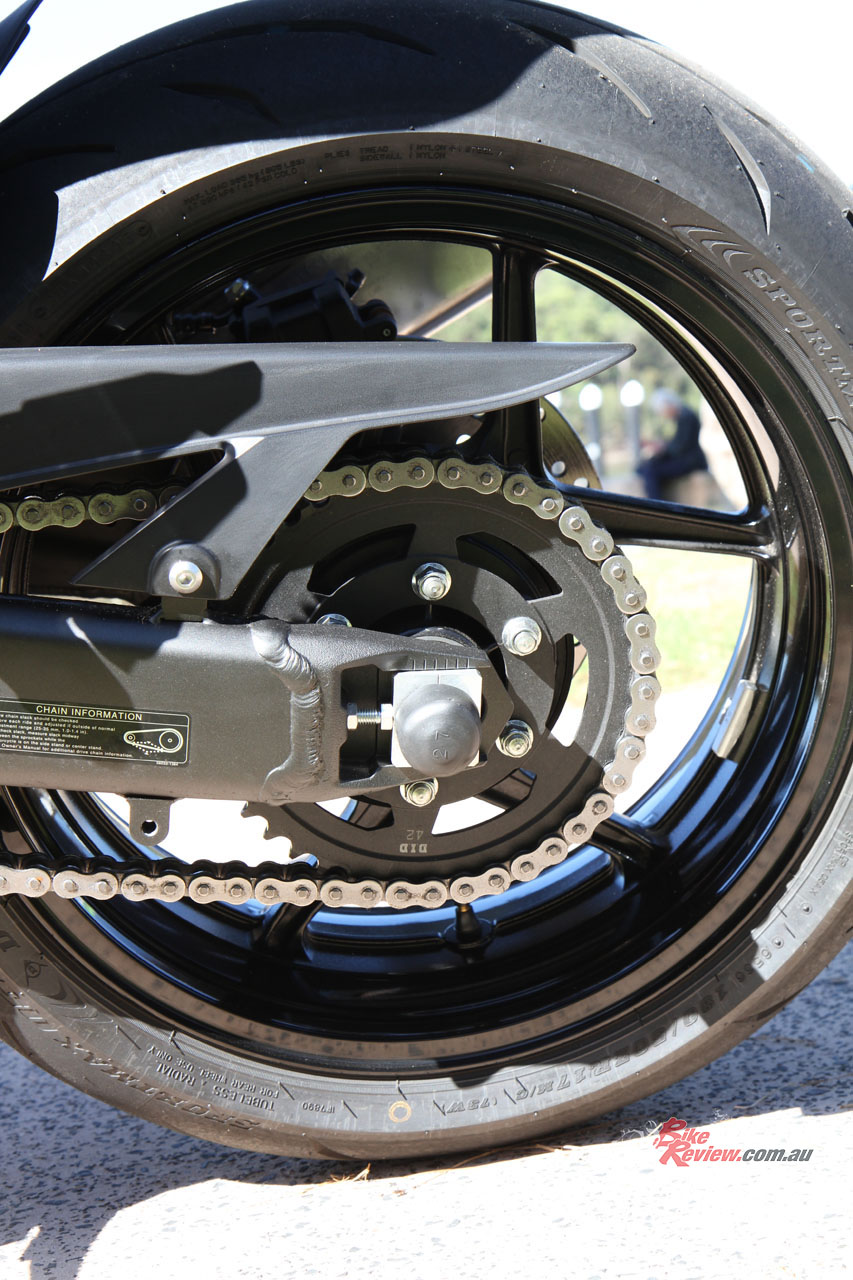
The bike rolls out on Dunlop Sportmax, a 120/70-17 up front and a 190/50-17 at the rear. For me the 50-profile rear sidewall was too small, which really made the bike feel reluctant to tip in. Rake and trail are pretty comparable to its competitors, so to my mind it wasn’t the geometry holding things back.
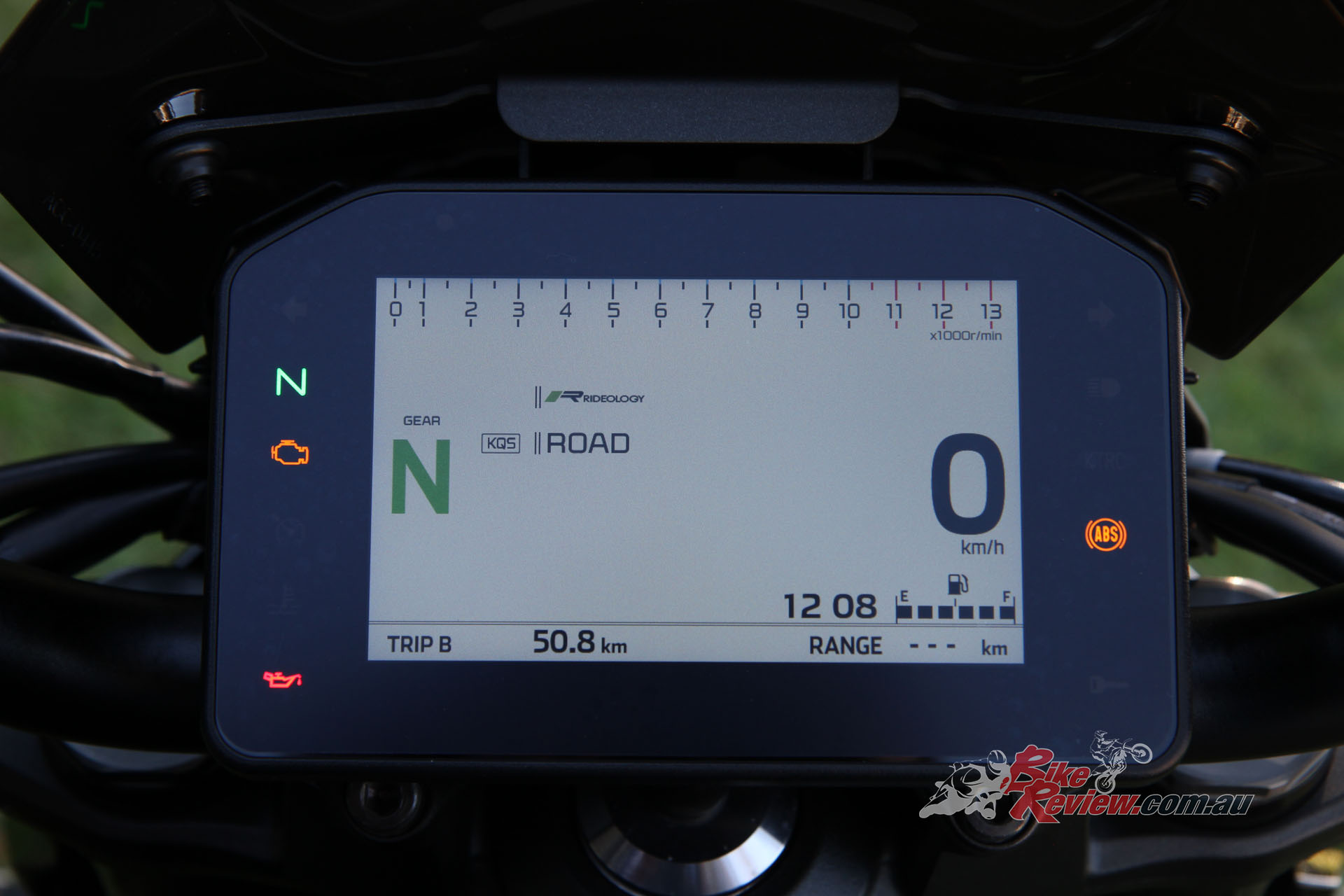
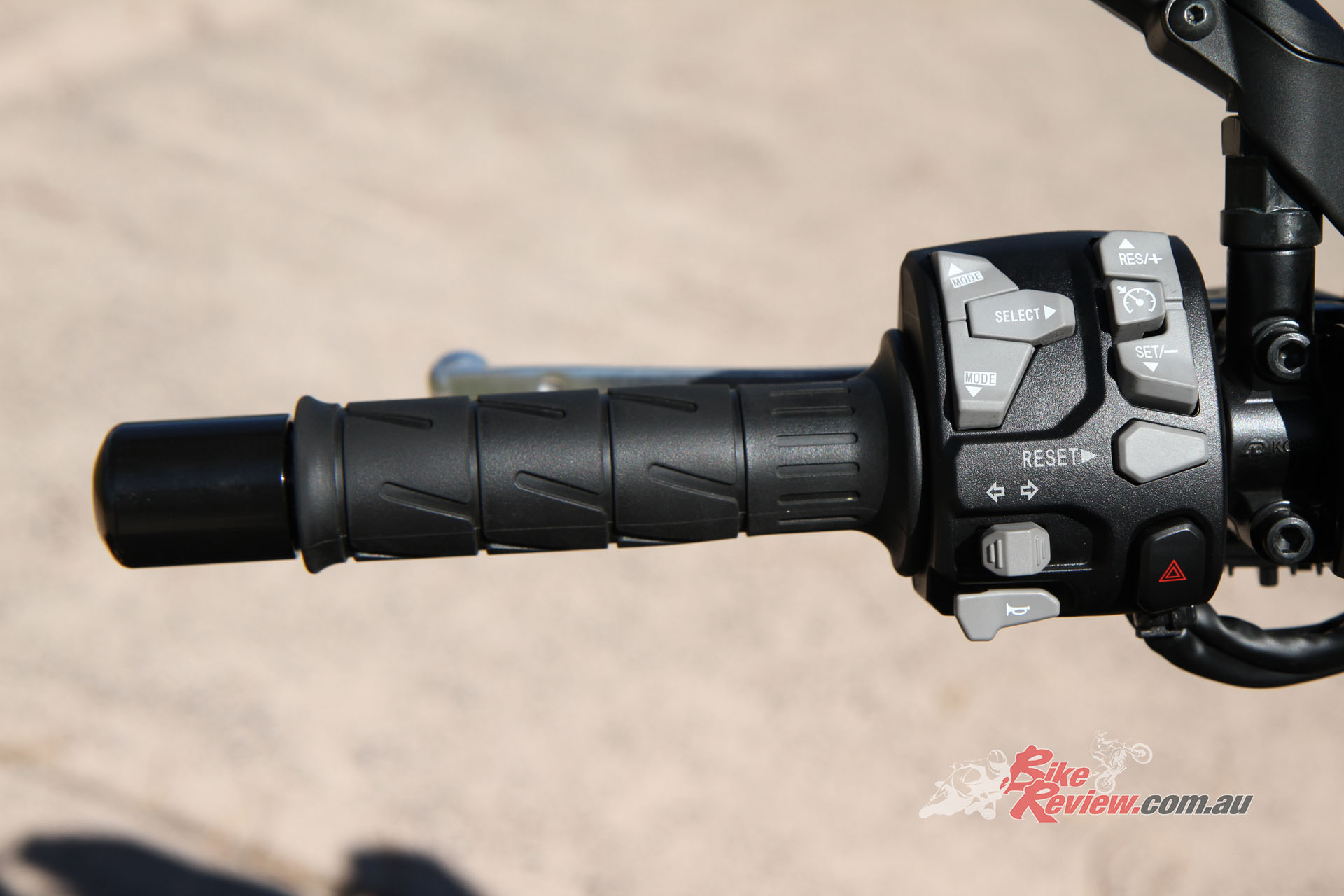
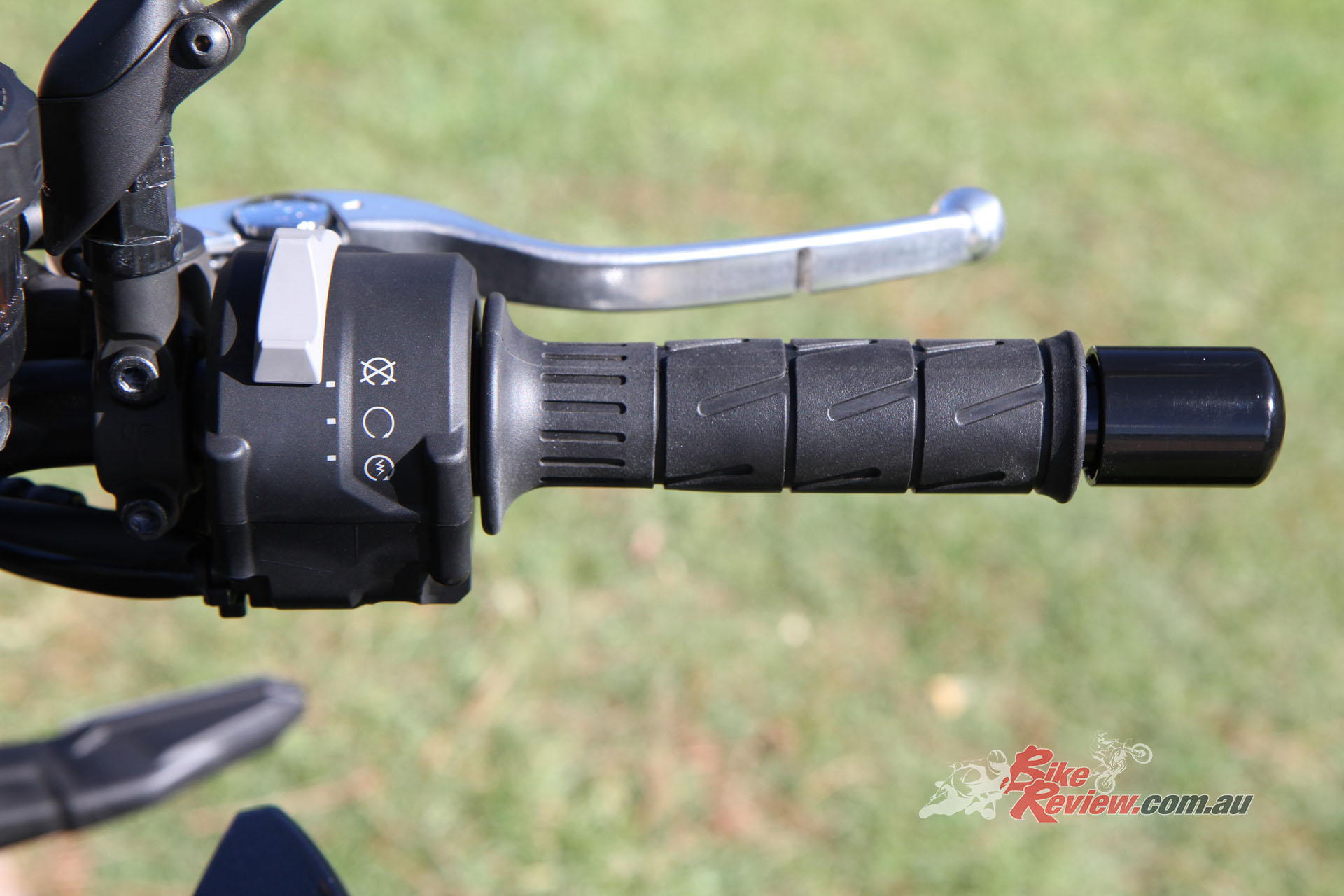
In terms of technology, one of the best additions this year is Kawasaki’s full suite of riding aids. You get the economical riding indicator (which probably won’t see much use), electronic cruise control and electronic throttle valves, the Cornering Management Function, traction control, power and riding modes (Sport, Road, Rain and a configurable Rider mode), and the brand’s ABS, with the IMU (Inertial Measurement Unit) reading chassis orientation to feed the KIBS (Kawasaki Intelligent anti-lock Brake System). It’s a big step from the old Z1000 and makes for a reassuringly safe ride.
In terms of technology, one of the best additions this year is Kawasaki’s full suite of riding aids.
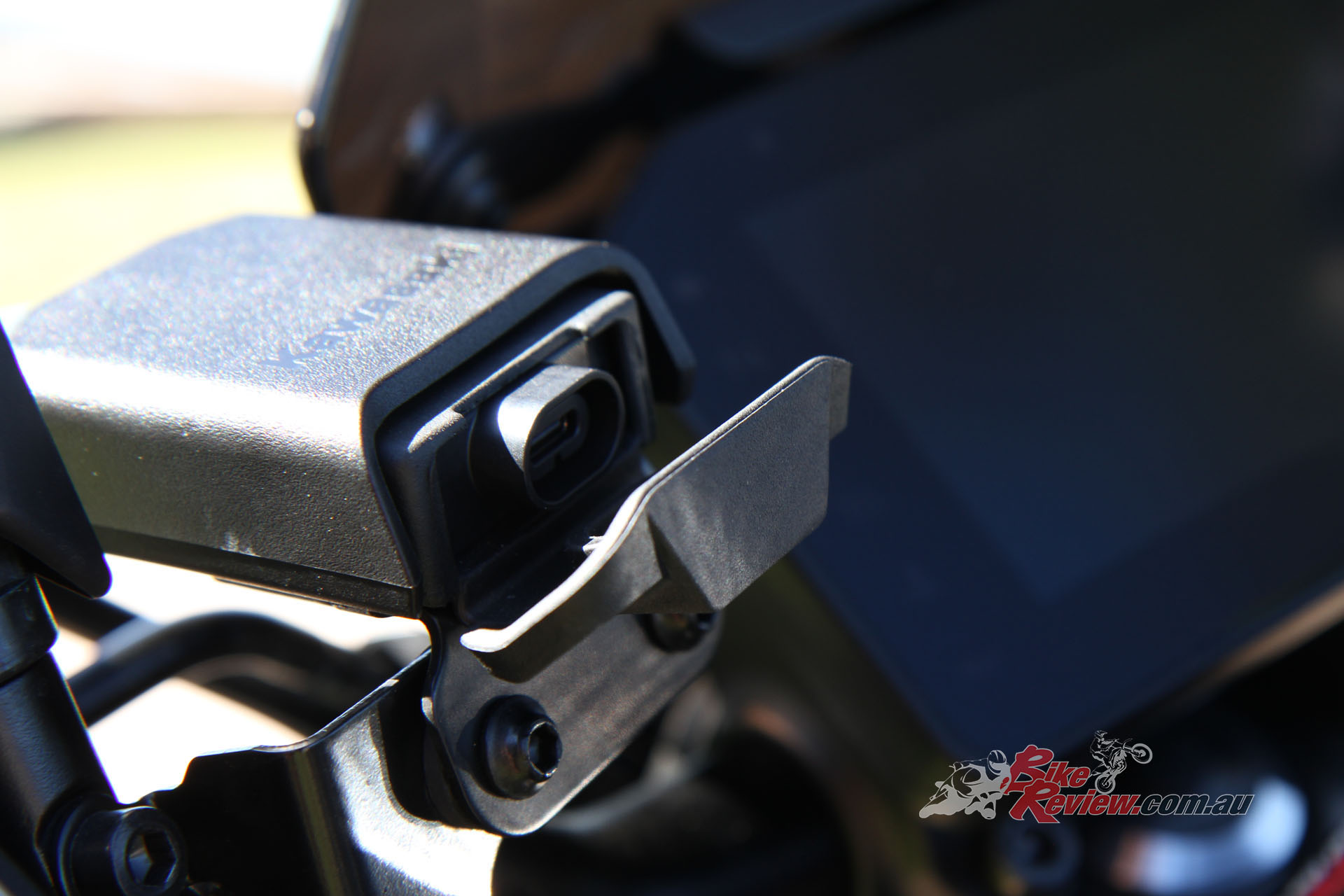
The new 5-inch TFT colour display is another fantastic addition to this year’s series, though I’m still not a fan of Kawasaki’s smartphone connectivity options. One look at the reviews and it’s clear the app needs a serious overhaul if they’re going to keep marketing smartphone connectivity as a selling point. On that note, I don’t know what Kawasaki was thinking with the large USB-C port clamped to the ’bars.
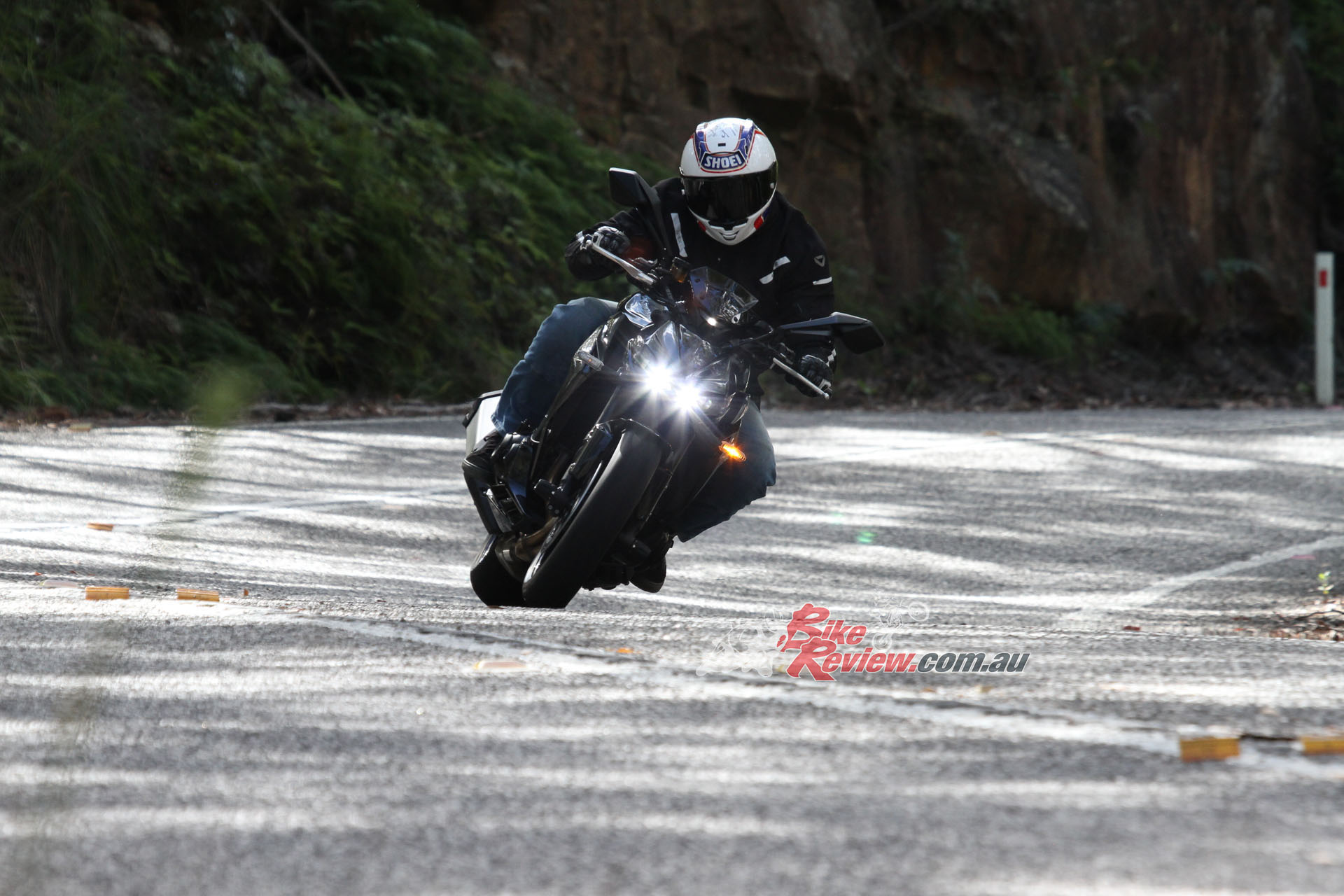
The Z1100 quickly proved there was more to it than the spec sheet’s smaller numbers implied.
Even the cheapest bikes around manage to tuck a port into the fairing, or at least in behind the TFT dash, making Kawasaki’s addition come across as a last-minute afterthought, which is really quite strange. Back on the plus side, it’s also the first in the line to run a ride-by-wire throttle, which only adds to that inline-four silkiness.
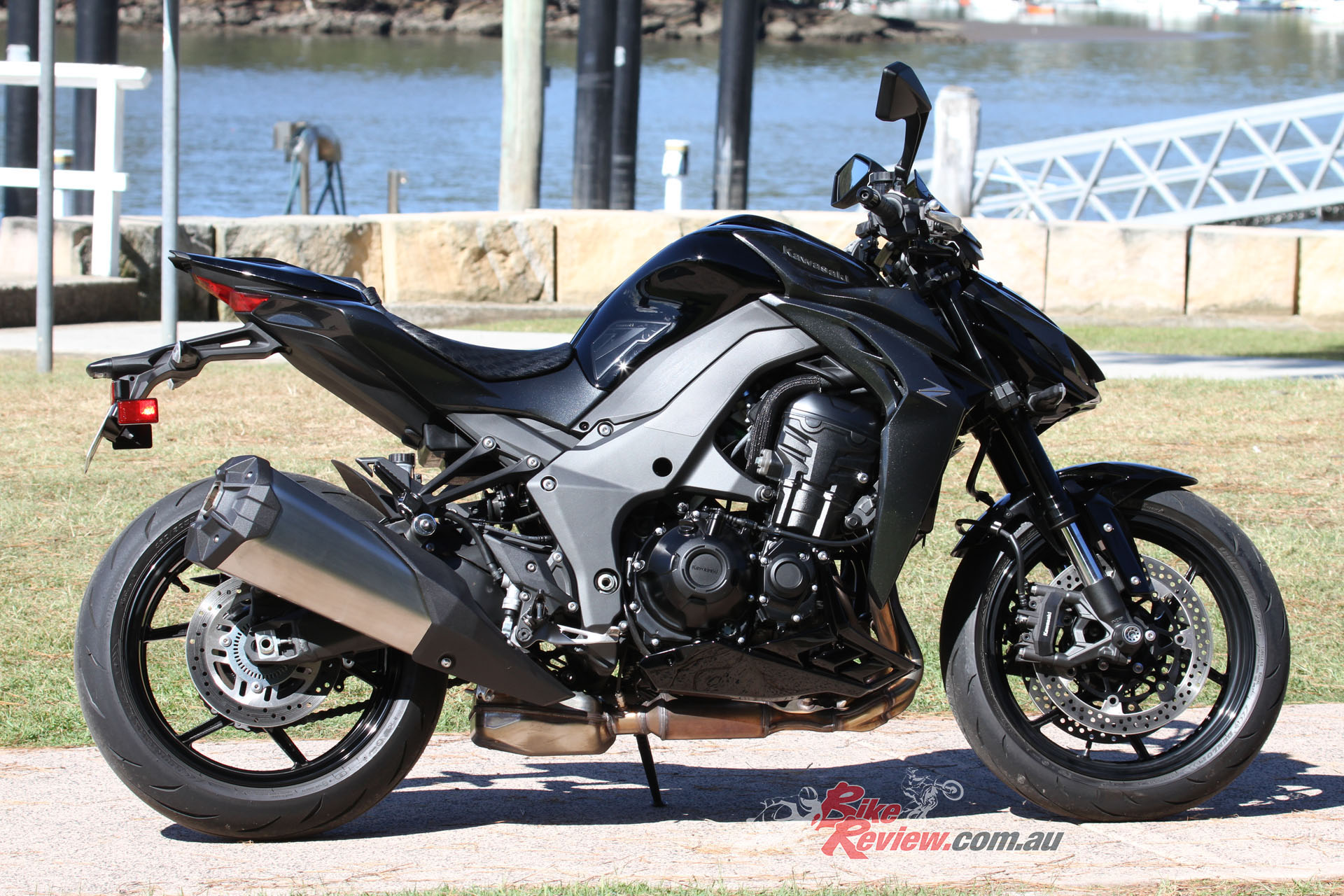
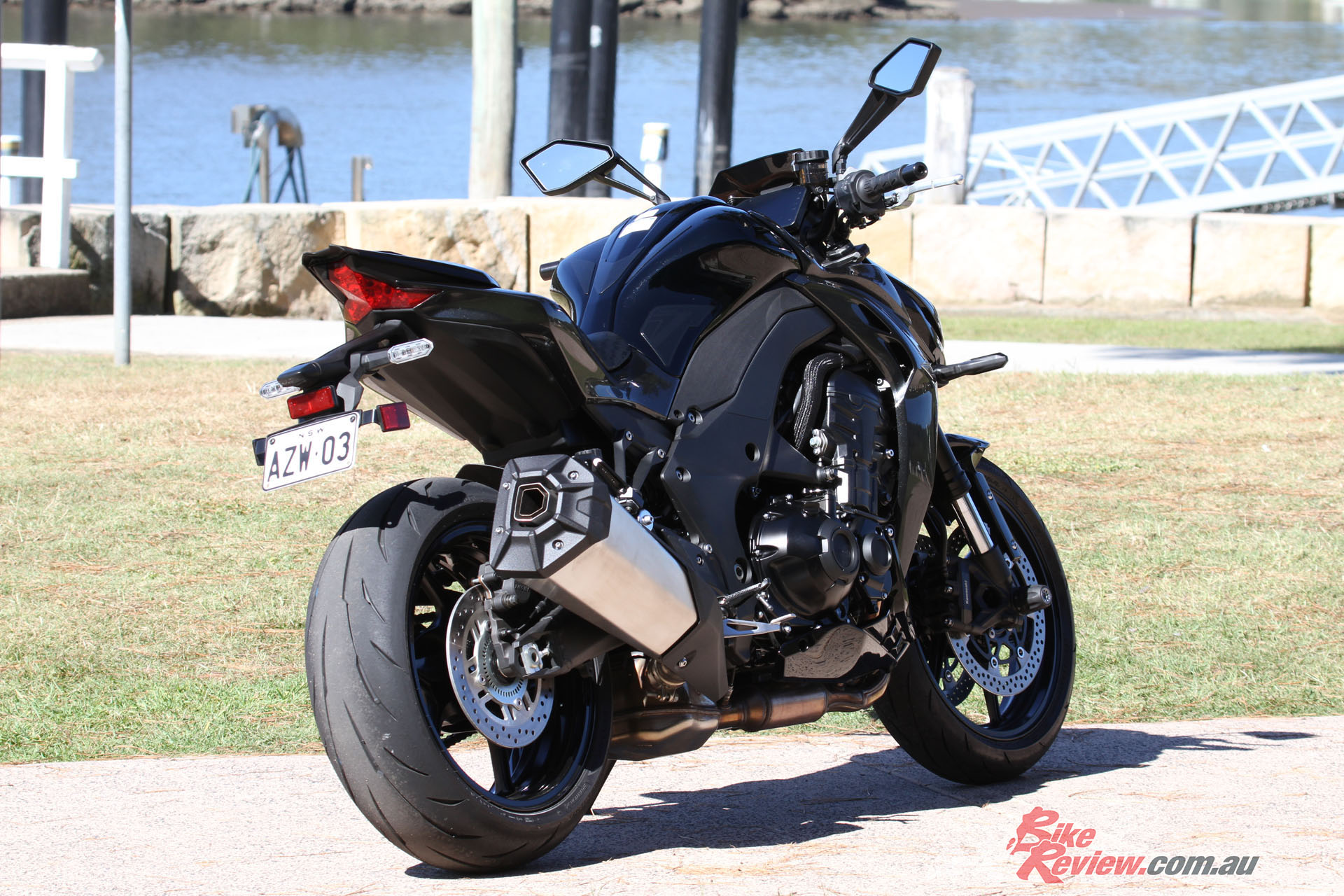
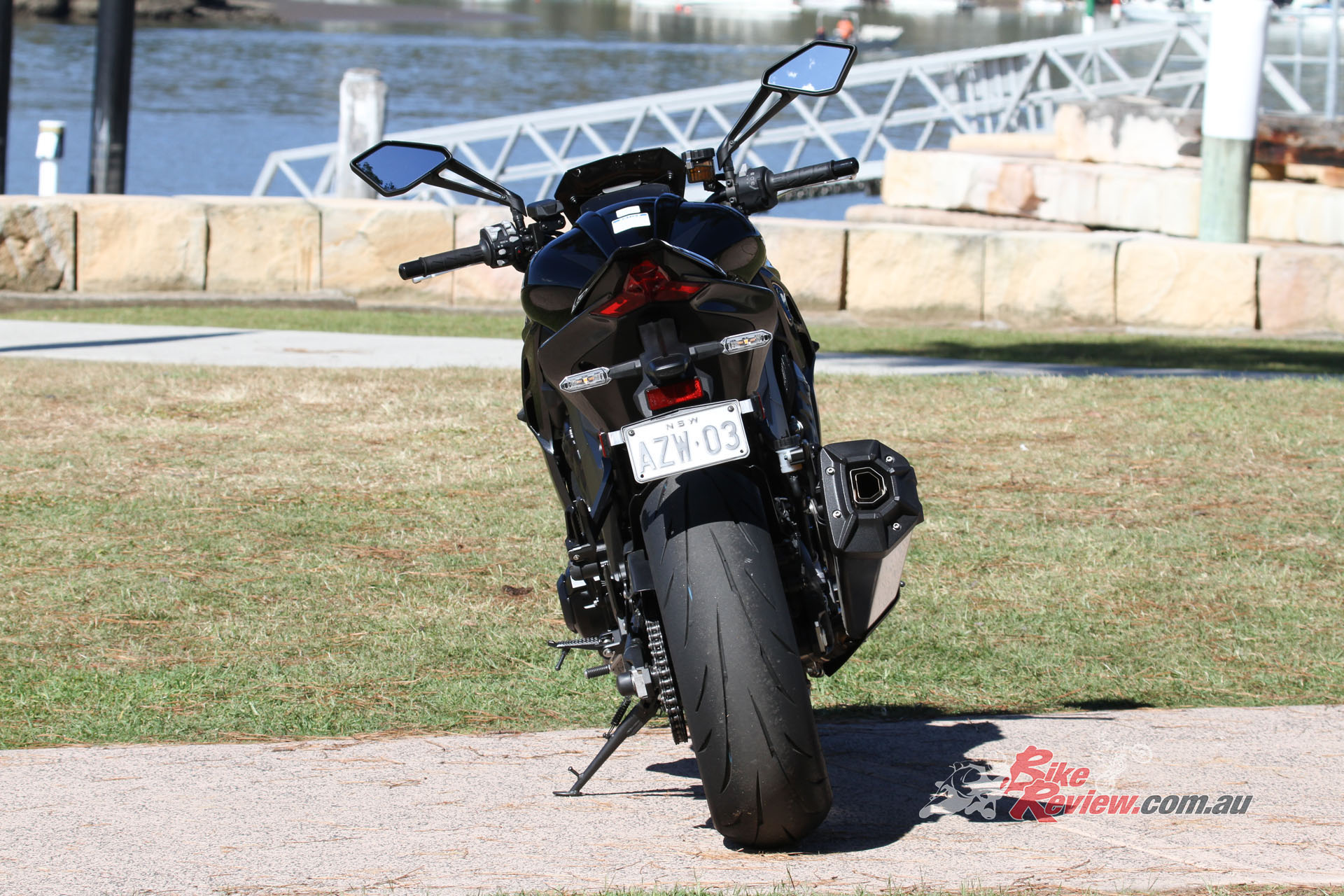
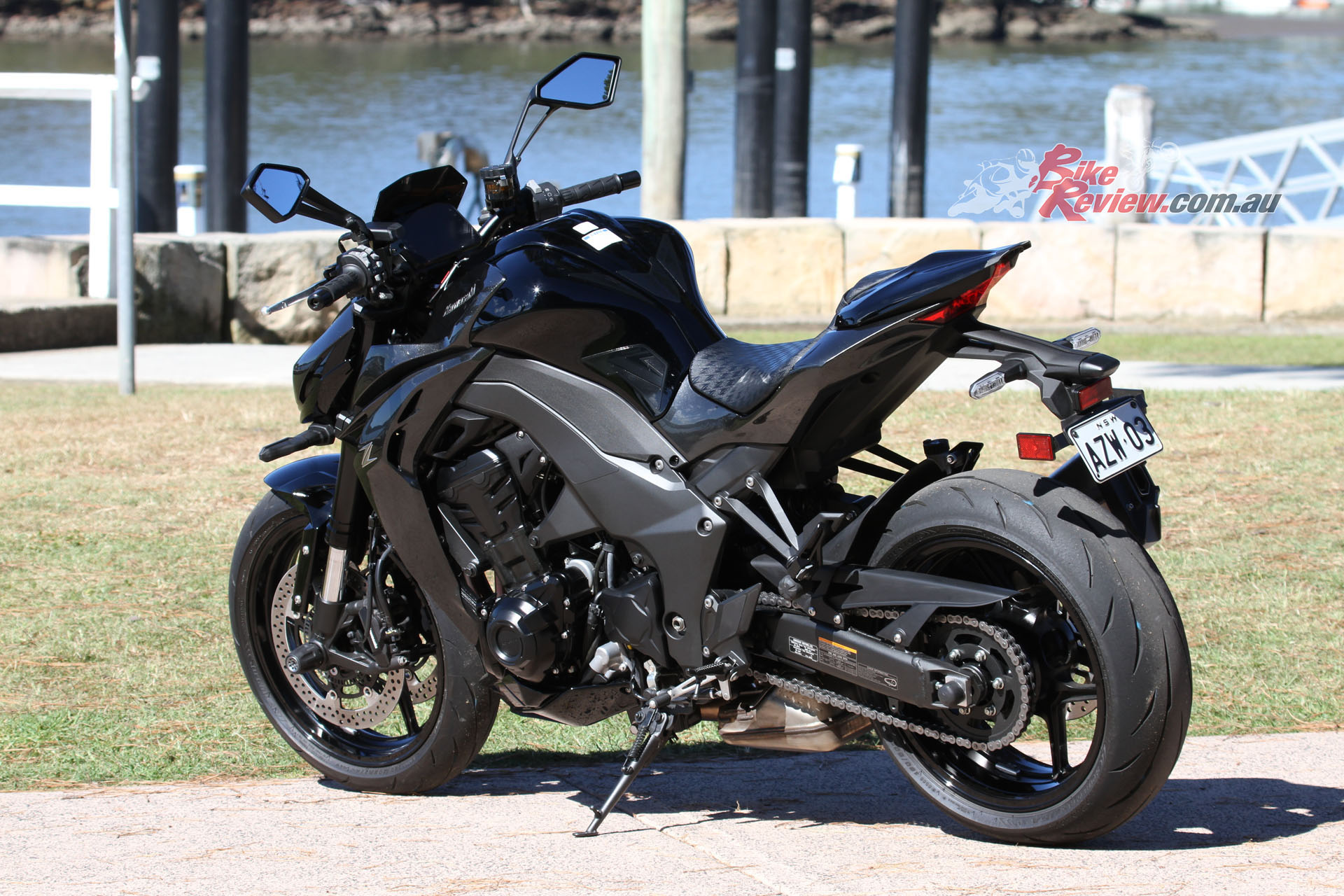
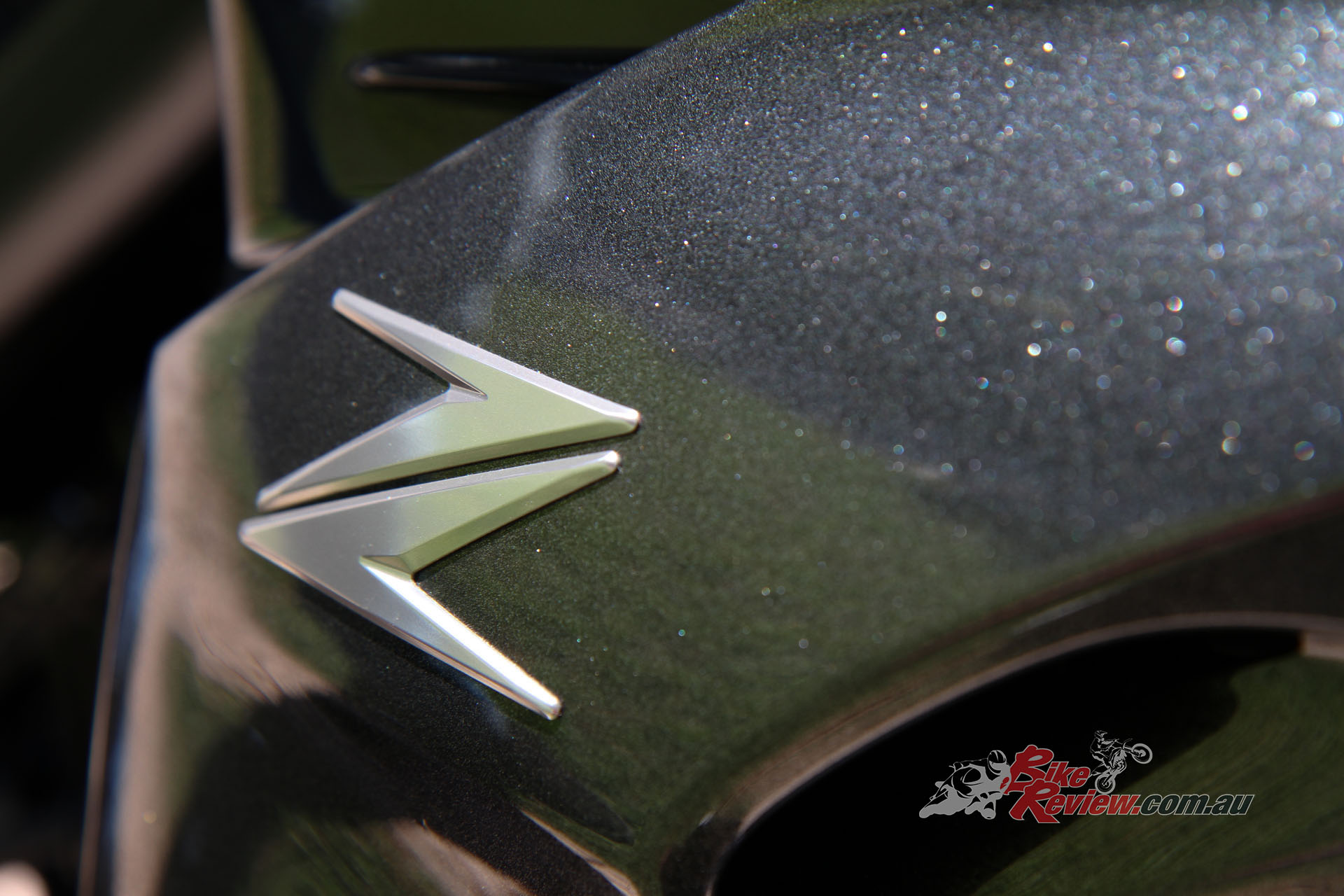
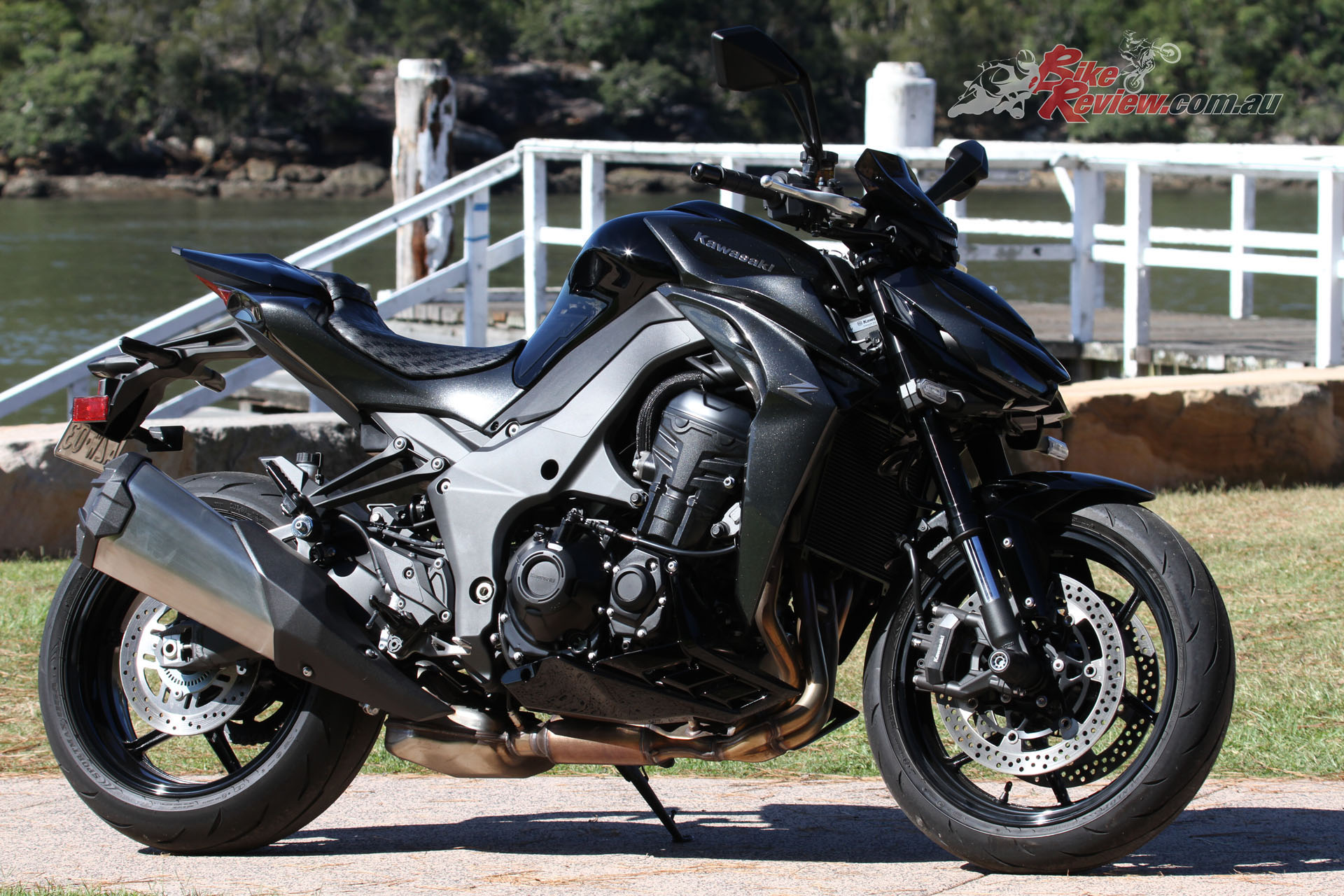
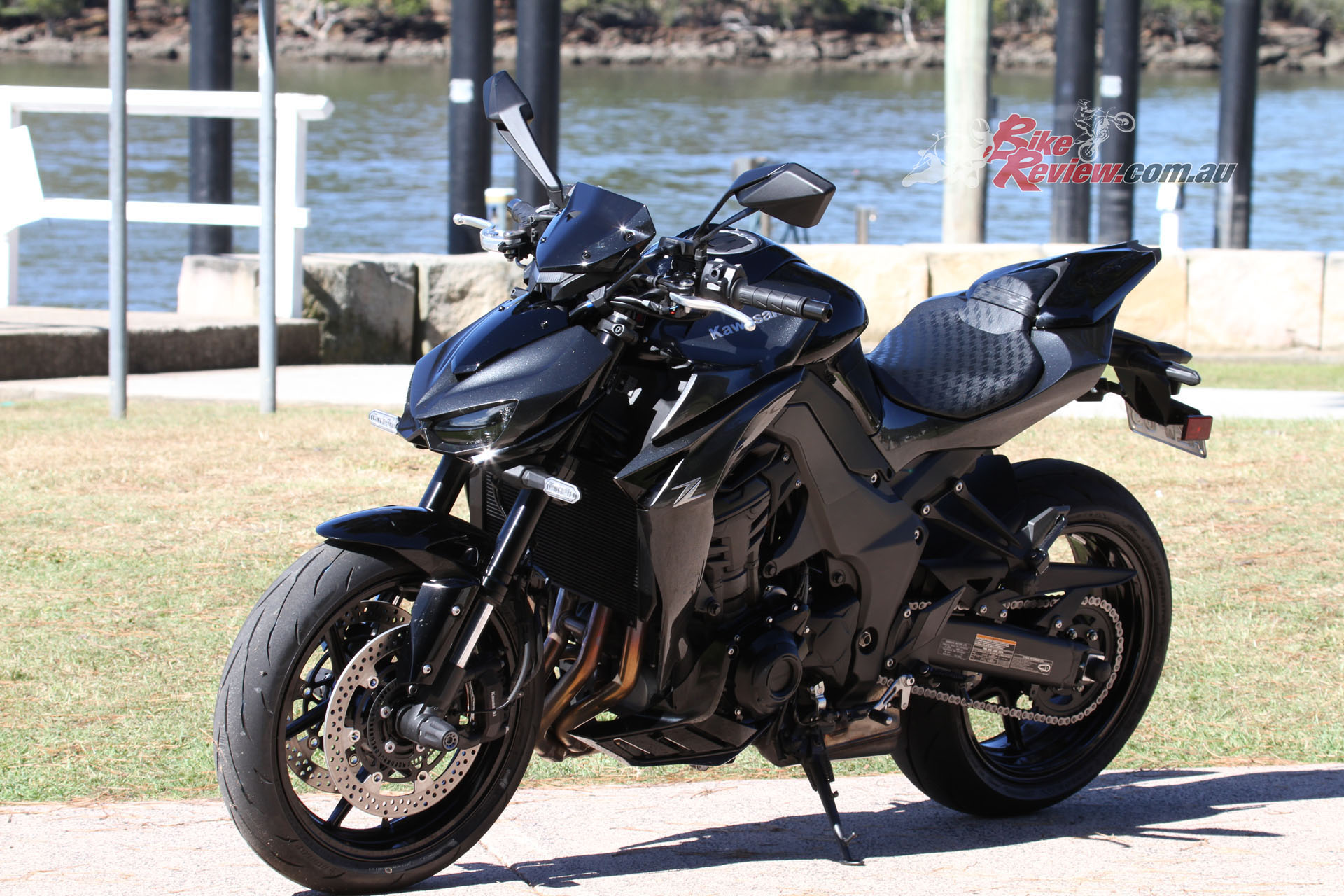
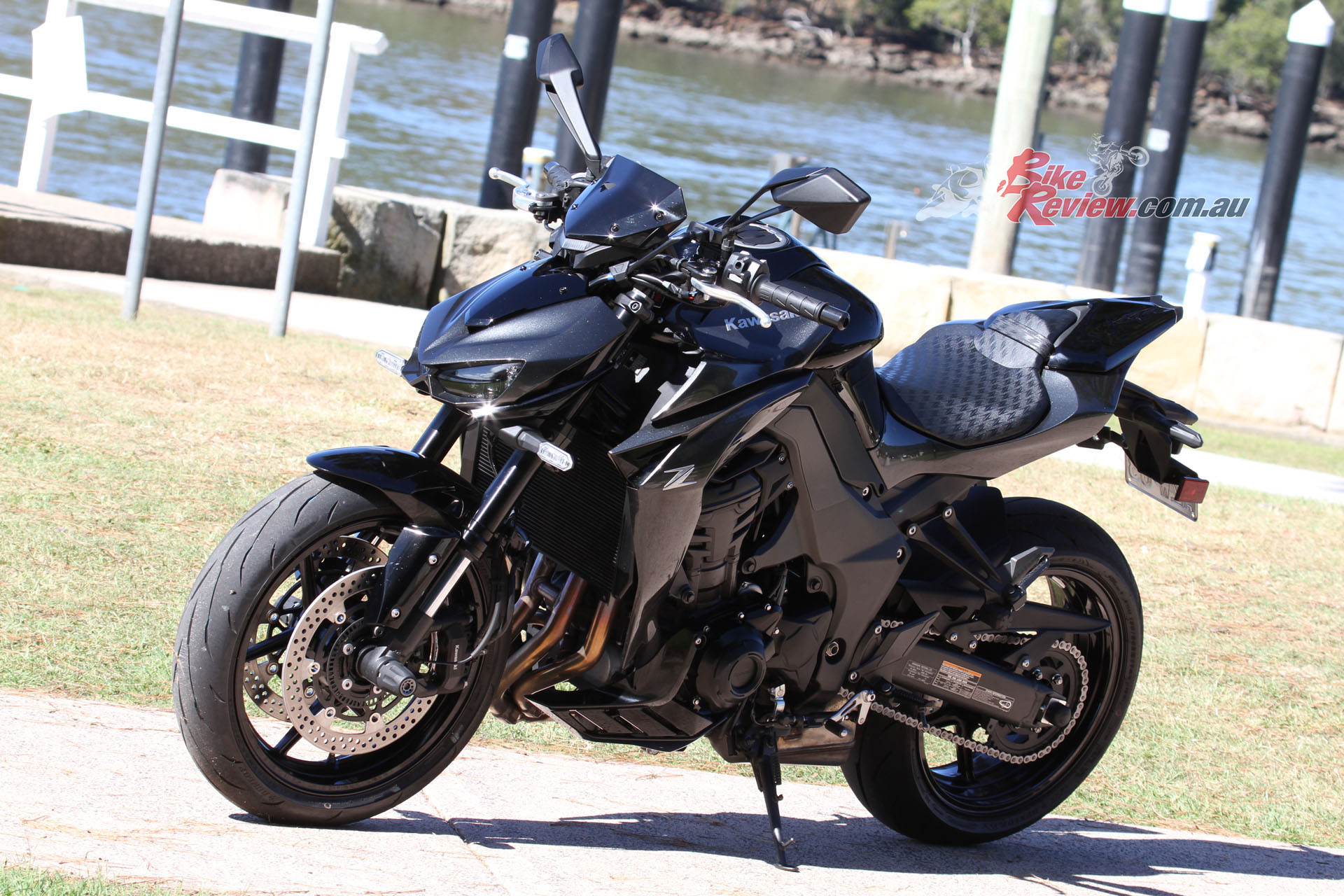
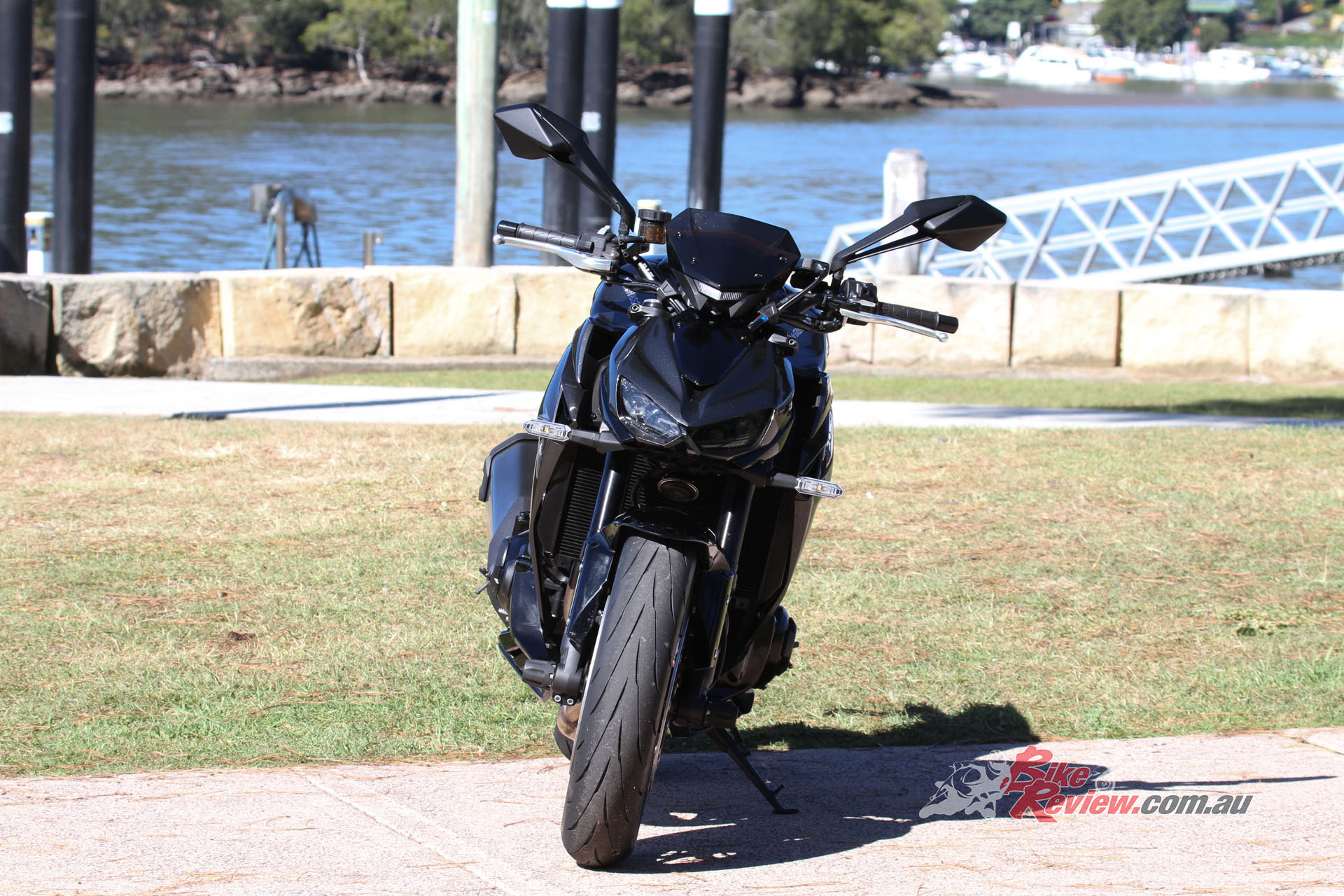
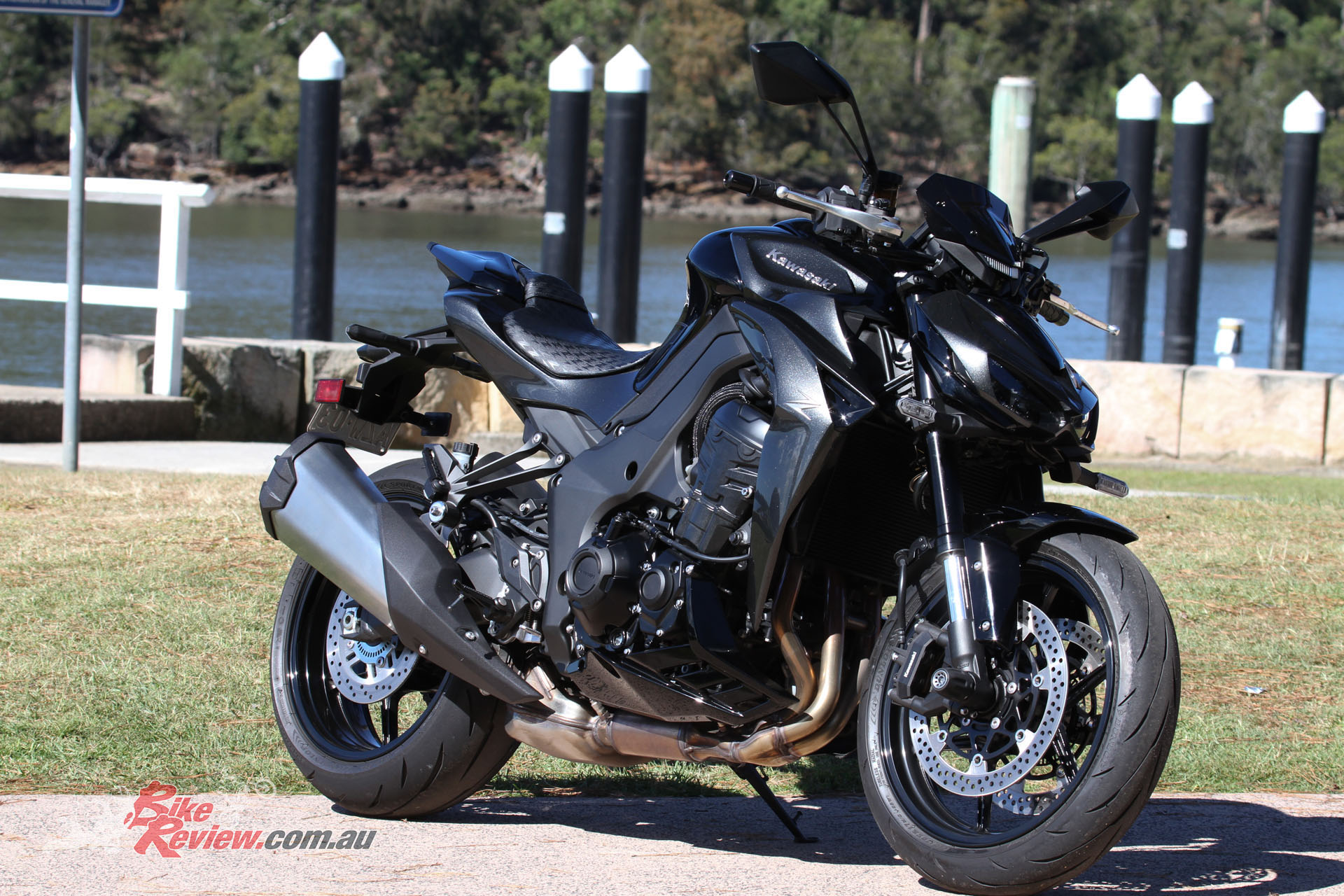
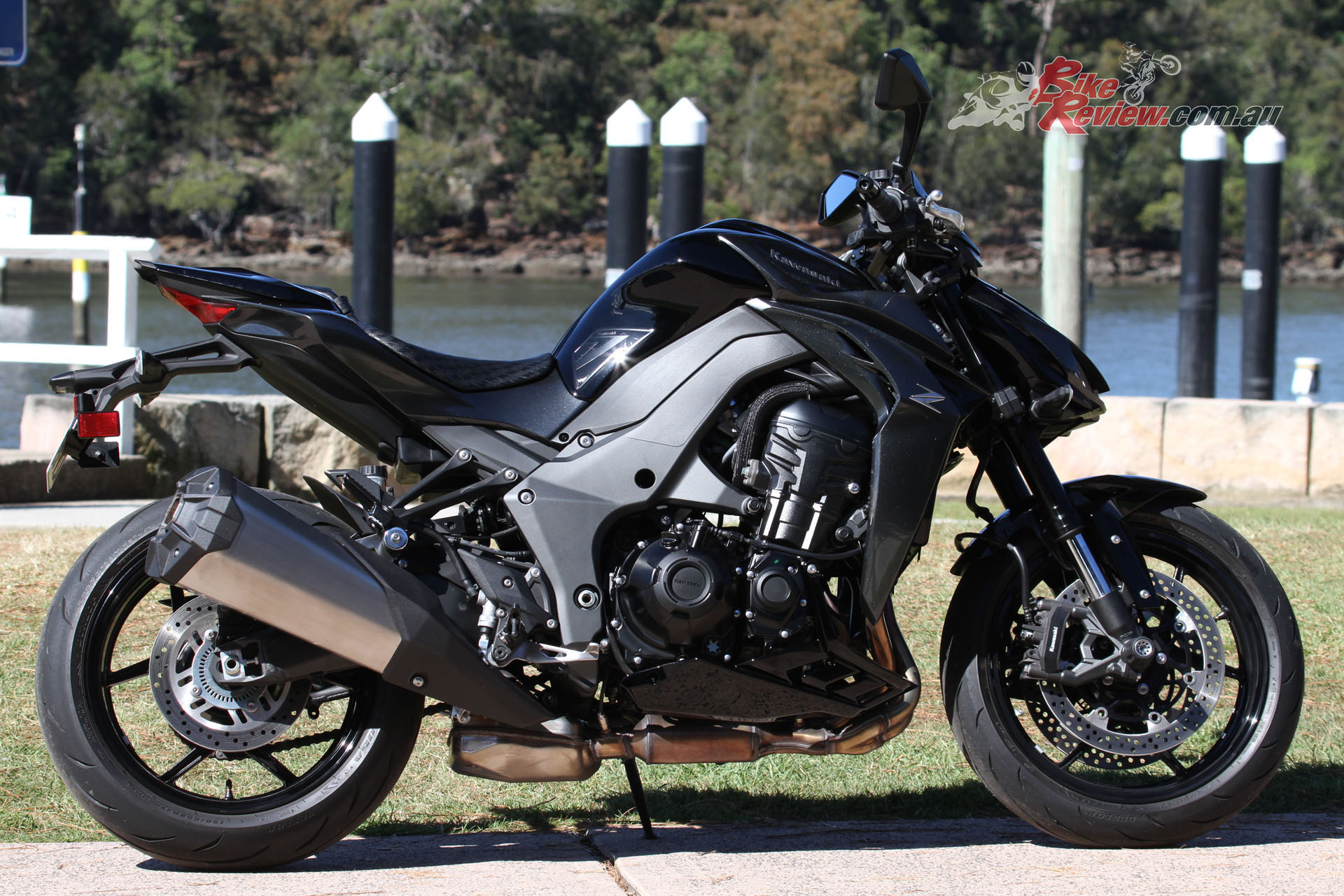
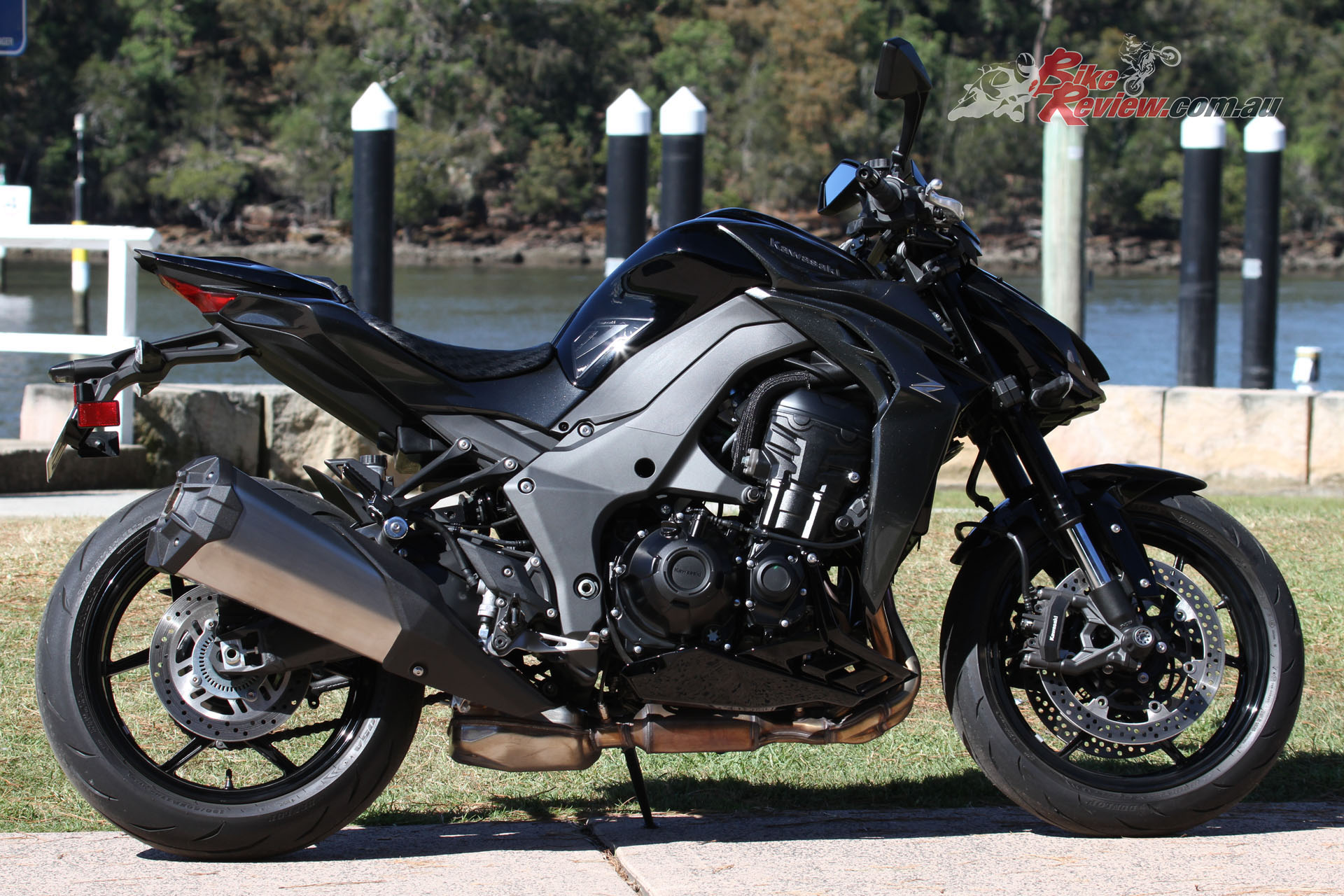
Finally, in terms of styling, there isn’t much of a difference here compared to previous iterations of the Z series. In all honesty, this isn’t such a bad thing. Kawasaki’s supernakeds have always been built around the Sugomi philosophy, an aggressive, intimidating look akin to a ‘crouching predator’. The 2026 model is, in Kawasaki’s own words, “peak Sugomi”, and I’d have to agree. Here in Australia we’ll only have access to the Ebony Metallic Carbon Grey, which in my books is subtle yet good.
Kawasaki’s supernakeds have always been built around the Sugomi philosophy, an aggressive, intimidating look akin to a ‘crouching predator’.
The changes afforded to the 2026 bike work towards improving further a platform that most of us would agree has already proved itself. If you’re considering the 2026 Z1100 but the spec sheets have you worried, I reckon you should get out and give one a go before making any decisions. If you’re like me, I think you’ll probably forget about numbers on paper the moment you roll on the throttle out of first corner you come to…

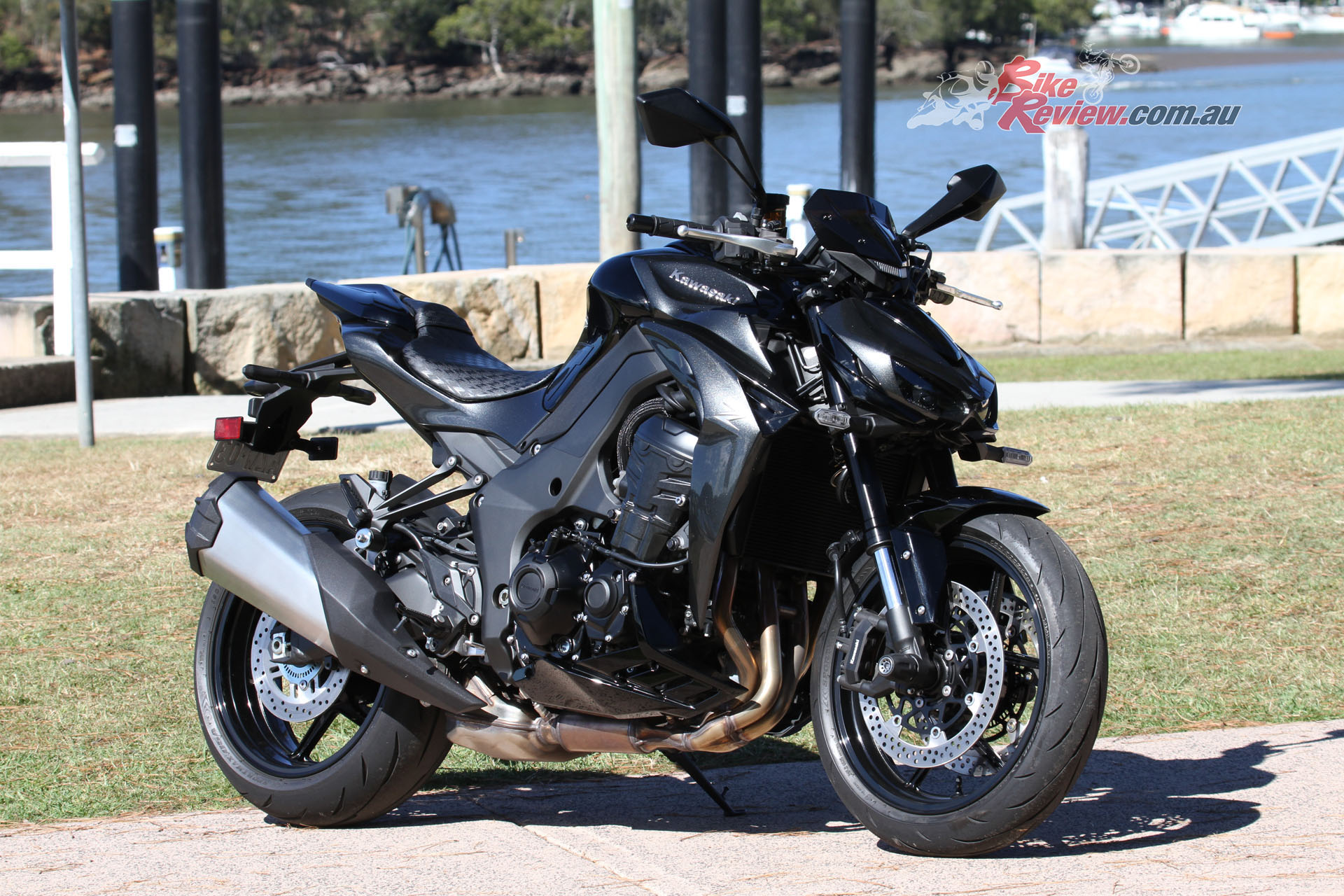
2026 Kawasaki Z1100 Specifications
Price: $20,370 R/A ex Sydney (Click here and enter your postcode for R/A pricing)
Warranty: Two-year, unlimited kilometre
Colours: Ebony Metallic Carbon Grey
Claimed Power: 100kW [135hp] @ 9,000rpm
Claimed Torque: 113Nm @ 7,600rpm
Dry weight: 201kg (claimed)
Fuel capacity: 17L
Fuel Consumption (tested) 5.5L/100km
Fuel Range (tested): 380km
Engine: Liquid-cooled, four-cylinder inline, four-stroke, DOHC, 16-valve, 1099cc, 77 x 59mm bore x stroke, 11.8:1 compression, 38mm throttle-bodies, RbW, Assist & Slipper Clutch, Six-speed gearbox with overdrive top, quick-shifter, positive neutral finder, four-into-one exhaust, 15/43 gearing.
Chassis: Aluminium twin-tube frame
Rake: 24.5 degrees Trail: 101mm
Suspension: 41mm inverted forks, fully adjustable (rebound, compression and preload), 120mm travel. Rear Horizontal Back-link, gas-charged shock, with rebound damping and remote spring preload adjustability, 136mm travel
Brakes: Kawasaki Intelligent anti-lock Brake System (KIBS Cornering ABS), dual 310mm front petal discs, four-piston radial-mount monobloc calipers, radial master-cylinder, 260mm rear petal rotor, single-piston caliper
Wheels & tyres: Cast alloy, 120/70ZR17, 190/50ZR17, Dunlop Sportsmax
Dimensions:
Seat height: 815mm
Wheelbase: 1440mm
Overall length: 2055mm
Overall height: 1085mm
Overall width: 825mm
Ground clearance: 125mm
Instruments & Electronics: TFT screen, two display modes, black or white background options, auto brightness, Kawasaki Quick Shift (KQS), LED Cornering Lights, Electronic Cruise Control, Ride Modes (Rain, Road, Sport, Rider), KTRC Traction Control, KCMF Kawasaki Cornering Management System, Hand Guards, Highly Durable Paint, Large Adjustable windscreen, USB-C charge point, Smartphone Connectivity (syncs to Rideology the App)
2026 Kawasaki Z1100 Gallery

Ratings | Bike Review | 2026 Kawasaki Z1100
Refined
Nick spends several weeks with Kawasaki’s new Z1100 to find out whether its bigger engine and revised focus deliver a better ride than the spec sheet implies.
The Author

You Might Also Like