

Why putting a novice rider in front of a more experienced one can reduce pressure, improve safety and help learner riders develop better judgement on the road.
Putting the least experienced rider at the front might seem backwards, but there’s good reason for it. Letting a novice set the pace reduces pressure, gives them room to make their own decisions and allows the experienced rider to keep watch from behind.
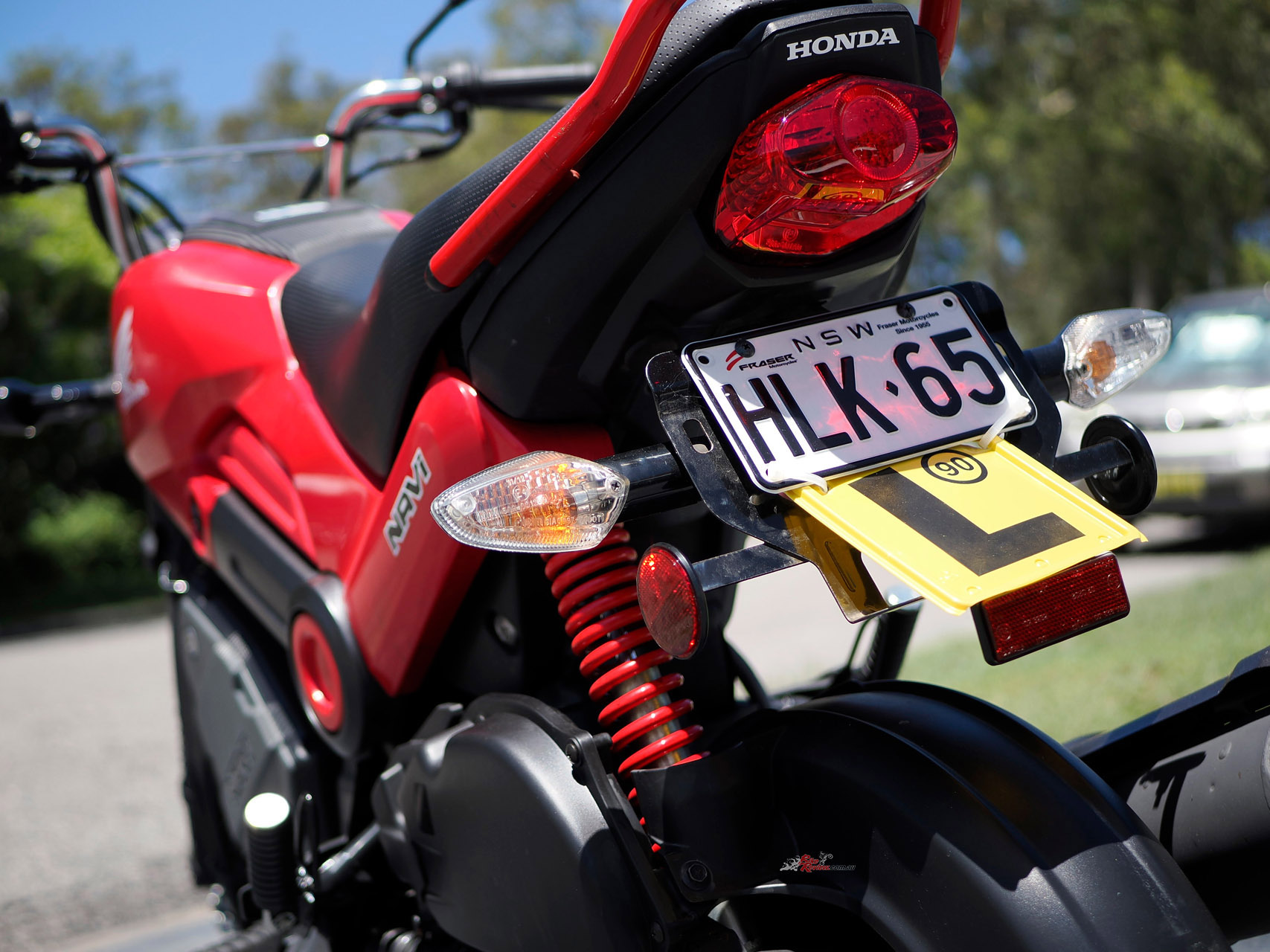
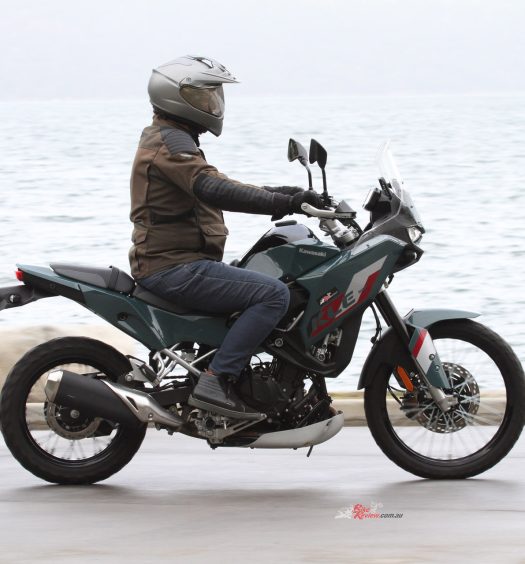
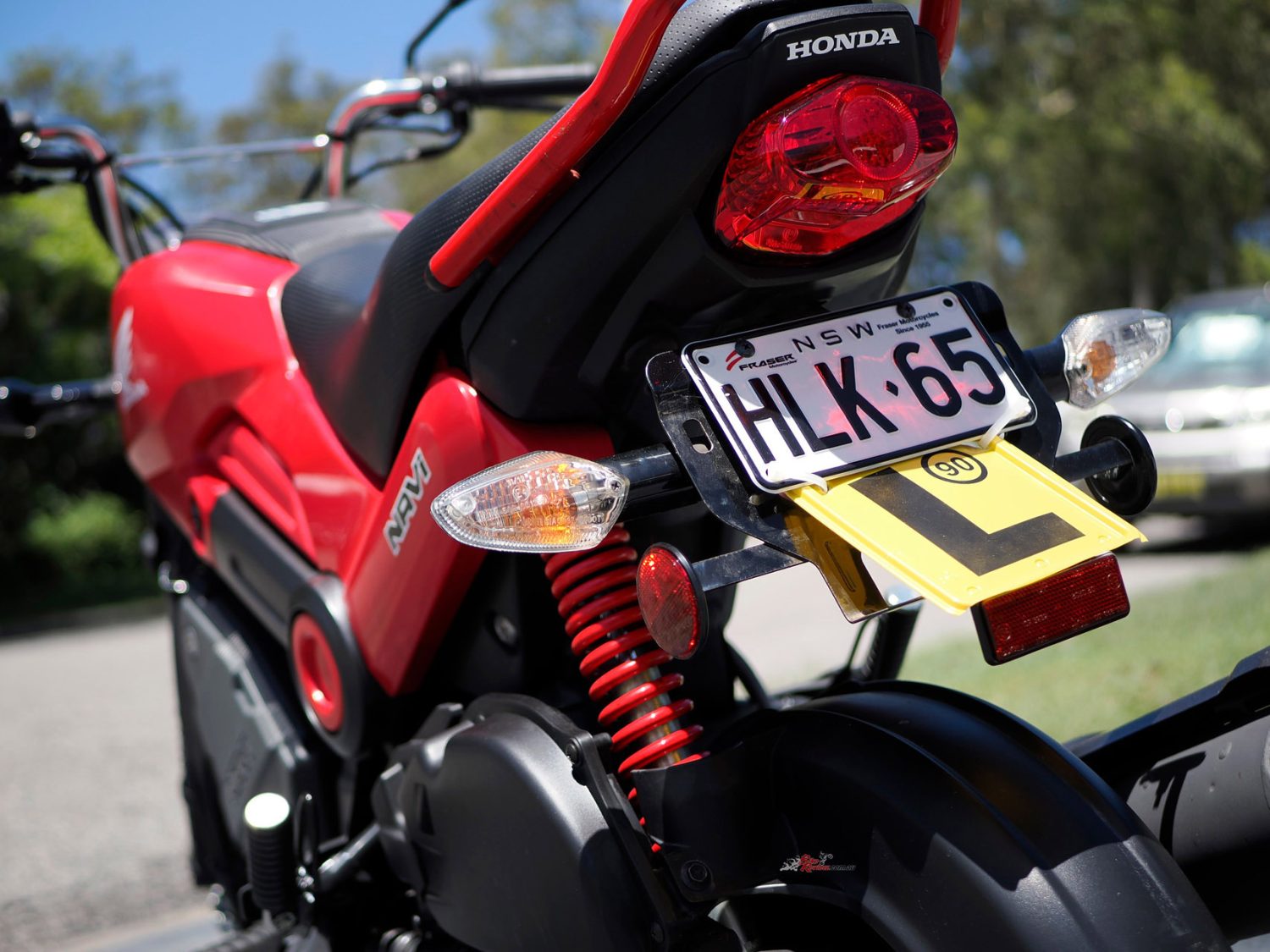
L-platers benefit from setting their own pace, free from pressure to keep up.
If you’re riding with a novice – someone who’s licensed but not yet experienced – let them lead. Most of the time, even learners riding on public roads (where licence conditions allow) should be in front of anyone more experienced they’re riding with. That idea sometimes surprises people, but there are good reasons for it, and most of them come down to pressure, judgement and risk management.

The big one is simple: the novice gets to ride their own ride. They don’t have to worry about keeping up, closing gaps or riding faster than they’re comfortable with just because someone more confident is setting the pace. Riding a motorcycle already demands a lot of mental bandwidth; removing the stress of “not falling behind” makes a huge difference to how a novice processes the road.
They don’t have to worry about keeping up, closing gaps or riding faster than they’re comfortable.
When there are multiple bikes on a ride – especially in cities – it’s very easy to get split up. Traffic lights change, cars cut between riders, lanes merge unexpectedly and suddenly the group is broken. Expecting a novice rider to safely make up lost ground isn’t smart. That’s exactly when poor decisions happen: rushed overtakes, late braking and riding beyond their ability just to reconnect with the group.
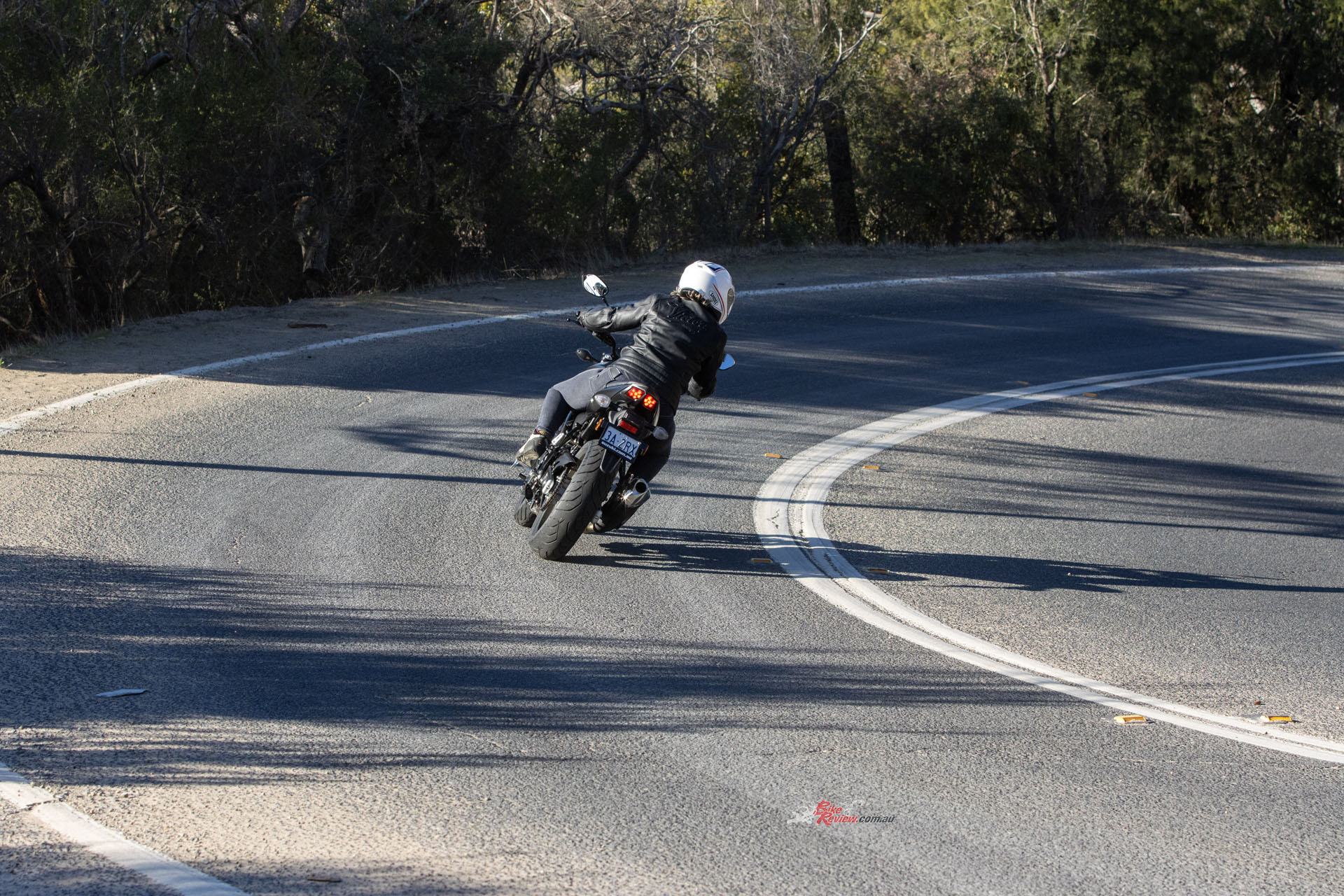
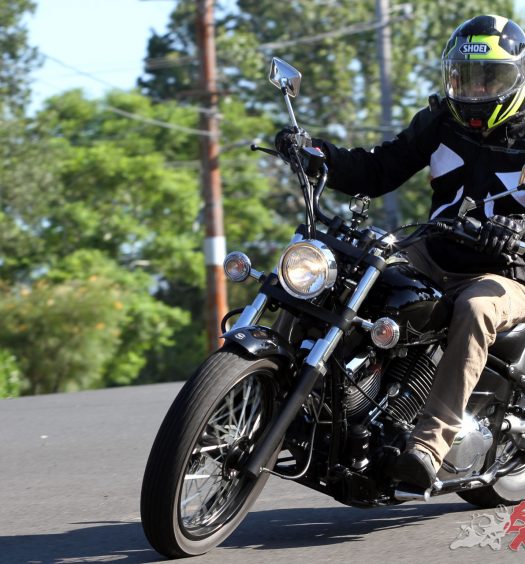
Leading encourages novices to choose their own lines, rather than simply copying another rider.
Let the novice ride at a pace that feels right to them. If they’re following a more experienced rider, they may try to match that rider’s speed even when it’s well beyond their skill level. That’s when you see classic novice errors creep in — braking later than they should, entering corners too fast, running wide on exits, and fixating on the bike in front rather than reading the road ahead. None of that ends well.
From a safety and coaching perspective, you’re far more useful to a novice when you’re riding behind them. Give them a decent, safe gap — one that increases with speed — so they never feel pressured to go faster than they want to. From that position you can observe their lines, their posture, their braking habits, and their consistency. You might be able to pass on a tip or two later, but the best advice will always be the same: be a life-long learner and get advanced training.
To read more of Nigel’s columns, head here!
Riding behind a novice also reduces their workload. They don’t have another bike sitting in their mirrors or blind spots, and they’re not subconsciously tracking someone else’s movements. You, on the other hand, can maintain a buffer. If someone is going to tailgate, better it’s you than them – you’re less likely to panic or make a basic mistake. Being the first bike behind also means you can keep an eye out for signs of fatigue or stress: stiff arms, inconsistent speed, missed mirror checks, sloppy lines. These things are much easier to spot from behind than in front.
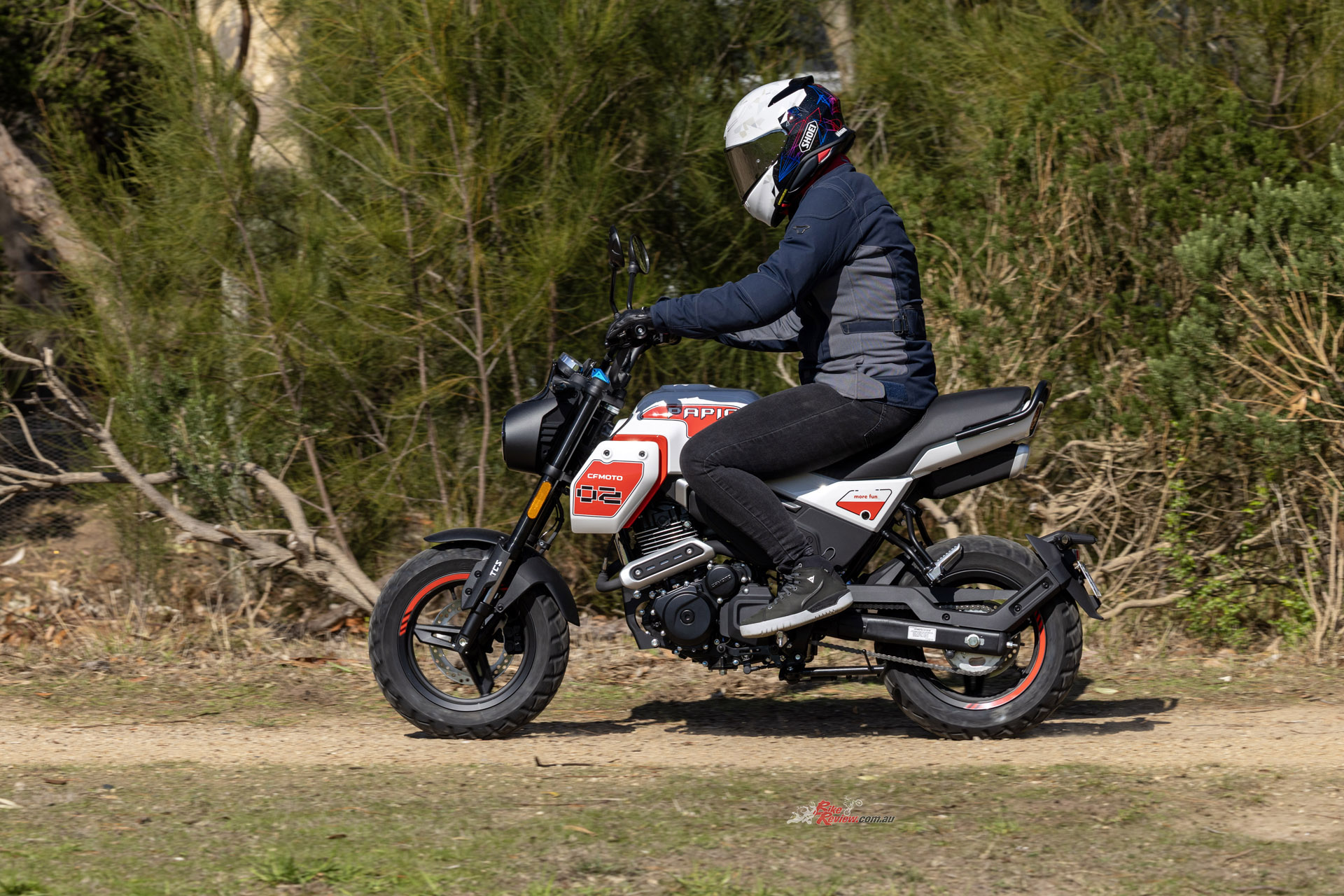
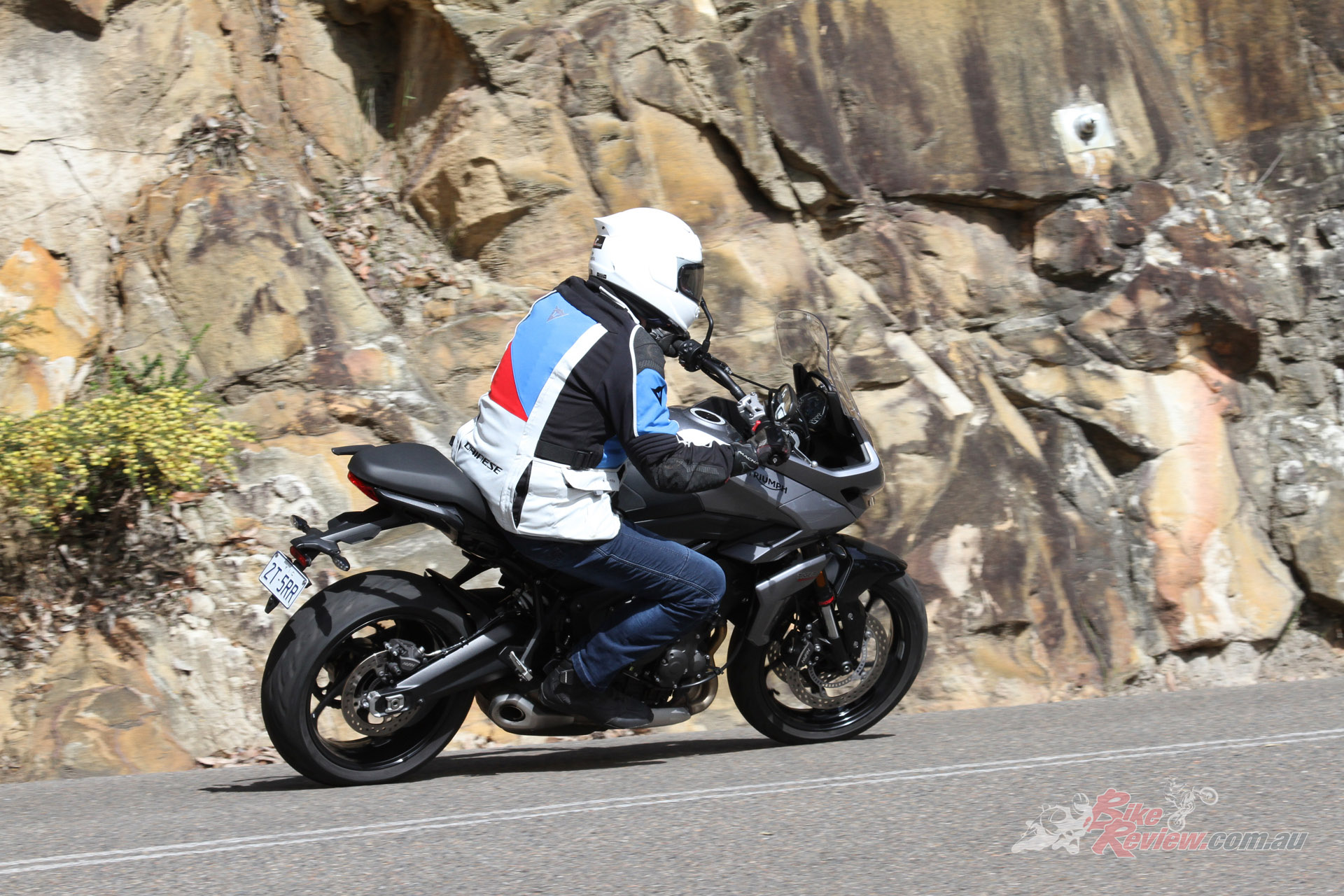
Unfamiliar roads and surfaces make riding within your own limits even more important.
Letting the novice lead forces them to read road conditions for themselves. They choose their own lines, judge their own corner entry speeds, and make their own decisions about overtaking or not overtaking. That builds real judgement, not mimicry. Following an experienced rider too closely often teaches imitation rather than understanding, and imitation falls apart the moment conditions change.

Of course, there are times when following an experienced rider can be genuinely helpful. If a novice wants to learn better cornering technique, smoother lines or skills like trail braking, then watching someone who does it well can be valuable. But that kind of learning belongs in an advanced riding course or a controlled training environment, not improvised on public roads. Until a rider has the confidence and skill to observe, process, and still stay within their own limits, trying to “learn by following” in traffic is a risk, not a shortcut.
That kind of learning belongs in an advanced riding course or a controlled training environment, not improvised on public roads.
The same principles apply even more strongly on unfamiliar roads, in poor conditions, or when riders are tired. Rain, darkness, cold, or fatigue all reduce margins, and experienced riders often compensate without realising how much they’re compensating. A novice leading in these conditions can slow things down naturally, while the experienced rider behind can watch for early warning signs and call a break before mistakes start stacking up.
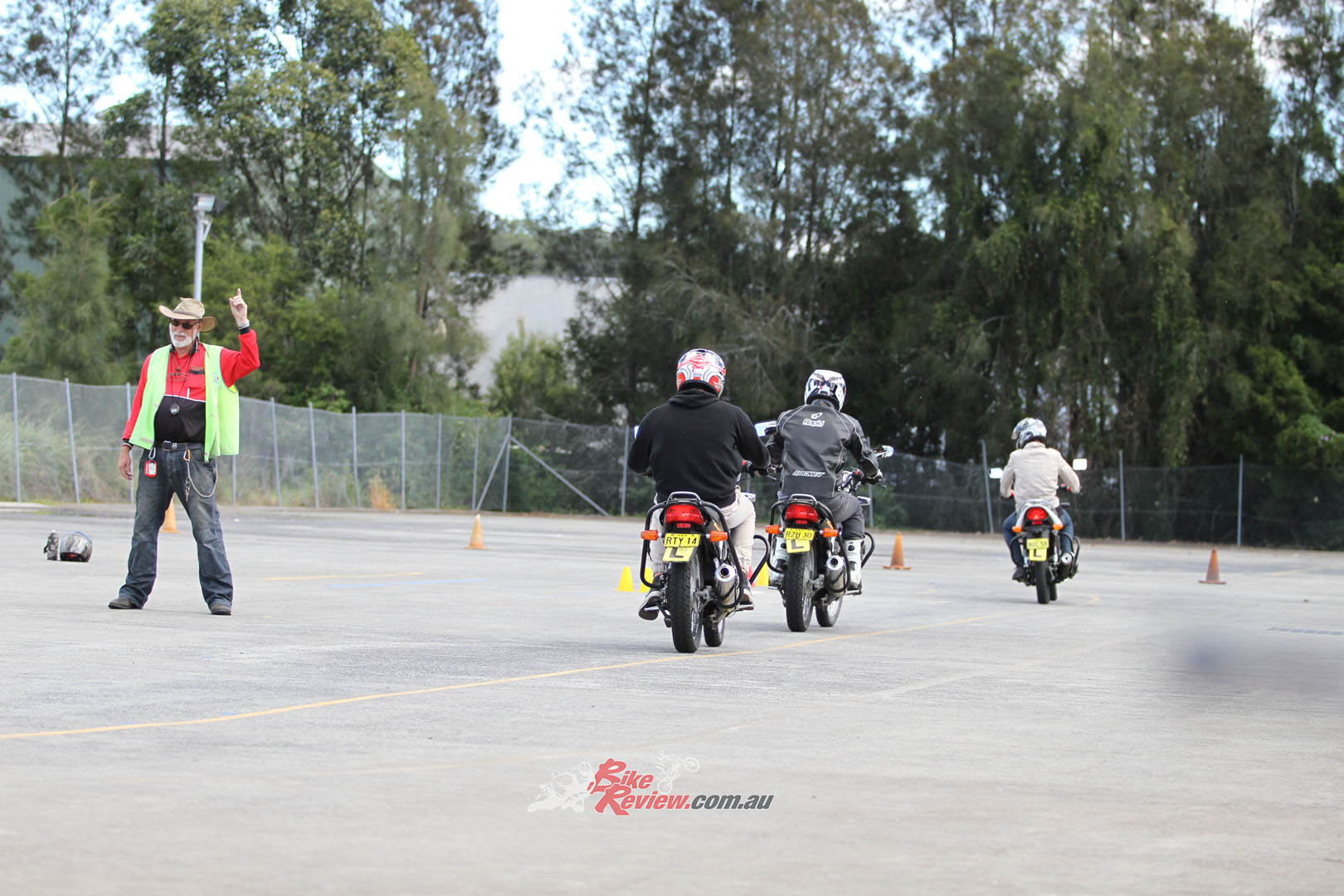
A controlled environment lets novice riders build skills under experienced instruction.
This is also about managing ego – something riders don’t like to admit plays a role. On group rides, the fastest rider often ends up dictating the pace without ever saying a word. Everyone else feels it, though. Less experienced riders push harder than they should, not because they want to ride fast, but because they don’t want to be “that person” holding everyone up. When things go wrong, it’s rarely the fastest rider who pays the price.
I’ve been on plenty of rides where the pace crept up, corners got sharper, and suddenly someone was missing at the next stop. More often than not, it was the least experienced rider who ended up injured or worse. That’s not bad luck — it’s a predictable outcome of pressure and mismatched skill levels.
On group rides, the fastest rider often ends up dictating the pace without ever saying a word.
Letting the novice lead changes the whole dynamic. It makes the ride calmer, safer, and more enjoyable for everyone. It removes unspoken competition, encourages good judgement, and helps new riders build confidence the right way. Riding motorcycles is supposed to be a long game. If putting the novice in front helps them ride another day — and another decade — then it’s the right call.
The Author

You Might Also Like