

Six months after launching Leisk Moto Imports, former mx legend and KTM Australia boss Jeff Leisk reflects on introducing the iconic BSA brand to a new generation of riders.
Bringing a motorcycle brand to Australia is far more involved than shipping bikes and appointing dealers. Six months after launching Leisk Moto Imports, former KTM Australia boss Jeff Leisk explains why rebuilding awareness might be the biggest challenge of all.
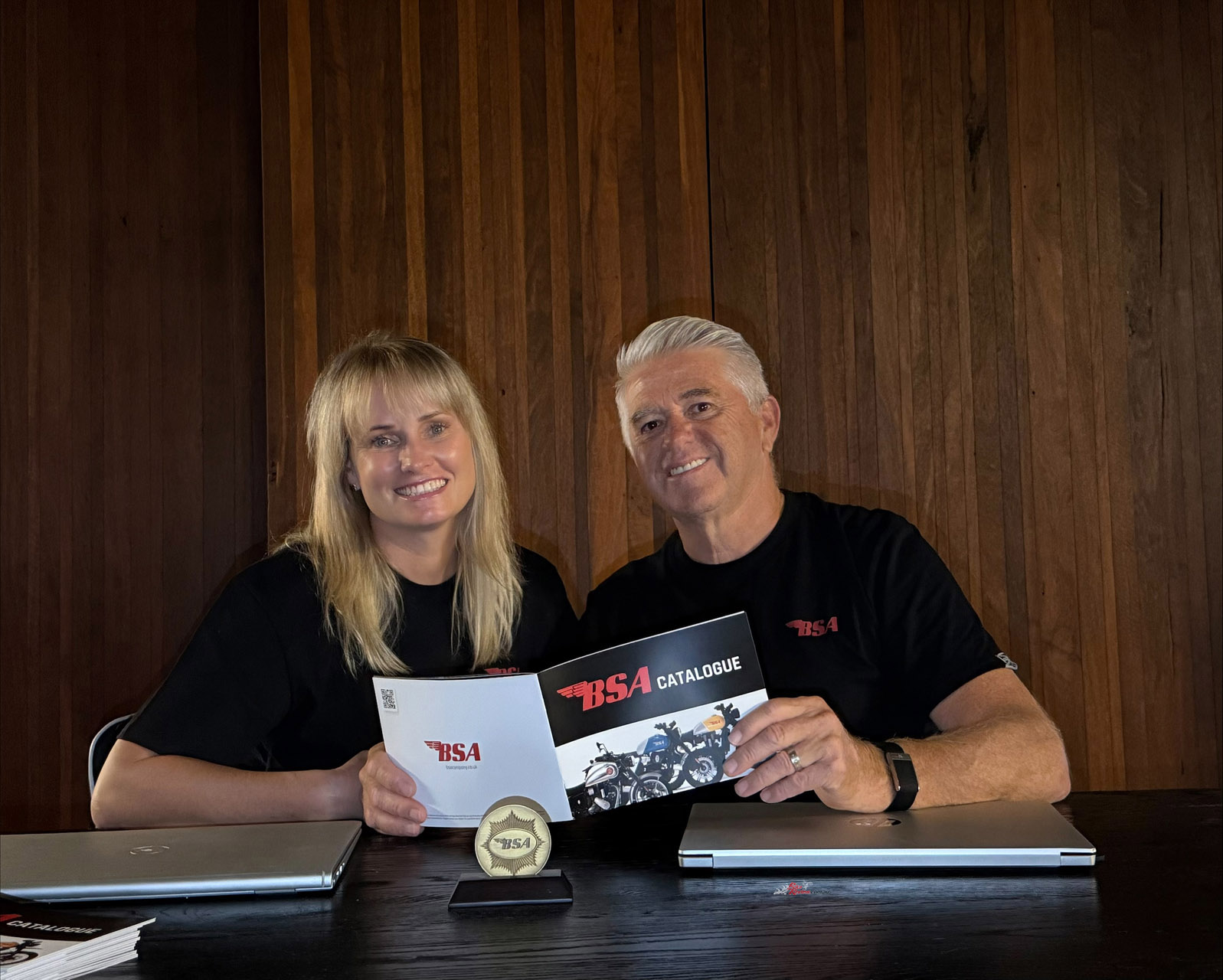
Leisk Moto Imports is a family affair, with Jeff joined by wife Liana.
When Jeff Leisk launched Leisk Moto Imports to become Australia’s official BSA importer earlier this year, the immediate focus was on the practicalities. There were dealers to appoint, shipping schedules to lock in, motorcycles to homologate and a new business to establish from scratch. They were all familiar challenges for a former Australian motocross champion and 500cc world championship runner-up who later spent decades helping build KTM into one of Australia’s most successful motorcycle brands (watch the tribute video below).
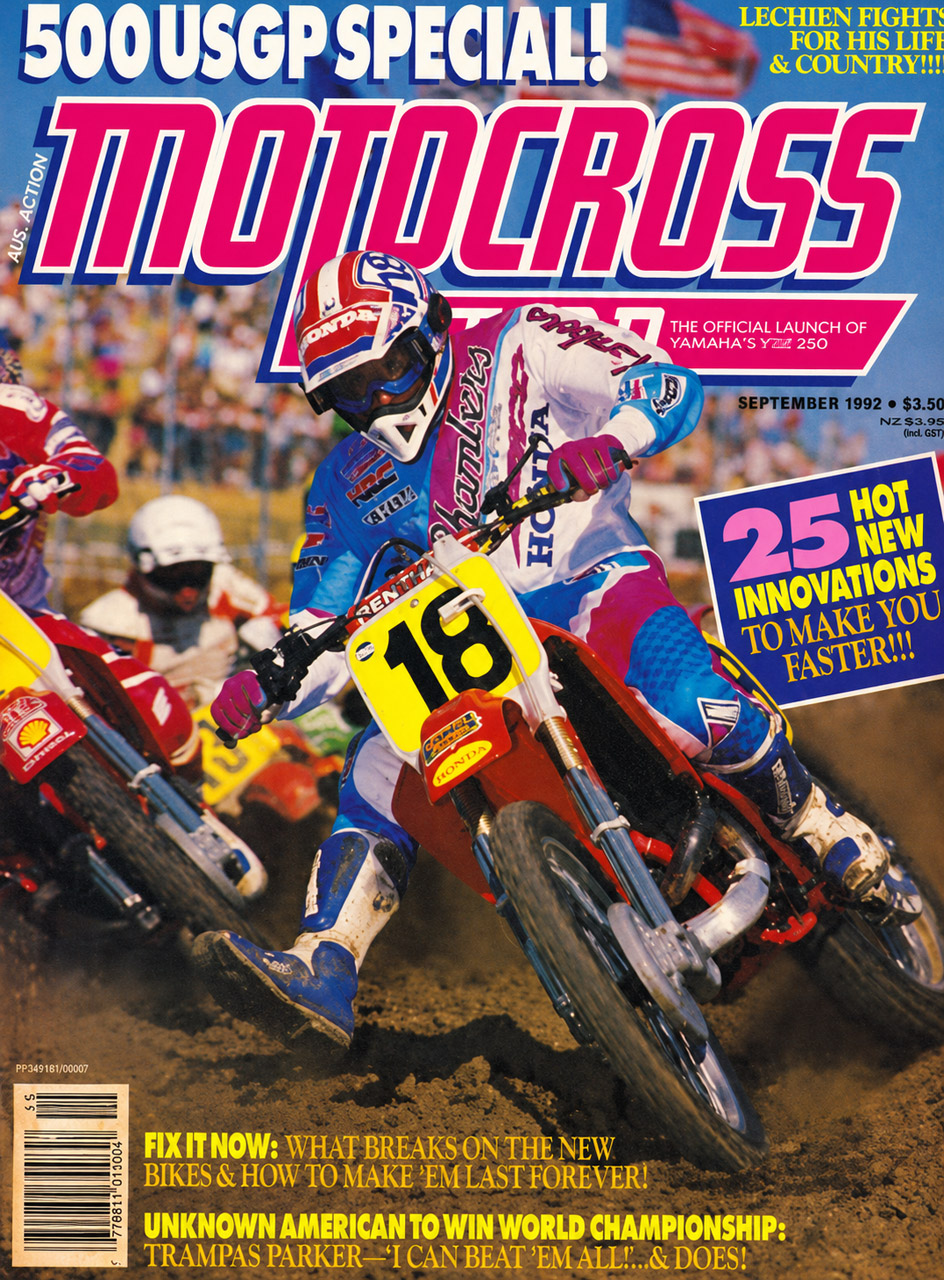
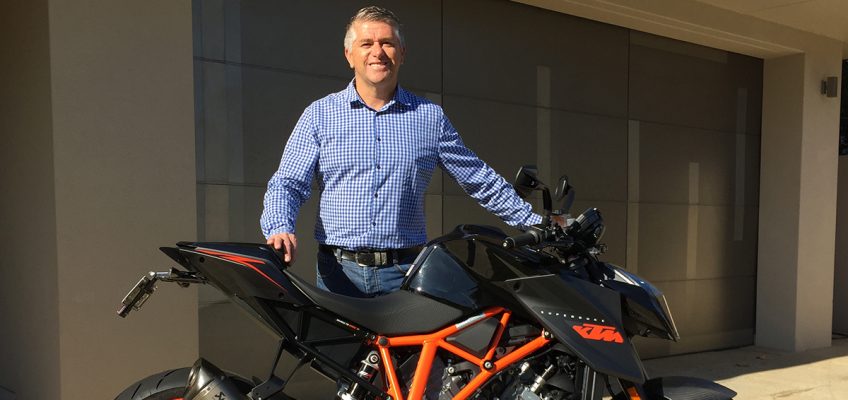
A much leaner operation than KTM, Leisk Moto Imports is a family-run business rather than a large corporate distributor. Jeff oversees dealer relations and sales, his wife Liana handles administration, while two of their daughters look after parts and accessories. Marketing and digital support are being outsourced as the company establishes itself.
Jeff oversees dealer relations and sales, his wife Liana handles administration, while two of their daughters look after parts and accessories.
Now, with the first motorcycles already in customers’ hands and the national media launch this week (stand by for our reviews), many of those early hurdles have been cleared. The Australian Design Rule approval process proved straightforward, the first shipment arrived on schedule and Leisk Moto Imports sold its first unit to an inner-Melbourne customer back in May. In many respects, and rather unsurprisingly, the operational part has gone according to plan.
However six months in, the biggest challenge facing Leisk today has little to do with logistics. Instead, it’s introducing one of motorcycling’s most famous nameplates to a generation of riders who’ve never heard of it. “The main thing is awareness,” Jeff Leisk says. “I think that’s something we’re just going to have to really work hard on because BSA has been out of the market for more than 50 years. There’s a huge gap there, there are all these younger people who don’t even know what BSA is.”
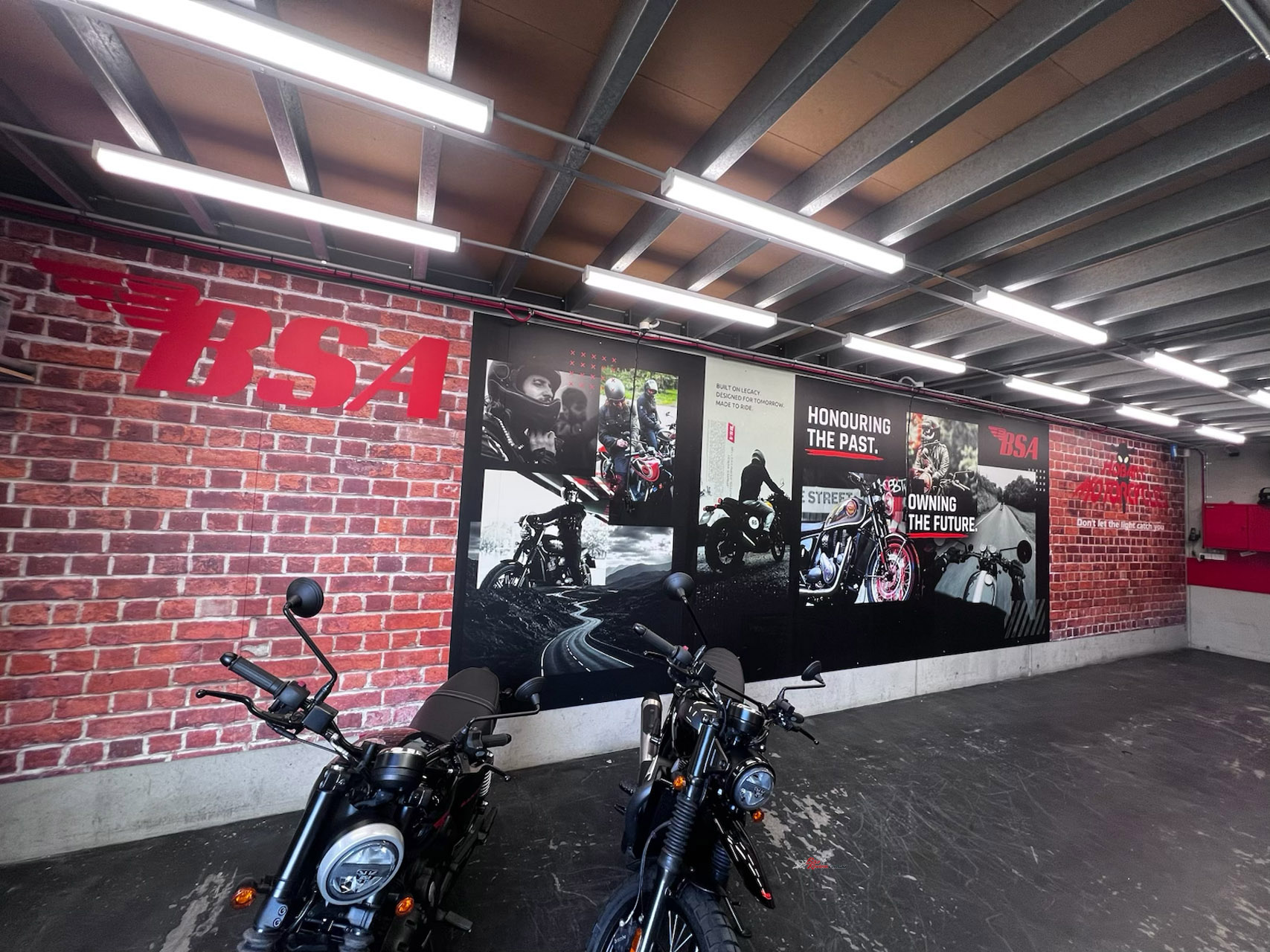
BSA’s heritage takes centre stage as the brand returns to Australian showrooms.
Mention BSA to older motorcyclists and they’ll immediately picture Gold Stars, Bantams and Britain’s once-mighty motorcycle industry. The brand’s heritage remains strong, supported by active owners’ clubs across Australia and generations of enthusiasts who still restore and ride classic examples.
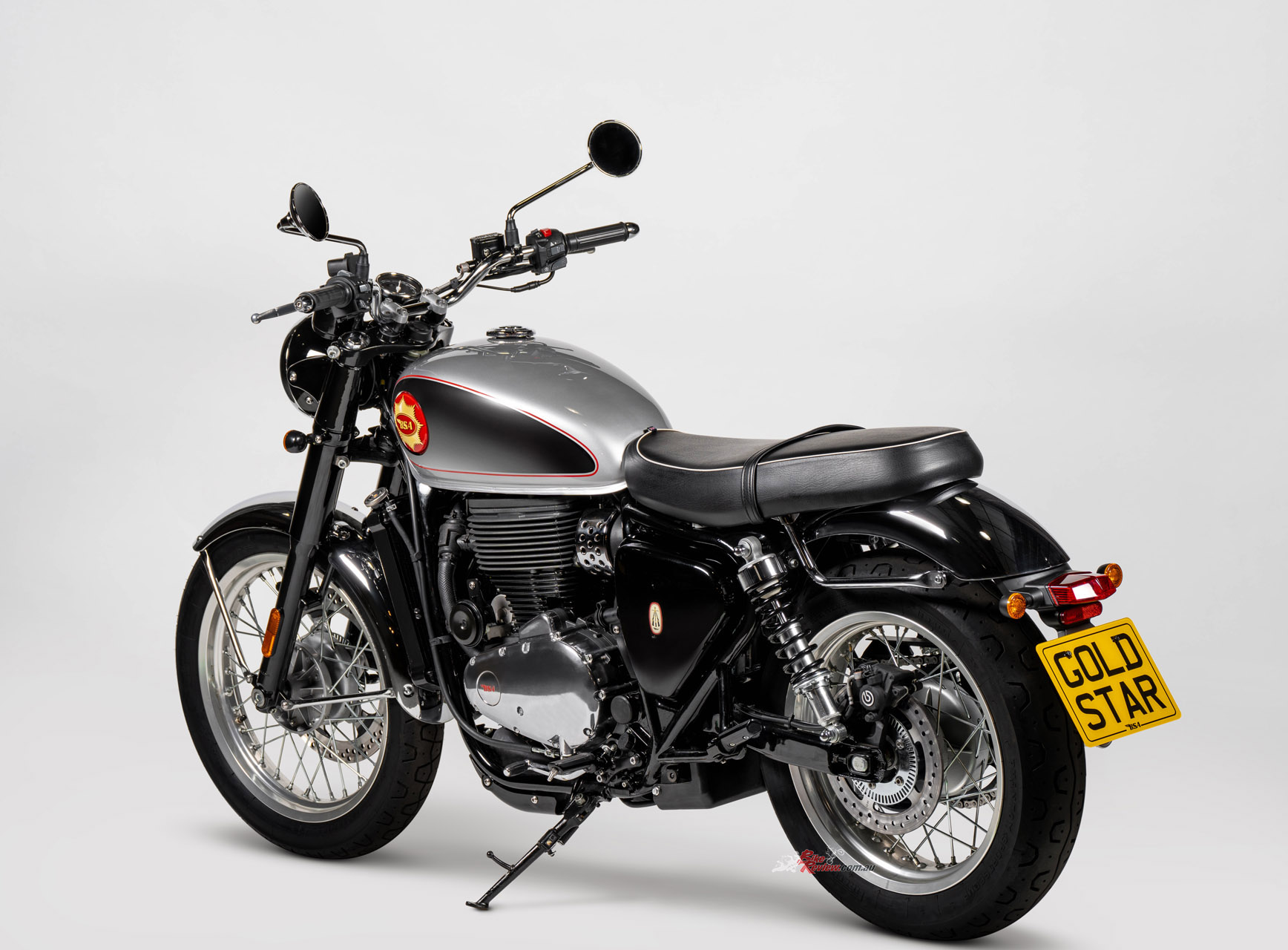
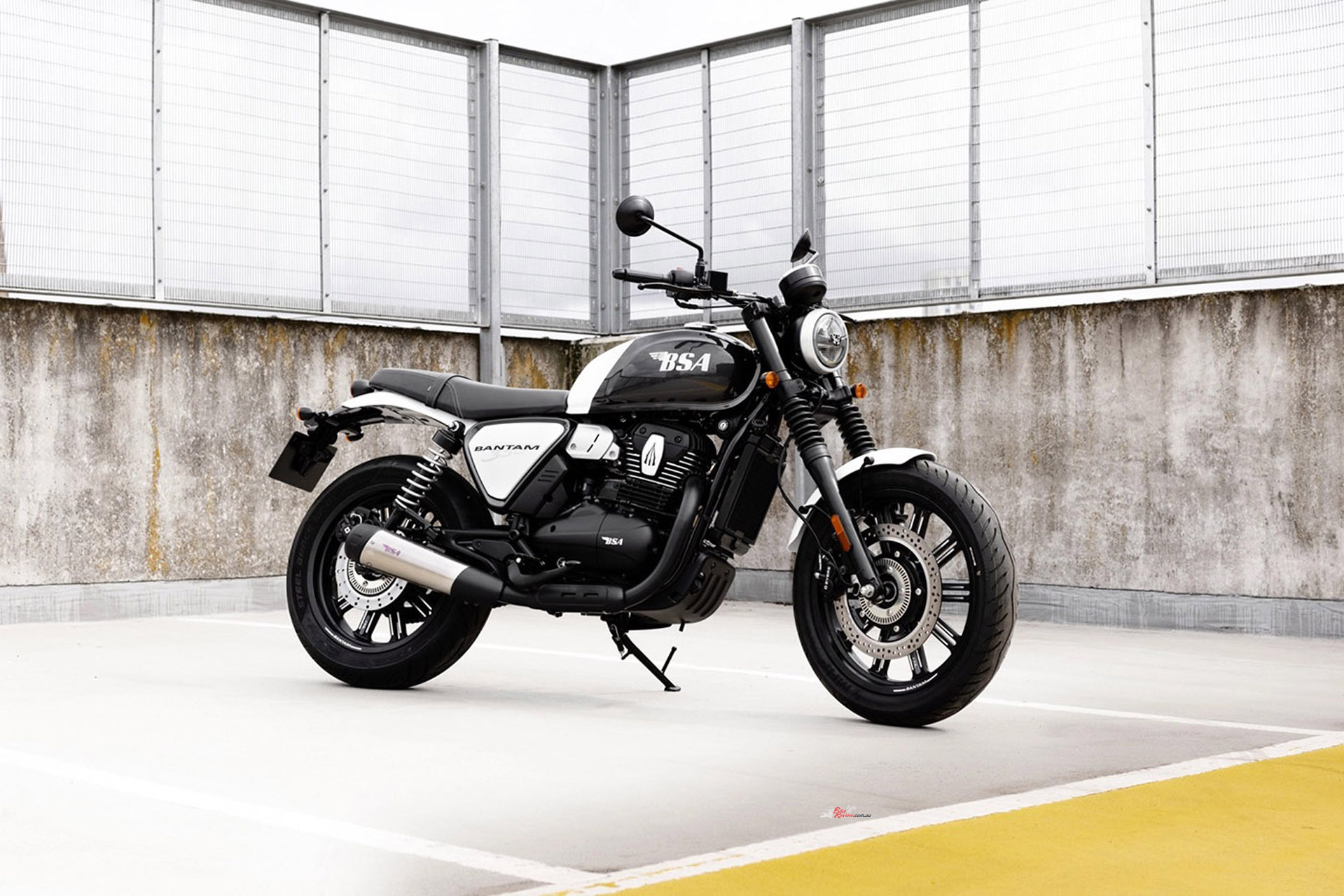
But, as many brands can attest to, heritage only carries so far. Walk into a dealership today and the customer browsing for their first or second motorcycle is just as likely to be in their 20s or 30s. BSA doesn’t stand out as the iconic brand it is to them, rather it’s another unfamiliar badge competing for attention in an increasingly crowded showroom.
“There are all these younger people who don’t even know what BSA is.”
Leisk understands that better than most because, despite KTM’s strong road presence, he watched the Austrian manufacturer fight a similar battle when it expanded beyond off-road. “When KTM entered the road market, even 10 years after that people would still ask, ‘Does KTM make a road bike?’”
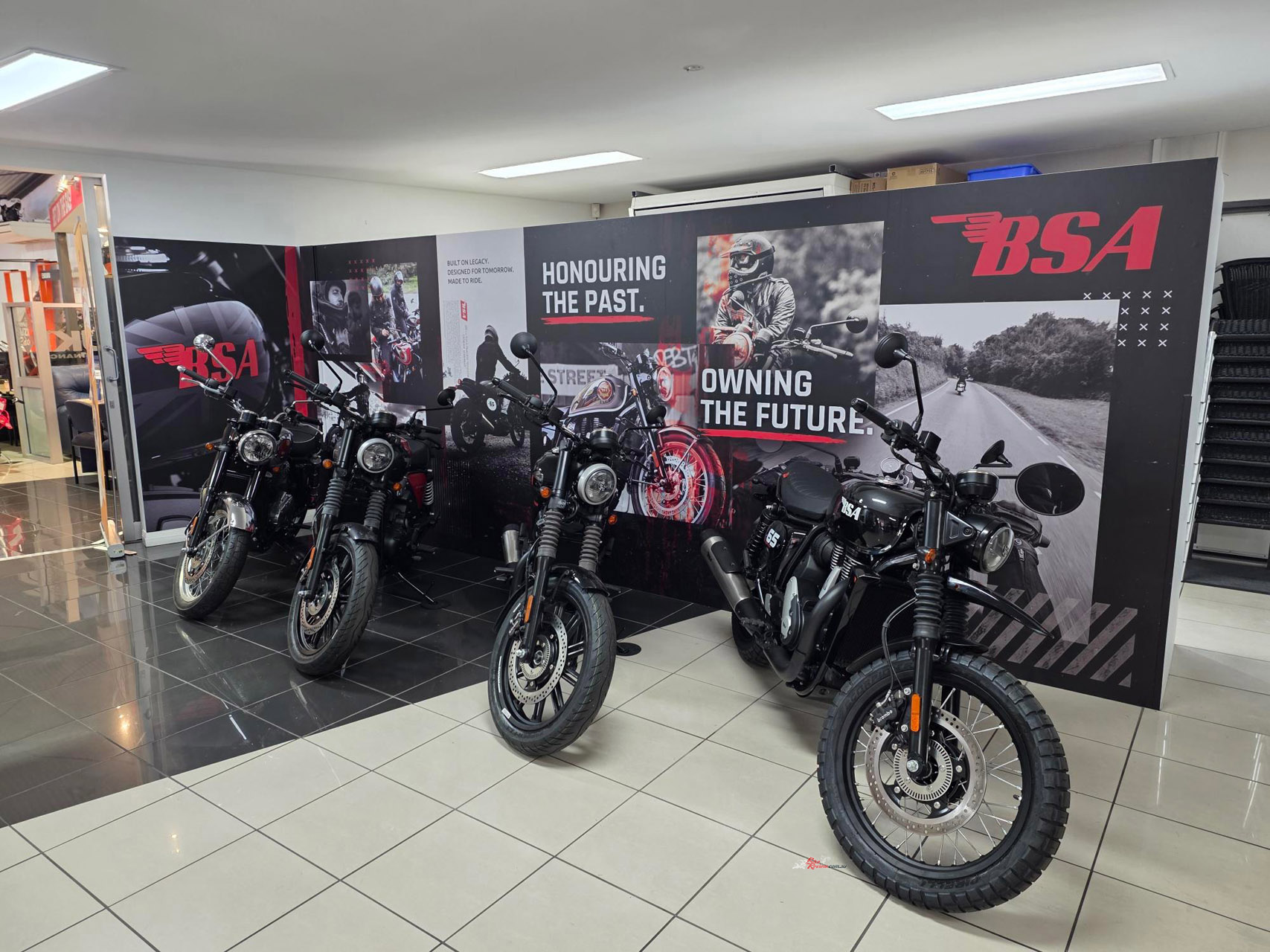
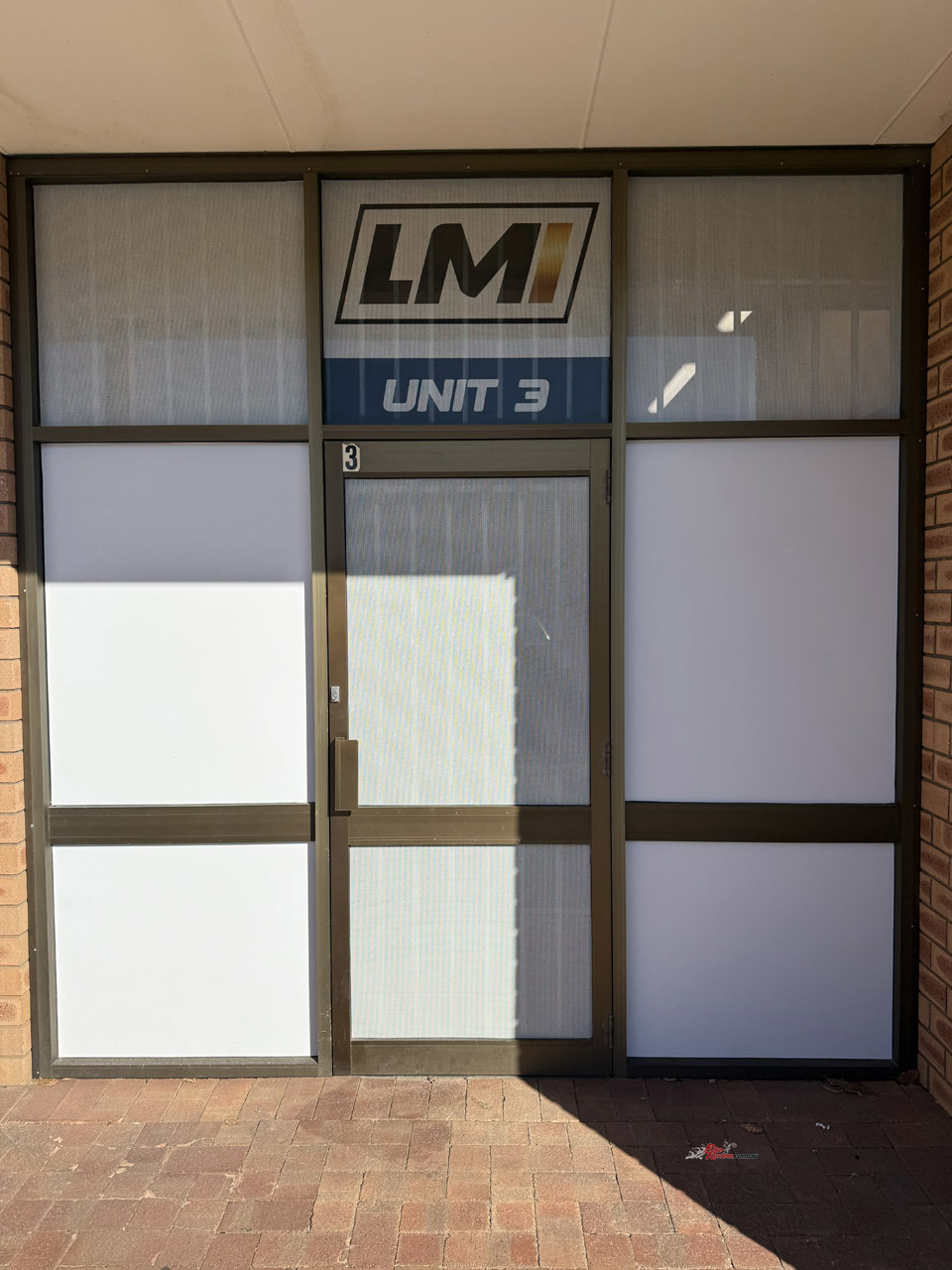
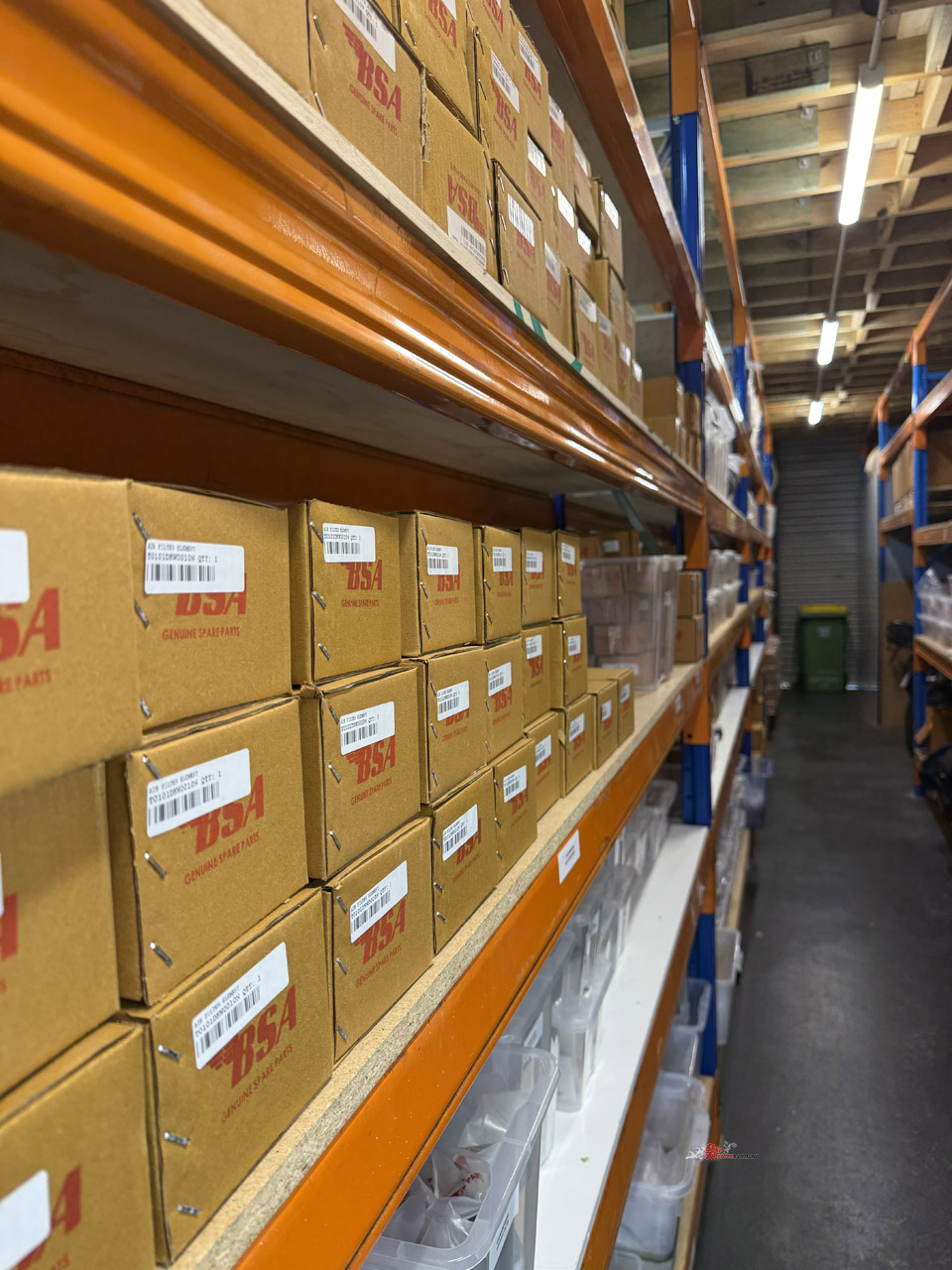
BSA’s Australian line-up takes shape at Leisk Moto Imports’ WA headquarters.
So rather than assuming BSA’s history will sell motorcycles, Leisk is treating BSA’s return much as he approached KTM’s expansion into the road sector, when recognition among off-road riders didn’t automatically carry across to a different part of the market. The first shipment arrived smoothly after ADR approval, a process Leisk says has become far more straightforward when manufacturers already hold European certification.
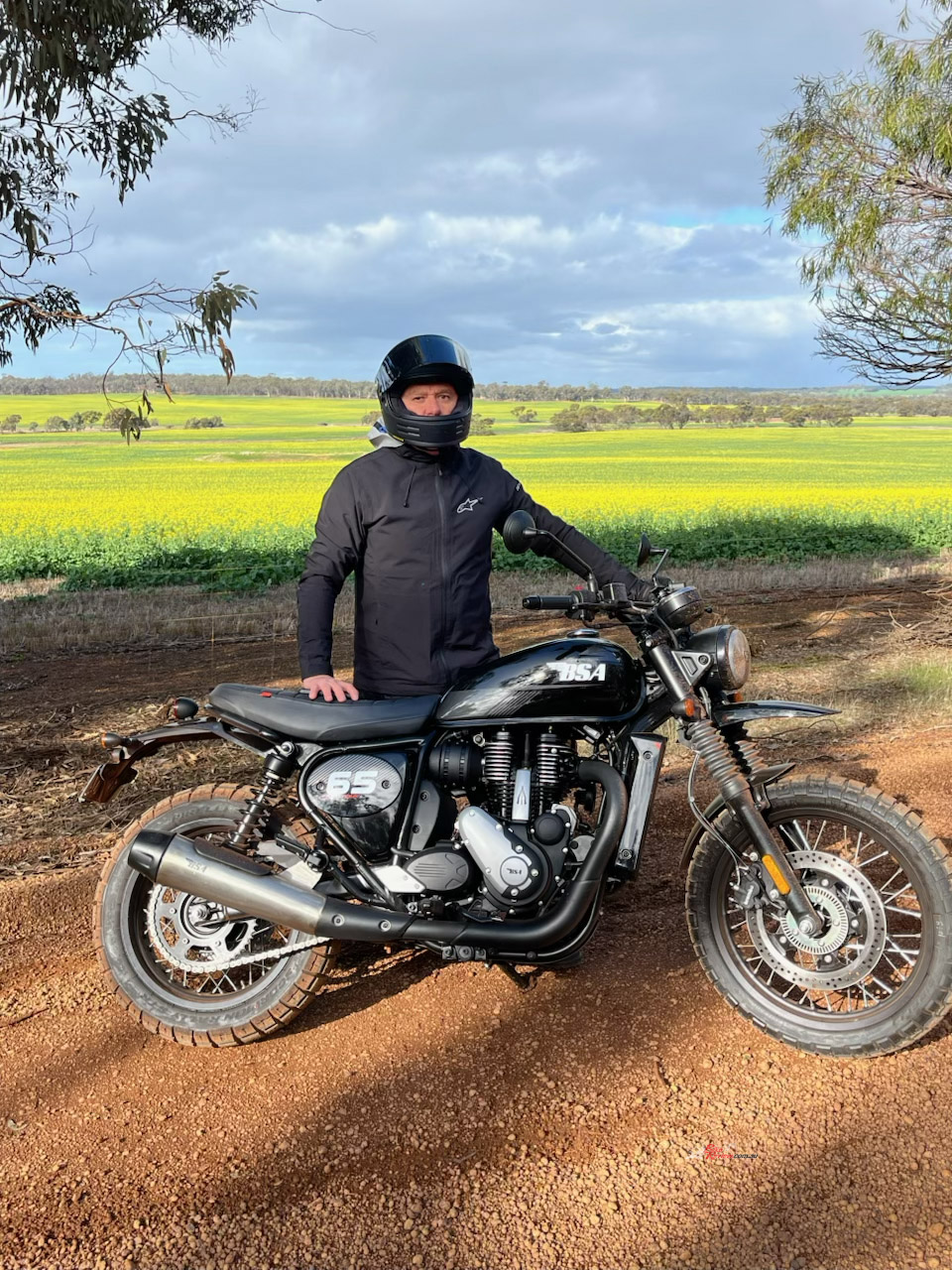
“I guess this day and age, if your product’s already approved in Europe, that tends to make the process here in Australia much easier,” he says. “So that was all pretty straightforward.” With motorcycles now reaching customers, the focus has moved from getting BSA into Australia to establishing it in the market. Inner-city dealerships such as Zen Motorcycles in Sydney’s Alexandria and Fitzroy Motorcycles in Melbourne’s inner north were the stand-out performers in terms of preorders and interest in what Leisk puts down to them “speaking the right language in the right demographics”, and the Gold Star which has emerged from the range as leading the demand.
“The Gold Star has really been the star of the show so far,” Leisk says.
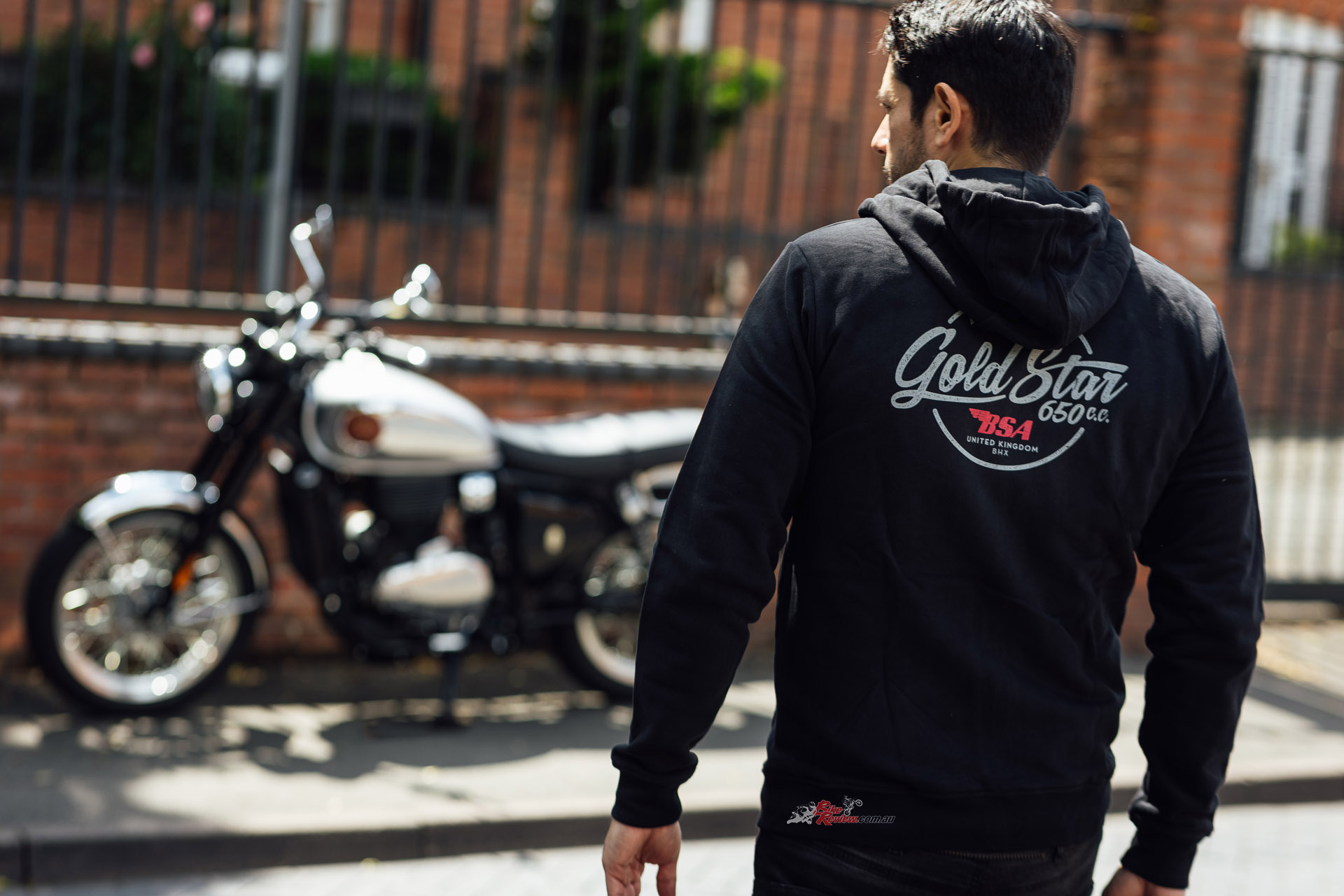
“The Gold Star has really been the star of the show so far,” Leisk says. “There was always going to be a lot of legacy customers that when the opportunity came to get a modern Gold Star they would.”
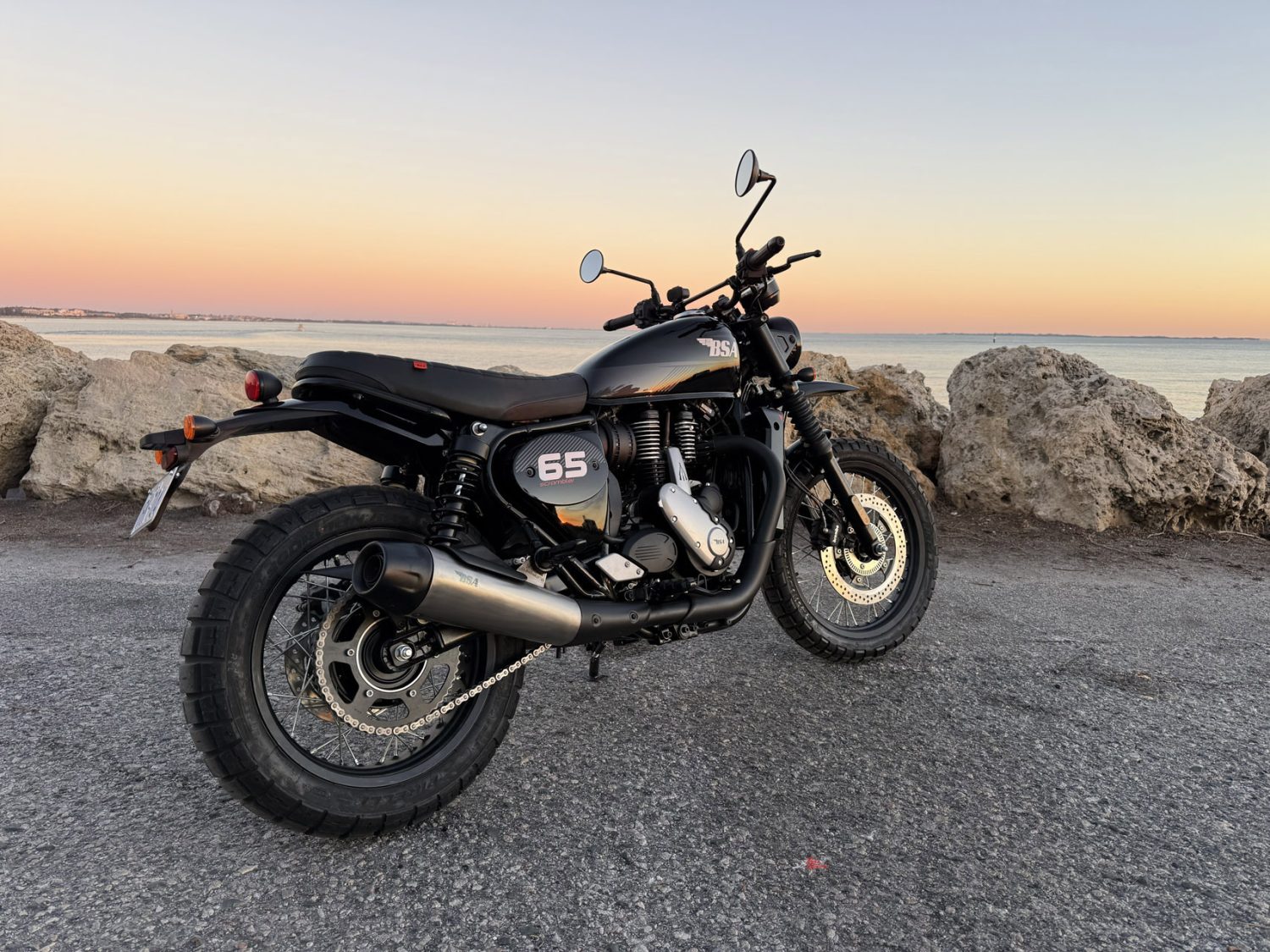
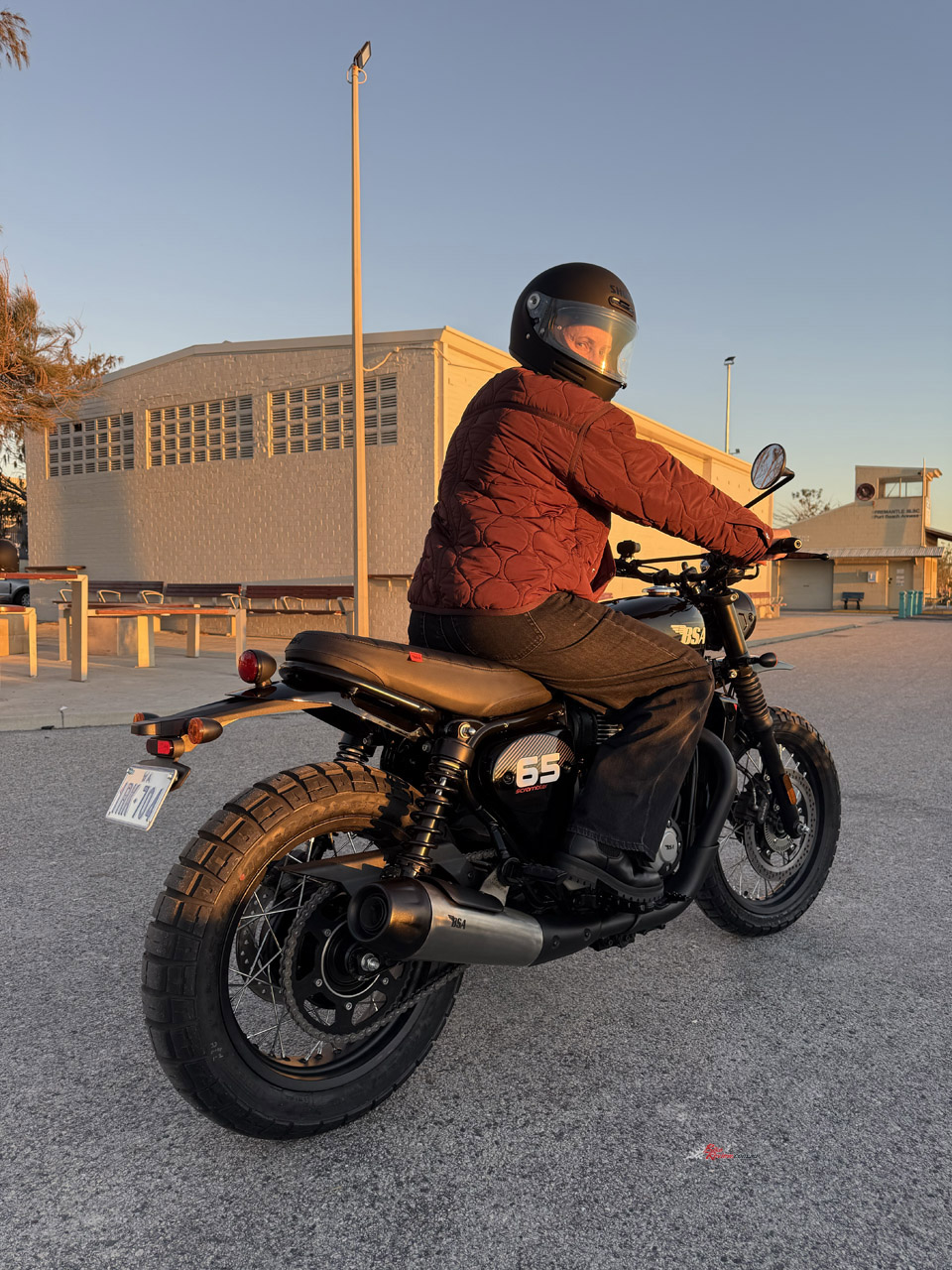
The Scrambler arrived slightly later than the Gold Star, giving it less opportunity to establish itself, although Leisk believes it has considerable potential once more riders experience it.
In April this year, Leisk Moto Imports attended the 48th All British Rally at Castlemaine in Victoria, hosted by the BSA Owners Association of Victoria. Around 400 members gathered, providing an ideal opportunity to place the new motorcycles alongside the originals that inspired them.
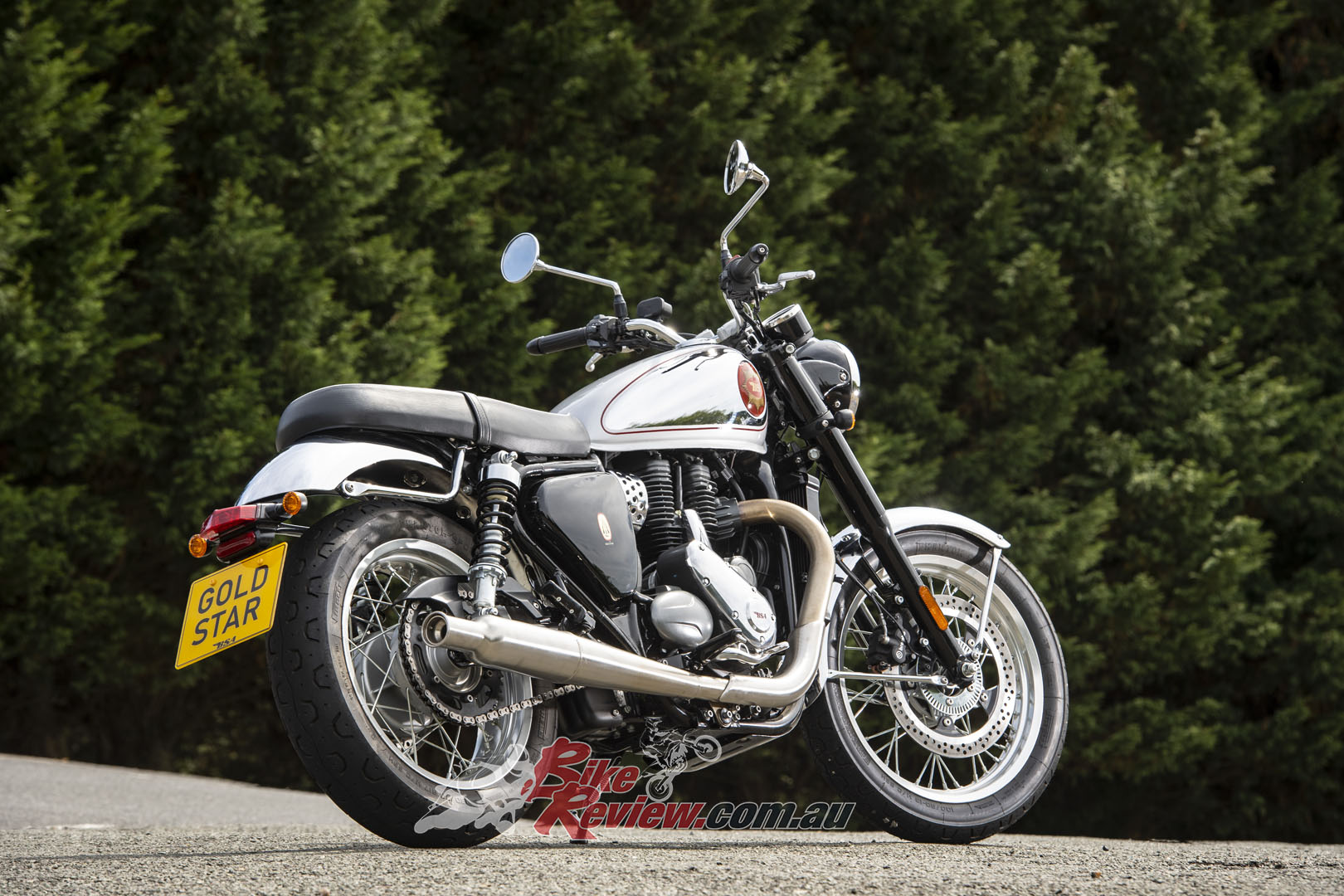
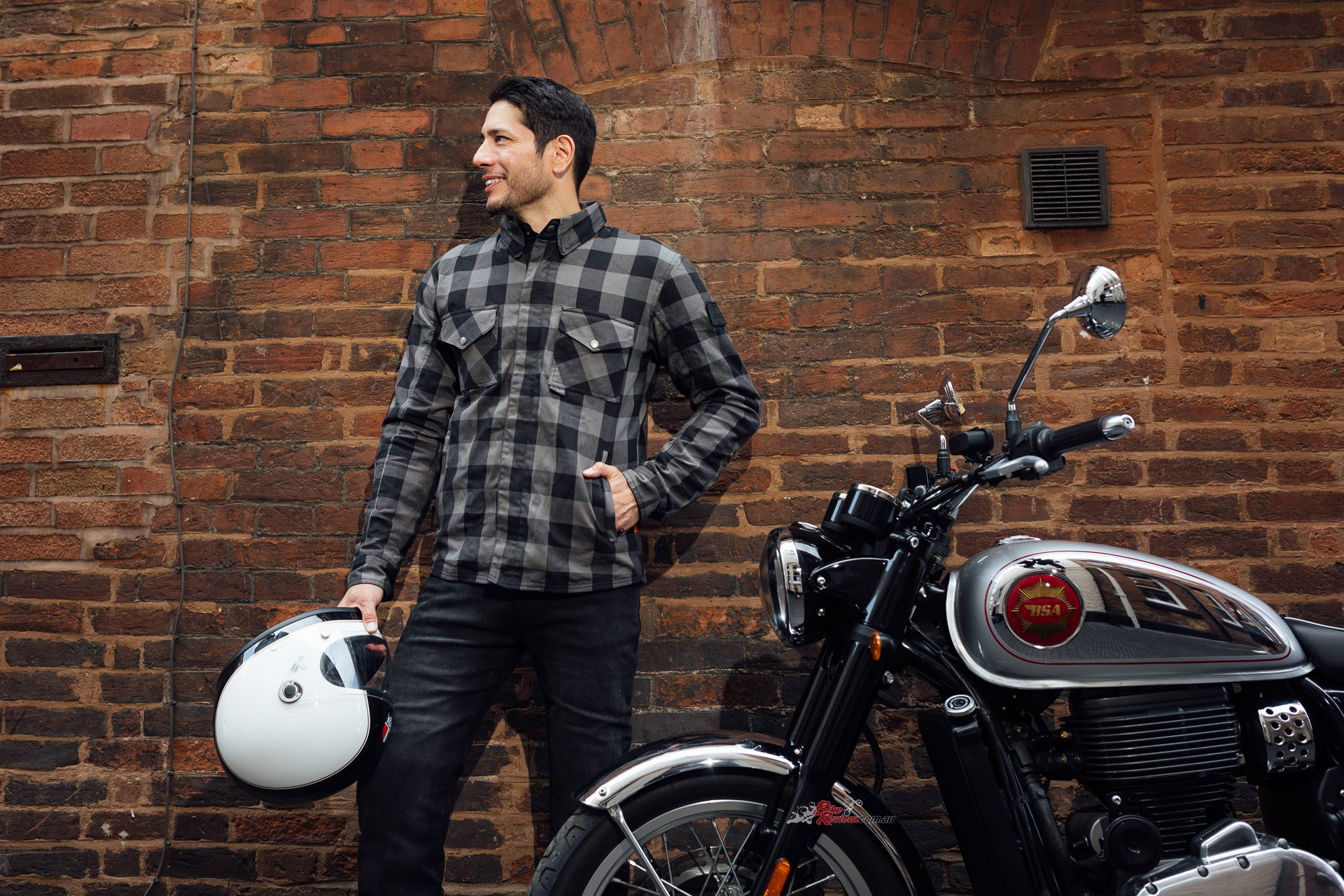
Modern engineering wrapped in styling that draws heavily on the original Gold Star.
“It was really a good experience to go to that event and put our bikes in front of the older customers,” Jeff says. “There’s some people that think our bikes should be an exact replica of an old BSA, you get the diehards that go, why is the tail light like that, or why can’t it make more noise?”
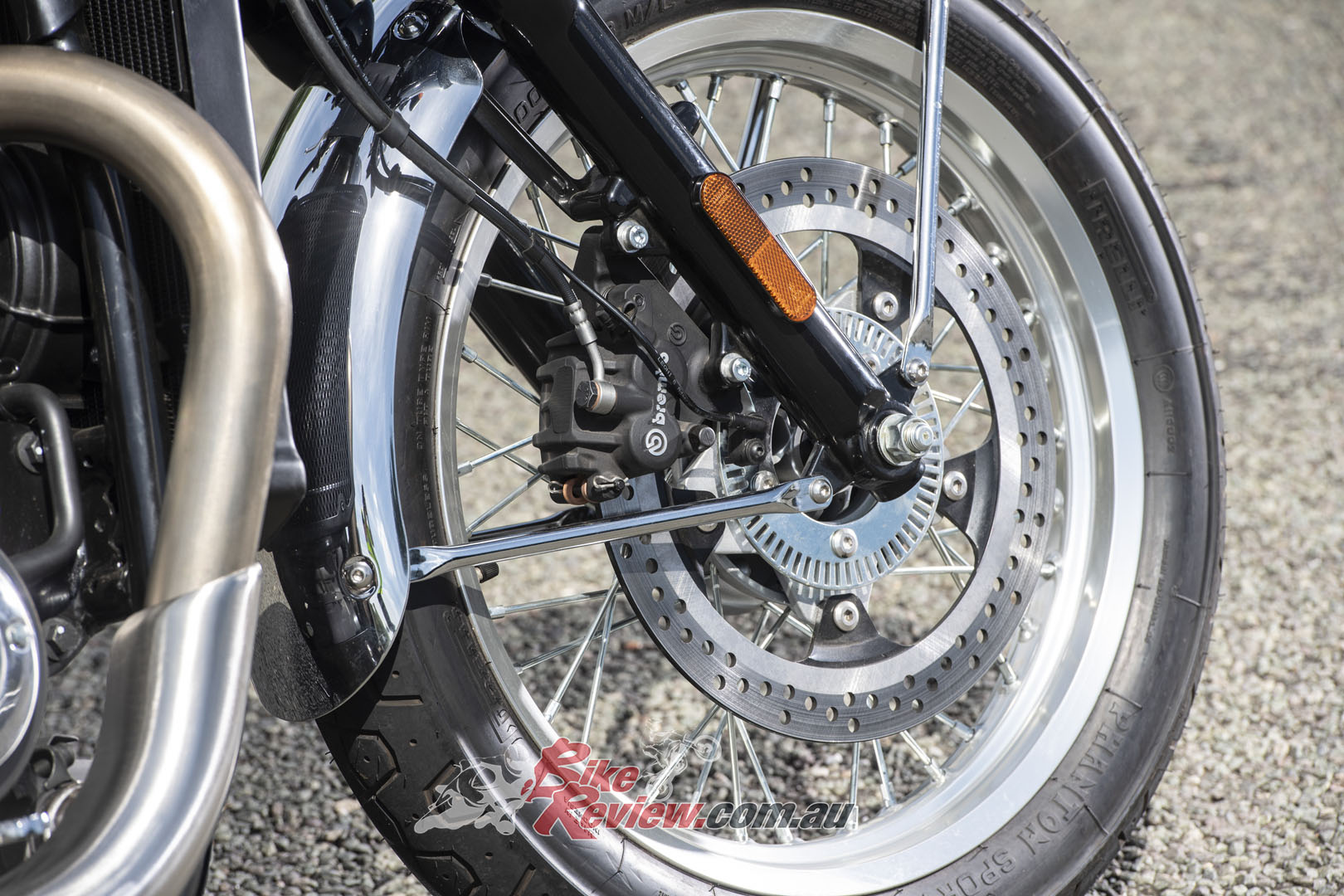
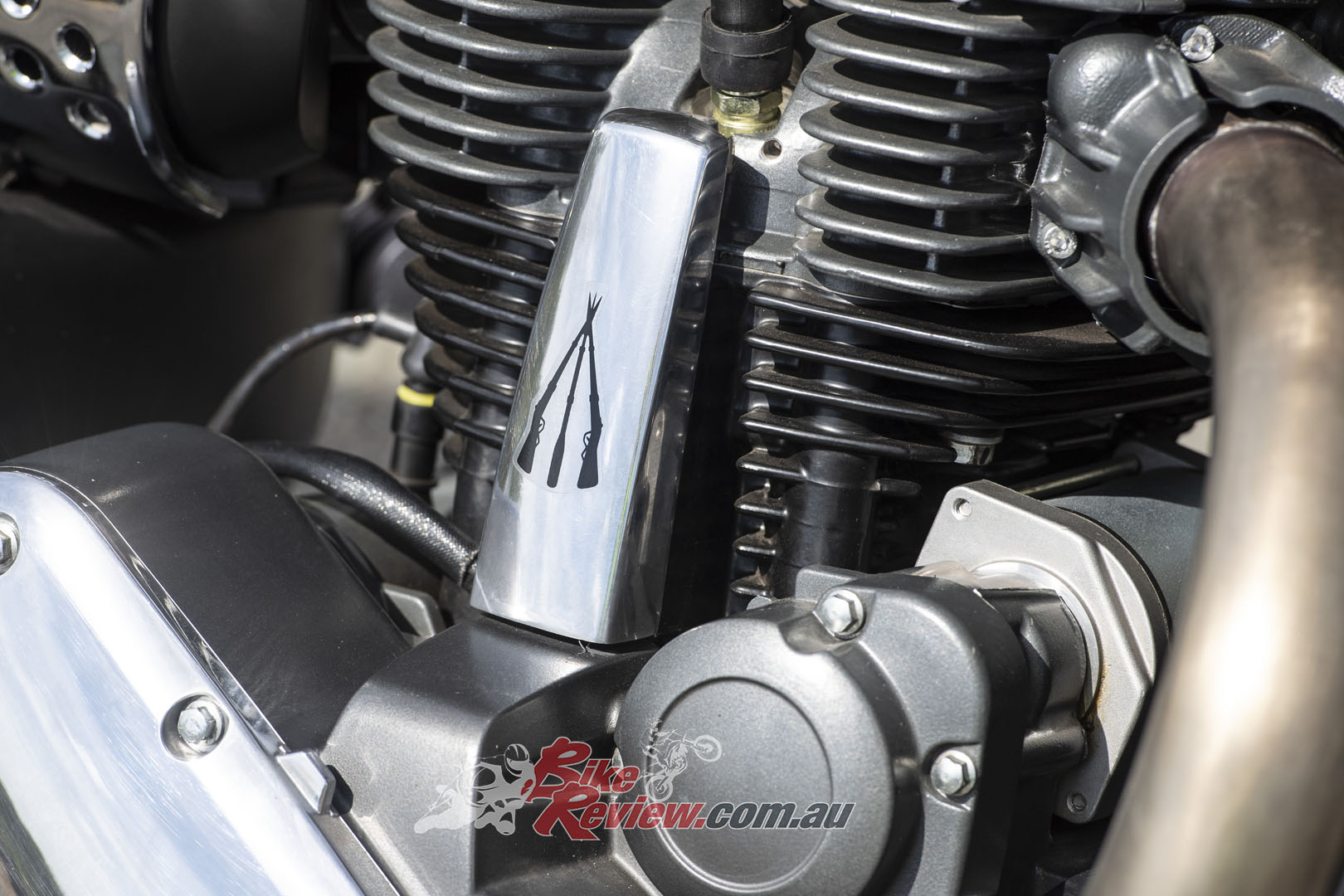
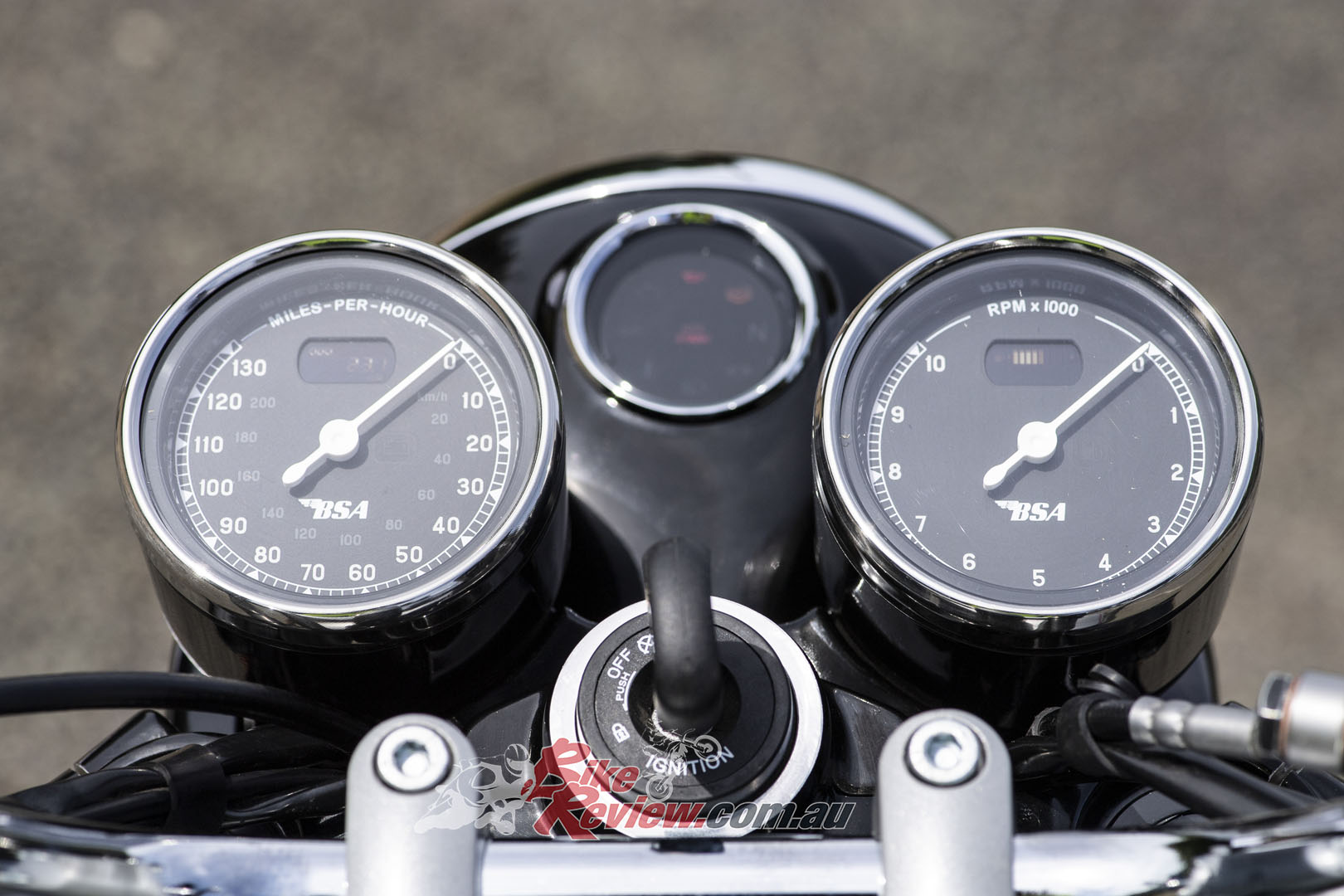
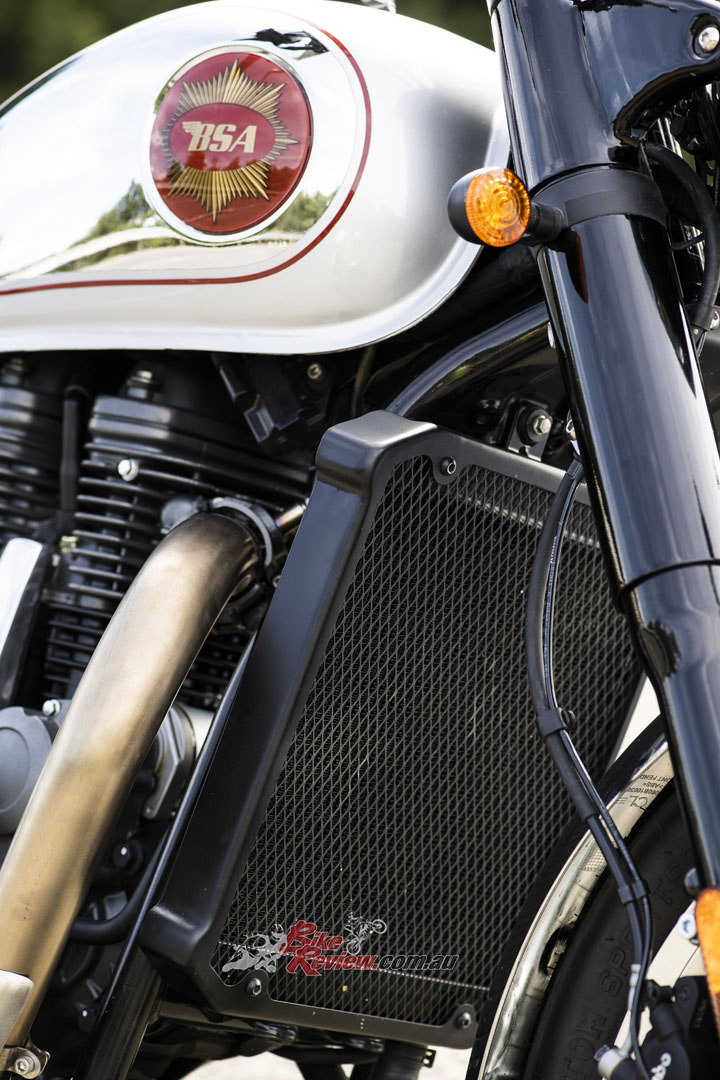
Of course modern BSAs occupy the increasingly popular modern classic segment, where contemporary engineering, emissions regulations and reliability coexist with traditional styling. It’s a balancing act every heritage manufacturer faces. Build something too faithful and it feels outdated. Modernise it too aggressively and loyal enthusiasts accuse you of abandoning the past.
“There’s some people that think our bikes should be an exact replica of an old BSA”
Current European emissions regulations mean motorcycles simply aren’t as loud as many enthusiasts remember. And having spent recent years consulting for electric motorcycle manufacturer Stark Future, Leisk finds that observation particularly intriguing. “It is interesting just how many people want that noise. It’s just part of riding motorcycles,” he says. “It’s a nostalgic aspect, an experience aspect, that they want to have a little bit of music playing in the background.”
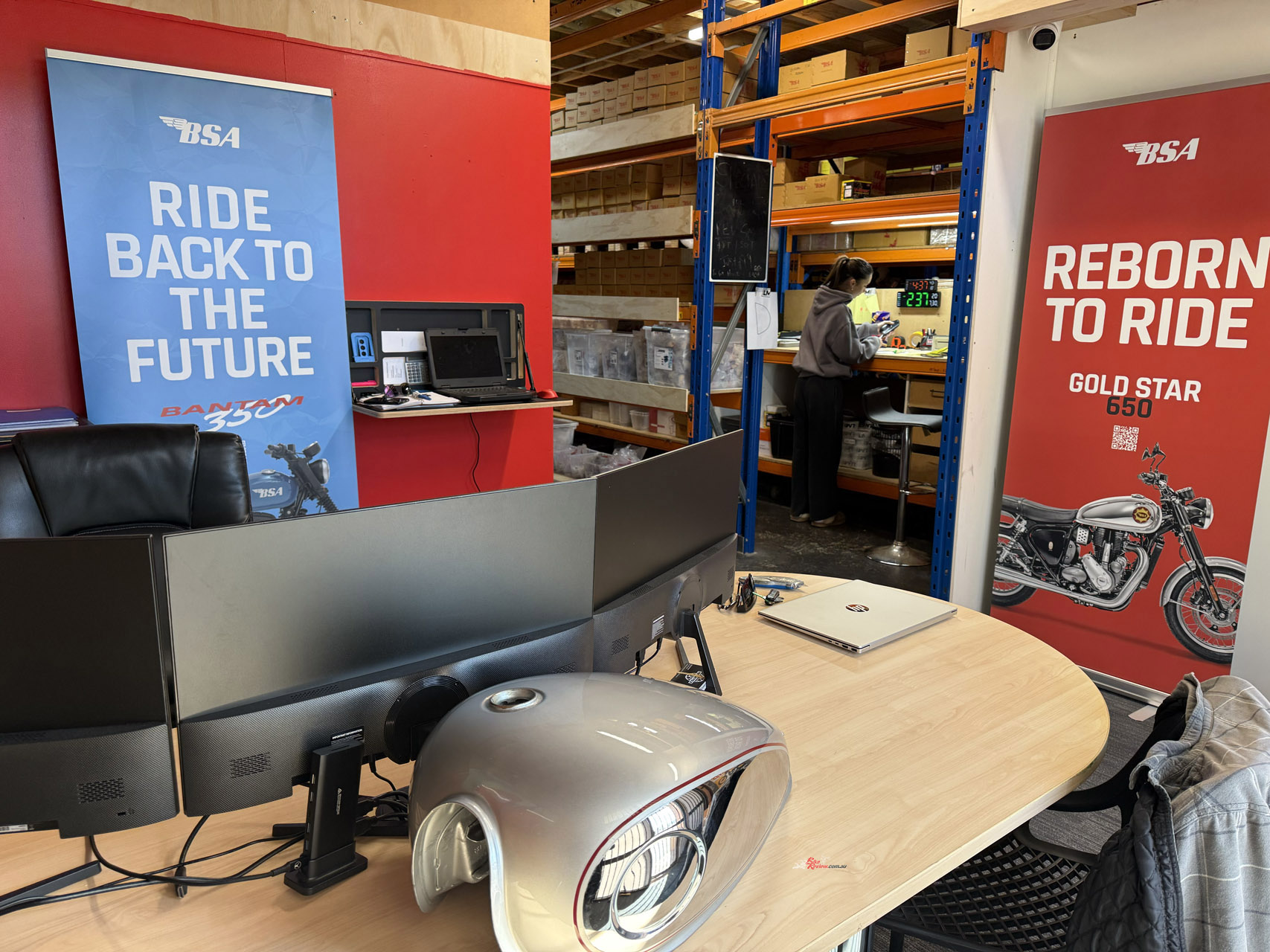
A family-run operation, Leisk Moto Imports is starting small and growing with BSA.
While customer response has been encouraging, building the dealer network has proved slightly slower than anticipated. When Leisk Moto Imports was announced, the early target was around 25 dealers nationally. Right now there are 12 signed on, but Jeff says there are enough irons in the fire to confirm he’s close to locking down 16. According to Jeff, the slower rollout reflects a motorcycle industry that’s changing faster than it has for decades.
“That process is proving to be probably a little bit more challenging than I thought,” he explains. “As you well know, the motorcycle market – just the same as the automotive market – is getting disrupted. There are a lot of new players coming in and, you know, it’s been a pretty stable environment for quite a long time. You could probably argue that for 30 or 40 years really, that there’s been the big four Japanese and a few Europeans and that’s pretty much been it.”
Read our world launch report of the BSA Gold Star here…
“The market’s now getting tipped on its head – and we’re one of the ones coming in, so we’re part of the movement – but it’ll be interesting to see what the pie’s going to look like in five years time.” The changing landscape reflects just how varied the new competition has become. BSA and Norton represent the revival of iconic British brands under Indian ownership, while QJMOTOR, VOGE and ZXMOTO are part of China’s expanding motorcycle industry. TVS, despite owning Norton, is entering Australia under its own name for the first time, bringing one of the world’s largest motorcycle manufacturers directly into the local market.
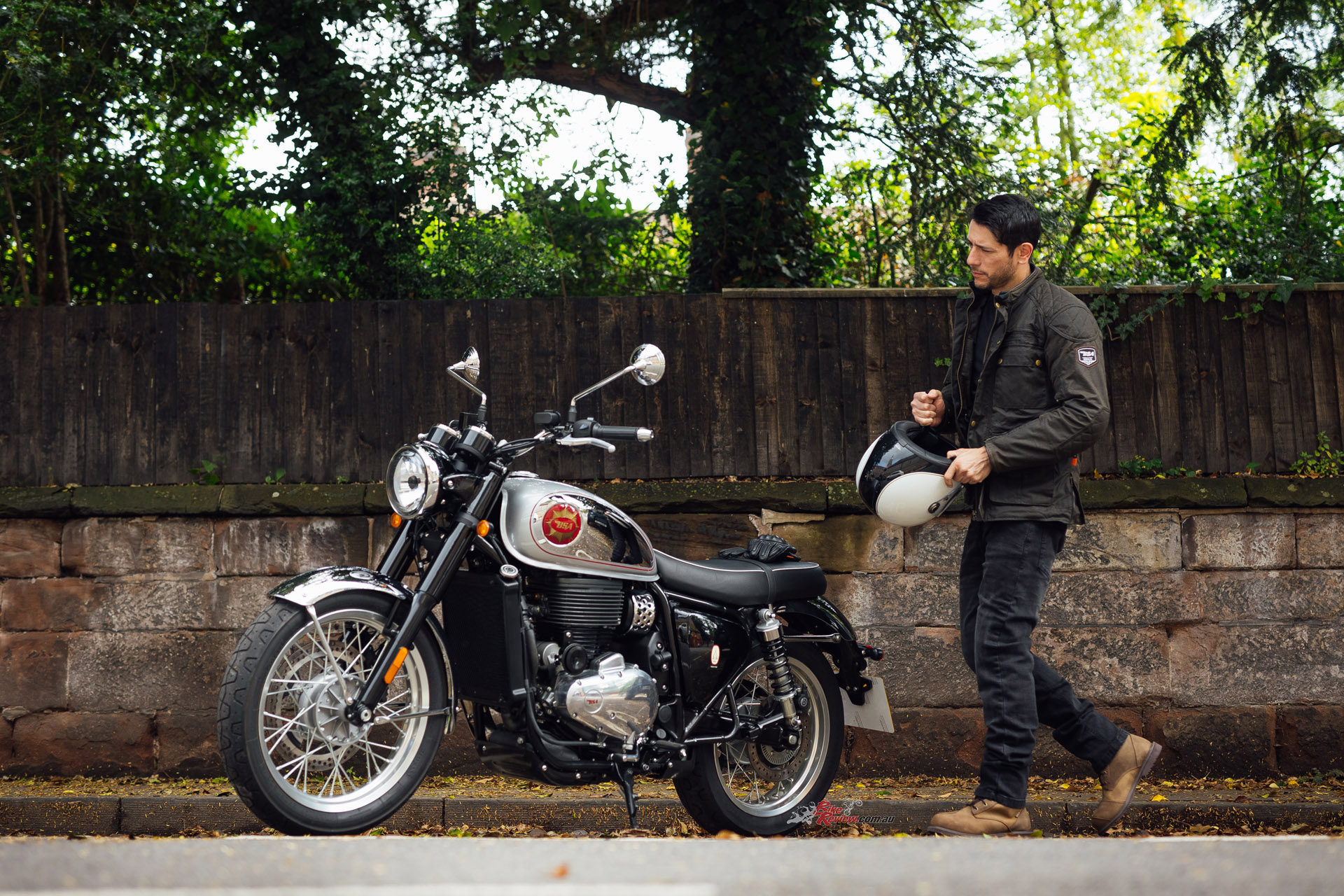
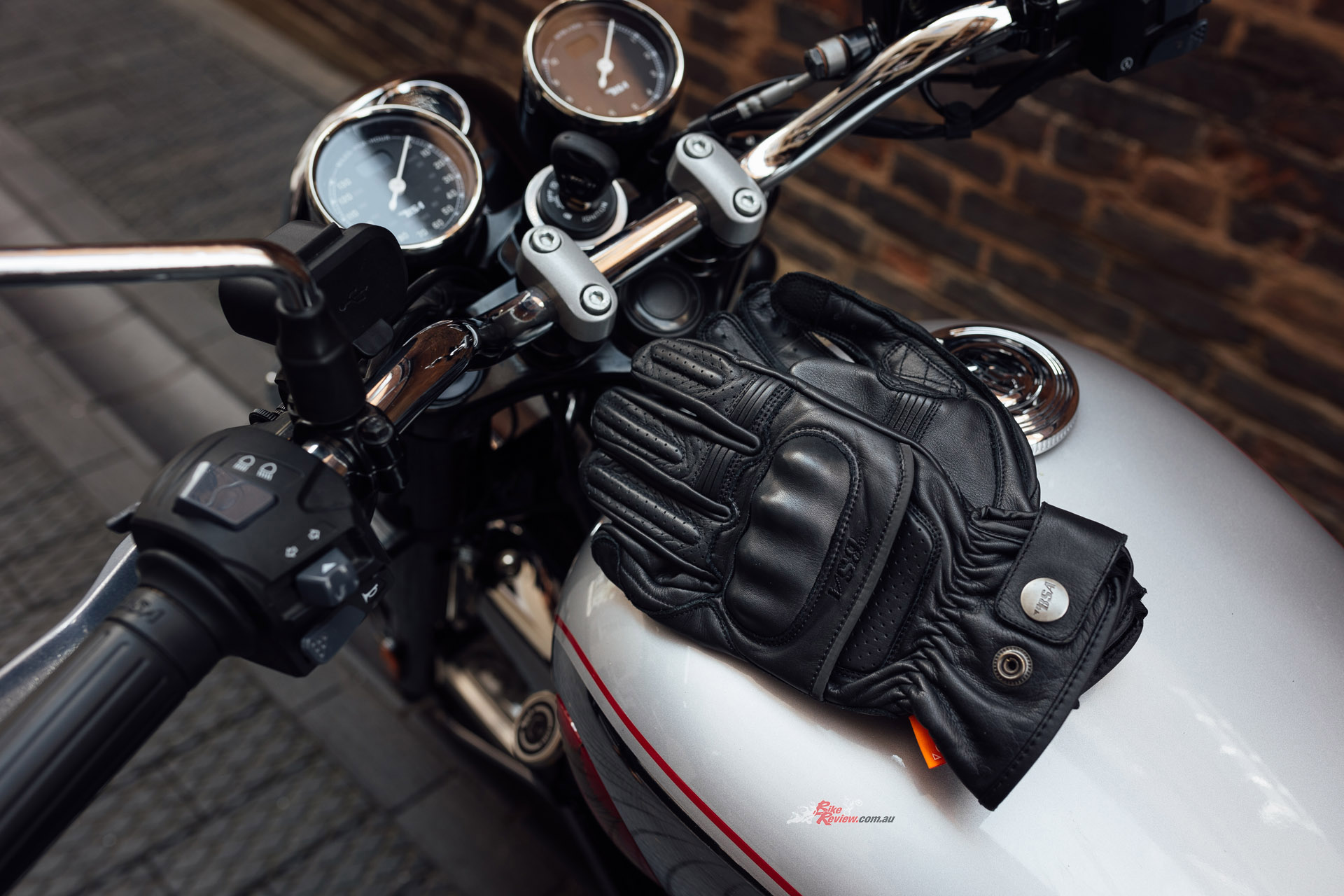
BSA’s apparel and riding gear complement the Gold Star’s modern-classic appeal.
That creates opportunity and uncertainty in equal measure for dealers, and it’s something Leisk has had to navigate while building his network. Throughout the process, however, his ambition has never been simply to appoint businesses capable of selling motorcycles.
“We’d like to sort of build a dealer network that understands the value of engagement, that they’re not selling a commodity, they’re selling a lifestyle, that’s really what we’re trying to do,” he says, and acknowledges it can’t be rushed. Community rides, owner events and brand experiences remain firmly on the agenda, but first there needs to be a community to bring together.
The changing landscape reflects just how varied the new competition has become.
“We have to sell some bikes and get people on them, and then once we’ve got enough people out there, we can start to do that,” he says. “It’s absolutely part of the plan, it will definitely happen, and we’ve got some ideas up our sleeve to work on.”
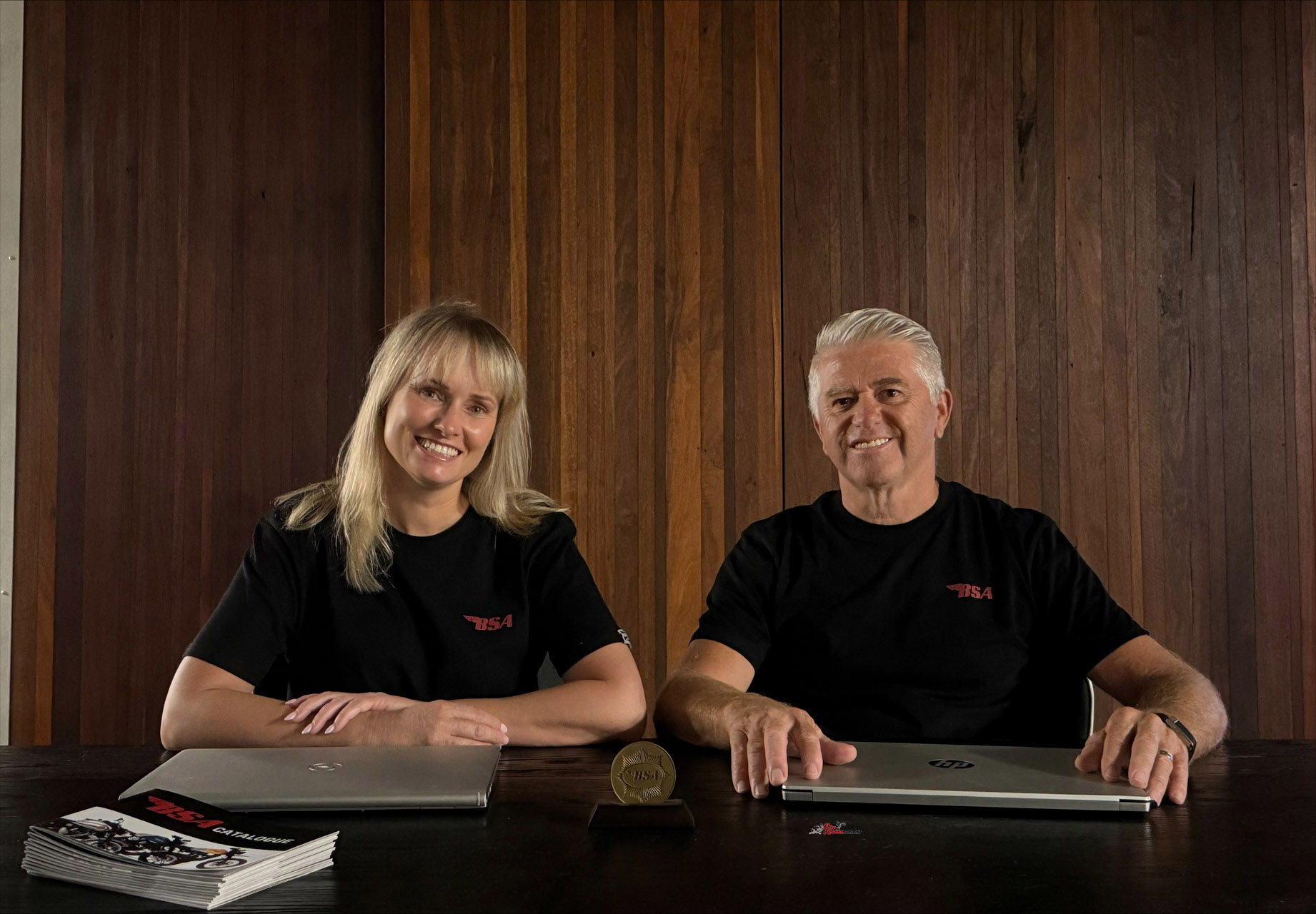
Jeff and Liana Leisk are preparing BSA for its next chapter in Australia.
The BSA-branded motorcycles are being shipped to Australian dealers and owners are taking delivery. The harder task now is ensuring that, five decades after disappearing from Australian showrooms, BSA once again becomes a name that means something to both the riders who remember it as well as those discovering it for the very first time.
The BSA range
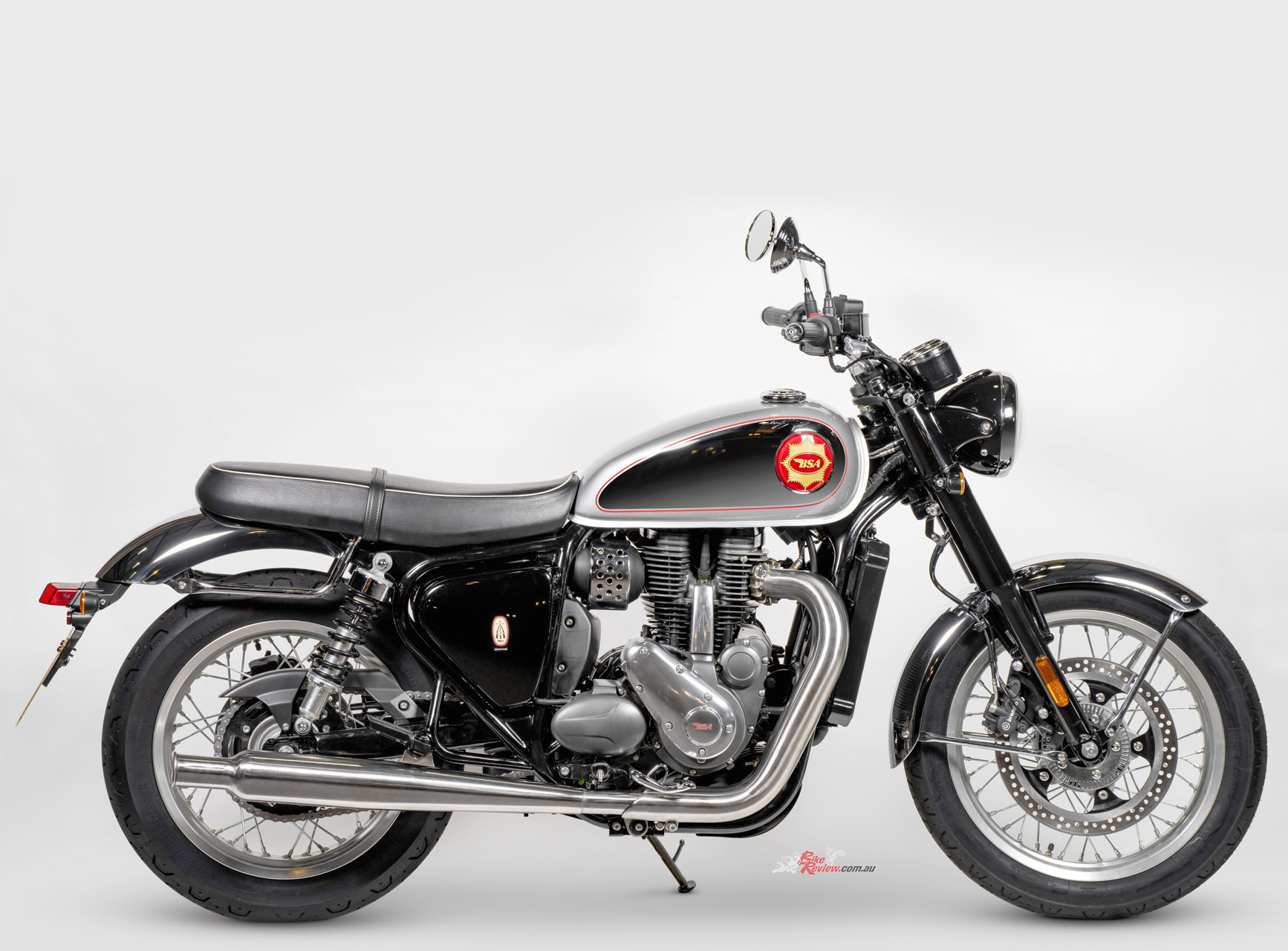
Gold Star 650 – from $12,249 (ride away)
The spiritual successor to BSA’s most famous model, the Gold Star combines classic British styling with modern engineering. Power comes from a 652cc liquid-cooled single producing 45hp and 55Nm through a five-speed gearbox. Brembo brakes, ABS, wire-spoke wheels and a 780mm seat height complete a package aimed squarely at the growing modern classic segment.
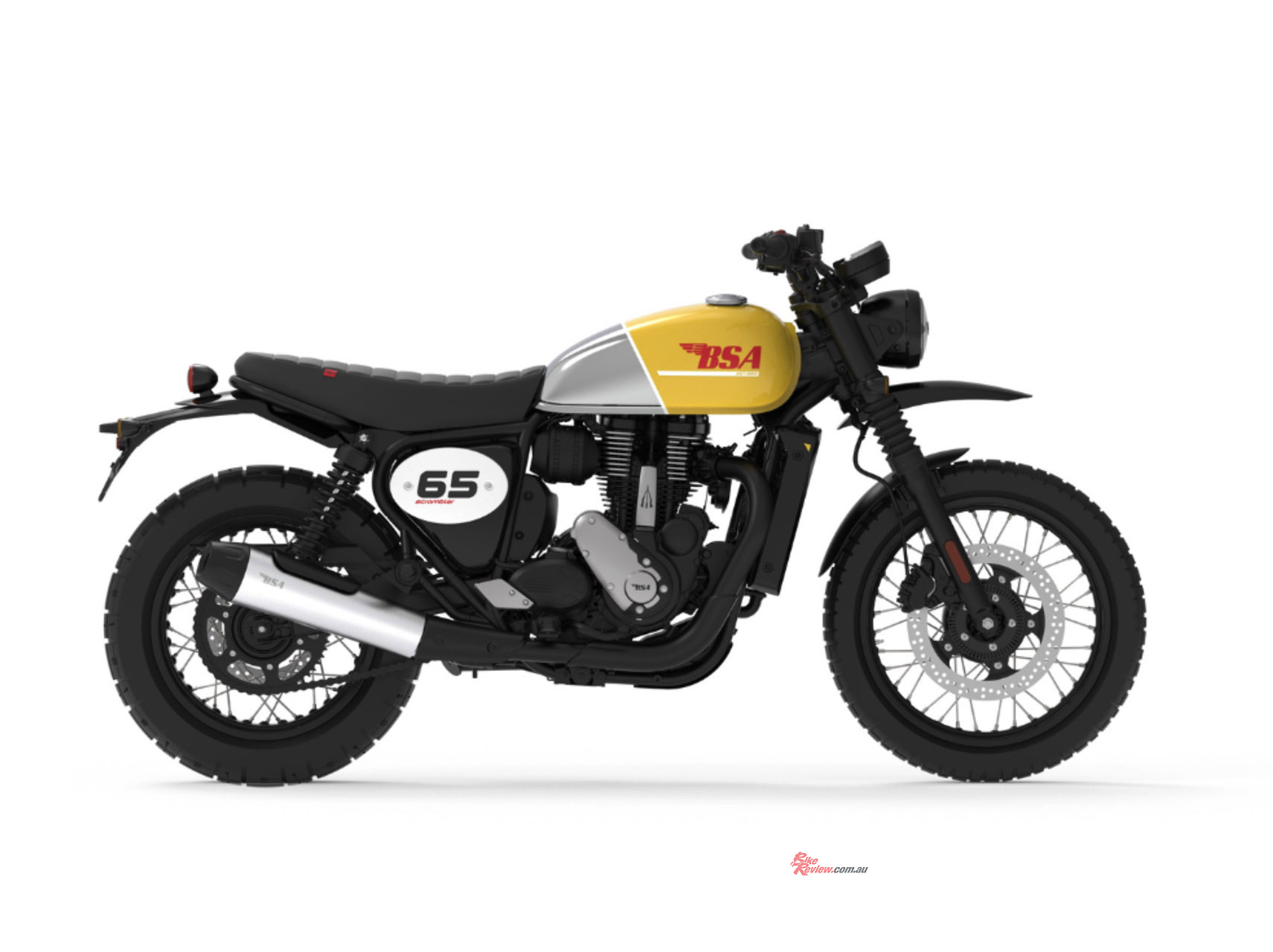
Scrambler 650 – from $11,799 (ride away)
Sharing the Gold Star’s engine and chassis, the Scrambler adds a more upright riding position, longer-travel suspension, a 19-inch front wheel and Pirelli Scorpion Rally STR tyres. While styled for light adventure duties, it’s primarily a road-focused scrambler designed for backroad exploring rather than serious off-road work.
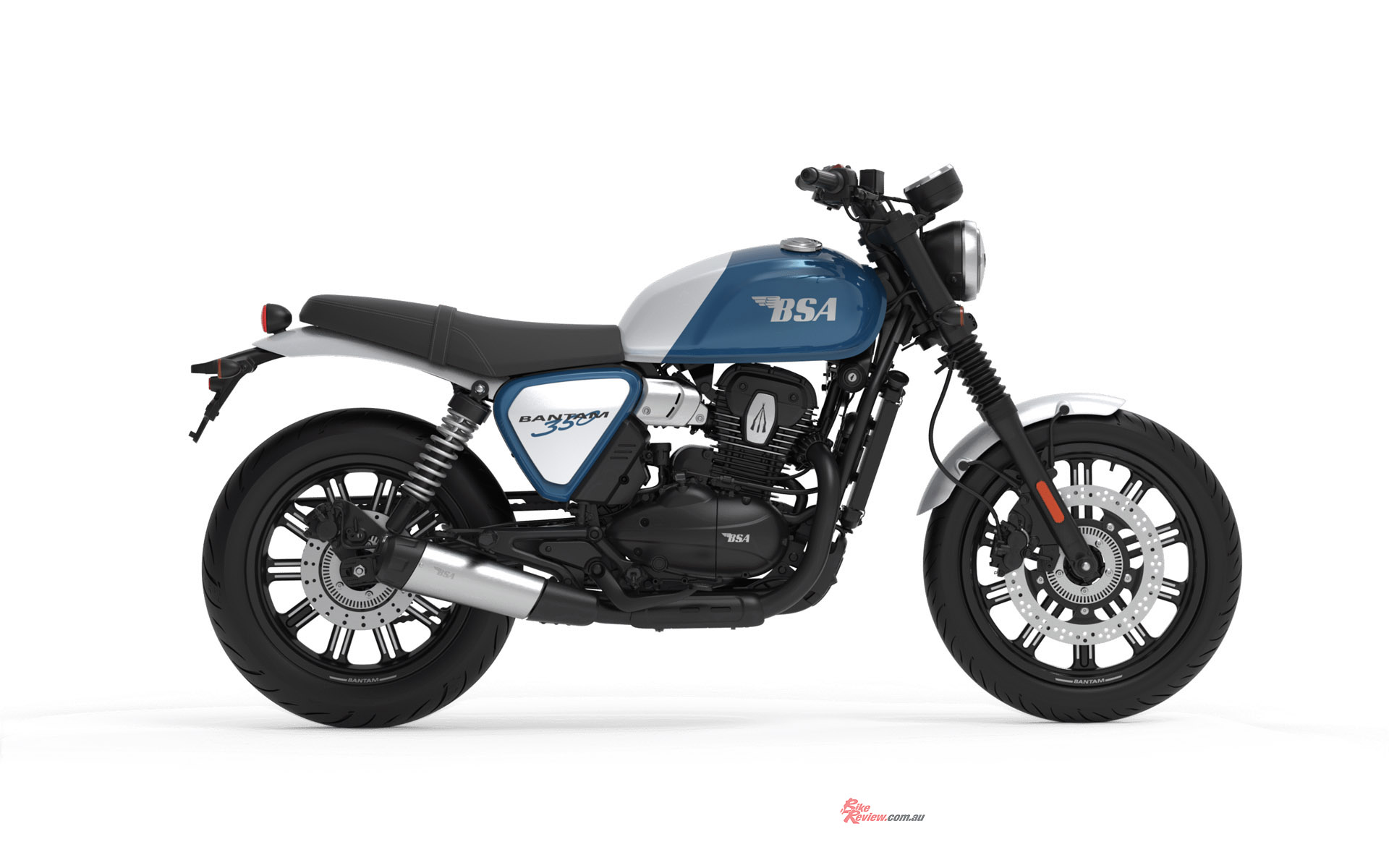
Bantam 350 – from $7590 (ride away)
The smallest and most affordable model in the range revives one of BSA’s most recognisable names. Its 334cc liquid-cooled single produces 29hp and drives through a six-speed gearbox, with a low 780mm seat height and a claimed 185kg wet weight making it an approachable option for newer riders and commuters alike.
JEFF LEISK CAREER TRIBUTE VIDEO
The Author