
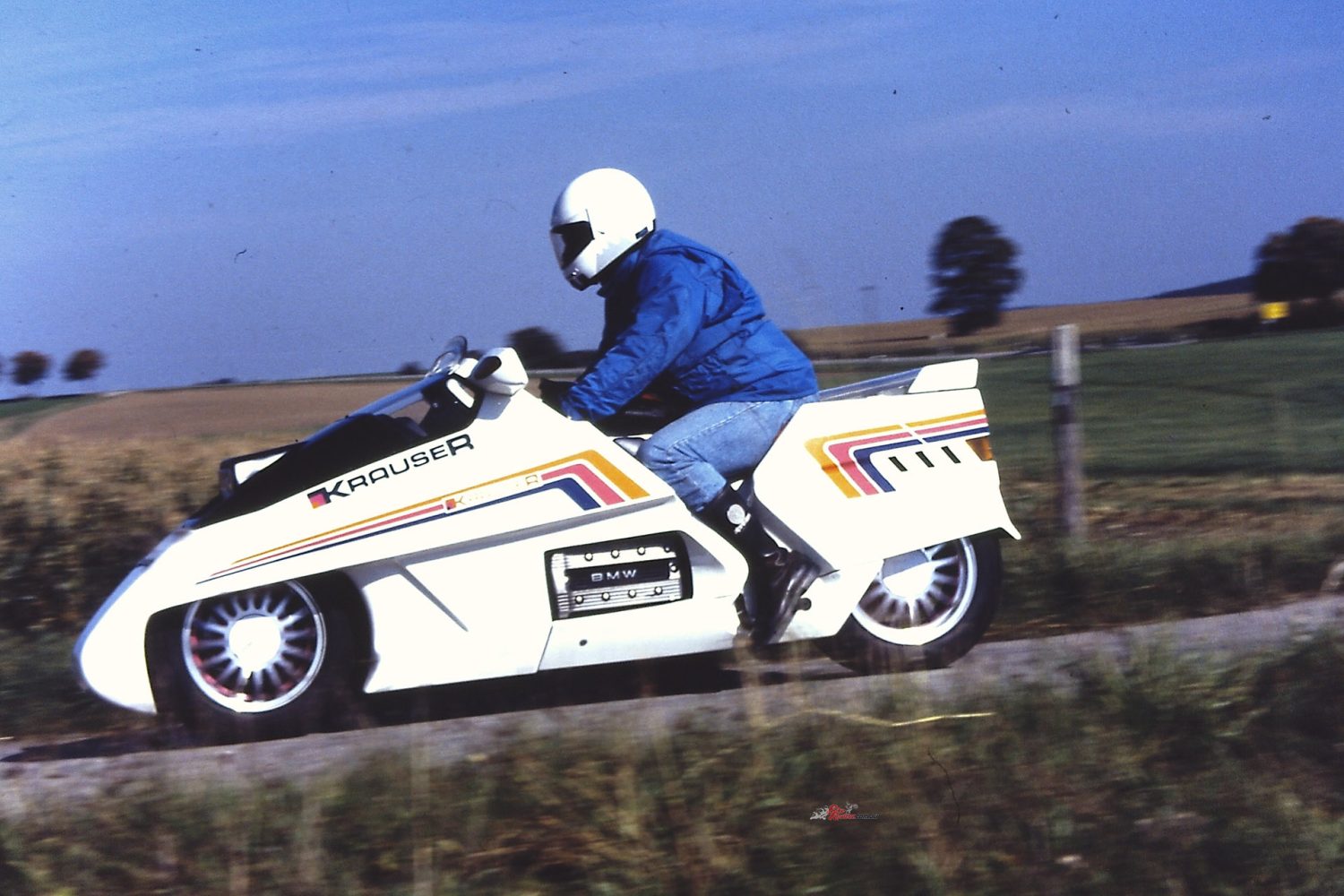

From world championship-winning engines to the infamous panniers that loved falling off, Michael Krauser was one of motorcycling’s great innovators...
In Australia, Michael Krauser was the man who added value to those beige ratchet straps that once held BMW motorcycles in their crates (see box, below). In Germany, where he was better known to people in the industry and the racing fraternity as Mike or Gigi,
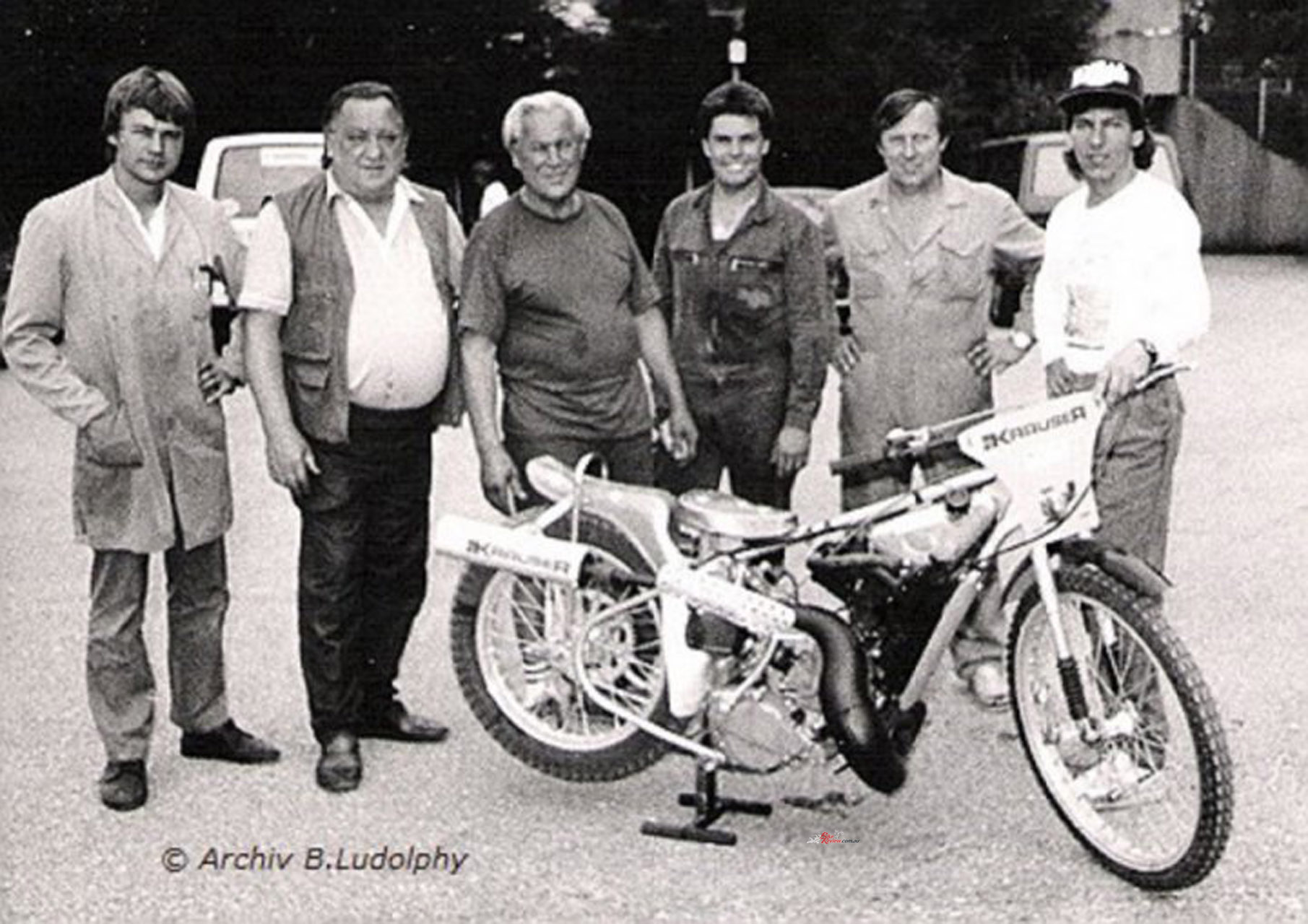
He was one of the biggest sponsors in German motorcycle racing in the seventies and eighties. His engines won a total of 10 world championship titles in both solo and sidecar classes. He had also been a successful sand track sidecar pilot as a young man. In 1955, he was German national championship runner-up on the sand track riding a BMW outfit.
Mike was born in Germering near Munich, where his father ran an engine repair company. He became interested in engines at an early age and started track racing in 1948, at the age of 22, with a BMW sidecar. He was an active rider until 1960, using a sidecar outfit with a JAP engine in addition to the BMW one.
Along with his racing sponsorship in later years, Mike Krauser began to design a range of consumer products and engines, all created around BMW bikes. Despite the consistent failure of the pannier fittings, I am sure he never knowingly created a dud product. I suspect that the reason for the notorious ‘involuntary detachment’ of the panniers was that Mike designed for the smoothness of German roads, not the rough roads of places like Australia – or Turkey. And anyway, the straps fixed the problem.
Read previous Bear Tracks columns here…
Mike Krauser died in 1991, and to me he will always be one of the trio of independent German motorcycle industry figures who did so much to make motorcycling a fascinating pastime for my generation. The others were Friedl Münch and Fritz Egli (oh all right, Fritz is Swiss but he’s from the German-speaking part of Switzerland) and it has been my pleasure and privilege to meet them all.
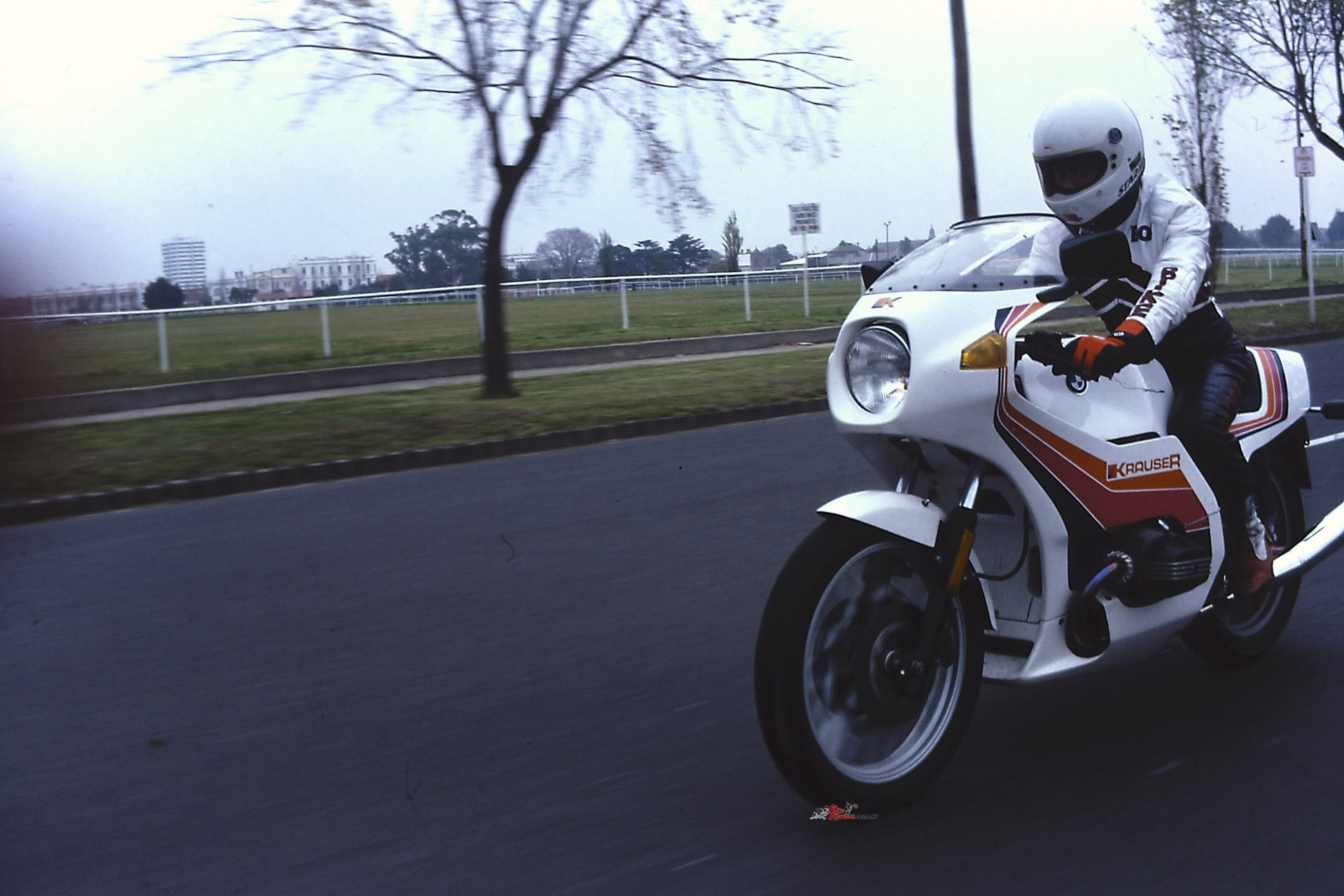
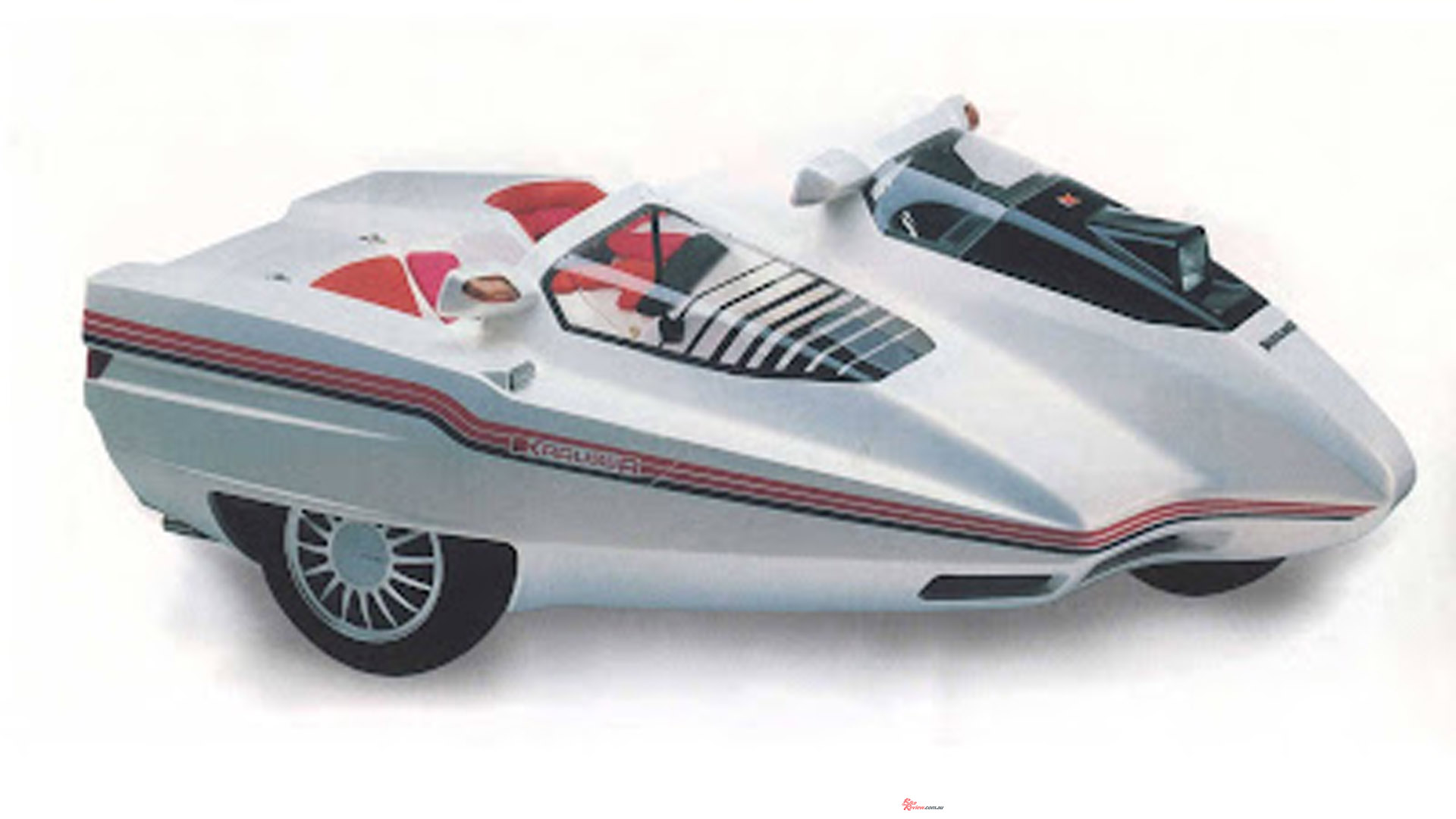
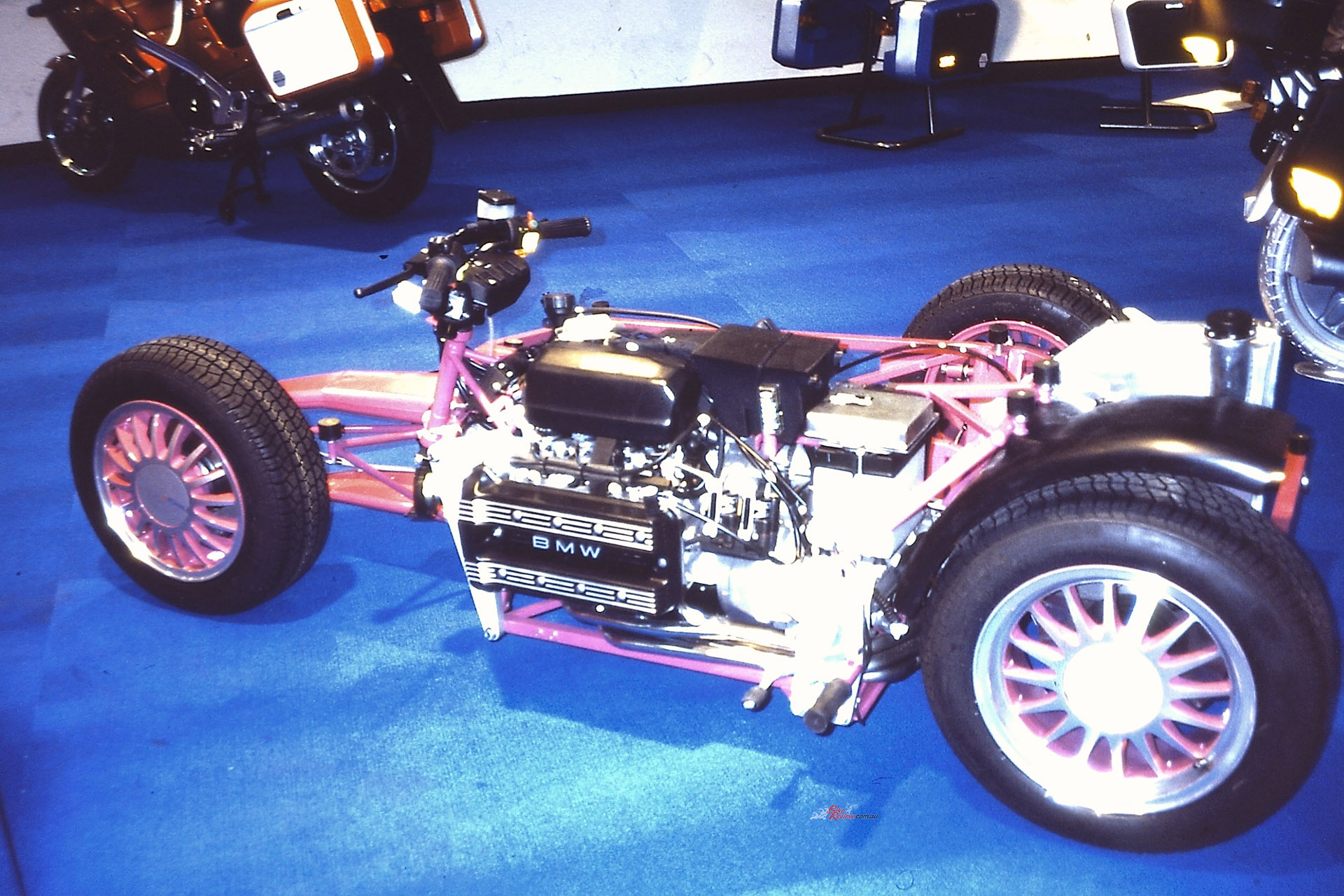
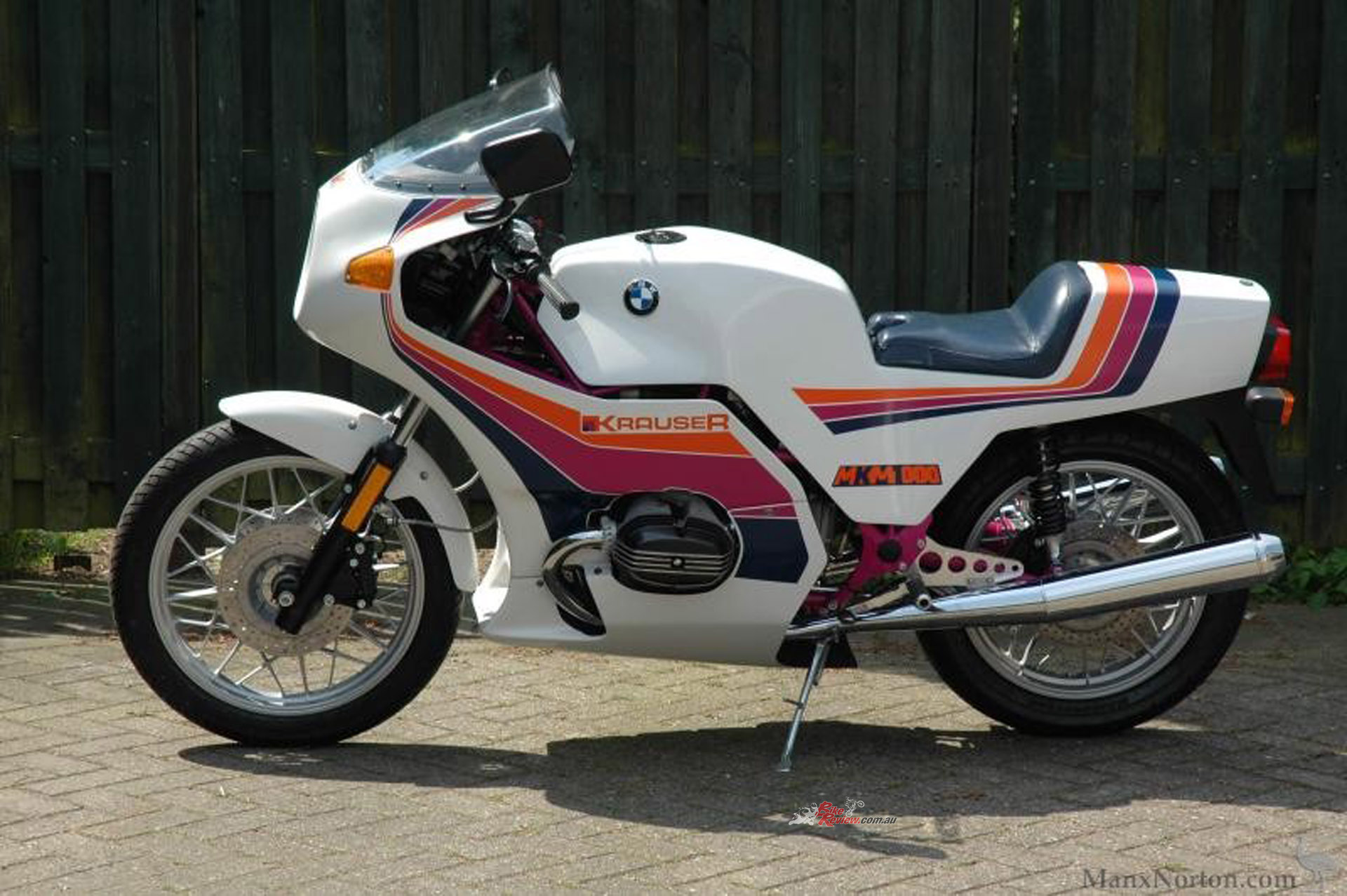
One of Mike’s most outrageous creations was the three-wheeled Domani, as was the MKM1000, based on a BMW R100 but with four-valve heads of Mike’s design and a spectacular lavender-coloured space frame. One year I sought out the Krauser stand at IFMA, which is what INTERMOT was called when it was in Munich, to follow up a visit to the factory a couple of years earlier.
“We owe you lunch,” said Young Mrs Krauser (Mike’s wife was plain Mrs Krauser) after greeting me on the stand. “You helped us to get the biggest order for Domanis we have ever had.”
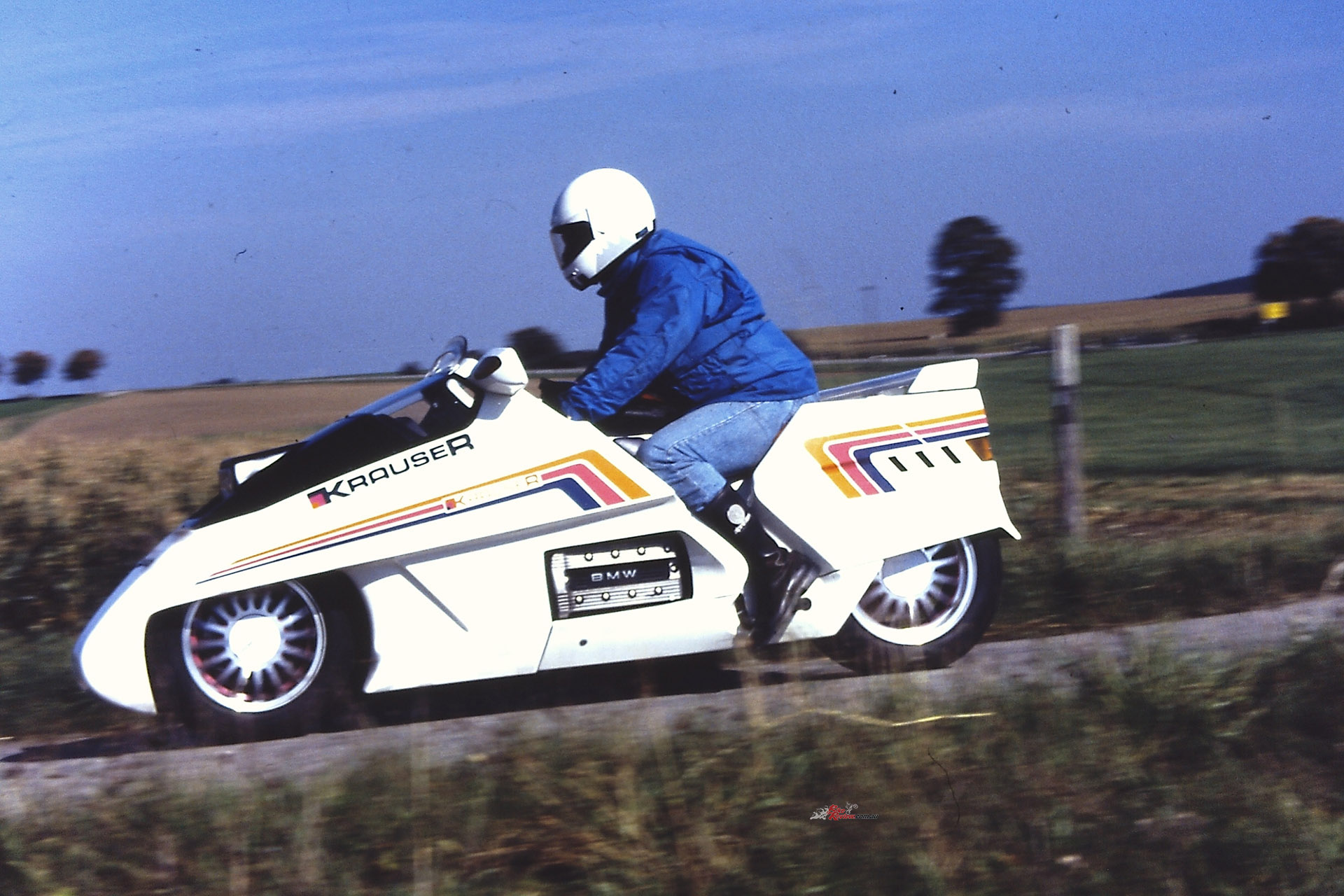
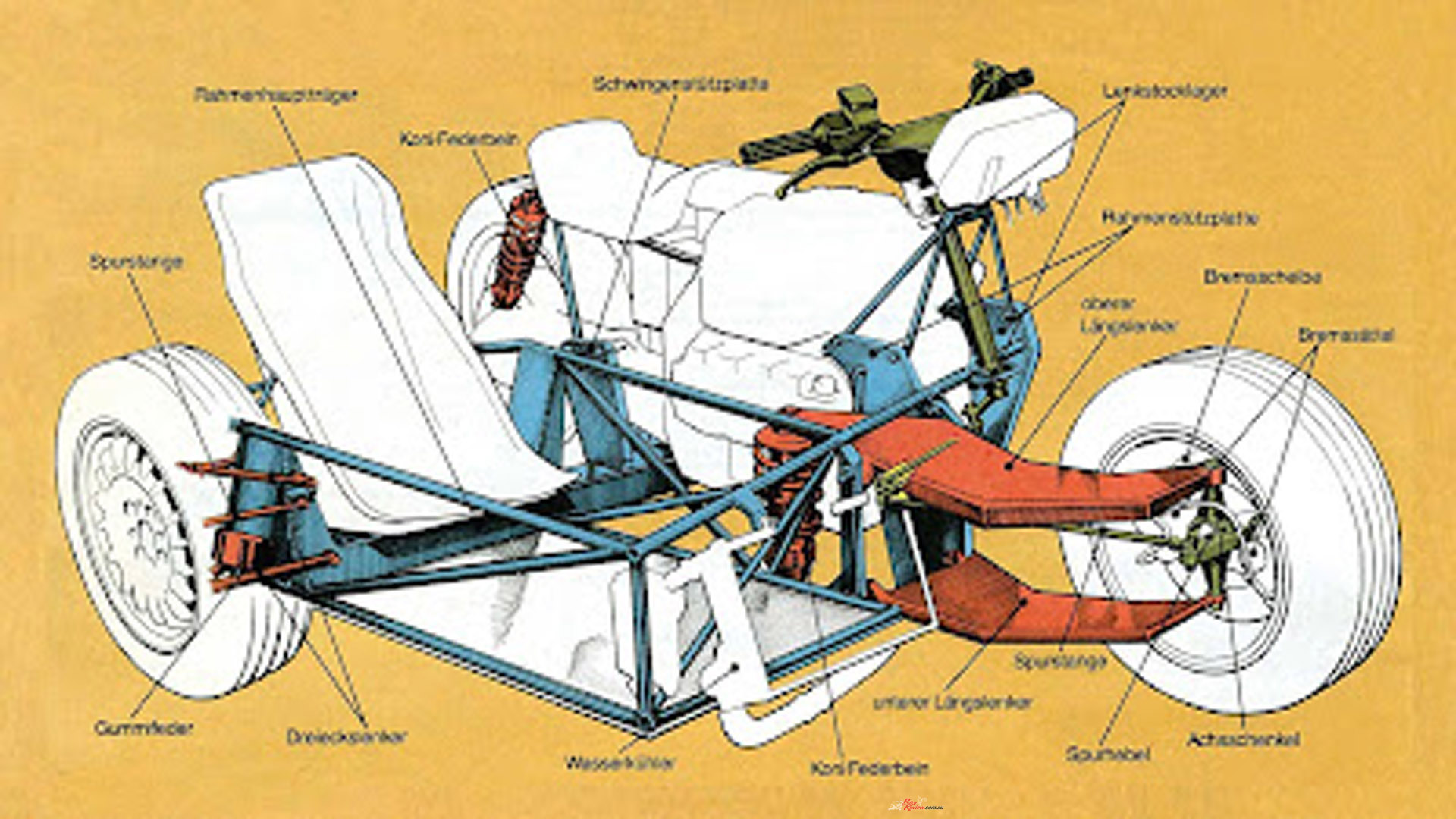
On my previous visit I had ridden and sort-of tested (really just hooned around on, having a great time with my mate Stumpy) a Krauser Domani, easily the best factory motorcycle outfit ever made. The Domani was not a motorcycle with a sidecar attached to it; the design was a fully integrated vehicle, something that has since become rather more common with some spectacular creations – especially out of France. But I suspect that the Domani was the first, and is probably still the best-looking. It was a timeless, superbly proportioned flying wedge that drew eyes wherever it went.
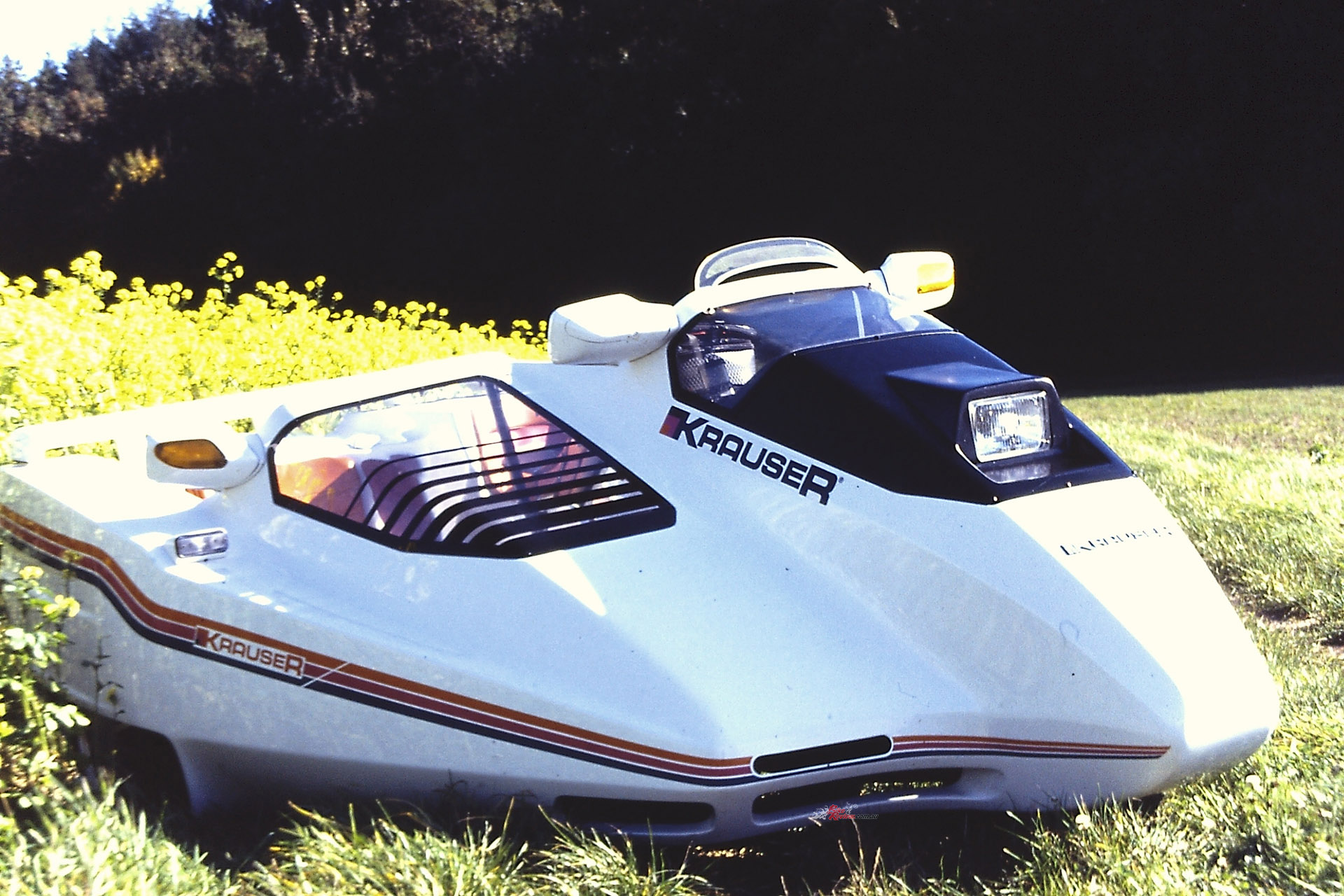
Oddly, Domanis were not the fireballs they looked to be. I sold an article about my ride to the Australian magazine ‘Motor’, and the editor was surprised when he read in my story that the top speed was “only”, as he put it, 200km/h. It is true that the Domani looks faster than that just standing still, but since it was powered by a more or less standard four-cylinder K 100 BMW engine, it was only the amazingly low weight of 390kg that enabled it to even reach that speed. I wonder if anyone ever turbocharged one.
Young Mrs Krauser told me that they had had an order for a round dozen Domanis from New Zealand, and that the order had mentioned my story in ‘Motor’. Keep in mind that New Zealand would have had a population of about two million then, and they all (mostly) drove on the left, whereas Domanis are set up to be driven on the right and can’t be changed over. Apparently the Krauser workshop had been unable to fill the complete order, but they had shipped eight of the outfits to the antipodes. I cheerfully accepted the lunch invitation, but I thought there was definitely something odd about that story.
Barry Lake, then editor of ‘Motor’, confirmed my misgivings. “Ha!” he said, “they would not even have touched the wharf in New Zealand. They would have gone straight to Japan, and they’re now sitting in showrooms that have nothing to do with motorcycles just to demonstrate how cool the companies are!” I did a little checking and found that, amazingly, he was right. Apparently Krauser had refused to sell more of them to Japan because they knew of their potential fates as showpieces. Mike wanted them to be ridden, instead.
My story, it seemed, had provided the ideal opportunity for the Japanese to do a quick switcheroo on the Germans. I never did tell Young Mrs Krauser.
There Goes The Krauser
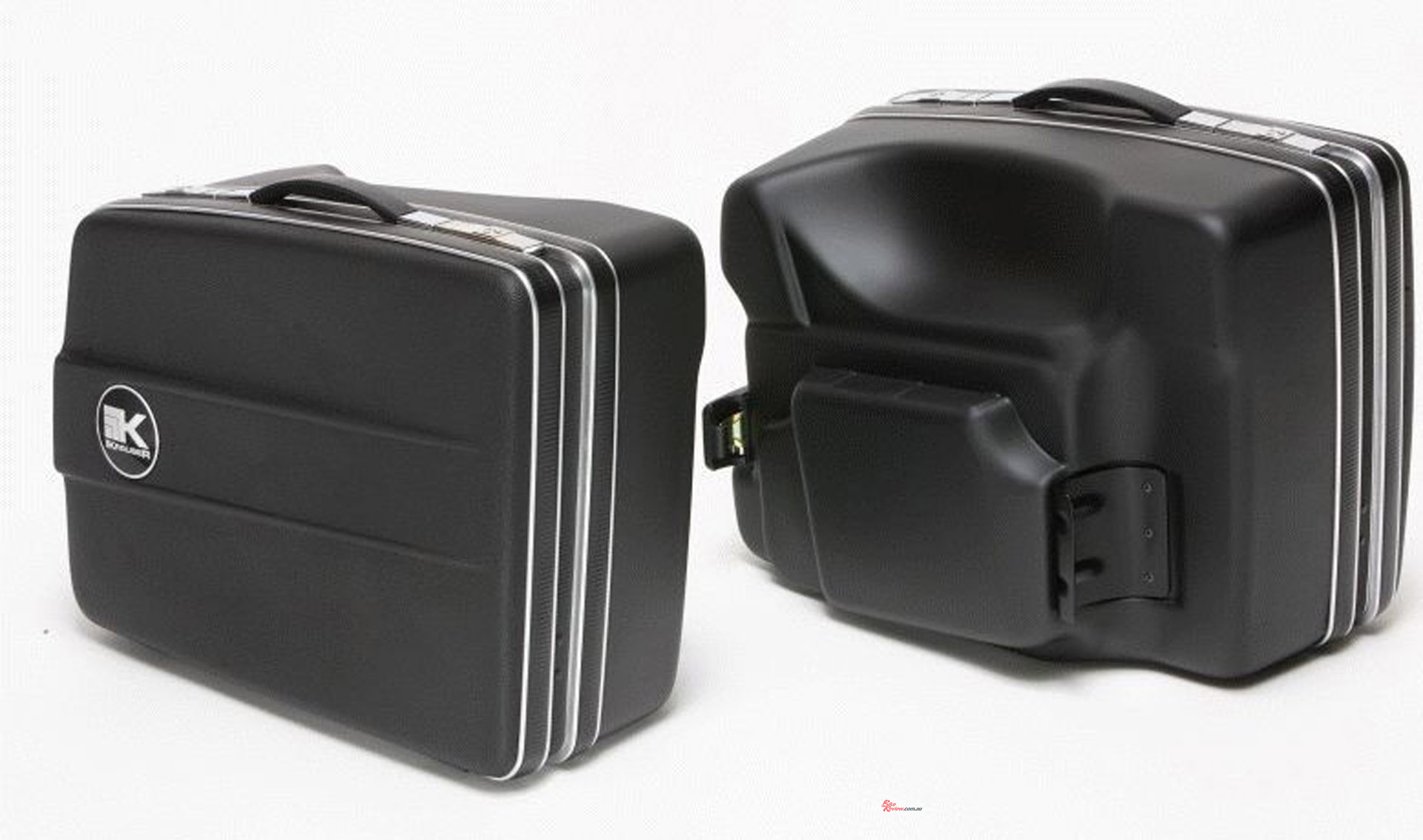
I watched with a sort of bemused disbelief as my friend Michel’s R 100 S hit a pothole and lost its right-hand pannier. It dropped onto the road, then did a couple of lazy flips before disappearing over the side of the steep embankment we were crossing, somewhere on the Anatolian plateau. Down below in a stubble field, a local whom I took to be the farmer watched with every bit as much bemusement as I felt. Take a look at a photo of an Australian BMW tourer from the late ‘60s or the ‘70s, and chances are that you will notice that the panniers, whether they are badged ‘BMW’ or ‘Krauser’, are secured with ratchet straps around them – usually the tiedowns with which the bikes had been held in their crates at the factory. These panniers were all made by Krauser and either rebadged by BMW or sold direct, and they all had a habit of falling off. Whenever they hit a pothole, riders would feel behind them to make sure the panniers were still there until they, too, learned to collect a pair of BMW packing straps from their local BMW dealer.
The Author