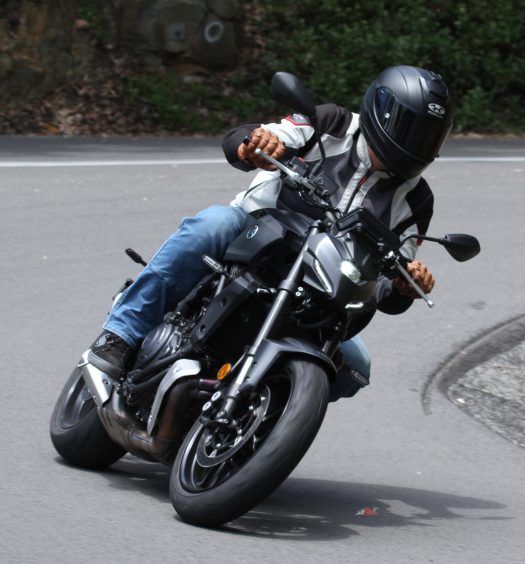

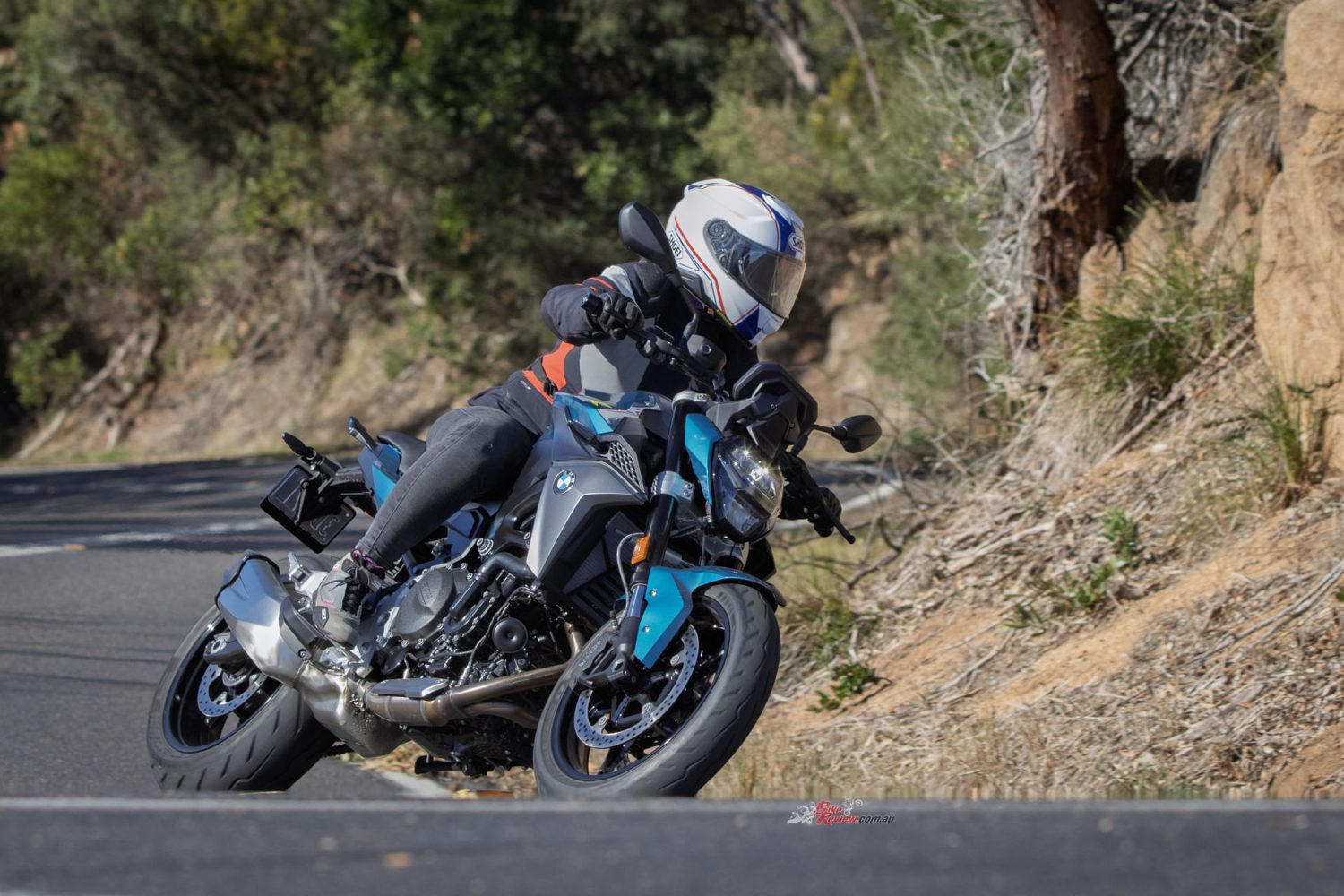

BMW’s F 900 R returns for 2025 with subtle but effective updates, offering sharper handling, more tech as standard fitment and a sportier riding position. Photos: Janette Wilson
Sharper, lighter and better equipped, the 2025 BMW F 900 R builds on its predecessor’s strengths with updated handling, refined electronics and thoughtful revisions for today’s competitive middleweight market. We put it to the test on some of Melbourne’s best roads.
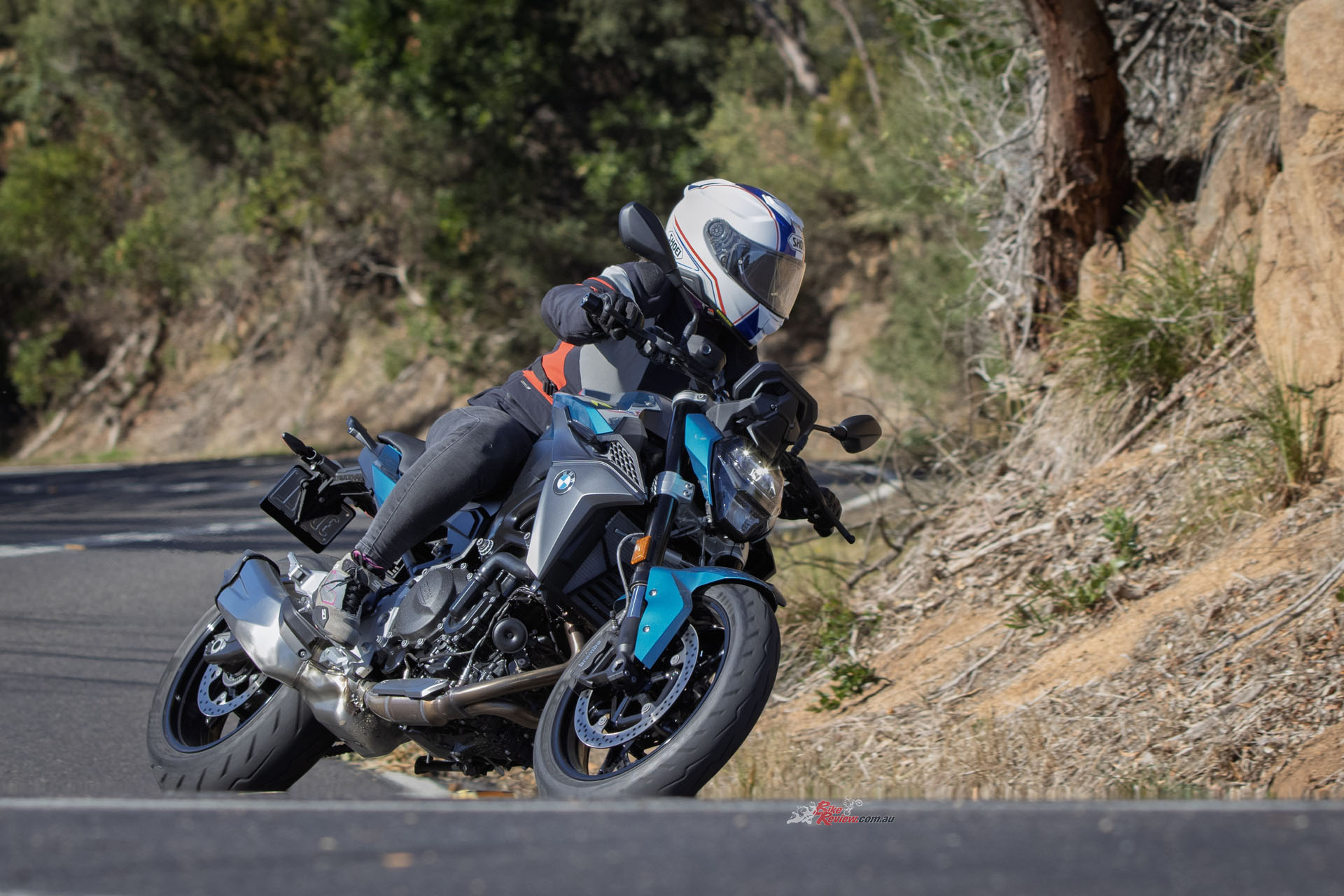
The 2025 F 900 R keeps its sharp price and gains just enough upgrades to stay relevant in a busy middleweight market
Five years ago, I found myself chasing a BMW lead rider through the Spanish hills above Almería, winding on the throttle of the then-new F 900 R. It was a ride that signalled a shift, not just in BMW’s middleweight roadmap, but in how I felt about a model lineage that had always impressed more than it excited me. The F 900 R was engaging.
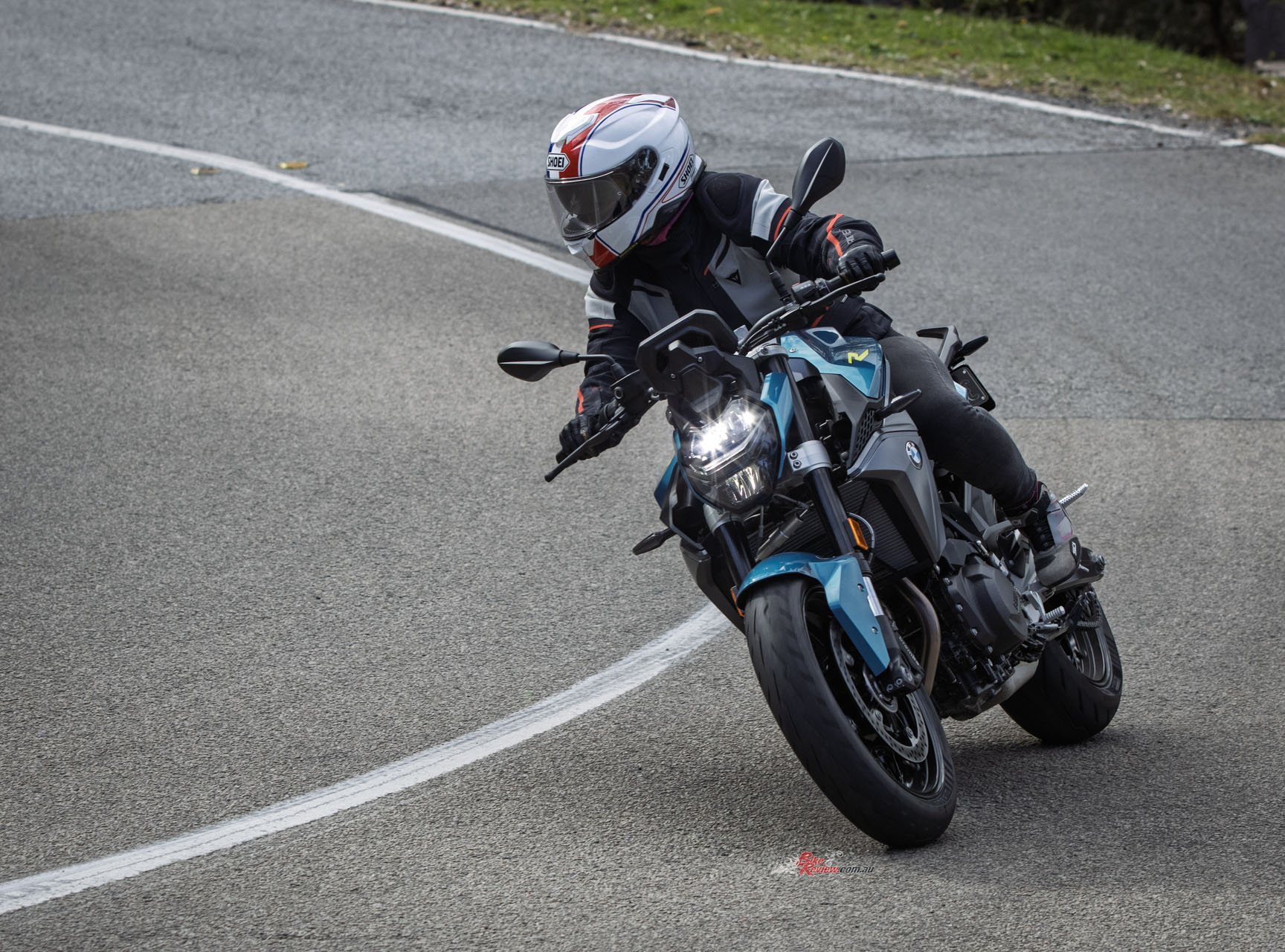
BMW’s F 900 R has been part of the brand’s middleweight line-up since 2020, evolving steadily to stay competitive.
If I’m honest, the early F 800 platform was competent and capable, as nearly every BMW is, but it was woefully short on charisma. I rode one around Tasmania back in 2006 and the run from Queenstown to Strahan on the west coast is still up there in my top-five most memorable rides… and while it was the bike itself – mixed with the roads, the surface, the spectacular scenery and remoteness – that made that afternoon so memorable, the bike was totally forgettable.
But back in Spain in 2020, the F 900 R was different. BMW had let the F 800’s hair down – more mid-range, more bark, more bite. Using the F 850 GS’s parallel-twin with a 270-degree crank as a starting point, BMW increased the capacity to 895cc, threw a heap of tech and new styling at it and gave the platform some long-overdue swagger.
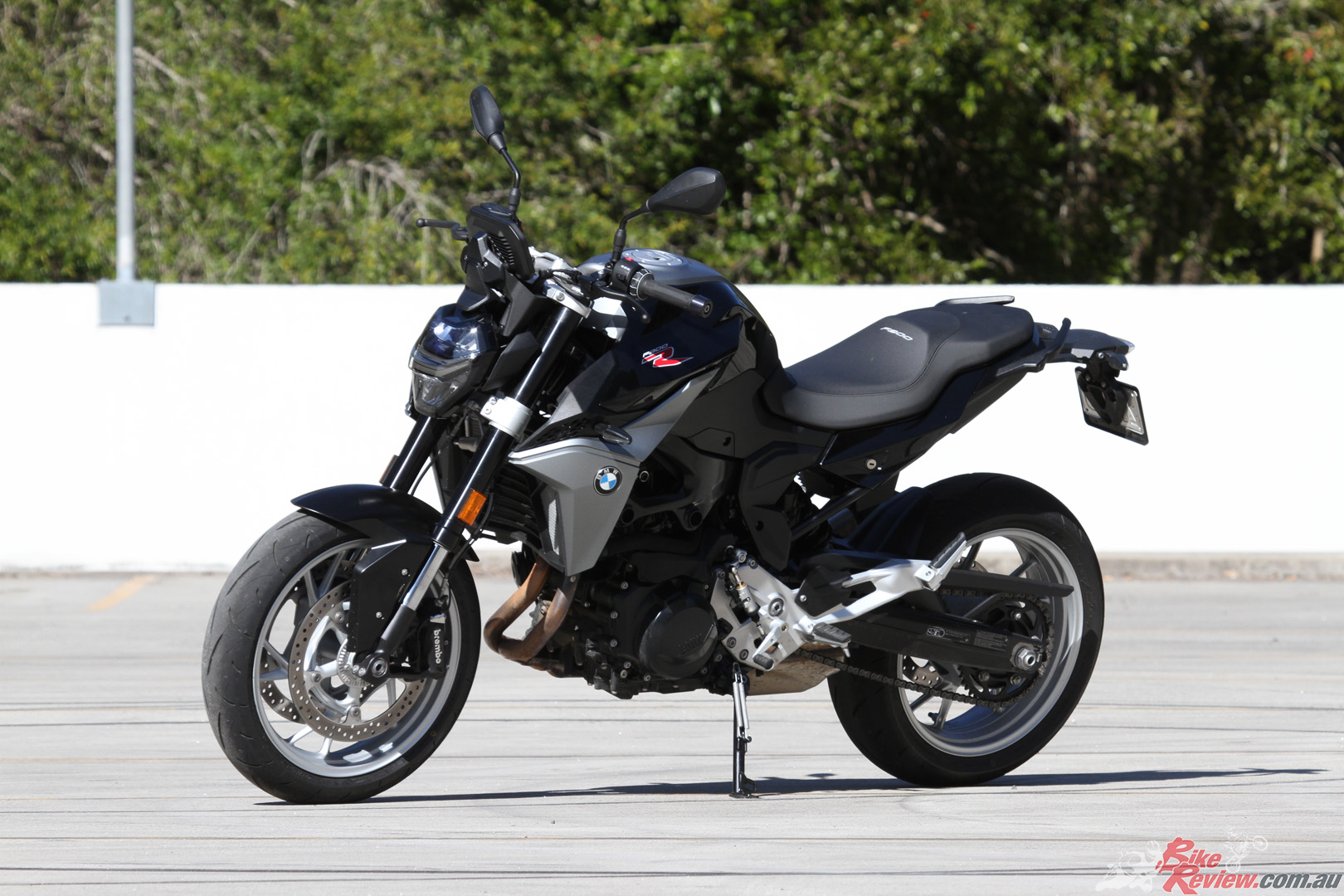
The 2020 BMW F 900 R, much more stylish than the first model, plus had more bark and more bite…
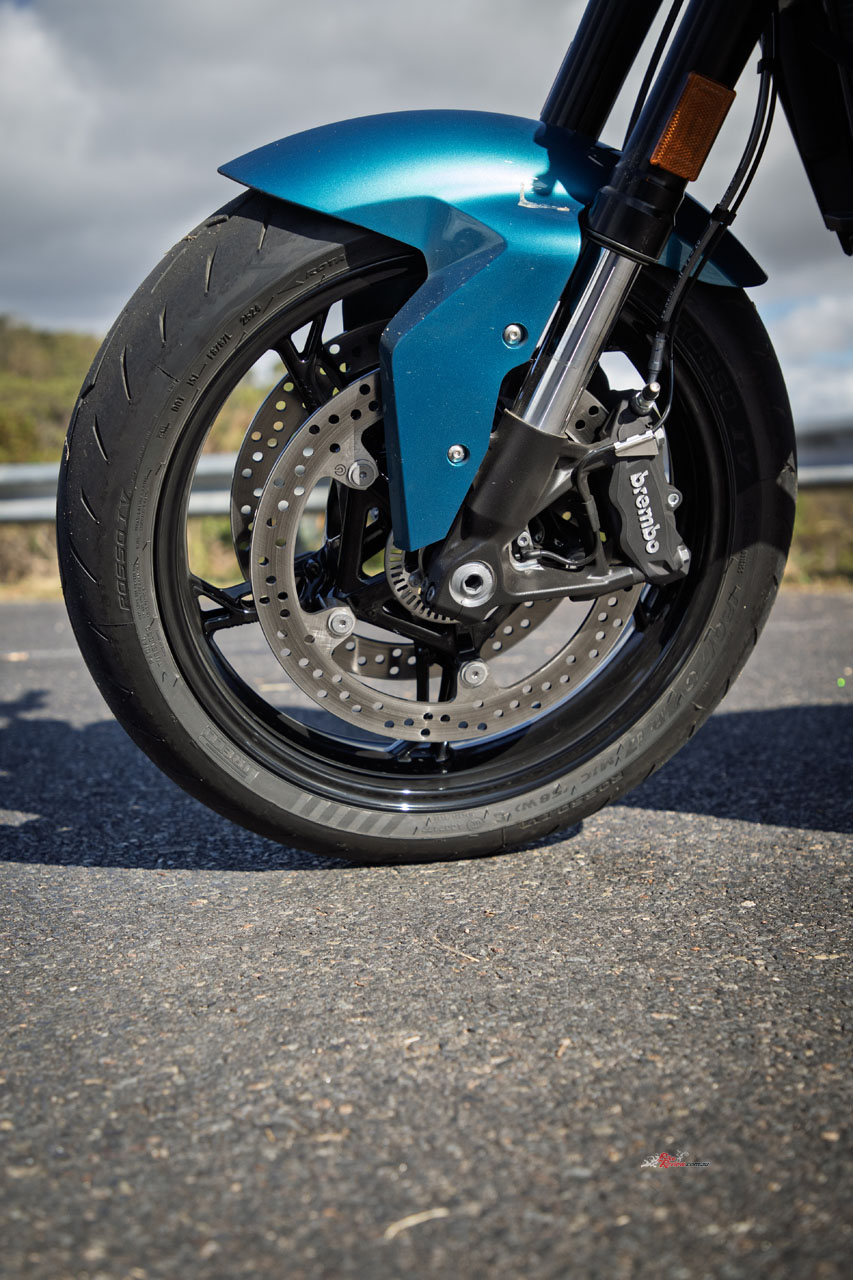
Fast forward five years and the 2025 F 900 R hasn’t been overhauled, but it’s clearly been sharpened. BMW’s changes might look subtle on paper, but on the road they add up to something far more dynamic. The lighter wheels are a standout. With 900 grams less unsprung weight at each end, the F 900 R now changes direction with noticeably more agility.
“It turns in with minimal effort and flicking through a series of corners, the front feels lighter, faster to react and altogether more connected”…
It turns in with minimal effort and flicking through a series of corners, the front feels lighter, faster to react and altogether more connected. Add in the new fully adjustable fork and slimmed-down rear, and you’re left with a nakedbike that feels far more composed at pace.
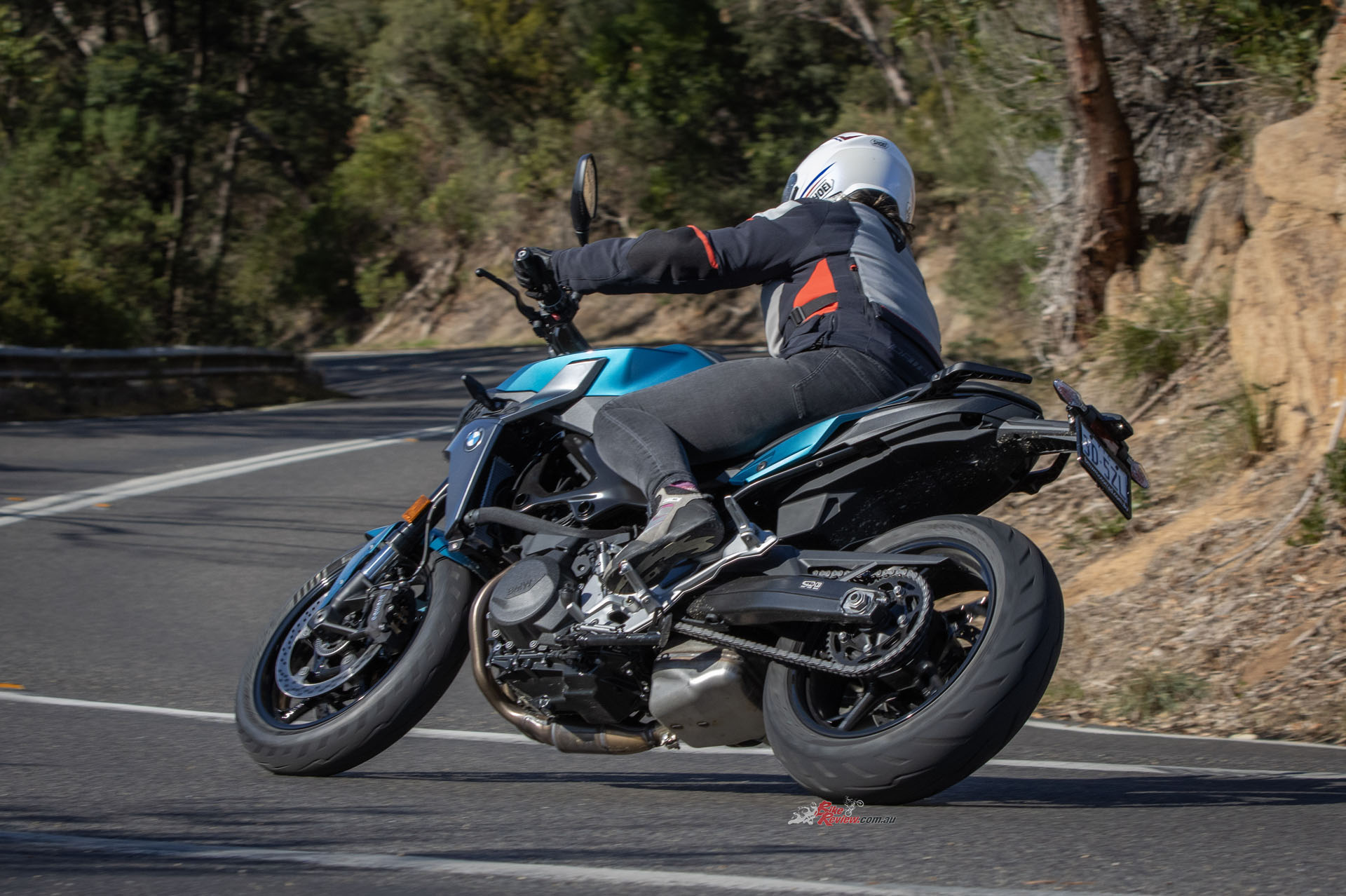
The new ergonomics encourage more active riding, but they’re still relaxed enough for comfortable everyday use.
The revised handlebars, now set slightly lower and flatter than before, work in tandem with more rear-set ‘pegs which places you in a more front-biased, engaged stance. It’s still comfortable and easy to manage at low speeds and when negotiating traffic, but the ergonomics now encourage a more involved approach, which makes the most of the improved agility.
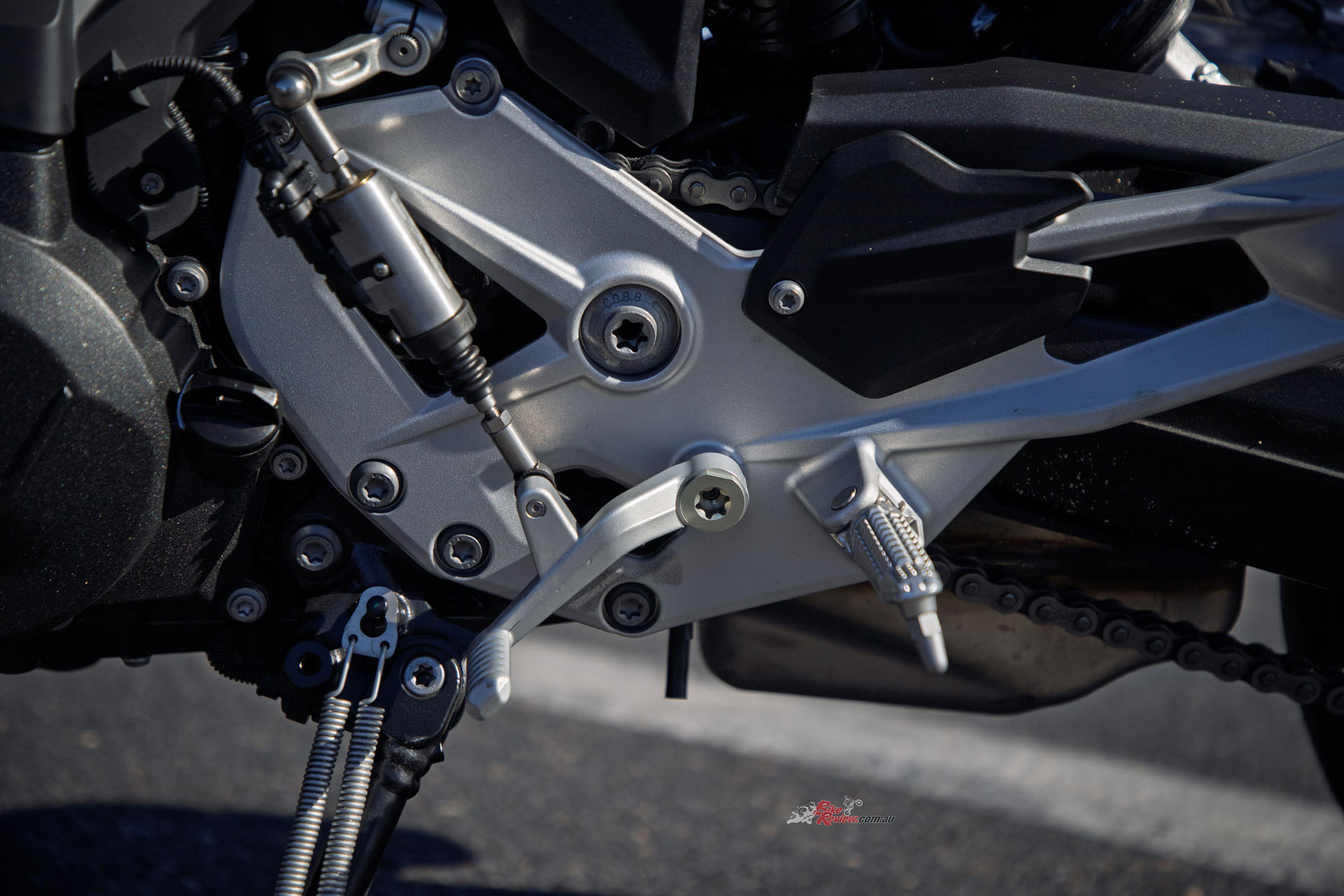
It’s worth noting that for riders who might prefer a less extreme reach to the grips, the ‘bar mounts themselves are designed in such a way that, assuming there’s enough play in the hoses, cables and wiring, you could rotate the ’bars slightly back after loosening the clamps for a quick, no-cost tweak to comfort and ergonimics.
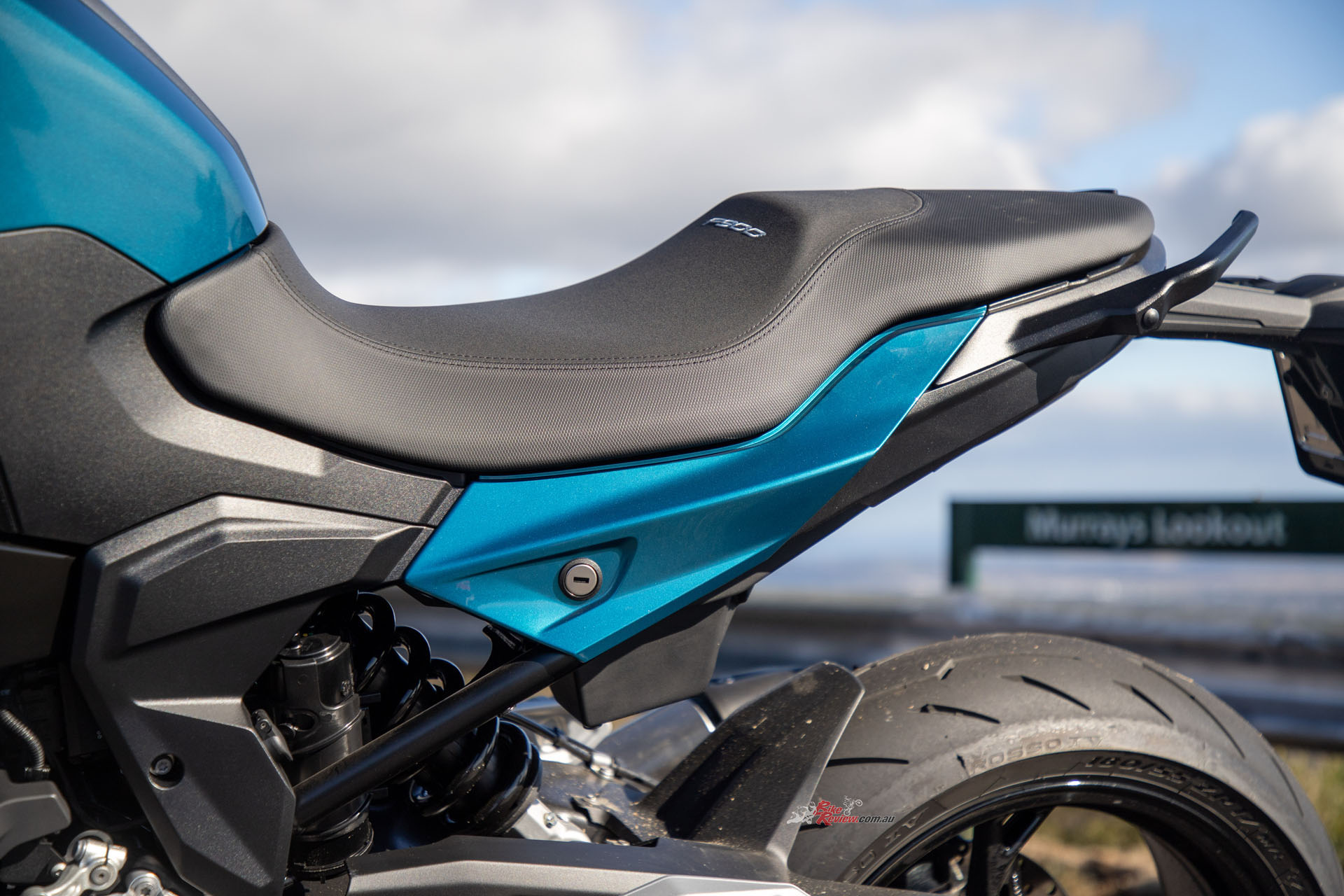
Speaking of comfort, the seat height is 815 mm in standard trim, though BMW offers several alternatives to suit different riders. A factory-lowering option brings it down to 760mm, while a low double seat sits at 790mm. For those chasing more legroom, a high seat raises it to 835mm and a so-called comfort seat stretches it slightly further to 840mm.
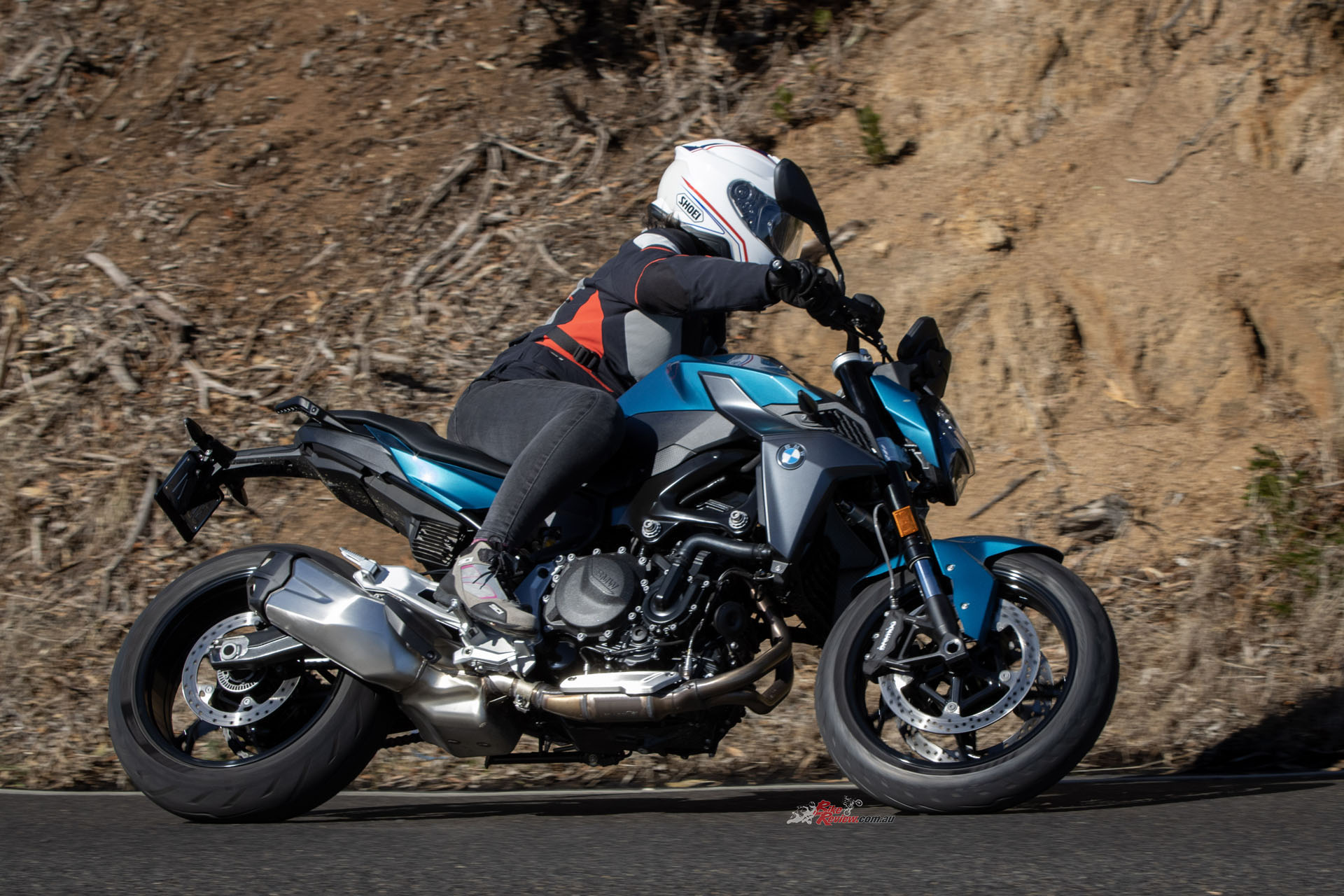
With lighter wheels, a firmer front-end and more committed ergos, the 2025 F 900 R feels sharper.
Interestingly, BMW launched a one-make F 900 R Cup series alongside the British Superbike Championship in 2023. The identical racebikes were upgraded with tuned suspension, quick-shifters and rearsets for track work. And while there’s been no official link drawn between that effort and the 2025 update, it’s easy to assume an influence.
“The 2025 F 900 R hasn’t been overhauled, but it’s clearly been sharpened”
The other major shift for 2025 comes in the electronics department, with a few key features that were once optional now baked into the standard package. And it’s worth noting here that the Australian-spec F 900 R is better equipped than its overseas counterpart. Locally, the bike comes standard with Riding Modes Pro, TPMS and heated grips, alongside the usual 6.5-inch TFT display, Gear Shift Assist Pro, LED lighting and Dynamic Brake Light.
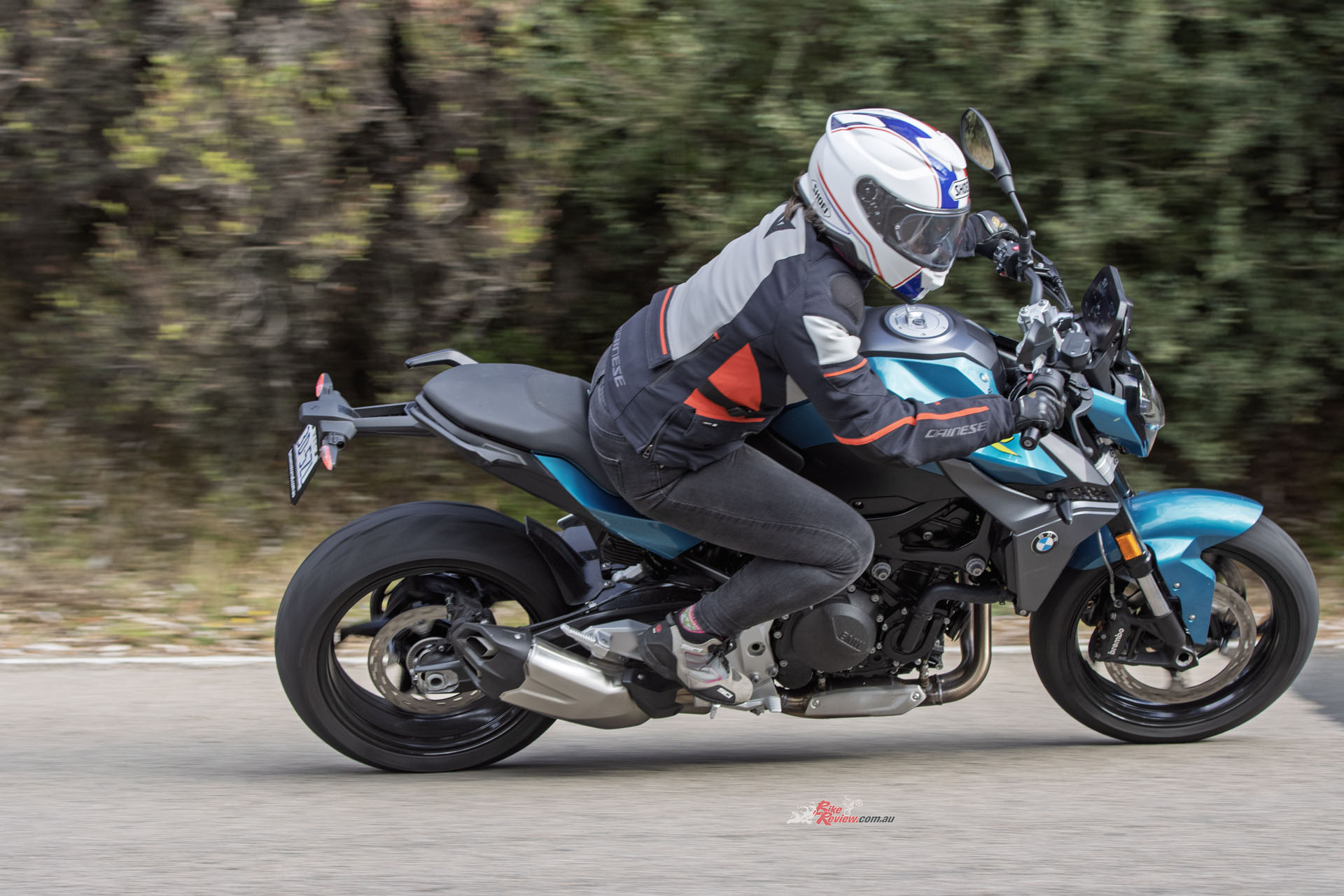
“The other major shift for 2025 comes in the electronics department, with a few key features that were once optional now baked into the standard package.”
Most notably, Dynamic mode, previously part of the plug-in Pro pack, now joins Rain and Road as standard. It delivers the sharpest throttle response and the least intervention from the rider aids, but it can feel almost too abrupt for everyday use. It’s great for quick blasts or smoother surfaces, but on patchy backroads or when you’re not fully on the charge, the throttle can feel a bit harsh and gruff. In contrast, Road mode feels like the sweet spot for most riders — still strong and responsive, but more predictable and easier to live with across a wider range of conditions. It was the mode I kept coming back to during the test period.
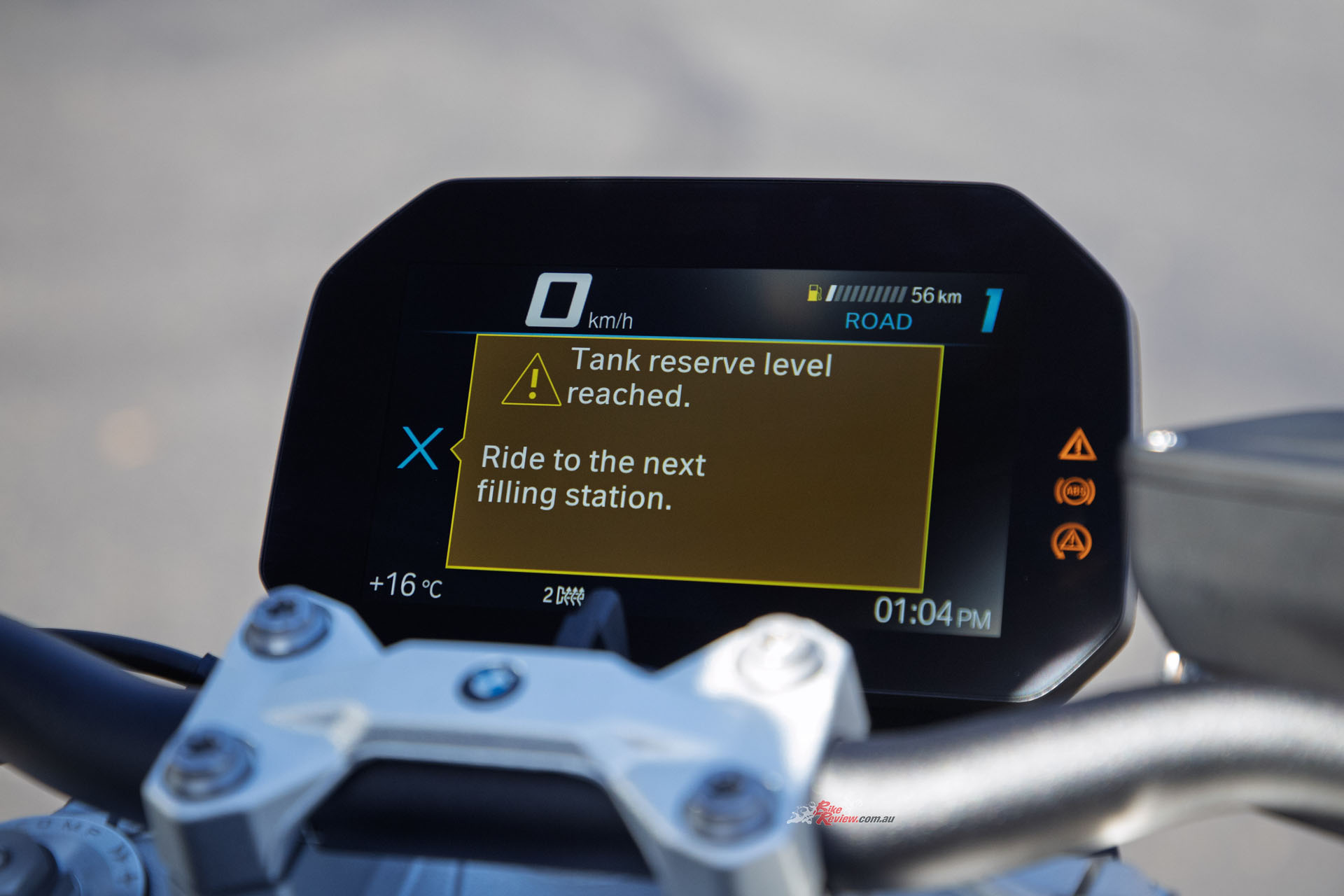
Also now standard for 2025 are lean-sensitive ABS Pro and Dynamic Traction Control, both governed by a six-axis IMU. There’s also a 12-volt socket tucked away on the left-hand side of the bike, just beneath where the rider’s thigh sits. It’s not the USB-A or even USB-C outlet we’ve come to expect, but useful for powering accessories or charging a device on the move.
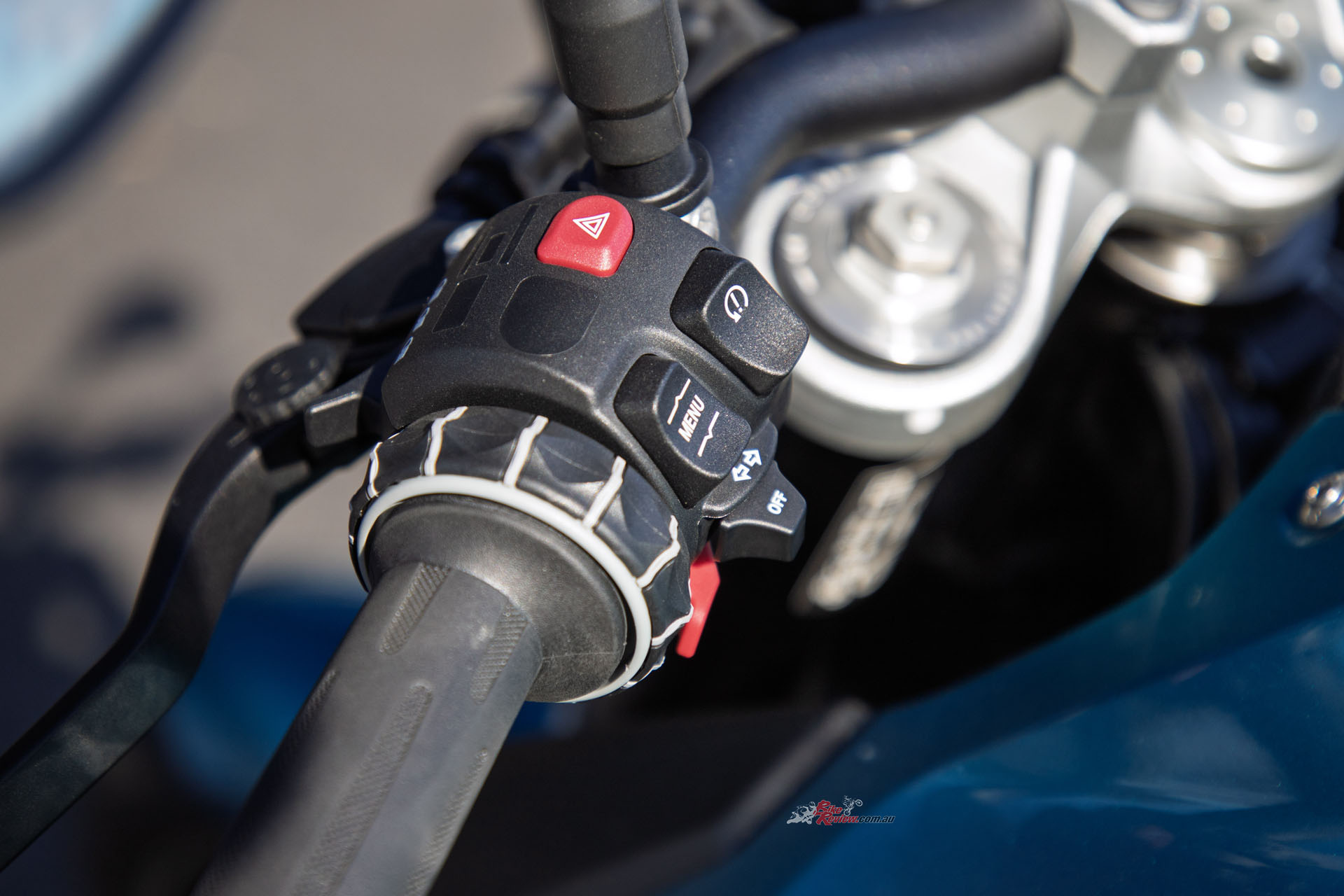
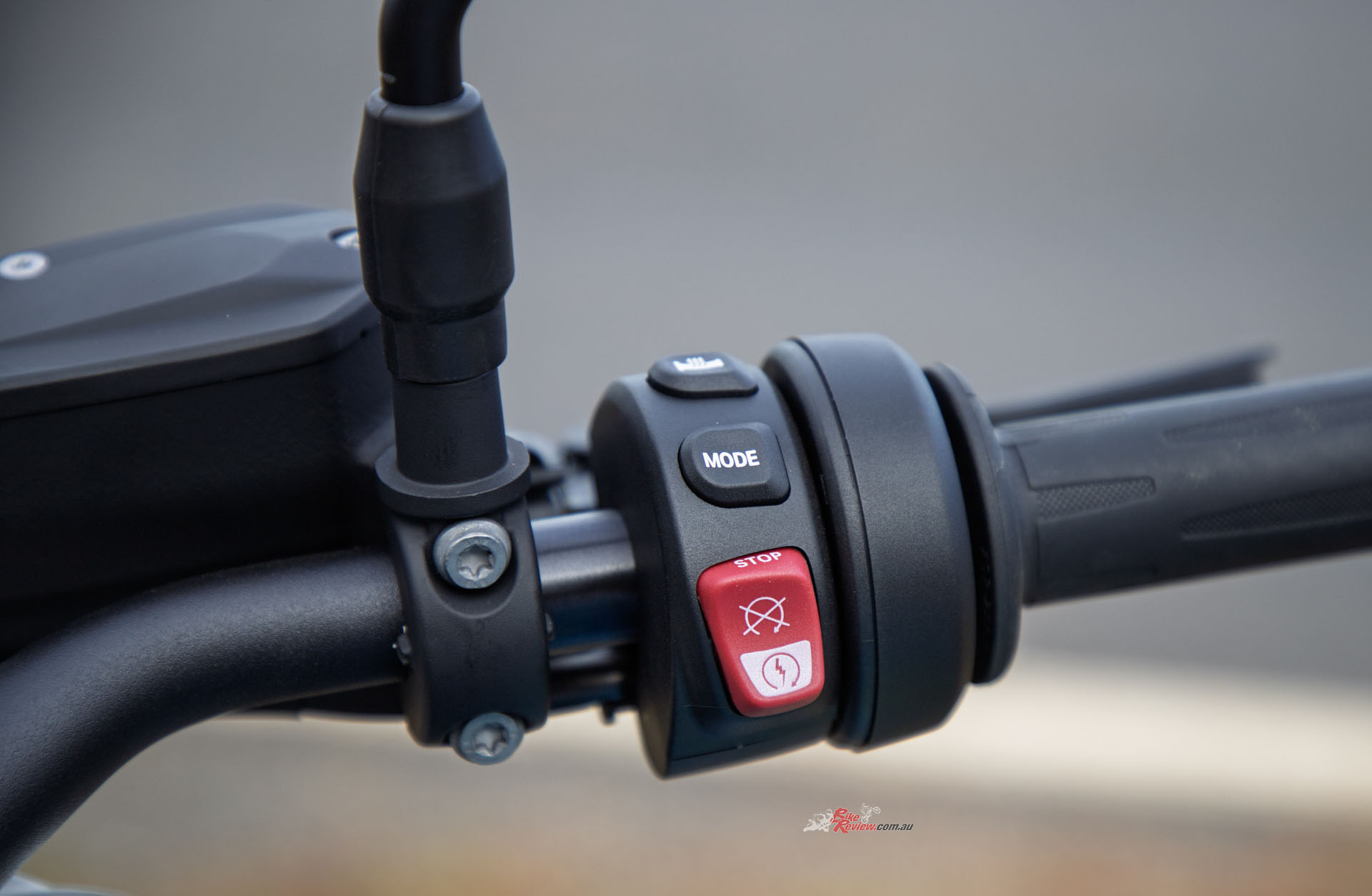
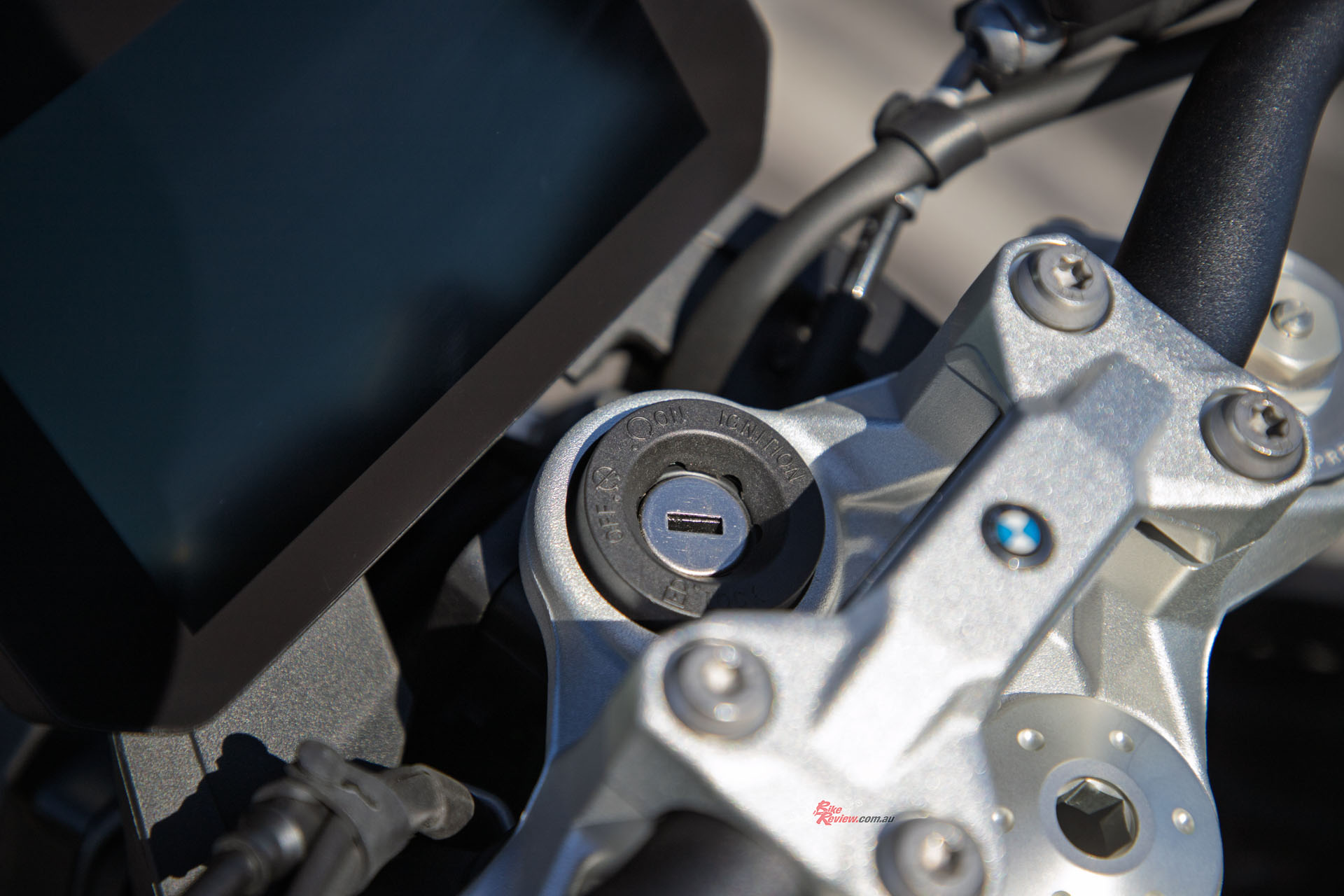
While the 2025 F 900 R embraces several performance and electronic enhancements, it also exhibits notable restraint in certain areas. For instance, the bike continues to utilise a conventional keyed ignition system, foregoing the increasingly common proximity setup, there are visible blanks on the switchgear where features like cruise control would typically reside.
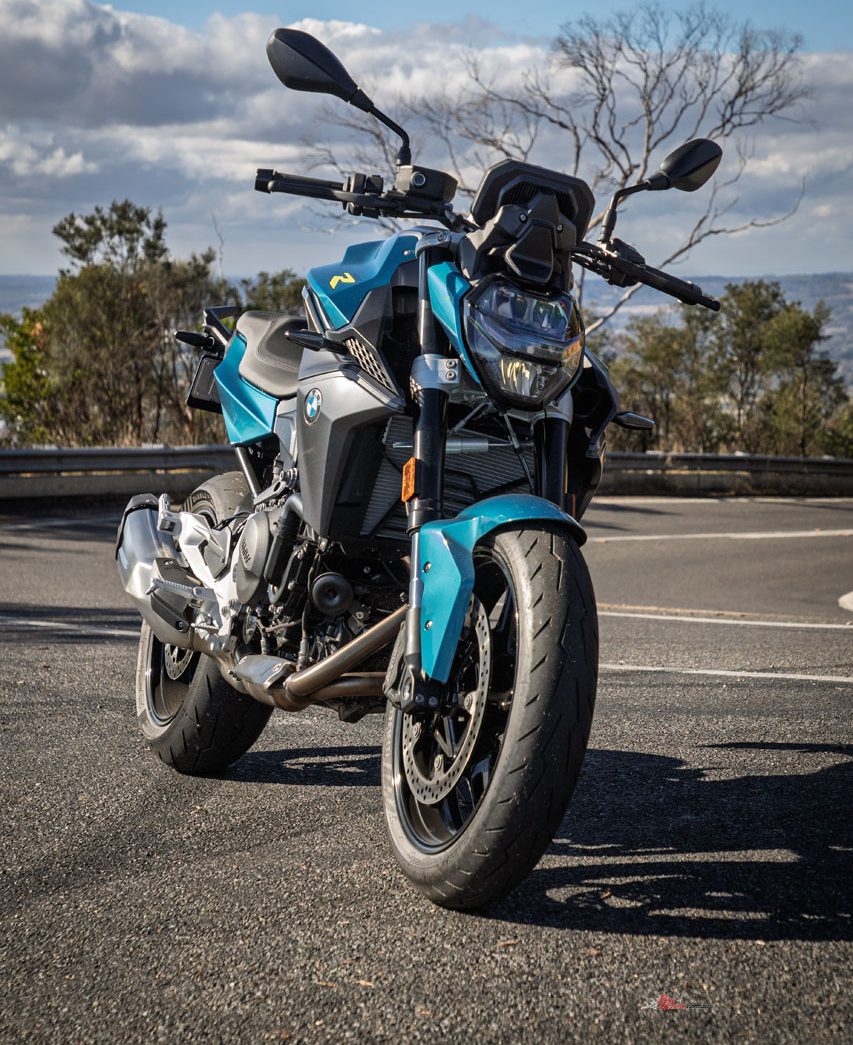
The 2025 BMW F 900 R is available in three spec levels, each offering the same mechanical platform but with slight variations in finish and equipment.
These omissions aren’t new, they were present in the 2020 model as well, but their persistence in the latest update suggests a deliberate choice by BMW in a market segment that’s becoming increasingly crowded with more affordable and popular middleweight nakeds.
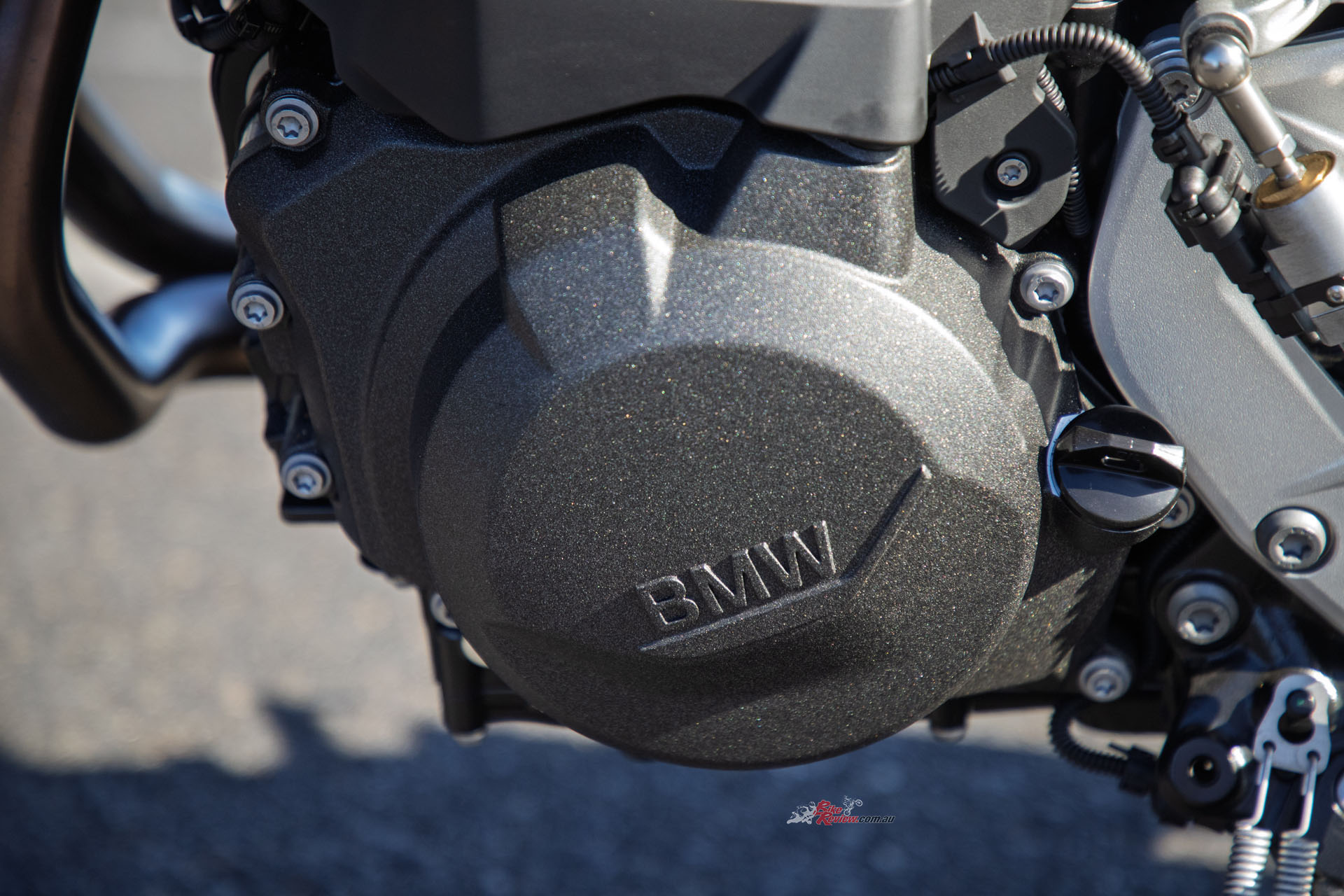
The 2025 F 900 R carries over the same 895 cc parallel twin and outputs – 77kW[103hp] at 8500 rpm and 93Nm[125ft-lb] at 6750 rpm…
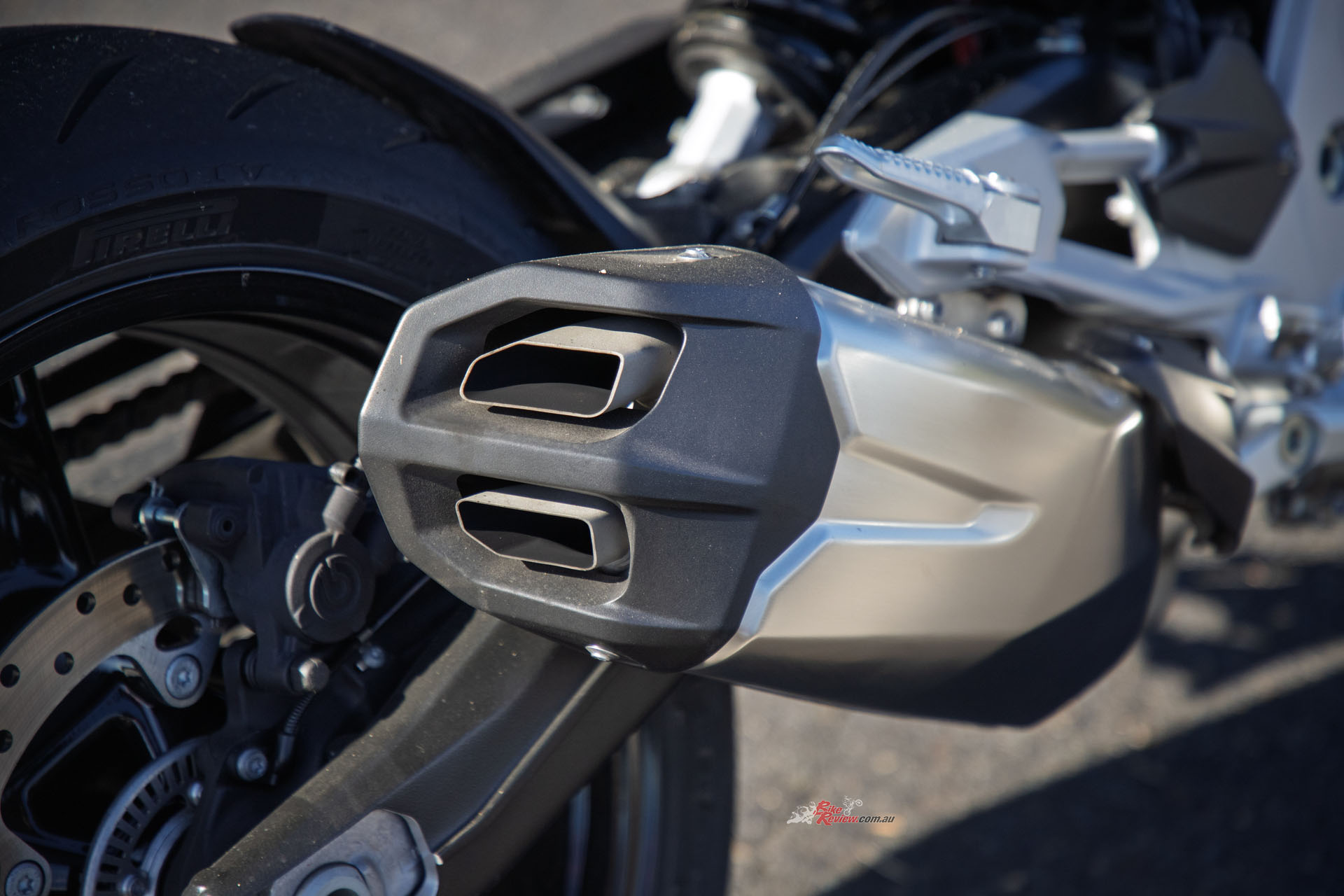
Interestingly, Dynamic ESA – BMW’s semi-active suspension system which automatically adjusts rear shock damping based on road conditions, riding mode and load – doesn’t appear on the list of options for Australian buyers. It’s available as an option to international markets, but according to BMW Australia, the local options list has been reduced so that the bike meets competitors in the market. It seems a little strange though, given that making something available as an option doesn’t actually change the starting price or where the bike sits within the market.
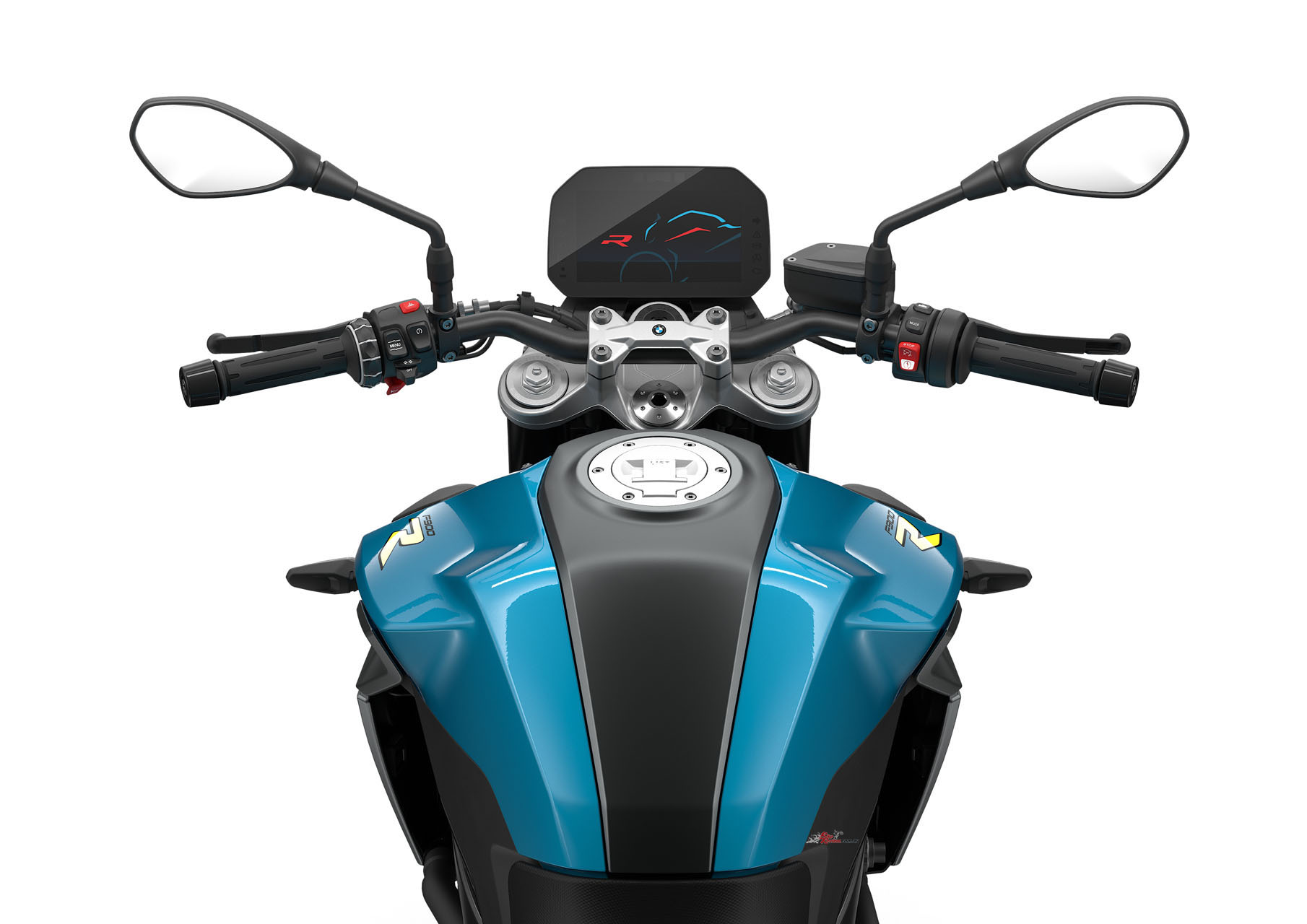
The cockpit is clean and functional, with quality switchgear and a crisp TFT dash.
The 2025 F 900 R carries over the same 895 cc parallel twin and outputs – 77kW[103hp] at 8500 rpm and 93Nm[125ft-lb] at 6750 rpm – and while nothing’s changed on paper, it feels well matched to the chassis updates. Now Euro 5+ compliant, it’s a flexible, willing engine with plenty of usable torque and a delivery that suits real-world riding. It’s tractable and smooth at low rpm, and starts building early in the rev range, and that strong mid-range means you’re not rowing through gears to find performance.
The 270-degree crank gives it a bit of character without overdoing it, and there’s just enough mechanical feel to keep things engaging. And while some rivals like the MT-09 or Street Triple deliver more character, more high-end thrills and an arguably better note, the F 900 R’s midrange muscle and relaxed temperament make it a well-rounded roadbike. It’s fast when you want it to be, easygoing when you don’t.
The standard quick-shifter is another highlight. Really well calibrated, it shifts cleanly through the six-speed gearbox and feels especially precise and satisfyingly smooth when you’re winding it up through your favourite set of bends. The 13-litre fuel tank is about right for the bike’s design brief, but with a consumption of 4.2 L/100 km, it should be good for a real-world range of around 300km between fills which is respectable for a nakedbike.
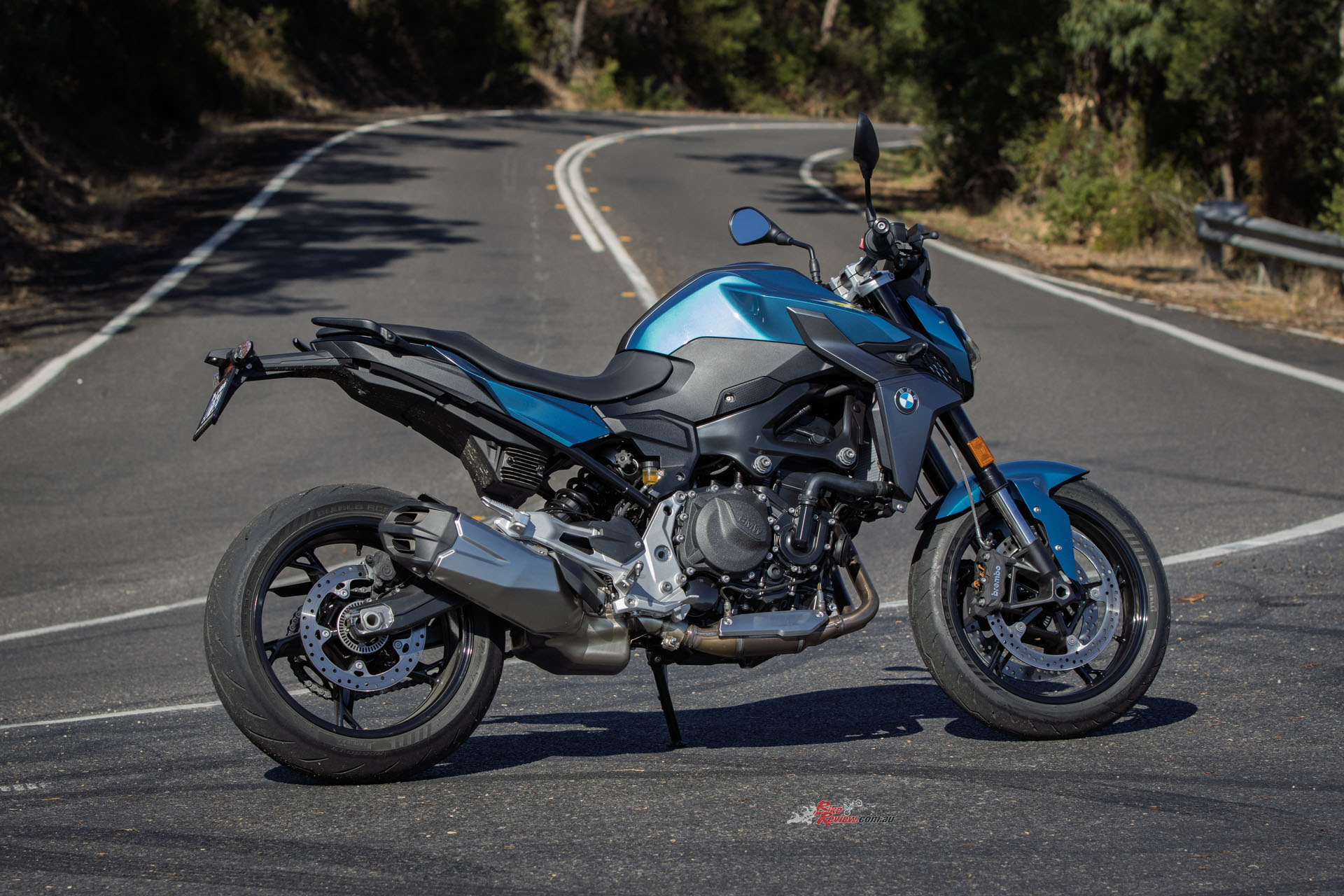
With a starting price of $17,300 ride-away, the 2025 F 900 R holds its own in today’s competitive middleweight market.
My testbike has been fitted with Pirelli Diablo Rosso IV Corsa tyres, a high-quality choice that aligns well with the 2025 F 900 R’s sportier geometry and handling tweaks. Compared to the Michelin Pilot Road 2CTs that were fitted to the launch bikes in Spain back in 2020, the Pirellis are probably better suited to the 2025 bike’s lighter wheels and revised ergos, and there’s heaps of feedback.
Check out our world launch report of the Pirelli Diablo Rosso IV Corsa tyres here...
The 2025 BMW F 900 R doesn’t try to reinvent itself, instead it smartens up its act; it’s lighter, sharper and more engaging than before, with a few thoughtful updates that lift the riding experience without overcomplicating the formula.
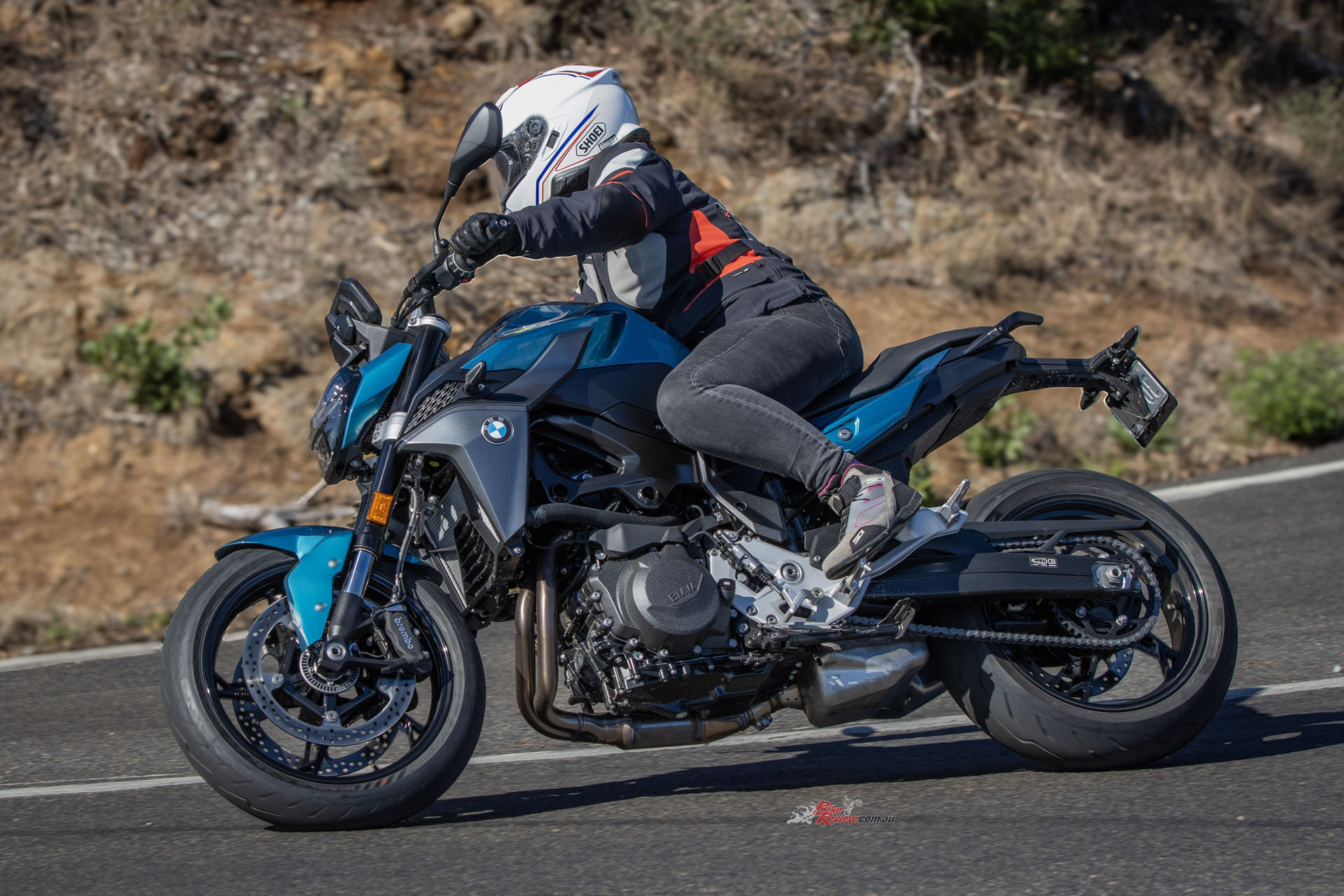
The handling is where the biggest strides have been made. The weight savings from the new wheels, paired with the revised riding position and fully adjustable front end, have made a noticeable difference to how the bike feels. It’s more direct, more fluid and really easy to settle into a rhythm with. That may seem like a throwaway line, but if you’ve ever fought with a bike that doesn’t turn or even stop easily, you’ll know the importance. And while the engine figures remain unchanged, they continue to deliver strong midrange torque and a broad, flexible spread of power that suits its road-focused nature.
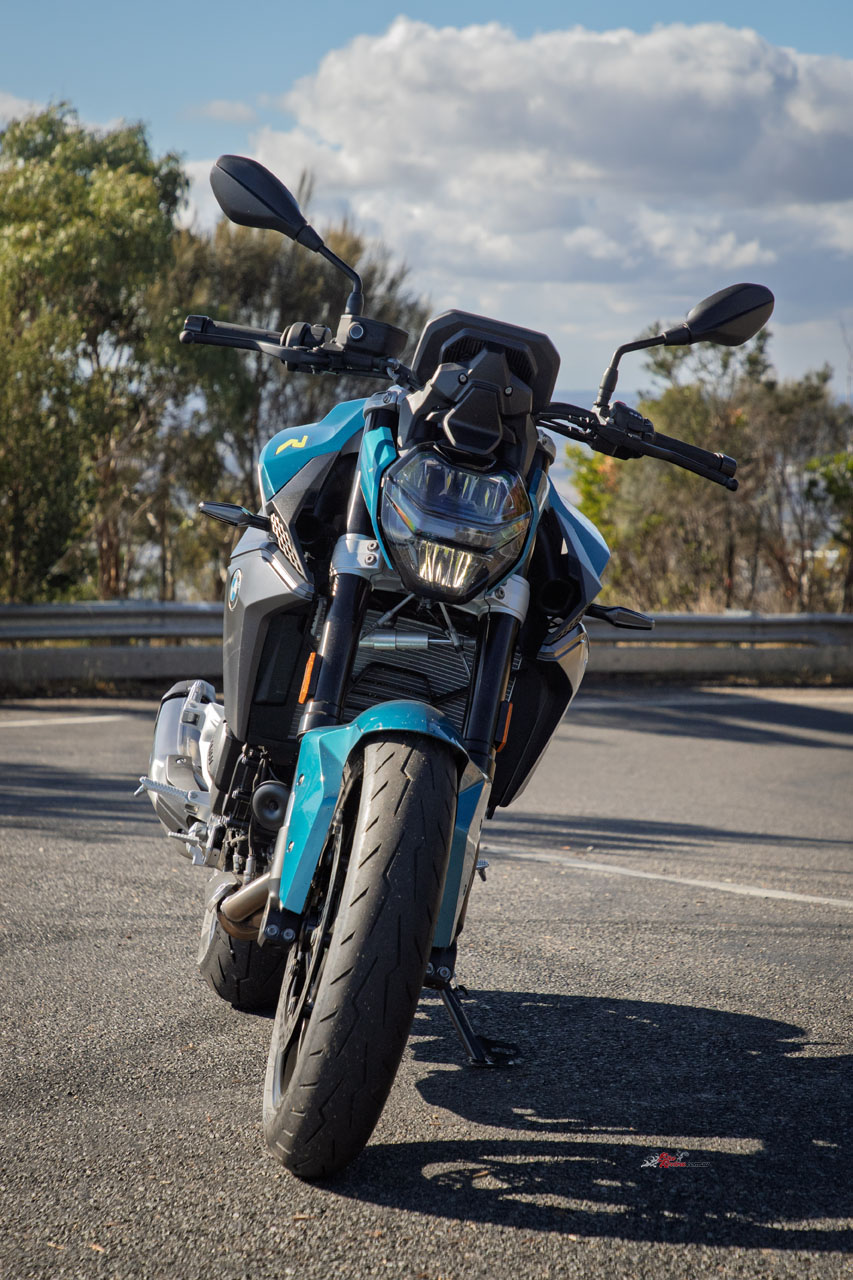
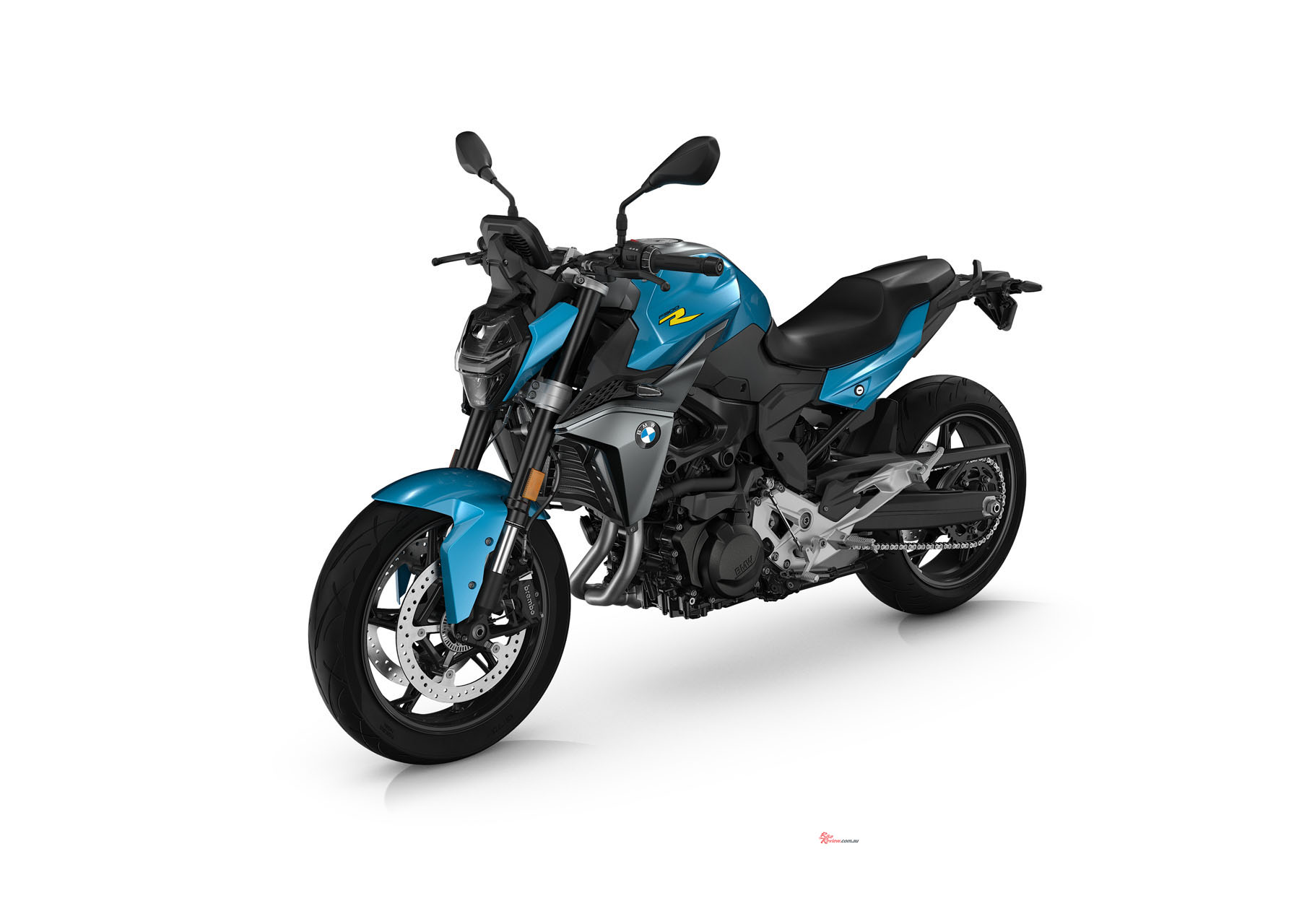
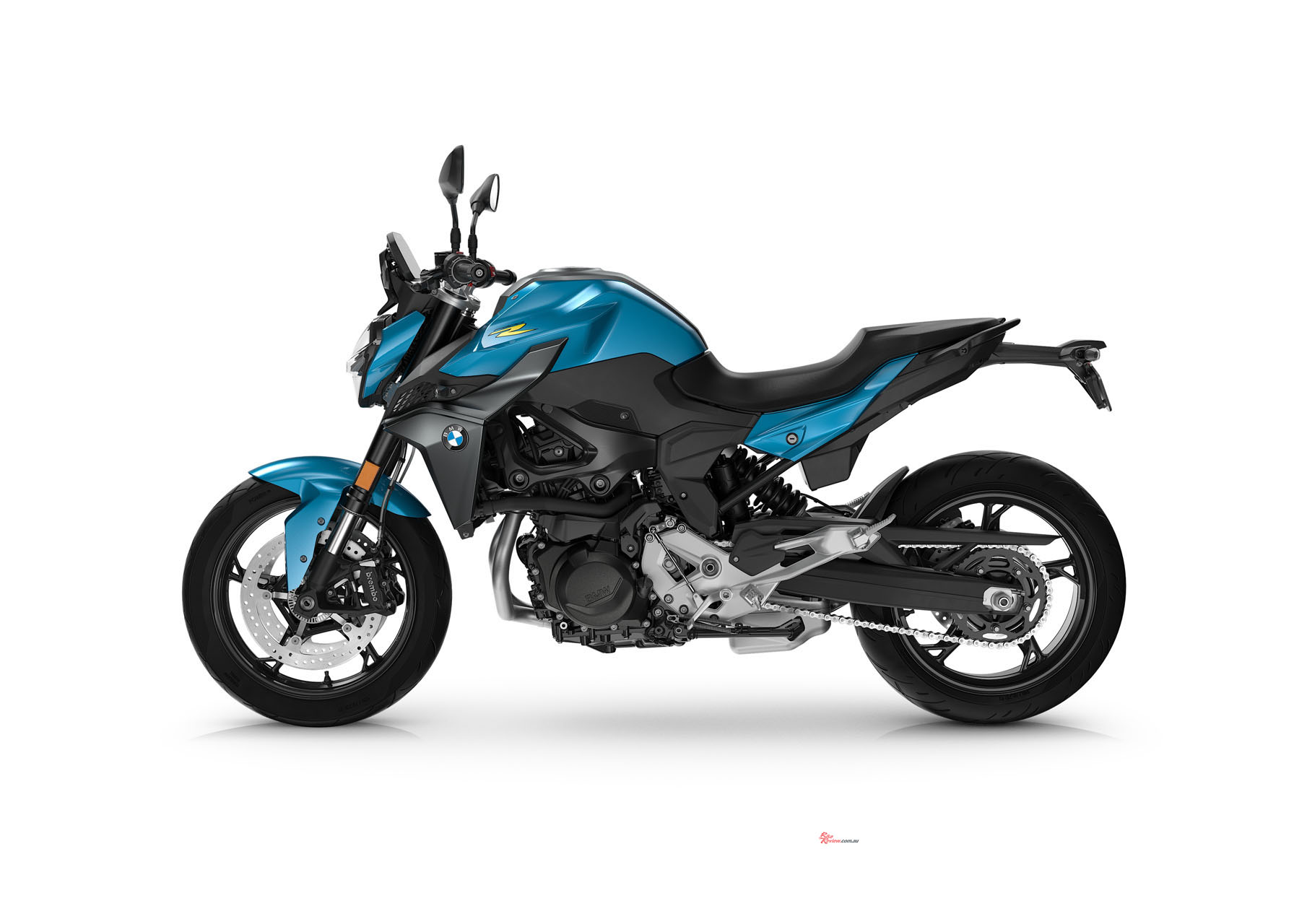
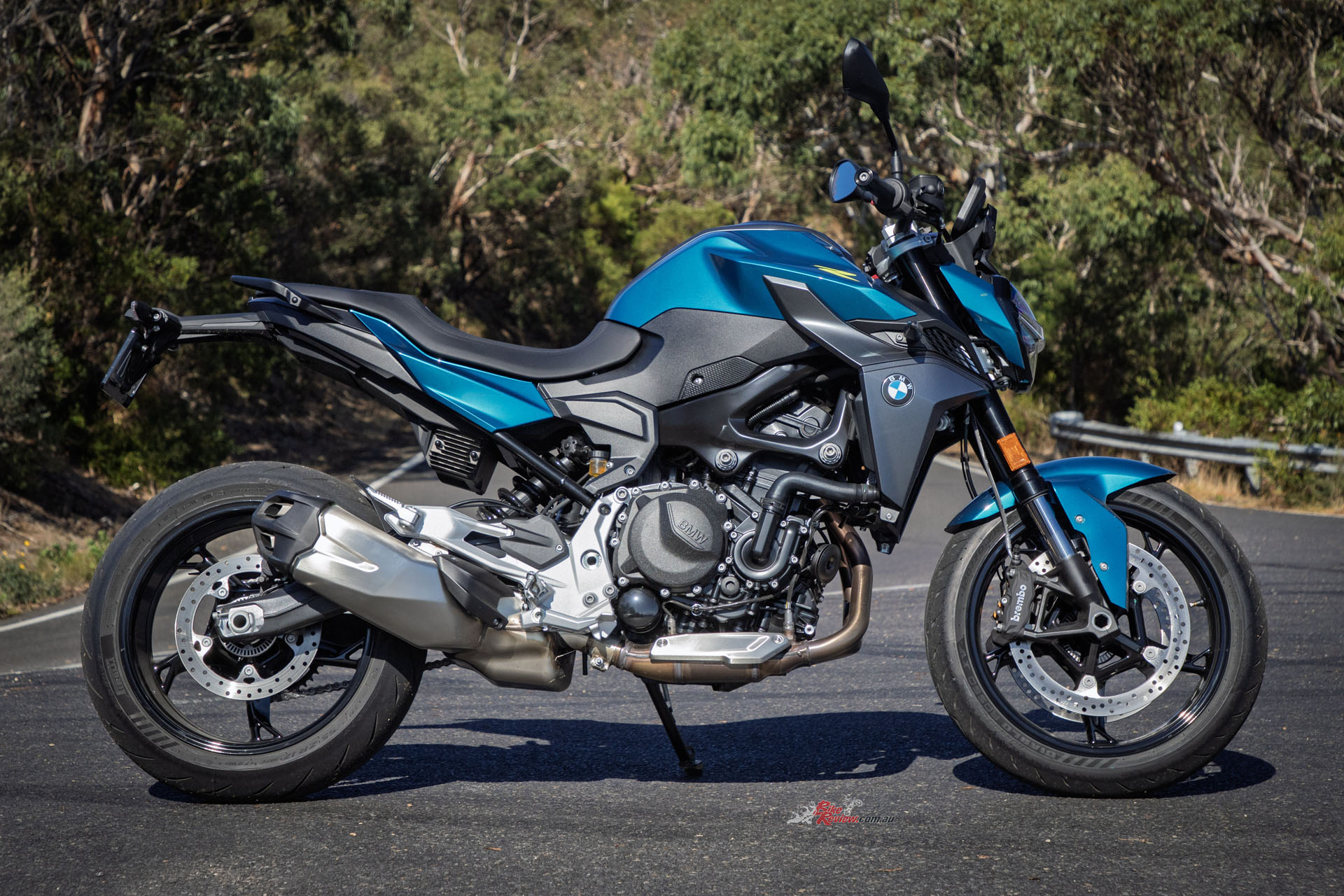
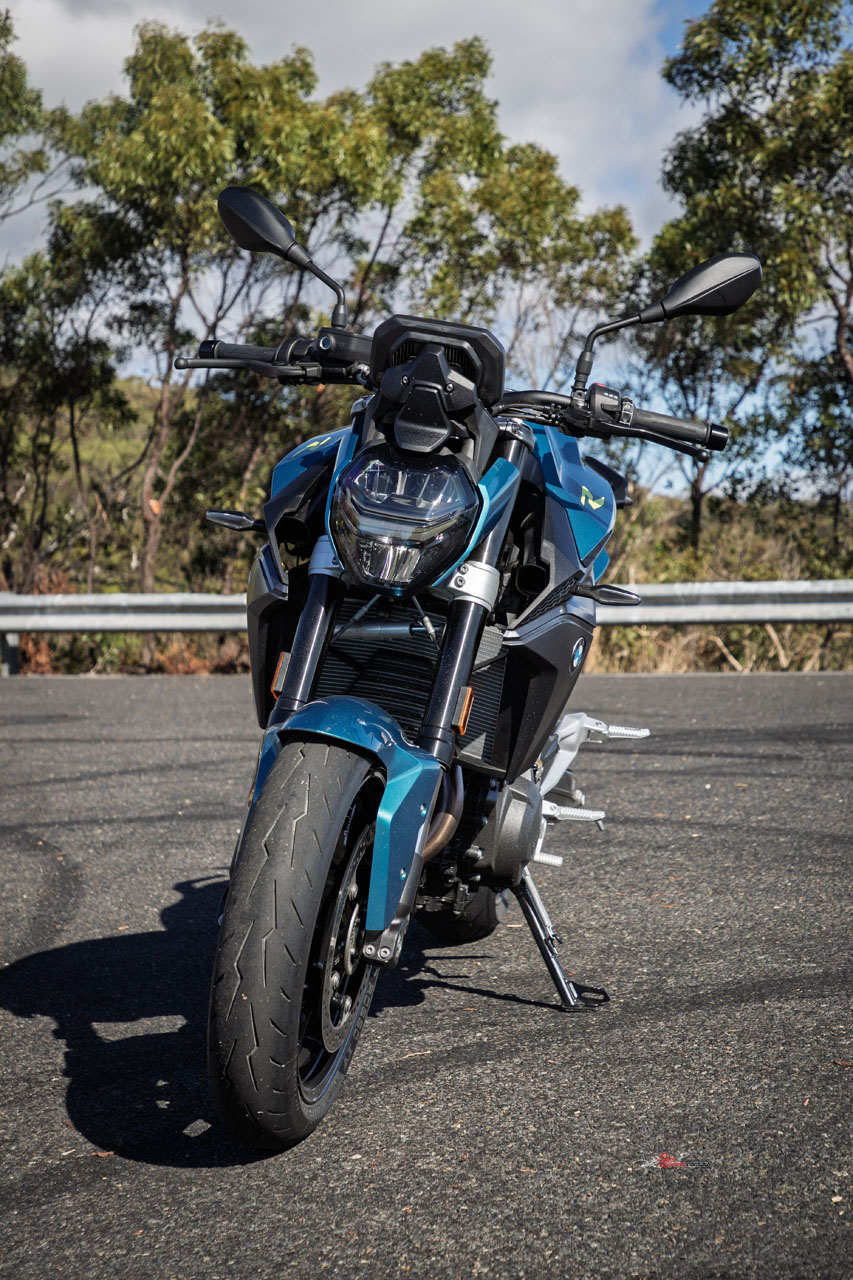
The as-tested base model comes in just a single colour option, called Snapper Rocks Blue Metallic.
The Australian-spec model now comes with Riding Modes Pro, heated grips and a quick-shifter as standard, giving it a solid leg-up over some of its nakedbike rivals, though it’s also clear BMW has made a conscious choice to hold back on features like keyless ignition and cruise control in favour of keeping the pricing in check.
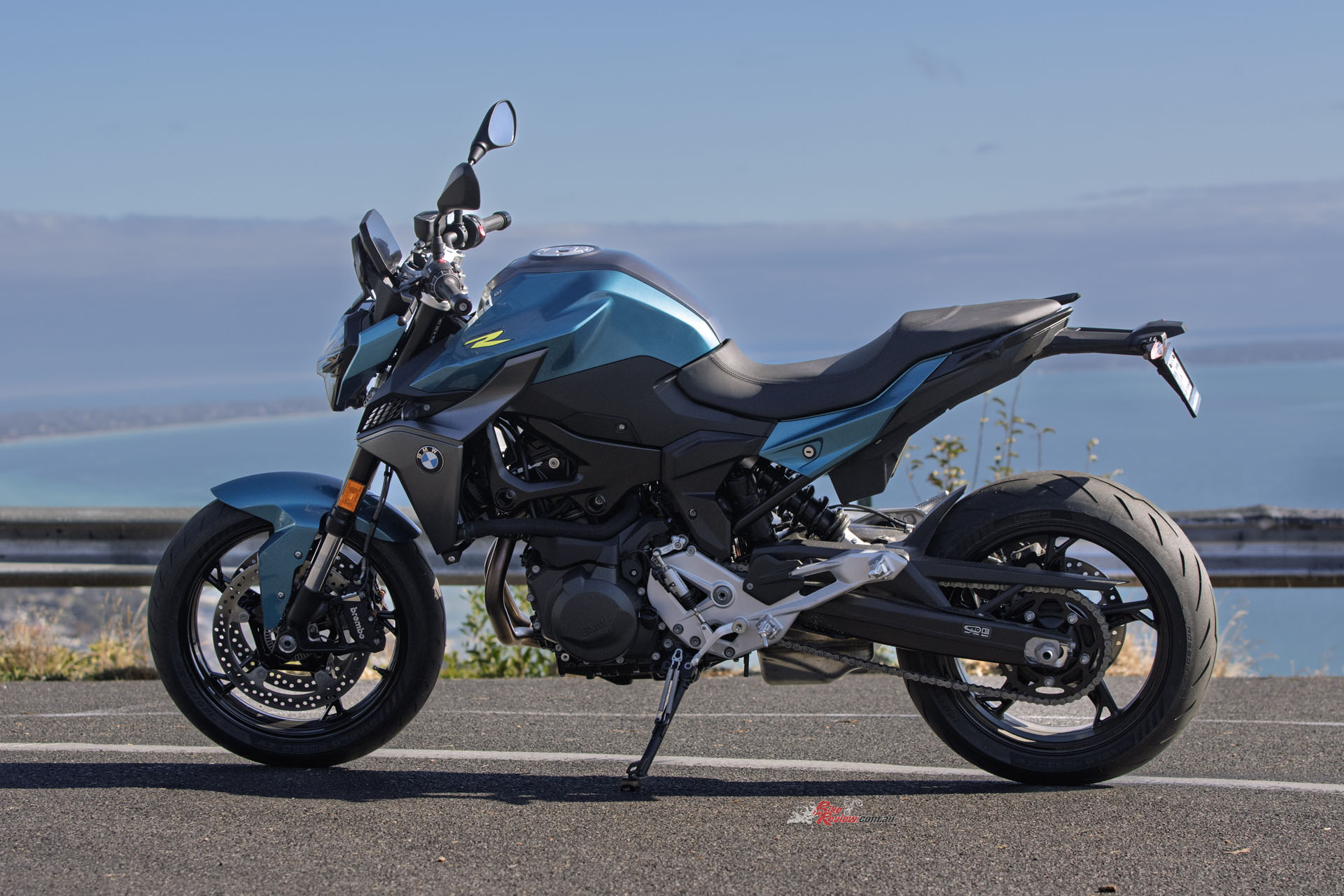
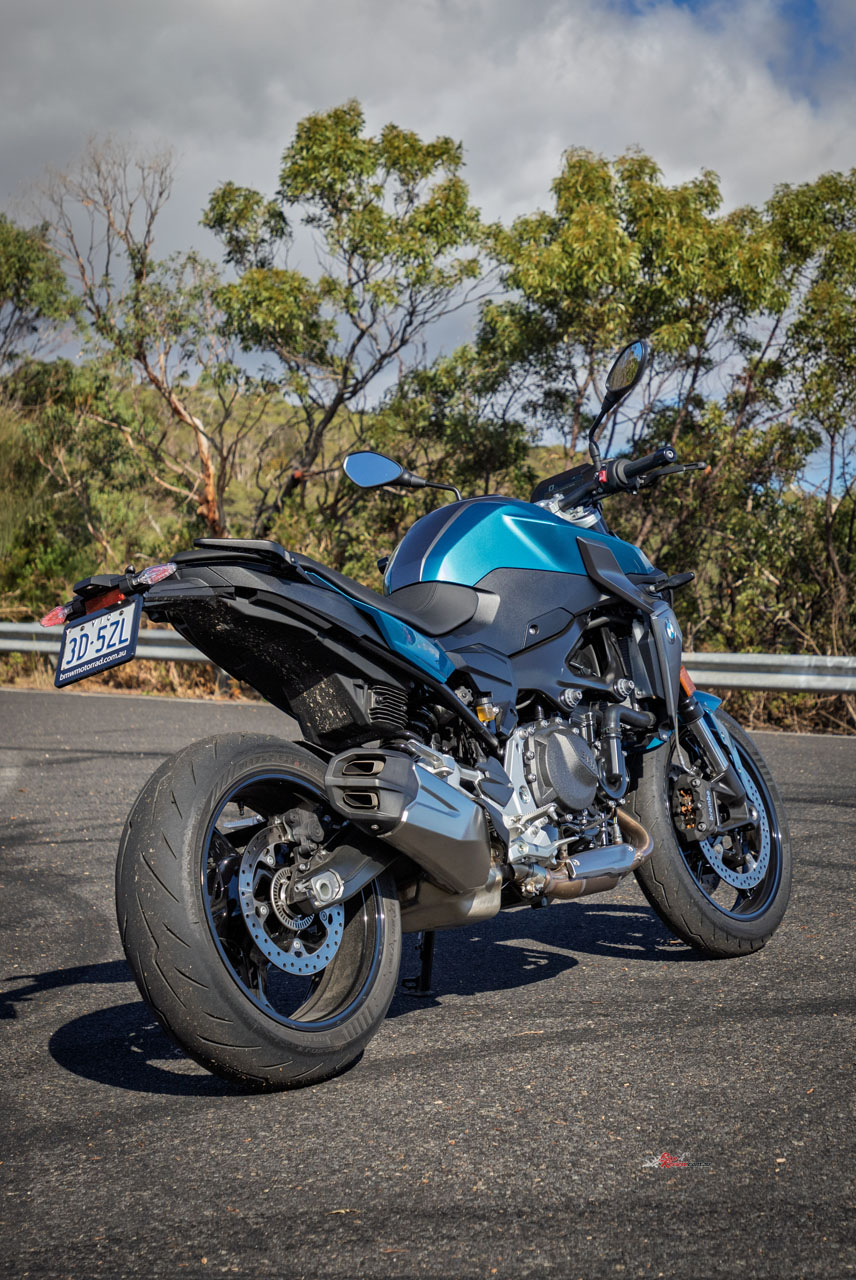
From the side, the F 900 R’s sharper tank lines, slimmer tail and compact stance give it an sporty profile.
The base-model F 900 R starts around $17,285 ride-away which, when compared to Yamaha’s MT-09 ($17,399 ride away) and Triumph’s Speed Triple 765 R ($18,390 ride away), which to my mind makes it pretty competitive, especially considering the inclusion of features like Riding Modes Pro and heated grips as standard fitment.
Five years ago, the F 900 R marked a turning point for BMW’s middleweight lineup, stepping out of the shadows of the capable-but-bland F 800. This latest update isn’t a leap forward, but it is a well-judged evolution — one that makes the F 900 R a more complete and better balanced motorcycle, and a more relevant contender in what’s become an increasingly crowded and fast-moving middleweight market.
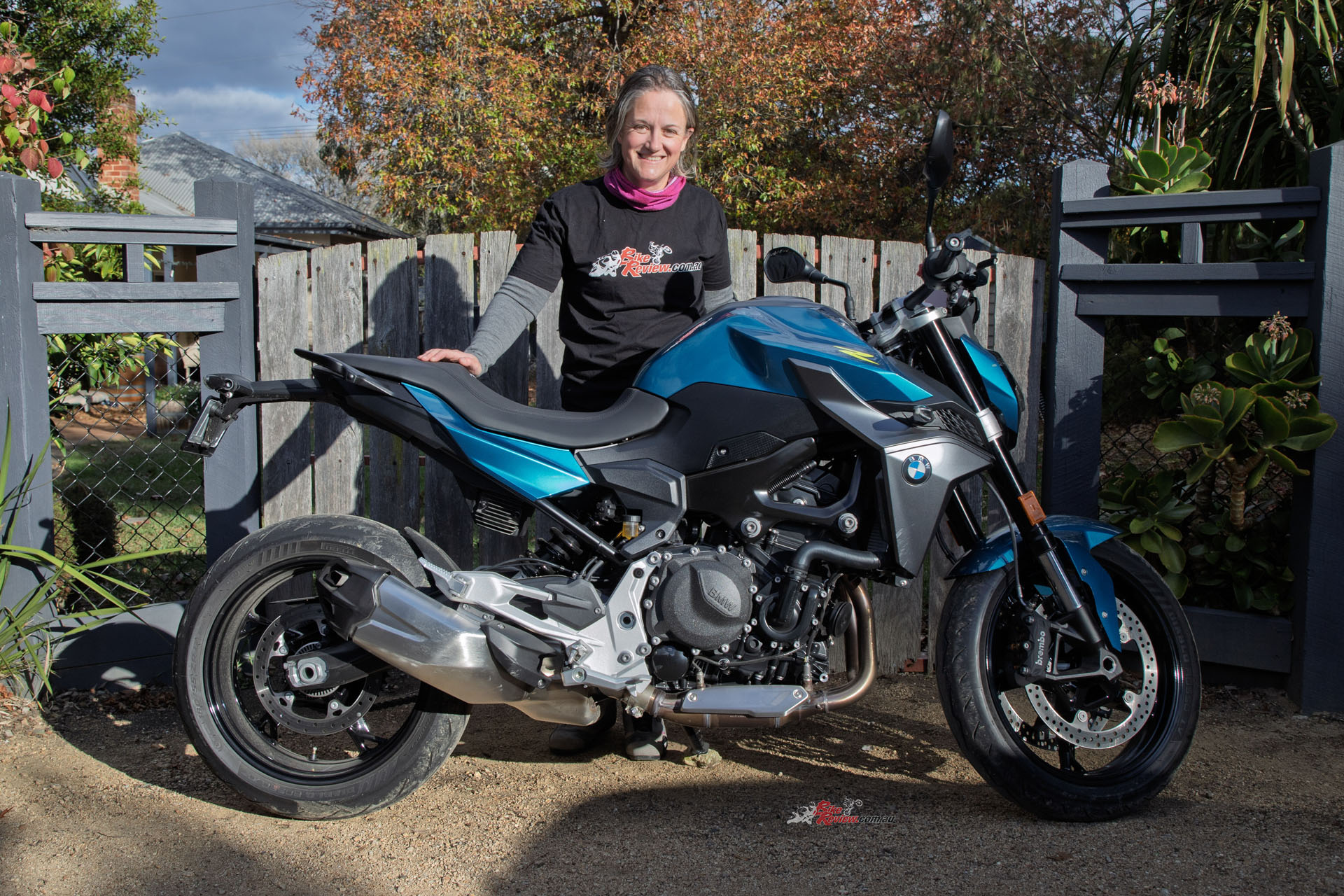
F 900 R model breakdown
The 2025 BMW F 900 R is available in three spec levels, each offering the same mechanical platform but with slight variations in finish and equipment.
The as-tested base model comes in just a single colour option, called Snapper Rocks Blue Metallic, and is equipped with lean-angle sensitive ABS and traction control, a 6.5-inch TFT display with connectivity, LED lighting throughout, Dynamic Brake Light, Riding Modes Pro, a quick-shifter, heated grips and a 12-volt socket. It carries a ride-away price of $17,285.
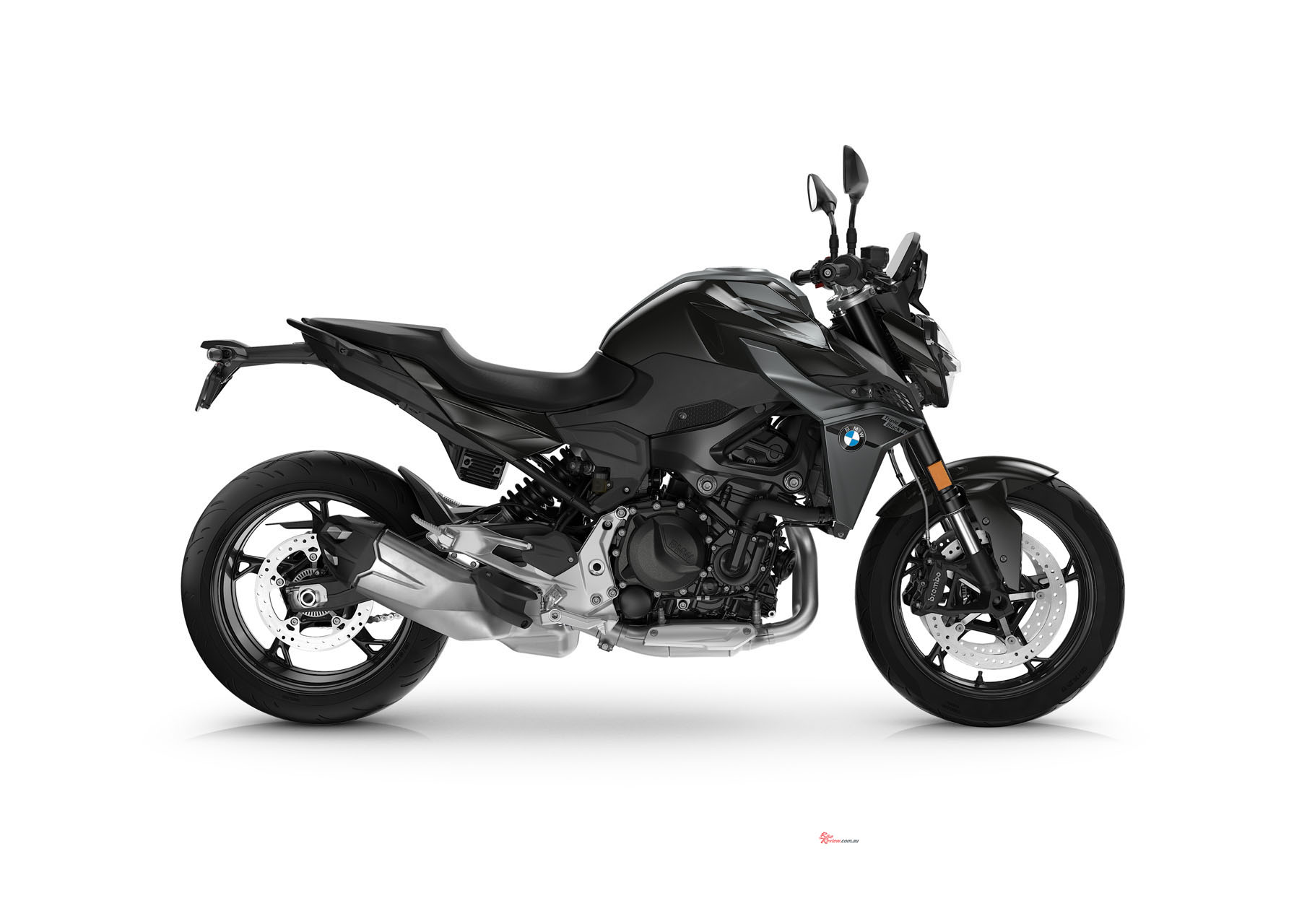
The F 900 R Triple Black shares the same equipment list but swaps the standard paintwork for an all-black finish – called Black Storm Metallic – giving the bike a more understated and stealthy presence, ups the ride-away price by $350 to $17,635.
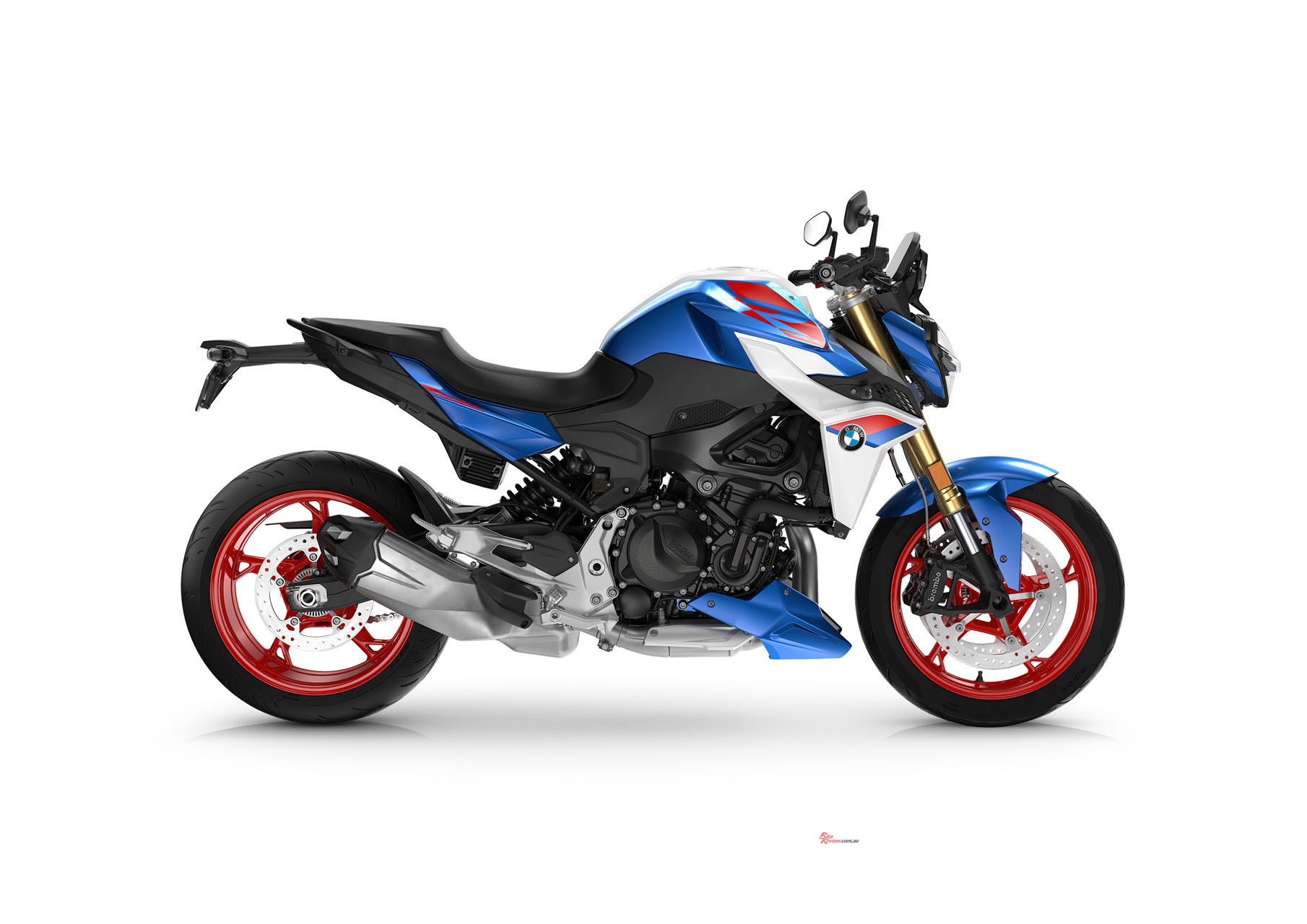
At the top of the range sits the F 900 R Sport, which adds Racing Blue Metallic bodywork with red wheels, handlebar-end mirrors and a colour-matched engine spoiler to the standard list of equipment. You’ll need another $670 to meet its asking ride-away price of $18,305. All versions retain the same 895 cc parallel twin, chassis and electronics suite, with options like suspension lowering kits, and various different seats available across the range.
2025 BMW F 900 R specifications
Price: From $17,285 (ride away)
Colours: Snapper Rocks Blue Metallic, Black Storm Metallic or Racing Blue Metallic.
Claimed power: 77kW[105hp]@8500rpm
Claimed torque: 93Nm[125ft-lb]@6750 rpm
Weight: 208kg (wet, claimed)
Fuel capacity: 13L
Fuel Consumption: 4.2L/100km
Engine: 895cc, liquid-cooled, DOHC, parallel-twin, eight-valve four stroke, 86mm x 77mm bore and stroke, 13.1:1 compression, ride-by-wire throttle
Clutch: Anti-hopping, wet, multiplate
Chassis: Bridge-type steel-shell construction and aluminium twin-sided swingarm.
Rake: 64º Trail: 114mm
Suspension: 43mm upside fork, fully adjustable, 135mm travel (f), Monoshock, adjustable preload and rebound, 120mm travel
Brakes: 2 x 320mm rotors, four-piston Brembo calipers, ABS Pro (f), single 265mm rotor, single-piston caliper (r)
Wheels & Tyres: Cast aluminium, five-spoke, Pirelli Diablo Rosso IV Corsa, 120/70ZR17in (f), 180/55ZR17in (r)
Dimensions:
Wheelbase: 1514mm
Ground clearance: N/A
Seat height: 815mm
Overall height: 1130mm
Overall length: 2140mm
Overall width: 818mm
Instruments & Electronics: TFT, lean-angle sensitive ABS and Traction control, Ride Modes Pro and heated grips.
2025 BMW F 900 R Gallery
Ratings | Bike Review | 2025 BMW F 900 R Road Test
Refined
BMW’s F 900 R returns for 2025 with subtle but effective updates, offering sharper handling, more tech as standard fitment and a sportier riding position. Photos: Janette Wilson
The Author

You Might Also Like