

An Aussie designed electric scooter that looks Euro, launches like a 300, and slashes commute costs to near-zero, FONZ’s Arthur Z just made weekday riding fun again... Photos: Heather Ware HMC
I have been riding and writing about EVs since FONZ’s early days and this latest Arthur Z proves how far the Aussie brand has come. It is quick, clean and cleverly designed, blending proper 300cc-ish ICE shove with the silent, fuss-free running that makes city riding easy.
“I spent a week using it as daily transport, charging off my solar, and came away genuinely impressed.”
I first jumped on a FONZ before COVID in early 2020, spending a day between the original NKD and an Arthur 3. The NKD blew my mind then, just shy of 10kW, tiny, 0 – 100km/h in five seconds, under ten grand and 56Nm. It was the first Aussie-designed and manufactured electric motorcycle, and the first EV bike I had ridden, and it set me off down this path, which is why BikeReview now has big Electric and e-Bike sections.
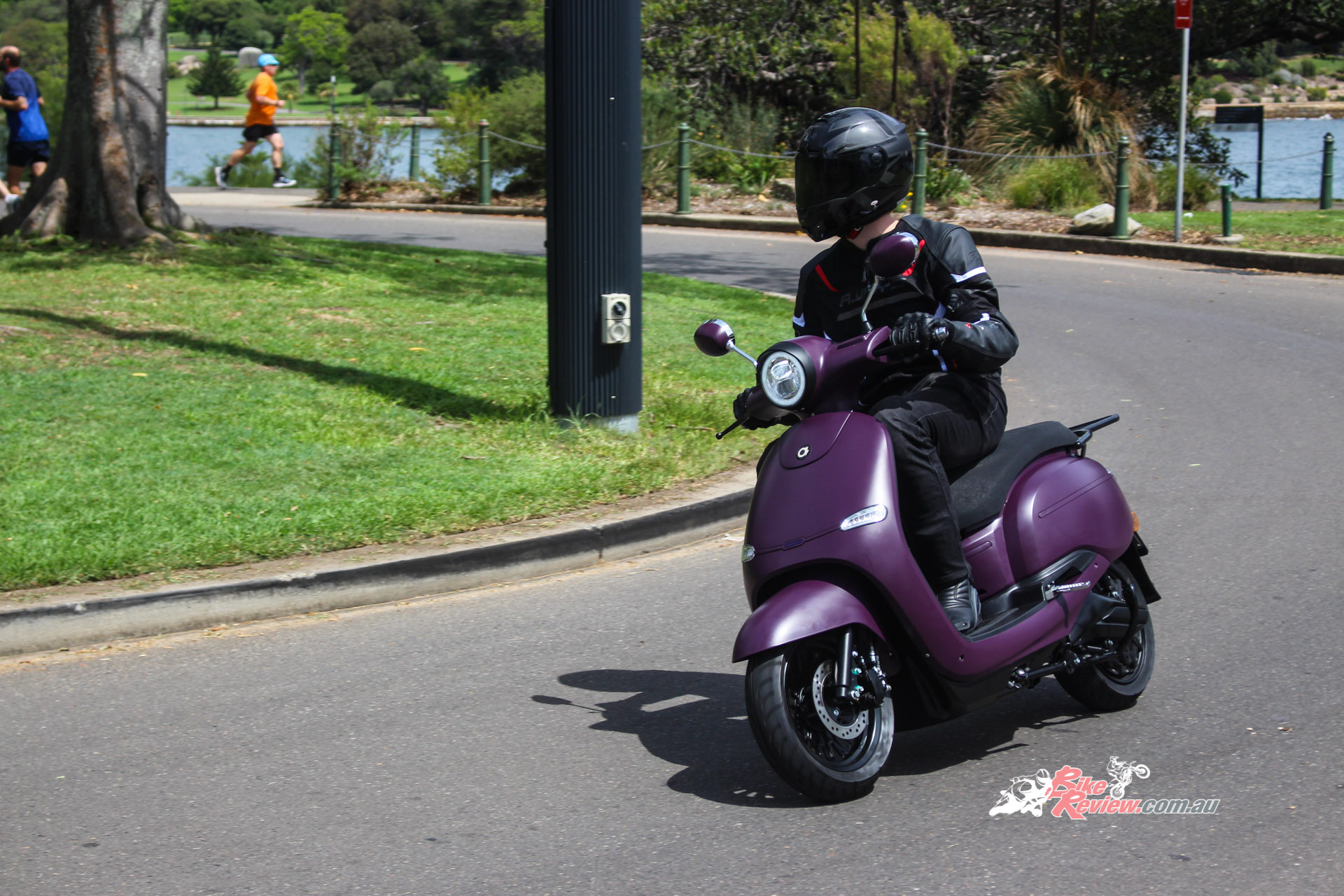
The Arthur 3 I rode that day was a charming little scooter, and I ended up chatting with Fonzarelli founder Michelle Nazzari about the business and her plans. Before Fonzarelli, she was in transport manufacturing, developing diesel, hybrid and electric buses, so she understands heavy-duty electrification and then scaled that thinking into two wheels.
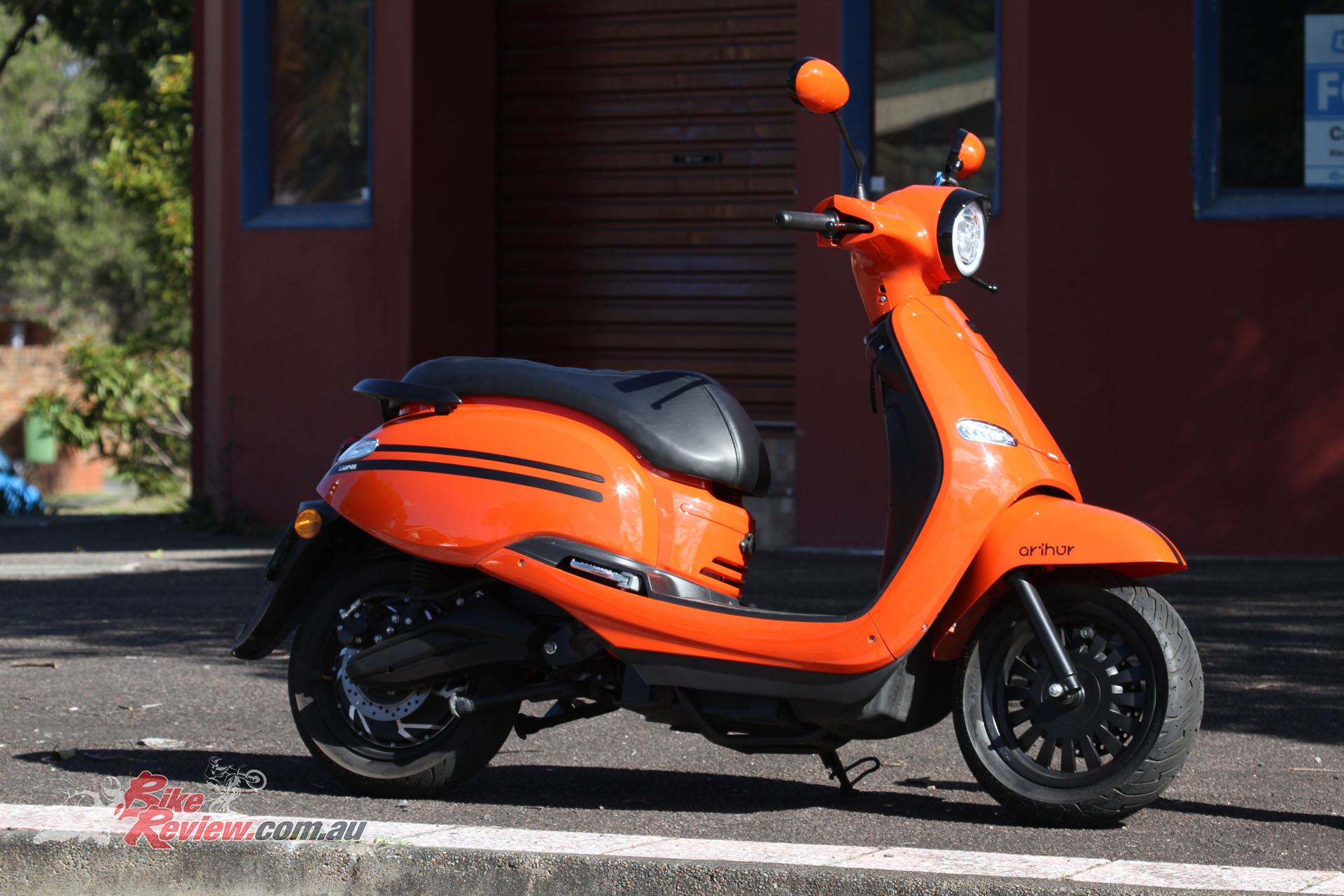
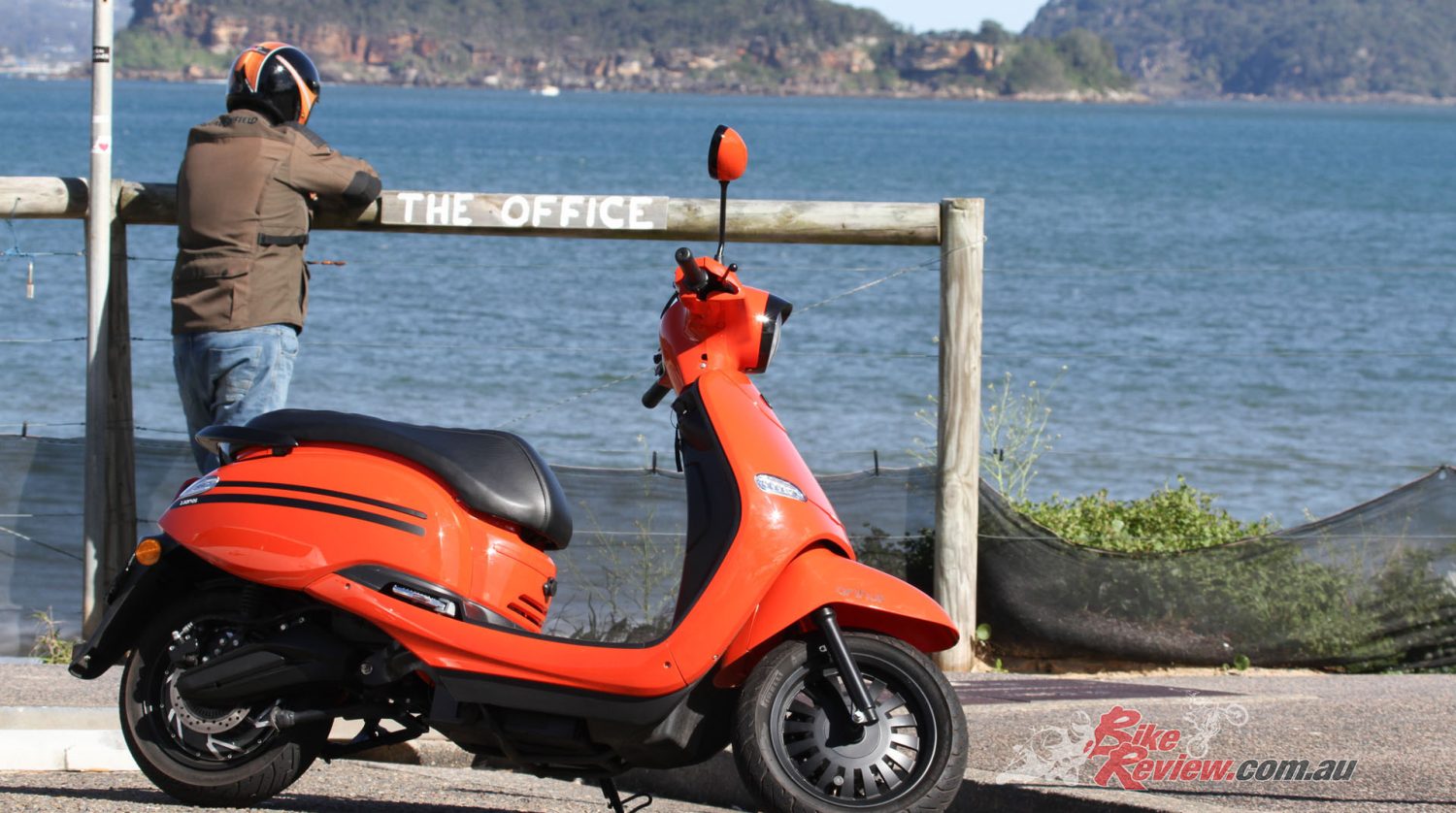
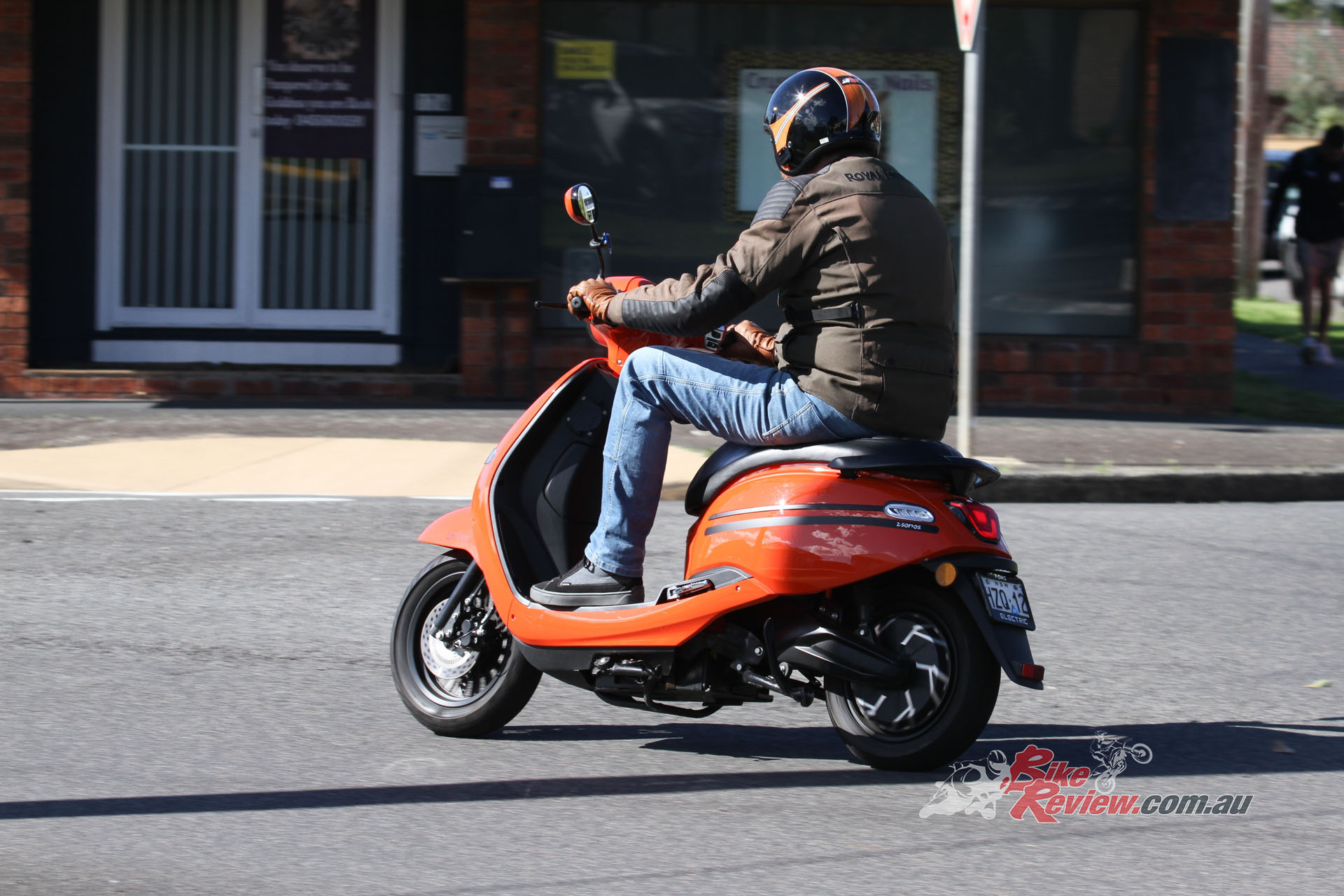
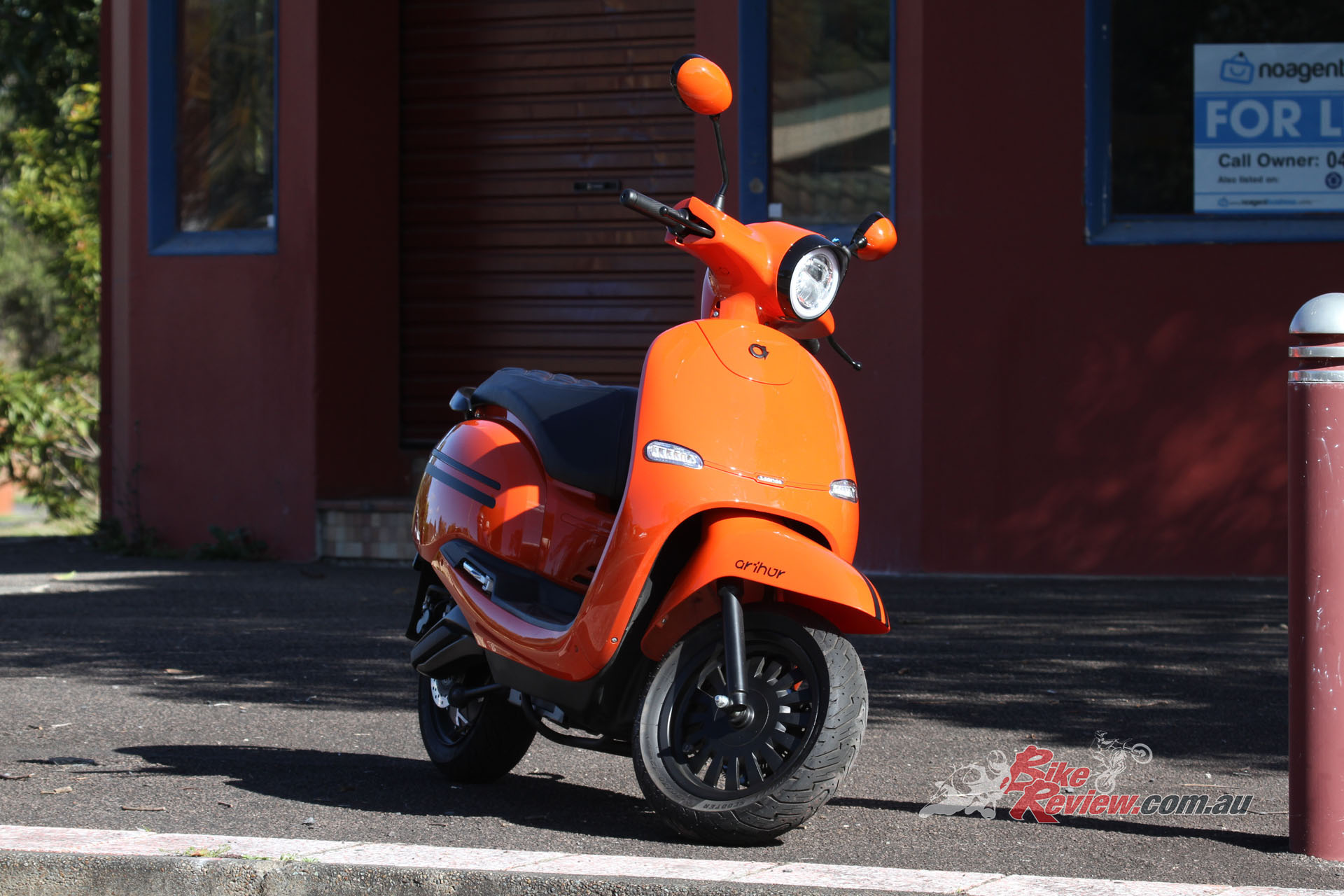
First impressions count and the Z nails them. It is a genuinely handsome scooter, Euro curves with a modern edge.
Back then, the Arthur family ranged from the 60V, 50km/h Arthur 1, which was Qld car-licence-legal like a 50cc moped, to the 75V Arthur 2 and 3, with the 3 offering the bigger pack and higher top speed. The Z Series I have been riding takes that idea and turns the wick up, an Aussie city scooter with seriously useful outer urban performance, fast-charge capability and local development baked in.
As a daily, it is brilliant, fast enough, quiet, cheap to run, and proudly Aussie…
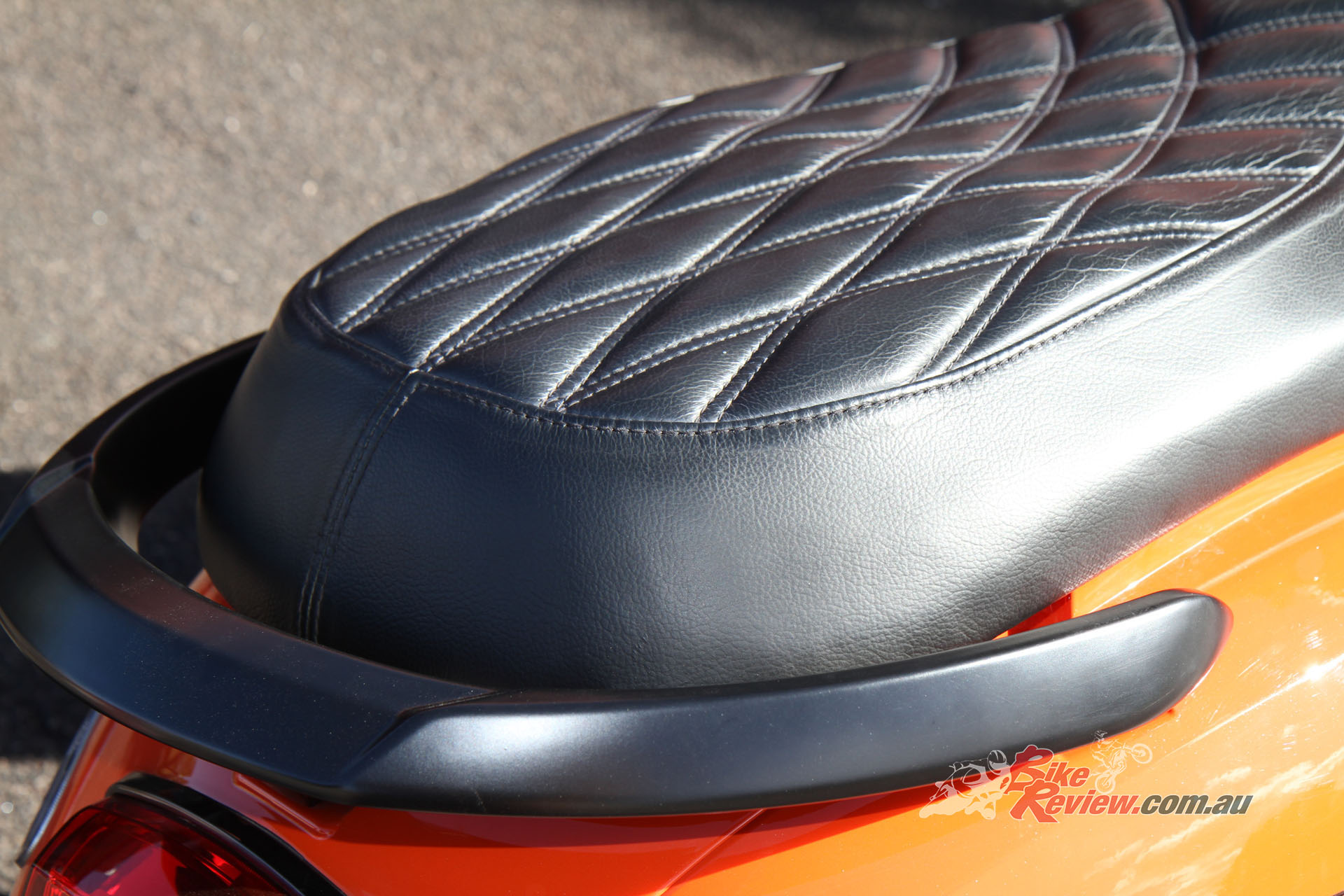
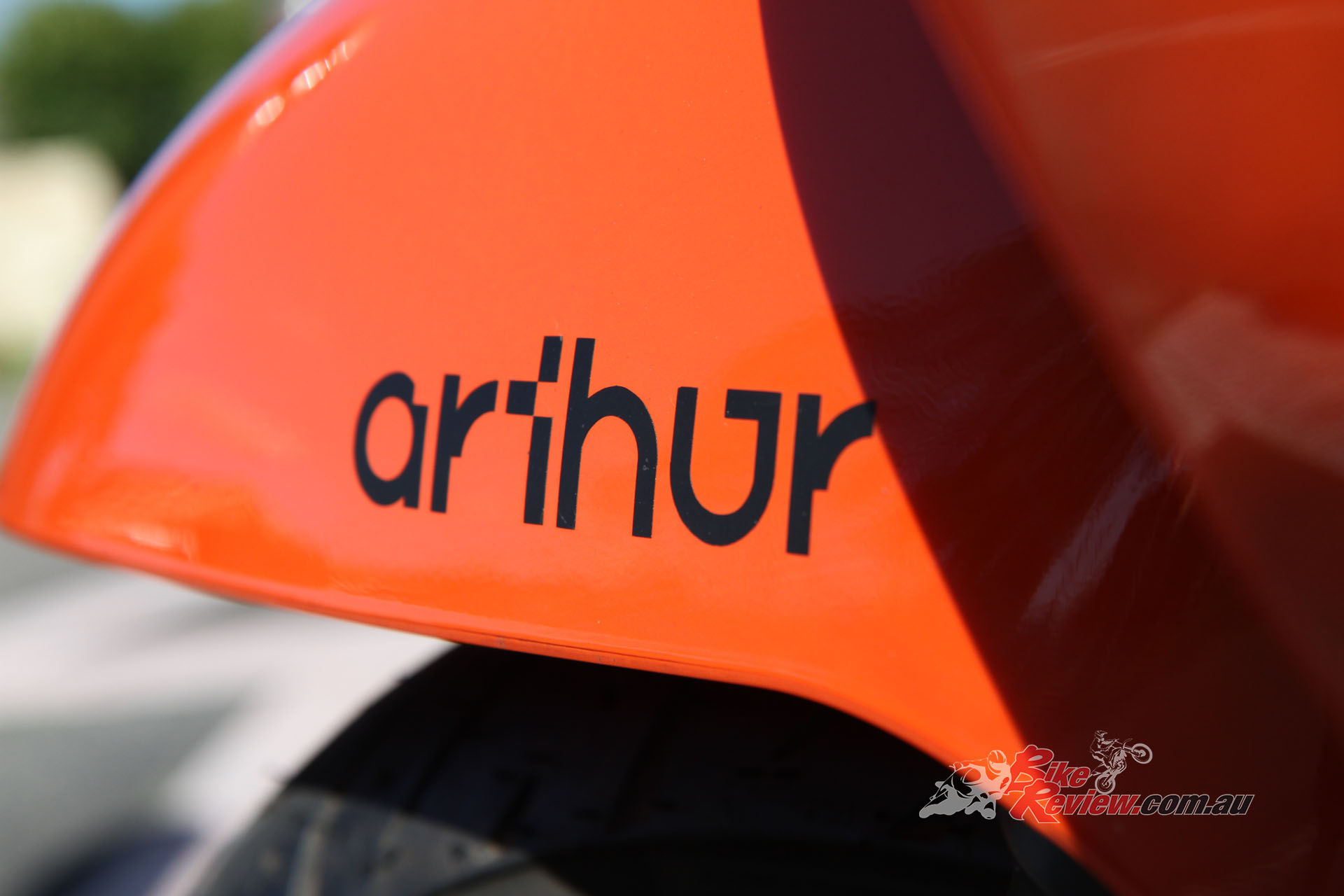
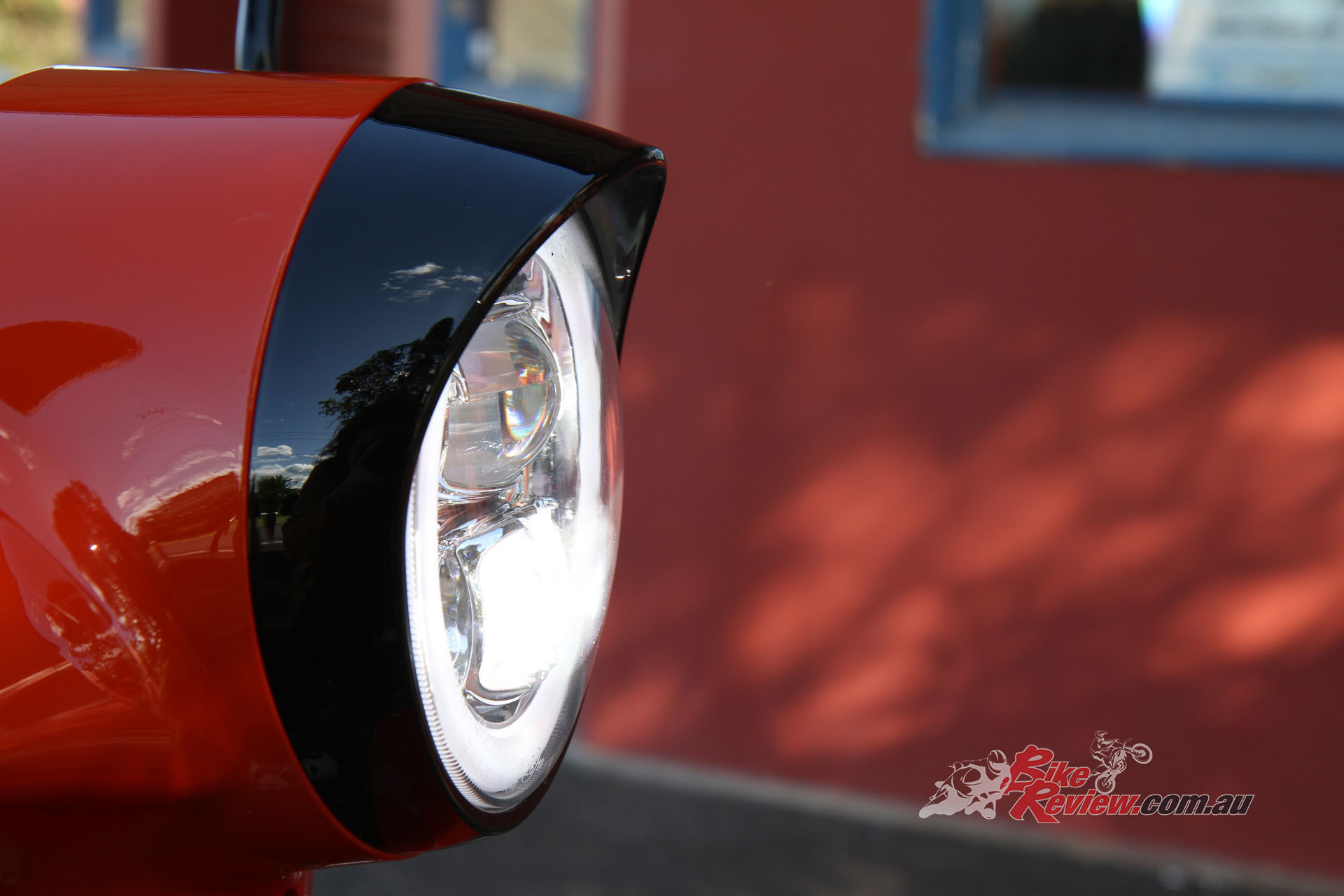
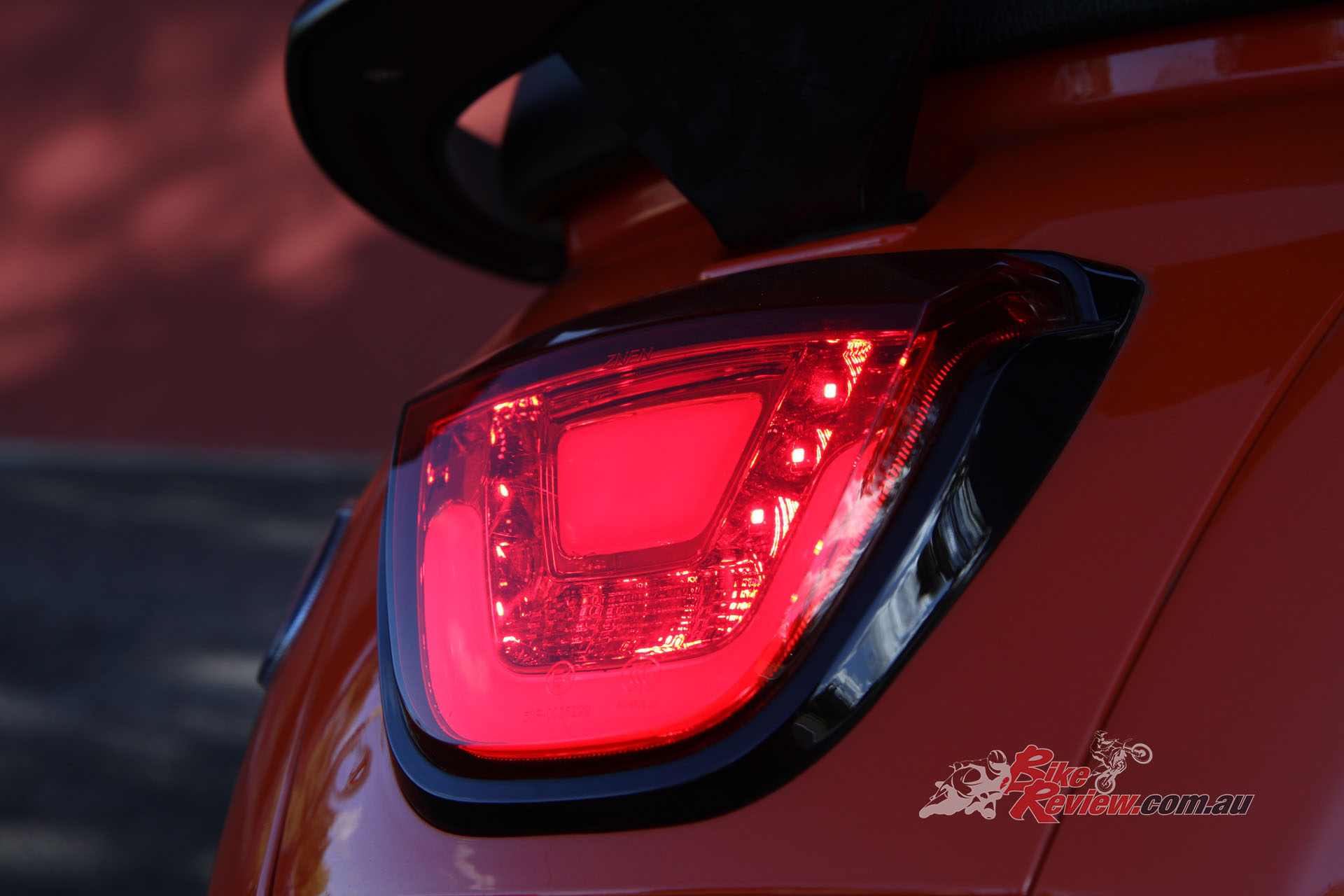
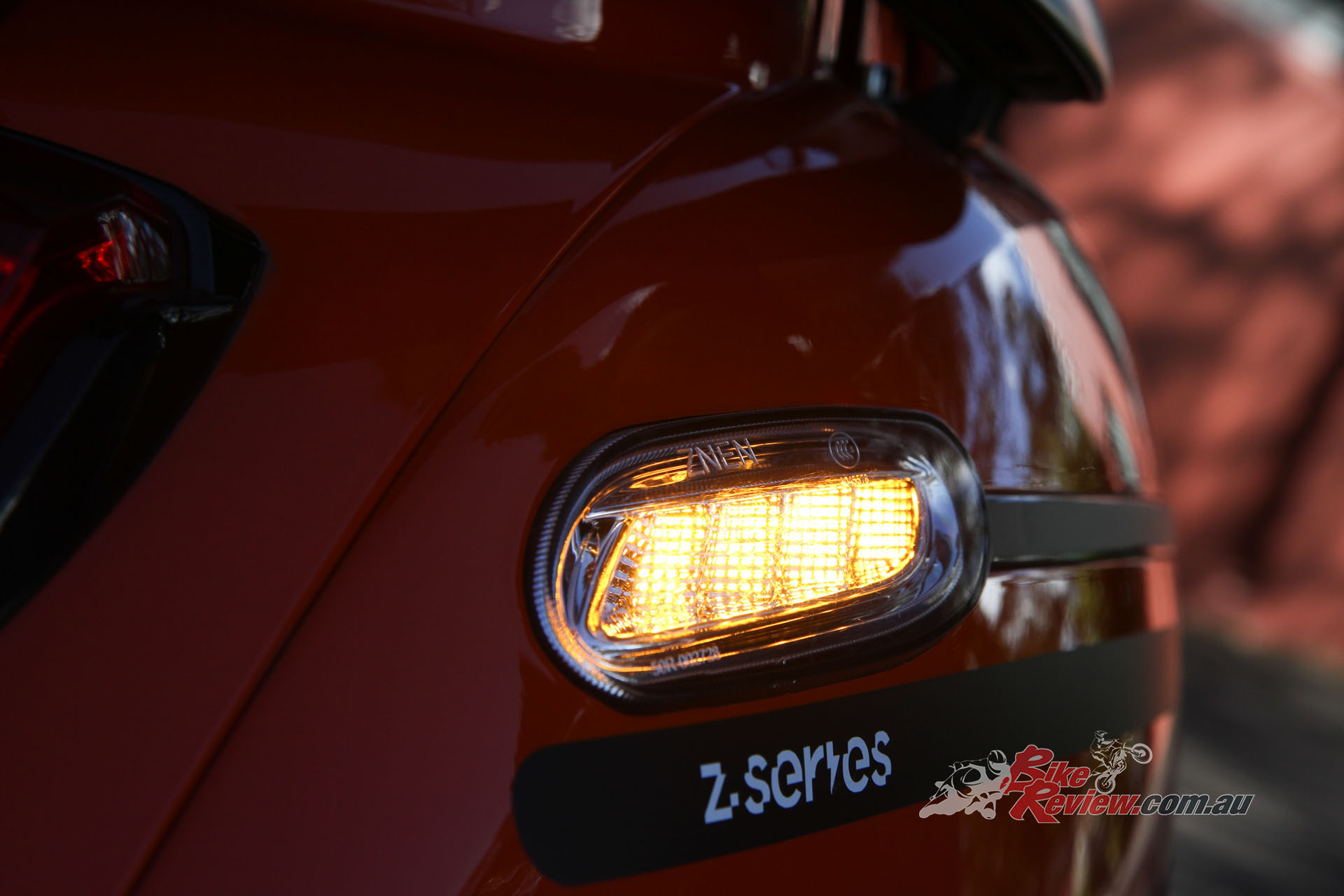
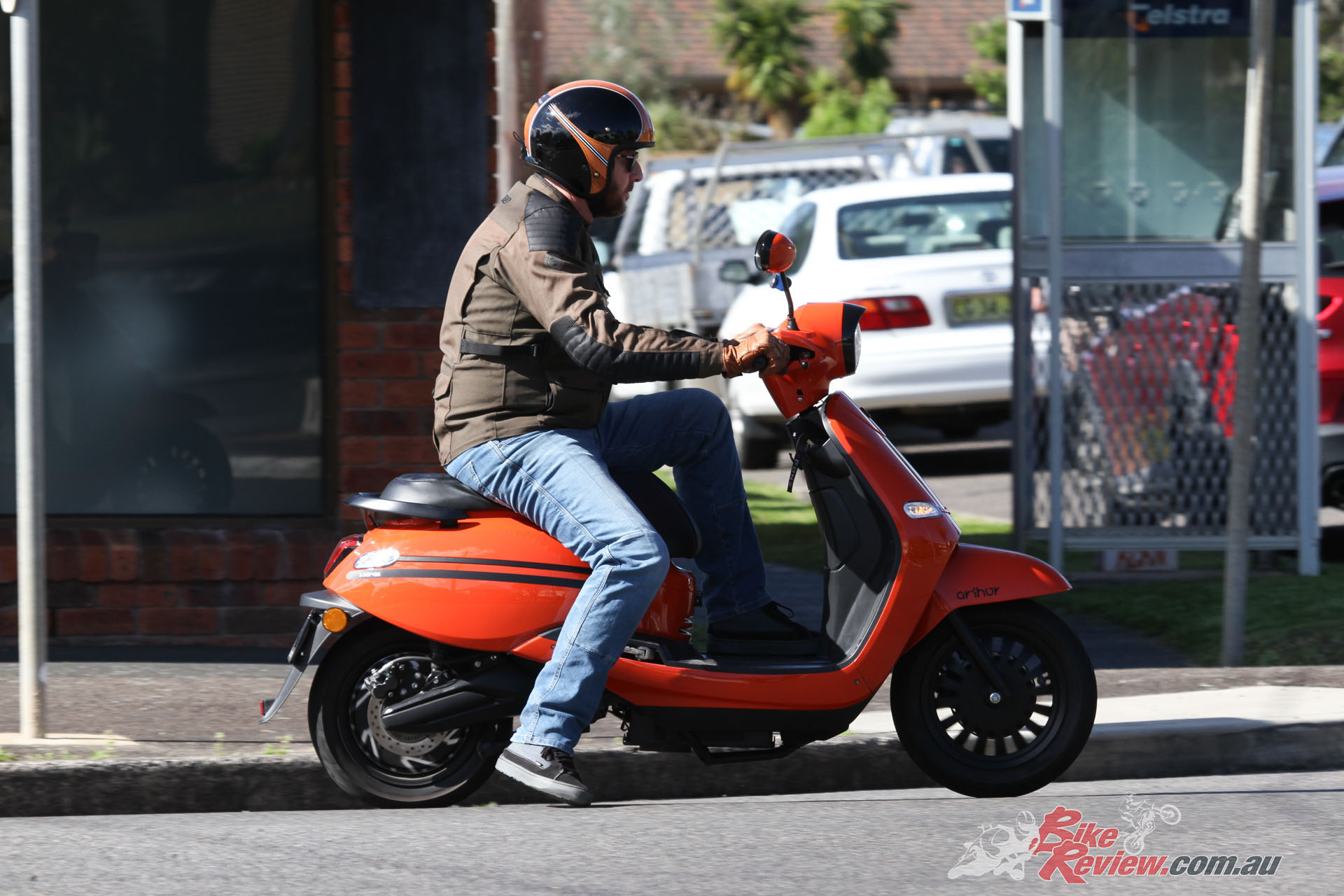
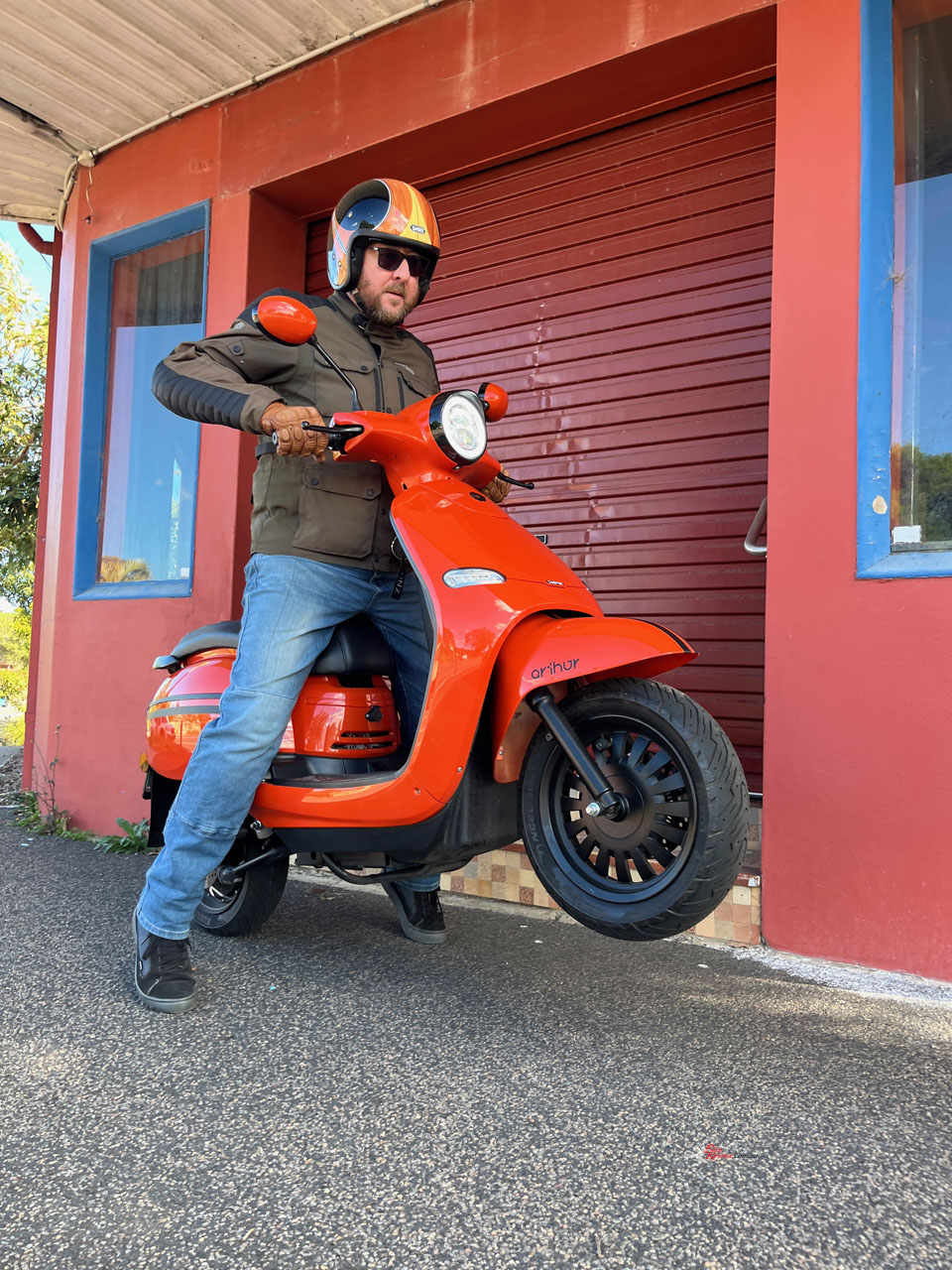
First impressions count and the Z left me smiling. It is a genuinely handsome scooter, Euro curves with a modern edge, tidy lighting, cool seat pattern and decent switchgear. At 187cm I slot straight in, heaps of foot room in the generous footwell, neutral bar position, levers and mirrors exactly where they should be. It is light to shuffle around the driveway and dead easy to flick onto the side or centre-stand.
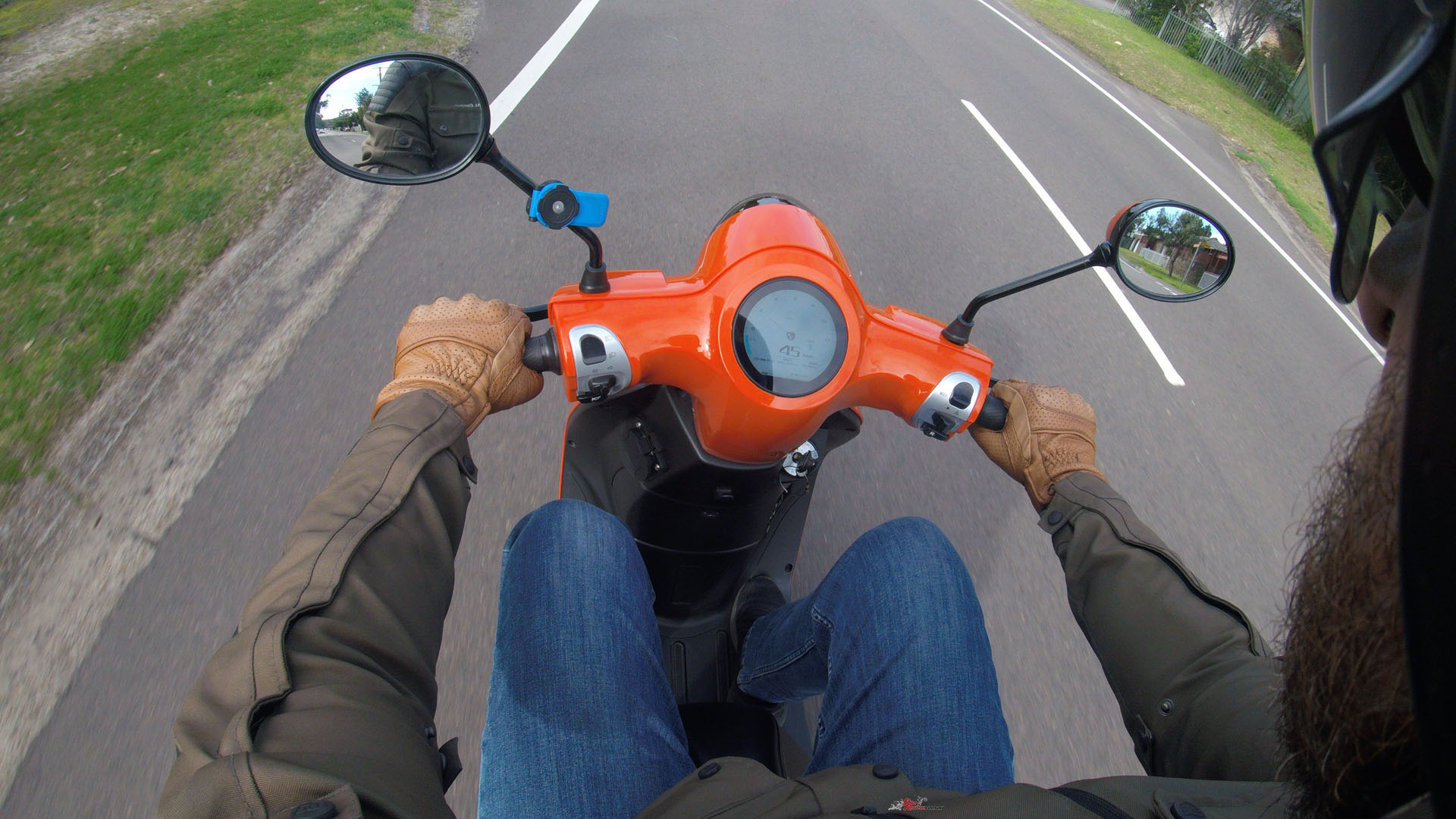
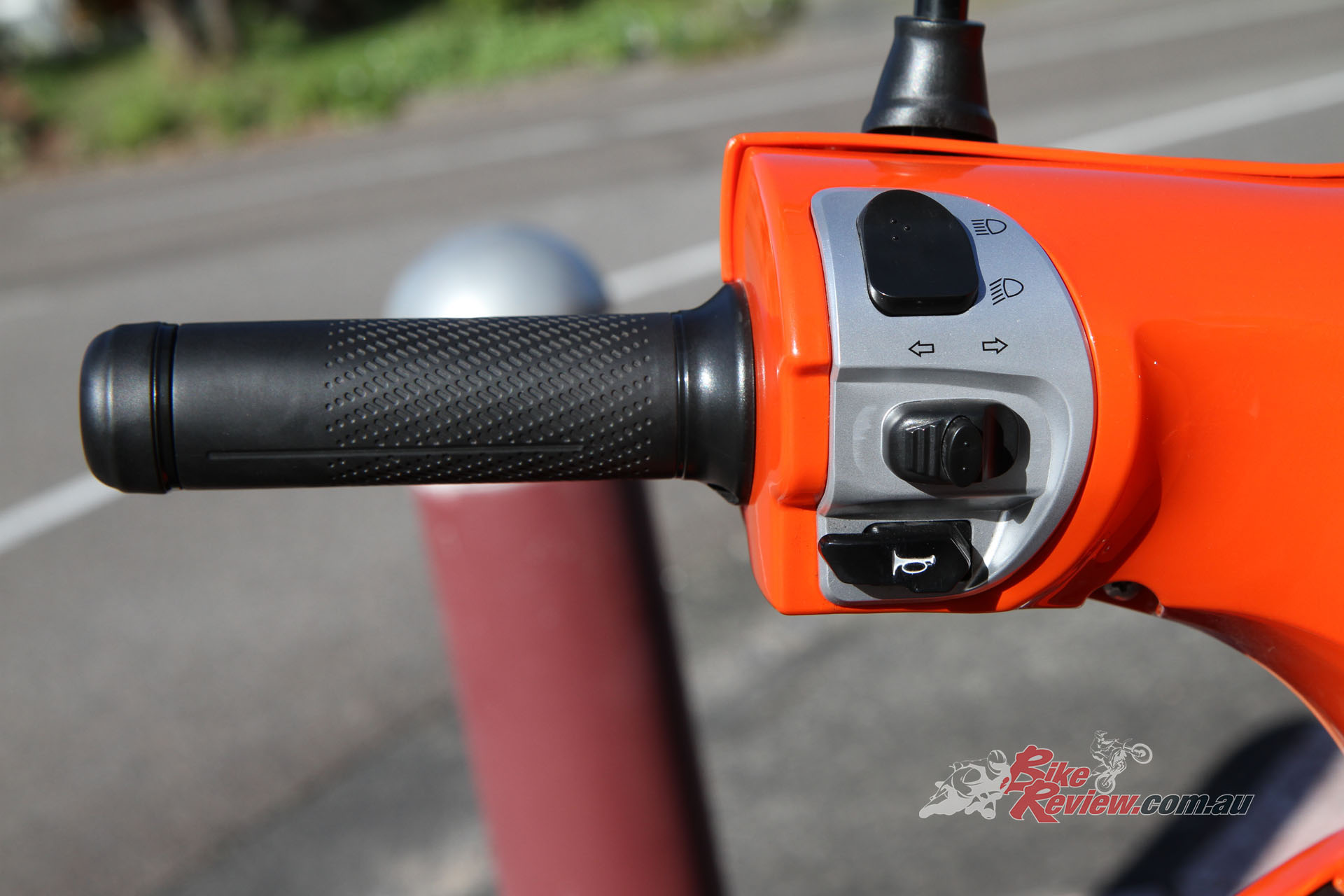
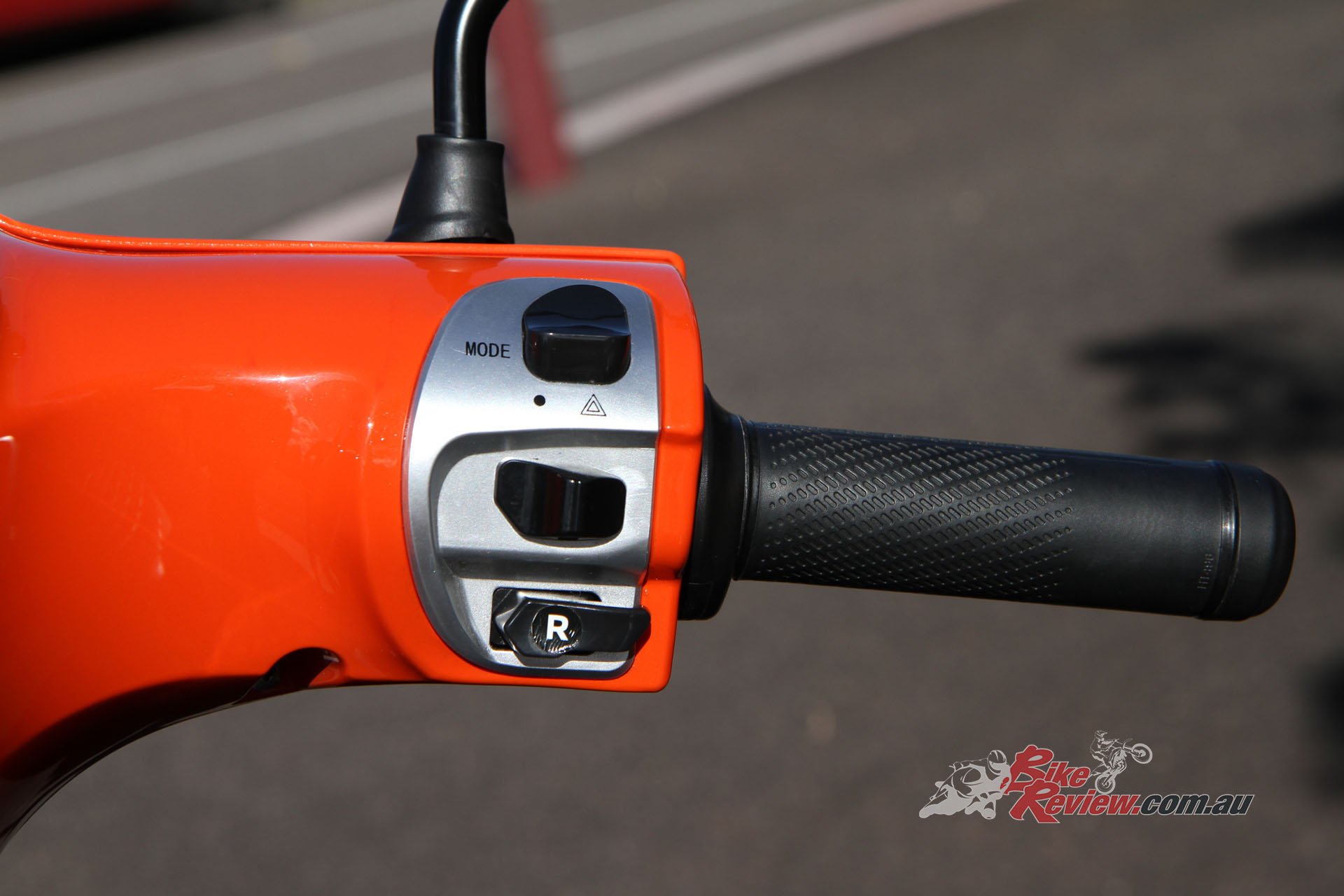
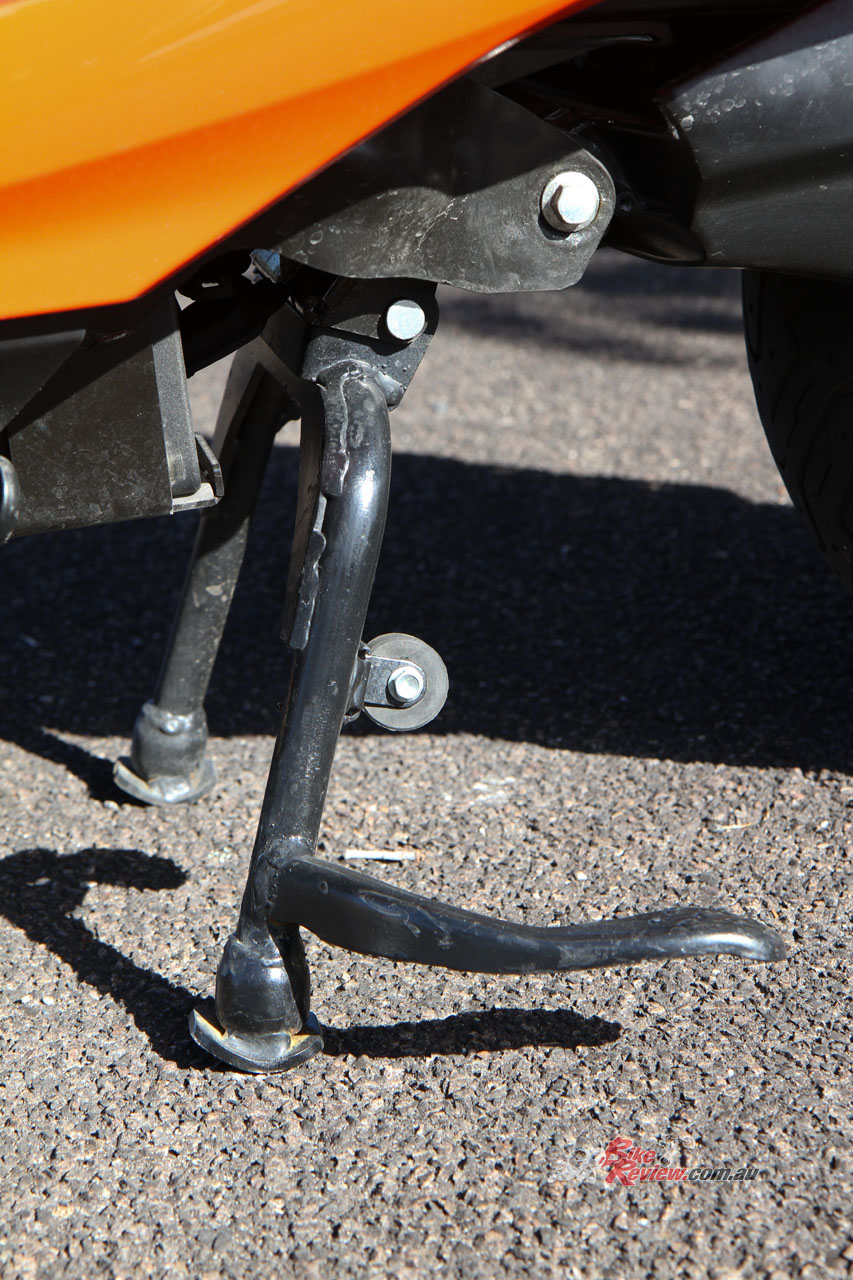
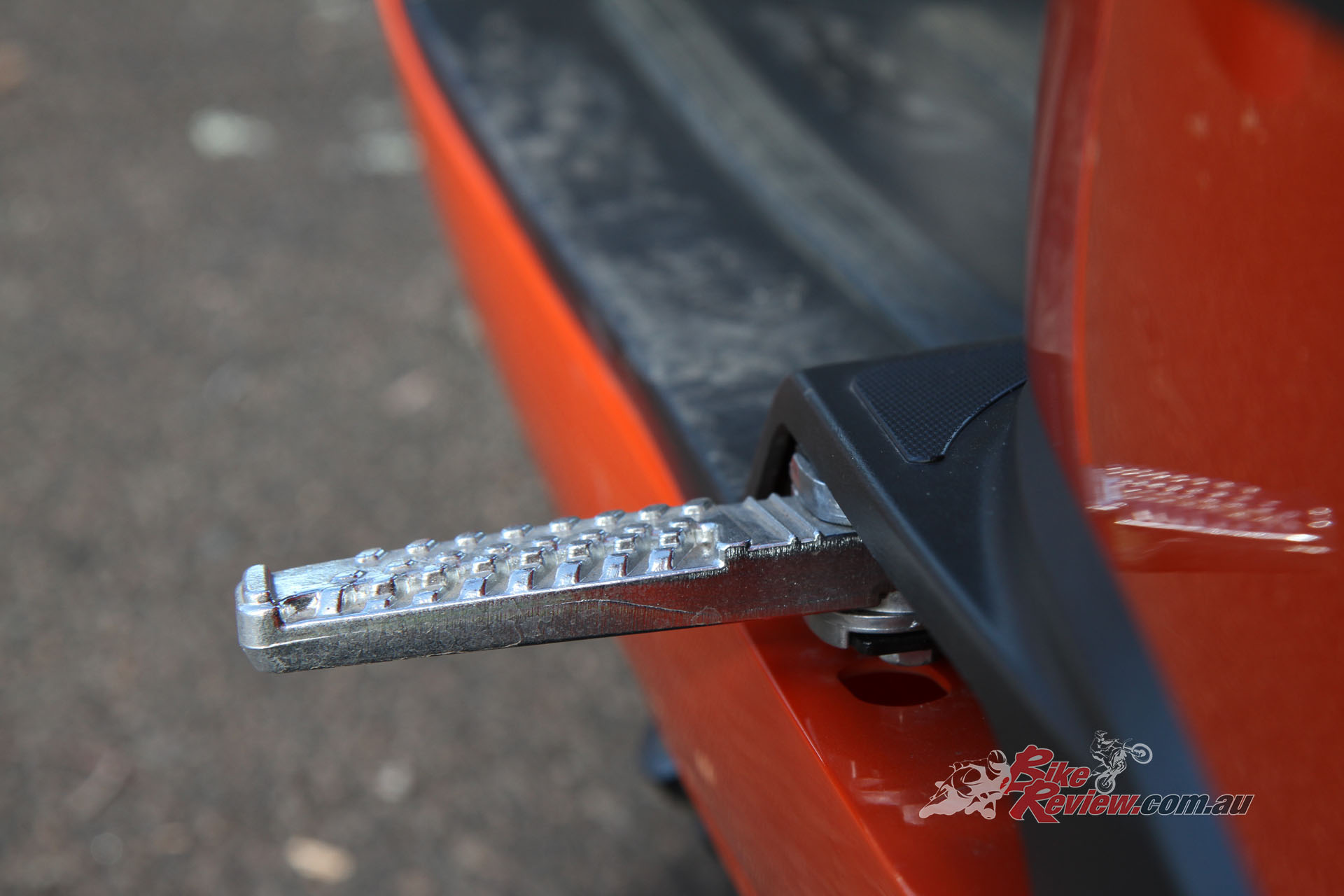
The pillion grabrail is a ripper, big and properly useful, and the fold-away ‘pegs have a neat one-touch release. Typical of e-scooters, there is a rearward weight bias, a bit more pronounced than petrol scoots, but you adapt quickly. The horn is nice and loud, a must on a silent bike, and you do need to ride EVs with extra vigilance, without an exhaust note you are that bit more invisible.
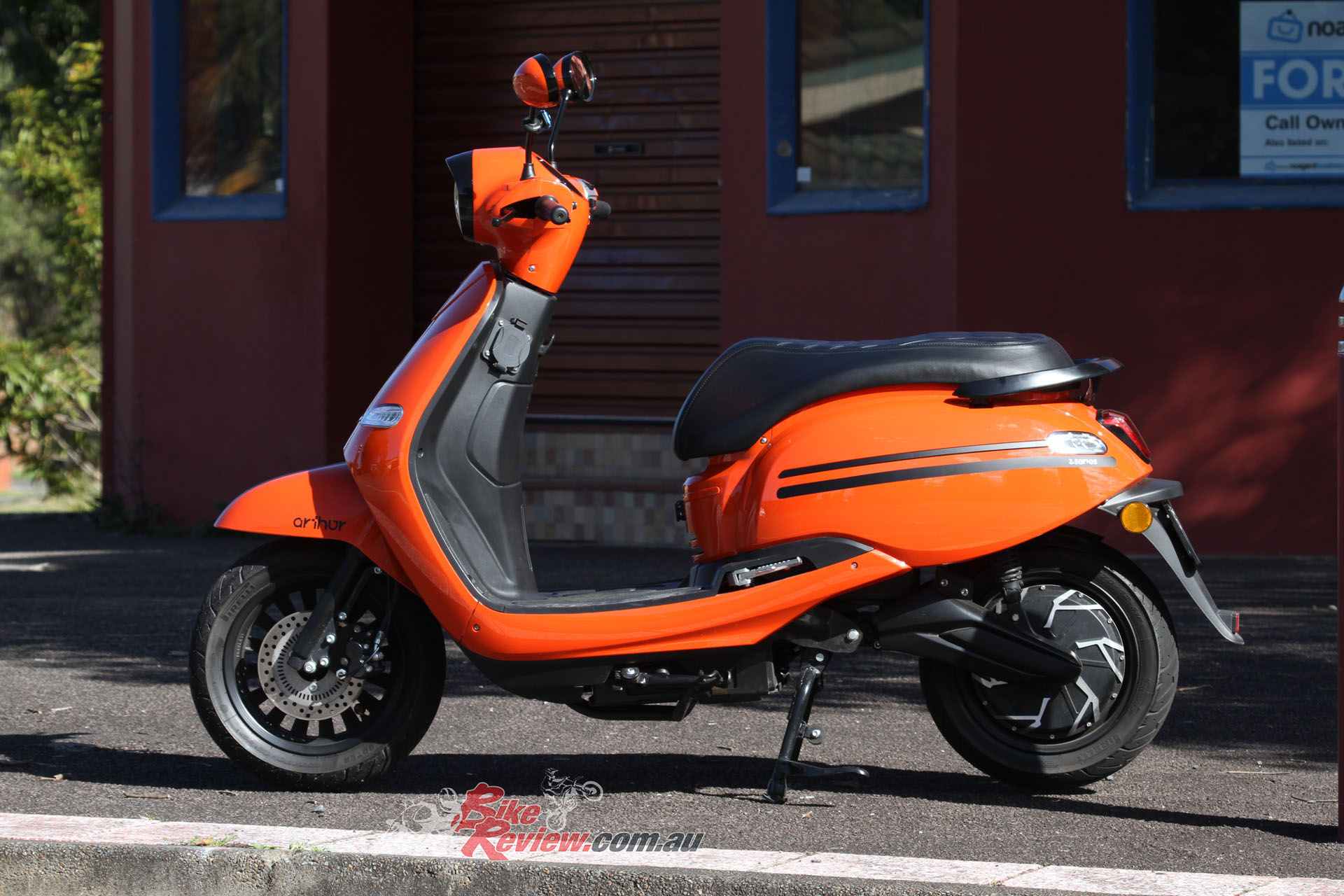
Typical of e-scooters, there is a rearward weight bias, a bit more pronounced than petrol scoots, but you adapt quickly.
The Ride
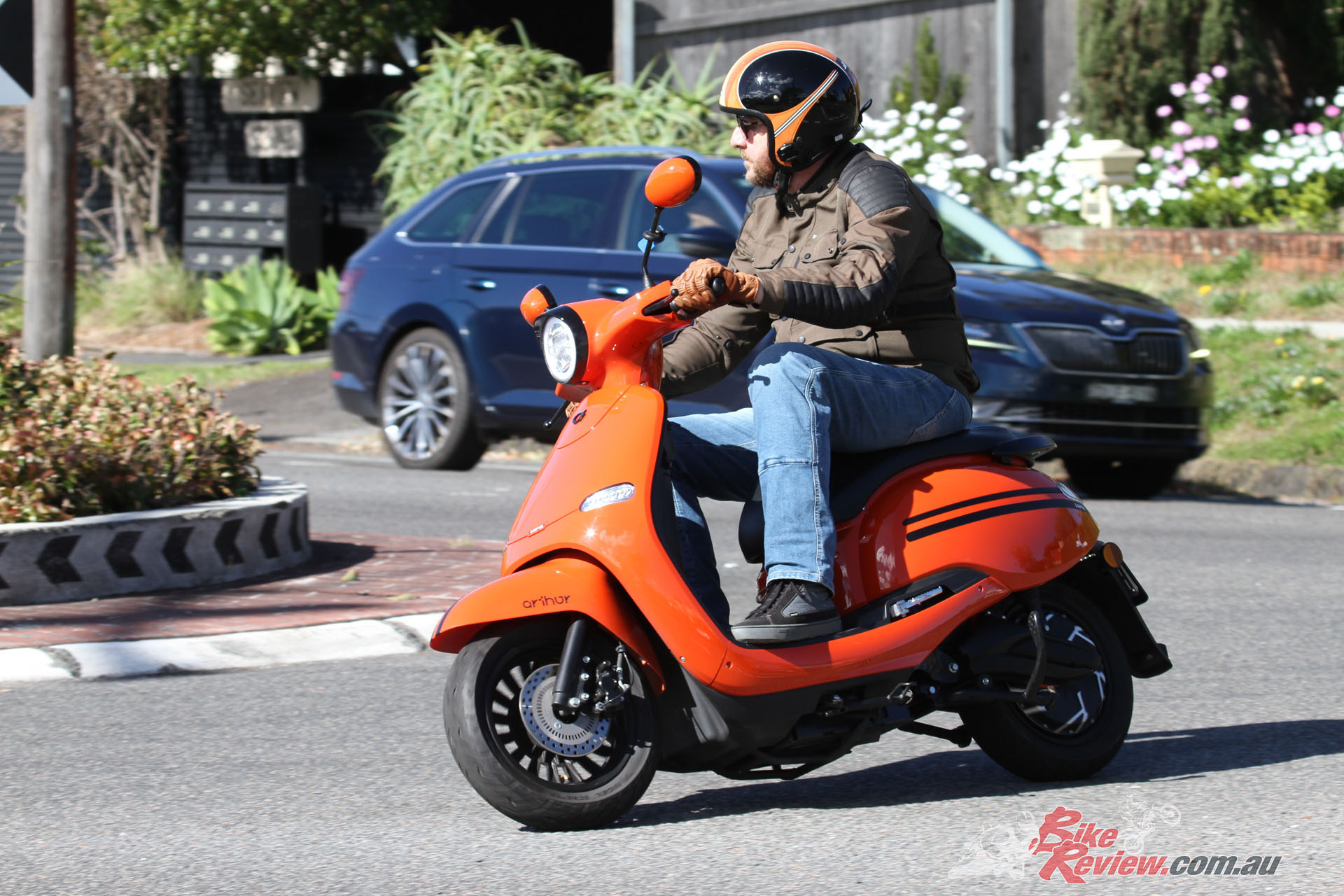
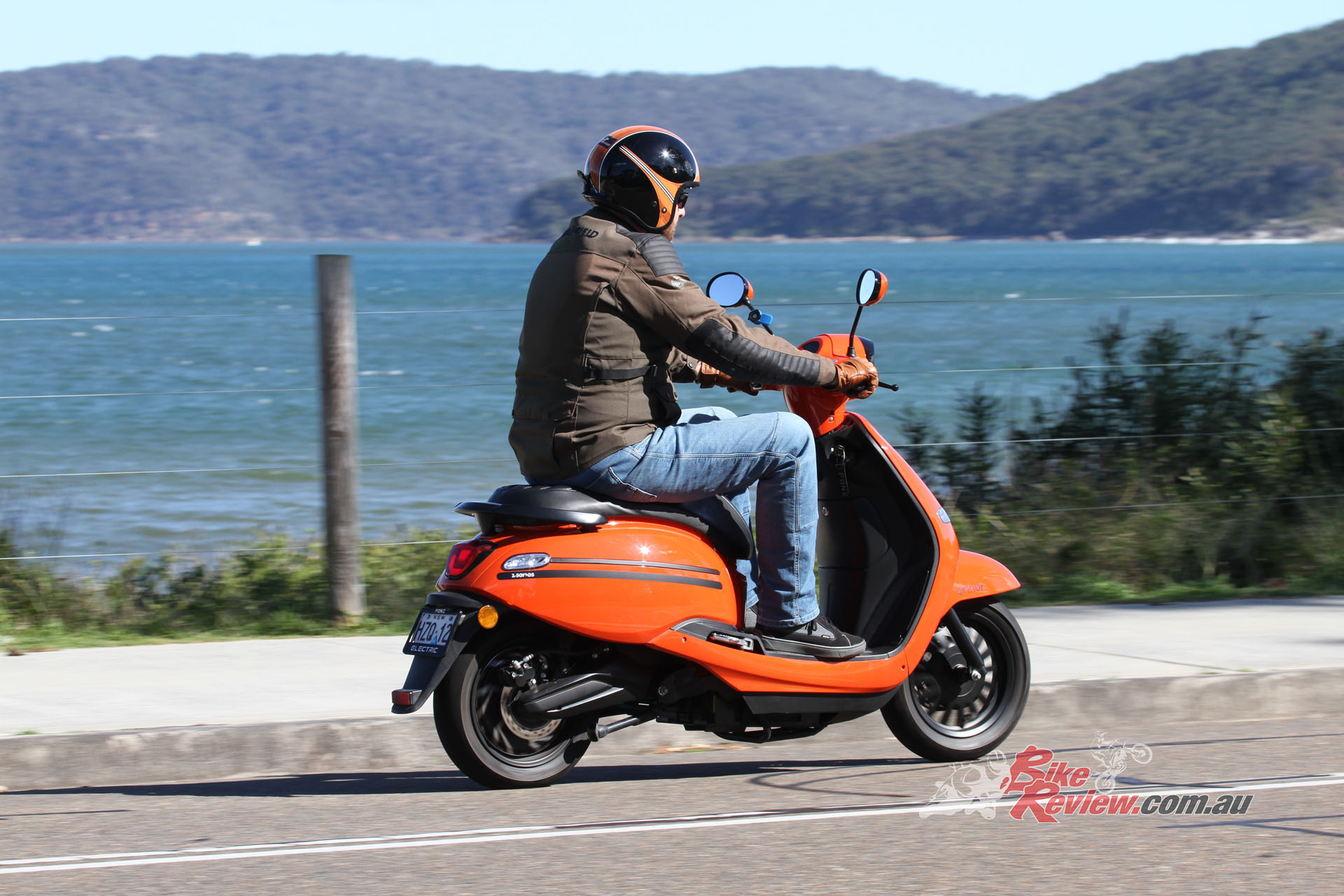
On the move, the Z’s acceleration is the headline. It is brisk and addictive, on the flat it punches like a modern 300cc four-stroke scooter, and the throttle response is clean without being snatchy. I spent most of my time in the middle, 70km/h-capped mode 2, handy for keeping your licence intact, while the high mode 3 unleashes the full whack for 100km/h running.
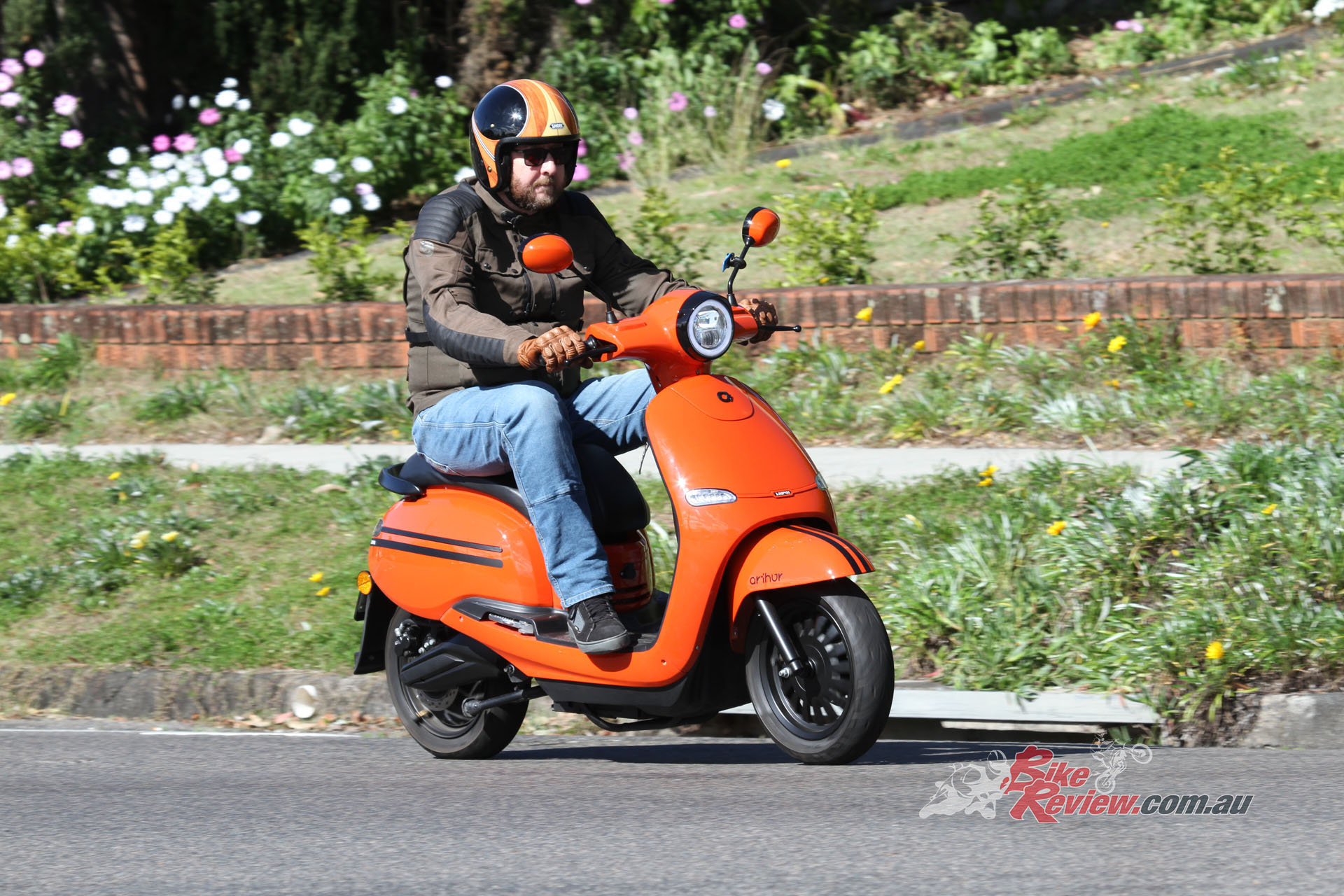
I live in a coastal town, with many 70 and 80km/h zones and 10km plus distances between towns. The Z Series was a great partner for a week of local use, more handy than a smaller scooter.
Modes are switchable on the fly, but the button is on the right side, so it is best to do when on closed throttle as it is awkward. Having mode 1 and 2 is fantastic, as you know the scooter will top out at 60km/h or 70km/h so you can choose depending on speed zone. It is a little bit of extra help from speeding fines. Once you need to speed up, you can switch to full power.
As with most small EV scooters, the only caveat is hills, where a petrol scoot will hold or build speed as revs climb, the Z tails off on steeper gradients, being a single speed unit. Two-up on hills exacerbates that, on the flat it is fine with a pillion, but inclines will have you planning a bit earlier. Need to jump on a motorway on the way to work? I managed a solid test of 50km of pinned 100km/h highway running before low-battery limp mode intervened, which is impressive for a scooter.
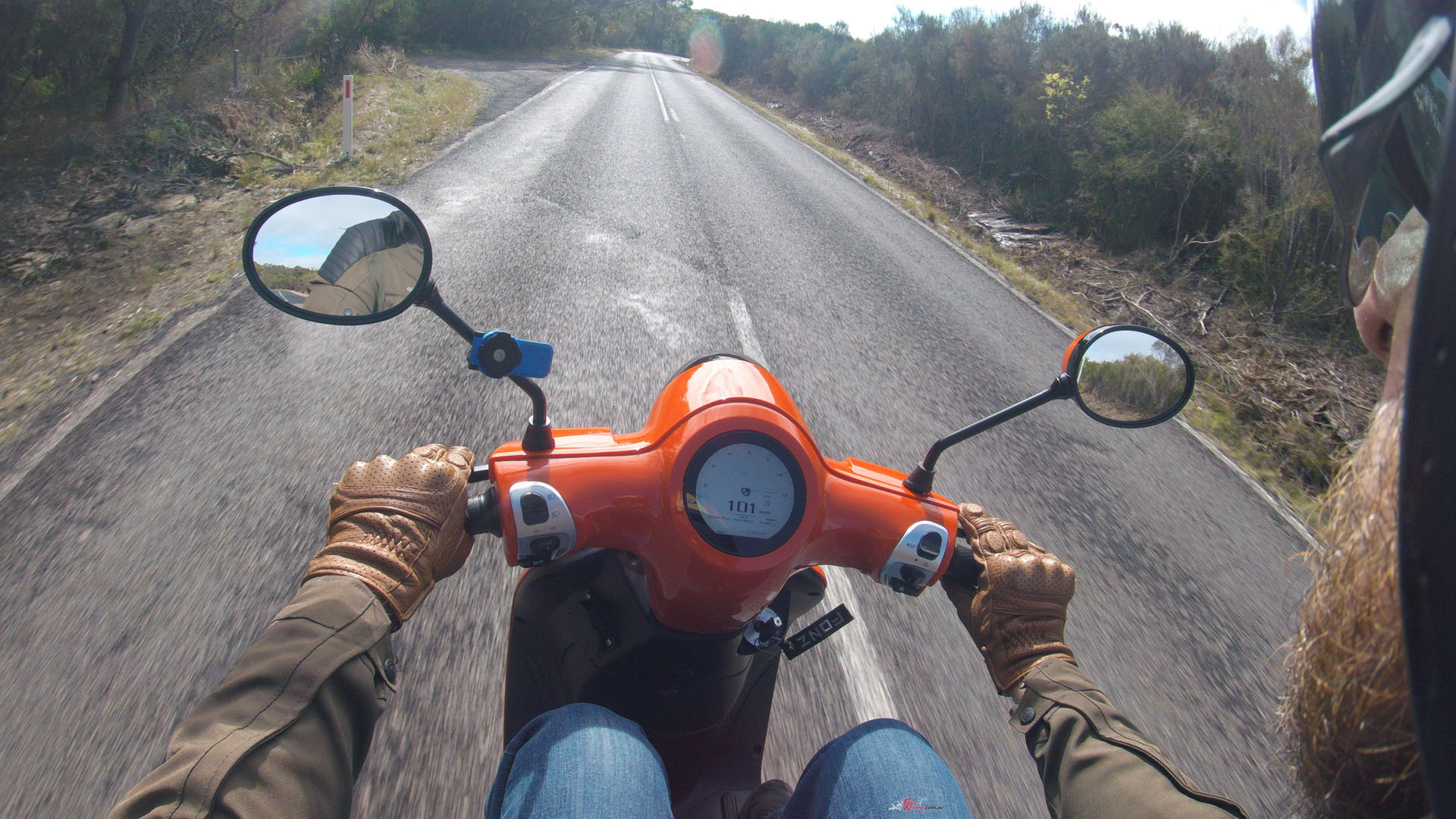
101km/h, not a problem on the Z Series, I managed 50km at 100km/h at one point during highway testing and the scooter was comfy, stable and OK. Not quite 300cc ICE performance but fine for short motorway use.
Around town I saw a genuine 80km per charge, in outer-urban mixed running I got 70km. Those are real, repeatable numbers from my week of commuting and errands. Once you get down below 10 per cent, the dash will let you know you are in the danger zone, and the Z Series will slow down, but it is all about planning your ride with an EV!
Best keep the charger under the seat, as Type 2 public chargers are nowhere to be seen these days. Where I live, the only chargers I could use within 200km were Berowra in Sydney, Newcastle Uni, or my usual stop – Worthington Motorcycles at Kariong, NSW.
“Around town I saw a genuine 80km per charge, in outer-urban mixed running I got 70km. Those are real, repeatable numbers from my week of commuting and errands.”
Braking is excellent. Loads of feel, strong initial bite and basic ABS that behaved predictably on gravel in testing (purposely of course) and on wet patches. Regeneration is set up on the brakes only, no heavy glide or engine-braking-style regen when you roll off. Michelle explained the philosophy to me, “The regen was set up on braking only. Not the ‘engine braking’ glide you get on some others. The big meter across the top of the dash shows both power output and regen. Down a hill it will return around 20A, up the same hill you are drawing four or five times that.
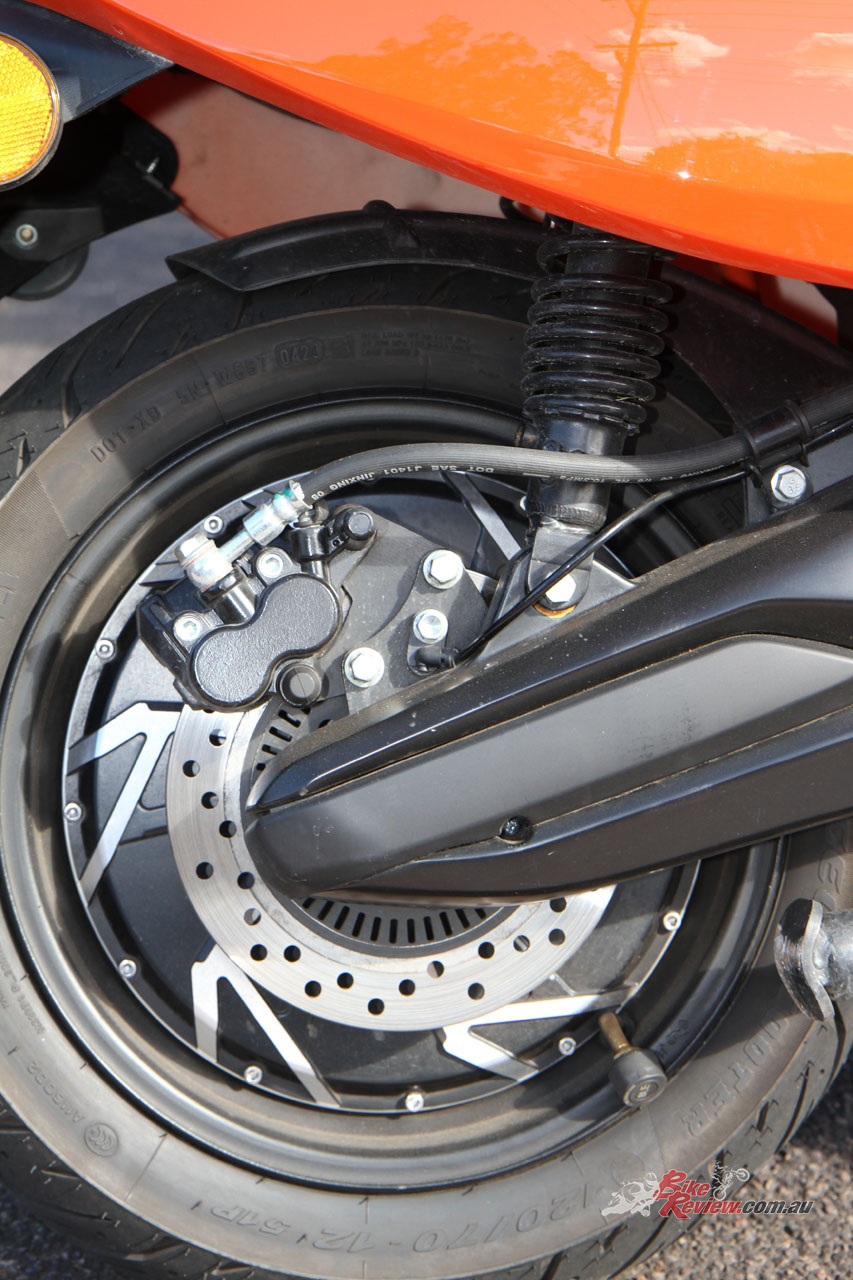
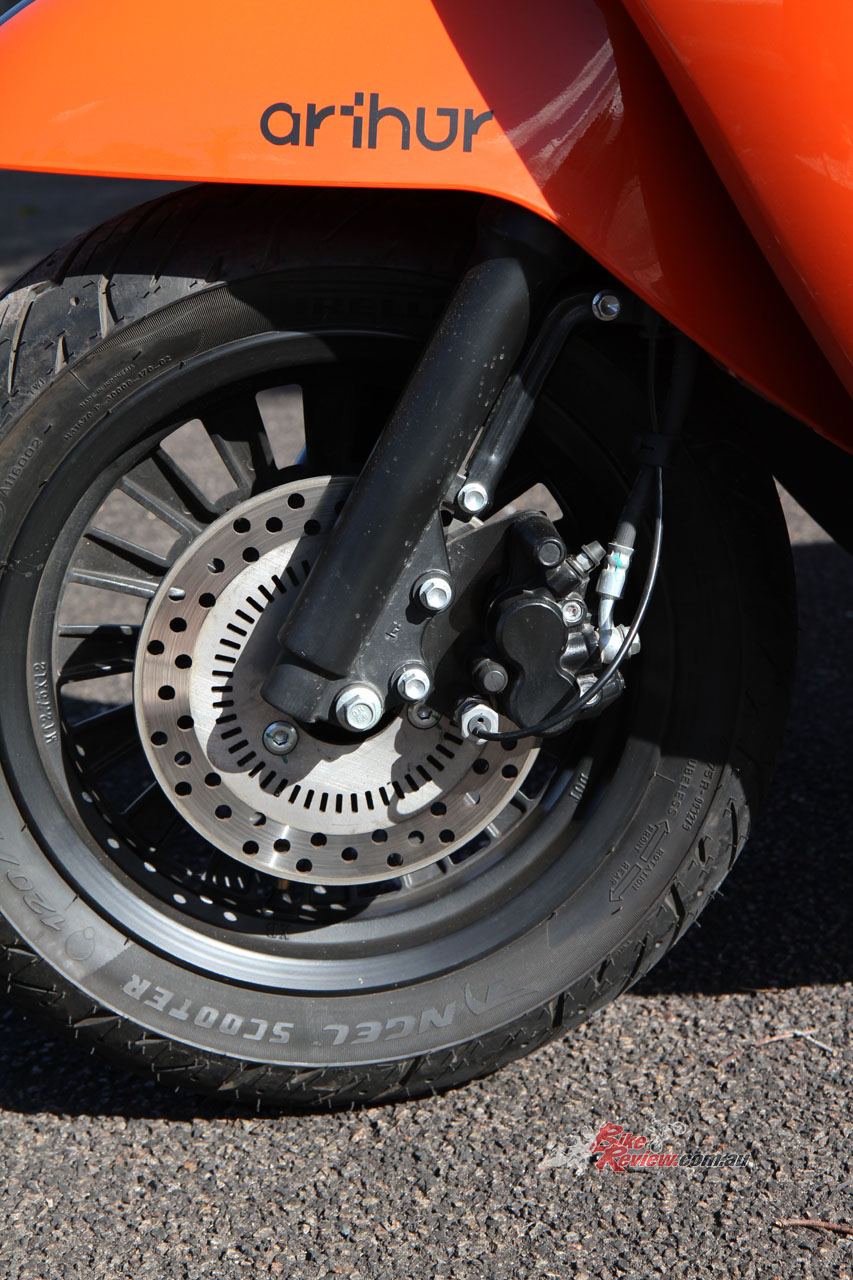
“In my testing you actually get more range from inertia and free-flow momentum on a bike, especially in city filtering, so for most commuters, range is actually better with this setup when you use it correctly.” That matches how it feels, free-rolling and natural when you come off the throttle. And I have to agree with Michelle, as I experienced the same results with my three month test on the LiveWire…
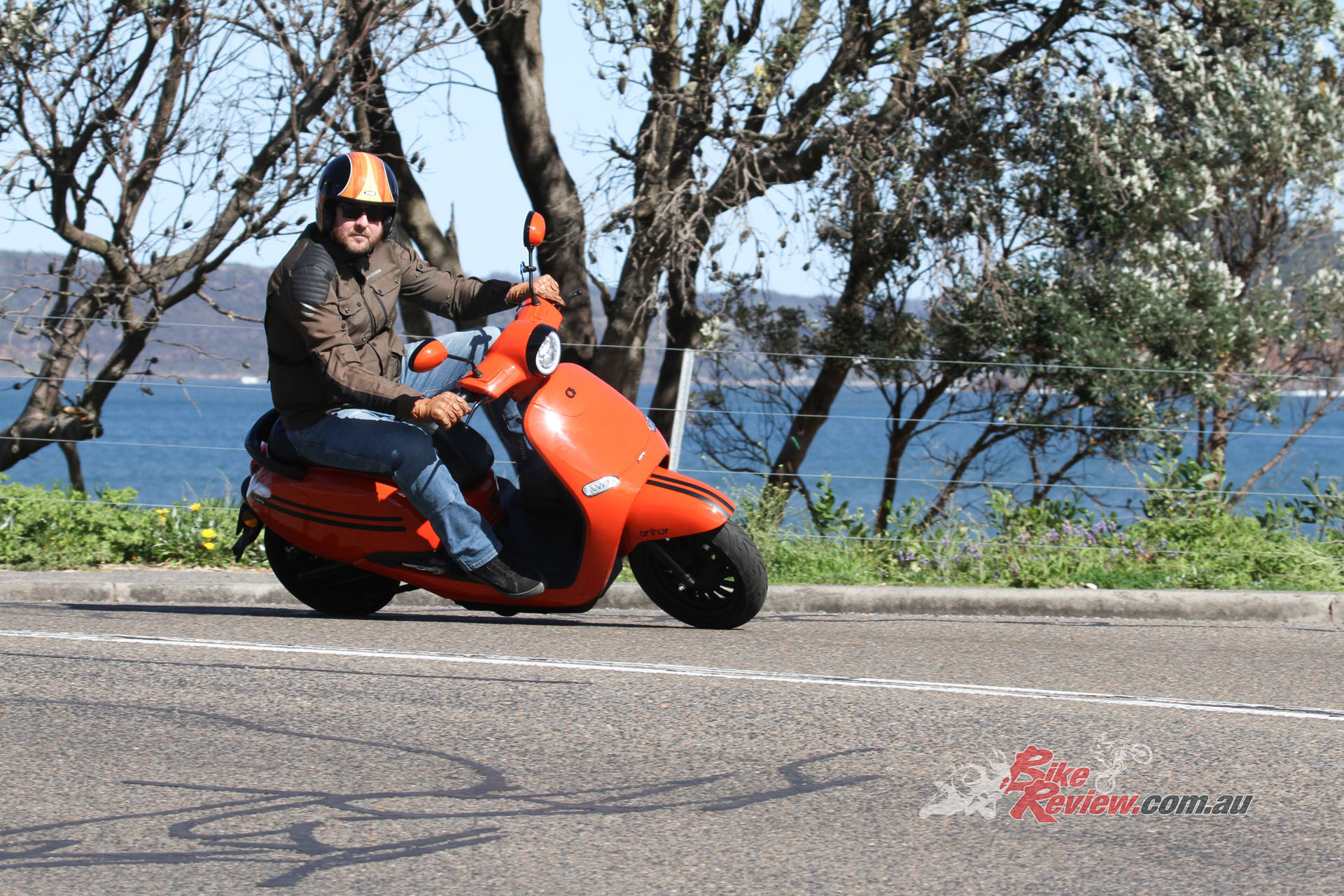
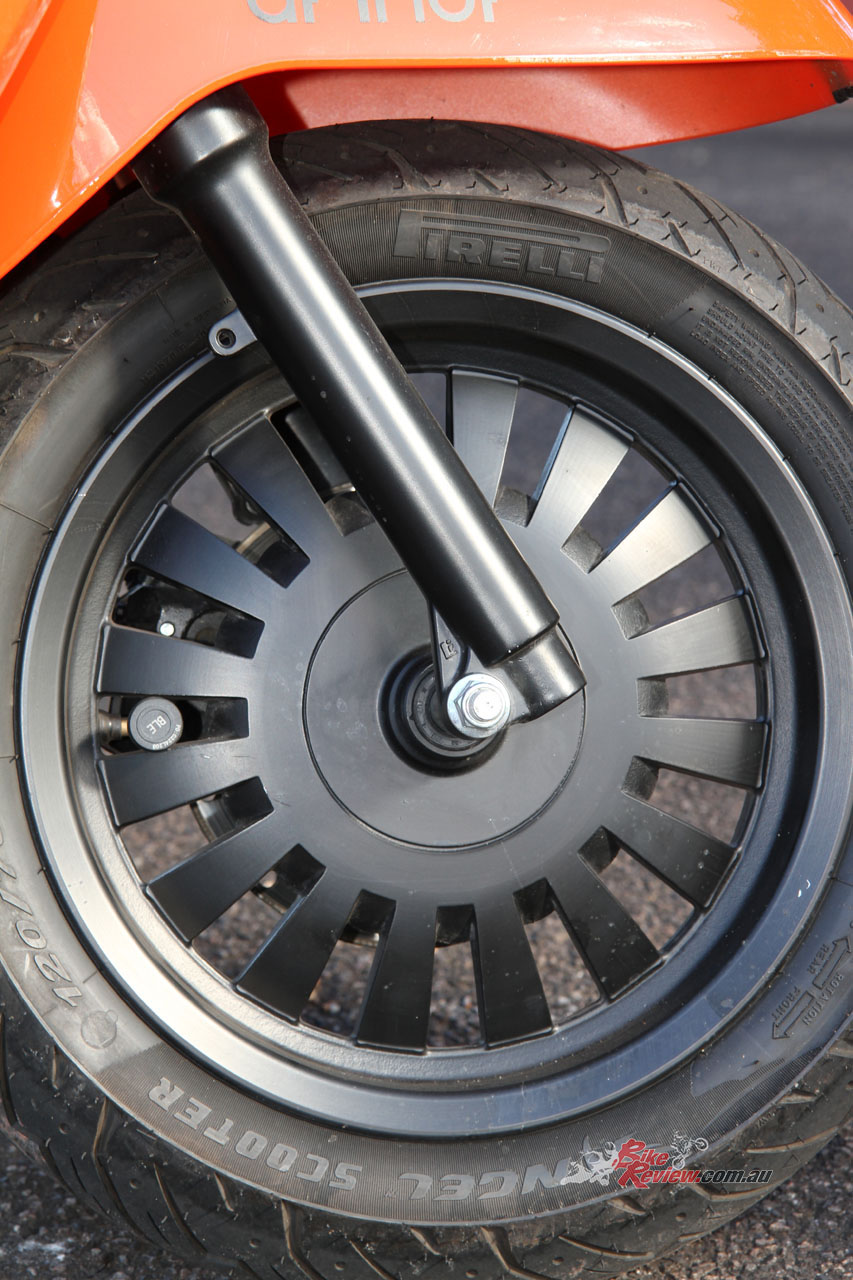
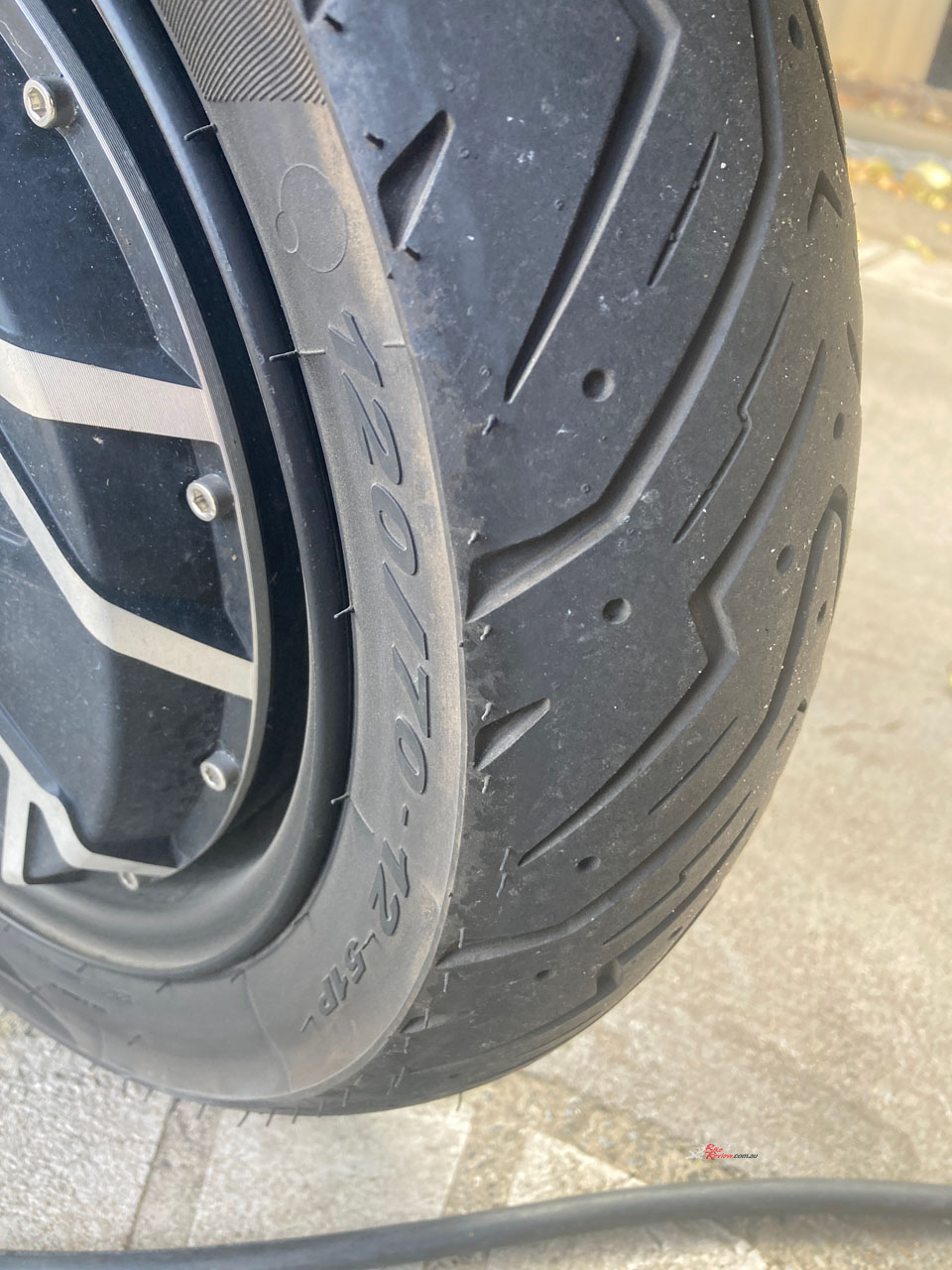
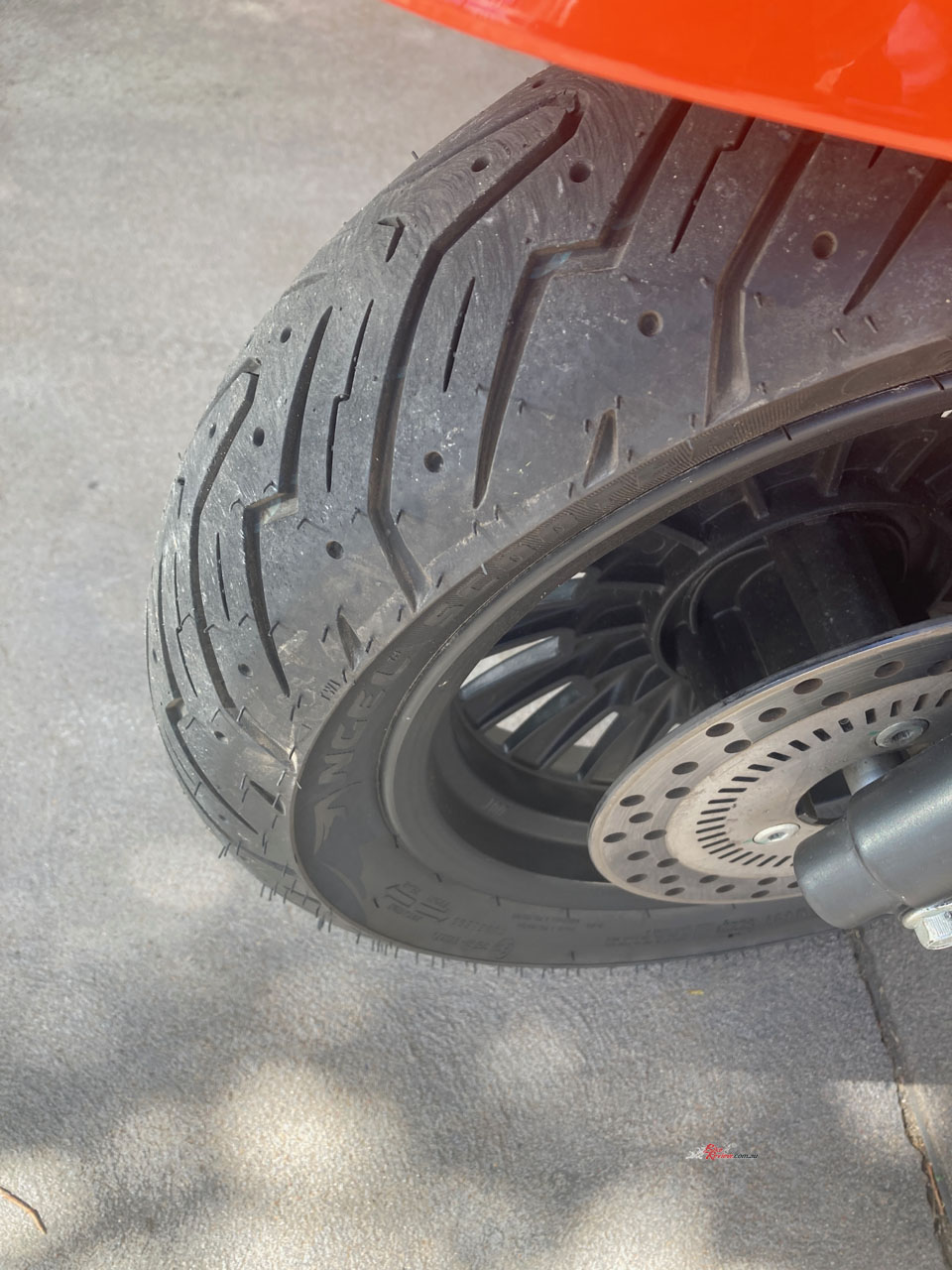
“Tyres are a story worth telling, Pirellis were fitted to my test bike, they are an option, and grip and feel were excellent.”
Chassis and suspension are sorted for everyday Aussie roads. I am 100kg and found the tune fine overall, though the rear is a touch soft for me, there is sag and I used full travel a few times over sharper edges. The seat could use a fraction more support in the middle, I felt a little hammocky after a long stint, but I was still comfortable enough across the week.
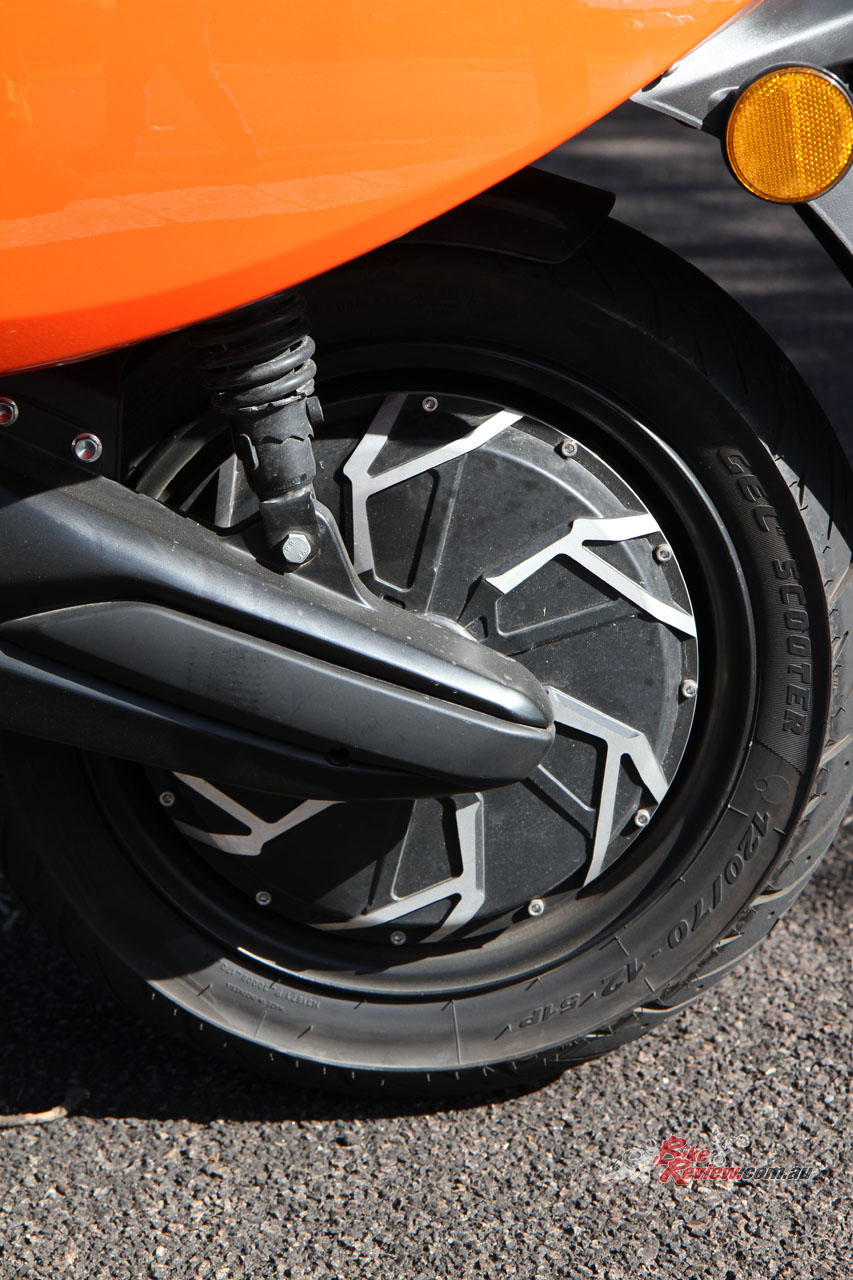
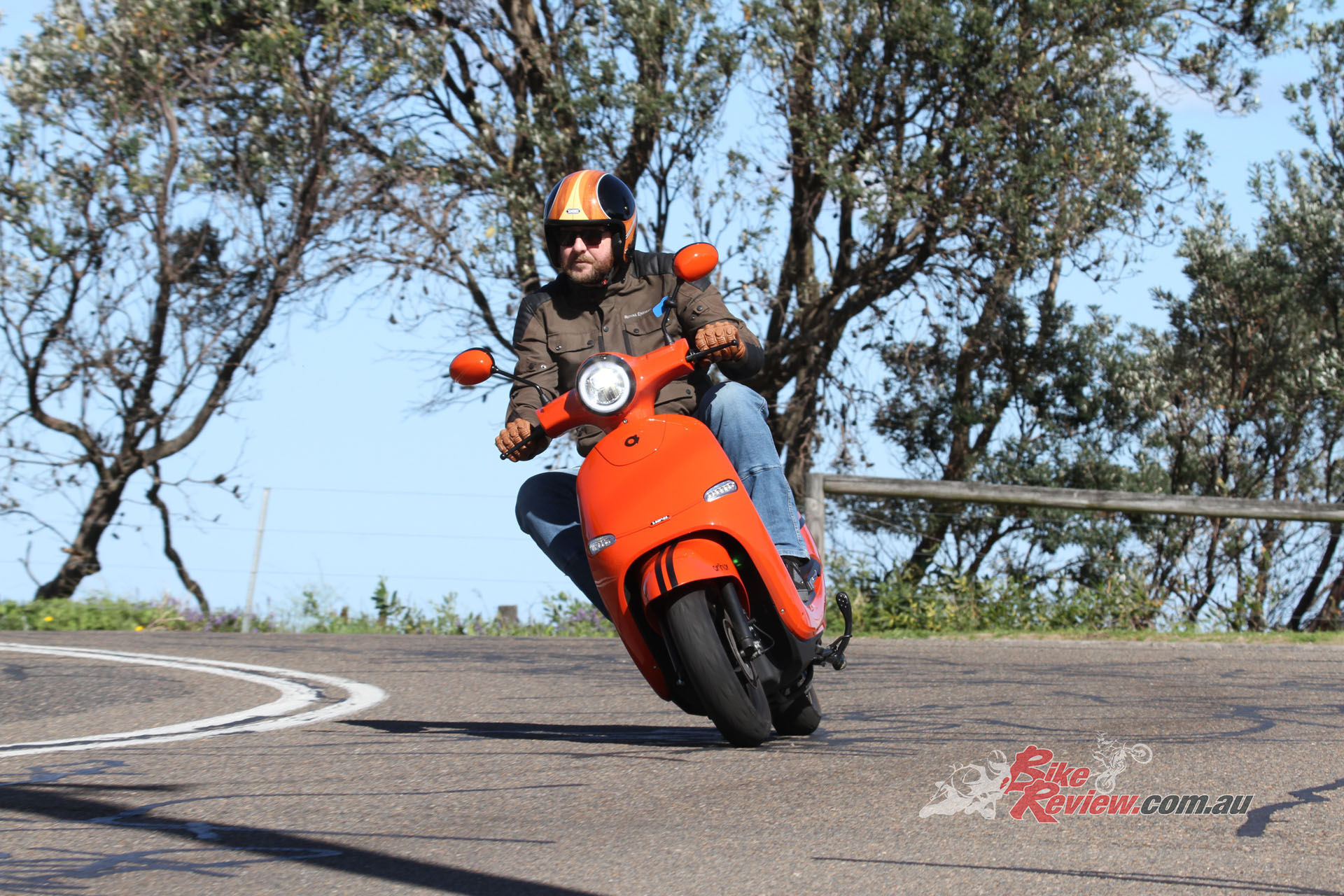
Clearance is great over gutters etc for parking, and when you tip it in, it is a scooter that actually likes being ridden with a bit of spirit in the corners. Tyres are a story worth telling, Pirellis were fitted to my test bike, they are an option, and grip and feel were excellent. Standard spec is Kenda, they are fine for commuting, but if you enjoy a faster weekend roll or ride year-round, I would tick the Pirelli box.
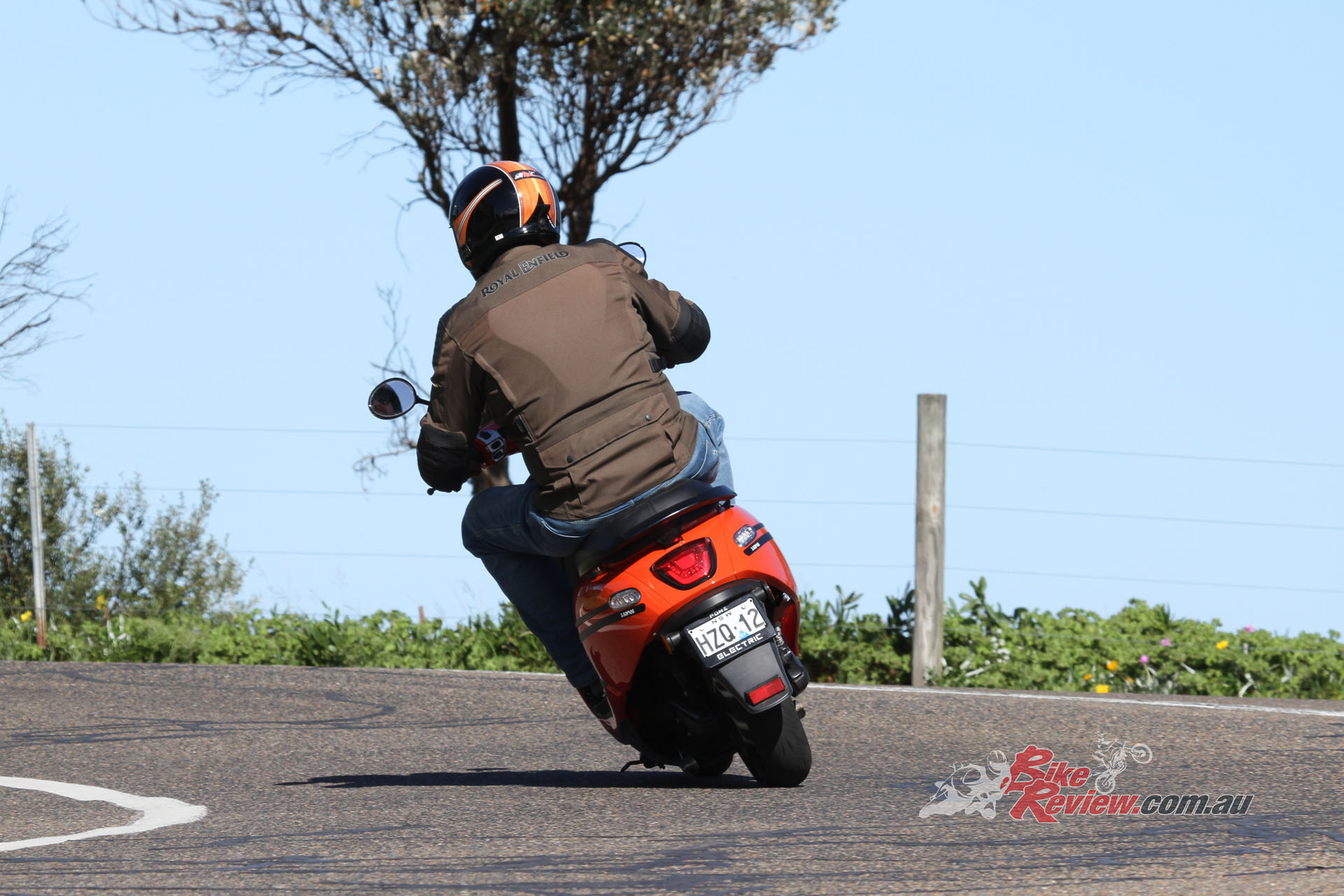
Cruising the beaches was enjoyable on the Z Series and it handled surprisingly well considering I am a heavy fella.
Practicality is where the Z quietly wins you over. The under-seat storage on the single-battery version is huge, I would choose it over the second battery unless you absolutely need the range. FONZ quotes up to 180km urban with the Long Range dual-battery setup, but it does eat into your storage space.
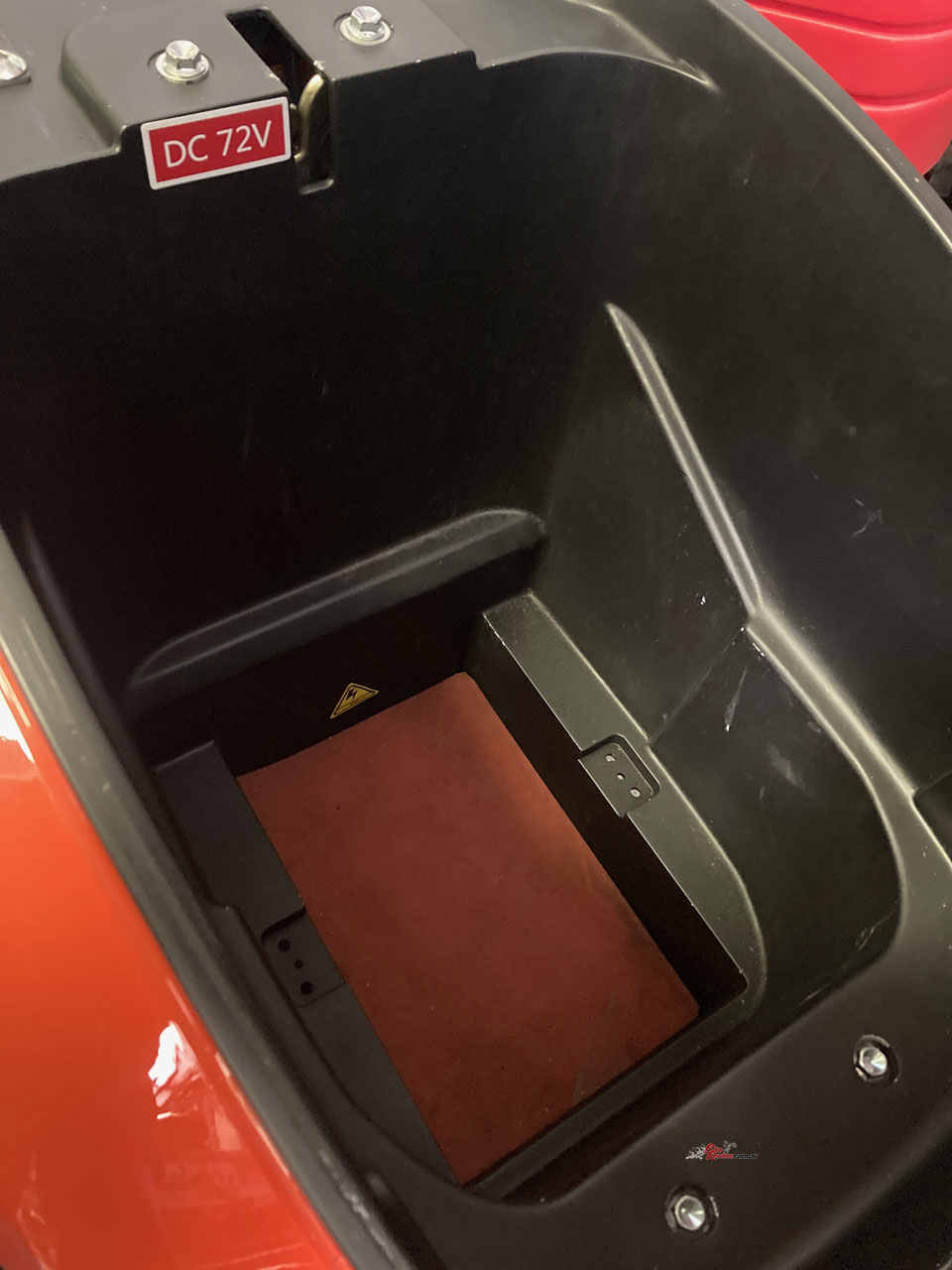
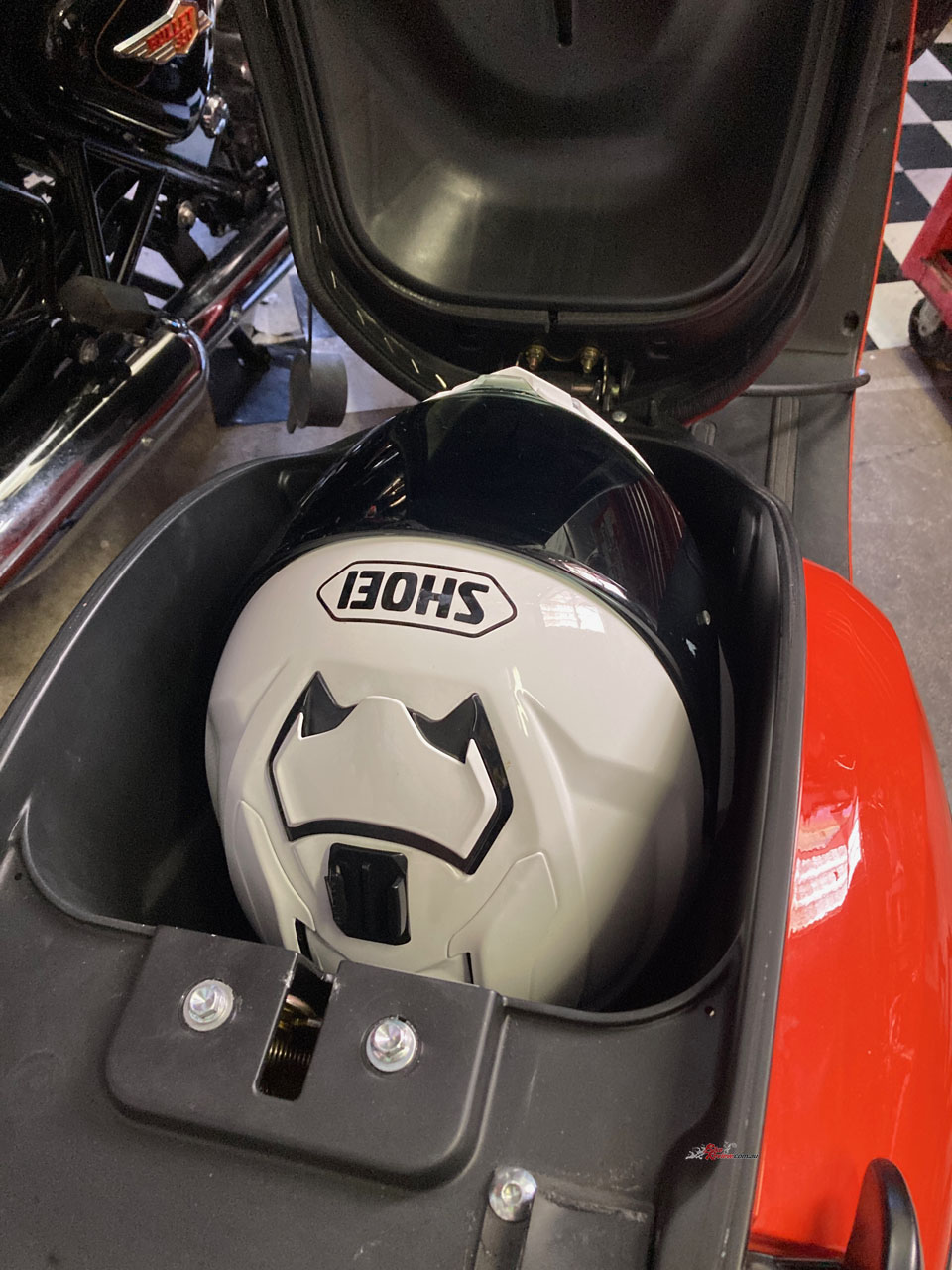
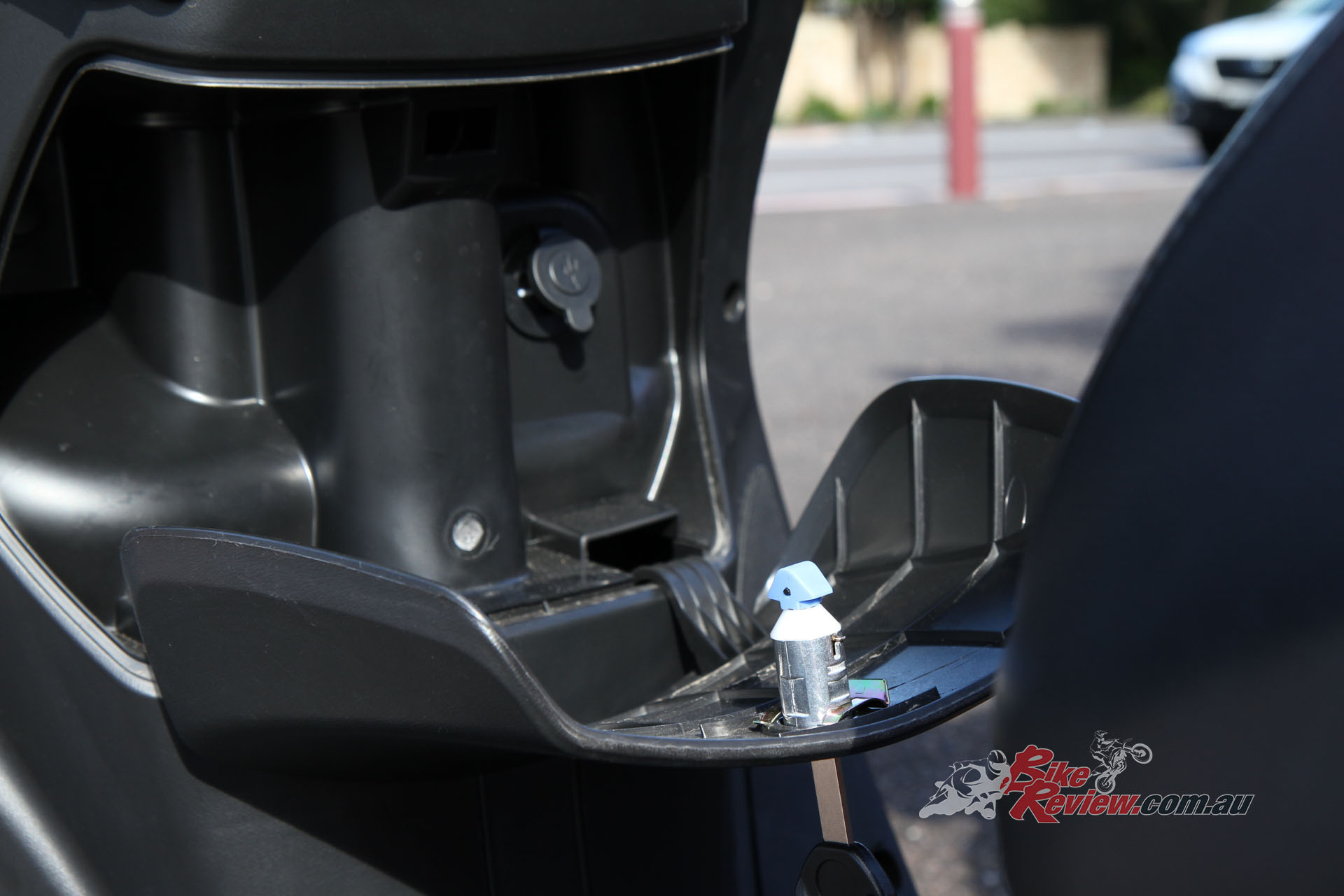
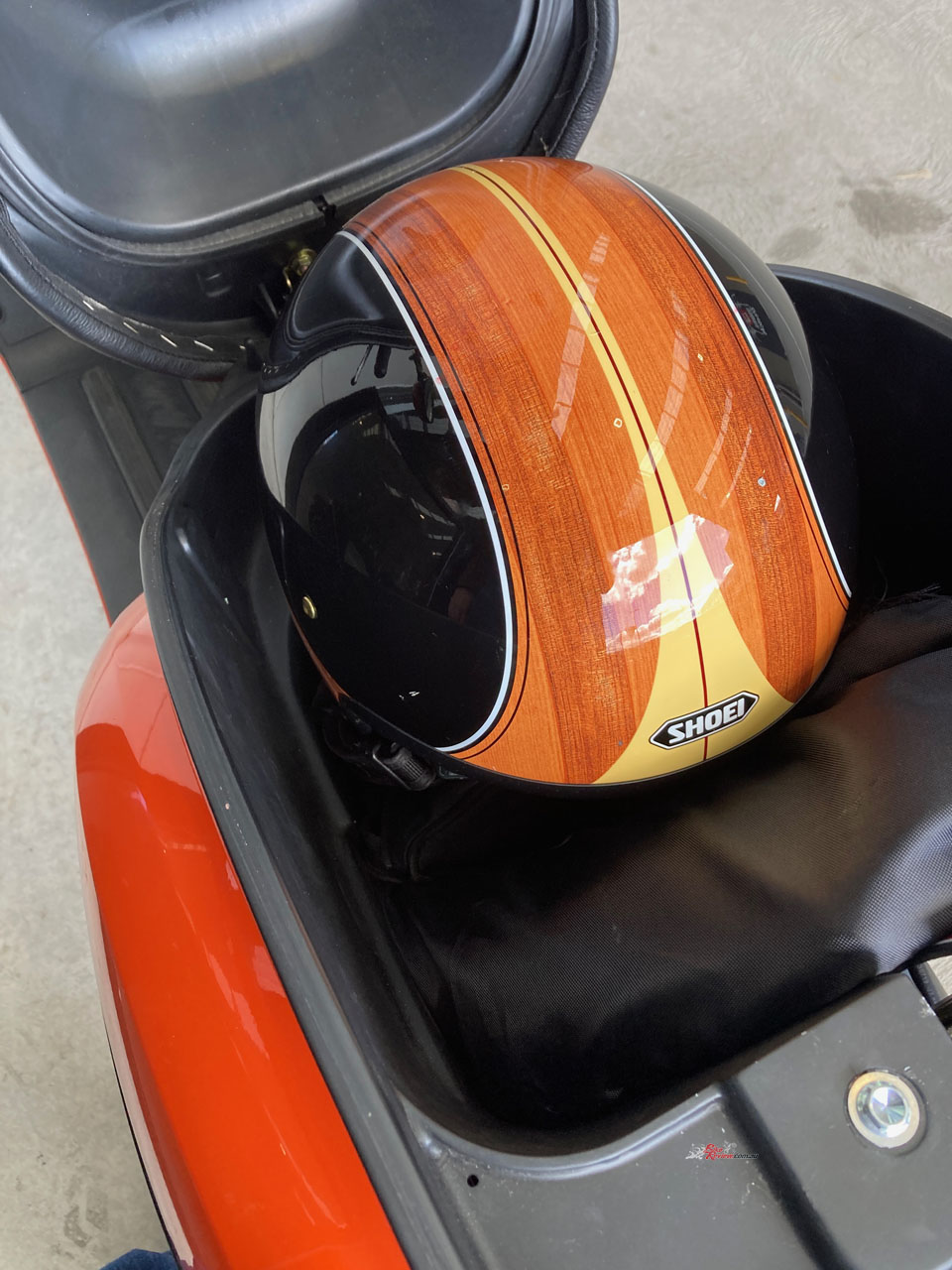
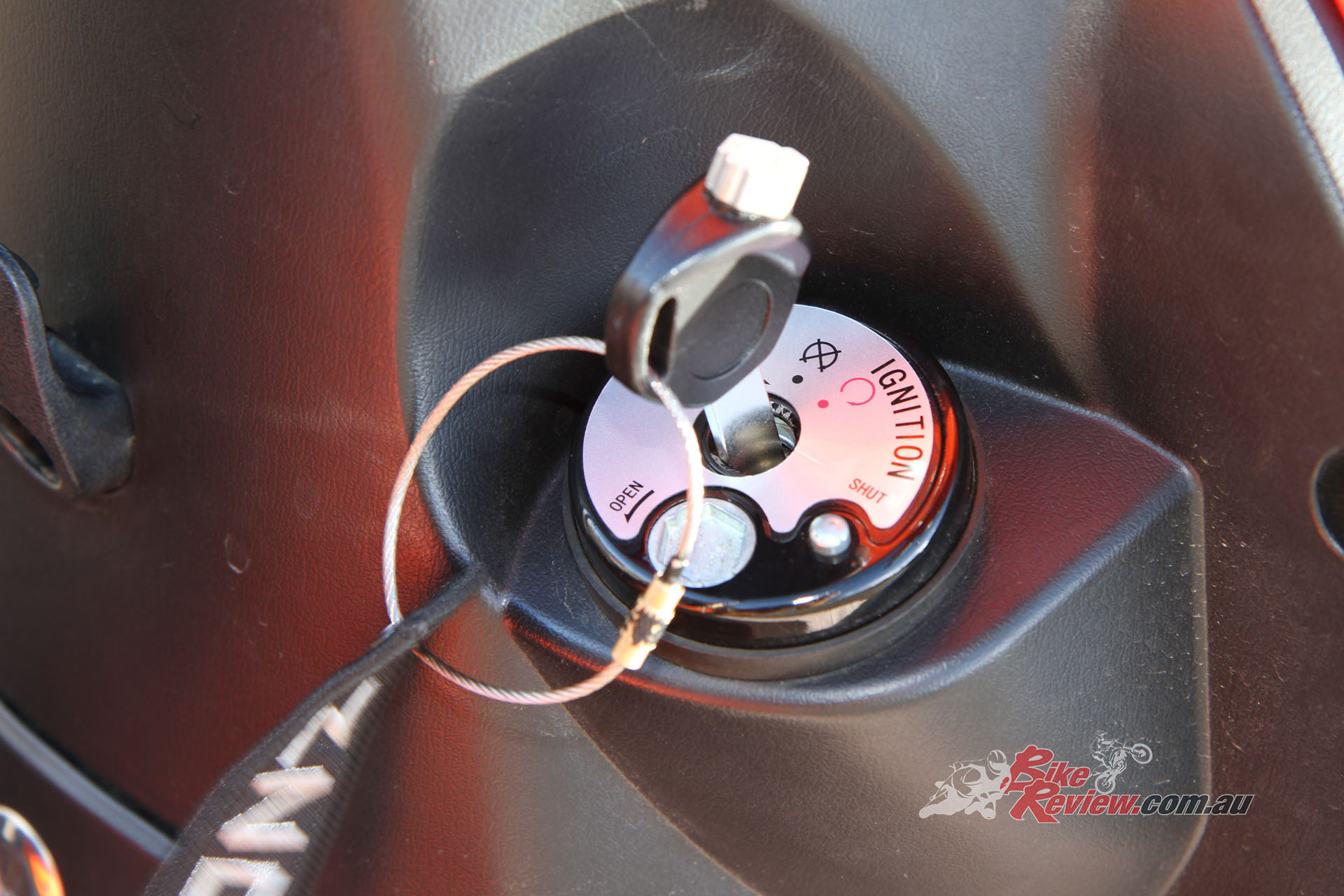
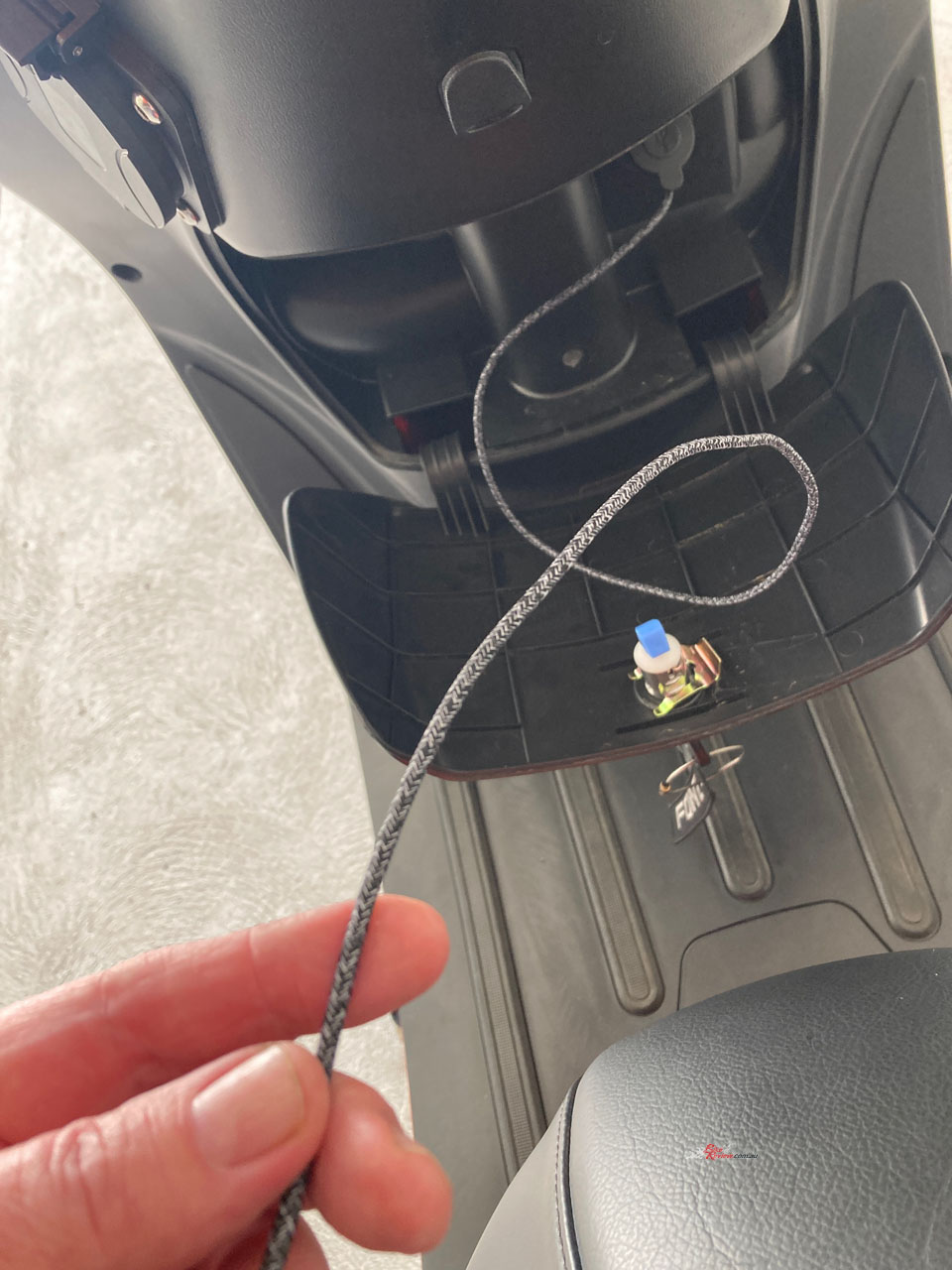
The good news is the second battery is a post-purchase option and easily removable, so you can tailor the scooter to your life. My one-battery and mega-boot configuration was perfect for shopping runs, a full-face lid, gloves and a wet-weather layer. There is also a lockable glovebox with a USB charge point that I used constantly for my phone and action-cam batteries.
Off to BWS before it closes, I found out I could easily fit a 10-pack of CC & Dry under the seat. Happy days.
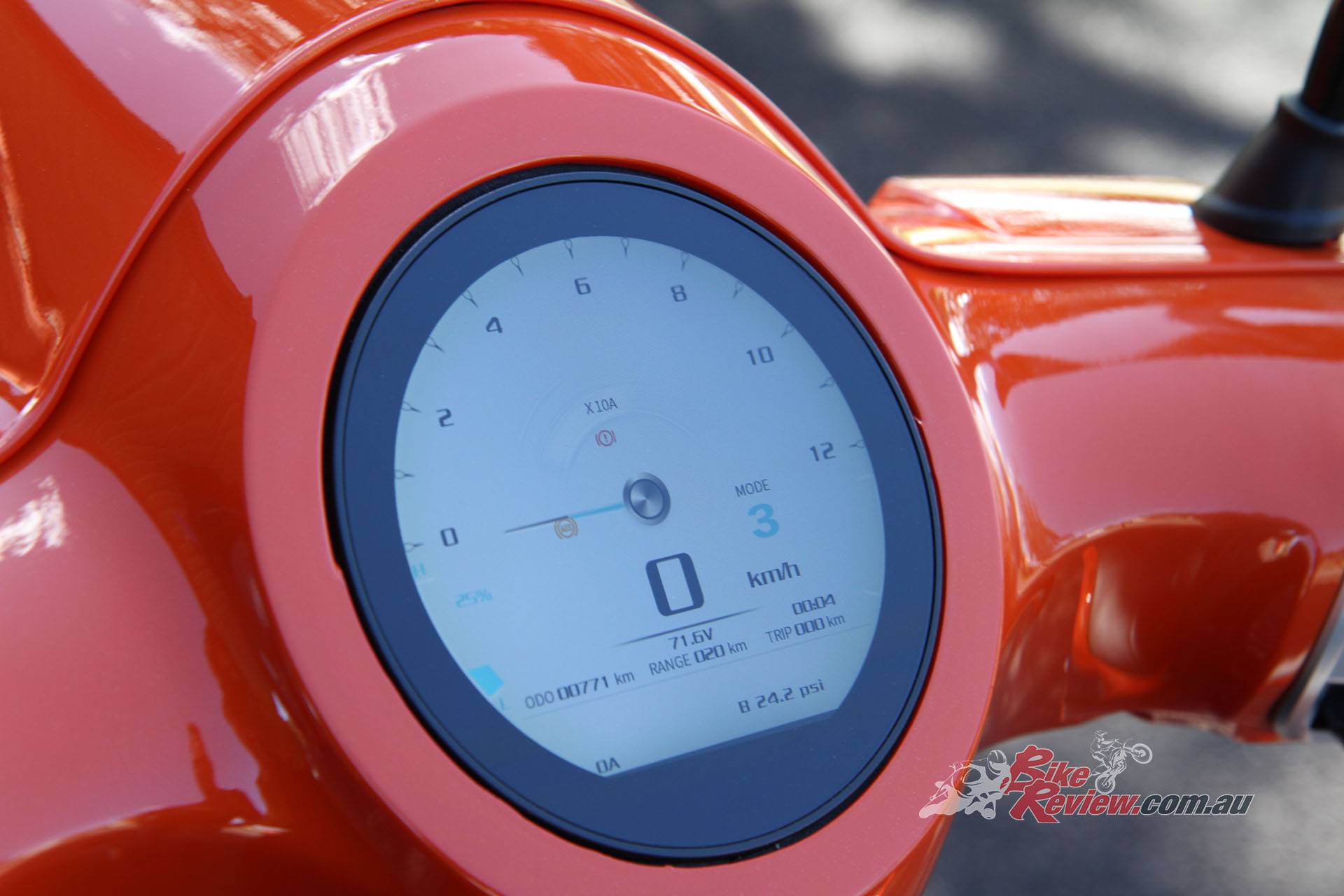
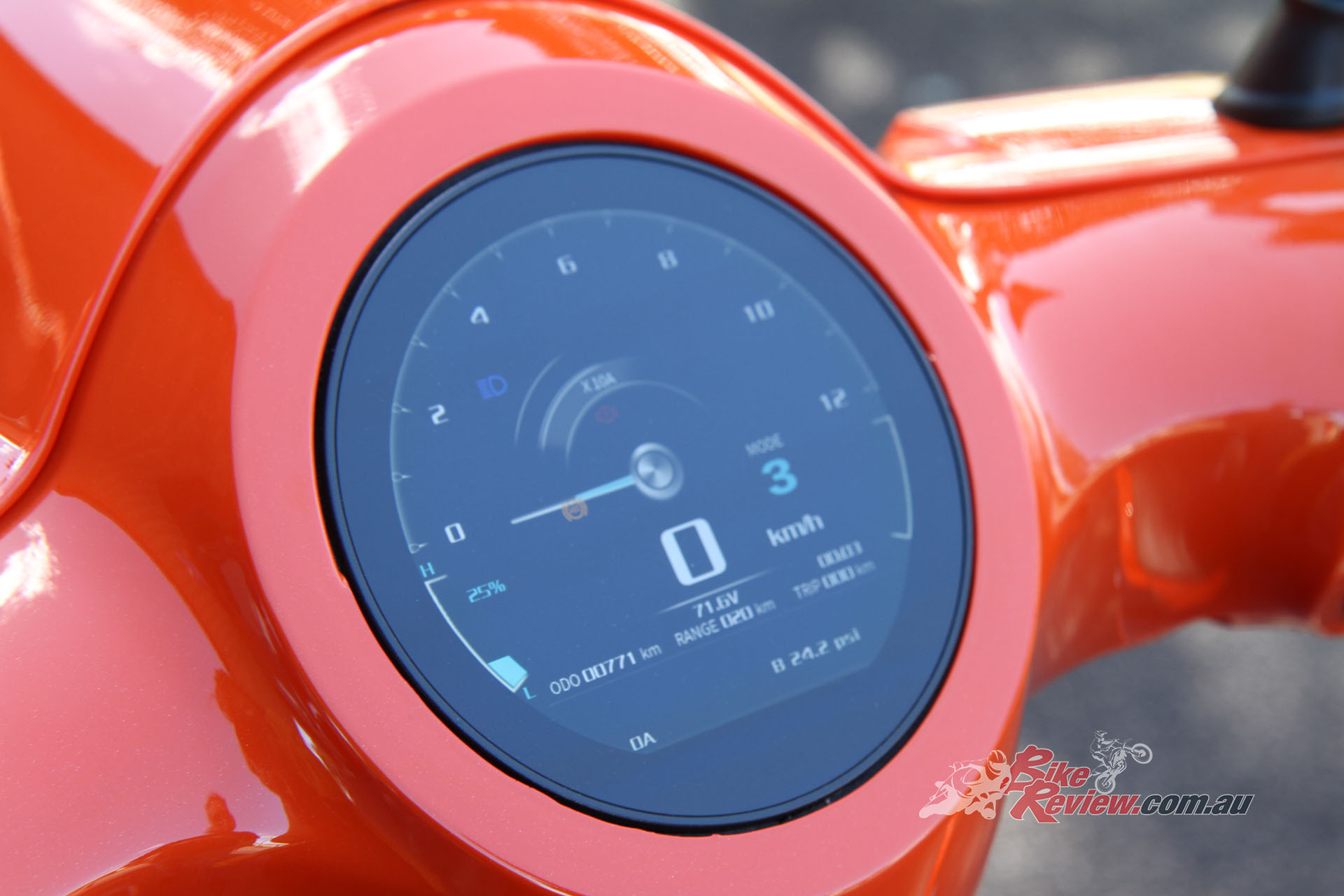
The dash is simple to navigate and has day and night modes, but font size is the one real miss, tiny for key data. I could not read ODO, range or trip while moving, I had to stop or wait for lights. Dark mode helped, and there is stacks of screen real estate to enlarge the numbers, so hopefully that is a quick future tweak. I also could not find a clock, which seems odd on a commuter-first scooter…
One battery for boot space, two for big range, have it your way…
Charging was a pleasant surprise at home and a hiccup in the wild, largely because my bike was a pre-production unit. On the standard home charger, I logged an excellent 30 minutes to 20 per cent, one hour to 30 per cent, two hours to 50 per cent, about 40km of real range, three hours to 70 per cent and a full charge in under five hours. That is perfectly workable for the daily loop, especially if you can top up the battery charge opportunistically.
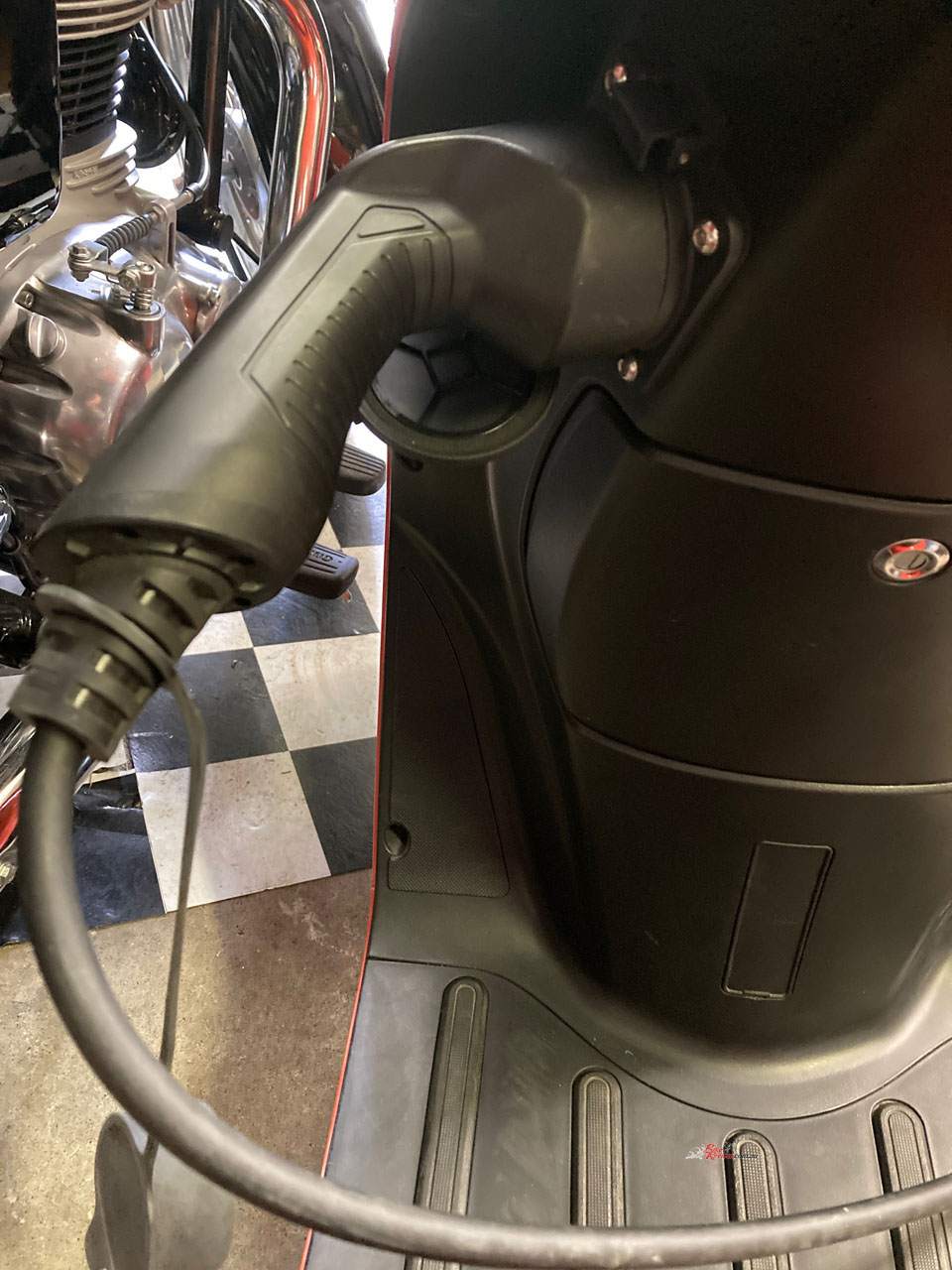
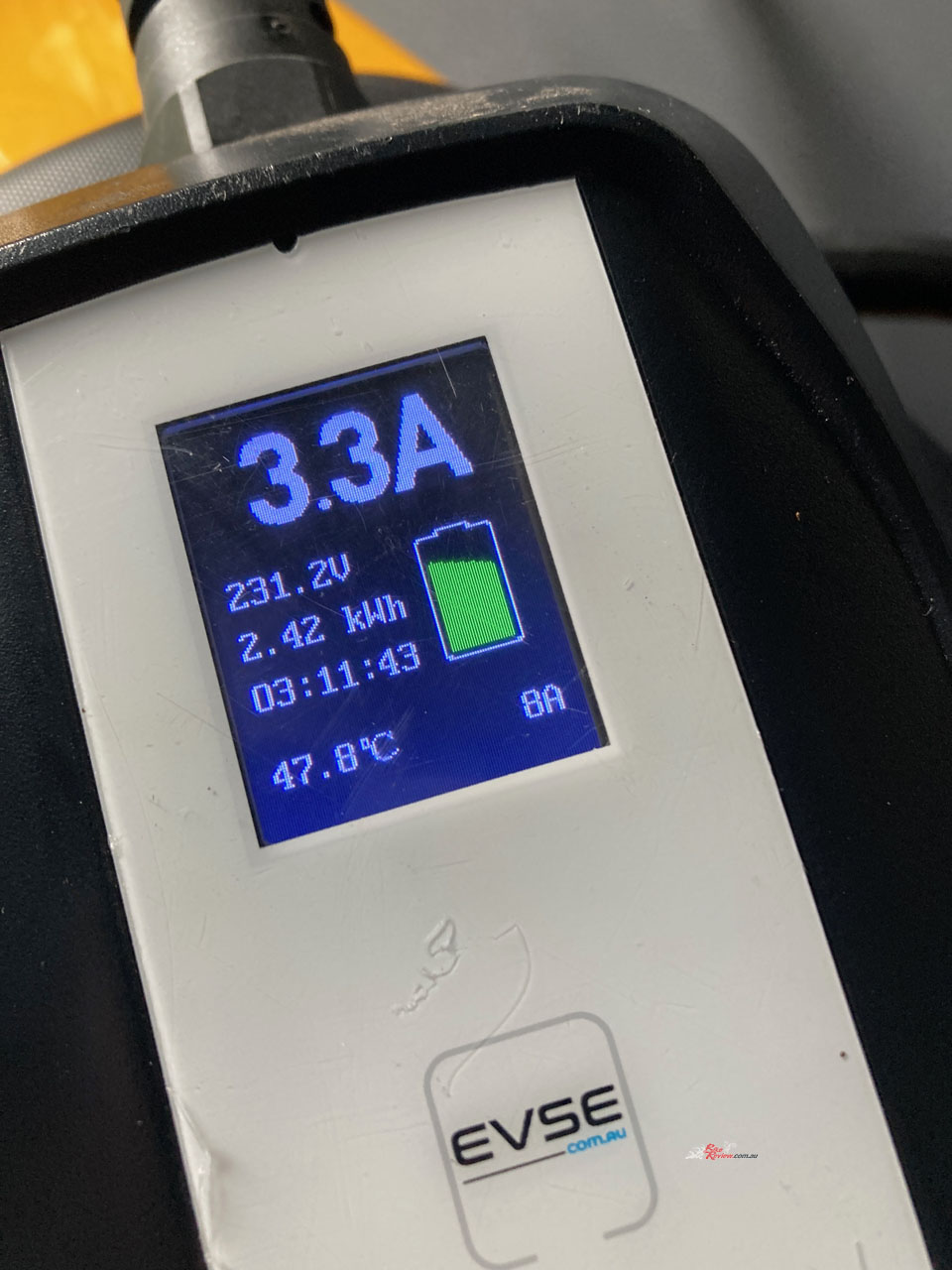
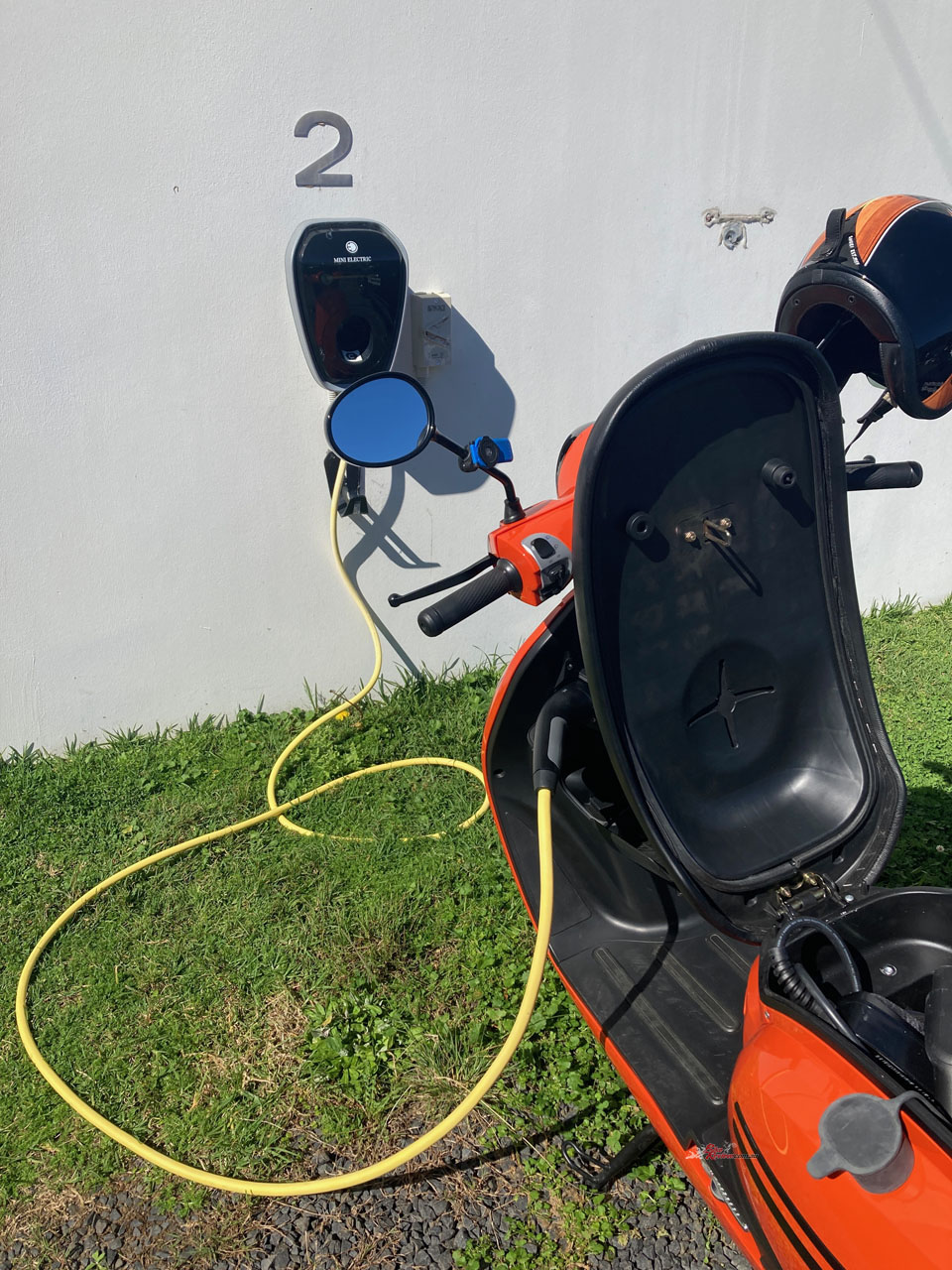
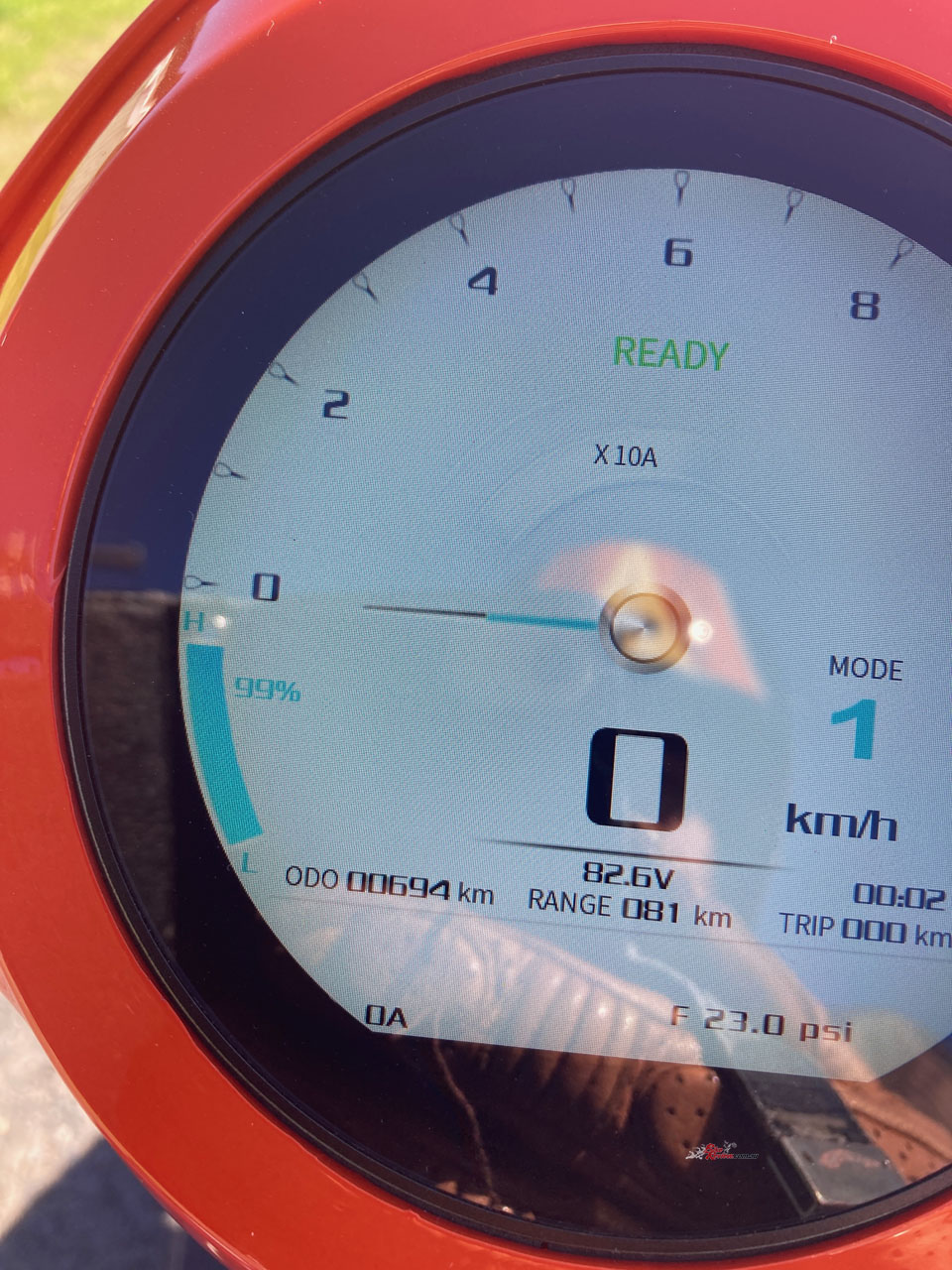
I planned a bigger loop with two fast top-ups at a mate’s BMW dealership, 7kW Type 2 wallbox, hoping to add 100km in 60 – 90 minutes each stop, but the Z refused to accept the faster charge, as it did not have the fast charger on board. That canned my big day out and I headed home on 33 per cent, which still got me back fine. At home the Z charged quickly off the standard unit as above. For what it is worth, I did most of my charging during sunny patches, with rooftop solar, my commuting was essentially free all week, which feels like cheating in the current cost-of-living climate.
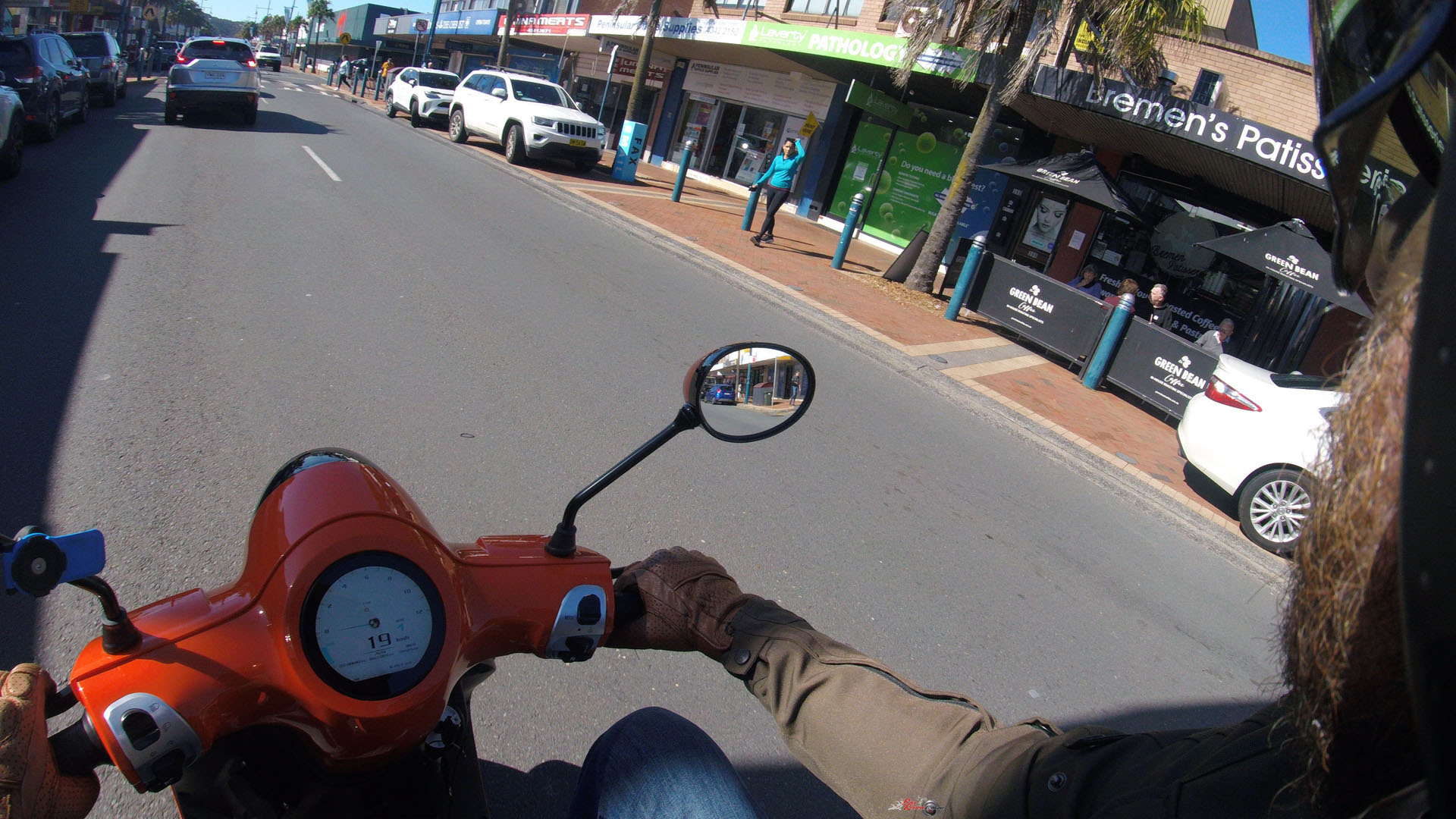
my commuting was essentially free all week, which feels like cheating in the current cost-of-living climate.
Build and finish are good, with room to improve. Panel fit is tidy and the overall presentation is sharp, but I would like thicker plastic for the outer bodywork on a bike that will likely live outdoors in a city and cop Aussie sun plus parking knocks. Nothing rattled or squeaked on my test bike, even on our crappy Central Coast roads, and I even took it out to Kulnura and Somersby, where it gets really bumpy.
Michelle was candid about the hardware in the Z Series, “This one is 11kW with our powerful setup, mainly thanks to the Powerpack battery and controller being heftier than earlier models. It is using NMC pouch cells with a 3C discharge rate, three times our other batteries, the same type used in Hyundai, GM, Tesla and BMW i3.” That explains why it feels gutsy off the mark and happy at 100km/h.
Ergonomically, it is a win. The rider triangle feels grown-up rather than toy-like, the mirrors are useful, the switches are sensible, and there is even a reverse for awkward car park shuffles. The pillion setup earned praise from my passenger for ‘peg position and seat shape on short hops, and the motor had plenty of shove two-up on level ground.
The base Z is $9,690 ride-away in Australia, which is sharp when you compare it to similarly quick petrol scooters once you factor in fuel and servicing. My test scooter, with single battery and Pirelli option, stickered at $10,340 ride-away. Add the second battery and you are at $11,990 ride-away, with the bonus of easy post-sale fitment if your needs change. Given I happily lived with 70 – 80km real range and loved the cavernous storage, I would personally pocket the change and stick with one.
Either way, for under ten grand the Z is a bargain, fun, practical, good-looking, super-cheap to run and best of all, Australian. If you are EV-curious but have not made the leap, the Arthur Z is a gentle, grin-inducing first step, and if you have got solar you can legitimately ride for almost nothing. Support an Aussie manufacturer, enjoy a quieter city and keep more cash in your pocket, seems like a tidy equation to me.
I’ve also reviewed a number of EV cars, you can read those test here… With the cars and the larger electric bikes, the let down is our charging infrastructure, but with these smaller commuters, electric power and home charging makes so much more sense…
2025 FONZ Arthur Z Series Specifications
Price: From $9,690 ride-away (as tested $10,340 ride-away; Long Range dual-battery $11,990 ride-away)
Colours: Orange, Black, Grey, Green
Warranty: Three years, roadside assist 12 months (Battery: three years, 20,000km)
Claimed power: 11kW (peak)
Claimed torque: Not stated
Top speed: 100km/h (tested)
Weight: 108kg (126kg for long range)
Range (claimed): 100km urban (single battery), up to 180km urban (dual battery Long Range)
Range (tested): 70 – 80km mixed riding, 50km sustained 100km/h before limp mode
Servicing: First service 1,000km, then as required by FONZ dealer
Motor: Rear wheel direct-drive brushless permanent-magnet motor with regenerative braking and reverse. Clutchless, single-speed. Battery: NMC pouch-cell lithium-ion Powerpack, 72V. Single or dual configuration. 0 – 100 per cent in under five hours on standard charger, Type 2 On-board charger: 72 V / 25 A (1.8 kW) fast charger included. External wall charger not included Optional accessory: 72 V / 10 A (720 W) external charger available for bike-to-wall.
Chassis: Steel frame with central floorboard and underseat battery housing.
Rake: 28.8º Trail: 100mm
Suspension: Telescopic fork, non-adjustable (f); Twin shocks, preload adjustable (r). Brakes: Disc brakes front and rear 200mm/190mm, dual-channel ABS, regenerative braking. Wheels & Tyres: Cast alloy wheels, 12-inch. Standard Kenda tyres, Pirelli option fitted to test bike, 120/70 – 12in.
Dimensions:
Wheelbase: 1350mm
Ground clearance: N/A
Seat height: Approx 775mm (740mm optional)
Overall length: 1805mm
Overall width: 720mm
Overall height: 1175mm
Instruments & Electronics: TFT dash with day and night mode, multiple riding modes (speed-capped), regenerative braking meter, USB charging port, GPS tracking optional. LED lights.
Ratings | Bike Review | FONZ Arthur Z Series Electric Scooter
Ridgy-Didge
An Aussie-built electric scooter that looks Euro, launches like a 300, and slashes commute costs to near-zero, FONZ Arthur Z Review
The Author

You Might Also Like