

Paris has always been chaos on wheels, but for motorcyclists it’s glorious chaos, history, anarchy, and scooters everywhere. Forget the car keys, bring a helmet and your best shrug...
Bear Tracks Riding In Paris | There is an Asterix comic in which our hero and his steadfast if rather thick companion Obelix visit Paris. It must be some time in the last Century BCE, because their adventures take place during Julius Caesar’s lifetime…
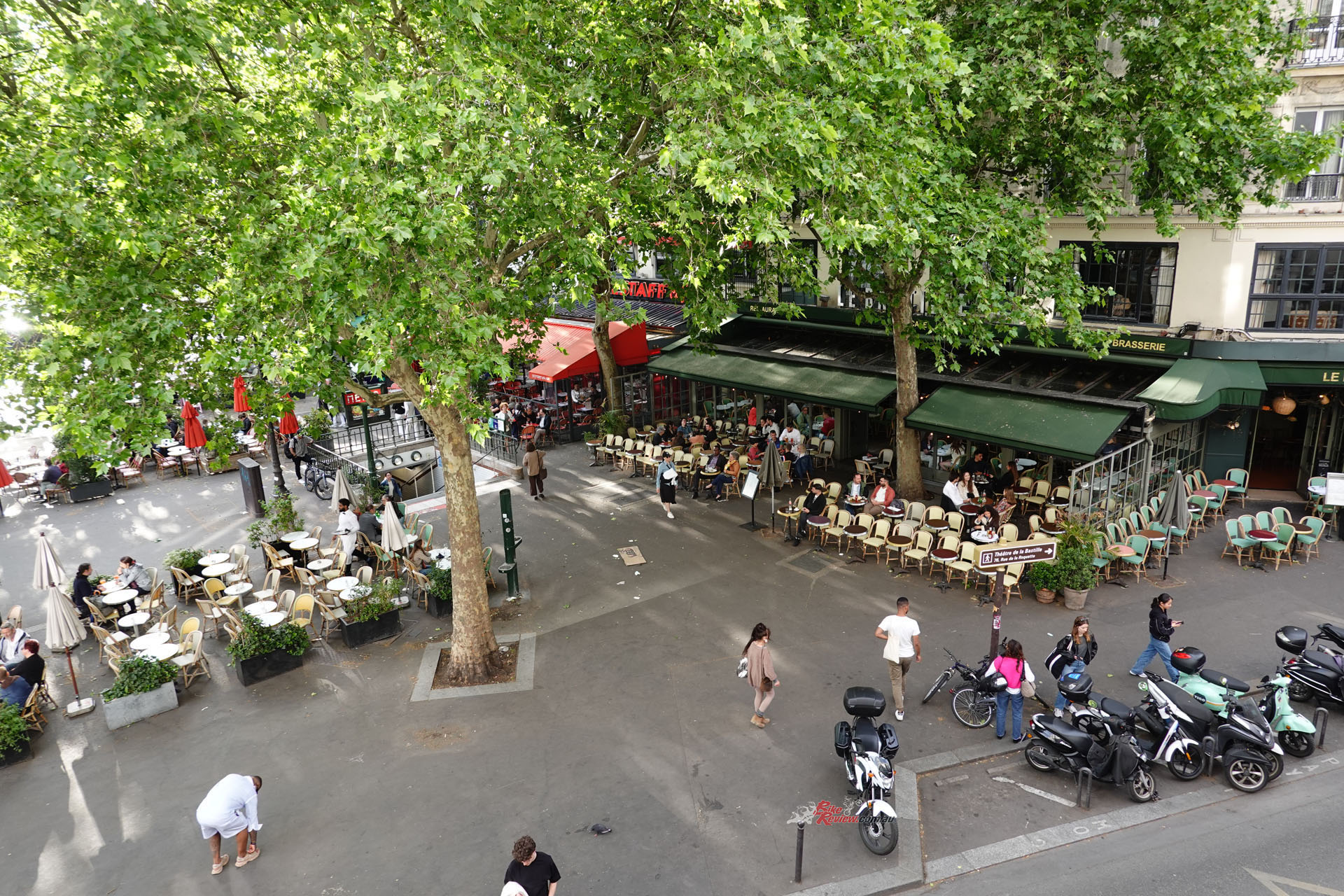
As they walk down from the forest’s edge towards the river and the town, you can see that the artist Albert Uderzo has done his homework.
The Celtic town with its wooden buildings, a few of them with stone foundations, fills what will become the Île de la Cité along with a patch of Roman structures including temples, fortifications and gardens. Wooden bridges reach out to both banks. Paris, then called Lutetia, is already about 150 years old. Some aspects of its basic layout are established, with the Temple of Jupiter roughly where Notre Dame cathedral will one day be and the bridges in the right places.
Read previous Bear Tracks articles here…
So Paris is more than 2000 years old now, and its complicated network of streets has not been sanitised since Baron Haussmann did it on the order of Napoléon III of France. Appointed in 1853 as the Prefect of the Seine, he led the massive transformation of Paris until 1870. But though he did a spectacular job, complication has crept in again – not least with the many one-way streets. So it’s easy to get snookered. If that happens in a car, you’re not only stuck yourself: you are also holding up other traffic. On a motorcycle you just perform one illegal manoeuvre or another, and everybody‘s clear. I have yet to see the gendarmes object to this. They are very sensible, generally speaking, and ride a variety of motorcycles and scooters themselves.
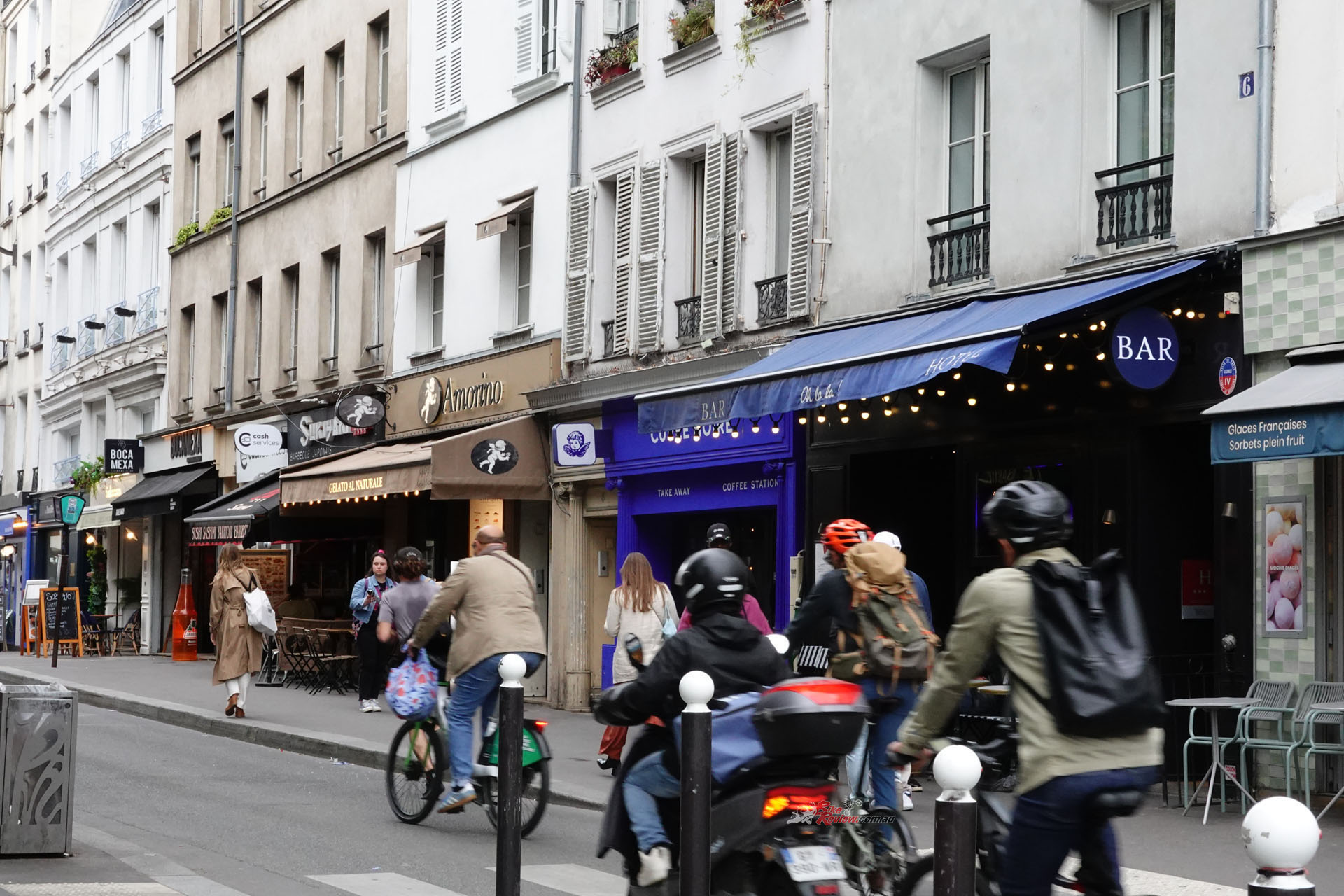
But at first glance, navigation looks a little bit of a challenge. I remember back in the’70s I came to Paris for Christmas with my flatmate, composer Ross Edwards. We had caught a cheap “student” flight from Heathrow near London, and arrived in the middle of the night. We couldn’t find our hotel, so we asked a flic in his stylish cape. “C’est à gauche à le troisième feu,” he said or something like that and pointed down the street. “The third fire to the left,” said Ross. “Has the revolution started up again?” I’ve since learned that the French call a traffic light a “feu”, or “fire”. Who knew?
You do need a helmet; I’ll see you on the road wearing mine which has a large yellow rubber duck on it. It’s special for Paris…
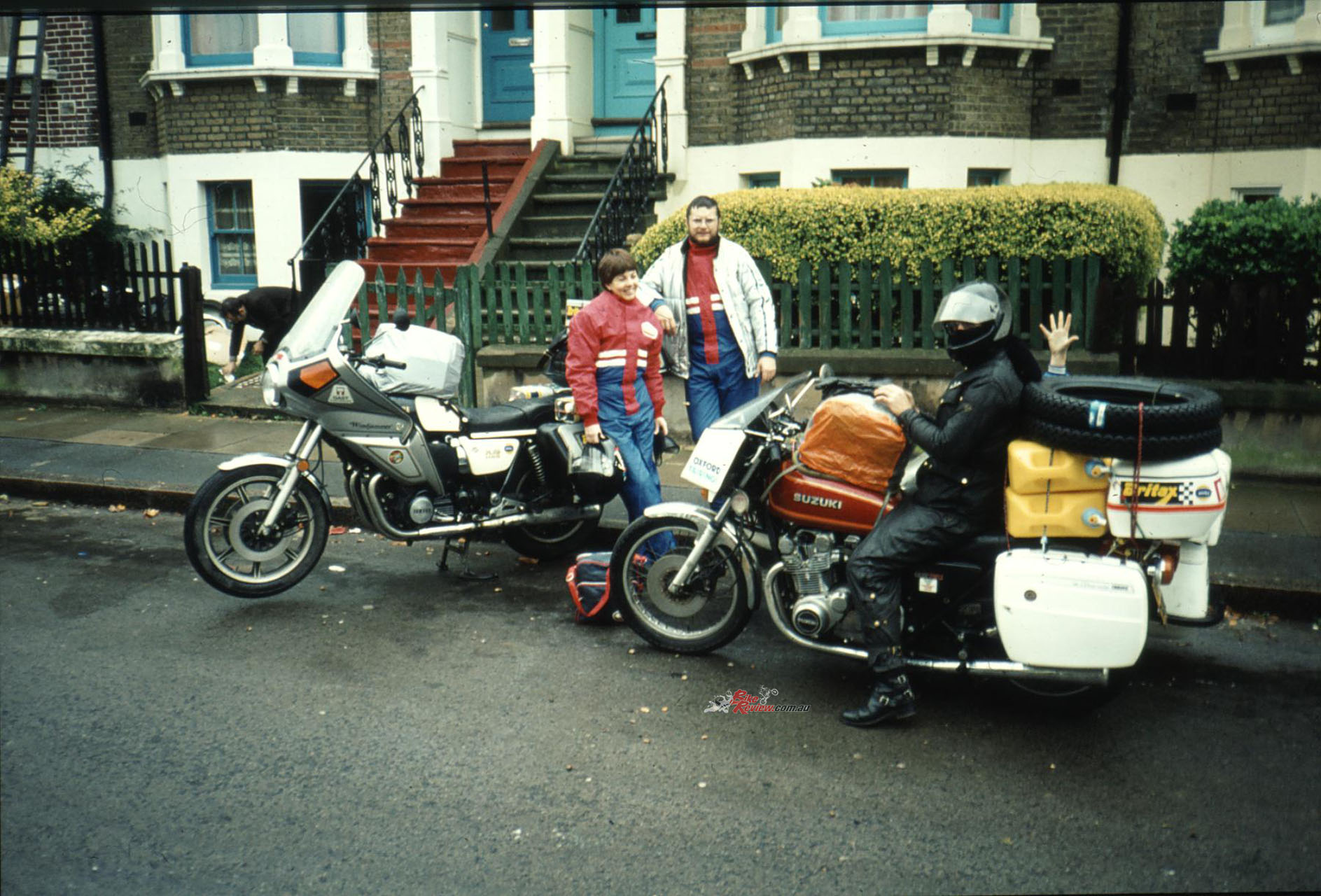
A few years later, Mrs-Bear-to-be and I visited Paris at the beginning of our ride to North Africa, Europe and the Near East. We were being careful with our money – as well as keen to test our gear — so we checked into Camping de Paris. Nestled into the Bois de Boulogne along the Seine, this is the closest true campsite to central Paris. It offers pitches for tents, caravans, and campervans, plus wooden cottages and caravans with private bathrooms. There’s a grocery store, a restaurant and of course showers for the campers.
The showers provided entertainment as well as cleanliness. There was a bank of about a dozen of them, and you bought some jetons, or tokens, from the office. You then found an empty cubicle, took off your clothes and inserted a jeton in the waiting slot. Much of the time this had no result. You put your clothes back on, went back to the office and claimed another jeton. If you were smart you then waited until a cubicle became vacant, and asked the user as he or she left, “Il, er, est marche?” in incorrect but understandable French. If you got an “oui, il marche” you claimed it, took off your clothes and once again inserted a jeton in the waiting slot. With luck you then had your shower.
With a lot of luck you would, on your arrival with the jeton in your hand, find a cubicle that had a small queue in front of it. This meant that it was permanently on, and did not require payment. If you had time, you would join the queue.
I don’t know if they have fixed the showers, but the campground was a great place to meet other riders. We befriended, among others, one young woman on a Honda 400/4 whom we met again in Spain and Morocco and a couple of blokes on an MZ250. We didn’t meet them again.
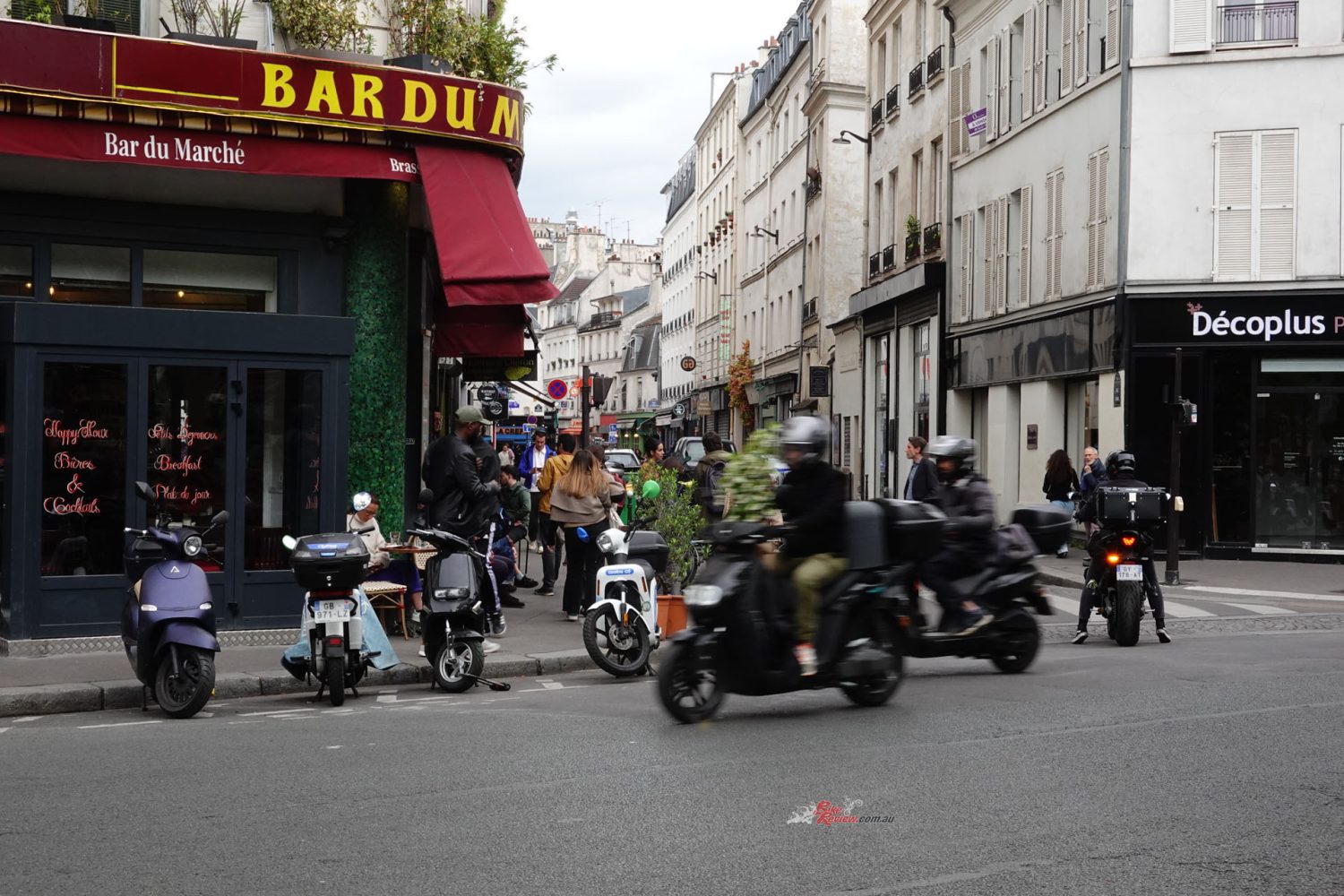
Getting around in Paris, then or now, is best done by motorcycle or scooter. Cars are out, mainly because of the parking problem but also because French drivers can be somewhat… assertive. No worries on a bike, they won’t hit you. Other cars and vans are not quite so easily avoided. Public transport is theoretically great, but Heaven knows where the buses go and Metro transfers sometimes require exhausting walks not just between stations but between platforms.
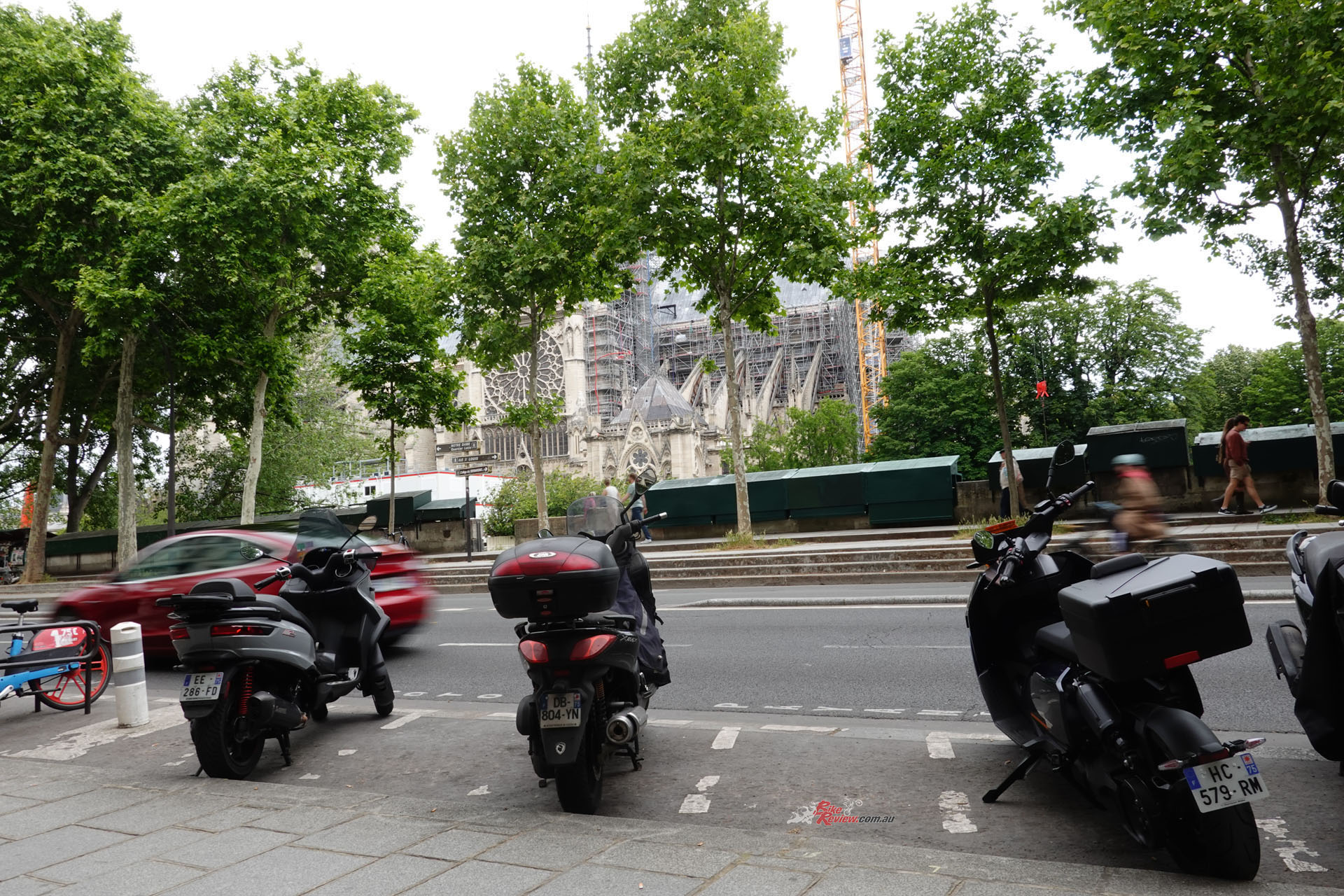
So how are things for motorcycles and their riders or “pilots” in Paris today? Pretty good, especially compared to places like London and some German cities. I suspect that this is at least partly because there are so many bikes and especially scooters that controlling them would be like holding back a wave of loose chardonnay. Every now and then, for example, you will encounter a flic who will attempt half-heartedly to turn you back if you’re going the wrong way in a one-way street; his colleague around the next corner will promptly give you directions back up the wrong way. If caught doing anything wrong, the trick is to look apologetic with raised eyebrows and give the traditional and all-powerful Gallic shrug with both shoulders. Cars will ignore you.
Paris does have environmental restrictions on motorcycles, primarily targeting older, more polluting ones, to improve air quality. These restrictions involve a “Crit’Air” sticker system and, in some cases, bans from entering certain zones or during specific hours. Check the current Crit’Air system as it applies to your bike on the web.
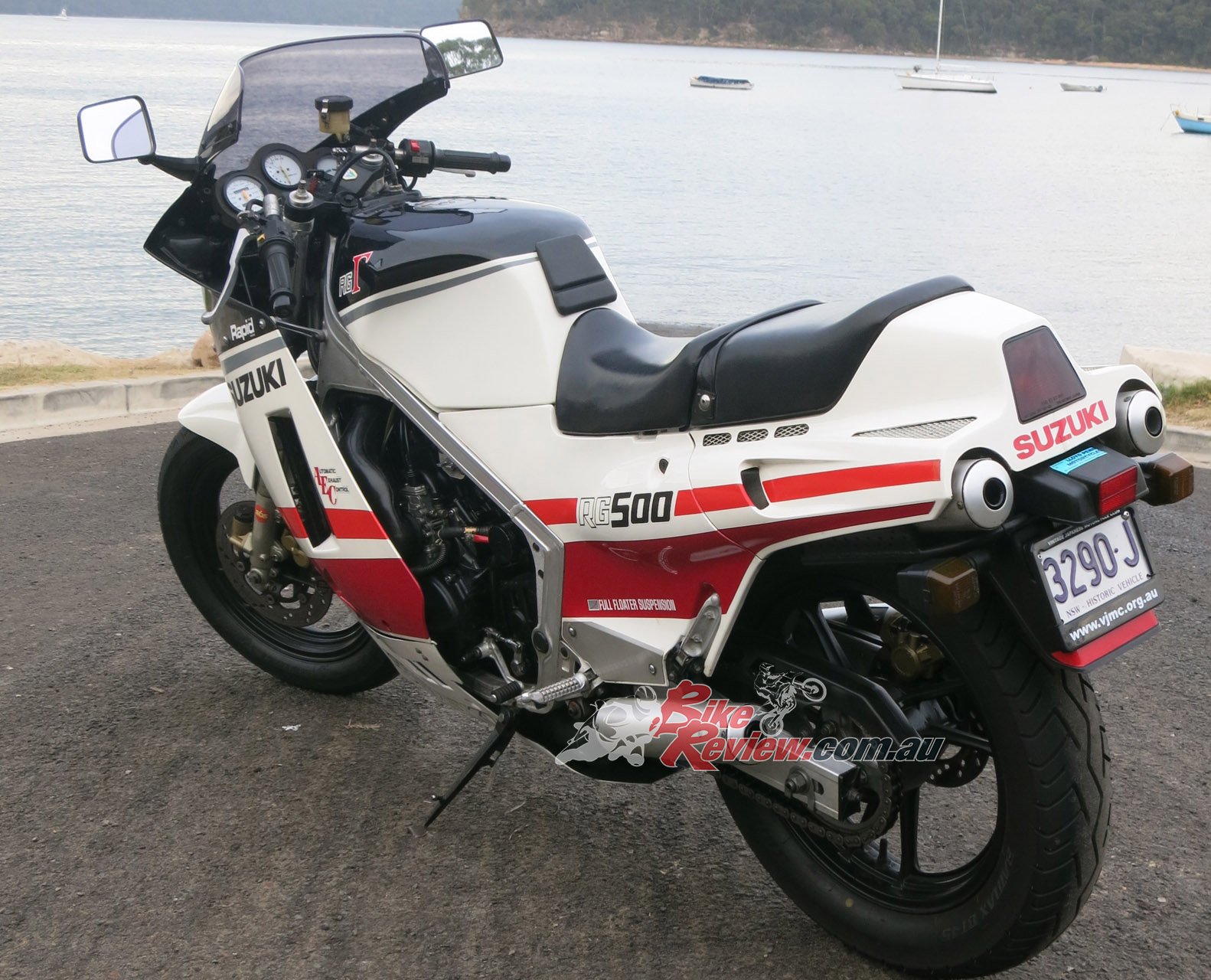
Paris does have environmental restrictions on motorcycles, primarily targeting older, more polluting ones, to improve air quality.
Vehicles, including motorcycles, are categorized into six classes based on their emissions. A Crit’Air sticker, indicating the vehicle’s class, must be displayed to enter low-emission zones (LEZs) in Paris. Vehicles without a sticker or with a sticker that doesn’t meet the zone’s requirements may face fines.
Older motorcycles, specifically those built before 1999, may be banned from entering Paris during certain hours, particularly during peak traffic times. – Bus lanes are off-limits: Unlike in some cities, you can’t use them in Paris—doing so may result in a fine.
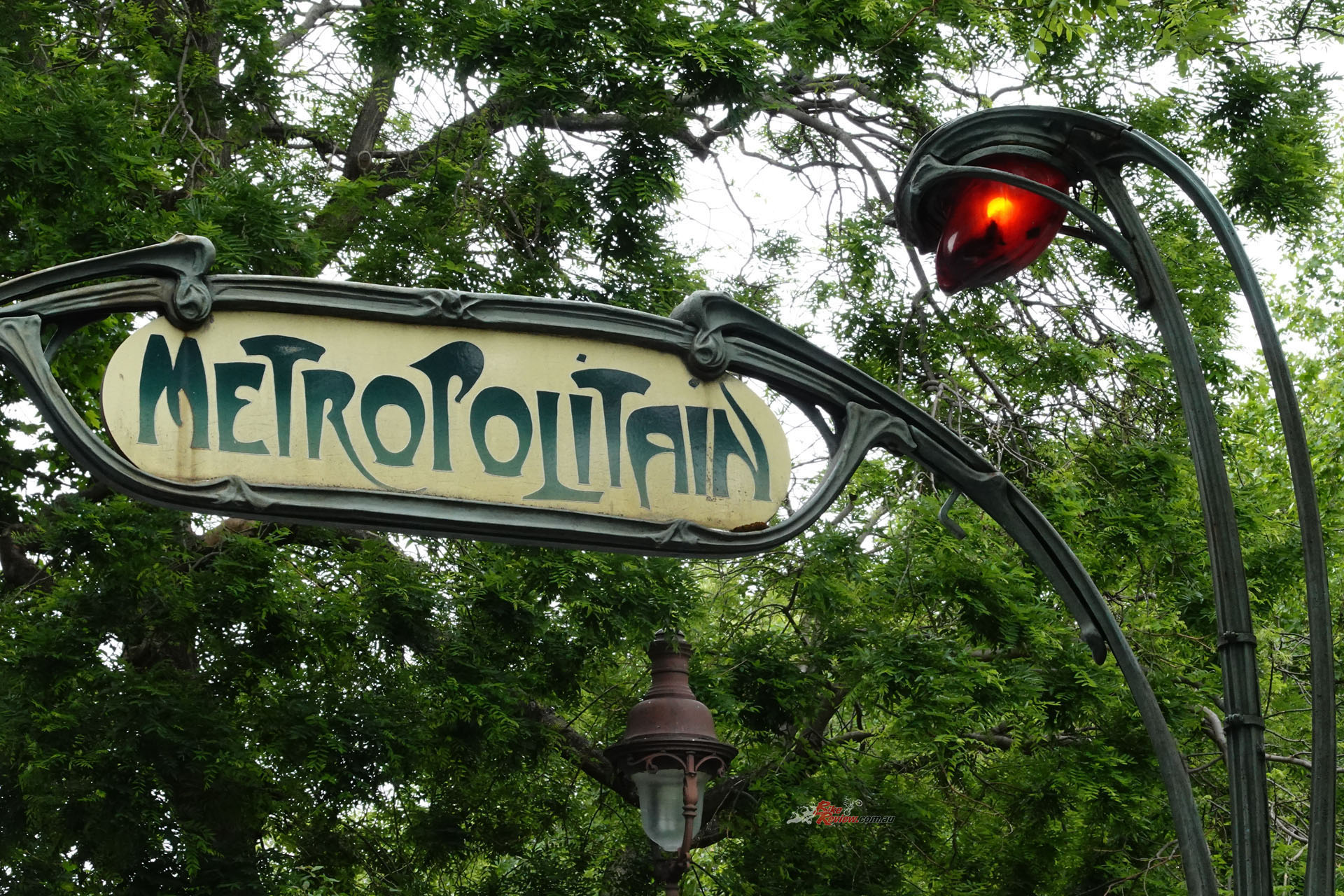
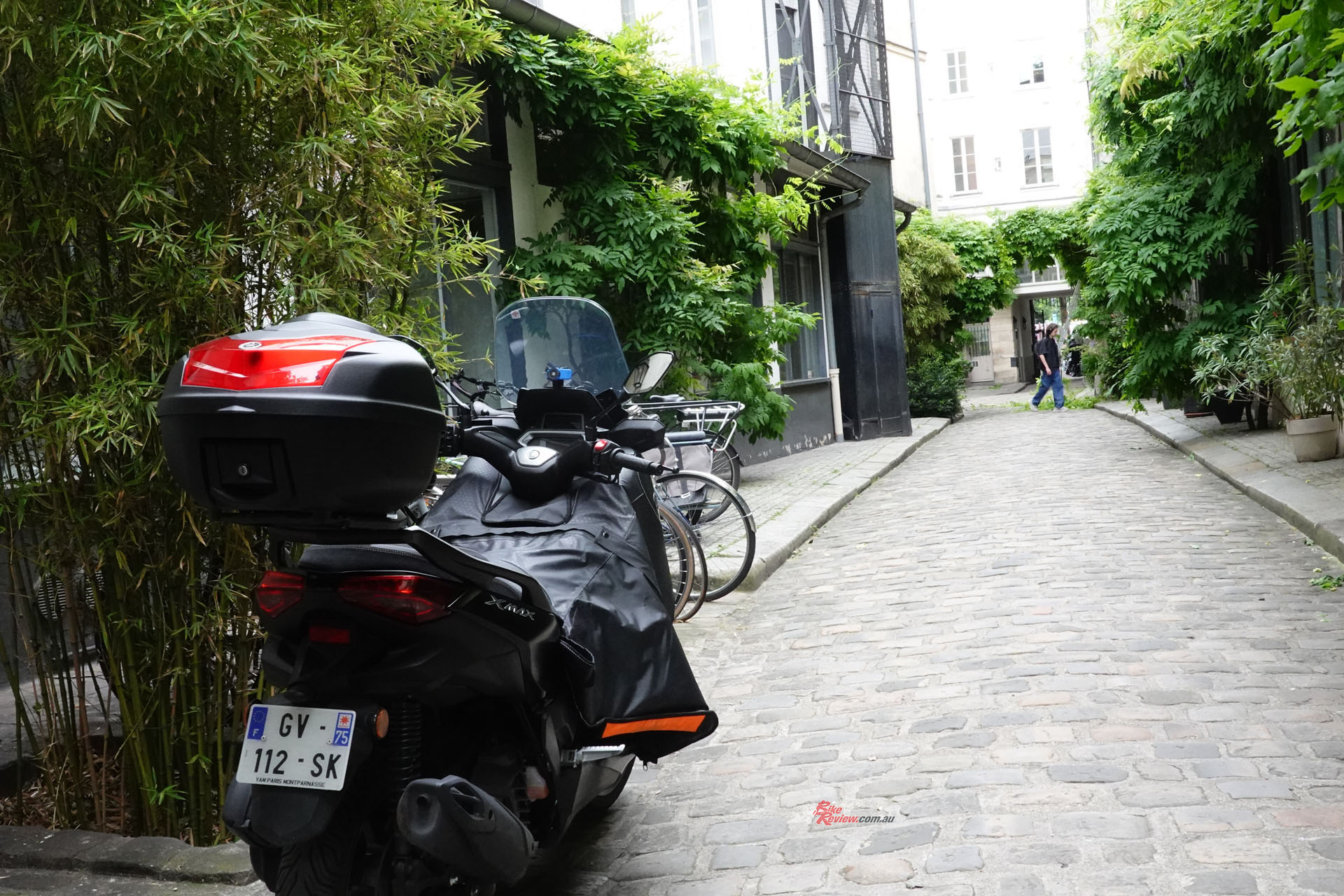
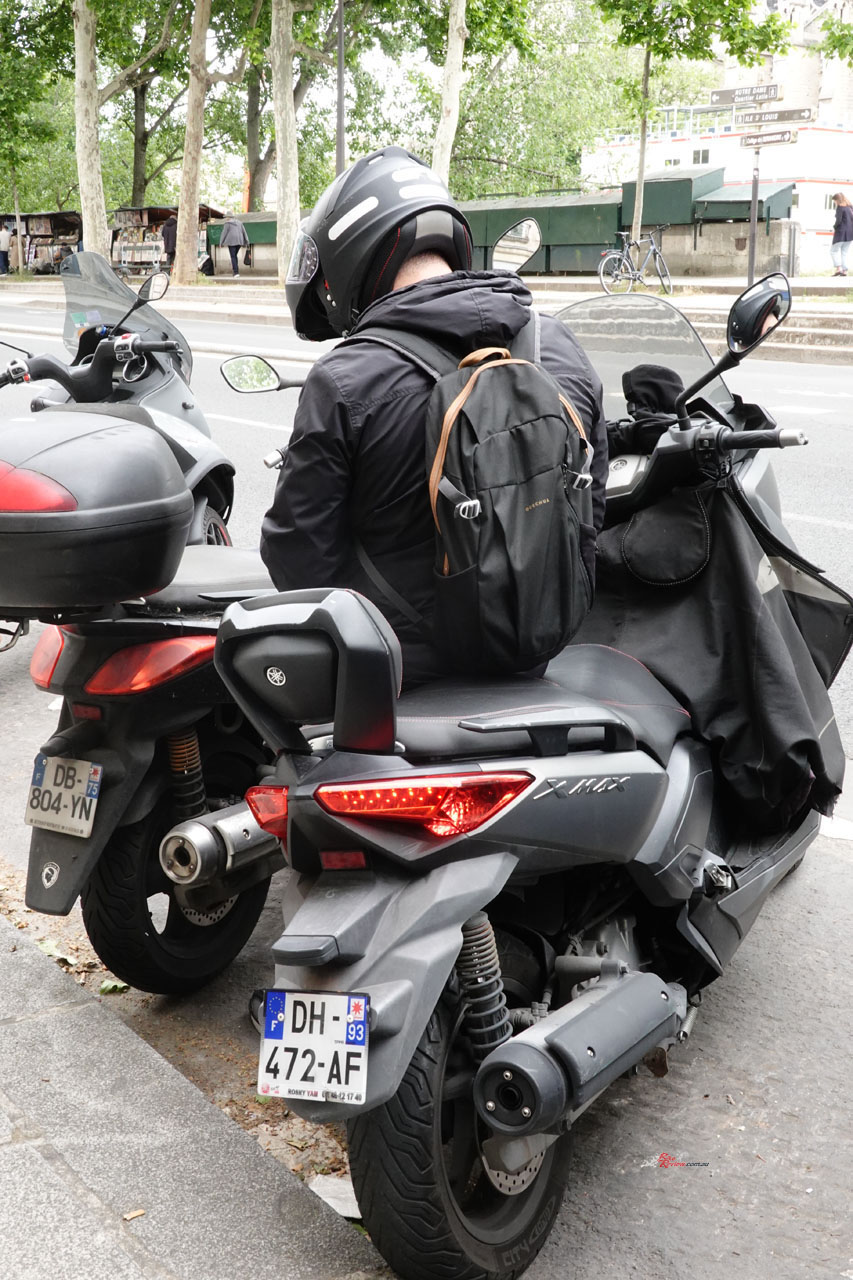
As well, most streets inside the périphérique (ring road) are limited to 30km/h (about 18mph), which can feel sluggish on a bike but which is rarely enforced on two wheels. Many bicycles are faster than this. As of recent years, motorcycle parking is no longer necessarily free in central Paris. Though rates are lower than for cars, you’ll need to pay at designated spots – but only if you’re parked in certain legal ones. Illegal parking, as far as I can tell, Is still free and will probably always be. Do not, however, park in the way of trucks or other delivery vehicles. They know no mercy.
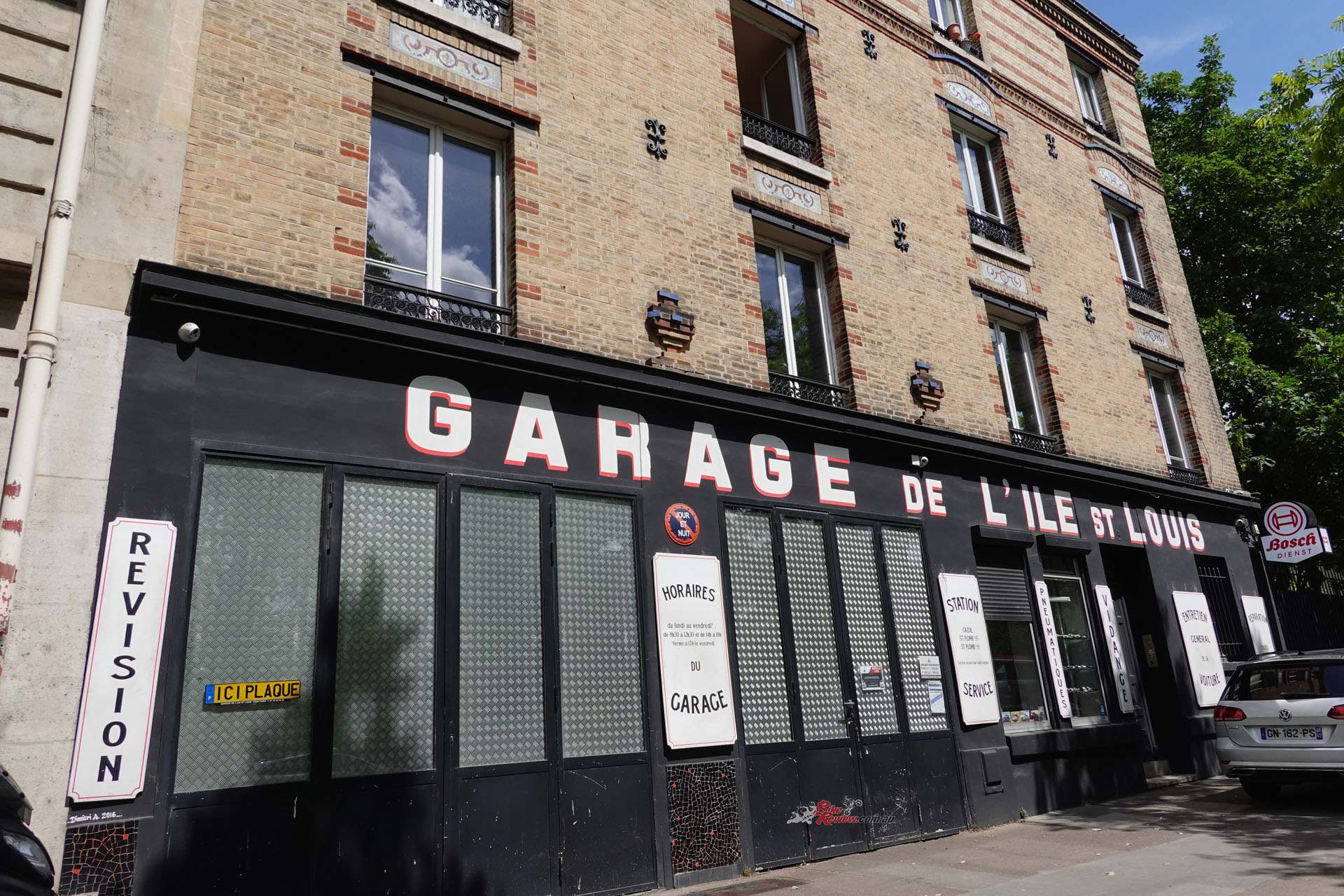
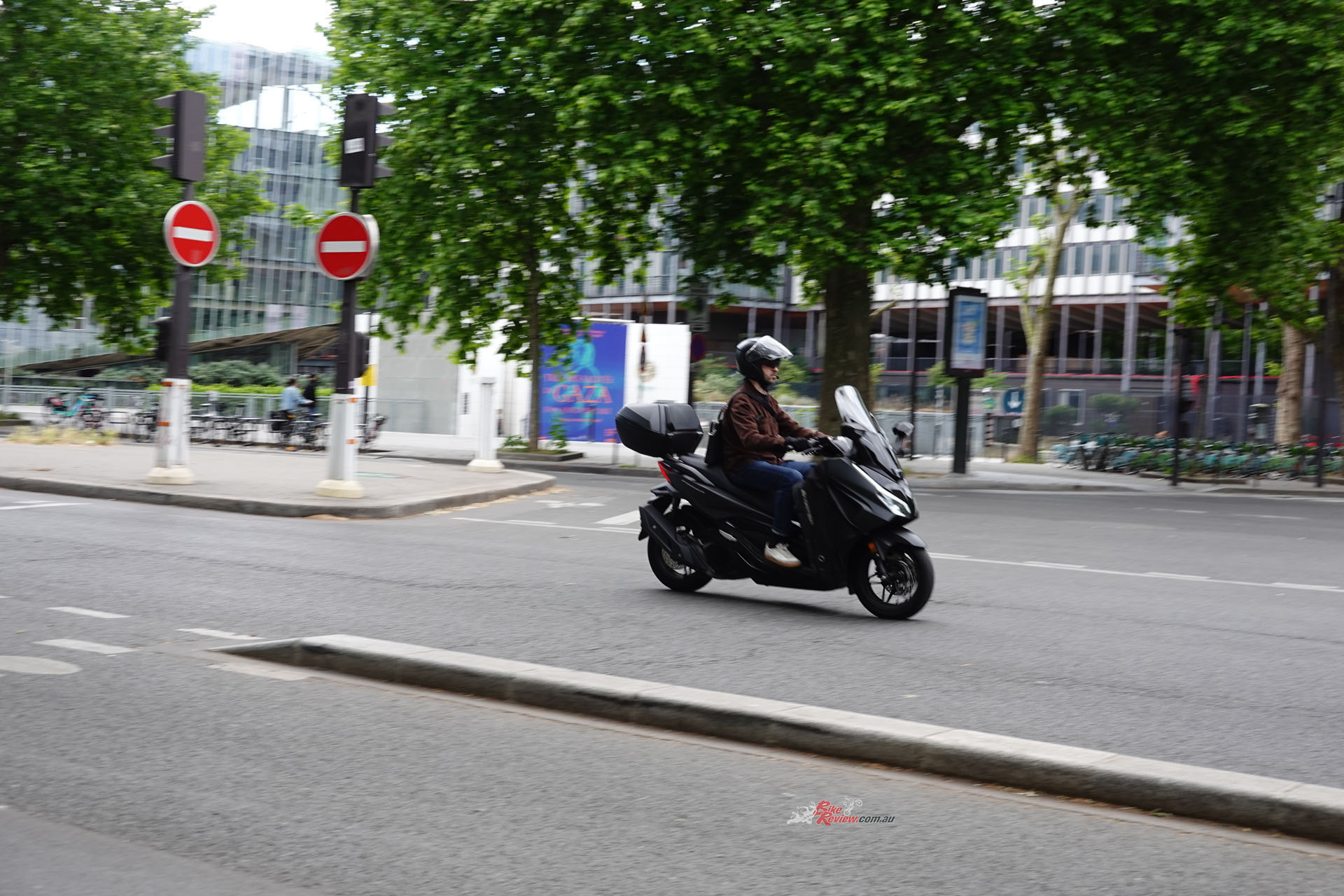
But look at a Parisian motorcyclist or scooter rider and you will quickly realise that not the Force but Anarchy is strong in this one and all his friends. Join them by renting a scooter – they offer more camouflage than bikes – from one of the many rental places. Your phone will give you a dozen straight off, many of them near the Gare d’Est. You do need a helmet; I’ll see you on the road wearing mine which has a large yellow rubber duck on it. It’s special for Paris
The Author

You Might Also Like