
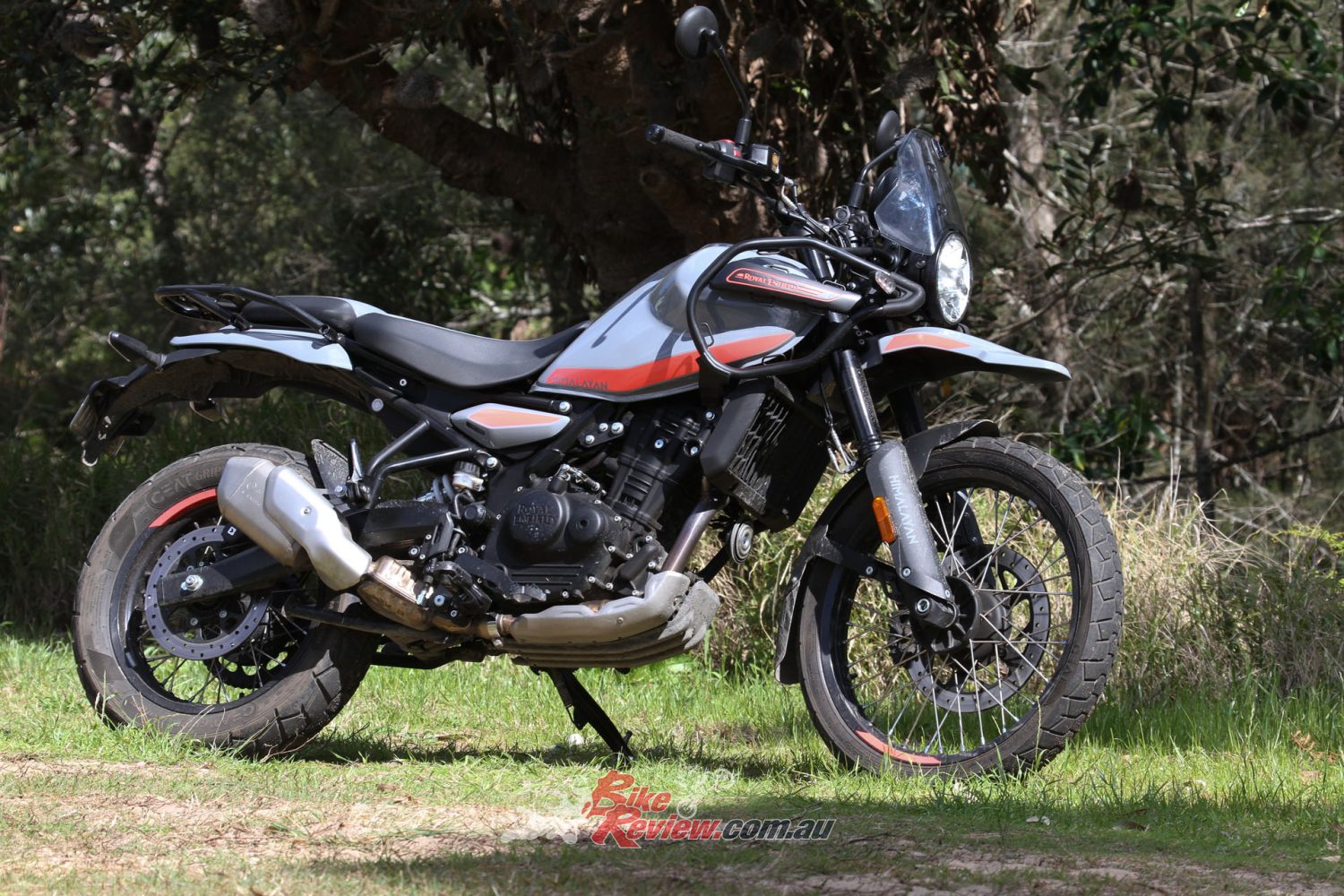

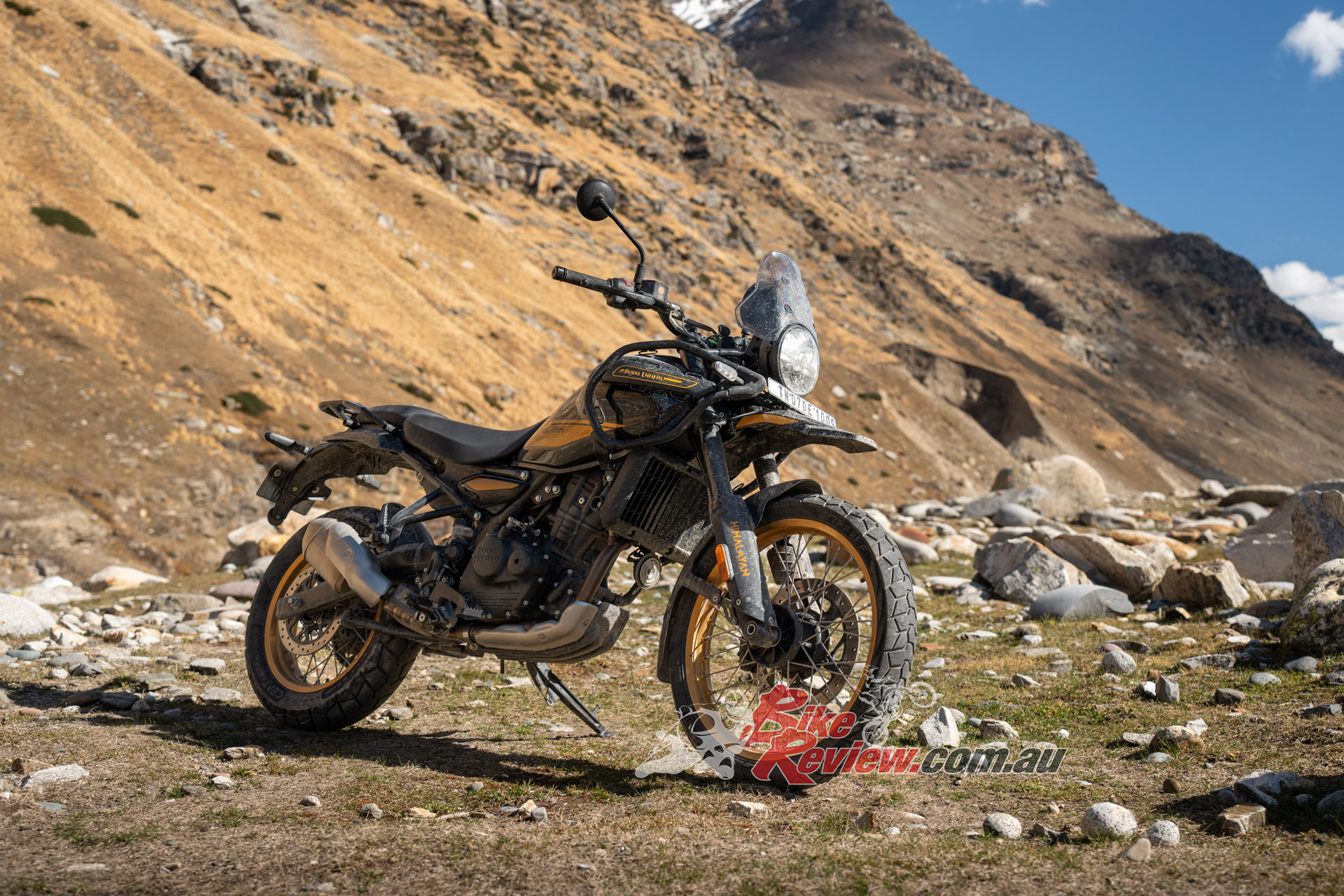
The original Himalayan was charming but agricultural, the new one is a complete reinvention, blending adventure capability with refinement and versatility. Let's look at both.
Back when I tested the original Royal Enfield Himalayan, I came away impressed by its honesty. It wasn’t fast, refined or particularly sophisticated, but it was affordable, capable and full of character. Now, I finally ride the all-new model and see what the hype is about.
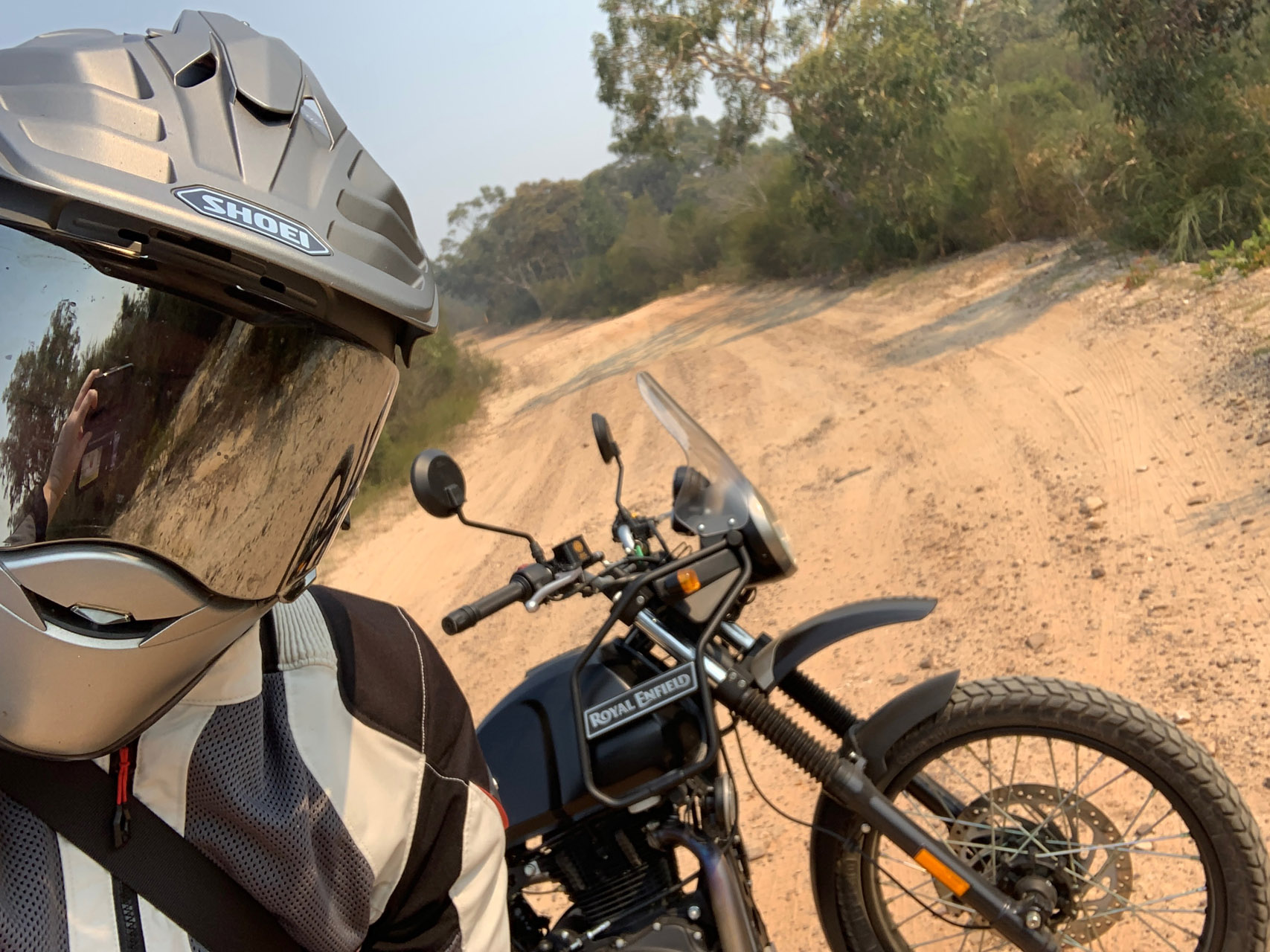
The 411 was a bike that won plenty of fans because it simply got on with the job, whether that was commuting, touring or tackling rough roads at a sensible pace. But everyone wanted a newer version, and Royal Enfield gave us that in 2023…
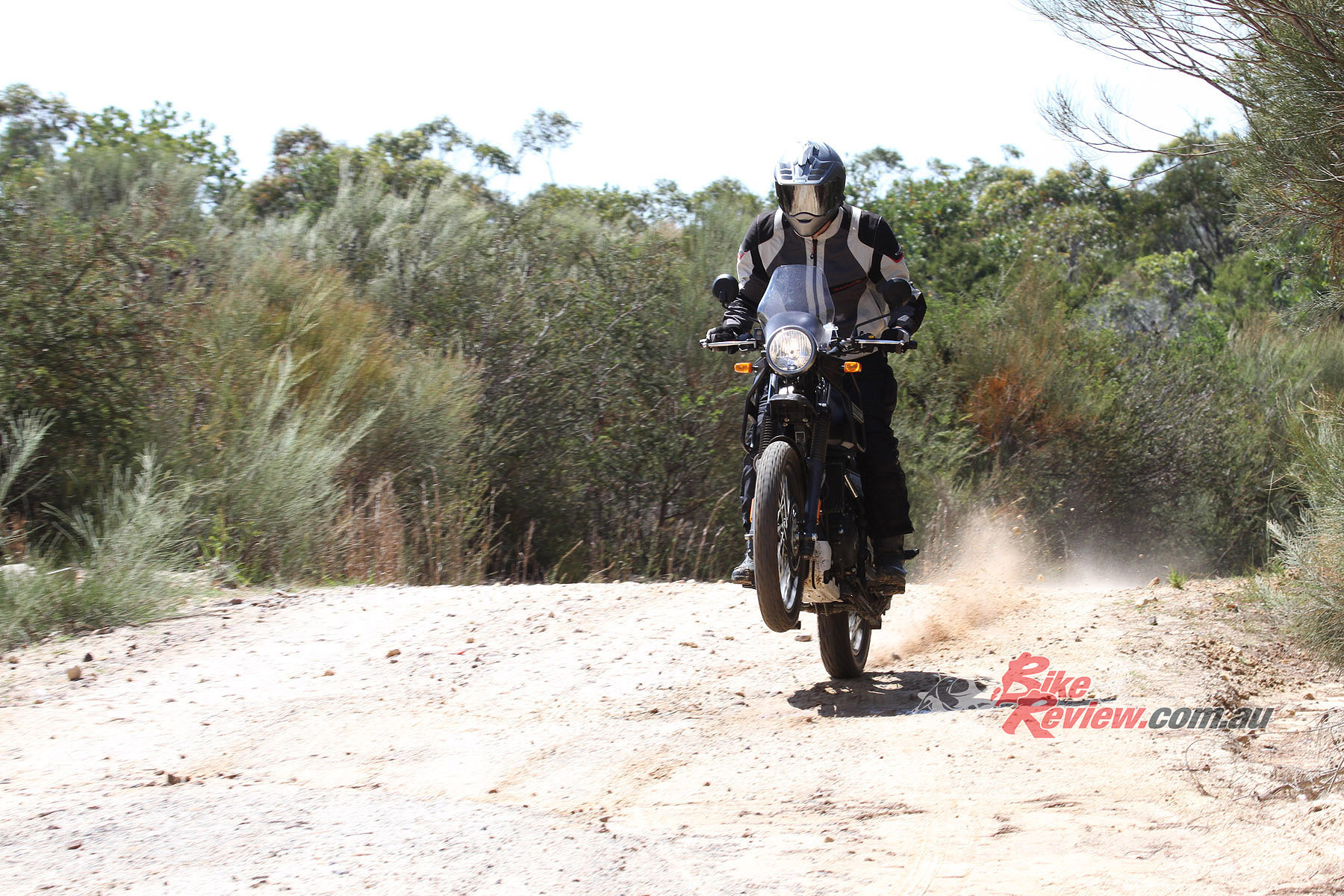
Ironically, I may well be the last motorcycle journalist in Australia to properly test the new Himalayan 450. When Royal Enfield launched the bike globally, we sent Kaz Anderson to ride it in the Himalayan Mountains. For the Australian launch in Victoria, Paul Bailey got the nod.
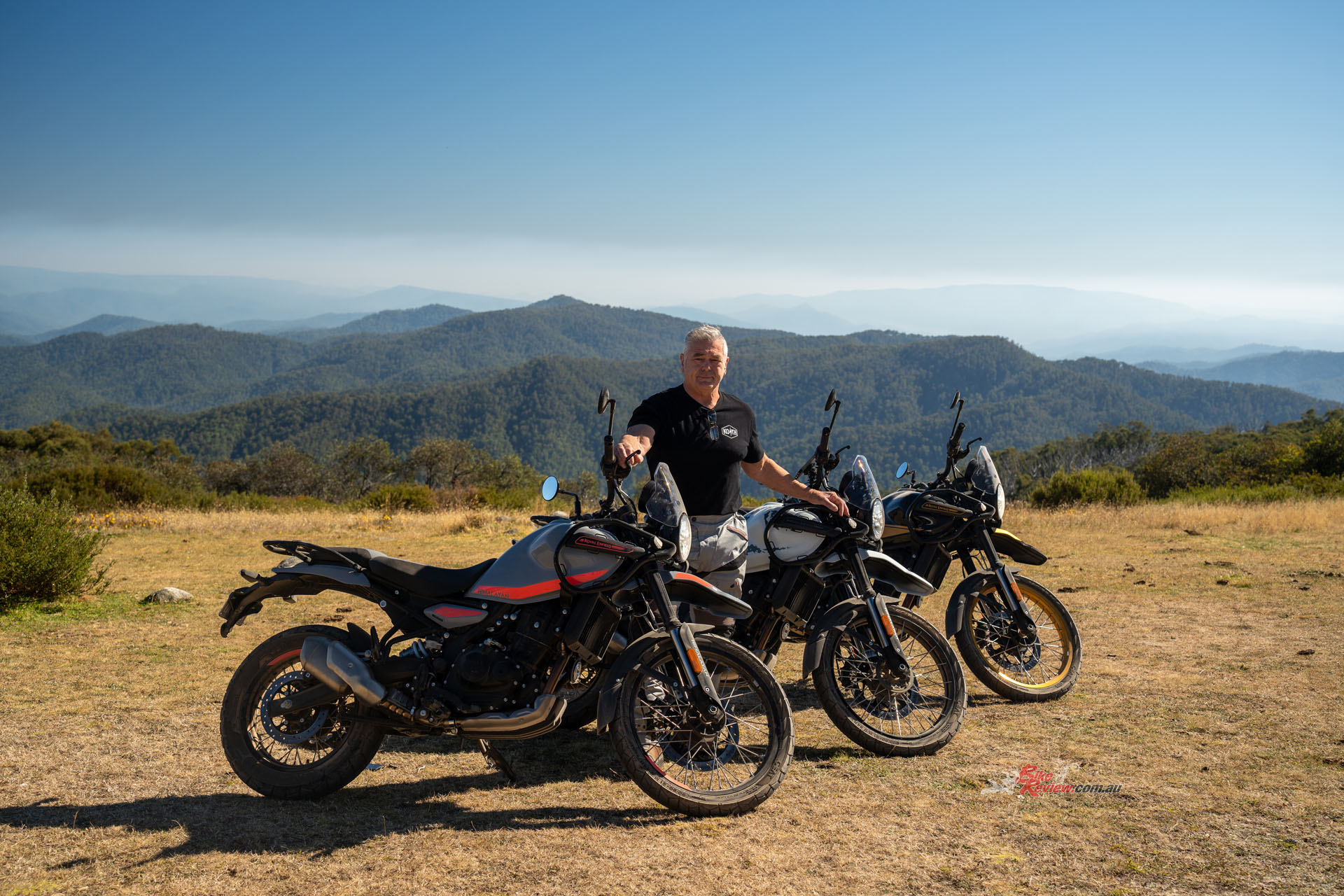
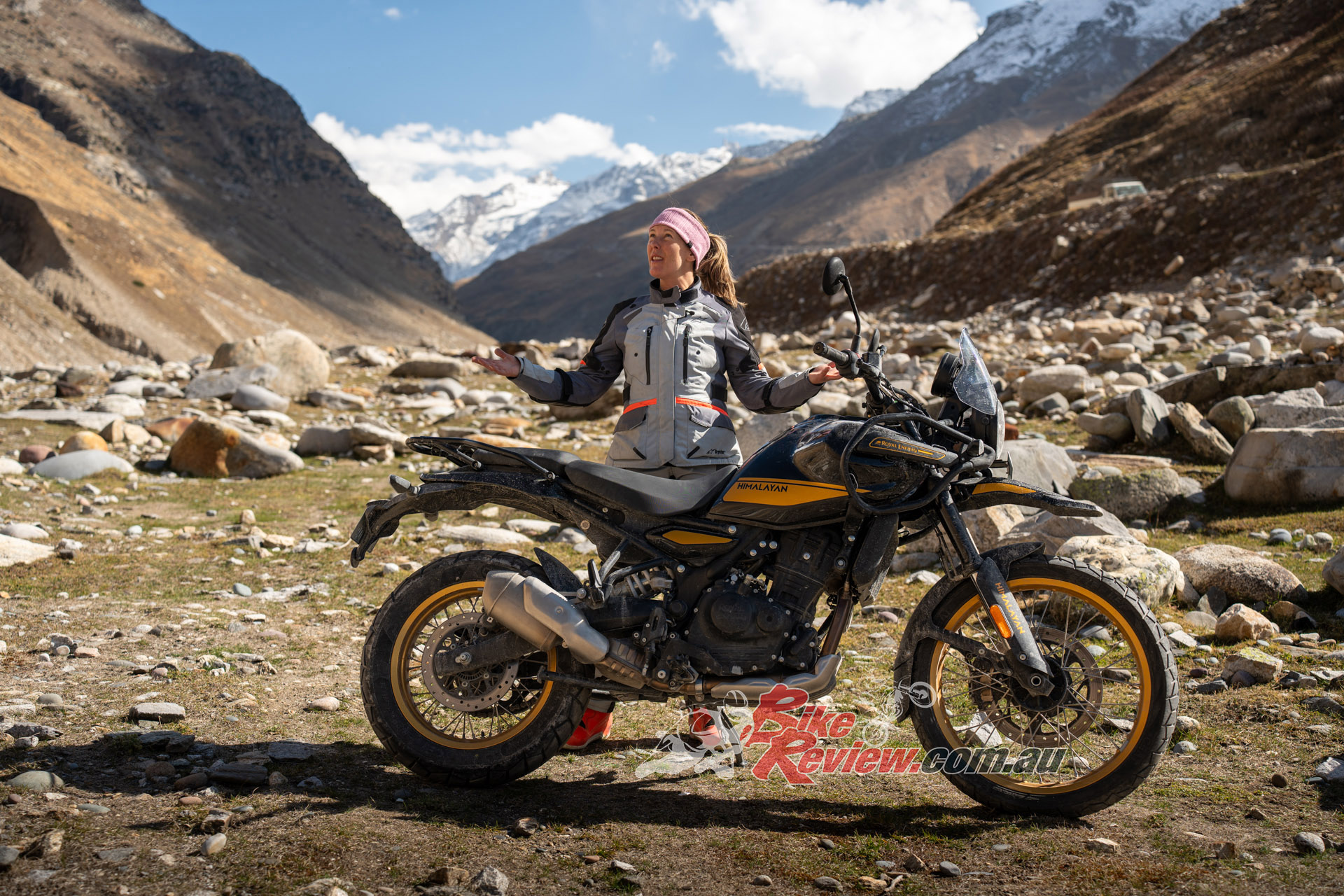
As Editor, that’s sometimes how it goes. You organise the tests, but don’t always get to ride the bike yourself. So while most of the industry delivered its verdict on the Himalayan 450 three years, I only recently managed to spend a couple of weeks with one. The good news? The wait was worth it.
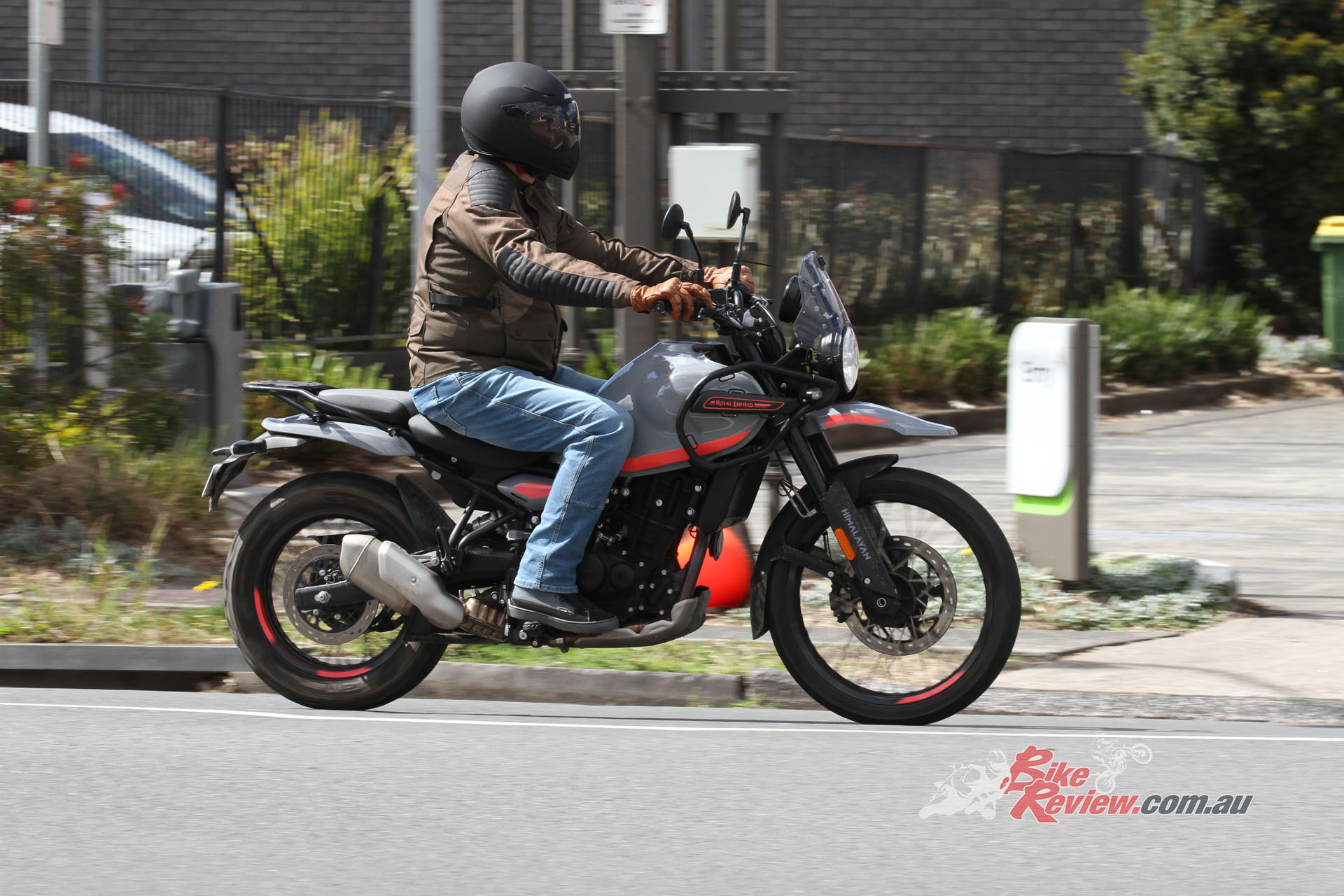
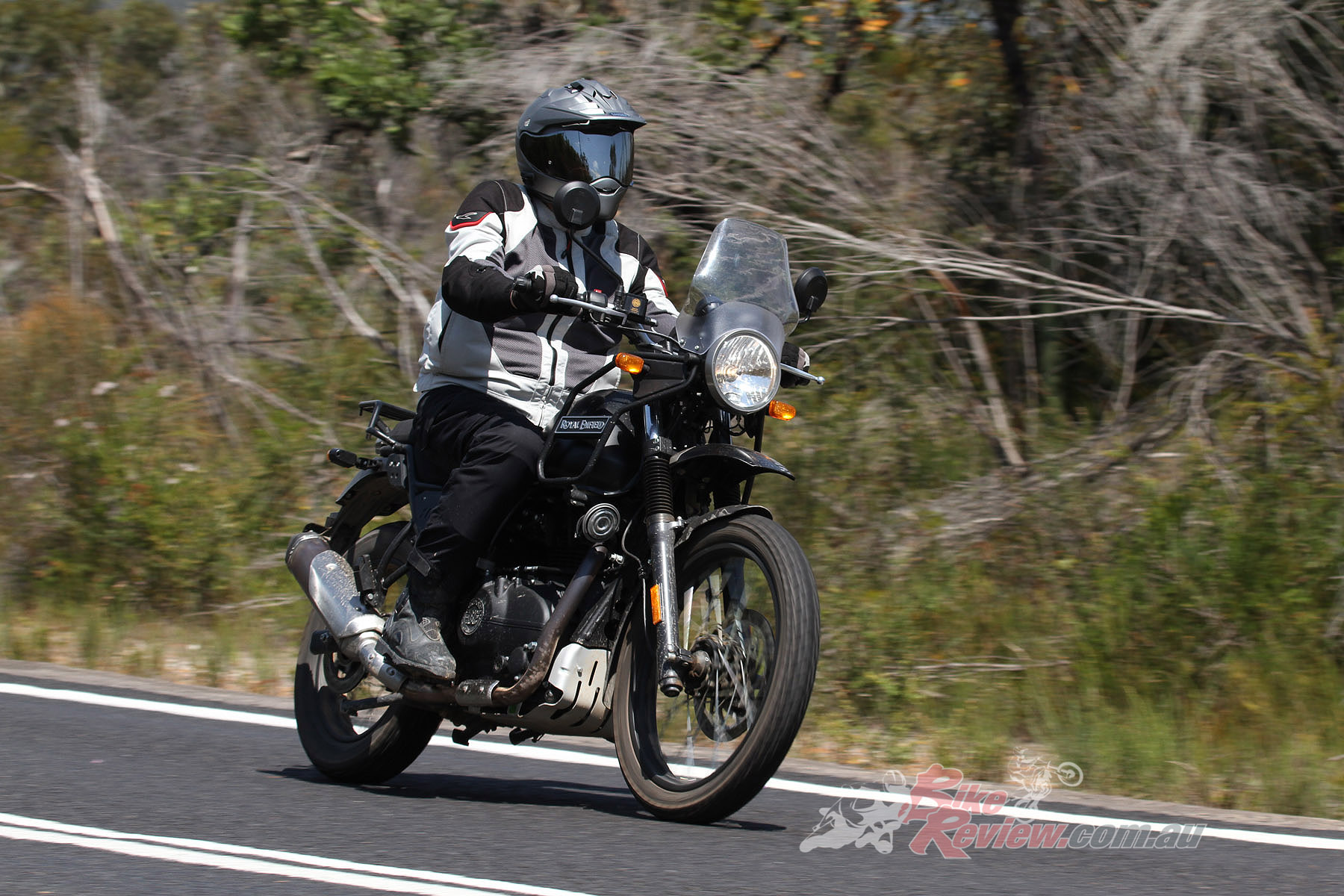
My first impression of the new generation Himalayan is just what a fantastic road bike it is for local commuting and weekend scratching.
After stepping off the new bike and thinking back to the last Himalayan I tested, the updated EFI version a few years ago, I’m struggling to believe the two motorcycles share the same name. The original Himalayan was charmingly agricultural. The new Himalayan 450 is a genuinely modern motorcycle that feels even more refined than our own much missed BikeReview Guerrilla 450.
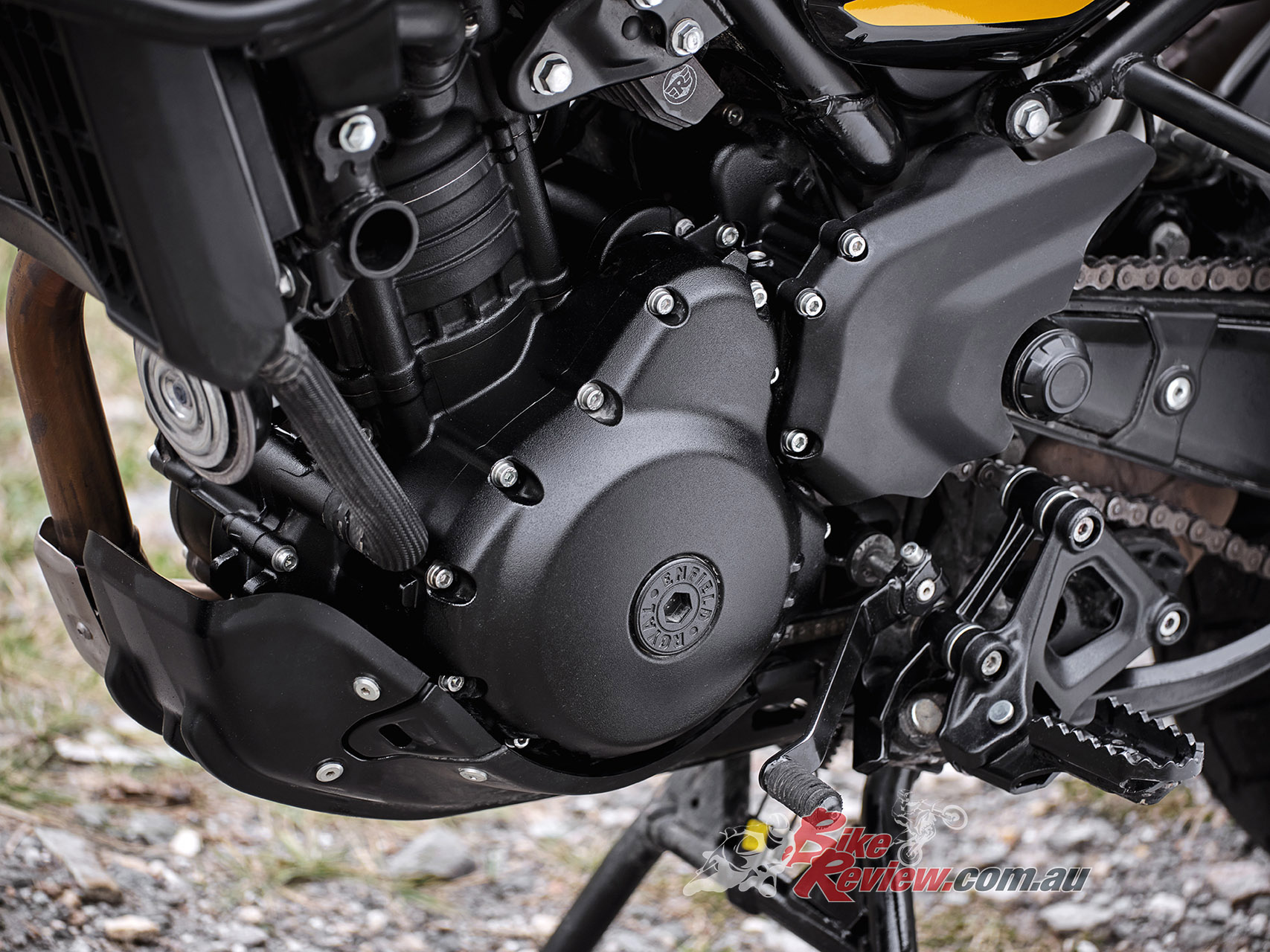
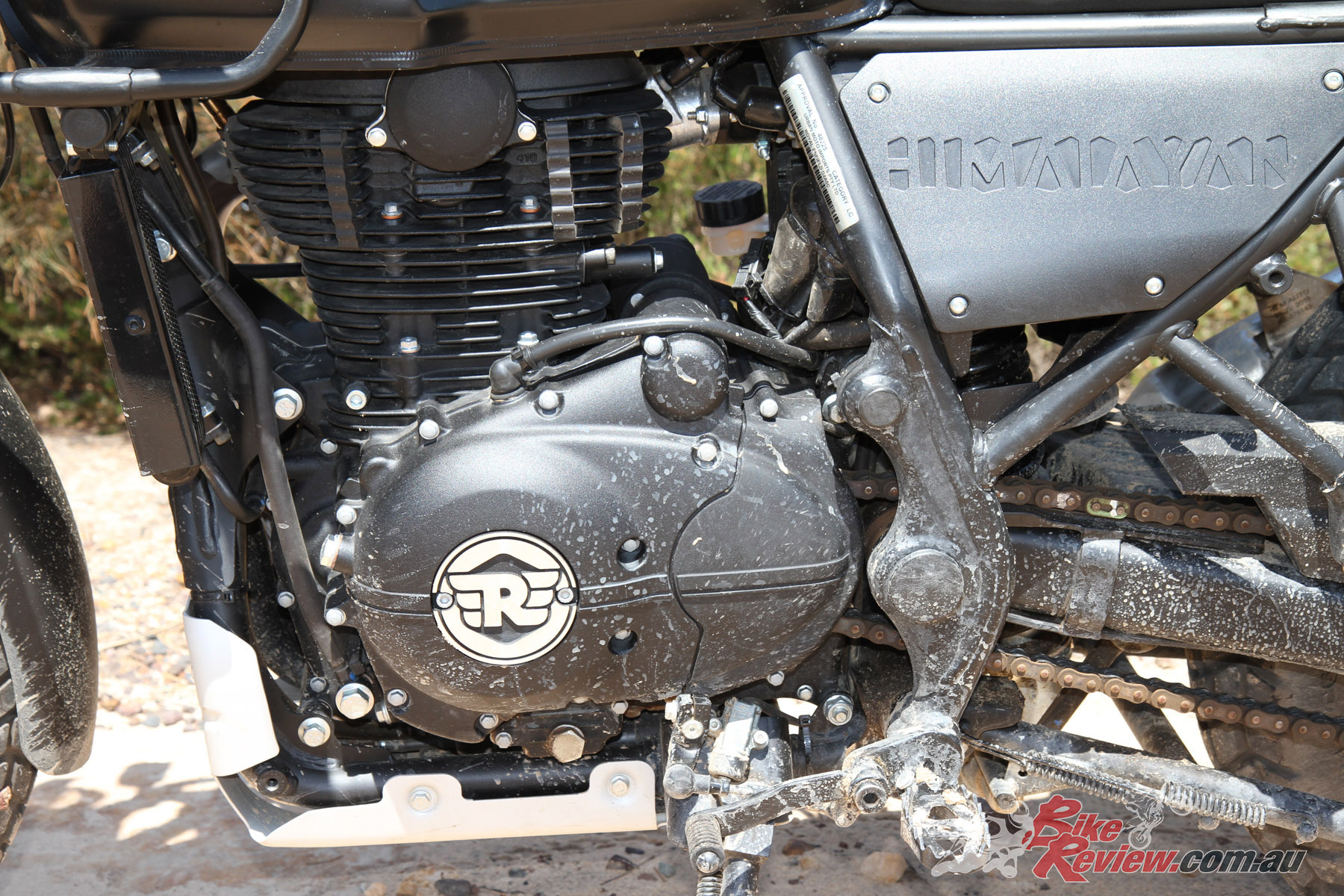
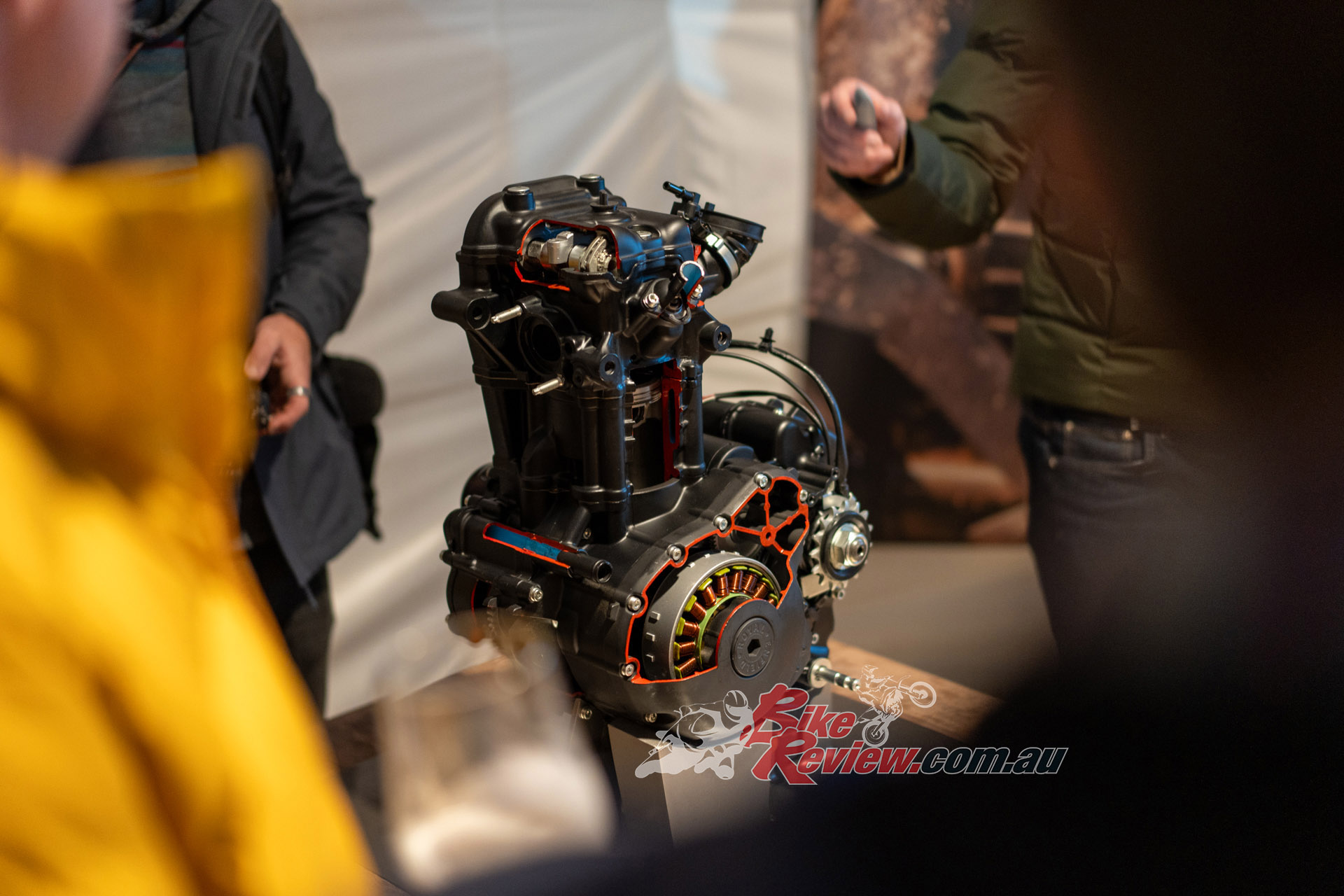
That’s not a criticism of the old bike. The 411 built a loyal following because of its simplicity, ruggedness and ability to get almost anywhere at a sensible pace. But compared to the new machine, it feels positively ancient. The biggest difference is the new Sherpa 450 engine.
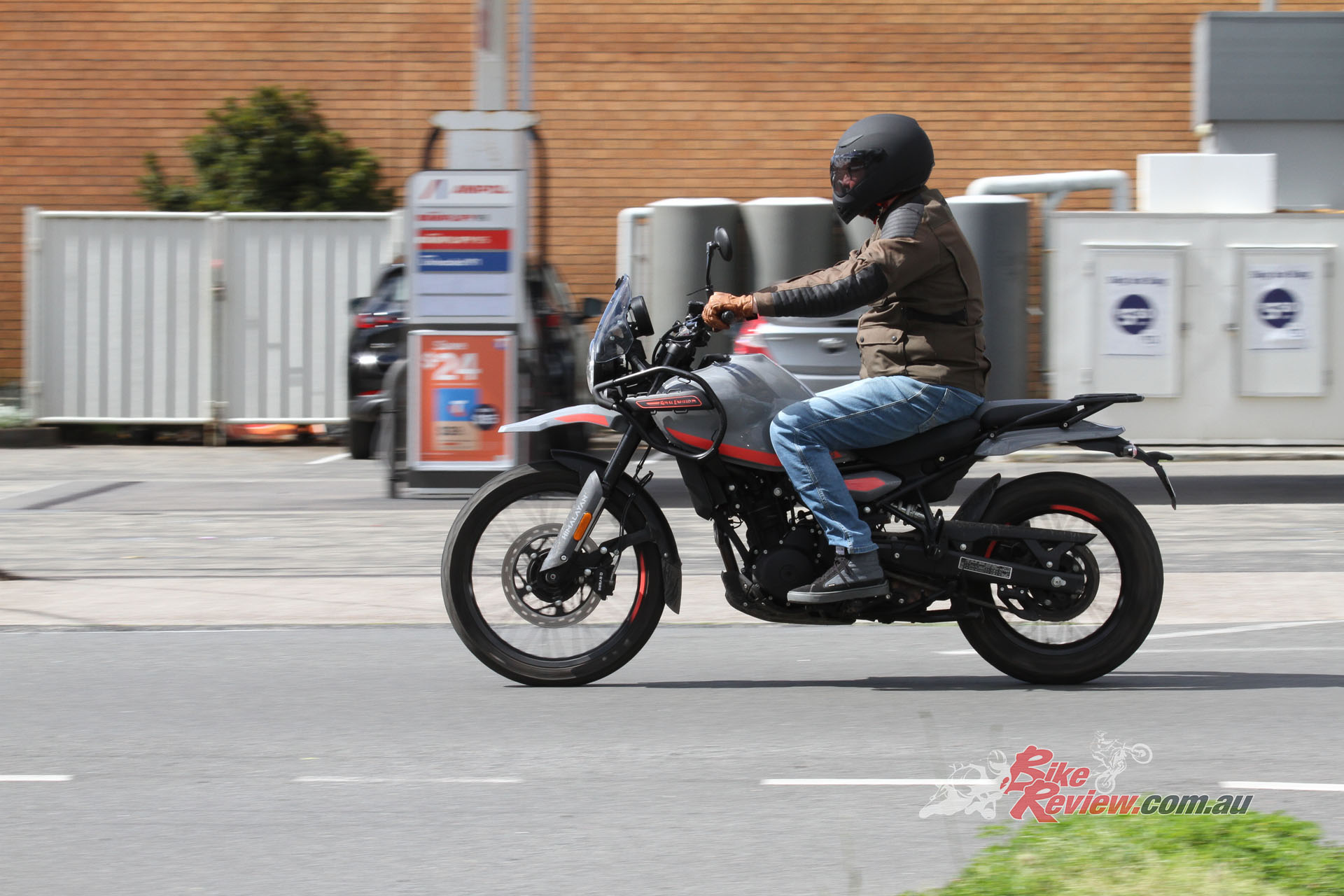
The Sherpa 450 engine is super efficient. We got figures as low as 3.2L/100km and averaged 3.7L/100km.
The old 411 single did its job, but it always felt a very underpowered and strained. Highway riding required patience and planning, overtaking manoeuvres often involved plenty of commitment and optimism, and the gearbox was never one of the bike’s strong points. It all added to the character, but it certainly wasn’t refined. The Sherpa 450 changes everything.
Australian conditions alone, the engine transformation makes the 450 a vastly better motorcycle”…
It’s smooth, eager and remarkably sophisticated for a single-cylinder adventure bike. Fueling is excellent, the gearbox is slick and precise, and the engine feels genuinely happy whether you’re crawling through technical off-road sections or cruising along a highway. First gear is usefully low for dirt riding, while sixth gear allows relaxed highway cruising that simply wasn’t possible on the old model. It pulls cleanly, revs willingly and always feels like it has something left in reserve. For Australian conditions alone, the engine transformation makes the 450 a vastly better motorcycle.
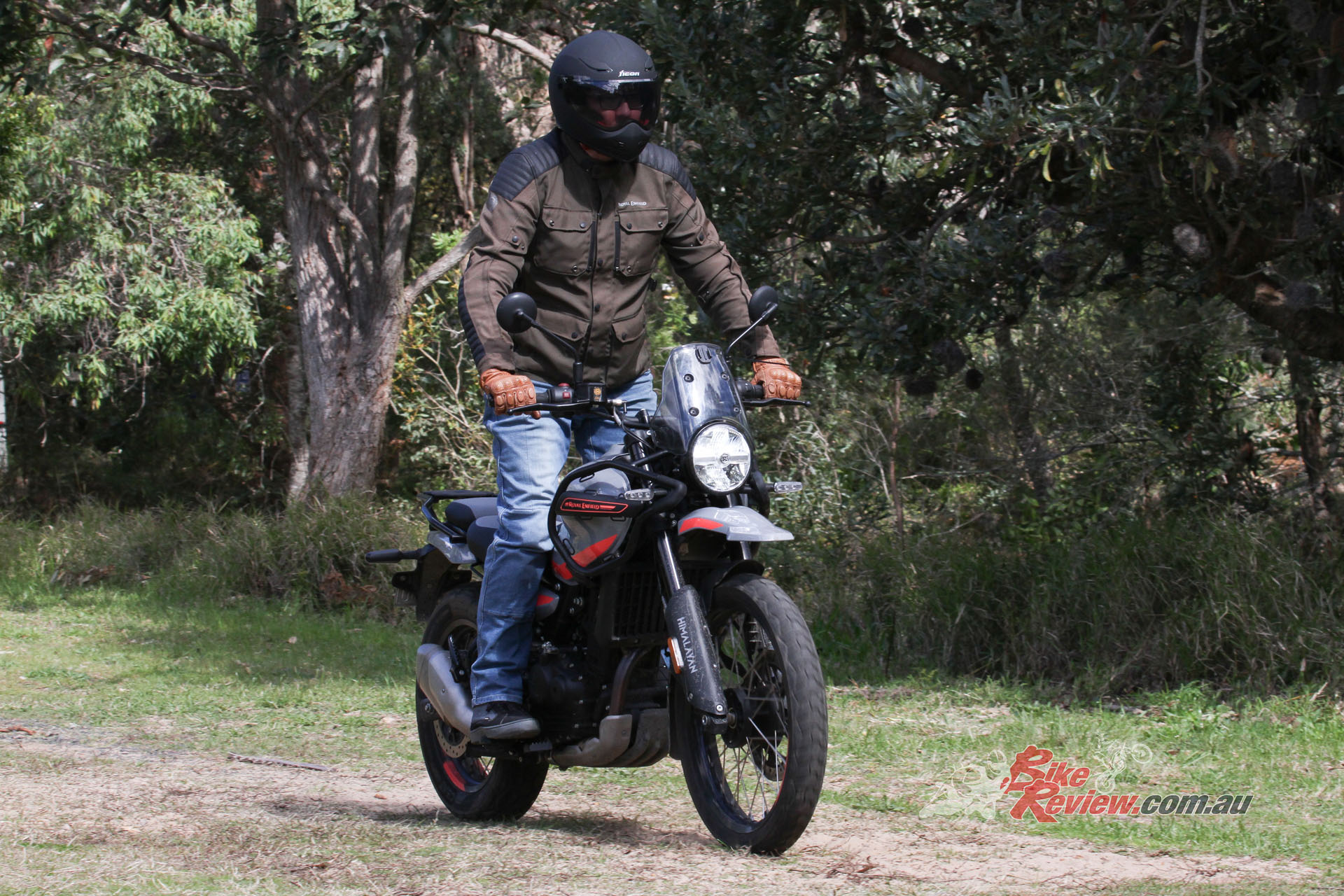
“Standing on the pegs feels natural and comfortable, and the overall riding position works brilliantly for taller riders.”
The ergonomics are another major step forward. At 187cm and around 100kg, I always felt a little cramped on the old Himalayan. It wasn’t uncomfortable, but it never felt perfectly suited to my size. The new bike immediately fixes that problem. The riding position is open and roomy, with far more space between the seat, ‘pegs and handlebars. Standing on the pegs feels natural and comfortable, and the overall riding position works brilliantly for taller riders.
The only addition I’d consider for serious dirt work would be some tank grip pads. The tank shape doesn’t offer quite as much natural knee grip as I’d like when standing, and a set of grip pads would quickly solve that issue.
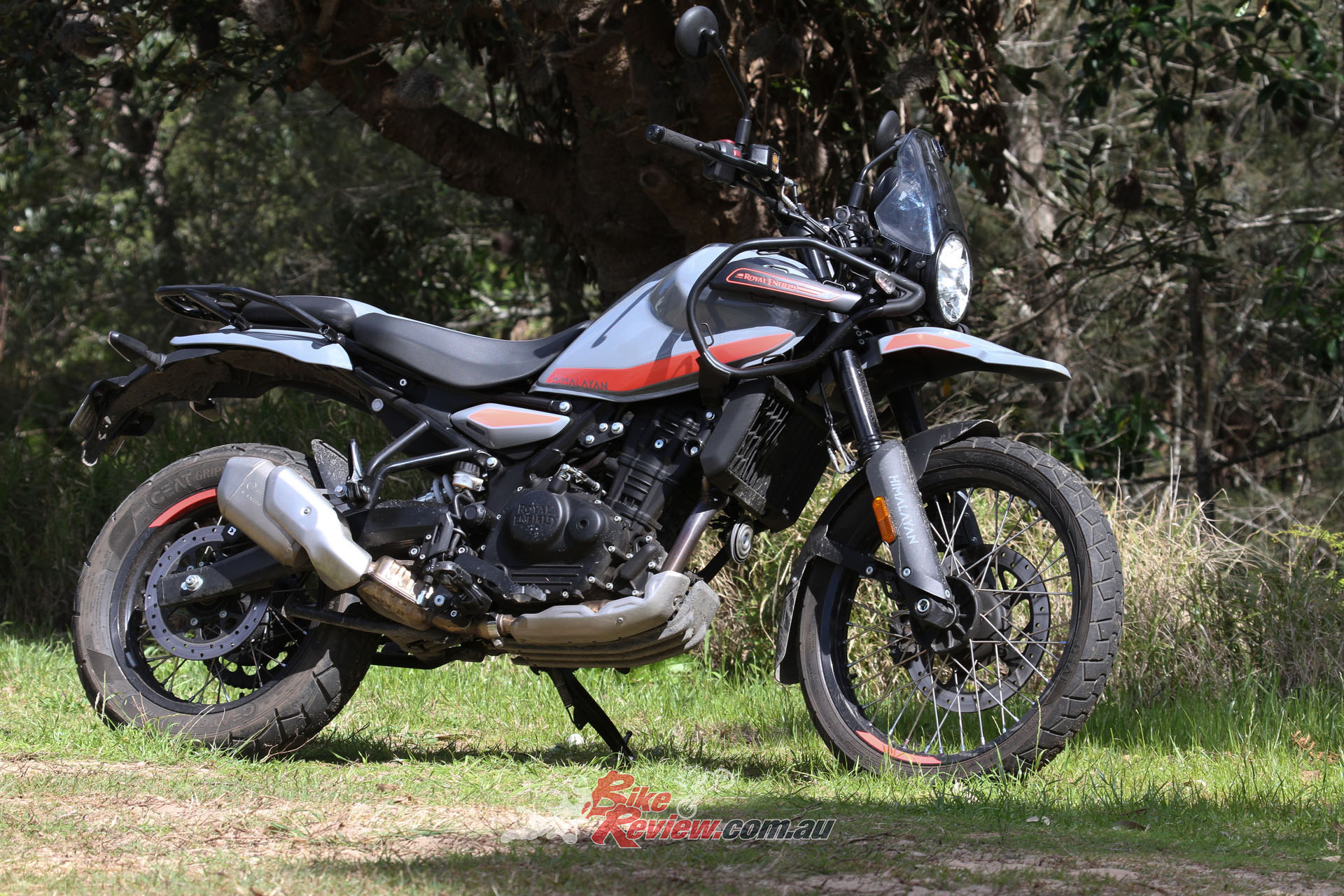
The chassis improvements are equally dramatic. The original Himalayan was soft, forgiving and mildly (slow speeds) capable, but never particularly exciting. The new suspension package is a massive leap forward. It absorbs rough terrain better, offers more support on the road and gives the bike a level of control that the old model simply couldn’t match.
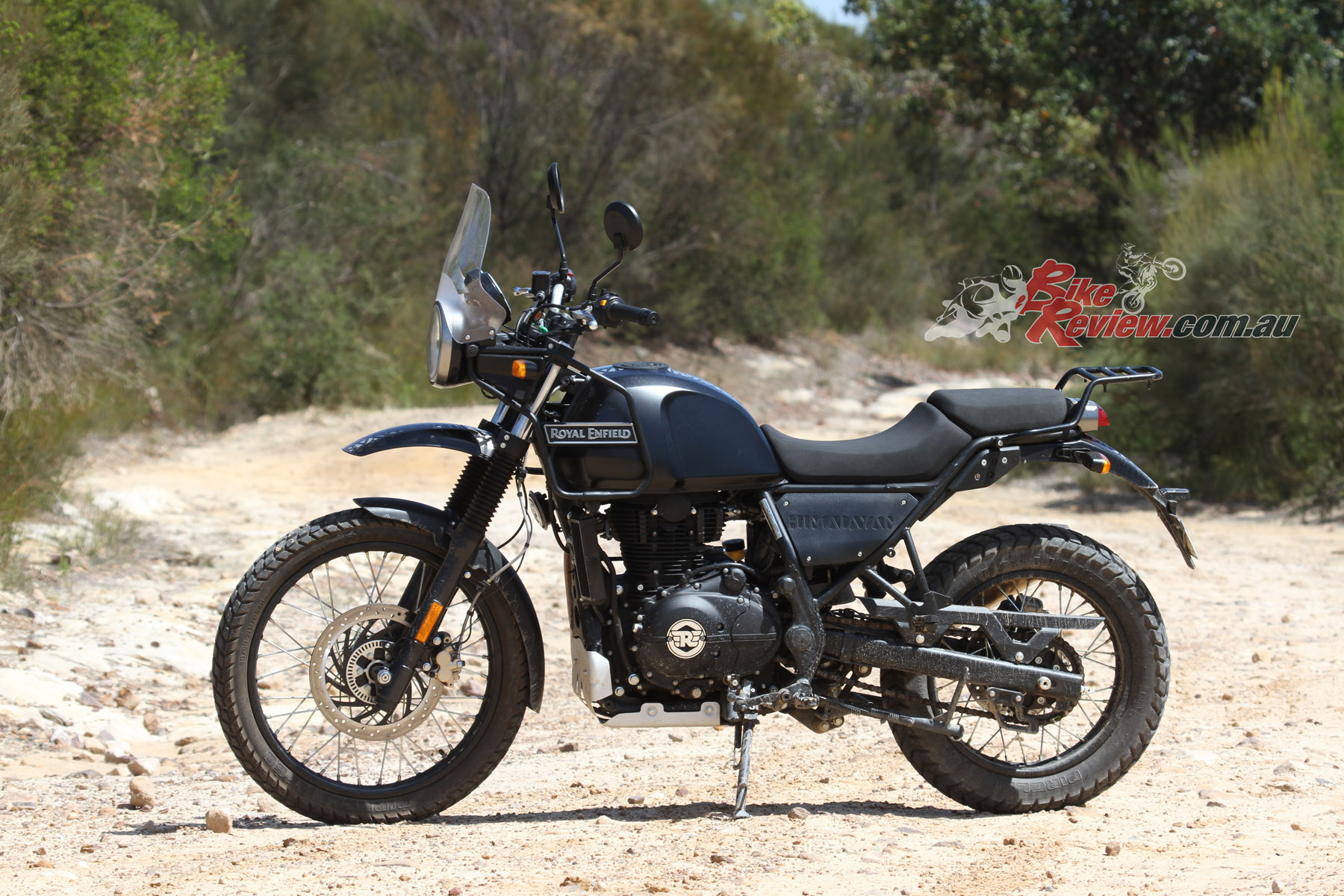
2020 Royal Enfield Himalayan.
The brakes are another area where Royal Enfield has made huge gains. Both front and rear offer substantially more stopping power and feel than the outgoing model, bringing the bike into line with modern expectations. It’s one of those improvements that you don’t necessarily notice immediately, but after a few days on the bike it becomes obvious how much confidence they add.
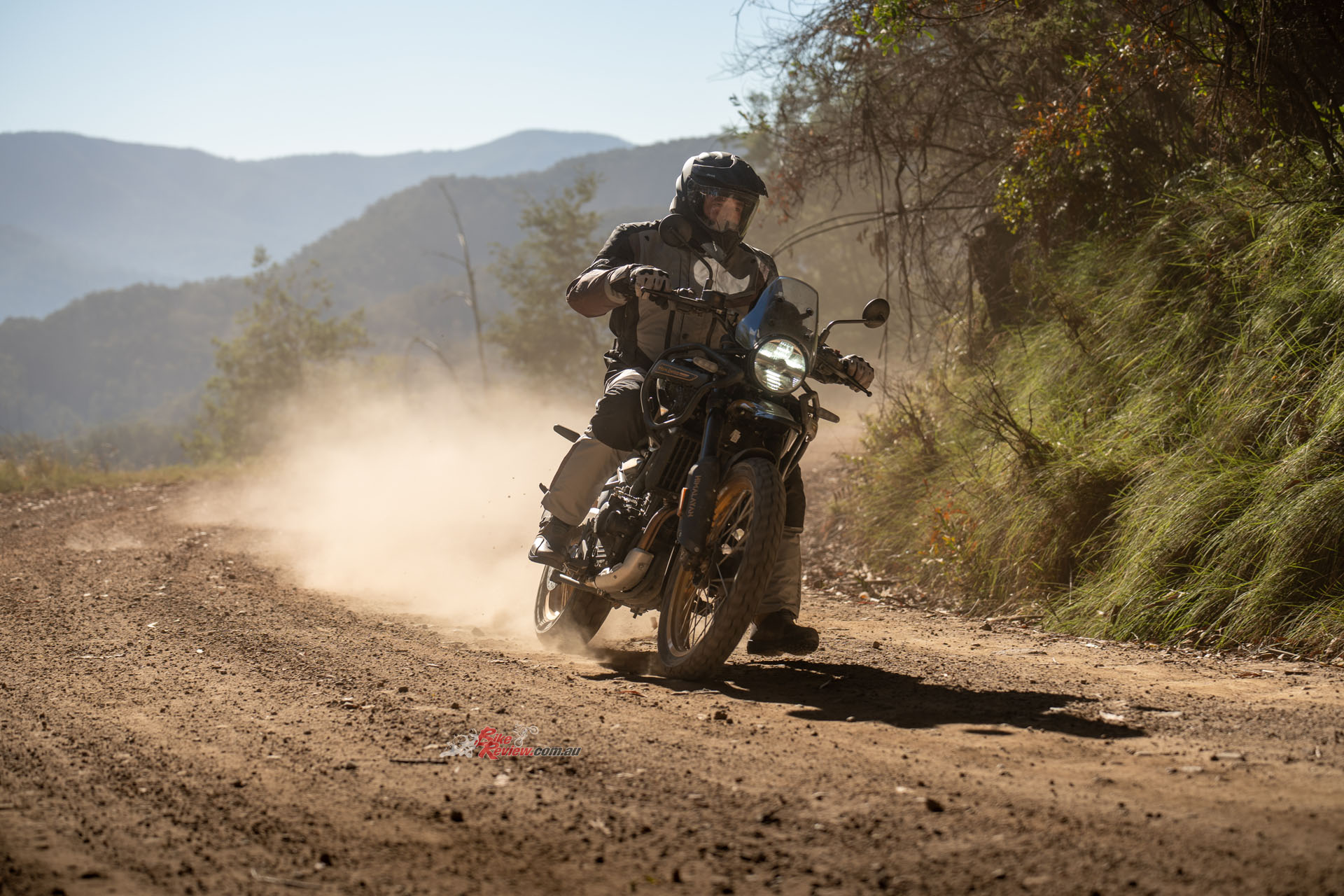
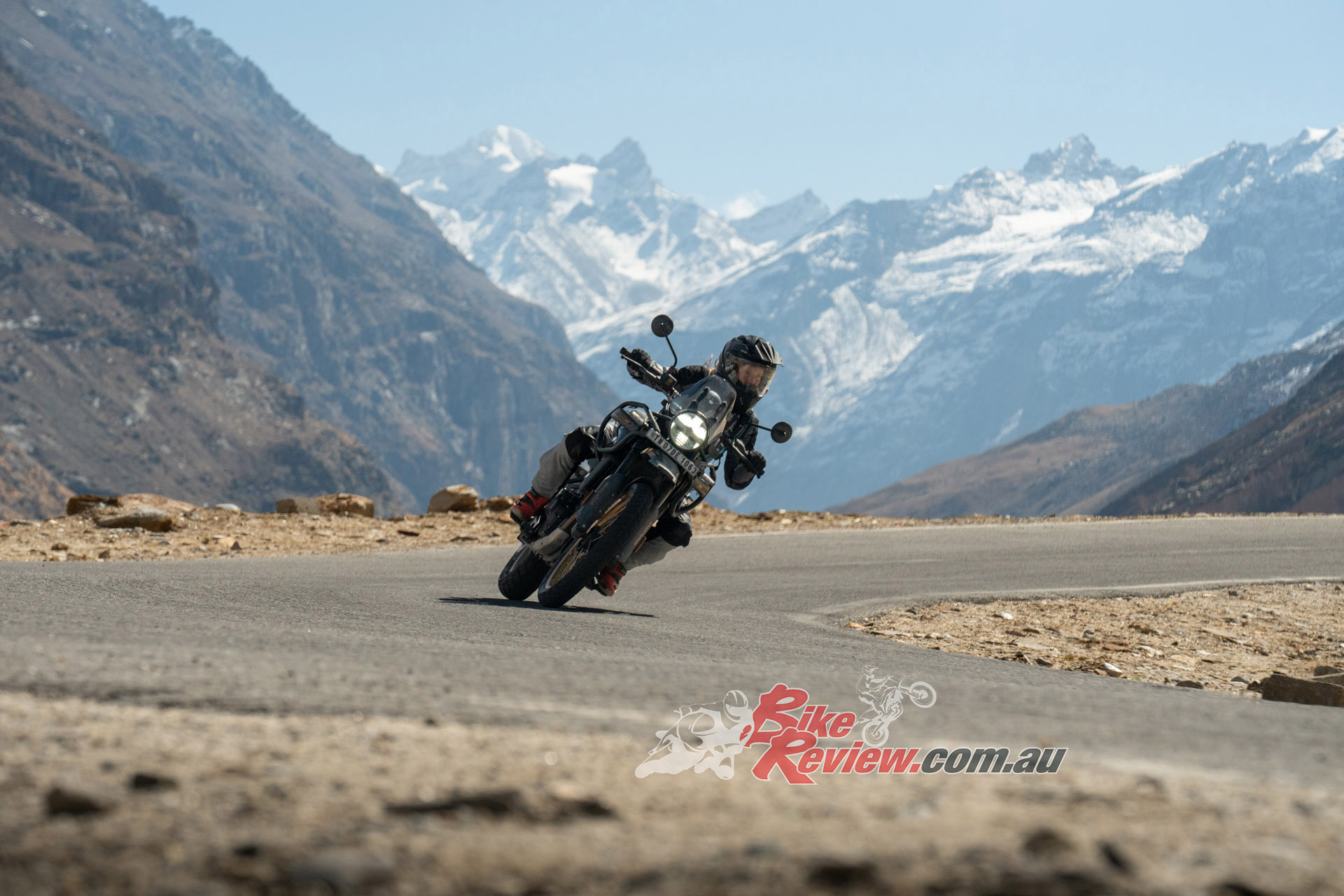
This was perhaps the biggest surprise during my time with the bike. The steering is relatively slow, but once tipped into a corner the Himalayan carries impressive corner speed and delivers far more grip than you’d expect from an adventure bike running dual-purpose tyres. On a winding mountain road it is genuinely entertaining, encouraging smooth flowing riding rather than aggressive inputs.
In fact, I found myself enjoying twisty tarmac almost as much as the dirt sections. The chassis remains stable, predictable and confidence inspiring, while the suspension allows you to carry pace over rough surfaces that would upset many road bikes. It feels remarkably well sorted.
Technology further separates the two generations. The TFT dash is excellent, easy to read and packed with useful information, while the electronics package gives the bike a level of sophistication that would have seemed impossible on the original Himalayan. Everything feels modern and well integrated without becoming distracting.
Ironically, the one area where I slightly prefer the old bike is its appearance. The original Himalayan looked like it could survive a war. It was rugged, utilitarian and unapologetically tough. The new bike is far more stylish and modern, but it doesn’t quite project the same indestructible image. That’s a small criticism in what is otherwise a spectacular evolution.
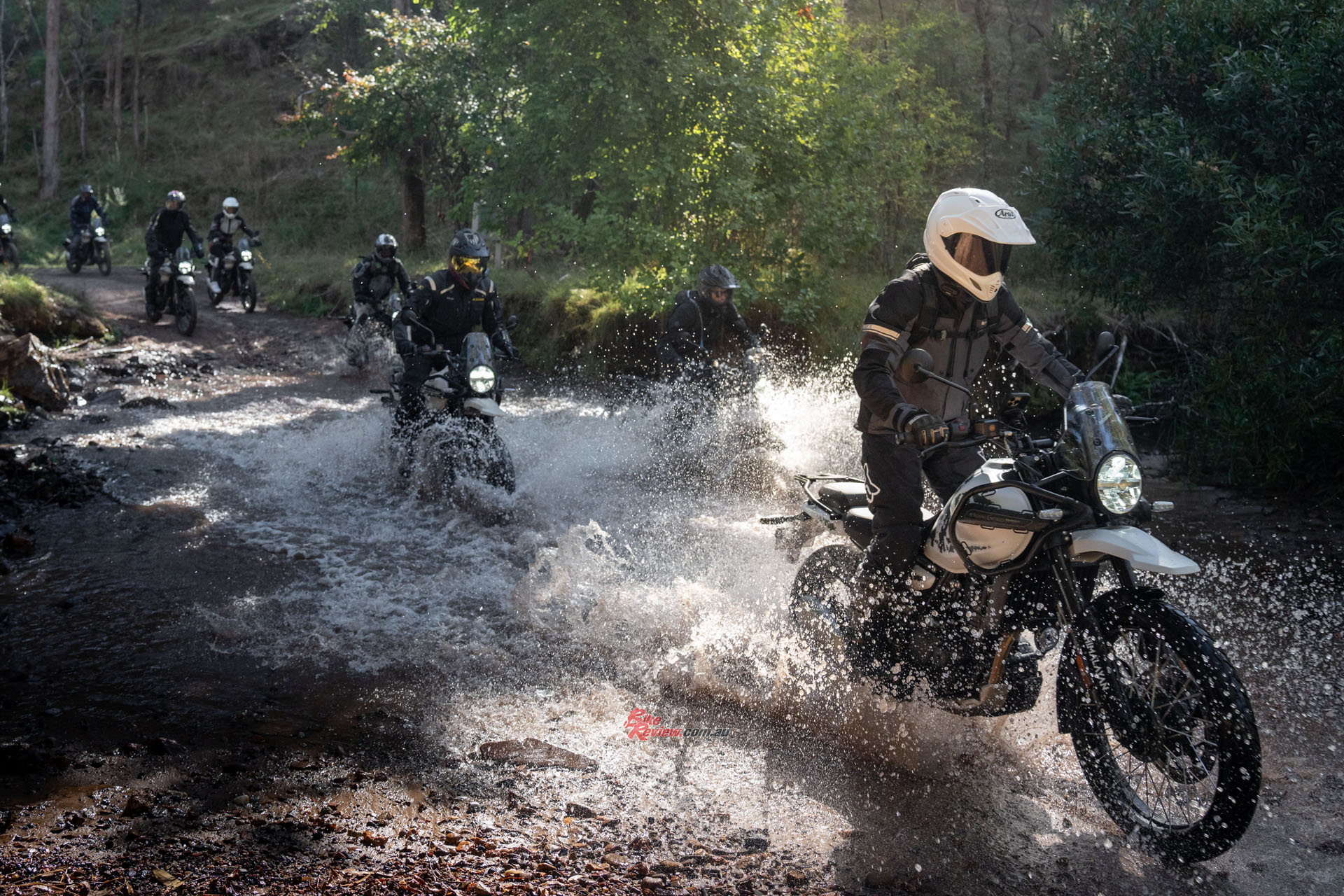
After two weeks with the Himalayan 450, I came away genuinely shocked by how good it is. It’s an excellent daily rider, a capable off-roader, a comfortable tourer and a surprisingly entertaining motorcycle on twisty mountain roads. The fuel economy is exceptional, the comfort is excellent and the overall package feels incredibly complete.
I enjoyed the Himalayan 411 and understood exactly why it developed such a loyal following. But the Himalayan 450 is better in every measurable way. It accelerates harder, stops better, handles better, offers more comfort, more refinement and vastly improved technology.
2026 Royal Enfield Himalayan 450 Specifications
Price & Availability: $9,190 Ride Away
Warranty: Three Years with Roadside
Colours: Kazza Brown, Slate Poppy Blue + $200, Slate Salt + $200, Hanle Black + $500, Hanle Black Tubeless + $800, Kamet White Tubeless + $800
Claimed Power: 29.44kW(40.2hp)@8000rpm
Claimed Torque: 40Nm@5500rpm
Claimed Fuel Consumption: 3.7L/100km
Measured Fuel Consumption: 3.7L/100km
Claimed Fuel Range: 400 + KM
Wet Weight: 196kg
Fuel capacity: 17L
Engine: Liquid-cooled DOHC single-cylinder four-stroke, four-valve head, 84mm x 81.5mm bore x stroke, 452cc, 11.5:1 compression ratio, EFI with 42mm throttle-body, semi dry sump, wet multi-plate slipper clutch, six-speed gearbox
Chassis: Steel twin spar tubular frame and sub-frame.
Rake: N/A mm Trail: N/A mm
Suspension: SHOWA Seperate Function Forks, non-adjustable, 200mm travel (f), SHOWA monoshock, preload adjustable, 200mm travel (r).
Brakes: Single semi-floating 320mm brake rotor, two-piston caliper (f),
Single 270mm rotor, single-piston caliper (r). Dual Channel switchable ABS.
Wheels & Tyres: 90/90 – 21 (f) 140/80 – 17 (r) CEAT adventure tyres, Aluminium Excel spoked tubed wheels (tubeless currently in development).
Dimensions:
Wheelbase: 1510mm
Seat height: 825 – 845mm standard (805 – 825mm low option).
Ground clearance: 230mm
Overall width: 852mm
Overall Length: 2245mm
Overall height: 1316
Instruments & Equipment: Ride Modes, TFT dash, Switchable ABS, Google powered Sat Nav, Ride by Wire with 4 Ride Modes, LED lights, USB C charge point.
Ratings | Bike Review | Royal Enfield Himalayan Old 411 v New 450
Refined
The original Himalayan was charming but agricultural. The new Himalayan 450 is a complete reinvention, blending genuine adventure capability with refinement, performance and versatility..
The Author

You Might Also Like