
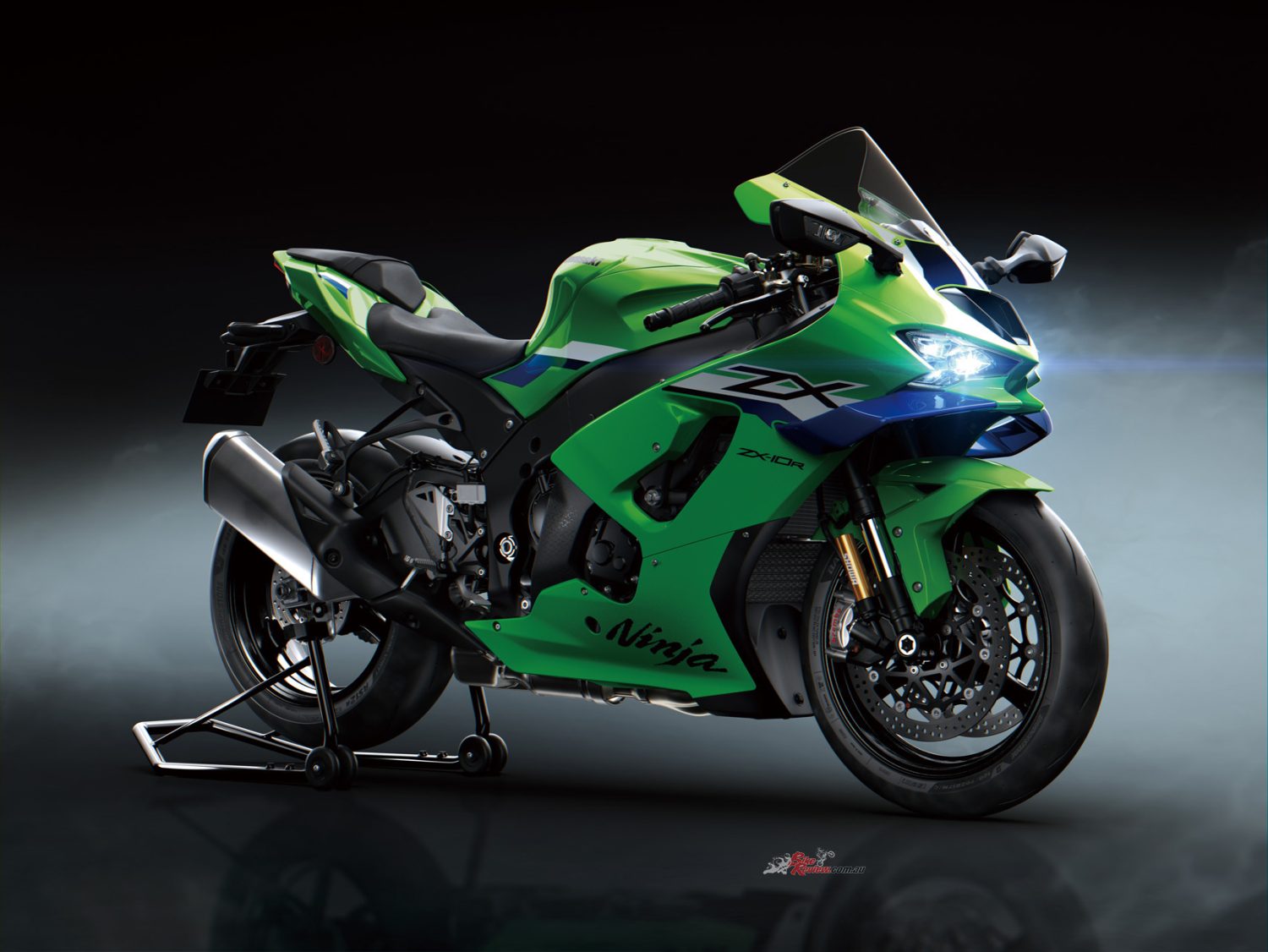

Major geometry changes along with an all-new aero package, TFT dash, restyled bodywork and graphics see Kawasaki's ZX-10R and ZX-10RR upgraded significantly for 2026...
Kawasaki has unveiled the 2026 Ninja ZX-10R and limited-production ZX-10RR at EICMA, showcasing new aerodynamic bodywork, revised geometry and an upgraded interface. The first major overhaul since 2021. Of 500 ZX-10RR’s produced, Australia will get 10 units.
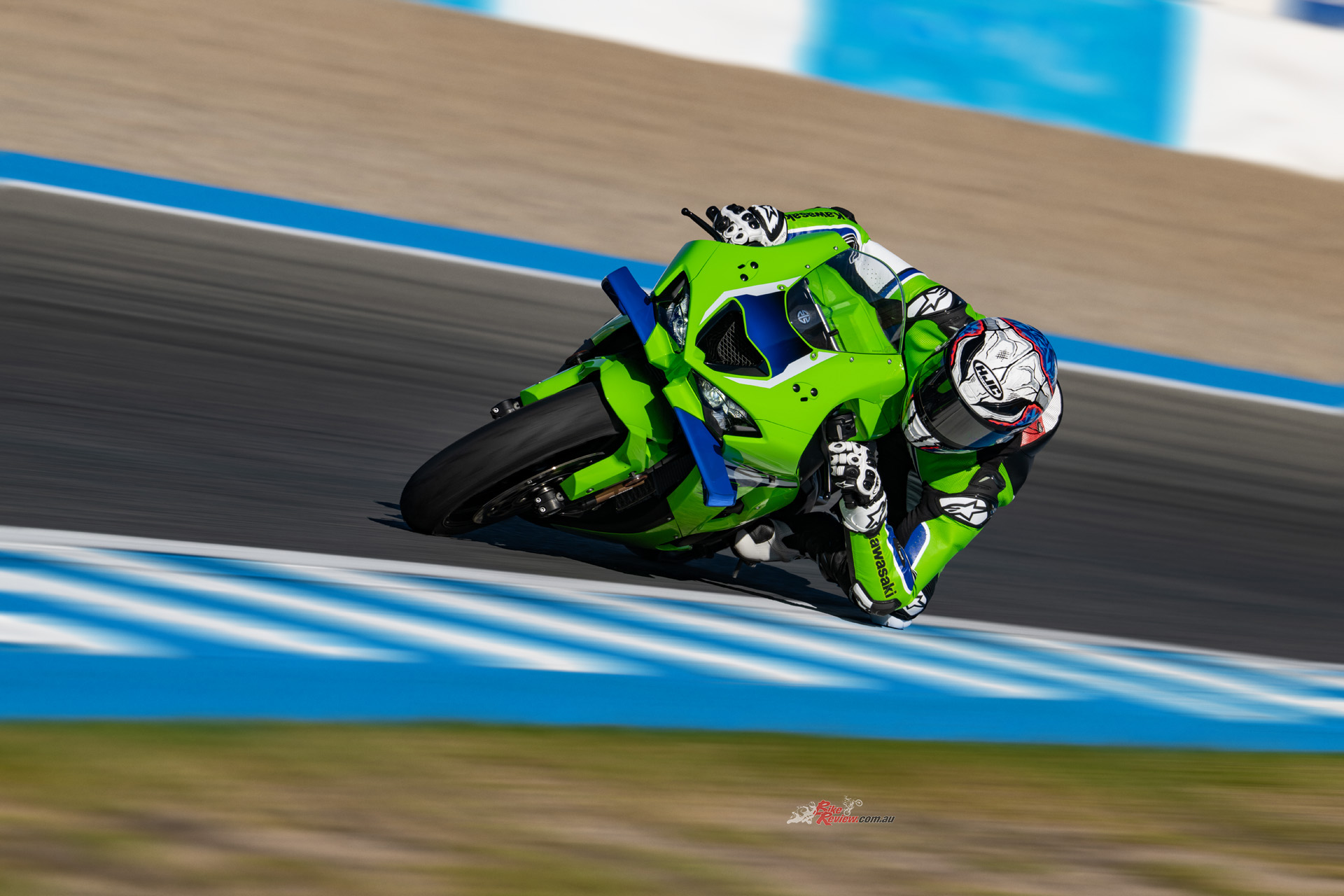
Australia will receive the new ZX-10R alongside just 10 units of the ZX-10RR, which remains the brand’s homologation model for WorldSBK competition.
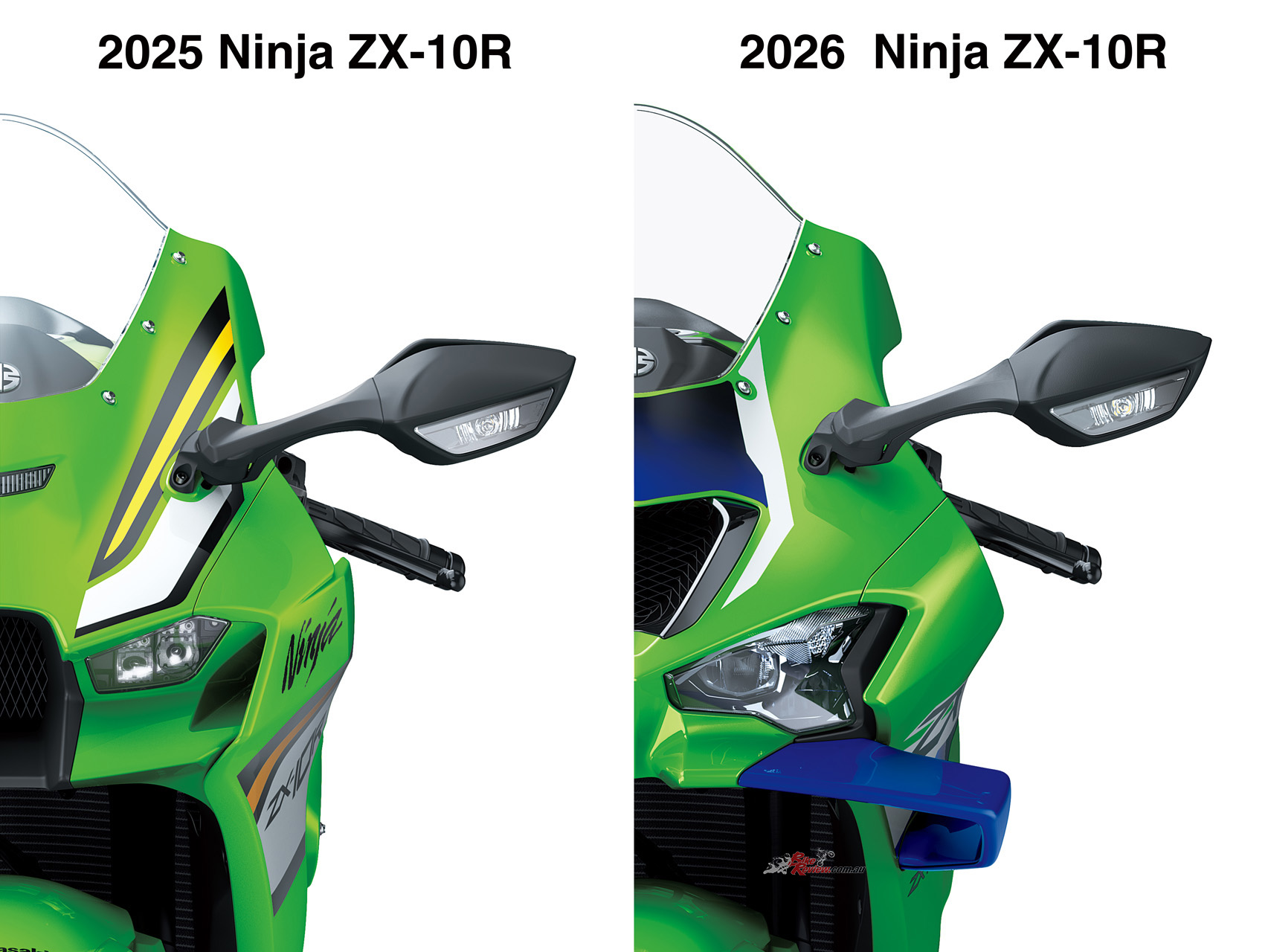
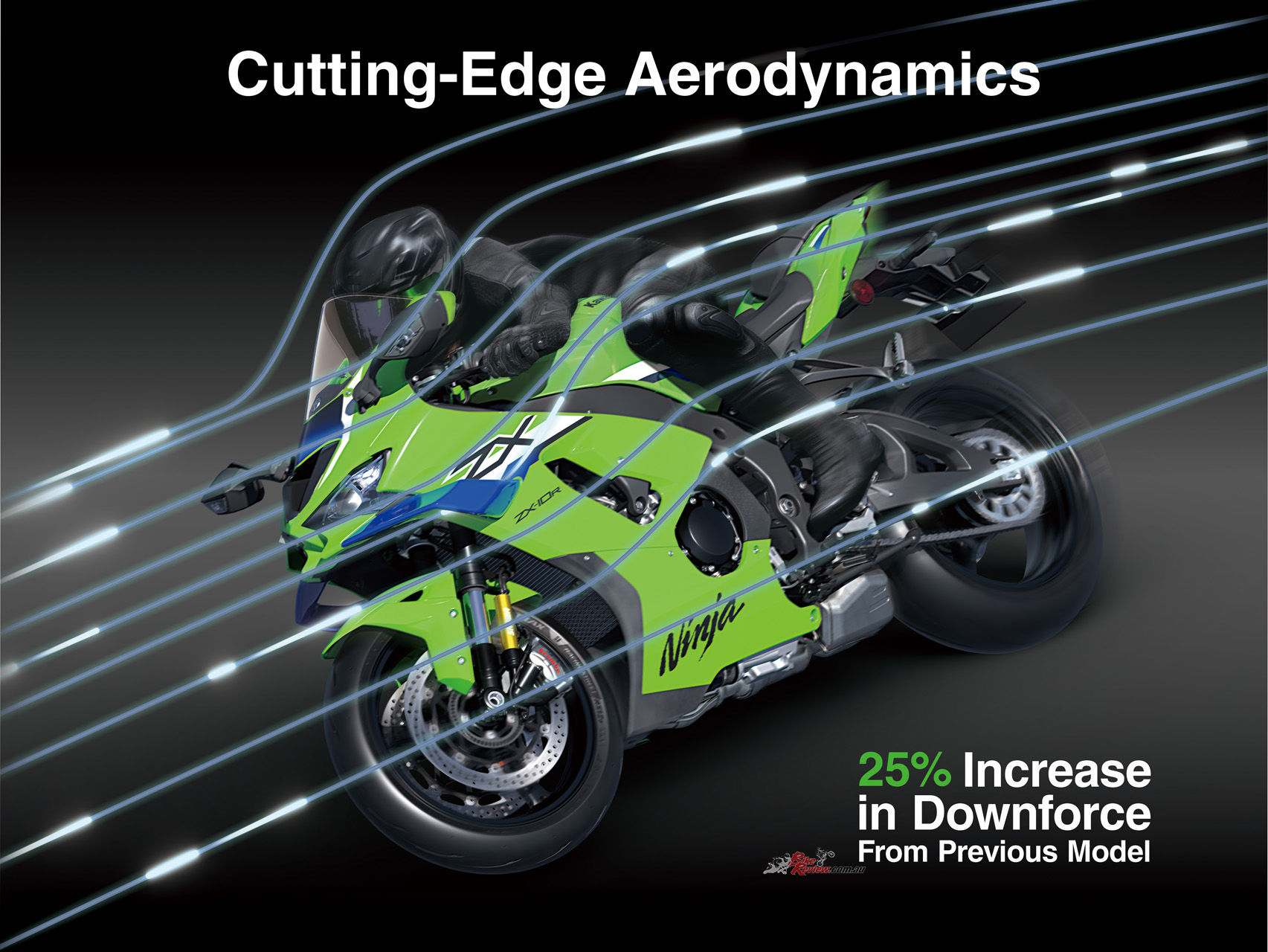
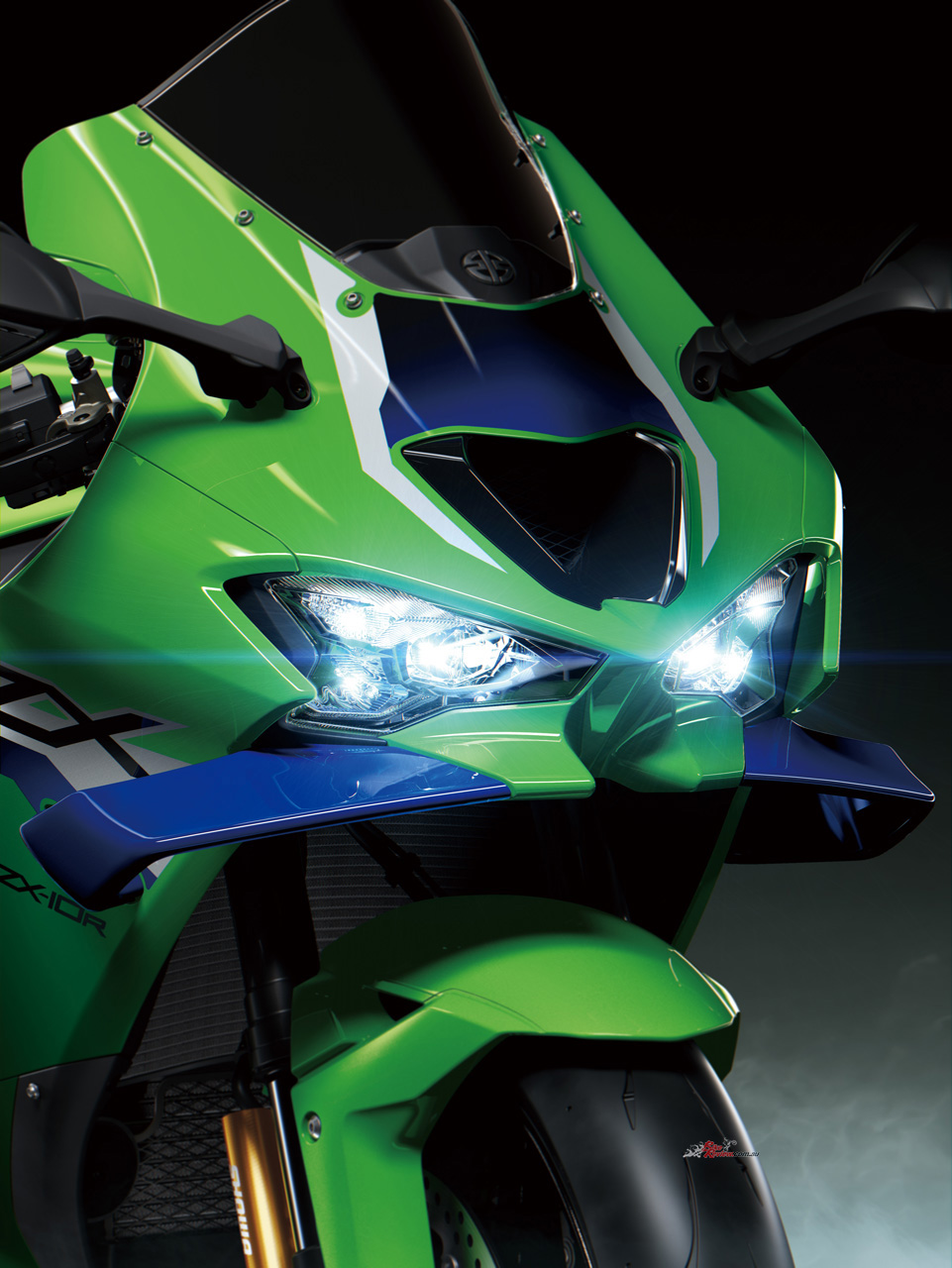
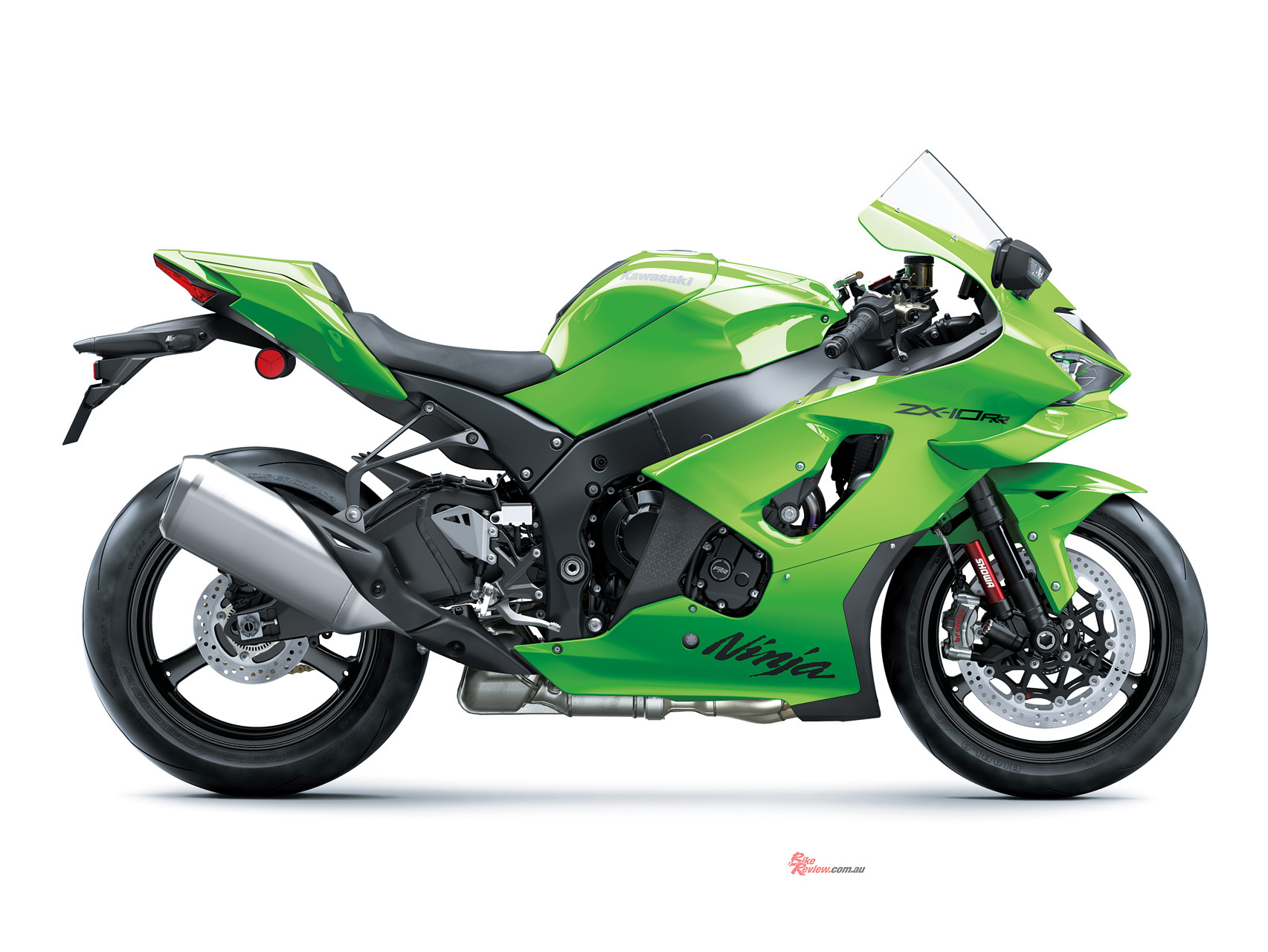
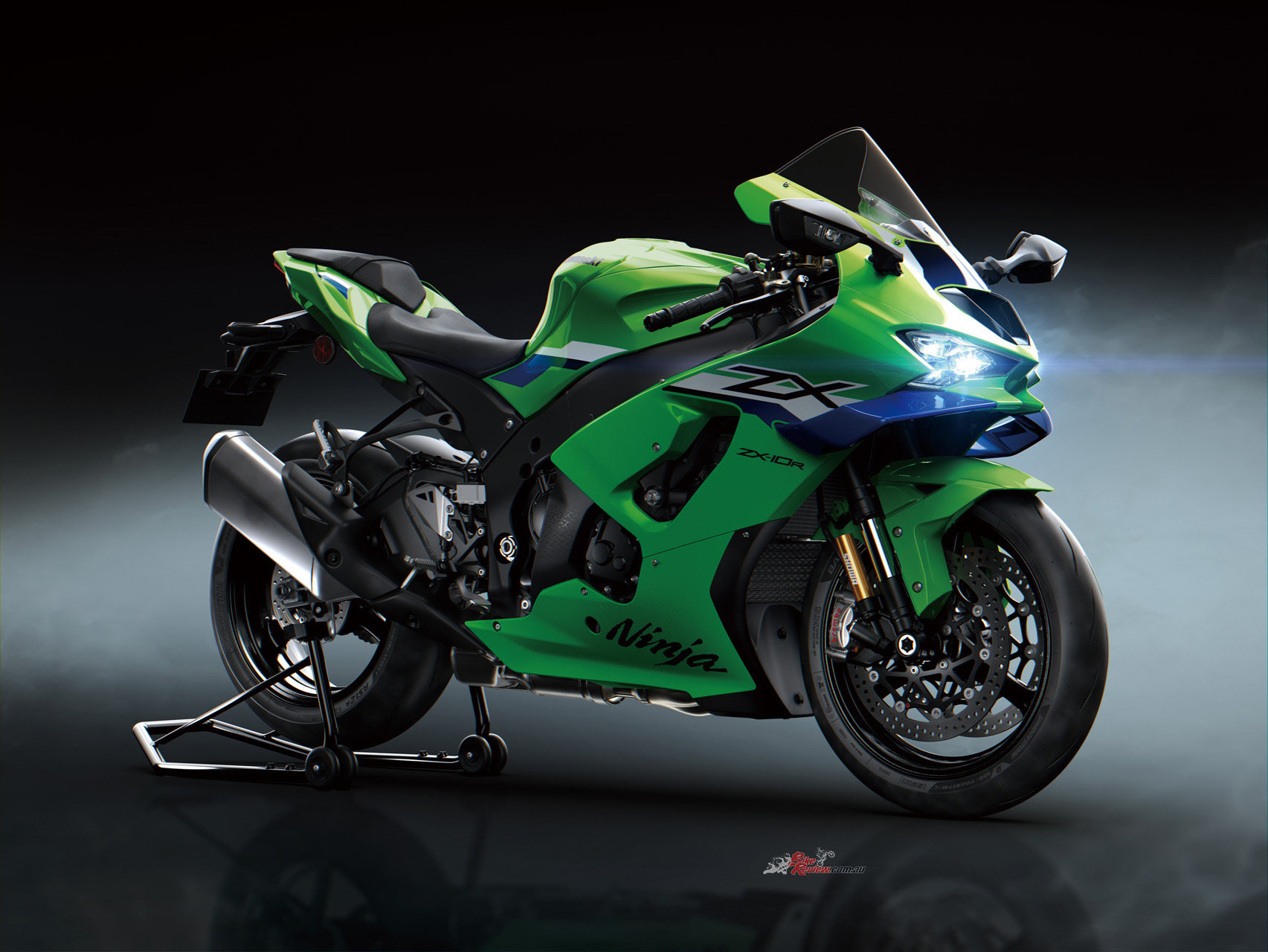
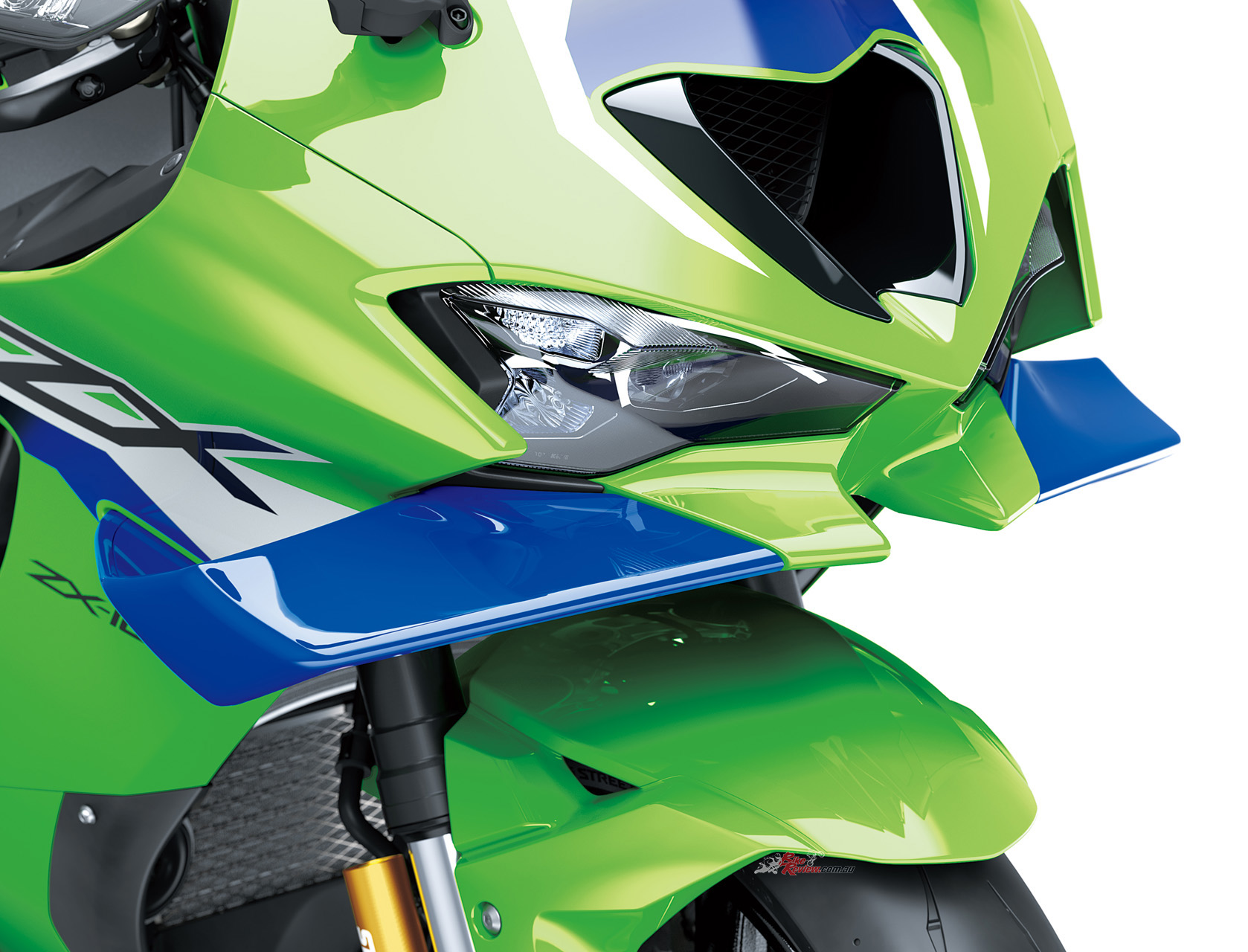
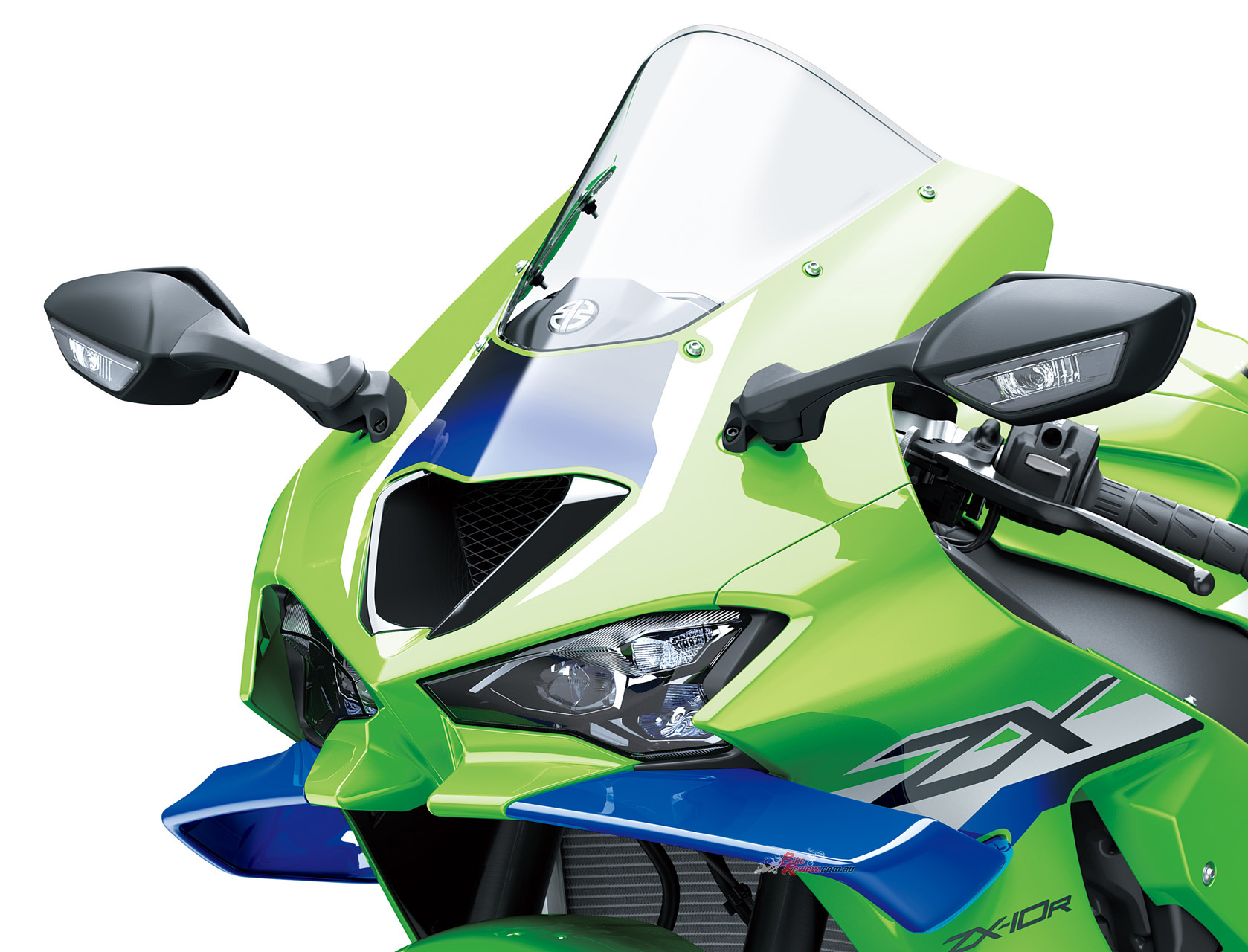
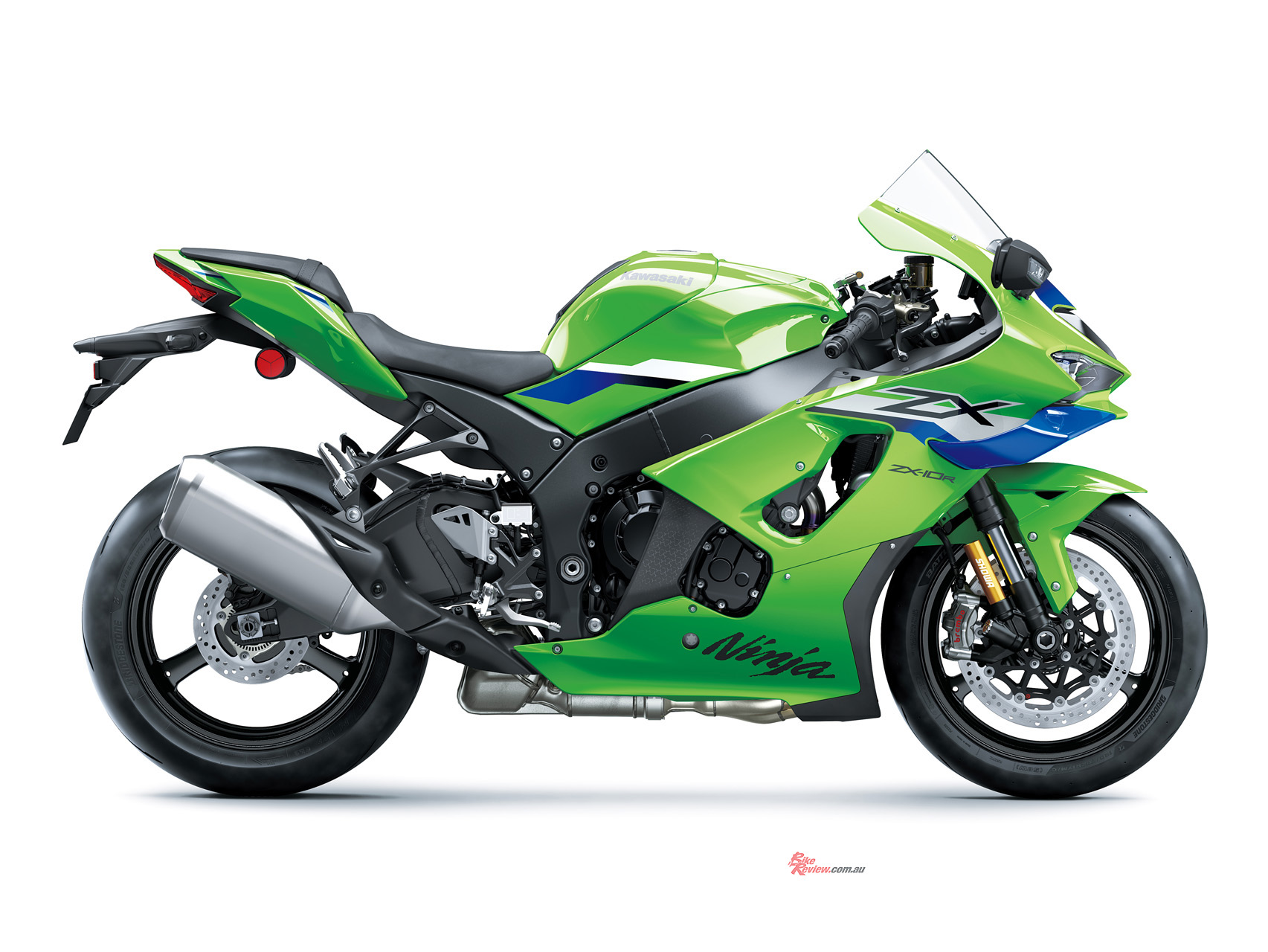
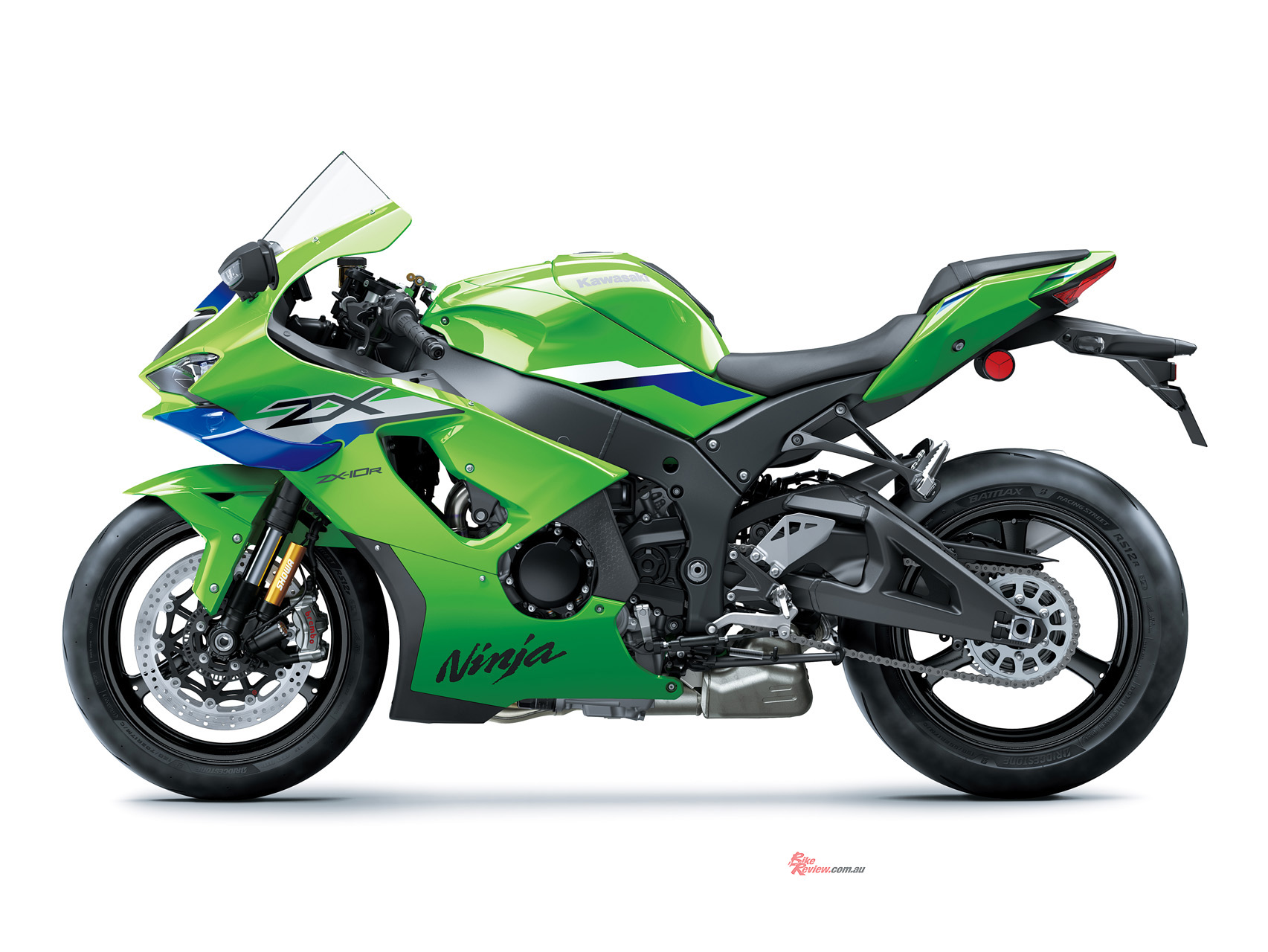
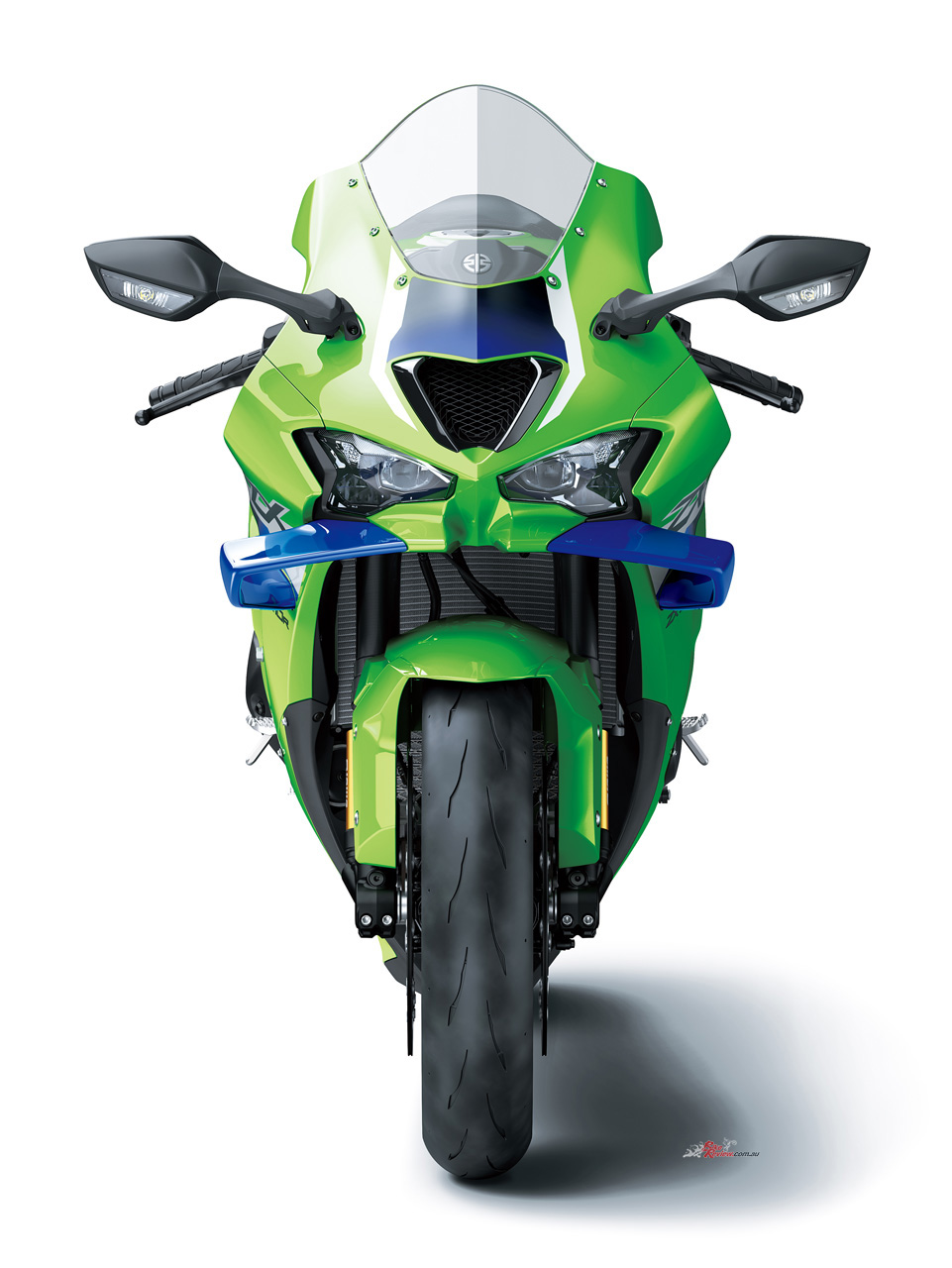
Kawasaki’s flagship litre-class superbike range receives a major aerodynamic overhaul for 2026, marking the first substantial visual change to the Ninja ZX-10R and ZX-10RR since 2021. Both models adopt a sharper, more compact front end and external winglets designed to improve downforce without increasing drag.
Check out our previous ZX-10R and ZX-10RR reviews and videos here…
Kawasaki says the new configuration increases downforce by roughly 25 per cent while adding only 0.3 per cent to aerodynamic resistance. The winglets, formed from ABS resin and integrated into the graphics, replace the previous recessed design and contribute to improved high-speed stability and lighter steering.
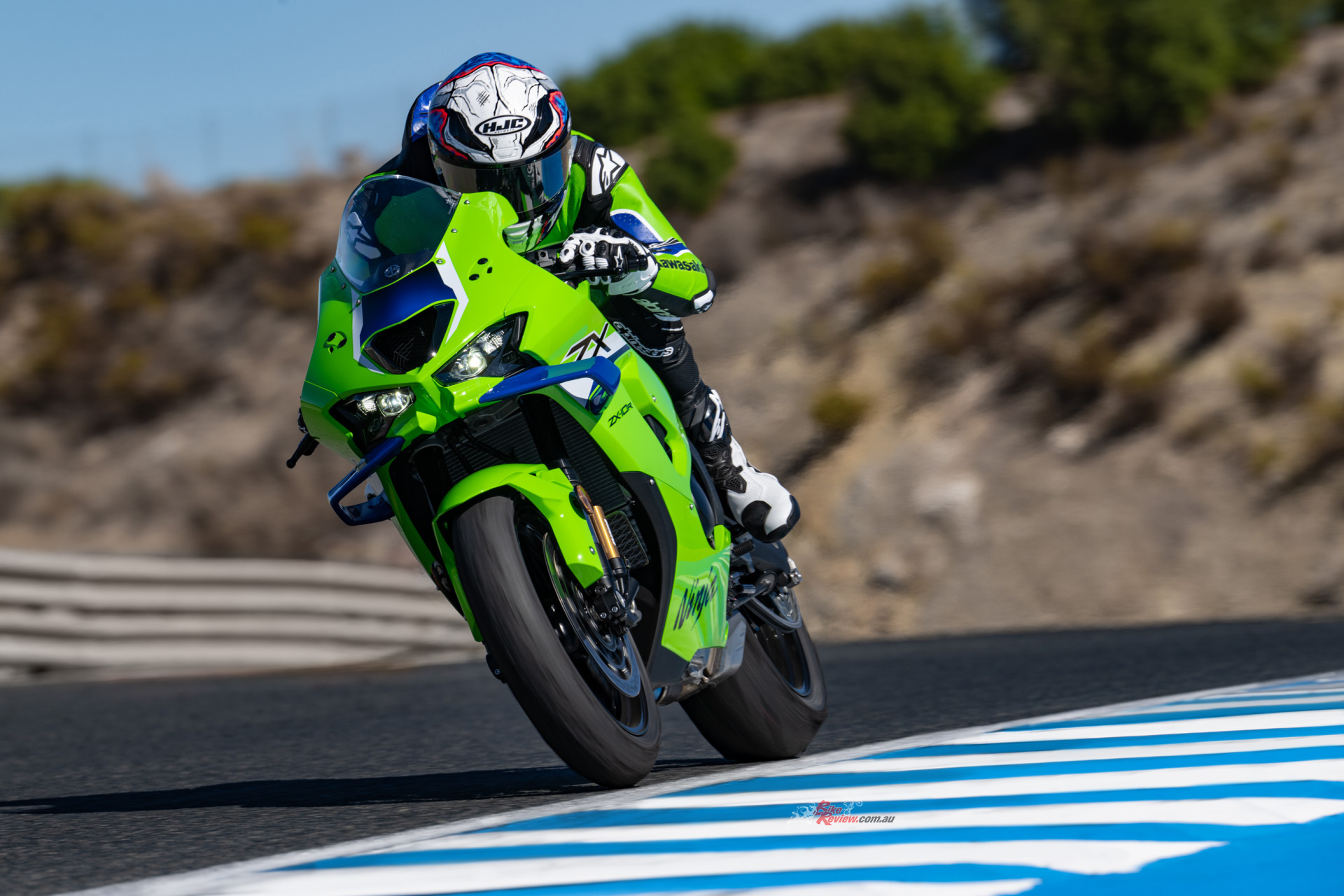
Revised chassis geometry was developed alongside the new aero package to balance increased downforce. The changes improve stability under braking and acceleration, while the lighter steering effort helps riders maintain consistent corner speed on track.
Kawasaki says the revised chassis geometry was developed alongside the new aero package to balance increased downforce with precise handling. The changes improve stability under braking and acceleration, while the lighter steering effort helps riders maintain consistent corner speed on track.
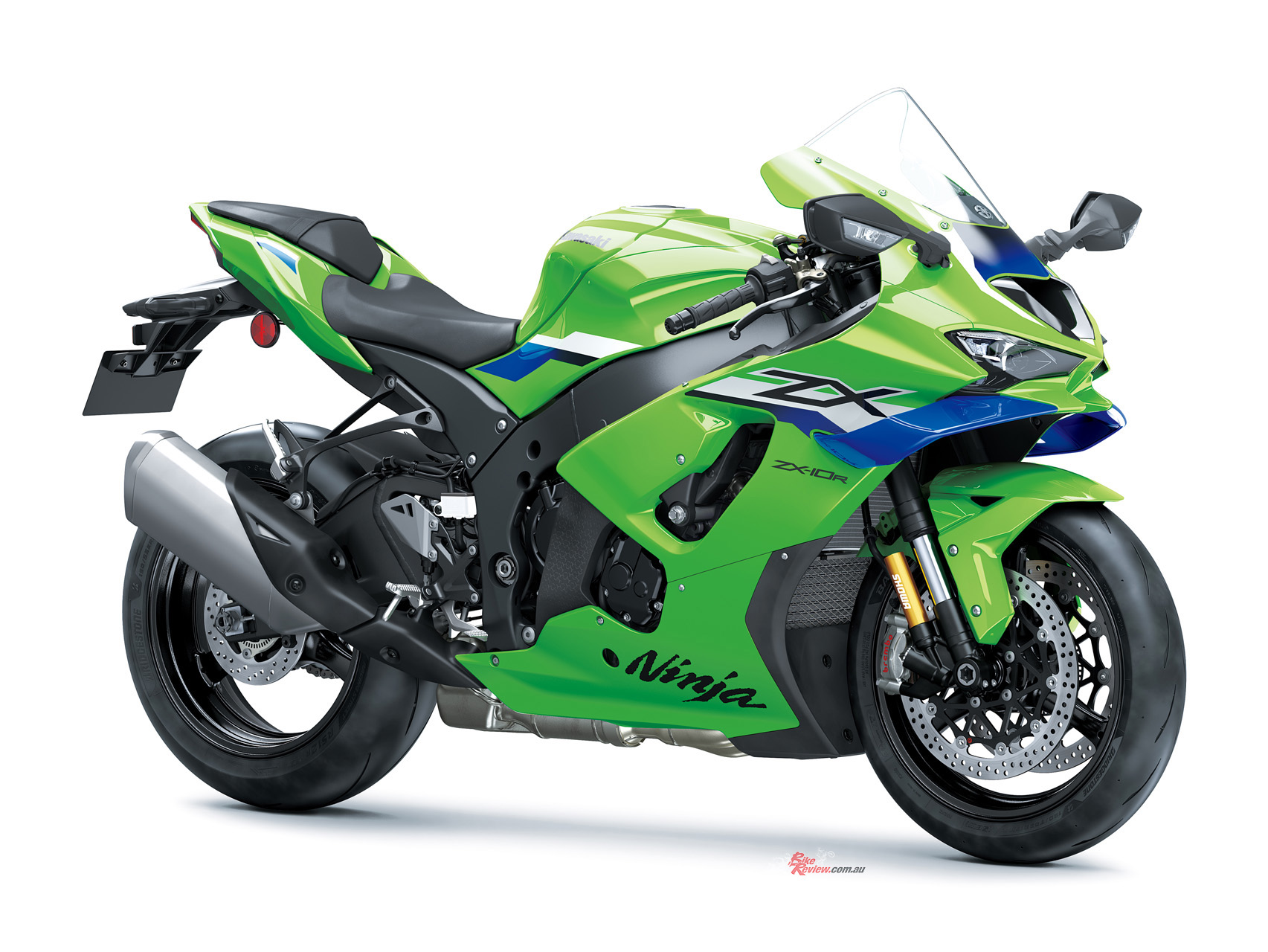
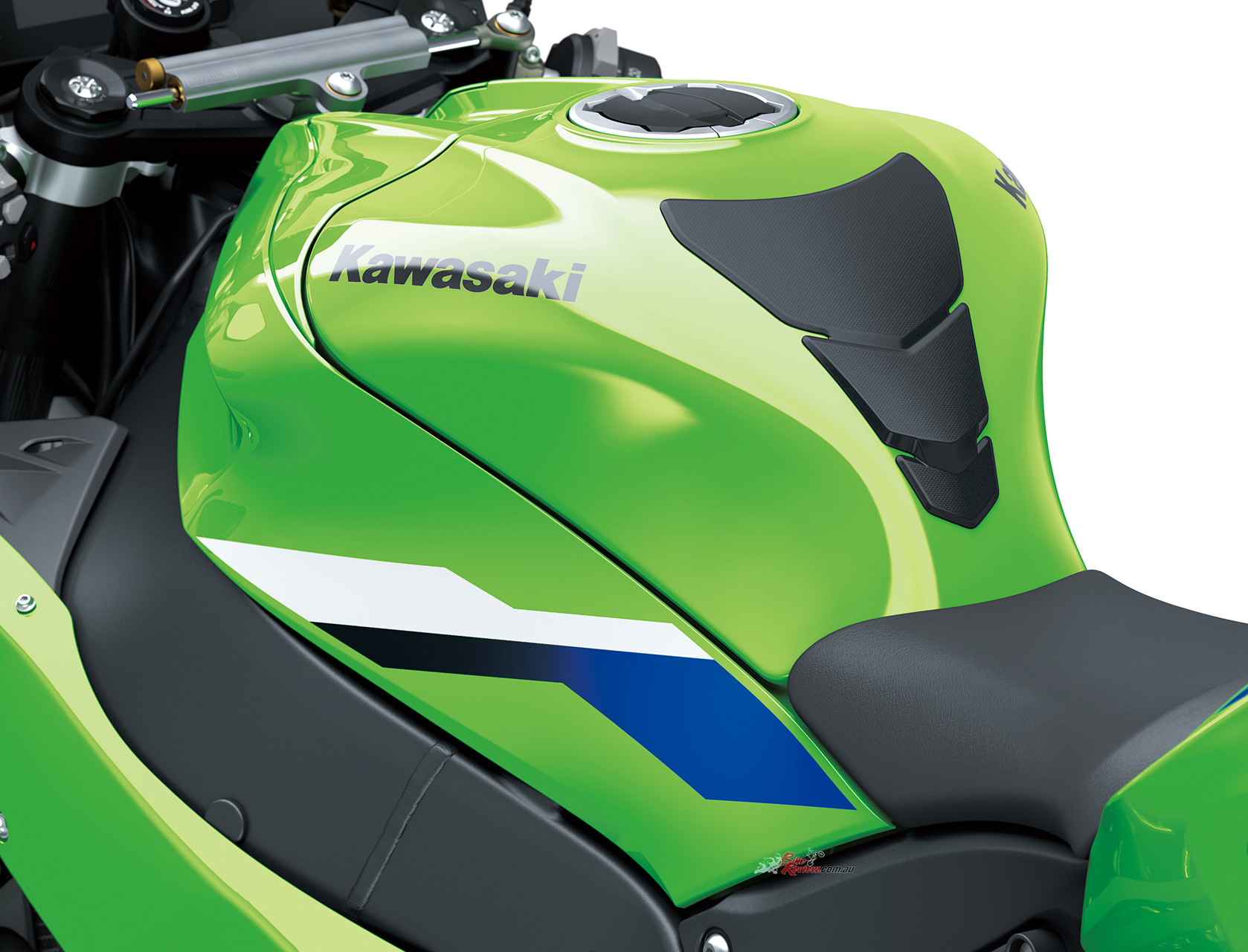
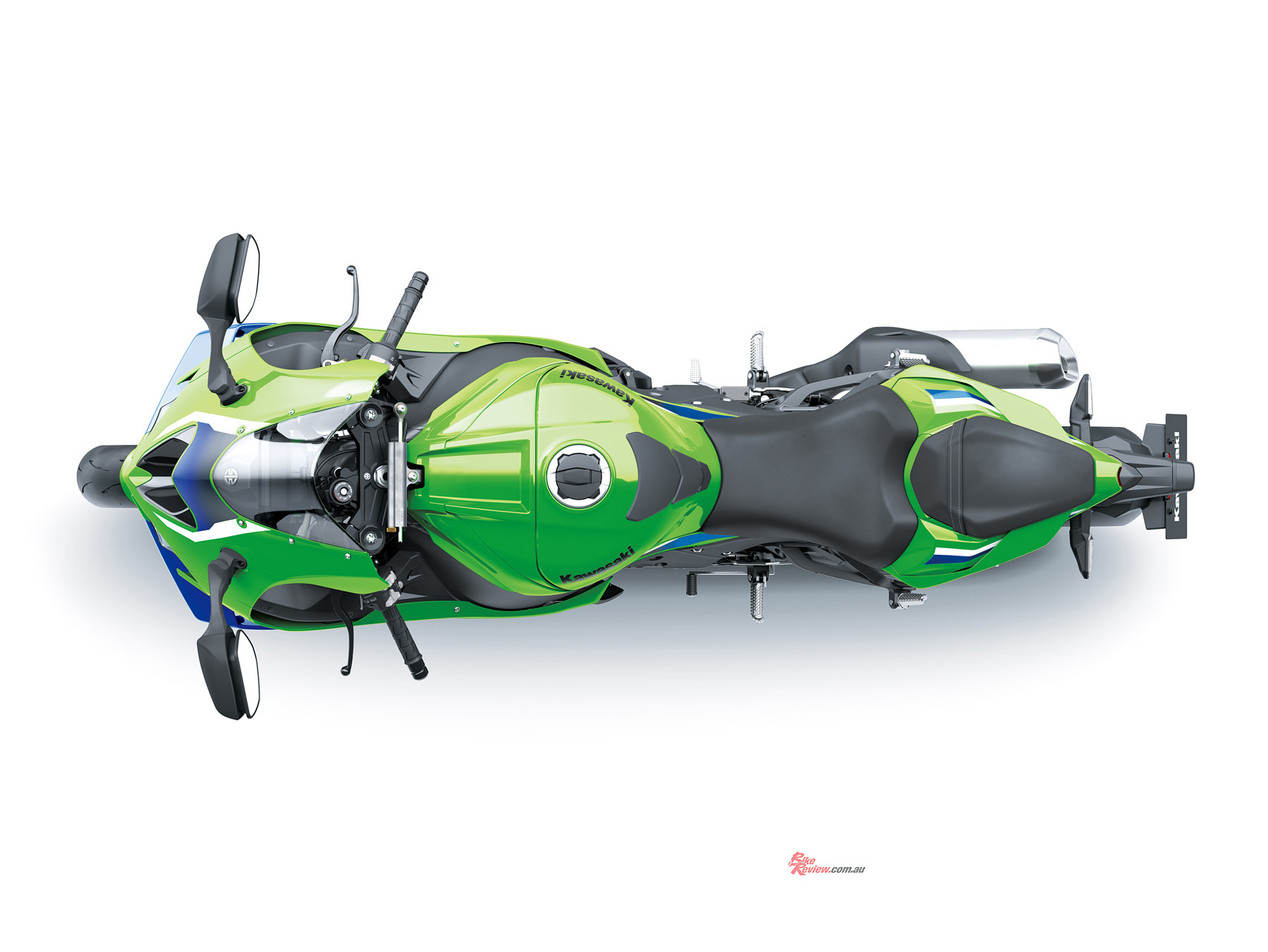
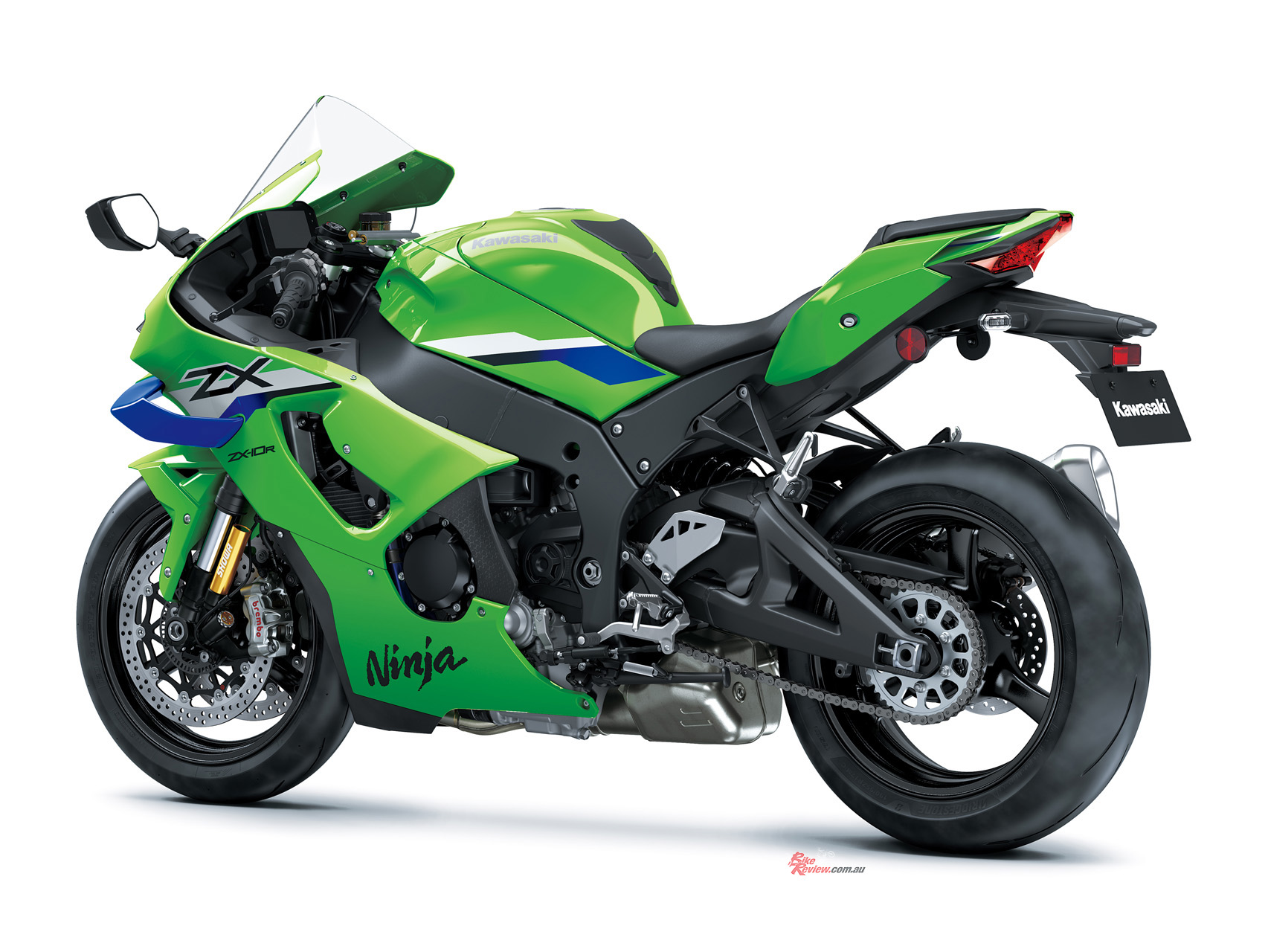
Revised geometry, all-new aero and new graphics for the 2026 ZX-10R.
Australia will receive the new ZX-10R alongside just 10 units of the ZX-10RR, which remains the brand’s homologation model for WorldSBK competition. The RR continues to be produced in limited numbers globally, with 500 units available worldwide.
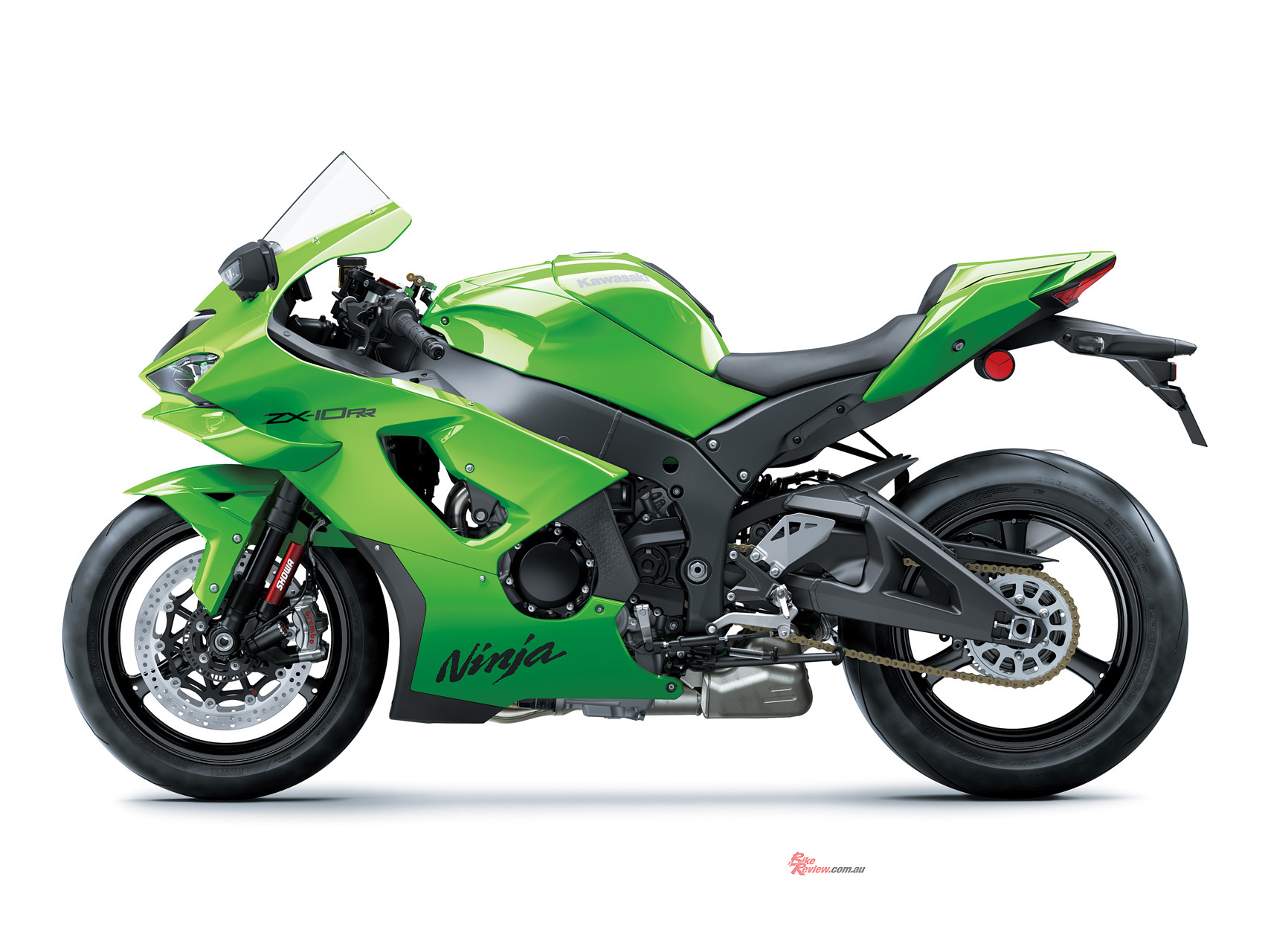
The WorldSBK homologation special, the ZX-10RR, will be limited to just 10 units here, so get in quick!
Both models are powered by Kawasaki’s 998cc liquid-cooled inline-four engine, now meeting Euro 5+ emissions requirements while maintaining output figures consistent with the previous generation. The ZX-10RR distinguishes itself with Pankl titanium connecting rods and pistons for reduced reciprocating mass and faster engine response, while both bikes use a secondary oxygen sensor to assist emissions performance with minimal weight gain.
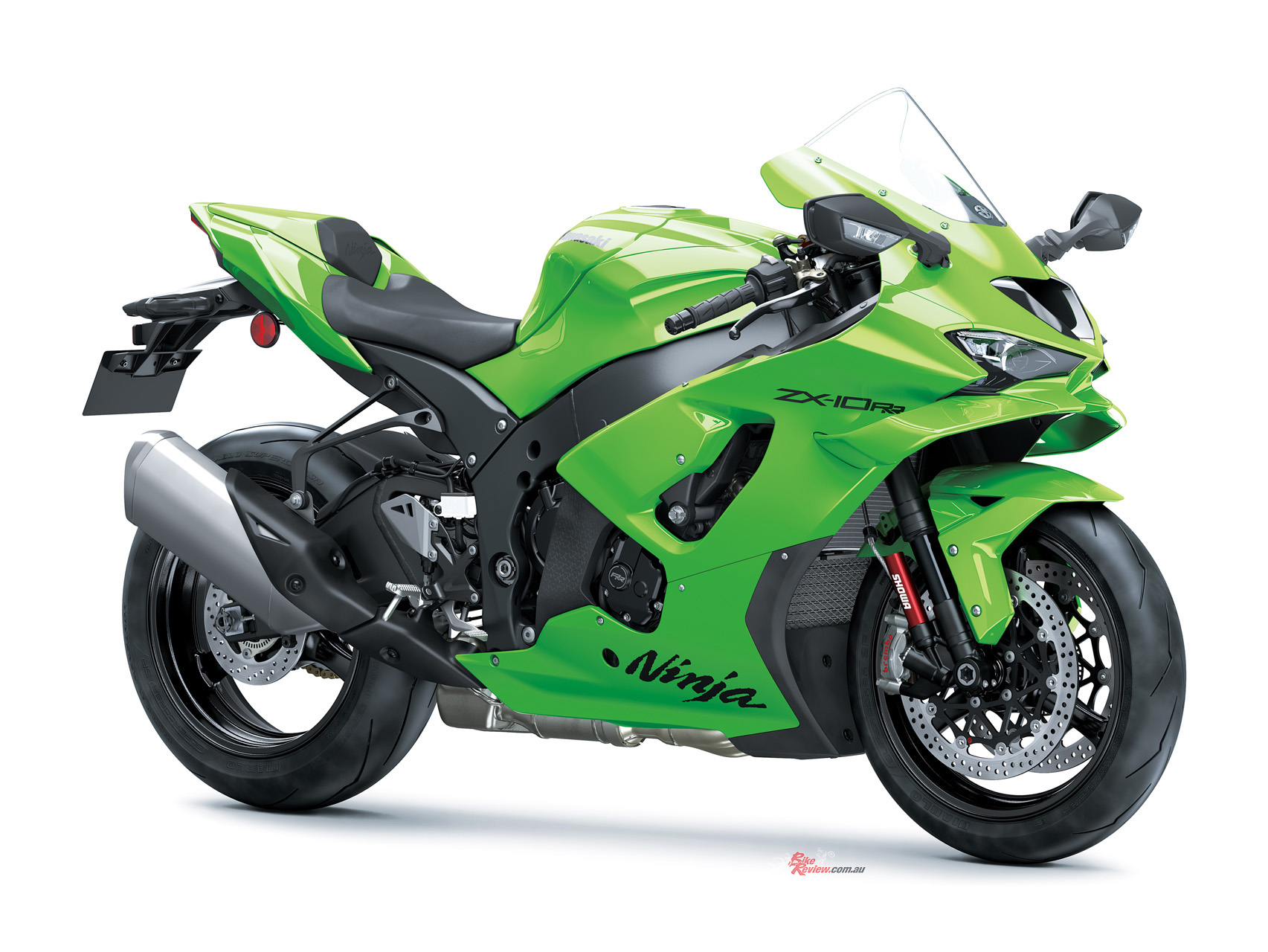
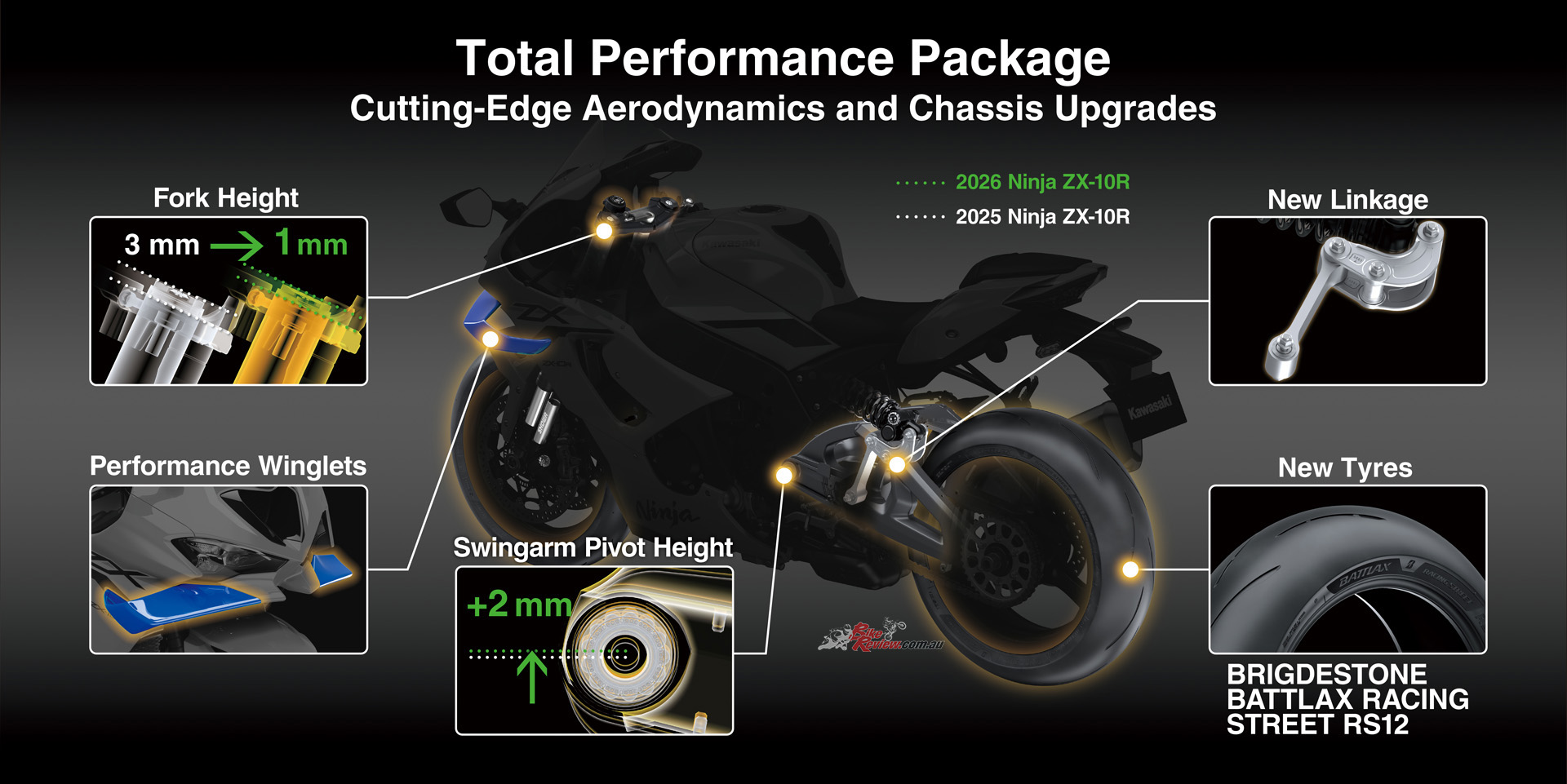
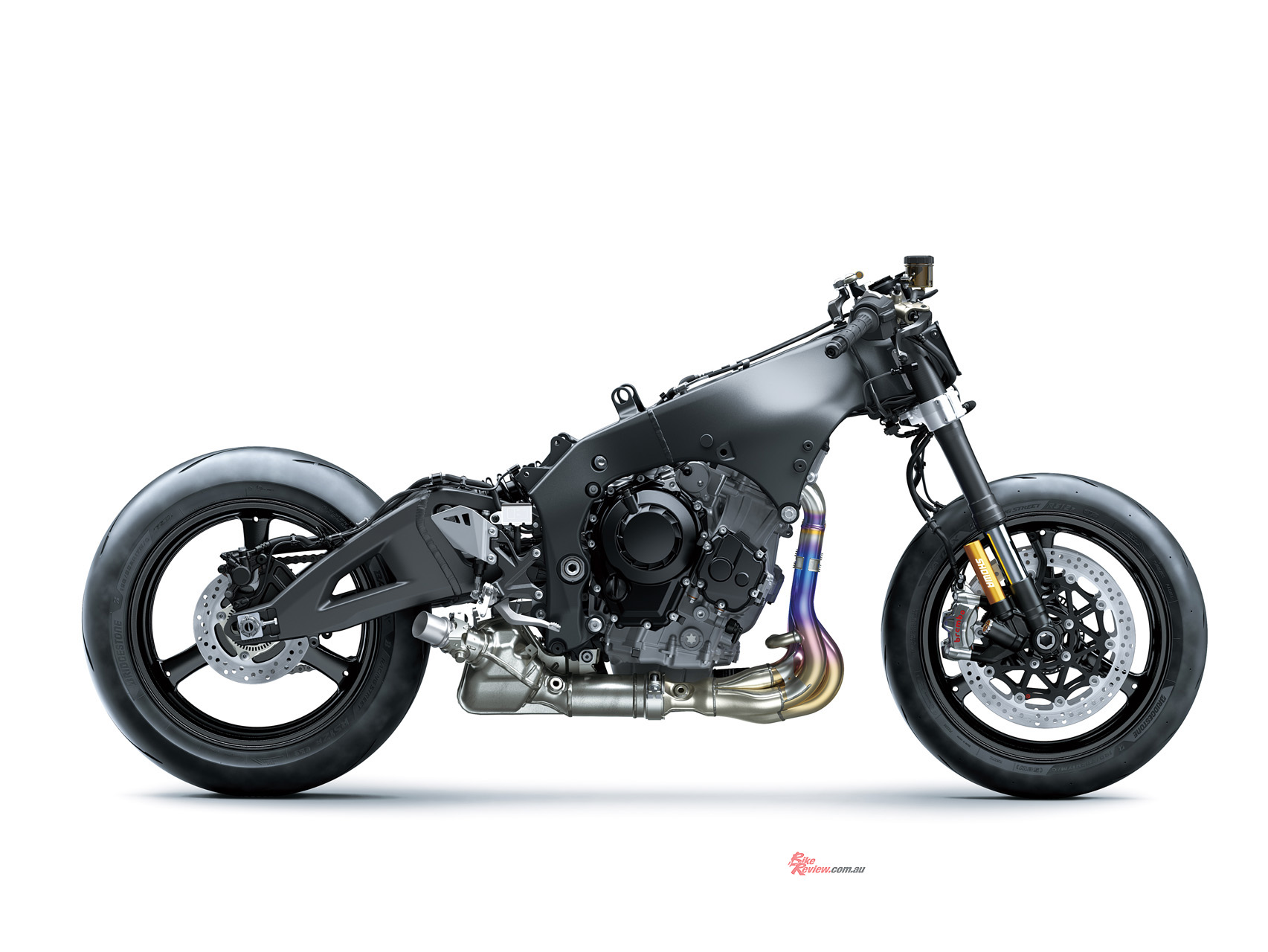
The swingarm pivot has been raised by 2mm, fork height reduced, and linkage and spring rates adjusted to sharpen steering and improve rear-end traction.
Chassis geometry has been refined to complement the new aerodynamics. The swingarm pivot has been raised by 2mm, fork height reduced, and linkage and spring rates adjusted to sharpen steering and improve rear-end traction.
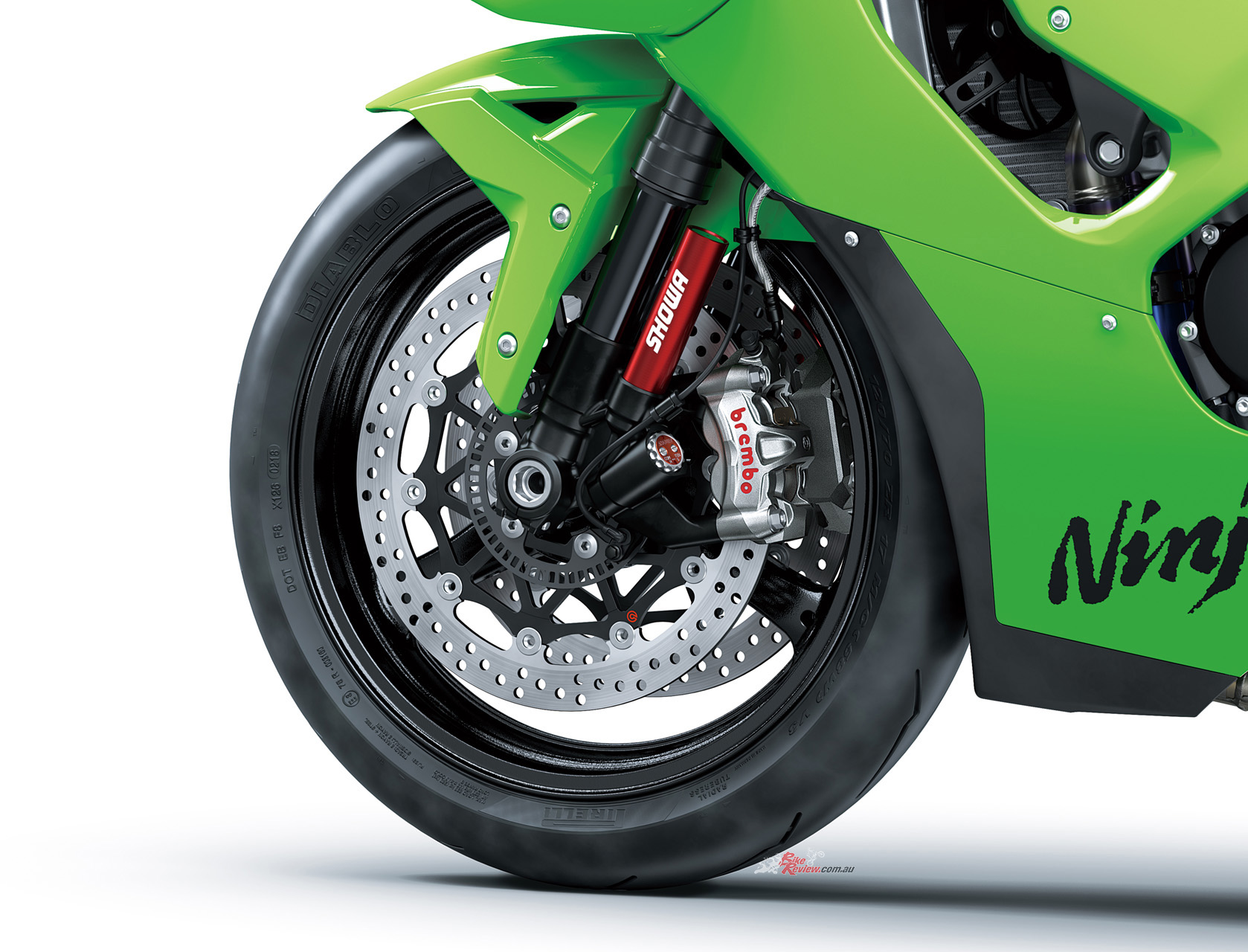
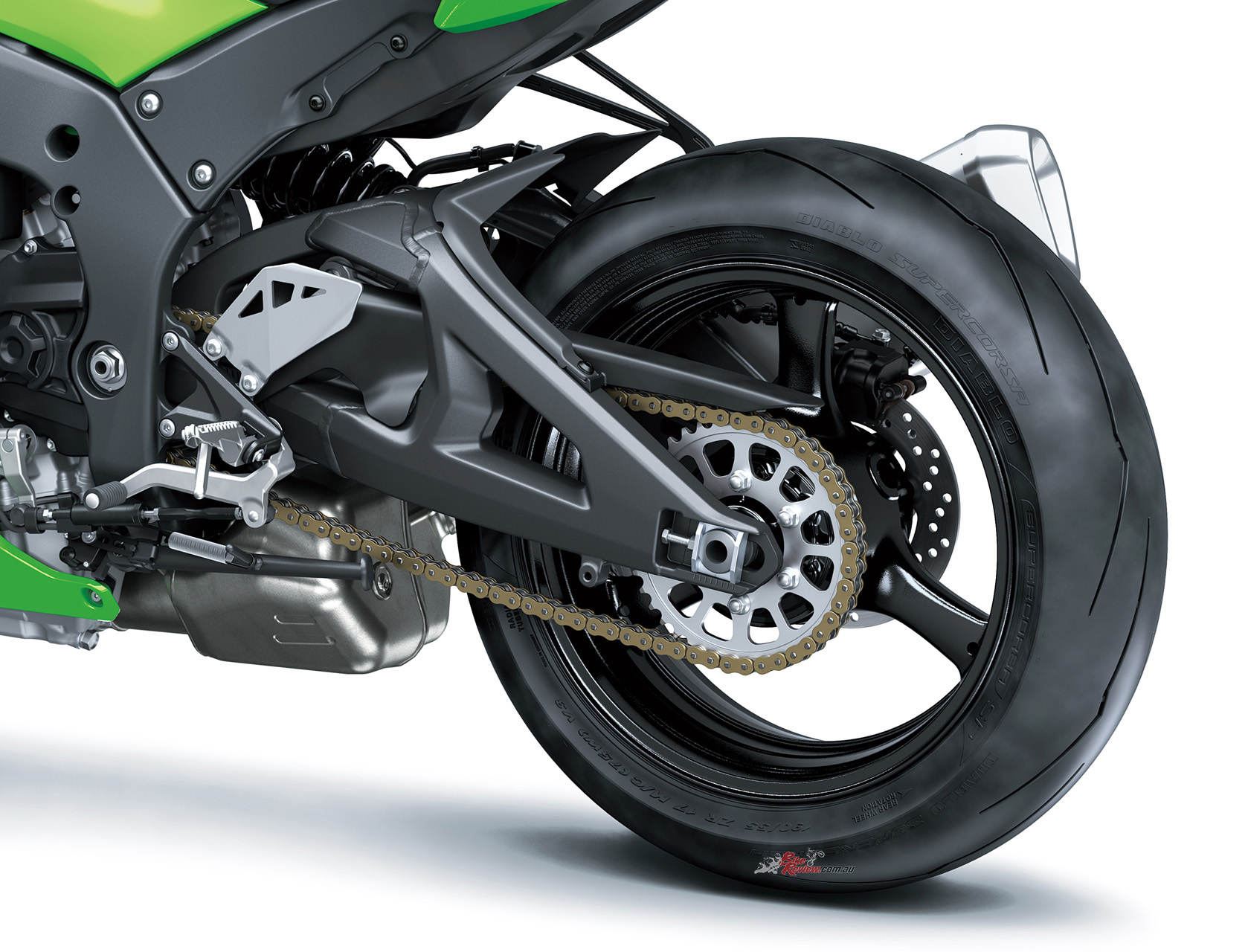
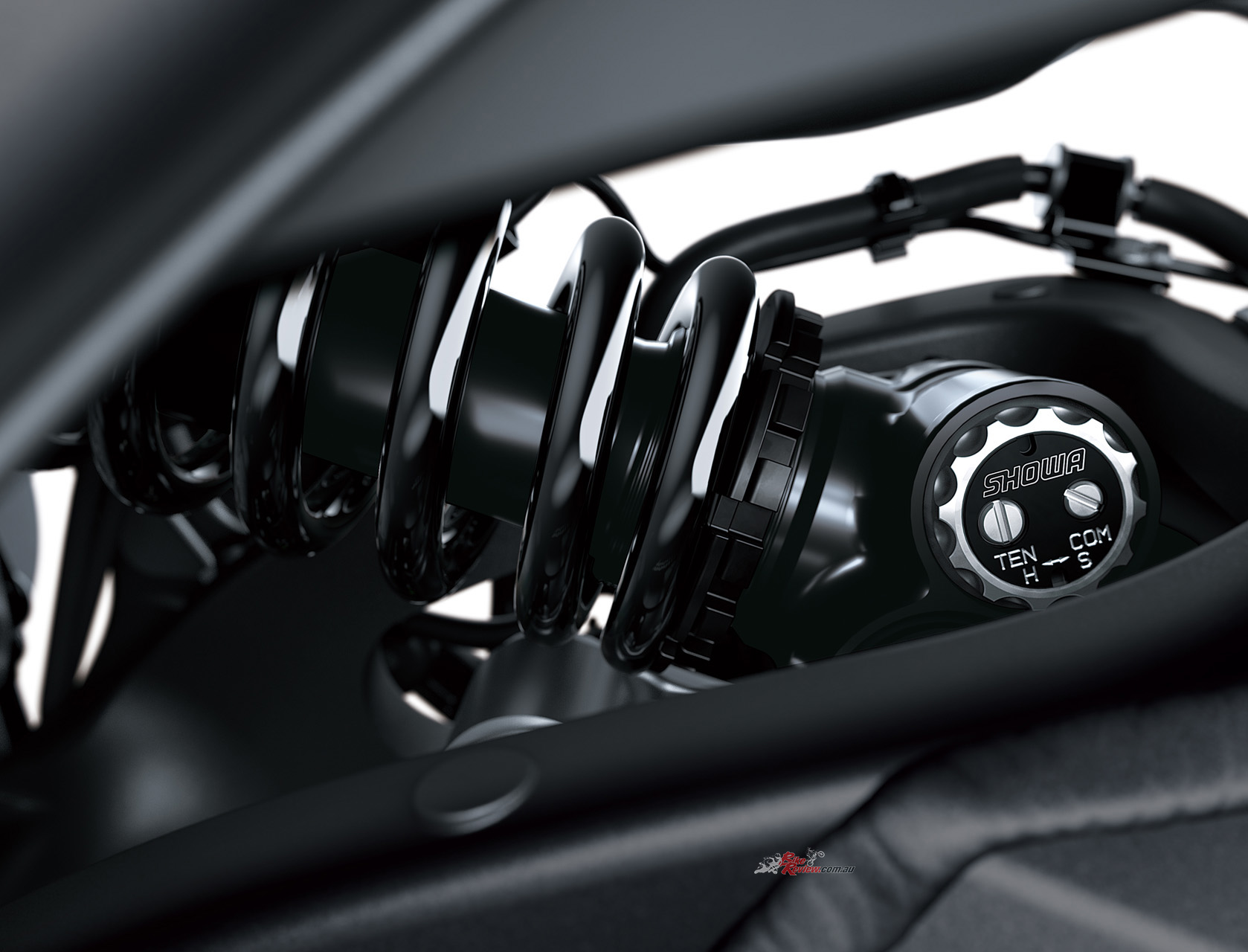
Suspension is by KYB, with the ZX-10R fitted with the Balance Free Front Fork (BFF) and BFRC lite rear shock, both retuned for 2026. An Öhlins electronic steering damper remains standard. The retuned damping settings aim to improve weight transfer under braking and acceleration, helping maintain tyre contact and predictable feedback through fast direction changes.
The higher swingarm pivot and lower front-end geometry shift the bike’s weight balance slightly forward, improving turn-in accuracy while maintaining rear traction under drive. Together with revised linkage and spring rates, the setup is aimed at enhancing mid-corner stability at race pace without compromising the bike’s road composure.
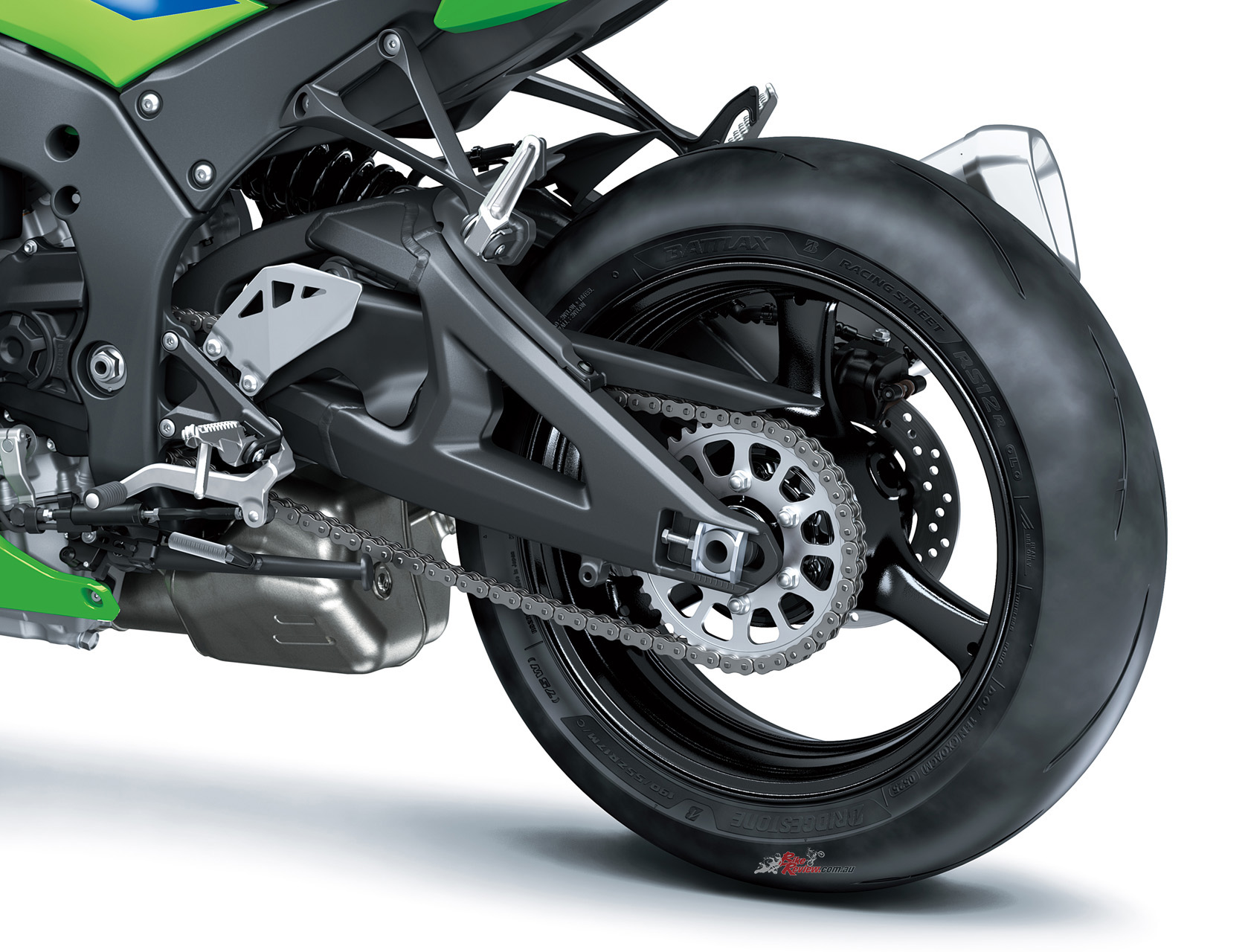
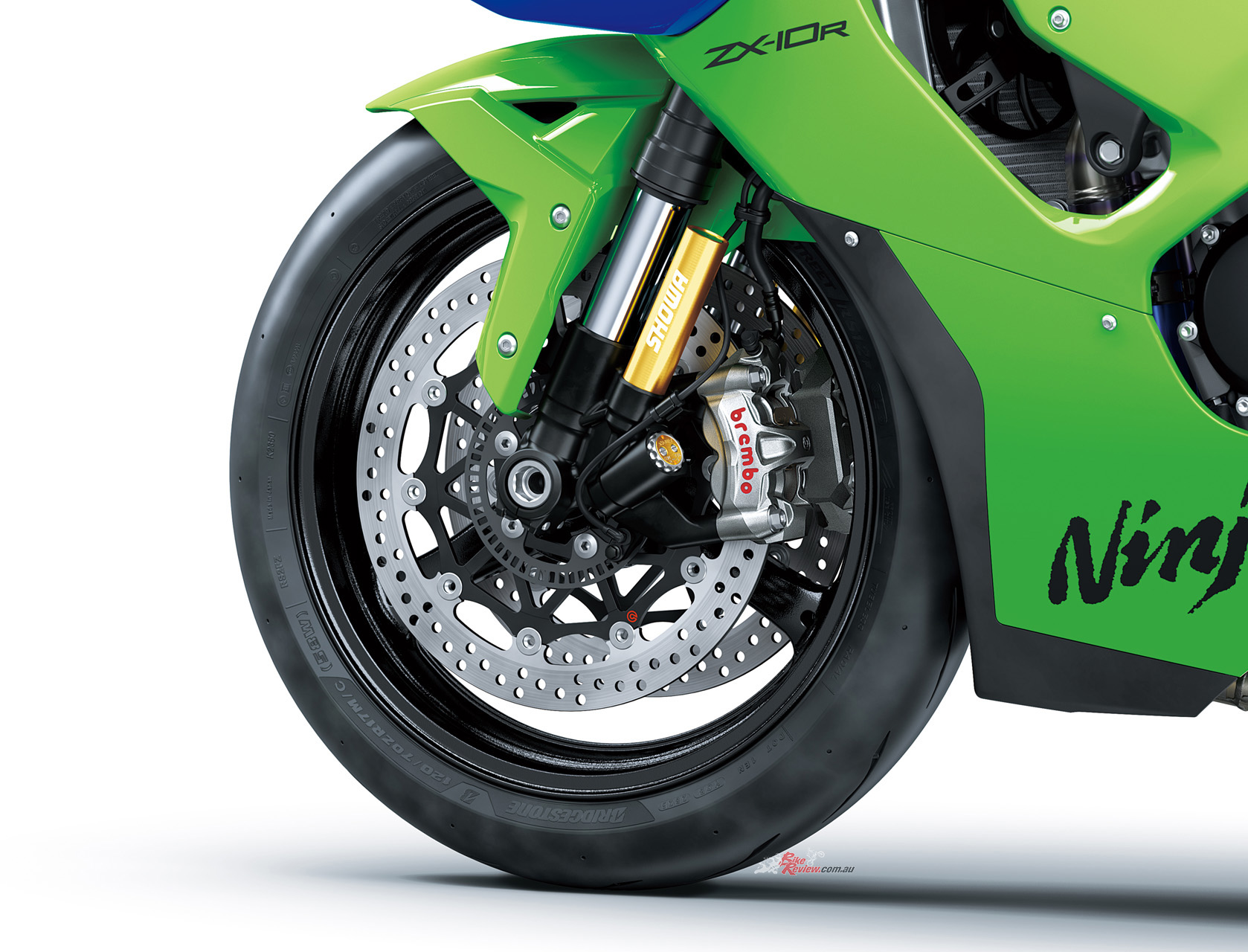
The braking system continues with Brembo M50 monobloc calipers and 330mm discs, supported by a radial-pump master-cylinder. The ZX-10RR further benefits from steel-braided brake lines as standard, while the ZX-10R retains rubber hoses. Tyres differ between models, with the ZX-10R running Bridgestone Battlax Racing Street RS12s and the ZX-10RR Pirelli Diablo Supercorsa SP V3s.
Electronics carry over from the previous generation, anchored by Kawasaki’s IMU-based Cornering Management Function system. The electronics suite includes traction control, launch control, intelligent ABS, engine brake control, power modes and a two-way quick-shifter. Integrated riding modes allow pre-set combinations of these systems, while electronic cruise control is fitted as standard.
These systems work together through the bike’s six-axis IMU, allowing the ECU to continuously monitor lean angle, acceleration and braking forces to adjust traction, wheel lift and engine braking in real time.
The electronics suite includes traction control, launch control, intelligent ABS, engine brake control, power modes and a two-way quick-shifter…
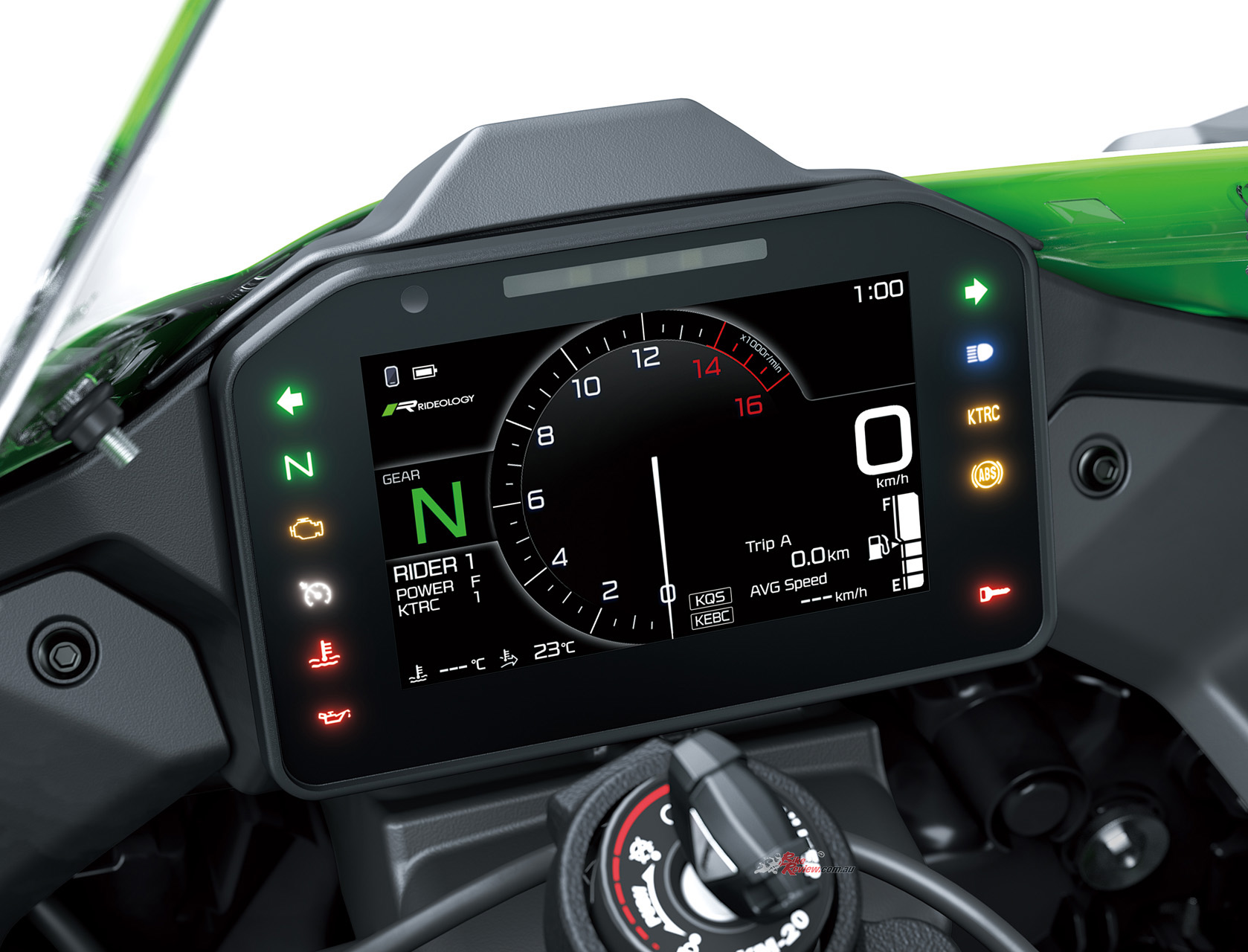
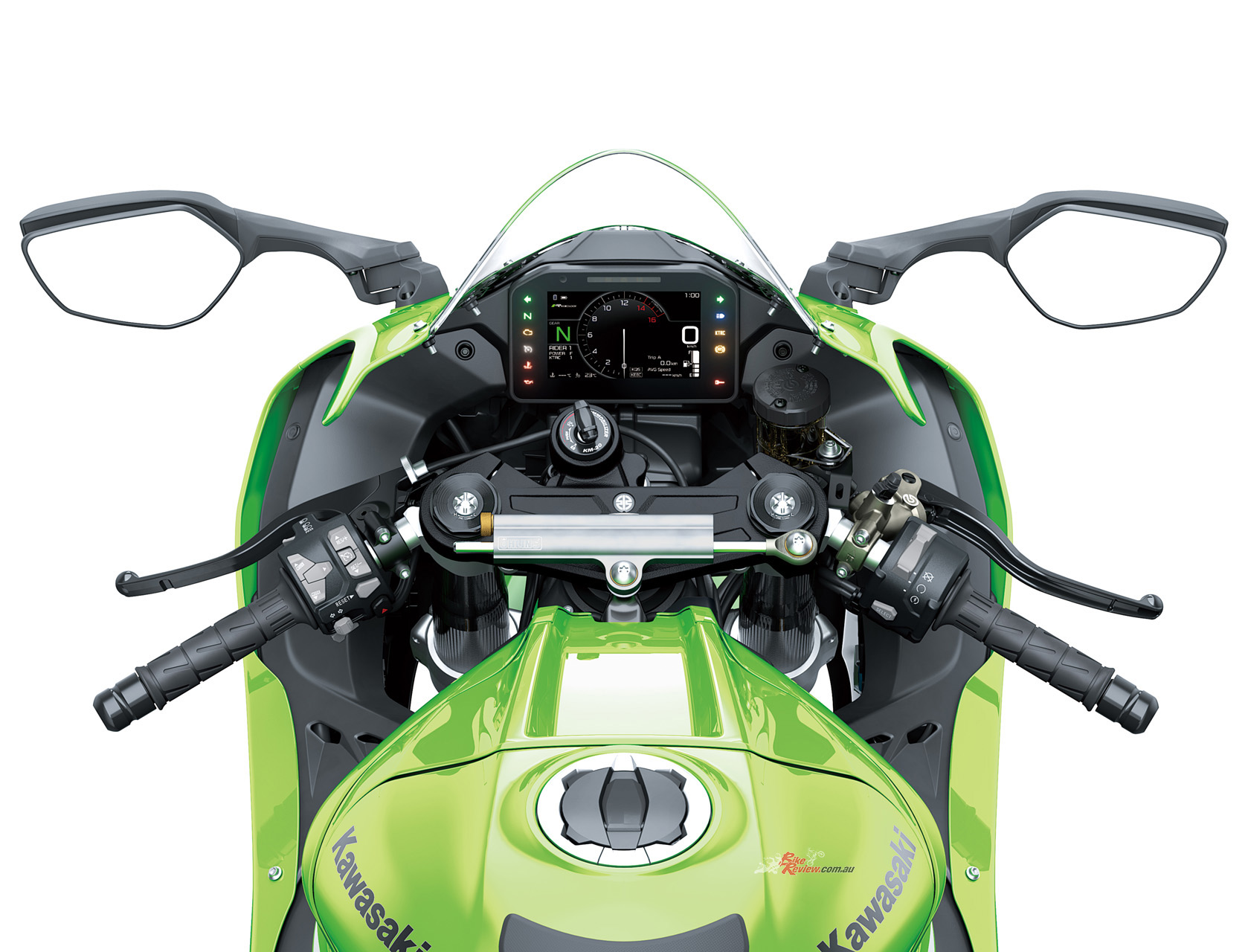
The cockpit gains a new 5-inch full-colour TFT display, offering two viewing modes – an analog-inspired layout or a race-style data screen. Display functions include a lap timer, shift-light adjustment and lean-angle readout, while Bluetooth pairing through the Rideology app allows access to vehicle status, riding logs and route data.
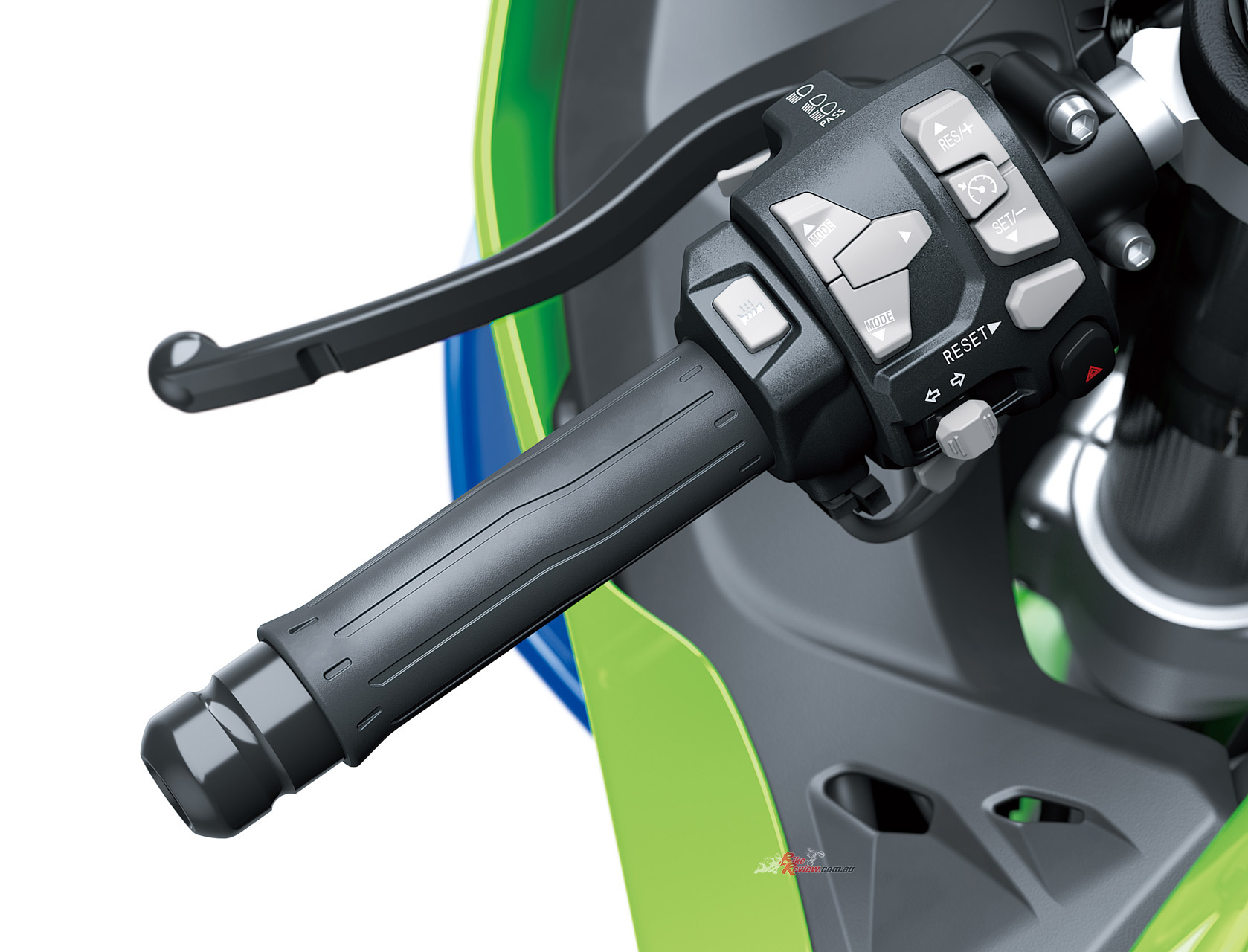
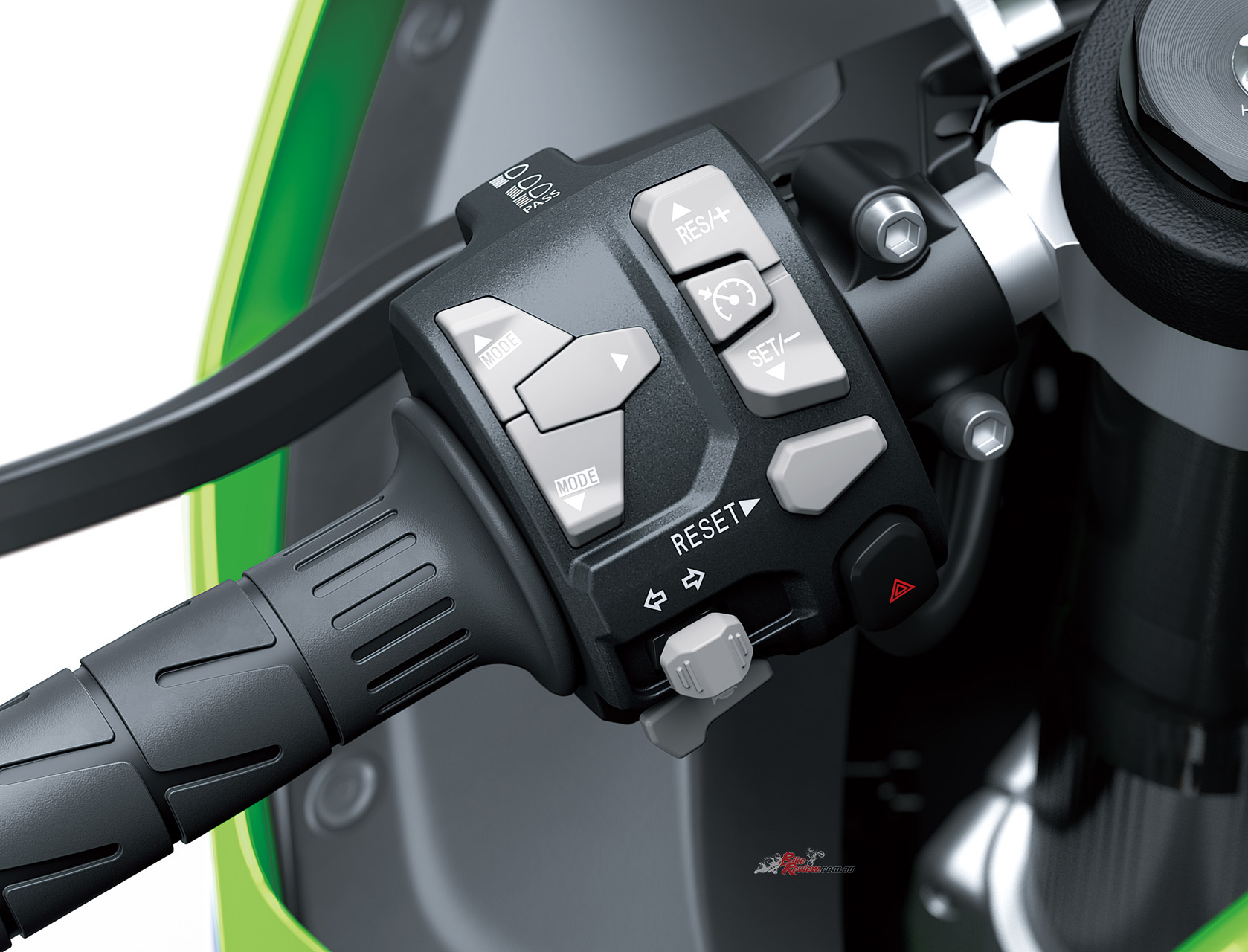
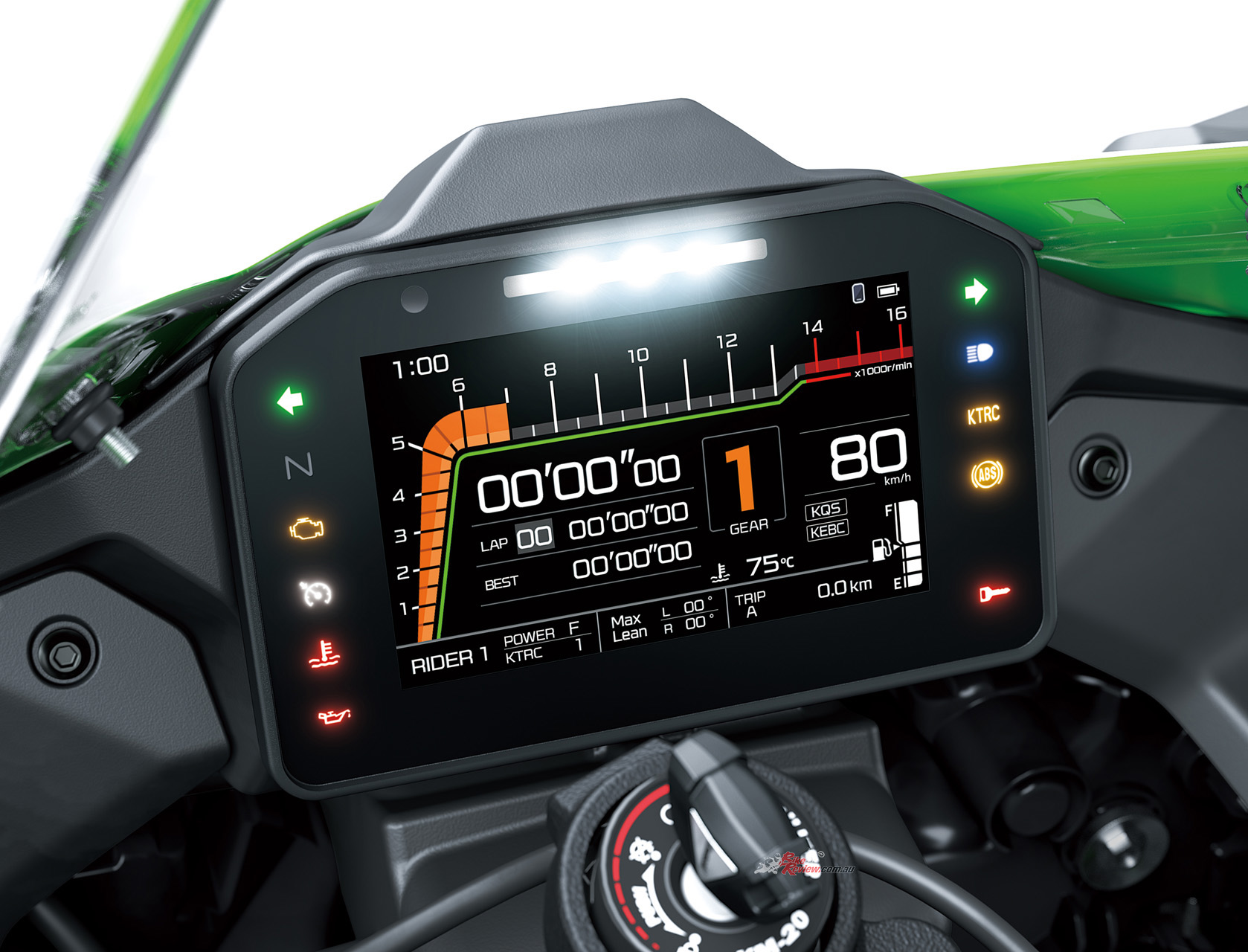 The updated interface also provides visual indicators for the Kawasaki traction control, power mode and engine-brake settings, enabling on-the-fly adjustments through the left-hand switchblock. The interface also supports smartphone connectivity and turn-by-turn navigation, as well as ride tracking, service reminders and notifications.
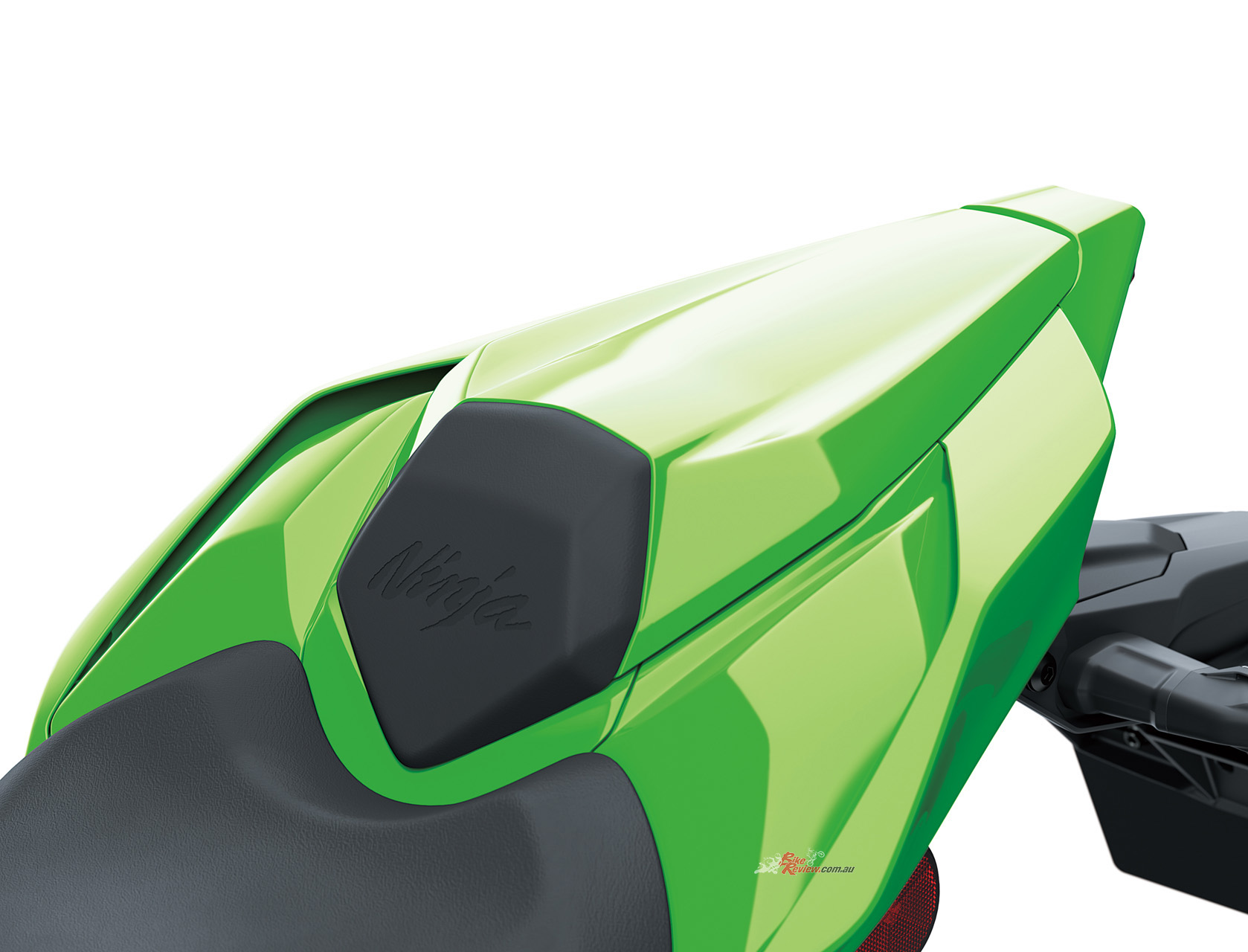
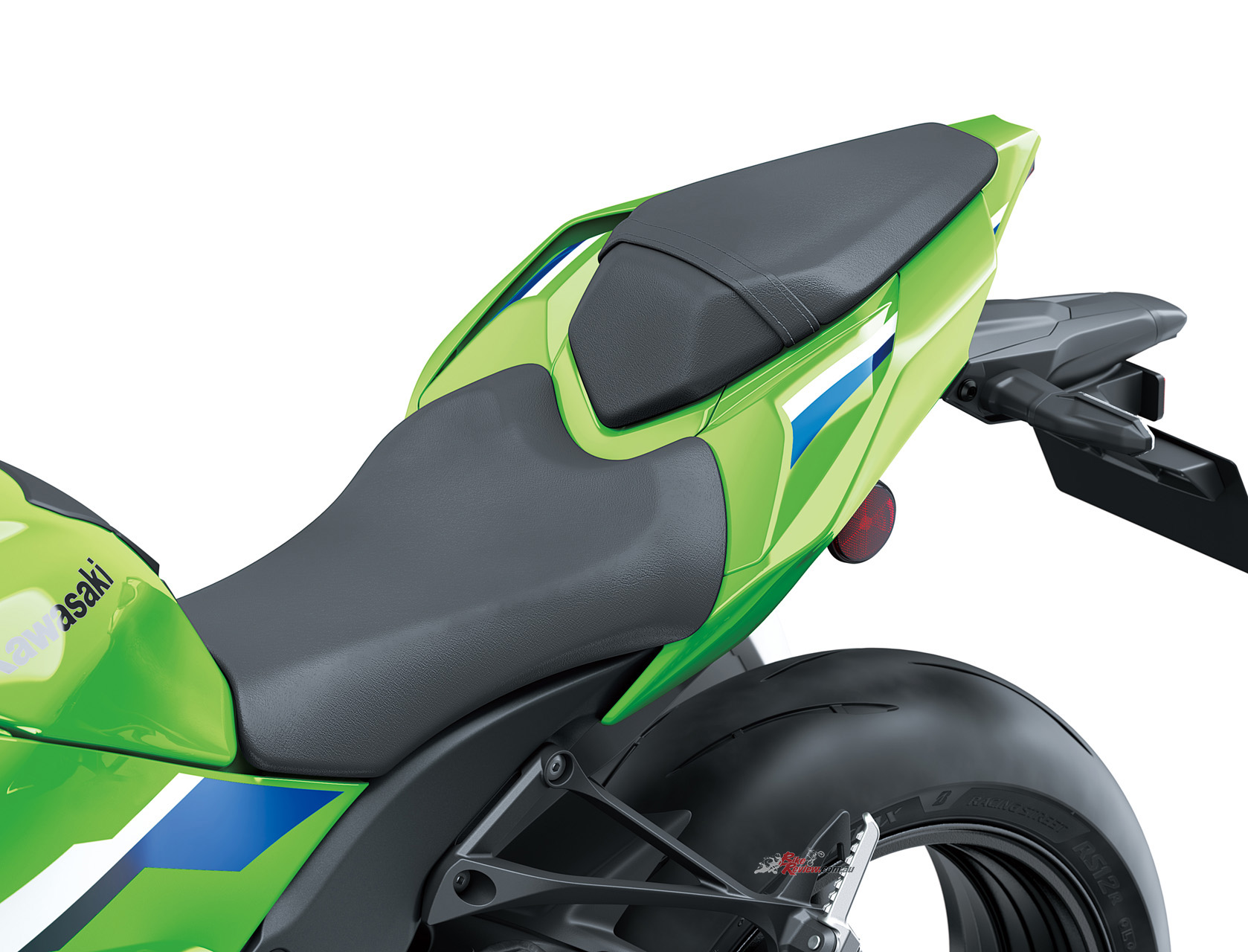
Styling updates extend beyond the new face, with a more compact ram-air intake, reshaped tail unit and new seat design improving aerodynamics and rider comfort. Lighting is full LED, incorporating projector lights for low-beam and reflector-style headlights for high-beam use.
The ZX-10R will be offered in Lime Green/Blue, while the ZX-10RR will only be available in Lime Green. Kawasaki has yet to announce Australian pricing or arrival timing, though both models are expected in local dealerships in mid-2026. As soon as we can, we will bring you a test…
2026 Kawasaki ZX-10R and ZX-10RR Gallery
The Author