
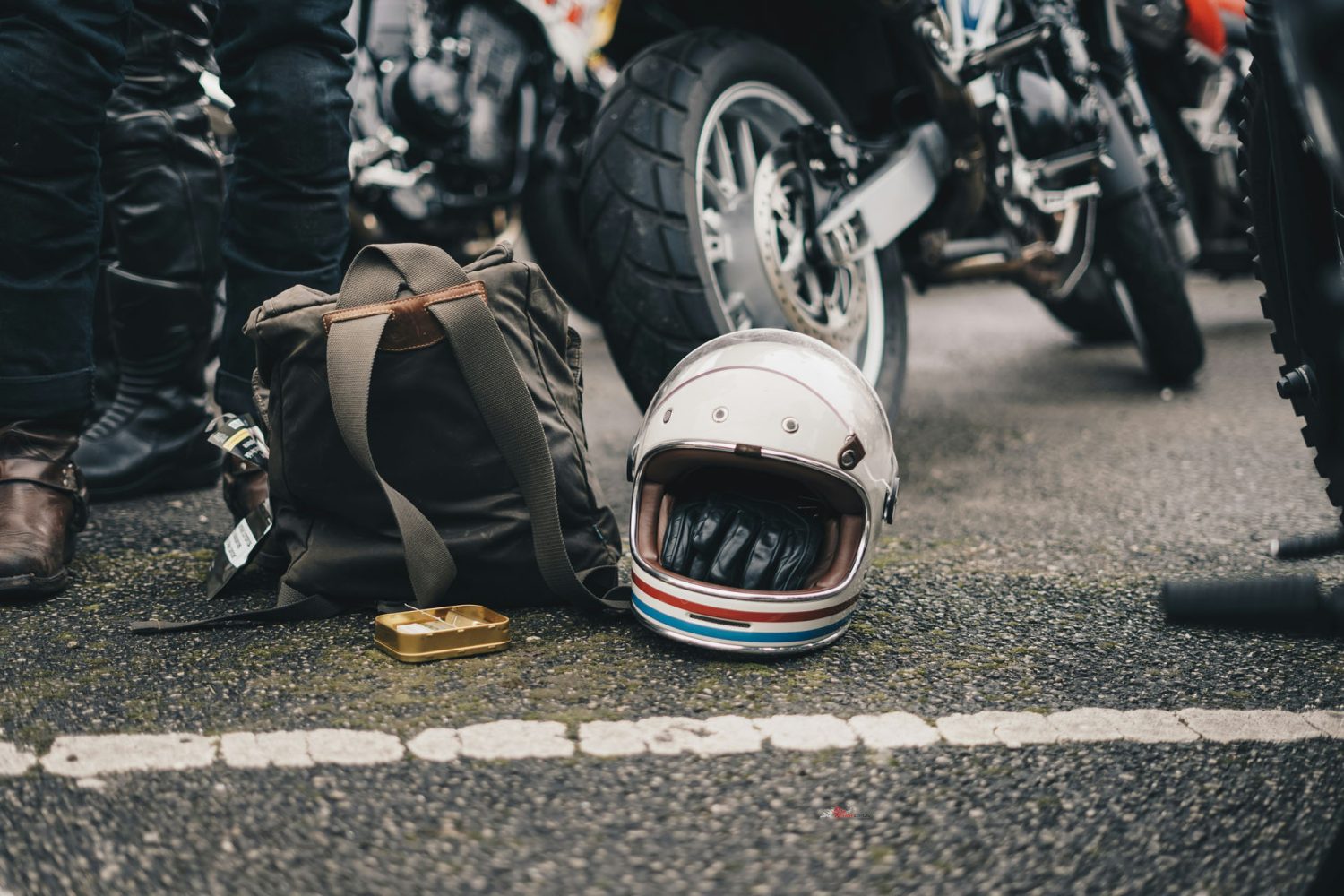

Your helmet might look fine, but its ability to protect you could be long gone. If you’ve been using it for years, it may not meet the safety standard it once did – even if it’s never taken a hit.
When it comes to motorcycle helmets, damage isn’t always visible. If you’re still wearing the same lid you bought a handful of years ago, or more, it might not be offering the protection you think it is. We speak to some industry insiders to get the lowdown…
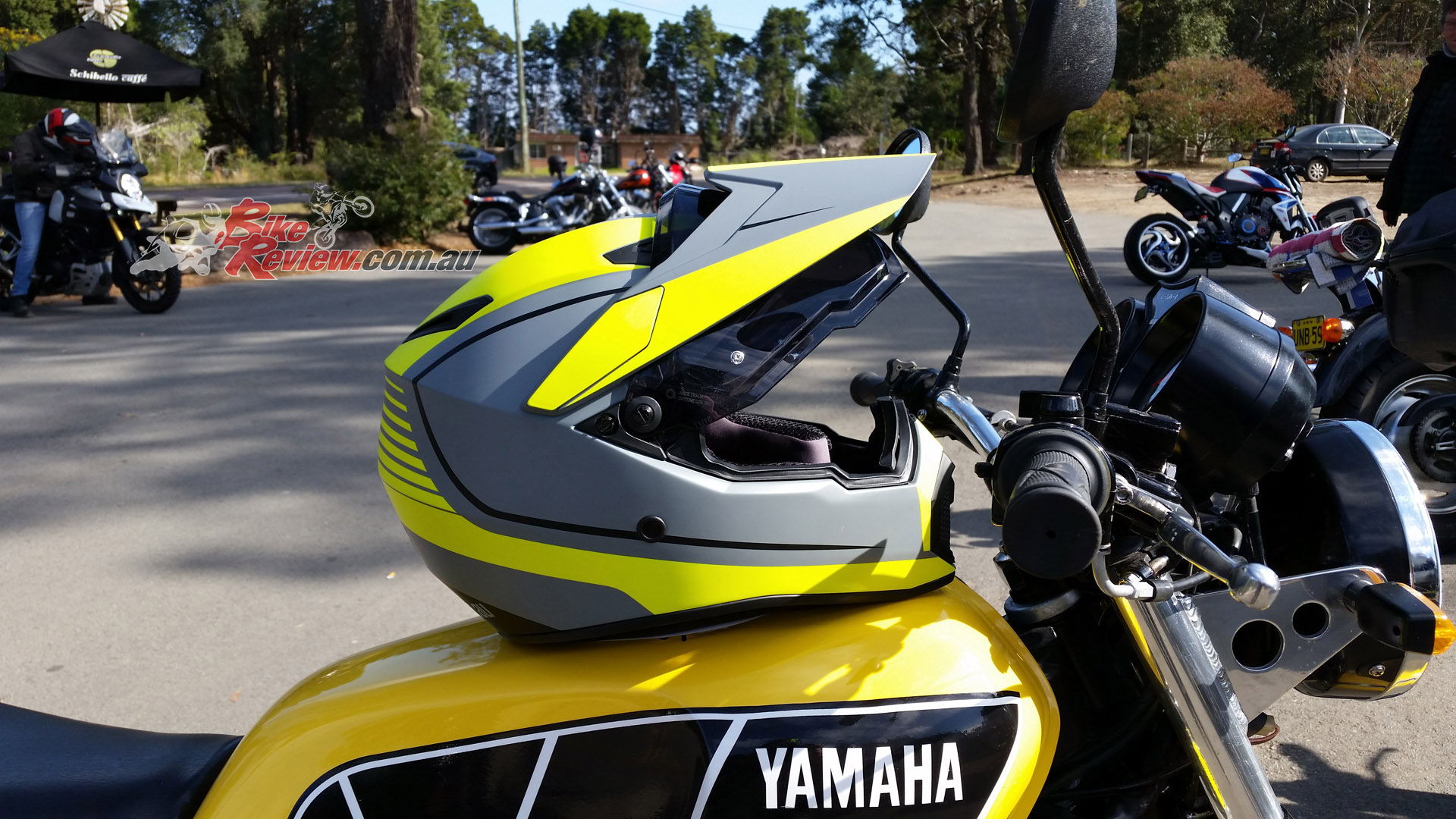
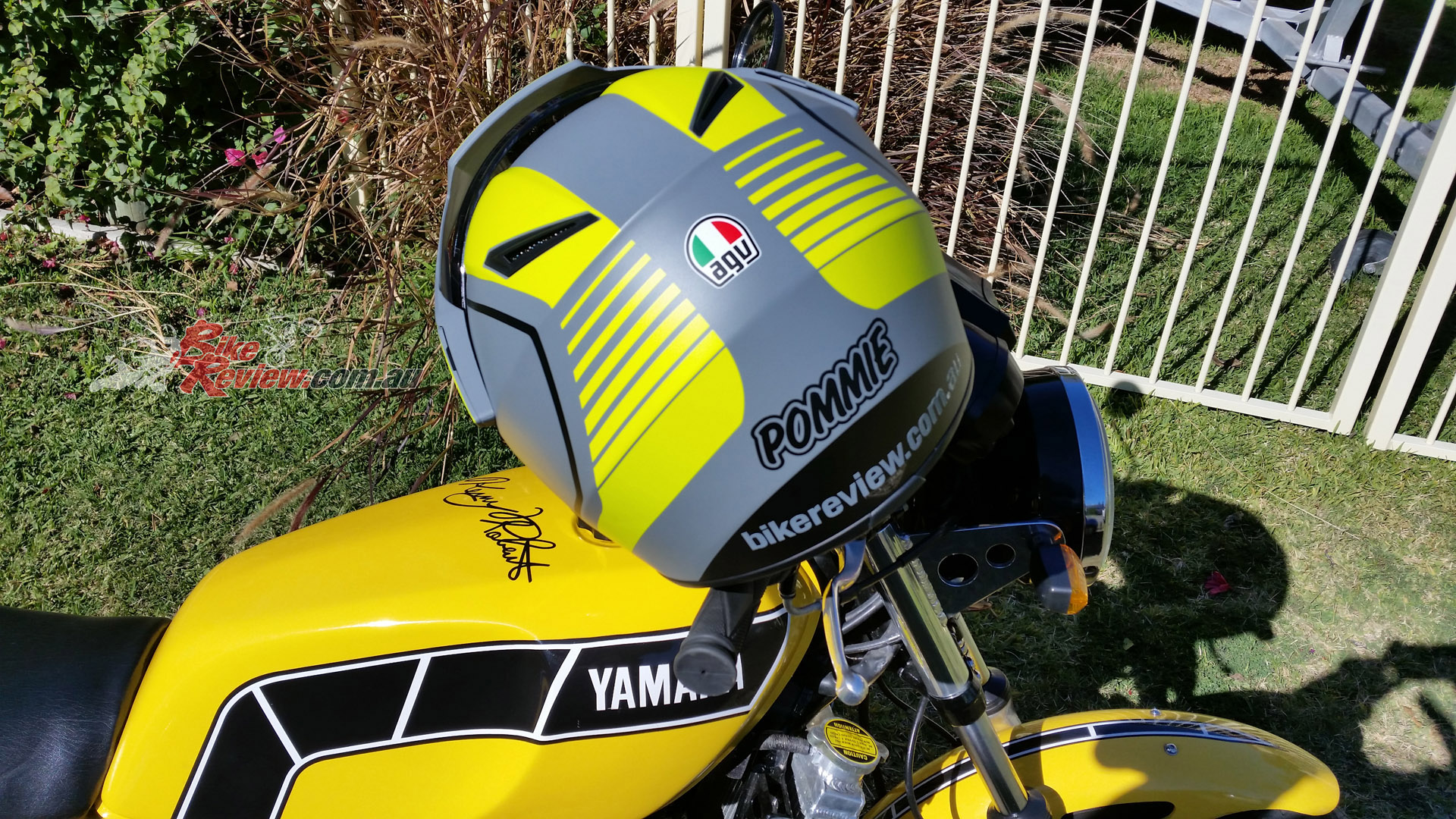
 The question first came up when BikeReview’s Pommie went looking for a replacement visor for his well-used AGV AX9. At five years old, the helmet was still serviceable, but the discussion with Link International Marketing Manger, David Gatt, quickly shifted from visor swaps to David wanting to replace the lid with a new one, due to the age of the helmet. Things took a turn for something more important: how do you know when it’s time to replace your helmet entirely?


With the cost of living on the rise and no official mandate around what’s the single most important piece of motorcycle protective equipment, many riders keep their lids for far longer than manufacturers recommend – often assuming that if it still fits and hasn’t been in a crash, it’s still as safe as the day it was purchased. But when it comes to motorcycle helmets, damage can be invisible and degradation happens over time.
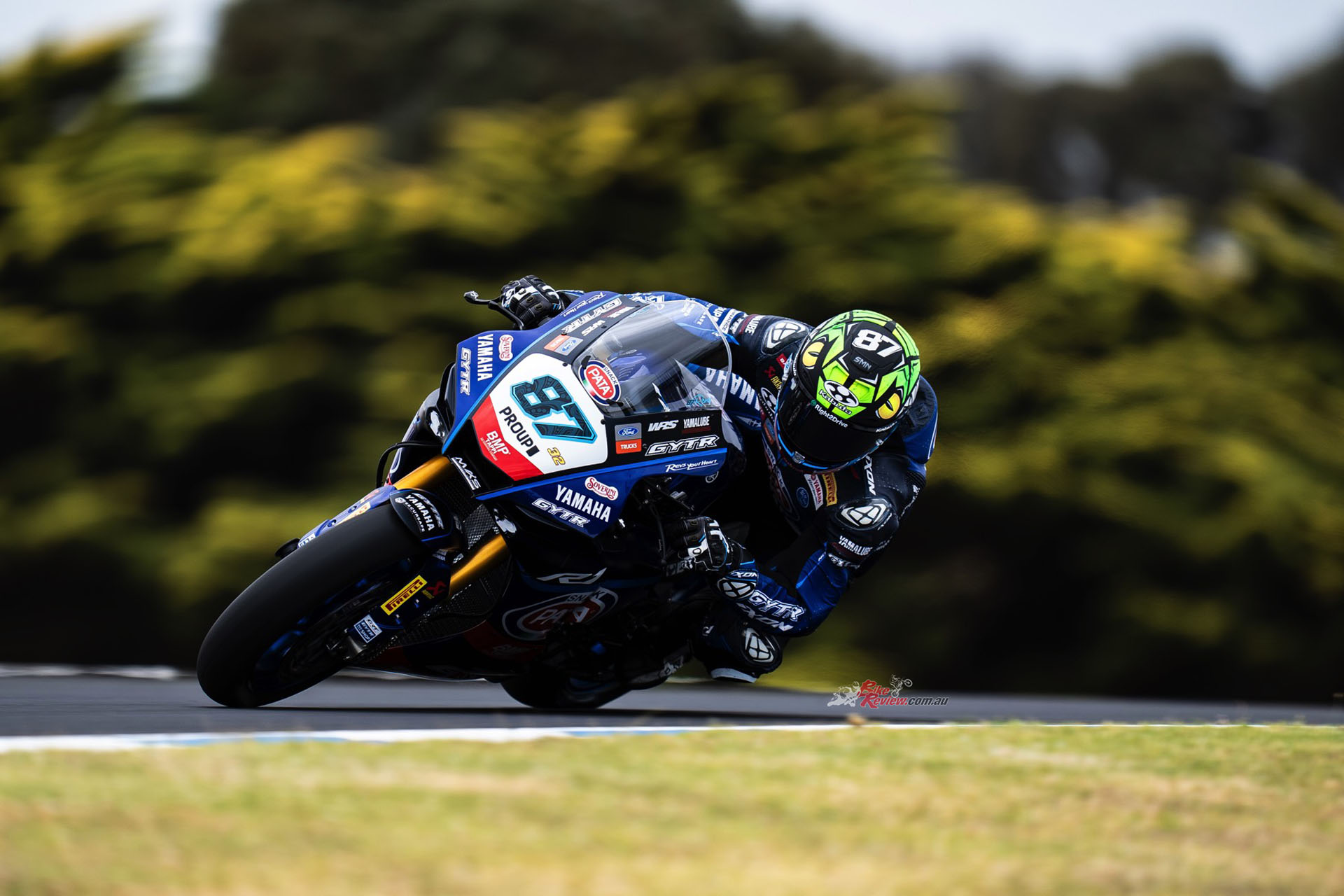
AGV isn’t alone in recommending a five-year replacement window. The materials inside a helmet, particularly the EPS liner and internal padding – or comfort liner – are affected by sweat, heat, road grime, UV and compression caused through regular use. And all of those factors gradually effect a helmet’s ability to manage impact.
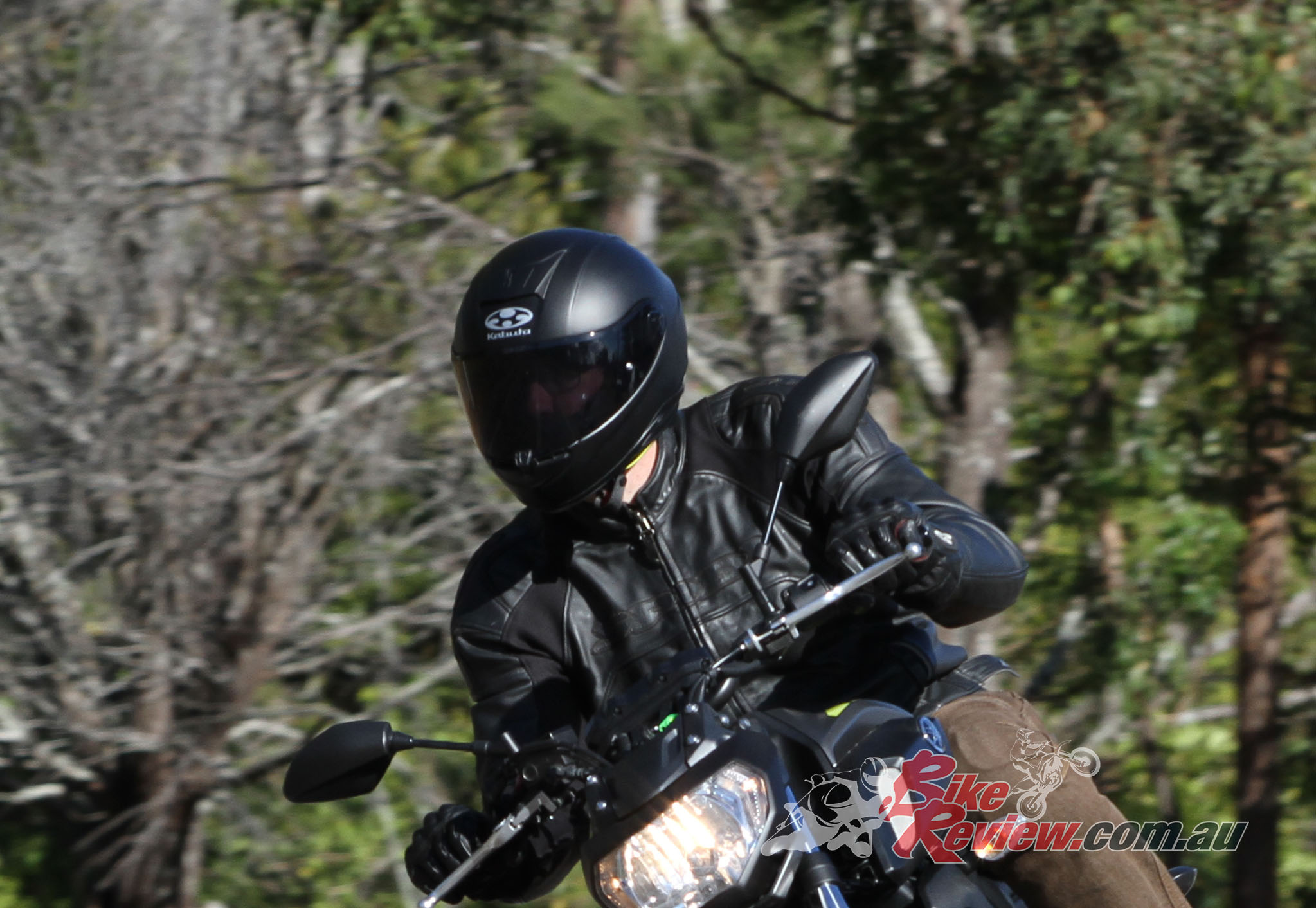
Five years of use is a good time to replace your lid. Start to budget for it a few years prior, and that way you won’t be stuck worrying about it.
Chris Lynis, Marketing Manager at Moto National, explained that helmet deterioration doesn’t begin until the helmet is being used, so the date of manufacture doesn’t always have a bearing on its viability. “A lot of people think the five years starts from the build date, but helmets start to break down once they’re in use, not when they’re sitting on a shelf,” he says. “After five years of use, you should seriously think about replacing it.”
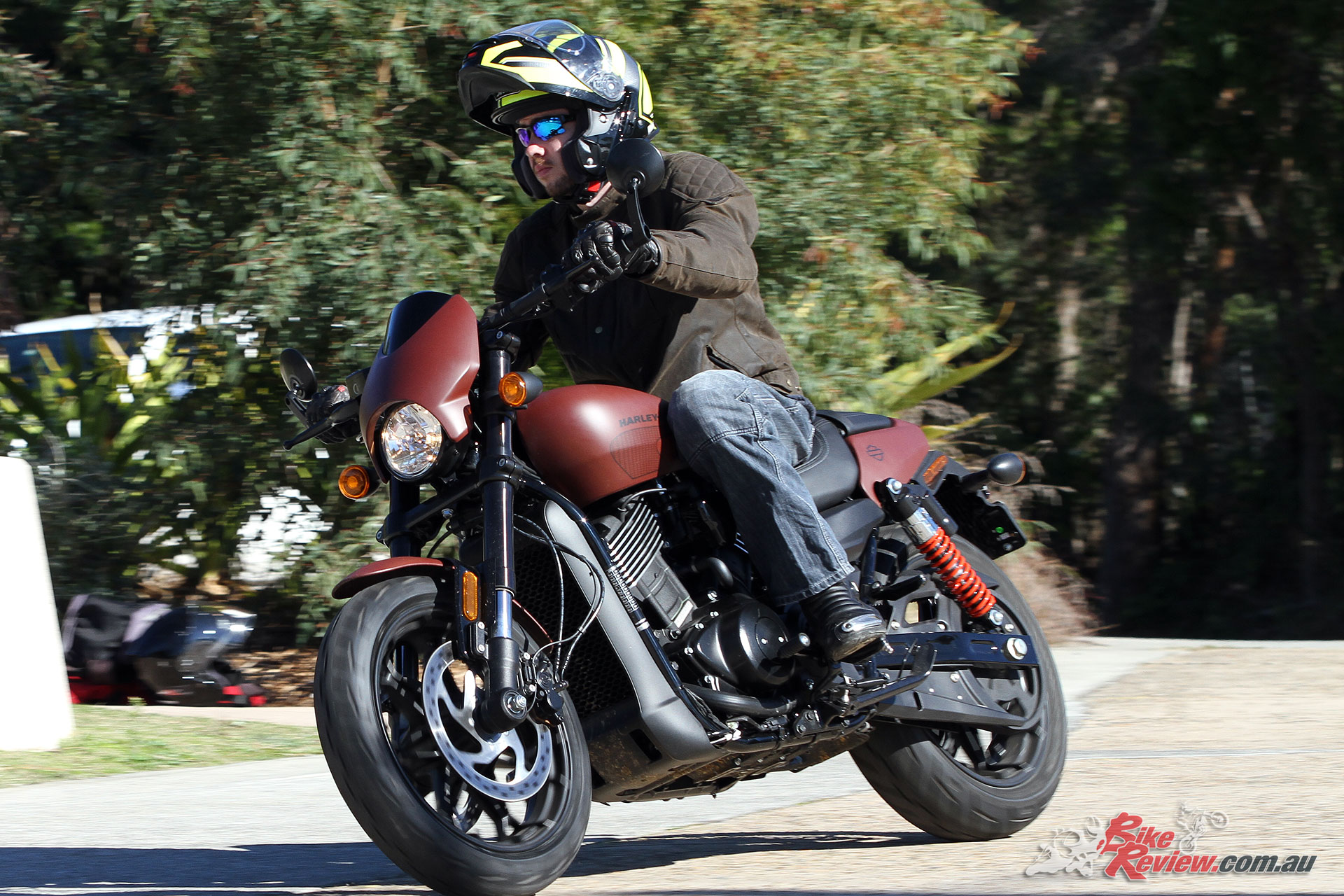

It’s not just about time. Damien Irwin, Brand Manager at McLeod Accessories, told BikeReview.com.au that real-world factors like sweat and road grime play a huge role, “Even if you’ve got a quality lid, if you wear your helmet every day for two years, the [comfort] liner will start to loosen off,” he says. “It comes down to how much you use it and how much that liner wears.”
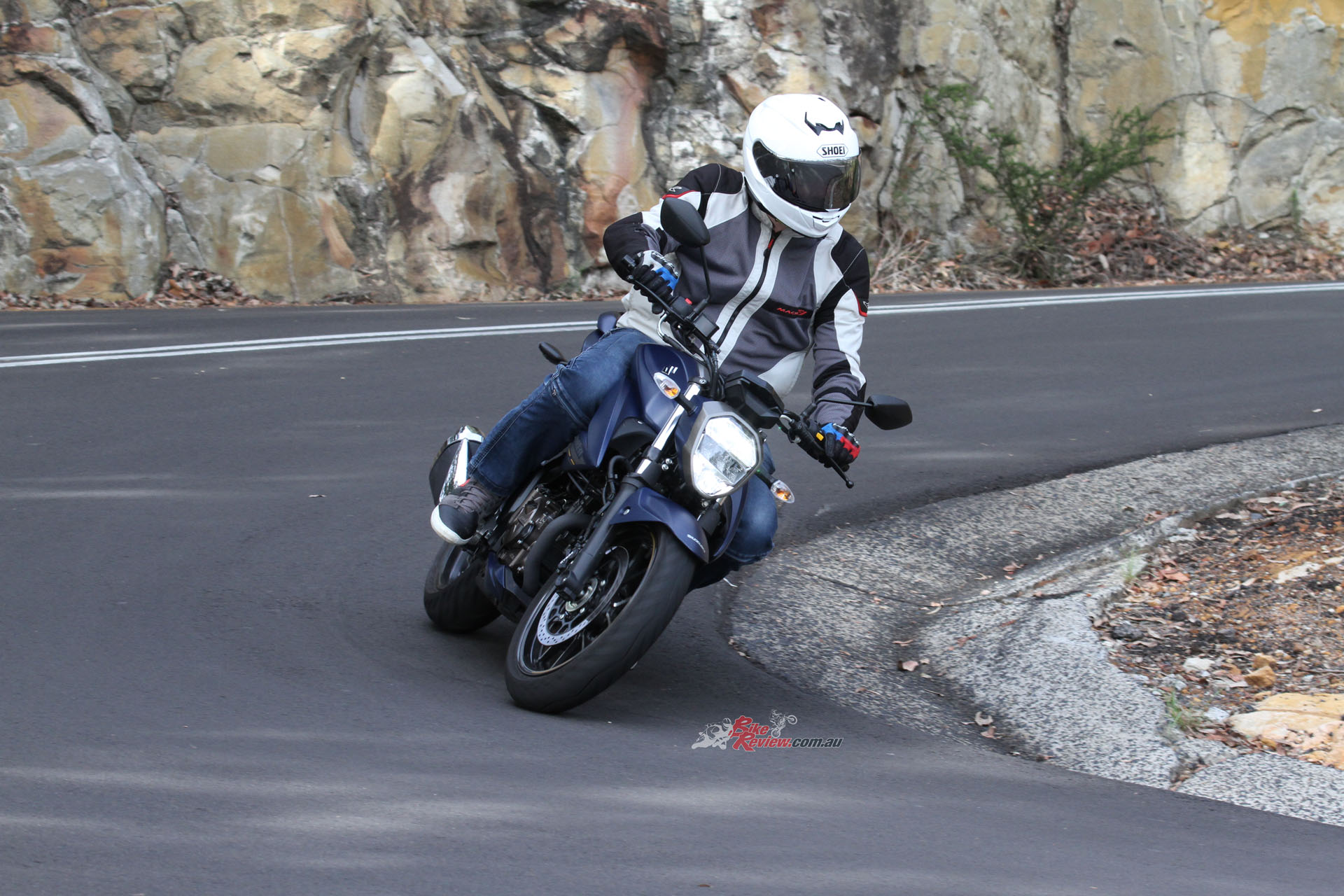
AGV Brand Manager Adrian Kelsey says as well as sweat, there are other factors to consider, like oils from the hair and body, which all cause degradation. “Eventually all of that actually starts to seep through, soak through and will definitely degrade,” he says. 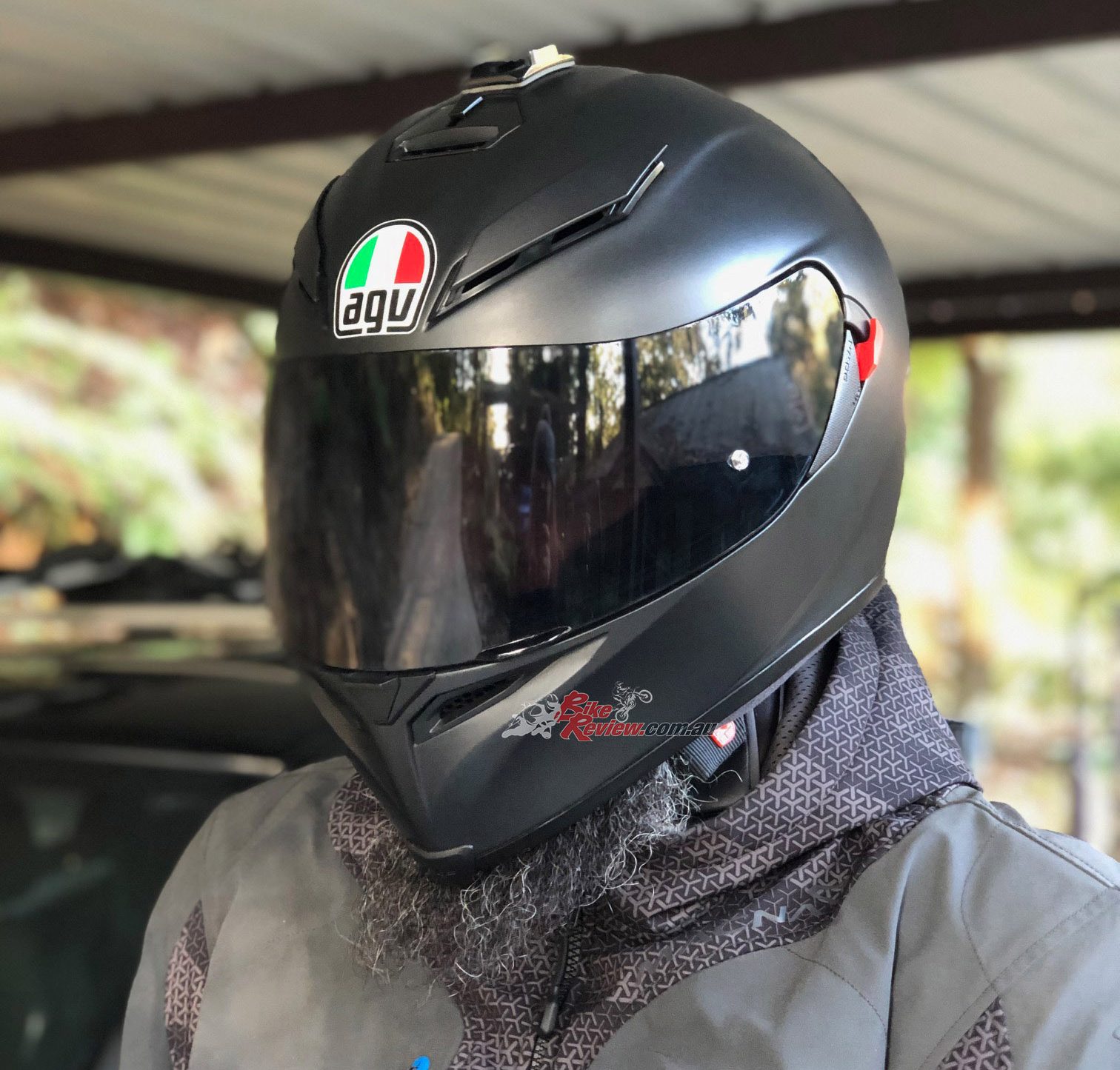
A loose comfort liner effects how well the helmet can protect you in a crash. A helmet relies on a snug, secure fit to stay in place during an impact. If the liner has compressed to the point where the helmet moves or lifts at speed, it won’t absorb force the way it was designed to.
“Eventually all of that sweat and body oil actually starts to seep through, soak through and the EPS liner will definitely degrade”…
Adrian agrees the five-year guideline isn’t arbitrary, in fact in a country like Australia where extreme weather is at play, it’s just practical.
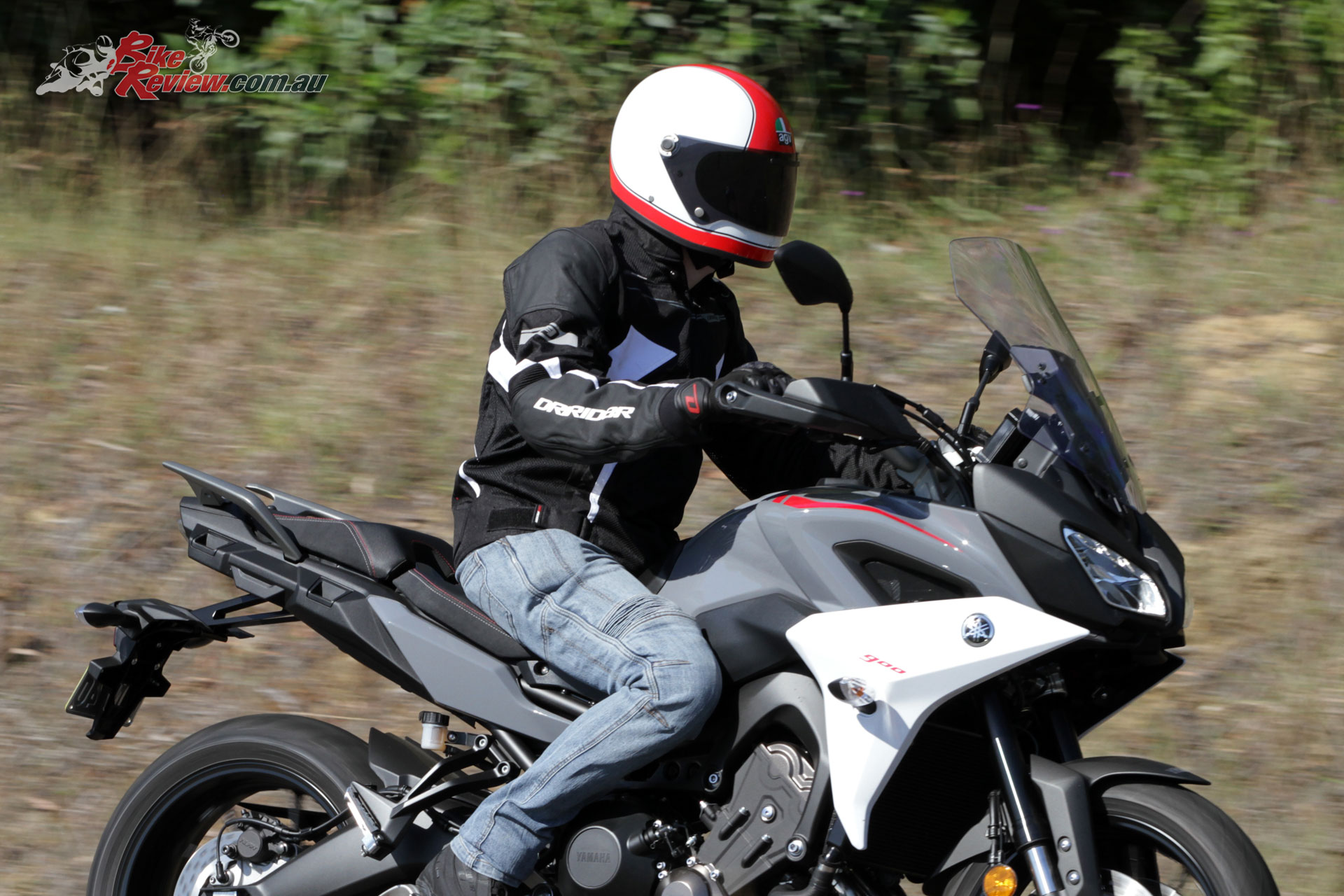
“If a rider is commuting to work and the helmet sits on the back seat of the bike all day long in the sun… there are thoughts where that’s closer to a two-year lifespan.” UV exposure, especially in Australia, can accelerate the breakdown of adhesives, shell materials and liners.
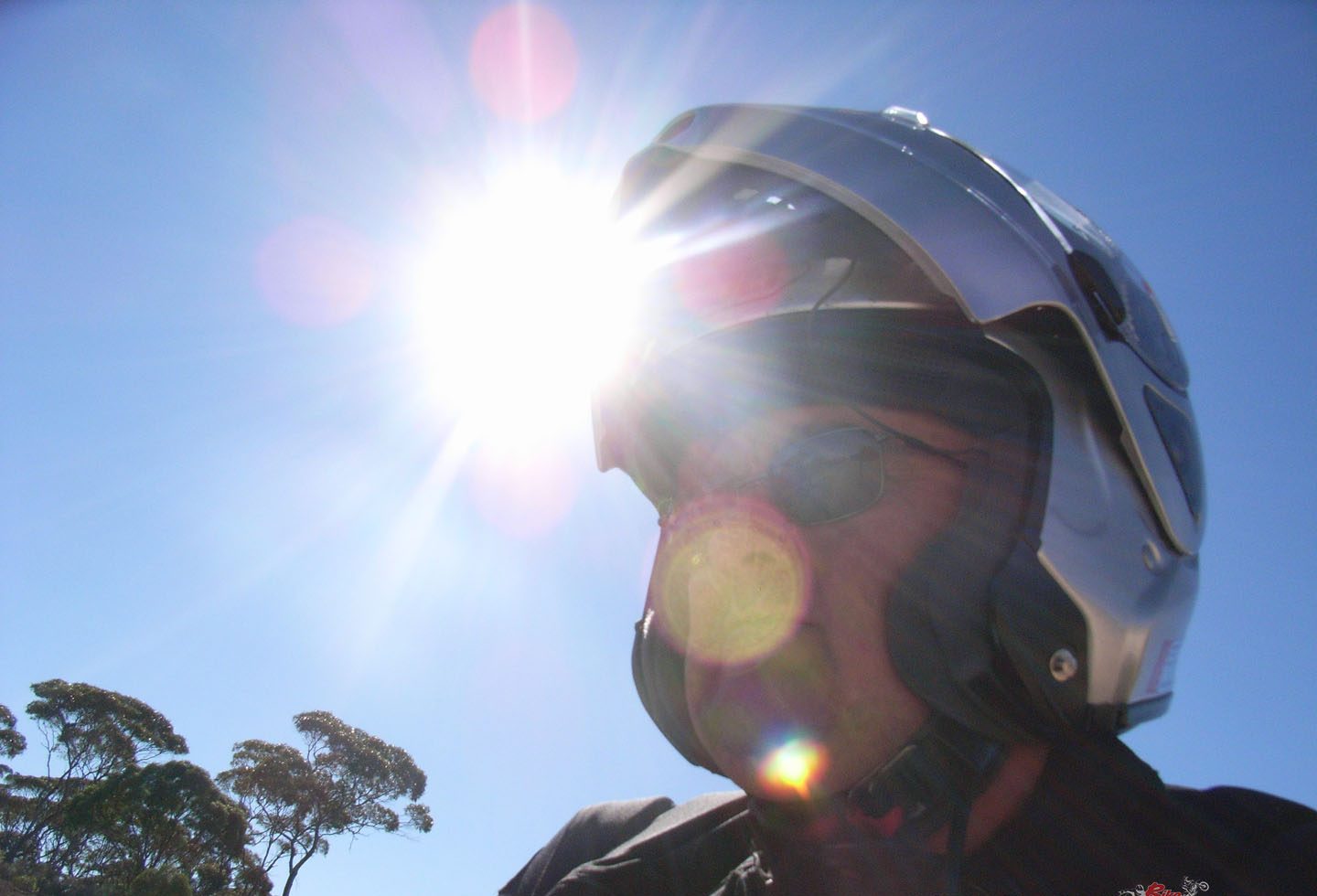
UV exposure is an issue in Australia. In summer we should all do what we can to store our lids out of the sun when not riding.
Most top-tier brands still treat five years as a safe working lifespan, especially for helmets that are used regularly, which is why many brands also align their warranty periods with that same window. And while it’s technically legal to wear a decades-old lid on the road as long as it still carries a valid homologation certification, in practical terms, that doesn’t mean it’s still capable of offering adequate protection in the event of a crash.
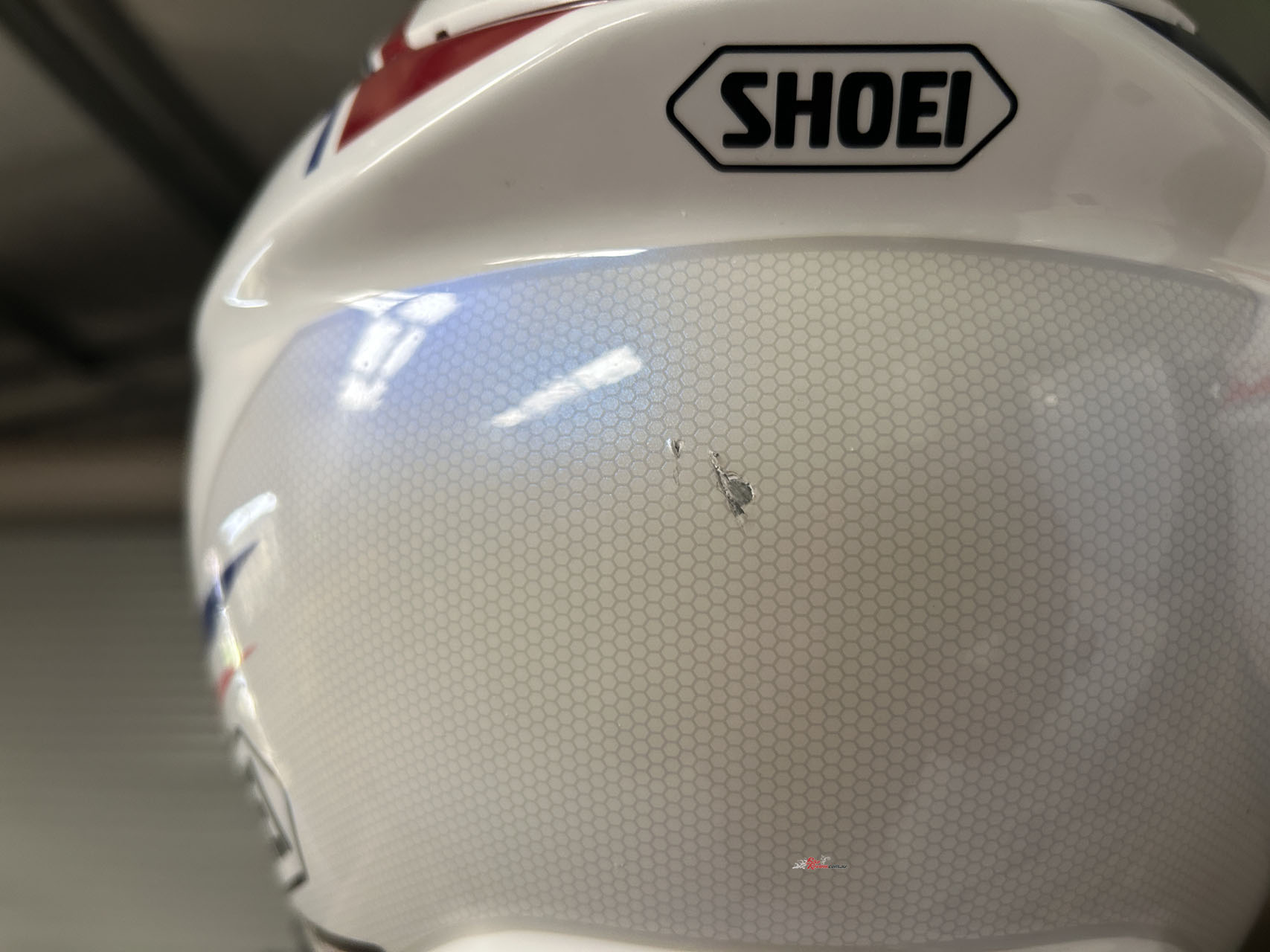
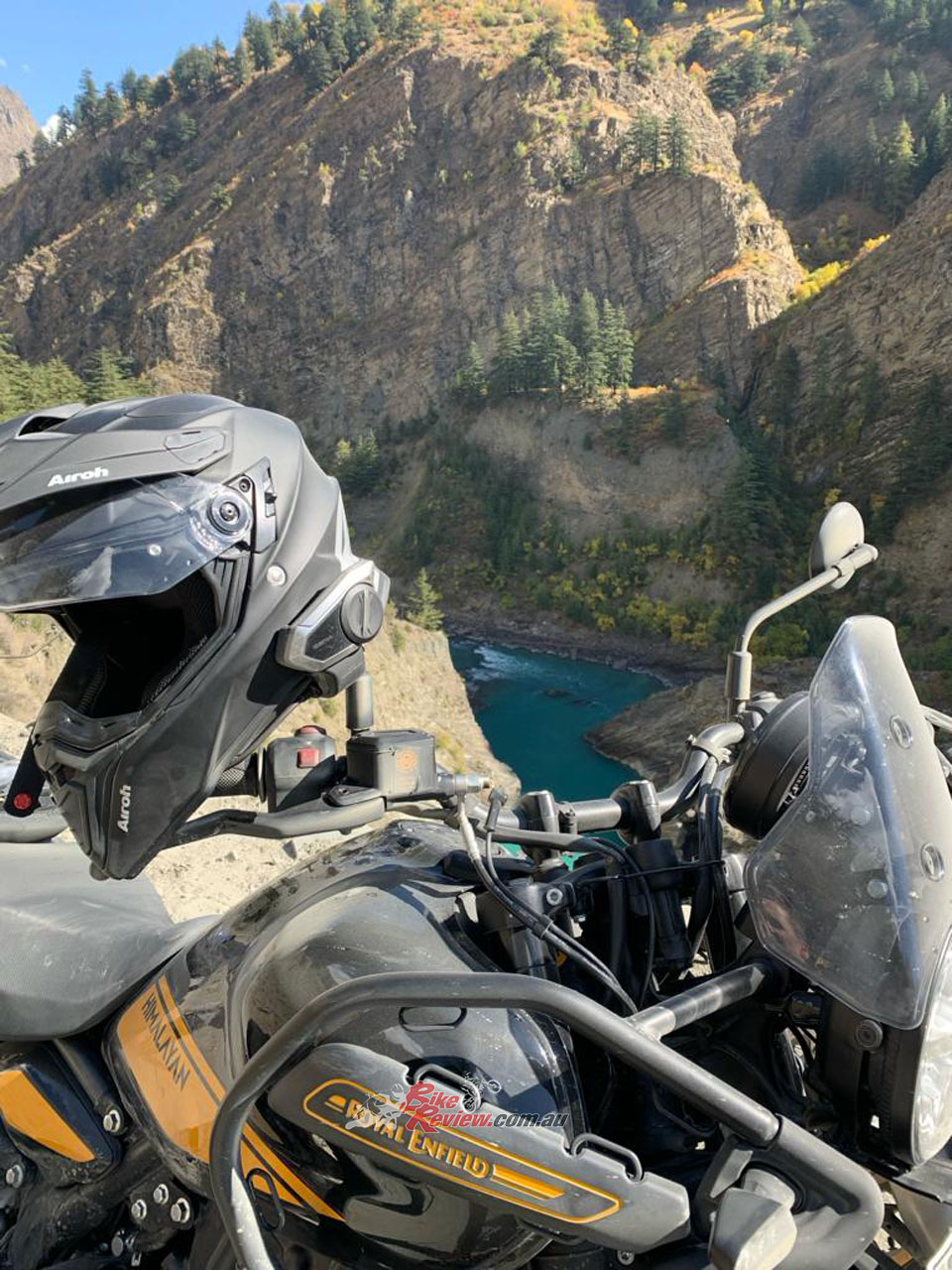
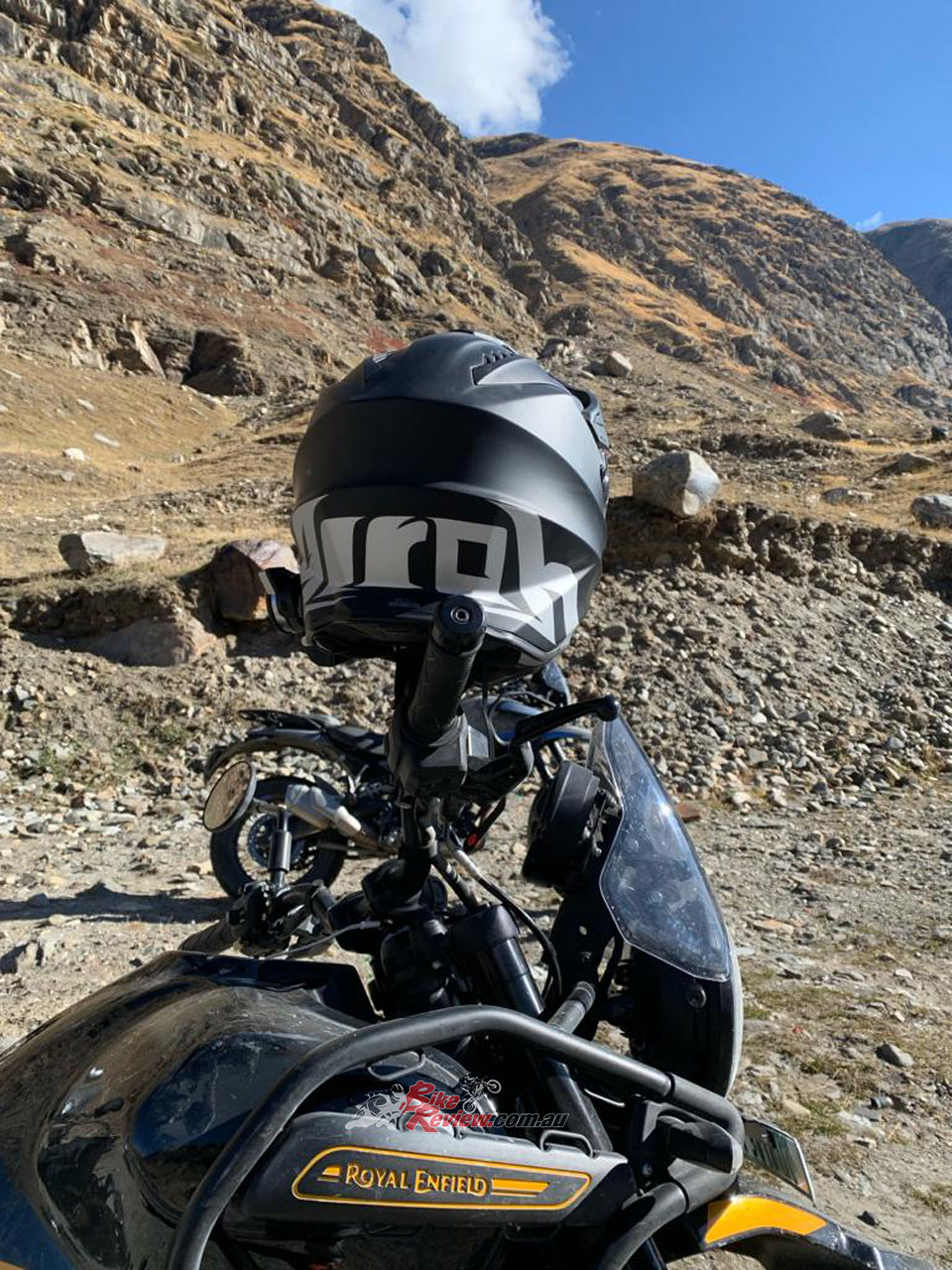
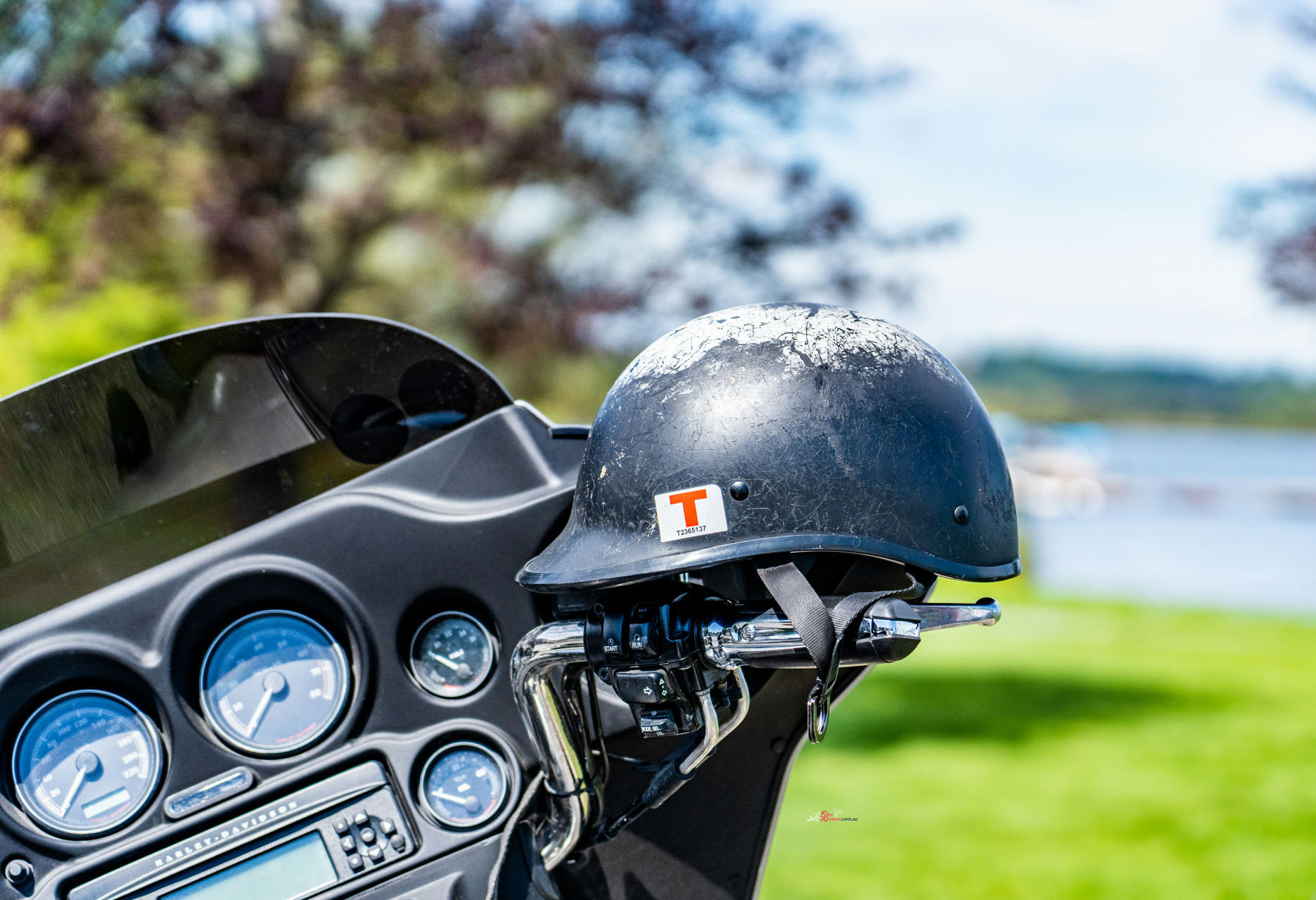
A major impact will almost always write off a helmet. But it’s the smaller knocks – drops, careless handling and bad habits – that tend to go unnoticed. One of the most common is hanging your helmet on a mirror or handlebar.
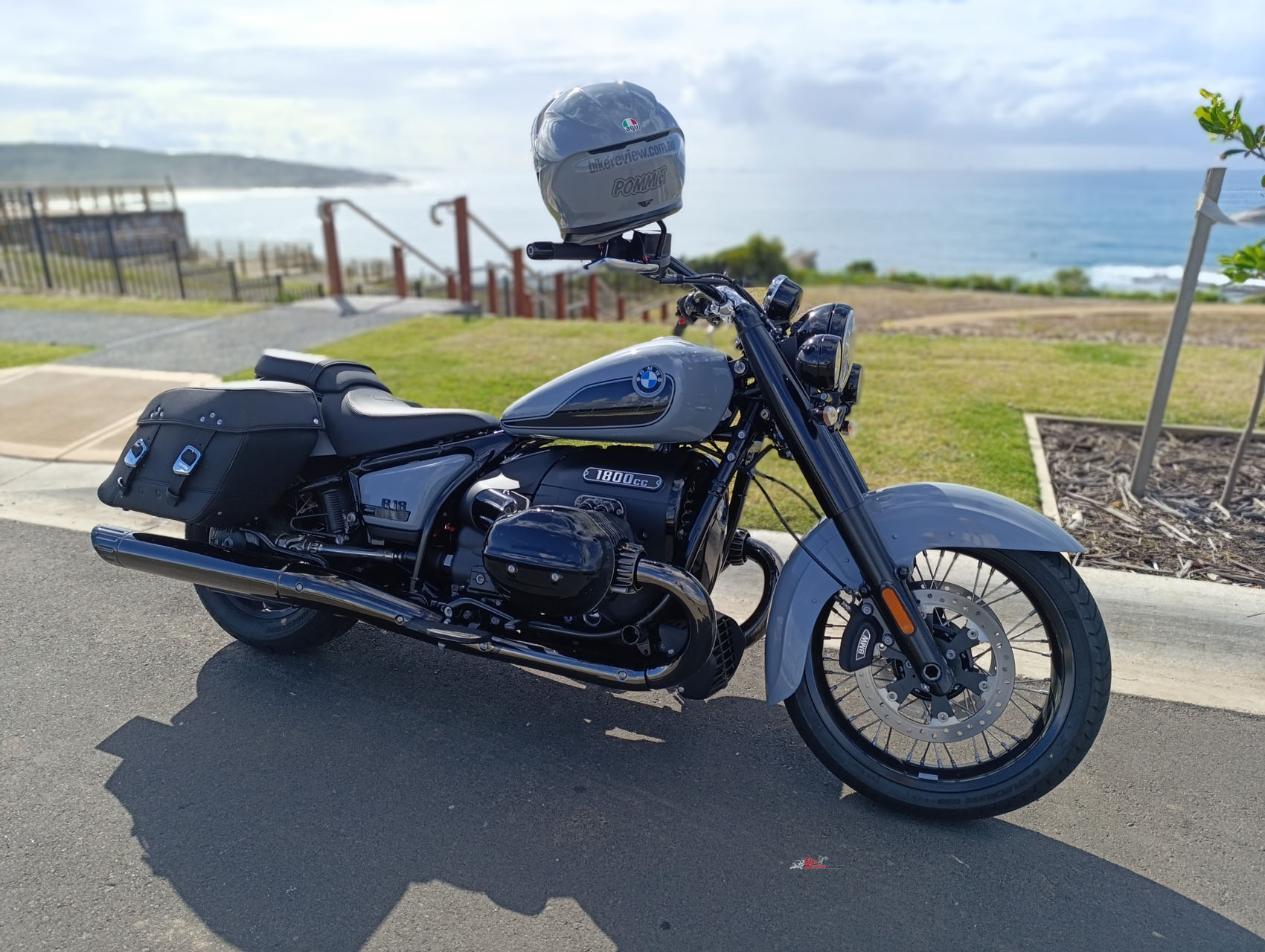
“That’s probably one of the worst things,” says Damien. “You can actually damage your EPS liner from the inside. Because if you’ve got a helmet which has a hard outer shell, the EPS on the inside can be softer and you can actually damage your EPS.” He’s seen it more than once. “If you ever peel back a liner and have a look, if you see cuts inside… I’ve had a few people send the helmet back for warranty saying it’s got cuts in the top.”
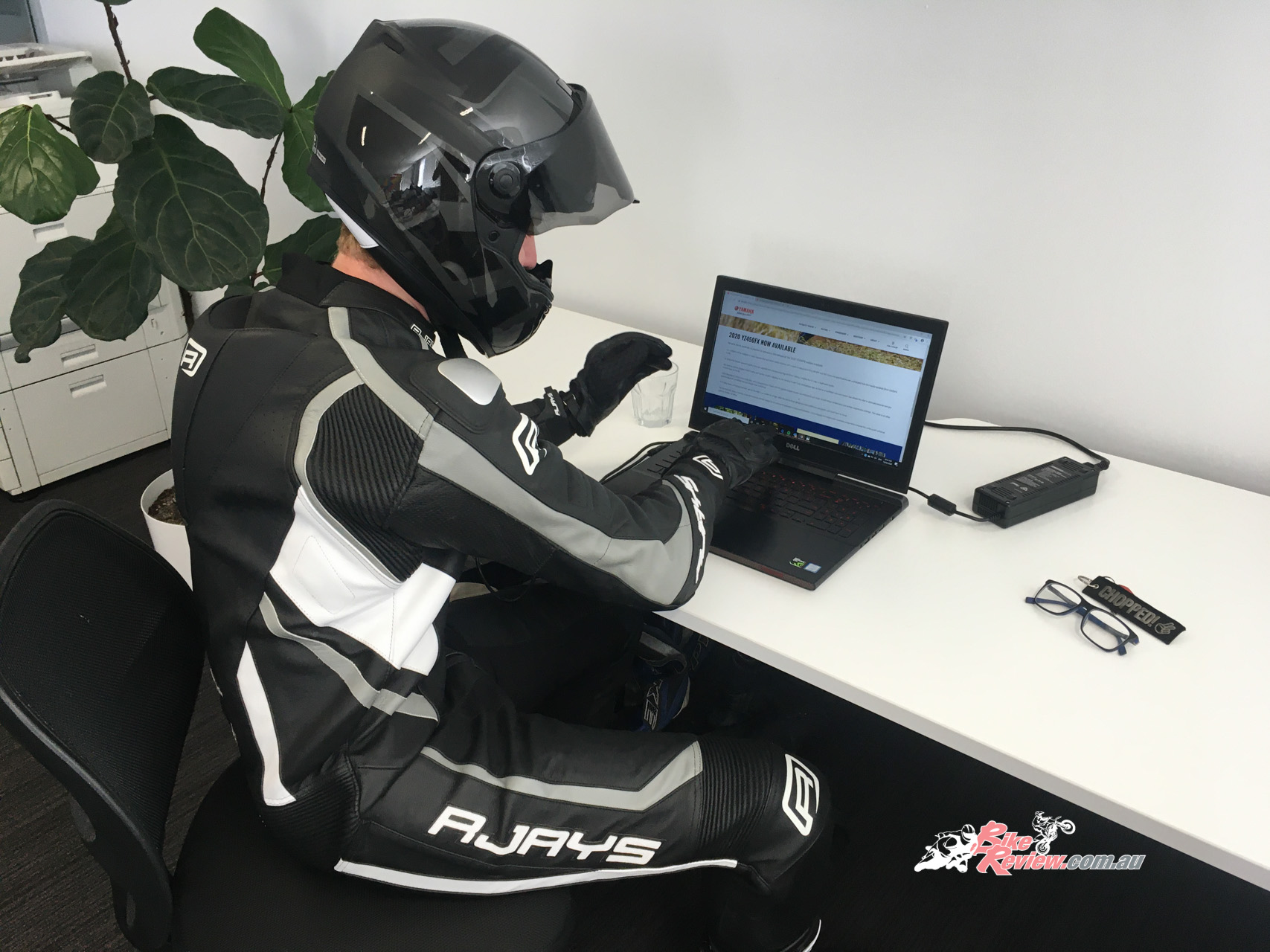
Even a fall from the bike onto the ground can do damage without leaving a mark. “As soon as a helmet is dropped, it should be replaced,” says Chris Lynis. “It can cause small cracks within the EPS, which compromises the safety of it.” To help identify impact damage, some helmet brands apply a contrasting paint layer to the inner foam.
“As soon as a helmet is dropped, it should be replaced”…
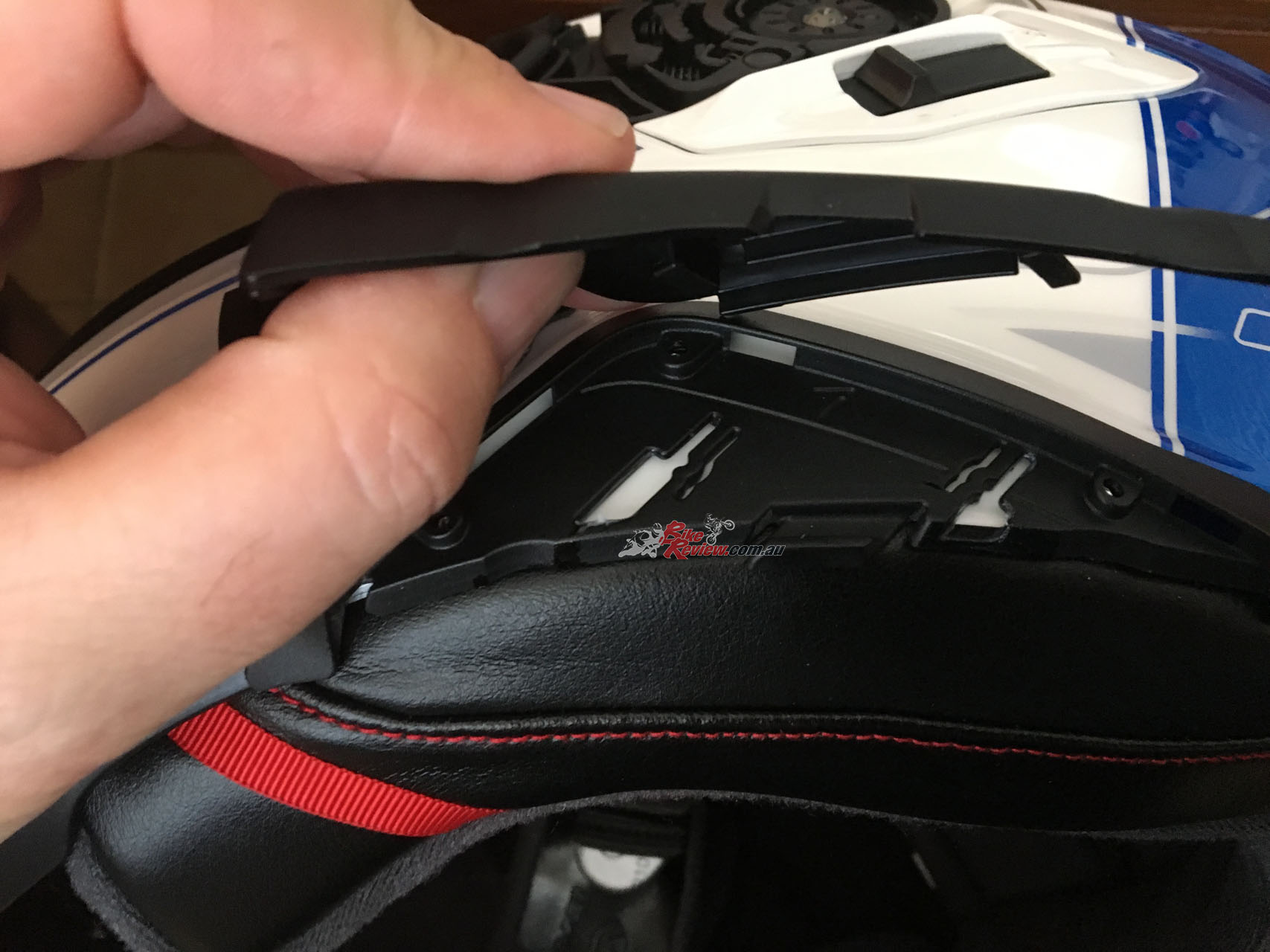
“Shoei helmets and a lot of other brands… they paint the inside of the white EPS with a black paint,” Damien explains. “You’ll actually see craze marks and indentations through the EPS… and you’ll be able to see the damage there and know when to replace the helmet.”
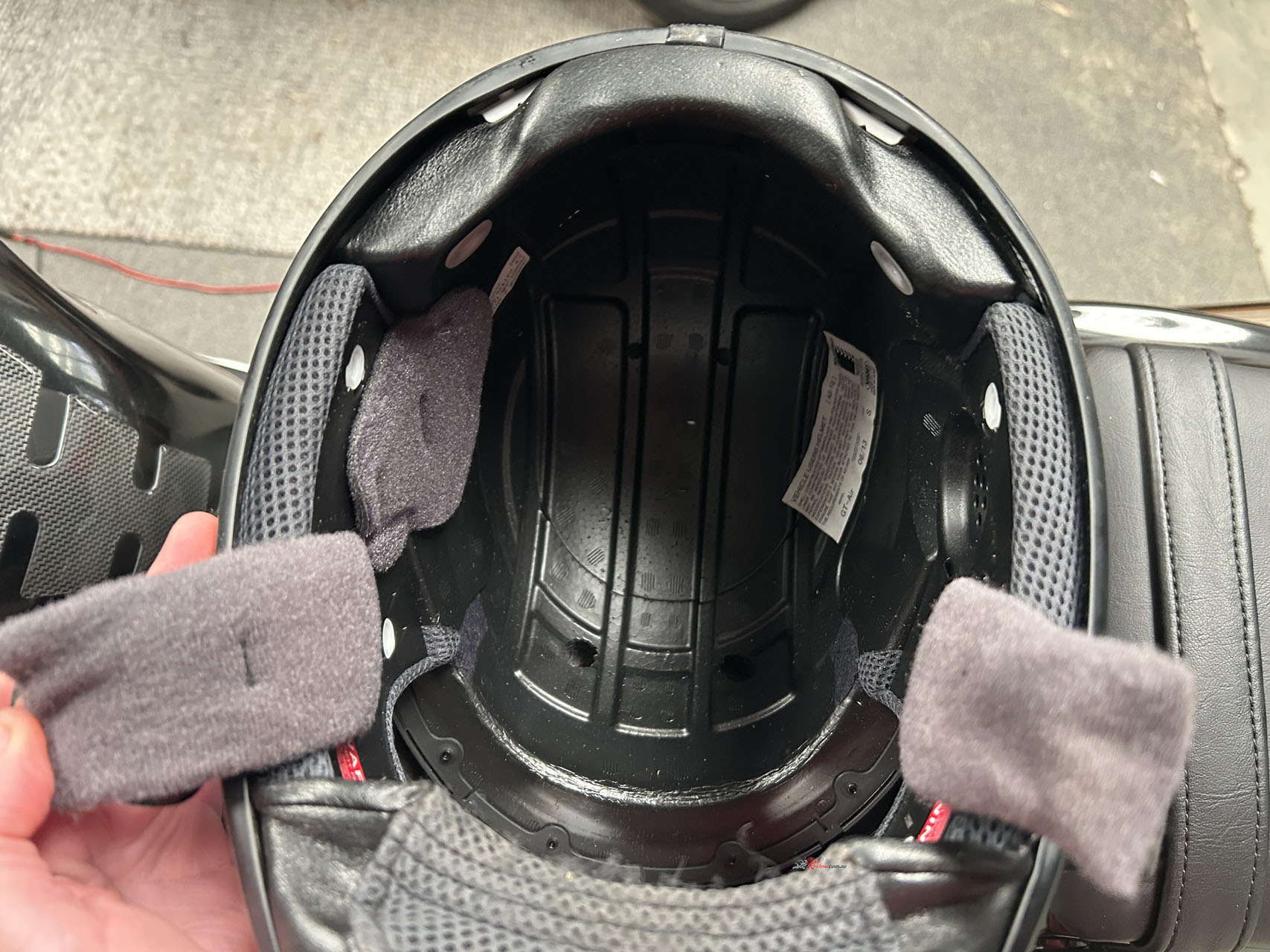
But while Adrian agrees it can be advisory, he cautions it’s not always a conclusive indicator. “Because if your fingernail scuffs the black, it can turn white,” he says. “Or if you fit an intercom and you’re putting the wires through or whatever, if it rubs or you just push a little bit because you haven’t quite got it perfectly in, it could take the black paint off.”
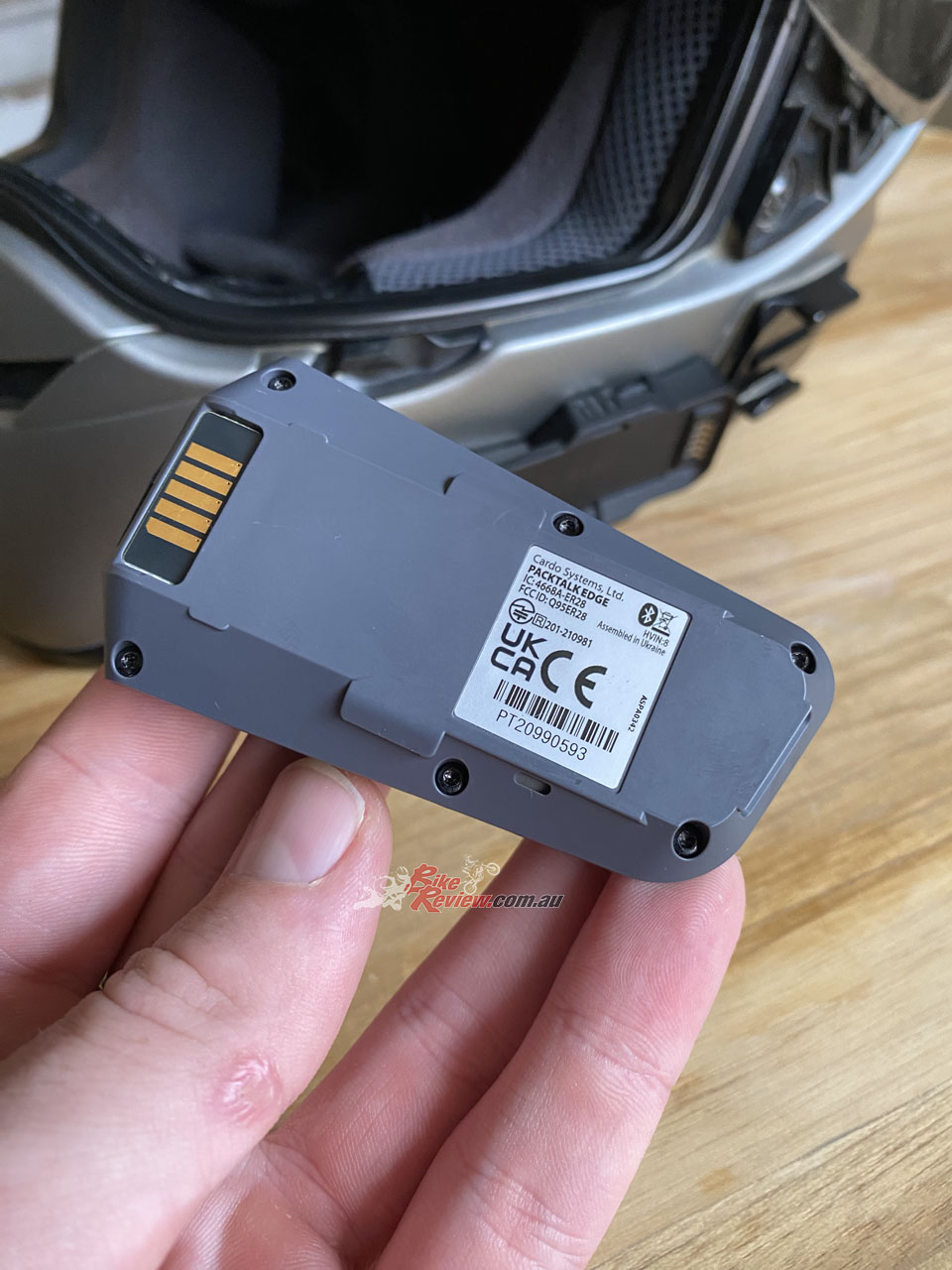
As well as visible damage and its age, how you care for your helmet effects degradation, too. Sweat, grime, humidity, direct sunlight and chemicals all contribute to a shorter lifespan, especially for the interior padding and EPS foam.
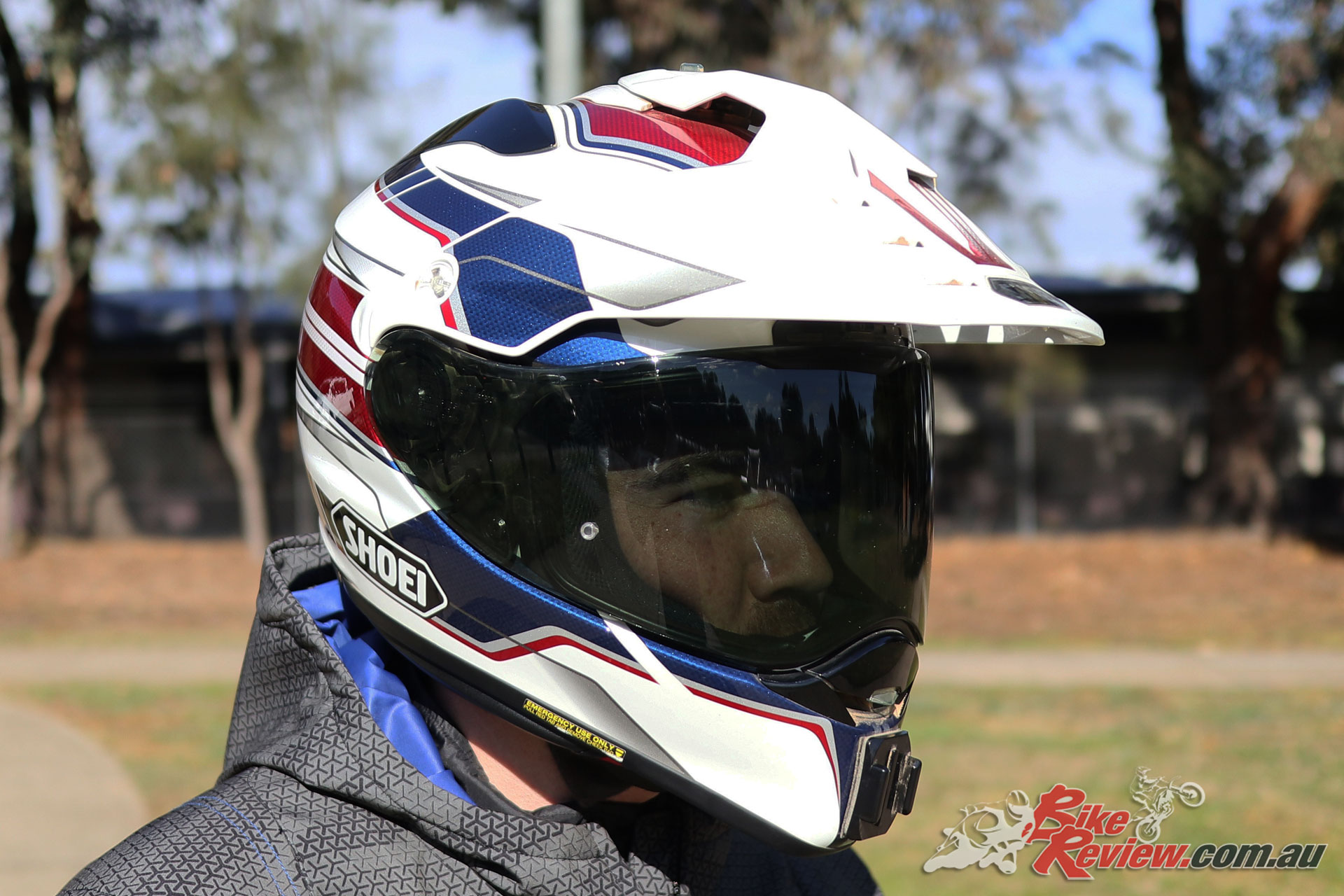
One of the best ways to extend a helmet’s life is also the most overlooked: read the manual. “Honestly, the best way you can look after your helmet is to read the user manual,” says Chris. “It’ll tell you the dos and don’ts, and those things will vary between a fibreglass helmet and a plastic one.”
While fibreglass shells tend to be more chemically resistant than polycarbonate, the EPS foam in all helmets is not. “Things like petroleum-based glues and that sort of stuff just melt EPS straight away,” adds Damien. “When helmets are manufactured, they use glues that are water-based and EPS-compatible. If you put anything like super glue near an EPS, you’ll just melt it.”
“While fibreglass shells tend to be more chemically resistant than polycarbonate, the EPS foam in all helmets is not”…
Cleaning is important, too, for both hygiene and longevity. Helmet liners should be washed by hand using a mild detergent, then thoroughly air-dried before refitting. Avoid throwing them in the hot washing machine, as this can distort the shape or break down the foam.

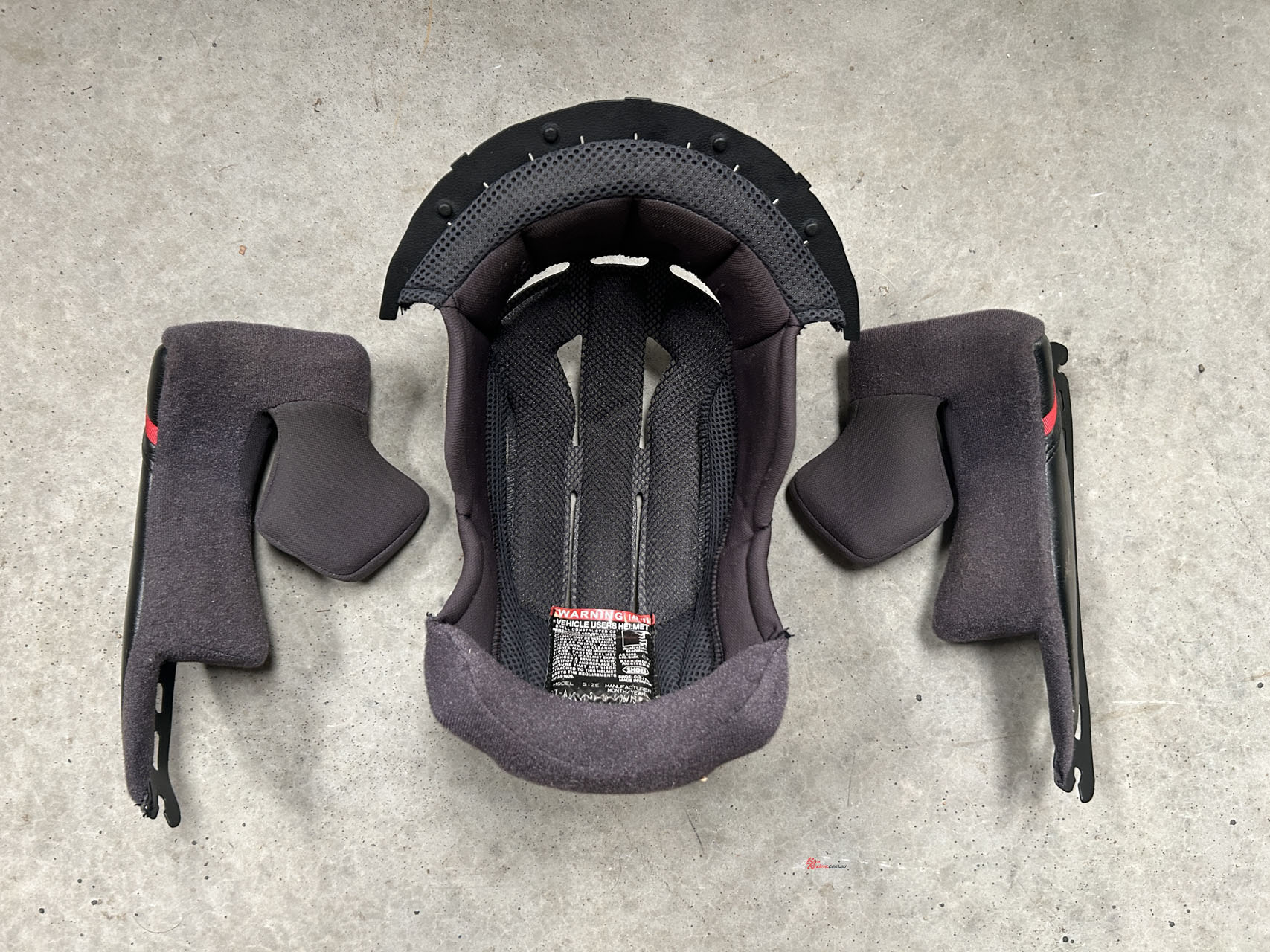
A helmet might still look the part after a few years, but if it doesn’t fit like it used to, it may not protect you the way it should. Padding compresses, foam breaks down and even the EPS liner can start to conform to your head’s shape over time.
“Your head will actually gently shape that over time,” says Damien. “Everything loosens off. Even the EPS… if there’s any pressure points, that’ll just taper in.” It’s something riders often don’t notice until they try on a new helmet. “We notice this a lot when someone comes in with an old helmet and they try a new one on and go ‘Oh, that’s really tight.’ And that’s because the padding is all brand new and fresh.”
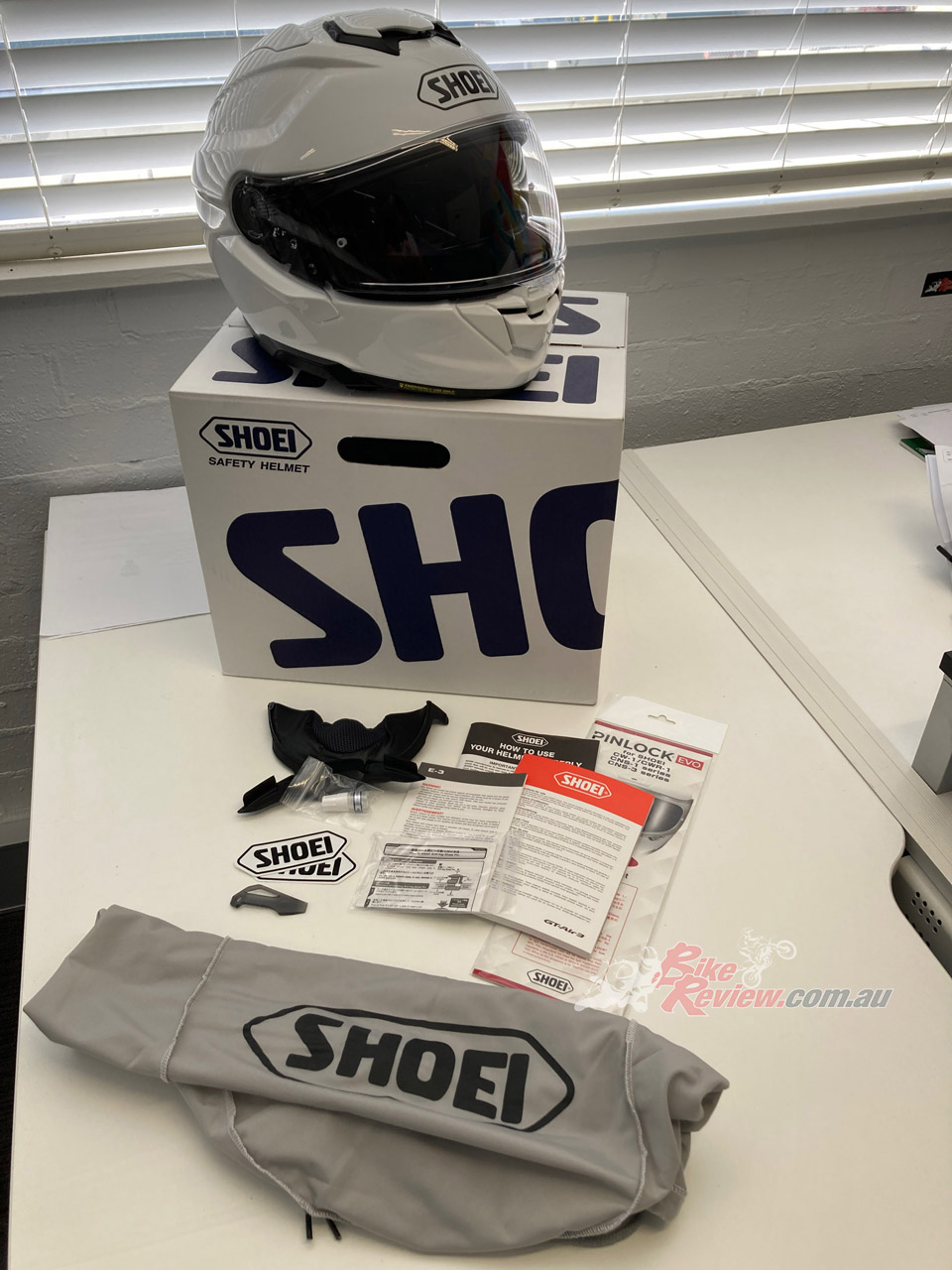
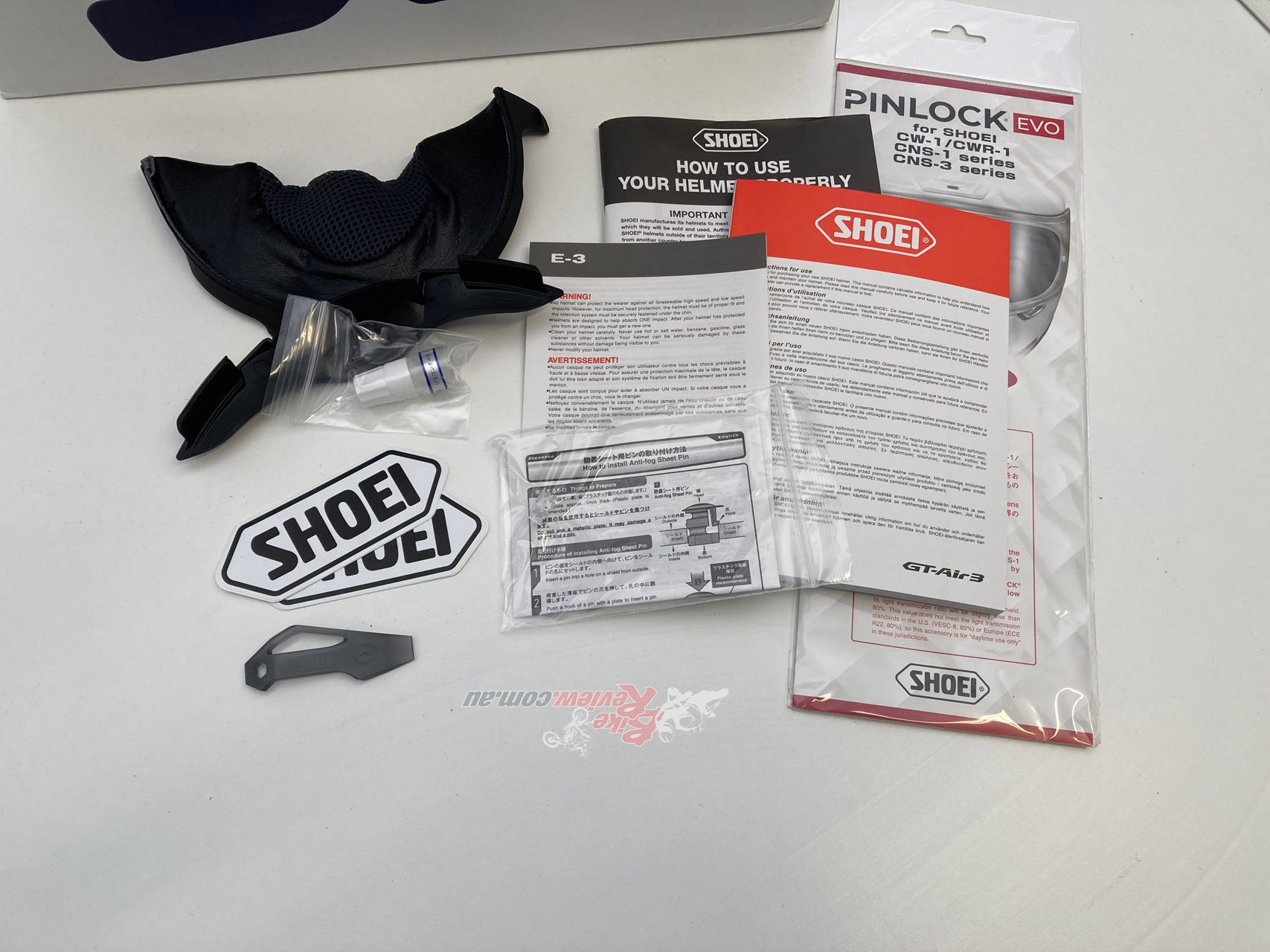
The good news is that many helmets offer replacement liners and cheek pads to restore a firm, safe fit. “If your helmet is loose on your head after a few years, then it’s either time to update your helmet or at the very least change the padding,” says Damien. That said, replacing the liner won’t restore the helmet’s original level of protection. And with helmet design continually evolving, even a structurally sound shell may no longer offer the same performance as a newer model.
“Replacing the liner won’t restore the helmet’s original level of protection”…
When it comes to the core protective layers of a helmet, most damage isn’t visible. That’s why many manufacturers recommend full replacement after five years or any impact – no matter how minor – and routine inspections for signs of wear.
The common guidance includes checking for chips, gouges or deformities in the outer shell, frayed or worn chin straps, padding that feels loose or degraded and visors that are scratched or damaged. Still, there’s a limit to what riders can realistically assess on their own. For those unsure whether a helmet has been compromised, there are scanning services available in Australia now that use laser analysis to check the structural integrity of the internal foam.
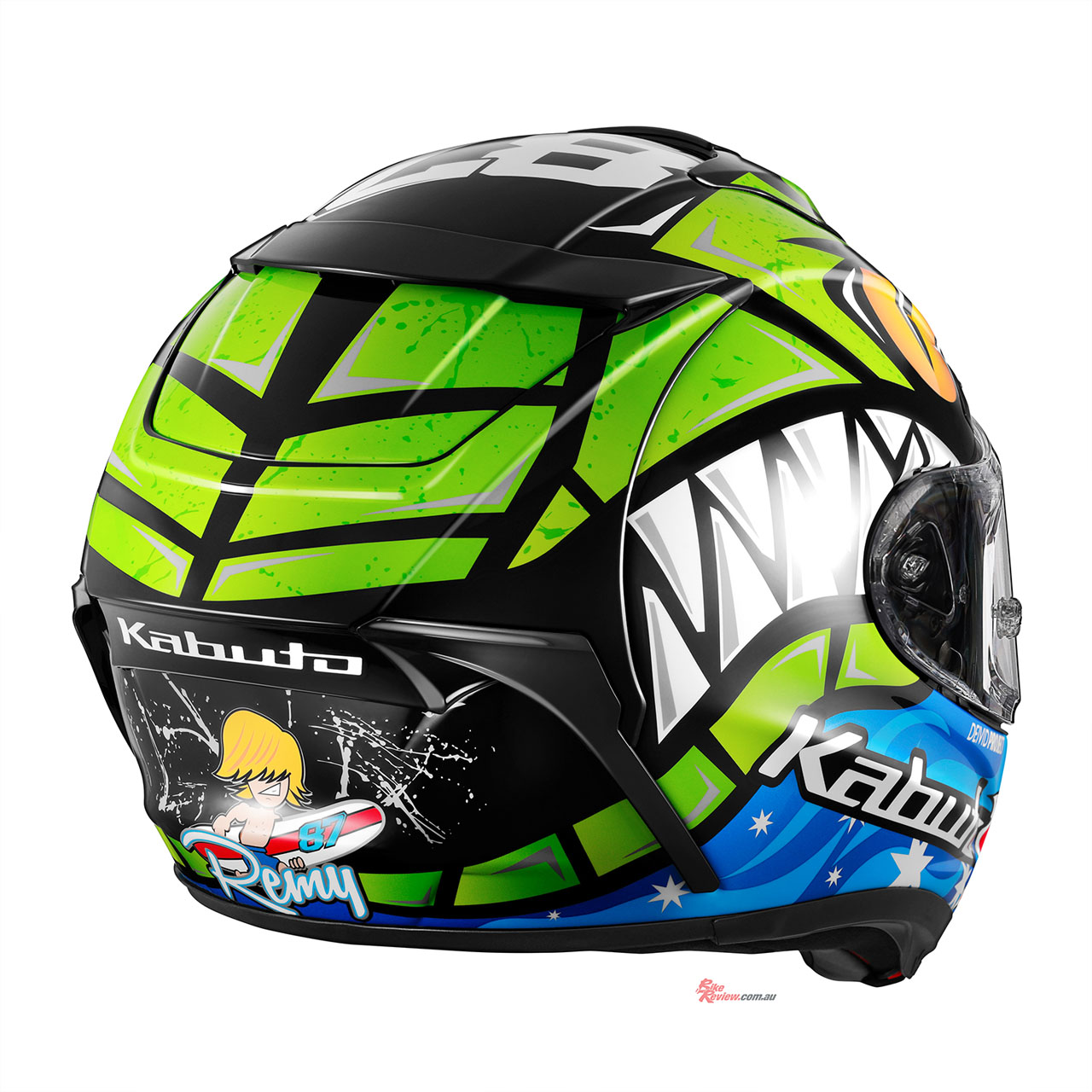
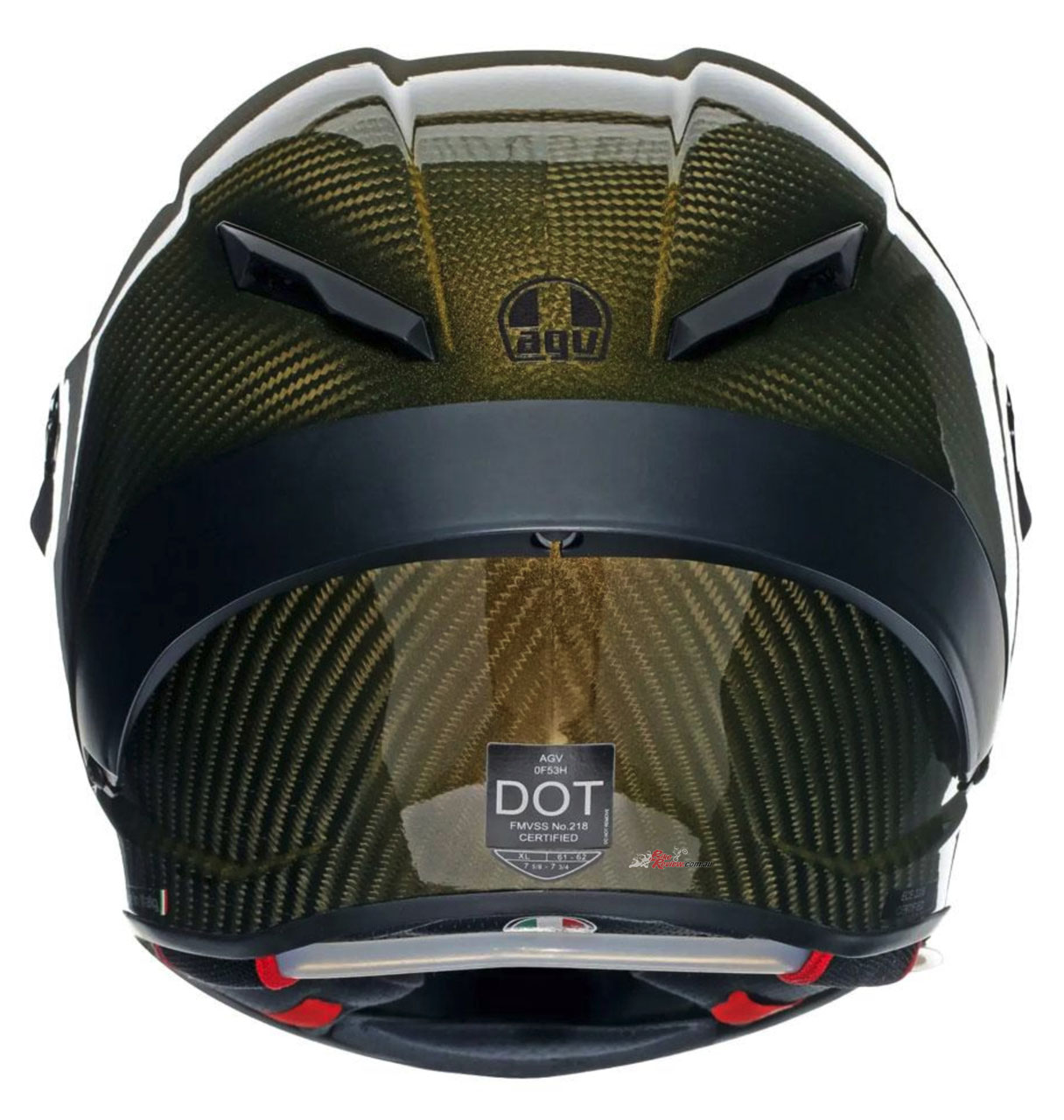
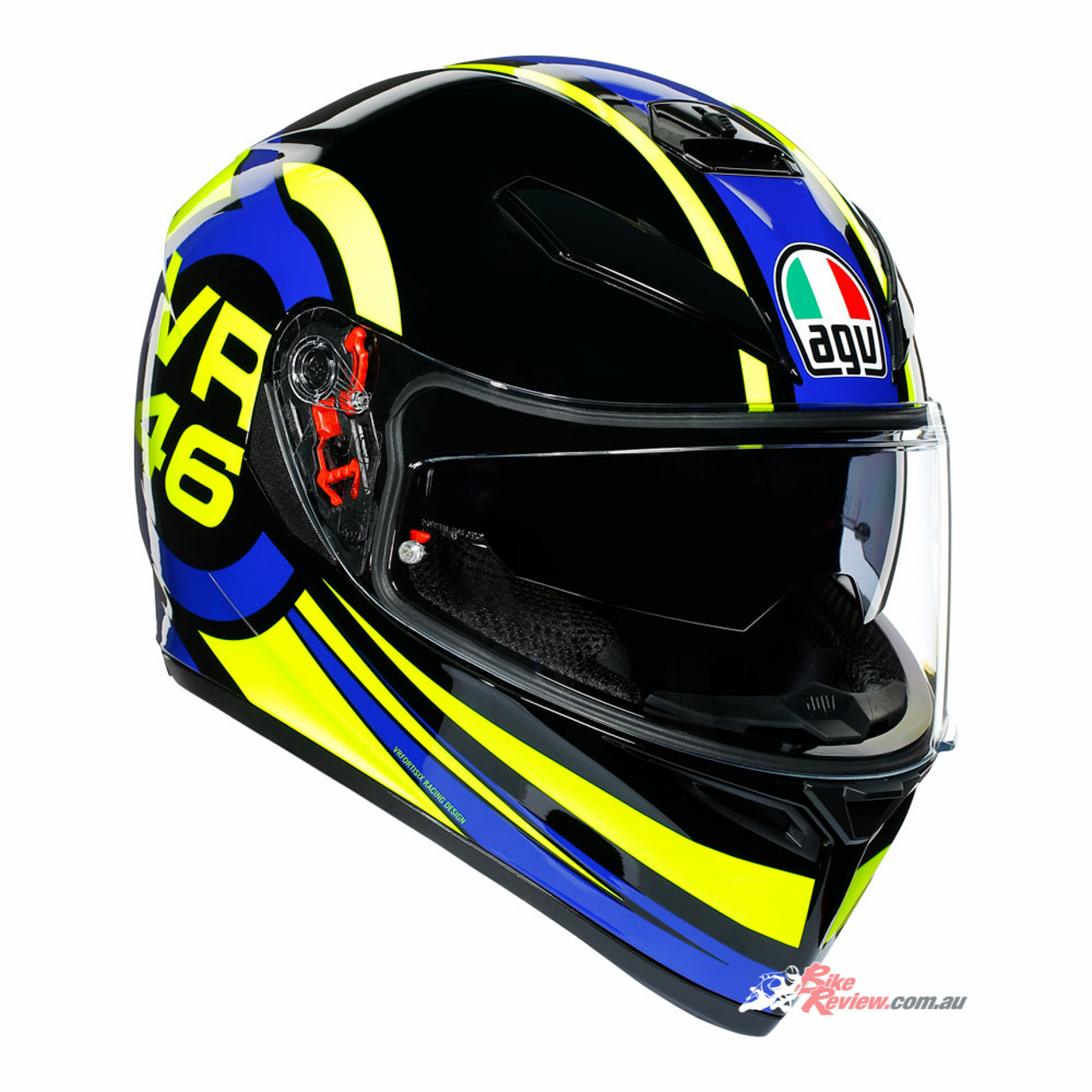
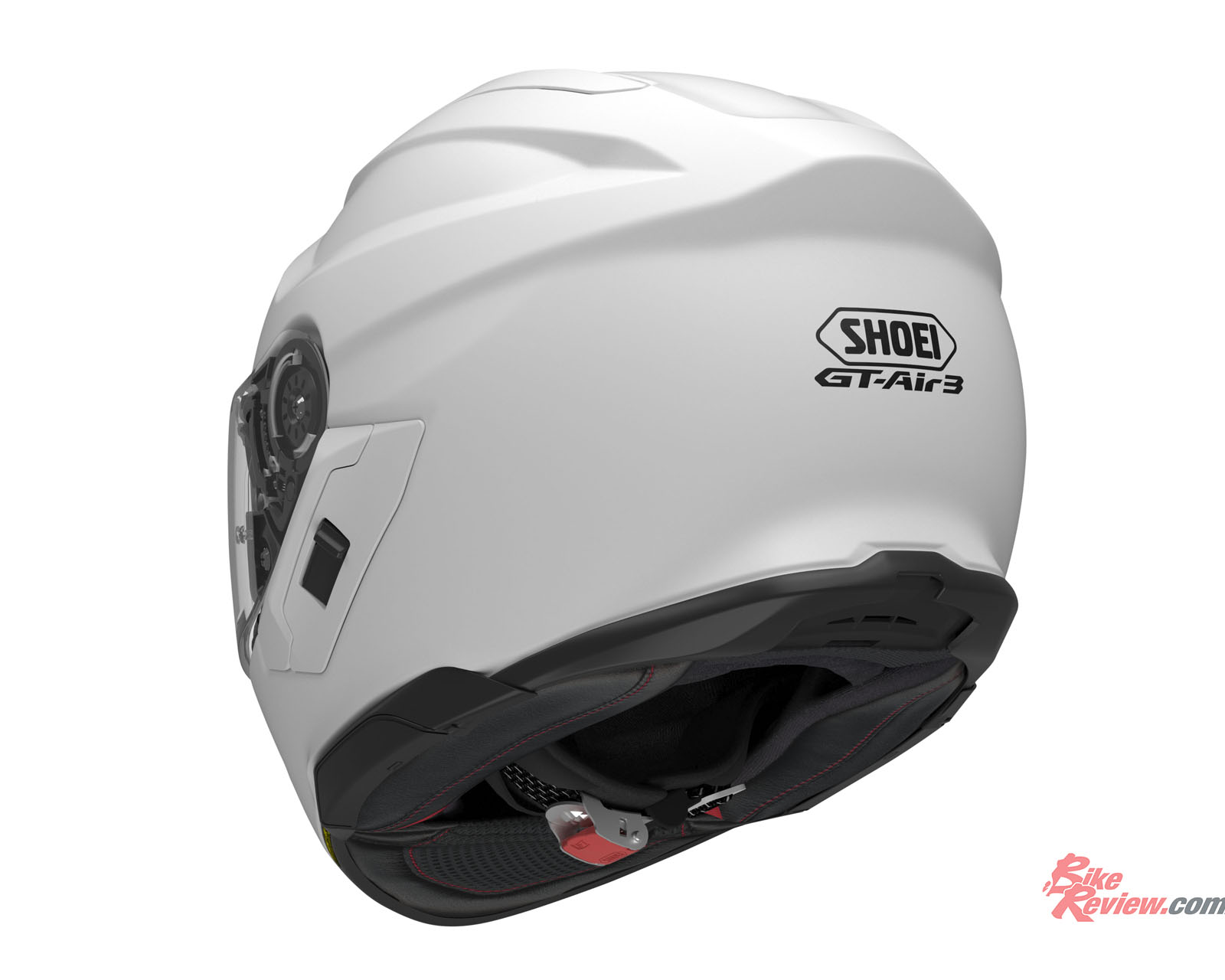
Regardless of condition, every helmet worn on Australian roads must meet an approved safety standard. Legal options include AS/NZS 1698 (the Australian/New Zealand Standard), ECE 22.05 (the older European standard) and ECE 22.06 (the current revision, introduced in mid-2023). AS/NZS-compliant helmets are marked with a sticker on the outside, while ECE-certified models feature a sewn tag on the chin strap. “It’s one or the other,” says Chris. “If it’s got an Australian standard sticker or it’s got an ECE tag on it, it’s legal.”
“Legal doesn’t necessarily mean safe. There are no rules requiring a helmet to be in good condition or within a certain age bracket”…
But legal doesn’t necessarily mean safe. There are no rules requiring a helmet to be in good condition or within a certain age bracket. So if you’ve worn it regularly for five or more years, there’s chips or scratches on the outer shell, the padding is flat or it’s been through a few seasons of sweat and sun, it’s definitely time to look for a replacement.

Editor’s Note: If you are reading this article on any website other than BikeReview.com.au, please report it to BikeReview via our contact page, as it has been stolen or re-published without authority.
Tags
McLeod Accessories AGV Helmets Gear and Products Maintenance Kabuto Link International Moto National Accessories ShoeiThe Author

You Might Also Like